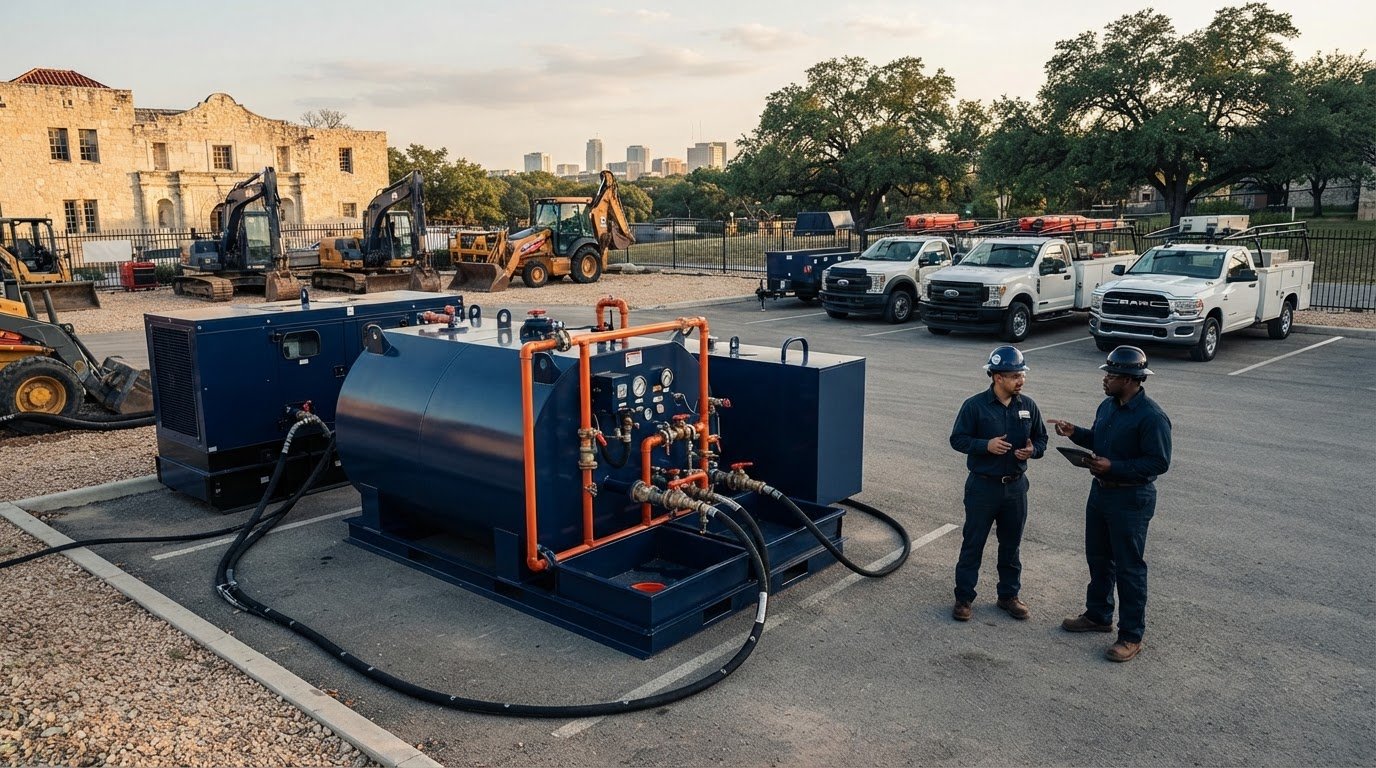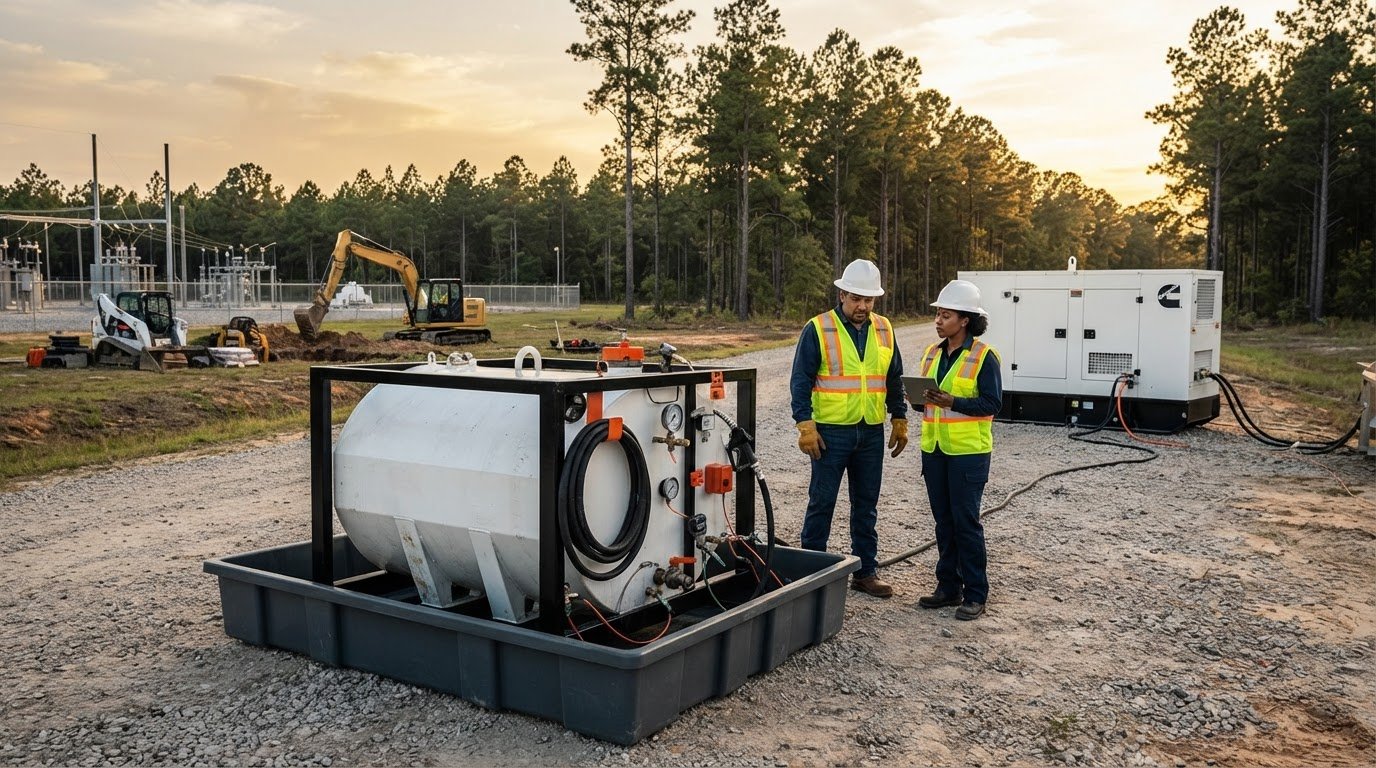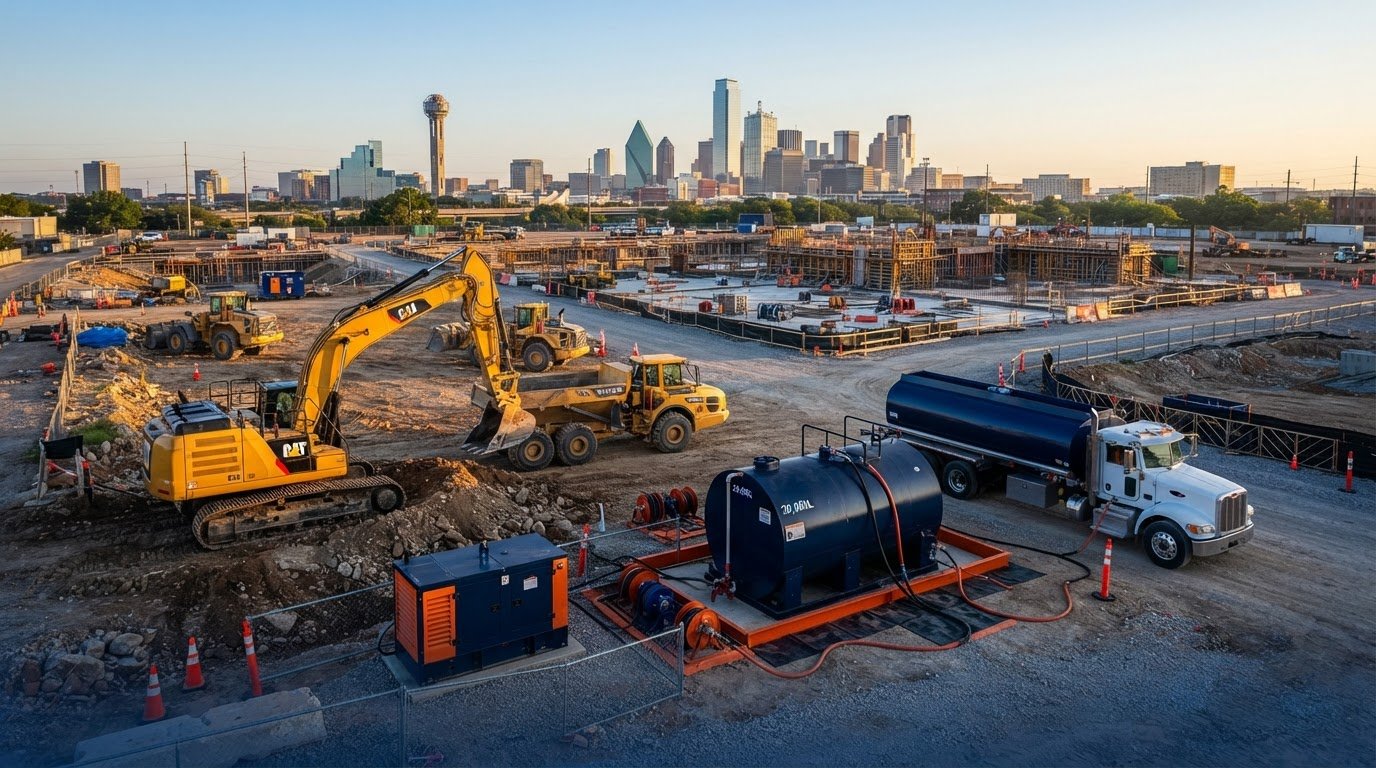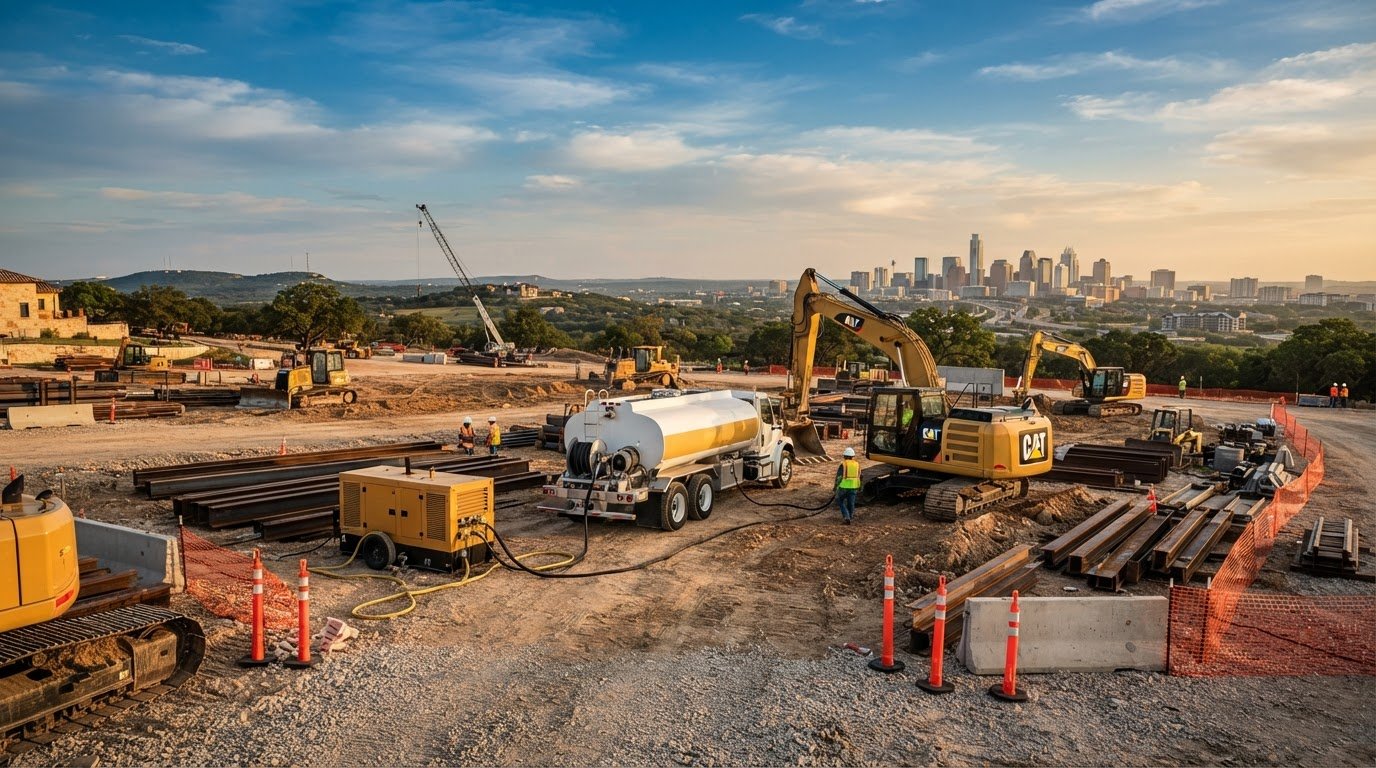
Did you know the Railroad Commission of Texas anticipates nearly 30,000 violations of statewide rules related to on-site fuel handling in 2026? It's a staggering figure. It highlights how easily a critical compliance detail can slip through the cracks when you're focused on hitting project milestones. You already know that an empty tank means silent engines and mounting costs. Managing an industrial fuel tank rental shouldn't feel like a second job, yet the logistics of delivery and the maze of TCEQ regulations often make it one.
This guide provides a comprehensive checklist to turn your fuel storage into a seamless, "set-and-forget" asset. We'll show you how to master the complexities of on-site storage while ensuring total regulatory compliance. We will cover the latest 2026 Texas safety standards, bulk management strategies to lower your overhead, and the essential steps for maintaining 100 percent operational uptime. By the end, you'll have a clear roadmap to secure, efficient, and cost-effective fuel management for any high-traffic or remote Texas site.
Evaluating Your Industrial Fuel Requirements
Begin your site preparation by auditing every asset in your fleet to establish a precise baseline for daily consumption. A successful industrial fuel tank rental strategy depends on data, not guesswork. If you underestimate your burn rate, you risk costly machinery downtime; if you overestimate, you tie up capital in stagnant inventory. Start by listing every excavator, generator, and light tower on-site alongside their expected run times. This inventory allows you to calculate the total gallons required per shift, providing the foundation for your logistics plan.
Reliability requires a calculated safety margin. Determine a "buffer" for emergency scenarios, such as localized flooding or supply chain delays that could disrupt your diesel delivery schedule. For high-stakes Texas projects, a 24 to 48 hour reserve is often the standard to maintain operational continuity. Additionally, modern Tier 4 engines require a specific ratio of Diesel Exhaust Fluid (DEF). Most industrial fleets consume DEF at a rate of approximately 3% to 5% of their diesel burn. Factoring in DEF fluid delivery alongside your primary fuel needs ensures your equipment remains compliant with emissions standards without unplanned stops.
Calculate your ideal tank capacity by balancing site space with your delivery frequency. Aim for a weekly replenishment schedule to minimize transport fees and reduce the number of vehicle movements on your site. Selecting the right storage tank configurations involves matching the physical footprint of the unit to your site's high-traffic zones while ensuring the volume supports your calculated weekly burn plus your safety buffer.
Fleet Burn Rate Calculation
Identify the average hourly fuel consumption for your primary assets. An excavator might burn 4 to 8 gallons per hour under load, while a large prime-power generator could exceed 20 gallons. Factor in peak operational hours versus idle time to avoid over-ordering. Many project managers forget that idling still consumes fuel, often at a rate of 0.5 to 1 gallon per hour. Consult your equipment manuals for specific fuel tank capacities to understand your refueling windows. This data helps you decide if you need a single industrial fuel tank rental or a more complex distributed system.
Future-Proofing for Project Scale
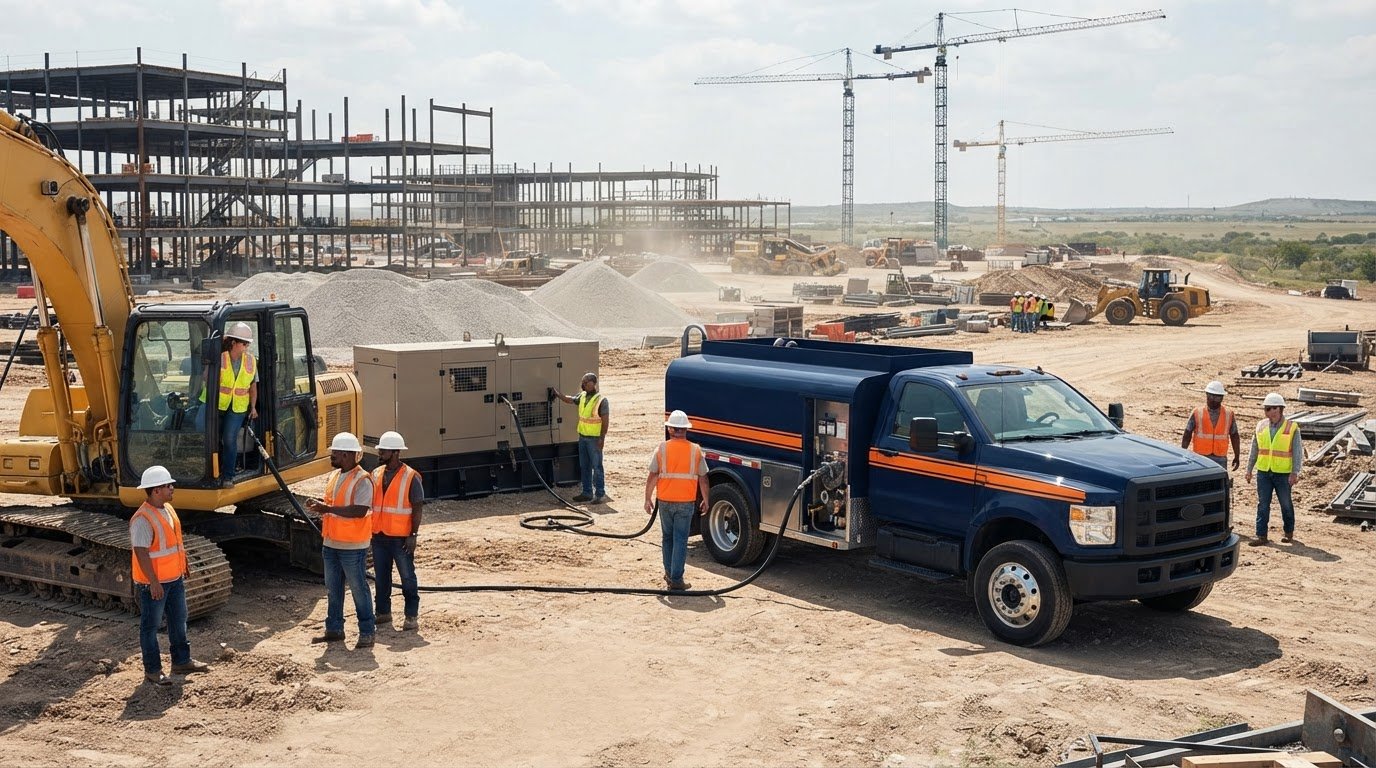
Anticipate how your machinery needs will evolve as the project moves from initial ground-breaking to vertical construction. Early phases often require heavy earth-moving equipment with high consumption rates, while later stages might shift toward smaller aerial lifts and specialized generators. Evaluate if a single large tank or multiple smaller satellite units better serve your site layout. For high-mobility projects where equipment moves daily, consider the benefits of on-site equipment fueling Texas to supplement your stationary storage. This hybrid approach provides the flexibility to fuel isolated assets without moving them back to a central tank.
Selecting the Right Tank Configuration and Features
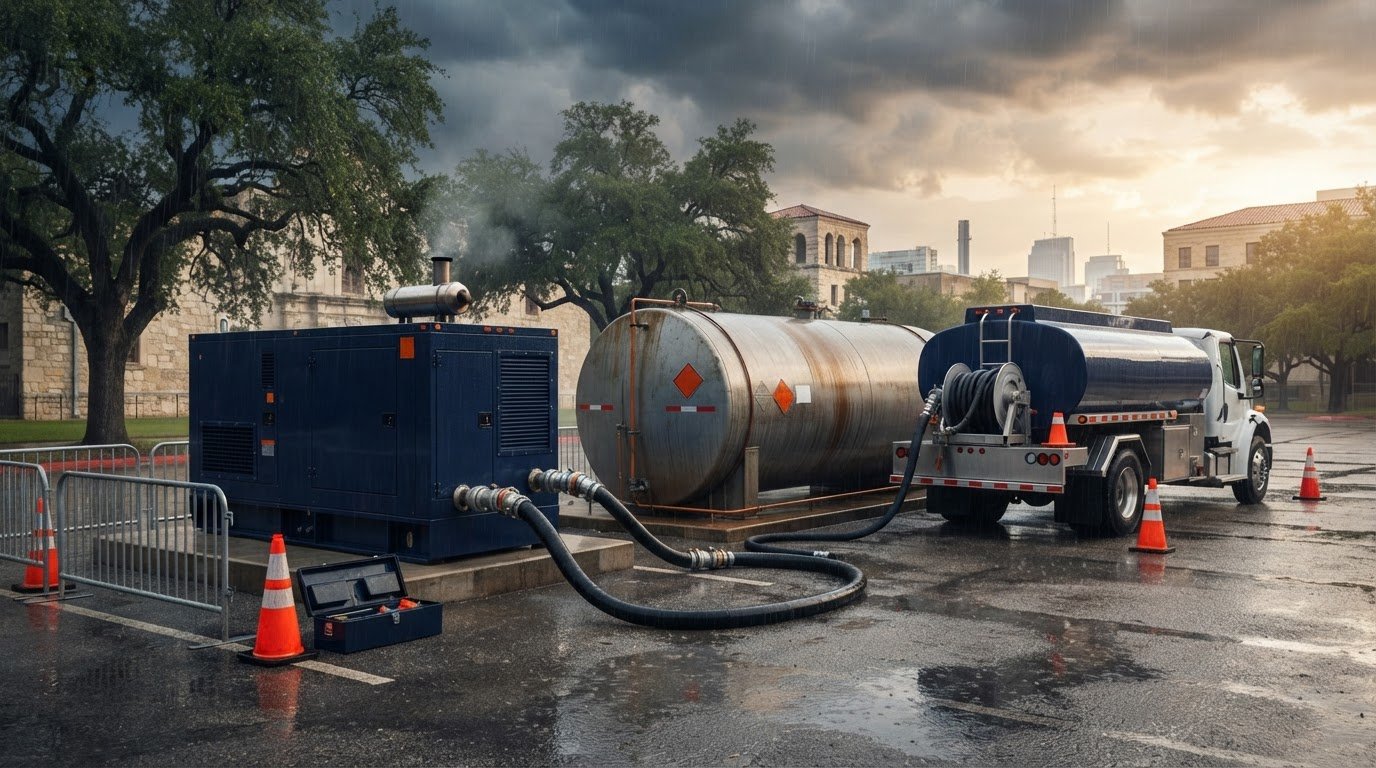
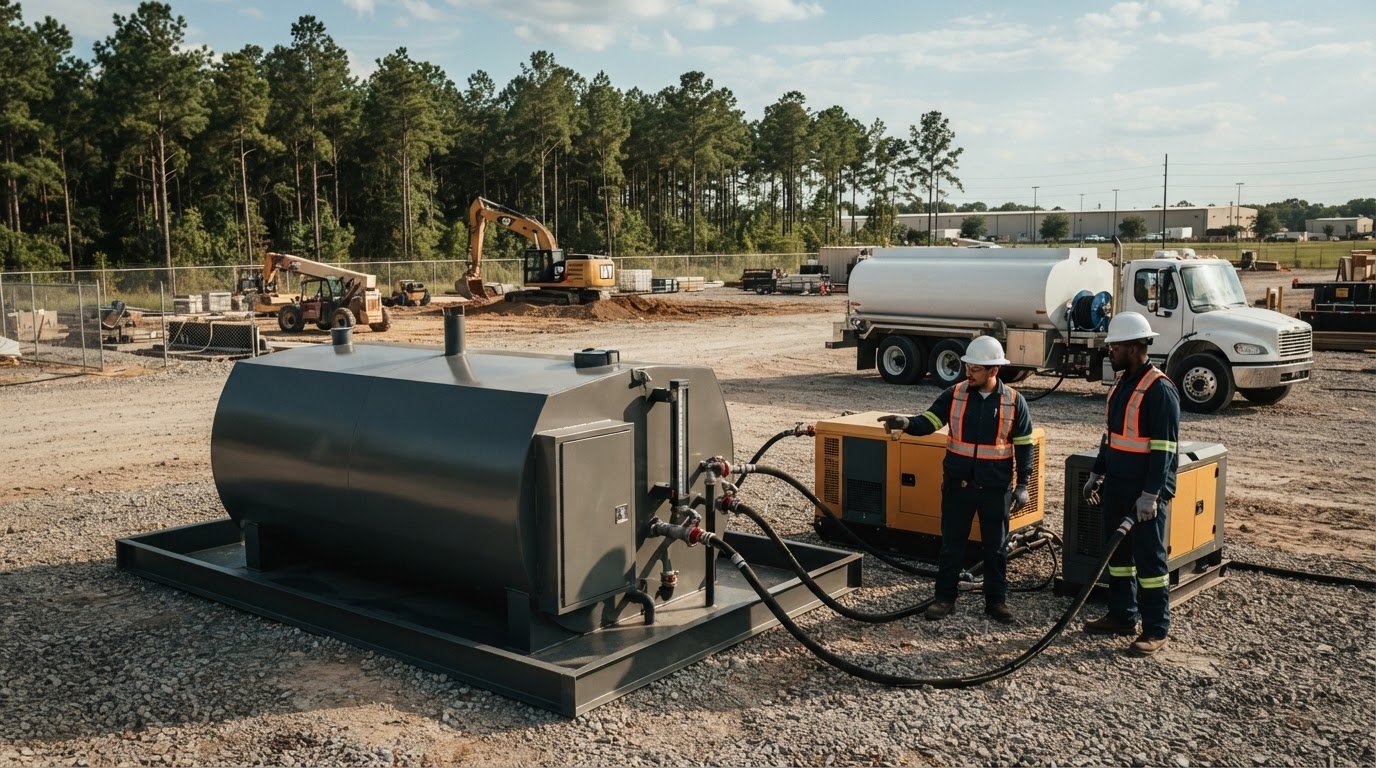
Choosing the correct hardware for an industrial fuel tank rental ensures your site remains both productive and compliant. Modern job sites require more than just a steel box; they need engineered solutions that address environmental risks and logistical hurdles. Insist on double-walled construction for every unit you deploy. These "tank-in-a-tank" designs, often meeting UL 142 or UL 2085 standards, provide 110% secondary containment. This feature eliminates the need for expensive, labor-intensive external spill berms and protects your project from the heavy fines associated with soil contamination. While Federal UST regulations primarily govern underground units, the safety principles they establish inform the rigorous standards applied to portable aboveground storage.
Verify that your selected tank is compatible with the specific fluids your fleet requires. With the prevalence of Tier 4 engines, many sites now require integrated compartments for both diesel and Diesel Exhaust Fluid (DEF). Utilizing a split-tank configuration allows you to manage both fluids from a single footprint, simplifying your fuel tank rentals strategy. Ensure the pumping systems are clearly labeled and equipped with the correct nozzles to prevent cross-contamination, which can lead to catastrophic engine failure and voided warranties.
Stationary vs. Towable Solutions
Analyze your project's mobility requirements before finalizing your tank type. Towable units, equipped with high-speed trailers and highway-rated tires, are ideal for linear projects like road construction where the fueling point must move with the machinery. Conversely, stationary tanks offer a more compact footprint for long-term industrial facilities or confined urban sites. Regardless of the base, check for heavy-duty lift points and reinforced forklift pockets. These features ensure the tank can be positioned safely and quickly by your on-site rigging crew without risking structural damage to the vessel.
Advanced Monitoring and Telemetry
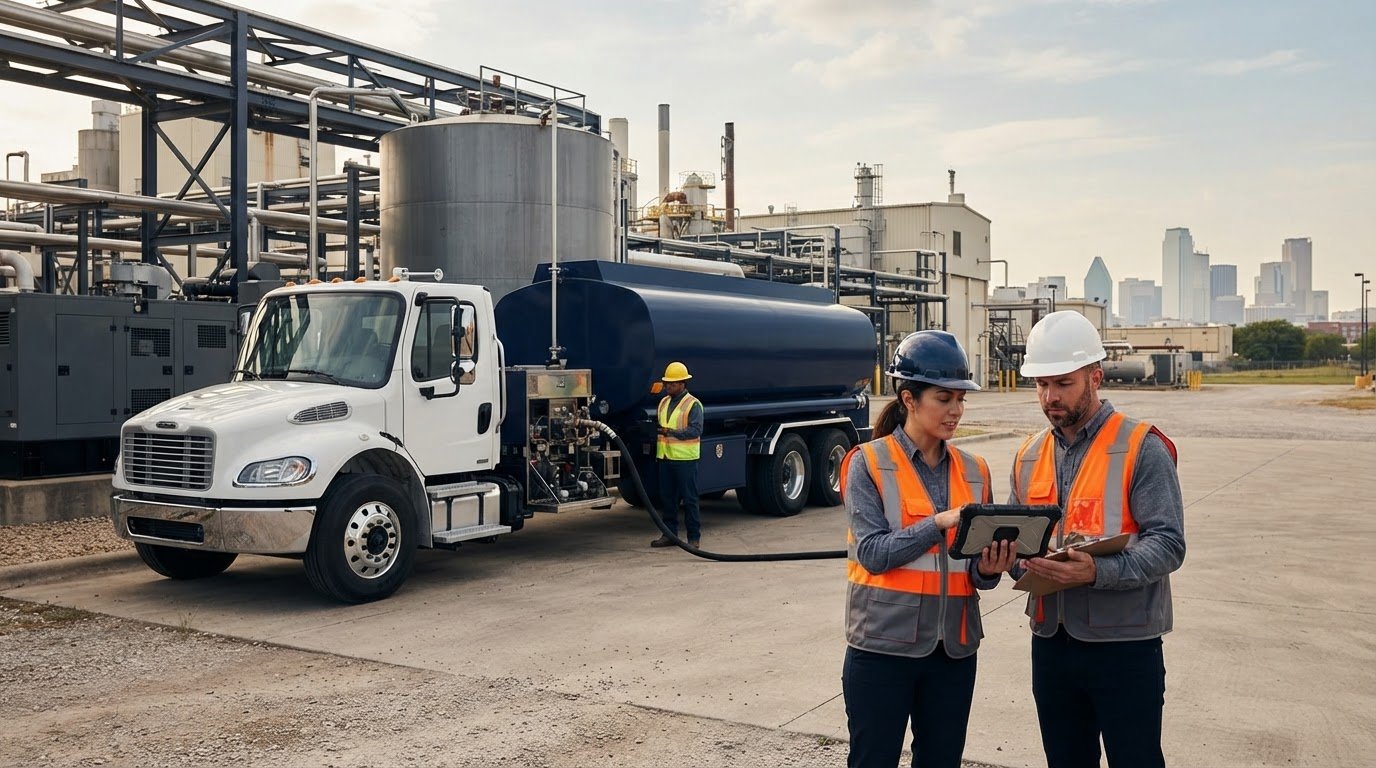
Fuel telemetry is the digital backbone of modern on-site fuel management. Integrated telemetry systems provide real-time visibility into your inventory, allowing you to monitor levels from a smartphone or desktop. This technology is vital for preventing "run-dry" scenarios that lead to air-locked fuel systems and hours of unplanned downtime. These systems integrate directly with fleet diesel delivery Houston schedules, automatically triggering a dispatch when your tank hits a pre-set low-level threshold. If you're unsure which monitoring level fits your site's complexity, consult with our logistics team to design a custom visibility plan.
Compliance, Safety, and Environmental Standards
Maintaining a compliant job site in Texas requires more than following federal guidelines; it demands adherence to specific state mandates that account for unique environmental stressors. Every industrial fuel tank rental must meet UL 142 or UL 2085 standards to ensure structural integrity under the intense thermal expansion caused by Texas summer heat. Beyond the hardware, your site must comply with the Spill Prevention, Control, and Countermeasure (SPCC) rule if your total aggregate aboveground storage capacity exceeds 1,320 gallons. This federal requirement works in tandem with TCEQ Aboveground Storage Tank regulations, which mandate that all regulated tanks be registered to receive legal fuel deliveries. Ensure your units feature clear NFPA 704 diamonds and hazardous material labeling to assist emergency responders and maintain a transparent safety profile.
Secondary Containment Requirements
Double-walled tanks have become the non-negotiable industrial standard for environmental protection in 2026. These units provide 110% secondary containment, which is critical during the flash flooding common in the Gulf Coast and Central Texas regions. Without this integrated protection, a leak during a heavy storm could lead to widespread soil contamination and massive TCEQ fines. You must also verify that your industrial fuel tank rental includes an emergency vent system. These vents prevent over-pressurization during extreme heat or fire events. Establish a weekly protocol to inspect the interstitial space between the tank walls; any presence of fluid in this zone indicates a primary wall breach that requires immediate attention from your emergency response partner.
Fire Safety and Setback Rules
Local Texas fire marshals enforce strict setback distances to protect personnel and property. Generally, you must maintain a minimum distance of 5 to 10 feet from property lines and 25 to 50 feet from ignition sources or occupied buildings, though these vary by municipality. For example, Bexar County requires specific permits for fuel lines and dispensers that can double in cost if not secured before installation. Always place high-capacity fire extinguishers within the immediate vicinity of the tank. During the refueling process, your team must use grounding and bonding cables to mitigate static discharge. This simple step prevents the sparks that cause catastrophic flash fires in high-wind, low-humidity environments like West Texas.
Site Preparation and Installation Logistics
Successful deployment of an industrial fuel tank rental begins with a rigorous assessment of your site's physical foundation. A 2,000 gallon tank weighs over 15,000 pounds when fully fueled, creating significant ground pressure. Placing this weight on unstable Texas clay or uncompacted soil leads to sinking, which can damage the tank's structural integrity and cause inaccurate telemetry readings. Select a level, reinforced surface such as a concrete pad or a stabilized gravel base. This preparation ensures the vessel remains stationary and safe, even during the heavy vibrations common on active industrial sites.
Plan for Texas weather extremes by prioritizing site drainage. Flash flooding and heavy seasonal rains can quickly turn a fuel depot into a hazard if water is allowed to pool around the base of the tank. Elevate the unit slightly or ensure the surrounding grade directs water away from the storage area to prevent corrosion and soil instability. Additionally, implement physical security measures to protect your asset from vehicle impact. Concrete-filled bollards or heavy-duty perimeter fencing are essential in high-traffic zones where excavators and haul trucks operate in close proximity to the fuel supply.
Optimizing Delivery Access
Design your site layout to accommodate the physical requirements of heavy-duty fuel tankers. These vehicles typically require a minimum turning radius of 45 to 50 feet and at least 14 feet of overhead clearance to navigate safely. Maintain clear, unobstructed access paths that are wide enough for two-way traffic or provide a dedicated turnaround area. Identify specific "delivery windows" that occur during off-peak hours to prevent our fuel delivery trucks from conflicting with your primary operational traffic. For more detailed logistical advice tailored to major urban centers, see our fuel tank rental near me guide for local Houston access tips.
Security and Vandalism Prevention
Protect your fuel inventory from theft and unauthorized access through a multi-layered security approach. Insist on industrial fuel tank rental units equipped with locking fill caps and secure, reinforced pump cabinets. Install high-intensity LED lighting around the fuel depot to deter intruders during night shifts and improve safety for late-night refueling operations. For remote industrial sites or high-value projects, consider utilizing tanks with integrated GPS tracking and geofencing capabilities. These systems provide real-time location alerts and help prevent the unauthorized movement of your fuel assets. Contact our site specialists today to coordinate a professional site survey and ensure your fuel depot is positioned for maximum security and efficiency.
Integrating Tank Rentals with Reliable Fuel Delivery
An industrial fuel tank rental is only as effective as the supply chain supporting it. Many providers treat the tank as a standalone piece of hardware, leaving you to manage the complex logistics of sourcing and scheduling fuel independently. This fragmented approach creates a dangerous gap in your operations. Partnering with a single-source provider that integrates diesel delivery with your rental equipment eliminates this friction. By consolidating these services, you ensure that the responsibility for your uptime rests with one vigilant partner, streamlining your billing and communication while removing the risk of coordinator error.
Establish an automated delivery schedule driven by the telemetry data discussed in previous sections. To protect your equipment and maintain operational continuity, configure your alerts to trigger a replenishment before the tank drops below 25% capacity. Maintaining this minimum level prevents the intake of sediment from the bottom of the tank and ensures you have a sufficient reserve to handle unexpected spikes in machinery run time. Additionally, incorporate DEF fluid delivery into your primary diesel schedule. This synchronized approach keeps your modern Tier 4 engines compliant and prevents the "limp mode" shutdowns that occur when DEF levels fall too low.
The "Vigilant Partner" Model
React Fueling utilizes a proactive monitoring system to manage your site's fuel levels in real time. We don't wait for you to call when the tank is low; we monitor the data and dispatch a truck before your project hits a critical threshold. This single-source model for both hardware and logistics provides total control over the delivery ecosystem. For a deeper look at high-level logistics, consult our integrated fuel management for industrial sites Houston pillar. This strategy ensures that your industrial fuel tank rental functions as a high-performance logistics node rather than just a storage vessel.
Emergency Readiness in Texas
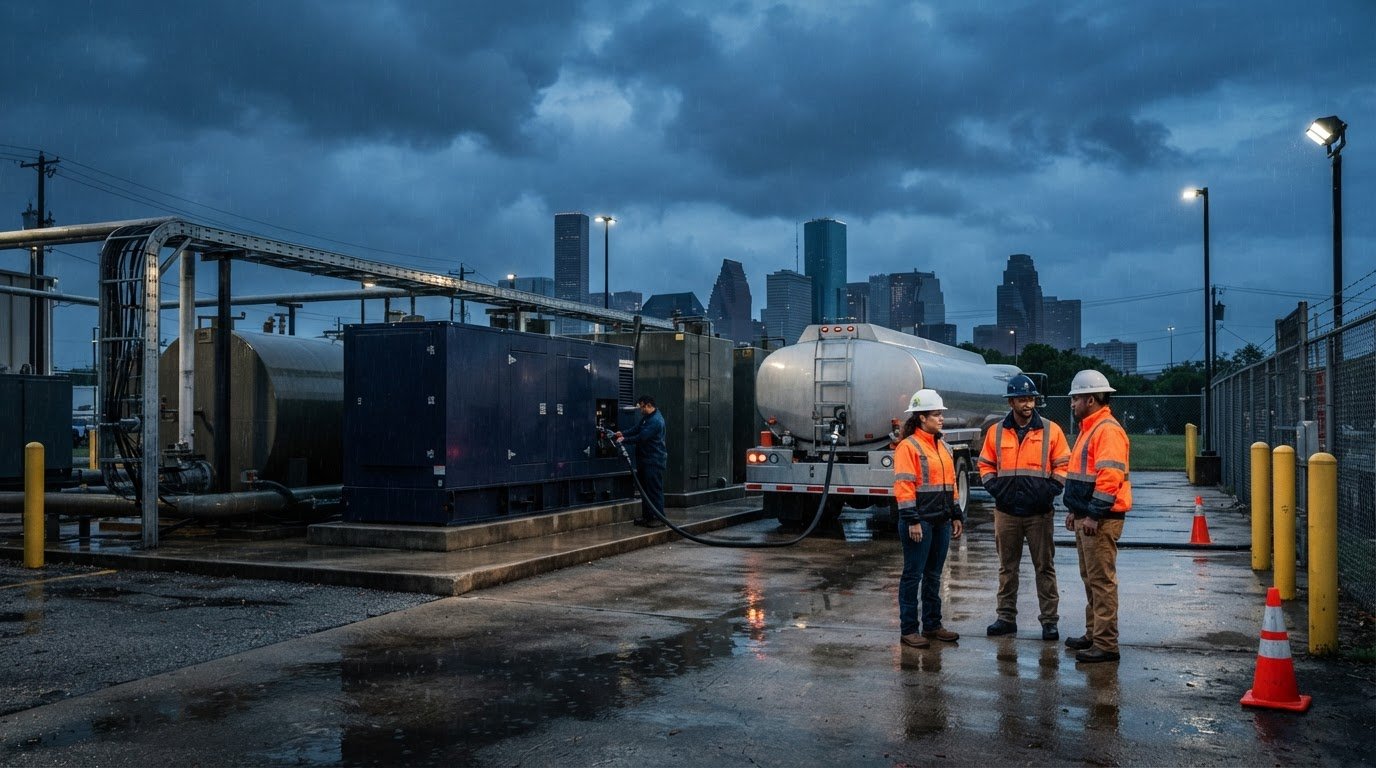
Texas sites must remain prepared for the sudden disruptions of hurricane season or regional grid failures. Secure your continuity plan with a guaranteed emergency generator fueling service to ensure your backup power stays online when the local infrastructure fails. In Texas, a fuel tank is only as good as the priority delivery contract behind it. Without a partner committed to 24/7 emergency response, your on-site storage is a finite resource that can vanish during a crisis. We show up when it matters most, providing the fuel and the foresight to keep your project moving through any disaster.
Ready to secure your site? Explore React Fueling’s Tank Rental Solutions.
Secure Your Site’s Operational Continuity
Mastering your site's fuel infrastructure requires a proactive strategy that balances hardware specifications with regulatory precision. By prioritizing double-walled containment and establishing a stable, well-drained foundation, you protect your project from environmental fines and structural failures. Your industrial fuel tank rental should serve as a reliable logistics node that supports your fleet's daily burn rate without the need for constant manual oversight. It's about turning a potential point of failure into a consistent operational advantage.
Operational stability ultimately depends on the strength of the logistics network standing behind your equipment. React Fueling provides the peace of mind that comes with 24/7 emergency support and telemetry-driven refueling across our extensive Texas-wide logistics network. We handle the complexities of both hardware maintenance and fuel delivery so your team can focus entirely on vertical progress. Take the first step toward a seamless fuel management strategy by reaching out to our specialists today. We're ready to show up when it matters most to keep your project moving forward.
Request a Quote for Industrial Fuel Tank Rentals
Frequently Asked Questions
How do I determine what size fuel tank I need to rent?
Calculate your total daily burn rate by auditing every machine on your job site. Multiply this daily total by your desired delivery frequency, then add a 25% safety buffer to prevent "run-dry" scenarios. For high-traffic sites in Houston or Austin, we recommend a tank size that supports at least seven days of operation. This strategy minimizes transport fees while ensuring your industrial fuel tank rental remains a stable logistics node for your entire fleet.
Do I need a permit for a temporary fuel tank in Texas?
Permitting requirements depend on your specific Texas municipality. In Bexar County, for instance, temporary tanks require a $400 permit and can be used for up to 180 days. Additionally, the TCEQ requires registration for regulated aboveground storage tanks to receive legal fuel deliveries. Always check with your local fire marshal in cities like Dallas or San Antonio to ensure your installation meets specific setback and safety codes before the unit arrives.
What is the difference between single-walled and double-walled fuel tanks?
Single-walled tanks are basic storage vessels that require external spill berms to meet environmental regulations. Double-walled tanks feature an integrated "tank-in-a-tank" design that provides 110% secondary containment. This modern standard, meeting UL 142 or UL 2085 requirements, eliminates the need for labor-intensive external berms. It's the preferred choice for an industrial fuel tank rental where flash flooding or soil contamination risks are high, providing superior protection and simplified site compliance.
Can I store both diesel and DEF in the same rental tank?
You can store both fluids in a single footprint by utilizing a multi-compartment or split-tank configuration. These specialized units feature isolated chambers and dedicated pumping systems to prevent cross-contamination between diesel and Diesel Exhaust Fluid. This setup is essential for modern Tier 4 engines on jobsites in Magnolia or College Station, allowing you to streamline your storage logistics and maintain emissions compliance without managing multiple stationary units across your site.
How often should a rented fuel tank be inspected for safety?
Conduct a basic visual inspection every day to check for leaks, hose wear, or unauthorized access. Perform a more rigorous weekly check of the interstitial space between the walls of your double-walled tank to ensure no primary wall breach has occurred. Our delivery teams also perform a safety assessment during every refueling visit. This consistent oversight is a core part of our commitment to operational continuity and environmental safety across our Texas service areas.
What site preparation is required before the tank arrives?
Select a level, stable surface like a concrete pad or reinforced gravel that can support the weight of a fully fueled unit. Ensure there is a minimum turning radius of 50 feet and 14 feet of overhead clearance for our delivery tankers to navigate safely. You should also install physical protection, such as concrete bollards or fencing, and verify that the location meets local fire marshal setback requirements from buildings and property lines.
Does React Fueling provide both the tank and the fuel delivery?
Yes, we offer a comprehensive service that includes both the hardware rental and the fuel supply chain. React Fueling specializes in an industrial fuel tank rental integrated with automated diesel and DEF delivery across Houston, Austin, and Dallas. This single-source approach ensures that your telemetry data directly triggers our dispatch team, removing the burden of inventory management from your site supervisors and guaranteeing you never drop below critical levels.
What happens if there is a fuel spill on my industrial site?
You must immediately activate your site's Spill Prevention, Control, and Countermeasure (SPCC) plan. This involves stopping the source of the leak, using on-site spill kits for containment, and reporting the incident to the TCEQ if it meets specific volume thresholds. As your vigilant partner, React Fueling provides 24/7 emergency response capabilities to assist with fuel recovery and help mitigate the high-stakes risks associated with environmental contamination on industrial sites.