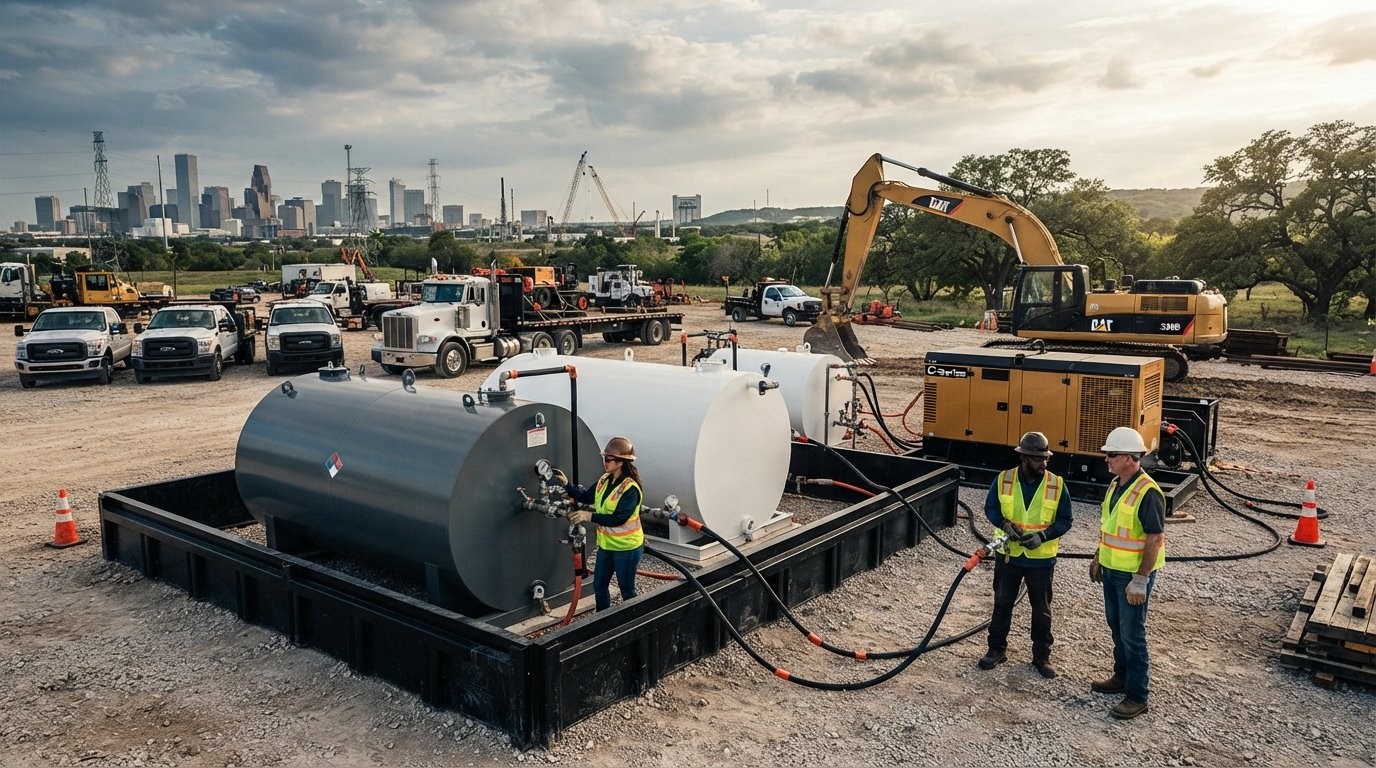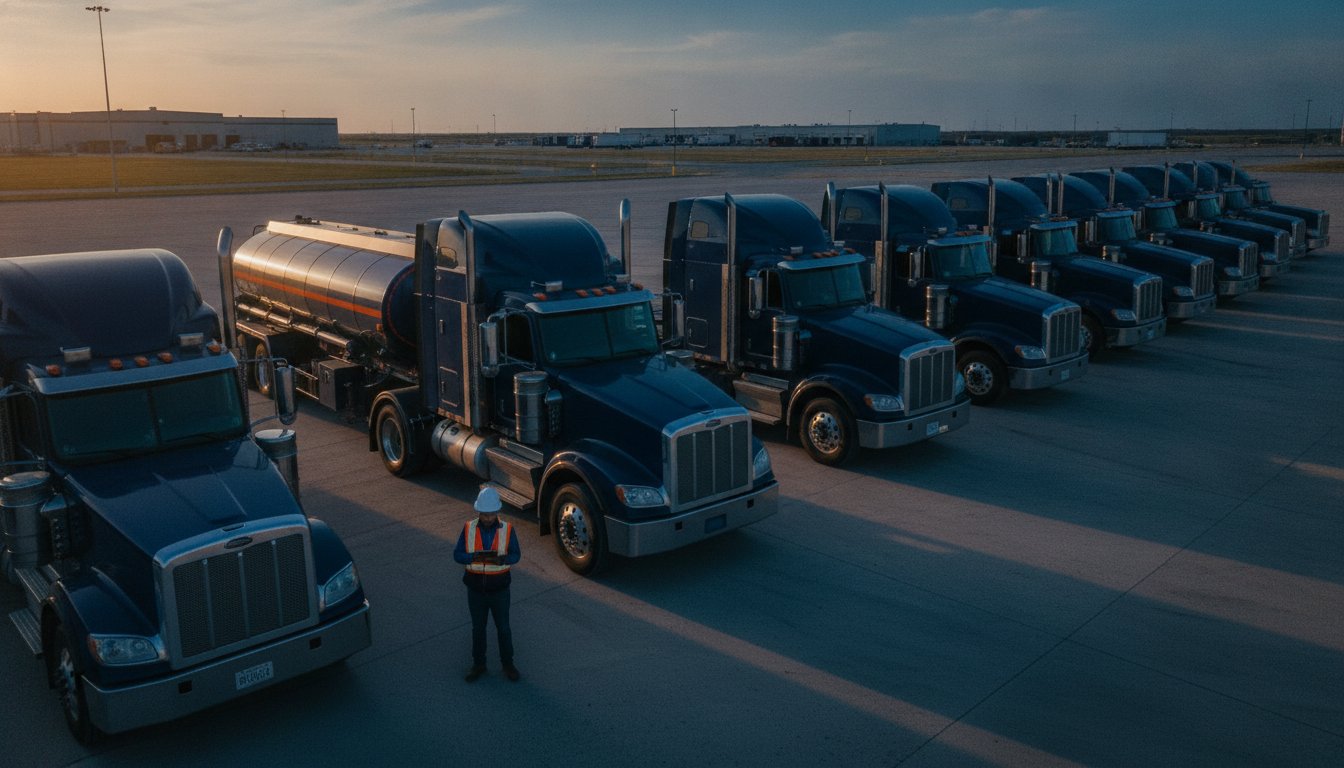
The right fleet fueling setup fits dispatch, not just the delivery itself. When evaluating fleet fueling solutions for transportation companies San Antonio operators need, start with a practical question: can vehicles be fueled without disrupting routes, shift handoffs, or availability? Fuel stops take drivers away from their routes, while coordinating fuel across vehicles and locations adds administrative work.
The best fit depends on how your fleet runs. This guide compares delivered fueling, on-site storage, and retail fuel programs so you can assess each against your routes, schedules, and vehicle parking arrangements. It also covers delivery access, records, exceptions, and questions to ask about coverage, fuel types, scheduling, and urgent needs. React Fueling lists San Antonio among its service-area cities and offers fuel delivery, DEF delivery, and fuel tank rentals. Confirm exact coverage and operating requirements directly with the supplier before setting a plan. The same checks matter for fleets operating across Houston, Magnolia, College Station, Austin, and Dallas.
Fleet fueling solutions for San Antonio transportation companies: define the operating need
Vehicles need to be ready when dispatch assigns them, not waiting for a fuel stop or for a driver to return from one. Fleet fueling solutions are the processes and services a company uses to supply commercial vehicles while coordinating fuel access with routes, shifts, and parking. A fuel management system can help organize fuel use and support operational efficiency, but the fueling model still needs to fit how your fleet moves.
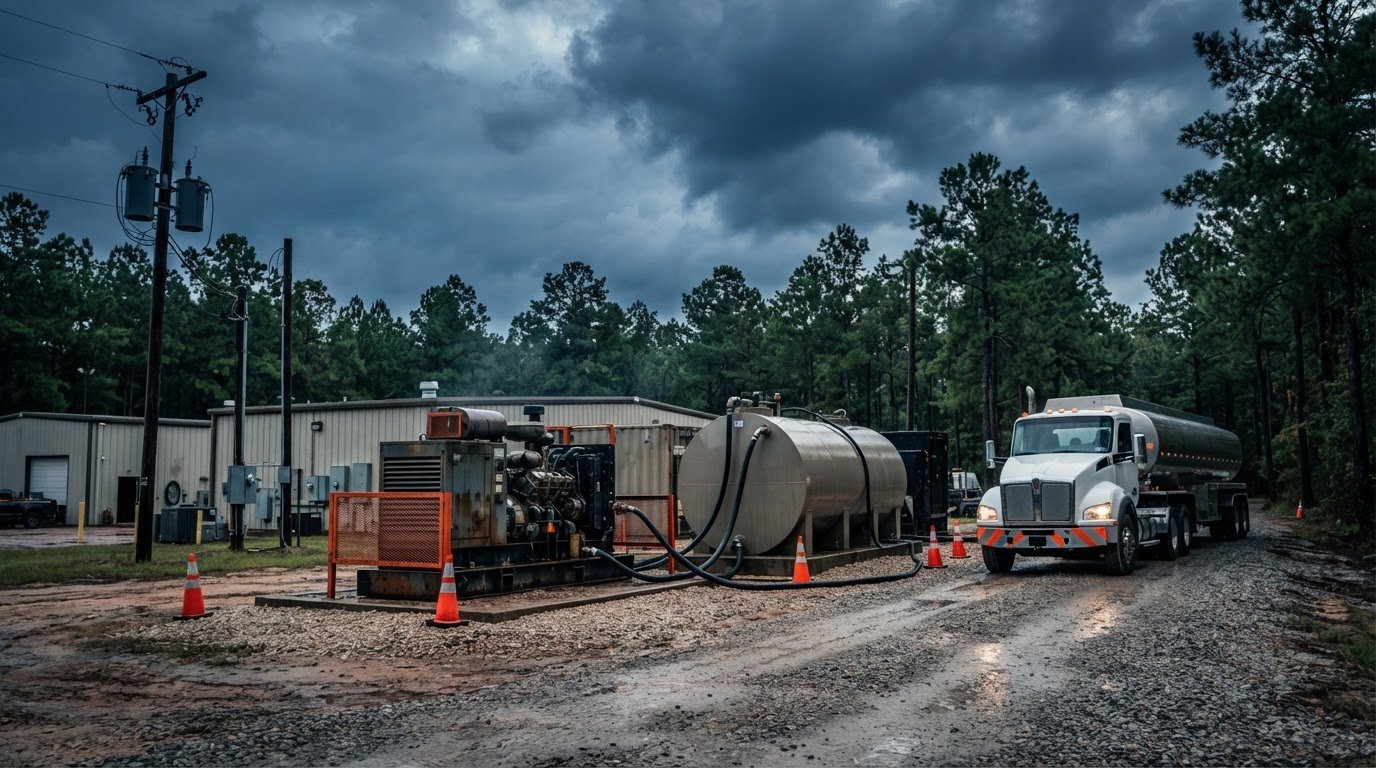
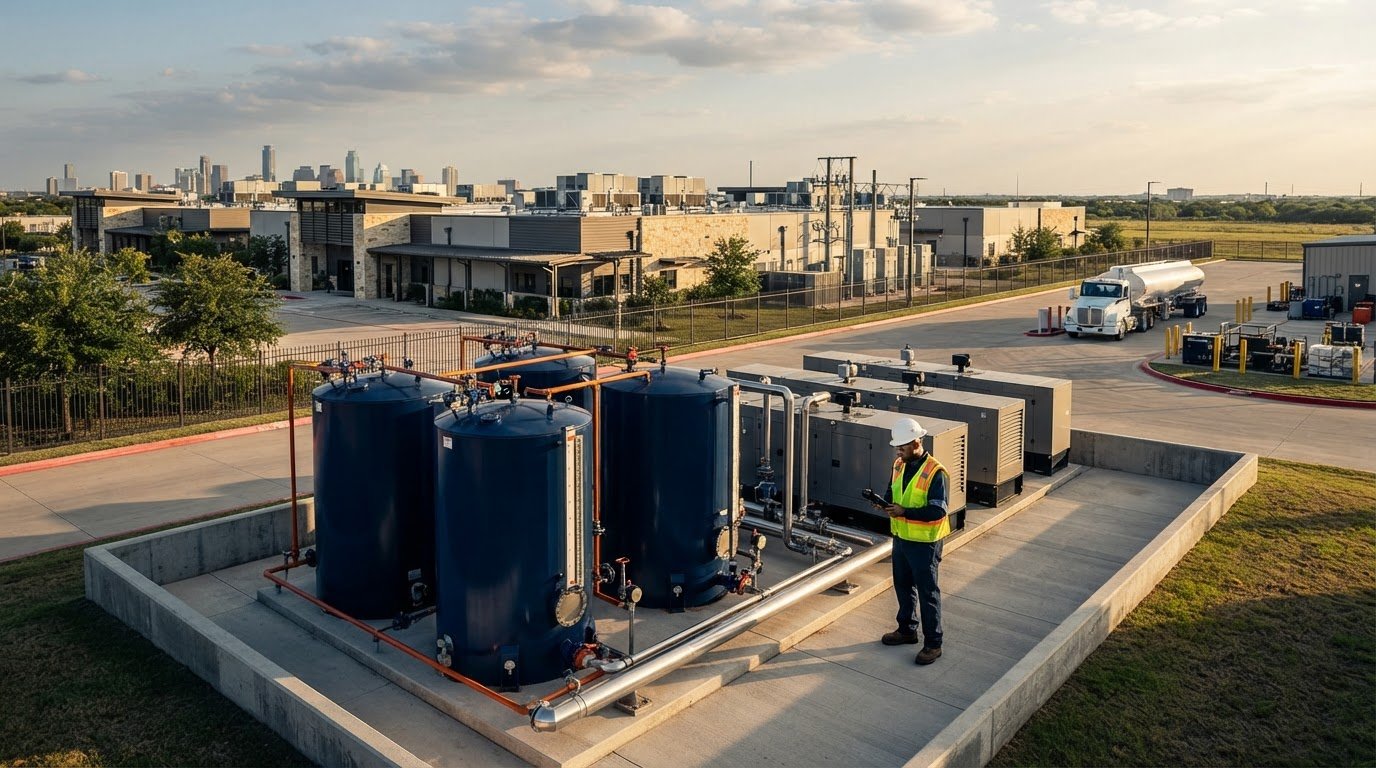
Options include company-owned storage and dispensing at a base, retail fuel stops, delivered fuel, or a combination. Company-owned fueling can give a fleet control at its site, but requires suitable space and operating procedures. Retail stops provide access along routes, while delivered fuel may reduce detours for vehicles parked at a known location. Before choosing, check whether the supplier can serve your locations and whether its delivery service suits the way your vehicles are fueled. React Fueling lists San Antonio among its service-area cities and offers commercial fuel services. Confirm exact coverage and operating requirements before planning around delivery.
The right setup depends on routes, parking, operating hours, and supplier coverage, not just fleet size. A useful review of fleet fueling solutions for transportation companies San Antonio operators are considering starts with dispatch constraints, then tests which fueling model can support them without creating new bottlenecks.
Which transportation fleets should evaluate on-site fueling?
Start with vehicles that follow recurring routes, return to a predictable location, or park together at a shared base. These patterns can make scheduled fueling easier to coordinate. Long-haul fleets may fuel at several points along extended routes; regional fleets may return to a depot between runs; local fleets may have more predictable overnight parking. Include dispatch, fleet, safety, and finance leads in the review so route impact, site access, operating procedures, and recordkeeping are considered together.
What does a San Antonio fleet need to establish first?
Build a baseline before comparing suppliers. Record vehicle types, required fuel and DEF, operating locations, shift changes, normal dispatch windows, and where vehicles park. Check that the site has practical, safe access for the proposed fueling method, including room for vehicles and delivery operations. Then verify coverage for every location, supported fuel types, minimum delivery requirements, scheduling options, emergency availability, and the records provided. Treat each item as something to confirm, not an assumption.
How delivered fleet fueling fits San Antonio routes, dispatch, and vehicle schedules
Delivered fueling works best when it is planned around a fleet’s actual movements, not a generic delivery window. Start by listing vehicles and fuel requirements, then map each parking location, likely fueling windows, site access arrangements, and recordkeeping needs. This helps dispatch and the supplier identify constraints before setting a schedule.
Scheduled delivery may suit vehicles parked at a shared base between shifts or overnight, provided the site is suitable and the supplier can serve that location. Coordinate delivery around route departures and returns, shift handoffs, and periods when vehicles or fueling areas are inaccessible. For example, a fleet with staggered starts may need fueling planned around separate release windows rather than assuming every vehicle is available at once. For alternative-fuel planning or infrastructure context, the U.S. Department of Energy’s Alternative Fuels Data Center provides information for comparing options.
For transportation operators assessing fleet fueling solutions for transportation companies San Antonio , local details matter. Confirm coverage for each site, supported fuel types, scheduling options, and any minimum delivery requirements. React Fueling offers commercial diesel delivery; ask whether the service fits your fleet’s locations, access conditions, and schedule before building operations around it.
How can fueling fit dispatch without delaying vehicle release?
Compare possible fueling windows with dispatch schedules instead of assuming there is one ideal time. Document who identifies vehicles, how drivers or site staff arrange access, and what happens when a vehicle returns late, is reassigned, or is unavailable. Agree on a process for schedule changes and exceptions, then ask the provider to confirm available scheduling options for each San Antonio location. Keep dispatch responsible for communicating changes through a defined contact process.
What information should fleet managers track?
Consistent records help managers reconcile deliveries and investigate missed or changed fueling. Ask what documentation the provider supplies and whether it fits existing workflows. Verify reporting formats, any available system integrations, and data-retention details rather than assuming those capabilities are included.
- Vehicle or asset identifier and fueling location
- Delivery date and recorded fuel quantity
- Exceptions, such as inaccessible vehicles or schedule changes
Use the answers to set a practical procedure for routine deliveries and exceptions. Confirming these details with the supplier before launch helps coordinate fueling with dispatch without relying on an unverified service window or reporting feature.
On-site, retail, or hybrid fueling: compare the best fit for San Antonio fleets
No fueling model fits every transportation operation. Compare options against route patterns, driver time, fuel-use control, site access, and what happens when plans change. On-site fueling may be impractical if vehicles rarely return to a shared location or the site cannot support safe access. Retail stops may remain useful for vehicles on the road, while a hybrid plan can assign different fueling methods to different vehicle groups. Evaluate the effect on dispatch and procedures rather than assuming any model will always save money.
The U.S. Department of Energy’s Alternative Fuels Data Center offers information on alternative fuels and fueling infrastructure that can inform broader fleet planning. For fleets evaluating fuel delivery, React Fueling lists fuel delivery among its offerings. Confirm local coverage and operating requirements before relying on it for a particular location.
| Model | Potential benefits | Trade-offs | Questions to verify |
|---|---|---|---|
| Company-owned fueling | Fuel available at a fleet location; company controls access and procedures. | Requires suitable site access, equipment, and ongoing operating processes. | Can the site safely accommodate fueling, and who manages it? |
| Retail fueling | Can suit vehicles that refuel along their routes or rarely return to a base. | Stops can affect route timing, driver schedules, and purchase oversight. | Which locations and purchasing procedures work for assigned routes? |
| Delivered fuel | May fit vehicles accessible at a known location during an agreed window. | Depends on site suitability, provider coverage, and schedule coordination. | Are delivery access, timing, documentation, and minimum requirements confirmed? |
| Hybrid approach | Matches different fueling channels to different routes or vehicle groups. | Requires clear rules, tracking, and exception handling across channels. | Who uses each method, and who approves exceptions? |
When does delivered fuel make operational sense?
Consider delivery when multiple vehicles are accessible at a known location during a workable fueling window. It may reduce retail stops for vehicles that follow recurring schedules and return to a depot, but site access and supplier availability determine whether it is practical. Verify feasibility, coverage for the exact San Antonio location, supported fuel types, scheduling options, and available documentation. Treat these as questions to confirm, not assumed service terms.
When should a fleet retain retail or hybrid fueling?
Retail fueling may remain the practical choice for vehicles that rarely return to a shared base. A hybrid plan can use delivery for vehicles parked at fleet locations while retaining route-based fueling for others. Make the plan operational: assign each vehicle or group a primary channel, name who handles exceptions, and establish what drivers should do if a planned option is unavailable. These distinctions help make fleet fueling solutions for transportation companies San Antonio fleets consider workable across real routes and schedules.
San Antonio fleet fueling supplier checklist: coverage, safety, and service fit
A supplier’s general service-area listing is not enough to confirm a workable fleet plan. Verify coverage for every San Antonio delivery site, along with eligible locations, scheduling options, and the right contact for routine changes or urgent requests. React Fueling lists San Antonio among its service-area cities, but confirm exact coverage and operating requirements for your fleet.
Use a structured review to compare what a provider can support with what your operation needs. Ask about supported fuel types, order details, minimum delivery requirements, lead times, and available delivery records. Clarify who coordinates site access, how vehicles or assets should be identified, and what happens if a vehicle is missing, a location is inaccessible, or a schedule changes. Review commercial fuel services as part of assessing the service scope, then confirm which offerings fit your locations and fleet requirements.
What should a fleet ask a prospective fueling provider?
Ask direct questions and record the answers by location. A clear comparison helps dispatch, fleet, and finance teams identify gaps before service begins.
- Which San Antonio-area locations and delivery windows can you support?
- Which fuel types can you provide, and what order details or minimum requirements apply?
- What lead times should we plan for, and how are schedule changes or urgent requests handled?
- What delivery records are supplied, and can we confirm the format and reporting process?
- Who should our team contact about access problems, missed vehicles, or other exceptions?
Get operating expectations in writing where possible. Do not assume a provider offers a particular response time, delivery window, emergency option, or reporting feature unless it has been confirmed for your fleet and site.
How should the fleet assess the fueling site?
Document each site’s vehicle access, parking layout, operating hours, delivery access points, and responsible contacts. Then have qualified site personnel review the proposed fueling process and determine which safety procedures and local requirements apply. Conditions can differ between a depot, a shared yard, and a smaller parking area, so assess each location on its own rather than relying on a single site review.
Verify claims about driver checks, documentation, insurance, or compliance directly with the provider and appropriate internal personnel. Define who grants access, who identifies vehicles, and who reports an exception. These controls give dispatch and site teams a consistent procedure while leaving technical and compliance decisions to qualified reviewers.
Use this checklist to evaluate fleet fueling solutions for transportation companies San Antonio operators can support in practice. Review the service scope and confirm coverage, scheduling, and site requirements with React Fueling’s commercial fuel services before setting fleet procedures.
Choose a San Antonio fleet fueling plan and confirm next steps with React Fueling
Choose a fueling plan around where vehicles travel, where they park, and when dispatch needs them ready. A fleet with vehicles returning to a shared base may assess scheduled delivery, while vehicles that rarely return may need route-based options or a mix of approaches. For fleet fueling solutions for transportation companies San Antonio operators are evaluating, confirm service fit by location rather than assuming a general service-area listing covers every site.
React Fueling lists San Antonio among its service-area cities and offers fuel delivery, diesel delivery, DEF fluid delivery, and portable fuel tank rentals. These options may be worth discussing, but fit depends on your vehicle needs, site conditions, and confirmed availability. If you are considering a pilot or review period, first agree with the provider on feasibility, scope, scheduling, records, and terms. Keep the plan adjustable until the operating details are clear.
What should a San Antonio fleet prepare before contacting a provider?
Bring a concise operating profile so the discussion can focus on practical requirements. Include:
- Vehicle count, vehicle or asset types, and fuel or DEF needs
- Each service address, parking layout, and site-access instructions
- Preferred fueling windows, dispatch constraints, and shift patterns
- Recordkeeping needs and current fueling-related interruptions
Ask which capabilities are available at each exact location, and confirm supported fuel types, delivery requirements, scheduling options, and what documentation the provider supplies. For a separate market perspective, see this Houston fleet fueling guide; local conditions may differ from San Antonio’s.
When might DEF delivery or fuel storage be relevant?
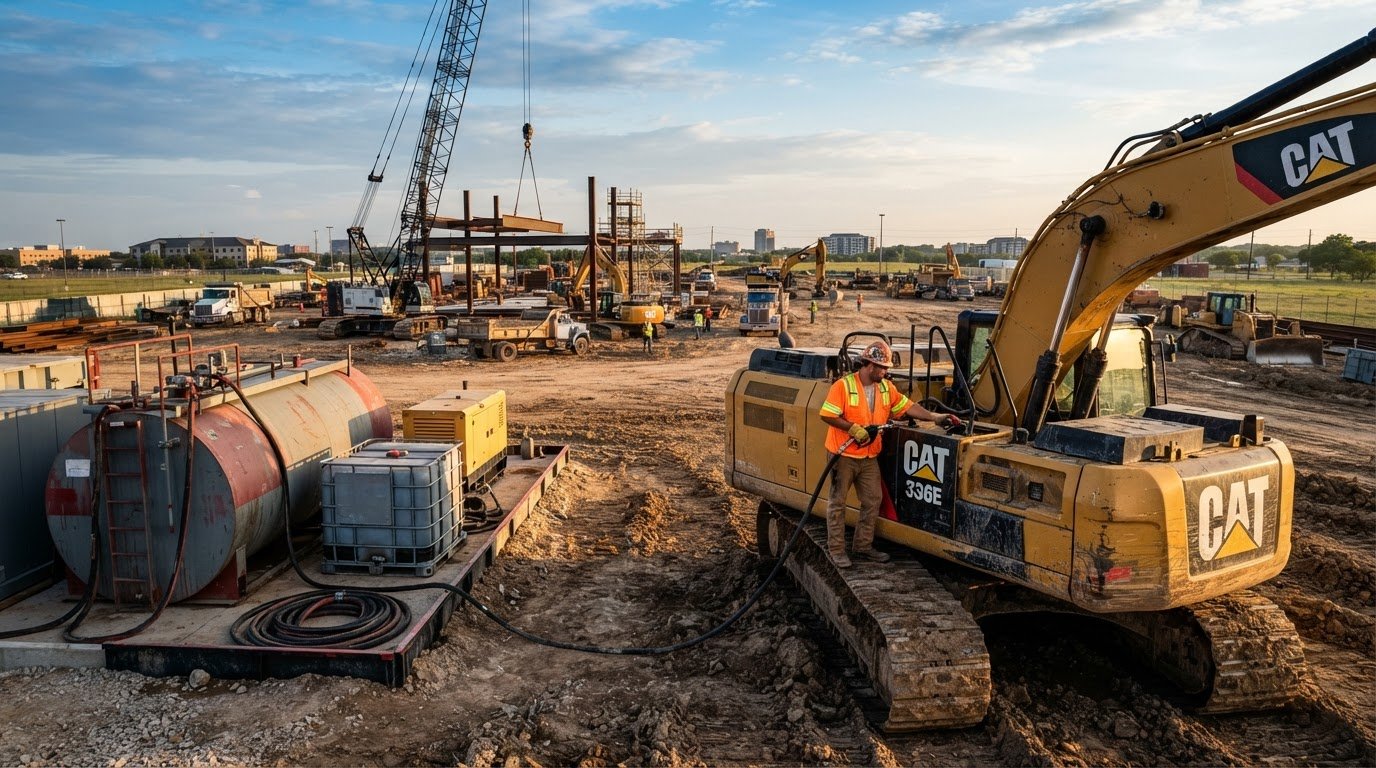
Assess DEF supply only for vehicles or equipment that require Diesel Exhaust Fluid, and confirm the provider’s availability for your location and operating needs. Portable tank rentals may suit an operation that needs on-site storage, but consider them only after reviewing site suitability, access, and responsibilities with qualified personnel. The on-site DEF delivery guide offers related context for evaluating DEF needs.
For a practical next step, prepare your location and fleet details, then discuss commercial fuel services with React Fueling to confirm San Antonio coverage, service details, and whether available options fit your requirements.
Put a fueling plan in motion with confidence
The strongest fleet fueling plan fits the way your vehicles operate. Match the fueling model to route patterns, parking access, and dispatch windows, then set clear procedures for delivery coordination, records, and exceptions. Before committing, confirm site-specific coverage, scheduling options, fuel requirements, and service details with the provider.
For companies comparing fleet fueling solutions for transportation companies San Antonio , React Fueling lists San Antonio among its service-area cities. Its listed offerings include commercial diesel and fuel delivery, DEF delivery, and fuel tank rentals. Availability and fit depend on your locations and operating requirements, so verify those details directly rather than building a plan around assumptions.
Bring your vehicle and site information to the conversation, including addresses, fueling windows, access conditions, and reporting needs. Discuss your San Antonio fleet's fueling requirements with React Fueling and confirm which options may fit your operation. A well-defined plan gives dispatch and fleet teams a clearer process for keeping vehicles ready for the work ahead.
Frequently Asked Questions
What are fleet fueling solutions for transportation companies?
The phrase “fleet fueling solutions for transportation companies San Antonio” describes the methods and services a business uses to keep commercial vehicles supplied with fuel. Options include company-operated fueling at a fleet site, retail fuel stops, delivered fuel, or a combination. The right arrangement depends on where vehicles travel and park, their fuel requirements, dispatch schedules, and how the company coordinates access and delivery records.
Is on-site fuel delivery a good fit for every transportation fleet?
No. Delivered fuel may suit vehicles that return to an accessible shared location during a workable fueling window, but it may not fit fleets whose vehicles are rarely parked together. Assess site access, parking layout, dispatch timing, and supplier coverage for each location. Before relying on delivery, confirm supported fuel types, scheduling options, minimum requirements, and what happens when vehicles or delivery access are unavailable.
How do I compare fleet fueling providers in San Antonio?
Compare providers by confirmed coverage for each fleet location, supported fuel types, scheduling options, order requirements, delivery records, and procedures for changes or urgent requests. Ask who coordinates access and how exceptions are handled. React Fueling lists San Antonio among its service-area cities and offers commercial fuel and diesel delivery, DEF delivery, and fuel tank rentals. Confirm location-specific availability and operating details before choosing a supplier.
Can delivered fuel reduce driver time spent at retail fuel stops?
It can reduce the need for some retail fueling trips when vehicles are accessible at a known location and delivery fits the fleet’s schedule. The effect depends on route patterns, parking, site suitability, and confirmed supplier availability. Compare the time and route impact of current fuel stops with the coordination required for delivery. Keep retail fueling available where vehicles do not return to a shared base or delivery is not practical.
What information should I provide when requesting fleet fueling service?
Provide vehicle counts and types, fuel requirements, service addresses, parking and access details, and preferred fueling windows. Explain dispatch constraints, shift changes, current fueling interruptions, and the delivery records your team needs. Identify site contacts and describe how schedule changes or inaccessible vehicles should be handled. Ask the provider to confirm coverage, supported fuel types, minimum delivery requirements, scheduling options, and available documentation for each location.
Can fleet fueling include Diesel Exhaust Fluid delivery?
Yes. DEF delivery can be considered for vehicles or equipment that require Diesel Exhaust Fluid, but confirm the provider can support your locations and requirements. React Fueling lists DEF Fluid Delivery among its offerings. Before planning around it, verify local availability, ordering requirements, scheduling options, and the records provided. Include DEF needs in the fleet review while tracking which vehicles or assets require it.
Should a transportation company use on-site fueling, retail fueling, or both?
Choose based on vehicle access and route patterns. On-site or delivered fueling may fit vehicles that return to an accessible base, while retail stops may suit vehicles that remain on the road. A hybrid plan can assign each method to the vehicles it serves best. Set clear rules for which channel each group uses, how purchases or deliveries are recorded, and who handles exceptions when the planned option is unavailable.