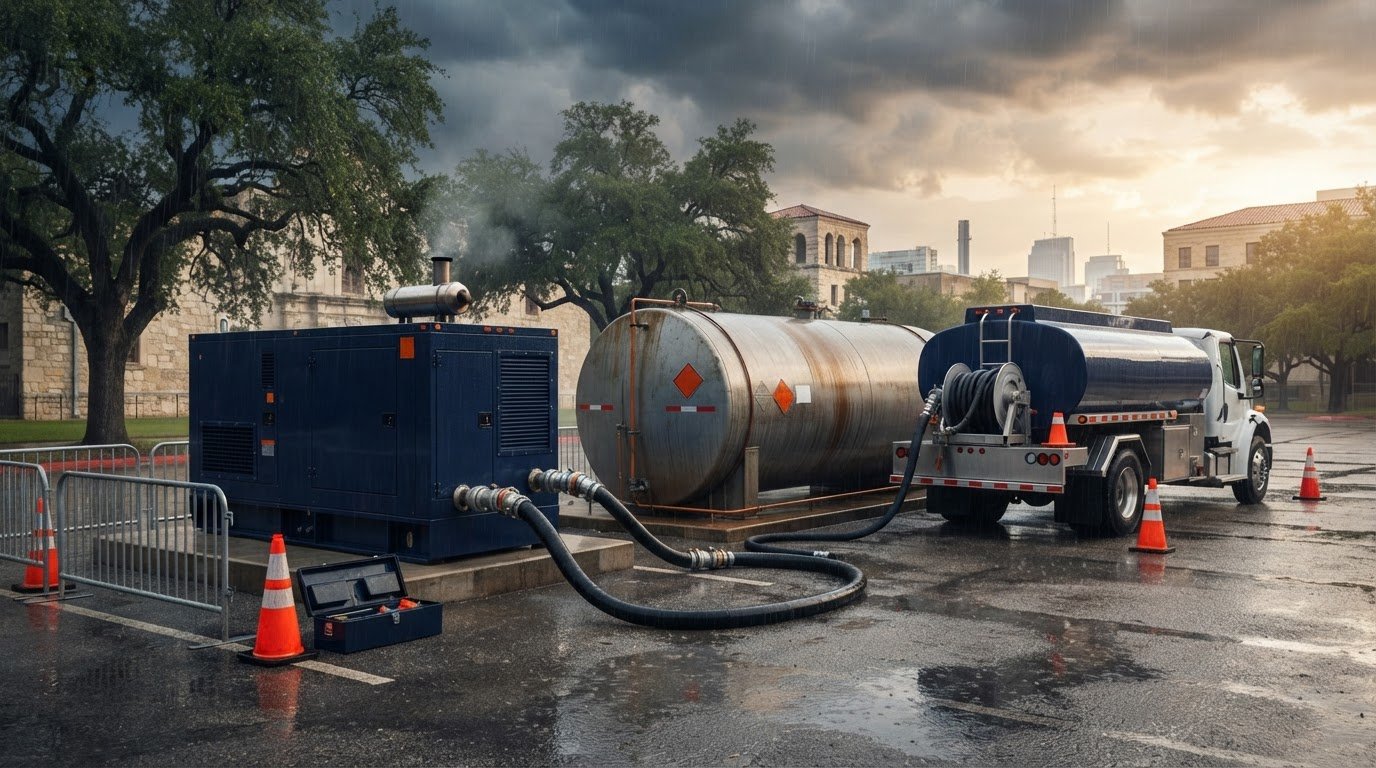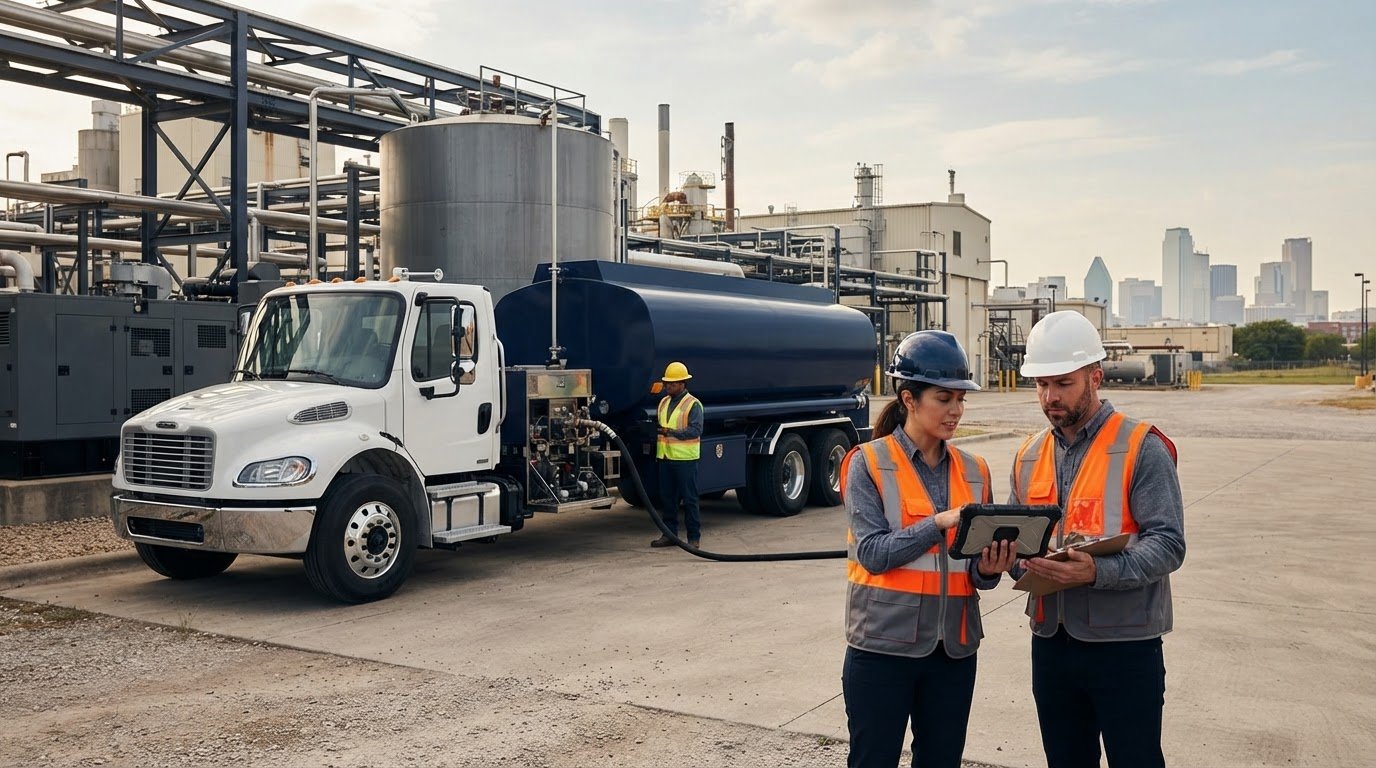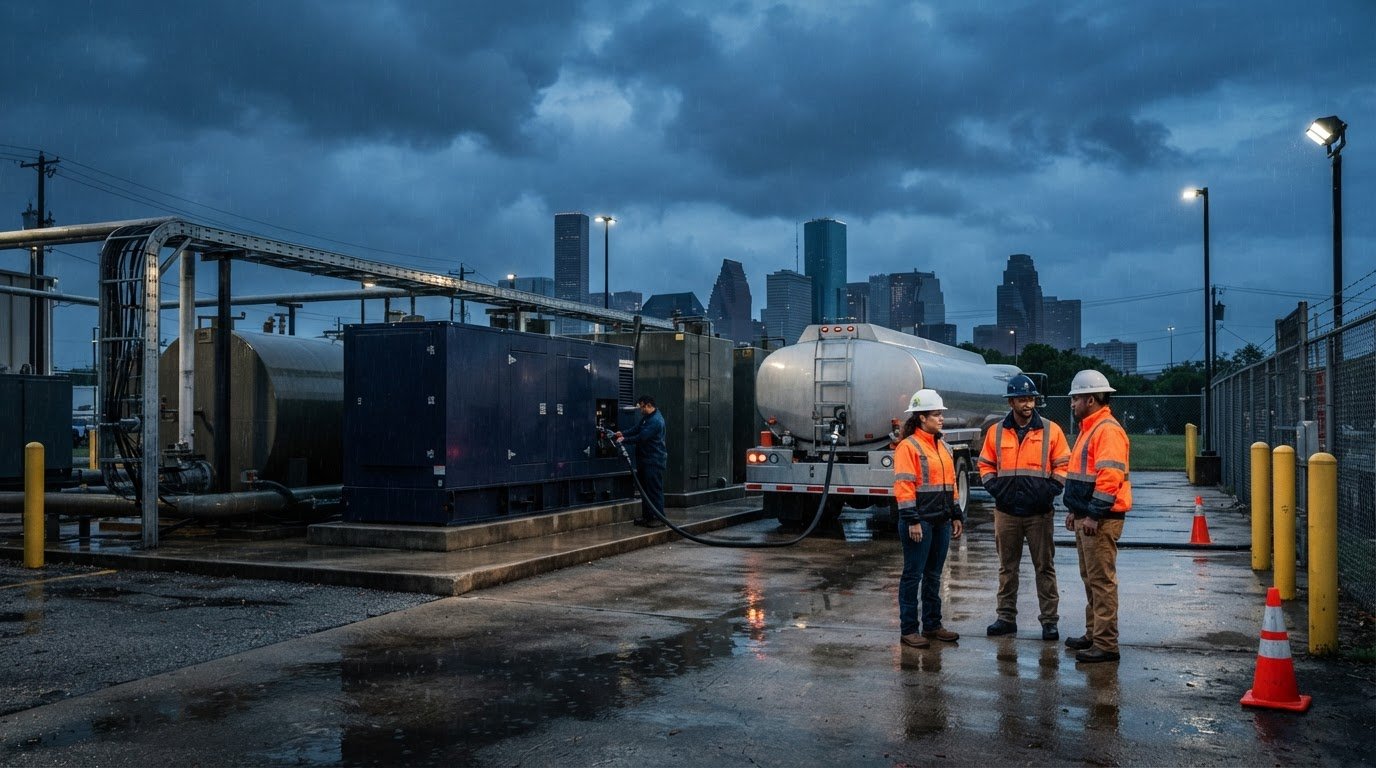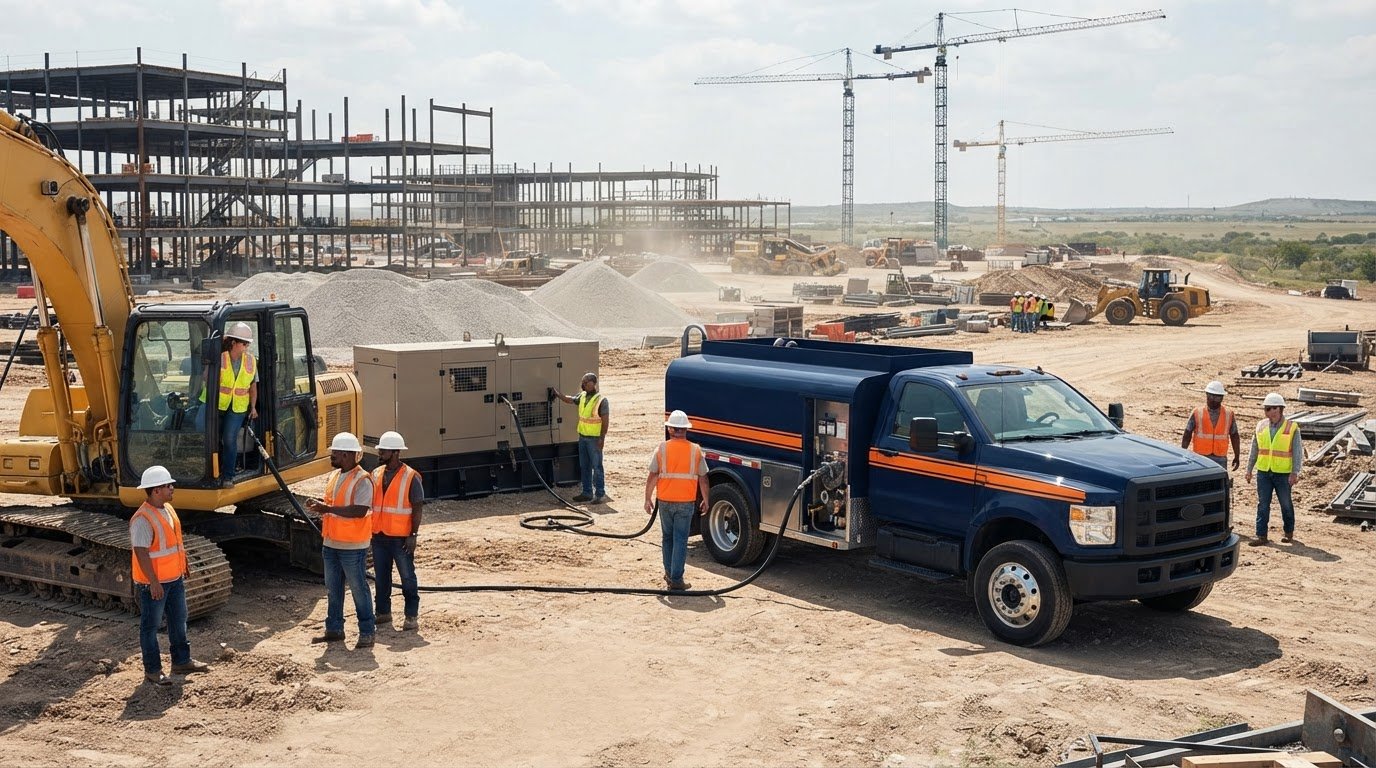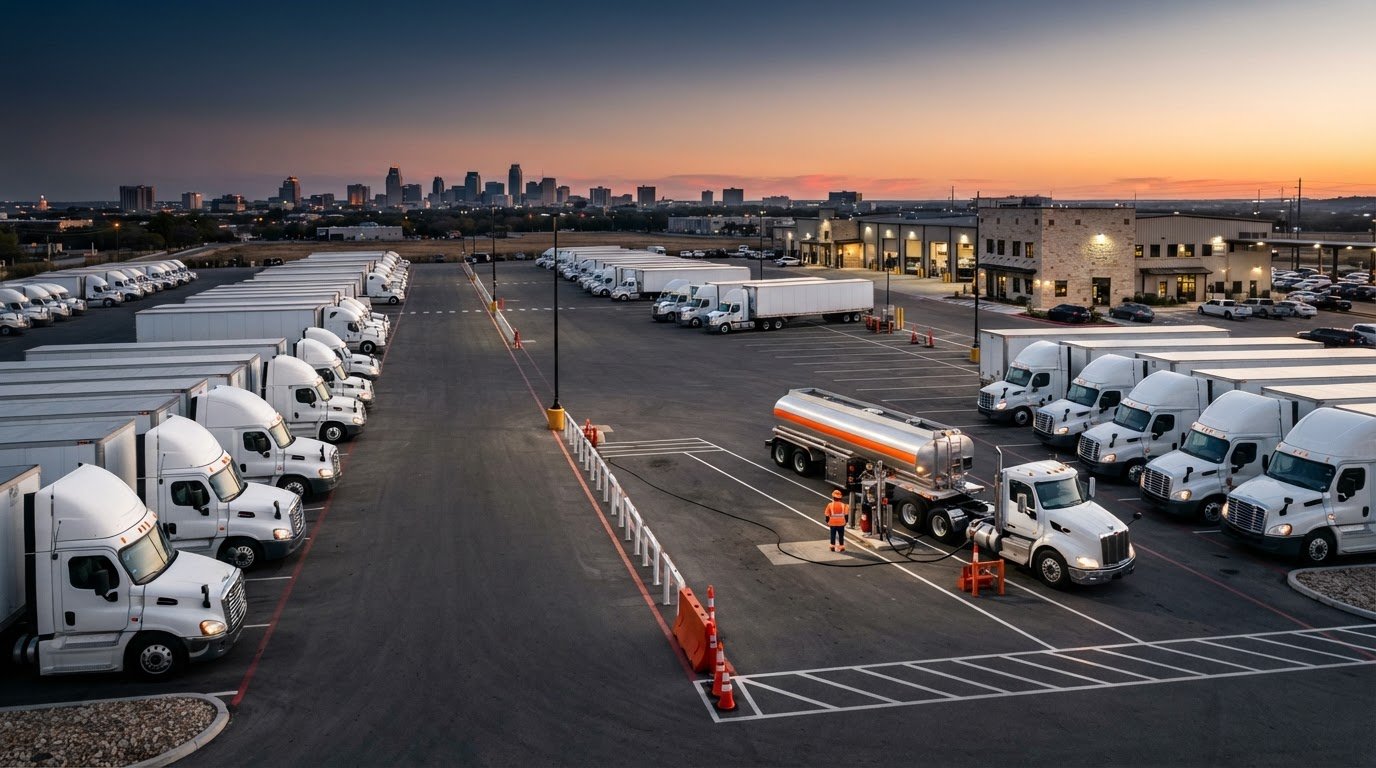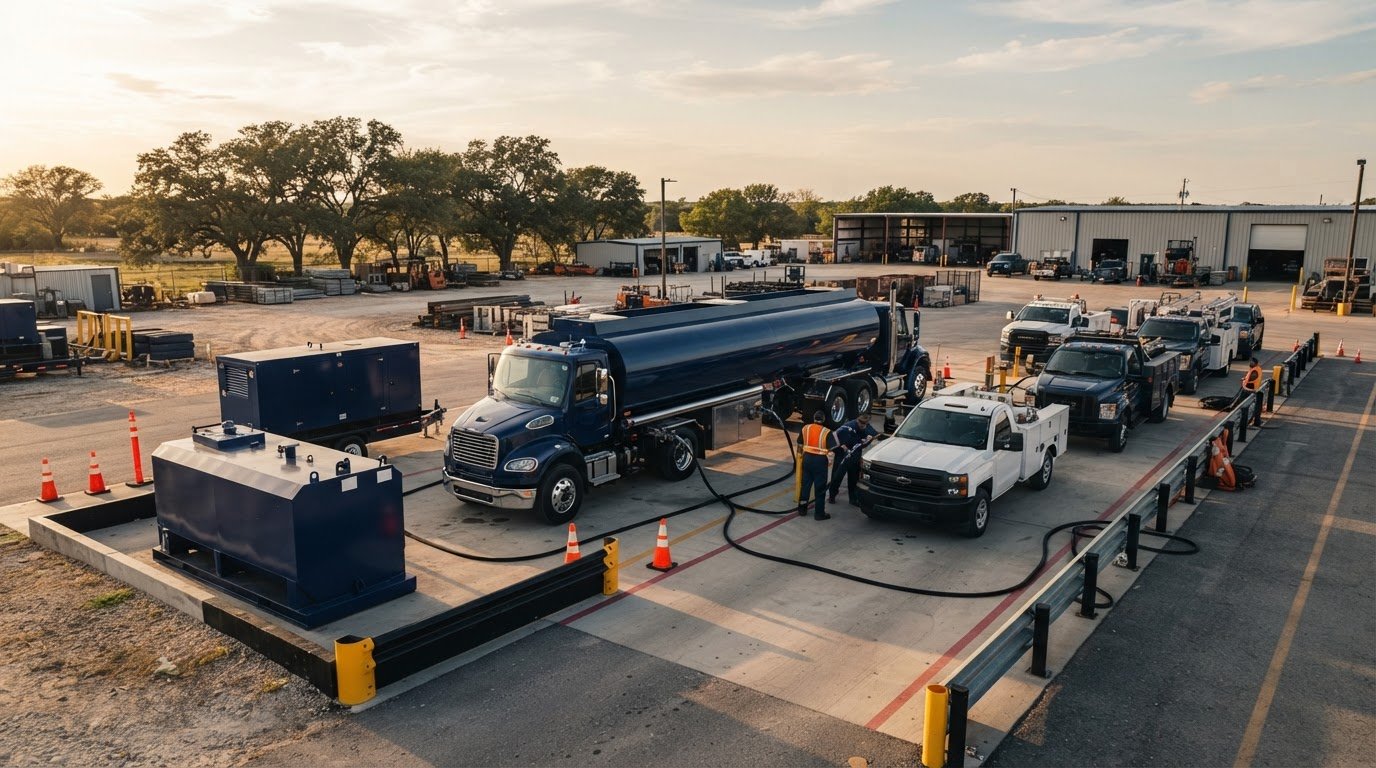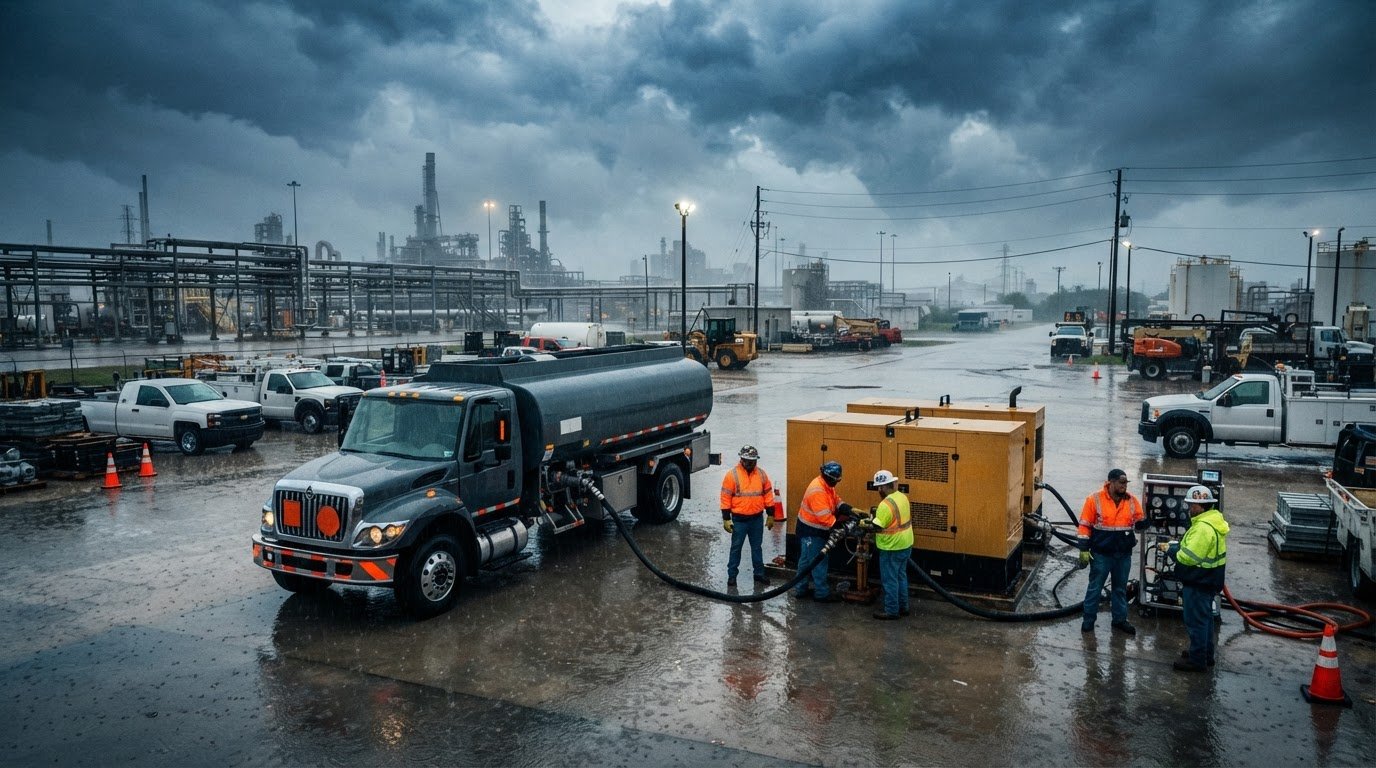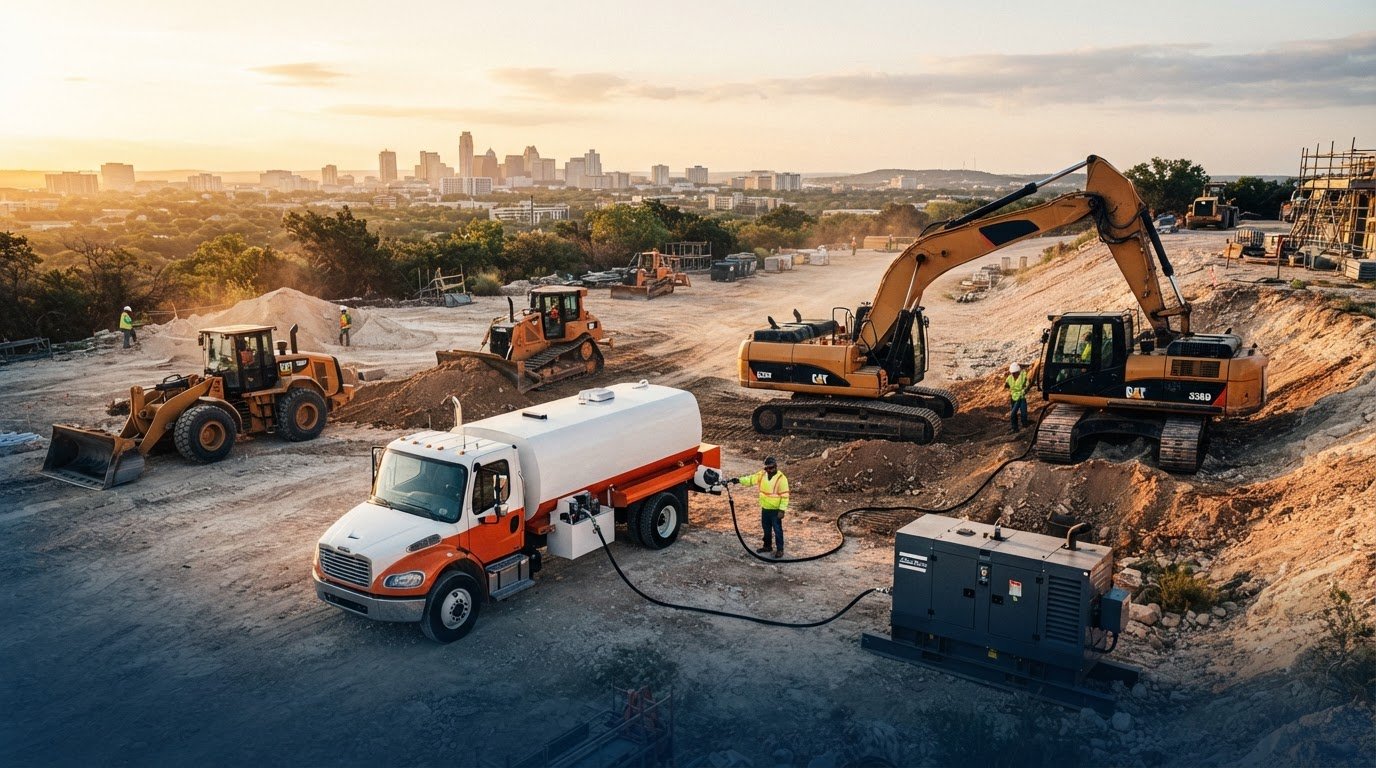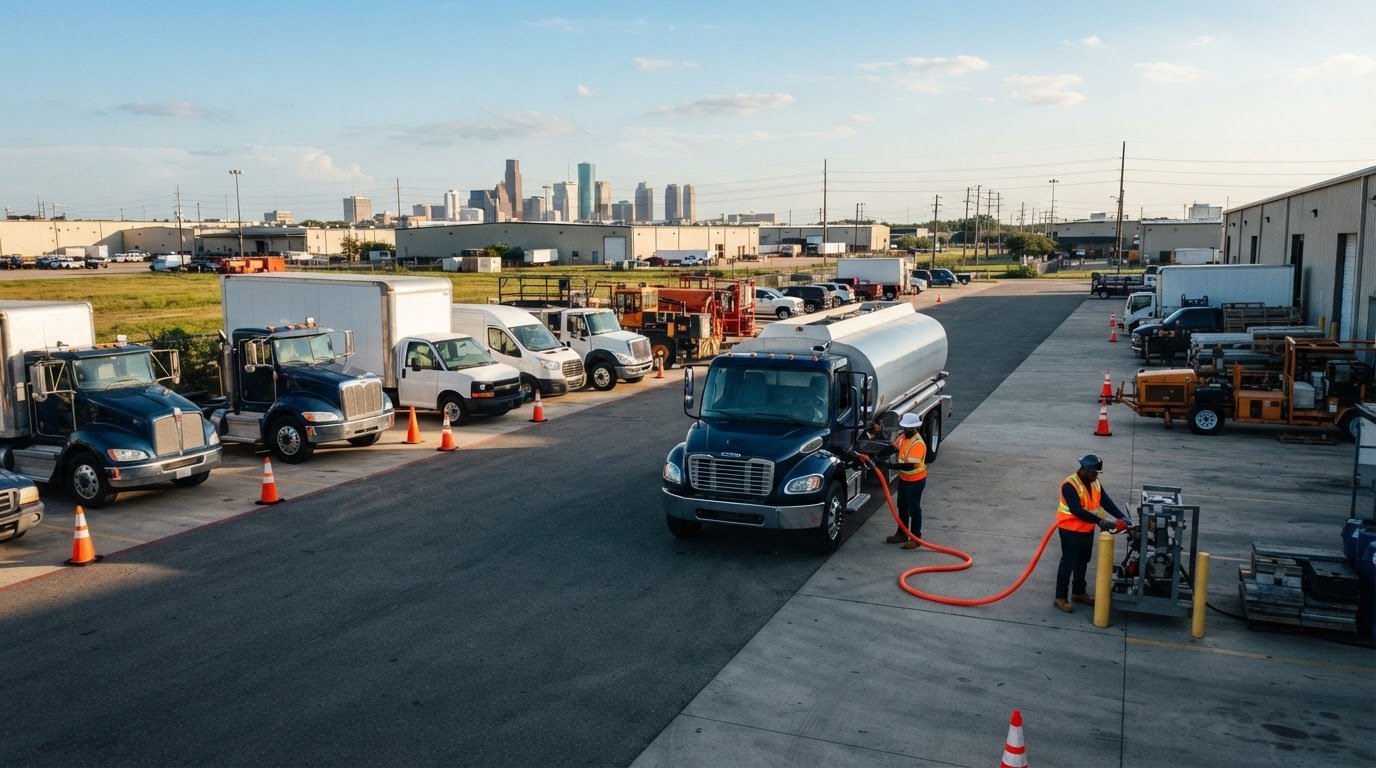
A dependable jobsite diesel delivery service is built around the worksite, not just the moment a truck arrives. When equipment runs low, fuel runs can pull operators or machines away from productive work, and a shifting schedule can make the next delivery difficult to time. Site access, equipment locations, and storage needs add another layer to the plan.
Keeping a project supplied takes coordination. Diesel needs to be available where equipment and generators are working, with delivery timing that can adapt as priorities change. This guide explains how to plan around fuel demand, site access, work patterns, and on-site storage needs. React Fueling provides commercial diesel delivery and direct equipment fueling for construction and industrial sites in Houston, Magnolia, San Antonio, College Station, Austin, Dallas, and surrounding Texas areas. A clear site logistics plan can reduce avoidable fueling trips and help keep equipment supplied as the project moves forward.
Why jobsite diesel delivery matters for construction uptime
Fueling can interrupt a job long before a tank is empty. An operator may have to leave the work area, move equipment to a fueling point, and return before productive work resumes. If fuel is arranged only after a machine is low, that trip can compete with crew assignments, equipment availability, and the day’s work plan. A jobsite diesel delivery service helps organize fueling around site operations rather than relying on each machine to make its own fuel run.
Demand also shifts as the project changes. A phase with several machines operating at once can draw fuel differently from a quieter period, while shift changes may concentrate fueling needs into a narrow window. Generators bring another demand pattern because their use can continue separately from mobile equipment. Tracking usage and noting which assets are active gives a project team a clearer basis for planning deliveries.
Fuel delivery is one part of site logistics. The plan needs to account for truck access, work zones, equipment locations, and where fuel can be stored or dispensed. A delivery route that works early in a project may be blocked later by staging or changing site conditions. For a wider view of coordinating supply across a project, consult the construction site fuel delivery guide.
Where fueling delays affect a jobsite
Two kinds of lost time matter: moving equipment to fuel and waiting for fuel to become available. The first takes an operator and machine away from the work area; the second can leave equipment idle while a crew waits or shifts tasks. These delays can overlap when several machines reach low fuel around the same time, especially during busy work periods.
Generators need a separate place in the plan. Their fuel demand may continue while mobile equipment moves between tasks, so counting only machines can leave an important site load out of the picture. Track generator use alongside equipment needs and plan access to the generator’s location.
What jobsite diesel delivery can change
Jobsite diesel delivery brings fuel to a project location so equipment can be fueled without making an off-site fuel run. Direct-to-equipment fueling can help coordinate diesel around where machines are working. React Fueling provides direct equipment fueling for construction and industrial sites, supporting a workflow that can reduce avoidable trips away from the work area.
That’s a potential operational benefit, not a promise of guaranteed savings or uninterrupted uptime. Results depend on factors such as demand, site access, equipment placement, and delivery timing. Keep a current list of active equipment, note changes by project phase or shift, and track fuel use so the delivery plan can be adjusted as work evolves. Understanding the role and common applications of diesel fuel also helps frame why it remains central to heavy equipment and jobsite power needs.
How jobsite diesel delivery works for equipment, generators, and tanks
On-site diesel delivery brings fuel to a project location for equipment or storage needs. The delivery plan can support different assets in different ways: fuel may go directly into accessible equipment, replenish a portable tank, or supply a generator. These approaches solve related but distinct needs, so start by identifying what must be fueled, where it is located, and how the project uses it.
A practical inventory might include construction machinery such as excavators and loaders, work vehicles, and generators. Estimate demand for each category separately. Mobile equipment may move between work areas and operate according to changing tasks, while a generator may run on a separate schedule to support site power. Combining all usage into one rough estimate can obscure which asset is driving demand and where fuel needs to go.
Direct equipment fueling versus on-site storage
Direct fueling may suit a site where equipment is accessible and can be reached as part of the delivery plan. It can put diesel at the machine rather than requiring equipment to travel to a separate fueling point. React Fueling’s on-site equipment fueling service supports this direct-to-equipment approach for construction and industrial operations.
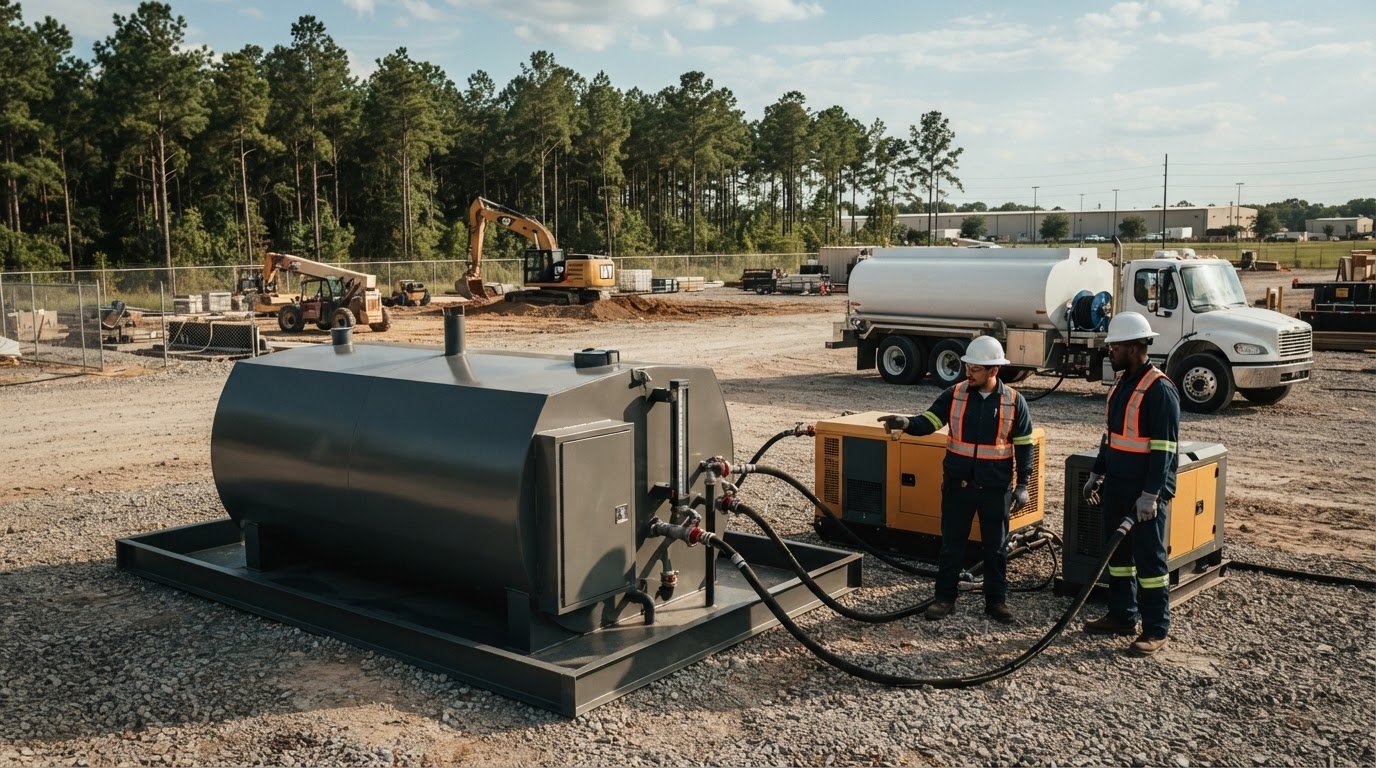
A portable fuel tank serves a different purpose: it provides on-site storage for projects whose layout or operating needs call for fuel to be kept at the worksite. It can be useful when equipment is spread across an area or when a project needs fuel available near a work zone. A tank isn’t necessary for every site, and its placement should fit the project’s practical needs.
Planning diesel for generators and mixed equipment
Direct fueling puts diesel into the equipment; tank replenishment puts diesel into on-site storage for later use. Keep those quantities distinct in the plan. Record which assets are active, where they operate, and whether their demand changes with shifts or project phases.
- Construction machinery: note the machines assigned to active work and where they’re operating.
- Vehicles: distinguish vehicles that remain on site from those that regularly leave the project area.
- Generators: estimate their fuel needs separately, especially when they support backup or ongoing operational power.
This breakdown helps match the fueling method to each use case instead of treating every asset as one combined load. A generator’s location and role may call for a different arrangement from mobile machinery; a portable tank may support storage needs, while direct fueling may fit accessible equipment. The jobsite diesel delivery service can then be organized around the actual mix of assets and their locations, with the plan adjusted as the project changes.
For projects that need direct fueling, aligning equipment locations and fuel demand is a useful starting point for coordinating the service with site operations.
Matching Jobsite Diesel Delivery to Project Needs
The right fueling arrangement depends on how a project uses diesel, where assets are located, and how the site changes over time. A jobsite diesel delivery service can support direct fueling, replenish on-site storage, or fuel generators. These options can work separately or as part of one site plan, but no single setup suits every project.
Start by mapping the assets and their operating patterns. Note which equipment stays in one work zone, which moves around the site, and whether a delivery vehicle can reach the fueling points practically. Then consider the project’s duration and demand pattern. A short phase with accessible equipment may call for a different arrangement than a longer project with changing work areas or sustained generator use.
Match the fueling approach to site conditions
Direct equipment fueling may fit machinery that can be reached safely and practically at the jobsite. A portable tank may be useful when the project needs fuel stored on-site near equipment or a work area. Generator fueling deserves separate consideration if a generator has its own operating schedule or power role. Account for site access and asset locations before settling on a plan.
Compare service fit without assuming every site is alike
Use this comparison to identify which approach matches each asset. It describes service functions, not guaranteed project outcomes. Actual coordination depends on the site layout, access, equipment locations, and demand.
| Approach | Equipment location | Storage needs | Access and coordination |
|---|---|---|---|
| Direct equipment fueling | Equipment can be reached at its work location. | Fuel is delivered to the equipment; a separate storage tank may not be central to the plan. | Coordinate fueling locations with site access and equipment placement. |
| Tank replenishment | Useful where equipment draws from an on-site fuel supply. | Requires a portable tank to support on-site storage. | Plan access to the tank and where it will serve the project. |
| Generator fueling | Generator location and role shape the fueling plan. | Consider generator demand separately from mobile equipment. | Coordinate around its operating pattern and access to its location. |
For example, a site with accessible machinery may prioritize direct fueling, while a project that needs fuel available near a work zone may consider tank replenishment. A generator operating on a distinct schedule should have its own demand estimate, even if it shares a broader delivery plan. Reassess the arrangement as project phases shift, equipment moves, or generator use changes.
Keep the comparison grounded in site conditions rather than assumed savings, speed, or uninterrupted operation. For broader commercial delivery considerations, the commercial diesel delivery guide provides additional context for planning fuel supply across business operations.
Prepare a construction site for diesel delivery
A well-prepared delivery starts with accurate site information, not just a fuel estimate. Before arranging a jobsite diesel delivery service, identify the assets that need fuel, their locations, expected demand, and the route a delivery vehicle would use to reach them. Clear details help align delivery coordination with site conditions and reduce avoidable confusion at the gate or fueling point.
Build a simple site brief that can be updated as work progresses. A marked-up site map, asset list, and current access instructions give the people coordinating fuel a practical reference. Include constraints such as changing work zones, temporary closures, or areas where equipment is difficult to reach. Keep the information focused on what affects access and fueling.
Information to organize before requesting delivery
Gather the core details before arranging a delivery. Identify the jobsite location, the equipment and generators requiring diesel, and whether fuel is intended for direct equipment fueling or an on-site tank. Then describe the delivery route and any site-specific directions that help locate the fueling area.
- Assets and demand: list the equipment or generators, their locations, and anticipated fuel needs.
- Access: note the entry point, route to the delivery area, site contact, and relevant access constraints.
- Timing: share the project schedule, expected fueling needs, and known changes to work or operating hours.
Be precise about where fueling should take place. “North staging area beside the active work zone” is more useful than “near the equipment,” especially when a site has multiple crews or staging areas. Include instructions for reaching the right location without relying on someone unfamiliar with the project to interpret the layout.
Coordinate fueling as the project changes
Site conditions rarely stay fixed throughout a project. Equipment can move, work phases can change, and access routes can be affected by staging or active work. Review the fuel plan when those changes occur, and update the asset list and map so delivery instructions reflect the current layout.
Assign one site contact to share access directions and operational updates. That person can relay changes to fueling locations, active work areas, or generator use, reducing the chance that separate teams are working from outdated information. Keep the update process simple: revise the site brief when a meaningful change affects demand or access.
Checklist sentence: Prepare the jobsite address, asset list, estimated demand, fueling locations, access route, site contact, and current schedule before coordinating delivery.
Clear preparation gives the project team a stronger basis for coordinating diesel around site operations, without assuming every delivery or schedule will be identical. To discuss the fueling needs and access details for your construction site, share your jobsite requirements.
Arrange jobsite diesel delivery with React Fueling in Texas
Construction and industrial projects need a fuel plan that reflects the way the site actually operates. React Fueling provides commercial diesel delivery and direct equipment fueling for jobsite use, with generator fueling available for projects that rely on on-site power. The right arrangement starts with practical details: which assets need fuel, where they’re located, how the delivery area can be accessed, and how needs may change as work progresses.
React Fueling serves Houston, Magnolia, San Antonio, College Station, Austin, Dallas, and surrounding Texas areas. Sharing your project location and operating requirements helps frame a useful discussion about delivery coordination. For a closer look at the commercial service, explore React Fueling’s diesel delivery services.
What React Fueling can support at a jobsite
Commercial diesel delivery can support construction and industrial fuel needs, while direct equipment fueling brings diesel to machinery at the jobsite. Generator fueling addresses a separate requirement when a generator supports backup or ongoing operational power. These uses may be coordinated within a project’s broader fuel plan, with each asset considered according to its location and role.
On-site storage can also be relevant. React Fueling offers portable fuel tank rentals for projects that need fuel stored at the worksite. A tank can be considered alongside direct fueling when planning where diesel should be available; the best fit depends on site layout and operating needs, rather than a standard setup for every project.
Start with the site’s actual operating requirements
Bring together the details that make the project distinct before discussing delivery. A clear picture of the site helps shape a suitable approach and gives the conversation a practical starting point.
- Location: identify the jobsite city and project location.
- Assets: list the equipment and generators that need diesel, and note where they operate.
- Access: describe the entry route, fueling areas, and any constraints affecting delivery access.
- Schedule: share anticipated project timing and known changes to work phases or operating patterns.
- Storage: indicate whether the project’s layout or work plan calls for on-site fuel storage.
These details help connect the delivery discussion to the project’s real operating conditions. For example, equipment grouped in one accessible area presents different coordination considerations from assets spread across changing work zones. Generator requirements may also need to be considered separately from mobile machinery. As the site changes, updated locations and schedule information can help keep the plan aligned with current needs.
Share your location, equipment mix, access instructions, and project schedule in a focused conversation about fueling requirements. Contact React Fueling about jobsite diesel delivery.
Make fuel planning part of the next site review
A fuel plan works best when it keeps pace with the job. Build a brief review into project milestones and site changes so the fueling approach can adapt as equipment moves, work phases shift, or operating needs evolve. That gives your team a practical opportunity to address new requirements before they become last-minute disruptions.
A jobsite diesel delivery service should fit the way your project runs, not force crews to work around a generic plan. Bring your current site requirements into a focused discussion with React Fueling, including what has changed and what’s ahead. Discuss your jobsite diesel delivery needs and take the next step toward a fuel plan built around your worksite.
With clear communication and a plan that reflects real operating conditions, your team can focus on moving the project forward.
Frequently Asked Questions
How does jobsite diesel delivery work?
A jobsite diesel delivery service brings diesel to a commercial project for equipment, generators, or on-site fuel storage. The project identifies which assets need fuel and how they’ll receive it, then organizes delivery around the site’s access and operating needs. For example, a crew may plan direct fueling for machinery while tracking generator demand separately. Keeping asset records current helps make the fueling plan more useful as work progresses.
Can diesel be delivered directly to construction equipment?
Yes, diesel can be delivered directly to construction equipment through an equipment fueling service. This can be useful for machinery that stays within the worksite and can be reached at its operating location. For a practical plan, identify the equipment by type or unit, note where it will be working, and flag any access restrictions that could affect reaching it. React Fueling provides direct equipment fueling for construction and industrial sites.
Does a jobsite need a fuel tank for diesel delivery?
No, a separate fuel tank isn’t required for every jobsite. Direct equipment fueling can supply accessible machinery without making on-site storage the center of the plan. A portable fuel tank rental may be useful if a project needs fuel stored near a work area or serving equipment at a location that changes. Consider how the site will use stored fuel and where it can be practically accessed before choosing an approach.
Can a diesel delivery service fuel generators at a construction site?
Yes, generator fueling is a distinct service need at a construction site. A generator may support temporary power, backup power, or specific work areas, so its demand can differ from that of mobile equipment. Identify the generator’s location and role, then track its use separately in the project’s fuel planning. React Fueling provides generator fueling services for jobsite and industrial power needs.
What information should I prepare before requesting jobsite fuel delivery?
Prepare the project address, the assets needing fuel, and a clear description of how to reach them. Include equipment identifiers or types, generator locations, approximate fuel needs, entry instructions, and a site contact who can explain current conditions. If work zones or operating schedules are changing, share those details too. For example, note if a machine has moved from the main staging area to a new section of the site.
Can jobsite diesel delivery support projects in Houston and other Texas cities?
React Fueling serves projects in Houston, Magnolia, San Antonio, College Station, Austin, and Dallas, as well as surrounding Texas areas. For a construction or industrial site, share its location and the equipment or generator fueling needs to frame the discussion around the project. Providing the city along with relevant site access details helps make the request specific to the worksite rather than a general fuel inquiry.
Can DEF be delivered to a construction site along with diesel?
React Fueling provides DEF fluid delivery as well as diesel delivery for commercial needs. If diesel-powered equipment at the site also needs DEF, include that requirement in the project’s fueling plan so both needs are considered. Note which equipment requires DEF and where it operates, particularly if those units are spread across different work areas. Clear asset information helps keep the project’s fuel and fluid requirements organized.