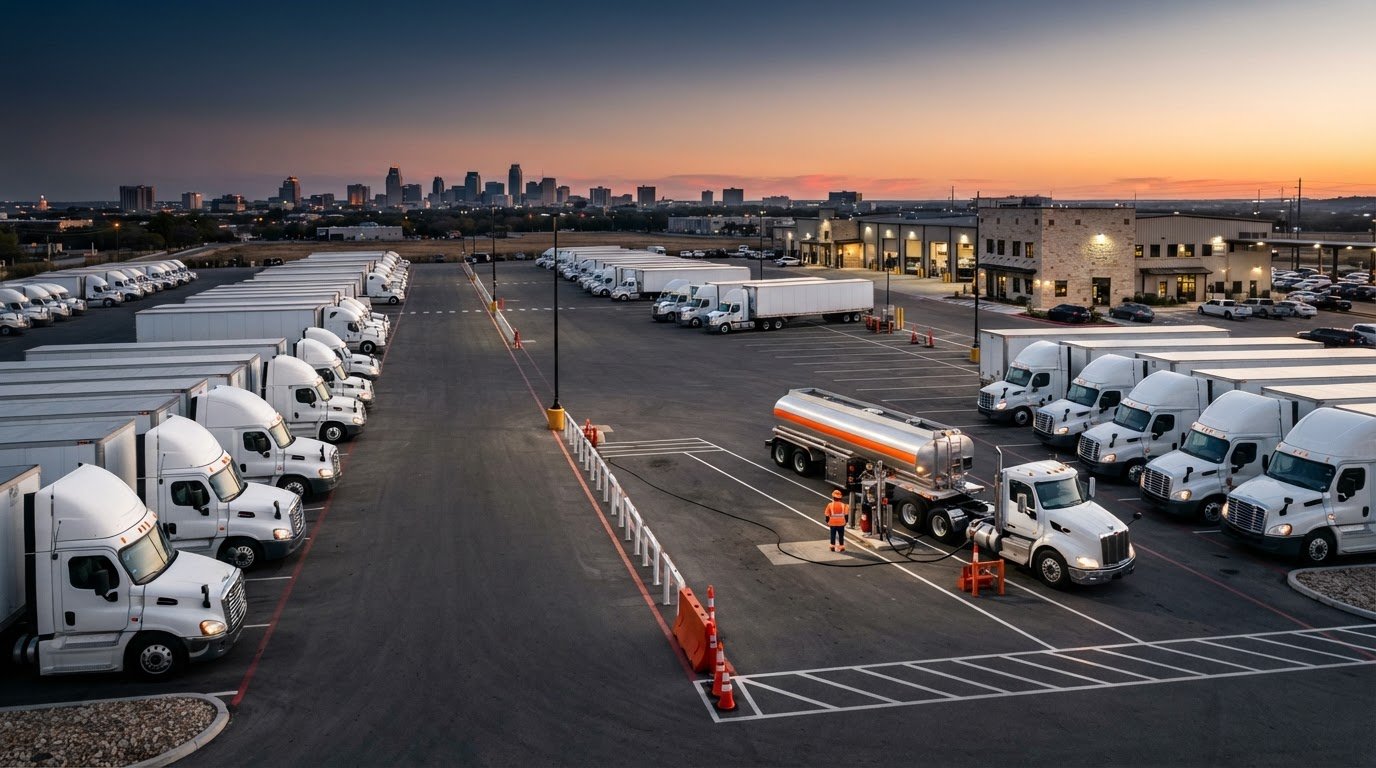
Imagine a 2026 model year truck idling on a Houston job site while the operator stares at a DEF warning light, knowing that a simple logistics oversight could eventually throttle the engine to a crawl. While the latest EPA regulations now provide a 4,200 mile warning window for on-highway fleets, the risk to your project timeline remains just as critical. Managing your supply through professional on-site def fluid delivery is no longer just a convenience. It's a necessary safeguard against the contamination and manual handling errors that sideline heavy equipment and drain your bottom line.
You already know that keeping a fleet compliant and moving requires more than just chasing the lowest pump price. You need a system that eliminates the mess of manual jugs and the constant threat of "limp mode" delays. This 2026 guide will show you how to master your diesel exhaust fluid logistics to ensure zero downtime and guaranteed fluid purity. We'll explore the latest ISO 22241-1:2019 standards, analyze the shift toward bulk storage, and provide a roadmap for simplifying your fleet's billing and logistics through reliable Texas-based partnerships.
Understanding On-Site DEF Fluid Delivery: Preventing Costly Fleet Downtime
On-site def fluid delivery is a managed logistics service designed to keep commercial diesel fleets operational without the friction of retail stops. For modern engines, Diesel Exhaust Fluid (DEF) is a non-negotiable requirement. It works within the Selective Catalytic Reduction (SCR) system to break down harmful nitrogen oxide emissions into harmless nitrogen and water vapor. Without it, your equipment cannot meet federal compliance standards or maintain peak performance.
Managing this fluid effectively is critical for organizations that cannot afford interruptions. High-stakes industrial timelines don't allow for the inefficiency of manual sourcing or the risk of running dry. This service is essential for several high-demand sectors:
- Logistics: Ensures long-haul trucks remain at full speed to meet strict delivery windows.
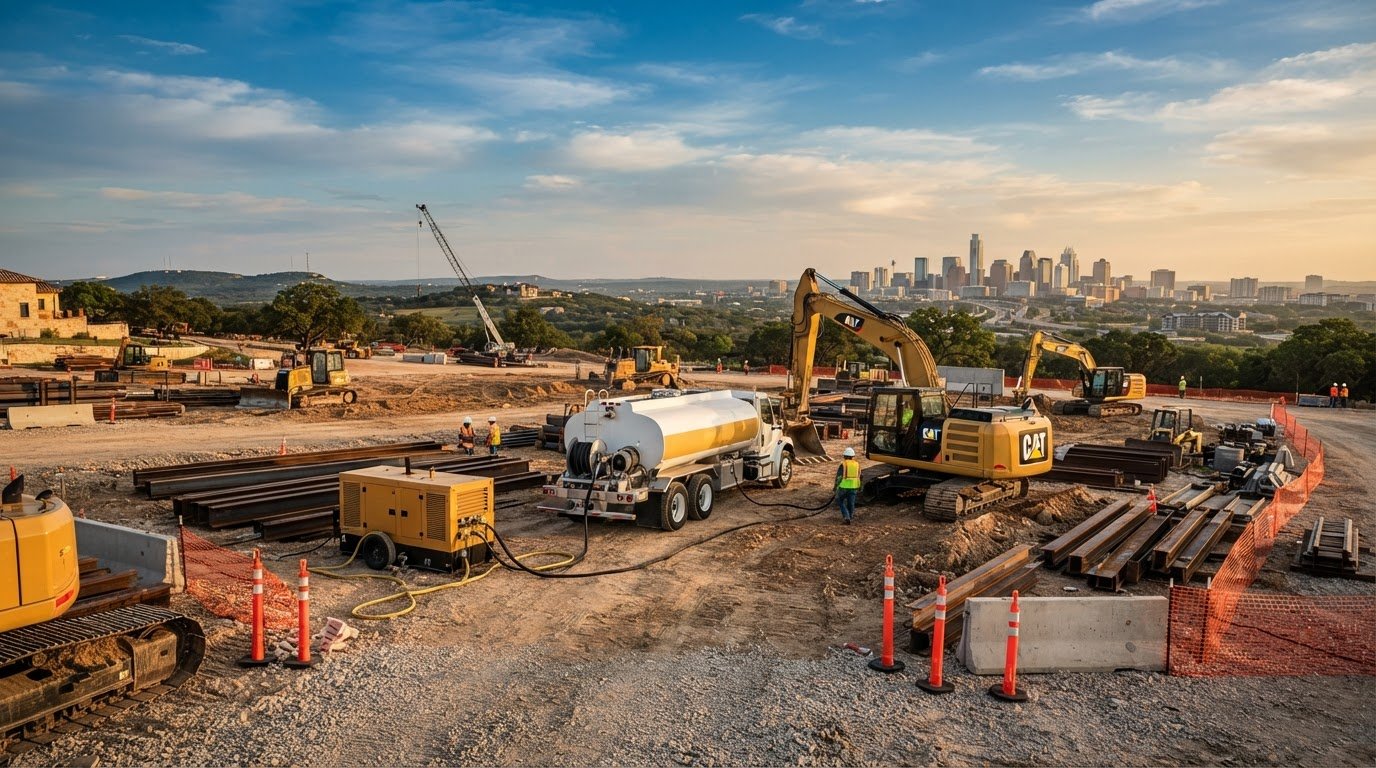
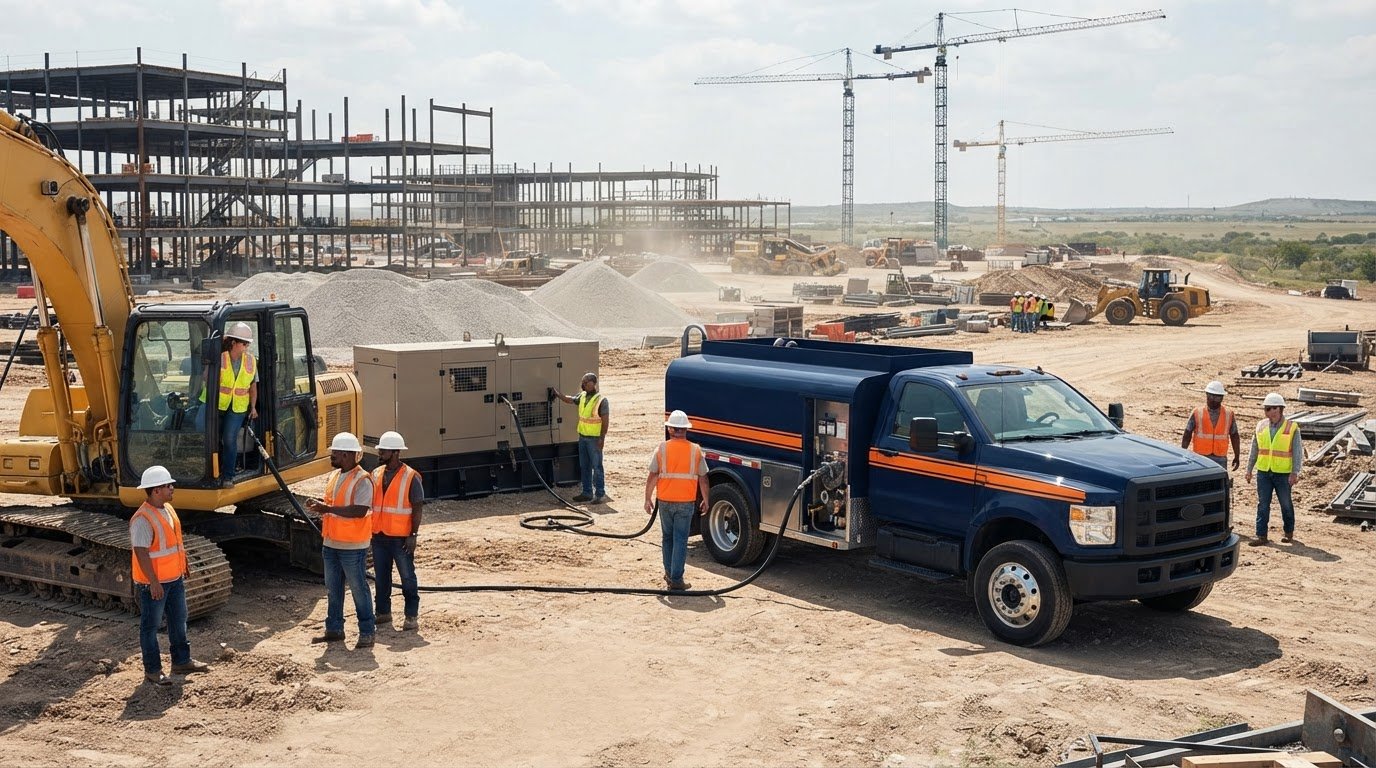
- Construction: Keeps heavy machinery operational on remote job sites where retail access is impossible.
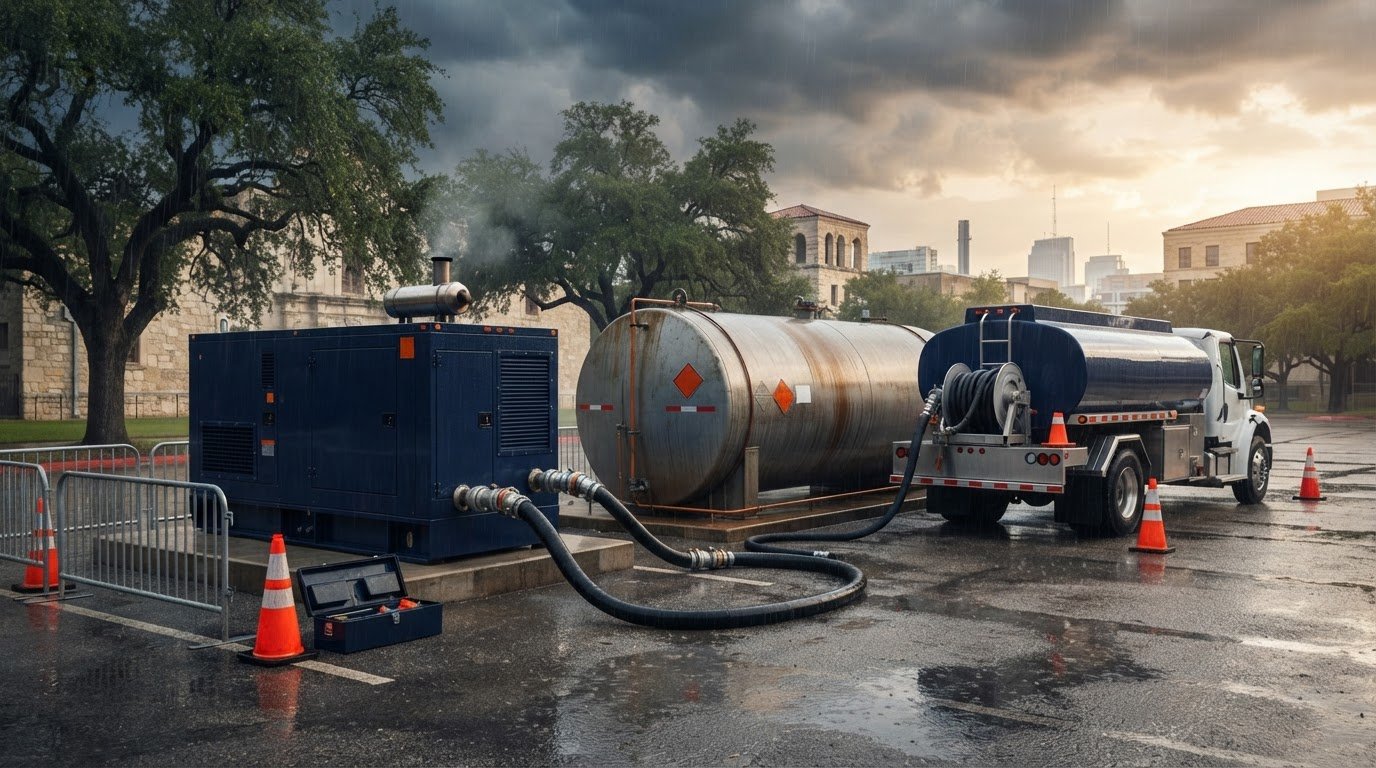
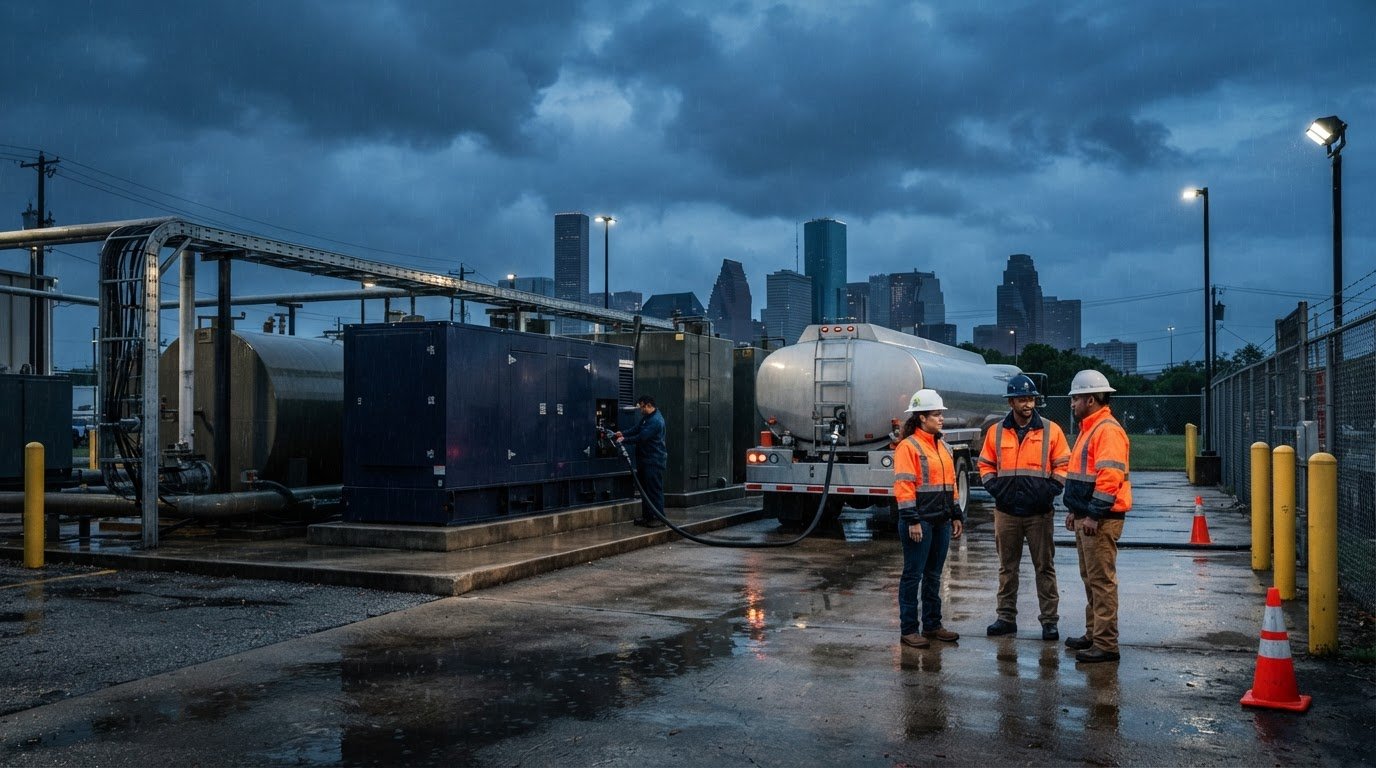
- Backup Power: Guarantees that emergency generators are ready to perform during critical outages.
Professional on-site def fluid delivery ensures that your Tier 4 engines stay out of "limp mode," a restricted operational state that can cripple a project’s momentum.
The High Cost of DEF Depletion
When a vehicle enters "limp mode," the engine’s electronic control unit (ECU) severely restricts power and speed to force compliance. As of 2026, EPA regulations provide an extended warning period of up to 4,200 miles or 80 hours for on-highway trucks before limiting speeds to 45 mph. Off-road equipment has a tighter 36-hour grace period. Ignoring these windows results in immediate productivity loss and logistical bottlenecks.
The secondary costs often outweigh the price of the fluid itself. You face missed delivery deadlines, idle driver hours, and potential emergency shop visits to reset sensitive sensors. "In 2026, a single missed DEF refill can cost a Texas fleet more in downtime than a year of managed delivery services."
Why Retail Jugs Fail Commercial Operations
Relying on 2.5-gallon retail jugs is a liability for commercial fuel services. The manual "jug-and-funnel" method is slow, labor-intensive, and physically demanding for operators. It also introduces a high risk of contamination. Any dust or debris that enters the tank during manual pouring can damage the NOx sensors, which the EPA is now prioritizing over older urea quality sensors for improved reliability.
Manual handling also creates significant environmental waste. A mid-sized fleet can generate hundreds of empty plastic jugs annually, creating a disposal headache and a poor sustainability profile. Professional delivery utilizes sealed, high-capacity systems that maintain the ISO 22241-1:2019 standard from the truck to your equipment, ensuring fluid purity and zero logistical waste.
Compliance and Quality Standards: Navigating ISO 22241
Diesel Exhaust Fluid is not merely a mixture of urea and water. It is a highly specific chemical solution consisting of 32.5% high-purity urea and 67.5% deionized water. This exact ratio is required for the SCR system to function correctly and chemically neutralize nitrogen oxide emissions. Any deviation from this precise mixture can trigger sensor faults or lead to incomplete emissions processing. For fleet managers, adhering to the ISO 22241 standard is the only way to guarantee that the fluid entering your tanks won't cause catastrophic system failure or regulatory violations.
The Science of Purity: Why Deionized Water Matters
The use of deionized water is vital because trace minerals found in standard tap water, such as calcium or magnesium, will crystallize within the SCR injectors. These deposits lead to blockages that are expensive to clear and can permanently damage the catalyst. Reputable providers of on-site def fluid delivery follow the API Diesel Exhaust Fluid Certification Program to ensure every gallon meets these rigorous purity benchmarks before it reaches your equipment.
You must also account for shelf life and environmental factors. In the intense Texas heat, DEF can degrade if stored improperly. High temperatures accelerate the evaporation of water and the breakdown of urea, which shortens the fluid’s effective lifespan. Professional delivery providers use strict testing protocols to verify fluid integrity. This protects you from the "bad DEF" that often sits on retail shelves for months under suboptimal conditions.
Regulatory Consequences of Non-Compliance
Compliance extends beyond mechanical health into the legal landscape. The EPA Tier 4 Final requirements for off-road machinery in Texas mandate the use of functional SCR systems. Tampering with these systems or using non-compliant fluids to bypass DEF requirements can result in heavy federal fines. While Texas does not enforce state-level emissions testing for all diesel vehicles, federal law under the Clean Air Act remains strictly enforced, making "deleting" or bypassing systems a high-stakes legal risk.
Maintaining documented quality reports from your delivery partner provides a critical paper trail. If an engine failure occurs, these reports prove you used certified fluid, which protects your equipment warranties from being voided. Coordinating your DEF needs with your diesel delivery schedule creates a unified compliance strategy. This approach ensures your fleet stays legal and your engines remain under warranty protection. If you are looking to stabilize your logistics, you can reach out to a specialist to discuss a custom on-site def fluid delivery schedule.
Comparing DEF Delivery Methods: Bulk, Totes, and Mobile Refueling
Selecting the optimal delivery scale for on-site def fluid delivery requires a precise evaluation of your fleet size, consumption rates, and available site space. A mismatch between your storage capacity and your usage volume leads to either excessive delivery fees or the risk of running dry during a high-stakes shift. By aligning your logistics with the specific needs of your project, you ensure that every machine remains compliant and operational without unnecessary overhead.
The most efficient operations treat DEF as a critical component of their broader fuel strategy. Integrating these deliveries allows for a smaller logistical footprint on-site, reducing the number of vehicles moving through your facility. This streamlined approach minimizes the risk of accidents and prevents the clutter of empty containers that often plague unmanaged sites.
Bulk DEF Delivery for High-Volume Plants
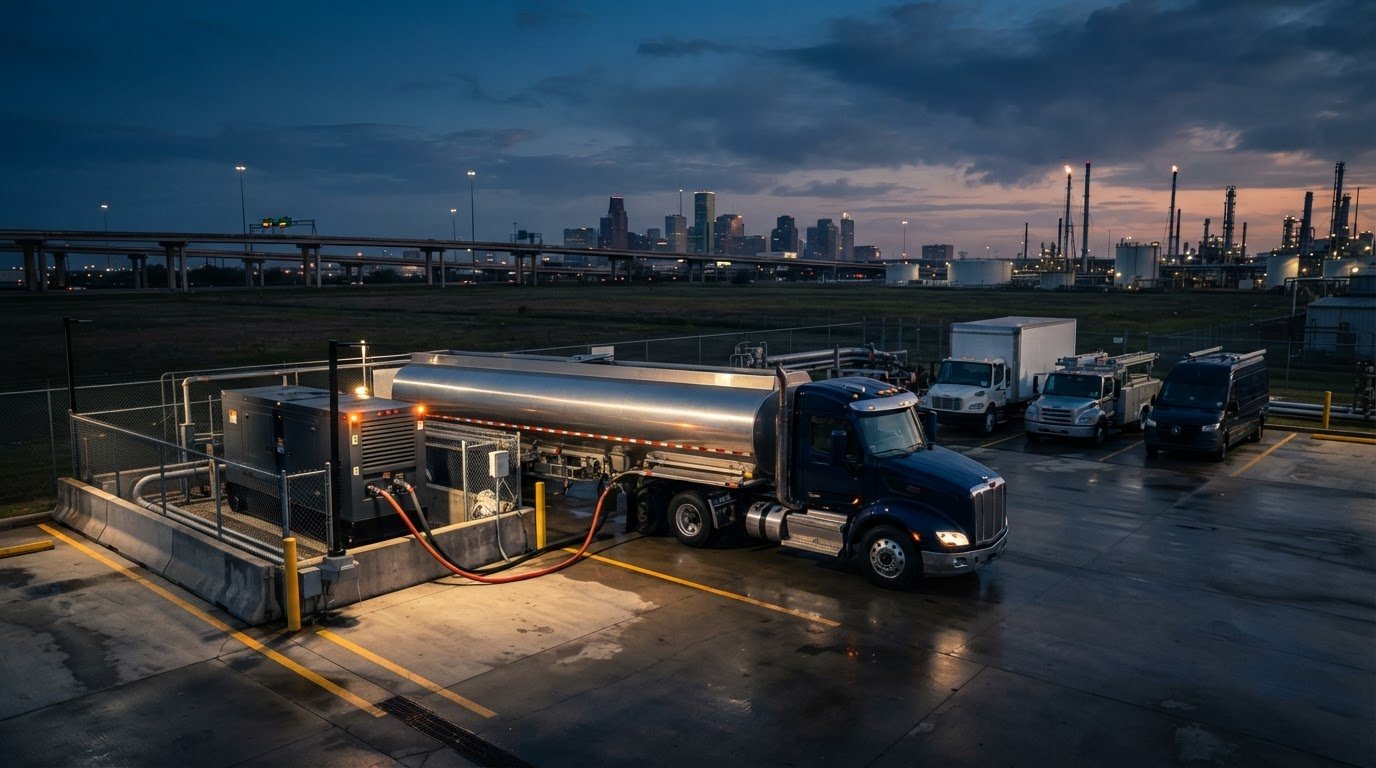
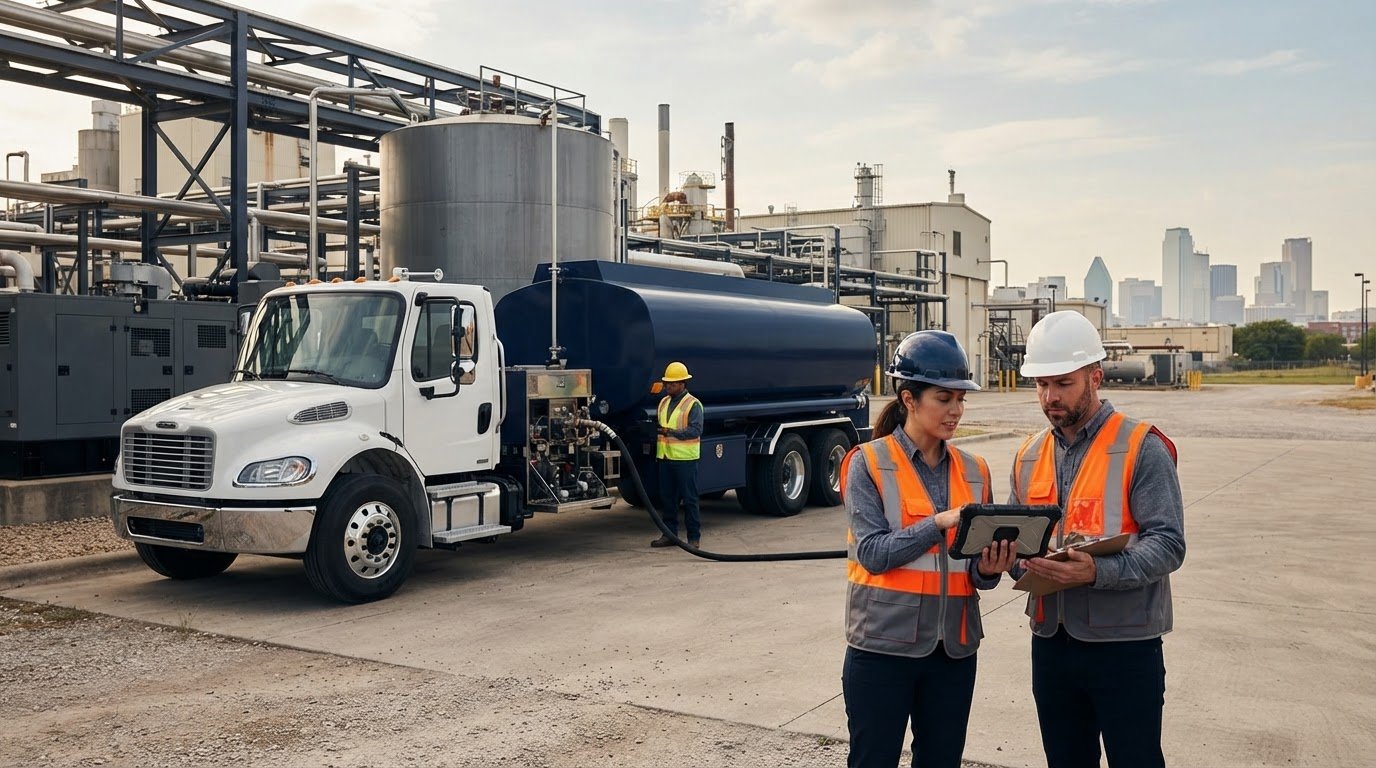
Bulk delivery is the standard for high-volume logistics hubs in Dallas or San Antonio that utilize centralized fueling stations. This method involves 1,000+ gallon deliveries directly into permanent underground or above-ground tanks. It offers the lowest price per gallon and significantly reduces delivery frequency, which is vital for maintaining a steady workflow in busy industrial environments.
Reputable providers prioritize fluid integrity during these large-scale transfers. They adhere to the API Diesel Exhaust Fluid (DEF) Certification Program to ensure the fluid remains free of contaminants throughout the supply chain. This level of oversight is essential for protecting the sensitive SCR systems in your newest heavy-duty trucks.
DEF Tote Management for Construction Sites
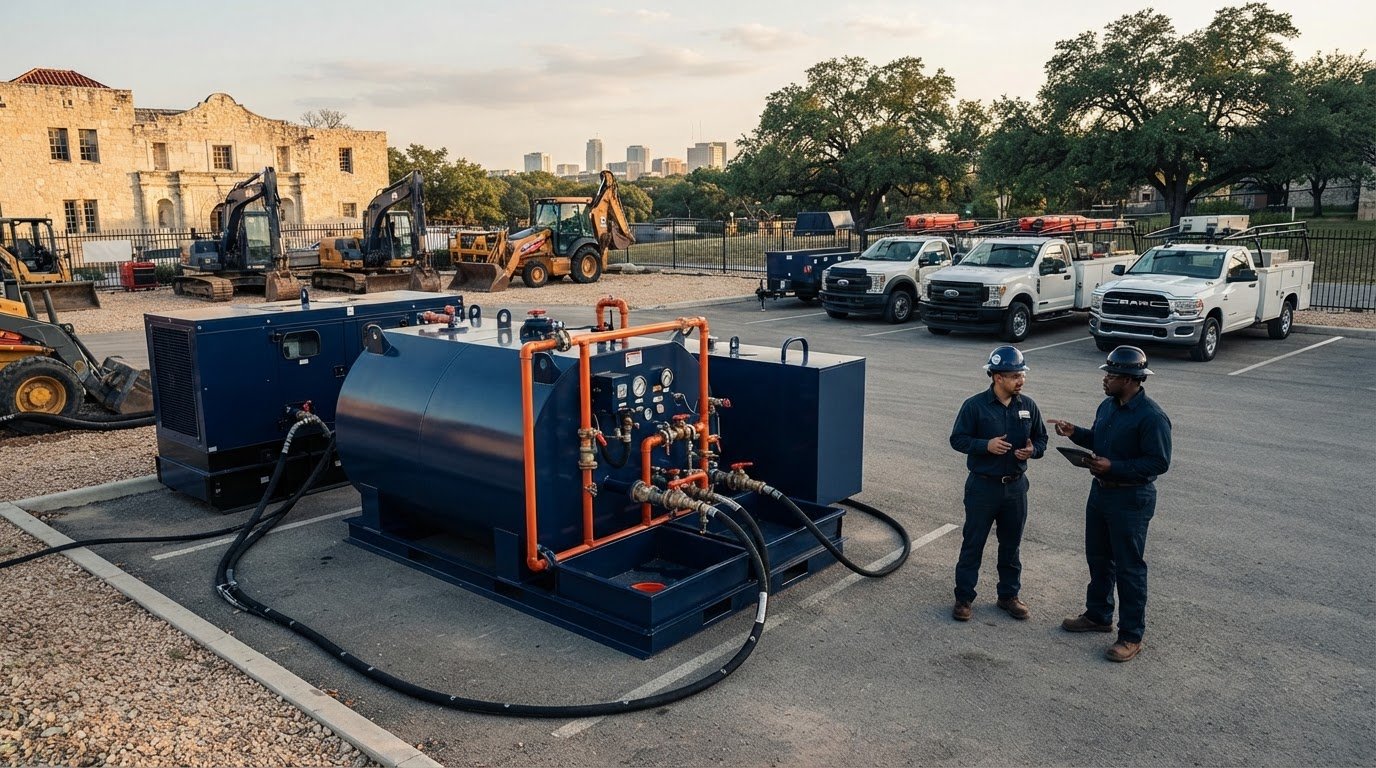
Temporary job sites in Houston or Austin often lack the infrastructure for permanent tanks. In these scenarios, 275-gallon and 330-gallon tote exchange programs offer the ideal balance of volume and mobility. These sealed containers are easily moved with a forklift, allowing you to position fluid exactly where your heavy machinery is working. You can find more Equipment Fueling Service tips to help manage these assets effectively on a crowded site.
Mobile Refueling: The Vigilant Partner Approach
Mobile refueling is a direct-to-tank service where the delivery driver fills each machine individually. This "Vigilant Partner" approach eliminates the need for your operators to handle fluid, which removes the risk of contamination and accidental spills. It also ends the "jug-and-funnel" inefficiency that drains labor hours. By utilizing an integrated strategy, such as those detailed in our guide on Commercial Diesel Delivery in Houston, you can bundle on-site def fluid delivery with your standard fuel drops. This ensures your equipment is fully prepped for the next shift with a single visit.
Optimizing On-Site DEF Logistics for Texas Climates
Operating a fleet in the Texas heat requires a proactive approach to fluid management. Managing on-site def fluid delivery in cities like Houston or San Antonio isn't just about volume; it's about protecting chemical stability. Most modern engines maintain a DEF-to-diesel consumption ratio between 2% and 6%. If you're burning 1,000 gallons of diesel, you'll typically require 20 to 60 gallons of fluid to stay compliant. Precise calculations allow you to schedule deliveries that match your burn rate, preventing stagnant inventory from sitting in the sun.
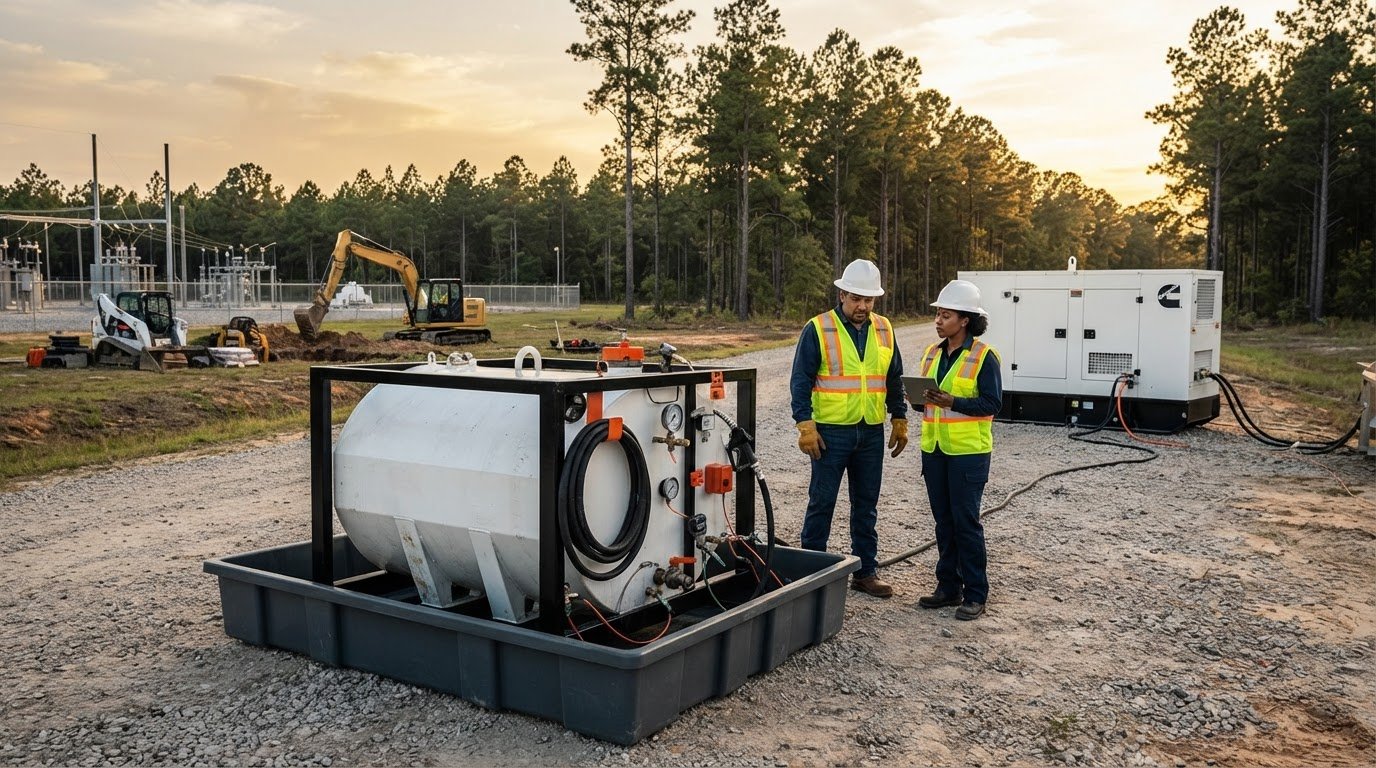
Site placement is equally critical for operational safety. Position your storage tanks on level, stable ground away from heavy traffic lanes to prevent accidental impacts. Ensure your fueling stations are easily accessible for large delivery vehicles to minimize site congestion. Implementing clear safety protocols, such as secondary containment for all tanks, protects your site from spills and ensures you remain in compliance with local environmental regulations.
Heat Management and Shelf Life in Texas
Extreme temperatures are the primary cause of fluid degradation. When urea is exposed to prolonged heat, it begins to decompose and release ammonia, which can trigger system faults. At constant temperatures above 90°F, the shelf life of DEF can be reduced from two years to less than six months. This makes inventory rotation a high-stakes task for site managers.
Protect your investment by using shaded storage areas or insulated tank wraps. Avoid placing totes on asphalt, which radiates heat back into the fluid. Adopting a "First-In, First-Out" (FIFO) inventory strategy ensures that your oldest stock is always used first. This prevents fluid from sitting long enough to lose its chemical potency during the peak of the Texas summer.
Preventing Contamination During Refilling
Contamination during the refilling process is a leading cause of SCR failure. To prevent this, professional on-site def fluid delivery utilizes closed-loop systems. These systems ensure the fluid is never exposed to the open air, keeping dust, dirt, and rainwater out of your equipment. Specialized pumps and nozzles are mandatory; they must never be swapped with diesel equipment to avoid cross-contamination that would immediately sideline a machine.
Site foremen should maintain a strict inspection checklist for every incoming delivery. Verify that all seals are intact and that the delivery equipment is clean and dedicated to DEF service. If you need a partner who understands the unique demands of the Texas environment, contact our specialists today to secure your supply chain.
React Fueling: Your Partner for Reliable DEF Delivery in Houston and Beyond
React Fueling operates as a specialized ally for commercial and industrial operations throughout the state. We provide a comprehensive suite of services including diesel delivery, DEF fluid delivery, and fuel tank rentals. This single-source model eliminates the complexity of managing multiple vendors across different sites. It ensures your logistics remain organized and your equipment stays fueled without the mess of manual handling. Transitioning from retail purchasing to a managed on-site def fluid delivery program removes the logistical burden from your internal team. We take full responsibility for scheduling, purity checks, and direct-to-equipment delivery. This allows your operators to focus entirely on project execution rather than chasing fluid at retail stations.
Comprehensive Texas Coverage: From Magnolia to Dallas
Our reach extends across the major industrial corridors of Texas. We maintain a strong local presence in Houston, San Antonio, Austin, Dallas, and College Station. This regional focus is a strategic advantage; our local dispatchers understand specific Texas traffic patterns and the project urgency unique to our climate. Whether you're operating a high-volume logistics hub in Dallas or a remote construction project in Magnolia, we show up when it matters most. Our boots-on-the-ground expertise guarantees that every delivery is handled with the precision required for high-stakes environments. You can request a custom quote to see how our local knowledge can optimize your delivery route.
Integrated Energy Logistics for Construction and Fleet
We act as a Vigilant Partner by monitoring your fluid levels so you don't have to. This proactive management prevents the "limp mode" delays and contamination risks that derail productivity. Our integrated logistics approach bundles your fuel and DEF needs into a single, methodical visit. This reduces site traffic and simplifies your administrative workload through unified, transparent invoicing for all services. In high-pressure situations, our emergency fuel delivery capabilities provide a vital safety net for critical infrastructure and disaster recovery. We leverage our membership in the React Holdings family to provide 24/7 reliability and emergency response. This commitment ensures your fleet remains operational regardless of the challenges on the ground. By consolidating your energy needs with a seasoned problem solver, you gain total control over your logistics and achieve peace of mind.
Securing Your Fleet’s Future with Professional DEF Logistics
Maintaining operational continuity in 2026 demands a shift from reactive sourcing to proactive management. You now understand that high-purity fluid is a non-negotiable requirement for modern SCR systems, especially when navigating the extreme temperatures of the Texas climate. By implementing on-site def fluid delivery , you eliminate the contamination risks of manual handling and protect your engines from costly "limp mode" downtime. This guide has detailed how ISO 22241 certified fluid and integrated logistics provide the stability your project timelines require.
Whether you are managing a construction site in Houston or a logistics hub in Dallas, the goal remains the same: zero interruptions and total compliance. React Fueling stands ready as your seasoned problem solver, offering 24/7 emergency support and ISO 22241 certified fluid across Houston, Dallas, Austin, and San Antonio. Take control of your energy logistics and ensure your equipment is always ready for the next shift.
Request a Custom DEF Delivery Quote for Your Texas Fleet
Frequently Asked Questions
How much DEF fluid does my fleet actually need?
Your consumption rate depends on the engine load and the age of your machinery. Most modern Tier 4 engines require a DEF-to-diesel ratio between 2% and 6%. For every 1,000 gallons of fuel burned, plan for 20 to 60 gallons of fluid. Heavy-duty applications or older SCR systems may sit at the higher end of this range, requiring more frequent on-site def fluid delivery to maintain uptime.
Does DEF fluid freeze or degrade in the Texas heat?
While DEF freezes at 12°F, the primary concern for Texas fleets is thermal degradation. Constant exposure to temperatures above 90°F accelerates the decomposition of urea, releasing ammonia and shortening the shelf life significantly. We recommend using shaded storage or insulated tanks in cities like Houston and San Antonio to protect the fluid’s chemical integrity during the peak summer months when site temperatures often spike.
Can I store Diesel Exhaust Fluid on-site without a permit?
You generally don't need specialized hazardous material permits for DEF because the fluid is non-toxic and non-flammable. However, you must adhere to local environmental safety standards regarding spill prevention. Using secondary containment for totes or rental tanks is a standard best practice on Texas job sites. This prevents accidental leaks from reaching the soil and ensures your facility remains compliant with industrial environmental regulations.
What happens if I put DEF in my diesel fuel tank by mistake?
Do not start the engine or turn the ignition to the "on" position. DEF is highly corrosive to the metals found in fuel systems and will cause catastrophic damage to your injectors and high-pressure pumps. If contamination occurs, you must have a professional drain the tank and flush the entire system. Immediate intervention is the only way to prevent a total engine failure and expensive mechanical repairs.
Is on-site DEF delivery more cost-effective than buying at the pump?
Managed on-site def fluid delivery is more cost-effective because it eliminates the hidden expenses of driver downtime and manual labor. Chasing retail jugs at a gas station wastes valuable project hours and increases the risk of fluid contamination. By bundling your delivery with fuel services, you secure professional-grade pricing and ensure your equipment is always ready for the next shift without logistical friction.
How long is the shelf life of DEF in a 330-gallon tote?
Shelf life is determined by your storage environment. At a steady 75°F, the fluid remains stable for up to two years. However, in an unshaded tote on a Dallas or Austin construction site, the heat can reduce that window to less than six months. We help our clients manage inventory through a "First-In, First-Out" rotation strategy, ensuring that older stock is utilized before any degradation occurs.
What equipment is needed to pump DEF fluid on a job site?
You must use pumps and hardware specifically designed for DEF, typically constructed from stainless steel or specialized polymers. Standard fuel pumps will contaminate the fluid and trigger SCR system faults. Our delivery team utilizes dedicated, closed-loop equipment to transfer the fluid directly into your machines. This professional setup prevents dust, debris, and cross-contamination from entering your sensitive emissions systems during the refilling process.
Does React Fueling offer 24/7 emergency DEF delivery in Houston?
Yes, React Fueling provides 24/7 emergency response for critical infrastructure and high-stakes industrial projects throughout Houston and the surrounding Texas regions. As a specialized division of the React Holdings family, we maintain the readiness required to show up whenever a supply disruption threatens your operation. This around-the-clock capability ensures that your emergency generators and commercial fleets never face downtime due to fluid exhaustion.