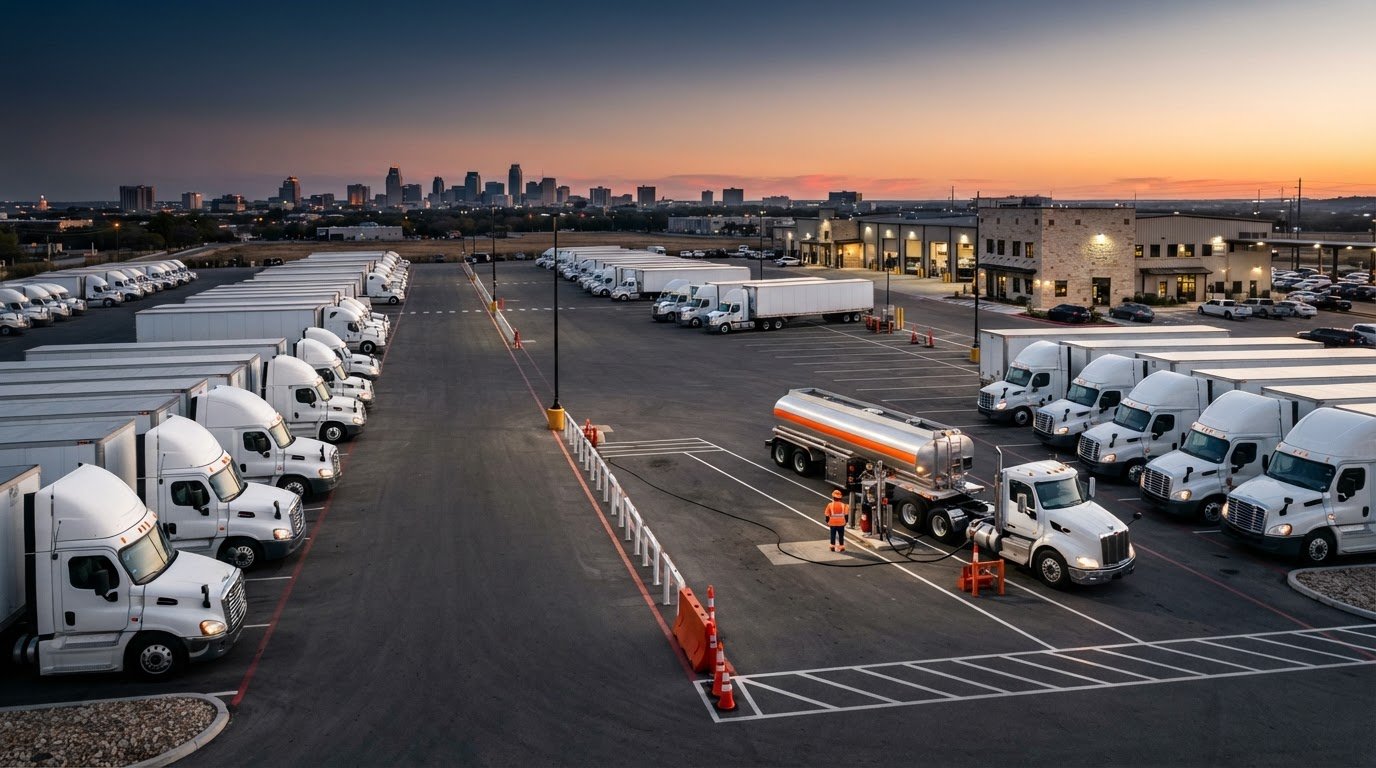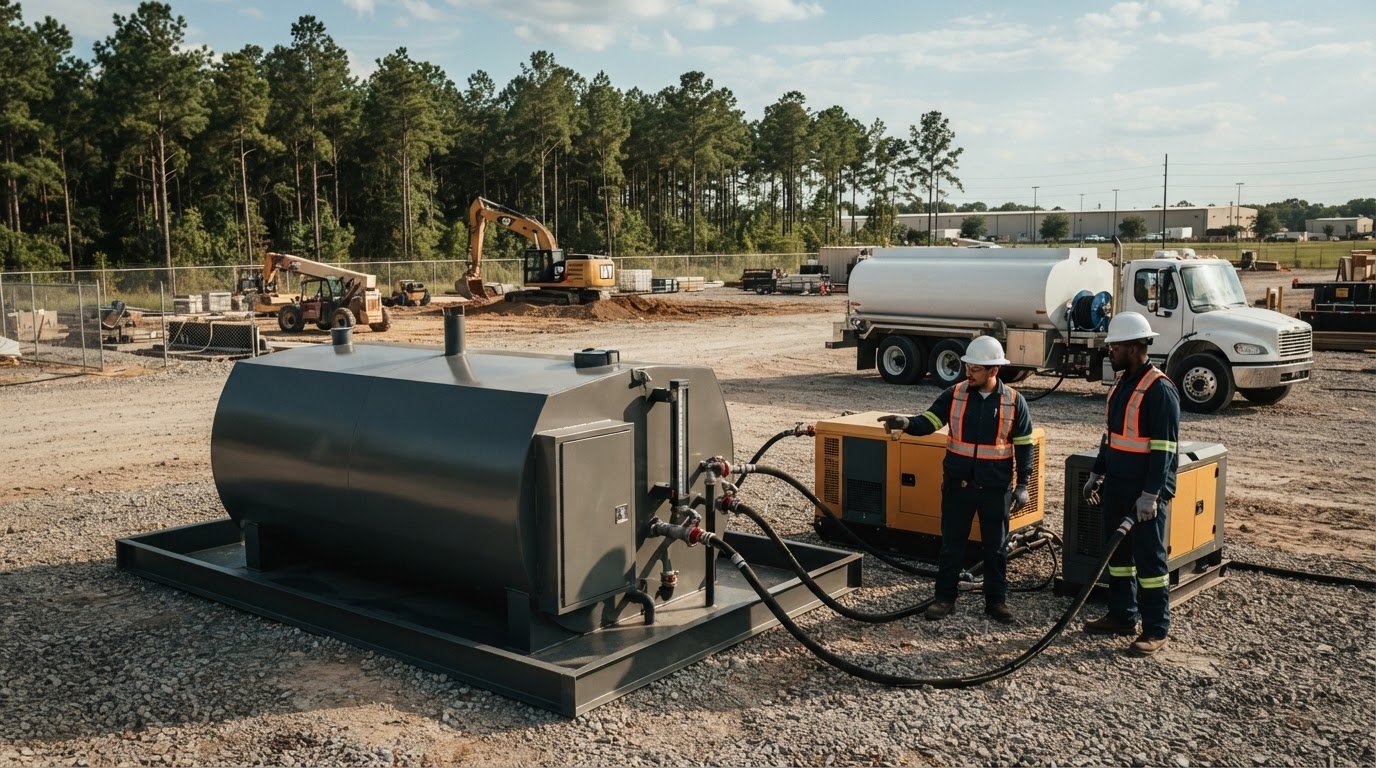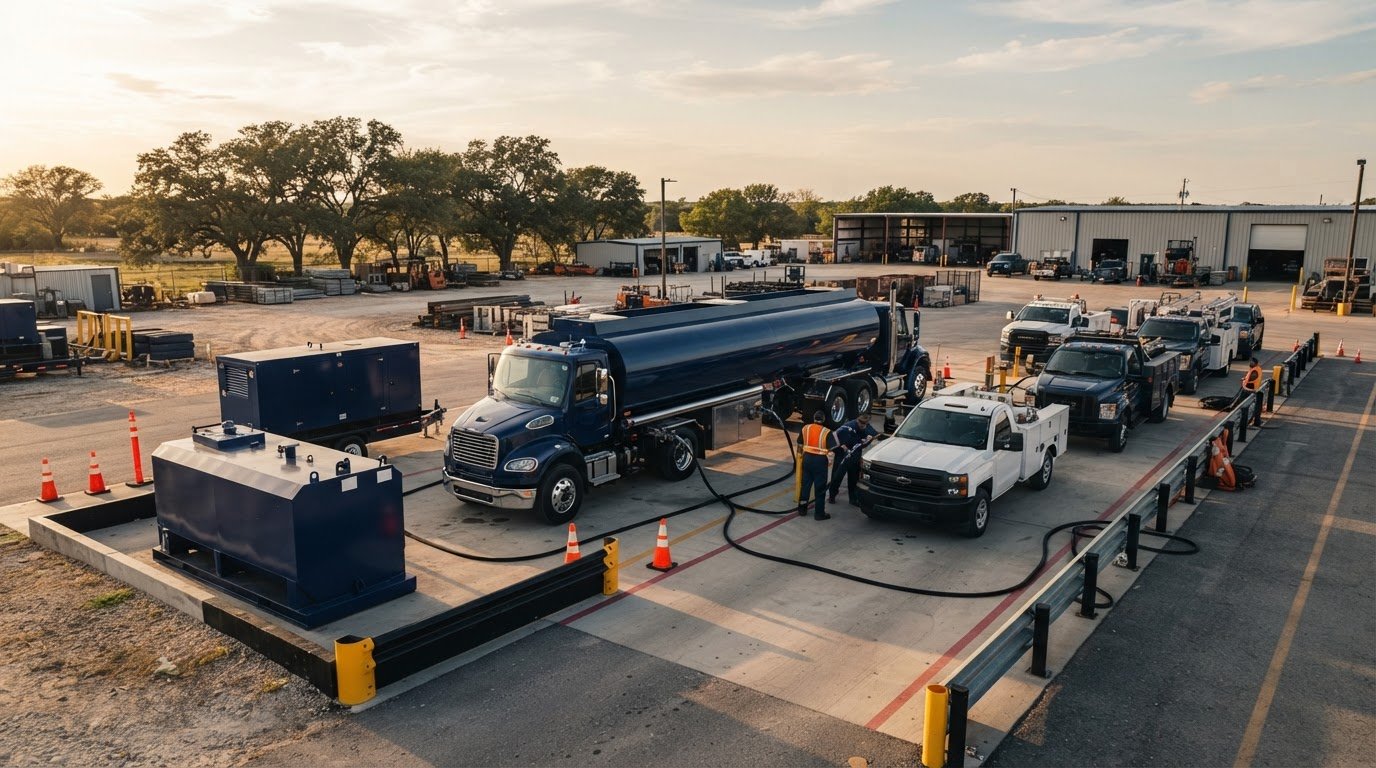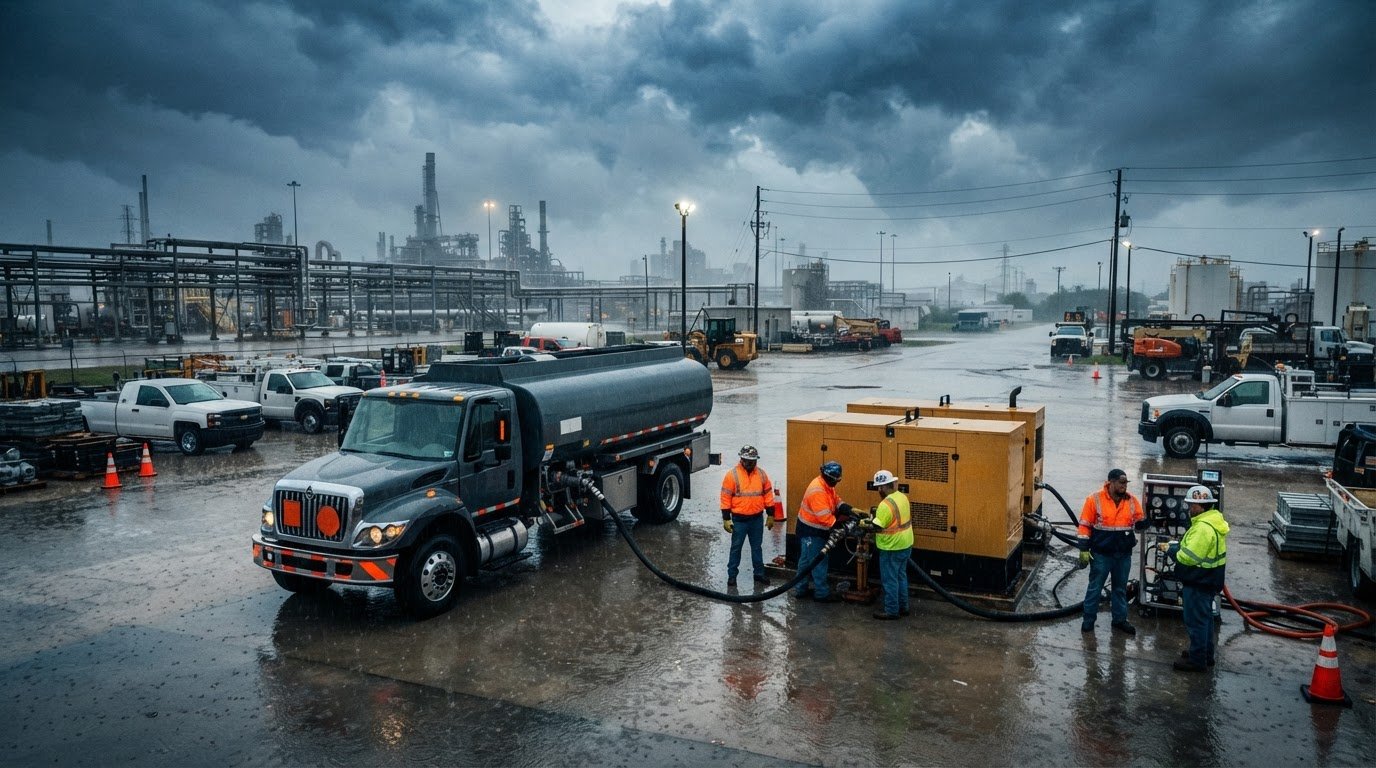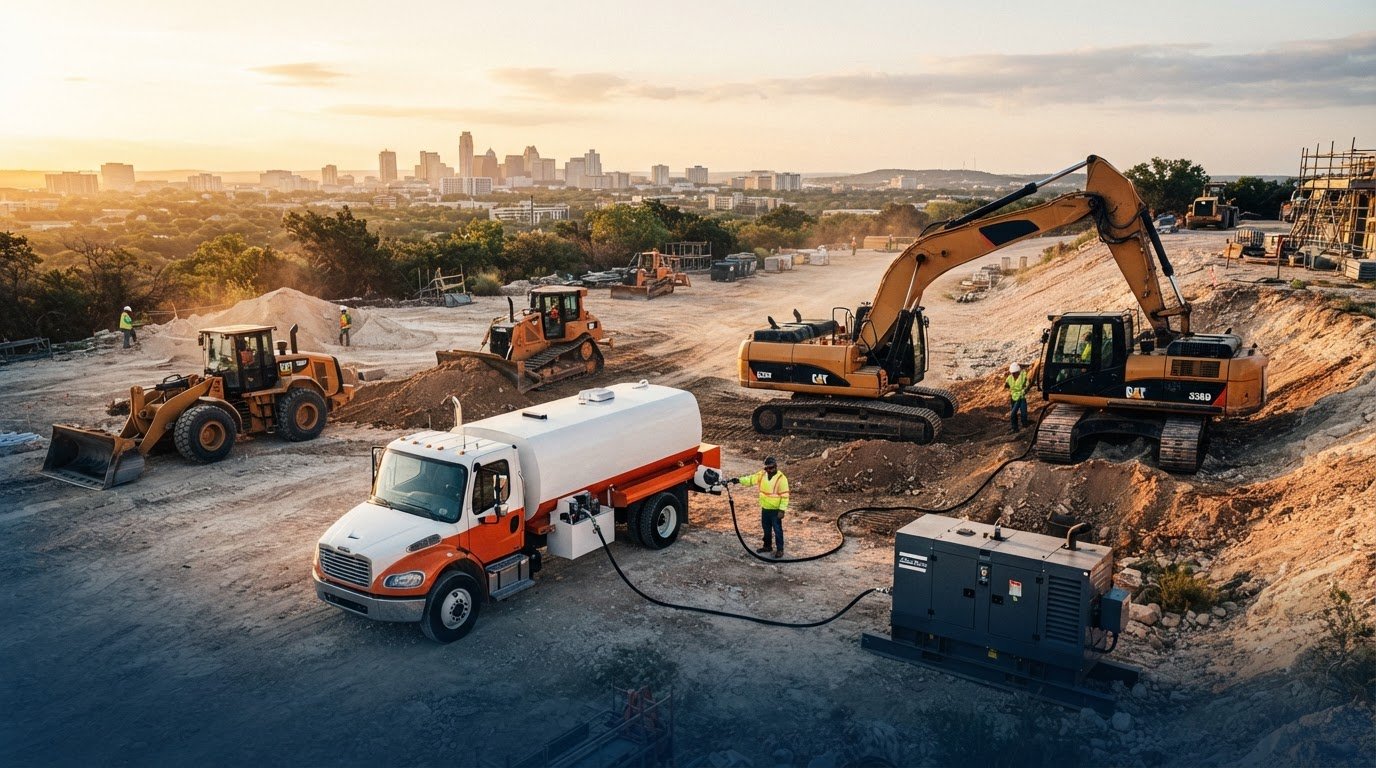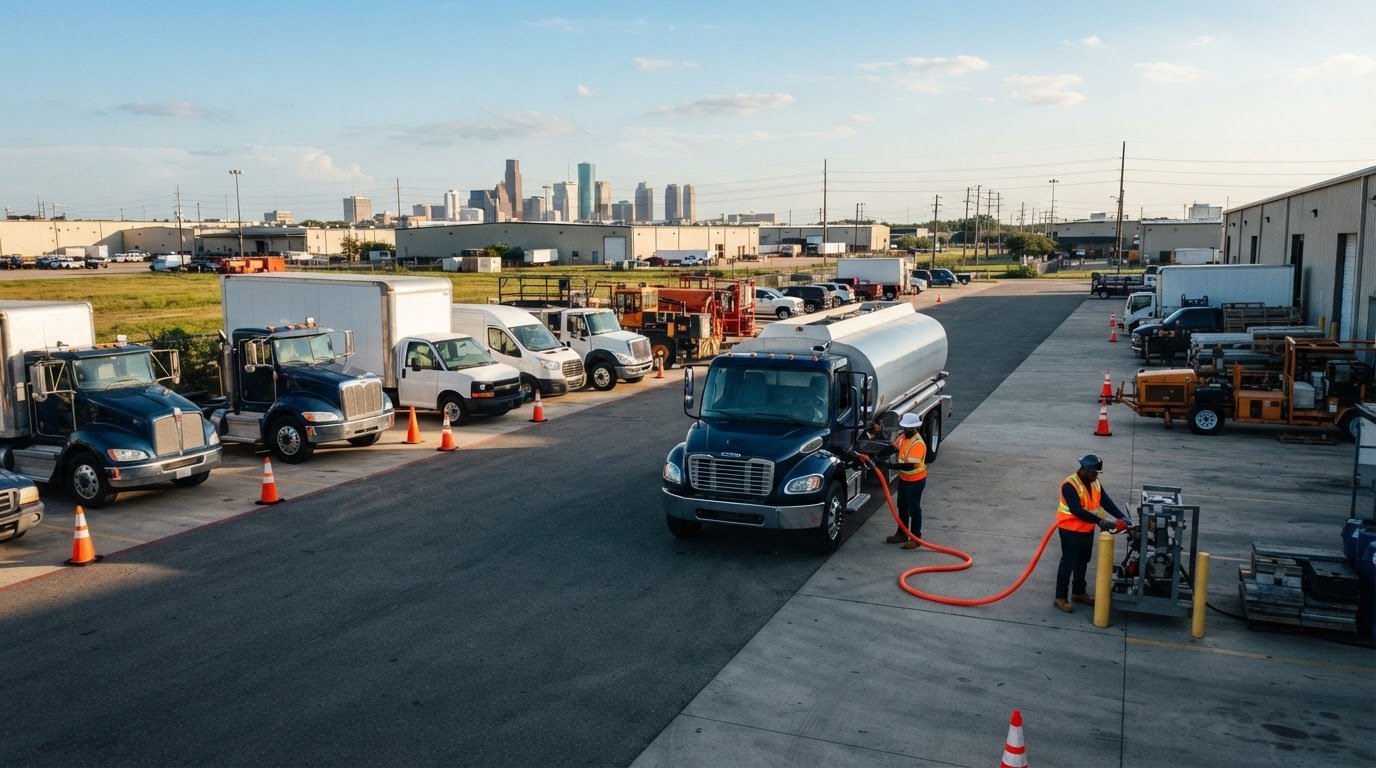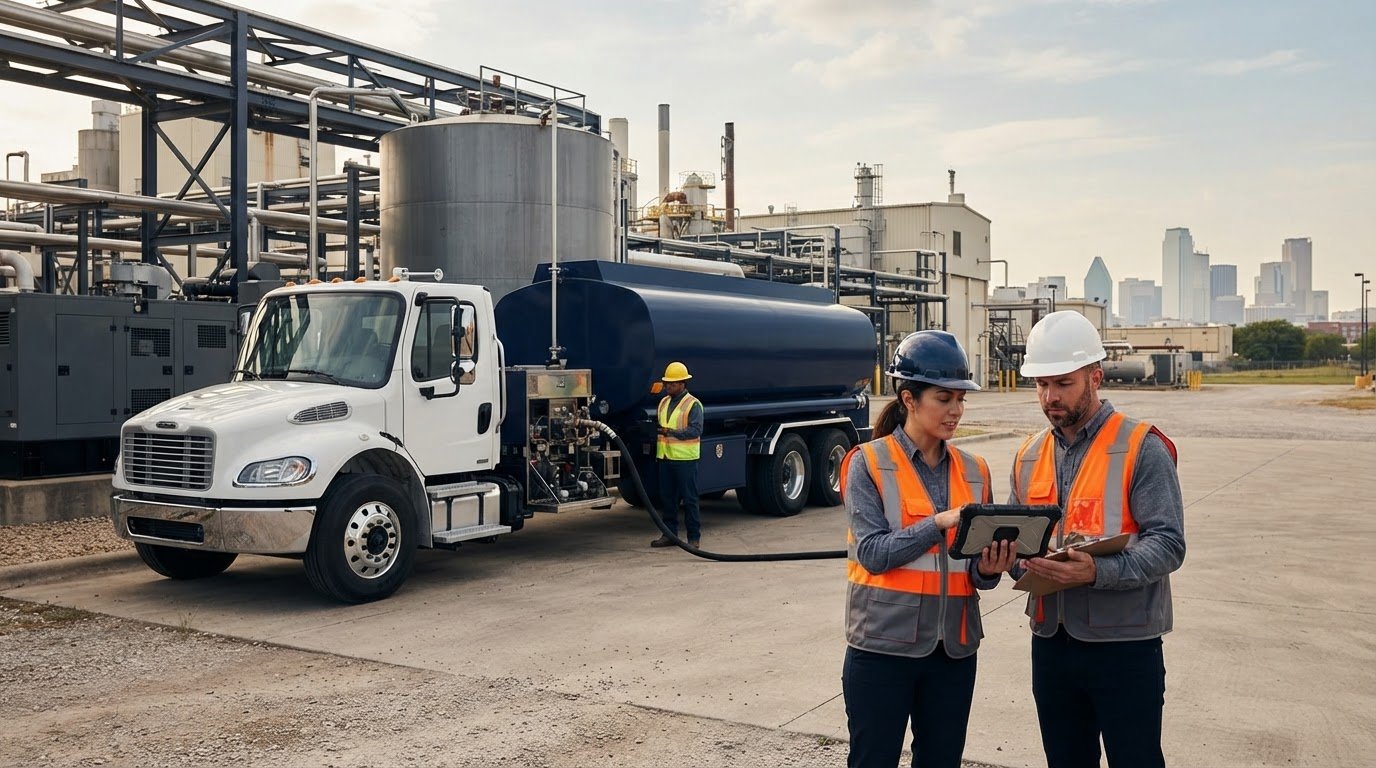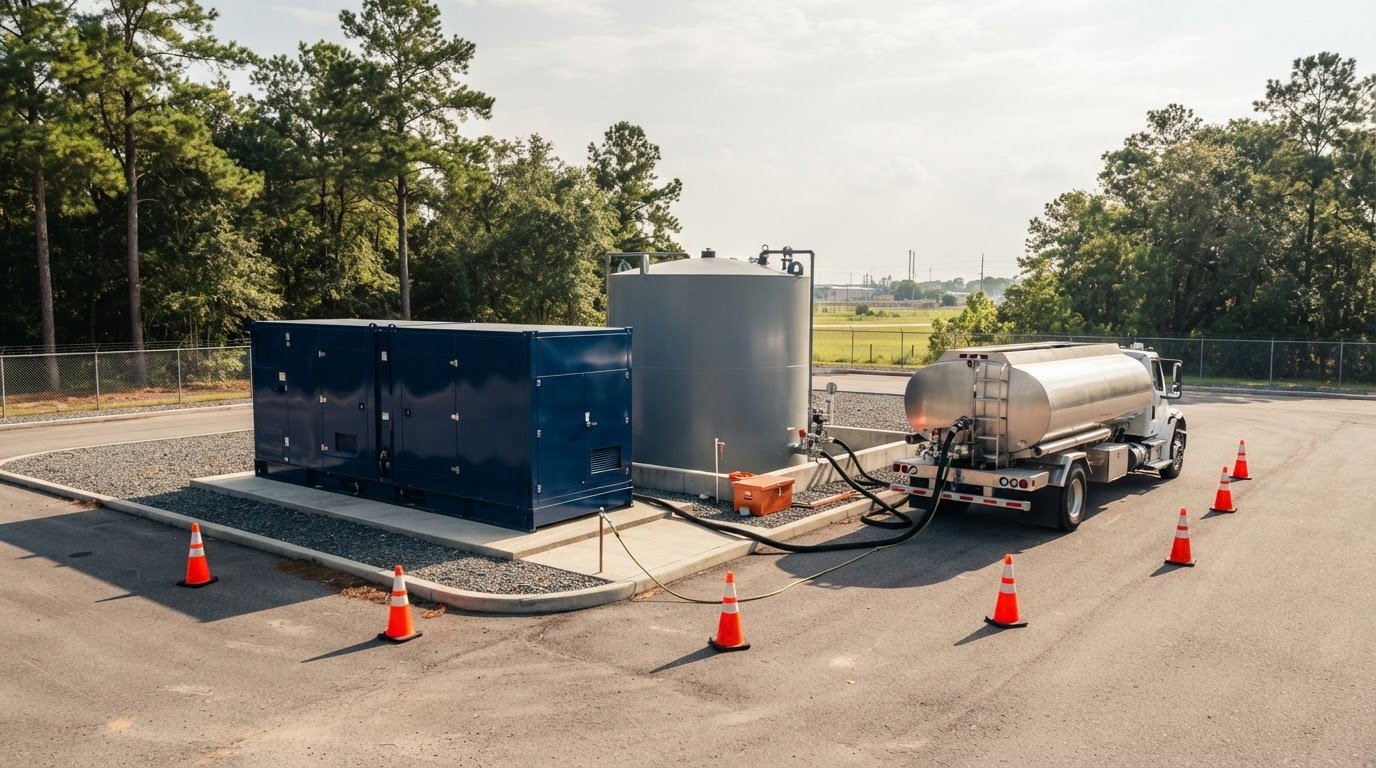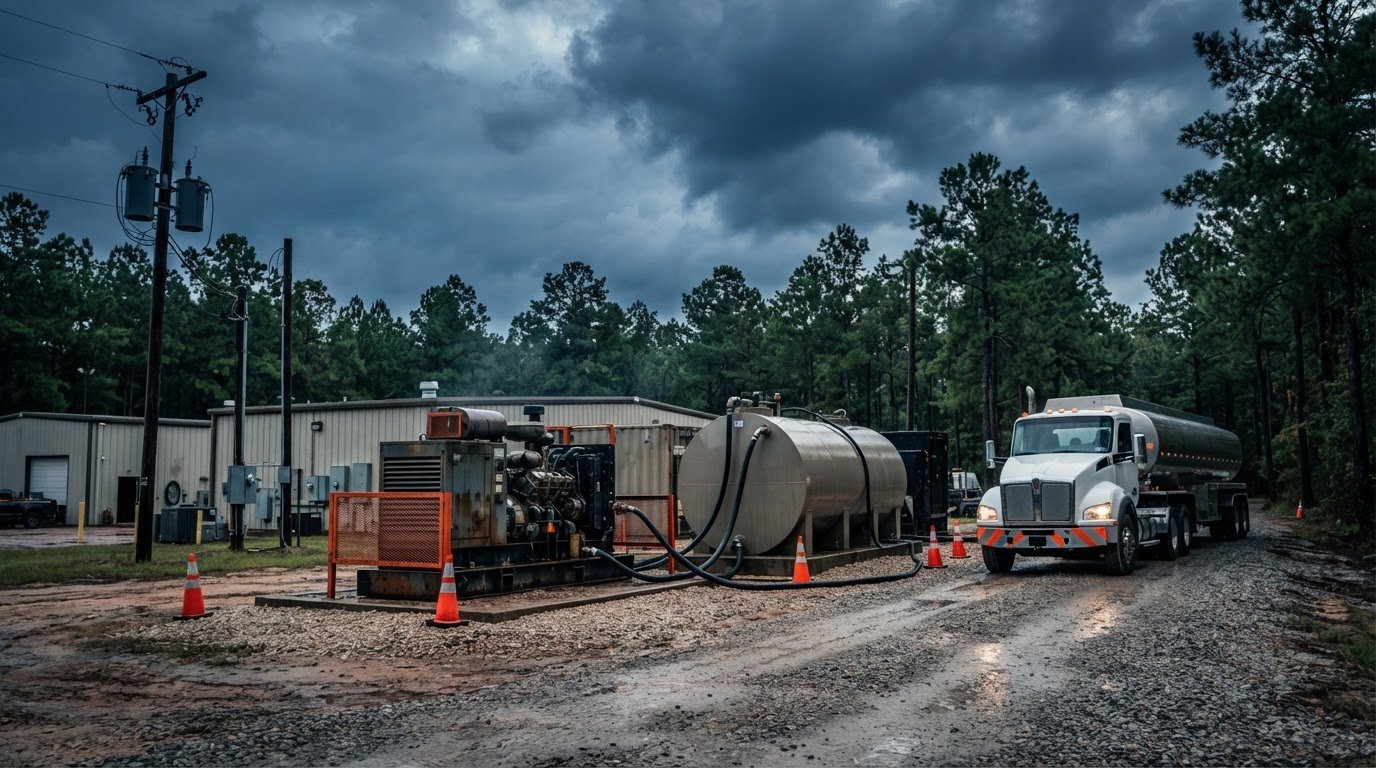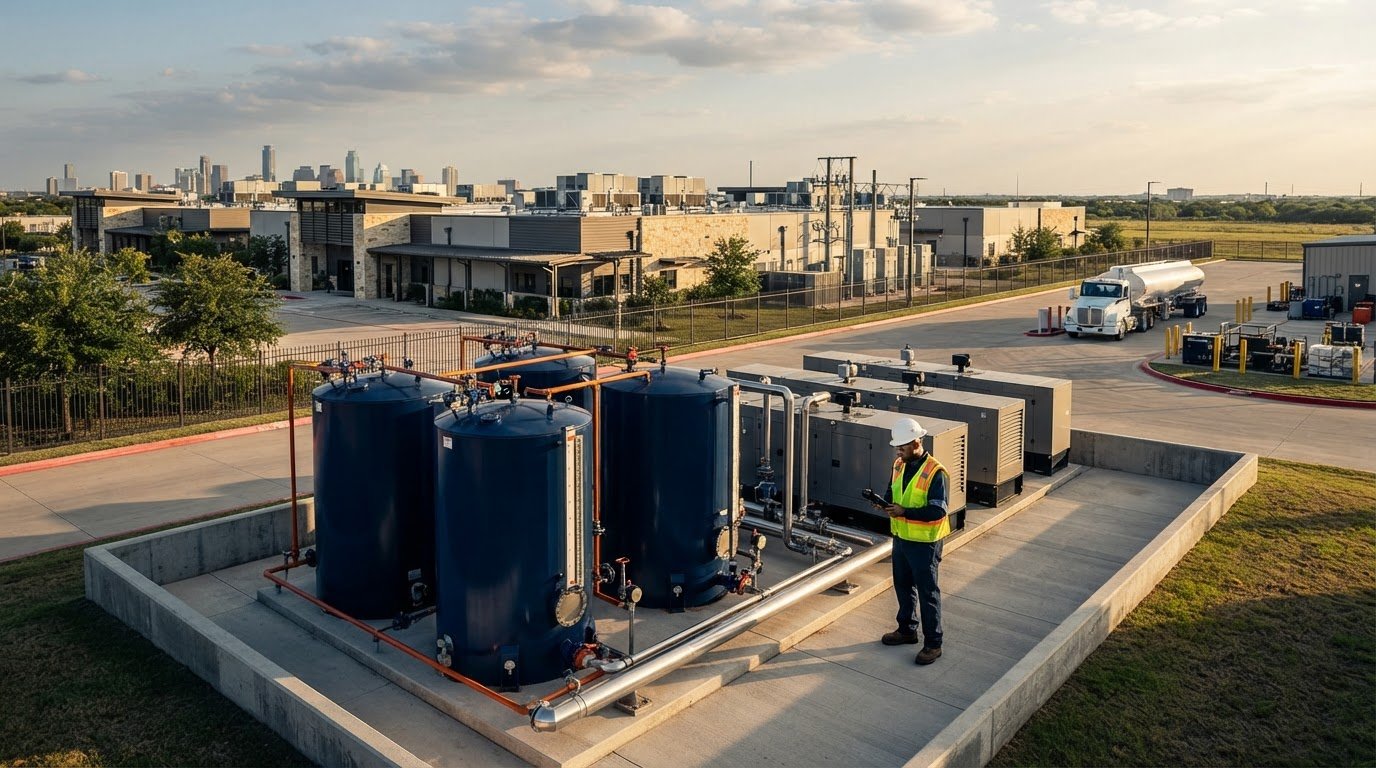
What if refueling fit the work plan instead of pulling equipment and operators away from it? On a busy Texas job site, a trip to a central tank or retail fuel stop can interrupt work. Direct-to-equipment fueling brings fuel to machinery at its operating location, making refueling part of site coordination rather than a separate trip.
Keeping equipment available takes more than arranging a delivery. Site access, equipment locations, fuel use, work schedules, and safety controls all matter. A clear plan helps crews coordinate fueling around operations and reduce avoidable disruption without adding confusion to the site.
This article explains how direct-to-equipment fueling works, where it can fit, and what to plan for when coordinating deliveries around equipment and site requirements. You’ll also see how React Fueling supports construction and industrial operations across Texas, including Houston, Magnolia, San Antonio, College Station, Austin, and Dallas.
Direct-to-equipment fueling: what it is and when it helps
Direct-to-equipment fueling delivers fuel to machinery at its operating location, reducing the need to send operators away or move equipment to a central tank for refueling. The delivery is coordinated around equipment locations and the site’s operating plan, making refueling part of job-site logistics rather than a separate trip.
This approach can reduce interruptions, but it doesn’t mean equipment will never pause for fuel. The practical fit depends on delivery vehicle access, site procedures, equipment fuel needs, and when each asset operates. Planning those details helps crews coordinate fueling without disrupting work areas or losing track of which equipment needs attention. Fuel planning is one part of broader fuel management systems, which help organizations oversee fuel use across their operations.
Which operations can benefit from direct equipment fueling?
Construction machinery and industrial assets are strong candidates because they may operate across large, changing, or restricted work areas. Equipment that’s remote from a fuel tank, spread across a site, or expected to work for long stretches can make refueling a coordination challenge. In Texas, a construction project in Houston may have different access routes and work patterns from an industrial site in Dallas or a job in College Station. Let the site layout and operating schedule shape the fueling plan.
React Fueling provides equipment fueling for construction machinery and industrial assets, coordinating refueling around project needs. A useful plan accounts for where equipment is staged, when it can be accessed, and how fueling fits alongside other site activity.
Direct-to-equipment fueling versus other refueling approaches
Each approach shifts the work differently. A retail fueling trip takes an operator and equipment away from the work area. With a centralized on-site tank, equipment may need to travel to the tank, or crews may need to manage fuel transfer themselves. Direct-to-equipment fueling brings delivery to the machinery, which can reduce equipment movement and time spent on refueling trips. Site procedures still guide access, timing, and fuel oversight.
Consider a site with machines working in separate areas. A central tank may be convenient for nearby equipment, while assets farther away can require more travel and coordination. Equipment-side delivery can align refueling with project locations and operating patterns. React Fueling also provides emergency fueling support for fuel needs outside routine planning. The right approach depends on site access, procedures, fuel requirements, and equipment use.
Direct-to-equipment fueling: request to delivery
A well-coordinated visit starts with a clear picture of the work site and the equipment that needs fuel. Organize the request in five steps so the delivery plan reflects actual operating conditions:
- Define the need. Identify equipment types, approximate quantities, expected fuel needs, and whether the request is routine or tied to a changing project demand.
- Share site details. Provide the site address, equipment locations, and instructions that help the delivery team find the right work area.
- Coordinate access. Note gate procedures, site orientation requirements, restricted areas, and the on-site contact responsible for coordinating arrival.
- Plan the fueling window. Align equipment availability, shift schedules, and the site work plan.
- Update internal records. Record which assets were fueled and note follow-up needs, using the information available after the visit.
What information helps coordinate an equipment fueling visit?
Be specific about which assets need service and where they’ll be positioned. A list of equipment types and approximate quantities, paired with operating schedules and fueling locations, helps establish a workable plan. Include the site address, gate access instructions, orientation steps, restricted areas, and the name and contact details of the site representative. If equipment or work zones are likely to move, communicate those changes early so the plan can adapt.
Safety procedures also belong in the coordination process. Identify site rules that affect access and fueling activity, and make sure the responsible contact can help direct the visit. For general context, review OSHA’s fuel handling and storage regulations; site-specific procedures should guide work at the location.
How can delivery fit around an active job site?
Set the fueling window for a time when equipment can be reached without conflicting with planned use or other site activity. For example, a machine scheduled to work in one area during a shift may be easier to access before it moves to another work zone. A window is a coordination tool, not a guarantee that site conditions won’t change. Keep the site contact informed if equipment availability or access changes.
Clear directions reduce avoidable confusion at arrival. Specify the correct entrance, where to check in, how to reach each fueling location, and who can address access changes. React Fueling coordinates equipment refueling around project needs through its equipment fueling service. After the visit, update internal equipment and fuel logs with the information available so the next plan reflects current needs.
Direct fueling or on-site tanks: choose around access, control, and equipment use
Choose a fueling setup based on where equipment works, how often it needs fuel, and how your team manages fuel on site. Direct-to-equipment fueling can reduce the need to move machinery to a tank or send operators off-site, while on-site storage keeps fuel near recurring work. Driver-led refueling is another option when equipment can travel to a retail location and the trip fits the work plan. No single approach fits every project.
| Approach | Equipment mobility and access | Frequency, oversight, and operator time |
|---|---|---|
| Delivery to equipment | Worth considering when assets are spread out, difficult to move, or tightly scheduled. A workable delivery depends on access to equipment and coordination with site procedures. | Recurring needs can inform planned fueling windows. Teams coordinate which assets need fuel and use available visit information as part of fuel oversight. Operators may spend less time moving equipment for refueling, depending on site conditions. |
| On-site tank storage | Places fuel near recurring work, but equipment still needs access to the tank or a process for fuel transfer. | The site manages stored inventory and replenishment. Operator time depends on the distance to the tank and the steps required to fuel each asset. |
| Driver-led retail refueling | Requires equipment to reach a retail fueling location, so it suits assets that can travel and leave the work area. | Refueling frequency follows equipment use and fuel needs. Operators handle the trip, and the site tracks fuel activity through its own process. |
When does direct-to-equipment fueling make operational sense?
Consider it when equipment is dispersed across a work site, hard to move, or committed to a demanding schedule. A recurring pattern, such as the same group of assets needing fuel during particular work windows, can help shape a planned routine. Actual fuel use varies with equipment and operating conditions. The Association of Equipment Manufacturers discusses how equipment efficiency and fuel use are connected, reinforcing why fueling plans should reflect real asset use rather than assumptions. Direct fueling isn’t automatically faster, less costly, or the right fit for every site.
When might an on-site fuel tank be part of the plan?
A tank may suit a site with recurring work in one area and a process for monitoring stored fuel and arranging replenishment. It can complement equipment-side delivery on a complex project: keep storage near regular activity and coordinate delivery to assets that are difficult to reach or move. React Fueling offers portable fuel tank rentals for operations evaluating on-site storage.
Coordination is easier when the plan sets clear access, fueling windows, and site procedures. Review equipment locations and use patterns as work areas change, then adjust the balance between storage and delivery.
Plan a safe, workable equipment fueling routine for a Texas site
A fueling routine works best when site access, equipment locations, and operating windows are clear before a delivery is scheduled. Build those details into the work plan, then update them as the project changes. This is especially useful on active Texas sites, where a Houston-area job may shift work zones or access routes, just as a project in Magnolia, College Station, Austin, San Antonio, or Dallas might.
What should a site team prepare before fueling?
Use this checklist to make the visit easier to coordinate:
- Confirm access: Share the correct site address, entrance, gate instructions, and any movement or entry restrictions.
- Locate equipment: Identify the current fueling location for each asset and confirm equipment will be accessible during the planned window.
- Name a contact: Designate an on-site person who can answer access questions and direct the delivery team.
- Align procedures: Account for site orientation, restricted areas, and applicable safety procedures before the visit.
- Set an operating window: Choose a time that fits equipment use and the site work plan.
Follow site-specific safety procedures and applicable requirements for fuel handling. Don’t assume that a routine used at one project automatically applies at another; site conditions and procedures can differ. If rain, changing ground conditions, a moved work zone, or equipment relocation affects access, update the fueling plan and contact process rather than relying on outdated directions.
How should teams manage changing fuel demand?
Track equipment use and expected schedule changes so the fueling plan reflects current work, not last week’s layout. A simple internal process can record which assets need attention, where they’ll be working, and who should communicate changes. Assign responsibility for updating that information when equipment moves or the work schedule shifts.
Build a contingency process for urgent fuel needs as well. Define who reports the issue, what site and equipment details they should provide, and how the team will share access changes. React Fueling provides emergency fuel delivery alongside equipment fueling, giving Texas operations a service to include in contingency planning. Review emergency fueling support as part of that plan.
With direct-to-equipment fueling, current locations and clear communication help align delivery with real site conditions. Build the plan around equipment, access, and project needs rather than relying on a fixed routine.
Keep Texas equipment moving with React Fueling
Fueling equipment at its work location can make refueling part of the project plan instead of a separate trip. Planned, site-aware coordination may reduce interruptions, particularly when machinery is difficult to move or spread across a work area. The best arrangement still depends on access, operating patterns, fuel needs, and site procedures.
React Fueling provides equipment fueling for construction machinery and industrial assets, alongside commercial diesel delivery. Operations teams can align fueling with project equipment, site locations, and schedules. That local context matters across Texas: a construction site in Houston may have different access and staging needs from an industrial operation in Magnolia, College Station, Austin, San Antonio, or Dallas.
What a coordinated fueling partner contributes
A fueling plan is most useful when it reflects the work on the ground. Sharing equipment locations, access instructions, and operating windows gives the delivery team practical context for coordinating around project needs. Commercial diesel delivery can also support broader site requirements, while equipment fueling focuses on machinery and industrial assets at their operating locations.
React Fueling is part of the React Holdings family of companies. Review the commercial fuel services overview for more context on fuel services that can support business operations.
Move from fueling plan to next step
Bring your equipment list, current fueling locations, site access details, and operating schedule into the planning conversation. Include expected changes to work zones or equipment placement so the fueling approach can account for the project as it develops. Clear information helps connect the service plan to actual site conditions without assuming every job follows the same routine.
React Fueling serves construction and industrial operations across Houston, Magnolia, San Antonio, College Station, Austin, and Dallas. A plan built around equipment and site requirements helps coordinate fueling with the work in progress.
Build a fueling plan that keeps work moving
Direct-to-equipment fueling can make refueling part of the job-site plan, helping reduce unnecessary equipment movement and operator trips. The right setup depends on where machinery operates, how it’s used, and what access and safety procedures apply. Clear equipment locations, delivery windows, and site contacts give crews a practical foundation for coordination.
React Fueling provides equipment and generator fueling for commercial operations in Houston, Magnolia, San Antonio, College Station, Austin, and Dallas. Share your equipment, site access, and scheduling requirements to start shaping a plan around your operation.
Discuss your equipment fueling needs with React Fueling. With a clear plan and the right coordination, your team can focus on the work ahead.
Frequently Asked Questions
What is direct-to-equipment fueling?
Direct-to-equipment fueling is the delivery of fuel to machinery at its operating location. Instead of sending an operator to a retail fuel stop or moving equipment to a central tank, a delivery is coordinated at the asset’s site location. It can suit construction machinery and industrial equipment that’s difficult to move or spread across a work area. Access, site procedures, fuel needs, and equipment schedules shape the plan.
How does direct-to-equipment fueling work on a construction site?
On a construction site, the team identifies which equipment needs fuel, where it will be located, and when it can be accessed. They share the site address, entry instructions, operating window, and an on-site contact to help coordinate the visit. As work zones or machinery locations change, updating those details helps keep the fueling plan aligned with current site conditions and procedures.
Can equipment be fueled while a job site is operating?
Fueling can be coordinated around an active job-site schedule, but the specific process depends on equipment access and the site’s safety procedures. Operations teams can identify suitable fueling windows based on shifts, asset availability, and work-zone activity. The site contact should communicate access restrictions and changing conditions. A plan should never assume that every asset can be safely or practically reached during active work.
When should a business choose direct fueling instead of a fuel tank?
Direct fueling may be practical when equipment is dispersed, difficult to move, or tightly scheduled, and crews want to avoid trips to a tank. On-site tanks can suit recurring work where fuel storage near operations is useful and the site can manage inventory and replenishment. The approaches can also complement one another. Compare equipment locations, access, fuel use, and storage oversight before choosing a setup.
What information does a fuel delivery team need to access equipment?
Provide the site address, entrance and gate instructions, current equipment locations, and the types and approximate quantities of assets needing fuel. Include operating windows, restricted areas, orientation requirements, and the name of an on-site contact. If machinery or work zones move, share updated directions before the planned visit. Clear details help coordinate access and reduce confusion at arrival.
Is direct-to-equipment fueling available in Houston and other Texas cities?
React Fueling provides equipment fueling for commercial operations in Houston, Magnolia, San Antonio, College Station, Austin, and Dallas. The company serves construction machinery and industrial assets, with coordination shaped around project needs and site conditions. Share equipment locations, access instructions, and scheduling requirements so the fueling plan reflects the work site.
How can direct equipment fueling help reduce equipment downtime?
Direct equipment fueling can reduce time spent moving machinery to a tank or sending operators away for retail refueling. That may help limit refueling-related interruptions, particularly for equipment spread across a site or difficult to relocate. The result depends on access, schedules, fuel needs, and site procedures, so it isn’t a guarantee of downtime savings. Planning around equipment use helps crews coordinate refueling with work.