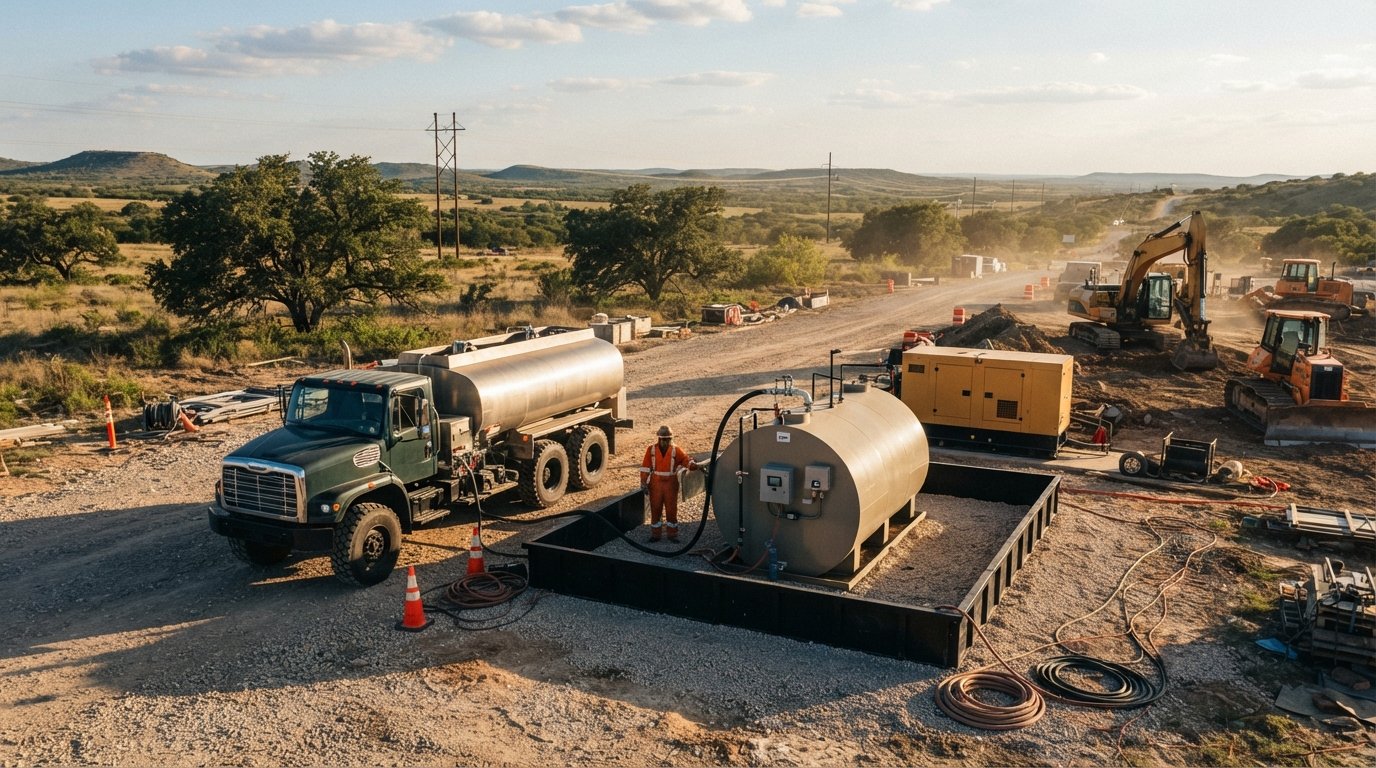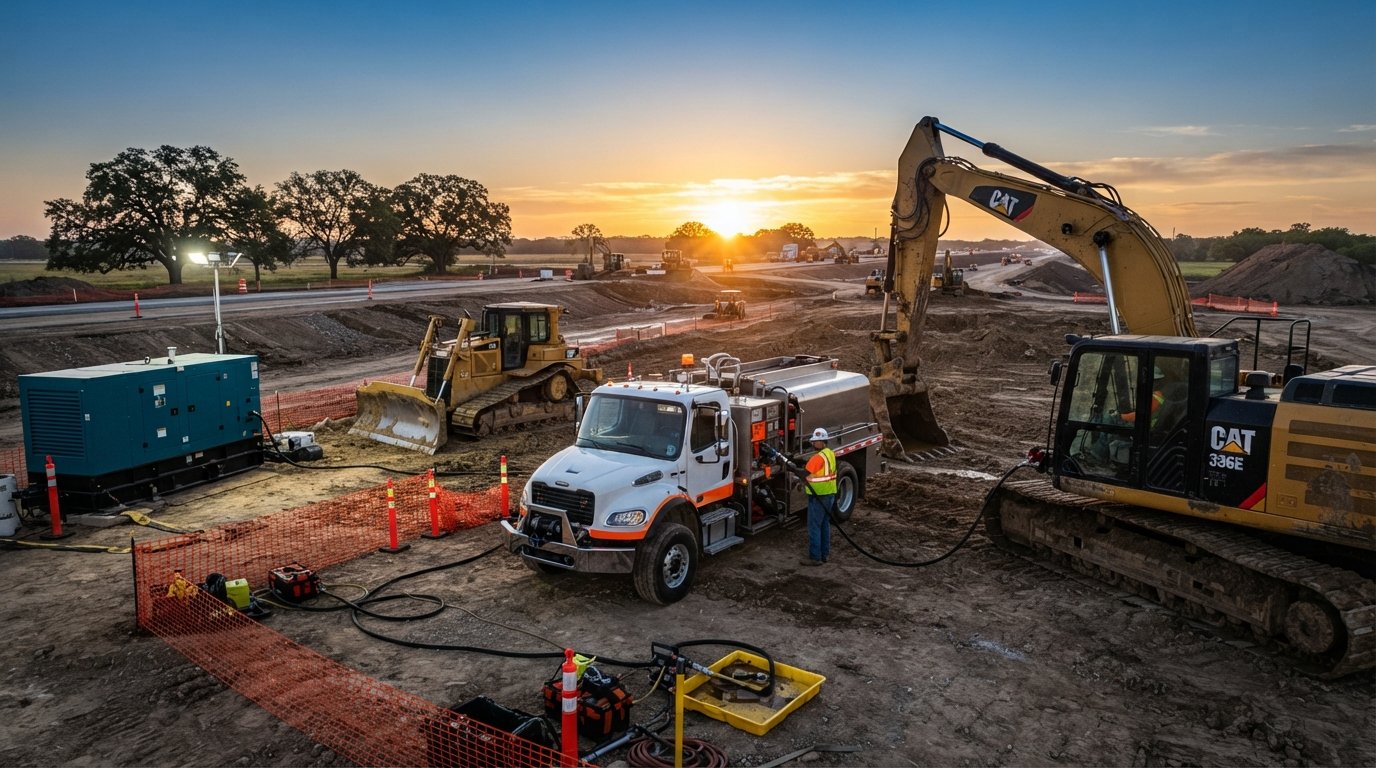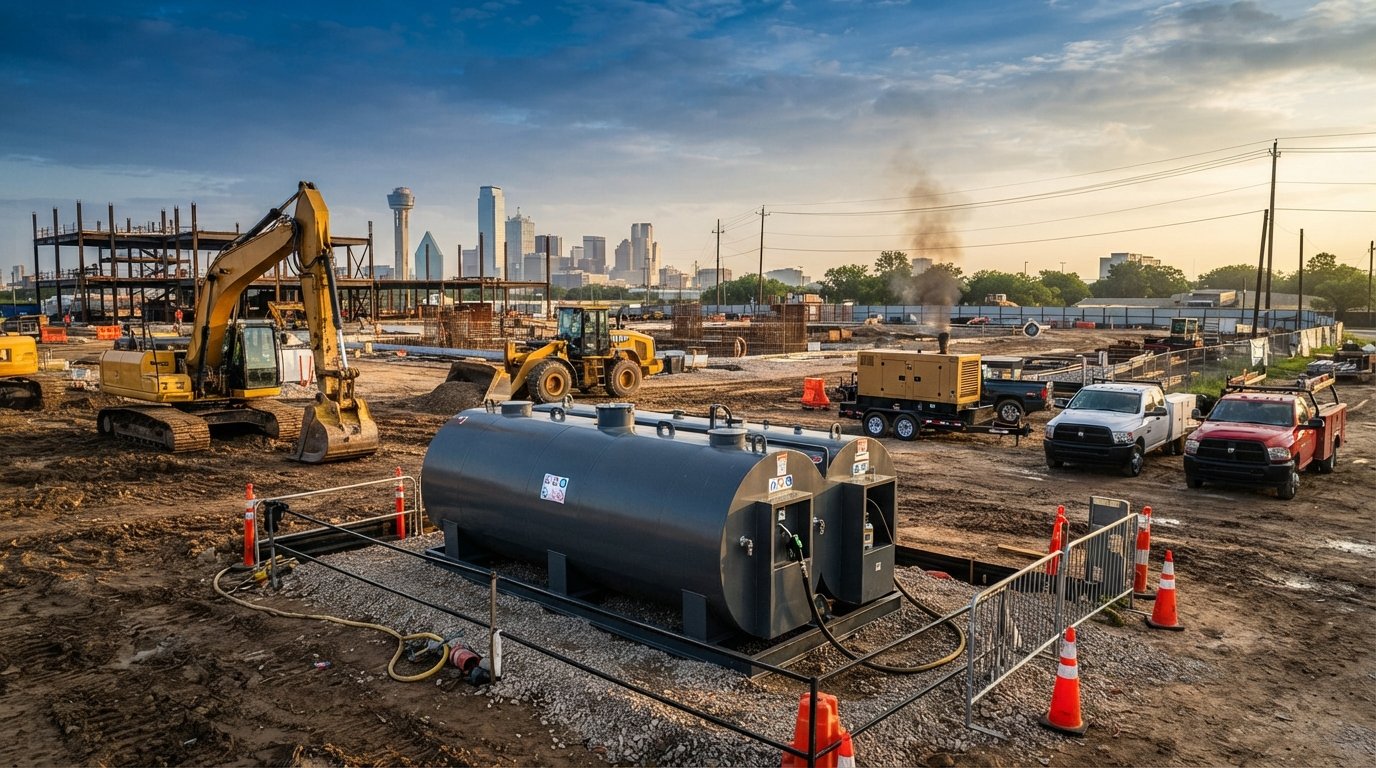
A delivery calendar alone won’t keep an industrial site supplied. Equipment demand shifts, generator use can change, and a late reorder can put operations at risk. Planning scheduled diesel delivery for industrial sites Dallas teams operate starts with actual fuel consumption and inventory triggers, not guesswork.
It’s understandable to want predictable deliveries, especially when low fuel can interrupt equipment or facility operations. But a schedule that ignores changing demand, tank capacity, or site access can create new coordination problems. A stronger plan sets a reorder point based on real usage, allows for operational fluctuations, and makes delivery requirements clear.
This guide lays out a practical framework for tracking consumption, choosing delivery timing, and assessing storage and access needs. It also covers the operational questions to ask a potential fuel partner, including whether scheduled service is available for your specific Dallas site, what delivery windows and minimums apply, and whether equipment or generator fueling is relevant. The goal is a replenishment plan that reduces avoidable interruptions while keeping site coordination manageable.
Why scheduled diesel delivery matters for industrial sites in Dallas
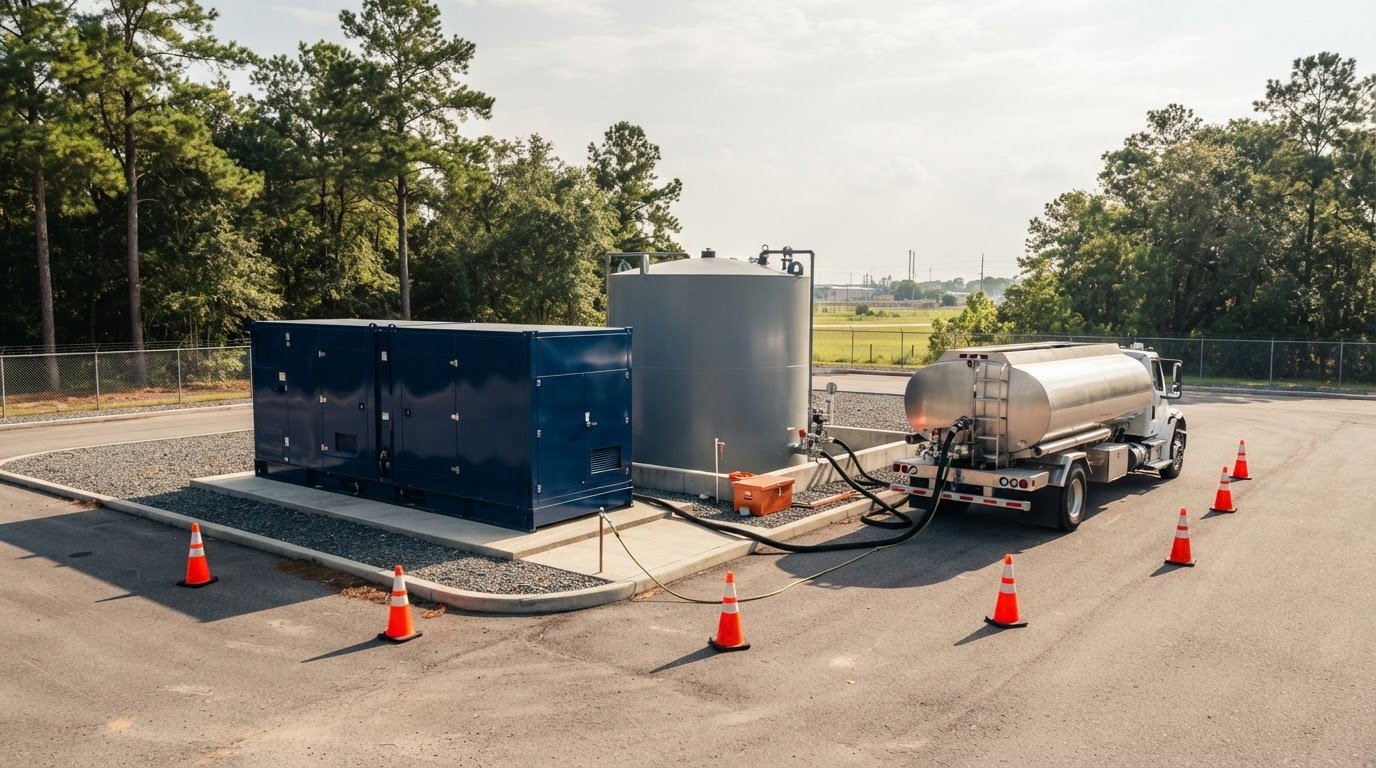
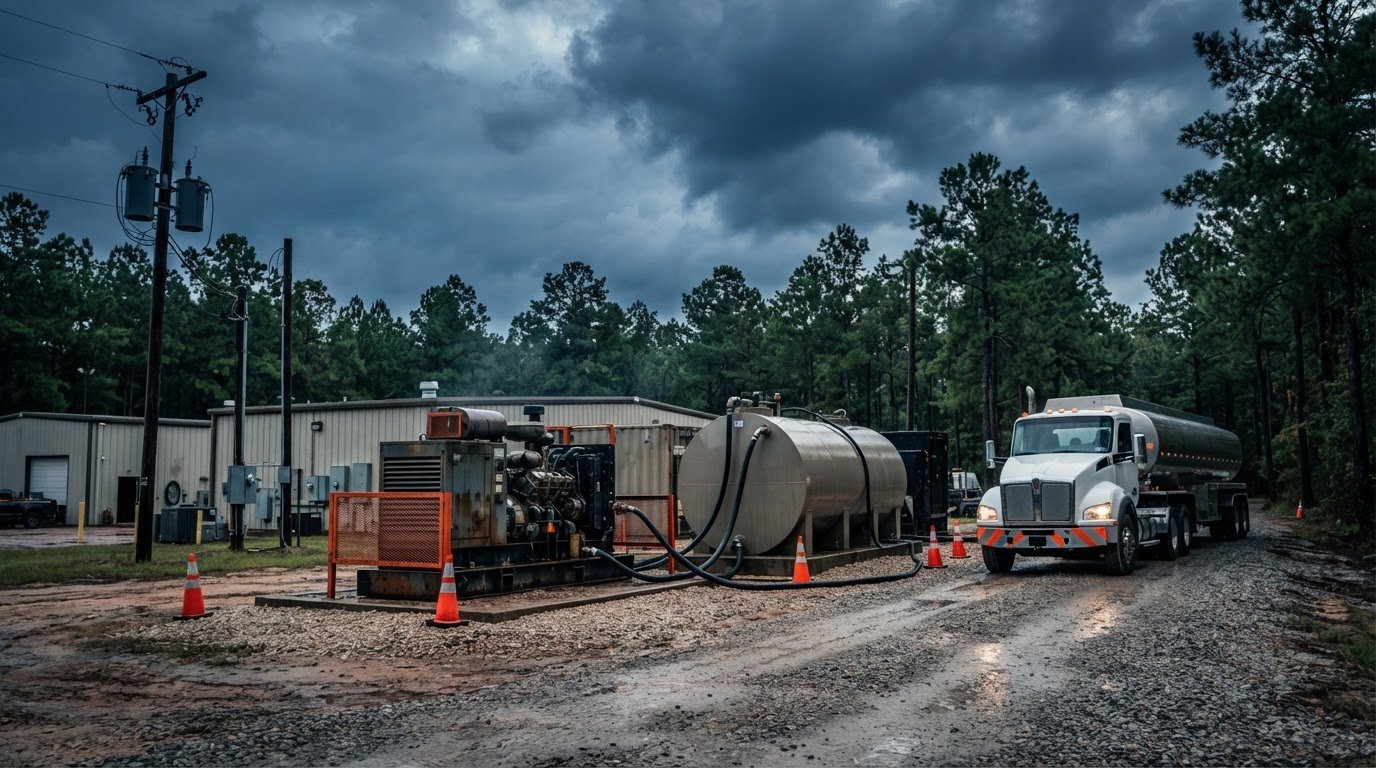
Fuel planning is an operational control, not just a purchasing task. Scheduled diesel delivery is planned replenishment arranged around a site’s expected fuel demand. By setting delivery timing against observed use and available inventory, a site can reduce its reliance on last-minute orders and better protect equipment, generators, and diesel-dependent industrial processes from avoidable fuel interruptions.
For scheduled diesel delivery for industrial sites Dallas operators manage, the plan needs to reflect the specific location, not just a city name. Confirm the exact service address, truck access, delivery point, site hours, and any coordination steps with the provider. A Dallas service listing is a useful starting point, but it doesn’t confirm access or scheduled-service availability for a particular facility. React Fueling lists Dallas among its service cities and provides commercial diesel delivery; buyers should verify whether recurring service can be arranged for their site.
Planned replenishment differs from emergency delivery. A schedule is intended to anticipate routine demand, while emergency delivery is a separate option when an unexpected shortfall occurs. Neither removes the need to track inventory or confirm service terms. To assess the fuel itself for different applications, buyers can consult this overview of diesel fuel and confirm product suitability with their equipment guidance and supplier.
Which Dallas industrial operations can benefit from planned replenishment?
Facilities with recurring diesel use across equipment, generators, or other site assets may benefit from planning deliveries around a measurable baseline. Track consumption by asset or use case where practical, then separate normal operating demand from temporary peaks, such as a project ramp-up or increased generator use. This distinction helps prevent a routine schedule from being based on a short-lived surge. Confirm the fuel is suitable for each application before arranging delivery.
What scheduled delivery can and cannot solve
A planned cadence can reduce the need to notice a low tank and place an order at the last minute. It cannot predict every change in demand, resolve blocked access, or make an unsuitable fuel appropriate for an asset. Review the plan when operating hours, equipment use, project scope, or site conditions change. Keep monitoring inventory between deliveries, and confirm the provider’s delivery windows and ordering requirements in advance.
In short: Scheduled diesel delivery is a replenishment plan that coordinates deliveries with expected site consumption and inventory needs. It supports preparation, but the schedule must be checked against actual use and adjusted as conditions change.
How to build a Dallas diesel delivery schedule around site demand
Build the schedule from records, not a guessed weekly or monthly volume. A workable process is straightforward: review fuel use, confirm usable inventory, set a reorder trigger, then revisit the plan as conditions change. This gives the provider a more useful demand picture and helps your team avoid placing orders only after levels become critical.
Start with delivered quantities and consumption trends. Compare deliveries with fuel drawn by equipment, generators, and other site assets. Organize the information by asset or operating group, then note shifts, operating days, and recent changes in workload. For context on diesel’s varied uses, the U.S. Energy Information Administration explains how diesel fuel is produced and used.
Estimate consumption and establish a reorder trigger
Use recent records to identify typical demand as well as peaks. A generator used more often during a particular period, for example, may add to the site’s regular equipment consumption. Don’t apply a universal reserve or buffer without considering your own operations. Set a trigger that leaves enough time to contact the provider, confirm availability and a delivery window, and coordinate the drop before inventory becomes operationally limiting.
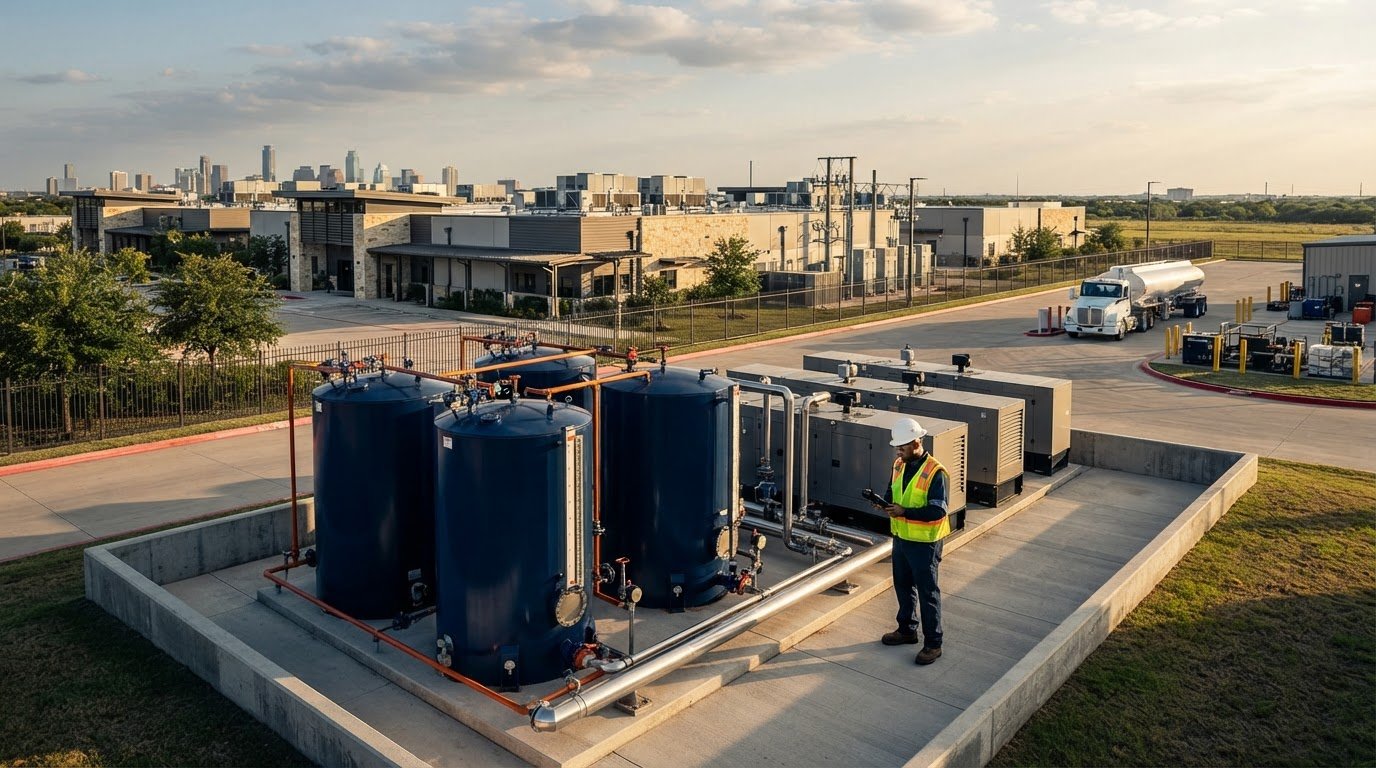
Tank capacity and usable inventory are not necessarily the same planning figure. Ask qualified site personnel to confirm storage capacity, measurement practices, and the amount that can be treated as available for operations. Keep the trigger tied to that verified information. The right point depends on site demand, storage, and the time needed to arrange delivery, so it should be established for the facility rather than copied from another operation.
Match delivery timing to storage and site access
Before setting a cadence, confirm receiving procedures and authorized access with the people responsible for the site. Share the exact address, gate instructions, site contact, safe delivery area, and operating-hour constraints with the provider. Agree directly on delivery windows, schedule cadence, order requirements, and how changes or missed access will be handled. These details shape whether a proposed schedule can work in practice.
- Review: Compare delivered amounts with recorded use and inventory.
- Adjust: Revisit the trigger after changes in equipment, shifts, workload, or storage.
- Confirm: Check that access information and the agreed delivery window remain current.
For scheduled diesel delivery for industrial sites Dallas buyers are arranging, treat the schedule as a working plan, not a fixed promise. React Fueling lists Dallas among its service cities and provides commercial diesel delivery. Ask whether scheduled service is available for your specific address, then compare your demand records and access requirements with the provider’s delivery options.
How to compare scheduled diesel delivery providers in Dallas
Compare providers on operational fit, not broad claims of reliability. For scheduled diesel delivery for industrial sites Dallas facilities depend on, the key question is whether a provider can support the specific address, delivery arrangement, and site procedures your operation requires. Confirm those details directly before treating a proposed schedule as workable.
Use a consistent set of questions with each provider. Ask whether recurring deliveries are available at your exact Dallas address and what conditions apply. Confirm which fuel types are available for your equipment, how orders are placed, what delivery windows can be discussed, and what information is needed to establish service. Ask how the provider records completed deliveries and notifies your team if a delivery time or schedule changes.
Questions to ask before selecting a delivery partner
- Can you serve this specific address, and is recurring delivery an option for this site?
- What fuel types and order methods are available, and are there minimum order requirements?
- What site details do you need, such as access instructions, delivery location, or an on-site contact?
- How are delivery completion and schedule changes communicated and documented?
Clear answers help reveal coordination gaps before they disrupt operations. For example, a provider may need gate instructions, an authorized contact, or a defined receiving area. Confirm those requirements with the people responsible for site access and fuel storage. For applicable worksite requirements, review the relevant OSHA standard for flammable-liquid storage with qualified site personnel rather than assuming a general delivery plan addresses safety obligations.
When scheduled delivery needs a contingency plan
Consider what a delayed delivery or sudden increase in fuel use would mean for your operation. Identify which equipment or processes are most affected, who monitors inventory, and who contacts the provider if demand changes. Ask separately what emergency options may be available, and verify their scope, ordering process, and availability for your address. Planned delivery and emergency service are distinct arrangements, so don’t assume one automatically includes the other.
React Fueling lists Dallas among its service cities and offers commercial diesel delivery, equipment fueling, generator fueling, and emergency fuel delivery. These offerings may be relevant if a site has multiple fueling needs, but confirm service availability and terms for the specific location. Evaluate each provider against the same criteria: local service confirmation, workable scheduling, responsive communication, clear delivery records, and a contingency process your team understands.
Prepare your Dallas industrial site for recurring diesel deliveries
A delivery plan works only when the site is ready to receive fuel and the right people know what to expect. Before arranging recurring service, align the provider, site contact, and operations team on access, receiving procedures, and how completed deliveries will be recorded. These steps make scheduled diesel delivery for industrial sites Dallas facilities use easier to coordinate and adjust as needs change.
Site details to confirm before the first delivery
Give the provider the exact Dallas service address and identify a primary delivery contact, along with a backup if appropriate. Explain the access process, gate instructions, preferred coordination method, delivery-point location, and any operating-hour constraints. Confirm in advance that the delivery point is accessible under the agreed conditions. Have qualified site personnel verify storage suitability and safe receiving procedures, including any site-specific requirements.
Keep a concise site information sheet available to the people who coordinate deliveries. It can capture:
- Contacts: Names and current contact details for the site lead and delivery coordinator.
- Access: Entry instructions, authorized access process, and operating constraints.
- Receiving: The designated delivery location and procedures confirmed by the responsible site team.
- Escalation: Who to notify if access is blocked, the delivery details differ from the order, or a discrepancy is found.
Use a simple handoff after each delivery. The receiving contact should record the delivery date, amount shown on the delivery documentation, and any discrepancy or access issue, then route that record to the person tracking inventory. If delivered quantities or timing don’t match expectations, flag the difference promptly and review it with the provider before relying on the next planned delivery.
A practical schedule review checklist
Review the plan against current conditions, not just the original setup. Compare planned timing with recent consumption and remaining inventory. Update the provider when access, operating hours, equipment use, or site demand changes. Keep the review process straightforward: assign an owner, note any change, and confirm whether it affects the next delivery arrangement.
For broader planning context, see this integrated fuel management guide. If you’re assessing a Dallas site, contact React Fueling to discuss site requirements and confirm whether scheduled delivery is available for your address.
Evaluate React Fueling for scheduled diesel delivery in Dallas
React Fueling lists Dallas among its service cities and provides commercial diesel delivery. That makes the company a potential local fuel logistics partner, but a service-area listing alone doesn’t confirm that recurring deliveries are available to a particular site. Before building an operating plan around a provider, confirm service at your exact address, the schedule options, delivery windows, order requirements, and site conditions directly.
Where React Fueling may fit an industrial site’s needs
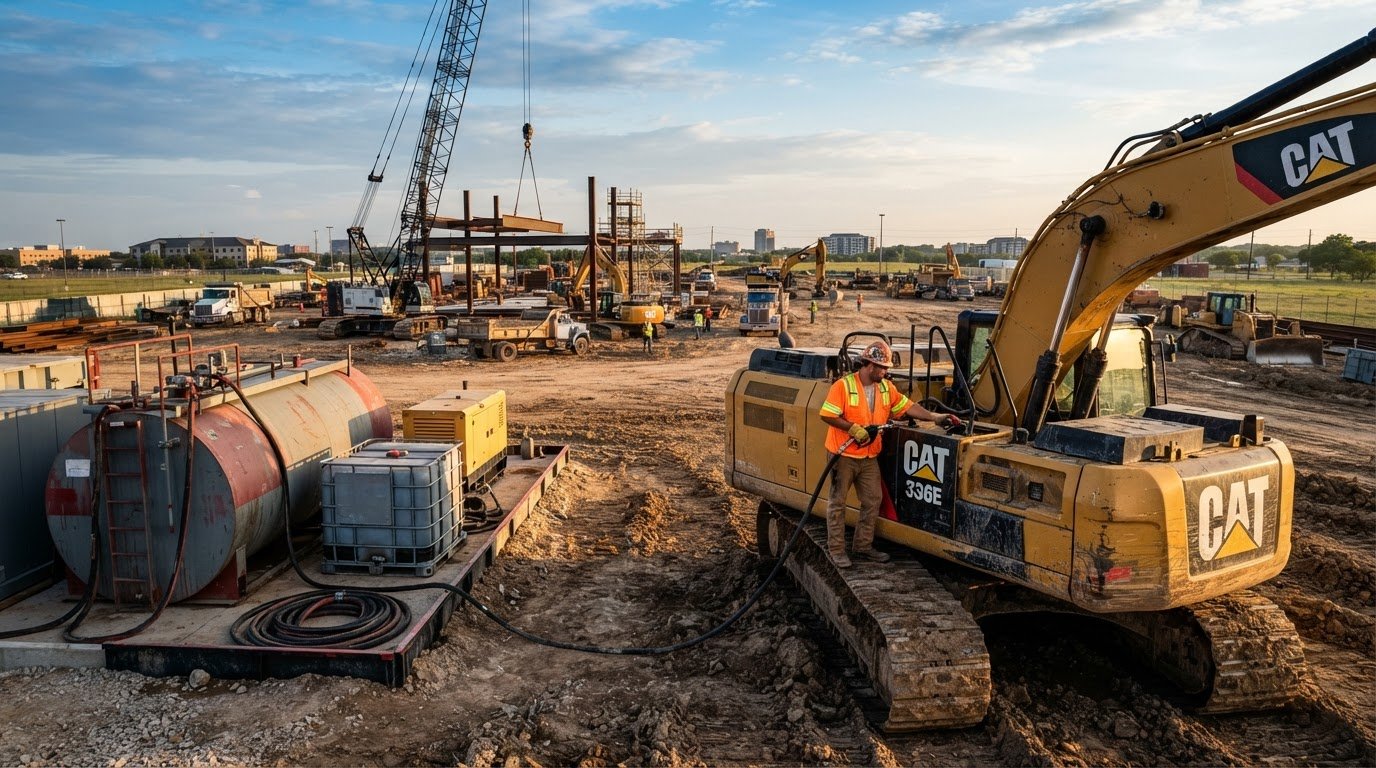
Review the diesel delivery services overview, then ask whether the service aligns with your site’s fuel application and receiving setup. If equipment needs direct fueling, React Fueling also lists equipment fueling; generator fueling is another listed offering. These are distinct requirements, not an assumed bundle. Explain which assets need fuel and confirm the scope and availability of each service for your Dallas location.
For scheduled diesel delivery for industrial sites Dallas operators are evaluating, verify the actual operating terms rather than relying on a general service description. Ask whether recurring delivery can be arranged, what cadence may be available, how schedule changes are handled, and what information the provider needs to coordinate site access. Confirm any minimum order requirements, accepted fuel applications, and delivery documentation before treating the proposed schedule as part of your replenishment plan.
What to include when requesting a service discussion
Prepare a concise site profile so the provider can assess the requirement clearly. Include the exact Dallas address, how diesel is used, estimated demand based on available records, current delivery needs, storage and receiving details confirmed by your site team, and access instructions. Note whether equipment or generators also require direct fueling. Share any operating constraints that could affect coordination.
Then ask directly whether recurring service is available for that address and confirm the proposed cadence, delivery windows, order process, and communication procedures. Availability and terms should be verified for your specific site, not assumed from the general service area. This discussion can establish whether the service is a practical fit and what details need resolution before your team relies on it.
- Site: Exact address, access process, delivery contact, and receiving location.
- Demand: Fuel application, estimated use, and current replenishment needs.
- Coordination: Desired schedule, operating constraints, and questions about order and delivery records.
Once those details are ready, discuss diesel delivery for your Dallas site with React Fueling and confirm whether the service and schedule fit your operational requirements.
Put a dependable fuel plan in place
A practical approach to scheduled diesel delivery for industrial sites Dallas operations rely on starts with actual consumption, verified usable inventory, and a reorder trigger that leaves time to coordinate the next delivery. Keep access details and site contacts current, then review the plan whenever demand or operations change.
Choose a provider by confirming the details that affect your site: service at the exact address, delivery windows, ordering requirements, communication, and delivery records. React Fueling lists Dallas among its service cities and offers commercial diesel delivery, along with equipment and generator fueling. Whether recurring delivery is available, and what cadence and terms apply, should be confirmed for your specific site before you rely on a schedule.
Prepare your address, fuel application, estimated demand, and current delivery needs for a service discussion. Discuss diesel delivery for your Dallas industrial site and clarify whether the available service fits your operating requirements. With a measured plan and clear coordination, your team can manage replenishment with greater confidence and keep essential work moving.
Frequently Asked Questions
Can industrial sites in Dallas schedule recurring diesel deliveries?
Some fuel providers may offer recurring delivery, but availability depends on the provider and the specific site. Confirm that the provider serves your exact Dallas address and ask what schedule options, delivery windows, order requirements, and access details apply. A recurring plan should be based on your site’s actual consumption and storage conditions. Keep monitoring inventory, since a schedule may need adjustment if operations or demand change.
How do I determine how often my industrial site needs diesel delivery?
Use delivery records and measured consumption to estimate how quickly the site uses fuel. Review demand by equipment, generators, shifts, and operating days, then note temporary increases such as expanded work or additional generator use. Confirm usable inventory and tank capacity with qualified site personnel. Set a reorder trigger that leaves time to arrange and confirm a delivery, then review it as consumption patterns change.
What information should I give a diesel delivery provider?
Provide the exact service address, the fuel’s intended application, estimated demand, and your current delivery needs. Include the delivery location, receiving contact, access instructions, operating-hour constraints, and any site procedures the provider should know before arrival. Ask what fuel types and order methods are available, whether minimum requirements apply, and how delivery completion or schedule changes will be communicated and documented.
What happens if an industrial site uses more diesel than expected?
Update your inventory estimate and contact the provider to discuss the change, rather than assuming the existing schedule can accommodate it. Explain what has increased demand, how much usable inventory remains, and when fuel is needed. Ask about options for adjusting the planned delivery and verify availability and timing directly. A contingency plan should identify who monitors fuel, who contacts the provider, and what operations are most affected by a shortfall.
Is scheduled diesel delivery suitable for generators and heavy equipment?
It can be a planning option for sites with recurring diesel use, but confirm that the fuel is suitable for each application and that the delivery arrangement fits the equipment or generator setup. Track generator and equipment consumption separately where practical, since their demand patterns may differ. Some sites may also need direct-to-equipment or generator fueling. Confirm the scope and availability of those services with the provider.
How can a Dallas industrial site prepare for its first scheduled delivery?
Before the first delivery, confirm storage readiness and receiving procedures with qualified site personnel. Give the provider the exact Dallas address, delivery-point location, site contact, access process, and operating constraints. Make sure the receiving team knows how to record completed deliveries and report discrepancies. Keep recent consumption and inventory records available so the delivery plan can be checked against actual site demand.
Does React Fueling offer scheduled diesel delivery in Dallas?
React Fueling lists Dallas among its service cities and provides commercial diesel delivery, as well as equipment and generator fueling. However, recurring delivery availability, cadence, delivery windows, and other terms aren’t confirmed for every site. Contact React Fueling to verify whether scheduled service is available at your specific address. Share your fuel application, estimated demand, access details, and current delivery needs to help clarify service fit.