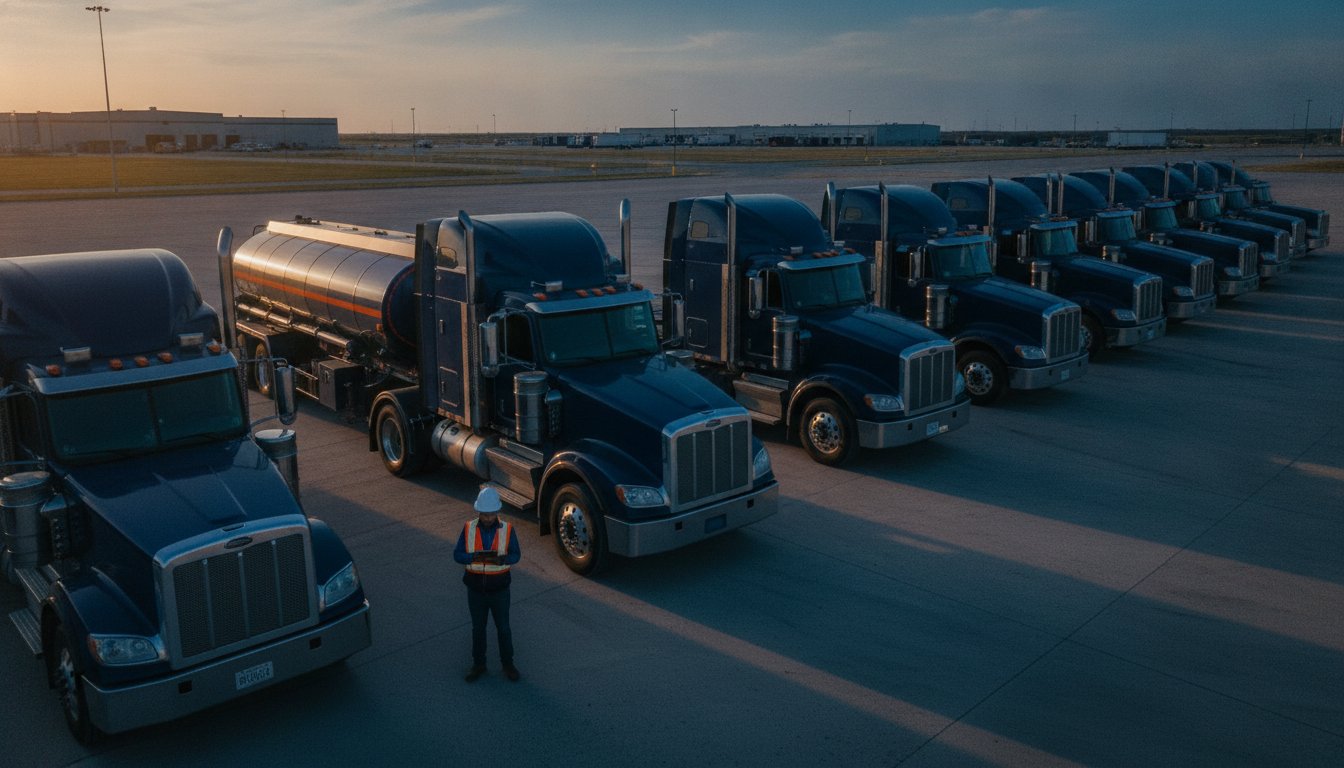
Waiting for a retail pump run isn't just a logistical delay; it's a direct leak in your project's profit margin. You already know that every minute a bulldozer sits idle or a generator runs dry is money lost to the Texas heat. Managing on-site energy needs often feels like a constant battle against shifting environmental regulations, the threat of fuel contamination, and the looming risk of theft. It's a high-stakes environment where a single oversight can lead to heavy fines or a complete operational standstill.
Implementing strategic temporary fuel storage solutions is the difference between a project that hits its milestones and one that stalls under the weight of logistical friction. This 2026 guide will help you master these logistics to eliminate downtime, ensure full Texas compliance, and secure your energy supply. We'll examine how to integrate tank rentals with direct delivery services to create a turnkey system that protects your bottom line. From navigating TCEQ requirements to optimizing your fueling schedule, you'll gain the foresight needed to keep your site moving with unwavering consistency.
Understanding Temporary Fuel Storage Solutions for Texas Industries
Temporary fuel storage solutions consist of portable, self-contained units engineered for short-to-medium term energy needs. These systems provide a dedicated supply of diesel or gasoline directly at the point of work. In the high-stakes environment of Texas industrial operations, relying on retail fueling is a significant operational liability. On-site storage removes the variables of traffic, queue times, and pump availability. Temporary fuel storage is a mission-critical asset for industrial uptime.
Texas businesses are increasingly shifting toward these on-site solutions to mitigate the risks of the hurricane season and grid instability. When severe weather hits, local infrastructure often fails. A secure, on-site supply ensures that operations don't stop when the rest of the region does. Integrating emergency fuel delivery with temporary tanks provides a robust defense against supply chain disruptions. It’s about maintaining control over your energy logistics when external conditions are at their worst.
When to Choose Temporary Storage Over Permanent Infrastructure
The decision to rent rather than build depends on your project's duration and financial strategy. Permanent infrastructure carries heavy capital expenditure and requires complex, long-term permitting. Fuel tank rentals eliminate these upfront costs while providing the agility to scale. As a job site grows or shifts, you can relocate your fuel supply to minimize travel distance for heavy equipment. This flexibility prevents the logistical bottlenecks common with fixed tanks. Using rental units also helps you avoid the long-term maintenance and decommissioning liabilities that come with permanent installations. Reviewing fuel tank types and storage fundamentals ensures you select a unit that meets both your volume needs and local environmental safety standards.
Key Industries Benefiting from On-Site Storage in 2026
Several sectors are leading the adoption of on-site fueling to protect their margins and ensure continuity. The Houston-Dallas corridor is currently seeing a surge in infrastructure development where downtime is not an option. These projects rely on temporary fuel storage solutions to keep massive fleets operational around the clock. Other critical sectors include:
- Data Centers and Hospitals: These facilities require absolute power reliability. Dedicated on-site reserves ensure that backup generators are always ready to take the load during a grid failure.
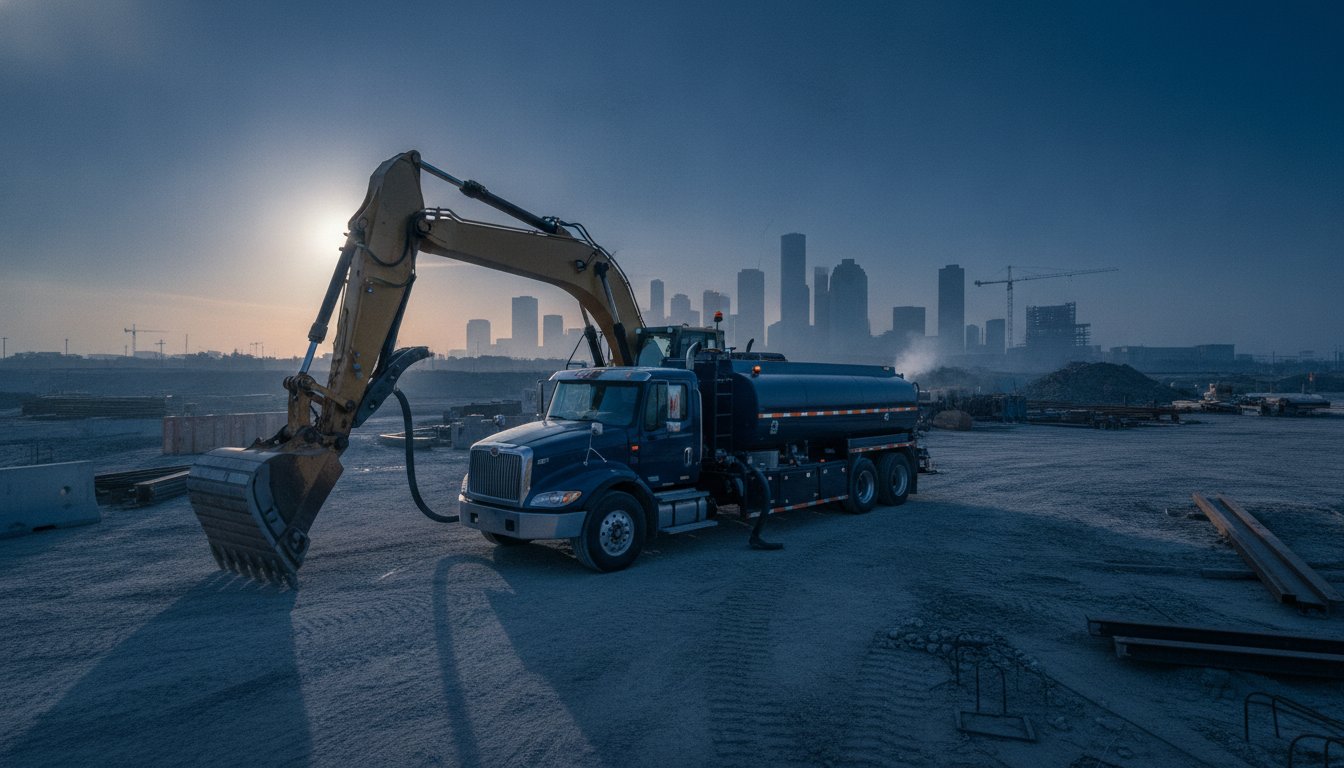
- Construction and Infrastructure: Large-scale earthmoving and paving operations use temporary storage to eliminate the 45-minute round trips to retail stations.
- Agriculture and Remote Industrial Sites: In rural Texas, where retail access is sparse, integrated diesel delivery and storage provide a necessary lifeline for daily operations.
By moving the fuel to the equipment rather than the equipment to the fuel, these industries achieve a level of efficiency that retail fueling simply cannot match.
Evaluating Hardware: Portable Tanks vs. IBC Totes vs. Fuel Cubes
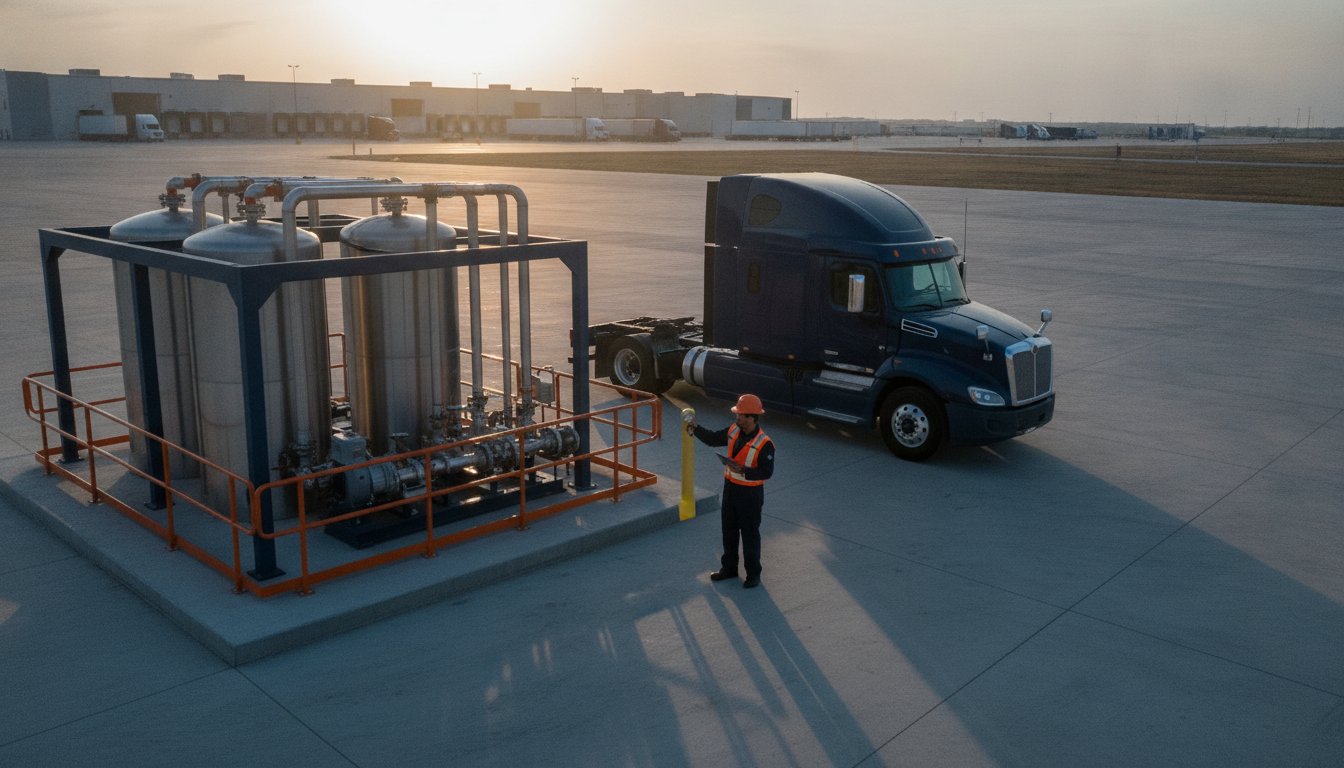
Selecting the correct hardware for temporary fuel storage solutions depends on your site's footprint and specific safety requirements. While plastic IBC totes are often used for chemicals, they generally lack the fire ratings and structural durability required for high-volume diesel storage. Double-walled steel tanks provide a built-in secondary containment system that captures potential leaks before they impact the environment. This self-contained design is vital for maintaining compliance on Texas industrial sites and avoiding the costs associated with soil remediation.
Compact "FuelCube" designs have become a standard for space-constrained projects in urban centers like Dallas and Austin. These stackable units include integrated forklift pockets, allowing your team to reposition them as the site layout changes. High-quality rentals feature secure, locking cabinets that protect pumps and meters from both the elements and unauthorized access. Modern tanks also utilize digital monitoring systems to provide real-time data on fuel levels. This technology transforms a simple container into an active management tool that helps prevent dry-run scenarios for your critical machinery.
The Advantages of Double-Walled Steel Tank Rentals
Double-walled steel tanks are engineered to withstand the harsh Texas environment, including the extreme heat in San Antonio and the high humidity found in Magnolia. Beyond their physical strength, these tanks serve as a primary security asset on remote job sites. Heavy-duty construction and reinforced locking points deter theft and prevent fuel contamination. Opting for a fuel tank rental with these features ensures your energy supply remains protected around the clock. Understanding fuel tank types and storage fundamentals will help you choose a unit that balances volume needs with the strict secondary containment standards required for commercial operations.
Sizing Your Temporary Fuel Reserve
Determining the right capacity involves auditing the daily consumption of your entire fleet. Portable units typically range from 250-gallon to 2,000-gallon capacities. To achieve the best efficiency, you should match your tank size to a consistent diesel delivery schedule. A larger tank reduces the frequency of deliveries but requires more space. Always include a 20% "buffer" in your calculations to account for unexpected delays or emergency generator runs during power outages. If you're unsure which scale fits your current project, you can consult with a logistics expert to design a custom storage plan.
Compliance and Safety Standards for On-Site Fuel Storage in Texas
Managing temporary fuel storage solutions in Texas requires strict adherence to both state and local mandates. The Texas Commission on Environmental Quality (TCEQ) oversees the environmental impact of portable tanks, focusing heavily on leak prevention and reporting. For 2026, compliance hinges on using double-walled tanks that provide at least 110% secondary containment. This design is mandatory for most commercial applications to prevent soil and groundwater contamination. It eliminates the need for external concrete dikes or plastic berms, which simplifies your site layout while satisfying regulatory inspectors during unannounced visits.
Beyond physical hardware, federal law requires a Spill Prevention, Control, and Countermeasure (SPCC) plan if your total on-site storage capacity exceeds 1,320 gallons. This document isn't just a formality; it must be a site-specific guide that outlines your prevention strategies and response protocols. Failing to maintain an active, signed SPCC plan can lead to significant daily fines that quickly erode project margins. Keeping these documents accessible on-site demonstrates a commitment to professional standards and operational discipline.
Environmental Protection and Spill Prevention
Proper placement is a core component of risk management. Deploy your tanks on level, stable ground away from natural drainage paths or sensitive water sources. Most Texas jurisdictions require specific setbacks from buildings and property lines to minimize exposure during an incident. You must keep fully stocked spill kits within 25 feet of the tank at all times. These kits should include absorbent pads, socks, and neutralizers tailored to the specific fuel type. Training your team on basic containment procedures ensures they can act immediately if a leak occurs, preventing a minor drip from becoming a major environmental liability.
Fire Safety and Permitting Logistics
Local fire marshals in Houston, Dallas, and San Antonio enforce NFPA 30 and 30A standards for flammable liquid storage. These codes dictate how fuel is dispensed, how tanks are vented, and how they are secured against impact. Obtaining the correct permits for temporary tanks involves submitting site plans that show clear access for delivery vehicles and emergency responders. In Houston, the Fire Marshal’s Office requires specific inspections for tanks to ensure they don't block fire lanes or exit paths. If an incident does occur, having a partner for 24/7 emergency fueling and rapid response ensures that safety protocols are followed under pressure. Coordination with local authorities is essential because a tank that meets code in Austin might face different specific requirements in San Antonio due to local amendments. Always verify local setback distances, as these vary between dense metropolitan districts and rural job sites.
Maximizing ROI: Integrating Tank Rentals with Scheduled Diesel Delivery
On-site storage is a financial strategy as much as a logistical one. When you rely on retail pumps, you aren't just paying for fuel; you're paying for the time your drivers spend in traffic and the unnecessary wear on your vehicles. Temporary fuel storage solutions eliminate these "hidden costs" by bringing the supply directly to the job site. This approach allows you to leverage bulk pricing and specialized fuel types, such as off-road (dyed) diesel. Since off-road diesel is exempt from certain road taxes, using it for your excavators and generators can result in significant per-gallon savings that directly improve your project's bottom line.
Deploying a dedicated tank also provides a buffer against the volatility of the retail market. It allows you to lock in supply during periods of high demand, ensuring that your equipment keeps moving even when local stations face shortages. This consistency is vital for maintaining tight construction schedules where a single day of downtime can trigger expensive penalty clauses. By controlling your own fuel inventory, you move from a reactive stance to a proactive one, securing your energy supply against external disruptions.
Automating Your Fuel Supply Chain
Manual fuel tracking is prone to error and often leads to emergency run-outs. Modern logistics rely on telemetry sensors that monitor tank levels in real-time. These sensors alert your fuel partner when levels drop below a specific threshold, triggering an automatic "keep-fill" delivery. This proactive approach removes the administrative burden of checking tanks and manually placing orders. By consolidating your fuel reporting through a single provider, you gain better visibility into your consumption patterns and simplify your end-of-month accounting. It’s about transforming a static tank into a smart, self-replenishing asset that requires zero intervention from your site supervisors.
The Economic Case for On-Site Fueling
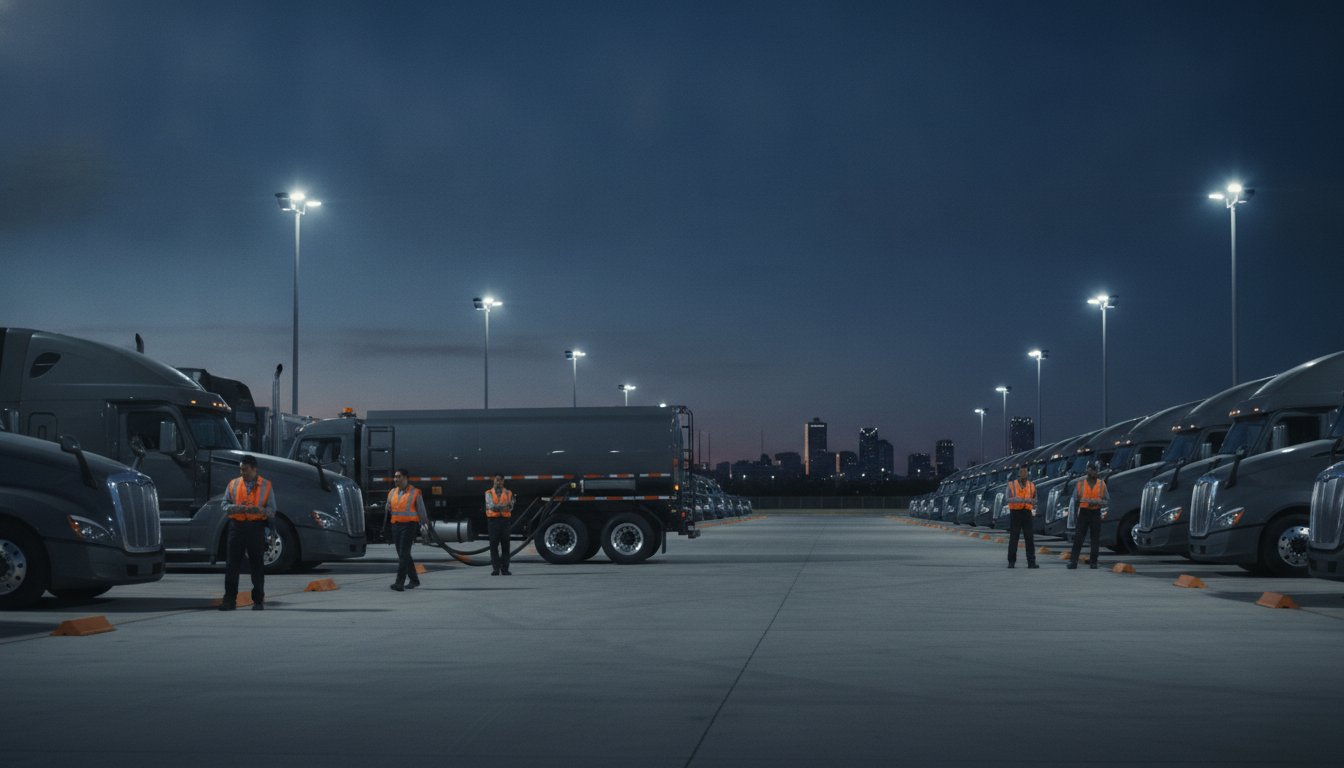
The synergy of fuel tank rentals and scheduled delivery creates a closed-loop system of efficiency. Retail pump prices fluctuate and include overhead that on-site bulk delivery avoids. Beyond the price per gallon, you eliminate "deadhead" miles, which is the distance traveled solely for refueling. When you combine on-site storage with a dedicated equipment fueling service, your heavy machinery stays in the work zone. This eliminates the need to transport large equipment to a central fueling point, which saves both time and fuel. Every hour saved is an hour of production gained. If you're ready to stop the drain on your operational budget, you can request a custom logistics plan to optimize your supply chain.
Why React Fueling is the Preferred Partner for Temporary Fuel Logistics
React Fueling doesn't just provide hardware; we provide operational continuity. Our approach to temporary fuel storage solutions combines commercial-grade tanks with a logistics network designed for the unique pressures of the Texas industrial landscape. As a seasoned problem solver, we understand that a tank is only as good as the supply chain supporting it. We manage the entire lifecycle of your on-site energy needs, from initial permitting and placement to the final decommission. This comprehensive oversight ensures that your project remains compliant with state regulations while maintaining a steady energy supply.
Our commitment to your uptime is absolute. We operate with a sense of urgency that matches your project's high stakes. During severe weather events or grid failures, our teams remain active to ensure your backup generators and heavy equipment never stall. This vigilance provides the peace of mind that your operations are protected by a partner who shows up when it matters most. By integrating high-spec fuel tank rentals with a robust delivery schedule, we remove the logistical friction that typically slows down large-scale projects.
Local Expertise Across the Texas Triangle
Operational success in Texas requires deep local roots. We maintain a strong presence across Houston, San Antonio, Austin, and Dallas, allowing us to navigate local traffic patterns and regulatory nuances with ease. This "boots on the ground" expertise is critical for rapid response during disaster recovery or emergency generator fueling. We aren't a distant corporation; we're a dedicated specialist that understands the specific environmental and logistical challenges of the Gulf Coast and the inland corridors. For those managing projects in the metro area, our Construction Site Fuel Delivery Houston guide offers additional site-specific strategies for maintaining maximum uptime.
Ready to Secure Your Fuel Supply?
Securing your site's energy supply begins with a professional assessment of your daily consumption and physical layout. We help you determine the optimal tank sizing and placement to ensure safe, efficient access for our delivery fleet. Our turnkey solutions also include seamless integration with on-site DEF fluid delivery, ensuring your entire fleet remains compliant and operational without the need for multiple vendors. We handle the complexities of refueling so you can focus entirely on meeting your project milestones. If you're ready to eliminate downtime and streamline your logistics, you can Contact React Fueling for a Custom Storage Quote today. Our team is ready to deploy the temporary fuel storage solutions your project requires to succeed.
Securing Your Operational Future in the Texas Industrial Landscape
Maintaining operational momentum on a Texas job site requires more than just equipment; it requires a disciplined approach to energy logistics. You've seen how the right hardware and a strategic delivery schedule work together to eliminate the high costs of retail pump runs and equipment idling. By prioritizing TCEQ compliant hardware and site-specific SPCC planning, you protect your project from environmental liabilities and regulatory delays.
React Fueling stands ready as your boots on the ground partner. We combine 24/7 emergency response capabilities with local Texas service hubs across Houston, Austin, Dallas, and San Antonio to ensure your supply never falters. Implementing professional temporary fuel storage solutions is a proactive investment in your project's stability and long-term profitability. Our team handles the logistics, permitting, and monitoring so your crew can focus on the work that matters.
Take control of your site's energy infrastructure today. Request a Temporary Fuel Storage Consultation to build a resilient and cost-effective fueling strategy for your next project. We're ready to keep your operations moving forward.
Frequently Asked Questions
Do I need a permit for a temporary fuel storage tank in Houston?
Yes, the Houston Fire Department typically requires a permit for any temporary tank used at a construction or industrial site. Requirements often vary based on the tank's capacity and the duration of its placement. React Fueling assists clients in navigating these local Houston regulations to ensure your setup is fully authorized. Proper permitting prevents costly project delays and ensures your site remains compliant with municipal safety codes throughout the Texas Triangle.
What is the difference between a double-walled tank and a single-walled tank with a dike?
Double-walled tanks utilize an internal "tank-within-a-tank" design that provides built-in secondary containment. A single-walled tank relies on an external dike, such as a concrete basin or plastic berm, to catch potential leaks. Double-walled units are the preferred temporary fuel storage solutions for modern job sites because they are more portable and require a smaller footprint. This design simplifies logistics while meeting strict environmental protection standards in cities like Dallas and Austin.
How long can I rent a portable fuel tank for my job site?
Rental durations are highly flexible to match the specific needs of your project. You can secure a tank for short-term emergency use or for multi-month industrial developments. We provide customized rental terms for sites in San Antonio, College Station, and beyond. Whether you're managing a quick repair or a long-term infrastructure project, our team ensures you have the necessary hardware for as long as your operations require a steady fuel supply.
Can I store both on-road and off-road diesel in the same temporary tank?
You cannot mix these fuels in the same tank. On-road diesel is clear and taxed for highway use, while off-road diesel is dyed red and tax-exempt for construction machinery. Mixing them can result in significant legal penalties and tax complications. If your fleet requires both fuel types, it's best to utilize separate tanks or compartmentalized units. This approach keeps your inventory organized and ensures you remain compliant with state and federal tax laws.
What are the TCEQ requirements for temporary fuel storage in 2026?
TCEQ mandates that temporary fuel storage solutions must include secondary containment capable of holding at least 110% of the primary tank's volume. Owners must also maintain records of inspections and ensure tanks are positioned to prevent spills into Texas soil or waterways. Using UL-listed, double-walled tanks is the most reliable way to meet these 2026 standards. These requirements apply to all commercial sites across Houston, Dallas, and other major metropolitan areas in the state.
Does React Fueling provide emergency fuel delivery for rented tanks during power outages?
Yes, we provide 24/7 emergency fuel delivery to support your operations during critical disruptions. When a storm or grid failure impacts areas like Magnolia or Houston, our teams prioritize refilling rented tanks and backup generators. This rapid response capability is designed to maintain your operational continuity when local infrastructure fails. We understand the high stakes of power loss and dedicate our logistics network to keeping your essential systems running without interruption.
How much space is required for a 1,000-gallon portable fuel tank?
A standard 1,000-gallon stackable tank typically has a footprint of approximately 8 feet by 4 feet. You must also account for the mandatory "clear zone" setbacks required by local fire marshals in cities like Austin or Dallas. These setbacks ensure that delivery vehicles have safe access and that the tank is a safe distance from buildings or property lines. Planning for this space early in your site layout prevents logistical bottlenecks during fuel deliveries.
What security features are included in your fuel tank rentals to prevent theft?
Our rental tanks are built with heavy-duty steel and feature integrated locking cabinets. These cabinets house the pump, nozzle, and metering equipment to prevent unauthorized access and fuel theft. For remote industrial sites in San Antonio or College Station, these security measures are essential for protecting your fuel investment. High-visibility markings and rugged construction further deter tampering, providing the peace of mind that your energy supply is secure even when the site is unattended.