A generator’s runtime only protects operations if fuel reaches the site before reserves run low. In Houston, backup generator fuel delivery timing depends on the location, site access, fuel volume, and conditions affecting demand and travel. Advance planning is essential for facilities that rely on continuous power.
Fuel needs can vary sharply by generator size: small rental generators typically consume 3-5 gallons per hour, while large rental generators typically consume 15-25 gallons per hour. Those burn rates help estimate how quickly on-site reserves may be used, but they don’t determine how fast a delivery can arrive. This guide explains what affects response times, how storm conditions can influence fuel availability, and how on-site fueling supports critical facilities. You’ll also learn what information helps coordinate a delivery and how to plan fuel coverage before an emergency puts backup power under pressure.
Priority delivery for critical facilities
Estimate fuel use by multiplying the generator’s hourly consumption by its operating hours. Set delivery frequency using that estimate, the usable fuel on site, and the reserve level your facility needs.
Small rental generators typically use 3-5 gallons of fuel per hour. Large rental generators typically use 15-25 gallons per hour. These ranges show why generator size matters when planning fuel coverage for a hospital, data center, or industrial site.
Use a practical planning sequence for each backup unit:
- Record the generator’s fuel type and rated consumption from its operating information.
- Estimate expected runtime using the facility’s outage plan and anticipated operating demand.
- Multiply hourly consumption by expected runtime to estimate fuel required.
- Compare that estimate with usable on-site inventory, then set a refill trigger before reserves approach that level.
For example, a facility running a large rental generator should plan around the 15-25-gallon hourly range, rather than assuming a small unit’s burn rate. Actual consumption varies with generator load, so a lightly loaded unit may use fuel differently from one carrying essential building systems. Revisit the estimate when operating conditions or equipment change.
Delivery frequency depends on consumption and available inventory. A site with limited tank capacity reaches its refill trigger sooner than one with more usable fuel. Track fuel levels during operation, record consumption consistently, and adjust the delivery schedule when the measured burn rate changes.
Storage planning also affects readiness. Diesel fuel in rental generators can last 6-12 months in storage when properly treated. Include fuel age and treatment status in the facility’s maintenance records, alongside inventory levels and generator runtime. That gives operations teams a clearer view of whether stored fuel remains part of the plan.
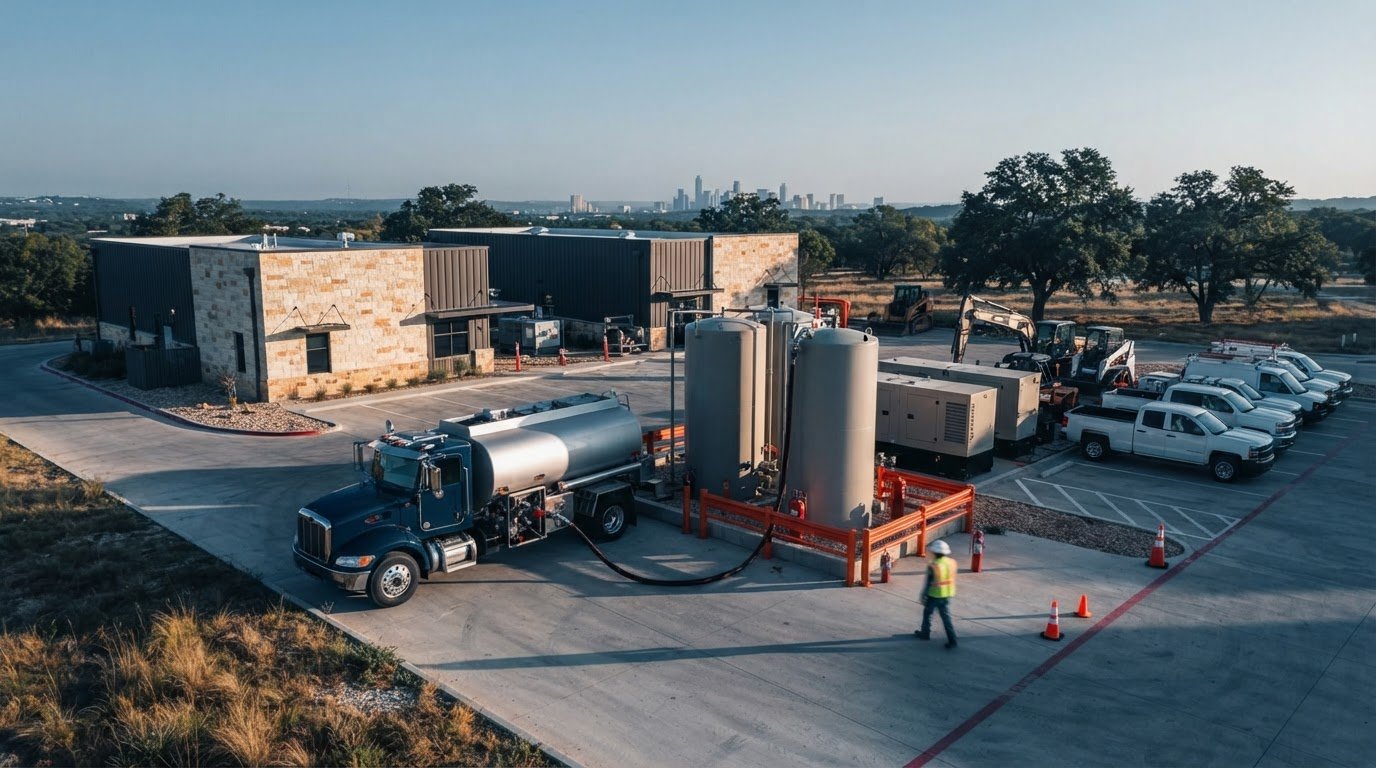
Critical facilities should plan deliveries around the consequences of a power interruption. Identify the systems that must stay powered, estimate generator runtime, and set a reserve trigger for each unit. A data center may prioritize cooling and server support, while a hospital may focus on essential clinical systems.
Make the delivery plan practical during a disruption. Record the site address, generator location, tank access, fuel type, and the person coordinating entry. Clear instructions help delivery teams reach the right equipment, especially when several generators or tanks serve one facility.
Delivery response times
Delivery timing depends on dispatch, distance, site access, requested volume, and road conditions. A backup generator fuel delivery plan in Houston should set a refill trigger before reserves become critical.
Expected Delivery Response Times
Response time is the interval between a delivery request and fuel arriving on site. It can vary with the address, traffic, storm-related road conditions, fuel volume, and access requirements. Distinguish routine replenishment from an urgent request, since the dispatch process may differ.
Build a planning record around details that affect dispatch:
- Provide the complete site address and the correct entrance or gate.
- Identify the fuel type, delivery volume, and generator or tank location.
- Describe access restrictions, including security check-in and vehicle routing.
- Share current inventory and when the generator began operating.
These details clarify the request and reduce avoidable coordination delays. For example, an industrial site with several gates should identify the entrance serving its generator area. A facility with multiple tanks should specify which one needs fuel. Keep the instructions in the site operating plan so they’re available during shift changes or outages.
Use expected consumption and current inventory to decide when to request delivery. Don’t wait until a generator nears its minimum usable supply. A refill trigger gives dispatch and site staff time to coordinate, especially when an outage affects facilities across Houston.
For backup generator fuel delivery in Houston, site access details can matter as much as distance. Record alternate entrances and identify who can meet the driver. This preparation helps staff communicate changes if traffic, security procedures, or road conditions disrupt the planned route.
Emergency Service Availability
24/7 emergency fueling is an available service model, but operating hours vary by provider. Critical facilities should establish the applicable emergency contact route before an outage and record it in the site response plan. Include who can authorize a delivery after routine business hours and who can receive the driver on site.
Make urgent requests clear and actionable. Provide the site address, generator location, fuel type, and access instructions. Identify an on-site contact who can direct the delivery team. These details help prevent delays caused by missing directions or unclear responsibilities.
Regional disruptions can affect roads, dispatch workloads, and facility access. Before an outage, document the route, site contact, and process for reporting changing conditions. During an interruption, staff can use that record instead of creating instructions under pressure.
Compare the dispatch process with the generator’s expected runtime and available reserve. The key question is whether fuel can reach the site before its operating supply runs low. A backup generator fuel delivery plan in Houston should account for dispatch coordination and site access, not distance alone.
Fuel availability during storms and disasters
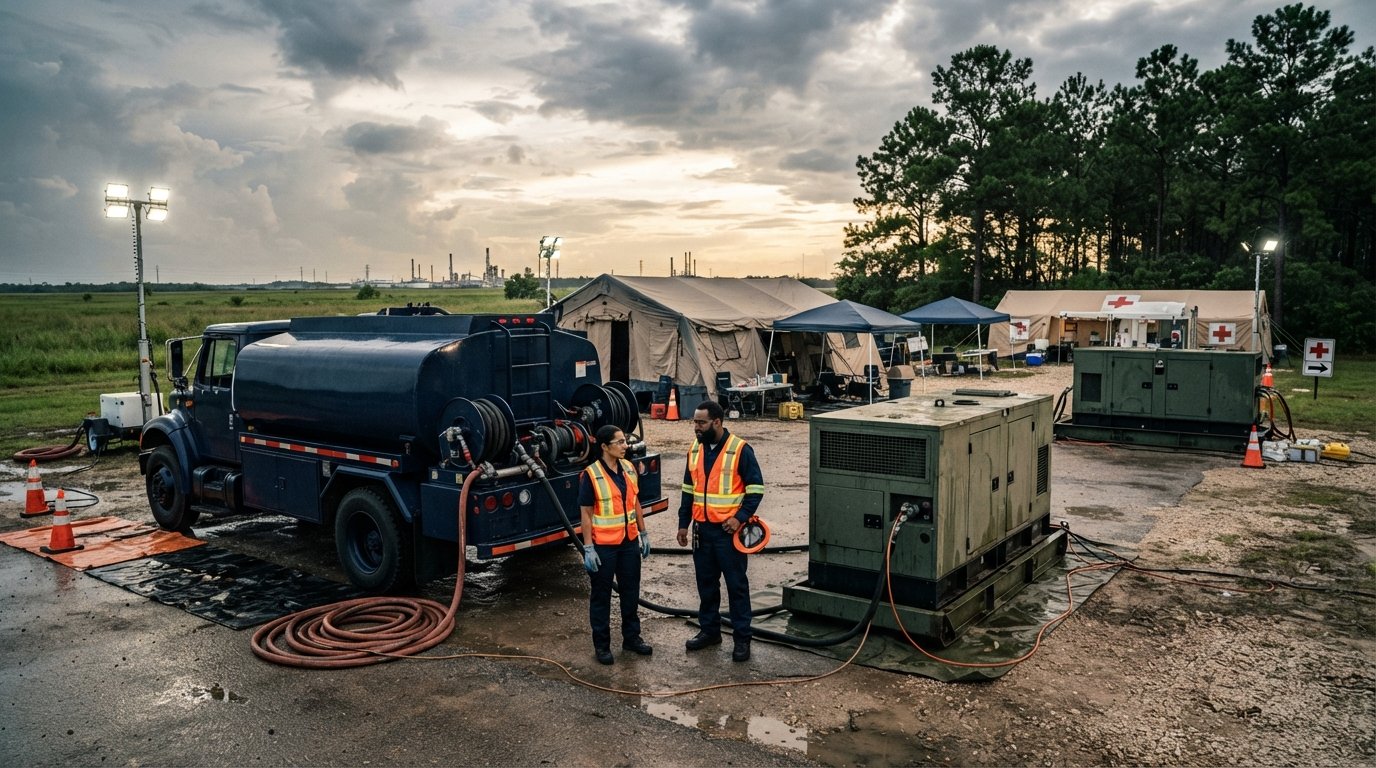
Houston storms can disrupt fuel logistics through road closures, access limits, and increased demand. A written fuel plan gives facility teams clear steps to follow before those pressures affect deliveries.
Set up a generator fuel maintenance plan before a disaster or emergency. Record each generator’s fuel type, usable on-site supply, and refill trigger. Assign someone to monitor inventory and communicate changing site conditions. This preparation helps staff make timely decisions instead of building a plan during an outage.
Fuel availability depends on both supply and access. Flooding, debris, restricted entrances, or site security procedures can affect a delivery route. Keep alternate gate instructions and a reachable site contact in the emergency plan. If a storm closes the usual entrance, for example, staff can direct the driver to an accessible route.
Prepare the site information before severe weather arrives:
- List generator and tank locations, fuel type, and access instructions.
- Record the current inventory and the point when replenishment becomes urgent.
- Identify who can authorize a delivery and meet the driver on site.
- Update the plan when equipment, access routes, or facility operations change.
These steps help coordinate delivery, but they can’t remove regional constraints. Storms may limit travel or delay access, while simultaneous demand can strain logistics. Set an early request point based on your facility’s runtime and reserve needs, rather than waiting for a weather alert.
Houston fire-code requirements for residential generator fuel tanks depend on the tank and installation, including fuel type, capacity, and placement. Assess a residential setup according to its specific arrangement rather than treating it as equivalent to a commercial facility.
Houston’s heat and humidity make fuel condition and tank integrity important parts of storage planning. Heat can accelerate fuel aging, while moisture can contribute to water contamination and corrosion. Include storage inspections and fuel maintenance in the operating plan. Address damaged containers or signs of contamination before relying on stored fuel during an outage.
Separate storm preparation from routine inventory checks. Before severe weather, review the generator’s condition, confirm site access instructions, and make sure staff know who tracks fuel levels. During an outage, log runtime and inventory changes. These records show whether the reserve plan matches actual demand and help guide future preparations.
React Fueling recommends setting up a generator fuel maintenance plan before a disaster or emergency. Turn readiness into assigned actions: compare on-site supply with the refill trigger, monitor changes, and communicate access conditions to the person coordinating fuel. Keep tank and generator locations, fuel type, and delivery instructions together so the team has a shared reference when routes or entrances are affected.
The plan should also identify who can authorize a delivery and who will meet the driver. During an outage, runtime and inventory records can inform the next request, while inspections keep fuel condition and tank integrity part of routine operations. Review the details when equipment or site access changes to keep instructions current.
On-site fueling and dedicated fuel trucks
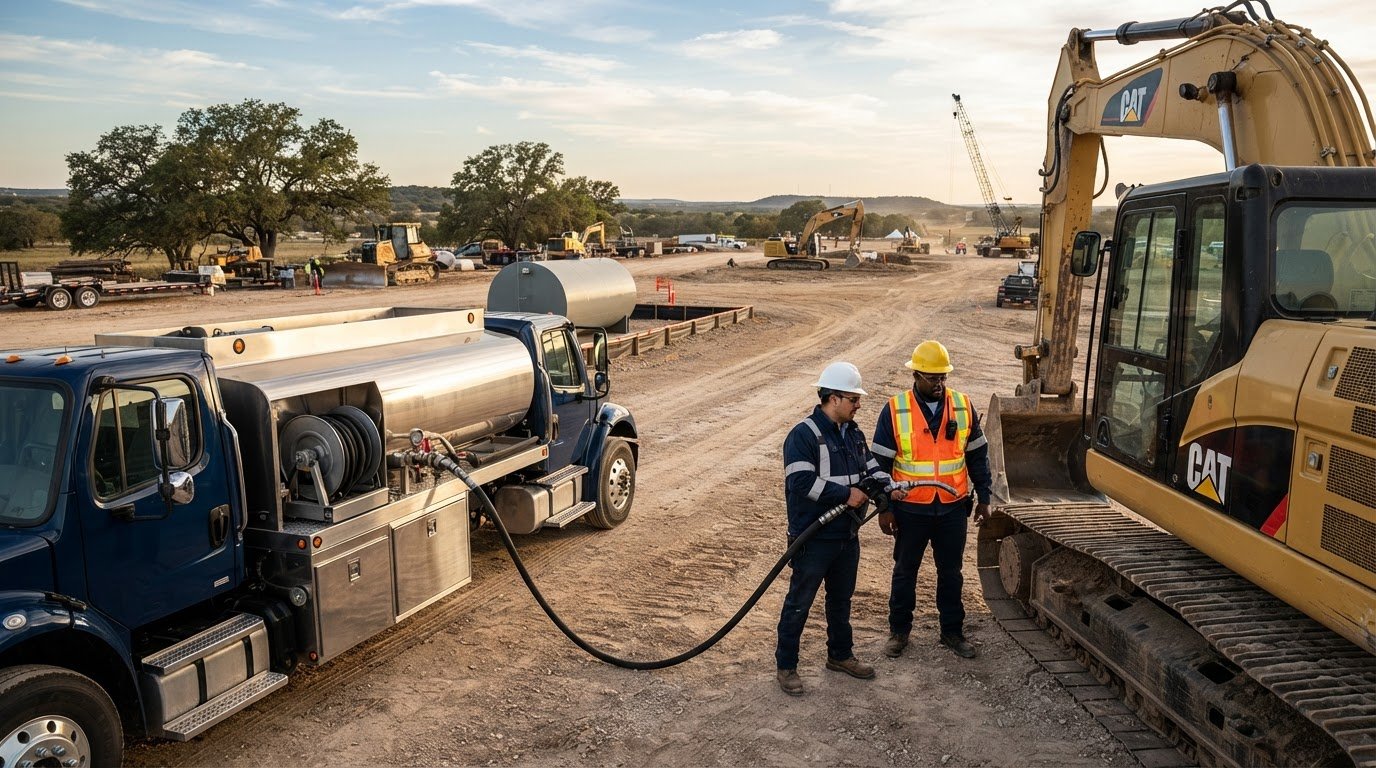
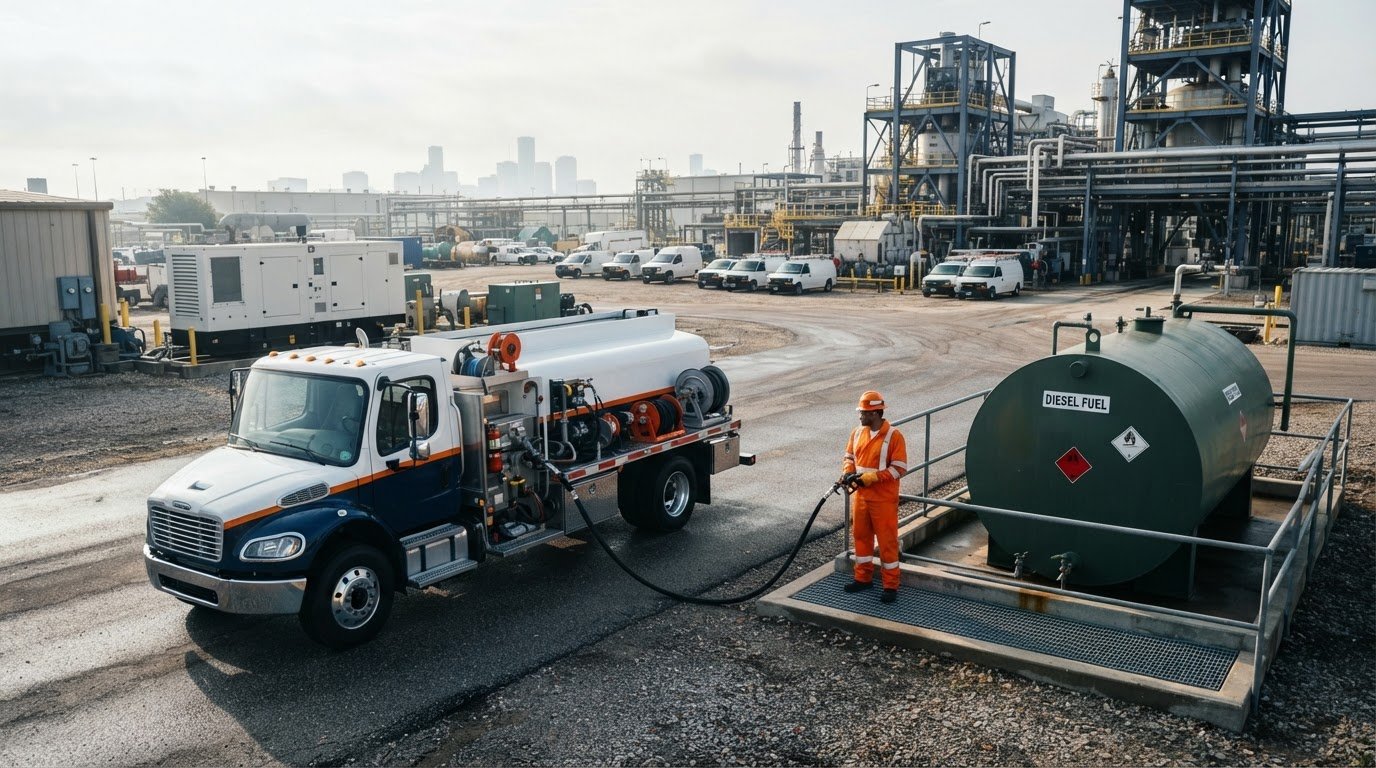
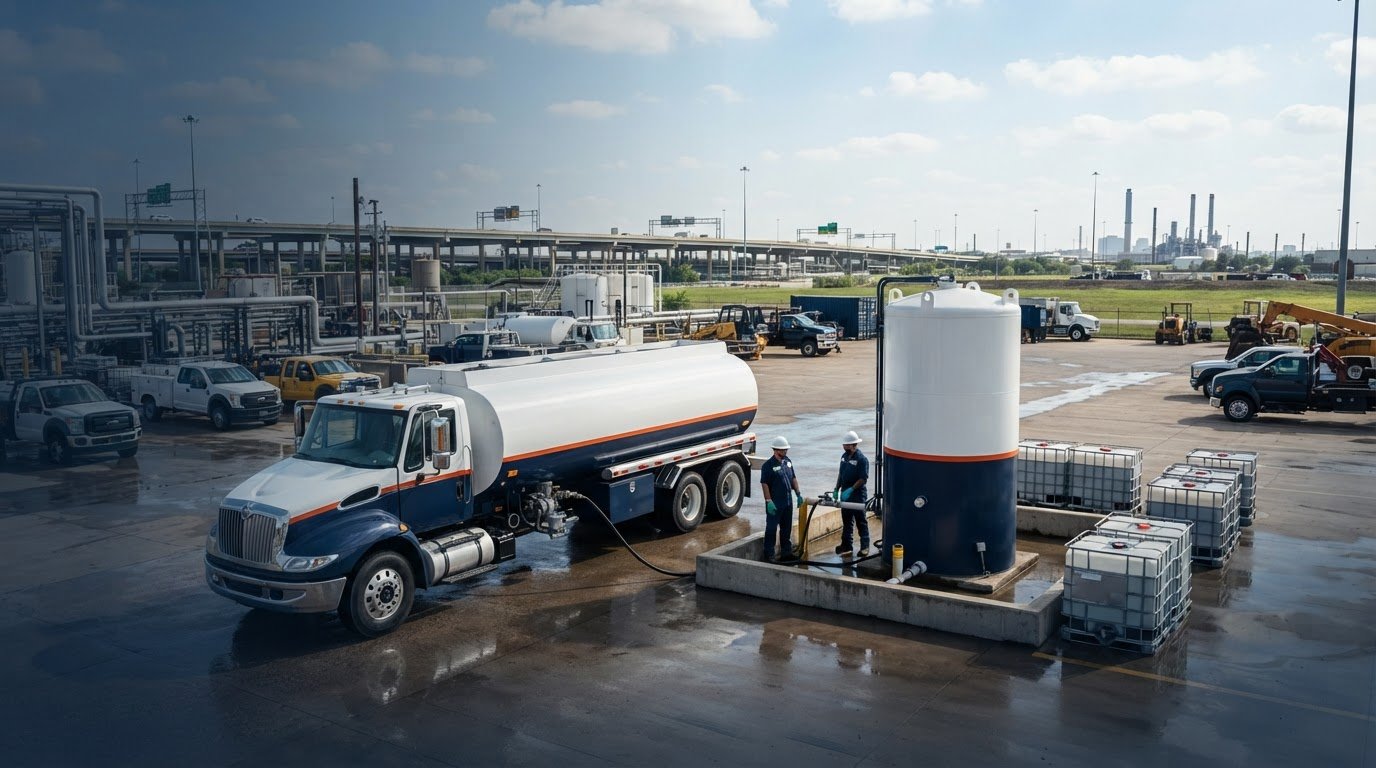
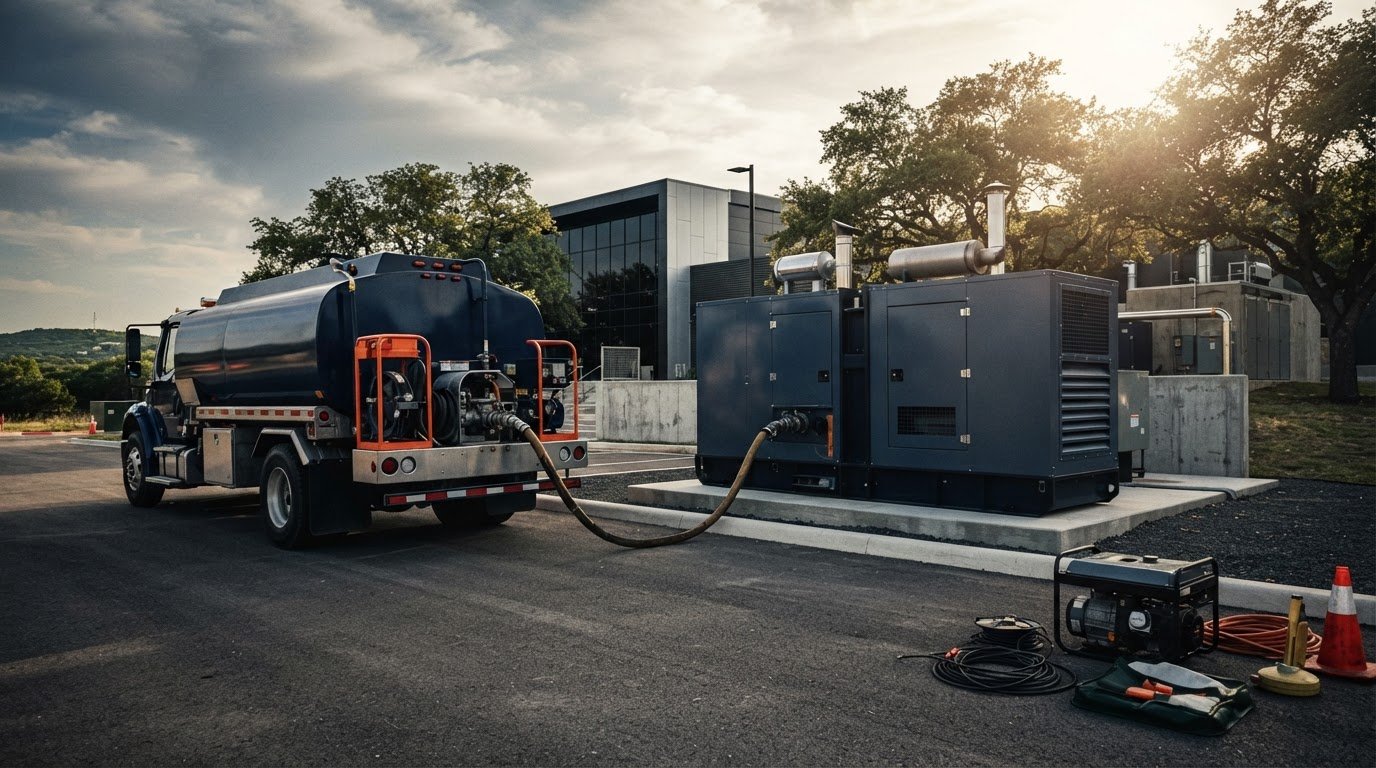
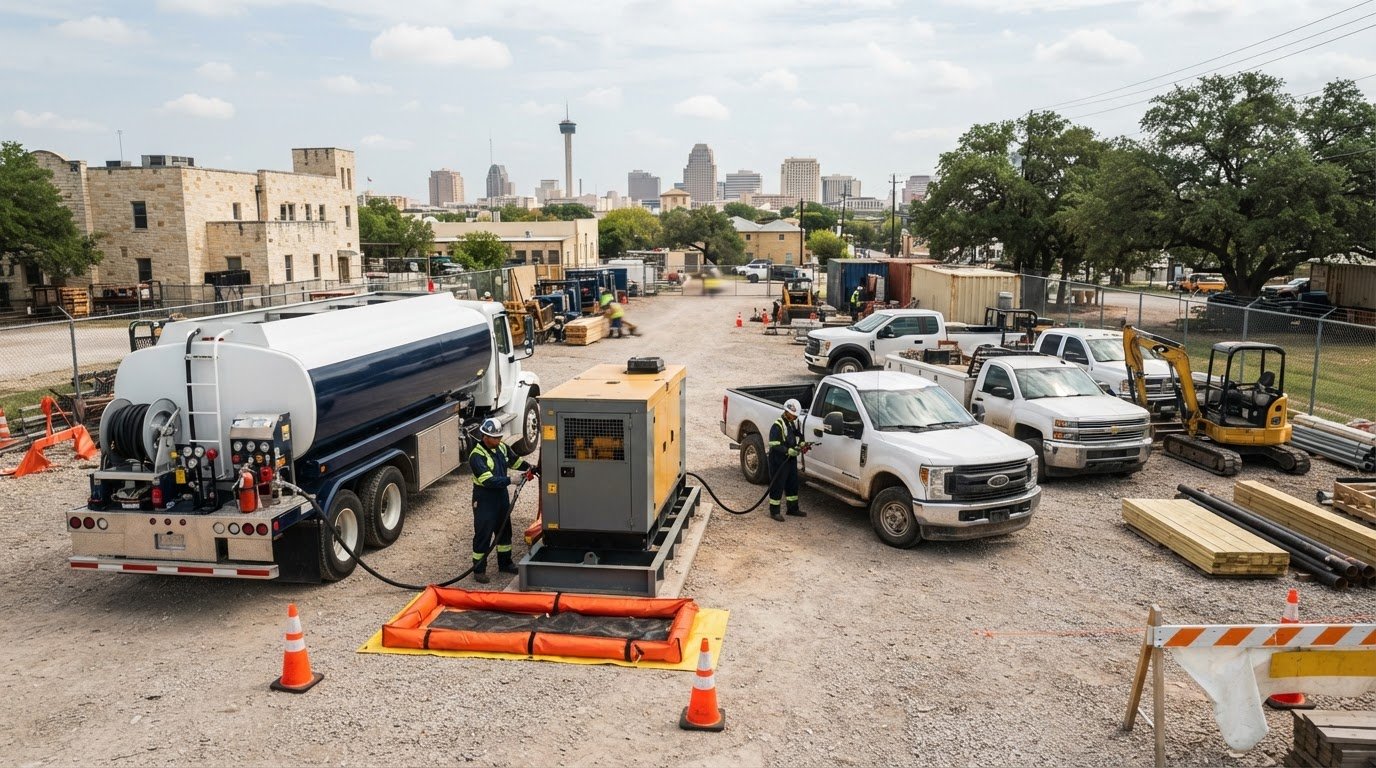
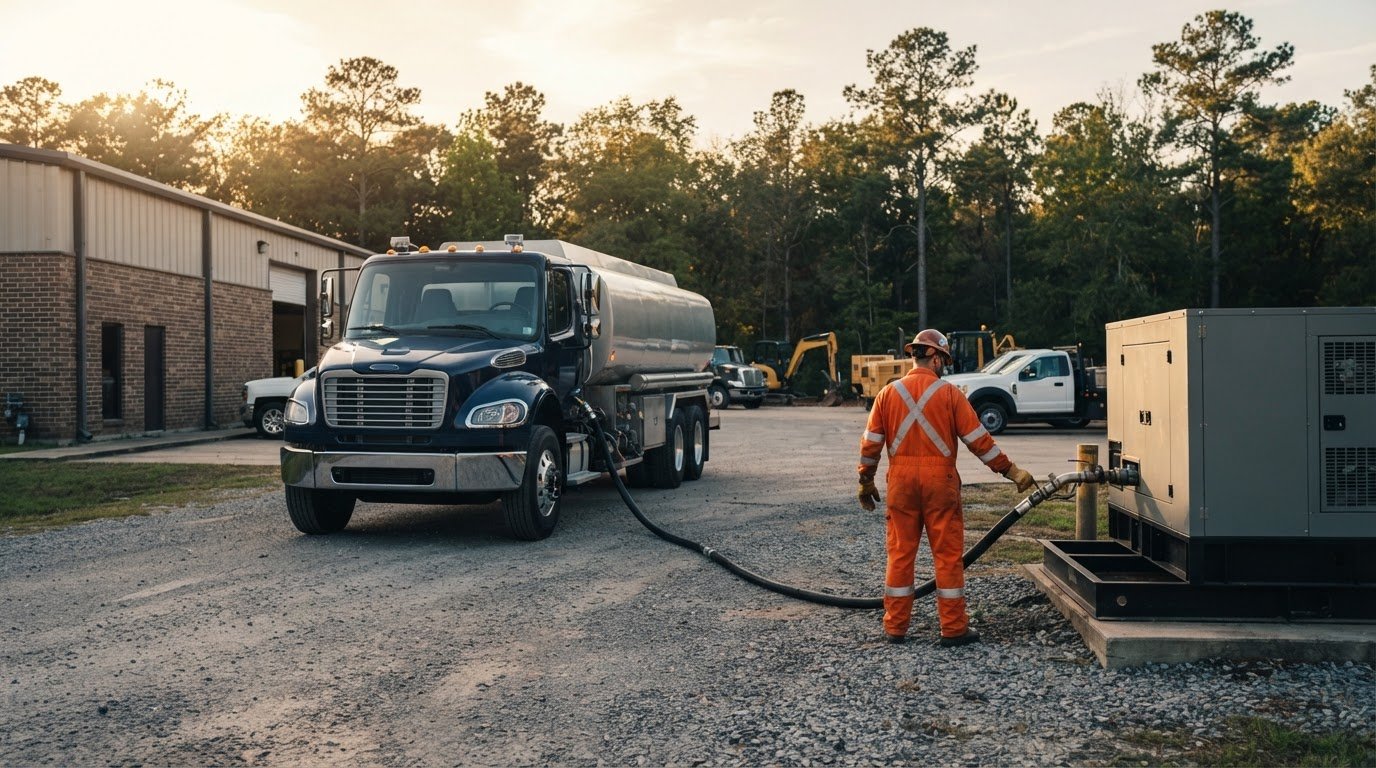
On-site fueling brings fuel directly to a generator or its connected tank, so staff don’t need to move fuel containers. To prepare a generator and tank for delivery in Houston, identify the equipment, fuel type, fill point, and truck access route. Clear the delivery area and arrange for an on-site contact to guide the driver.
A dedicated fuel truck transports fuel to the facility and delivers it to the designated equipment or tank. The setup depends on the vehicle and site layout. A generator behind a secured gate may require an escort, for example, while equipment near a clear service entrance may be easier to reach. Share access details when arranging service.
Prepare a brief handoff plan with the generator’s location, tank location, fuel type, and the person responsible for directing the delivery. Mark the intended truck route on a site map if the property has several entrances, loading areas, or generator enclosures. This helps distinguish the correct fill point from nearby equipment.
Before the truck arrives, have staff confirm the delivery area is accessible and the intended tank is clearly identified. Move materials or parked equipment that could obstruct the route. If the site has several generators, label the unit that needs fuel and provide its location. Clear directions matter on campuses and industrial properties where equipment may be far from the main entrance.
- Provide the site address, entrance instructions, and an on-site contact.
- Identify the generator and tank that need fuel.
- State the fuel type and requested delivery amount.
- Clear the approach and access area before the truck arrives.
- Tell site staff who will oversee the handoff and record the delivery.
During fueling, the designated contact can confirm the driver is at the correct unit and answer access questions. After delivery, record the fuel in the facility’s inventory and generator log. The record helps staff compare fuel levels with runtime and spot unusual changes before the next delivery.
On-site delivery can help facilities with multiple units coordinate replenishment without moving fuel between locations themselves. A property with a standby generator and separate equipment, for example, can specify which unit takes priority. Keep each unit’s fuel type and location distinct in the delivery instructions.
Preparation doesn’t require complex paperwork. A current site map, clear equipment labels, and one responsible contact can make delivery more straightforward. Update these details whenever a generator moves or site access changes.
Houston backup generator fuel delivery companies and service areas
Service coverage affects dispatch planning because Houston-area sites differ in distance, access, and road conditions. Assess coverage using the facility’s exact address, not just a general reference to Houston. A site near a major road may need different coordination from one behind a restricted industrial entrance.
Map the location before comparing service arrangements. Record the facility address, delivery entrance, generator location, and any gate or check-in process. For a campus with several buildings, identify the building and equipment needing fuel. Precise details distinguish the delivery point from a billing address or main reception entrance.
Assess the full delivery task, not just the city name. Identify whether the service can reach the site, access the equipment, and deliver the fuel type the generator requires. A facility outside central Houston may have different routing needs from one within the city, particularly if access roads or operating restrictions affect truck movement.
Use these details to define the service area relevant to your operation:
- Exact street address and delivery entrance.
- Fuel type and the generator or tank location.
- Site access instructions, including security procedures.
- Operating conditions that could affect vehicle access.
- A site contact who can guide the driver to the correct equipment.
A facility with a guarded entrance should include its check-in process in the delivery instructions. A property with several generators should identify the specific unit and route. These details make the location operationally clear instead of relying on a broad label such as “Houston-area service.”
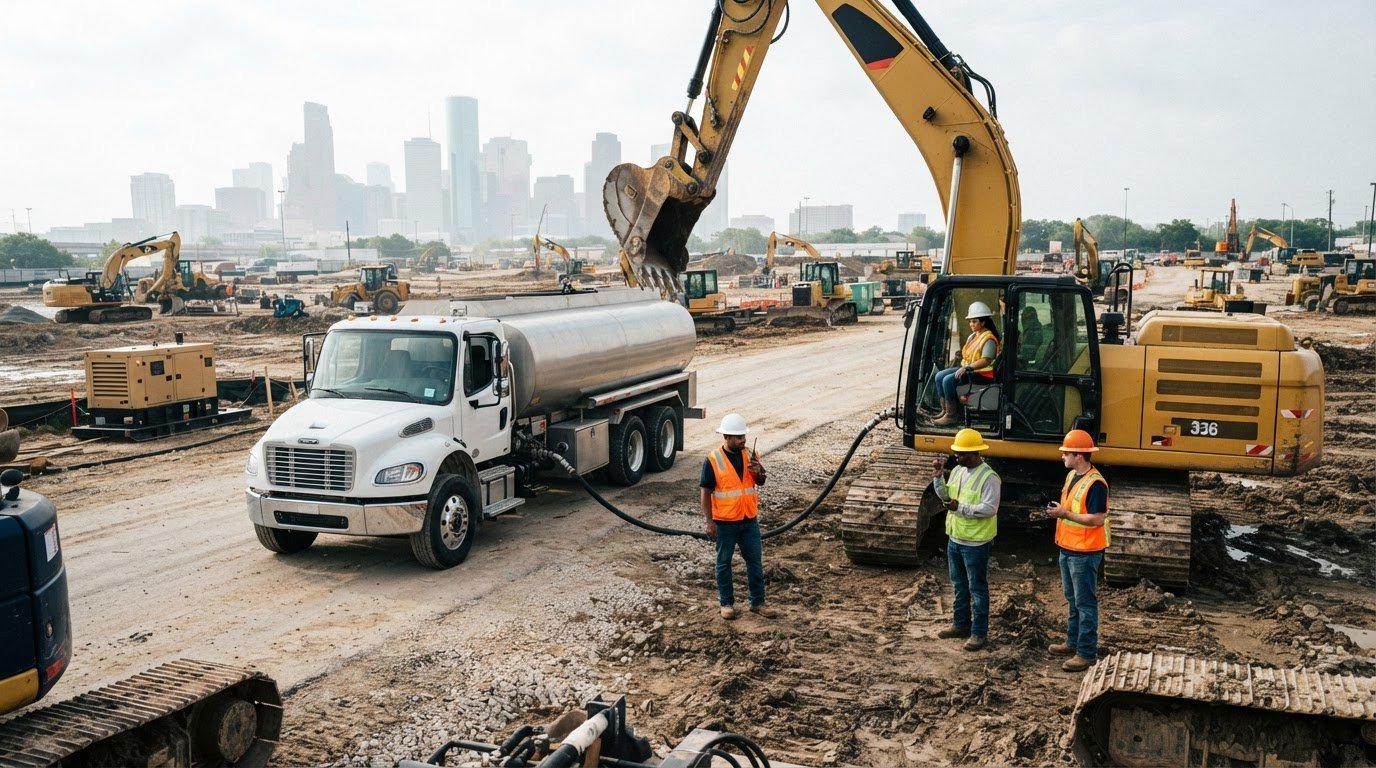
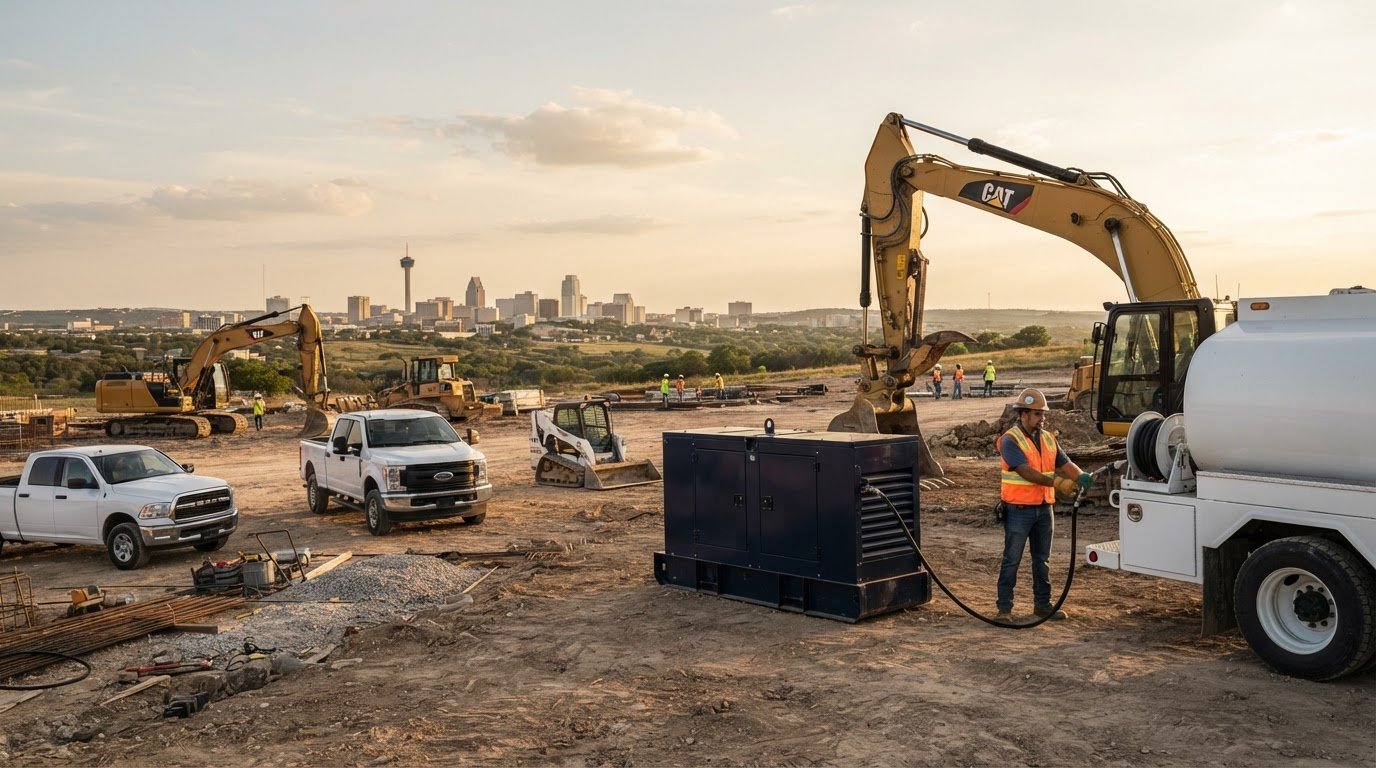
Response planning also depends on the site’s distance from dispatch resources and whether routes remain passable. Heavy traffic, road closures, storm impacts, and restricted access can change the route or complicate arrival. Record alternate entrances and who will communicate changes. This preparation is useful for industrial sites, construction locations, and critical facilities.
Compare service coverage with your facility’s operating plan. Determine which generator supports essential systems, how staff will monitor its fuel level, and what site information a delivery team needs. Keep these details current when a generator moves or access procedures change. A clear record helps dispatch understand the location and the task.
For Houston operations, define the requirement by address, equipment, fuel type, and access conditions. This makes geographic coverage meaningful to your site instead of treating the city name as a guarantee of a particular route or arrival time. It also gives staff a consistent basis for coordinating deliveries across multiple properties.
React Fueling: Diesel Delivery
React Fueling supports commercial operations with diesel delivery and generator fueling service for facilities that need fuel brought to their equipment. Its generator fueling service fits sites managing backup power alongside construction, fleet, or industrial operations.
Use this service when a generator needs planned replenishment or on-site fuel delivery. Share the generator’s location, fuel type, site access instructions, and current operating needs so delivery can be coordinated around the equipment and facility.
For broader fuel needs, React Fueling also provides equipment fueling and fuel delivery. Visit React Fueling’s website to discuss your Houston operation’s fueling requirements.
Put your fueling plan into action
A dependable plan for backup generator fuel delivery in Houston starts with clear ownership. Assign someone to keep generator and site details current, coordinate access, and communicate changing operating needs. This gives your team a practical foundation for managing fuel logistics before the next interruption.
React Fueling provides Diesel Delivery, Equipment Fueling Service, and Fuel Delivery for commercial operations. These services support facilities coordinating fuel for generators and other equipment. Share your site requirements and operating needs to discuss delivery and generator fueling in Houston, Magnolia, San Antonio, College Station, Austin, and Dallas.
Contact React Fueling about fuel delivery and take the next step toward a more organized fueling plan.
Frequently Asked Questions
What fuels can be delivered for backup generators in Houston?
Fuel options include diesel and gasoline, depending on the generator’s requirements. React Fueling provides diesel delivery and gasoline and diesel fuel delivery. Match the delivered fuel to the generator’s specified fuel type before arranging a refill. A facility operating diesel standby equipment should request diesel, while a gasoline-powered unit requires gasoline. Clearly note the fuel type in site instructions to prevent delivery confusion.
How quickly can Houston companies deliver generator fuel during a power outage?
Delivery timing varies by provider and operating conditions. React Fueling lists an average 4-hour response time across Texas and offers 24/7 emergency fueling. For a Houston outage, share the site address, generator location, required fuel, and access details when arranging service. Clear instructions help the delivery team understand the request and reach the right equipment. Treat the average response time as planning information, not a promised arrival time.