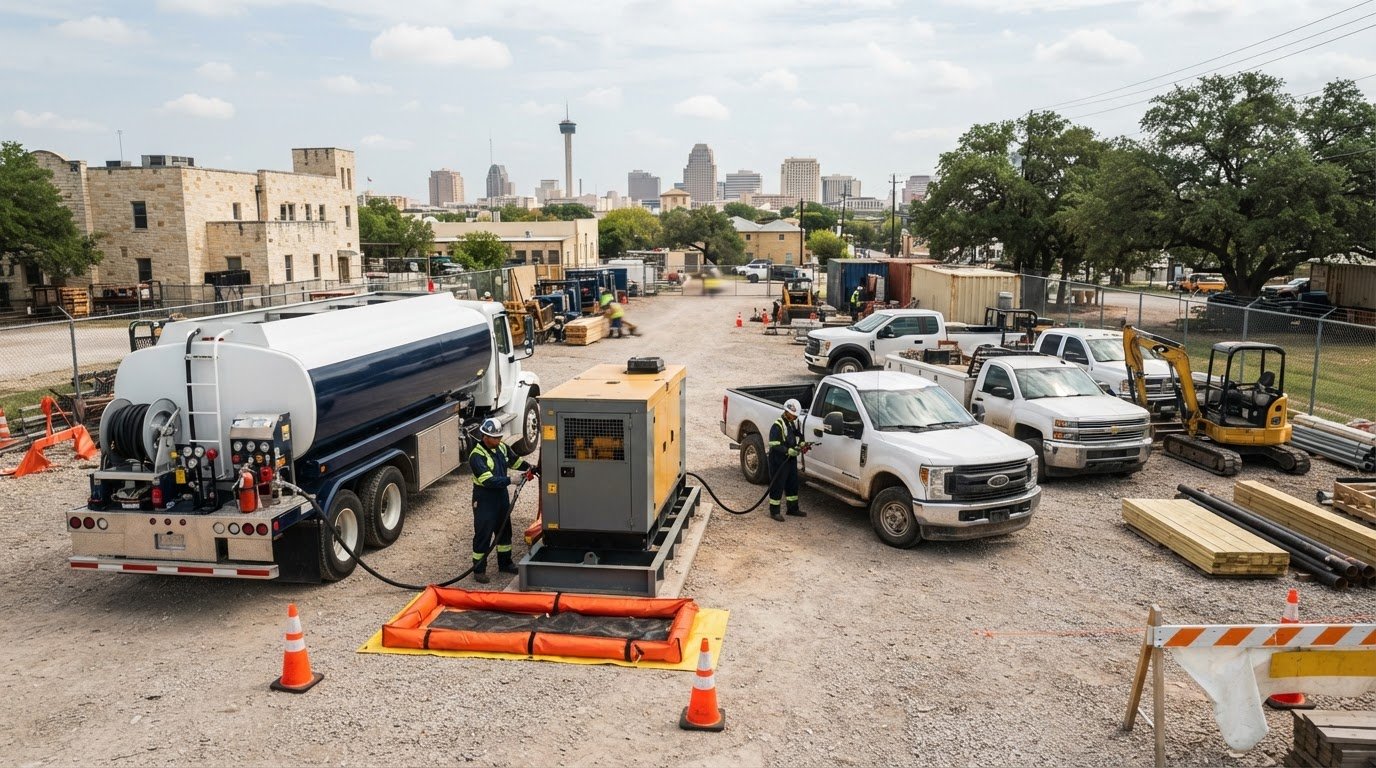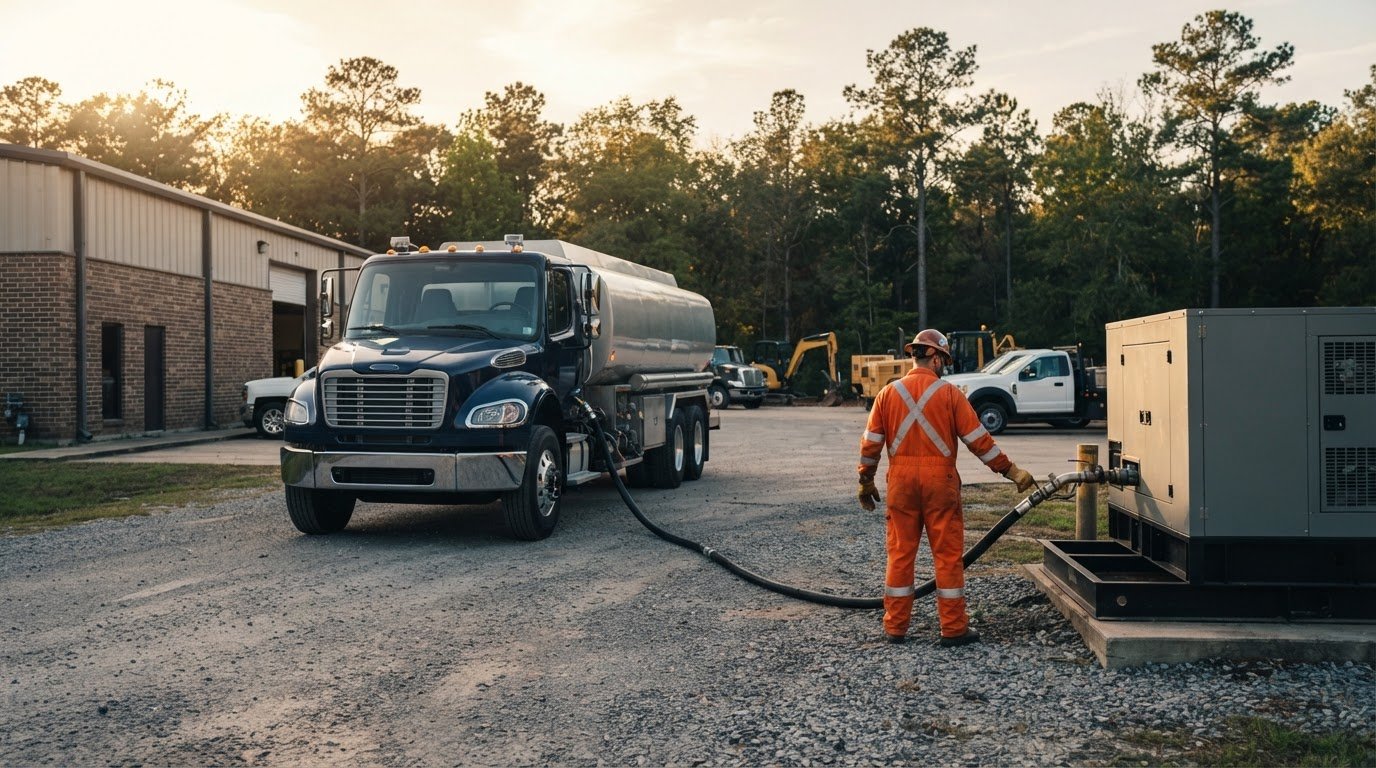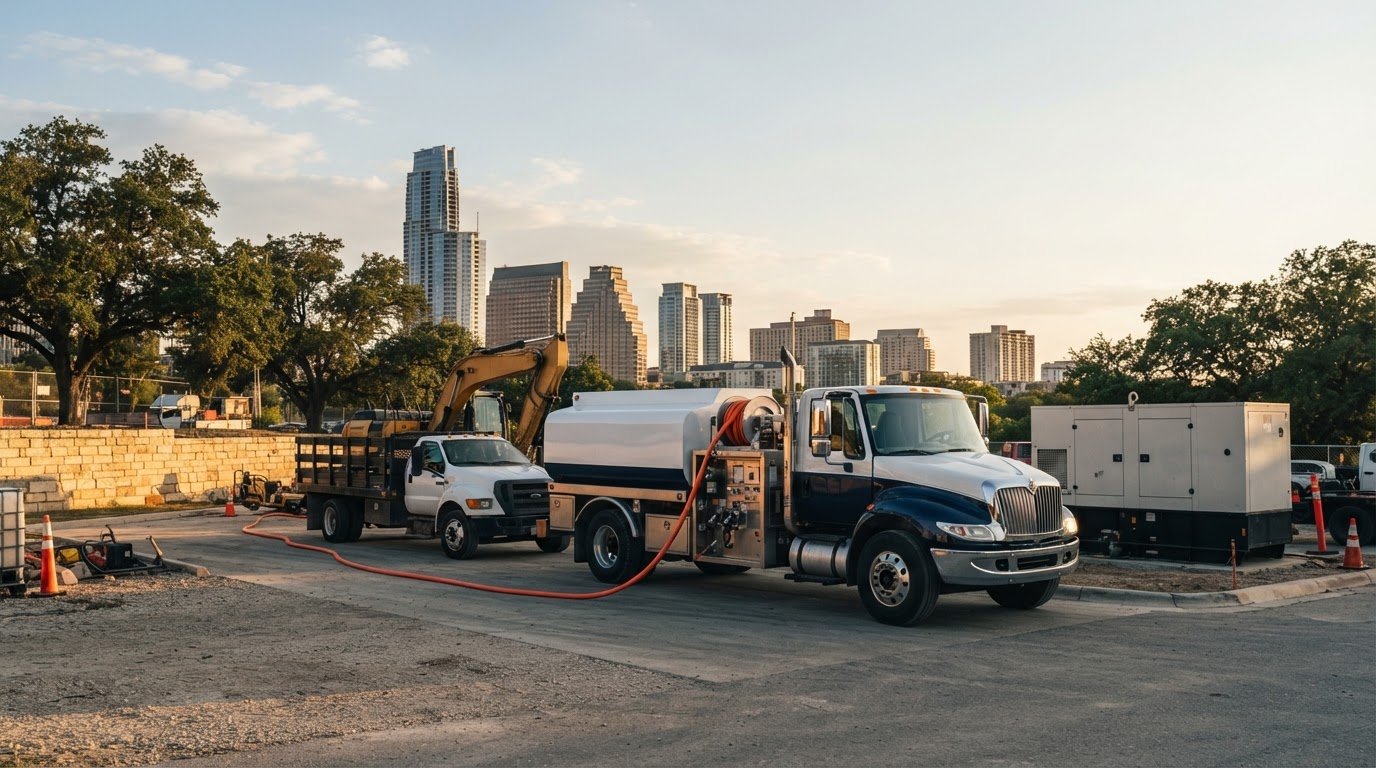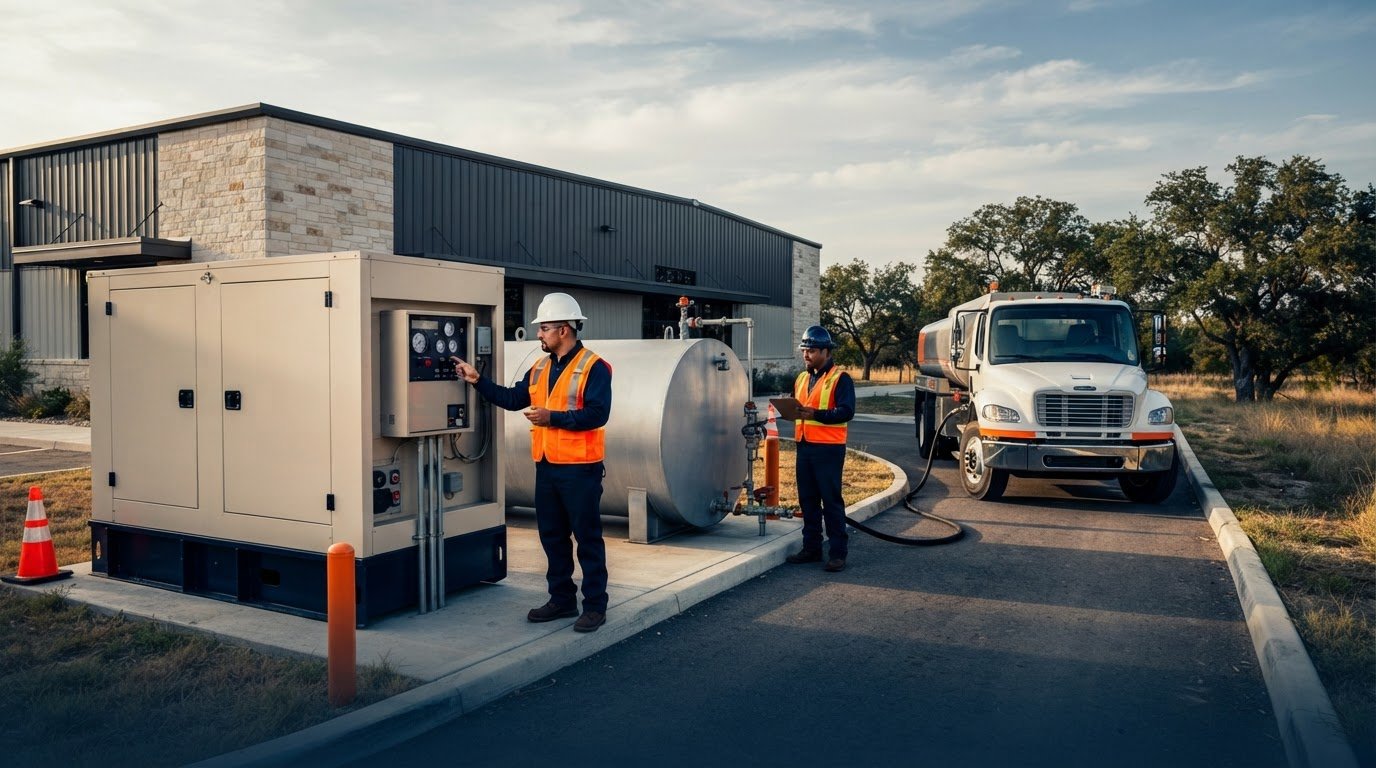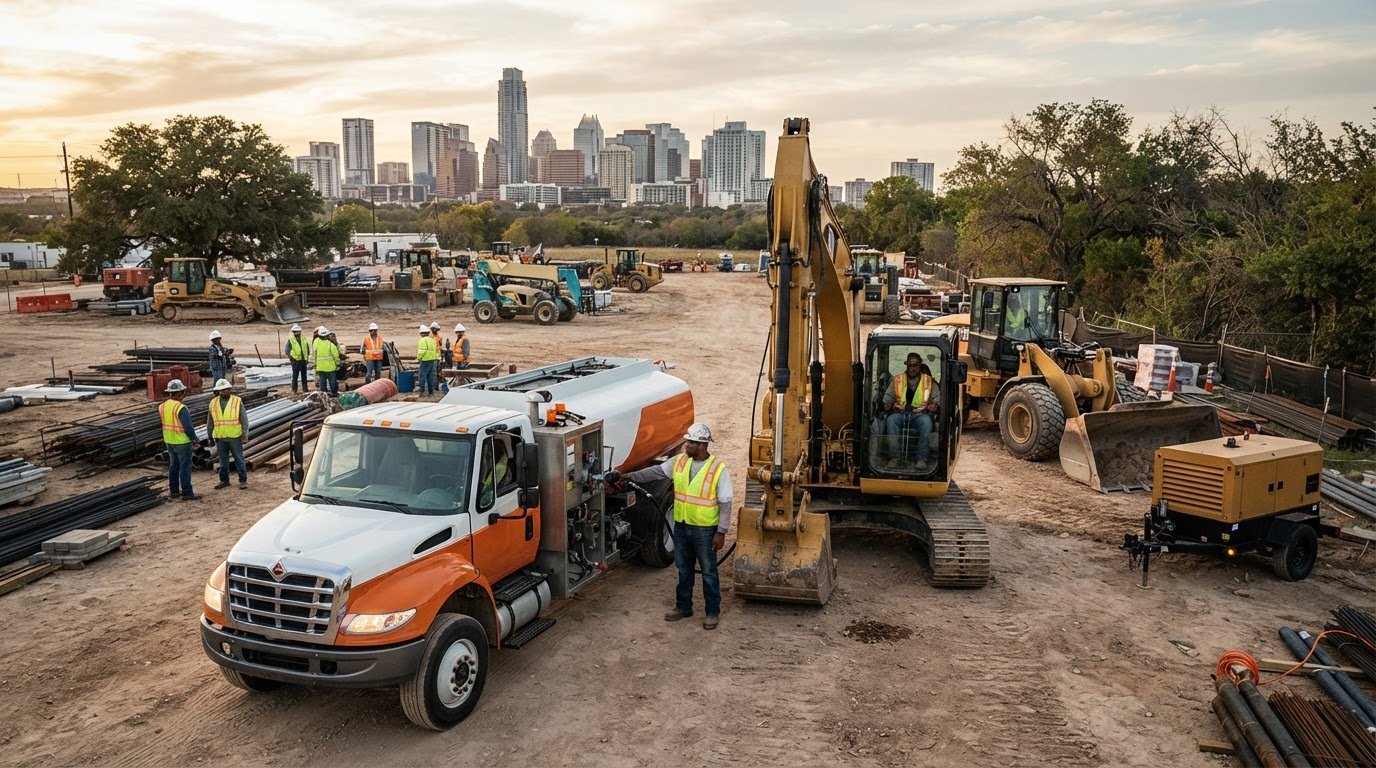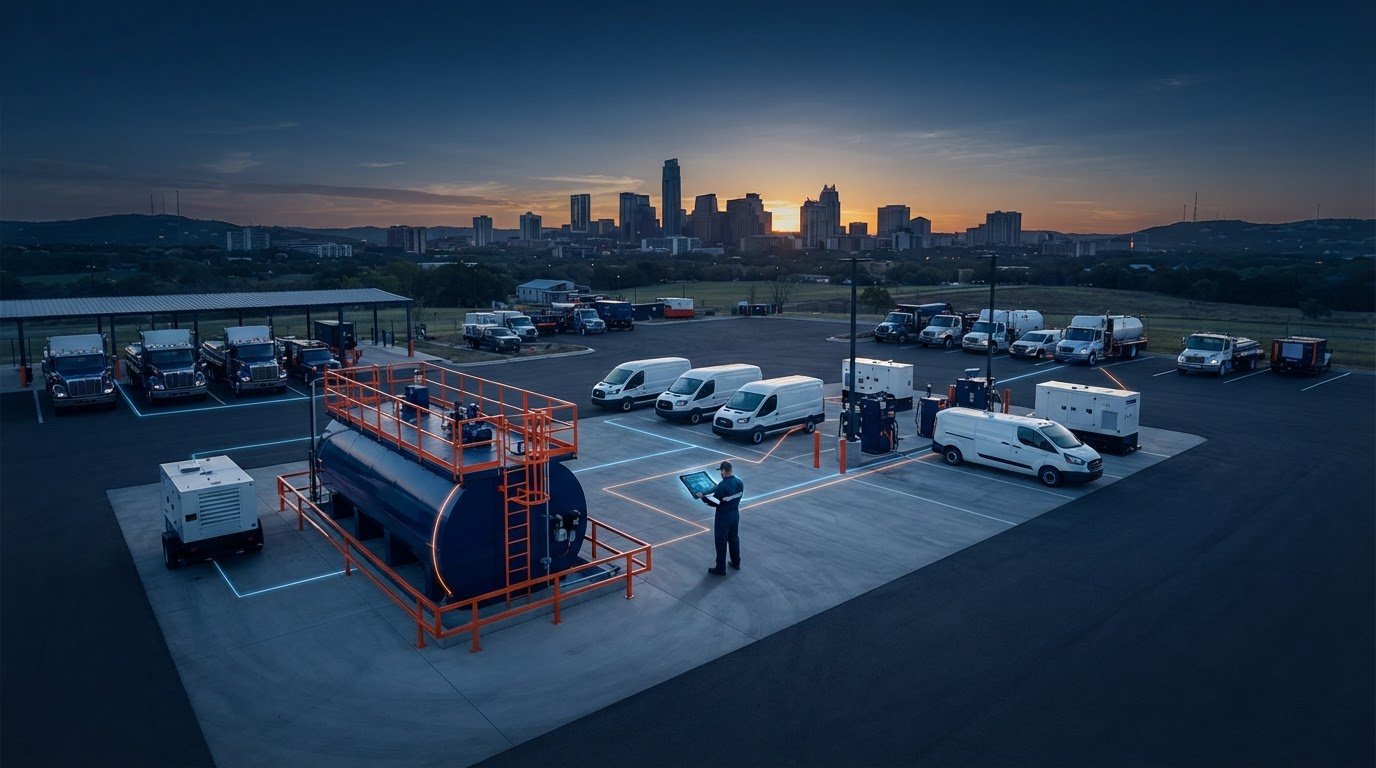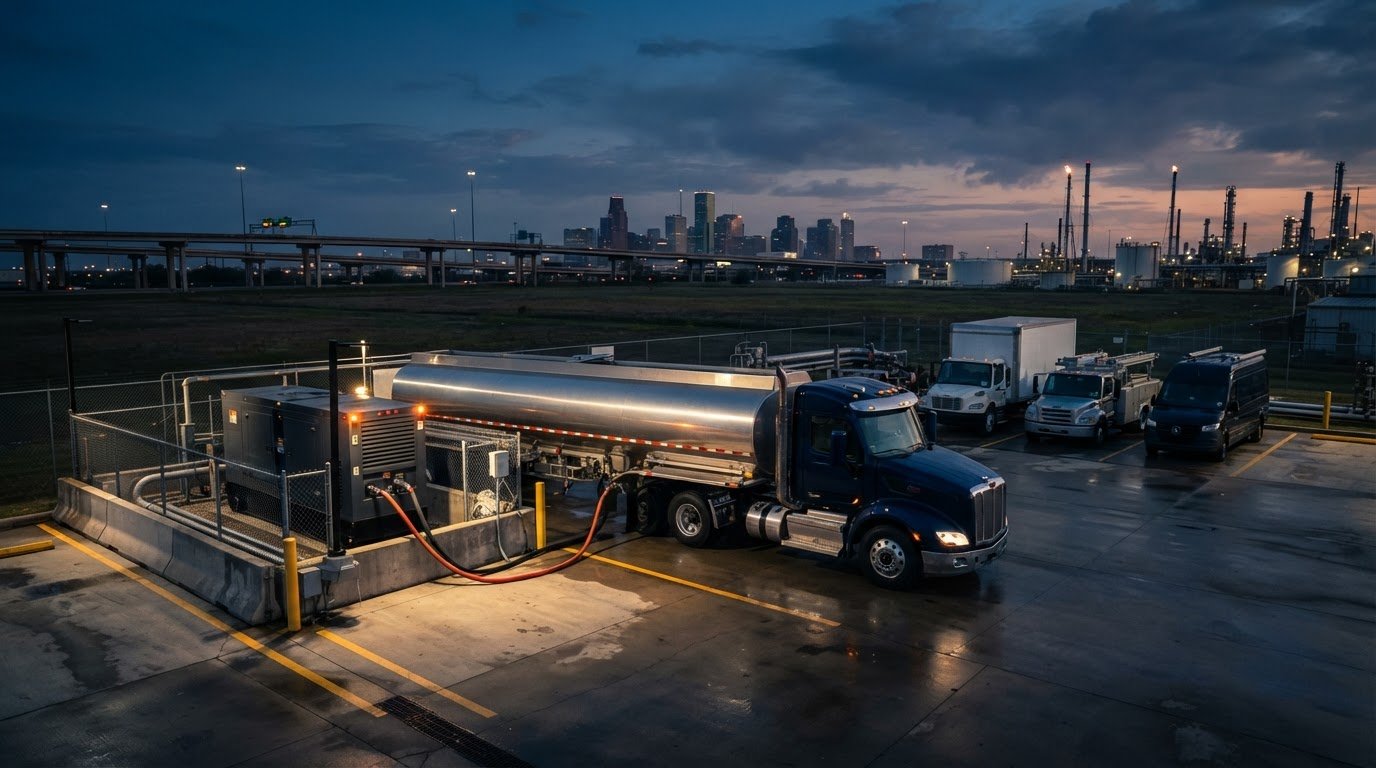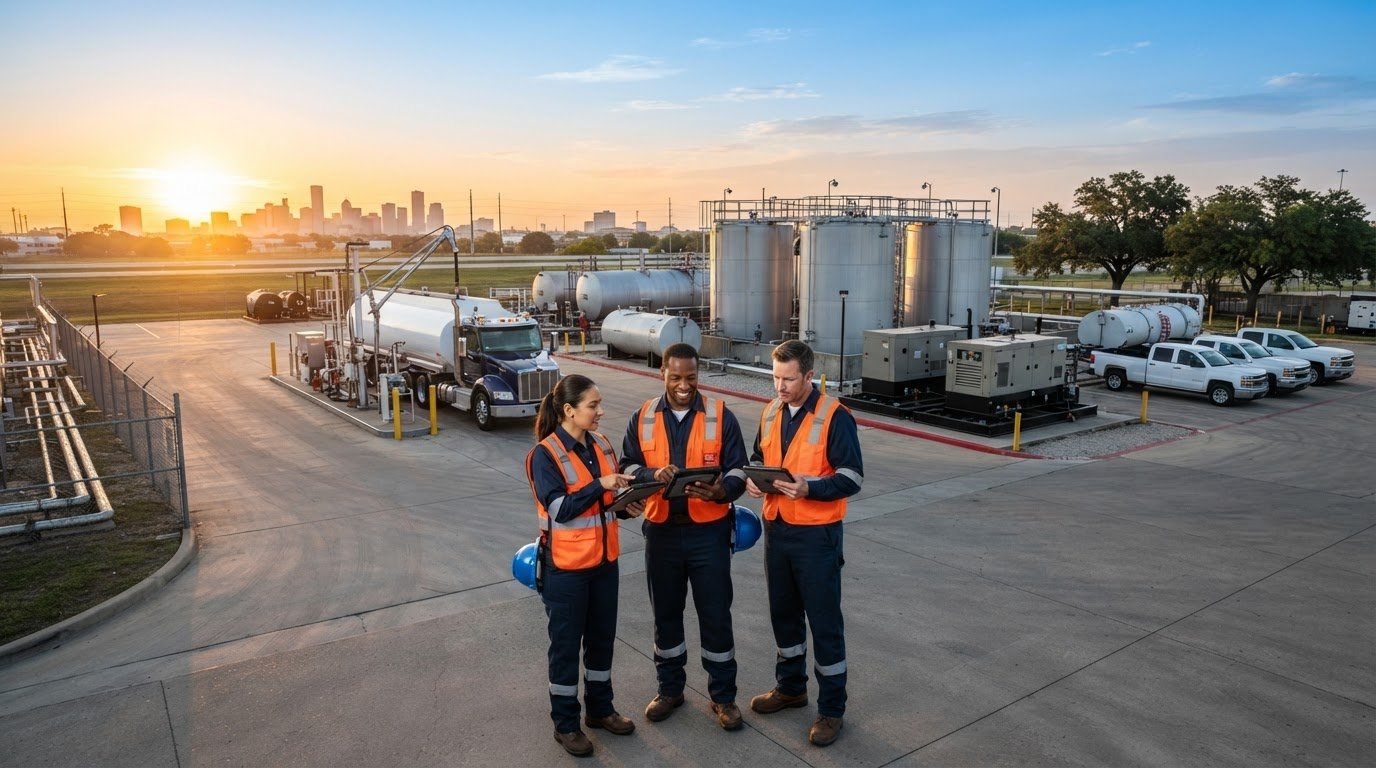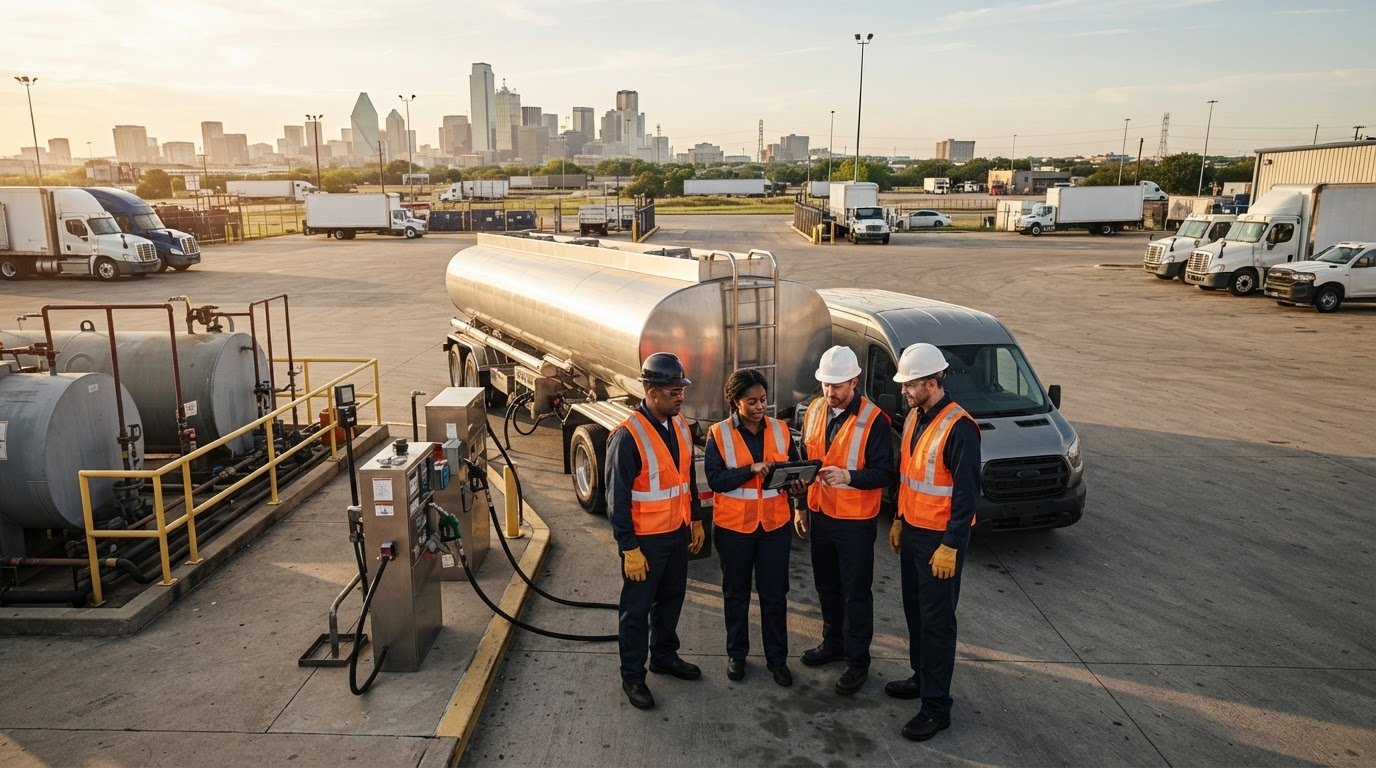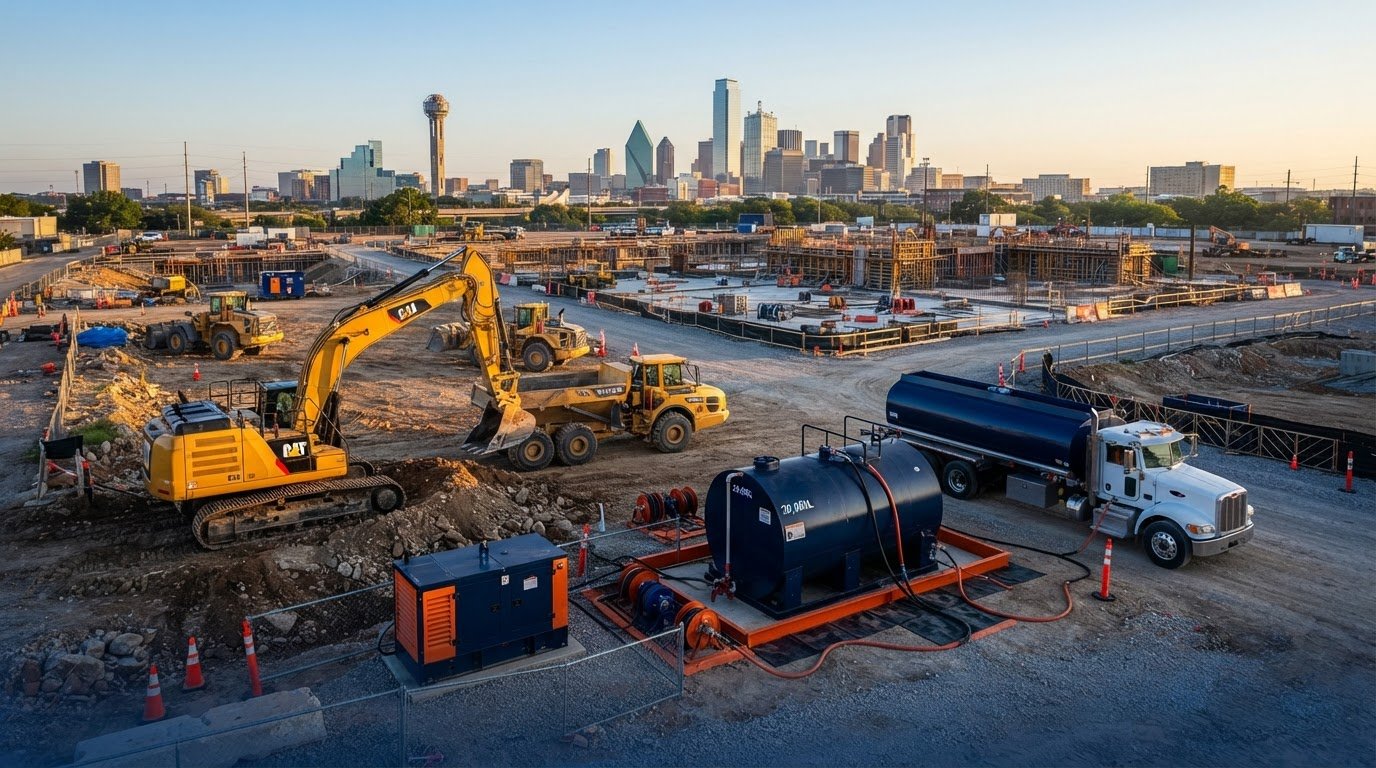
Fuel interruptions can stop equipment, delay work, and put critical operations under pressure. Commercial fuel delivery for industrial facilities in Austin brings fuel directly to operating sites, supporting generators, machinery, construction equipment, and fleets. On-site supply can also reduce interruptions from fuel-station lines and unplanned stops.
Industrial teams already know that dependable fuel access is part of keeping work moving. This guide explains how scheduled and bulk supply can support facilities, hospitals, data centers, construction sites, and fleets, and how emergency delivery can help maintain fuel supplies during shortages, bad weather, or supply-chain disruptions. It also covers the role of diesel exhaust fluid in modern equipment with SCR systems, what to consider when planning on-site fueling, and how equipment needs shape the right supply approach. With a clear plan for fuel and DEF, teams can better manage daily operations and prepare for disruptions without losing sight of safety and continuity.
Need Fuel Delivery in Austin?
Industrial facilities in Austin can arrange on-site supply around the fuel types, equipment, and storage setup their operations require. Matching each fuel to its intended use helps keep generators, vehicles, and machinery supplied without unnecessary trips away from the site.
On-Site Fuel Types
Diesel supports heavy equipment, trucks, fleet vehicles, and generators, while gasoline serves gasoline-powered vehicles and machinery. Clear diesel is the standard option for road-use trucks and fleet vehicles; facilities should distinguish it from red dye diesel, which is tax-exempt fuel for off-road equipment, construction machinery, and agricultural needs.
Diesel exhaust fluid, or DEF, is separate from fuel. Trucks and equipment may require DEF, so include it in the supply plan when applicable. Keep fuel and DEF requirements distinct for each vehicle or machine rather than treating every tank or product as interchangeable.
Bulk Supply and Refueling
Bulk delivery brings fuel to a facility’s storage tank or another designated supply point. The plan depends on the fuel needed, site use, storage, and consumption. For example, a facility running diesel generators and construction equipment can plan diesel supply for both stationary and mobile demand.
On-site gasoline and diesel delivery can serve vehicles and equipment at their work locations, reducing fuel-station trips and unexpected stops. Separate the site’s gasoline and diesel needs, identify which equipment uses each fuel, and coordinate delivery access around active work areas.
Delivery Setup Information
To plan a delivery, gather the site and fueling details that will shape the service. Include:
- The facility’s Austin address and a site contact.
- Fuel types needed, such as diesel, gasoline, or DEF.
- The vehicles, equipment, and generators requiring supply.
- Storage tank locations, access points, and delivery constraints.
- Expected usage patterns and whether demand is scheduled or urgent.
These details help distinguish routine bulk supply from direct equipment fueling. A fleet with on-site tanks, for example, has different delivery access needs from machinery operating across a construction site.
Austin Storage and Delivery Regulations
Texas and Austin requirements for bulk fuel storage and on-site delivery depend on factors such as fuel type, tank capacity, storage arrangement, and site use. Applicable considerations can include fire safety, environmental protection, and local site-use rules; the facility’s storage layout and delivery process determine which provisions apply.
Before establishing bulk storage, document the tank location, fuel type, delivery access, and spill-control arrangements. Keep those site details aligned with facility procedures, especially where generators, vehicles, and active work areas share space. Requirements can differ between fixed storage and temporary site tanks, so assess the actual setup rather than assuming one arrangement covers every facility.
Fueling for hospitals, data centers, construction, and fleets
Hospitals and data centers rely on generators to support critical operations during a power interruption. A site fueling plan should identify each generator, its fuel type, tank location, and access route. Keeping those details organized helps crews direct fuel to the right equipment without disrupting facility access. On-site fueling can also reduce interruptions from fuel-station lines and unexpected stops.
Industrial facilities may use bulk tanks for generators while mobile equipment operates elsewhere on the property. Map fixed tanks, work areas, and delivery access so fueling can serve stationary and mobile equipment. For example, distinguish a generator’s tank from tanks serving loaders or service vehicles, then track fuel use separately.
At construction sites, equipment may move between work zones as projects advance. Record where machinery is operating and which units need fuel, then coordinate delivery access around active work. On-site refueling can help avoid sending vehicles or machines away from the site for fuel. Tracking equipment locations also gives managers a clearer view of fuel use across different tasks.
Mobile fleets need a plan that accounts for vehicles returning to a yard and units remaining in the field. Refrigerated trailers may require separate attention for the tractor and the trailer’s refrigeration unit. Identify each unit and its fueling location so the delivery team can serve the correct equipment. At a distribution yard, grouping vehicles by row or designated fueling area can make access more straightforward.
Mixed fleets require fuel-type distinctions. Gasoline vehicles, diesel trucks, and equipment with SCR systems do not all use the same supply; SCR-equipped diesel equipment also needs DEF. Keep a vehicle or equipment record that lists fuel type, location, and whether the unit requires DEF. This helps prevent a gasoline vehicle or diesel generator from being grouped incorrectly during a site fueling plan.
Use fueling records to monitor consumption by vehicle or machine and manage fuel use. A fleet manager can compare usage across similar vehicles, while a facilities team can record generator and industrial equipment demand separately. Pair each entry with the equipment identifier and fueling location. These records help teams spot changing demand, organize bulk supply, and plan site access around hospitals, data centers, construction activity, and fleet movements.
Industrial facilities with stationary and mobile equipment can benefit from bulk fuel delivery. Organizing deliveries around recorded fuel needs and mapped access helps direct supply where operations require it.
Emergency fuel delivery
Fuel delivery in Austin can help maintain supply during shortages, bad weather, or supply-chain disruptions. Compare services by whether their area covers your facility, how they handle urgent dispatch, and whether they deliver the fuel your equipment needs.
Emergency and Same-Day Availability
For urgent service, share the facility’s exact address, fuel type, required quantity, and delivery point. These details help clarify the request and identify access constraints, such as a secured gate or an active construction zone. Ask about the dispatch process and the factors that shape arrival timing. Same-day availability should be assessed against the actual site and current delivery demand.
A city name alone does not explain whether a service covers a specific industrial site. React Fueling serves Houston, TX; Austin, TX; San Antonio, TX; Dallas, TX; College Station, TX. Include the facility address and access information when arranging delivery, particularly for sites outside central areas or with restricted routes.
Fuel options matter just as much as location and speed. Check whether the service handles the facility’s required fuel, such as diesel for a generator or equipment, gasoline for applicable vehicles, or DEF for SCR-equipped diesel machinery. A mismatch between the fuel requested and the equipment’s requirements can delay the response and leave the actual need unresolved.
Emergency Response and Fuel Access
Emergency response starts with a clear description of the problem. Identify the affected generator, vehicle, tank, or machine, then provide its location and fuel type. For example, distinguish a low bulk diesel tank from a construction machine that needs direct fueling. This helps the delivery team understand where fuel needs to go.
Prepare the site for access while arranging emergency fuel delivery. Provide gate instructions, a suitable entrance, and the location of the tank or equipment. At a hospital, specify the generator access point without directing delivery through patient or ambulance routes. At a construction site, identify work zones and safe vehicle access.
- State the Austin facility address and on-site contact.
- Name the fuel type and the equipment receiving it.
- Describe the delivery point, tank, or machine location.
- Explain access restrictions, such as gates or changing work areas.
- Report whether the need involves a generator, fleet vehicle, or equipment.
These steps help turn an urgent request into an actionable delivery plan. Facilities that record tank locations, equipment identifiers, and access instructions in advance can share consistent information during a disruption. For diesel-powered generators, include the specific generator location; for mobile equipment, identify its current work area. Clear details support efficient coordination when Austin operations face a supply interruption.
Bulk fuel supply for industrial facilities
Bulk supply helps industrial facilities keep fuel available for generators, production equipment, and fleet vehicles. In Austin, applicable permits and inspections depend on the fuel, tank design, capacity, location, and site use, so those factors shape storage planning. Key risks include spills, fire, and fuel contamination; safe receiving and storage procedures should address each.
Bulk Fuel and Lubricant Supply
Bulk fuel supply supports facilities with steady demand across fixed and mobile equipment. A plant might use diesel for backup generators and machinery, then plan replenishment around consumption and available tank capacity. Reliability depends on matching deliveries to operating needs and keeping tank access and fuel-use records organized.
Lubricants serve a different purpose from fuel. Facilities may manage bulk lubricants for maintenance alongside packaged products for specific machines. Keep lubricant types and storage locations distinct from diesel or gasoline tanks. Drivers and site staff can use clear labels and designated unloading points to reduce mix-ups during receiving.
Bulk Tank Deliveries
A bulk delivery transfers fuel into a facility’s designated storage tank. Before delivery, identify the tank location, fuel type, fill connection, and vehicle access route. For example, distinguish a diesel generator tank from tanks serving fleet vehicles or production equipment.
Coordinate receiving around site traffic and active operations. Keep the delivery route clear, identify who is responsible for access, and communicate any gate or work-zone instructions. Confirm the requested fuel matches the tank before unloading, then record the delivery against the correct tank and facility use.
Storage planning should account for how fuel moves from the tank to equipment. Map fixed tanks, generator connections, and mobile equipment fueling areas, then use those locations to organize replenishment. This helps prevent confusion when an industrial site has several tanks or fuel types.
- Record each tank’s location and the fuel it holds.
- Keep delivery access clear of equipment and site traffic.
- Separate fuel storage from lubricant storage and labeling.
- Log received fuel against the intended tank and operational use.
These steps support orderly receiving, but they don’t replace site-specific storage planning. Tank construction, placement, and use affect which Texas and Austin requirements apply. Facilities should incorporate those conditions into their storage procedures and inspection planning, especially when a site changes tank locations or adds a new fuel use.
For example, a facility receiving diesel for a generator and gasoline for fleet vehicles should identify each receiving point before delivery. Clear tank identification helps drivers follow the right route and site staff direct fuel to the intended location. Separate handling procedures also help limit spill and contamination risks during unloading.
Commercial fuel delivery in Austin
Commercial fuel delivery for industrial facilities in Austin works best when supply reflects the site’s operating pattern. Separate stationary demand, such as generators, from mobile demand across vehicles and equipment. This helps facility teams plan deliveries around critical assets instead of treating every fuel need as one task.
Build a site fuel plan around the equipment that must keep operating. An Austin facility might use diesel for a generator, production machinery, and fleet vehicles, while gasoline serves other vehicles. List each asset, its fuel type, and where it receives fuel. Keep DEF requirements visible for trucks and equipment that use it.
Bulk delivery can support industrial facilities with recurring fuel demand and on-site storage. Set a replenishment process around observed use, tank locations, and delivery vehicle access. Track generator and fleet tanks separately, even when both hold diesel. Clear records show which area needs supply and when.
On-site fueling can reduce interruptions from fuel-station lines and unexpected stops. It also helps businesses monitor fuel use by vehicle or machine, making supply easier to manage. Record the asset identifier, fuel type, delivery location, and amount received in the facility’s tracking process. These entries provide a more useful picture than one site-wide total.
Emergency planning should account for possible shortages, bad weather, and supply-chain issues. Keep a concise site profile with the Austin address, gate instructions, fuel types, tank locations, and the equipment affected by an interruption. For example, identify whether an urgent need involves a standby generator or equipment operating away from the main storage area. This gives dispatchers actionable details instead of a general request.
When comparing services in Austin , consider coverage at the facility address, the process for urgent needs, and the fuel options available for the site’s equipment. A service that provides diesel but not DEF may not address every need. Compare requirements for fleet vehicles, generators, and equipment before setting a supply plan.
- Map each bulk tank, generator, vehicle group, and fueling point.
- Separate routine replenishment from emergency fuel requests.
- Track fuel by asset or operating area.
- Keep access directions and fuel requirements ready for delivery coordination.
For Austin operations, the takeaway is straightforward: connect fuel planning to the assets, locations, and disruptions that affect daily work. Explore commercial fuel services as a next step for organizing fuel needs across your facility, vehicles, and equipment.
React Fueling: Diesel Delivery
React Fueling provides diesel delivery for commercial fleets and industrial facilities, along with direct fueling for construction and industrial equipment. Equipment Fueling Service can supply machinery on-site, and Generator Fueling Service supports facilities that depend on backup power.
Choose the service based on where fuel is needed: in a bulk tank, at equipment, or at a generator. Sharing the site address, fuel type, delivery location, and equipment details helps define the request and coordinate access. For broader commercial needs, commercial fuel services cover fuel requirements across operational settings.
Contact React Fueling to discuss diesel delivery for your facility or fleet.
Put Your Fuel Plan Into Motion
A dependable fuel plan starts with clear responsibilities. Decide who tracks fuel use, maintains site access details, and coordinates supply as facility needs change. For commercial fuel delivery for industrial facilities in Austin, aligning these responsibilities helps teams respond deliberately instead of gathering information during an interruption.
React Fueling provides Diesel Delivery, Equipment Fueling Service, and Fuel Delivery for commercial operations. These services can support your next step, whether you need diesel for equipment or fuel for an operating site. Share your operational need and delivery location to get started.
Contact React Fueling about your facility’s fuel delivery needs and take the next step toward a plan that keeps work moving.
Frequently Asked Questions
Which companies provide commercial fuel delivery to industrial facilities in Austin, Texas?
React Fueling delivers commercial diesel and fuel to industrial facilities in Austin and across Texas. Start by defining the delivery point: a storage tank, generator, or equipment operating across a site. Then identify the fuel type and whether the delivery is scheduled or urgent. These details give facility managers a practical basis for arranging the right service.
What types of fuel can Austin commercial fuel delivery companies supply?
Commercial delivery options include gasoline and diesel, and DEF is available for trucks and equipment. Match the requested product to the engine or equipment requirements before arranging delivery. For example, a mixed fleet may include gasoline vehicles alongside diesel trucks that need DEF. Recording each vehicle’s fuel type and DEF requirement helps reduce ordering mistakes and directs each product to the intended equipment.
What are the minimum order quantities and delivery fees for industrial fuel delivery in Austin?
Plan the requested quantity around the fuel type, facility demand, available tank capacity, and delivery location. Those details help define the order for a generator, fleet tank, or worksite equipment. Pricing depends on the case and is provided after a quote request. Relevant cost factors include the requested fuel, delivery volume, site access, and the type of fueling service needed. No service price should be assumed from another facility’s order.
How is commercial fuel delivery pricing calculated in Austin, including fuel surcharges?
Pricing depends on the case and is provided after a quote request. Fuel type, requested volume, delivery location, site access, and whether fuel goes to a tank or equipment can shape the quote. Treat any fuel surcharge as a separate cost component to review in the quote, rather than assuming it is included or follows a fixed formula. Comparing the same delivery details makes estimates easier to evaluate consistently.
Do Austin fuel suppliers offer scheduled, emergency, and 24/7 deliveries?
React Fueling offers scheduled and urgent diesel delivery, along with emergency fueling available 24/7. Generator fueling is available on a scheduled and on-demand basis. For planning, separate routine replenishment from an urgent need in your facility’s fueling records. Include the affected asset and delivery location in the request. This distinction helps operations teams describe whether they’re arranging recurring supply or responding to an immediate fuel need.
How can facilities verify fuel quality, delivery quantities, and supplier credentials?
Use a consistent receiving record for every delivery. Match the requested fuel type to the delivery paperwork, record the quantity shown on the delivery documentation, and compare it with the facility’s tank or inventory records. Note the delivery date, receiving location, and equipment or tank served. For supplier credentials, review the provider’s business identity and written service scope, and retain those records with the facility’s procurement documentation.