A Houston DEF delivery quote depends on the route as well as the load. Traffic and weather can affect delivery timing and pricing for a large volume DEF delivery service in Houston. The price depends on the specific delivery and is provided after a quote request; route, timing, load requirements, and road conditions all shape the quote.
For businesses relying on diesel equipment, a delayed delivery can disrupt planned work. Congestion and changing weather add uncertainty to transport, so understanding the factors behind delivery timing and pricing helps with planning and supply decisions.
This guide explains how traffic and weather can affect delivery pricing, outlines bulk DEF and other fuel products available for delivery, and describes the Houston-area reach of service. You’ll also learn which operational details help determine the right delivery approach for fleets, construction sites, industrial facilities, and other commercial operations.
Houston-area service coverage
Houston-area same-day DEF delivery covers businesses within a 100-mile radius of the Houston warehouse. Eligible locations for our large volume DEF delivery service Houston include Houston, Sugar Land, The Woodlands, Pasadena, Galveston, Baytown, Pearland, Conroe, League City, and Beaumont. The radius gives fleets and job sites a practical guide, but the named cities make coverage easier to assess than distance alone.
A delivery plan depends on the site address, vehicle access, and requested timing. Share the exact destination and receiving details when arranging service so the route and delivery plan reflect the actual location. React Fueling serves Houston, TX; Austin, TX; San Antonio, TX; Dallas, TX; College Station, TX, as well as Magnolia, with comprehensive coverage for all eligible locations in the region.
For same-day delivery, place the order before 10 AM to receive it by 5 PM. The same-day option applies to eligible locations near Houston such as Sugar Land, The Woodlands, Pasadena, Galveston, Baytown, Pearland, Conroe, League City, and Beaumont. Treat the cutoff as a planning step: confirm the site address, order volume, and receiving contact before submitting the order. A missed cutoff can affect whether the requested arrival window fits the route.
Houston courier pickup is typically available within 60 to 120 minutes of a confirmed booking. Pickup timing and delivery timing are different stages, so allow for transport from pickup to the destination. Traffic, site access, and the delivery location can influence route planning. Set the priority based on the equipment’s operating schedule, especially when several fleets or work areas share a receiving point.
What minimum order quantities and delivery lead times do Houston DEF suppliers require? Minimum quantities depend on supplier order terms and the volume needed at the site. Same-day delivery follows the Houston cutoff: order before 10 AM for delivery by 5 PM to an eligible location.
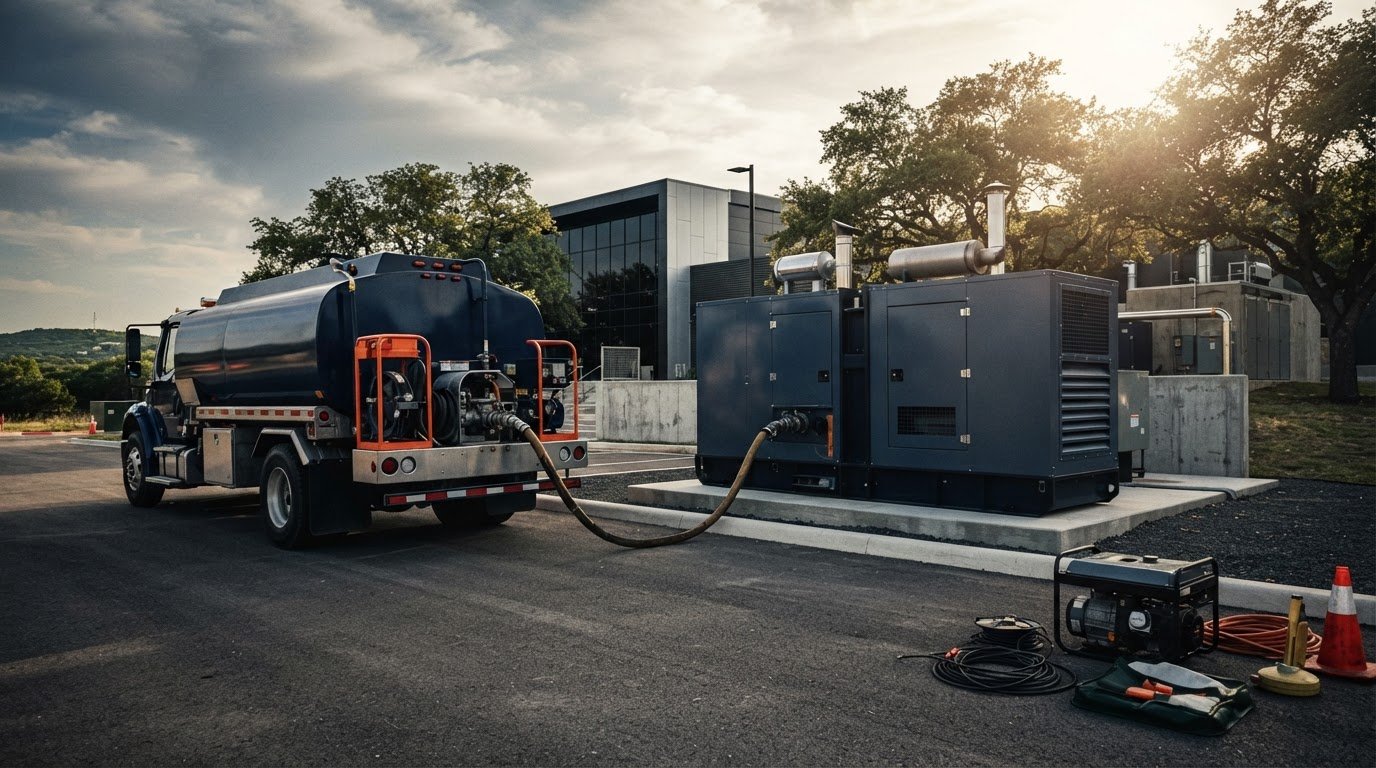
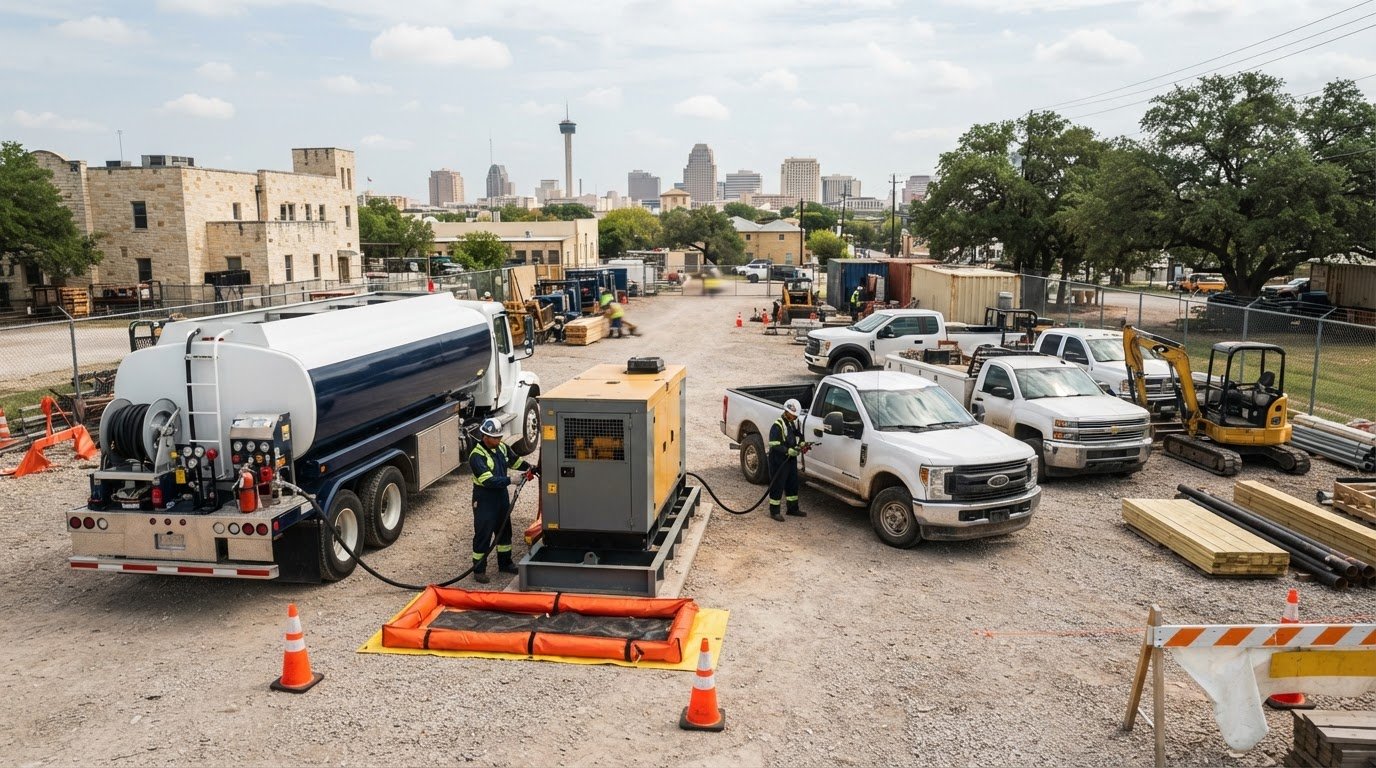
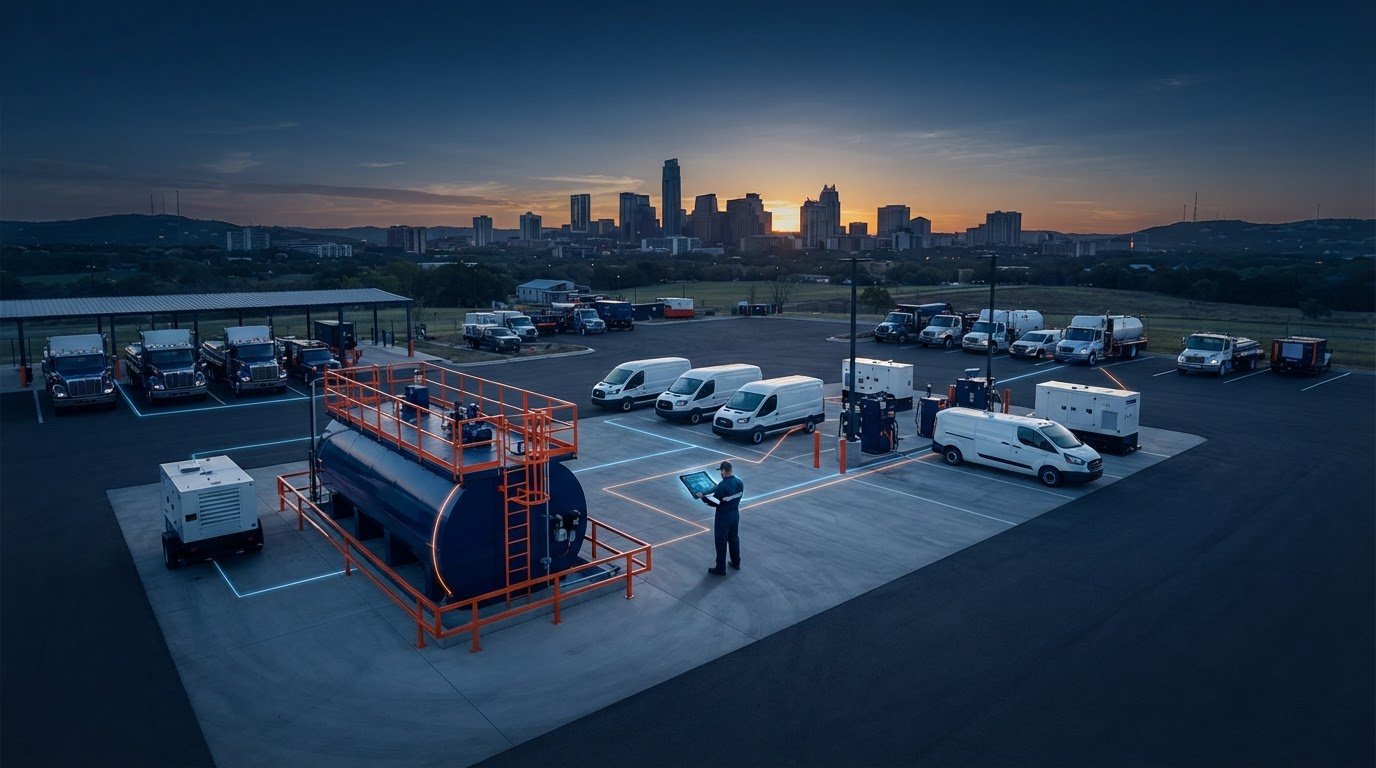
What storage tanks, pumps, and equipment do Houston suppliers provide or lease? React Fueling offers portable fuel tank rentals, with double-walled tanks, spill containment and strict adherence to regulations. Before scheduling, identify whether DEF will go into existing storage or a rented tank, and describe site access and transfer requirements.
What information is needed to get a bulk DEF delivery quote in Houston? Provide the delivery address, requested volume, preferred timing, and details about site access and receiving. Include the tank location and transfer setup so the delivery can be planned around the site’s requirements.
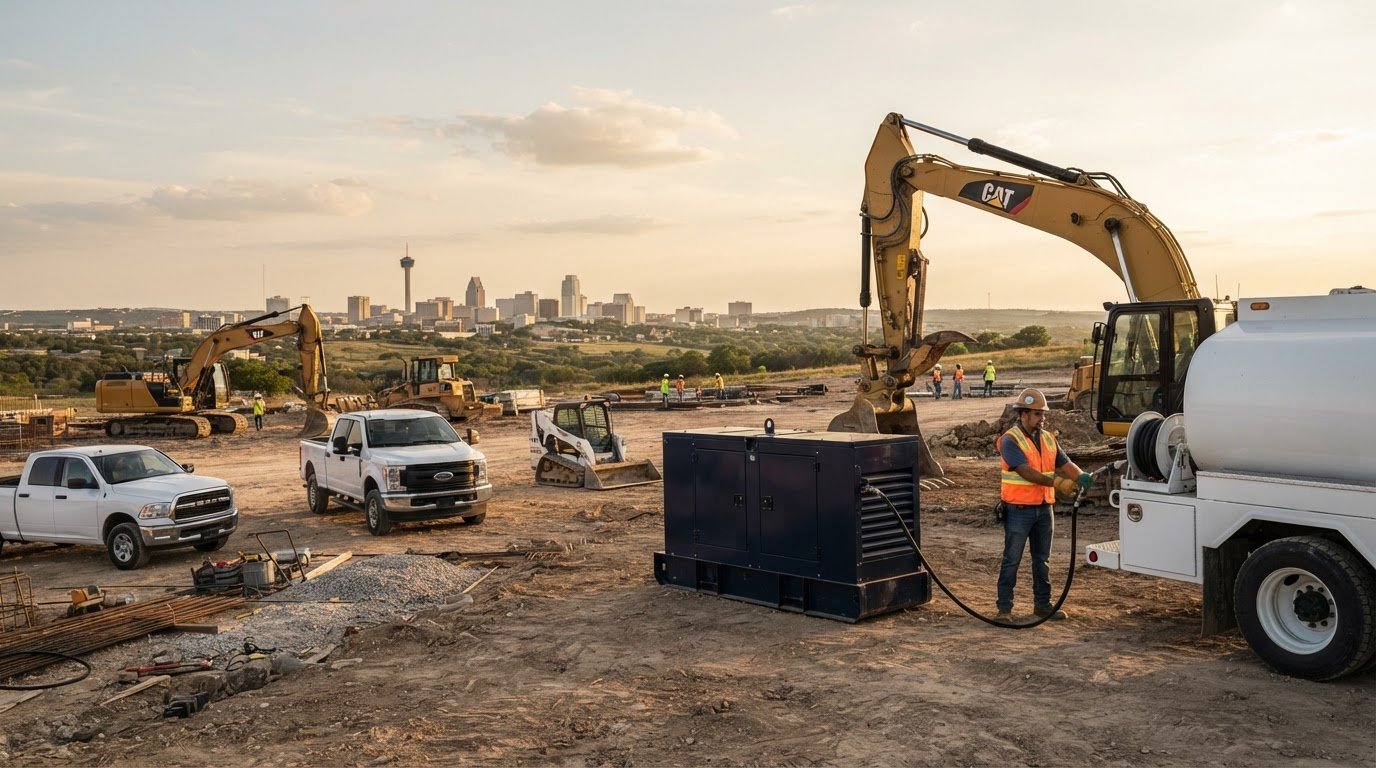
For Houston projects involving heavy machinery, equipment fueling service is a related on-site option. Clear delivery details also help keep DEF handling compliant with site procedures and reduce avoidable delays for construction, logistics, and agricultural operations.
Do traffic and weather change my delivery price?
Traffic, weather, and site conditions can affect route planning and scheduling. Share the delivery address, requested timing, volume, and access details when requesting a quote. For example, a constrained industrial entrance may need different planning from an accessible yard with a straightforward drop-off.
Drivers need a usable route and a safe place to stop. Road closures, flooding, or restricted access can change the planned route and arrival window. Share gate instructions, receiving hours, and vehicle restrictions when arranging delivery. A narrow entrance or limited turning space, for example, should be noted before dispatch.
Scheduling also affects how a delivery fits into route planning. A planned delivery can be coordinated around operating hours and storage capacity, while an urgent request may require a different dispatch plan. Overnight, weekend, and holiday requests are scheduling needs, not automatic delivery windows. State the required date and receiving hours clearly so the requested timing can be evaluated against the route.
Recurring deliveries help businesses plan replenishment before storage runs low. Set a regular delivery schedule around actual consumption, equipment use, and available tank capacity. A construction site may need to adjust its schedule as work phases change, while a stable fleet yard can use a consistent plan to reduce last-minute requests and prepare receiving staff.
For urgent supply needs, identify the location, requested volume, current storage level, and operational impact. These details help inform the response and route. Be specific about whether the product should go directly into a storage tank or to another designated receiving point. Clear instructions also help the driver locate the right entrance and contact.
Use this sequence to prepare a scheduling request:
- Give the complete delivery address and site entrance instructions.
- State the preferred delivery date, receiving hours, and urgency.
- Describe storage capacity and the requested volume.
- Note access limits, road conditions, and the receiving contact.
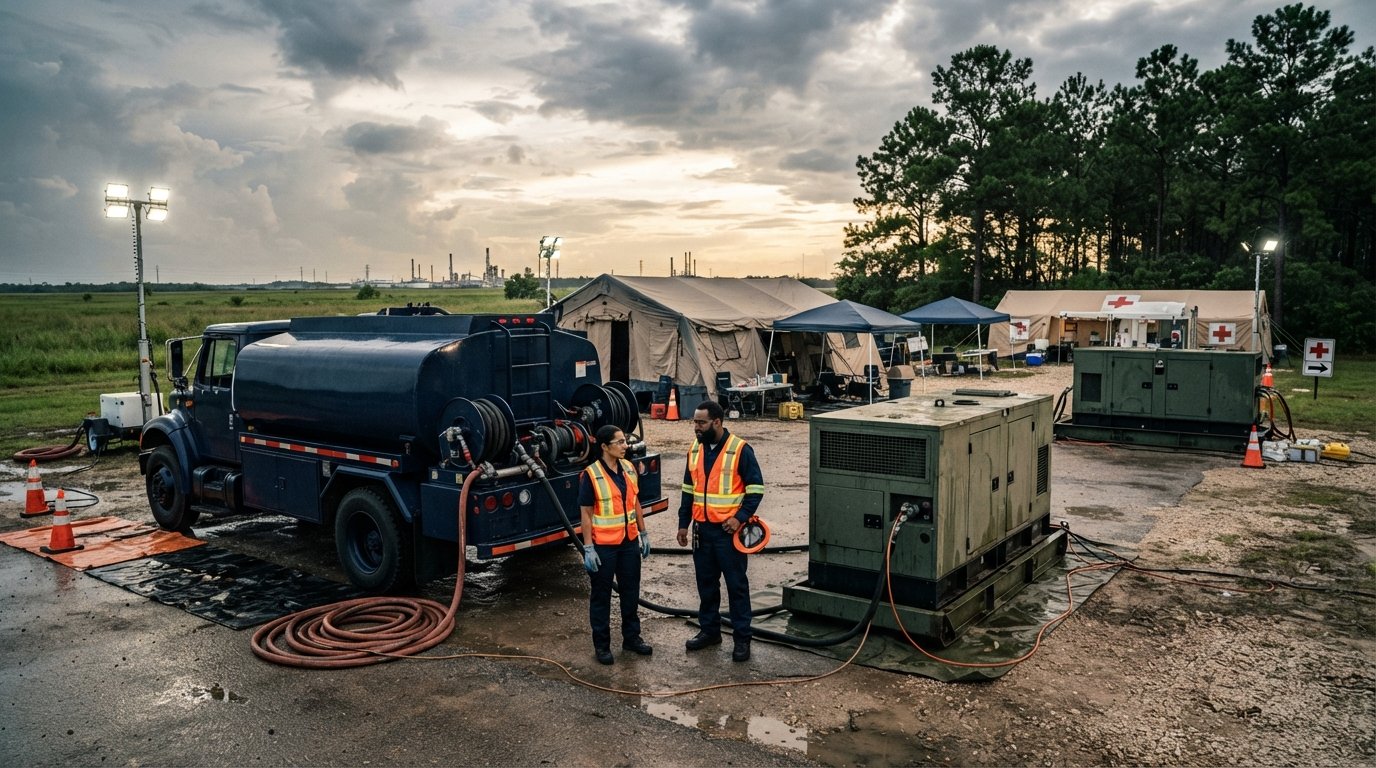
For example, a fleet site requesting a scheduled replenishment can provide its operating hours and storage details together. A site affected by a storm can include access constraints and explain the immediate operational priority. Those details help shape the route, timing, and quote without assuming that every overnight, weekend, or holiday request follows the same schedule.
Bulk DEF and other fuel products
Houston bulk DEF is a 32.5% urea diesel exhaust fluid. Modern diesel engines require DEF to meet emissions standards and run efficiently. For logistics teams, matching DEF replenishment to vehicle and equipment use helps prevent supply gaps. Bulk delivery can serve fleets, construction equipment, and industrial operations that consume product across multiple work areas.
What are the purity and quality standards for bulk DEF, including ISO 22241 certification? Houston-delivered DEF is a 32.5% urea diesel exhaust fluid. That concentration alone does not establish ISO 22241 certification, so don’t treat the percentage as proof of a certification claim.
Bulk DEF and diesel serve different functions, even when a site needs both. Diesel supplies engine fuel; DEF is delivered to support trucks and equipment. Keep the products in separate storage and use clearly identified transfer equipment. A fleet yard receiving both should identify each tank and delivery connection for the receiving crew.
Which companies deliver bulk diesel exhaust fluid (DEF) to businesses in Houston, Texas? React Fueling provides DEF Fluid Delivery for commercial operations, including fleets, construction sites, and industrial facilities. When choosing a large volume DEF delivery service in Houston, consider site volume, access, storage, and scheduling needs.
How should bulk DEF be stored and handled to prevent contamination and freezing? Keep DEF in a dedicated, closed, clearly labeled storage tank, and use clean transfer equipment reserved for DEF. Protect the product from contamination and freezing by following the storage and handling instructions for the specific equipment and product.
Plan bulk supply around actual use rather than assuming every vehicle has the same demand. A construction site with heavy equipment may use DEF differently from a logistics yard with road vehicles. Track usage by operating area, then coordinate replenishment with storage capacity and delivery frequency. A large volume DEF delivery service in Houston can support this planning across equipment areas.
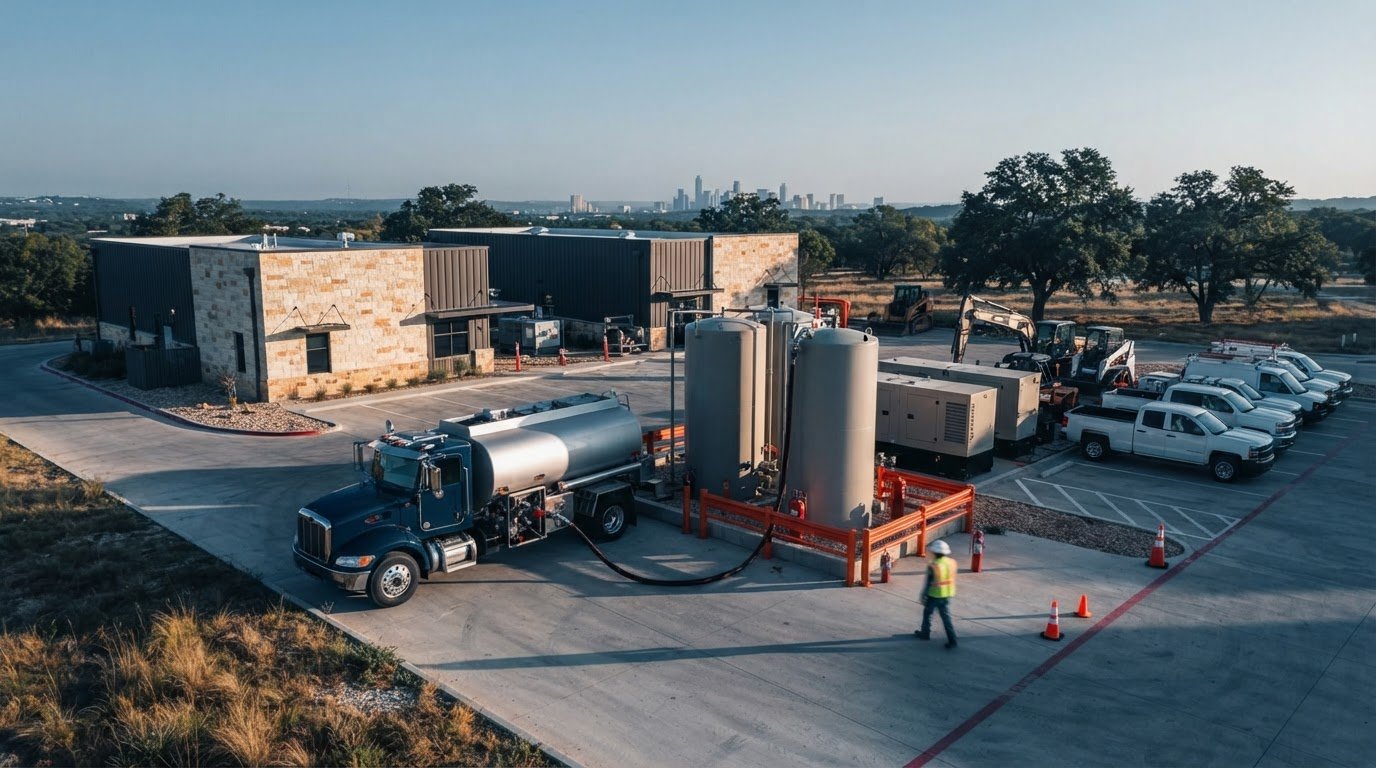
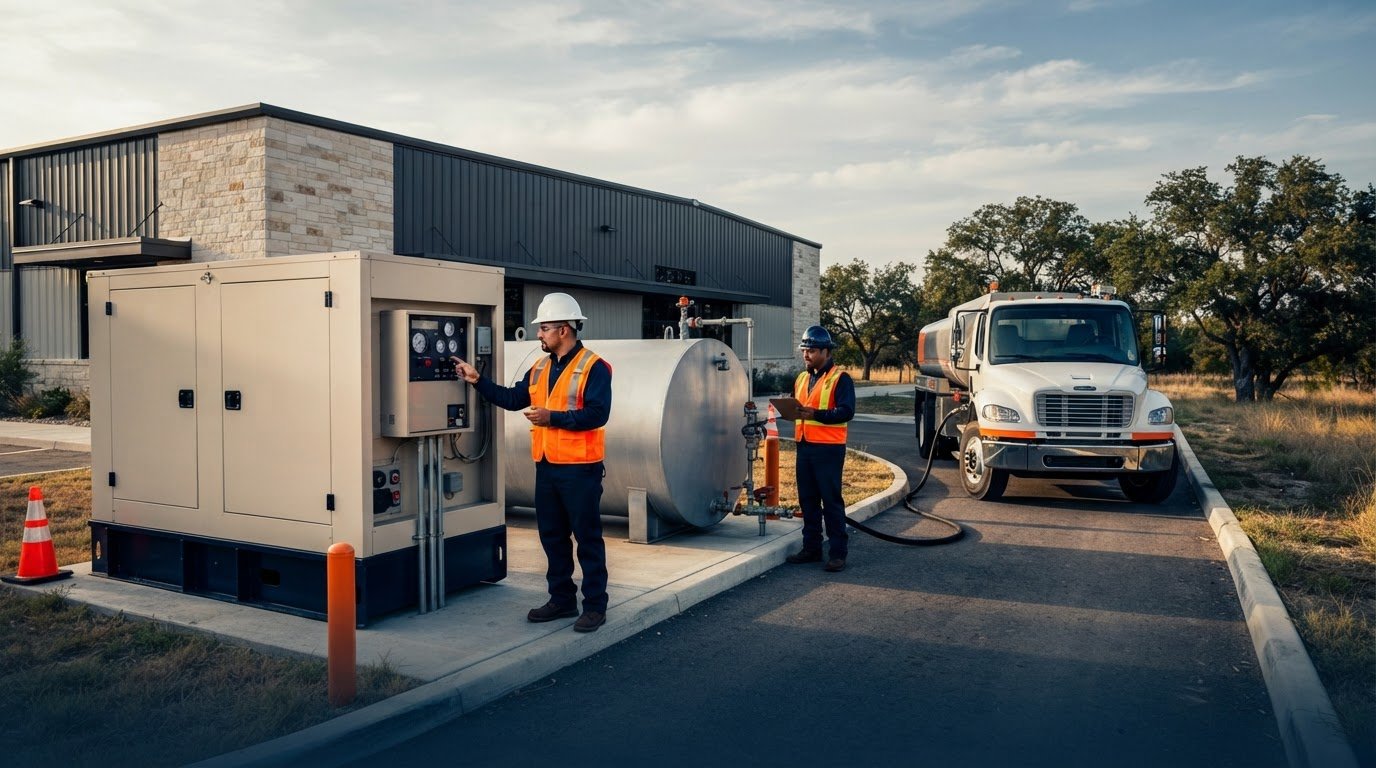
Before a bulk delivery, map the receiving process. Identify the tank, fill connection, access route, and person responsible for accepting the load. If the site has several storage points, specify the correct destination in the delivery instructions. Clear identification helps direct the product to the right tank.
Pairing DEF planning with diesel supply planning can simplify site coordination, but keep product and receiving details distinct. List each product, its destination tank, and requested delivery timing separately. For a fleet operating from a Houston yard, this record helps staff coordinate replenishment while keeping each product handled correctly.
DEF supply for construction, oilfield, and agricultural operations
Construction crews, oilfield operations, and agricultural businesses rely on diesel-powered assets across dispersed work areas. Trucks, equipment, and generators need DEF, so an interruption in supply can affect operations. A planned delivery approach connects product needs to operating schedules, storage, and site access.
Construction sites often move equipment as projects advance. A loader, haul truck, or generator may work in a different area next week. Record each receiving point and update delivery instructions when the site layout changes. This helps direct the delivery to the correct storage location rather than a former staging area.
Oilfield operations can involve equipment and support vehicles working beyond a central yard. Organize the delivery request around the actual location, route access, and receiving contact. For example, instructions for a lease site should identify its entrance and designated DEF storage point. This helps plan transport to the working site, not just the company’s mailing address.
Agricultural operations face changing demand as equipment moves between fields and facilities. Tractors, service vehicles, and generators may use separate storage points. Track usage by location, then schedule replenishment around the work calendar and available capacity. This gives managers a clearer view of supply needs without assuming every machine uses DEF at the same rate.
Logistics and trucking businesses face a different planning challenge: vehicles may return to a central yard at different times. Coordinate delivery with fleet parking and the site’s receiving process. If several vehicles share one storage point, keep the fill location clearly identified and accessible. Whether managing an existing commercial fleet or acquiring vehicles through Alliance Fleet Solutions, a practical plan starts with accurate site information and a schedule that fits operations.
Use these steps to build an operational supply plan:
- List the Houston-area sites, storage points, and receiving contacts.
- Group trucks, equipment, and generators by operating location.
- Track DEF use and remaining storage capacity at each point.
- Set delivery timing around work schedules and site access.
- Update the plan when a project, field, or equipment location changes.
Review the plan when work conditions change. A construction project entering a new phase may relocate equipment, while an agricultural operation may move machinery between facilities. For each request, confirm the current destination, required volume, access instructions, and receiving contact. These details support efficient coordination and reduce confusion at delivery.
For Houston businesses managing multiple sites, separate product planning from site planning. DEF requirements depend on the machinery; delivery planning depends on where and when each location can receive it. Keeping those records distinct helps teams coordinate supply across construction, oilfield, and agricultural work while identifying each product’s destination.
Greater Houston and Texas delivery area
The service footprint is Houston-centered, not a blanket promise of delivery throughout Texas. Same-day DEF delivery covers eligible businesses within a 100-mile radius of the Houston warehouse. Named locations include Houston, Sugar Land, The Woodlands, Pasadena, Galveston, Baytown, Pearland, Conroe, League City, and Beaumont. For sites beyond these locations, the exact address matters more than a broad regional label.
The warehouse address is 9838 E Freeway, Houston, Texas 77029. That location provides a useful reference point when assessing transport distance, but the delivery destination still determines the route. A facility in Pasadena has different access needs from a site in Galveston or Beaumont. Share the site entrance, receiving point, and any truck restrictions when arranging a delivery.
For Texas operations with several facilities, separate local delivery needs from wider supply planning. A Houston-area fleet yard may receive DEF near its warehouse, while a distant project site may need a different schedule and route. Map each operating location separately rather than assuming every branch has the same access or delivery requirements.
Distance is only one part of access planning. A large site may have multiple gates, long internal roads, or separate receiving areas for trucks and equipment. Hospitals, industrial facilities, and construction yards should identify the correct entrance and delivery point. If DEF goes into a dedicated storage tank, note its location and capacity in gallons. That detail helps distinguish a bulk drop from a smaller site requirement.
Use a location list to organize multi-site requests:
- Record each facility’s street address and city.
- Identify the gate, receiving contact, and tank location.
- Note requested volume and storage capacity in gallons.
- Mark whether the site is within the Houston-area footprint.
For example, a company serving Houston and Conroe can list each yard separately, then match delivery timing to each site’s operating schedule. A Beaumont destination appears among the eligible Houston-area locations, while other Texas destinations should not be assumed to share that coverage. This distinction helps operations teams avoid treating statewide logistics as one uniform route.
Trucks also need practical access to the receiving point. Provide turning constraints, gate hours, and directions from the public road. At a hospital campus, specify the intended service entrance rather than simply naming the facility. At a construction site, update directions when the work area or entrance changes. Clear location details support accurate routing across Greater Houston and prevent confusion between nearby facilities.
The Houston-area same-day DEF delivery service serves logistics and trucking, construction and heavy equipment, and agriculture operations. These sectors can have different receiving arrangements, so identify the operation and delivery point when requesting service. Clear site details help align a delivery with the facility’s access and storage needs.
Greater Houston has a stated refining capacity of 2.6M barrels per day. The Houston Ship Channel area has 600+ petrochemical sites. That industrial context makes it especially important to distinguish the intended facility and receiving location when planning a Houston-area DEF delivery, rather than relying on a general description of the destination.
React Fueling: Diesel Delivery
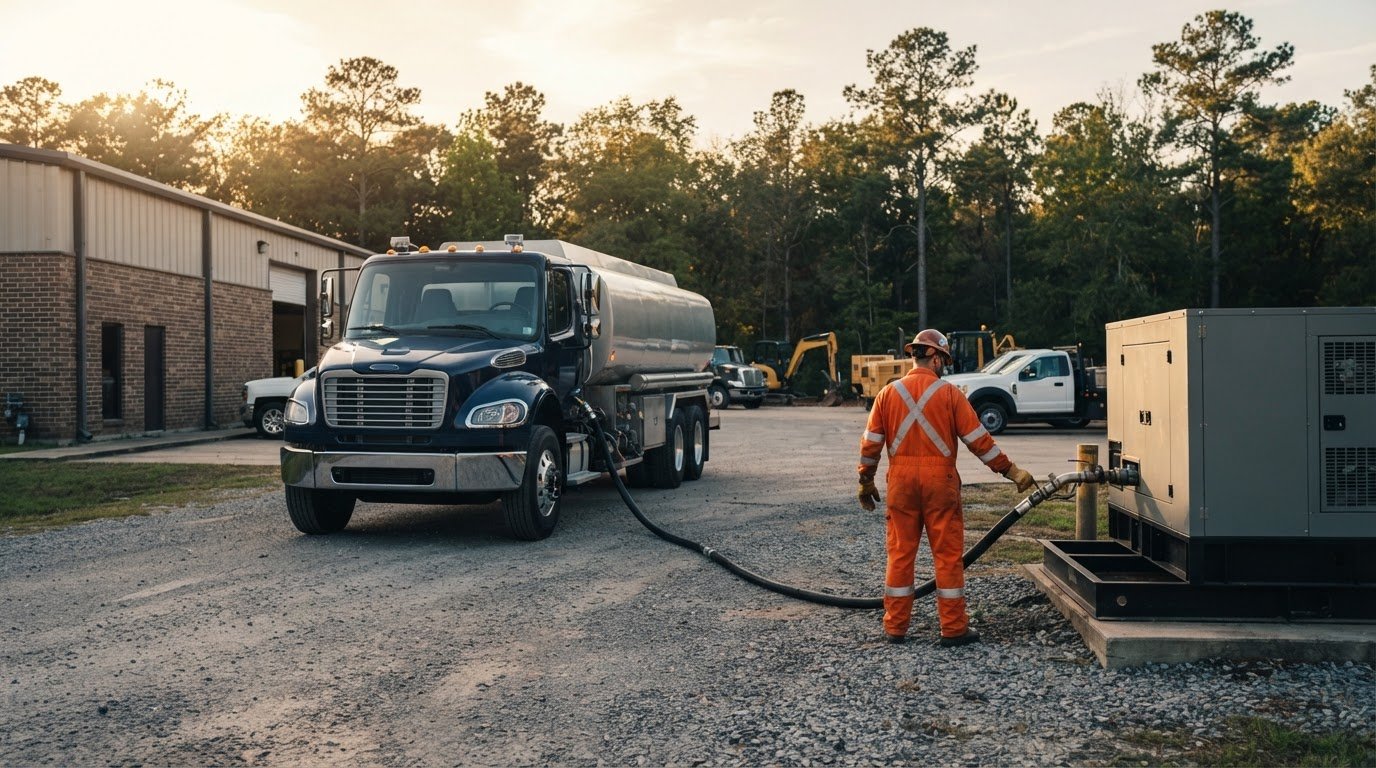
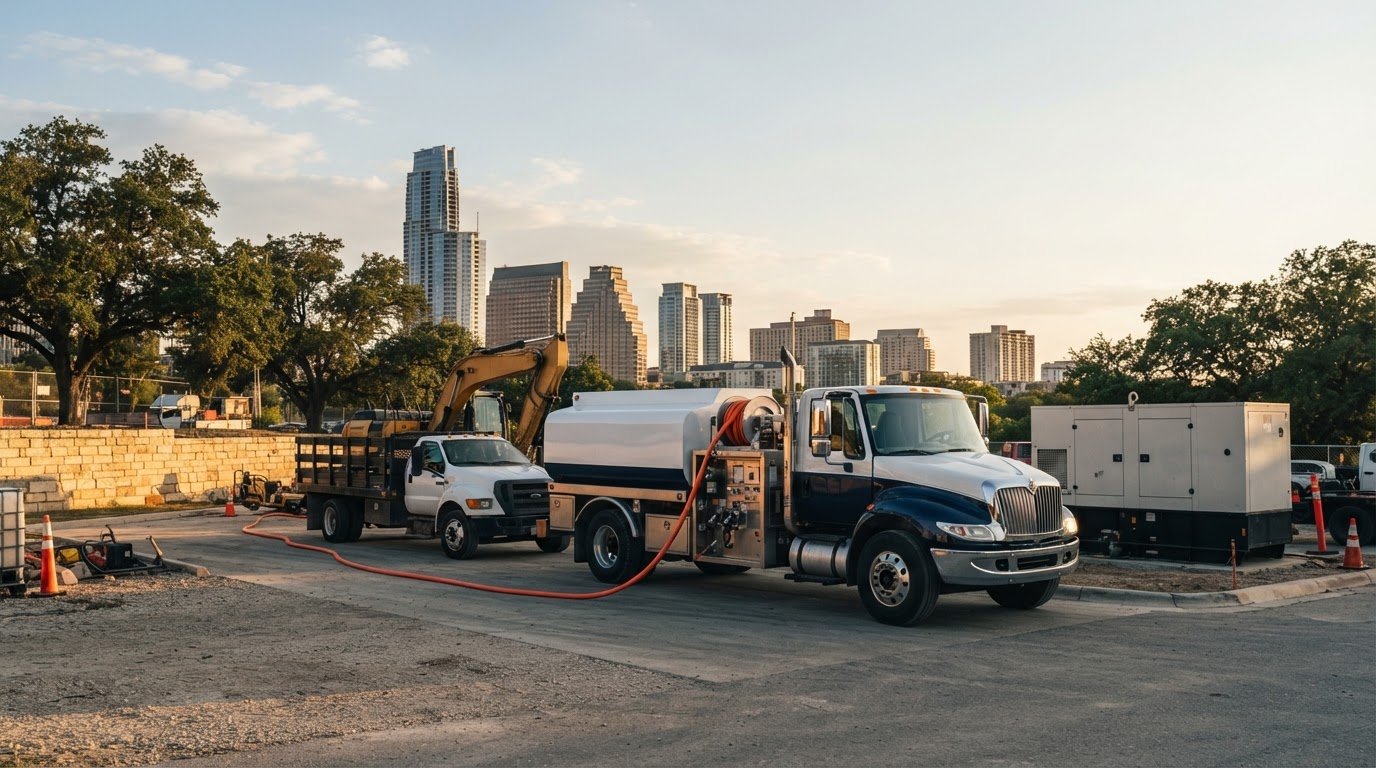
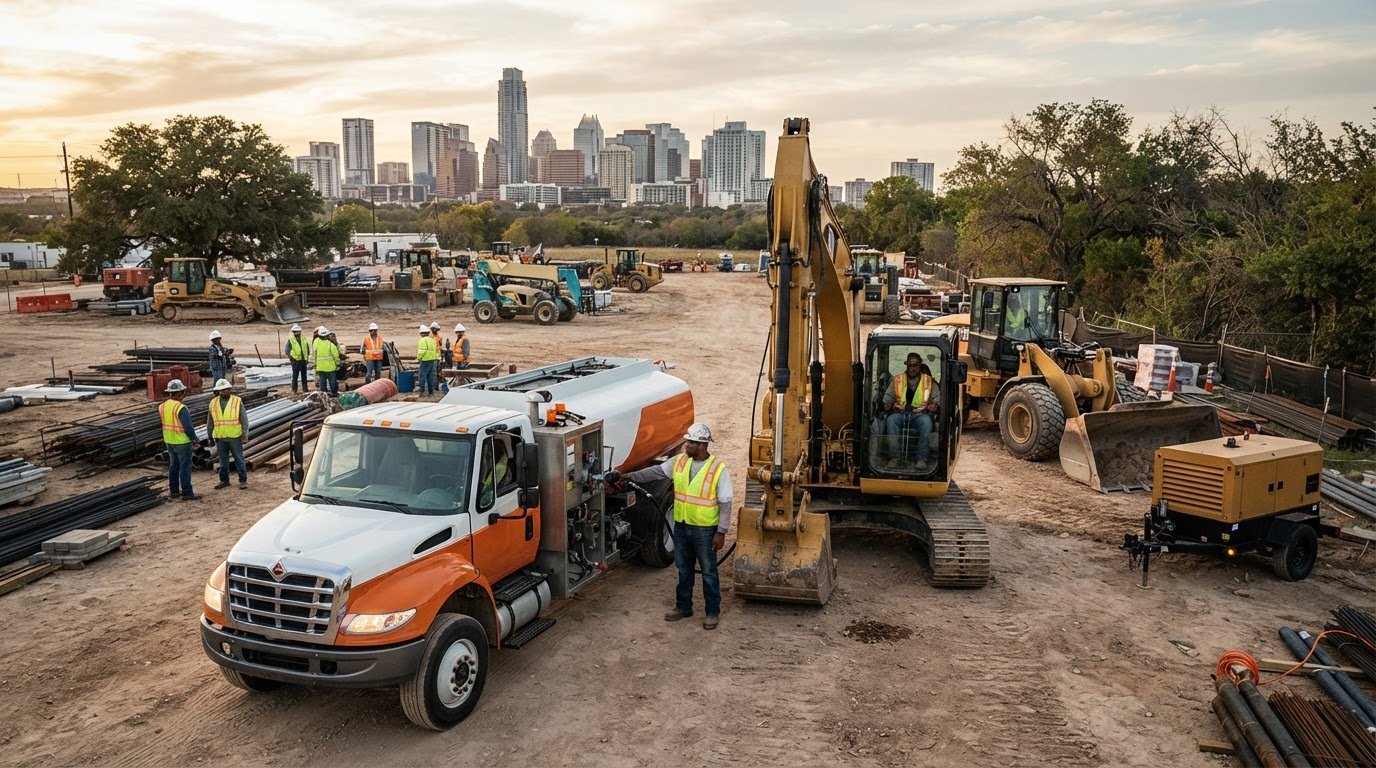
React Fueling supports commercial operations with diesel delivery for fleets, construction sites, and industrial facilities. Turn to React Fueling when on-site fuel supply needs to fit equipment schedules, generator requirements, or fleet operations. Equipment Fueling Service and Generator Fueling Service bring fuel to machinery and backup power systems at their operating locations. Fuel delivery helps businesses coordinate supply across commercial operations.
Share the delivery location, site access details, fuel requirements, and preferred schedule when planning service. These details help align delivery with the facility’s workflow and receiving arrangements. For Houston-area businesses managing equipment, trucks, or generators, React Fueling offers commercial fuel delivery and on-site fueling. Request a quote to discuss your delivery needs.
Build your next DEF supply plan
Make DEF supply part of the operating plan, not a last-minute response. Assign someone to monitor storage, track consumption by site, and share delivery requirements with the receiving team. This routine gives fleet and facility managers a clearer basis for coordinating replenishment with ongoing work.
For businesses arranging a large volume DEF delivery service in Houston, React Fueling provides DEF Fluid Delivery alongside commercial fuel services. React Fueling offers Diesel Delivery, Equipment Fueling Service, and Fuel Delivery for fleets, job sites, and industrial operations. Coordinating those needs in one operating plan can help teams organize receiving, equipment schedules, and site requirements while keeping each product’s destination clear.
Prepare the delivery address, requested volume, storage details, and preferred timing before starting the conversation. Contact React Fueling about DEF delivery to discuss your operational requirements and take the next step toward a more organized supply plan.
Frequently Asked Questions
How to Place Your Order?
Start by sharing the delivery location, requested DEF volume, and preferred delivery date. Include the site entrance, receiving hours, tank location, and a contact who can direct the driver. For a Houston fleet yard with several tanks, identify the correct tank and access point. React Fueling provides DEF Fluid Delivery for commercial operations. Clear order details help fit delivery to the site’s workflow and receiving arrangements.
Wet-hose, tank wagon, or transport load: which is right for my Houston site?
Choose the method that matches your receiving setup and requested volume. Wet-hose delivery can suit a site with a reachable tank connection; a tank wagon may fit routine replenishment at an accessible facility. A transport load is generally suited to larger-volume receiving plans and adequate storage capacity. For a Houston job site, consider truck access, tank location, transfer setup, and how much product the operation can safely receive.
What does a same-day or overnight delivery from Houston cost?
React Fueling offers clear, competitive rates with no long-term commitments or hidden fees. Share the delivery address, requested volume, preferred timing, and site access details when requesting a quote. A scheduled delivery and an urgent request may require different route planning, so provide the required delivery window to help shape the plan for Houston-area transport and site conditions.
What bulk DEF delivery volumes and tank sizes are available in the Houston area?
Match the requested volume to expected DEF use and the tank’s usable capacity. Review consumption across the trucks or equipment served by that tank, then consider how often the site can receive deliveries. For a Houston facility with multiple storage points, calculate needs by tank rather than combining them into one estimate. Provide tank access and transfer details when requesting bulk DEF delivery to support a workable receiving plan.
What is the price per gallon for bulk DEF delivery in Houston, including delivery fees?
React Fueling offers clear, competitive rates with no long-term commitments or hidden fees. When requesting a quote, describe the product volume, delivery location, preferred timing, and site access. State whether delivery is for one tank or multiple receiving points. For a Houston-area business comparing scheduled replenishment with an urgent request, include the requested schedule so the delivery plan reflects the actual site conditions.
Do Houston DEF delivery services offer emergency, scheduled, or 24/7 delivery?
Options vary by product and delivery arrangement. React Fueling offers 24/7 emergency fueling, as well as scheduled and urgent diesel delivery. For DEF Fluid Delivery, provide the requested delivery timing, location, volume, and receiving details when arranging service. Businesses operating in Houston, Magnolia, San Antonio, College Station, Austin, or Dallas can use those details to describe their site’s operational needs clearly.