What if the fifteen minutes your drivers spend hunting for Diesel Exhaust Fluid at a retail pump is actually costing you thousands in hidden annual downtime? For many Texas-based fleet managers, manual procurement is a constant headache of lost minutes, contaminated fluid, and a paper trail of crumpled receipts. We understand that in the high-stakes world of commercial logistics, every second your wheels aren't turning is a second you're losing ground. Implementing reliable DEF delivery for commercial trucks is no longer just a convenience; it's a critical strategy for maintaining operational continuity.
This 2026 Uptime Guide explores how on-site fluid solutions transform a tedious chore into a strategic advantage. You'll discover how to eliminate those 20-minute diversions, protect your SCR systems from costly repairs, and reduce your per-gallon costs compared to retail prices. We'll outline a "set it and forget it" supply chain that ensures your fleet remains compliant with EPA and TCEQ standards across Houston, Dallas, and San Antonio. By moving procurement directly to your yard, you secure peace of mind and focus on your core business while we handle the logistics of keeping your fleet moving.
The Critical Role of DEF in 2026 Commercial Fleet Operations
In the modern logistics sector, operational continuity depends on more than just fuel. Diesel Exhaust Fluid (DEF) is a high-purity aqueous urea solution specifically designed to reduce nitrogen oxide (NOx) emissions in heavy-duty engines. By 2026, the regulatory landscape for commercial trucking has tightened, with both EPA and TCEQ standards requiring near-zero emissions. Selective Catalytic Reduction (SCR) technology facilitates this by injecting DEF into the exhaust stream, where it breaks down harmful pollutants into nitrogen and water vapor. This process is essential for compliance and engine health, leaving no room for error or supply gaps in your daily operations.
The stakes for maintaining an adequate supply are high. When a truck's sensors detect an empty DEF tank, the engine control unit triggers "Limp Mode." This safety feature drastically reduces engine power and speed to ensure emissions compliance, often capping speeds at 5 miles per hour. For a fleet manager, this means a stranded asset, missed delivery windows, and a significant recovery bill. Relying on inconsistent retail stops increases this risk, making scheduled DEF delivery for commercial trucks a vital safeguard against avoidable downtime. It ensures your drivers never have to choose between an empty tank and a costly delay.
Why Commercial Trucks Require High-Purity DEF
Maintaining the integrity of your fluid supply is non-negotiable. Modern SCR systems require fluid that meets the strict ISO 22241 standard to function correctly. Even microscopic levels of contamination from dust, zinc, or copper can poison the expensive SCR catalyst, leading to complete system failure. Many fleet operators find that bulk handling at retail pumps often introduces these contaminants through worn nozzles or improper storage. Using a dedicated supply of high-purity DEF ensures your engine's warranty remains intact, as manufacturers frequently deny claims if they find evidence of sub-standard fluid in the system.
The Logistics of the 2026 Fleet Environment
The 2026 trucking environment favors centralized fluid management over decentralized driver purchases. As fleets grow in size and complexity, managing hundreds of individual retail receipts becomes a major administrative burden. Modern vehicle sensors are now more sensitive to urea concentration levels, often flagging fluid that has degraded due to heat or improper storage. The cost of SCR-related downtime has reached record highs, as specialized parts and qualified technicians are in short supply. Professional DEF delivery for commercial trucks, often paired with diesel delivery, solves these issues by providing a controlled, high-volume supply that keeps your equipment on the road and out of the repair shop.
Texas Heat and DEF Integrity: Protecting Your SCR Systems
Texas summers present a unique challenge for fleet managers that goes beyond driver comfort. When ambient temperatures exceed 100°F, the chemical stability of Diesel Exhaust Fluid (DEF) begins to degrade rapidly. While the standard shelf life of the fluid is typically two years at a constant 75°F, sustained exposure to extreme heat can reduce this window to six months or less. This degradation directly compromises the 32.5% urea concentration required by EPA diesel exhaust fluid regulations. When the urea concentration shifts, it leads to crystallization, where solid deposits clog injectors and damage the sensitive ceramic honeycomb structure of SCR catalysts. These repairs are costly and entirely preventable with proper logistics.
Protecting your equipment requires vigilant fluid management and a fast-moving supply chain. React Fueling addresses these environmental risks by maintaining a high-turnover inventory for our DEF delivery for commercial trucks in the Houston and Dallas markets. We ensure the fluid reaching your yard hasn't spent months sitting in a hot warehouse or an unshaded retail tank. We also prioritize UV-protected storage solutions for our clients. Direct sunlight triggers the decomposition of urea into ammonia, which then vents out of the tank. This leaves behind a fluid that no longer meets engine specifications, triggering sensor errors and potential "Limp Mode" events across your fleet.
Storage Best Practices for Texas Job Sites
Ideal storage temperatures for maintaining fluid integrity range between 12°F and 86°F. Since Texas job sites often exceed these limits, on-site tanks require shaded areas and proper ventilation to prevent heat buildup. You should never store DEF jugs inside truck cabs; the greenhouse effect in a parked vehicle can easily push interior temperatures past 140°F, rendering the fluid useless within days. If you're concerned about your current storage setup, you can consult with our logistics team for a site assessment to ensure your infrastructure is protected.
Identifying Contamination Before It Strikes
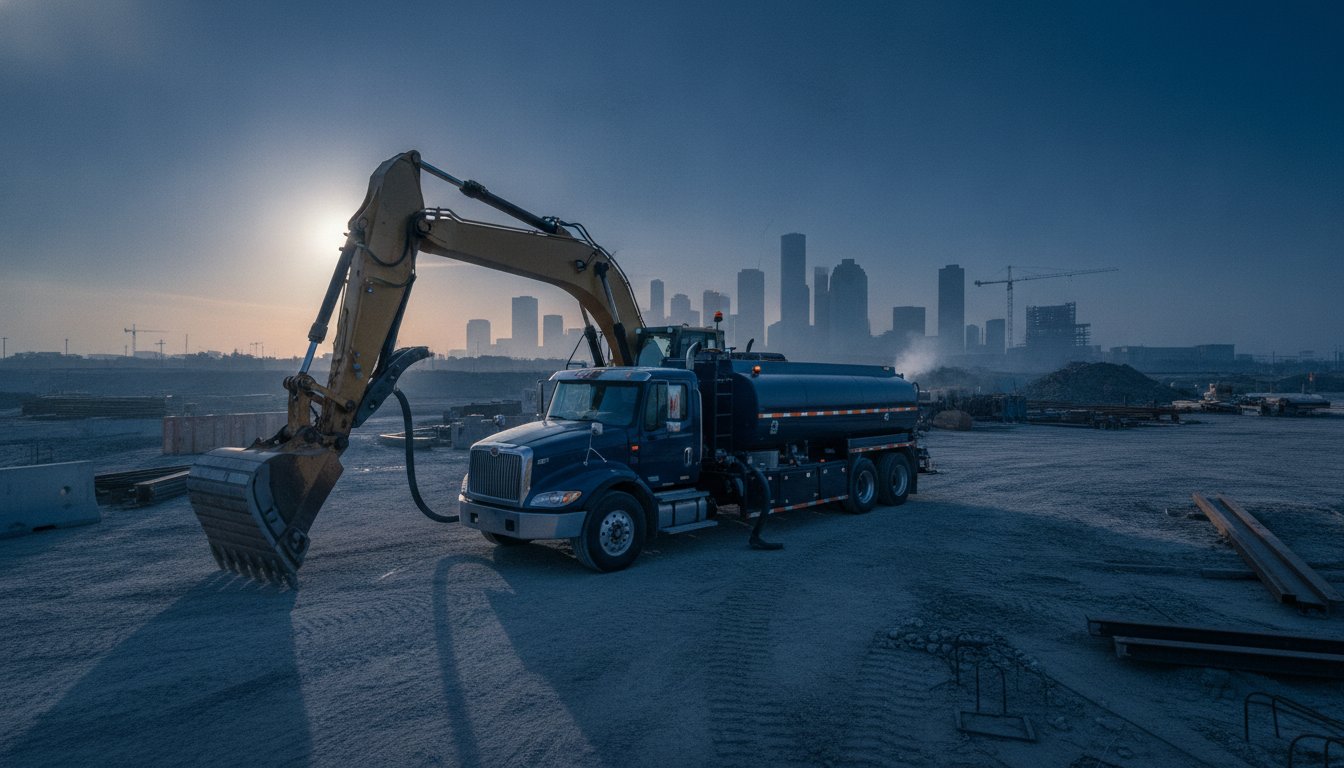
Fresh DEF should be as clear as water. If the fluid appears cloudy, tinted, or contains visible crystals, it's already degraded and should not be used in your vehicles. We utilize closed-loop dispensing systems to prevent ambient dust and moisture from entering the supply during transfer. Construction sites are exceptionally high-risk environments for DEF contamination because airborne silica and heavy machinery particulates can easily bypass standard filters during open-air pouring. Utilizing professional DEF fluid delivery minimizes these exposure points by keeping the fluid sealed from the terminal to your truck's tank.
Bulk On-Site Delivery vs. Retail Procurement: An ROI Comparison
Comparing retail procurement to bulk delivery reveals a stark difference in the total cost of ownership for modern fleets. While retail pump prices might seem competitive at first glance, they mask significant logistical drains. When you factor in driver labor, fuel burn during out-of-route miles, and the premium paid for 2.5-gallon retail jugs, the true cost of DEF spikes. Switching to bulk DEF delivery for commercial trucks allows you to capture wholesale pricing while eliminating the constant inefficiencies of the retail hunt. This shift moves DEF from a daily nuisance to a managed, predictable utility.
Administrative overhead also drops significantly with a consolidated supply chain. Instead of auditing hundreds of individual receipts from various truck stops, your accounting team processes a single, accurate invoice. This transition also supports corporate sustainability goals by removing thousands of single-use plastic jugs from your operation. A fleet of 50 trucks can easily consume hundreds of these containers annually, creating a massive waste stream and taking up valuable warehouse space that on-site totes or drums completely eliminate.
The Math of Driver Downtime
Every 20-minute detour for a Class 8 truck represents a loss in potential revenue and an increase in operational expense. If a driver stops just twice a week for DEF, that results in over 30 hours of lost productivity per year, per truck. Implementing on-site delivery typically adds 2-3% more productive road time to your weekly schedule. Integrating these deliveries with our Fleet Fueling Services ensures your vehicles are fully prepped during off-hours, maximizing every available minute of the driver's hours-of-service clock.
Scalability for Growing Texas Fleets
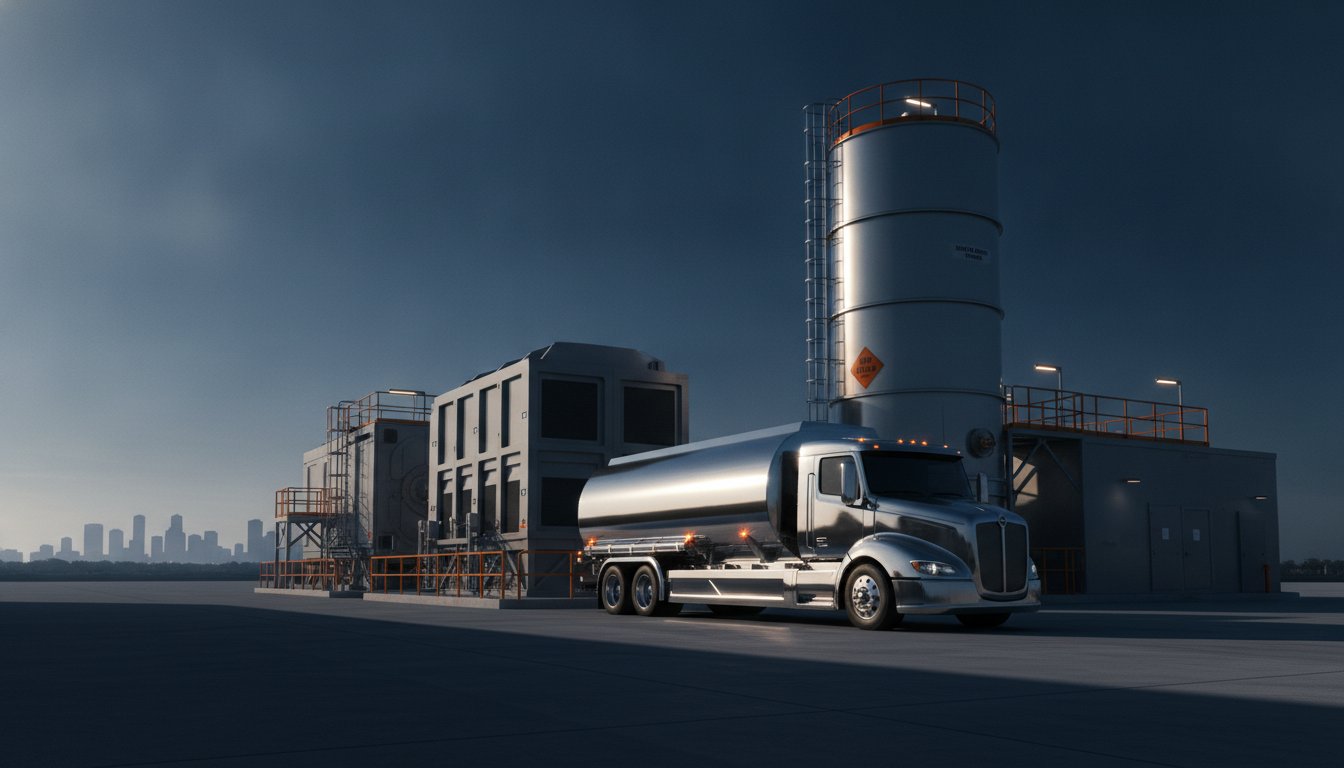
As your operation expands, your fluid logistics must evolve to match your growing consumption. We help fleets transition from inefficient jug storage to high-capacity 55-gallon drums or 330-gallon totes based on actual usage data. Utilizing professional DEF delivery for commercial trucks often includes the option for automated tank monitoring. This technology tracks your levels in real-time and triggers a refill before a run-out occurs. React Fueling maintains a flexible approach to delivery volumes, allowing you to scale your supply up or down as project demands shift across your Texas job sites.
Designing a Seamless DEF Logistics Strategy for Your Job Site
Establishing a robust strategy for DEF delivery for commercial trucks requires a methodical approach to infrastructure and timing. You should begin with a fleet consumption audit. Most modern Class 8 engines consume DEF at a rate of 2% to 4% of their diesel burn. By analyzing your fuel logs, you can accurately forecast your weekly urea requirements and avoid the twin risks of overstocking or running dry. This data allows you to select the right storage medium, whether that involves 55-gallon drums for smaller projects or 330-gallon totes for high-volume hubs.
Once your volume is established, synchronize your delivery cadence with your existing diesel fueling schedule. This integration minimizes site traffic and ensures your fleet is fully prepped during off-hours. The final step involves training your staff on clean-handling procedures. Contamination is the leading cause of SCR failure, and even a single drop of engine oil or a handful of dust in the DEF tank can trigger a full system flush. Implementing a closed-loop dispensing system is the most effective way to maintain fluid purity from the delivery truck to your vehicle's tank.
Equipment Requirements for On-Site DEF
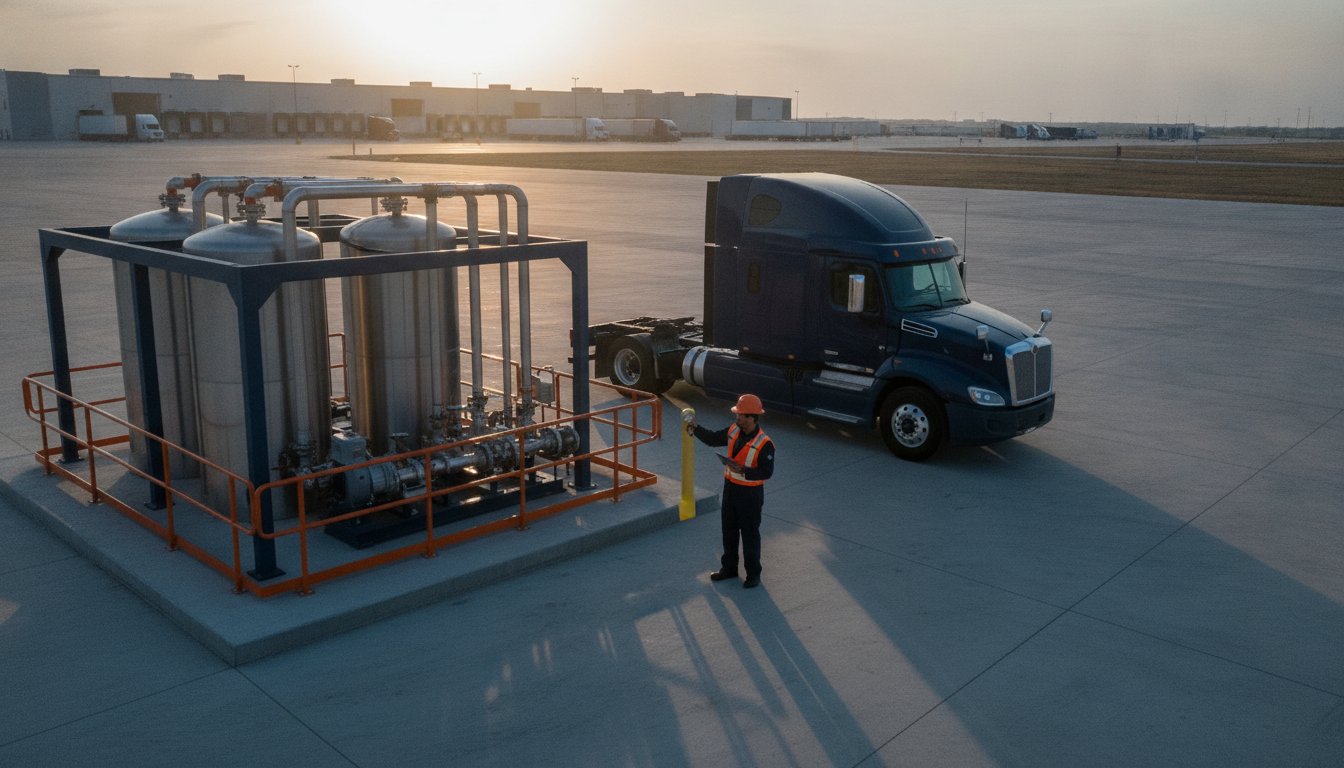
Compatibility is paramount because urea is highly corrosive to carbon steel, copper, and brass. You must use stainless steel or specialized HDPE plastics for all storage and transfer equipment to prevent metal leaching. Dedicated pumps and hoses are mandatory to prevent cross-contamination with other fluids like coolant or diesel. If you need mobile storage that meets these standards, consider our Fuel Tank Rentals, which can be configured for integrated fluid management on industrial sites.
Safety and Environmental Compliance
Compliance with TCEQ regulations is critical for on-site bulk storage in Texas. These guidelines often require secondary containment for urea solutions to prevent ground contamination in the event of a leak. While DEF is non-toxic, it's highly corrosive to metallic surfaces and can damage local ecosystems if spilled in large quantities. Maintain dedicated spill kits near your DEF station and ensure all containers feature clear, weather-resistant labeling to prevent accidental cross-filling. Proper placement of these stations away from heavy traffic areas reduces the risk of impact damage and environmental incidents.
Ready to optimize your yard? Contact our specialists to design your custom logistics plan.
React Fueling: Integrated Diesel and DEF Solutions in Texas
React Fueling provides a comprehensive logistics solution by integrating DEF Fluid Delivery directly into our diesel fueling programs. This dual-service model simplifies your vendor management and ensures that every vehicle in your fleet is road-ready before the shift begins. We operate 24/7 across the major hubs of Houston, Dallas, and San Antonio, providing a responsive logistical backbone for commercial operations that cannot afford a single hour of idle time. Every gallon we deliver adheres to the rigorous ISO 22241 standard, ensuring the high-purity urea concentration necessary to protect your SCR catalysts from degradation.
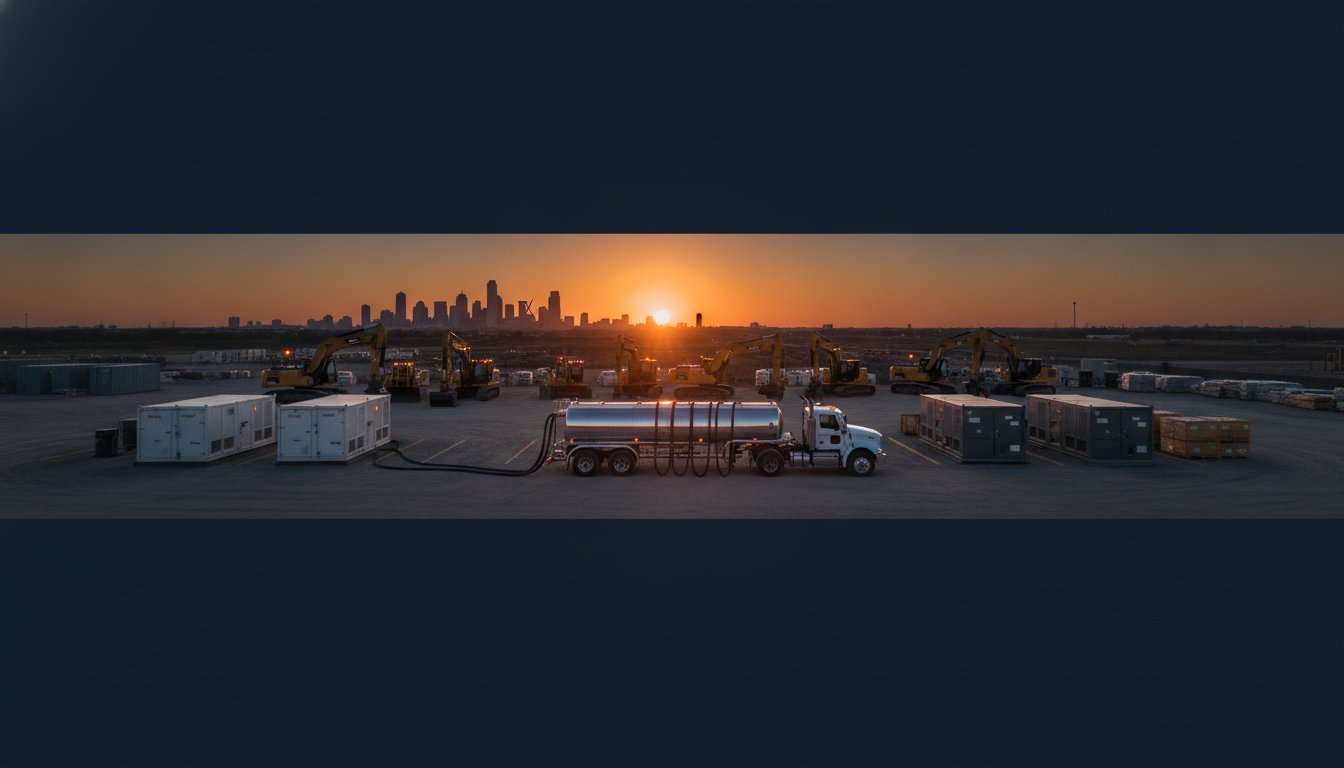
Our specialized equipment allows for direct-to-truck fueling, which removes the burden of fluid management from your drivers. For instance, we recently supported a major infrastructure project in North Texas by managing the complete fluid needs for 45 heavy-duty assets. By delivering both diesel and DEF during the fleet's off-hours, we eliminated the need for on-site jug storage and prevented the contamination risks common to construction environments. This proactive management kept the project on schedule and ensured 100% compliance with emissions standards throughout the duration of the contract.
The React Holdings Advantage
As a member of the React Holdings family, we leverage a robust logistical network to provide reliability that scales with your business. Our deep local knowledge of Texas industrial corridors allows us to execute DEF delivery for commercial trucks with unmatched precision, even in emergency scenarios. We embrace the role of a "Vigilant Partner," utilizing a boots-on-the-ground approach to monitor your supply levels. We take pride in our ability to show up when it matters most, allowing your team to focus on their core work while we maintain your operational continuity.
Getting Started with Your DEF Delivery Program
Our onboarding process is methodical and designed for immediate impact. We start with a detailed site survey to assess your storage capacity and access points. Once we establish your consumption patterns, we implement a customized delivery schedule that aligns with your operational rhythm. You'll receive detailed reporting for every drop, providing the transparency needed for accurate fleet efficiency tracking and cost management. This data-driven approach ensures you never pay for more than you need while guaranteeing you never run dry. Contact React Fueling today for a Commercial Fuel Services consultation to secure your 2026 supply chain.
Secure Your Fleet’s Performance for the Road Ahead
Managing a commercial fleet in 2026 requires a precise logistics strategy that eliminates every possible point of failure. Transitioning to professional DEF delivery for commercial trucks removes the administrative burden of retail procurement and safeguards your SCR systems against the harsh Texas climate. By centralizing your supply, you convert wasted driver downtime into profitable miles and ensure your equipment remains in peak operating condition. It's the most effective way to maintain a "set it and forget it" supply chain while reducing your total cost of ownership.
React Fueling stands ready as your vigilant partner, providing the reliability you need to maintain 24/7 operational continuity. As a member of the React Holdings family, we deliver expert fluid management across Houston, Dallas, Austin, and San Antonio. Whether you require a scheduled cadence or a 24/7 emergency response, our team provides the boots-on-the-ground support your industry demands. We take the guesswork out of compliance so you don't have to worry about fluid purity or sensor errors. You'll have the peace of mind to focus on growing your business with total confidence.
Streamline your fleet operations with React Fueling’s DEF delivery services.
Frequently Asked Questions
How long does DEF last in the Texas heat?
DEF shelf life depends heavily on temperature; sustained exposure to temperatures above 90°F can reduce its viability to less than six months. In Texas markets like Houston and Dallas, where summer temperatures frequently exceed 100°F, the urea concentration can degrade rapidly. We prioritize high-turnover inventory to ensure the fluid we deliver is fresh and effective. Storing your supply in shaded, ventilated areas is essential for maintaining its chemical integrity throughout the year.
Is it cheaper to buy DEF in bulk or at the pump?
Bulk delivery is typically more cost-effective than retail procurement when you factor in the total cost of operation. While pump prices vary, they don't account for the hidden expenses of driver labor and fuel consumed during out-of-route stops. Utilizing DEF delivery for commercial trucks allows you to capture wholesale rates and eliminate the need for expensive 2.5-gallon jugs. This approach streamlines your accounting by consolidating multiple retail receipts into a single, predictable invoice.
What happens if my driver puts DEF in the diesel tank?
If DEF enters your diesel tank, do not start the engine or move the vehicle. Urea is highly corrosive and will cause immediate, catastrophic damage to the fuel system and engine components if circulated. You must have the tank professionally drained and the lines flushed before the truck can return to service. Our on-site delivery services help prevent these errors by using dedicated, clearly labeled equipment that separates the DEF and diesel streams during the fueling process.
Do you provide the storage tanks for DEF delivery?
Yes, we offer specialized storage solutions through our fuel tank rentals service to support your on-site requirements. We provide HDPE totes and stainless steel tanks designed specifically for urea compatibility to prevent metal leaching and contamination. These units can be deployed directly to your job site in Magnolia or San Antonio, ensuring your fleet has a secure, compliant supply. Our team manages the logistics of tank placement and maintenance so your operation remains uninterrupted.
Can DEF freeze during a Texas winter storm?
DEF begins to freeze at 12°F, which is a concern during extreme Texas winter storms. While the fluid itself is not damaged by freezing and can be used once thawed, the expansion of the frozen liquid can crack standard plastic containers or damage pump hardware. We recommend using insulated storage or heat-blanketed totes for fleets operating in North Texas. Our delivery schedules are adjusted during weather events to ensure your supply remains accessible and protected from the elements.
What is the minimum delivery volume for DEF?
We provide flexible delivery volumes tailored to the specific needs of your commercial fleet or industrial site. Most of our clients in the Dallas and Austin areas utilize 55-gallon drums or 330-gallon totes for their on-site requirements. We work with you to establish a replenishment schedule that matches your actual consumption rates, ensuring you have enough fluid to maintain uptime without overstocking. This scalability allows you to adjust your supply as your project demands or fleet size changes.
How does DEF delivery improve my fleet’s SCR health?
Professional DEF delivery for commercial trucks improves SCR health by ensuring the fluid meets strict ISO 22241 purity standards. We utilize closed-loop dispensing systems that prevent dust, moisture, and metallic contaminants from entering the fluid during transfer. This level of control is rarely possible at retail pumps, where worn nozzles and open-air pouring are common. Maintaining high fluid purity prevents the crystallization and catalyst poisoning that lead to expensive repairs and avoidable "Limp Mode" events.
Can I schedule DEF delivery at the same time as my diesel delivery?
Yes, we specialize in providing integrated fueling solutions that combine DEF and diesel deliveries into a single stop. This synchronized approach minimizes site traffic and ensures your vehicles are fully prepped for the next shift during their off-hours. Our technicians are trained to handle both fluids simultaneously using specialized equipment, providing a seamless experience for fleet managers in Houston and College Station. Consolidating these services reduces logistical complexity and maximizes your fleet's productive road time.