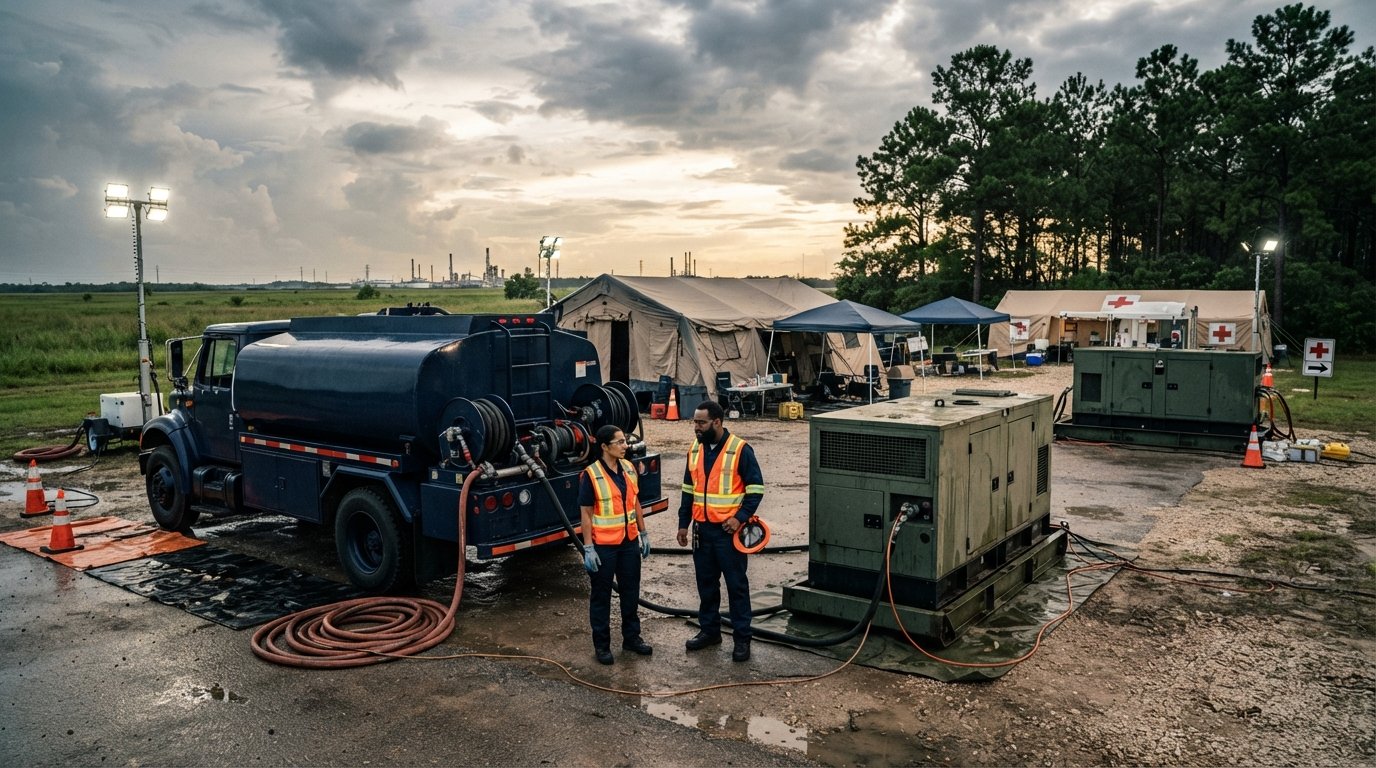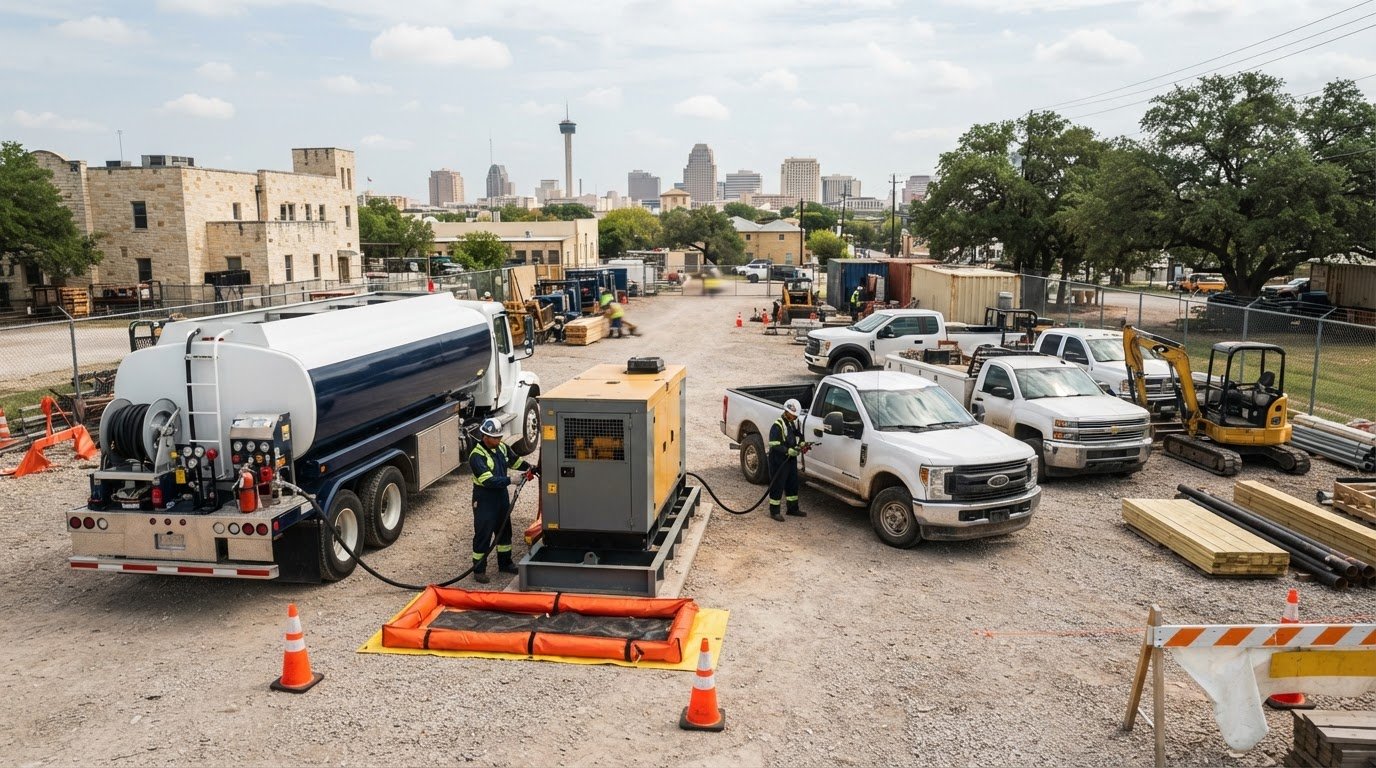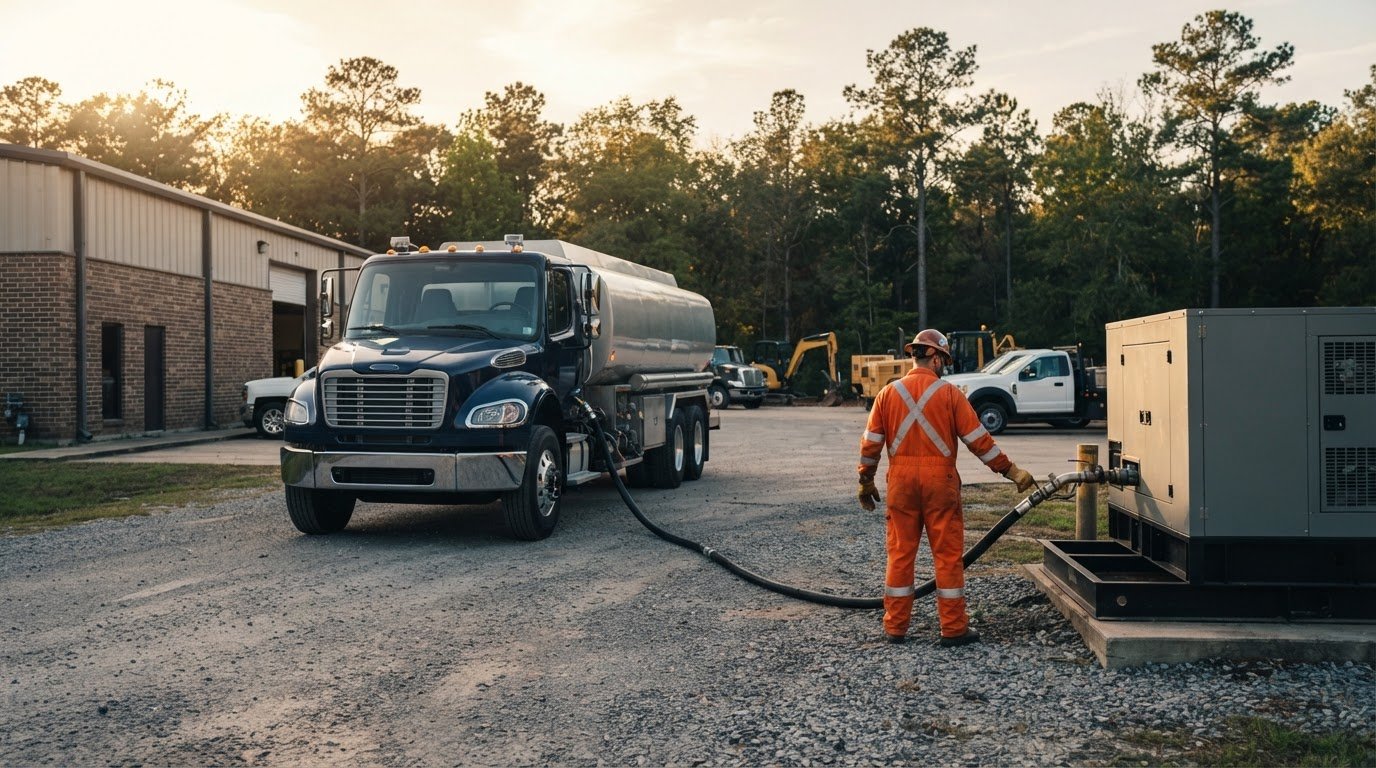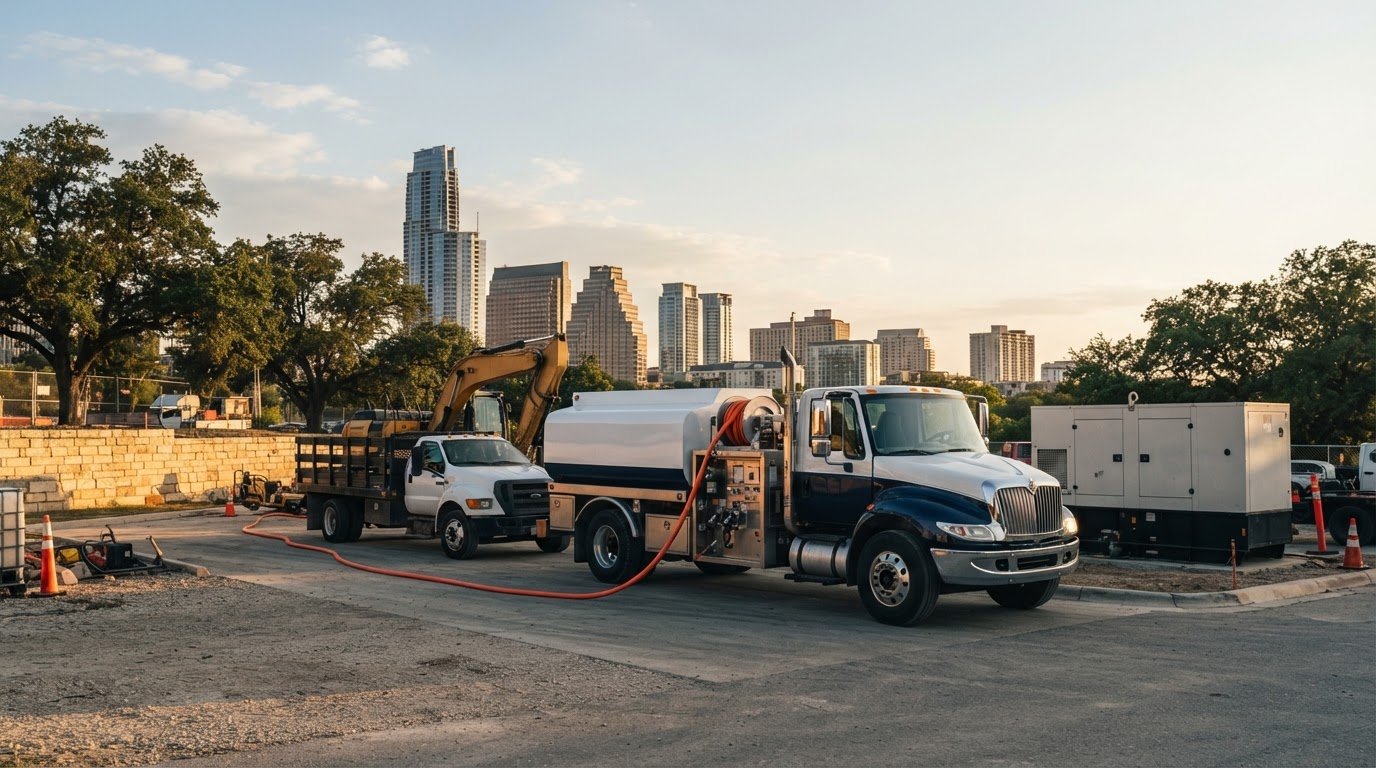
A fuel interruption can stall production before the next shift begins. On-site fuel delivery for manufacturing plants in Houston keeps diesel-powered equipment and generators supplied at the facility, helping reduce downtime and trips away from the site. The practical approach is to plan deliveries around fuel demand and include an emergency response option in continuity planning.
Manufacturing teams need a dependable supply plan that accounts for operating schedules, equipment use, and changing demand. This article explains how on-site diesel delivery can support Houston industrial operations, what to consider when scheduling deliveries, and how to plan for emergency and after-hours needs. You’ll also learn what information helps shape a delivery plan and when on-site fuel delivery can help prevent avoidable interruptions.
Need Diesel Fuel for Your Industrial Operations in Texas Today?
Houston manufacturing plants can schedule on-site diesel delivery around equipment use, generator demand, and site access. A useful plan identifies which assets need fuel, where they operate, and when deliveries can reach them without disrupting production.
Plant Equipment and Generator Fueling
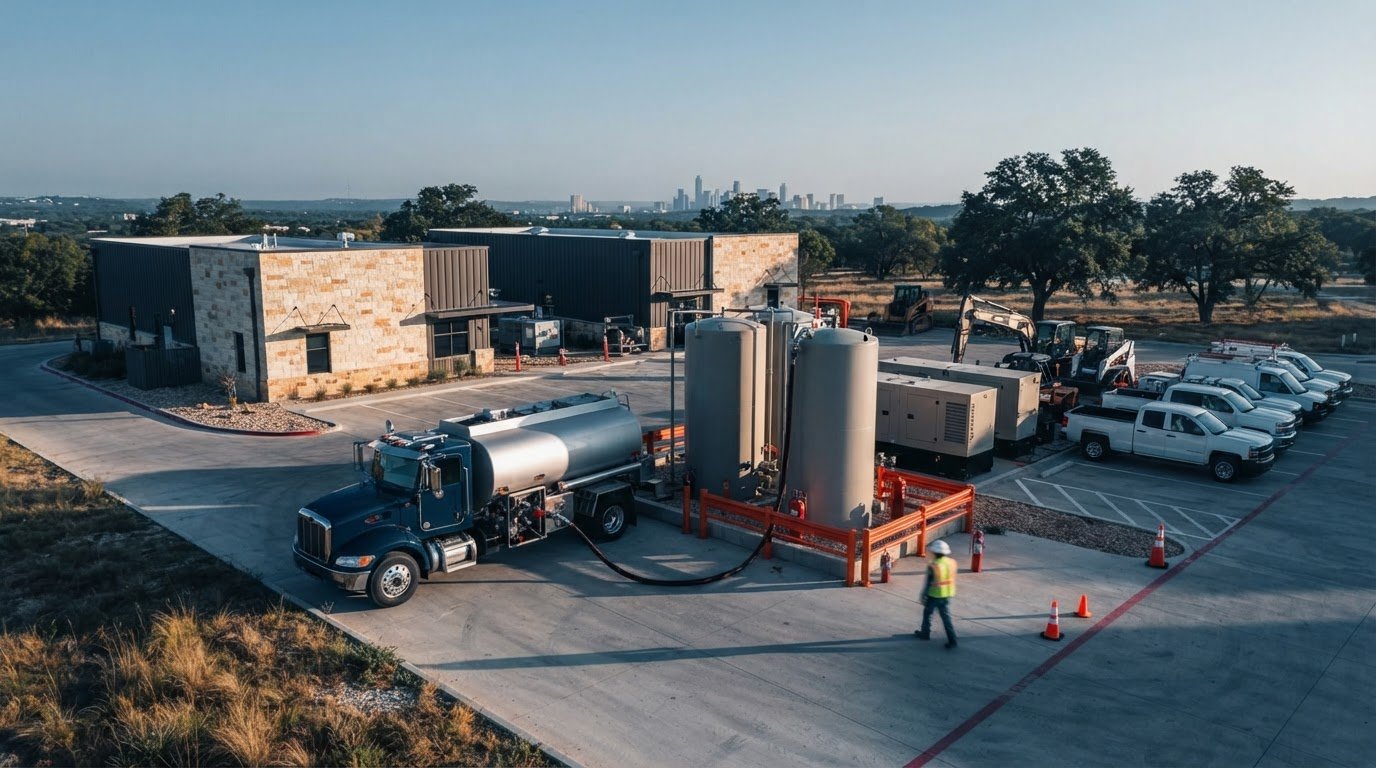
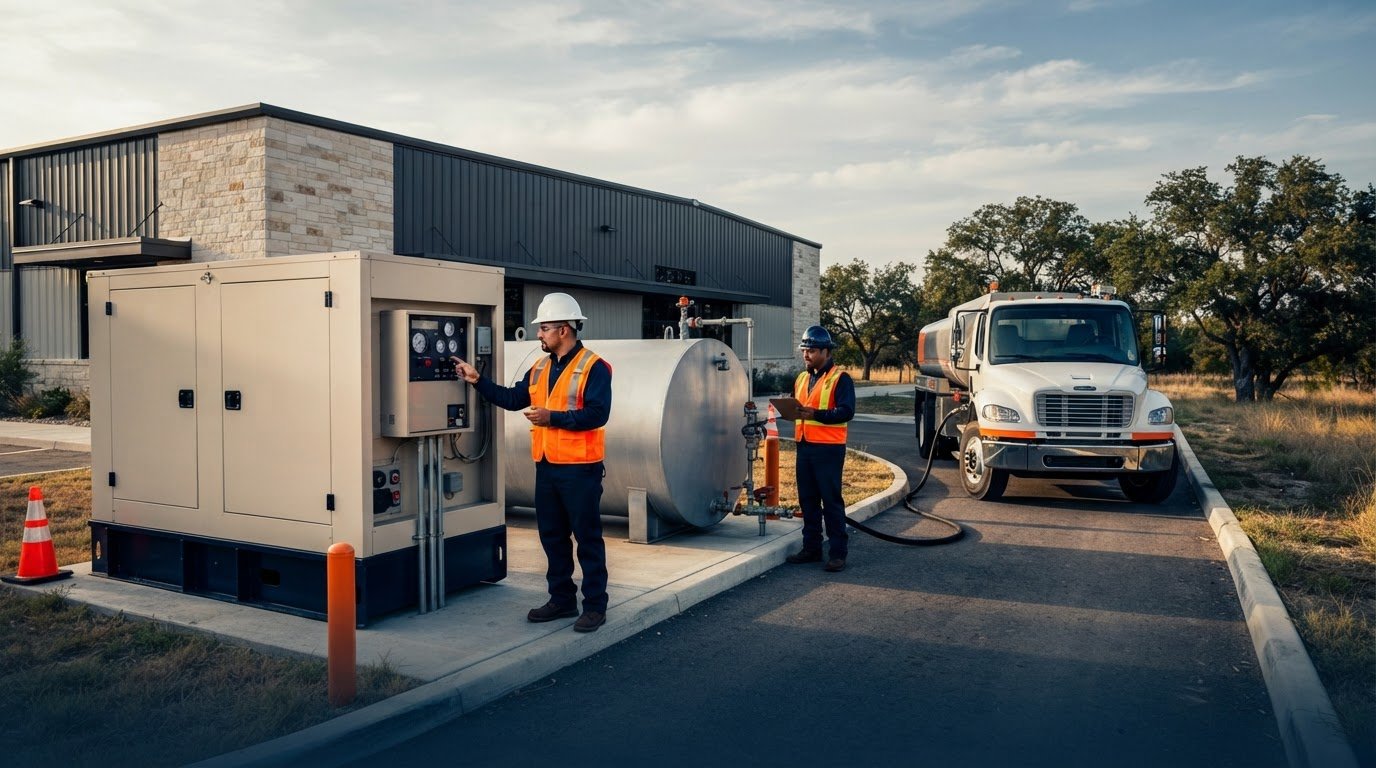
On-site fueling brings diesel directly to plant equipment and generators, avoiding trips that take machines away from their work areas. For on-site fuel delivery for manufacturing plants in Houston, map fueling points near production equipment and backup power systems. Include access routes and operating windows so deliveries fit the plant layout and shift schedule.
Turnarounds and shutdowns change which assets remain active. List equipment needed for maintenance, cleanup, testing, and restart, then align its fuel needs with the work schedule. A generator may remain important while production machinery is idle. Keep lubricants on a separate maintenance list, since they support machinery but are not delivered as diesel fuel.
Fleet, Equipment, and Tank Fueling
A facility’s fueling plan can cover fleets, mobile equipment, generators, and storage tanks. Distinguish direct fueling points from tanks that supply equipment later. For example, vehicles may be fueled in a yard, while stationary machinery relies on a tank near the production area. Clear labels and site maps help staff identify destinations and coordinate deliveries.
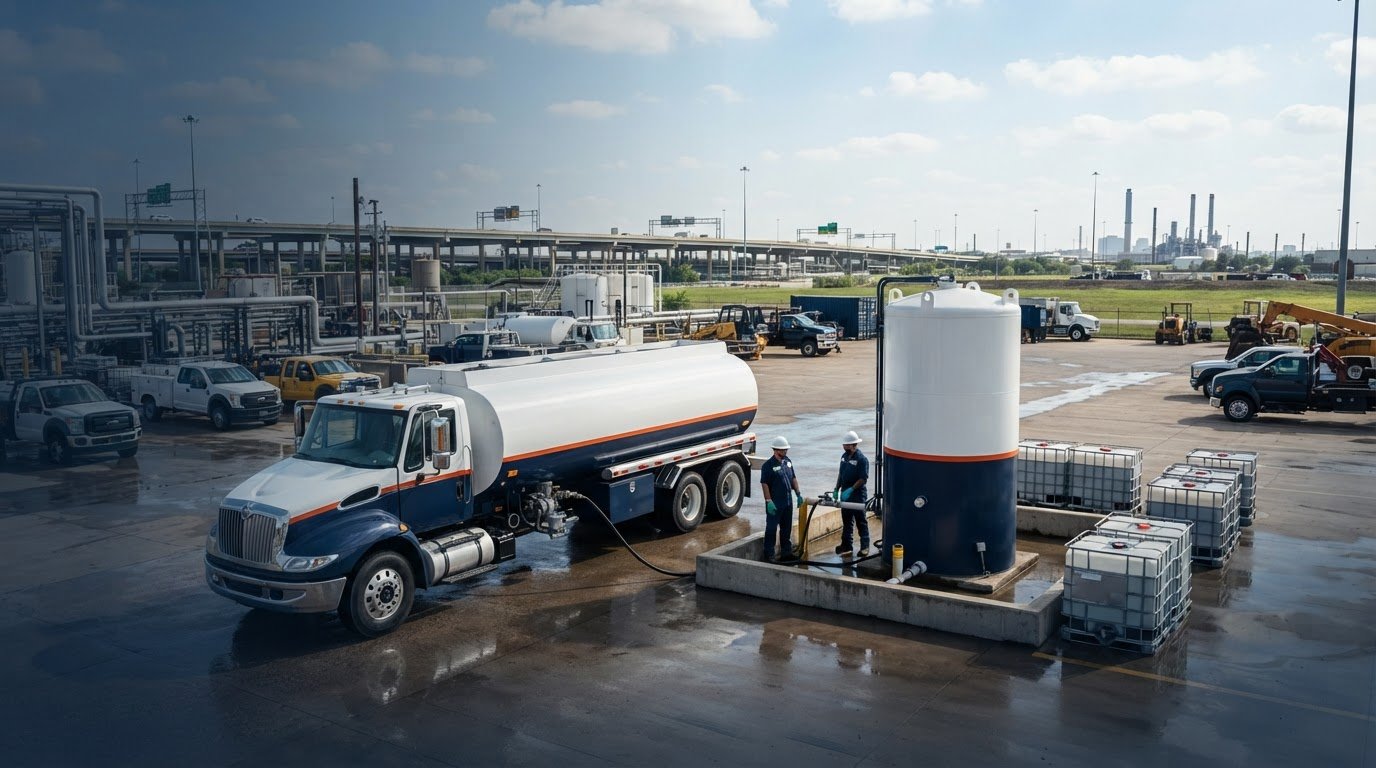
Bulk storage requires attention to spills, leaks, fire, and fuel reaching surrounding soil or drains. Include tank condition, delivery access, and nearby drainage in inspection and response procedures. Assign responsibility for checking inventory and reporting visible damage. Keep the receiving area accessible so delivery crews can work without obstructing equipment or vehicle movement.
Fuel Supply Options for Plants
Manufacturing plants commonly need diesel for equipment and generators. Commercial fuel delivery may also include gasoline, while diesel exhaust fluid, or DEF, is a separate fluid used by applicable diesel equipment. For on-site fuel delivery for manufacturing plants in Houston, identify each asset’s fuel requirements and keep fuel and DEF inventory records separate. React Fueling delivers DEF for trucks and equipment.
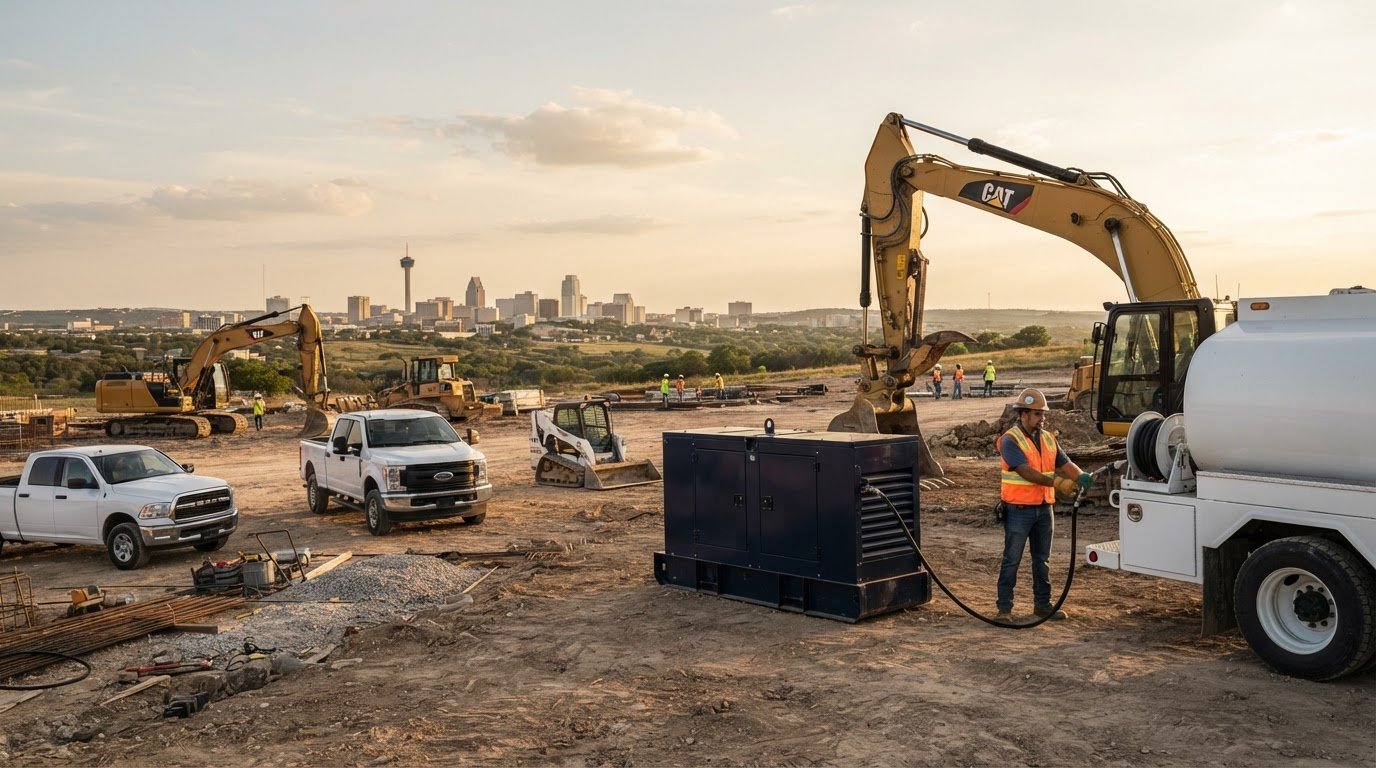
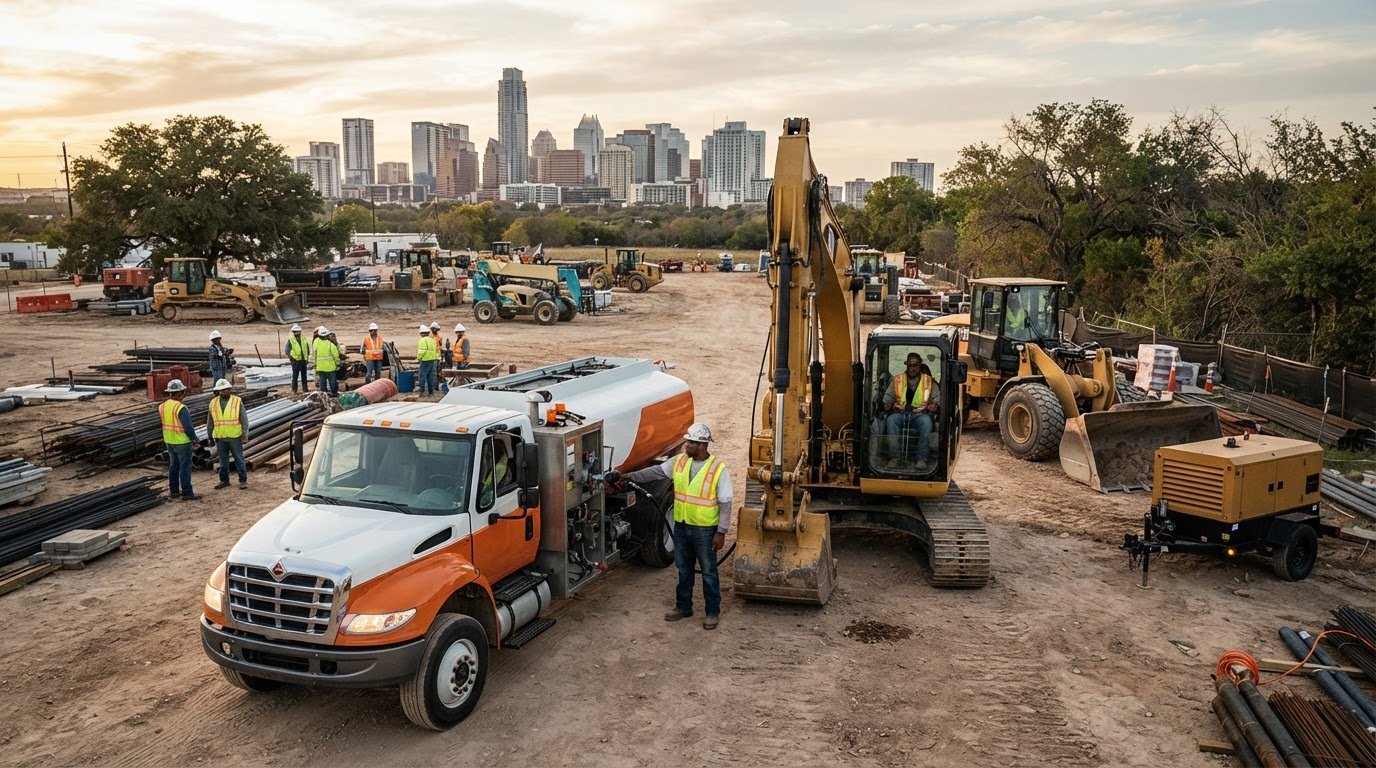
Construction, transportation, agriculture, and manufacturing operations have different fueling patterns. A construction site may need mobile equipment fueled near active work, while a plant may prioritize stationary machinery and backup power. Review production schedules, asset locations, and tank use when building a custom plan. This gives facility teams a practical basis for coordinating consultations, scheduled deliveries, and changing operational needs.
Emergency fuel delivery for plants and refineries
A fuel disruption can affect production equipment, backup power, and vehicle movement at a Houston plant or refinery. Emergency planning starts by identifying critical operations, how they use diesel, and what happens if supply runs low. A production line may need fuel for on-site machinery, while a generator may support essential systems during a power interruption. Setting priorities helps direct fuel to the most consequential needs.
Prepare a concise dispatch brief before an urgent request arises. Include the facility address, delivery entrance, site contact, fuel type, estimated quantity, and exact drop location. Add instructions for restricted areas and note whether trucks must follow a designated route. These details help dispatch coordinate bulk fuel delivery with plant logistics, reduce avoidable calls, and direct the driver to the correct tank or equipment.
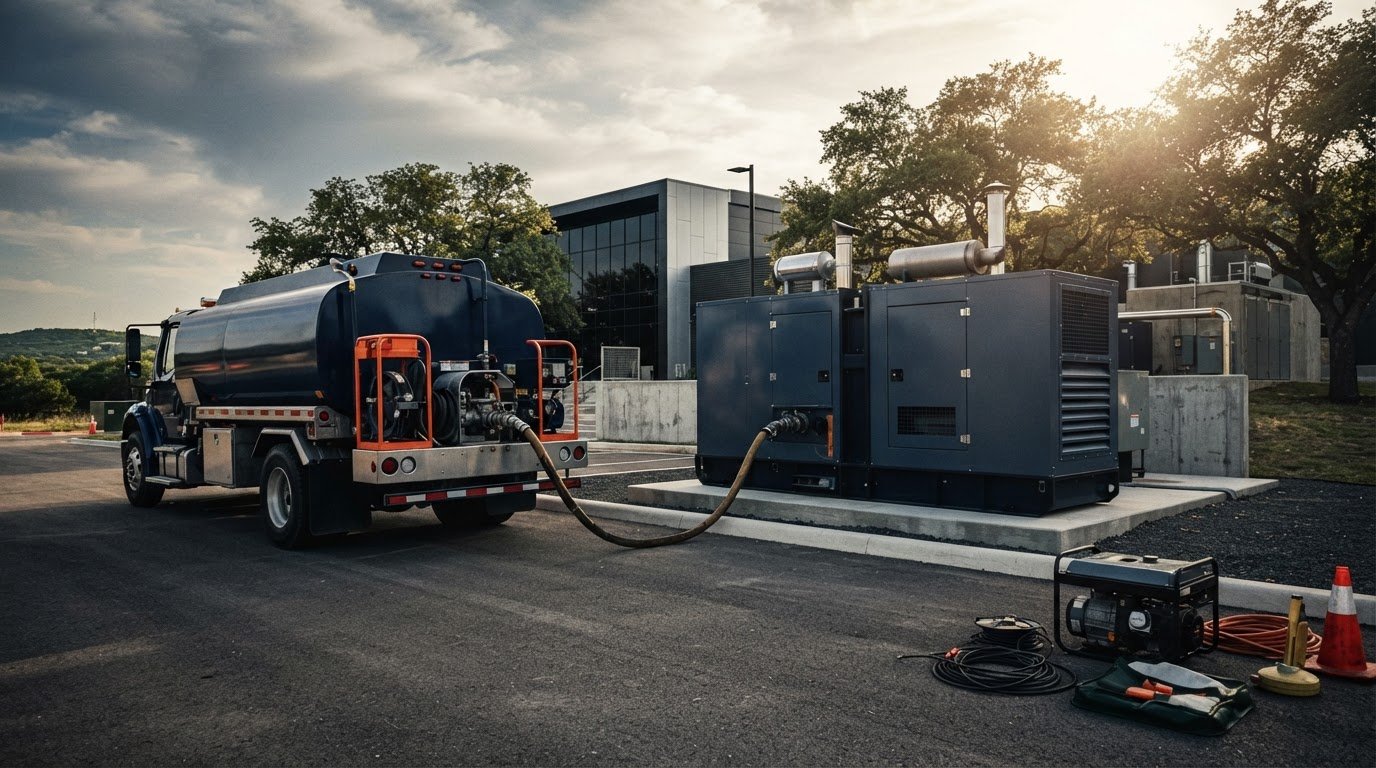
Generator support depends on the unit’s role and fuel supply arrangement. Identify which generators serve critical operations, where their tanks are located, and how staff monitor inventory. For example, a plant may prioritize a generator serving control systems over one supporting nonessential activity. Keep the delivery point clear and share access constraints with dispatch. This helps coordinate fuel delivery around the facility’s operating needs.
On-demand dispatch works best when a request clearly states the priority and destination. Explain whether fuel is needed for a generator, production equipment, or a storage tank. Include current access conditions, such as active work areas or turnaround activity. During a shutdown, designate one person to relay updates so changing site conditions do not leave drivers and plant teams working from conflicting instructions.
Emergency fuel services can support refineries and manufacturing sites facing an unexpected interruption, but they do not replace routine inventory planning. Set internal reorder points based on operating patterns, tank capacity, and the consequences of low fuel. Record recent usage and delivery locations in an accessible plan. If an outage or unexpected demand occurs, staff can quickly share relevant details instead of reconstructing the site’s fuel needs under pressure.
After addressing the immediate need, document what triggered the request, which assets required fuel, and where coordination slowed. Compare those notes with operating schedules and generator use. If the same equipment repeatedly becomes a priority, adjust its monitoring and planned supply arrangements. A written escalation sequence with named facility and backup contacts gives each shift a clear first step when fuel becomes critical to operations.
Scheduled and after-hours fuel delivery
Houston manufacturers can schedule fuel deliveries around expected demand, operating shifts, and access to storage or equipment. For urgent shortages, share the fuel needed, delivery location, and operational priority so dispatch can coordinate an emergency response.
Scheduled Delivery Planning
Build a recurring schedule from fuel-use records, production calendars, and available tank capacity. For example, a plant expecting heavier demand during a production run can schedule deliveries before that period rather than waiting for inventory to fall critically low. Identify delivery access points and operating constraints at the same time.
Review the plan when production changes, equipment is added, or a shutdown alters demand. A designated facilities contact can share updates about tank levels, delivery windows, and site access. This gives dispatch useful context for coordinating supply and helps prevent deliveries from unnecessarily interrupting loading areas or transportation routes.
After-Hours and On-Demand Delivery
Some manufacturing operations run beyond daytime shifts, so fuel planning should account for night work, weekends, and scheduled maintenance. Before an after-hours delivery, define the approved entrance, receiving location, and on-site contact. Give security staff and the receiving team clear instructions, especially when daytime personnel are not present.
On-demand delivery addresses unexpected changes, such as a generator using more fuel during an outage or equipment demand rising during a production push. Share the fuel type, requested amount, destination, and reason for urgency. Emergency fuel delivery planning works best when the facility has already identified its critical assets and the route to each receiving point.
After-hours arrangements depend on the delivery window and the site’s readiness to receive a truck. A clear handoff prevents confusion about access, tank location, and who can direct the delivery. Keep current contacts and site instructions with the facility’s operating procedures, not just in one employee’s inbox.
Delivery Scheduling and Reporting
Use a delivery log to connect each fuel drop with its receiving tank or equipment, date, amount, and operational purpose. Compare those records with production schedules and inventory observations. If usage rises during a particular process or shift, adjust delivery timing to match demand rather than relying on a fixed calendar alone.
Records can also reveal recurring supply issues. Note missed access windows, changed drop locations, and unexpected consumption, then assign someone to update the schedule. For example, a maintenance shutdown may reduce fuel use in one area while generators remain in service. Recording both changes helps operations staff plan the next delivery accurately.
Keep scheduled and emergency procedures connected. The regular plan should identify who raises an urgent request, which assets take priority, and what delivery details dispatch needs. Review these records after a schedule change or unusual demand so the next shift can act from current instructions.
Fuel delivery in the Greater Houston area
Houston-area fuel planning starts with the facility’s location, access points, and diesel use. A plant inside a secured industrial campus may need gate instructions, a receiving contact, and a clear route to its tanks. Map those details for each site, then align fueling with the production schedule and areas staff can safely access.
Facilities across Houston, Magnolia, San Antonio, College Station, Austin, and Dallas can have different operating needs, even within one company. A manufacturing plant may prioritize generators and fixed equipment, while a nearby transportation yard may focus on fleet vehicles. Record each location’s fuel demand, delivery point, and operating constraints separately. That gives dispatch useful information and helps prevent a request for one site from disrupting another location’s plan.
Responsive delivery coordination depends on accurate facility information. Provide the full site address, receiving entrance, contact person, and directions to the designated fueling area. For a site near active construction or a busy loading zone, note changes that could affect truck access. Keep these details current as work areas, security procedures, and receiving locations change.
Good planning matches delivery timing to what a facility can afford to pause. Identify equipment that must keep running and distinguish it from operations that can wait during a delivery window. For example, a plant might schedule tank replenishment during a lower-demand period while planning for generator needs separately. Clear priorities help teams avoid treating every fuel request as equally urgent.
Companies with facilities beyond Houston should plan for each location rather than assume every site has identical access or demand. A central operations team can maintain each facility’s address, fuel requirements, delivery contacts, and receiving instructions. Work schedules and site layouts may differ, so involve local site leads to ensure instructions reflect actual conditions.
For multi-location operations, compare delivery records across facilities to spot changing demand and recurring access problems. A Houston plant may use diesel differently from a distribution site elsewhere, so do not automatically apply one location’s schedule across the network. Update the plan when equipment, production hours, or storage arrangements change. Clear records help managers coordinate supply without overlooking local needs.
Before arranging delivery, identify the receiving location and operational priority. Share site access details, the fuel destination, and timing constraints with dispatch. These steps connect commercial fuel delivery in Houston and nearby Texas markets with the facility’s actual operating conditions. They also give teams a repeatable process for managing local sites and broader company requirements.
Fuel delivery for industrial and manufacturing operations
Industrial and manufacturing businesses need fuel plans built around how each facility operates. A Houston production site may rely on diesel-powered equipment, backup generators, and vehicles moving materials across the property. Treating those needs as one undifferentiated demand can obscure priorities. Instead, map each fuel-consuming asset to its location, operating role, and receiving point.
Start with an asset register that includes production equipment, generators, company vehicles, and storage tanks supporting on-site operations. Record the fuel each asset uses, who oversees it, and whether it supports continuous production or work that can pause. This inventory helps facilities distinguish critical needs from routine use and gives operations staff a shared reference.
Next, connect fuel demand to the production calendar. A manufacturing run, equipment maintenance period, or planned shutdown can change which assets need attention. For example, production may slow during maintenance while a generator remains available for backup power. Review the schedule with operations and maintenance teams, then update the fueling plan when equipment or work patterns change.
Site layout matters. Mark delivery entrances, internal routes, equipment locations, and storage areas on a facility map. Identify obstacles such as active loading zones or temporary construction areas, then tell delivery coordinators about route changes. This helps align site fueling with plant logistics and prevents confusion about where fuel should go.
Set a clear priority order for competing needs. A generator supporting essential plant functions may take precedence over vehicles used for noncritical tasks. Document who sets priorities and communicates changes across shifts. Transportation or construction activity may also affect shared access areas, so include those teams in relevant site planning.
Keep records that help improve the plan. Log deliveries by destination and purpose, then compare fuel use with production activity and equipment schedules. If one asset repeatedly needs attention sooner than expected, investigate whether its operating pattern or assigned schedule has changed. Use those findings to update future plans instead of relying on outdated assumptions.
The takeaway is straightforward: match fuel planning to assets, site routes, and operational priorities. That approach helps industrial businesses coordinate supply around real production needs rather than treating every vehicle, tank, and machine alike. For help aligning fuel delivery with manufacturing operations, discuss your facility’s fueling needs.
React Fueling: Diesel Delivery
React Fueling supports industrial operations with diesel delivery, equipment fueling, fuel delivery, and generator fueling services. Manufacturing teams can use these services when plant equipment, fleets, or generators need fuel on-site. React Fueling also provides emergency fuel delivery, DEF fluid delivery, and portable fuel tank rentals. Matching delivery details to facility priorities helps coordinate supply with production demands and site access.
For example, a plant can identify which equipment or generator needs fuel, where it is located, and how delivery teams should reach it. This gives the fueling plan a clear connection to day-to-day operations. To discuss your facility’s fuel needs, visit React Fueling online.
Put a plant-specific fuel plan into action
Review how fuel supports your production priorities. Identify the equipment, vehicles, and generators that matter most, then align delivery locations and timing with your facility’s operating plan. This gives your team a clear basis for refining on-site fuel delivery for manufacturing plants in Houston as production needs change.
React Fueling offers Diesel Delivery, Equipment Fueling Service, and Fuel Delivery for commercial and industrial operations. These services can support a plant’s fuel needs across equipment and facility operations, with delivery planning shaped around the site’s requirements.
Prepare the delivery locations, access details, and operational priorities your team wants addressed. Then contact React Fueling to discuss your plant’s fueling needs. A clear plan is a practical step toward keeping essential operations moving.
Frequently Asked Questions
Need Fuel Fast?
For urgent fuel needs, React Fueling offers emergency fuel delivery and 24/7 emergency fueling, with an average 4-hour response time across Texas. Share your facility location, required fuel, receiving point, and the equipment or operation affected. For example, explain whether a generator supports active production or another critical function. These details help communicate the urgency and direct the request appropriately for facilities in Houston and surrounding Texas communities.
How can a Houston manufacturer estimate fuel consumption and choose a delivery schedule?
Estimate consumption by tracking each asset’s starting inventory, deliveries received, and ending inventory over the same operating period. Add deliveries to the starting amount, then subtract the ending amount to calculate fuel used. Keep production equipment and backup generators in separate records because their operating patterns differ. Compare records with shift schedules and planned production changes, then set delivery timing around observed usage and the plant’s storage needs.