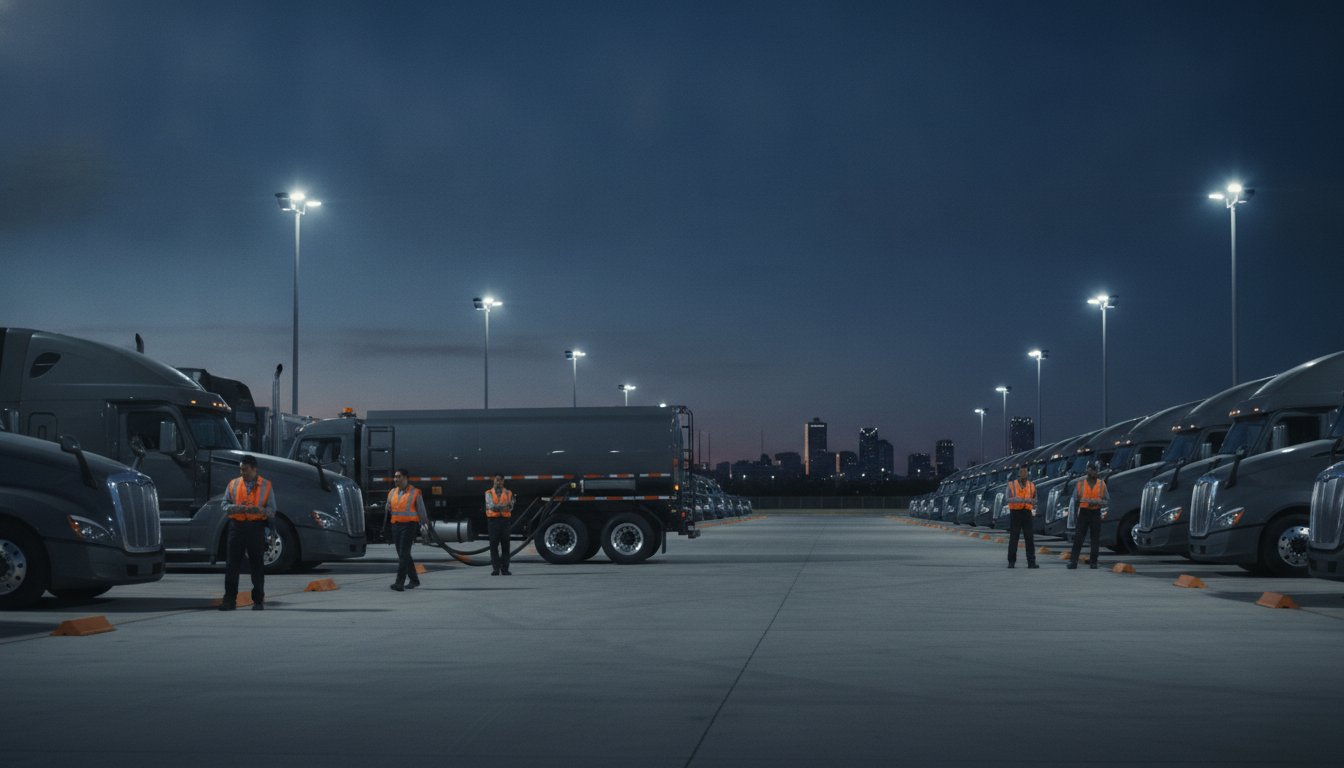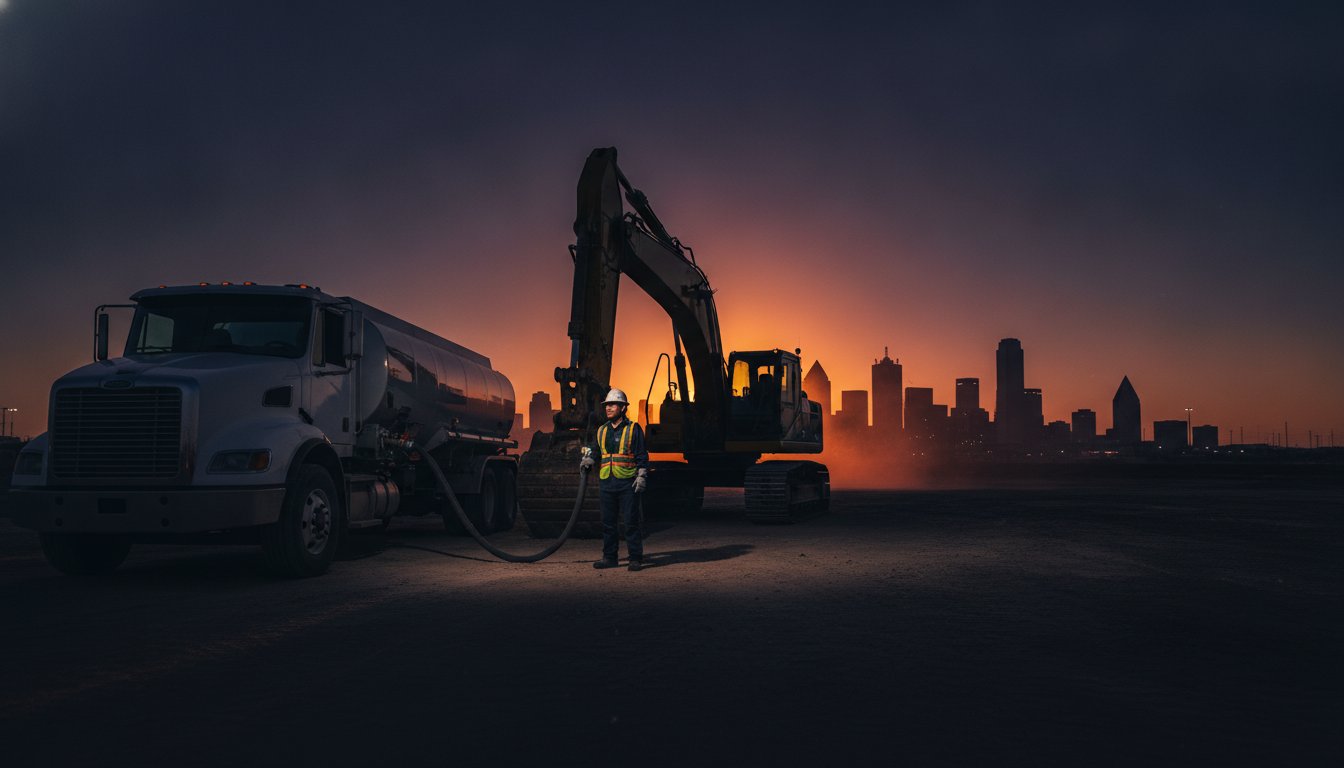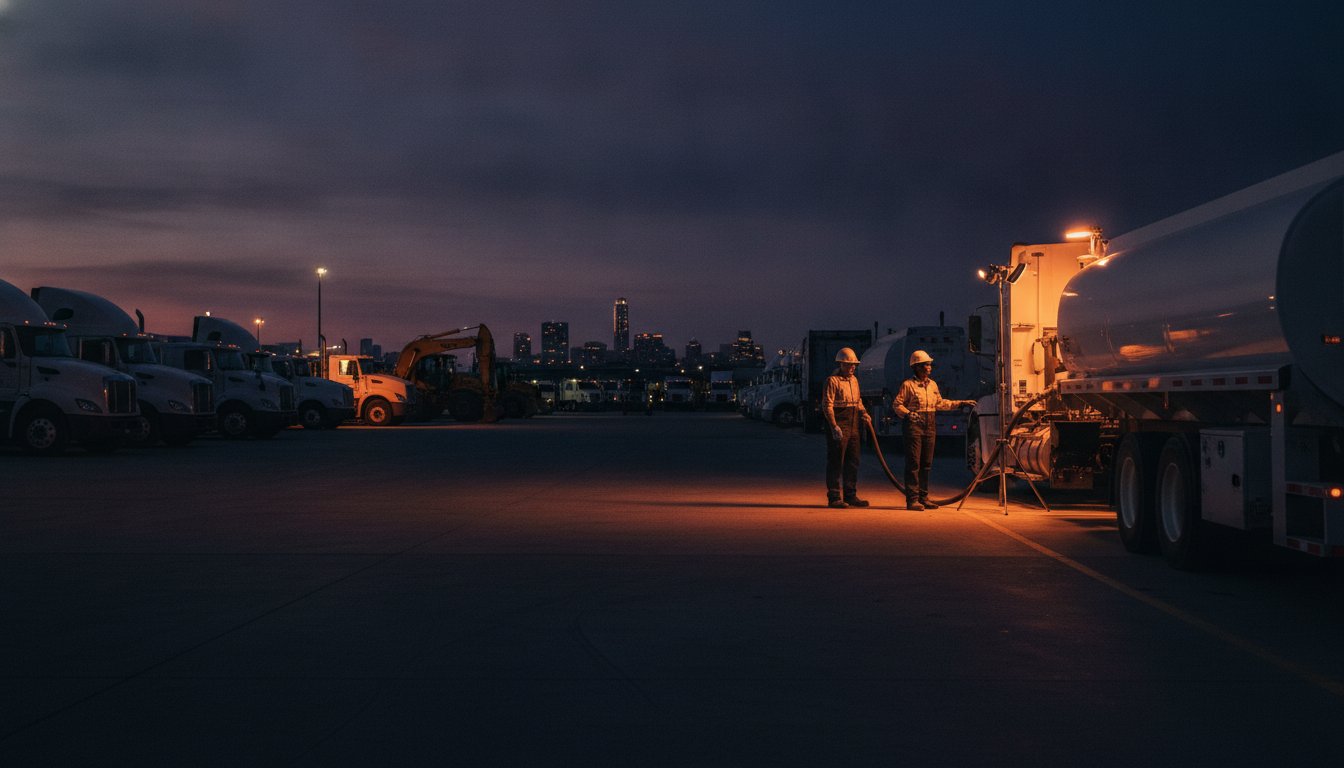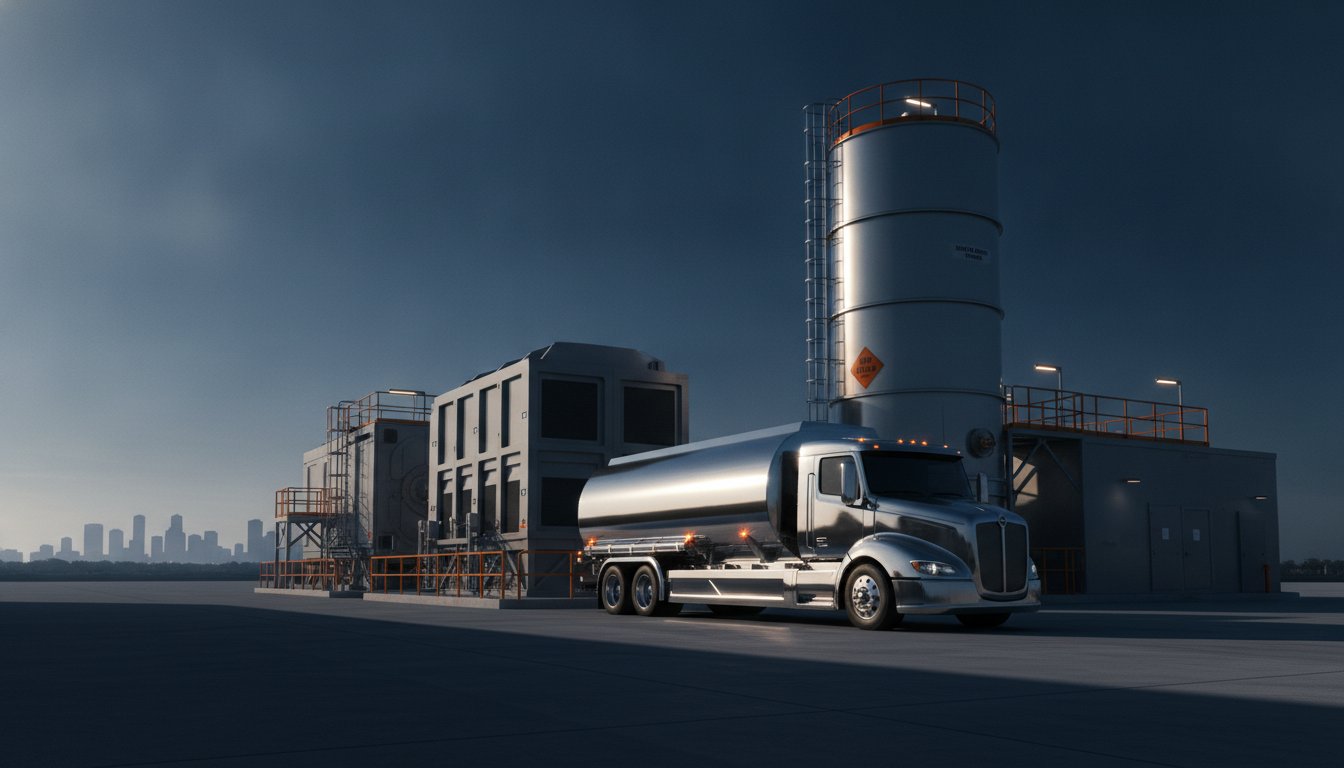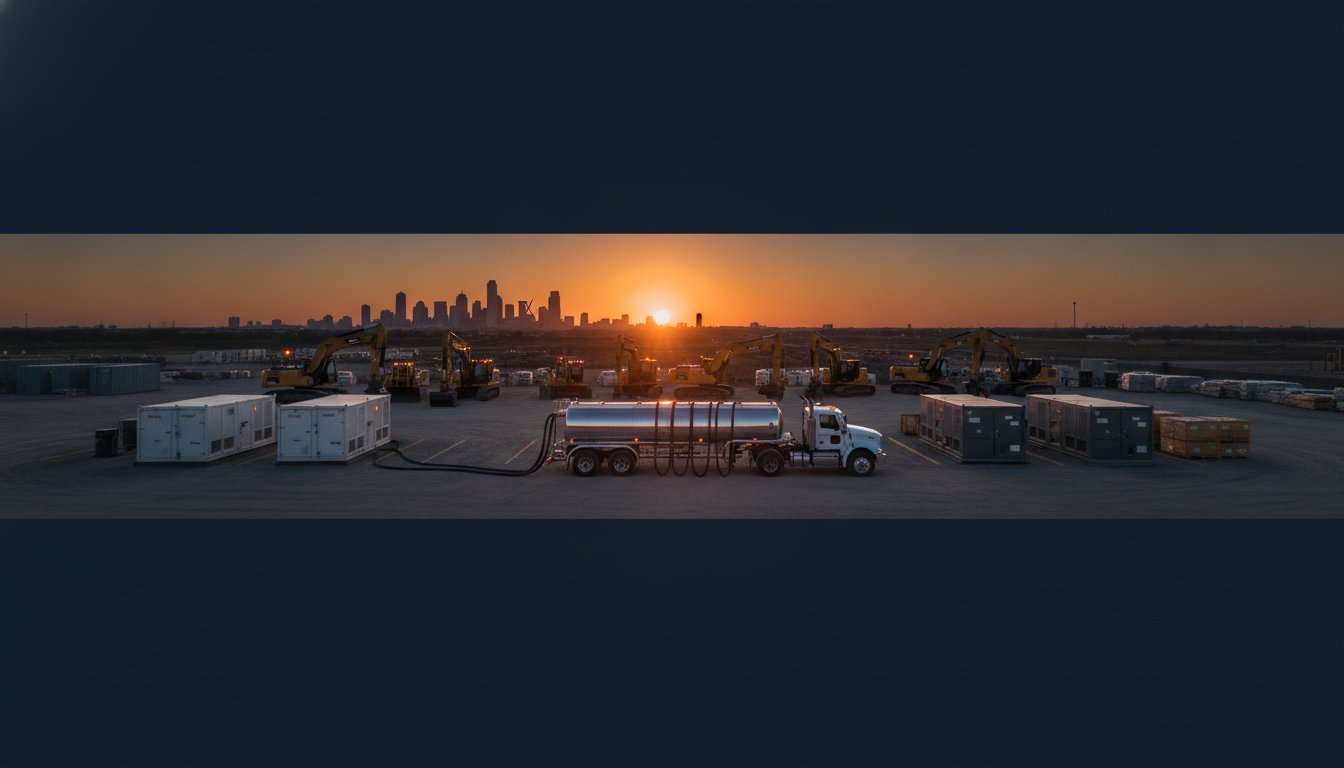
Fuel costs account for up to 60% of an active heavy equipment fleet's total operating budget, yet many Dallas contractors lose nearly an hour of productivity every shift just waiting for a refill. You've likely felt the frustration of watching expensive machinery sit idle while a fuel truck is stuck in DFW traffic or your team struggles to interpret complex local environmental codes. It's a high-stakes logistical puzzle where a single oversight leads to costly delays or regulatory fines from Dallas Fire-Rescue.
This guide will help you solve those challenges by selecting the most efficient temporary fuel tanks for construction sites Dallas. You'll discover how the right storage strategy can eliminate equipment downtime, simplify your cost tracking, and ensure your job site remains in total compliance with 2026 Texas fire and environmental standards. We'll examine the latest double-walled tank technology, local permitting requirements, and the logistical advantages of keeping your fuel supply within arm's reach of your operators. By the end of this article, you'll have a clear roadmap to maintain continuous operation and protect your project's bottom line.
Why Temporary Fuel Tanks are Critical for Dallas Job Sites
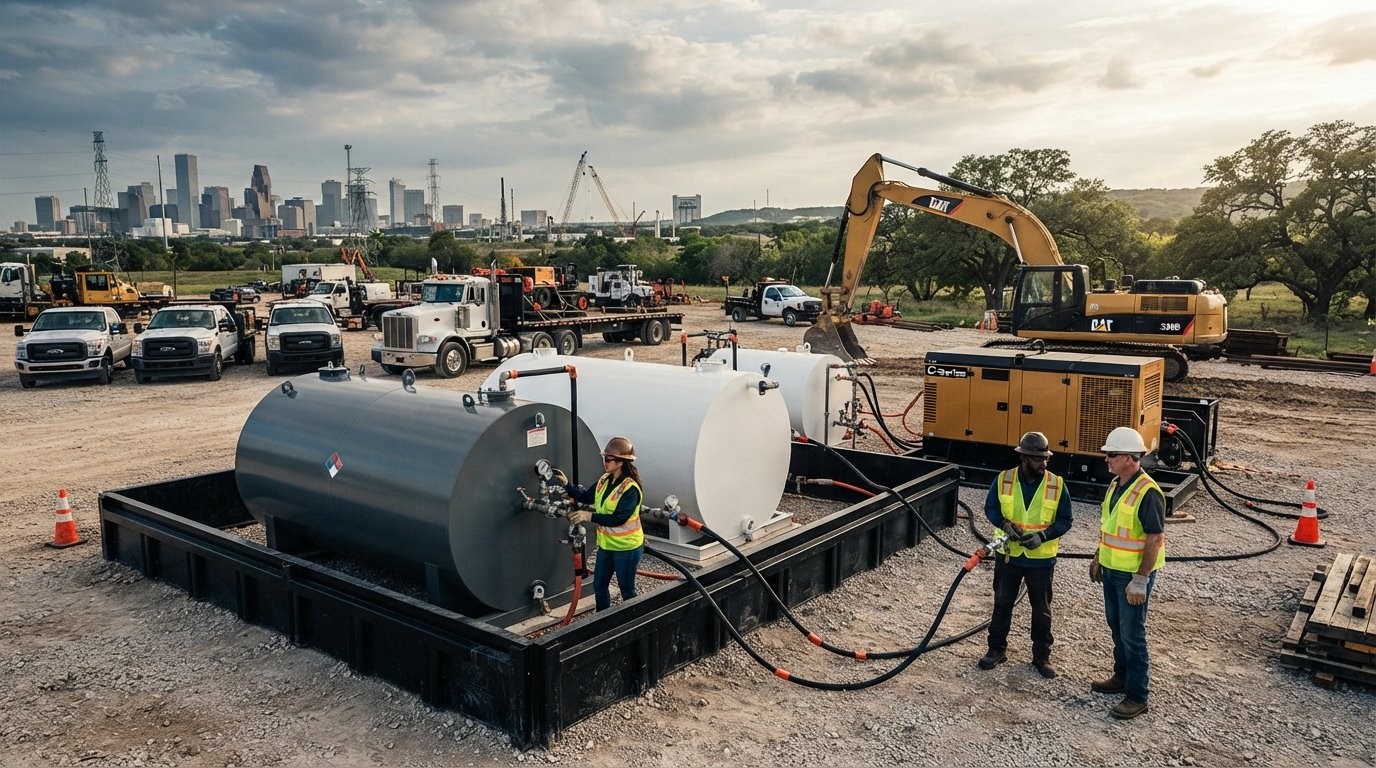
Temporary fuel tanks serve as mobile, double-walled industrial storage tanks designed to provide immediate access to diesel and DEF on short-term project sites. In the fast-paced North Texas construction market, these units act as a strategic buffer between your heavy machinery and the unpredictable nature of local supply chains. Relying on daily truck visits is a gamble when your project's timeline depends on expensive excavators and generators staying in constant motion. Deploying temporary fuel tanks for construction sites Dallas eliminates the logistical nightmare of coordinating multiple daily deliveries through city traffic.
The DFW metroplex presents unique geographical challenges that can derail a tight schedule. Gridlock on I-35 or the North Dallas Tollway can turn a routine fuel delivery into a multi-hour delay. Maintaining a reserve of 500 to 2,000 gallons on-site ensures your fleet remains operational regardless of highway conditions. This volume provides the necessary defense against project stagnation, allowing your team to focus on production rather than monitoring the horizon for a delivery vehicle.
Bypassing the Dallas Logistics Bottleneck
Utilizing fuel tank rentals allows your site to operate on its own schedule rather than being at the mercy of a third-party route. You can coordinate off-peak deliveries to avoid peak traffic surges, which results in more reliable service and lower operational stress for your site managers.
- Ensure all machines are fueled and ready for work at 6:00 AM sharp without waiting for external arrivals.
- Minimize the number of "fuel touches" and personnel movements across congested urban job sites.
- Maintain total control over your daily burn rate and inventory levels through dedicated on-site assets.
Protecting Fuel Quality in North Texas
Dallas summers bring intense heat waves and high humidity, both of which can degrade diesel fuel if not managed properly. Modern Tier 4 engines are highly sensitive to contaminants and moisture. Professional-grade temporary fuel tanks for construction sites Dallas feature pressure relief vents and double-walled construction to stabilize internal temperatures during extreme 100-degree weather.
- Prevent water condensation caused by rapid temperature swings between humid days and cooler nights.
- Seal out the fine dust and debris common in North Texas wind and excavation zones.
- Maintain the chemical integrity of red-dyed diesel and DEF for sensitive high-performance equipment.
Choosing the Right Tank: Sizes, Features, and Specifications
Selecting a tank requires more than just picking a volume. You must match the capacity to your fleet's daily burn rate to avoid constant refill interruptions. A high-volume excavator can burn 5 to 10 gallons per hour under a heavy load, while a smaller skid steer might only consume 2 to 3 gallons. To find the right fit for your machinery, explore our fuel tank rental options which are designed to support various equipment configurations.
Safety is the primary driver for tank selection on any professional site. Dallas environmental regulations and OSHA flammable liquids safety standards mandate strict secondary containment to prevent soil contamination. Choosing a double-walled tank with 110% internal containment eliminates the need for messy external berms or earthen dikes. This design ensures that even if the primary wall fails, the fuel remains captured. This protection is non-negotiable for maintaining compliance with the Texas Commission on Environmental Quality (TCEQ).
Standard Capacity Benchmarks for Dallas Projects
Matching the tank size to the project scope is essential for operational efficiency. Large-scale developments in North Texas require different strategies than smaller urban sites.
- 500 Gallon Tanks: These units are ideal for urban infill projects or residential builds where space is at a premium. They provide enough fuel for a few pieces of light machinery without cluttering the site.
- 1,000 Gallon Tanks: This is the standard for commercial projects in Frisco or Plano. It provides enough volume to reduce delivery frequency while maintaining a manageable footprint.
- 2,000+ Gallon Tanks: These are necessary for large-scale infrastructure and highway work where heavy equipment runs around the clock.
Essential Hardware Features for Productivity
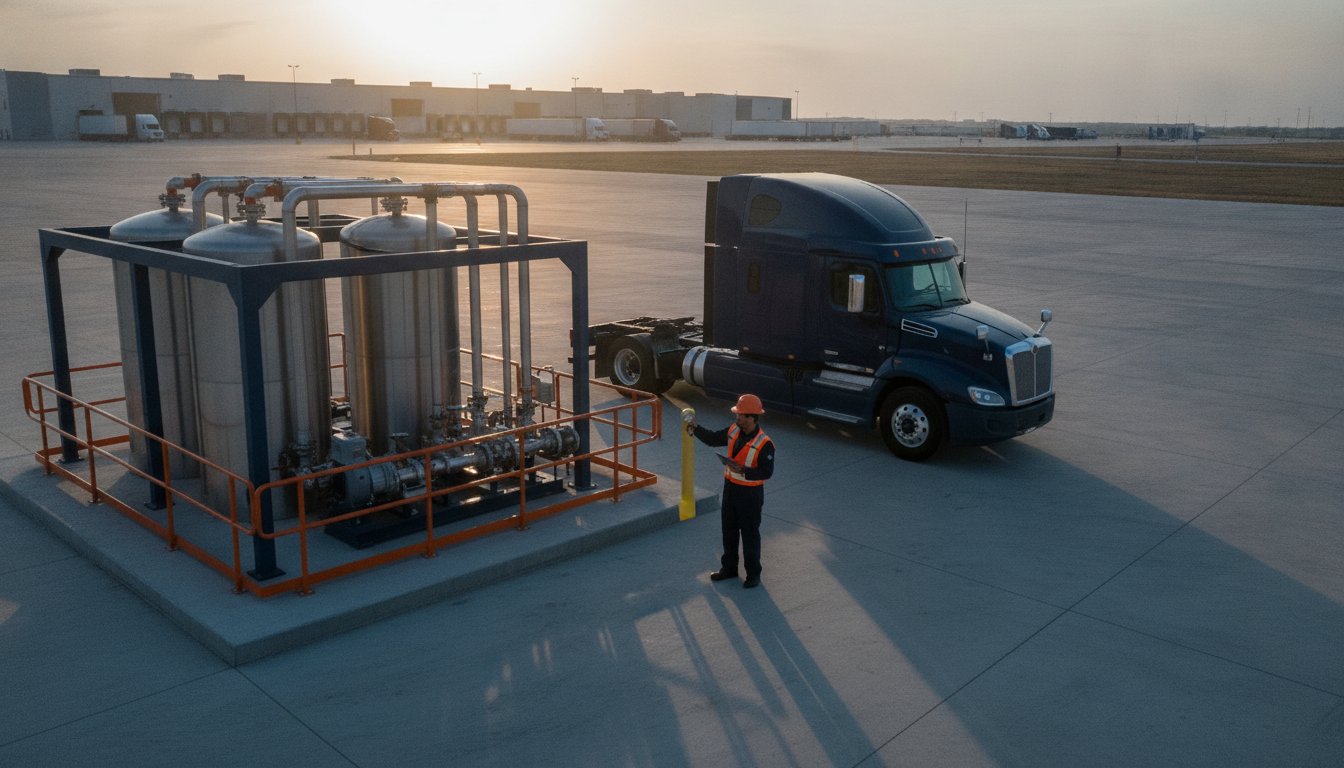
The hardware attached to your temporary fuel tanks for construction sites Dallas determines how quickly your team can get back to work. High-flow pumps are critical for rapid refueling, allowing a large excavator to be filled in minutes. Modern fleets also require integrated DEF storage options to maintain Tier 4 engine compliance without managing separate containers.
Security features protect your bottom line by preventing fuel theft. Look for units with lockable pump cabinets and integrated cellular telemetry. These sensors track levels in real-time and can trigger automatic refills before you hit a critical low. If you're unsure which specifications your project requires, contact our team to discuss your specific fleet requirements.
Tank Rental vs. Direct-to-Equipment Fueling: Which is Better?
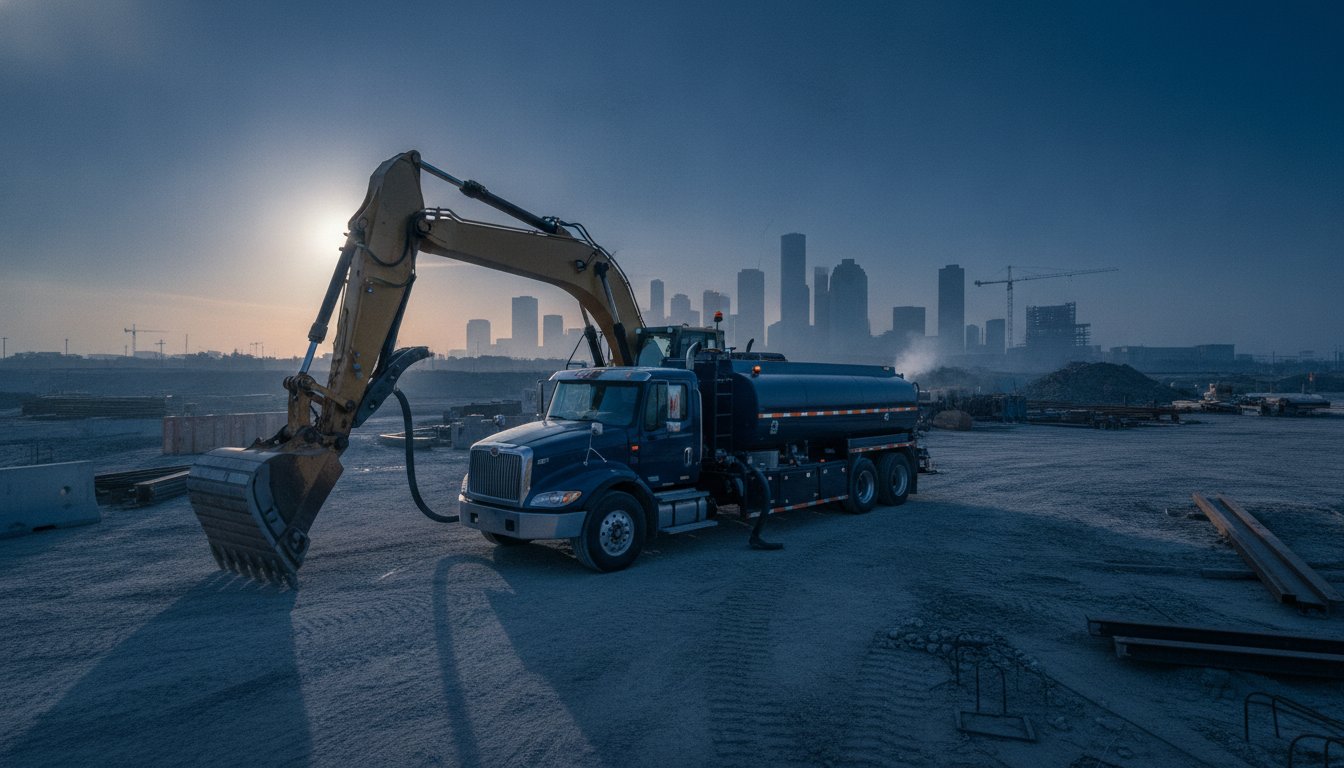
Choosing between on-site storage and mobile fueling depends on your site's physical layout and equipment density. For centralized projects where machinery returns to a staging area every night, temporary fuel tanks for construction sites Dallas offer the most stability. This model allows for high-volume bulk purchasing and ensures fuel is available the moment a shift begins. Conversely, direct-to-equipment fueling, or "wet-hosing," is often superior for sprawling sites where tracked machinery is scattered across several acres and cannot easily travel to a central tank.
A hybrid strategy represents the most sophisticated approach for large-scale DFW developments. You might maintain a 2,000-gallon tank for your primary excavation fleet while utilizing mobile trucks to reach remote generators or light towers. This dual-layered system ensures total coverage without requiring expensive equipment to burn fuel just to reach a refill station. For a look at how these strategies scale in other major Texas markets, review our guide on Construction Site Fuel Delivery Houston to understand regional uptime standards.
Cost and Efficiency Analysis
The financial impact of your fueling strategy is significant. Bulk fuel purchasing for on-site tanks typically yields a savings of $0.25 to $0.65 per gallon compared to retail prices. While tank rentals involve a monthly fee, they eliminate the "drop fees" associated with frequent small-batch deliveries. Beyond the price per gallon, you must account for labor efficiency. Idle time refueling losses can average 0.8 to 1.5 gallons of fuel burned per hour; having fuel ready on-site captures that lost productivity and keeps your operators focused on their primary tasks.
- Minimize site congestion by reducing the frequency of external fuel truck traffic during peak hours.
- Eliminate the 30 to 45 minutes of lost labor per shift spent waiting for uncoordinated fueling.
- Ensure all assets remain compliant with TCEQ petroleum storage regulations through professionally managed containment.
Flexibility for Evolving Dallas Projects
Construction projects are dynamic. Your fuel needs will shift as you move from heavy earthmoving to vertical construction and interior finishing. On-site tanks allow you to scale your storage capacity up or down to match these phases. This flexibility is particularly vital when managing backup power. Our generator fueling services often work in tandem with temporary tanks to provide a redundant energy supply during critical utility cut-overs. This integrated approach ensures that your project never stalls due to a preventable fuel shortage.
Dallas Compliance: Navigating Texas Fuel Storage Regulations
Operating temporary fuel tanks for construction sites Dallas requires strict adherence to a multi-layered regulatory framework. Oversight comes from the Texas Commission on Environmental Quality (TCEQ), federal EPA standards, and the Dallas Fire-Rescue (DFR) Fire Marshal. Failure to secure the proper operational permits or maintain required setbacks can lead to immediate work stoppages and significant fines. Under the Dallas Fire Code, any outdoor storage of Class II combustible liquids, such as diesel, exceeding 60 gallons requires a mandatory operational permit. This permit carries an annual fee of $250.00 and ensures that your site meets local safety benchmarks.
State-level compliance involves the TCEQ 30-day construction notification rule. If your individual tank capacity exceeds 1,100 gallons, you must file a notification at least 30 days before work begins. Additionally, federal Spill Prevention, Control, and Countermeasure (SPCC) rules apply if your total aggregate aboveground storage capacity reaches 1,320 gallons. Meeting these thresholds necessitates a written SPCC plan and verified secondary containment. To simplify these complex requirements and avoid legal pitfalls, contact our compliance experts to discuss your site's specific permitting needs.
Secondary Containment and Spill Protection
Double-walled tanks represent the gold standard for environmental safety on North Texas job sites. These units feature 110% internal containment, which satisfies EPA 40 CFR 112 rules and eliminates the need for external earthen berms. This built-in protection is critical for avoiding TCEQ penalties related to soil and groundwater contamination. Every fuel station must also be equipped with a dedicated spill kit containing absorbent pads, booms, and disposal bags. In the event of a release, Texas law requires immediate reporting to the TCEQ Region 4 office if the spill reaches a regulated volume or enters a waterway.
Permitting and Site Placement Best Practices
Strategic placement of your fuel assets is vital for both safety and logistical efficiency. Dallas Fire-Rescue inspectors enforce specific setback requirements to mitigate fire risks and protect property lines. Mobile fueling operations, for instance, cannot occur within 25 feet of buildings or combustible storage. When positioning temporary fuel tanks for construction sites Dallas , you must maintain a minimum clearance of 10 to 15 feet from property lines for Class II tanks.
- Identify and mark "no-fueling zones" near storm drains or sensitive water sources to prevent accidental runoff.
- Ensure all tanks feature permanent NFPA 704 hazard placards and proper "No Smoking" signage.
- Place tanks on level, stable ground with enough clearance for high-clearance fuel delivery trucks to maneuver safely.
- Install physical barrier protection, such as jersey barriers or bollards, to shield tanks from vehicular impact.
Partnering with React Fueling for Dallas Construction Logistics
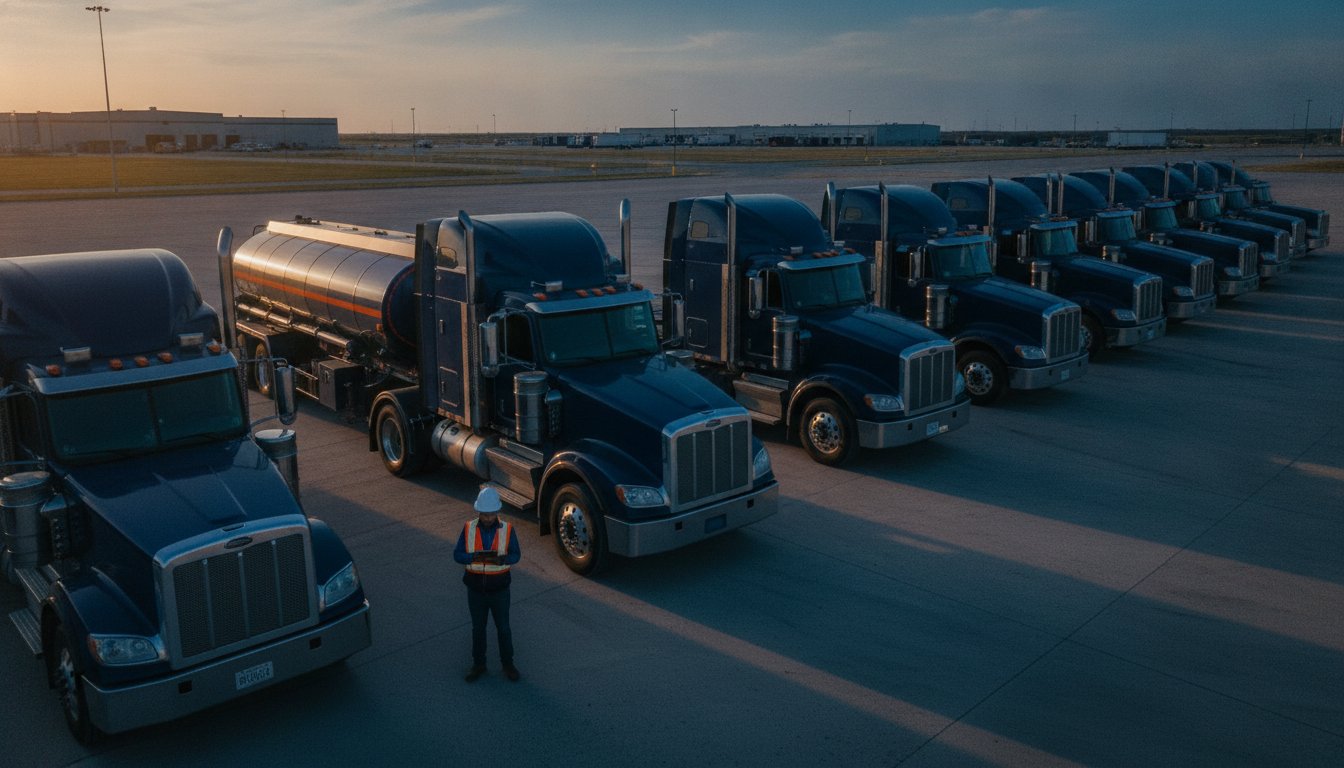
React Fueling operates as a dedicated ally for North Texas contractors, moving beyond the role of a simple vendor to become a "Vigilant Partner" on every job site. As a member of the React Holdings logistics family, we leverage significant infrastructure to maintain your operational continuity. We understand that in the high-stakes environment of DFW construction, a single missed delivery can stall a multi-million dollar project. Our team provides the foresight and discipline required to keep your machinery moving 24/7.
Effective management of temporary fuel tanks for construction sites Dallas requires a holistic approach to logistics. We don't just drop off a tank and leave you to manage the details. Instead, we provide a seamless, integrated package that includes the storage unit, high-quality diesel, and DEF fluid delivery. This turnkey model simplifies your vendor list and ensures that every component of your fueling system is managed by local experts who understand Dallas site requirements. For more information on statewide logistics, read our guide on On-Site Equipment Fueling in Texas.
Turnkey Fuel Management Solutions
We utilize advanced technology to remove the guesswork from fuel inventory management. Our rental units can be equipped with remote cellular telemetry to monitor levels in real-time. This system automatically triggers a dispatch for diesel delivery before your levels hit a critical low, ensuring you never face a dry runout. This proactive monitoring is essential for maintaining tight project timelines where every hour of uptime counts.
- Receive automated reporting for precise project cost accounting and fuel tax tracking.
- Integrate DEF fluid delivery directly to your site to keep modern Tier 4 engines compliant.
- Access 24/7 emergency fueling to mitigate the impact of unexpected equipment demands or site emergencies.
Ready to Secure Your Dallas Site Fueling?
Our commitment to safety and operational uptime is the foundation of our service in North Texas. We take pride in our local presence and our ability to show up when it matters most, providing the steady confidence you need to manage complex industrial environments. Whether you're breaking ground on a new highway project or managing a vertical build in Uptown, we have the specialized knowledge to keep your fleet fueled and compliant.
Securing a customized fueling plan starts with a thorough understanding of your equipment count and daily burn rate. We'll help you determine the optimal tank size and delivery schedule to maximize efficiency and minimize site congestion. Contact React Fueling for a Dallas Site Assessment to protect your project from downtime and ensure your logistics are handled by seasoned problem solvers.
Secure Your Project Timeline with Strategic Fueling
Managing a successful Dallas build requires total control over your energy supply. By deploying temporary fuel tanks for construction sites Dallas , you protect your fleet from traffic delays and ensure your operators stay focused on production. These professional storage units provide the secondary containment needed to satisfy TCEQ requirements while offering the high-flow hardware required for modern heavy equipment. Transitioning from reactive refueling to a managed storage strategy eliminates the logistical bottlenecks that often lead to expensive project delays.
React Fueling stands ready as your local Dallas/Fort Worth logistics expert. We provide TCEQ-compliant double-walled tanks and 24/7 emergency support to handle any unexpected demand on your site. Our team understands the physical reality of North Texas industrial environments and the high stakes of your production deadlines. Request a Quote for Temporary Fuel Tanks and Delivery in Dallas to streamline your job site logistics today. We look forward to helping you maintain a consistent, compliant, and highly productive construction environment.
Frequently Asked Questions
Do I need a permit for a temporary fuel tank in Dallas?
Yes, you must obtain an operational permit from Dallas Fire-Rescue (DFR) if you store more than 60 gallons of Class II combustible liquids, such as diesel, outdoors. This requirement ensures your tank placement complies with local fire codes and setback standards. The annual fee for this permit is $250.00. You must also maintain hazard placards and fire extinguishers on-site to pass a Fire Marshal inspection.
What size fuel tank is best for a medium-sized construction site?
A 1,000-gallon tank is generally the most efficient choice for medium-scale commercial projects in North Texas. This size provides a significant reserve that can support a fleet of excavators and loaders for several days without requiring daily refills. It balances the need for bulk storage with site space constraints, helping you bypass the logistical delays of frequent truck deliveries in DFW traffic.
How often should I schedule diesel deliveries for my on-site tank?
Delivery frequency depends on your equipment's daily burn rate, but most contractors find that weekly or bi-weekly refills are sufficient for 1,000-gallon tanks. We recommend using integrated cellular telemetry sensors that monitor fuel levels in real-time. These systems automatically trigger a dispatch for diesel delivery before your tank drops below 20%, ensuring your machinery never faces a dry runout during a critical phase of the project.
Are double-walled fuel tanks required on Dallas job sites?
Double-walled tanks are the industry standard and often a practical necessity to satisfy TCEQ and EPA secondary containment rules. These units feature a 110% internal containment basin that eliminates the need for external earthen berms. Utilizing double-walled temporary fuel tanks for construction sites Dallas is the most reliable way to prevent soil contamination and avoid the heavy fines associated with environmental non-compliance on Texas job sites.
Can I store both diesel and DEF in the same temporary tank setup?
Modern fuel management systems often feature integrated compartments or secondary storage units designed specifically for Diesel Exhaust Fluid (DEF). This allows you to manage both fluids within a single footprint, which is essential for maintaining Tier 4 engine compliance across your fleet. We provide seamless DEF fluid delivery alongside your diesel supply, ensuring your machinery remains operational without the need for managing separate containers across the site.
What happens if there is a fuel spill on my construction site in Texas?
You must follow immediate containment and reporting protocols established by the Texas Commission on Environmental Quality (TCEQ). If a spill reaches a regulated volume or enters a waterway, you're legally required to notify the TCEQ Region 4 office in DFW. Every fueling station should have a dedicated spill kit containing absorbent pads and booms. Partnering with a vigilant logistics provider ensures your tanks meet all safety standards to prevent these incidents.
Does React Fueling provide emergency fuel delivery for construction sites in Dallas?
React Fueling provides 24/7 emergency fuel delivery to ensure your project stays on schedule during unexpected power outages or supply disruptions. As a member of the React Holdings family, we maintain a robust logistics network capable of responding rapidly to urgent site needs across the Dallas metroplex. This unwavering readiness allows you to maintain operational continuity even when local conditions or project demands change without warning.
How do I prevent fuel theft from my temporary storage tank?
Securing your fuel supply requires a combination of physical barriers and electronic monitoring. Our rental tanks feature lockable pump cabinets that prevent unauthorized access to the dispensing equipment. Additionally, cellular telemetry systems provide real-time inventory tracking, alerting you to any unusual drops in fuel levels after hours. These security measures protect your bottom line and ensure that your fuel is used exclusively for your equipment and generators.