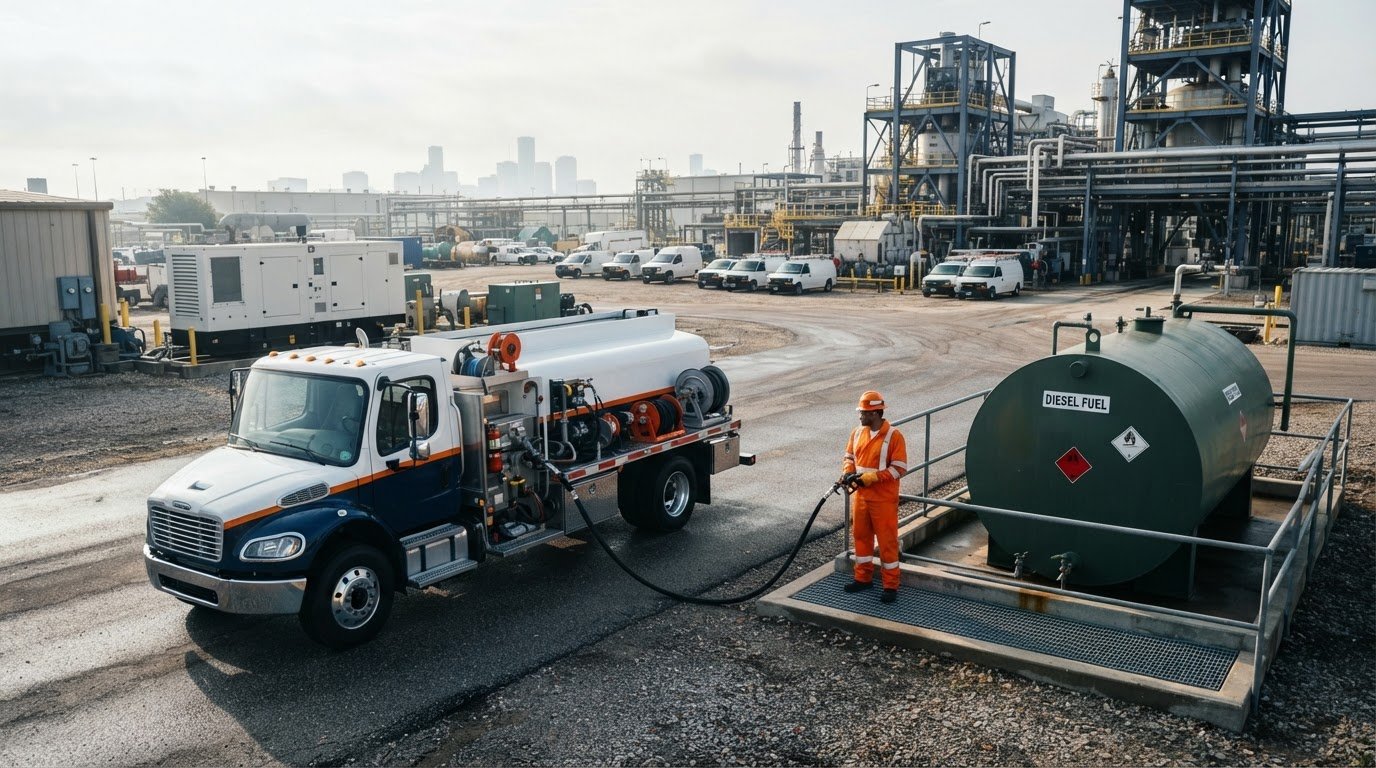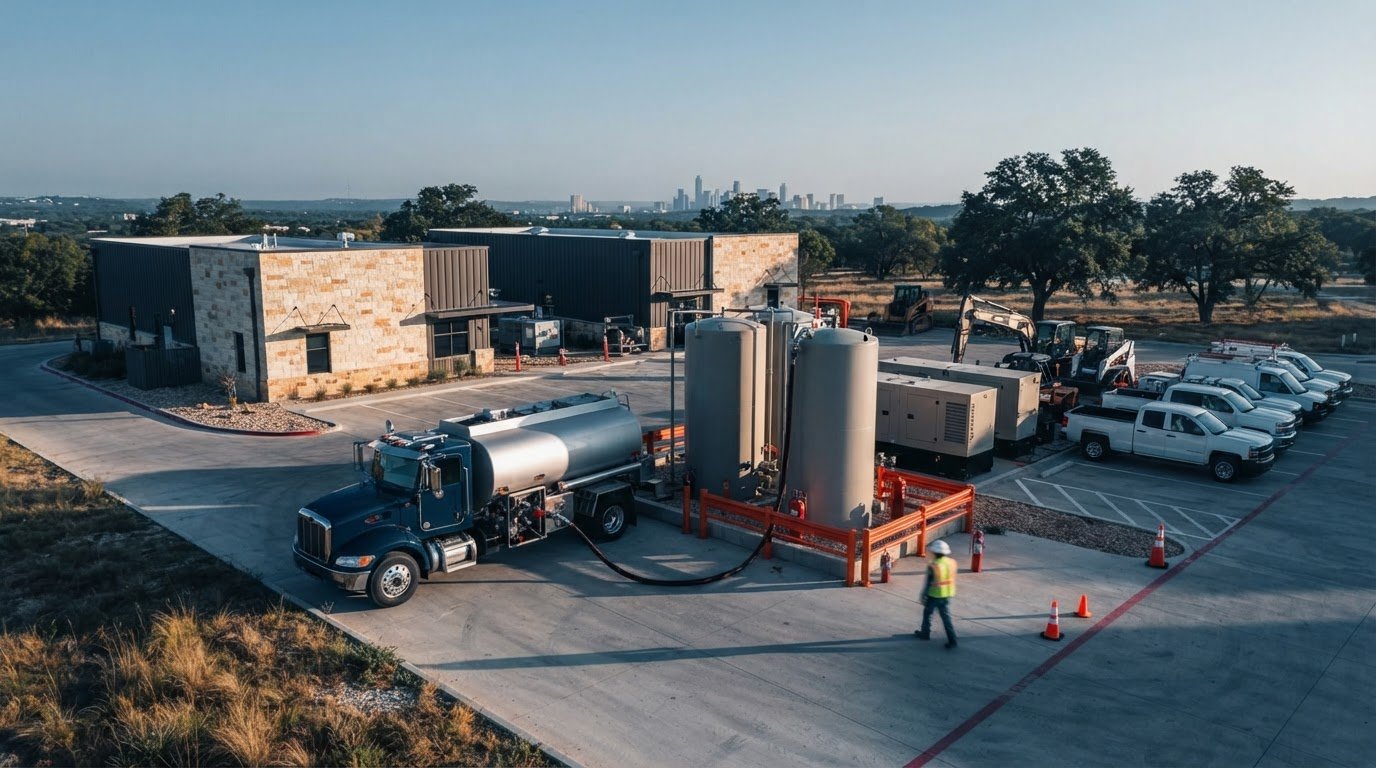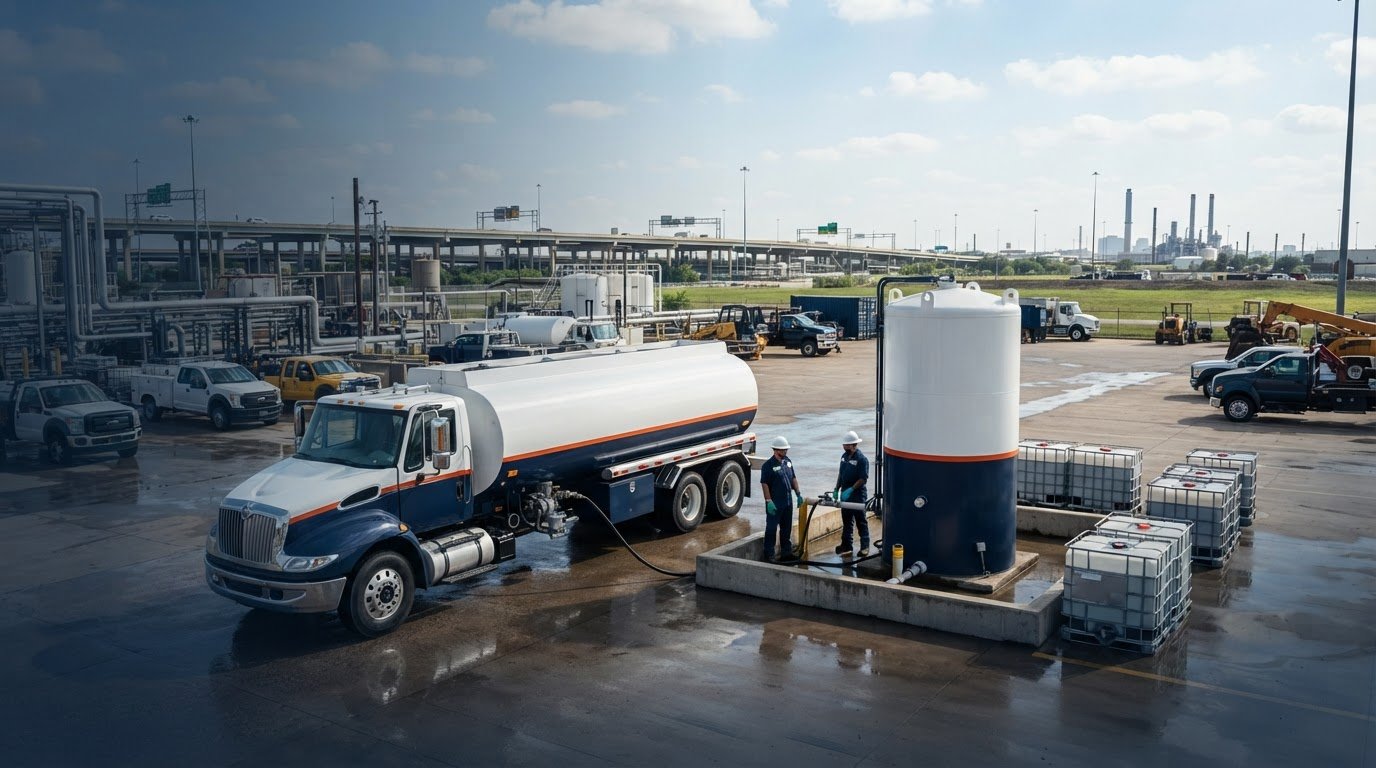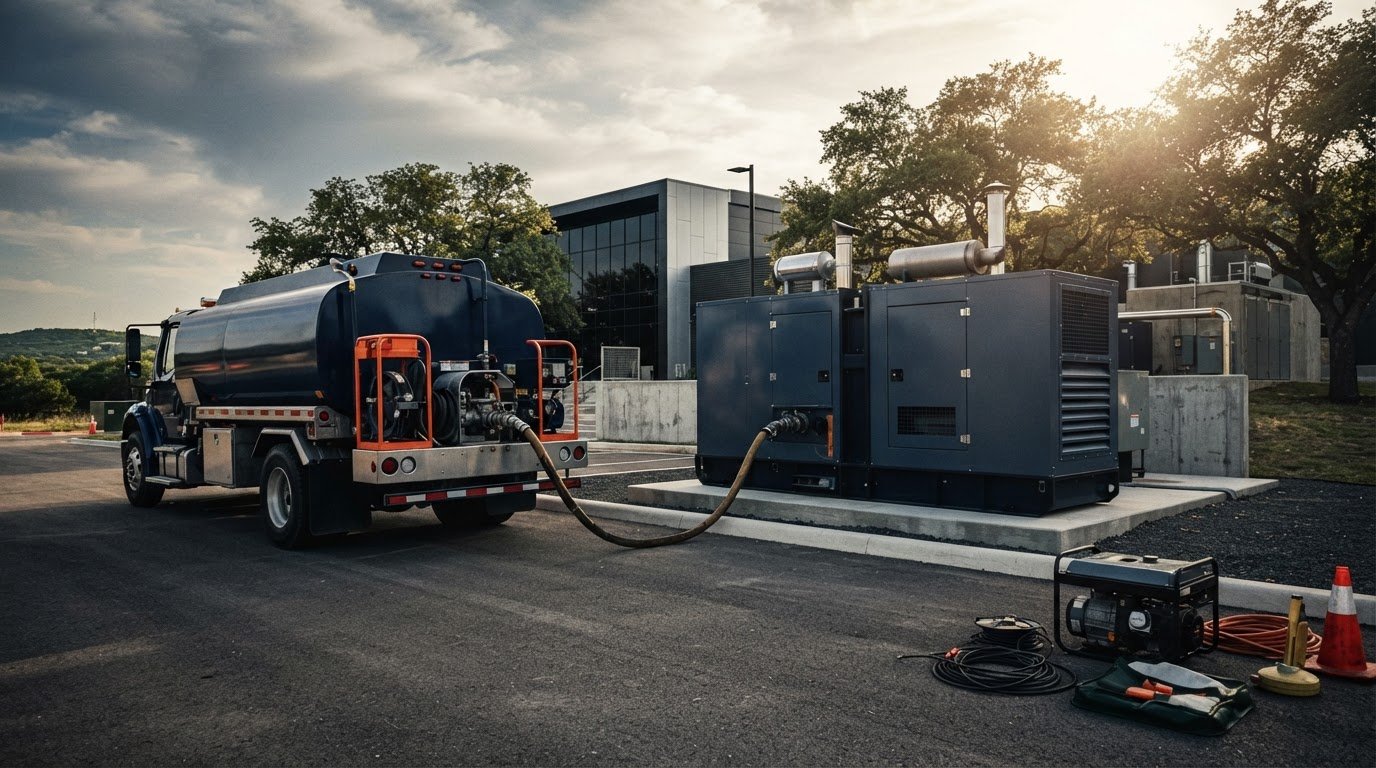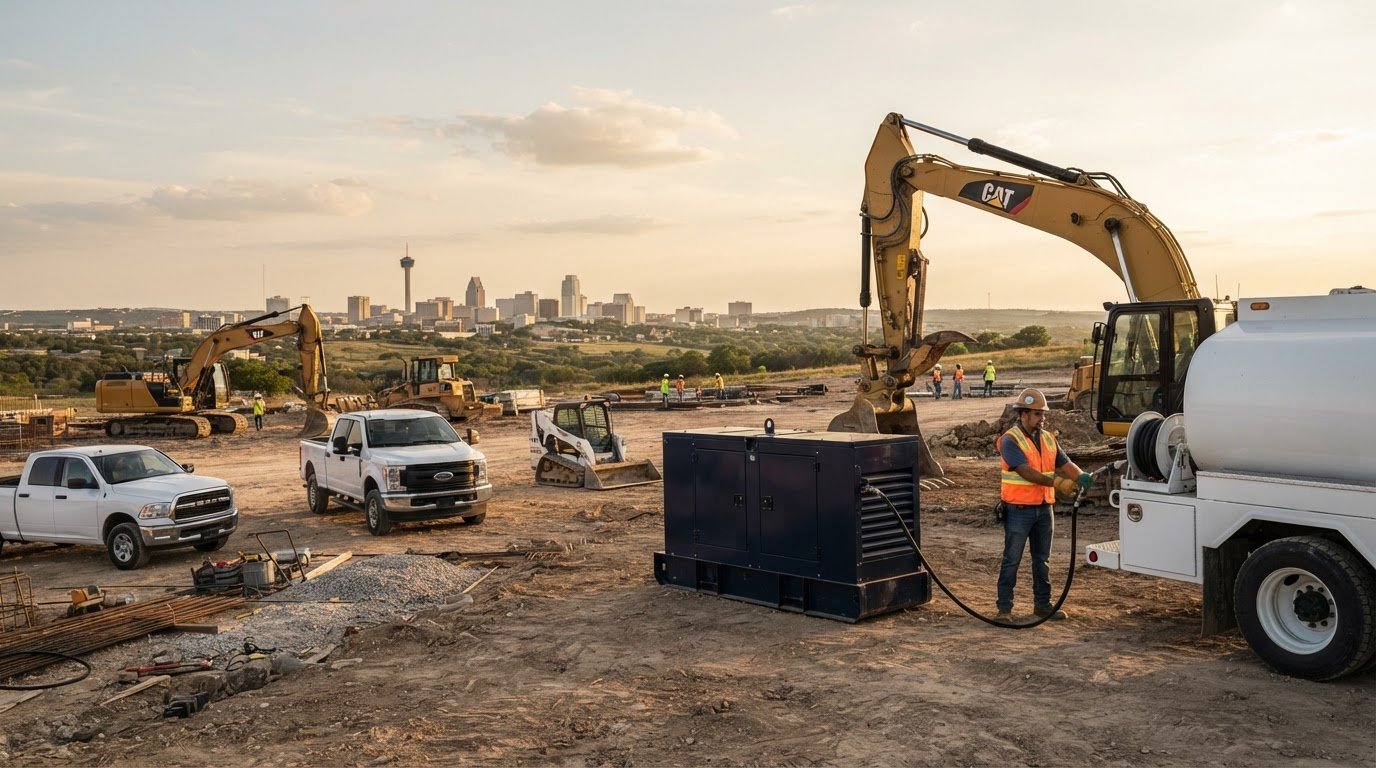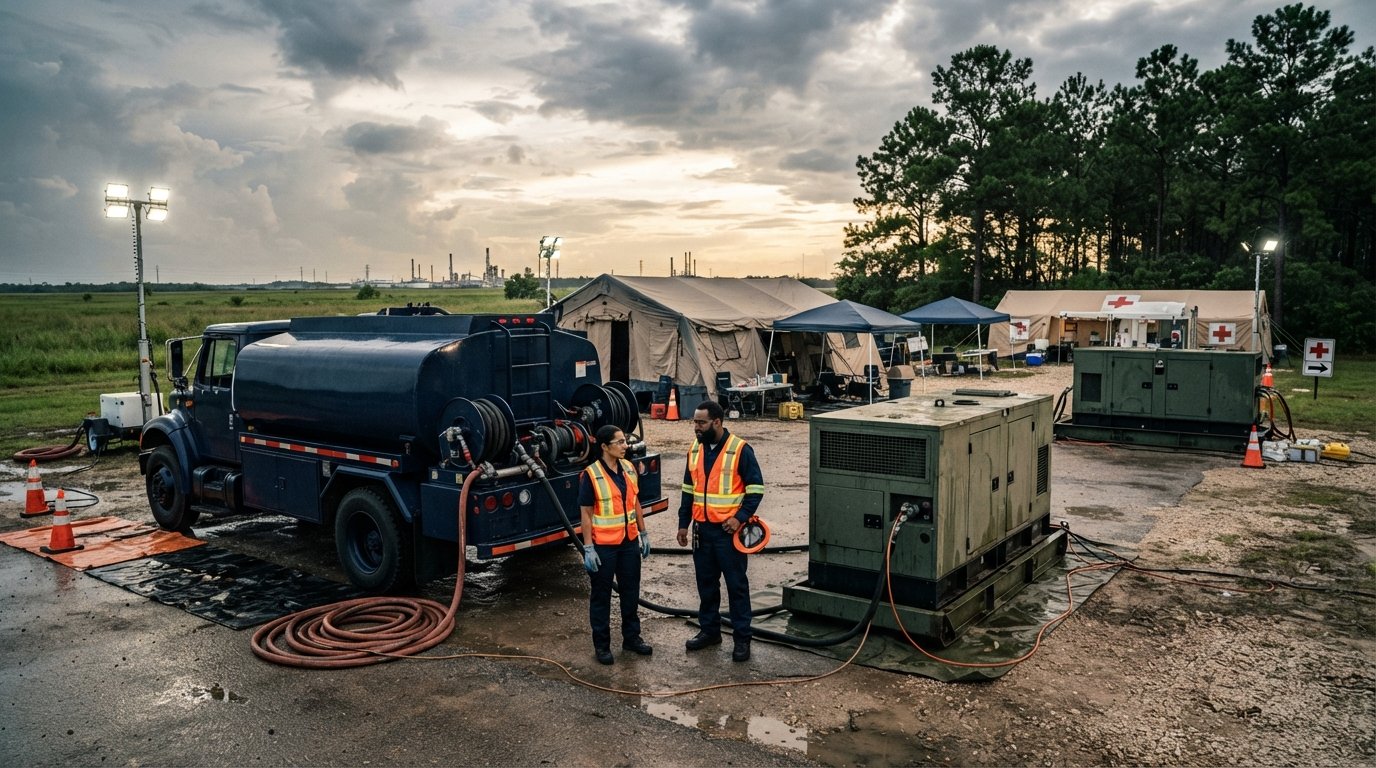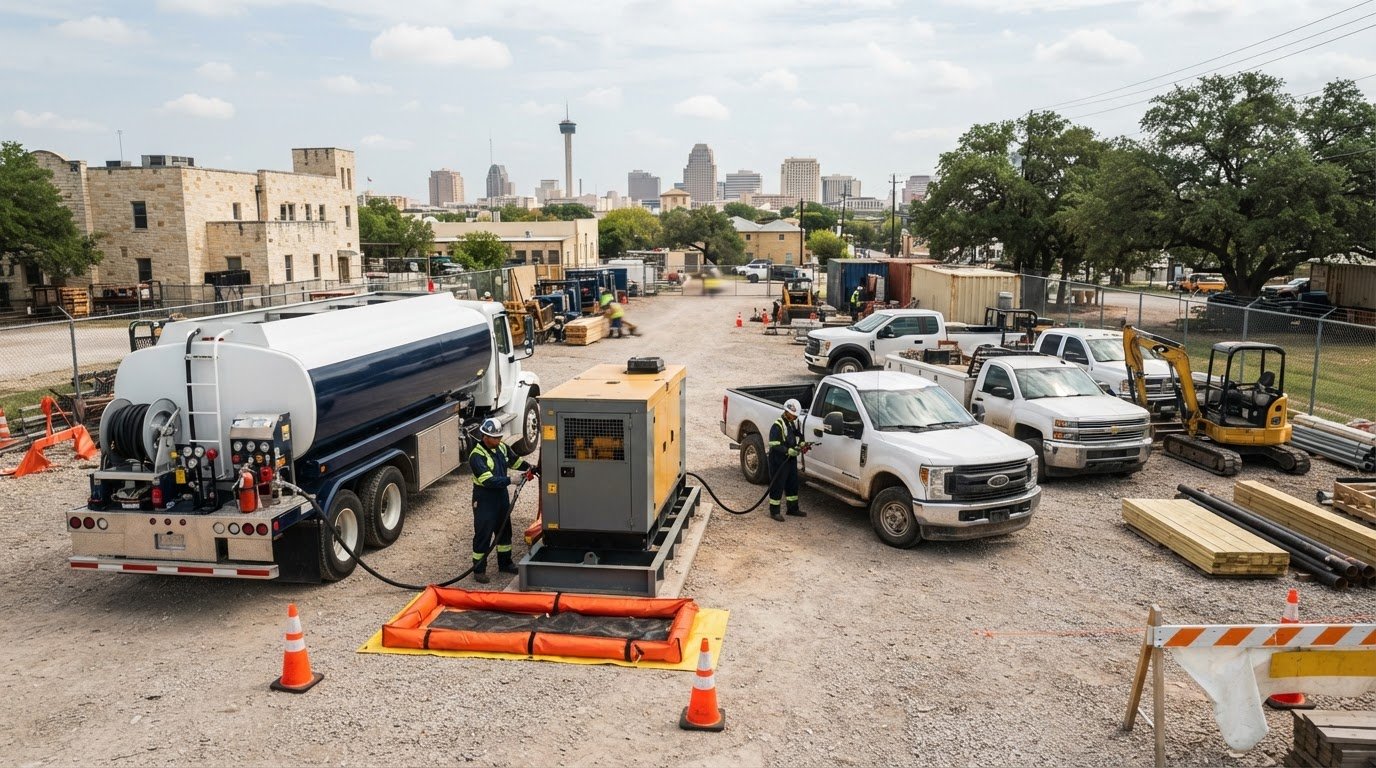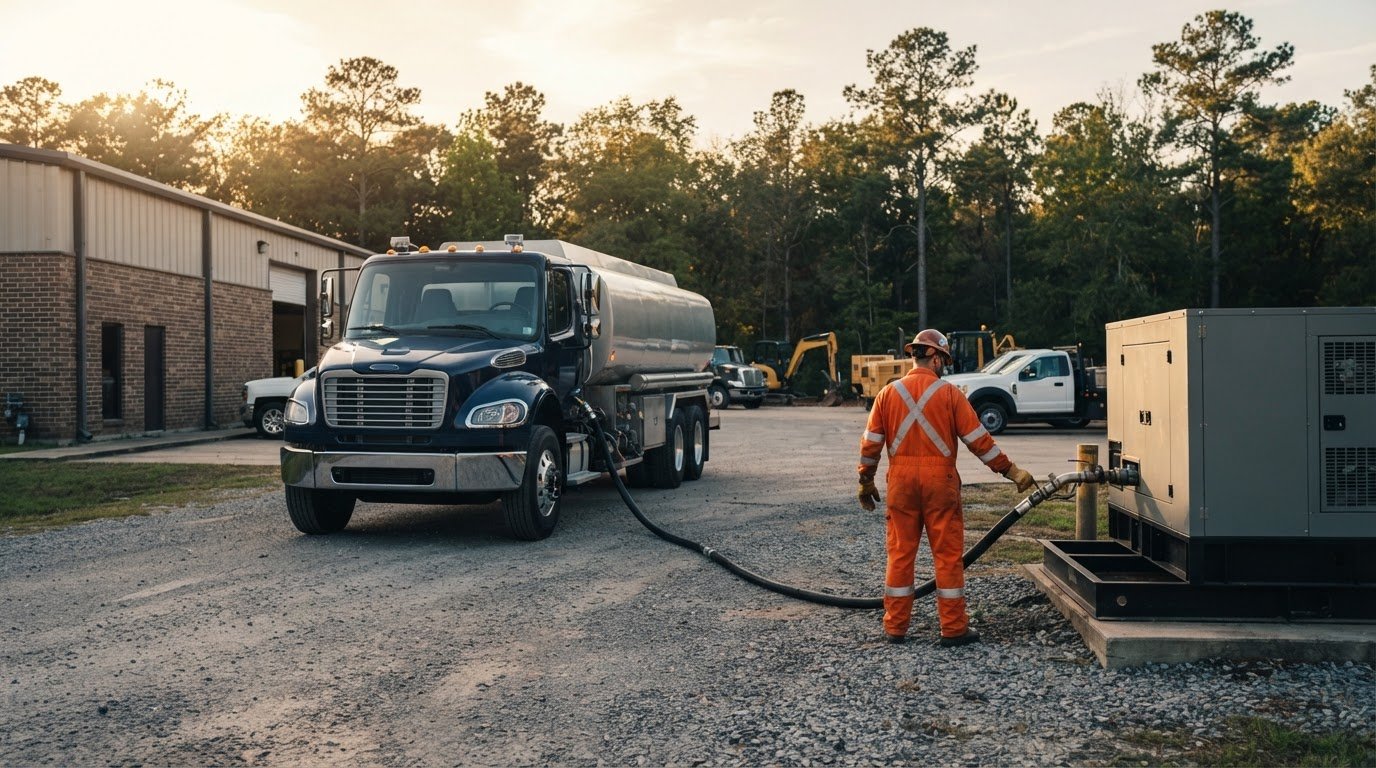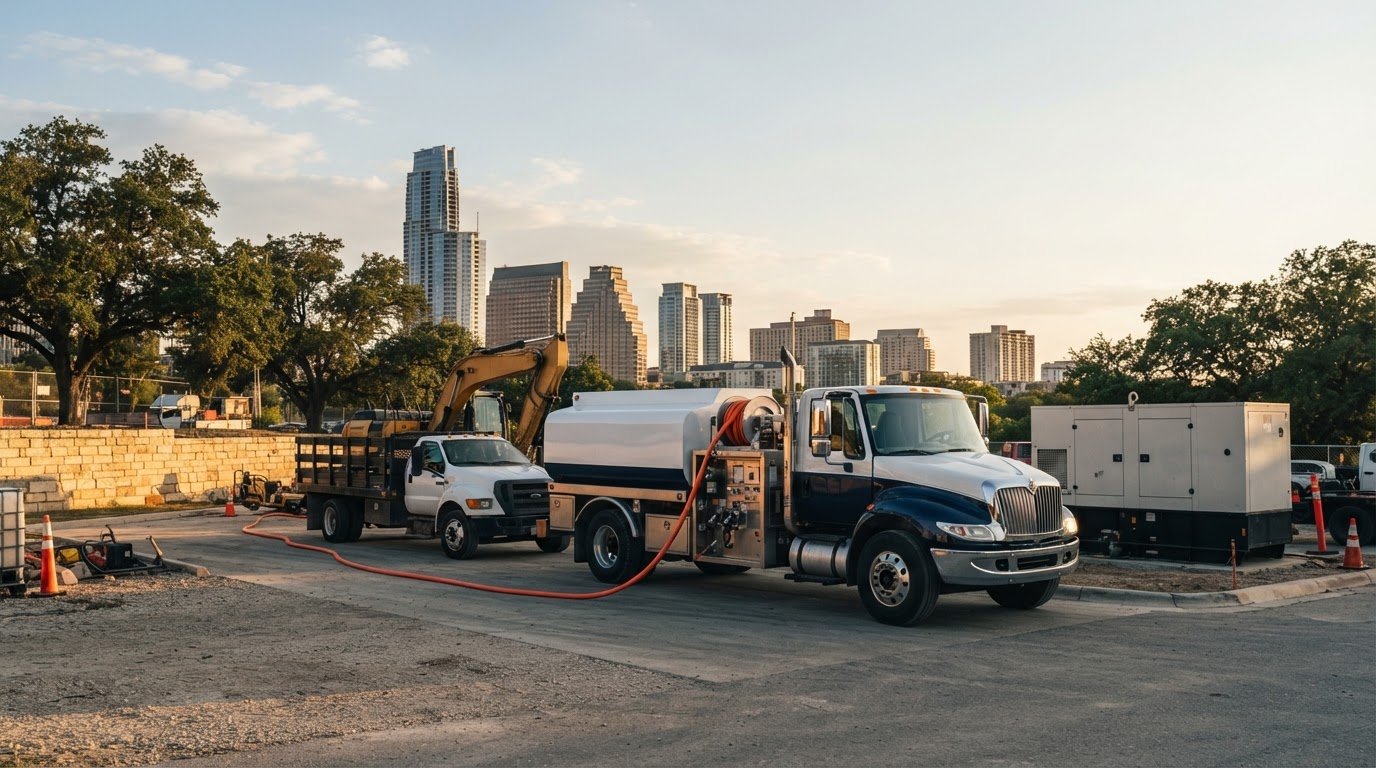
Construction equipment should be fueled at the job site, not taken away from work to find diesel. Direct diesel delivery to construction sites in Houston brings fuel to the equipment on a planned schedule, helping crews coordinate replenishment with operating needs. A delivery plan can account for the site layout, equipment locations, and expected fuel demand.
Keeping machines fueled takes coordination, especially when several are working across an active site. Scheduled replenishment makes fuel a planned part of site logistics, rather than another task for operators to manage.
This article explains how scheduled diesel delivery for construction equipment works, what to consider when planning deliveries, and which factors shape the arrangement. It also covers bulk delivery, site access, and how on-site equipment fueling can support smoother operations.
24/7 And emergency delivery
Delivery timing in Houston depends on dispatch routes, traffic, fuel quantity, and truck access. Since no single arrival interval applies to every construction site, plan around these operating conditions instead of assuming a truck will arrive immediately.
For emergency diesel delivery, identify which equipment needs fuel and where it is located. A loader beside the site entrance may be easier to reach than an excavator behind temporary barriers. Clear directions help the delivery team reach the right fueling point.
Emergency fuel delivery is useful when a machine’s remaining fuel puts scheduled work at risk. In one organized request, the crew lead can provide the equipment type, location, required fuel, and site access instructions. These details help prevent delays caused by an unclear route or fueling target.
Prepare these details before an urgent request:
- Site address and entrance: Give the Houston address, gate location, and any turn or access instructions.
- Fueling location: Identify the machine’s position, such as a generator beside the site office or a loader near the earthwork area.
- Equipment and fuel need: Name the equipment and the fuel type required, then estimate the quantity needed for the immediate work period.
- On-site contact: Provide the crew lead’s name and a reliable way to reach them during delivery.
- Access constraints: Flag locked gates, active work zones, or narrow approaches that could affect truck access.
Use scheduled replenishment to reduce avoidable emergency calls. For example, a supervisor can review equipment fuel levels during shift planning and arrange delivery before a high-use machine reaches a critical level. Direct diesel delivery to construction sites in Houston can coordinate replenishment with equipment locations, reducing the need to move machines away from their work areas.
Emergency fuel service fills an immediate operational gap, but it does not replace a practical site fueling plan. Keep equipment locations current as work zones change, and update access instructions when machinery moves. A clear process helps the site team communicate its needs quickly and directs the delivery to the right equipment.
Bulk fuel delivery for construction sites
Bulk diesel delivery can keep several machines running without sending each operator off-site. A supervisor can coordinate a delivery around the work area, equipment demand, and storage capacity. For example, a project with earthmoving equipment and a stationary generator can plan for both fuel needs before scheduling a delivery. Timing and truck access also affect how a bulk delivery fits into the site’s daily work.
How much a Houston delivery costs depends on gallons, fuel type, timing, and site access. These factors determine the scope of the delivery and the logistics involved, so a price is provided after a quote request.
Fuel delivery for fleets and generators starts with an accurate asset list. Record each machine or generator’s location, fuel type, and expected use, then update the list when equipment moves. A fleet spread across separate work zones may need fueling points that limit unnecessary travel. A generator serving a site office has different placement and replenishment needs from mobile equipment.
Fuel tank rentals can support projects that need on-site storage without purchasing a tank. Choose placement based on the work layout, truck approach, and equipment fueling route. Remote monitoring is a separate consideration: where a tank has this capability, it can provide information about fuel levels. Don’t assume every rental tank includes monitoring. Track deliveries and consumption alongside any available readings to understand actual demand.
Fuel management can range from a shared equipment log to digital records of deliveries and fuel use. A practical starting point is to record the asset, location, delivery date, and amount received, then compare those entries with the operating schedule. If a generator’s demand rises during a busy phase, the records can inform the next delivery plan without relying on memory.
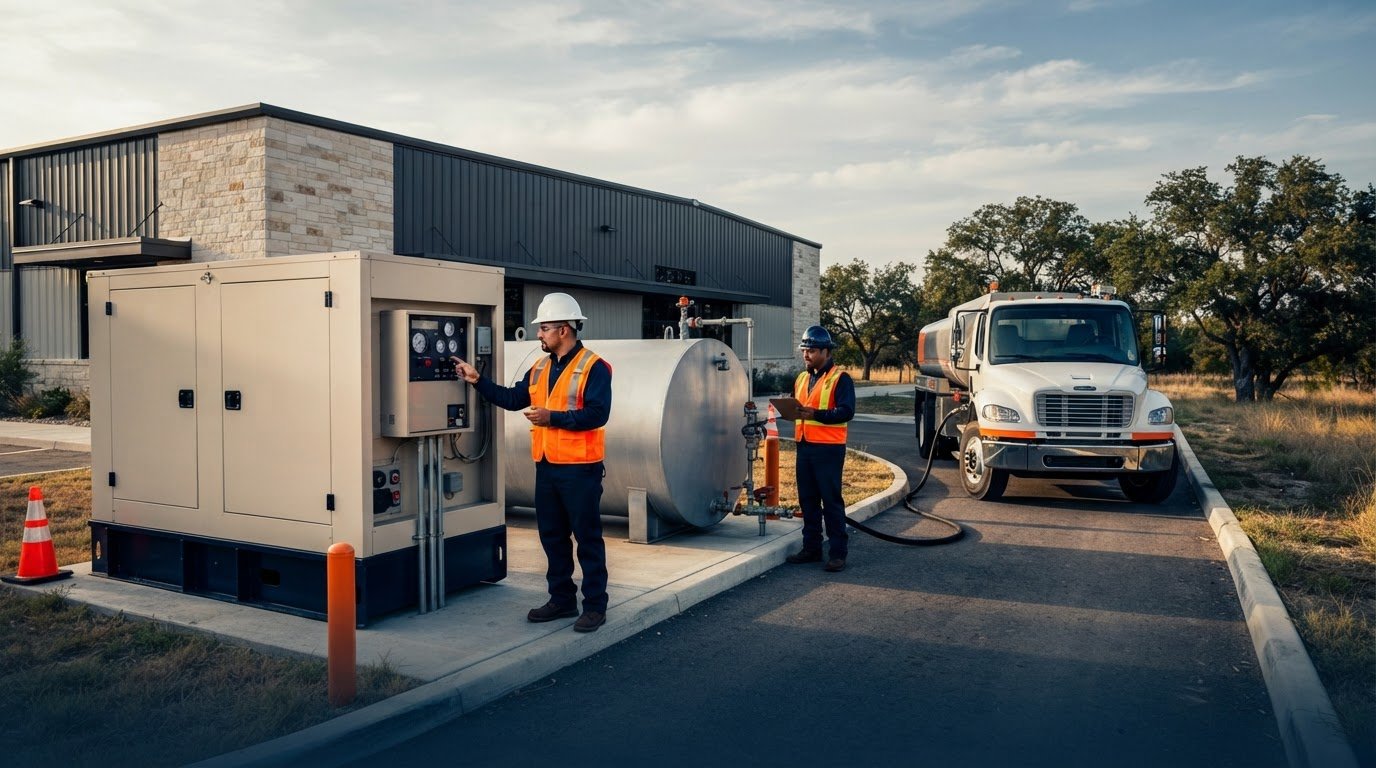
Bulk storage and delivery require attention to spill prevention. Key risks include overfilling a tank, leaks at connections, and an obstructed delivery area. Designate a receiving area, keep the fueling route accessible, and assign someone to monitor the transfer. Use appropriate storage and include spill-response materials in the site’s safety procedures. These steps help crews spot problems promptly and protect the work area.
Construction fuel service works best when delivery planning, storage, and equipment records reflect changing site conditions. Before the next bulk order, review current equipment locations, generator demand, tank capacity, and truck access. This gives the delivery team useful information and helps the site avoid basing an order only on last week’s usage.
Direct fueling of equipment and storage tanks
Direct fueling brings diesel to machines or designated storage points, based on the jobsite layout. For Houston sites, assess permitting, fire safety, spill containment, and environmental controls before installing diesel storage.
On-Site Equipment and Fleet Fueling
On-site fueling serves construction equipment and fleet vehicles where they work or park. Map equipment positions, active work zones, and the fueling route before delivery. For example, a loader working beyond an access road may need a different fueling point from trucks parked near the entrance. Keep the equipment list current as crews move machines between work areas.
For a mixed fleet, identify which units need direct fueling and which can use a designated storage tank. This distinction helps crews plan truck access and avoid disrupting active work. Record each unit’s location and fuel type, then share site-specific route instructions with the delivery team. These details make jobsite fueling easier to coordinate as construction phases change.
Tanks, Trucks, and Dispensing Options
Choose tank capacity according to expected equipment use, available site space, and the planned delivery interval. There is no single tank size for every project. A compact site with a few machines has different storage needs from a spread-out project with equipment and generators operating across several zones. The delivery truck and dispensing method must also suit the tank location and access route.
At Houston construction sites, match tank placement and dispensing access to the equipment layout. Keep the fueling point accessible to delivery trucks without placing it in the way of moving machinery. Decide whether crews will fuel directly from a delivery truck or draw from on-site storage. That choice affects where equipment parks and how the team organizes fueling.
Diesel storage presents spill risks during delivery, transfer, and routine dispensing. Use a designated receiving area, keep the transfer path clear, and assign a crew member to monitor fueling. Include spill containment and cleanup procedures in the site’s safety plan. Before installation, assess the permits and environmental or fire-safety requirements that apply to the specific tank setup and location.
Renewable or specialty fuels require a separate compatibility review before delivery. Match the requested fuel to the equipment and storage system, then clearly label the intended fueling point. For example, a site using different fuel types should keep their storage and dispensing locations distinct. This helps crews direct each delivery to the correct tank and machine.
For direct diesel delivery to construction sites in Houston, provide a current site map, equipment locations, tank placement, and truck access instructions. Review these details whenever work zones or storage arrangements change. A clear layout supports efficient fueling and helps crews manage storage, equipment movement, and site safety.
Dispatch scheduling and delivery confirmation
To arrange a Houston delivery, provide the site address, diesel type, requested amount, and preferred timing. Include the receiving point, truck access instructions, and an on-site contact who can confirm arrival.
Bulk Orders and Scheduled Drops
For a bulk order, match the requested amount to expected equipment demand and available storage. A site fueling an excavator and a generator should account for both when planning the delivery. Share the preferred delivery window and receiving location so dispatch can factor site activity into the schedule.
Confirm delivery details with the site lead before dispatch. If a work zone or tank location has changed, provide updated directions. Clear instructions help the driver reach the right fueling point and avoid conflicts with active construction work.
On-Demand and Recurring Deliveries
On-demand delivery suits a sudden increase in diesel use or a project phase with changing equipment needs. Recurring deliveries work better when demand follows a consistent pattern. Compare recent fuel use with the work schedule, then adjust planned deliveries when equipment moves or project activity shifts.
For example, a site adding generators for a new work phase may need a revised delivery plan. Keep dispatch informed about the updated fuel demand and receiving location. A recurring schedule should reflect current site conditions, not an outdated equipment list.
Delivery Arrangement Details
Prepare the address, fuel type, requested amount, delivery timing, and site contact. Add the entrance, truck route, receiving point, and any access restrictions. If the site has several work zones, identify the exact tank or equipment area to avoid confusion.
Before delivery, assign a contact who can answer the driver’s questions and direct the truck. After the drop, record the delivery date, amount received, and destination. These records help the next order reflect actual usage and make dispatch changes easier to communicate.
Keep one current delivery record for each Houston project. Update it when the site entrance changes, a tank moves, or new equipment affects demand. A supervisor can use the record to arrange the next bulk order or request an on-demand delivery with accurate instructions. Clear scheduling details support efficient dispatch and give the site team a consistent way to confirm delivery.
Direct delivery to construction equipment and job sites
Commercial fuel providers serving Houston construction sites can deliver diesel to equipment or designated storage tanks. Direct diesel delivery to construction sites in Houston is useful when taking machines to a fueling point would disrupt work. The key distinction is delivery to the equipment’s work area, rather than only to a central receiving location.
Direct fueling can reduce unnecessary equipment travel and help crews coordinate fuel with active work. Consider an excavator operating beyond the main access road. A delivery plan can specify the machine’s position and a safe truck approach instead of asking operators to relocate it. The same planning applies to loaders, pumps, and generators in separate work zones.
Before arranging delivery, map the project’s operating areas. Mark equipment locations, truck routes, and temporary barriers or restricted access points. Then identify the machines that need fuel and prioritize those affecting the next scheduled task. This gives dispatch and the site contact a practical sequence for directing the delivery.
- Match the delivery point to the work: Give a clear equipment location, such as the west excavation area or the generator beside the site office.
- Keep access current: Update directions when crews shift machinery, change gates, or open new work zones.
- Coordinate site activity: Tell the on-site contact when trucks should avoid a busy equipment route.
- Record the fueling: Note which asset received diesel so the next delivery plan reflects actual site demand.
Direct fueling differs from filling a storage tank for later dispensing. Equipment fueling brings diesel to a specific machine, while a tank delivery replenishes a supply point crews use separately. Depending on equipment locations, storage arrangements, and fueling practices, a project may use either approach or both. Identify each destination clearly in the delivery instructions.
For example, a site with a mobile excavator and a stationary generator can list their fueling locations separately. The crew lead can direct the truck to the active work area, then confirm the generator’s location if it also needs service. Clear instructions help ensure the delivery reaches the right equipment, not just the right project.
For contractors, delivery access belongs in the site plan. A current map, clearly named equipment locations, and one on-site contact give the delivery team useful direction. That preparation helps limit fueling-related downtime without interrupting more work than necessary.
React Fueling: Diesel Delivery
React Fueling provides diesel delivery for Houston construction sites and commercial operations. Its Equipment Fueling Service brings fuel directly to machinery, while Generator Fueling Service supports on-site generator operations. These services help crews coordinate delivery around active work areas, fleet needs, and generator fueling requirements.
When arranging delivery, share the site location, equipment or generator fueling needs, access details, and preferred schedule. Clear information helps align the service with the project layout and operating demands. React Fueling can coordinate diesel delivery and equipment fueling for construction teams planning their next delivery.
Contact React Fueling to discuss diesel delivery for your construction site.
Set Your Houston Site Up for the Next Work Phase
Use your next project planning meeting to include fuel coordination in the equipment plan. Identify which machines need direct fueling, how delivery trucks can access the work area, and how fuel demand may shift as crews move between phases. This preparation helps your team plan direct diesel delivery to construction sites in Houston.
React Fueling offers Diesel Delivery, Equipment Fueling Service, and Fuel Delivery for construction and commercial operations. These services support projects that need diesel delivered to equipment or a planned site location. Share your site requirements and delivery needs to discuss an approach for your operation.
Contact React Fueling to schedule delivery and plan the next step for your site.
Frequently Asked Questions
What types of diesel fuel and delivery services are available for Houston construction sites?
Construction sites in Houston, Magnolia, San Antonio, College Station, Austin, and Dallas can arrange diesel delivery, direct equipment fueling, generator fueling, and emergency fuel delivery. Fuel Delivery includes gasoline and diesel, while DEF Fluid Delivery supplies Diesel Exhaust Fluid for trucks and equipment. Fuel Tank Rentals provide portable storage for projects that need fuel on site. For example, a contractor can coordinate machinery fueling separately from generator service for backup power.
What are the minimum order quantities and delivery fees for on-site diesel delivery in Houston?
Minimum order quantities and delivery fees depend on the specific job and are addressed through a quote request. Prepare the site address, intended delivery location, requested fuel, and the amount needed. For example, a request for one generator differs from a project supplying several machines and a storage tank. These details help define the delivery scope without assuming one minimum applies to every site.
What is the average price per gallon for delivered diesel in Houston, and how is pricing calculated?
The price depends on the case and is given after a quote request; key factors include gallons, fuel type, timing, and site access. A project requesting fuel for several machines may have different delivery requirements from one fueling a generator at a restricted location. Provide the expected volume and delivery details to receive pricing for the specific job, rather than relying on a general per-gallon average.