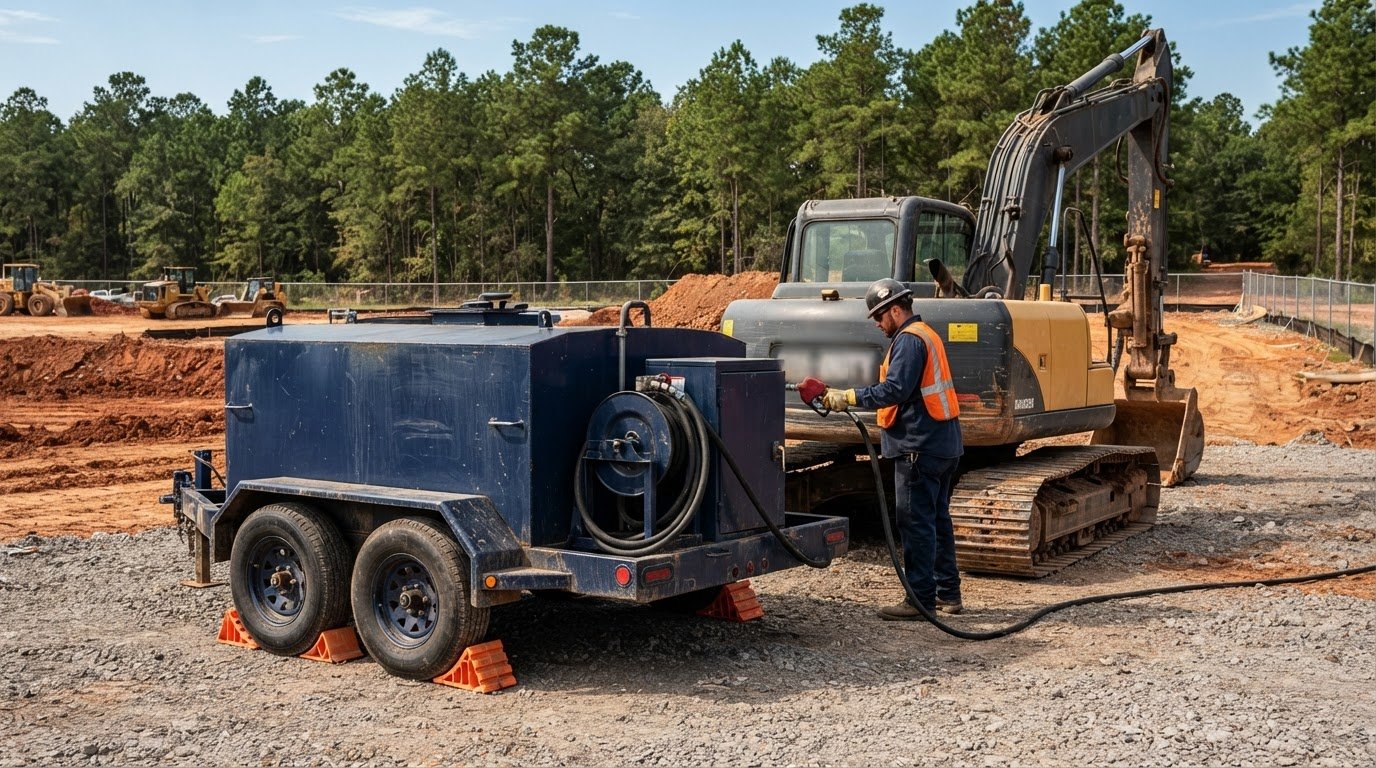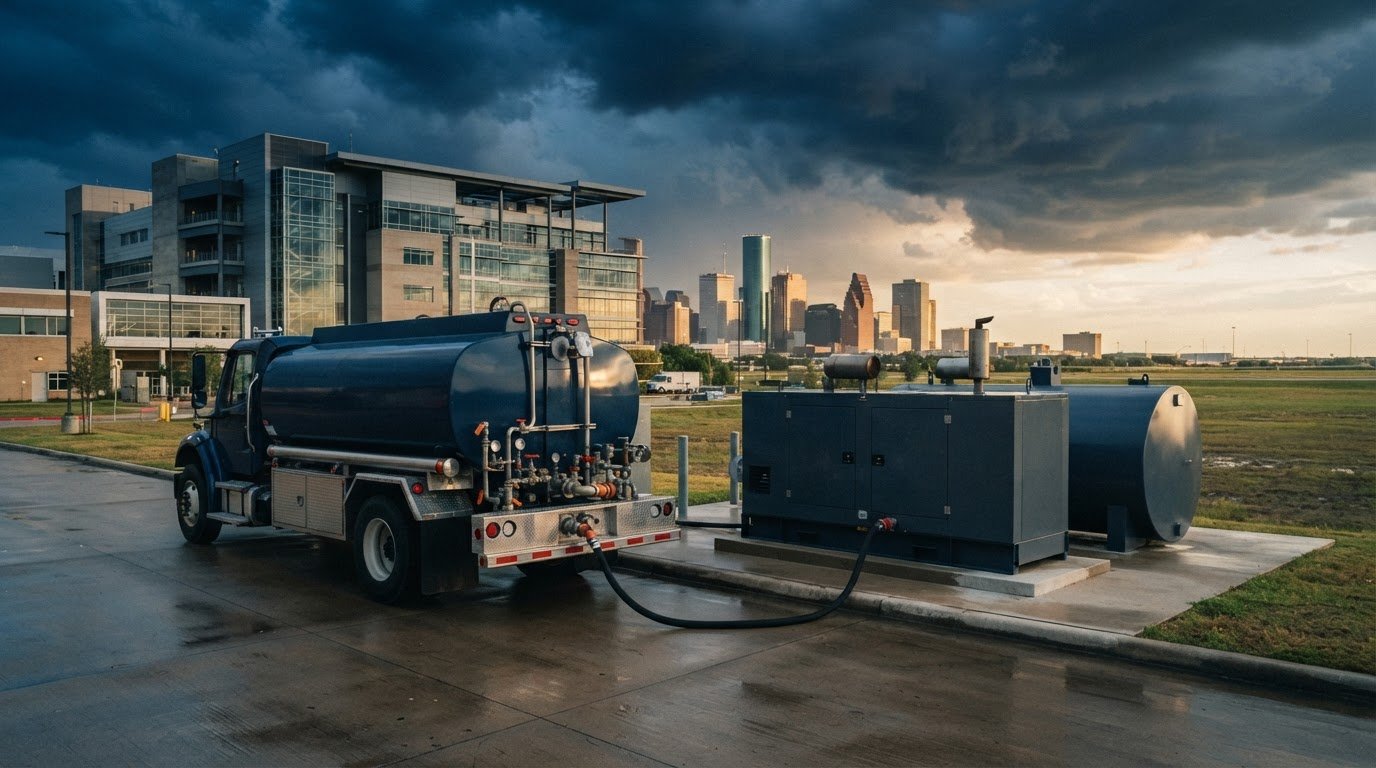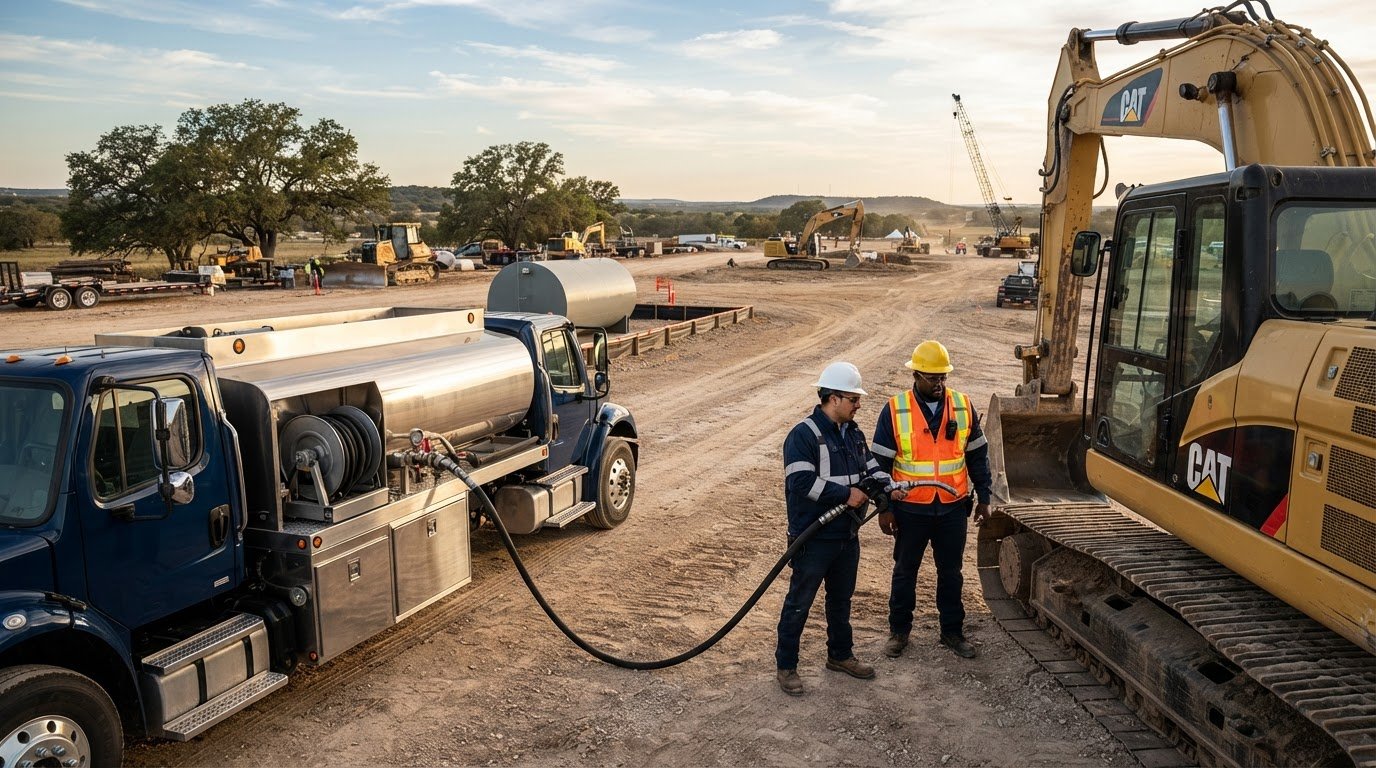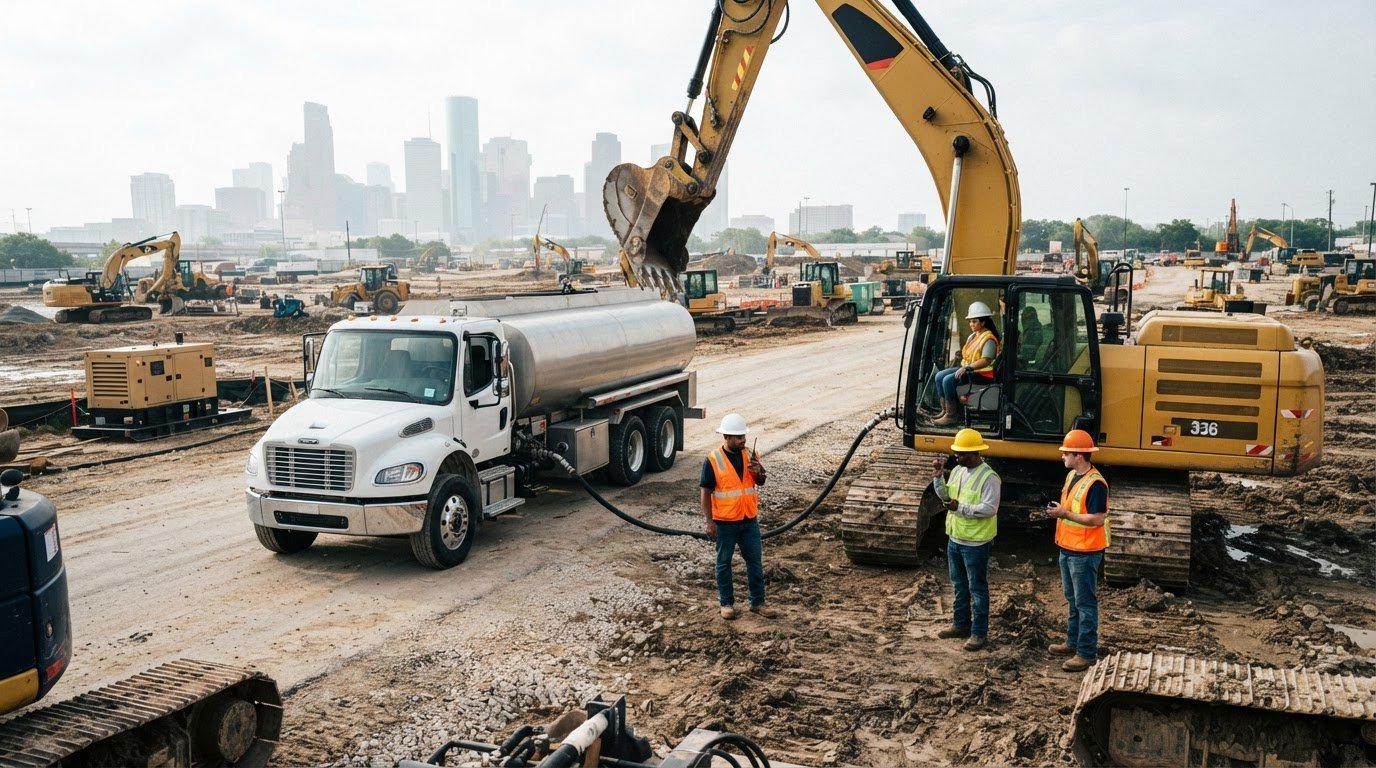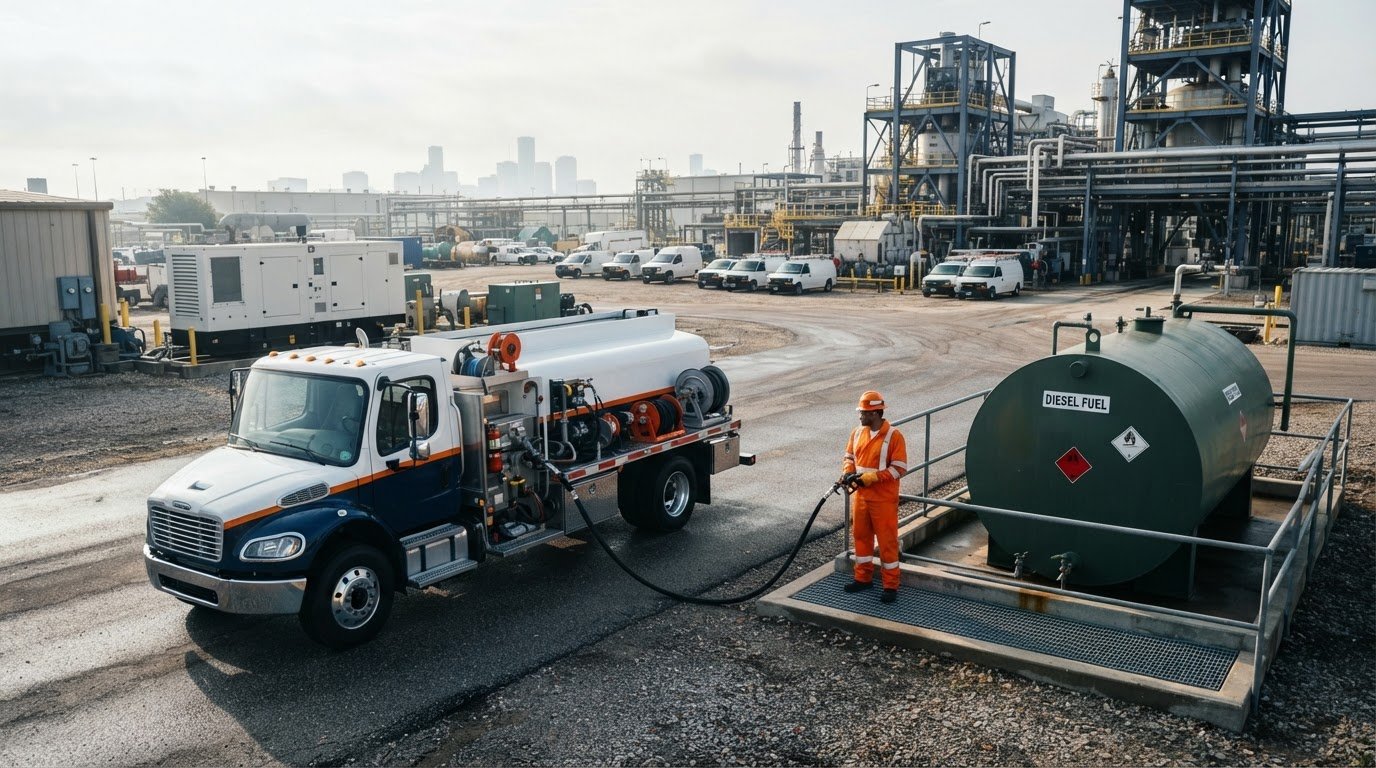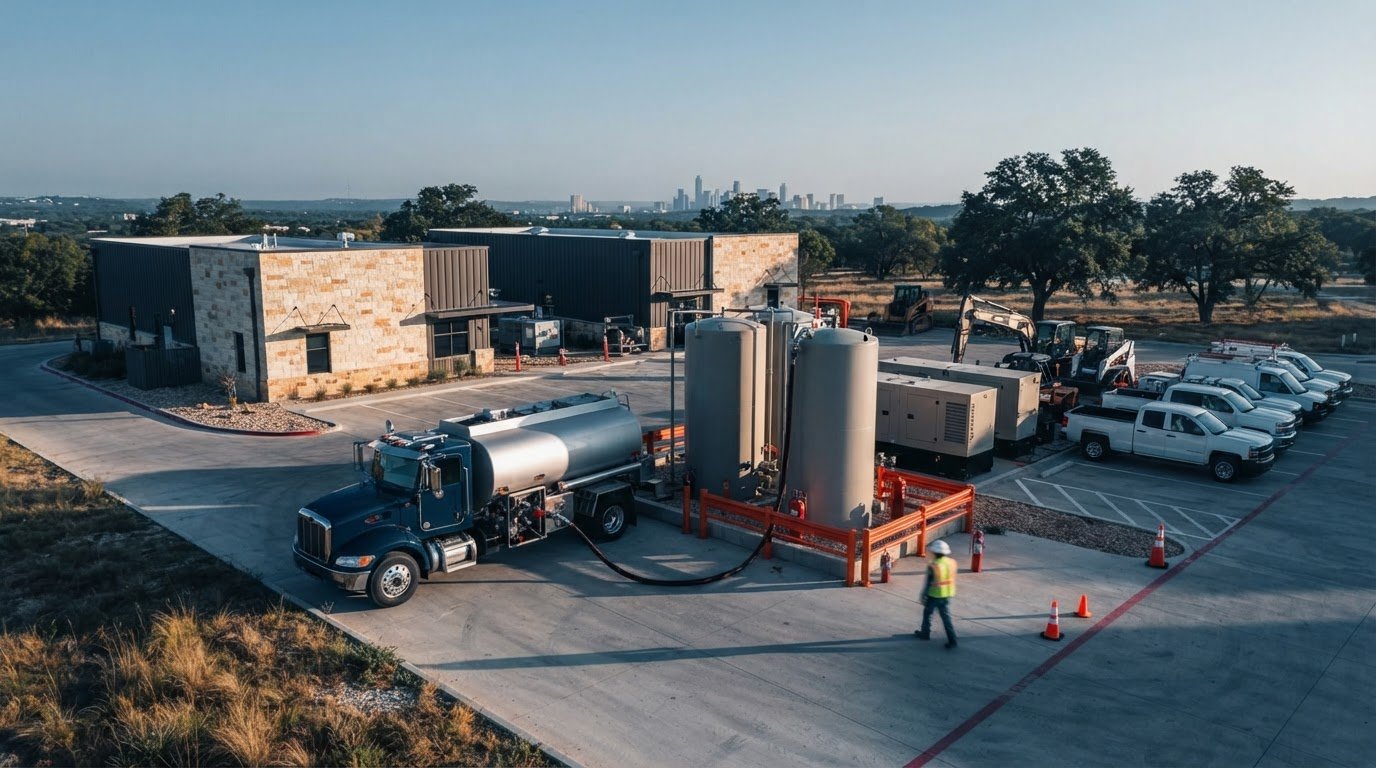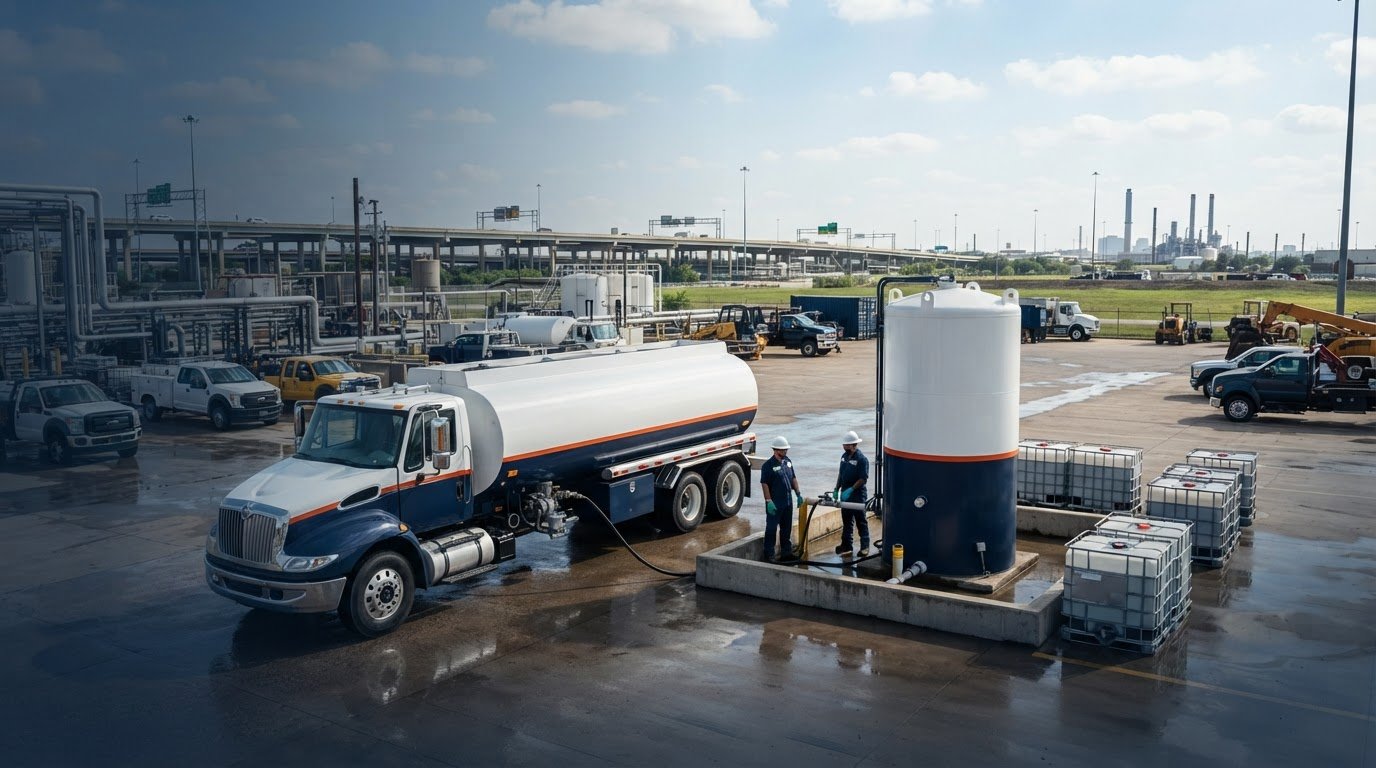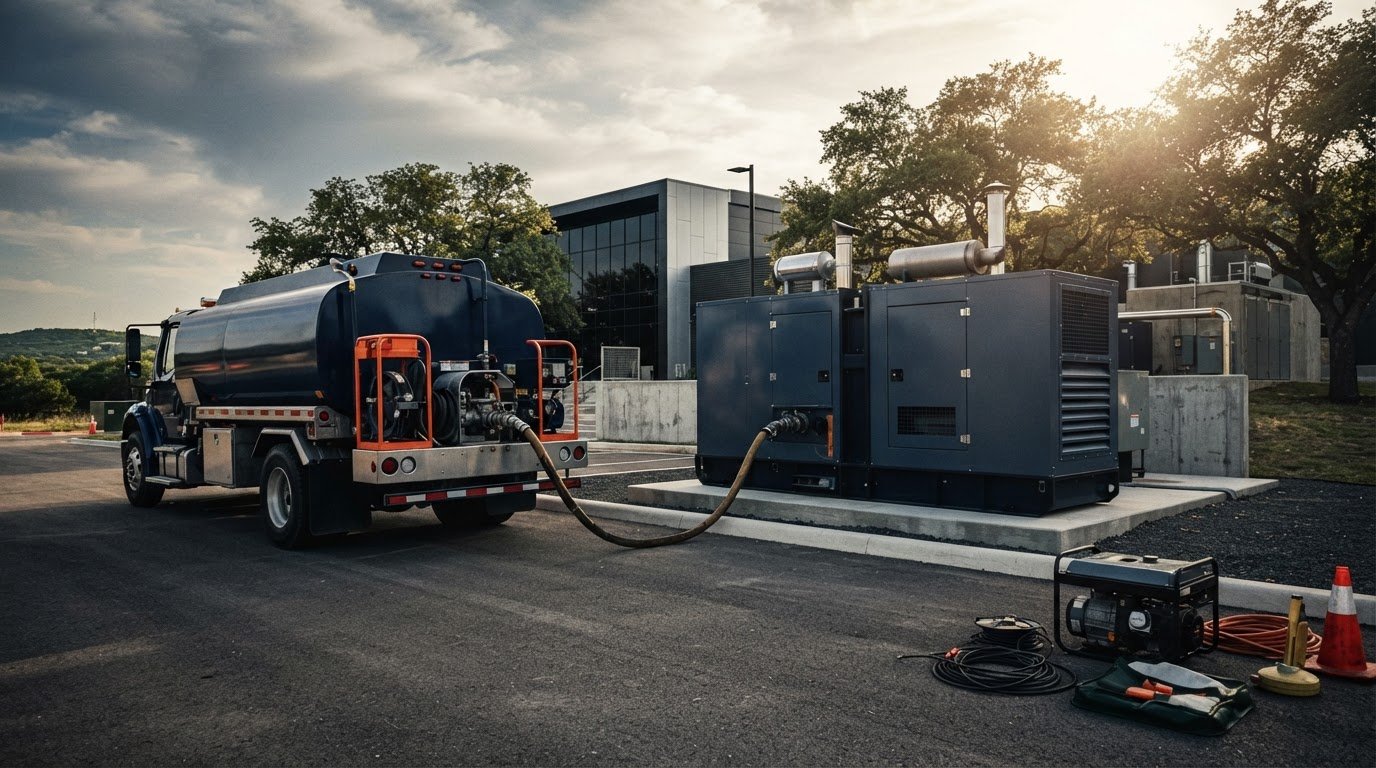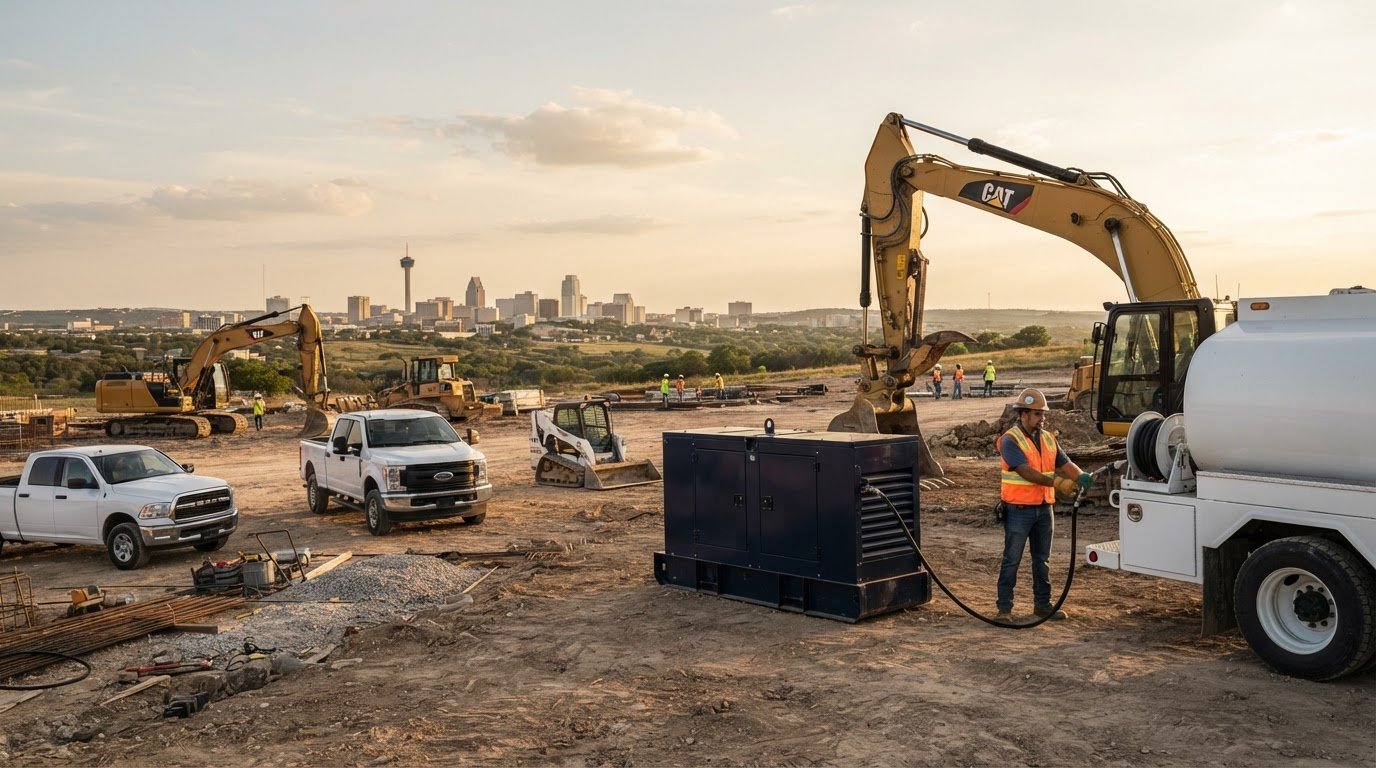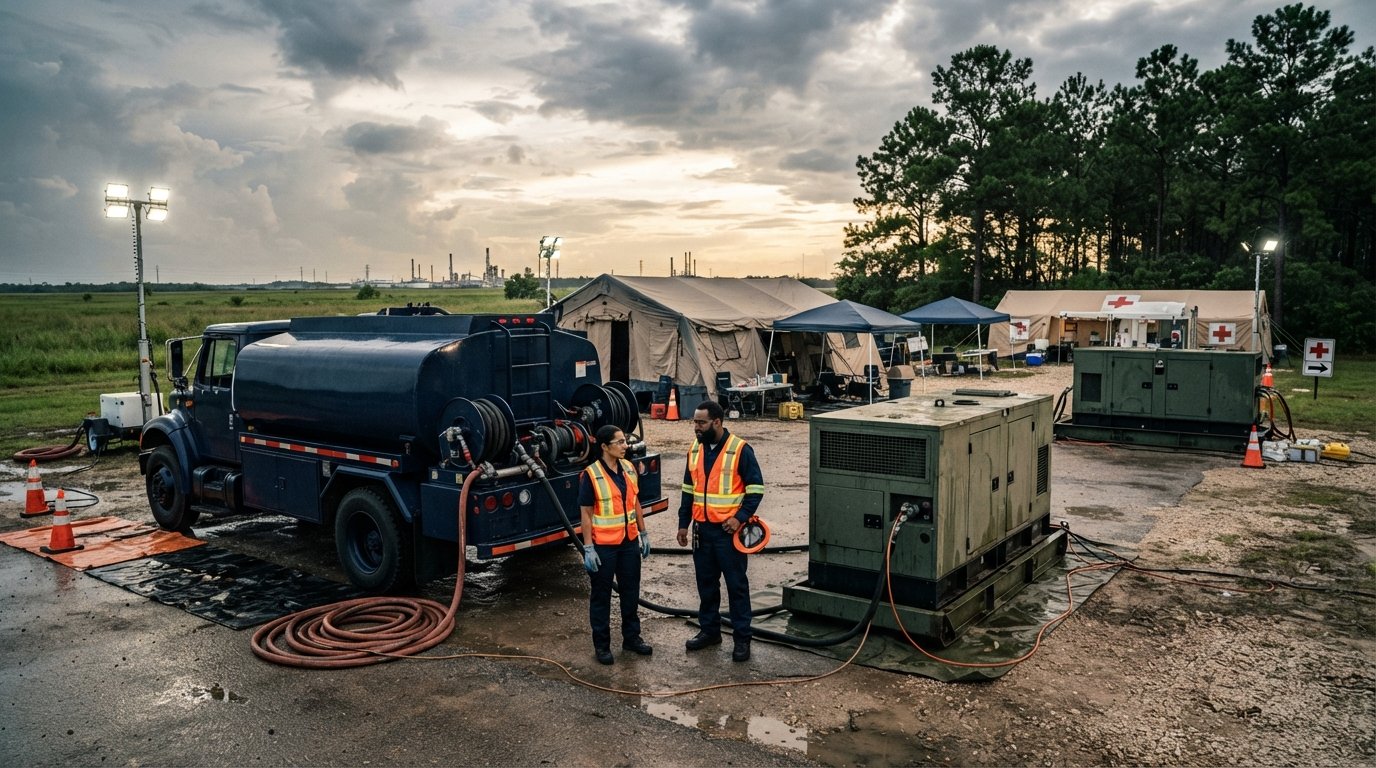
A fuel stop can disrupt more than a route: it can pull vehicles and crews away from scheduled work. On-demand fuel delivery for commercial fleets in College Station brings fuel directly to vehicles or equipment at an operating site, avoiding individual detours to retail stations. Fleet managers provide the fuel requirements and delivery location, and fueling takes place on site.
Keeping a fleet supplied without adding unnecessary stops can help protect schedules and keep equipment ready for its next task. The practical details matter: service availability depends on the delivery location, while fees and taxes depend on the circumstances of the delivery.
This guide explains how on-demand fuel delivery works for commercial fleets in College Station, how to plan locations and fuel requirements, and how to organize routine and urgent fueling. It also covers where React Fueling’s commercial delivery and on-site fueling services fit into a fleet plan.
Delivery availability by location
In College Station, start delivery planning with the exact site address and the fleet’s operating pattern. A city address alone does not show whether vehicles can be reached safely and efficiently at their usual parking or work locations.
College Station service coverage
Map each College Station fueling point separately, including fleet yards, construction sites, and equipment staging areas. Two locations in the same city can have different access conditions, so note the entrance, vehicle parking area, and best route for a delivery vehicle. For fleets moving between sites, identify where units spend the most time parked and where fueling best supports the work schedule.
Fleet vehicle and fuel coverage
Match each vehicle or machine to its fuel requirement before arranging delivery. A diesel work truck, piece of heavy equipment, and generator may have different fueling locations, even when they operate at one College Station site. Keep each asset’s requirements in the fleet record. List DEF separately for diesel-powered equipment that uses it, so it is not confused with diesel fuel.
Build a location schedule before arranging service. Include the street address, site name, operating hours, and equipment assigned to each stop. For example, a contractor might keep trucks at a central yard and excavators at a separate jobsite. Listing both locations clarifies where fuel is needed and how deliveries fit around active work.
Site access shapes the delivery plan. Identify locked gates, narrow entrances, construction traffic, and places where vehicles can park without blocking crews. Mark the fueling point clearly, especially if the site has several work zones. A simple site map or written directions can distinguish the correct entrance from nearby access roads.
- List each location: Record the College Station address and the site’s operating name.
- Assign assets: Note which trucks, equipment, or generators are based there.
- Identify fuel needs: Separate diesel requirements from DEF requirements.
- Describe access: Include gate instructions, parking areas, and the fueling point.
- Update changes: Revise the location record when equipment moves to another site.
Mobile fleet records should reflect actual operations, not just registered bases. A service truck may return to the yard overnight while a machine remains at a temporary jobsite. Keep those stops distinct so the delivery plan follows each asset’s location instead of assuming everything is parked together.
Compare each planned delivery point with the fleet’s fuel-use pattern. A central yard may suit vehicles that return there regularly, while equipment kept on a worksite may need a separate plan. This location-by-location approach clarifies coverage needs across College Station and helps organize fueling.
Delivery fees and taxes
Budget for a delivery by separating the fuel charge, delivery-related fees, and any applicable taxes. The final amount depends on the specific order and its service conditions, so a fleet budget should not assume every College Station delivery has the same charge.
The service plan depends on the order, including the fuel requested, delivery location, access conditions, and whether the need is routine or urgent. For example, fueling trucks at an accessible fleet yard involves different logistics from fueling equipment at a restricted construction site. Share these details when requesting a quote so the proposed service reflects the work involved.
To review a quote, separate the line items before comparing totals. Look for the fuel quantity and unit, the fuel charge, delivery or service charges, and any tax shown. If the quote combines several deliveries, ask that each stop or asset group be identifiable in the breakdown. That makes it easier to reconcile the estimate with the fleet’s fueling plan.
- Fuel: Match the fuel type and quantity to the requested delivery.
- Service charges: Identify charges associated with delivery, site access, or the requested service.
- Taxes: Review any tax line in relation to the transaction and its location.
- Invoice details: Keep the delivery date, site, and fleet record together for accounting.
Taxes require a separate review from the service fee. Don’t assume every invoice line receives identical tax treatment, or that a tax shown on one transaction applies to every fleet order. The relevant details include what was supplied, where the transaction occurred, and how the invoice separates its charges. Keep the quote and final invoice together so the accounting team can compare those details consistently.
For example, a College Station fleet might arrange fueling at its yard and request a separate delivery to a worksite. Record those as distinct deliveries, even if they belong to the same account. Different locations and access arrangements can change the service requirements, so staff should be able to identify which delivery each record covers.
Use a repeatable review process for every order: match the quote to the requested fuel and location, compare the final invoice with the delivered service, then code each charge to the correct vehicle, site, or department. If an entry doesn’t match the order, flag the specific line and keep its supporting delivery record. This gives fleet managers a clearer operating-cost history without guessing at fees or tax treatment.
The author says a fast-food burger and fries in the U.K.
How does delivery work?
On-demand fueling brings fuel to fleet vehicles or equipment at an operating location. Unlike fuel cards used at participating retail stations, on-site delivery can reduce individual trips away from the job or fleet yard.
Placing a delivery order
Start with the delivery address, requested fuel, and vehicles or equipment needing service. Add the quantity or fueling instructions, site access details, and a suitable delivery window. For example, a fleet manager can group trucks parked at one yard and list equipment at another site separately. Clear details help coordinate delivery with the work plan.
- Identify the site: Provide the address, entrance, and fueling area.
- List the assets: Name the vehicles or equipment and their fuel needs.
- Set the timing: Choose a delivery window that fits site operations.
- Share access notes: Include gate directions or site restrictions.
- Review the record: Match the completed delivery to the requested location and assets.
Use a consistent order format across College Station locations. A construction crew, for instance, can distinguish a temporary jobsite from its regular yard. Record the requested fuel, destination, and completed service to help managers review deliveries and correct site or asset details.
Mobile fueling requirements
In Texas, mobile fueling requirements relate to fuel transport and handling, fire safety, spill prevention, and environmental protection. The specific obligations depend on the fuel, delivery setup, quantities, equipment, and site conditions; these factors shape the applicable permits and controls.
Prepare the site by identifying the fueling area, vehicle movement, nearby work, and any access limits. Where practical, keep the delivery point away from active traffic paths, and let crews know which assets are being fueled. A clearly marked area can reduce confusion when contractors or machines share a College Station jobsite.
Mobile fueling can reduce station detours and keep vehicles or equipment at the work location. It still requires coordination: access, timing, and a suitable fueling space must fit the site’s activity. For example, scheduling delivery while equipment is moving may create congestion, so align the delivery window with the site plan.
Reduce operational confusion with accurate asset lists and site instructions. Separate diesel requirements from DEF needs, and identify equipment that has moved since the previous order. Incorrect details can delay fueling or leave a unit off the delivery plan. Update the order whenever a fleet assignment or worksite changes.
After fueling, compare the delivery record with the requested assets and location. This helps the fleet manager track which units received service and keep site records consistent.
What types of fleet vehicles and fuels do College Station mobile fueling providers serve?
Commercial fueling needs can include diesel for vehicles and jobsite equipment, generator fueling, and DEF fluid. Plan service around each asset’s fuel requirement, operating location, and use. Classify equipment before arranging mobile fueling rather than treating every vehicle or machine as interchangeable.
Diesel work trucks and construction equipment are distinct assets, even when both use diesel. Trucks may return to a fleet yard, while machinery stays at a College Station jobsite. Connect each asset to its fuel requirement and usual fueling location to avoid overlooking equipment away from the main yard.
Generators need separate consideration from road vehicles. A commercial site may depend on a generator for power, while trucks and machinery support daily field work. Record the generator’s location and fuel requirement independently. This distinction helps planners organize fueling around the equipment’s role, rather than assuming all fuel goes into vehicles.
DEF is also a separate fluid from diesel. Keep its requirement in a distinct record, even if the same fleet uses both. For example, a diesel truck that requires DEF should have both needs identified clearly. Separating them reduces confusion in order details and helps staff track which materials are intended for each asset.
- Road vehicles: List commercial trucks and their required fuel.
- Work equipment: Identify construction machinery and its fueling location.
- Generators: Record each unit separately from vehicles and mobile machinery.
- DEF needs: Track the fluid separately from diesel fuel.
Before scheduling delivery, build an asset register with each vehicle or piece of equipment, its fuel requirement, and its assigned site. Add a clear identifier, such as a fleet number or equipment label, so the delivery record matches the right unit. A truck at the yard and an excavator at a jobsite should have separate entries.
Fuel compatibility comes first. Do not infer a machine’s fuel from its appearance or role; use its established equipment record and fueling instructions. Then consider whether the asset is mobile or stationary. A generator, for example, may stay at one site while a vehicle changes locations as work progresses.
College Station fleet managers can use this classification to define each delivery: which assets need service, which fuel or fluid is required, and where the assets are operating. Keep the list current as equipment moves between projects. Accurate records support clear orders and delivery instructions, as well as straightforward reconciliation afterward.
Do College Station fuel delivery providers offer overnight, recurring, or emergency refueling?
Routine and urgent requests call for different planning. For a College Station fleet, distinguish scheduled refueling from emergency needs and any overnight timing requirements.
Overnight delivery depends on the provider’s operating schedule and the site’s access arrangements. A fleet yard with a staffed entrance differs from a locked construction site. Set out the preferred delivery window, entry instructions, and a safe fueling location. Don’t build a work plan around overnight service unless that timing is part of the agreed arrangement.
Recurring delivery suits fleets with steady fuel demand and predictable operating locations. Identify which vehicles or equipment need routine service, then coordinate deliveries with usage and site operations. For example, trucks returning to one yard may follow a different schedule from machinery at a changing jobsite. Update the plan when projects end or assets move.
Emergency refueling addresses an unexpected operational need, such as a work vehicle or generator running low before its next planned delivery. Treat it separately from routine orders. Provide the current location, fuel requirement, asset details, and site access information so the request reflects the immediate need.
- Overnight: Align the delivery window with the site’s access and operating schedule.
- Recurring: Base planned visits on asset use, location, and changing work assignments.
- Emergency: Share the asset’s current location and immediate fueling requirement.
Each option supports a different fleet situation. Overnight timing can help avoid busy work periods when arranged with site operations, and recurring plans can reduce separate routine orders. Emergency requests address unplanned needs, but should not replace routine planning for vehicles with predictable fuel use.
Build a schedule showing each asset, its usual site, and its fueling pattern. Mark units that need recurring service, locations with restricted access, and situations that may call for urgent refueling. A generator at a fixed College Station facility may need a different plan from trucks rotating across local jobsites.
Review the schedule whenever equipment changes location or project demands shift. Keep site instructions current, including gate access and the best fueling point. If overnight or emergency timing is important, include it in the service request rather than assuming it is part of a routine order.
To plan fueling around routine, overnight, or urgent fleet needs, discuss your fleet’s fueling requirements.
Before relying on any schedule, confirm which options the provider actually offers and how requests are handled. Ask whether overnight, recurring, and emergency service are available for the relevant location, and clarify any limits on access or timing. Keep the agreed arrangements with the fleet schedule so that dispatchers and site contacts can work from the same instructions. Review them when operating locations or fuel needs change.
A deliverable on defining primary care services, codes, and providers was published in September 2025. For fuel planning, keep the practical focus on the asset, its current location, the delivery window, and site access. Confirm routine visits in advance, and provide updated details if an urgent request arises. That helps keep planned refueling distinct from a response to an unexpected need.
React Fueling: Diesel Delivery
React Fueling supports commercial fleets with diesel delivery and on-site fueling for equipment and generators. For College Station businesses, this can help meet fueling needs at fleet yards, construction sites, and industrial facilities. React Fueling also delivers gasoline and diesel for commercial operations.
Turn to React Fueling when your fleet needs diesel, equipment, or generator fueling at an operating site. Provide the delivery location, fuel requirement, and assets involved so the request reflects the work being supported.
Request a quote from React Fueling for commercial fleet fuel delivery in College Station.
Set Up Your Fleet’s Next Fueling Plan
Start by identifying which vehicles, equipment, or generators need fuel and where they operate. Align the service plan with those locations to make on-demand fuel delivery for commercial fleets in College Station practical for day-to-day operations.
React Fueling offers Diesel Delivery, Equipment Fueling Service, and Fuel Delivery for commercial operations. Choose the service that matches your assets and fuel requirements, then share the relevant site details when requesting a quote. A clear plan helps coordinate fuel with fleet activity.
Contact React Fueling about fleet delivery to discuss the right next step for your operation. A focused fueling plan can help your team keep attention on the work ahead.
Frequently Asked Questions
Which companies offer on-demand fuel delivery for commercial fleets in College Station, Texas?
React Fueling provides commercial fuel delivery in College Station, Texas. Services support fleet vehicles, construction operations, and industrial facilities, including equipment and generator fueling. If trucks are at a yard and machinery at a separate worksite, describe both needs in your request so the service reflects the operation’s actual fuel requirements.
How does on-site fleet fueling work, including scheduling and delivery times?
On-site fueling is arranged for a specified business location and operating need. React Fueling offers scheduled diesel delivery and scheduled generator fueling, while emergency fueling is available 24/7. A fleet manager can distinguish routine service from an urgent request, such as a generator needing fuel during an outage. Include the asset type and site details so the request reflects the operation’s timing and purpose.
What are the prices, minimum order sizes, and fees for commercial fuel delivery in College Station?
React Fueling offers clear, competitive rates with no long-term commitments or hidden fees. Request a quote based on the fuel and service your fleet needs. For example, diesel delivery for vehicles differs from generator or equipment fueling, so include the delivery location and service details when requesting an estimate.
What service areas near College Station are covered, including Bryan and surrounding communities?
React Fueling’s stated Texas service areas are Houston, TX; Austin, TX; San Antonio, TX; Dallas, TX; College Station, TX. Bryan is not among those named cities, so don’t treat its inclusion as established. For a Bryan-area operation, include the exact delivery address and nearby site details in a quote request. This gives the request a clear geographic reference without assuming coverage across every surrounding community.
How can a business request a quote and set up on-demand fuel delivery in College Station?
Businesses can request a quote through the website’s “GET ESTIMATE” or “REQUEST A QUOTE” options, or call React Fueling at (936) 828-6581. Include the business location, fuel need, and whether service is for fleet vehicles, equipment, or a generator. For multiple sites, identify each address separately. This gives the quote request a practical starting point for planning commercial delivery in College Station.