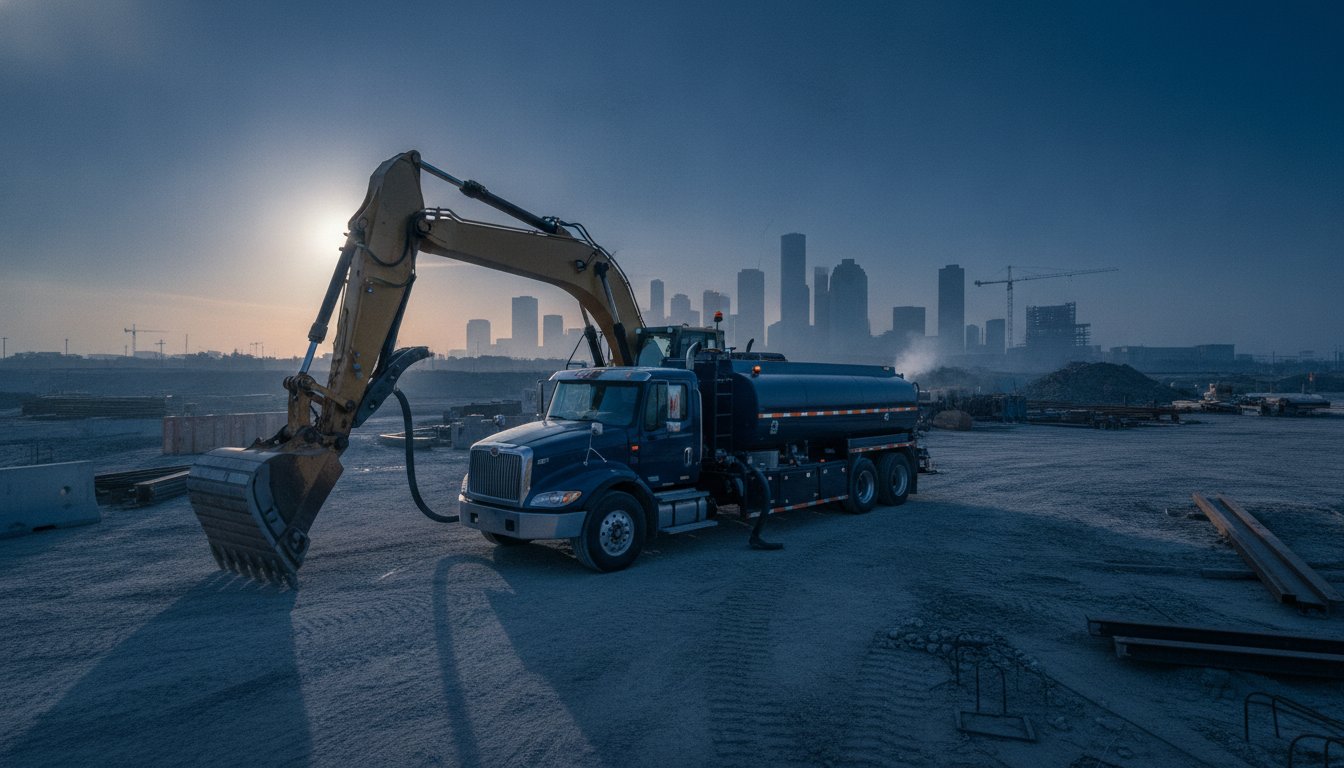
What if the biggest threat to a moving paving train isn’t the distance between work zones, but a fuel truck that can’t keep pace? On a road project, equipment may move miles in a shift, and every delay waiting for fuel can disrupt the work sequence. Effective site fueling for road construction means planning deliveries around the crew and equipment, not sending operators away from the job.
That’s a familiar pressure for Texas contractors. You need fuel where machines are working, DEF for equipment that requires it, and a plan that accounts for changing locations and night shifts. React Fueling provides diesel delivery, equipment fueling, and DEF fluid delivery for construction sites in Houston, Magnolia, San Antonio, College Station, Austin, and Dallas.
This guide explains how to organize mobile fueling for linear projects, coordinate deliveries as work zones advance, and compare direct-to-equipment fueling with fuel tank rentals. It also covers practical ways to track fuel use and plan for DEF, so your team can reduce avoidable waiting and keep the paving operation moving.
The Unique Challenges of Site Fueling for Road Construction
Road projects don’t stay in one place. A building site may keep equipment within a stable footprint, but a paving operation advances along a corridor, sometimes covering miles in a shift. That moving work zone changes where machines need fuel, how delivery vehicles can reach them, and when fueling can happen without interrupting the sequence. Effective site fueling for road construction must follow the work, not rely on a fixed point that crews outgrow.
Linear Logistics vs. Static Job Sites
Highway crews work within narrow, shifting boundaries shaped by traffic barriers, lane closures, access points, and active equipment. A delivery plan that works at one mile marker may no longer fit as the crew moves forward. Permanent tanks can be difficult to position on medians or other constrained areas, and repeatedly relocating storage adds coordination demands. Plan truck access, maneuvering space, delivery timing, and the approach route around the active work zone.
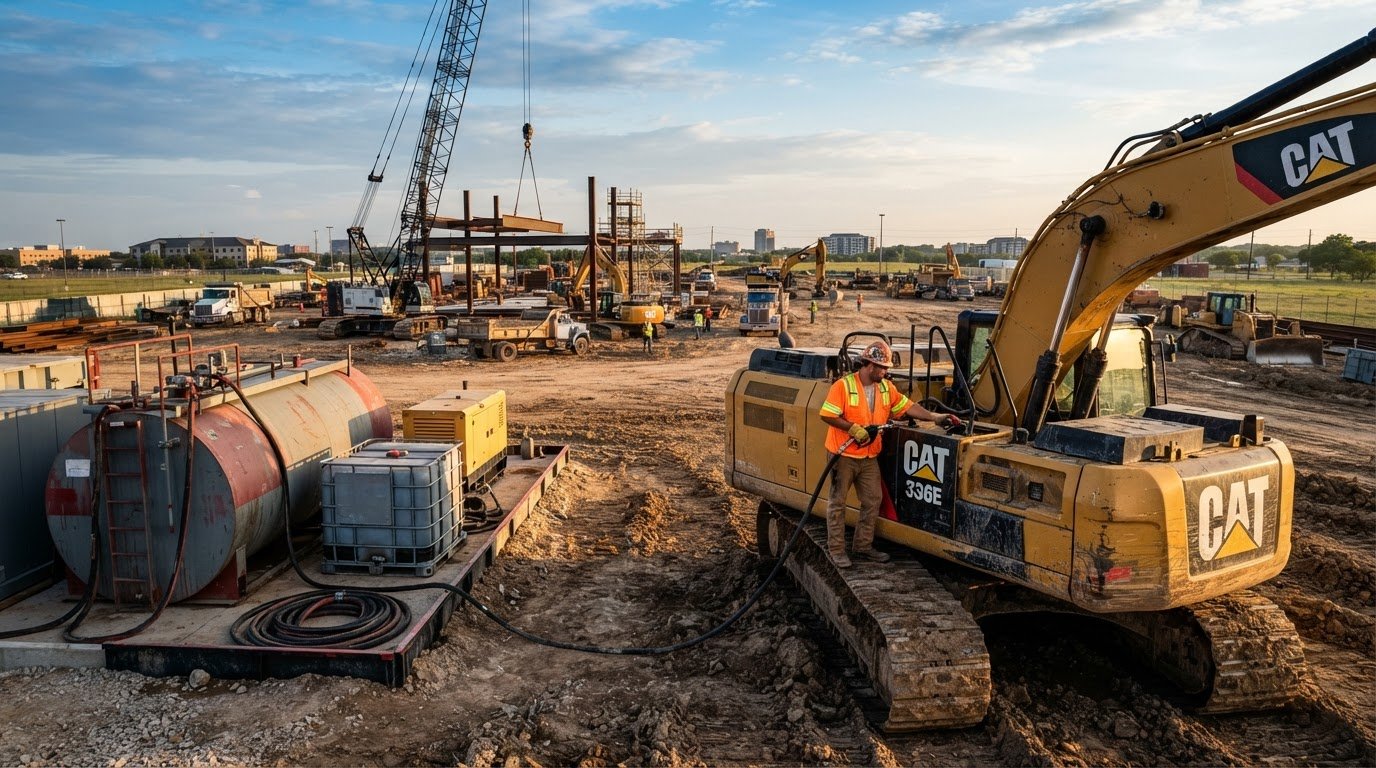
Direct-to-equipment fueling is one option: equipment can be fueled where it is staged instead of sending operators away from the work area. Keep a current location plan and update it as the paving front advances so drivers and site leads can coordinate access and avoid unnecessary waiting. A machine-level fuel log can also help teams understand consumption across dispersed equipment. Fuel management systems provide a broad overview of how monitoring, control, and reporting support that process.
The High Stakes of Paving Continuity
A fuel delay can affect more than the machine waiting at the shoulder. Pavers, rollers, trucks, and support equipment operate in sequence. If one part of that train stops, crews may lose productive time while the paving window continues to narrow. Asphalt depends on coordinated placement and compaction; a pause can allow material to cool before the crew completes the work, adding pressure to maintain joint quality and continuity.
The impact can include idle labor and equipment, disrupted material deliveries, and reduced output during planned paving hours. Those pressures matter on projects with firm infrastructure milestones, where lost time can complicate the broader schedule. Houston contractors can review the 24/7 emergency fueling information as part of planning for unexpected supply interruptions. React Fueling provides equipment fueling and diesel delivery, with emergency response capability.
Fuel Logistics Protect the Work Sequence
Build fueling into the daily movement plan. Share current work-zone access details, identify where equipment will be staged, and update delivery coordination as the paving front shifts. This is the core of an uptime strategy: match fuel logistics to the project’s changing location and schedule, rather than expecting a linear job to behave like a static site.
Mobile Refueling vs. On-Site Tanks for Roadwork
The right setup depends on how far the work zone moves, how much equipment needs fuel, and whether the project has a secure staging area. Mobile delivery brings fuel to equipment across a changing corridor, while a tank can serve as a local supply point for a concentrated work area. Some projects may use both. For site fueling for road construction, compare the access and time demands of each option instead of choosing by habit.
When to Choose Mobile Fuel Delivery
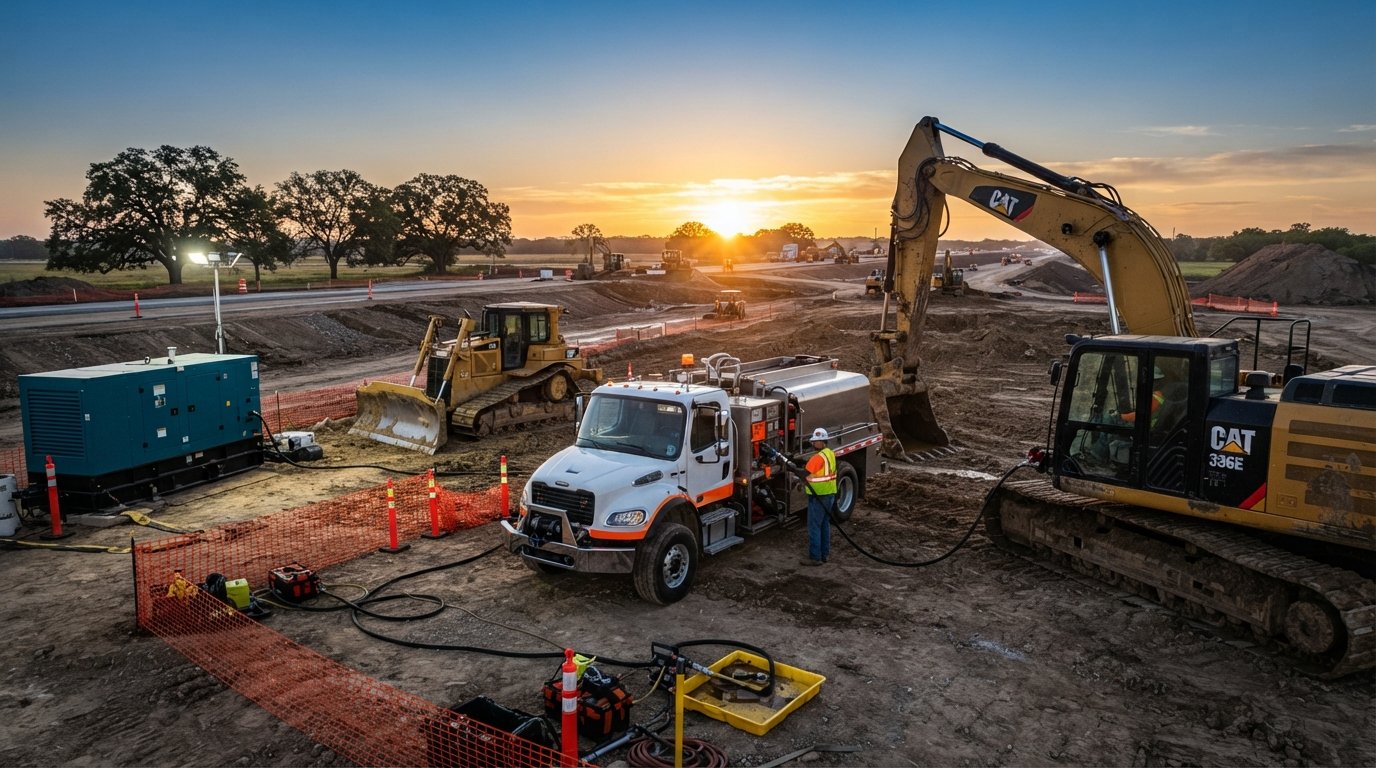
Mobile refueling can suit long-distance resurfacing, where equipment advances beyond the practical reach of a fixed tank. Direct-to-equipment fueling reduces the need for operators to leave their machines, travel to a central point, and return. Overnight fueling of parked machinery, sometimes called wet-hosing, can prepare equipment for the next shift when delivery timing and site access are coordinated in advance.
A mobile approach may also limit how much fuel is stored at an exposed work zone, which can reduce the amount vulnerable to theft. It doesn’t eliminate security risks. Manage site access, communicate delivery locations, and account for fuel received and used.
The Role of Temporary Storage Tanks
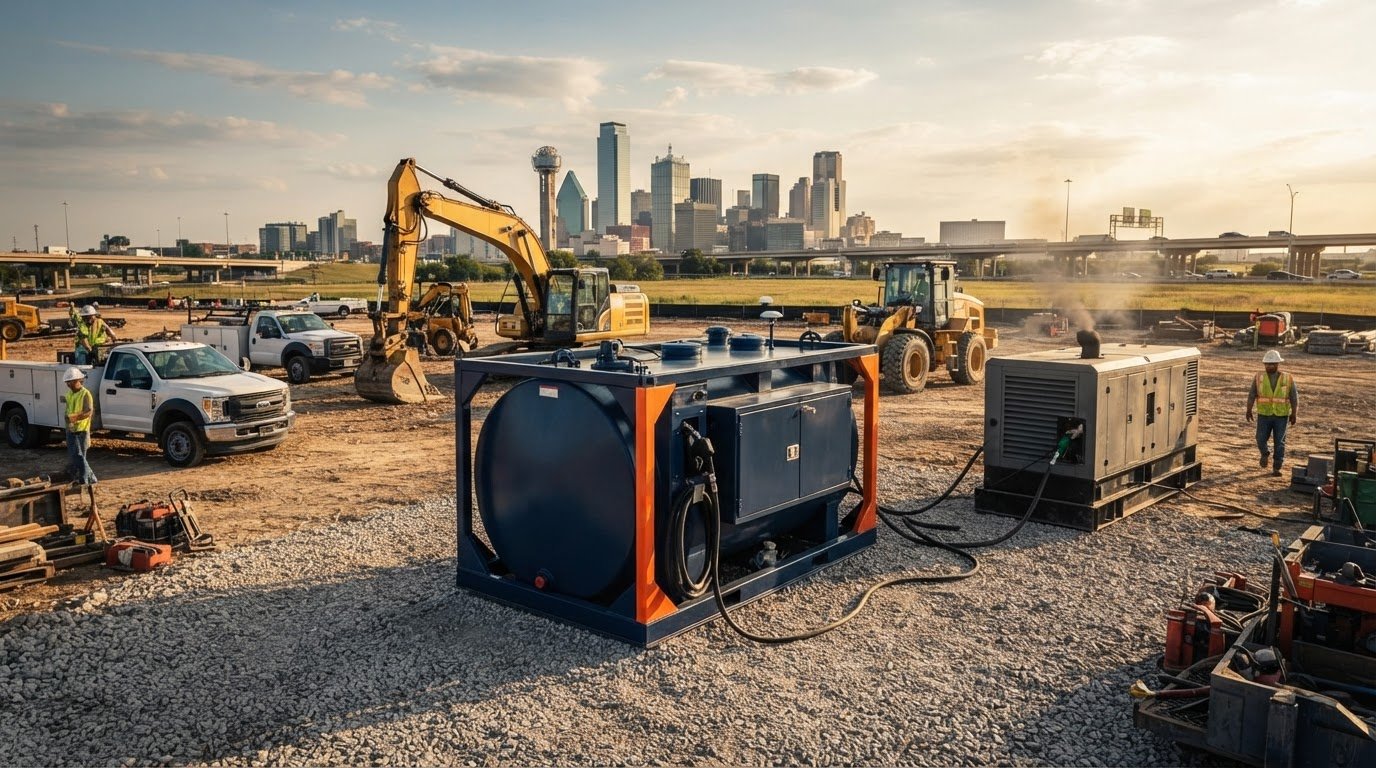
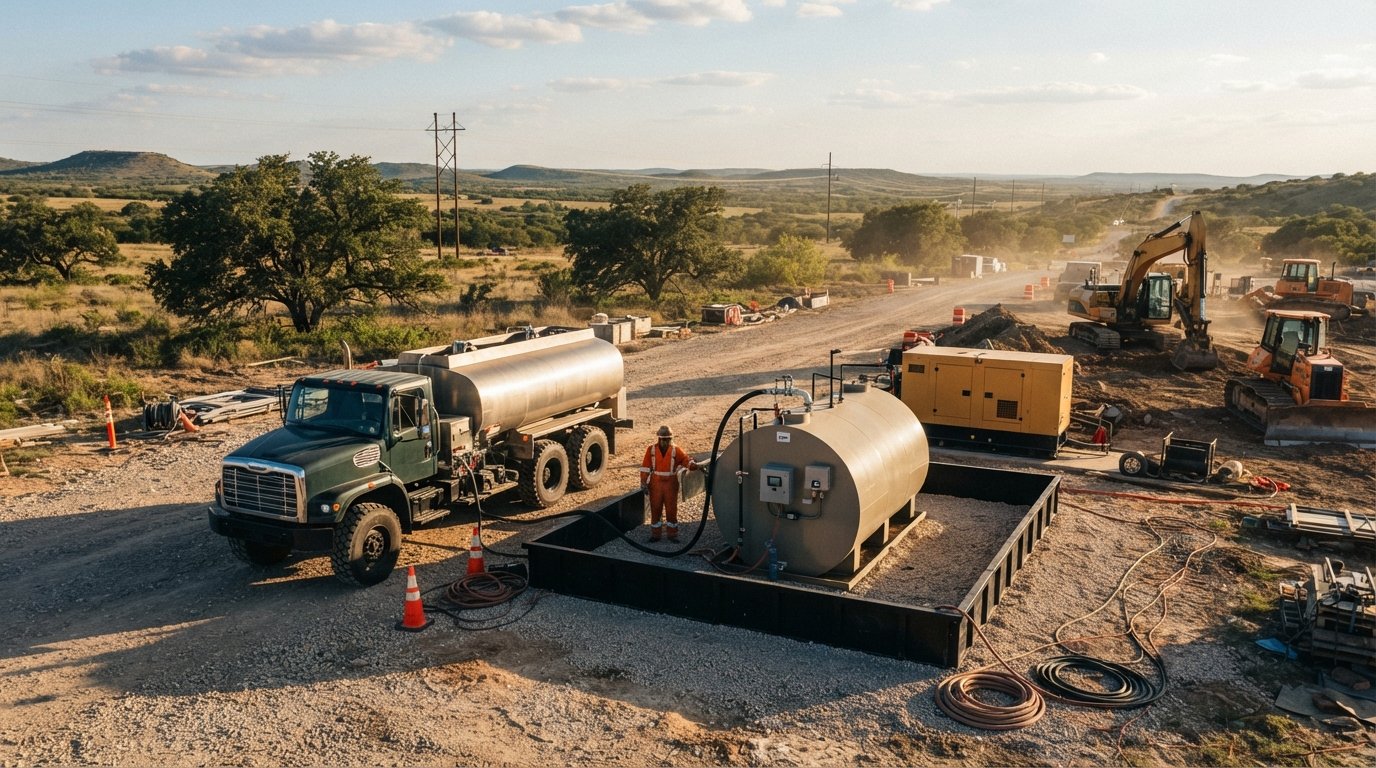
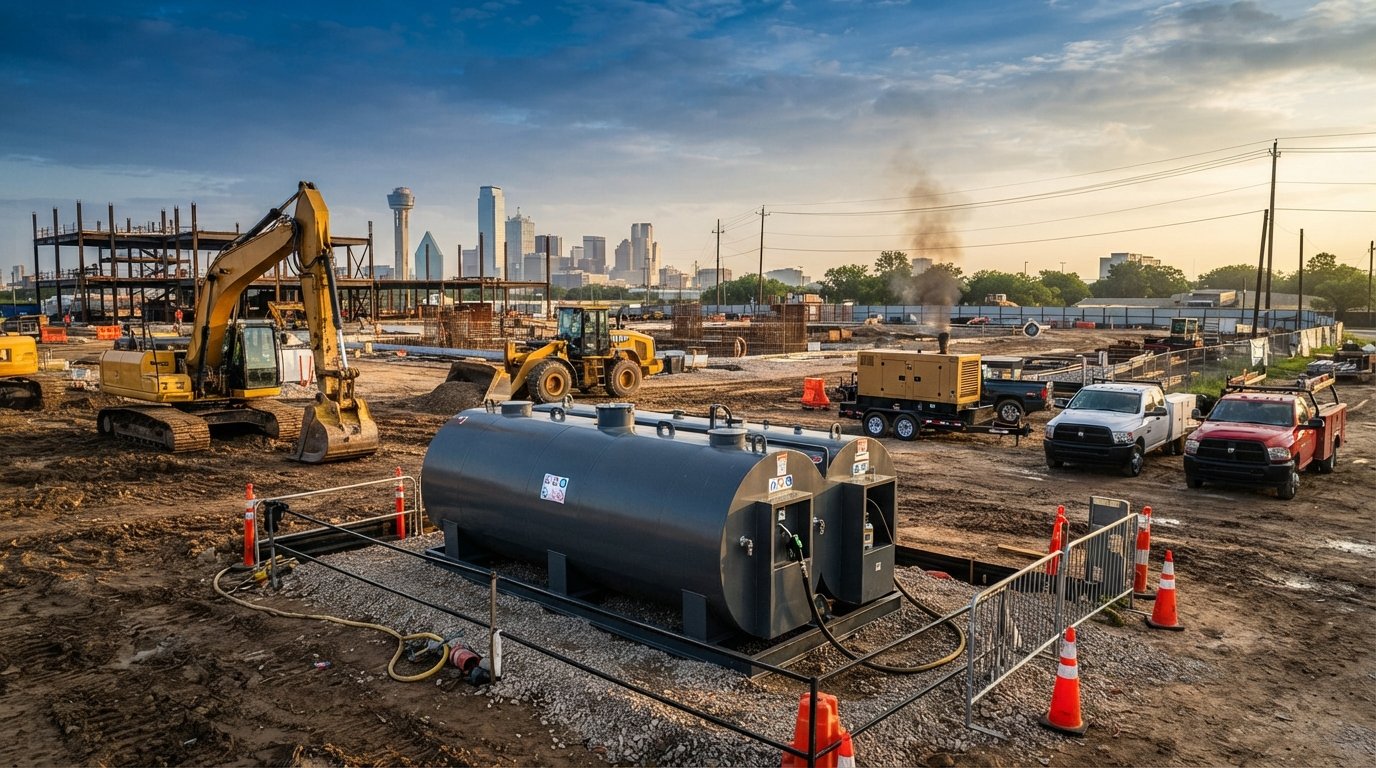
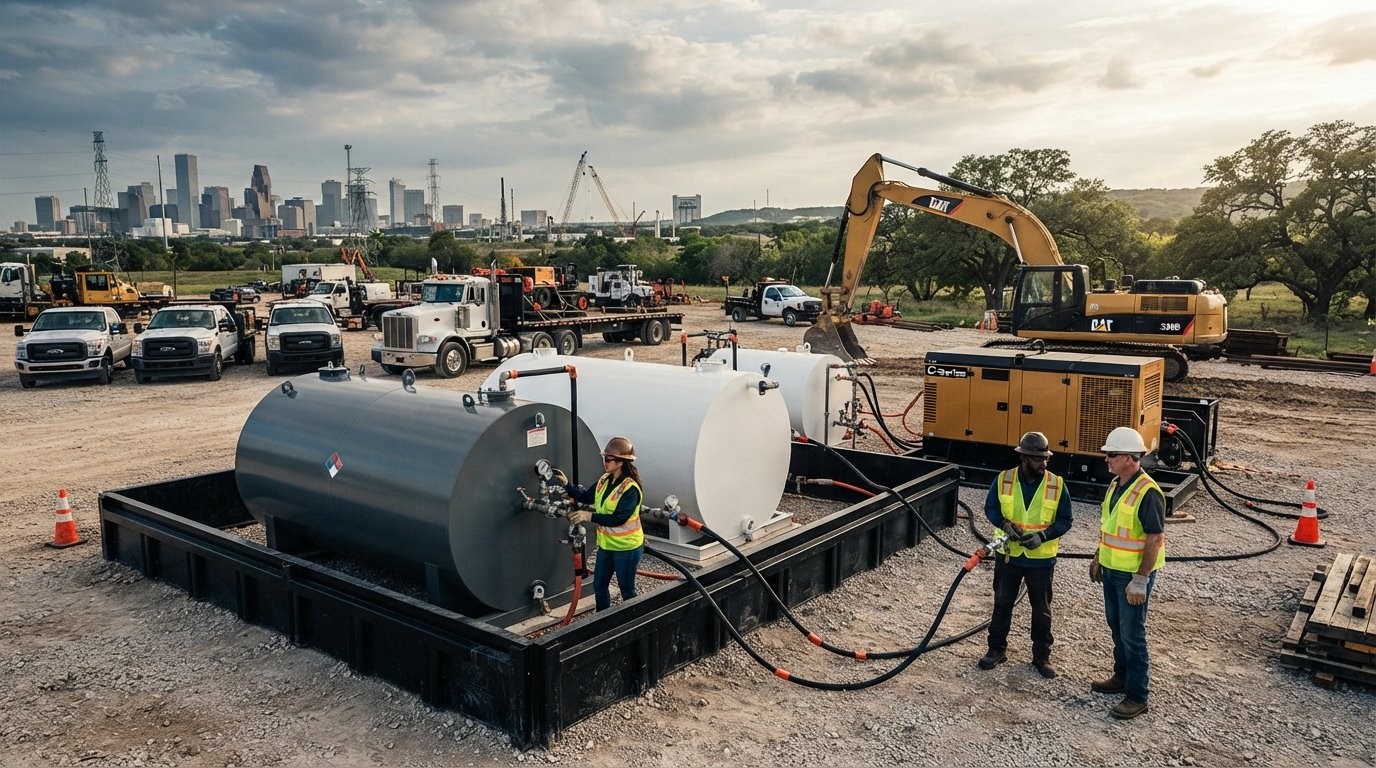
A tank can make sense at a stable staging area for a bridge or interchange project, especially when multiple machines return to the same base. It provides a nearby fueling point, but operators still need to bring equipment to it, and the tank itself must be supplied and positioned appropriately. Fuel tank rentals may be an option when temporary storage fits the project’s layout and duration.
On a high-traffic Texas corridor, plan tank replenishment around safe truck access, traffic control, equipment routes, and the changing work boundary. Don’t assume a highway shoulder or median is suitable for storage. Evaluate spill exposure, vehicle impact risks, and site-specific placement requirements before locating a tank. The OSHA safety guidelines address flammable-liquid storage and handling on construction sites. Review applicable requirements for your setup.
Choose by Work Pattern
Use mobile delivery when the fueling point would otherwise chase a moving crew or require equipment trips. Consider temporary storage where machines repeatedly stage in one accessible location and replenishment can be coordinated safely. For bridge and interchange work, compare both approaches against site access, equipment movement, security, and storage constraints. React Fueling offers equipment fueling and fuel tank rentals for Texas project teams to consider when planning fuel supply.
Fueling Specialized Road Equipment: Pavers, Rollers, and Planers
Road equipment has different fueling demands at each stage of the work. A paver and its material transfer vehicle need fuel throughout placement, rollers must stay ready to compact behind them, and cold planers can consume fuel quickly during milling. Many modern machines also require DEF. Check each unit’s manufacturer guidance and your site fueling plan so diesel and DEF are available at the right location without disrupting the sequence.
Managing the Paving Train
Plan fueling around the flow of material and equipment. Include pavers and material transfer vehicles in the shift’s fuel check, then coordinate delivery at a safe staging point or during a planned pause. Rollers need enough fuel to remain available as the compaction pattern advances; a roller waiting for fuel can leave the crew working to recover lost time.
Keep haul trucks moving by separating fueling access from truck entry, turnaround, and discharge routes. Share equipment locations and the work sequence with the fueling provider, then update the plan as the paving front changes. Direct-to-equipment fueling can reduce the need to send operators away from their machines to reach a central tank.
Cold Planers and Milling Machines
Cold planers are high-horsepower machines, and their fuel demand can make a missed refill especially disruptive during a milling shift. Estimate requirements from each machine’s actual use and planned operating hours rather than applying one rate to every unit. For site fueling for road construction, an equipment-by-equipment schedule helps prioritize machines whose stoppage would interrupt the work sequence.
Schedule refueling at shift transitions or planned pauses where possible. Don’t assume hot-fueling, or fueling while equipment is running, is permitted. Follow the manufacturer’s instructions and site safety procedures. If equipment needs to be shut down, build that time into the plan instead of improvising mid-shift.
Protect Fuel and DEF Readiness
Use clean diesel that meets the equipment manufacturer’s specifications, and keep handling practices consistent to reduce the risk of contamination. For machines that require DEF, track DEF levels separately from diesel so a full fuel tank doesn’t create a false impression that the unit is ready to work. Coordinate replenishment before the next shift and confirm which equipment needs DEF. React Fueling provides DEF fluid delivery alongside diesel and equipment fueling for construction sites.
These checks help keep pavers, rollers, haul support, and milling equipment ready as the work advances. Match the delivery method to each machine and the pace of the crew.
Managing Logistics for Night Shifts and Emergency Deadlines
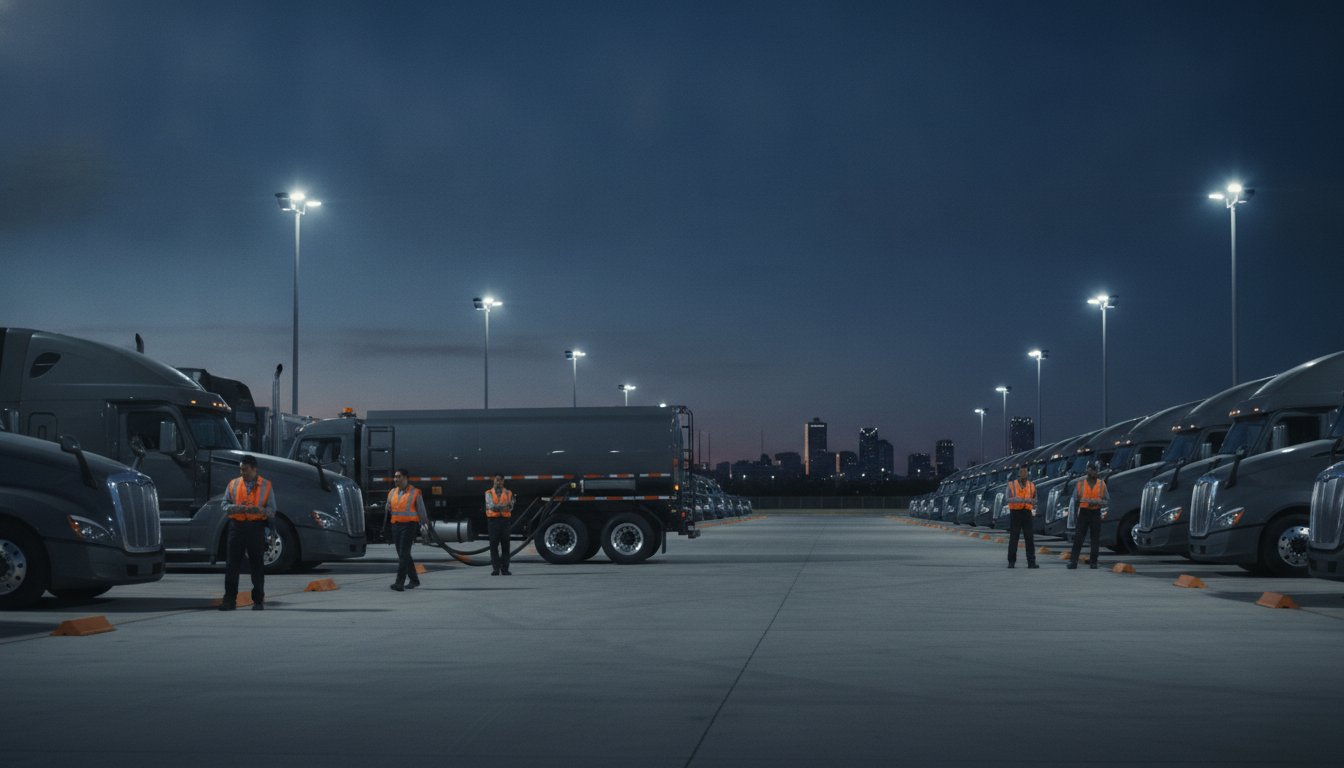
Night work can help Texas highway crews avoid daytime traffic and schedule paving around cooler hours, but it shifts fueling into darker, less forgiving conditions. Equipment, lighting towers, and generators still need dependable fuel access while crews and work zones are active. A missed delivery can disrupt the shift and put pressure on project milestones. Where contracts include liquidated damages for late completion, lost production time can carry additional consequences.
Coordinating the Midnight Fuel Run
For recurring fueling, give dispatch a current shift schedule, equipment list, estimated fuel needs, and delivery locations. Update the plan whenever closures or the advancing work zone change access. The superintendent and dispatcher should agree on a contact method, a backup contact, and how to confirm completed deliveries.
Before an unmanned delivery, define approved entry points, equipment locations, and access procedures. Don’t rely on informal key handoffs; establish authorization and secure arrangements with the site lead. At night, coordinate truck movements with traffic control, maintain clear access routes, and follow the site’s visibility and safety procedures. Confirm that the delivery point is safe and accessible before the truck is dispatched.
Emergency Response for Critical Infrastructure
Lighting towers, detour signs, and other temporary systems may rely on generators. Include them in the fuel plan, track their consumption, and set a reorder trigger before supplies run low. React Fueling provides generator fueling services, and its 24/7 emergency fueling information outlines an option to consider when an unexpected supply problem threatens work continuity.
Weather delays and equipment breakdowns can change which assets are needed and where they’re staged. Notify dispatch promptly, revise priorities, and confirm the new location and access conditions rather than relying on an outdated run sheet. Include backup generator needs in that update, especially if lighting or detour operations must continue while the crew adjusts its plan.
Keep the Response Plan Current
For site fueling for road construction, a reliable night-shift plan connects the superintendent’s field updates with dispatch decisions. React Fueling’s emergency response capability can support Texas project teams facing urgent fueling needs. Before a shift begins, confirm who can request emergency fuel and what location details the dispatcher needs. To discuss fuel support for night operations or emergency deadlines, contact the React Fueling team.
React Fueling: Powering Texas Road Infrastructure
Road contractors need a fueling plan that accounts for moving work zones, equipment schedules, DEF needs, and temporary storage. React Fueling provides diesel delivery, equipment fueling, DEF fluid delivery, generator fueling, and fuel tank rentals for construction sites in Houston, Magnolia, San Antonio, College Station, Austin, and Dallas. For teams planning site fueling for road construction, using one provider for these services can simplify coordination. Delivery arrangements still need to match each project’s locations and operating schedule.
Commercial diesel delivery can support equipment operating on demanding industrial timelines. Direct-to-equipment fueling can reduce trips to a central point, helping operators spend less time away from their work. Project teams can plan diesel, DEF, and temporary tank needs together, then confirm delivery access, equipment locations, and timing as the job advances. That coordination supports continuity, but no delivery plan can remove every source of delay.
Coverage Across the Texas Triangle
React Fueling serves construction sites in Houston, Magnolia, San Antonio, College Station, Austin, and Dallas. For contractors working across multiple locations, confirm coverage and delivery arrangements for each project rather than assuming schedules or access conditions are identical. Highway closures, staging areas, and site entry procedures can vary, so provide current directions and work-zone details when coordinating deliveries.
Local project information helps with planning, but delivery timing and access should be confirmed for the specific site. Contractors can explore React Fueling’s services and share project requirements when making inquiries.
A Grounded Partner for Fuel Logistics
React Fueling is part of the React Holdings family and provides specialized support for construction fueling needs. Effective coordination starts with understanding which equipment needs fuel, where it will be staged, and how the work zone may shift. Diesel, DEF, generator fueling, and fuel tank rentals can each address different job requirements, but the right mix depends on the project’s layout and schedule.
Strong site fueling supports operational continuity by reducing avoidable fueling trips and helping crews plan around supply needs. To discuss diesel delivery for a Texas road project, review diesel delivery options and provide the project location, equipment needs, and expected schedule.
Keep Your Texas Road Project Moving
A dependable site fueling for road construction plan follows the paving train, matches mobile delivery or temporary storage to the work zone, and accounts for diesel, DEF, and generator needs. Clear coordination with dispatch helps crews prepare for night shifts and respond when schedules or equipment needs change.
React Fueling supports road and infrastructure projects in Houston, Magnolia, San Antonio, College Station, Austin, and Dallas with diesel delivery, equipment fueling, DEF fluid delivery, generator fueling, and fuel tank rentals. Its emergency response capability can help address urgent fuel needs, while diesel and DEF support equipment requirements, including those of Tier 4 fleets. Confirm the right fueling approach for your equipment, schedule, and site access before work begins.
Put a practical fueling plan in place before the next shift. Get a Quote for Your Road Construction Fueling Needs and discuss the requirements of your Texas project. With a fueling provider that can support your logistics, your team can focus on the work ahead and keep the road project moving.
Frequently Asked Questions
How does mobile fueling work for road construction sites that move daily?
Mobile fueling brings fuel to equipment at its current work or staging location, so operators don’t have to travel to a fixed tank or off-site station. For a moving road project, share updated access points, equipment locations, shift plans, and delivery priorities with the fuel provider. Revise those details as the paving front advances. This coordination helps site fueling for road construction keep pace with changing work zones.
Is it better to use on-site fuel tanks or mobile refueling for highway projects?
Choose based on how the equipment and work zone are arranged. Mobile refueling can suit long resurfacing projects where machines move along the corridor, while a temporary tank may fit a stable staging area serving several machines. Some projects may need both. Consider site access, how far operators would travel to a tank, security, storage placement, and how replenishment trucks can reach the location safely.
Can you provide DEF fluid delivery directly to equipment on the roadside?
React Fueling provides DEF fluid delivery for construction and commercial equipment. Whether delivery can reach a particular roadside machine depends on the location, access, and site conditions, so confirm those details when arranging service. Identify which units require DEF, where they’ll be staged, and when they need replenishment. Keep DEF planning separate from diesel checks so crews can verify both supplies before equipment is scheduled to work.
What are the safety requirements for refueling heavy equipment at night?
Follow the site’s safety plan, equipment manufacturer instructions, and applicable requirements for the specific fueling setup. Before a delivery, coordinate with site supervision and traffic control, confirm the truck’s approved access route, and make the fueling area visible and clear of conflicting equipment movement. Establish who can authorize access and how deliveries will be confirmed. Don’t assume equipment can be fueled while running; check procedures first.
Do you offer emergency fuel delivery if our project falls behind schedule?
React Fueling offers emergency fuel delivery and has emergency response capability. Contact the provider with the project location, fuel type, equipment or generator needs, access instructions, and urgency so the request can be assessed. Availability and delivery timing depend on the specific circumstances, so confirm details directly. Including an emergency contact and escalation process in the project fueling plan can help crews respond more efficiently.
Which Texas cities do you cover for road construction fuel delivery?
React Fueling serves Houston, Magnolia, San Antonio, College Station, Austin, and Dallas. Contractors should confirm coverage and delivery arrangements for the specific project address, especially when work zones shift or access is restricted. Share the current staging location and site-entry instructions when requesting service. For projects spanning multiple cities, confirm each location’s requirements and coordinate delivery plans individually.
How do you track fuel usage for multiple machines on a single job site?
Maintain a machine-level fuel log that records each unit’s identification, delivery date, fuel type, quantity received, and operating location. Compare deliveries with equipment hours or shift records to identify unusual changes in consumption. Ask your fuel provider what delivery documentation is available, and assign a site lead to review records regularly. Don’t assume automated tracking or reporting is included unless you’ve confirmed it with the provider.
What is the benefit of using dyed diesel for off-road roadwork equipment?
Dyed diesel is designated for off-road use, and eligible purchases may receive different highway-fuel-tax treatment than clear diesel. Texas tax-free purchase requires an end-user number from the Texas Comptroller. Confirm equipment eligibility, documentation, and current tax requirements with the Comptroller or a qualified tax professional before purchasing. Don’t use dyed fuel in on-highway vehicles unless the applicable rules allow it.