Dropping a fuel tank on a jobsite doesn't eliminate equipment downtime; it simply relocates the bottleneck. When evaluating construction site fuel management solutions College Station builders quickly discover that real operational efficiency requires an active logistics service rather than static storage hardware.
You already know the frustration of watching heavy machinery sit idle while operators burn billable hours pumping from pickup transfer tanks or waiting on delayed deliveries. Between unmonitored shrinkage and the friction of coordinating separate diesel and DEF supplies, unmanaged site fueling directly erodes your schedule and project margins.
This 2026 buying guide outlines how to eliminate machinery downtime, control fuel waste with accurate asset-level tracking, and select the right turnkey fueling strategy for your College Station construction project. We examine direct-to-equipment wet hosing, compliant on-site storage setups, and the operational criteria needed to keep your fleet running without interruption.
Understanding Construction Site Fuel Management Solutions in College Station
Jobsite fuel management is not simply dropping a static storage tank on a cleared pad and waiting for calls from dry machines. A true fuel management system integrates bulk scheduled delivery, secure containment, and precise asset-level consumption tracking into an active logistics program. In fast-paced commercial developments, relying on reactive fuel sourcing creates severe operational bottlenecks. When an excavator or crane runs dry, critical path activities stall immediately, leaving trade contractors waiting and compounding hourly labor costs across the entire site.
Implementing dedicated construction site fuel management solutions College Station general contractors rely on transforms fueling from an erratic field chore into a predictable utility. Instead of pulling operators away from production to source fuel, site managers gain steady fuel distribution that protects operational continuity and project margins.
The Mechanics of Modern Jobsite Fuel Management
Traditional methods rely on pickup truck transfer tanks or haphazard retail runs that pull workers offsite for 30 to 90 minutes at a time. Modern commercial logistics replaces this friction with scheduled bulk dispatch and automated tracking. Every gallon dispatched to heavy earthmovers, compactors, or stationary site generators is documented by asset number. This operational visibility separates clear highway diesel from untaxed off-road dyed diesel, ensuring clean accounting and tax compliance while preventing accidental cross-contamination on active spreads.
Brazos Valley Infrastructure Demands and Timeline Pressures
Commercial, institutional, and student housing developments across the Brazos Valley operate under aggressive phase completions. Tight schedules leave zero room for idle machinery. When severe weather hits East Central Texas, dry-weather ground operations become intensely critical path; equipment must run at peak capacity every available hour to recover lost schedule days. An idle heavy excavator can cost between $125 and $400 per hour in idle wages and delayed production.
Sprawling, multi-acre sites along corridors like Texas State Highway 6 require coordinated fuel dispatch. Professional diesel delivery scheduled before or after operating shifts ensures heavy iron is fully fueled and ready the second crews arrive, eliminating site congestion and operator downtime.
Comparing Fuel Strategies: Direct-to-Equipment Fueling vs. On-Site Tank Rentals
Selecting the right jobsite supply method depends on your operational tempo, machine mobility, and yard constraints. When structuring construction site fuel management solutions College Station contractors balance two primary strategies: mobile direct-to-equipment wet hosing and stationary storage tanks. Each strategy solves specific logistical challenges, and choosing correctly prevents traffic congestion, operator downtime, and site hazards.
Direct-to-Equipment Wet Hosing: Eliminating Operator Labor Waste
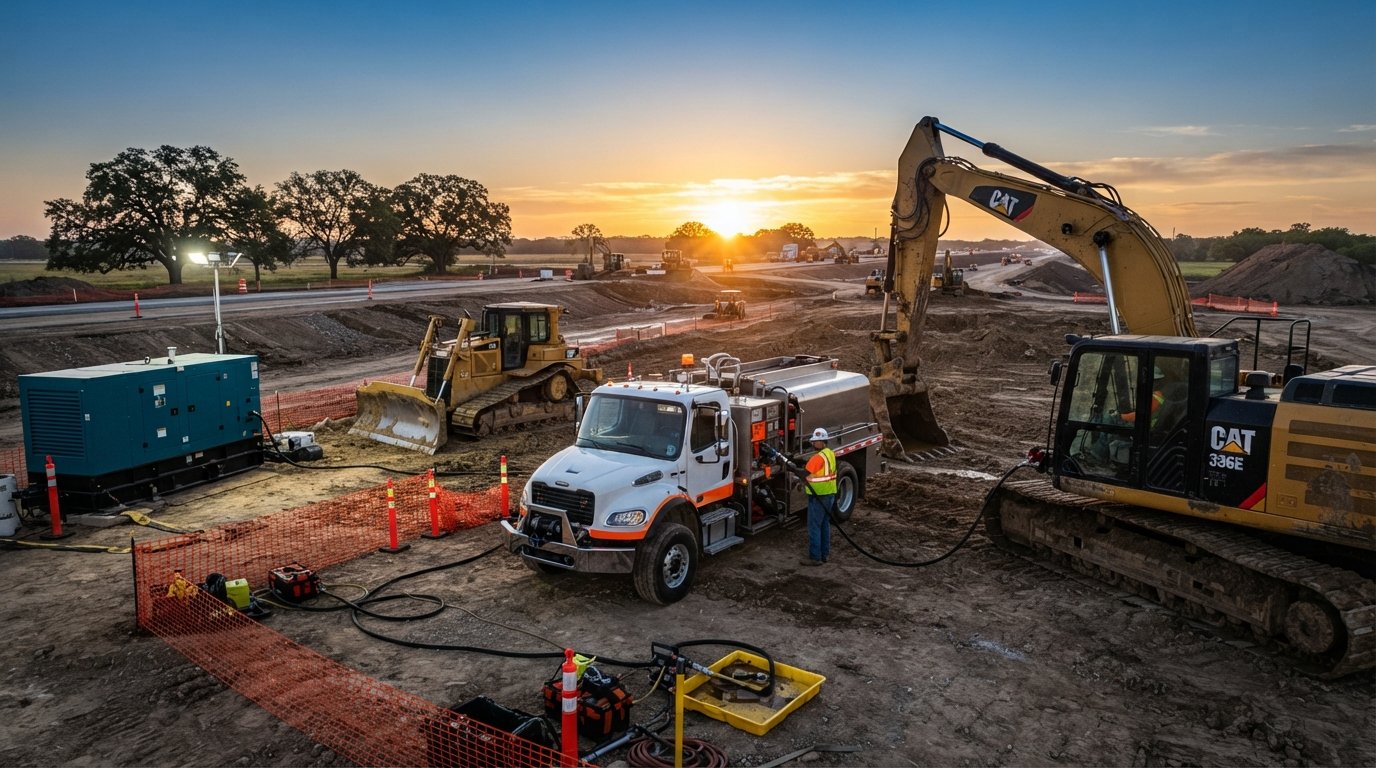
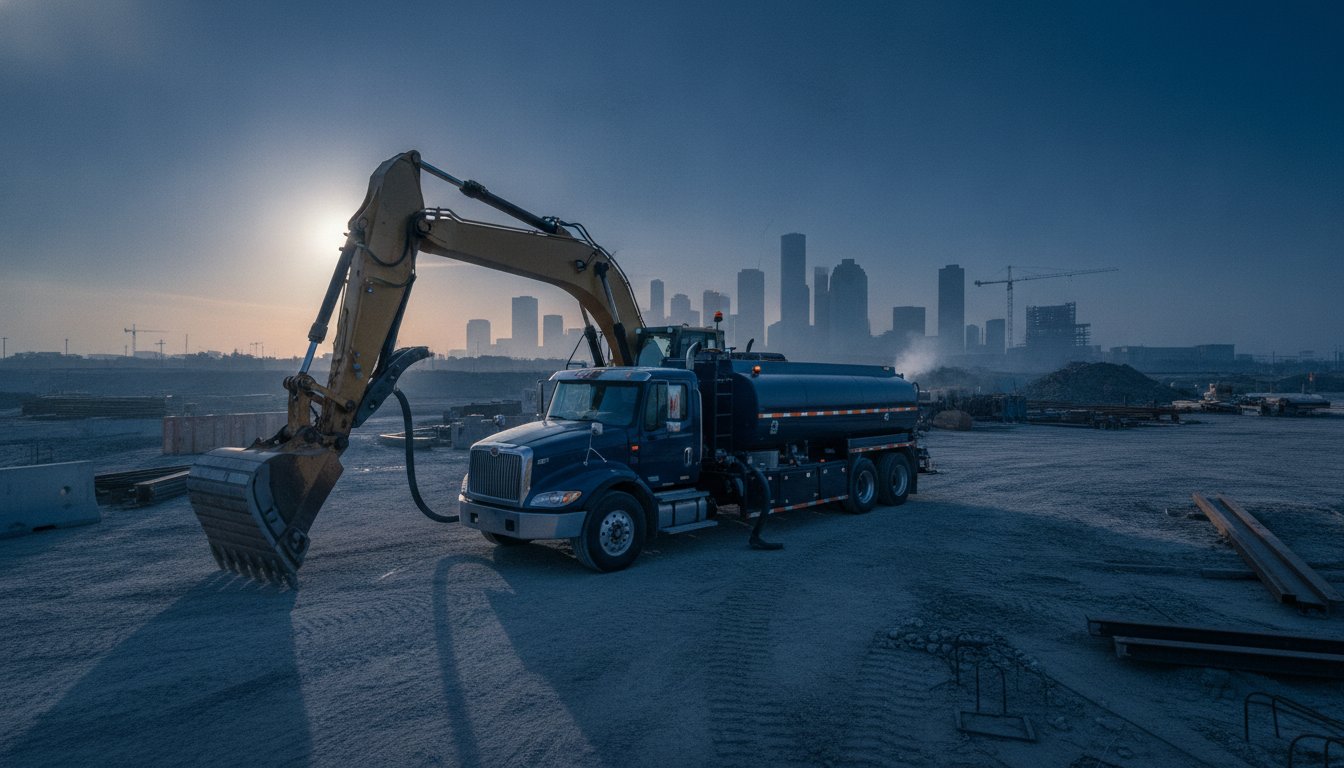
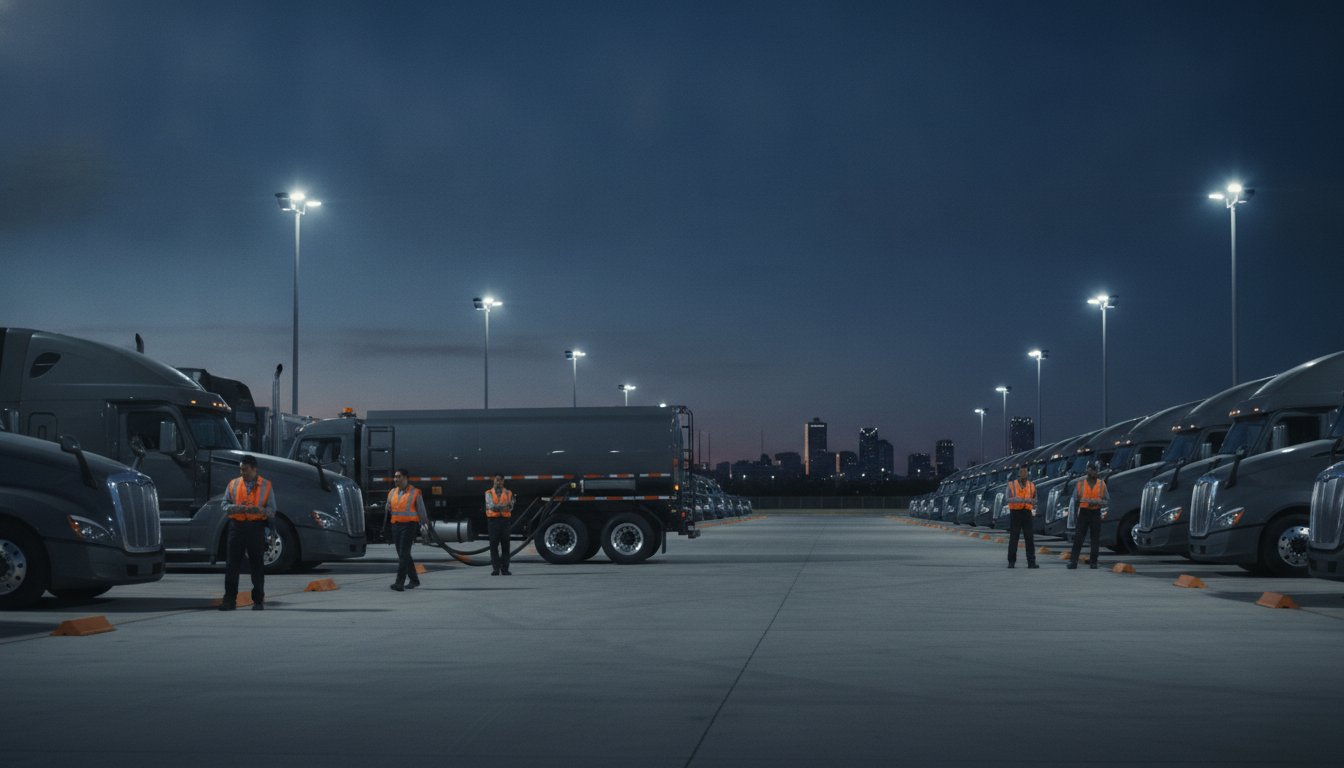
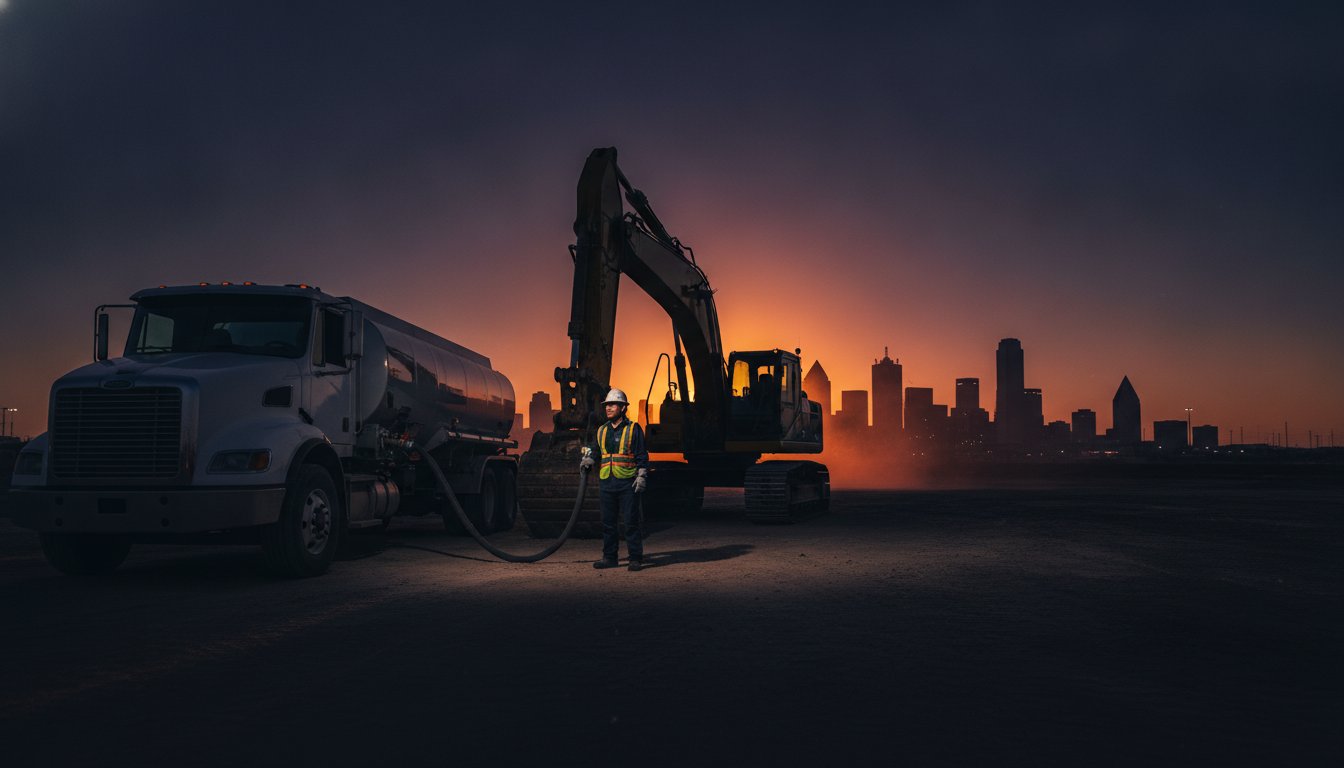
Mobile direct-to-equipment wet hosing delivers fuel straight into machinery tanks during scheduled off-shift windows. Certified fuel delivery drivers navigate the spread while equipment sits parked, filling excavators, dozers, and haul trucks before morning shifts begin. Operators climb into ready-to-run equipment immediately, eliminating twenty-minute morning lineups at central dispensers. Utilizing a professional equipment fueling service also provides metered, asset-specific accounting data. Each fill links directly to equipment ID numbers, eliminating fuel shrinkage and inaccurate log sheets.
Portable Fuel Tank Rentals: Dedicated Bulk Storage On-Demand
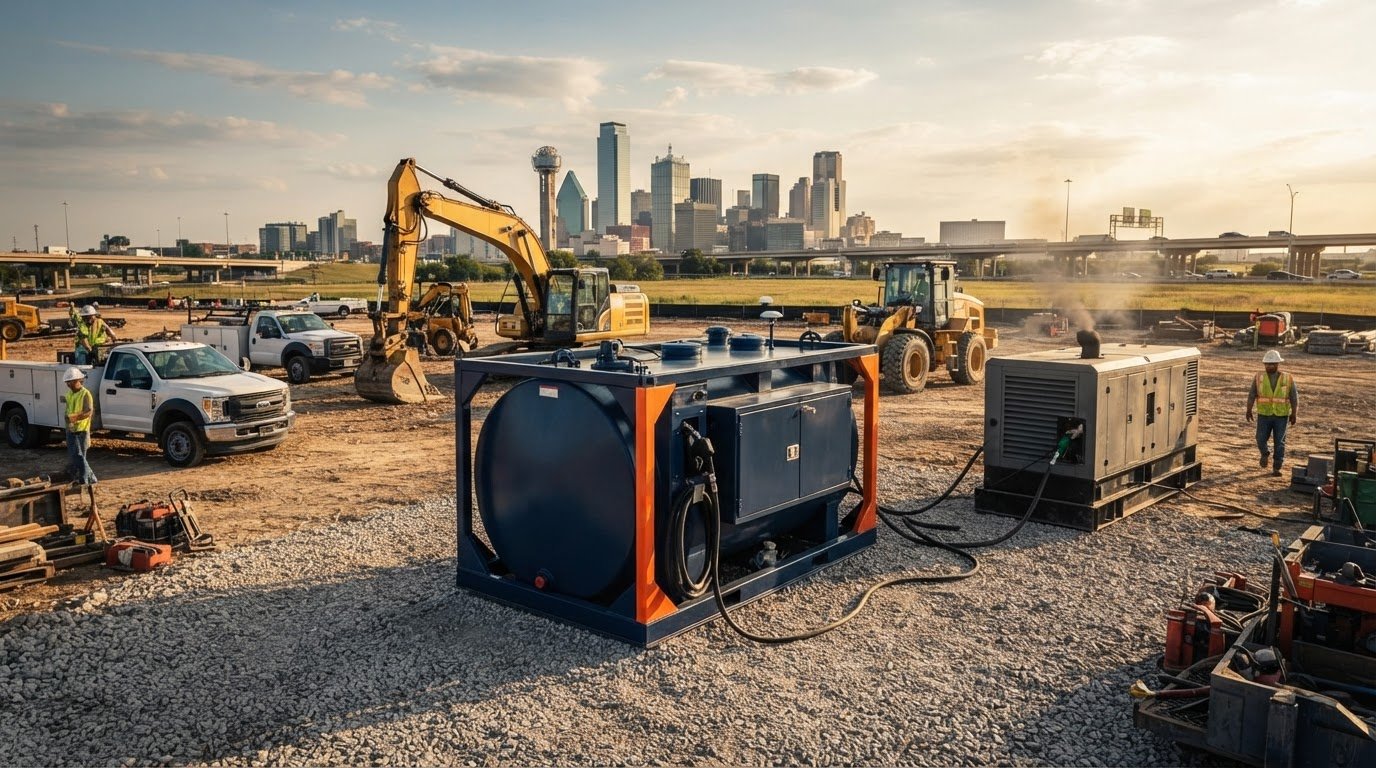
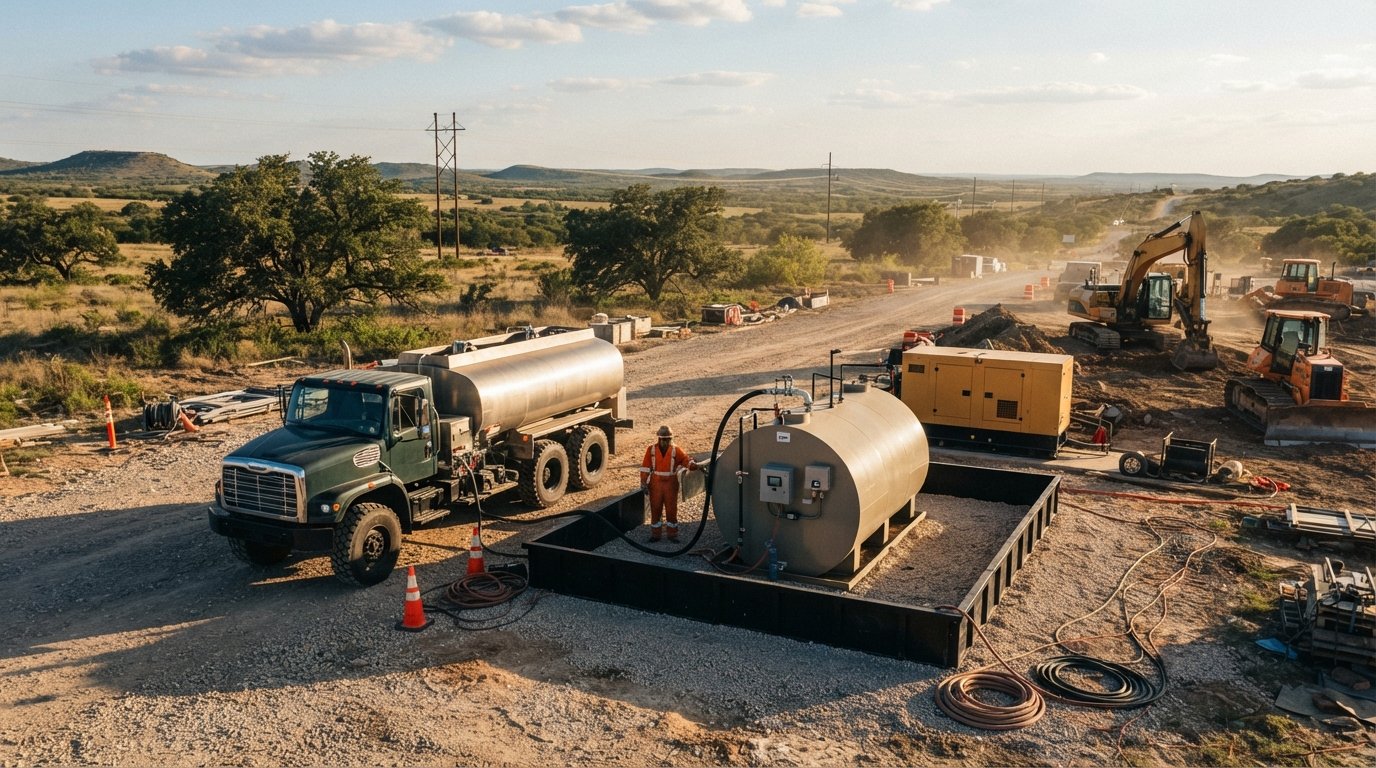
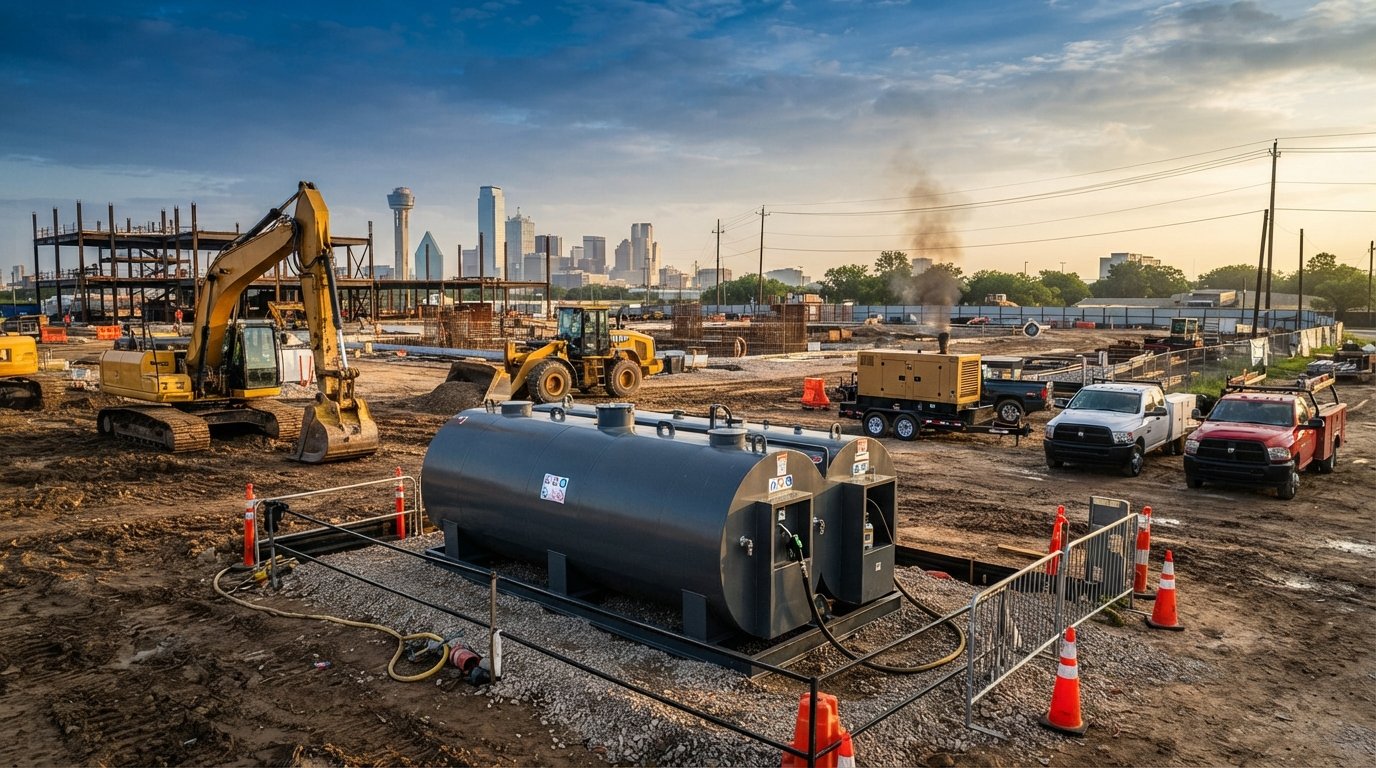
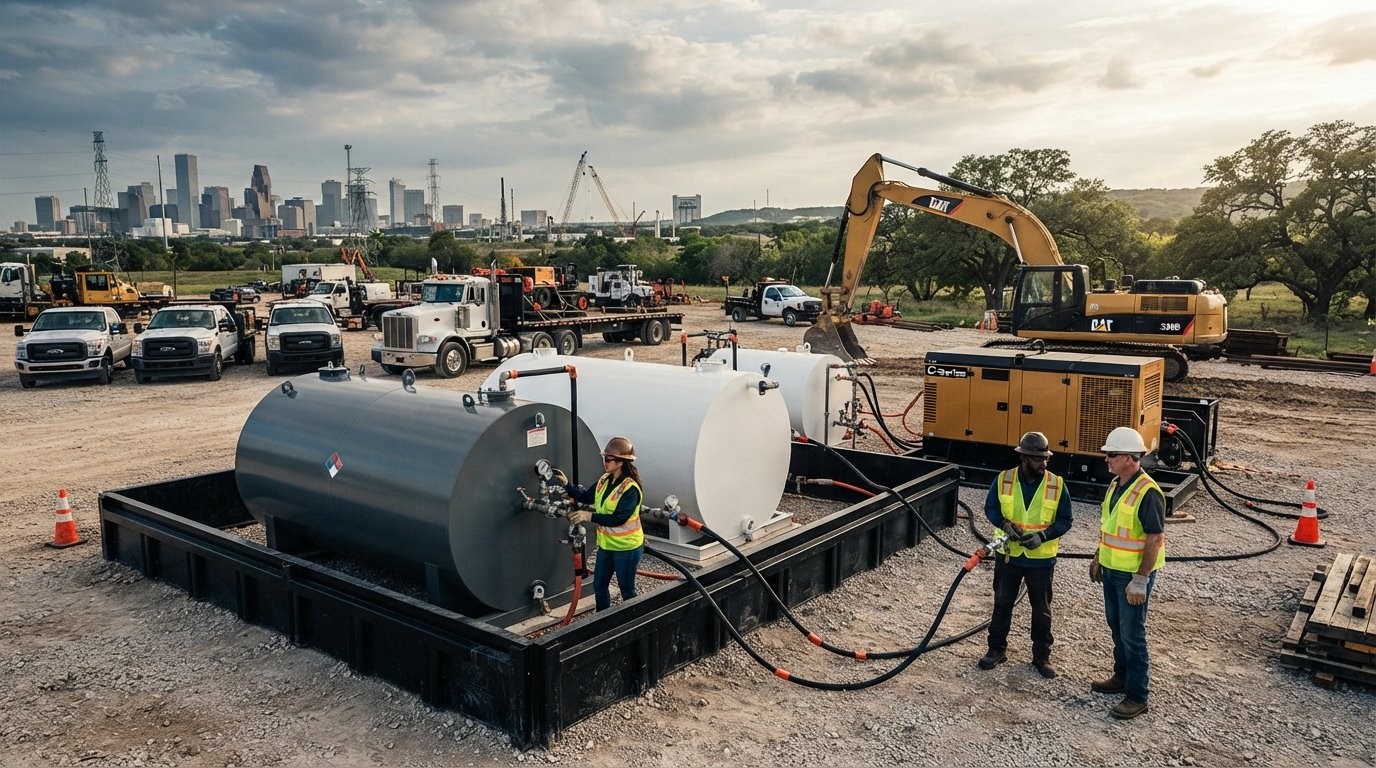
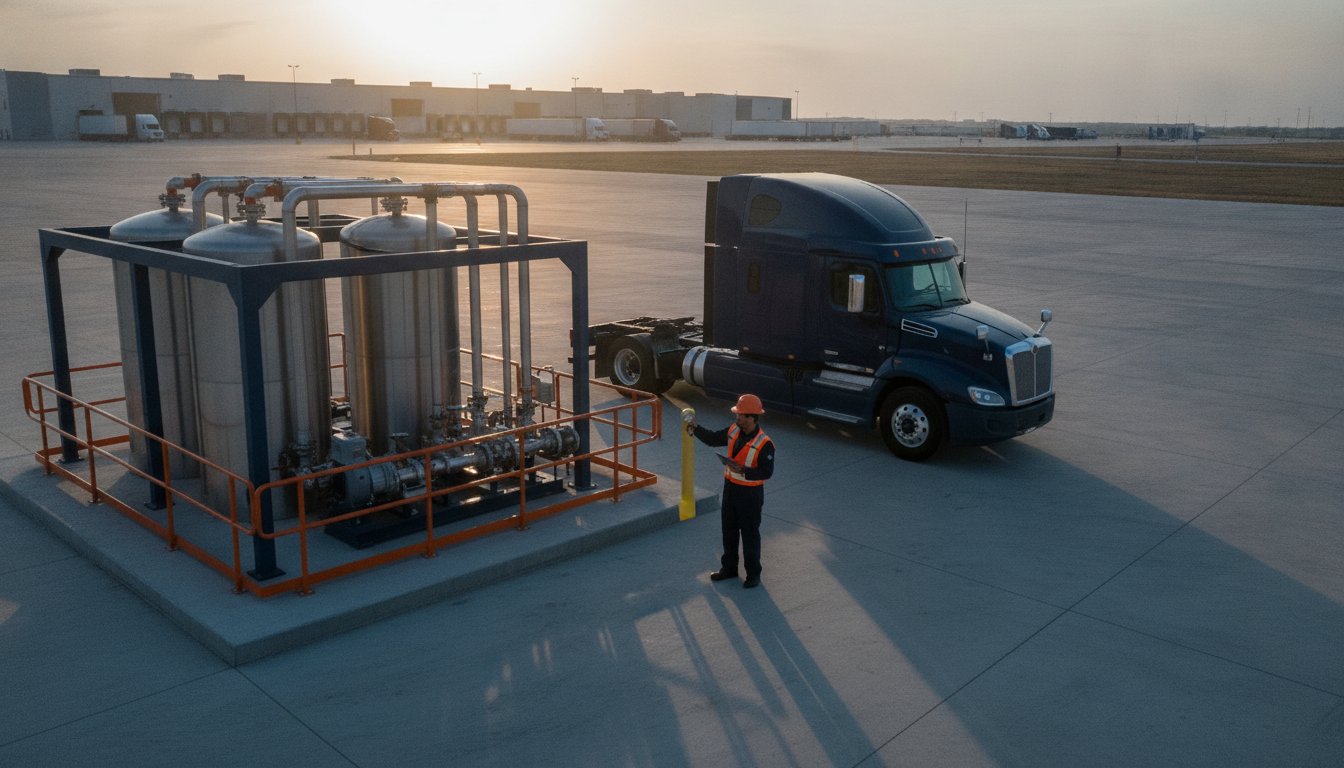
Stationary bulk storage provides a reliable, high-volume reserve for projects with stable footprints and concentrated fleet traffic. Modern rental units feature double-walled steel containment that satisfies strict EPA construction site guidelines by preventing environmental contamination and fuel discharges into local watersheds. Heavy-duty fuel tank rentals arrive with integrated high-flow pumps, secure dispensing cabinets, and digital metering to prevent unmonitored theft. They give site superintendents on-demand fuel access without the capital burden or long-term maintenance of tank ownership.
Hybrid Fuel Architectures for Phased Civil Construction
Large infrastructure packages often require combining both methods as phases evolve from bulk earthwork to vertical construction. Superintendents frequently deploy stationary tanks for centralized utility fleets while relying on scheduled wet hosing for heavy iron scattered across active cuts. This integrated approach also maintains continuous site power through a dedicated generator fueling service for temporary dewatering pumps and perimeter lighting. To configure an efficient hybrid logistics plan for your site footprint, consult with local fueling logistics specialists before breaking ground.
Key Selection Criteria for a College Station Fuel Management Partner
Fuel suppliers are not interchangeable commodities. Vetting construction site fuel management solutions College Station teams can depend on requires looking beyond bulk pricing to evaluate actual logistics infrastructure. A partner must guarantee reliable supply continuity, protect sensitive high-pressure common-rail diesel injection systems from particulate contamination, and integrate cleanly with your field management workflows.
Field superintendents and project executives should evaluate candidates across three operational pillars:
- Physical asset presence: Regional bulk staging plants, dedicated tank trucks, and local dispatchers rather than uncommitted third-party fuel brokers.
- Data precision: Metered dispensing hardware that captures gallons delivered directly to individual equipment asset IDs.
- Regulatory compliance: Active carrier safety records, hazardous material transport credentials, and strict adherence to environmental safety protocols.
Local Dispatch Proximity and Rapid Response Capabilities
Third-party brokerages route orders through distant regional call centers, leaving Brazos County sites exposed when fuel demand spikes or refinery allocations tighten. A dedicated provider with Texas fleet assets maintains immediate haul capacity to meet tight shift schedules. When storm surges or severe line ruptures jeopardize regional supply lines, having established protocols for priority emergency fuel delivery prevents critical utility, hospital, and infrastructure jobs from grinding to a halt.
Fleet Fuel Monitoring, Telemetry, and Consumption Reporting
Manual fuel logs written on clipboards invite shrinkage, lost receipts, and inaccurate job-cost accounting. Advanced fuel partners equip on-site tanks with automated cellular telemetry, giving project managers live volume readings and triggering refills before levels drop critically low. Digital delivery tickets show the date, time, volume, and recipient machine ID for every gallon pumped. This transparency simplifies subcontractor reconciliation, accelerates monthly owner billing audits, and identifies machines burning abnormal fuel volumes due to engine wear.
Comprehensive Fuel and Environmental Compliance Support
Fuel logistics must protect your site from liability. Vetting a partner means reviewing their DOT carrier safety fitness ratings, hazmat driver endorsements, and secondary containment practices. Consolidating fuel procurement under full-service commercial fuel services eliminates vendor clutter, ensuring your site meets environmental guidelines while reducing administrative overhead across all construction phases.
Managing Environmental Compliance, DEF Supply, and Site Safety
Operating heavy machinery in Texas requires strict adherence to environmental regulations and engine protection standards. Commercial construction sites face regulatory oversight from the Texas Commission on Environmental Quality (TCEQ) alongside federal Spill Prevention, Control, and Countermeasure (SPCC) mandates. Managing aboveground fuel storage tanks exceeding 1,100 gallons requires proper state registration and prior construction notifications. Selecting comprehensive construction site fuel management solutions College Station contractors trust ensures every fluid transfer complies with environmental safety laws while protecting expensive engine assets.
Tier 4 Engine Support and Bulk DEF Logistics
Modern Tier 4 Final diesel engines depend on clean Diesel Exhaust Fluid (DEF) to control emissions. If equipment runs low on DEF or receives contaminated product, onboard electronic control units automatically derate engine power, bringing high-production machines down to a crawl. Manually pouring retail DEF jugs into earthmovers introduces airborne dust, dirt, and water crystallization that ruin selective catalytic reduction (SCR) systems. Coordinating scheduled diesel supply with managed DEF fluid delivery provides closed-loop dispensing totes and equipment fills, maintaining chemical purity while eliminating separate supplier runs.
Spill Prevention and Secondary Containment Standards
Temporary fuel stations must prevent petroleum products from entering storm drains or Brazos County waterways. Turnkey storage rentals feature double-walled containment structures providing 110% secondary capacity, meeting both SPCC rules and local College Station fire code amendments. Maintaining a clean site footprint requires strict adherence to practical safety standards:
- Safe placement: Positioning containment tanks away from active traffic lanes, dry brush, overhead utility lines, and low-lying drainage paths.
- Spill readiness: Equipping every dispensing location with dedicated hydrocarbon spill kits, emergency shutoff switches, and heavy-duty grounding cables.
- Reporting thresholds: Ensuring site crews recognize state reporting triggers, including mandatory immediate reporting to the TCEQ for spills of 25 gallons or greater.
Safe liquid logistics protect project margins from stop-work orders and severe environmental penalties. To bring fully compliant containment hardware and scheduled fluid delivery to your next project, contact our regional compliance team today.
Deploying Turnkey Fuel Management with React Fueling in College Station
Establishing dependable on-site fuel infrastructure should not delay your project schedule. As an operating arm of the React Holdings family, React Fueling delivers dedicated regional fuel logistics infrastructure across the Brazos Valley, handling everything from tank placement to daily route execution. Partnering with a dedicated single-source provider takes fuel logistics completely off your field superintendents' desks, replacing reactive problem-solving with a disciplined operational cadence.
Implementing turnkey construction site fuel management solutions College Station builders depend on follows a structured three-step onboarding framework designed for immediate field deployment.
Step 1: Fleet and Equipment Demand Assessment
A successful logistics plan begins with precise consumption modeling. Fuel specialists audit your equipment roster to calculate total daily burn rates for off-road dyed diesel, clear highway diesel, and DEF across heavy production machinery and stationary power units. The assessment maps your site footprint, tagging assets with unique identifiers and defining dedicated fueling windows to prevent operational crossover during peak working hours.
Step 2: Tank Delivery, Infrastructure Setup, and Logistics Routing
Once site parameters are established, logistics coordinators schedule the delivery and placement of double-walled portable containment tanks. The team surveys site ingress and egress paths to ensure bulk transports and bobtail tankers can maneuver safely around active earthmoving zones. Wireless tank telemetry connects immediately to central dispatch, monitoring live inventory levels and scheduling proactive refills so bulk reserves never run empty.
Step 3: Scheduled Fueling and Ongoing Uptime Execution
Field execution begins with automated bulk replenishment or scheduled direct-to-equipment wet hosing during planned shift turnovers. Drivers log every delivery electronically, transmitting detailed gallon-level manifests directly to your project accounting team. As civil excavation transitions into vertical structural work, site managers adjust delivery frequencies, relocate tanks, or scale volumes instantly through our central fuel delivery logistics dispatch.
Securing reliable, high-volume energy logistics keeps heavy iron moving on schedule. General contractors ready to eliminate equipment downtime across the Brazos Valley can partner with React Fueling to streamline on-site operations today.
Keep Your Brazos Valley Projects Moving Forward
Eliminating jobsite fuel delays requires shifting from improvised retail runs to a structured energy strategy. Selecting the right construction site fuel management solutions College Station builders need protects active production schedules, removes operator downtime, and guarantees strict environmental compliance across every project phase. Whether your spread benefits from off-shift direct wet hosing, secure double-walled tank rentals, or integrated diesel and DEF deliveries, reliable logistics directly safeguard your bottom line.
As part of the React Holdings family of energy companies, React Fueling brings dedicated Texas transport infrastructure, professional bulk routing, and comprehensive fluid monitoring directly to your site. From heavy excavation to vertical construction, our turnkey services deliver steady operational continuity so your heavy equipment never sits idle waiting on fuel.
Take full control of your jobsite fuel supply. Request a jobsite fuel management quote from React Fueling to equip your College Station project with a dependable energy partner today.
Frequently Asked Questions
How does direct-to-equipment wet fueling work on an active construction site?
Direct-to-equipment wet fueling involves a commercial fuel delivery truck dispensing fuel directly into individual equipment tanks during scheduled downtime. Professional delivery technicians navigate your spread using site maps, fill each fuel tank using metered commercial nozzles, and log dispensed gallons to individual equipment asset IDs. This eliminates morning operator lines at transfer pumps and prevents production delays during active work shifts.
What size fuel tank rental is recommended for a commercial jobsite in College Station?
Recommended tank capacity depends directly on fleet burn rate, available footprint space, and preferred delivery frequency. Small utility developments typically operate smoothly with 500-gallon double-walled tanks, while extensive earthmoving projects require 1,000-gallon to 2,000-gallon capacities. When selecting construction site fuel management solutions College Station superintendents evaluate site traffic routes, turning radiuses for transport tankers, and TCEQ regulatory volume thresholds before finalizing storage footprints.
How do fuel management services protect modern Tier 4 machinery from DEF contamination?
Commercial fuel partners safeguard Tier 4 Final equipment by supplying closed-system dispensing totes and direct-fill delivery to eliminate airborne dust, dirt, and chemical mixing. DEF degrades rapidly when exposed to hydrocarbons, heat, or particulate matter on active jobsites. Utilizing dedicated fluid delivery routes with sealed hoses and specialized couplers ensures high-purity fluid enters selective catalytic reduction systems, preventing engine derating and expensive exhaust system repairs.
What permits or containment regulations apply to jobsite fuel storage in Texas?
Texas regulations require double-walled secondary containment and state registration for aboveground storage tanks exceeding 1,100 gallons containing motor fuels. Sites must comply with Texas Commission on Environmental Quality (TCEQ) reporting rules, including submitting construction notifications thirty days prior to installing qualifying tanks. Federal SPCC regulations mandate secondary containment holding at least 110% of tank capacity, while local College Station fire code amendments govern remote connection placements.
How quickly can emergency fuel delivery arrive at a jobsite in Brazos County?
Emergency dispatch arrival windows depend on local logistics staging, highway conditions, and active carrier fleet density across the Brazos Valley. Regional providers with dedicated Texas infrastructure prioritize urgent calls to keep critical utility projects, dewatering pumps, and emergency generators running. Contractors should establish service agreements and verify dispatch staging locations in advance to secure clear response targets during regional supply shortages or severe weather disruptions.
Can scheduled fueling services be tailored to night shifts or early morning hours?
Turnkey fueling schedules are specifically customized around your site's operational shifts and non-productive hours. Most commercial contractors schedule deliveries during off-shift windows, such as late evenings or early mornings before crews arrive on site. Implementing construction site fuel management solutions College Station managers trust ensures machines are completely topped off and pre-checked for morning rollouts, maximizing daily billable machine hours.