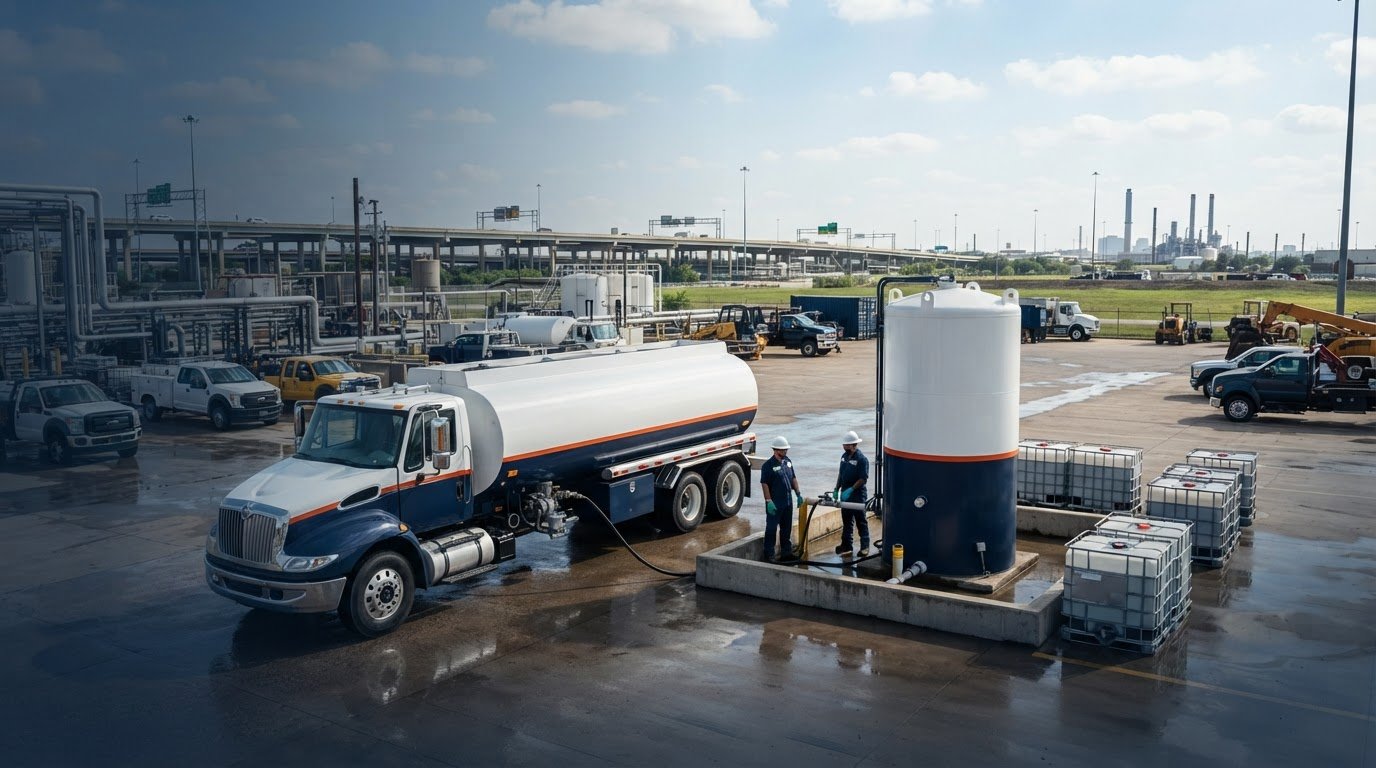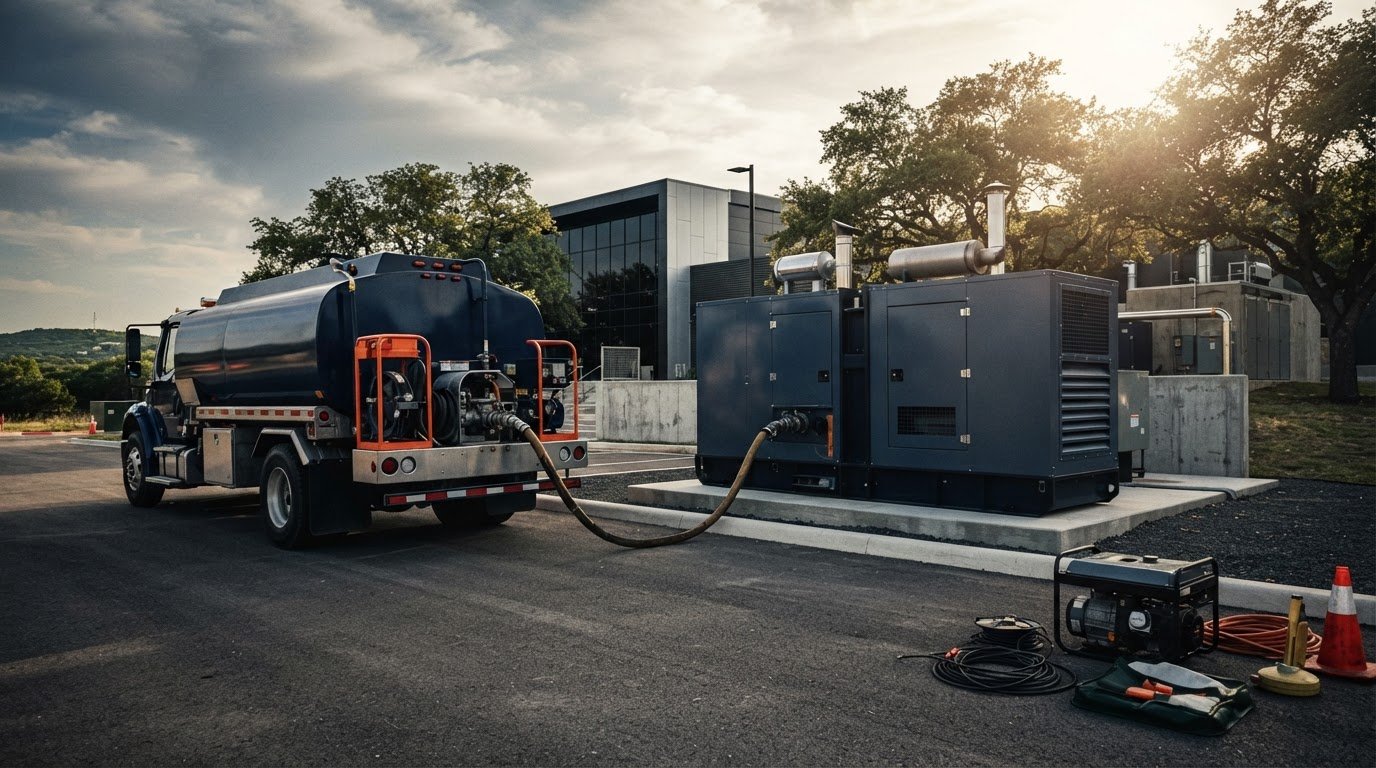
A fuel shortage can interrupt more than one vehicle when a commercial shift is underway. In Houston, emergency fuel delivery typically takes 30-45 minutes, while gasoline delivery may take 10-15 minutes on site; the timing depends on the type of delivery.
For drivers, getting fuel to a stranded vehicle can help avoid a longer disruption. For fleet managers, coordinating fuel at the right location can keep vehicles and equipment moving. A 24-hour fuel delivery service in Houston gives drivers and commercial operators a way to address urgent fuel needs without treating every call as a one-vehicle problem.
This article explains how emergency fuel delivery works, what information helps crews locate you, and where a driver or fleet can meet them. It also covers how on-site fueling supports commercial vehicles and fleets, and what to expect when arranging delivery. Whether a vehicle is stopped roadside or a fleet needs fuel at its operating location, knowing the process helps you explain the need and plan the next step.
Need Fuel Delivered Now?
Identify the fuel and delivery location first; those details help crews respond to an emergency. In Houston, gasoline delivery typically takes 10-15 minutes on site, while emergency fuel delivery typically takes 30-45 minutes.
Available Fuel Types
Delivery can cover gasoline, diesel, off-road dyed diesel, and DEF fluid. Identify what the vehicle or equipment uses before arranging a drop, since the required product depends on the engine or system.
Gasoline serves gasoline-powered vehicles, while diesel is used by diesel engines in light-duty trucks and commercial vehicles. Off-road dyed diesel is a separate fuel type for equipment that requires it; don’t treat it as interchangeable with gasoline or standard diesel. DEF is a fluid, not a fuel, and belongs in its designated system.
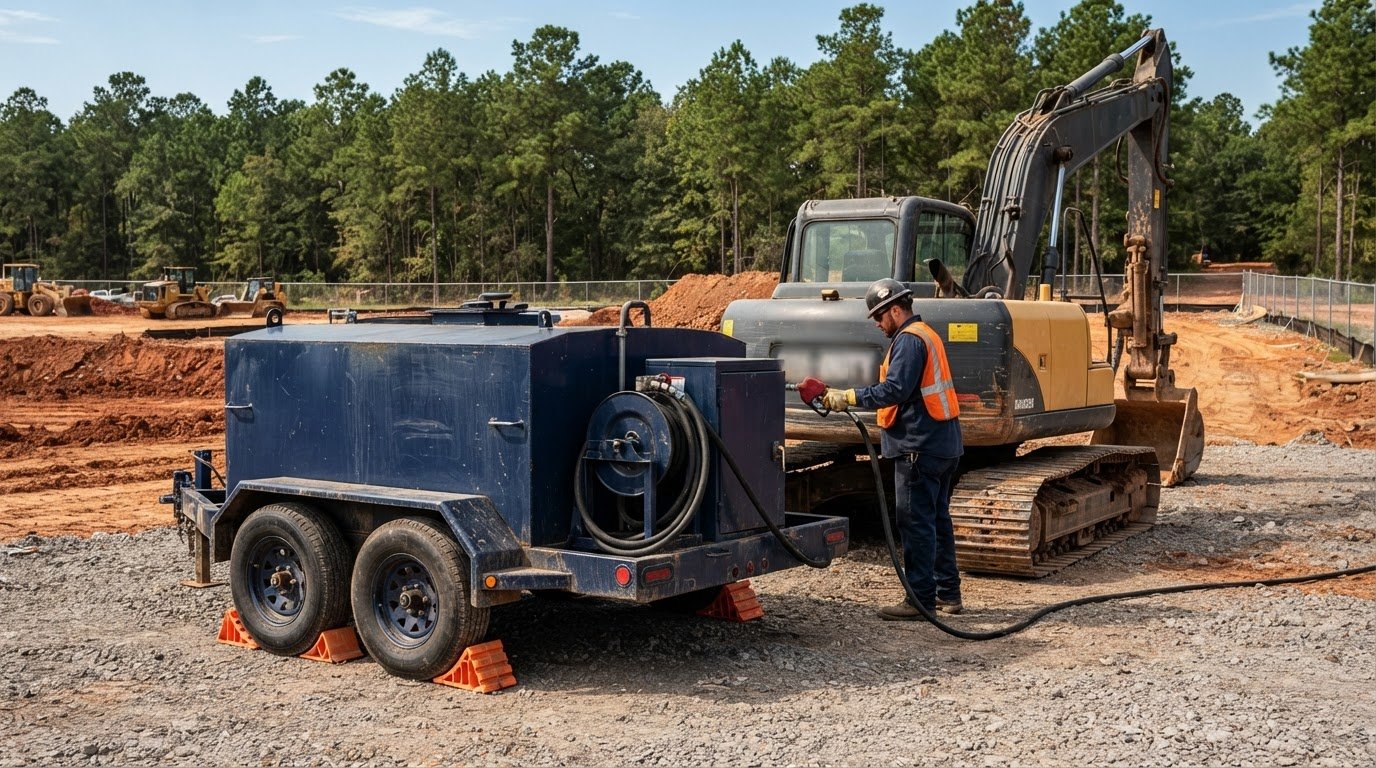
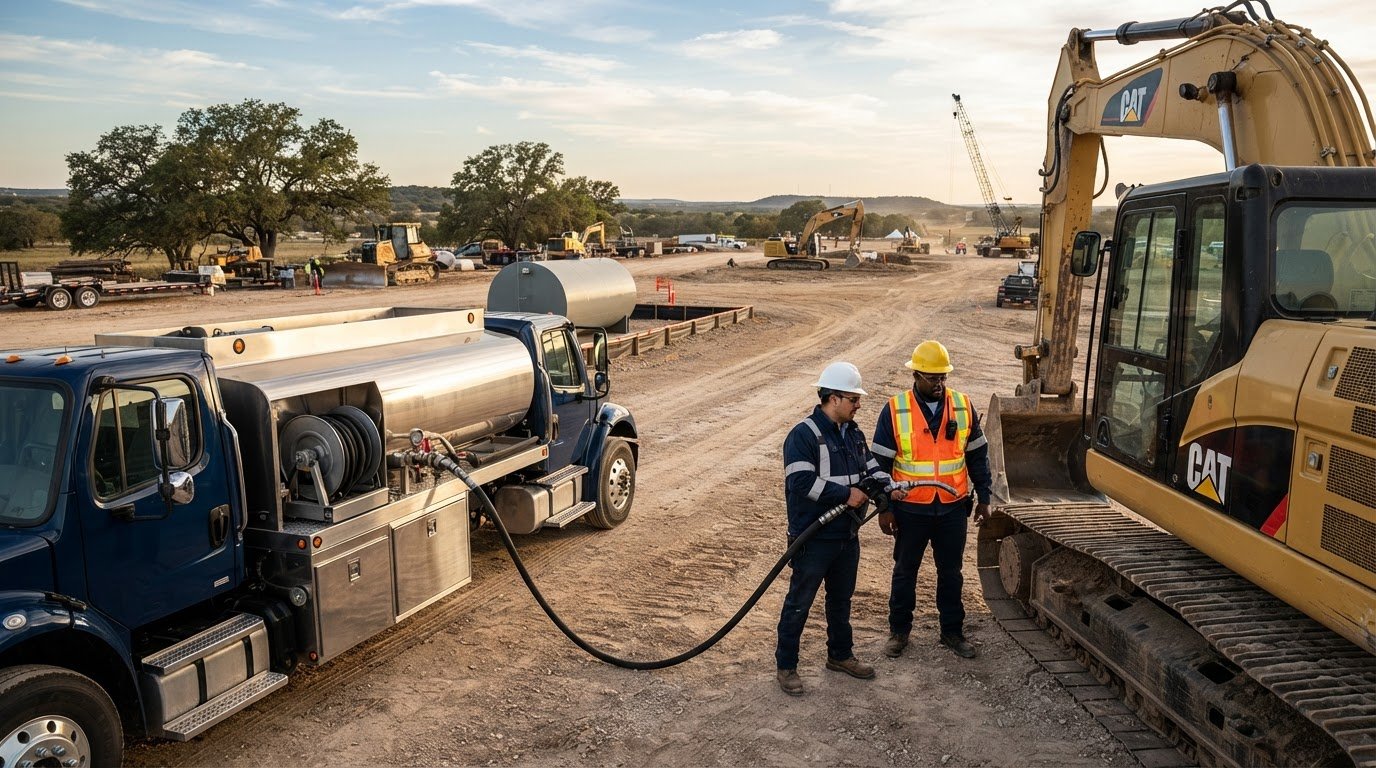
For a worksite, specify whether the request is for a road vehicle, machinery, or another asset. An equipment fueling service addresses fueling needs at equipment locations, while a stranded light-duty diesel truck may need delivery directly to its roadside position.
Emergency Gasoline and Diesel Service
Emergency gasoline and diesel delivery can support drivers who run out of fuel, including outside ordinary business hours. A 24-hour fuel delivery service in Houston is relevant when a vehicle cannot reach a fuel station and needs fuel at its current location. Give the dispatcher the vehicle’s fuel type and precise position, such as a highway shoulder, worksite entrance, or parking area.
If your vehicle stops on a Houston highway, turn on the hazard lights and stay inside when safe. Avoid walking along busy highway lanes. Clear location details help crews find the right access point, especially near an interchange or work zone.
A light-duty diesel vehicle that runs completely out of fuel may need its fuel system primed before it can restart. Adding diesel alone may not be enough because air can enter the system when the tank empties. The appropriate priming procedure depends on the vehicle, so avoid repeated restart attempts and give the service team the make, model, and circumstances.
When requesting delivery, say whether the tank is empty or nearly empty, specify gasoline or diesel, and describe any access restrictions. For example, a truck in a parking structure may be inaccessible to a delivery vehicle with greater height clearance. Accurate details help crews plan a suitable meeting point and fuel drop.
24/7 Emergency fuel delivery in Houston
Emergency fuel delivery can address a breakdown caused by an empty tank or interrupted fuel supply. In Houston, the plan depends on the fuel type, vehicle or equipment, exact location, and access conditions. Sharing these details up front gives dispatch a clearer picture and helps crews plan the delivery.
The amount delivered should match the immediate need, not an assumed standard quantity. A stranded driver may need enough gasoline or diesel to continue to a fuel station, while a commercial vehicle may need enough to resume its route. At a worksite, the required amount depends on the equipment’s tank and the work that needs to continue.
- Identify whether the vehicle requires gasoline or diesel.
- Describe whether the tank is empty or fuel is still available.
- Give the vehicle or equipment location and any access restrictions.
- Explain whether one vehicle or multiple fleet units need fuel.
These details help distinguish a single roadside request from a wider operational interruption. A delivery van stopped on its route, for example, has a different fueling need from several diesel trucks at a distribution yard. State how many vehicles are affected and which needs fuel first.
A 24-hour service model means emergency requests can be handled across daytime, overnight, and weekend periods. For a driver, the key issue is communicating the location accurately, especially near Houston interchanges, frontage roads, or large commercial properties. For fleet operators, a designated site contact can direct the crew to the correct entrance and fueling area.
Timing depends on the delivery location, traffic, fuel type, requested amount, and how easily the vehicle can be reached. An address alone may not pinpoint a truck on a large site, so include a gate, building, loading area, or nearby landmark. For a highway stop, give the direction of travel and nearest exit or interchange.
A concise handoff helps with emergency requests. Share a callback number, vehicle description, and the name of the person meeting the crew. For multiple units, identify each by fleet number or another recognizable marker. These details help distinguish a roadside vehicle from a parked truck or equipment at a nearby worksite.
For a commercial operation, emergency fuel delivery can support a time-sensitive response when fuel loss threatens vehicle or equipment use. Provide the fuel type, amount needed, and drop location together so the request reflects the actual operating need.
Fuel delivery dispatch and service process
A clear request gives dispatch the details needed to plan a fuel drop. Provide the location, fuel type, amount, and access instructions together.
For a Houston delivery, a station address may not pinpoint a vehicle on a large property. Add the gate, building, loading area, or nearby entrance to guide the crew.
Online Fuel Requests
An online request should identify the person arranging delivery, a callback number, and the exact drop location. Include the fuel type and requested amount, then describe the vehicle or equipment receiving it. A diesel truck at a warehouse entrance, for example, needs a different location description from a vehicle stopped beside a frontage road.
Use the notes field to explain access limits, site instructions, or multiple vehicles. For a fleet request, identify each unit by fleet number and say which needs fuel first. Clear details help dispatch understand the request and plan the route.
Dispatch and Booking
When arranging delivery, dispatch uses your details to understand the fuel need, destination, and access. Describe where the vehicle can be reached, not just the nearest station or street address. Mention whether a site contact will meet the crew and identify the correct entrance.
For a roadside stop, provide the road name, direction of travel, and closest exit or interchange. At a worksite, give the gate or designated fueling area. These details help crews distinguish nearby vehicles and reach the right location.
Before dispatch, make sure the requested information is consistent. If the fuel type, amount, or location changes, send updated details so the delivery plan reflects the current need. For example, if a truck moves from a roadside shoulder to a nearby lot, provide the new drop location.
- State the fuel type and amount requested.
- Describe the vehicle or equipment receiving fuel.
- Provide the full location and a useful access point.
- Share a contact number and identify the site contact.
- For fleet requests, identify priority vehicles and their positions.
These steps also clarify whether the request is for one vehicle or several. Fleet identifiers help dispatch distinguish units parked in different areas, while a clear contact name gives the arriving crew a direct point of coordination.
Keep a copy of the submitted request details available during delivery. If a vehicle moves or an entrance becomes unavailable, promptly share the new instructions. Accurate updates help dispatch coordinate the drop using the current location.
Fuel delivery on highways, parking lots, and residential streets
In Houston, the delivery point must be reachable and safe for the driver and crew. On a highway, turn on hazard lights, stay inside when safe, and avoid walking beside busy traffic.
Access matters at other locations, too: parking garages commonly have clearance limits around 6 to 7 feet. Share the location and any access constraints when arranging a delivery.
Delivery Locations
A highway shoulder, parking lot, and residential street each need a clear meeting point. For a roadside vehicle, give the road name, direction of travel, and nearest exit or interchange. In a parking lot, identify the entrance, row, or landmark. On a residential street, provide the house number and describe where the vehicle is parked.
A vehicle in a low-clearance garage, for example, may need to meet the delivery truck outside. Give a precise alternative location so the crew can reach the vehicle without searching the property.
On-Site Service Requirements
Safe access starts with a location where the delivery truck can stop and reach the vehicle. On a Houston highway, turn on hazard lights and remain inside when safe. Avoid approaching traffic or walking along busy lanes to meet the crew.
At a garage, share the clearance limit and identify an accessible meeting point. On a residential street, describe the vehicle’s position and any gate or entrance instructions. These details help crews plan access.
Location details should match what the crew will see on arrival. A highway address may cover a long stretch, so add a nearby landmark, interchange, or exit. In a shopping-center lot, name the store or entrance closest to the vehicle. At a residence, distinguish a driveway from a curbside space.
Consider how trucks can approach and leave the delivery point. A narrow driveway, parked vehicles, or a blocked gate can affect access. If the vehicle is in a garage, report its level and clearance before dispatch. A commonly listed garage clearance limit is around 6 to 7 feet, which may keep larger vehicles out.
For roadside emergencies, put personal safety first. Keep hazard lights on and remain inside when safe, rather than crossing lanes or walking along the highway. Tell dispatch which side of the road the vehicle is on and its direction of travel.
Before delivery, provide a contact who can guide the crew at the site. A property manager, for example, can direct a truck to a loading area, while a driver can identify a vehicle in a crowded lot. Clear directions help the delivery reach the intended vehicle.
Fuel delivery for commercial vehicles and fleets
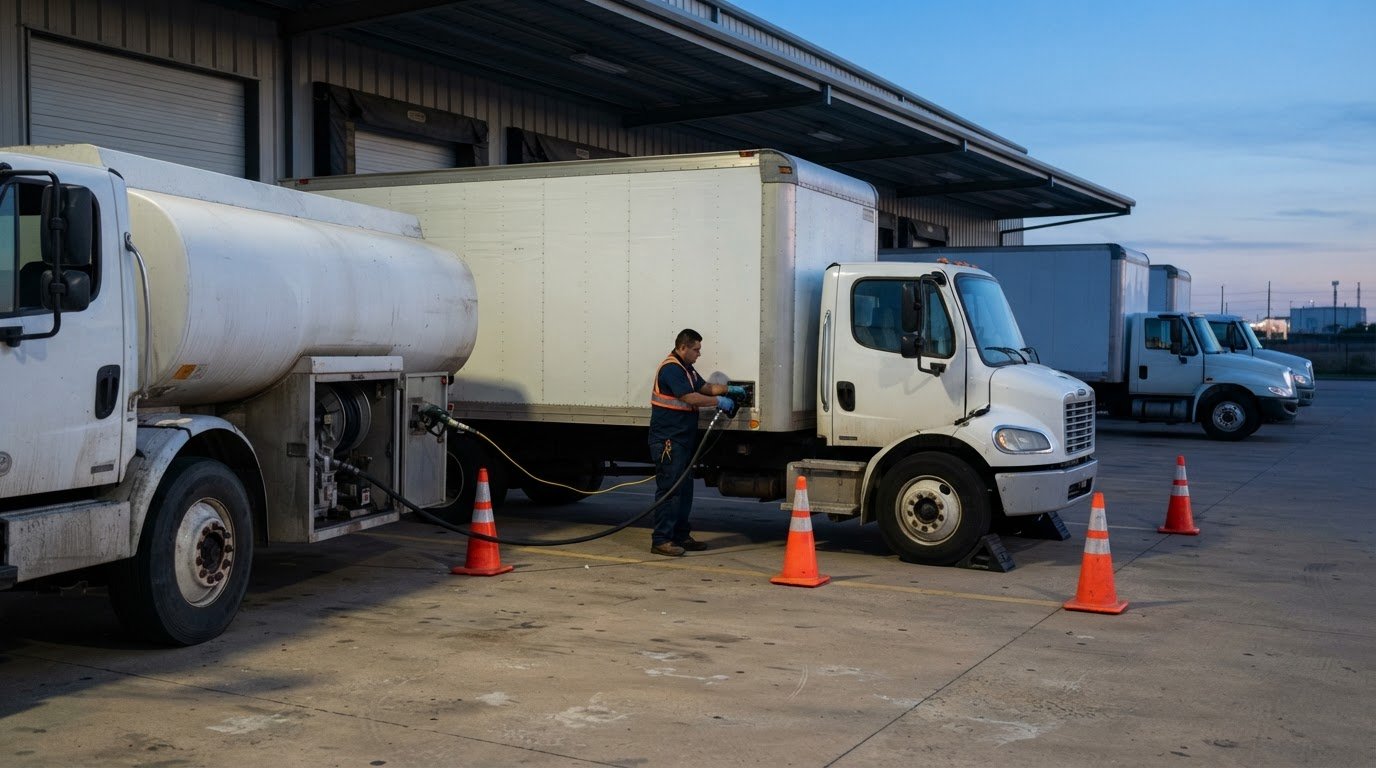
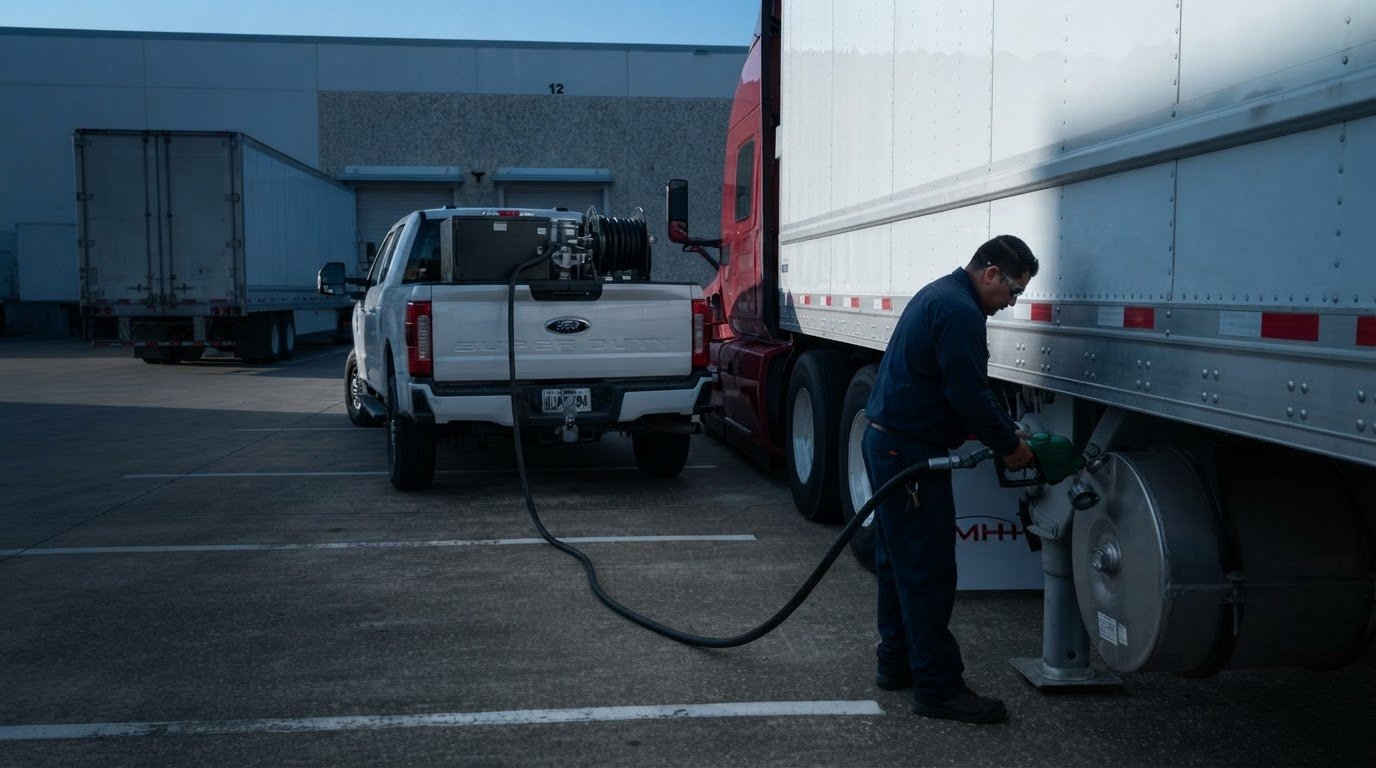
For a fleet, one fuel interruption can affect several vehicles and scheduled work. Plan each delivery around vehicle priority, operating location, fuel type, and the next task.
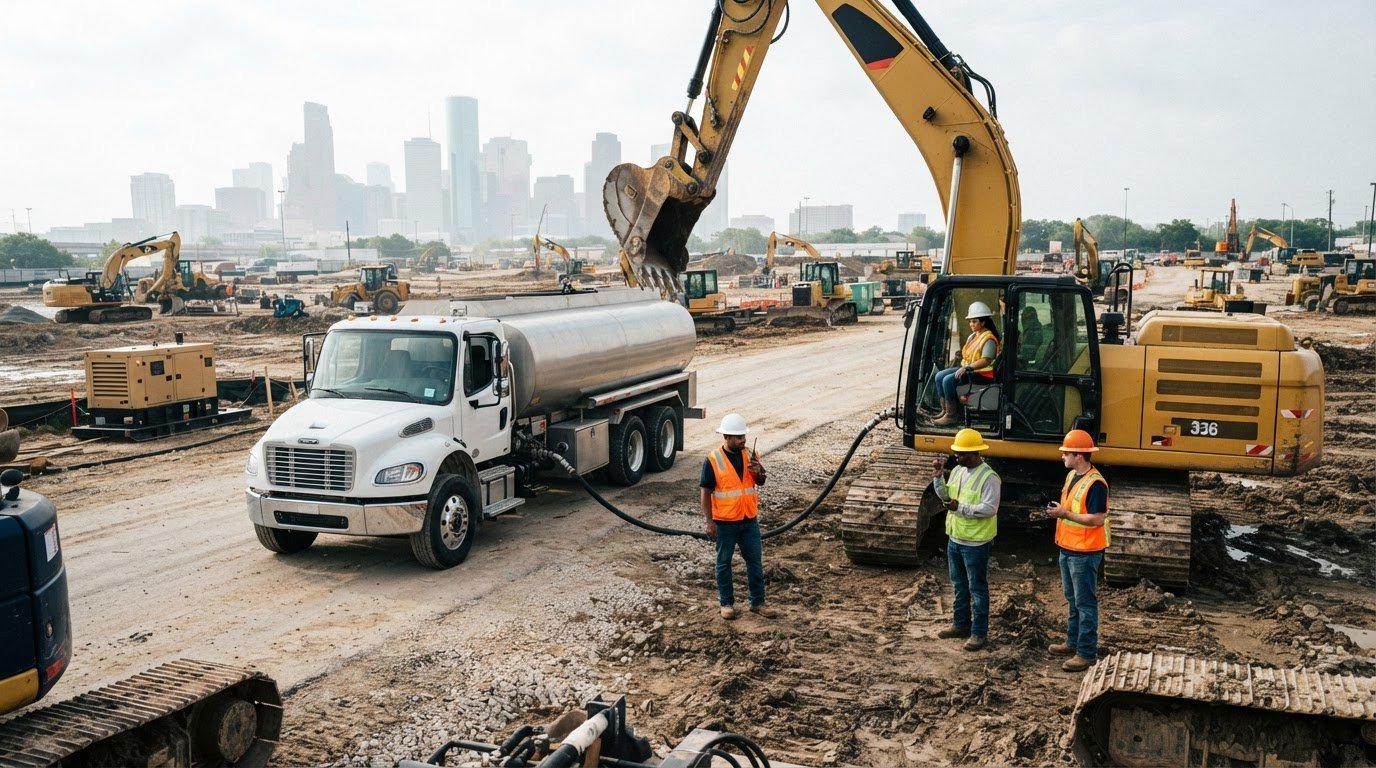
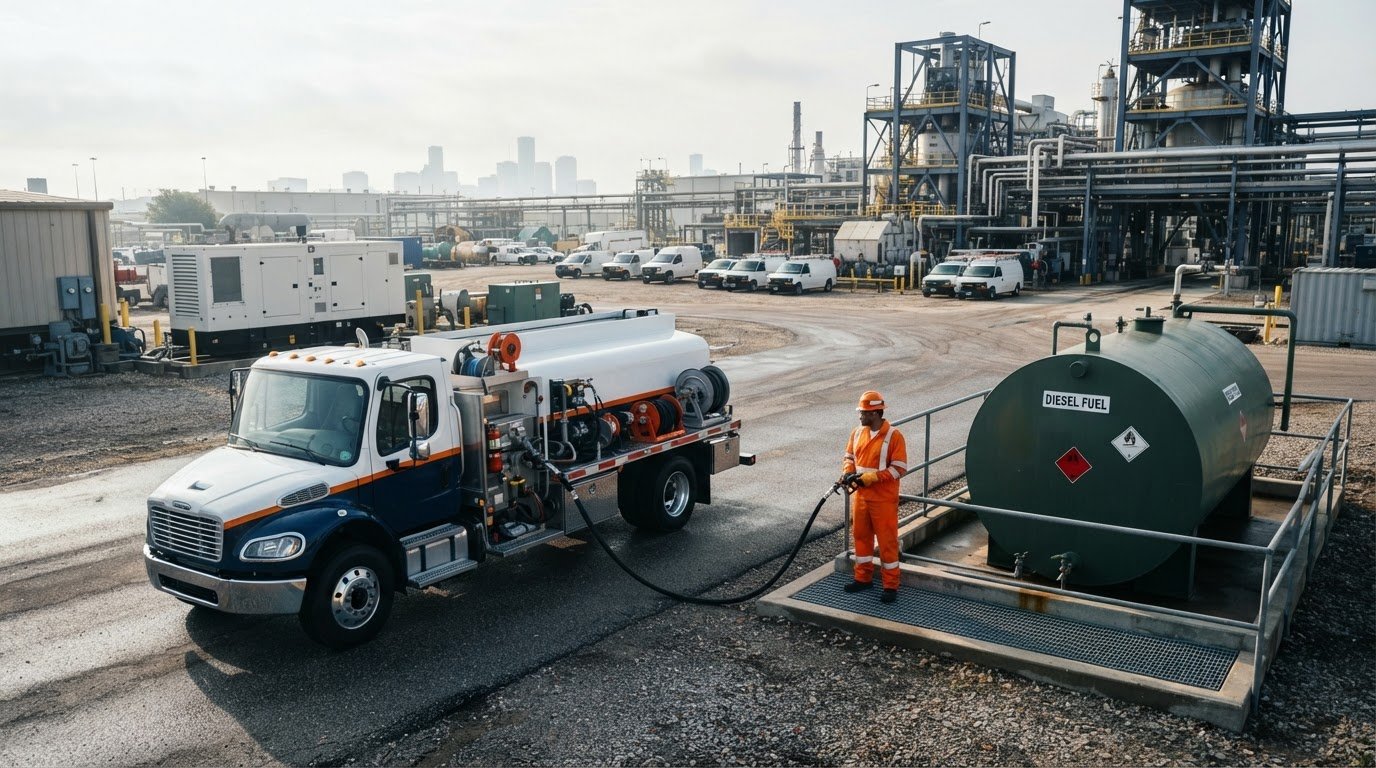
Commercial fueling can serve one truck or multiple fleet units at a yard, construction site, or industrial facility. A clear priority order helps direct fuel to vehicles with the most immediate operational need.
Plan Fueling Around Fleet Operations
Start by identifying which vehicles need fuel and where each is parked. Fleet numbers, vehicle descriptions, and site locations help dispatch distinguish the units. A diesel truck assigned to an urgent delivery, for example, may take priority over a vehicle that will remain parked.
Then group vehicles by location and fuel type. If several diesel vehicles are at one yard, list them together and identify any units parked elsewhere. This gives dispatch a clearer picture and distinguishes a multi-vehicle request from a single roadside delivery.
Coordinate On-Site Access
At a worksite, name the entrance, fueling area, and person who can guide the crew. A large construction site may have several gates or separate equipment zones. Identifying the right access point helps crews reach the vehicles or machinery that need fuel.
If a fleet is parked across multiple areas, provide a simple location description for each group. Note whether a vehicle is in a yard, loading area, or beside a work zone. Keep the site contact available to clarify directions if vehicles are moving when the crew arrives.
Fuel planning also means matching the request to the work ahead. Identify which trucks must return to service first, which will stay on site, and whether the request covers one location or multiple stops. This helps shape a practical delivery sequence.
A construction operation, for example, may need fuel for a support truck and equipment at the same site. A transport fleet may instead prioritize vehicles preparing to leave the yard. Describe the work schedule and identify the unit whose interruption would most affect the next operation.
Keep the request current as fleet conditions change. If a vehicle moves, another unit needs fuel, or the priority order changes, update dispatch. A fleet number and current location help prevent fuel from being directed to the wrong vehicle.
On-site delivery requires coordination around a safe stopping point, access route, and payment arrangement during booking. Highway drivers should use hazard lights, remain inside when safe, and avoid walking along busy lanes. For fleet requests, name one site contact who can guide the crew and coordinate payment details.
React Fueling: Diesel Delivery
React Fueling provides diesel delivery for commercial vehicles, fleets, and equipment at their operating locations. If a diesel truck runs low at a jobsite or fleet yard, on-site delivery can meet its fuel needs without sending it to a station.
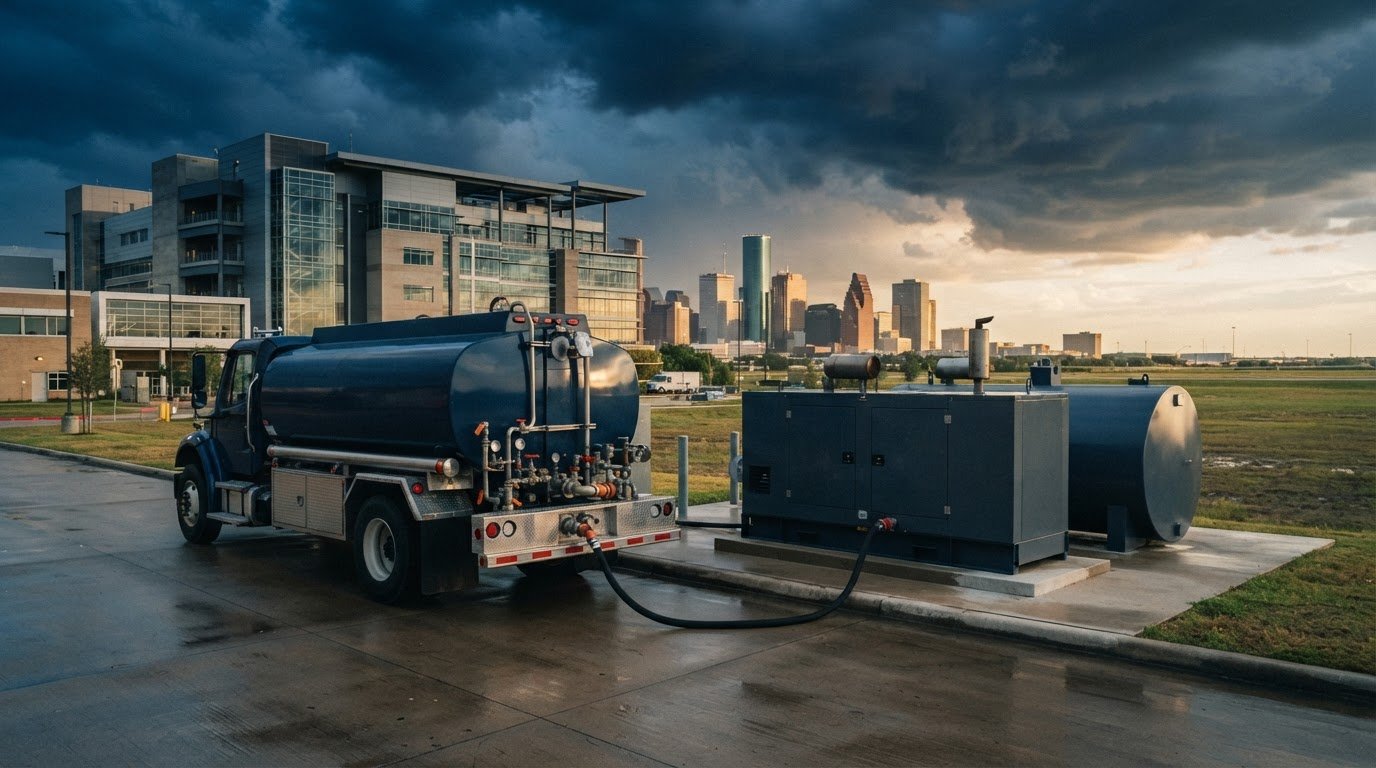
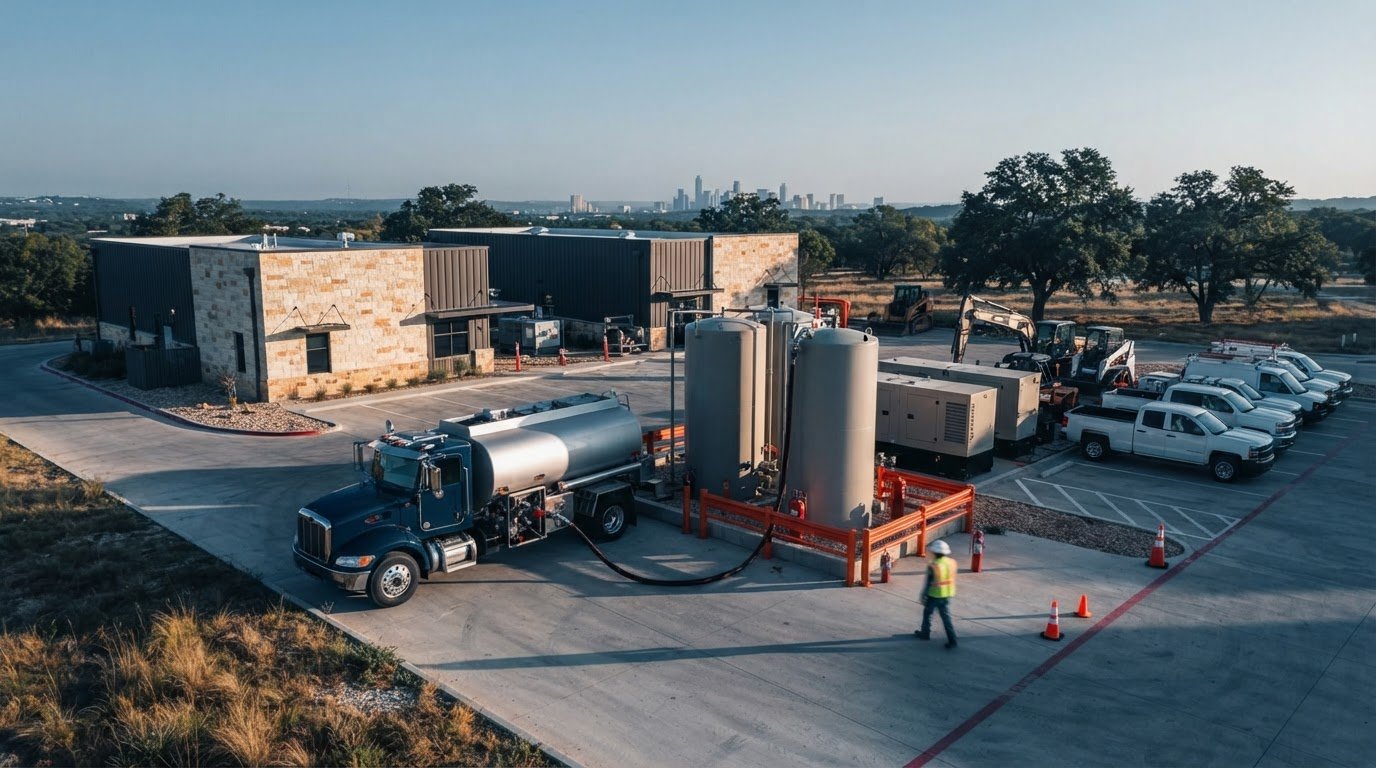
For fleet managers, share the vehicle location, fuel type, amount needed, and site access details when arranging a delivery. React Fueling also provides equipment fueling service for machinery at commercial and industrial sites, alongside generator fueling service and fuel delivery.
Choose the service that matches the need: diesel delivery for a diesel vehicle, equipment fueling for site machinery, or generator fueling for a generator. Contact React Fueling to coordinate fueling for your vehicles or worksite.
Keep Your Next Fuel Decision Simple
Make fuel continuity part of the operating plan, not just a response to an empty tank. A clear process for identifying priority vehicles, worksite access, and the right fuel type gives dispatch useful direction when operations change. Drivers need to know where their vehicle can be reached. Fleet managers need to decide which units must return to work first.
A 24-hour fuel delivery service in Houston can support urgent needs for drivers and commercial operations. React Fueling provides diesel delivery, equipment fueling service, and fuel delivery for vehicles and worksite needs. Share the location and operational requirement to help shape the request around the situation at hand.
Set up your next fuel request with a clear point of contact and delivery location. Contact React Fueling about fuel delivery and take the next step toward keeping your operation moving.
Frequently Asked Questions
Which companies offer 24-hour emergency fuel delivery in Houston, Texas?
React Fueling provides 24/7 emergency fueling in Houston for commercial and industrial needs. Drivers and fleet managers can request emergency fuel delivery when a vehicle or operation needs fuel at its location. The service is particularly relevant for commercial vehicles, construction sites, and facilities that rely on fuel-powered equipment. Include the fuel type and delivery location when arranging a request so dispatch can understand the operational need.
What fuels can Houston mobile fuel delivery services bring, such as gasoline, diesel, or DEF?
React Fueling delivers gasoline, diesel, and DEF fluid. Gasoline and diesel are fuels for compatible engines, while DEF, or Diesel Exhaust Fluid, is a separate fluid used by applicable diesel vehicles and equipment. Specify the product needed rather than describing every request simply as “fuel.” For a mixed fleet, identify which vehicles use diesel and which require DEF so the request reflects each unit’s needs.
Which Houston neighborhoods and surrounding areas are covered by 24-hour fuel delivery?
React Fueling’s service areas include Houston, TX; Austin, TX; San Antonio, TX; Dallas, TX; College Station, TX. Magnolia is also within the company’s Texas service area. For a delivery in Houston, provide the neighborhood, street address, site entrance, or nearby landmark. At a commercial property or jobsite, include a gate or designated fueling area to pinpoint the drop location.
How quickly can a fuel delivery service reach a customer in Houston?
React Fueling reports an average 4-hour response time across Texas. Actual delivery timing in Houston depends on factors such as the vehicle’s location, traffic, fuel type, requested volume, and site access. A highway shoulder near an interchange differs from a vehicle inside a large worksite. Give dispatch the precise location and access details so the response can be planned around the actual delivery point.
What are the minimum delivery amounts and service fees for Houston fuel delivery?
Request a quote to get pricing before dispatch. Fuel type, volume, distance, and timing affect the quoted amount. The requested volume should reflect the vehicle’s immediate need or the operating requirement at a worksite, such as fueling a truck for its next route. Share those details together when arranging service, so the quote addresses the actual delivery rather than a general estimate.
How do I request 24-hour fuel delivery in Houston, and what information should I provide?
Request service through the website’s estimate or quote option, or call (936) 828-6581. Provide your name, callback number, exact location, fuel type, requested volume, and a description of the vehicle or equipment. For a fleet, include vehicle identifiers and which unit has priority. At a worksite, share the entrance and fueling area so dispatch can route the delivery to the correct place.
Can Houston fuel delivery services refuel cars, trucks, generators, boats, or commercial fleets?
React Fueling serves commercial fleets, trucks, generators, and equipment at work locations. Its services include diesel and fuel delivery, equipment fueling, and generator fueling. Boat refueling involves a marine setting, unlike a fleet yard or jobsite. For a commercial request, identify the vehicle or equipment, its fuel type, and its location. These details help match the request to the appropriate service.