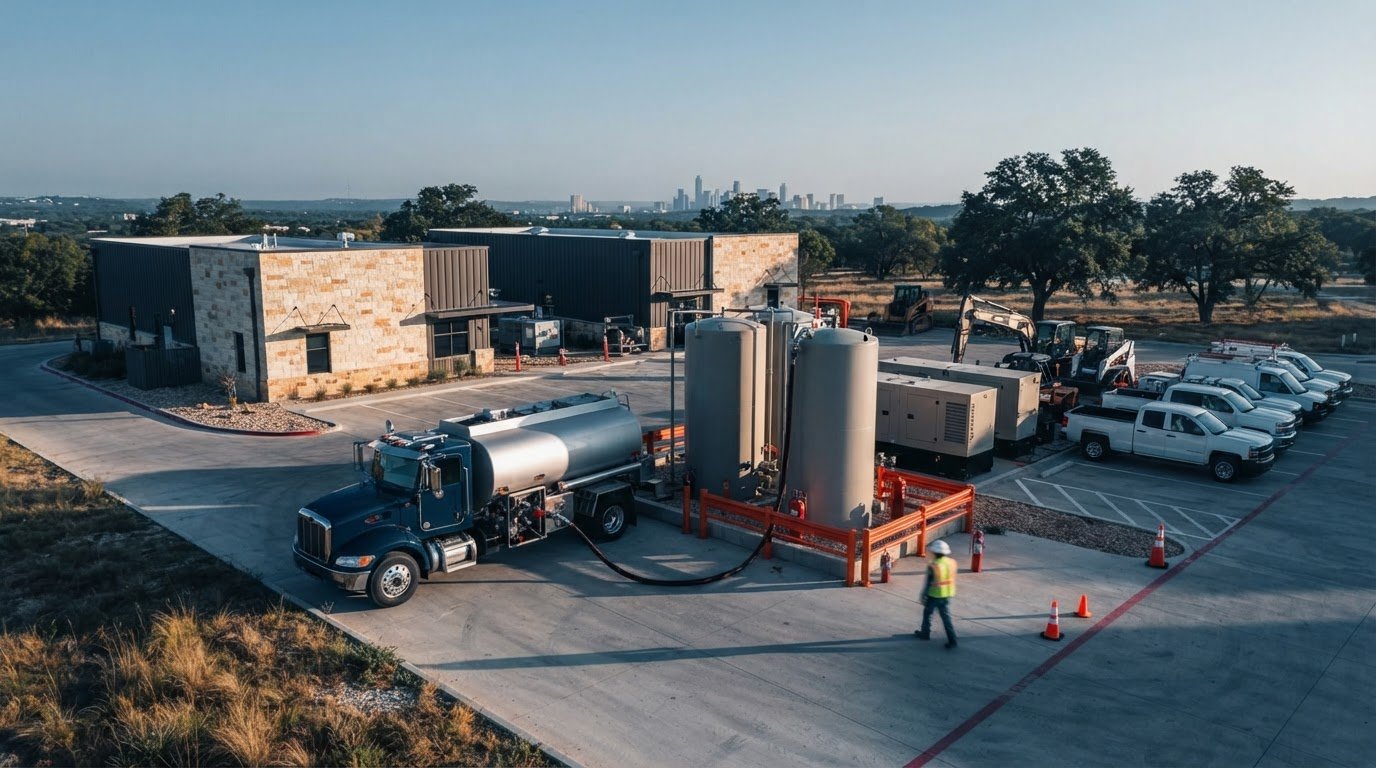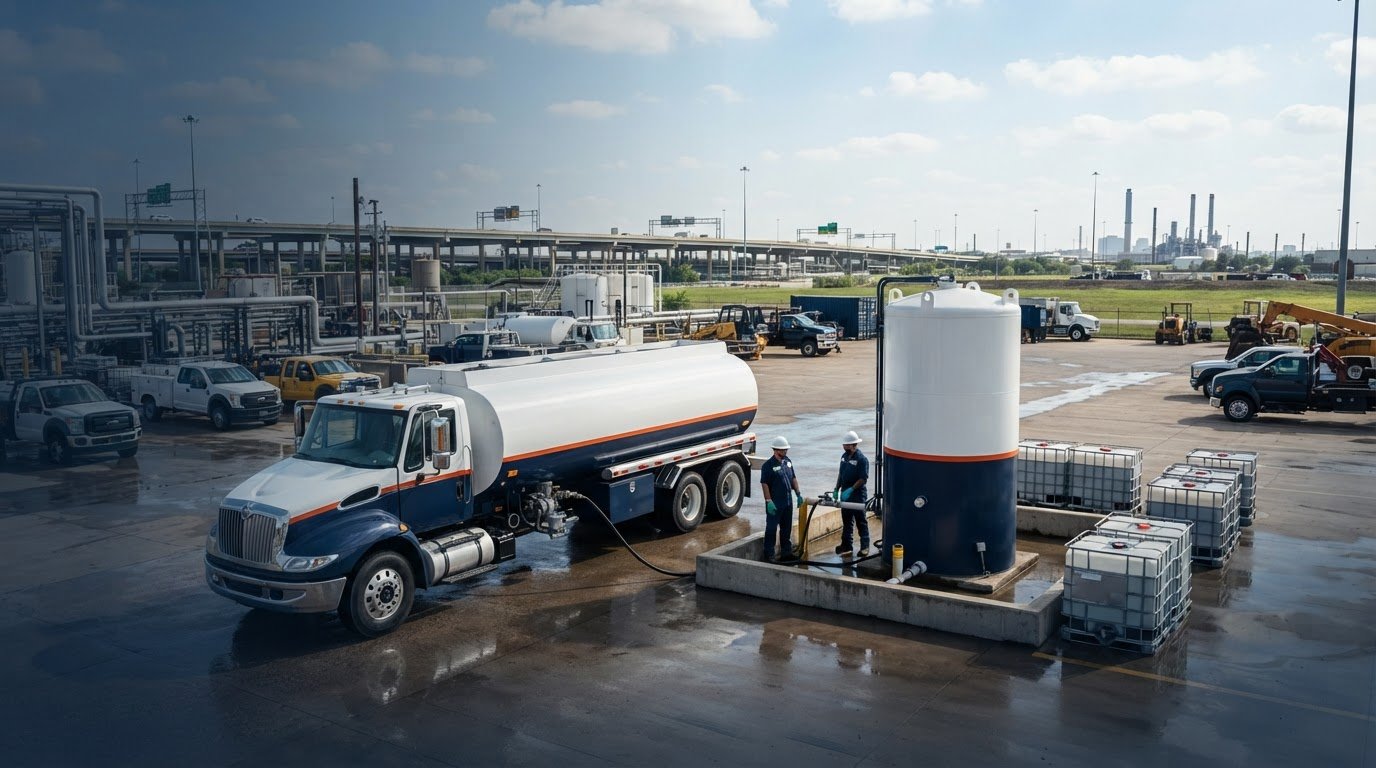
A generator can be ready to run and still lose its value when fuel runs short. A generator refueling service for businesses in College Station helps keep commercial backup power supplied, with fuel needs shaped by generator size and runtime. Small rental generators typically use 3-5 gallons of fuel per hour, while large rental generators typically consume 15-25 gallons per hour.
Fuel planning matters because a generator’s consumption rate determines how often it needs replenishment and how much fuel to keep on site. This guide explains generator refueling service for businesses, how delivery is planned, and which operating details affect fuel requirements. You’ll also learn how commercial, industrial, and residential generator needs differ, and what to consider when planning reliable backup power.
Bulk fuel delivery to equipment, generators, and tanks
On-site generator fuel storage in College Station has no single permit answer for every property. Requirements can depend on tank type, capacity, placement, and site use, so plan storage for the specific installation and applicable local and state rules.
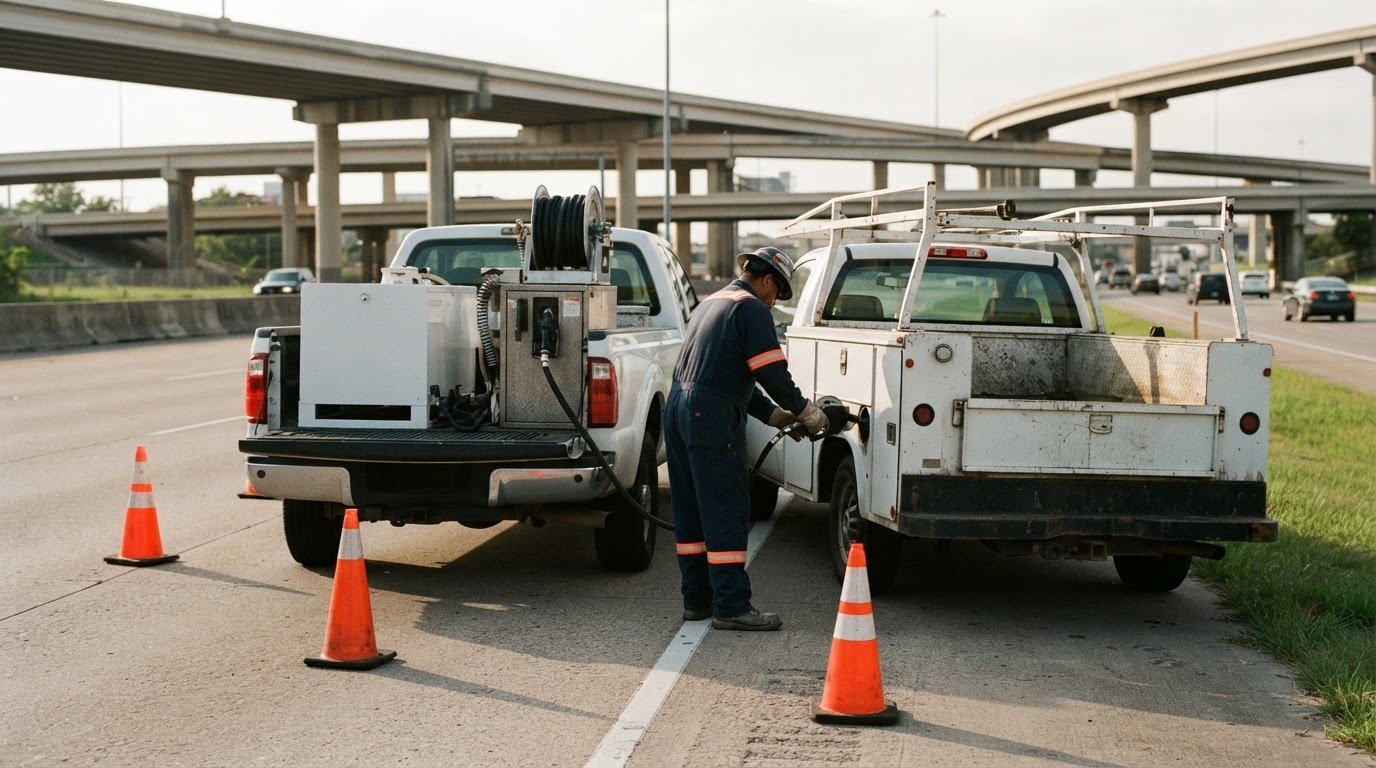
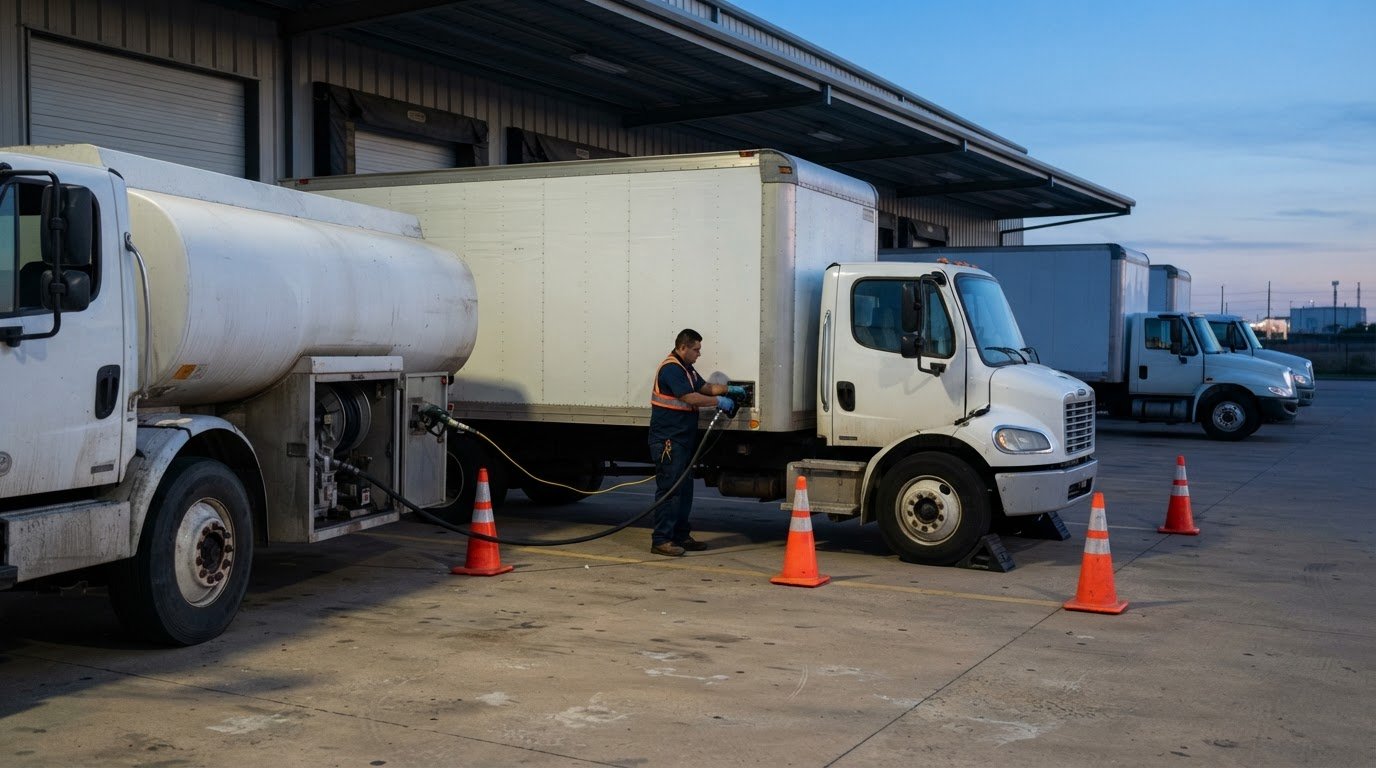
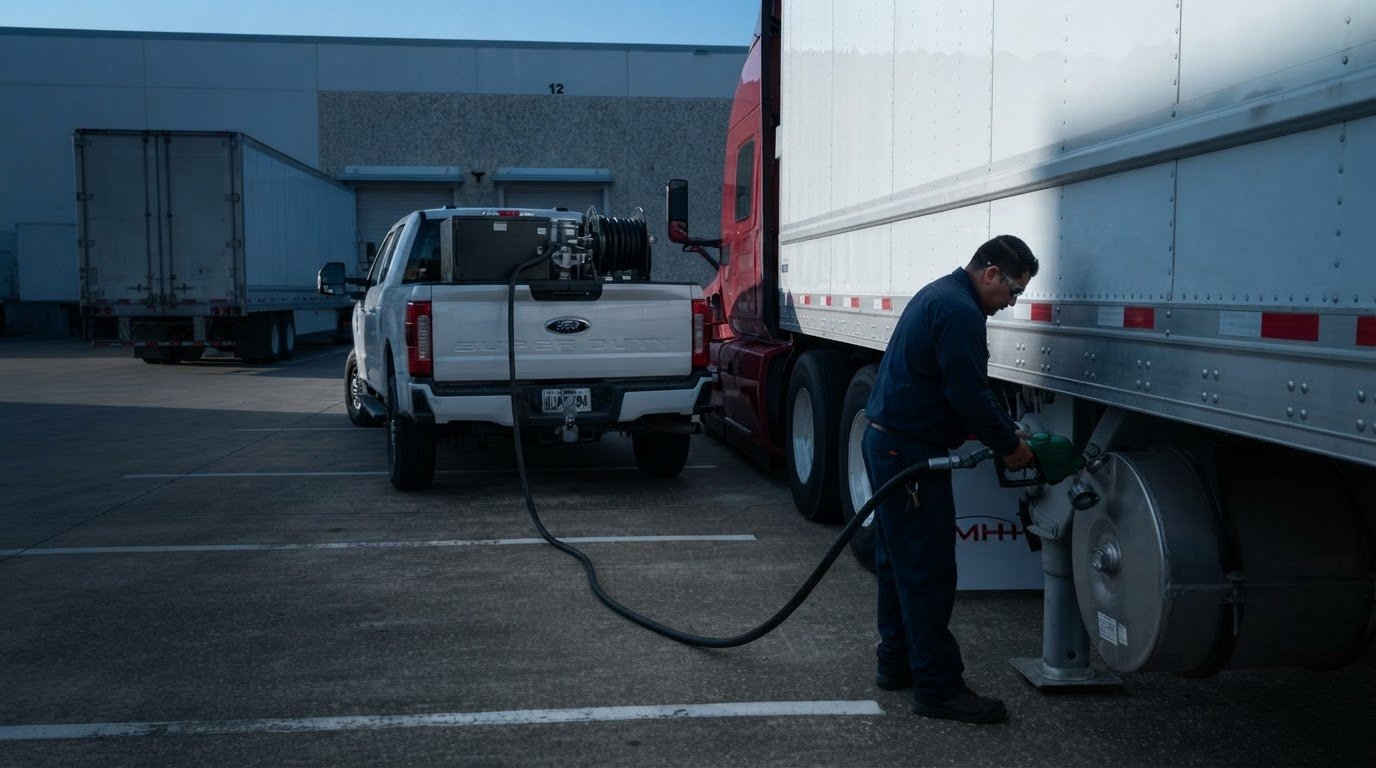
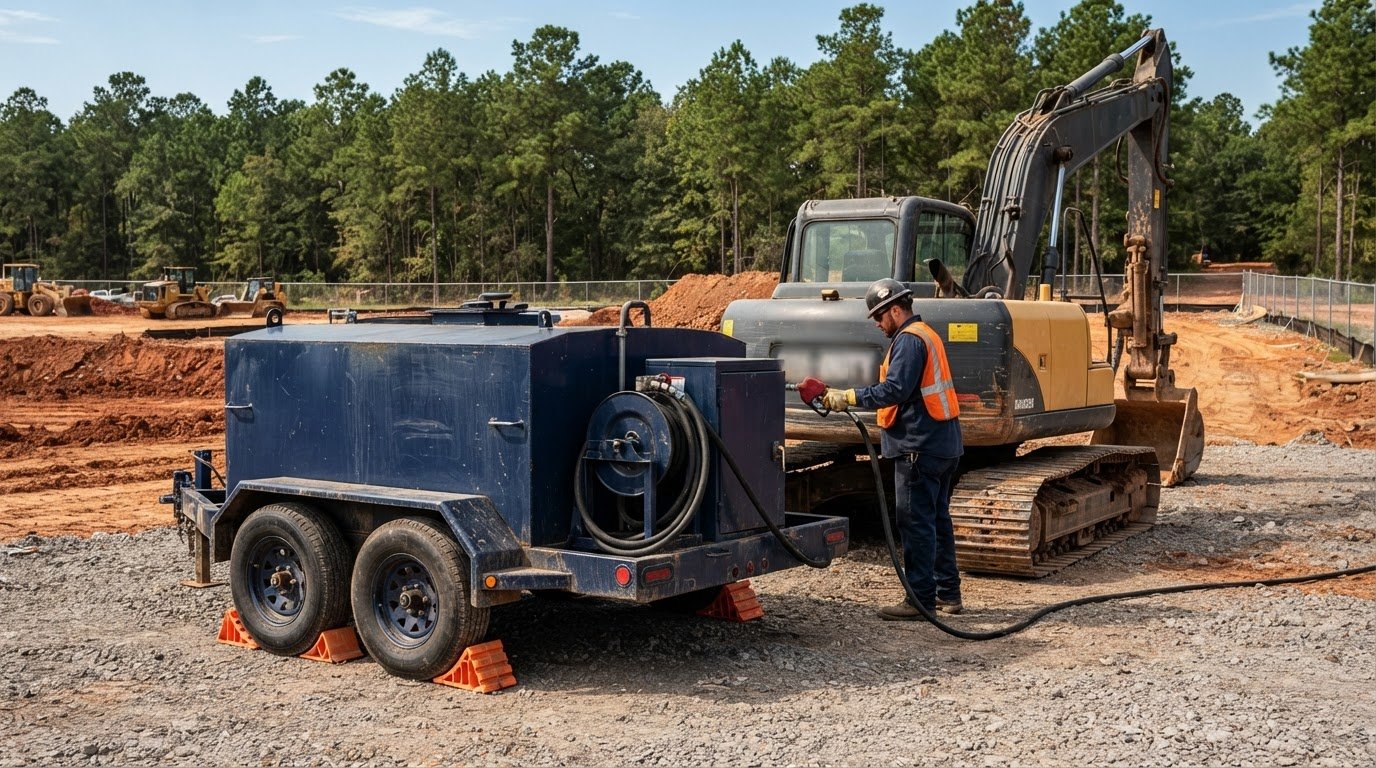
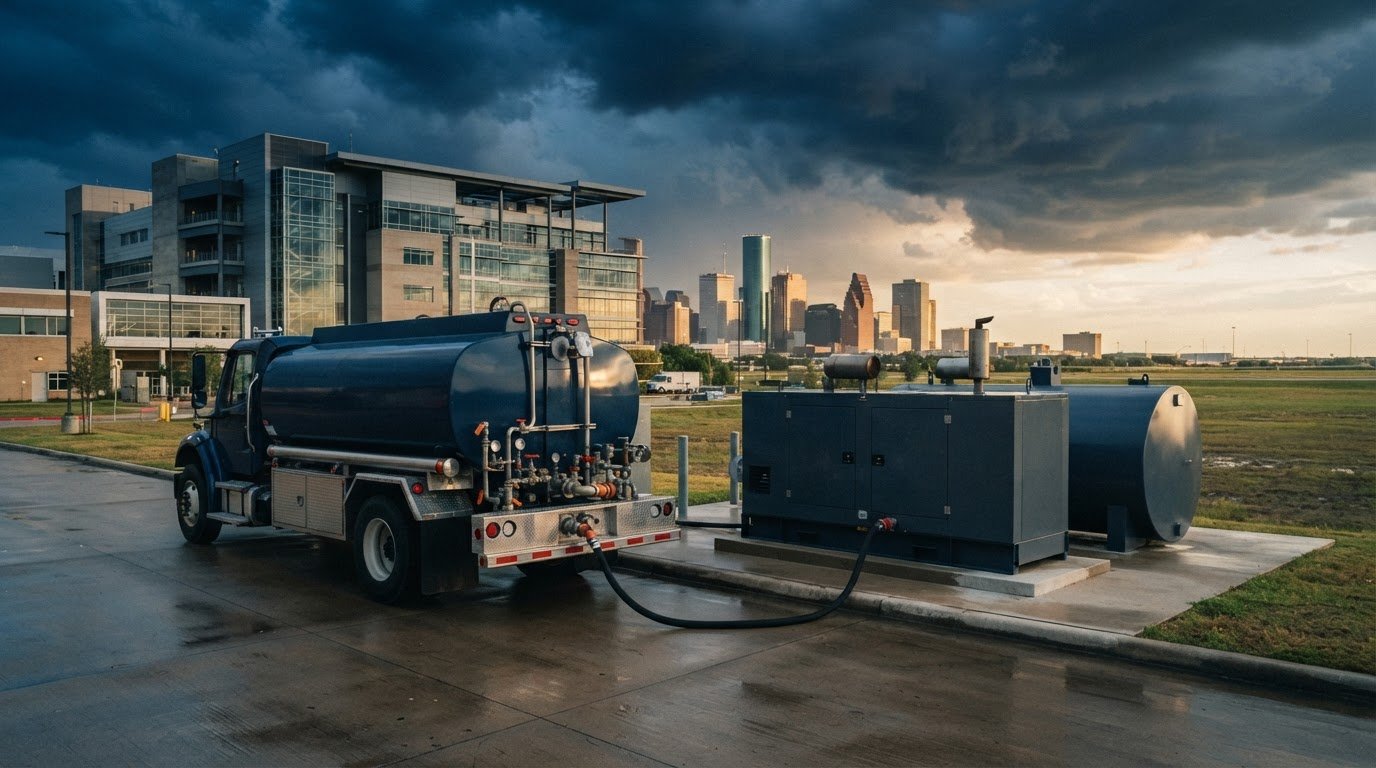
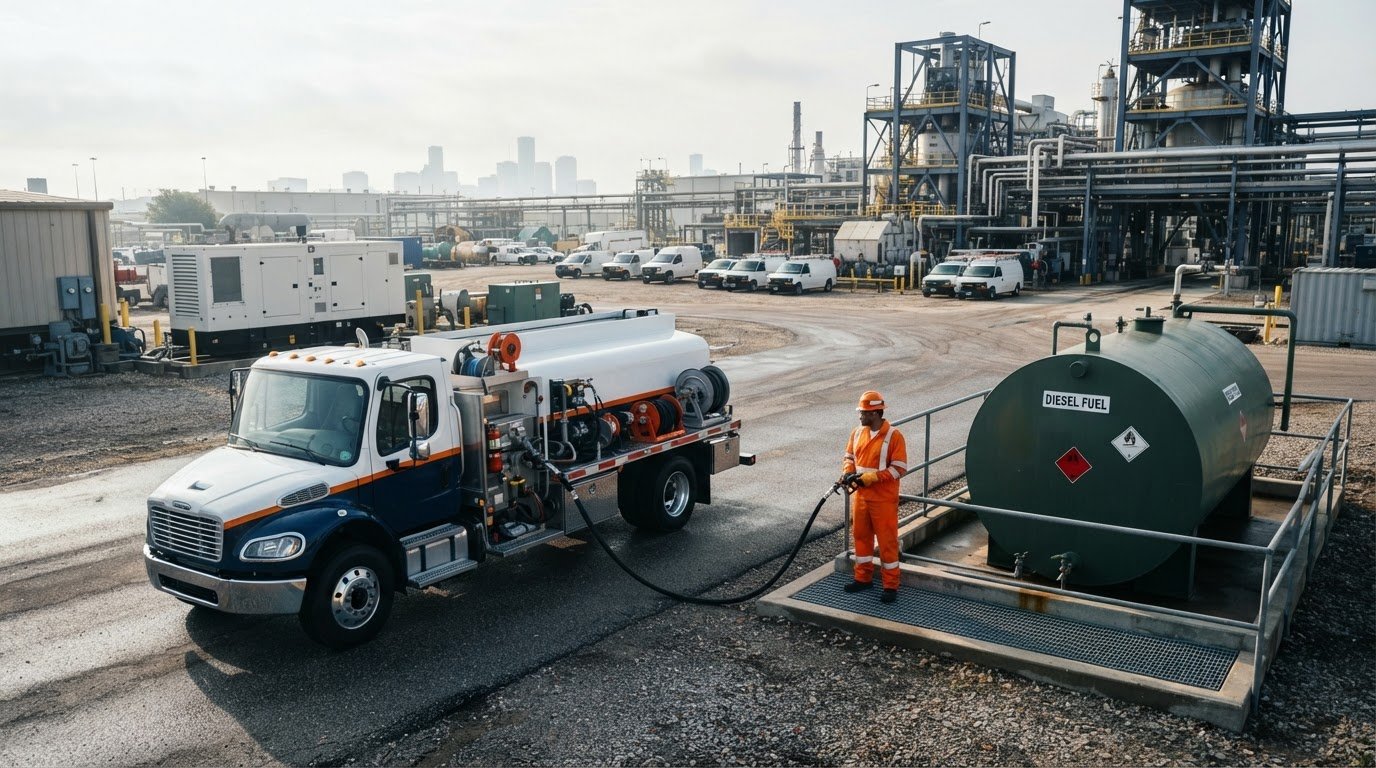
Bulk fuel delivery brings diesel or other required fuel directly to equipment, generators, or storage tanks. That differs from retail fuel purchases, where individual customers typically bring vehicles or portable containers to a retail location. Commercial delivery is arranged around a facility’s operating needs, delivery access, fuel type, and intended receiving point.
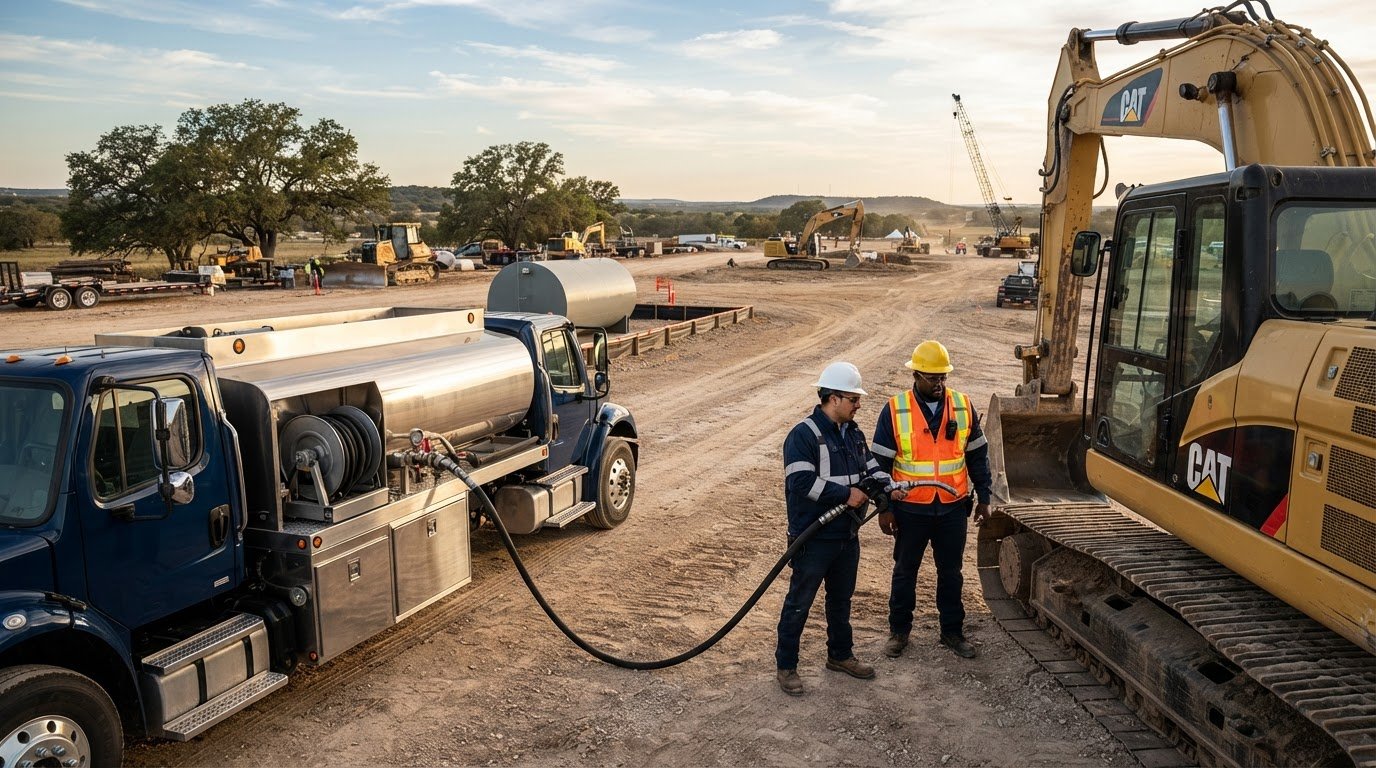
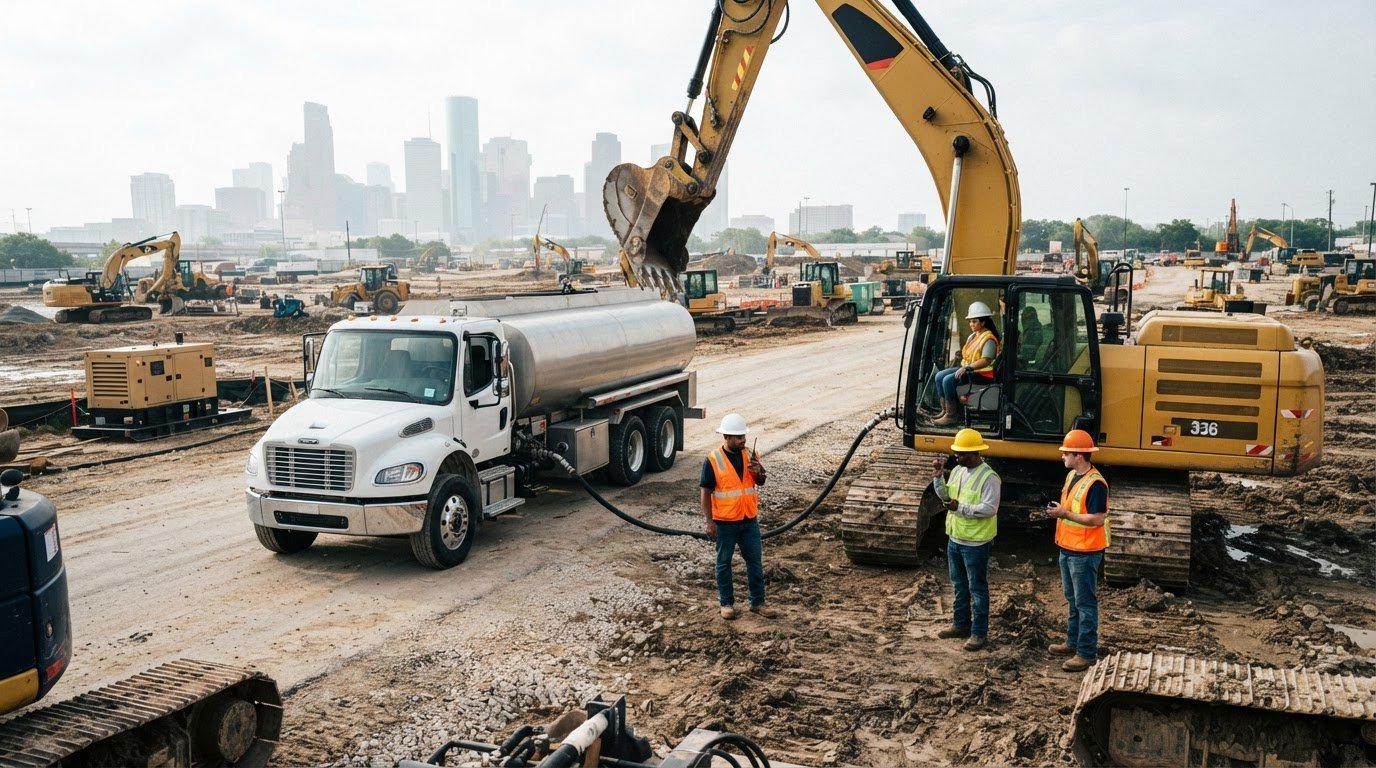
Start with an equipment list. Identify which machines use diesel or gasoline, and note where each unit and tank is located. A construction site, for example, might have a backup generator beside a building, powered equipment in a work zone, and a bulk tank near an access road. Mapping each location helps direct fuel to the right asset.
Consumption helps set a replenishment plan. Small rental generators typically use 3-5 gallons per hour, while large rental generators typically consume 15-25 gallons per hour. Actual demand depends on the generator and its operating load. Record runtime and fuel use so replenishment timing reflects the equipment’s workload, not a guess.
For a delivery, organize the details that affect routing and fueling:
- Fuel type for each generator or piece of equipment.
- Delivery address and a clear description of the site entrance.
- Tank or equipment location, including relevant access restrictions.
- Which assets support critical operations and need priority in the fueling sequence.
Priority fuel delivery matters when a facility relies on generators to support ongoing operations. A healthcare building, data center, or industrial site may have several assets competing for limited delivery access. Decide which generator or tank should be fueled first, and provide clear access instructions so the truck can reach the intended fueling point without disrupting work elsewhere.
For generator-specific planning, generator fueling service information can help frame the conversation around equipment and site needs. Keep storage in view as well: diesel fuel can last 6-12 months in storage with proper treatment. A fuel plan should account for storage condition and turnover, alongside current demand, so the next delivery supports the generator’s actual operating schedule.
Requirements depend on tank type and capacity, placement, and site use. Plan the installation around applicable local and state rules.
Gasoline and diesel supply
Choose fuel according to the generator’s specifications. Gasoline and diesel aren’t interchangeable: a gasoline-powered unit needs gasoline, while a diesel generator needs diesel. Match each unit to its operating instructions and label its receiving point. For a mixed fleet, keep separate records for gasoline and diesel equipment to prevent delivery errors.
Build the supply plan around expected runtime, generator load, and available storage. A site with one standby diesel generator has different needs from a facility operating several generators and diesel-powered machines. Track fuel use during operation and use those records to plan deliveries. Keep the generator’s fuel supply distinct from fuel stored for other equipment.
Diesel storage life is finite, even when fuel is treated. The previous section noted that properly treated diesel may last 6-12 months. Apply that window to inventory planning: record when stored fuel arrives, use older stock first, and plan replenishment around expected demand. For example, a facility maintaining backup fuel through a quiet operating period should account for storage age before relying on that supply during extended generator use.
Diesel exhaust fluid, or DEF, supports emissions-control systems on diesel equipment where those systems are fitted. It is not generator fuel and must remain separate from the diesel tank. Treat it as a distinct supply item, with its own storage location and replenishment record. A site fueling diesel generators and equipment can list DEF separately in its delivery plan, avoiding confusion between fluids with different purposes. The DEF fluid delivery option fits facilities that need this separate supply alongside fuel.
- Record each generator’s fuel type and identify gasoline or diesel equipment.
- Track stored diesel’s arrival and treatment dates for rotation planning.
- List DEF separately from diesel fuel wherever applicable.
- Update supply plans when equipment, runtime, or site operations change.
For College Station businesses, a clear fuel inventory connects deliveries to actual operating needs. Record which equipment is essential, the fuel each unit uses, and where each supply belongs. This makes it easier to coordinate commercial fueling for generators, work equipment, and facility storage without treating different fuels or fluids as interchangeable.
Emergency and standby generator refueling
A standby generator can support operations only if it has suitable fuel and can operate as intended. For a College Station facility, plan for emergency refueling before an outage: identify the generators that protect essential functions, note their fuel type, and map the route trucks need to reach each unit or tank.
During an outage, fuel planning becomes an active task. Assign one person to track generator status and another to coordinate site access. Record which units are running, where they receive fuel, and which operations depend on them. This creates a clear priority sequence if several generators or fuel points need attention.
Bulk fuel can support longer operating periods when stored and managed for the site’s needs. Plan how fuel will move from storage to each generator, including equipment access and site restrictions. For example, a distribution building might prioritize the generator serving communications equipment before one supporting nonessential areas. A written sequence helps staff coordinate during an outage.
Businesses comparing a generator refueling provider should assess whether the provider can supply the generator’s required fuel, reach the site’s fueling points, and coordinate delivery around operating conditions. Also compare how clearly the provider handles access details, priority instructions, and delivery communication. Those practical factors help determine whether the arrangement fits a facility’s standby plan.
Prepare essential delivery details in advance. A concise site record can include:
- Generator locations and the fuel type each unit uses.
- Site entrance, truck access route, and fueling-point directions.
- Priority order for generators supporting critical operations.
- A facility contact responsible for coordinating access during an outage.
Use fuel appropriate for the generator and follow the equipment’s requirements. Keep fuel for one type of generator separate from supplies for other equipment. If a facility has diesel and gasoline units, label each receiving point and record its fuel type. This simple distinction helps prevent a mismatch during a time-sensitive delivery.
After an outage, update the site plan with what happened. Note which generators operated, which fuel points needed service, and whether truck access caused delays. If a hospital, warehouse, or manufacturing facility changes its layout, revise the directions and priority sequence. Current records make future emergency responses easier to coordinate and help keep standby equipment ready for its role.
Commercial, industrial, and residential generator refueling
Property type shapes the fueling plan: a College Station office, industrial site, and home have different access and operating needs. Consider generator location, fuel type, site access, and the role of backup power.
Refueling Across Property Types
A commercial property may have a generator supporting a workplace or essential building systems, while an industrial facility may have several units across a worksite. Residential setups usually involve a home and more confined access. For each property, map the generator location, delivery route, and fuel supply point. These details help determine whether a delivery truck can reach the equipment safely and efficiently.
Safety Risks and Precautions
Commercial generator refueling involves potential fuel spills, vehicle movement, and nearby equipment or operations. Reduce risk by defining the fueling area, keeping the truck route clear, and coordinating site access before delivery. Follow the generator’s operating instructions and the facility’s safety procedures. During an outage, assign a site contact to coordinate staff and delivery activity around running equipment.
The main difference between commercial and industrial fueling is often the site layout and number of assets, not simply the property label. A warehouse may have one accessible generator, while a manufacturing site may have units near active work areas. Share equipment locations and operating priorities so the delivery sequence fits the site.
Residential generator refueling needs a different access plan. A narrow driveway, nearby structures, or limited turning space can affect where a mobile truck can safely position. For a home in College Station, identify the generator and tank location, driveway access, and any obstructions before arranging delivery. These details distinguish a residential setup from a commercial fueling plan.
When choosing a business fueling service, consider fuel type, whether the provider serves your equipment, delivery coordination, and communication about site access. Clear instructions matter: confirm that the planned fuel matches the generator and that delivery accounts for facility operations. React Fueling provides generator, equipment, and fuel delivery for commercial operations across Texas.
- Identify whether the property is commercial, industrial, or residential.
- Map generator and tank locations against truck access.
- Set a contact and clear fueling area before delivery.
- Match the fuel supply to the equipment’s requirements.
These considerations help determine which fueling approach fits the property. Commercial and industrial sites can prioritize operational continuity, while residential planning focuses on access and generator placement. In every case, a well-defined delivery plan connects the property’s layout with its backup-power needs.
What service plans and maintenance options include generator fuel delivery?
A generator fuel plan organizes how a facility receives fuel; generator maintenance addresses the equipment itself. For a College Station business, document each generator’s fuel type, expected operating pattern, delivery location, and site access instructions. Keeping these details together helps staff coordinate fueling without confusing it with mechanical inspection or repair.
Start with a written fuel delivery profile for each generator. Record its location, correct fuel, tank or receiving point, and access contact. At properties with separate buildings, label each unit by building or function. Clear instructions help when staff change or equipment is added.
Next, establish how staff will monitor fuel use and request replenishment. A log can record operating periods, observed fuel levels, and unusual demand. Use those records to adjust delivery schedules as needs change. If a generator runs more often during an outage, for example, updated usage information can help inform the next fueling request.
A defined service plan can set out practical arrangements such as:
- Which generator or fuel point receives the delivery.
- How site access and arrival instructions are communicated.
- Who at the facility coordinates the delivery.
- How staff report changed demand or an urgent need.
Keep maintenance separate from the facility’s fuel plan. Fuel delivery supplies the generator, but does not inspect or repair its engine, battery, controls, or electrical connections. Track equipment maintenance independently, while the fuel plan covers supply coordination. Separate records help staff distinguish fuel availability from generator condition.
Review the plan when the facility changes its layout, adds a generator, or changes how it uses backup power. Update delivery locations and access routes if construction blocks the usual path. If a generator moves, revise its identification and fueling instructions before the next delivery. This prevents outdated directions from sending trucks to the wrong part of the property.
For a College Station business, a useful fuel plan reflects current operations. Assign a staff contact, keep generator records accessible, and revise them when equipment or access changes. React Fueling provides generator fuel delivery for businesses. Share your equipment and site details to plan delivery around your operating requirements.
React Fueling: Generator Fueling Service
React Fueling provides generator fueling for College Station businesses that need fuel delivered to backup power equipment. Its Generator Fueling Service supports routine replenishment and changing fuel needs during operations, with scheduled and on-demand service. Share the generator’s fuel type and location, site access details, and operating priorities to plan delivery.
For sites with additional diesel-powered equipment, Diesel Delivery and Equipment Fueling Service can address those fueling needs alongside generator requirements. Clear details about each asset help distinguish the correct fuel and delivery point. Explore generator fueling service to see how the service relates to your facility’s backup-power needs.
Contact React Fueling to discuss generator refueling for your business and the site details that shape delivery.
Put your generator fuel plan into action
Make the next step a clear operating plan, not another last-minute decision. Identify the generator’s role, assign responsibility for fuel coordination, and keep delivery instructions current as your site or equipment changes. A generator refueling service for businesses in College Station can connect fuel delivery with your facility’s operating needs.
React Fueling offers Diesel Delivery, Equipment Fueling Service, and Fuel Delivery for businesses managing fuel needs across generators and equipment. Share your site details and fueling requirements to discuss an arrangement suited to your operation.
Contact React Fueling about generator refueling and take a practical next step toward keeping your business prepared.
Frequently Asked Questions
Which companies provide commercial generator refueling in College Station, Texas?
React Fueling provides commercial generator fueling in College Station. Businesses looking for a generator refueling service for businesses in College Station can share their facility type, generator location, and fuel requirements. React Fueling also serves Houston, TX; Austin, TX; San Antonio, TX; Dallas, TX; and College Station, TX. A data center or construction site, for example, can identify which backup-power equipment needs fuel delivery.
Do College Station generator refueling services offer scheduled and emergency fuel delivery?
React Fueling offers scheduled and on-demand generator fueling, along with emergency fuel delivery. Businesses arranging generator refueling services in College Station can plan for routine fuel needs or describe an urgent requirement, such as an outage. Provide the generator’s location, required fuel, and site access instructions. These details help communicate the task and coordinate delivery to the correct facility or equipment.
What types of generators and fuels do local refueling companies service?
React Fueling provides generator fueling for backup power systems and delivers gasoline and diesel. The required fuel depends on the generator, so identify its fuel type when arranging service. The company also fuels equipment such as excavators, loaders, skid steers, dozers, and cranes. DEF delivery is a separate option for trucks and equipment, not a substitute for generator fuel.
Do providers offer 24/7 emergency generator refueling during power outages?
React Fueling offers emergency fueling 24/7, including generator refueling during power outages. For a facility in College Station, share the site entrance, generator location, and access instructions when requesting help. A hospital, data center, or industrial operation can also explain which equipment supports critical functions. Clear information helps dispatch understand the site and fueling need during an outage.
How quickly can a provider deliver fuel to a College Station business?
React Fueling lists an average 4-hour response time across Texas. For a College Station business, provide the delivery address, site entrance, and generator or tank location. Include the fuel type and access instructions, such as a designated gate or delivery point. These details help the team understand where fuel is needed and coordinate its response to the request.