Fueling logistics can keep a fleet moving or pull vehicles off schedule. Fleet fueling programs in Austin can combine on-site service with route-based fueling, while city fleet operations use fuel-use records to track activity by vehicle, date, location, and fuel type.
For fleet managers, the challenge is bigger than finding fuel. Coordinating stops, keeping vehicles ready for dispatch, and managing fuel records all take time away from core operations. A planned approach can bring fuel to vehicles or equipment at their worksite, or fit service around established routes.
This guide explains how on-site and route-based fueling differ, what city fleet operations reveal about managing fuel, and how the right service setup can reduce interruptions and administrative work. You’ll also learn which practical details shape a fueling plan, from fleet schedules and fueling locations to fuel types and recordkeeping needs, so you can identify an approach that supports your operation in Austin.
Fleet fueling service in Austin and other Texas cities
Austin fleet fueling programs can combine retail fuel purchases with scheduled deliveries to yards, depots, and work sites. The right arrangement depends on where vehicles park, which fuel they use, and when they need to be ready. City fleet data provides a sense of scale: Austin reported 7,701 fleet assets in its 2024 update. For a fleet spread across the city, fueling logistics must account for both fixed facilities and vehicles that travel between locations.
Retail truck stops give drivers access to fuel while they’re on the road. Depending on the location, amenities may include parking, restrooms, food, showers, and commercial vehicle services. These stops can suit route-based purchases when a planned route passes nearby. They may add detour time, however, and receipts from separate stops can make expenses harder to consolidate. Fuel cards or account controls can help limit purchases to authorized vehicles, drivers, fuel types, or transaction conditions.
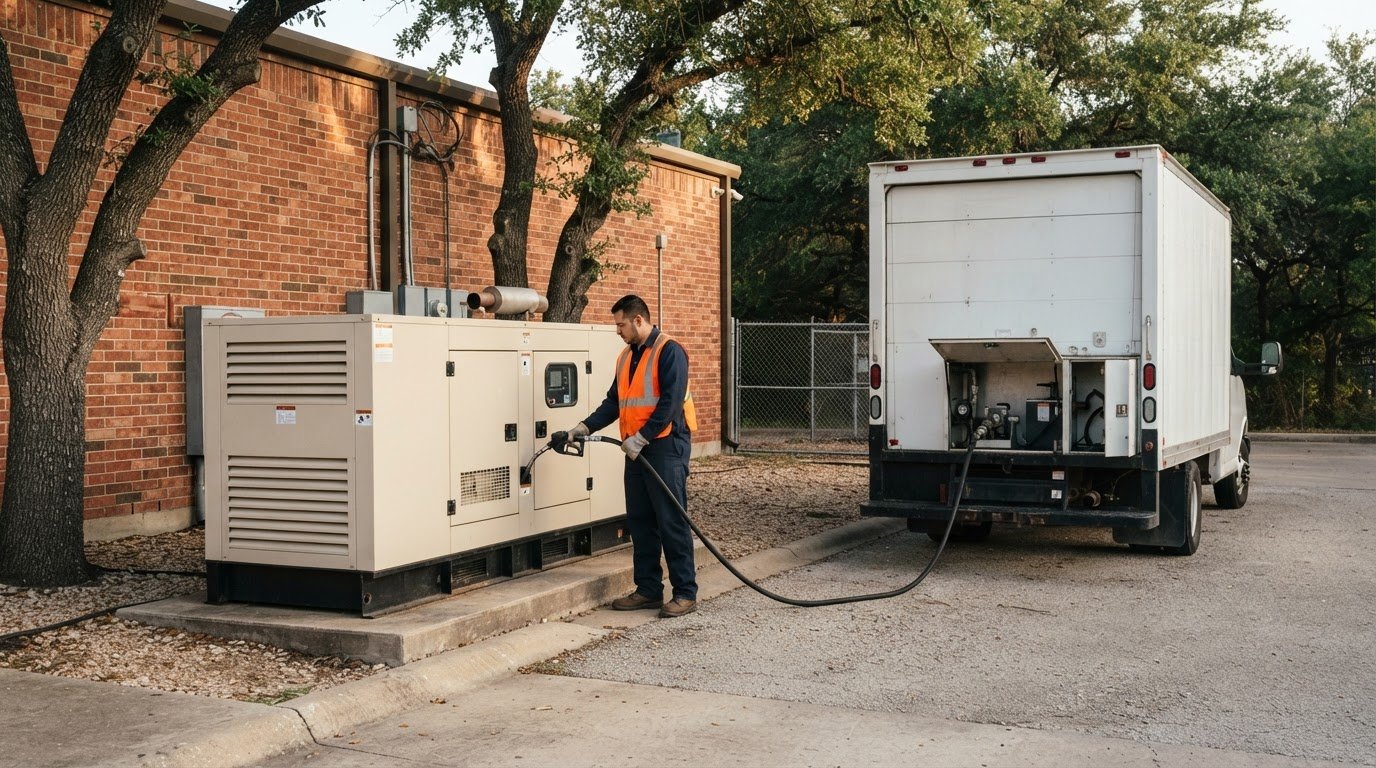
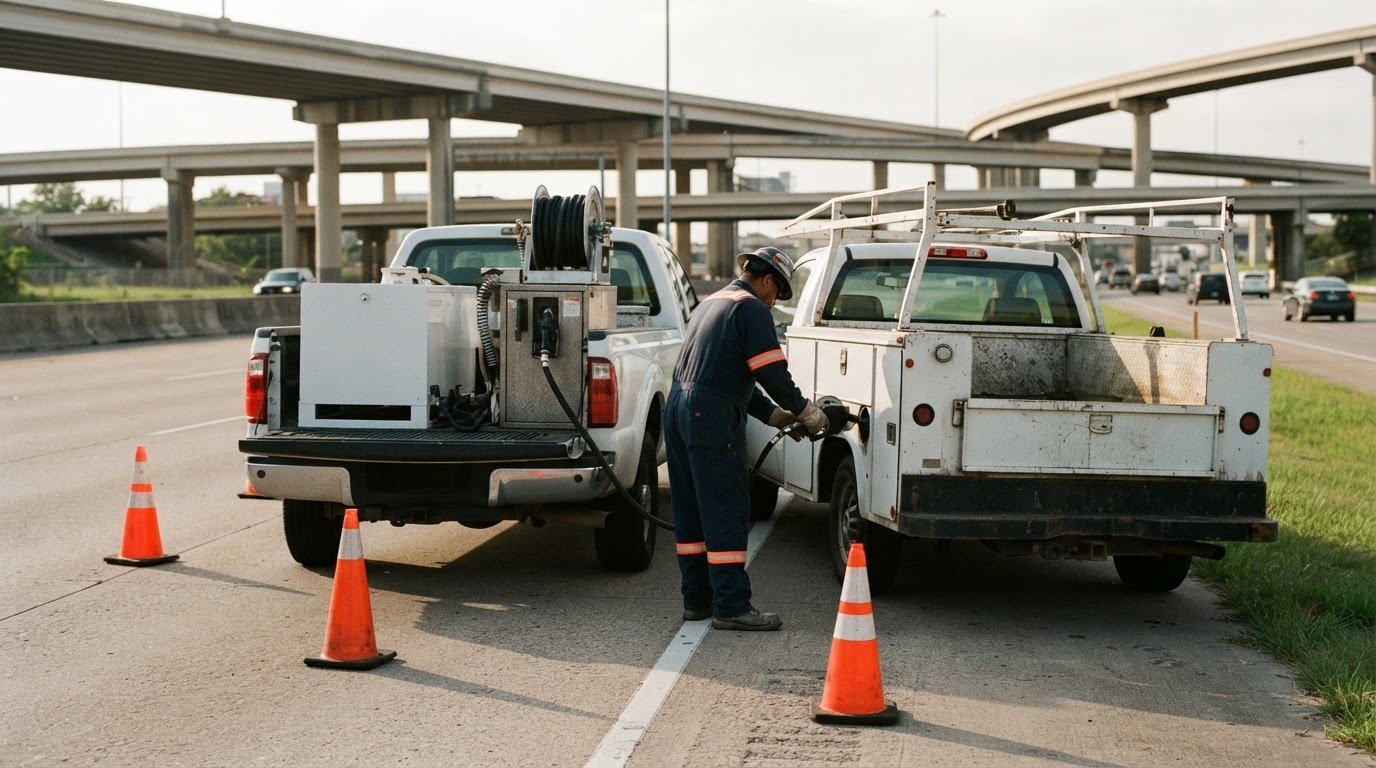
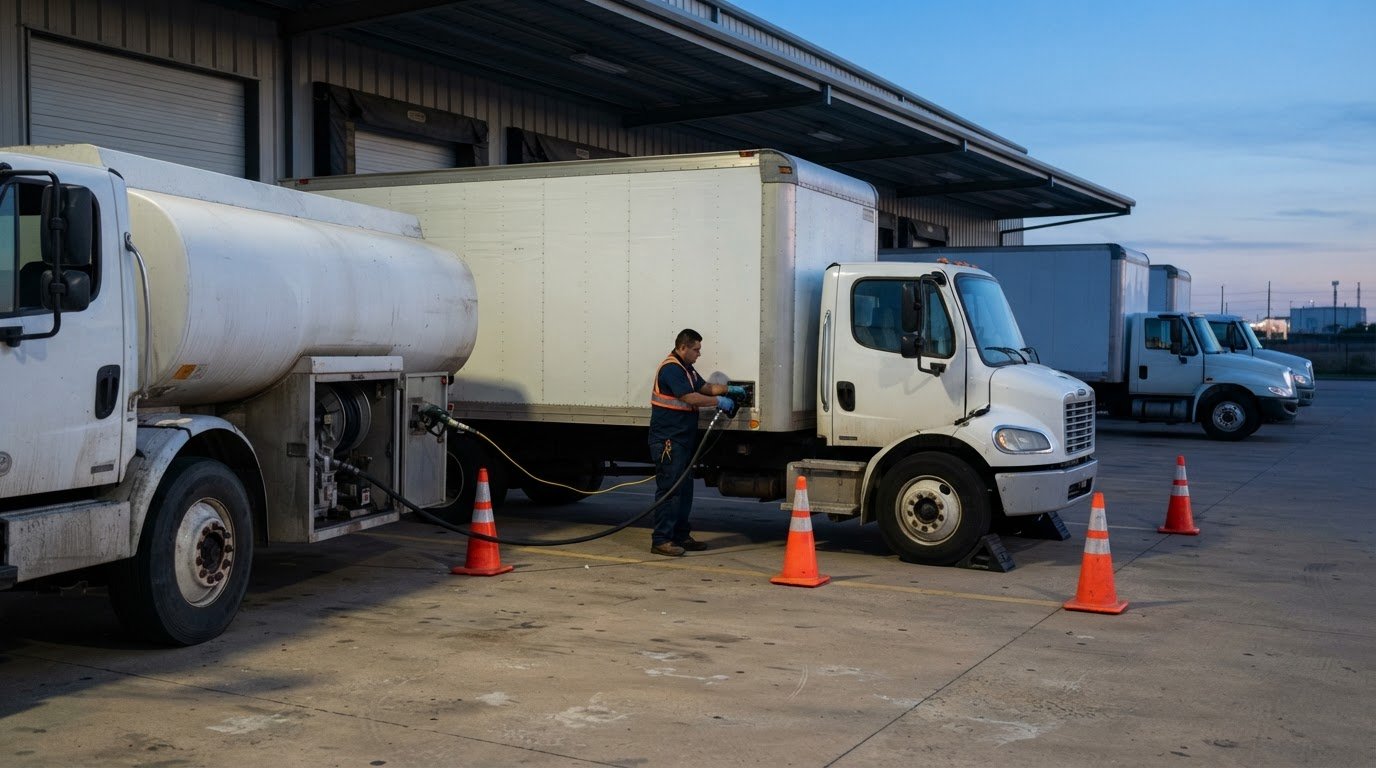
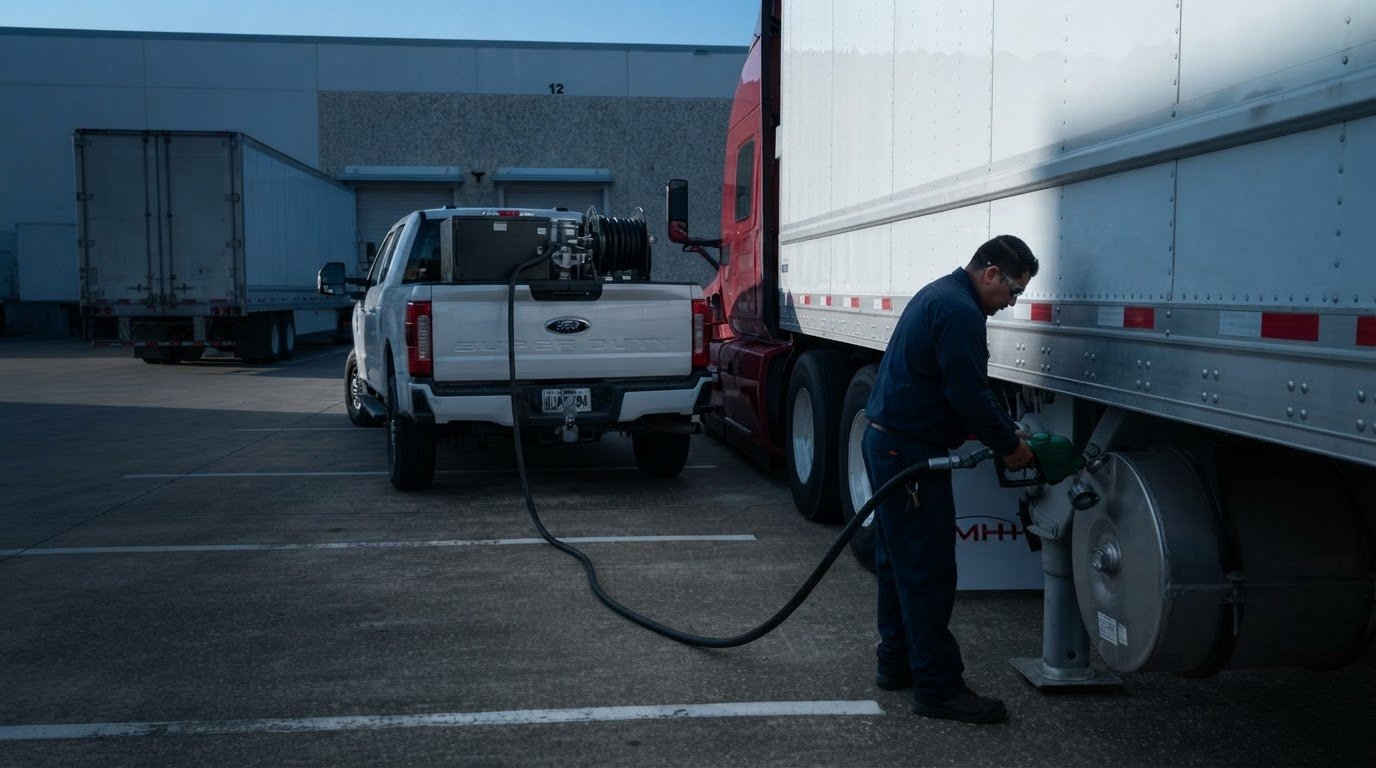
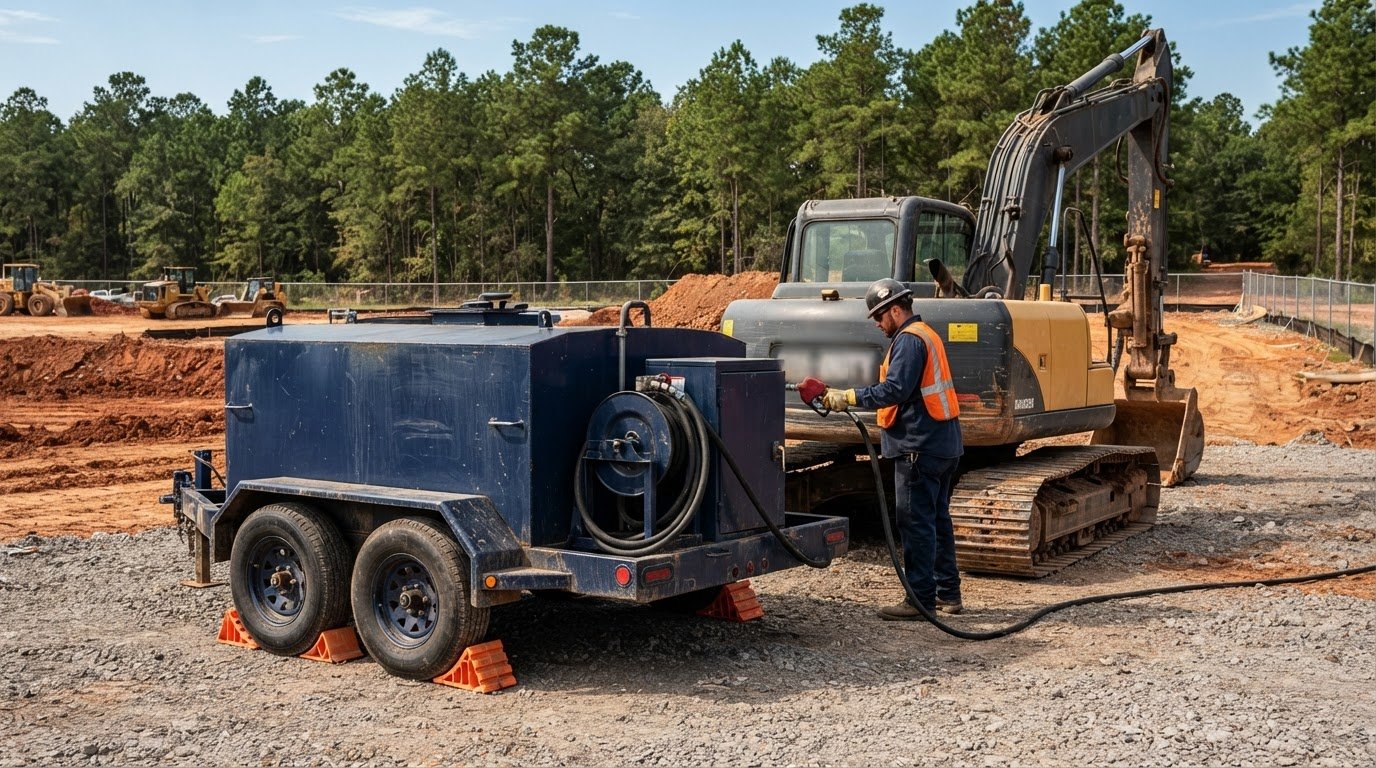
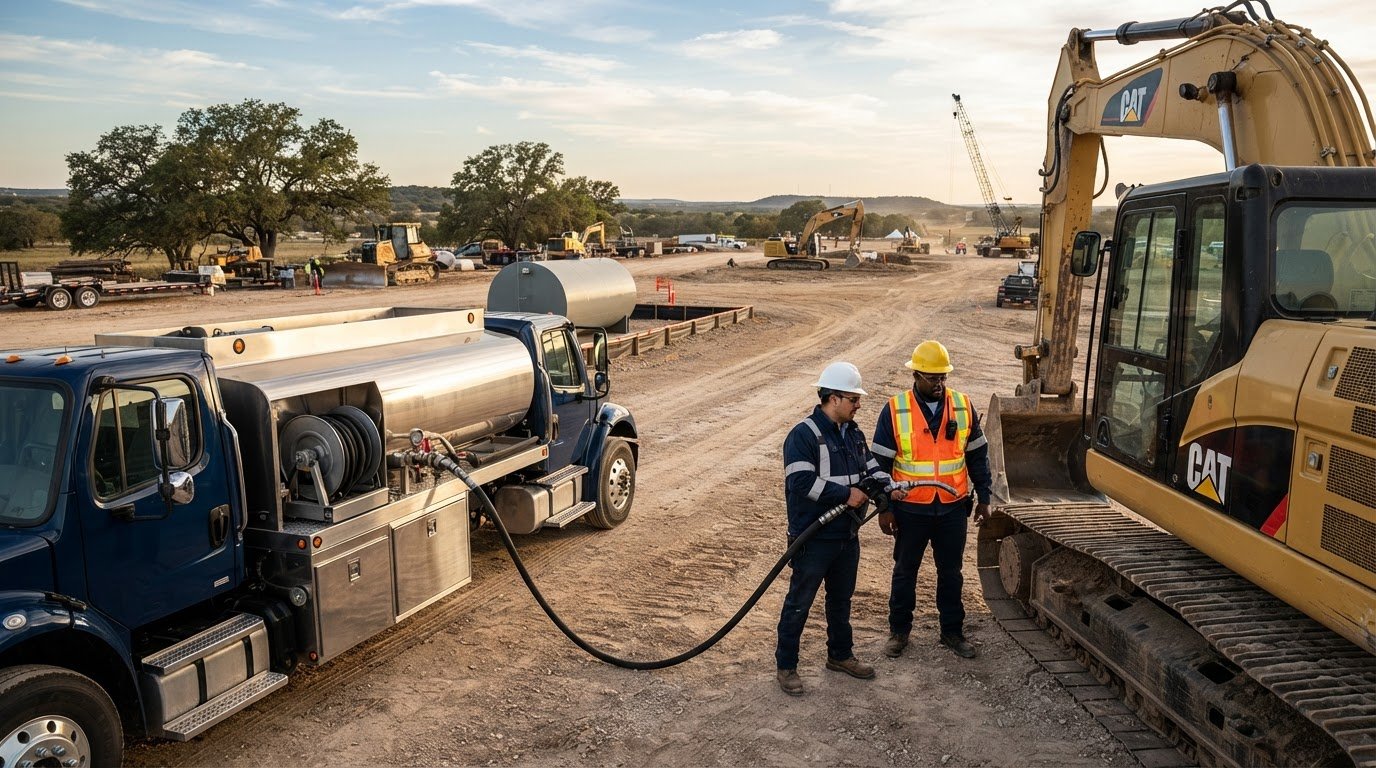
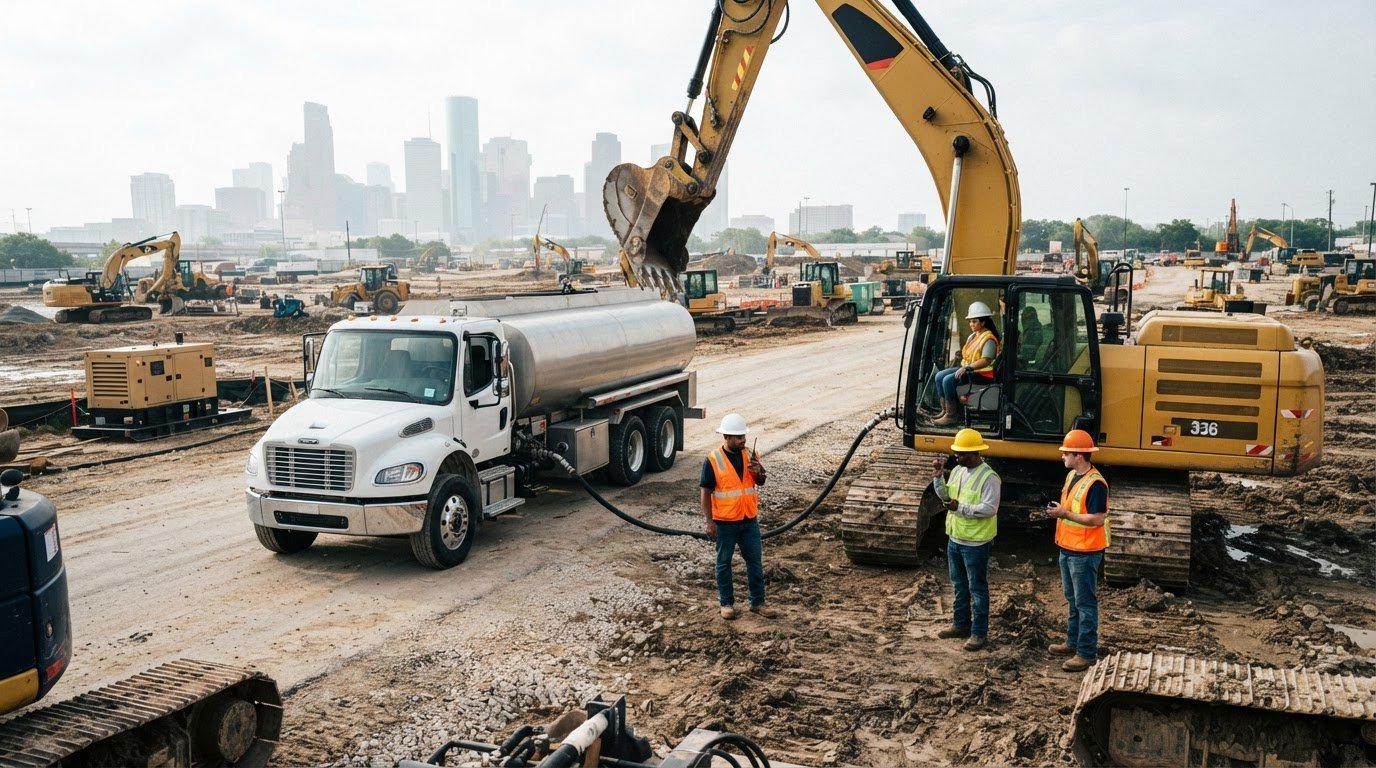
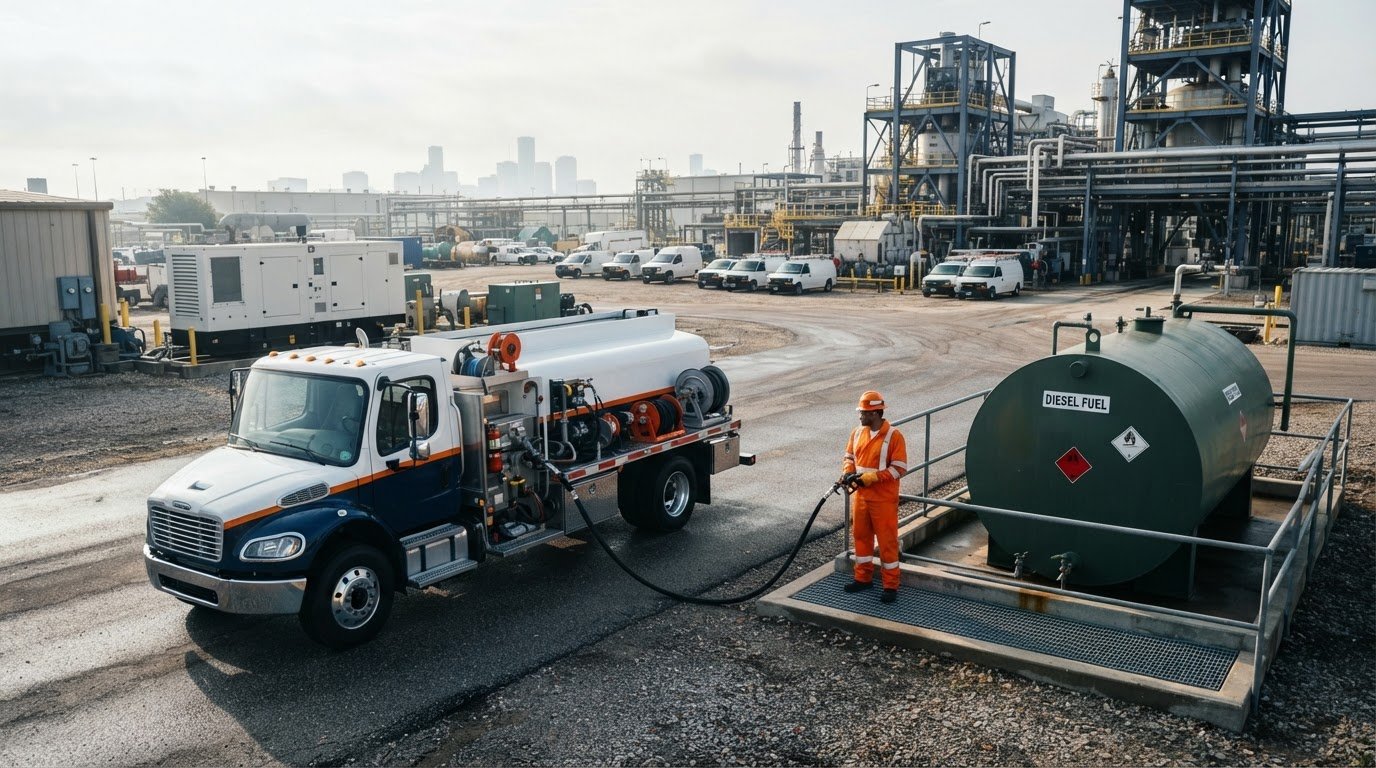
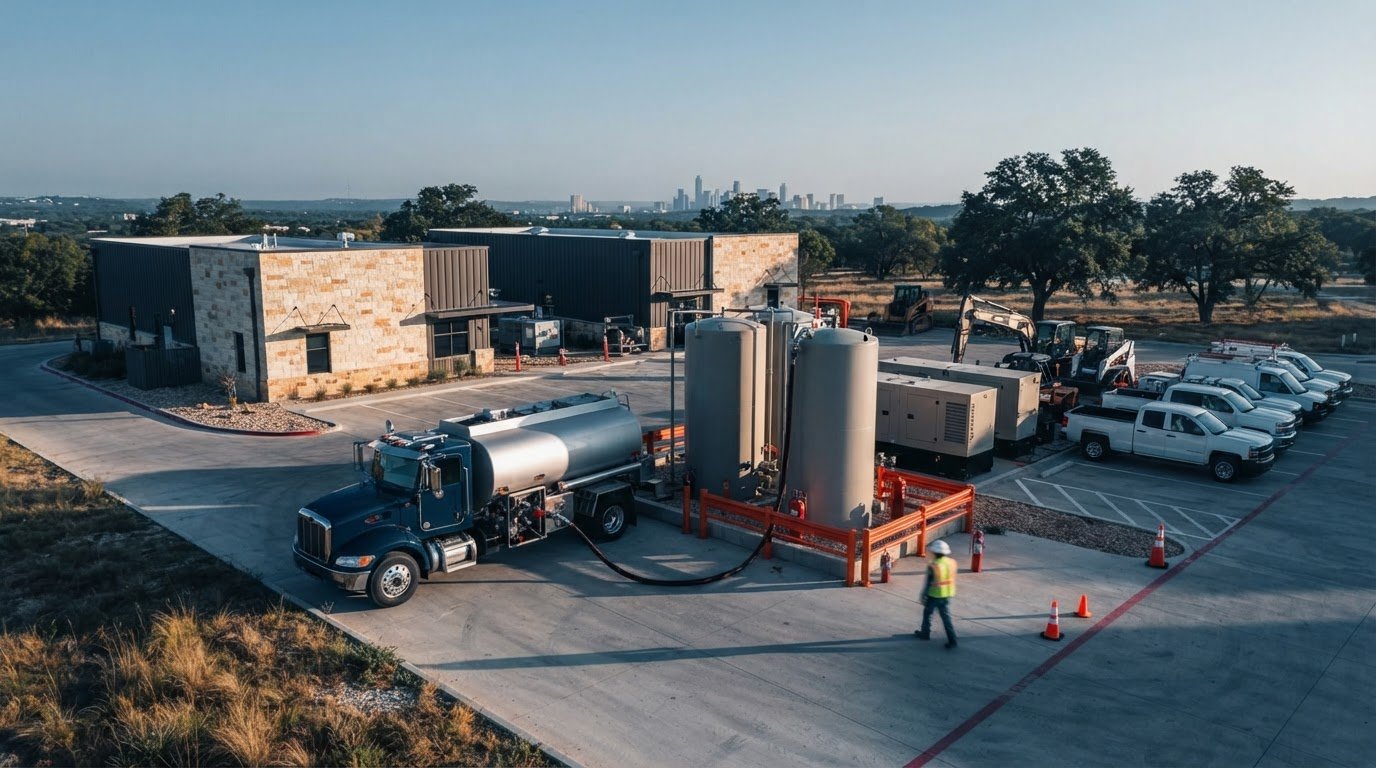
Mobile fueling brings fuel to a fleet’s own location instead of requiring every vehicle to travel to a retail station. Possible service points include a company yard, a construction site, a vehicle staging area, or equipment parked at a facility. The operation needs a clear access route, an agreed fueling area, and a schedule that works around vehicle movements. For example, a contractor could plan fueling around equipment parked at a job site, while a delivery fleet could use a yard before vehicles begin their routes. For route interruptions, an Austin contingency plan can include a defined emergency fueling resource.
Are there minimum fleet sizes or fuel-volume requirements for Austin providers? There isn’t one universal minimum across Austin. Requirements can vary by fueling method, delivery location, vehicle count, and expected volume. Even a smaller fleet may need mobile service for equipment or generators at a fixed site.
What information and documents are required to set up a fleet fuel account? Account setup typically uses business billing details, authorized contacts, vehicle or equipment lists, fuel types, and fueling locations. A fleet manager can also organize preferred schedules and rules for which vehicles or drivers may purchase fuel.
What risks, contract terms, and cancellation fees should Austin businesses check? Review the service scope, scheduling terms, billing and transaction records, fuel restrictions, term length, renewal language, and cancellation provisions. Confirm how missed service windows are handled and whether cancellation fees apply before committing.
To compare a retail-heavy plan with mobile service, map each vehicle’s usual route and parking location. Identify where a stop adds travel, where vehicles can be fueled in place, and which records help reconcile fuel use. This route-and-location review helps fleets in Austin, Magnolia, Houston, San Antonio, College Station, and Dallas choose an arrangement that fits daily operations without treating every vehicle the same.
University of Texas Manor Road station: 1500 Manor Rd, at Manor Rd and IH-35, Building FC7. In 2024, trucking operating costs averaged $2.26 per mile, with fuel at $0.481 per mile. Texas State HB432 (2009) requires state agencies, including the University of Texas, to procure alternative-fuel vehicles and use alternative fuels whenever available.
On-site and route-based fueling
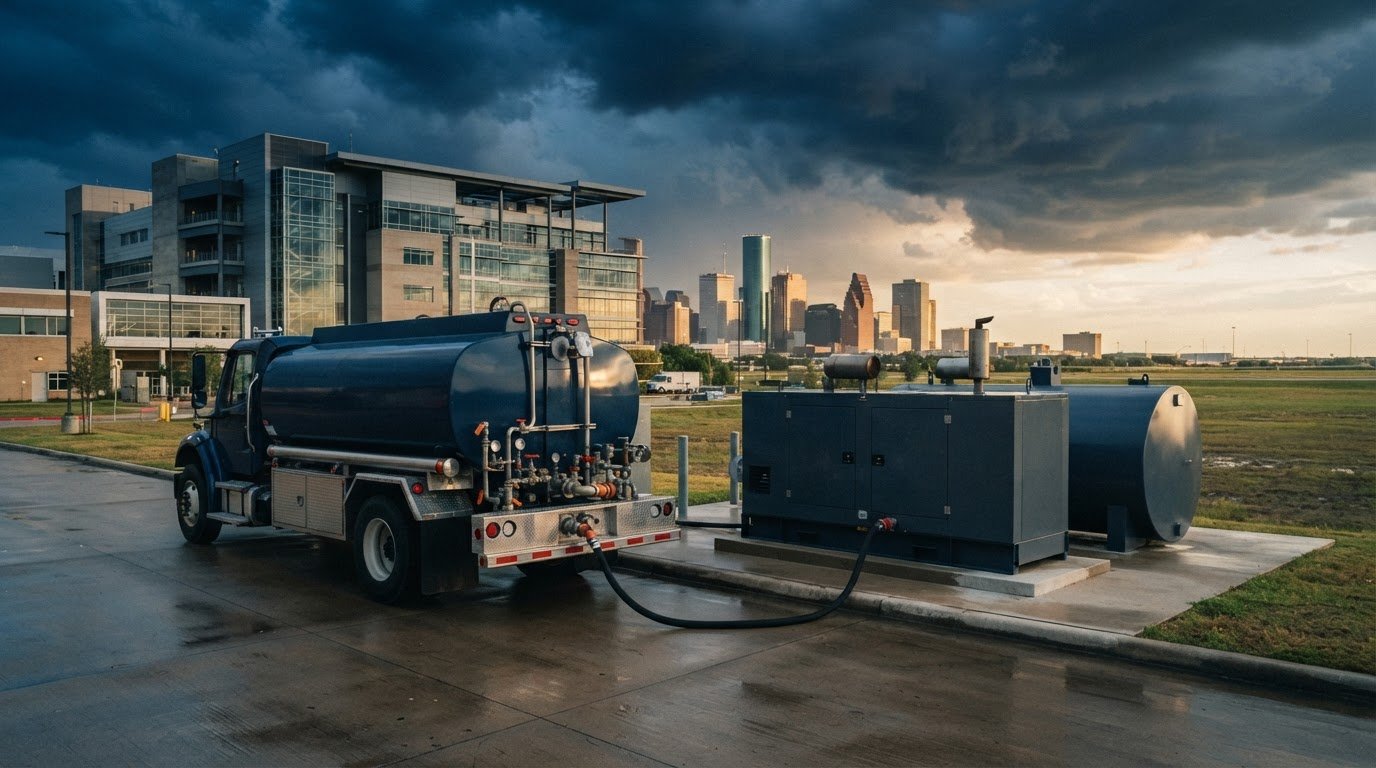
An Austin fleet fueling program can combine on-site service with route-based fueling. On-site service fits vehicles or equipment at a depot, construction site, or industrial facility. Route-based fueling suits drivers whose planned stops pass stations during working hours. Fleet fueling programs in Austin can use either approach, depending on where assets operate, which fuel they need, and when they’re available. Matching the method to each asset helps operations teams plan without forcing every vehicle into one routine.
Start with a location and schedule map. Mark depots, recurring job sites, planned routes, and equipment that stays in place. Then group vehicles by fuel type and availability. For example, a truck that returns to a yard each evening may need a different fueling schedule from machinery parked at a worksite. This map also helps dispatchers coordinate fueling around deliveries, crew access, and vehicle movements.
The University of Texas Pickle Research Campus fuel station at 2720 Innovation Blvd is a local example of a fixed fueling point. It’s open only during regular business hours, so operating hours affect route planning. Hoses 1 and 2 dispense unleaded gasoline; hoses 3 and 4 dispense red dyed diesel for off-road equipment only. Hoses 5 and 6 dispense regular diesel, identified as ultra-low-sulfur diesel (ULSD). Drivers need to select fuel that matches the assigned vehicle or equipment.
On-site fueling in Austin should account for site-specific fire, environmental, and access considerations. Plans can address spill response, ignition controls, vehicle movement, and emergency access, with details shaped by the fuel and site activity.
Before setting a schedule, organize these operating details:
- Vehicle and equipment locations, including units that remain at job sites.
- Fuel types and the correct receiving vehicles or equipment.
- Access windows that avoid blocking crews, deliveries, or dispatch lanes.
- Transaction records needed for tracking fuel use by asset.
Route-based fueling may suit vehicles that regularly pass stations during work hours. On-site service may fit a generator or equipment that must remain at a fixed location. A mixed plan can assign station stops to route vehicles and scheduled site fueling to stationary assets. Fleet fueling programs in Austin can reflect actual operating patterns instead of applying one method across the whole fleet.
Compare vehicle schedules, fuel types, and parking locations before assigning fueling methods. This review shows where drivers can purchase fuel along existing routes and where bringing fuel to a site may better fit the workday.
City fleet fueling operations
Austin’s municipal fleet combines a large vehicle base with substantial annual fuel demand. The city reported 7,701 fleet assets in its 2024 update, while its fleet drives 42.8M miles annually. Austin also lists 5.7M as its annual fuel consumed. These figures make consistent tracking important: fuel records help fleet managers connect purchases with vehicles, routes, and operational needs.
A fleet fueling dashboard can organize activity by vehicle, date, location, and fuel type. Managers can use these fields to monitor usage patterns and review transactions that don’t match a vehicle’s assignment. Usage controls and alerts can flag unusual activity and help prevent unauthorized spending. For example, a purchase recorded under the wrong vehicle or fuel type can be checked against dispatch and maintenance records.
Fuel cards support that review by assigning purchases to approved drivers or vehicles. A city account can apply usage controls, while a credit arrangement can consolidate transactions for accounting. These tools serve different purposes: a fuel card records purchases at participating stations, while a credit account supports billing. Monthly reconciliation can compare transactions with vehicle logs, odometer records, and departmental budgets.
Austin’s fueling operations also reflect the city’s alternative-fuel infrastructure. City-owned fueling facilities support alternative fuels that have limited availability at retail stations. This matters when a fleet includes vehicles that depend on those fuels, since station access can affect dispatch planning. Austin’s fleet fuel usage increased by 986k gallons, or 21%, from FY06, underscoring the operational value of tracking consumption as the fleet’s activity changes.
Fuel-use data can support efficiency reviews without treating every vehicle alike. A manager might compare fuel consumption by vehicle class, department, or operating location, then investigate changes against workload and route assignments. Austin’s fleet emissions were 10% lower, a reduction of 4,463 metric tons, from their FY07 peak. The city also reports that fleet emissions per unit fell by 3.5 metric tons per unit, or 39.8%, from FY07 to FY20.
- Assign each fuel card to an authorized vehicle or driver.
- Review dashboard records by date, location, and fuel type.
- Use alerts to examine unusual transactions before monthly close.
- Compare purchases with mileage and department activity.
For city fleet operations, these steps connect fuel purchases to accountability and service planning. A clear record helps managers see where demand occurs, identify irregular activity, and assess whether fueling access supports the vehicles assigned to each department.
Detailed data logging links fuel consumption directly to vehicle activity and supports timely review. At the Manor Road University fuel station, hoses 7-8 dispense B5 diesel. Recording the hose and fuel type with each transaction gives reviewers a clear point of reference when checking a purchase against a vehicle’s approved fuel needs. Staff can confirm that the recorded product matches the intended fueling before closing the transaction, and managers by partnering with React Fueling can follow up on any discrepancy through normal dispatch and maintenance records. Keeping these details together helps distinguish routine purchases from entries that need clarification, while preserving a consistent record for reconciliation.
Reducing downtime and administrative workload
A fueling plan can reduce avoidable stops by aligning purchases with vehicle schedules. Dispatch can group fuel needs before a shift, then assign station stops or site fueling based on each unit’s location. Vehicles that return to a depot can follow a different routine from equipment that remains at a worksite. This distinction helps managers protect operating time without treating every asset alike.
Driver time is part of the calculation. Pilot Thomas Logistics says commercial fleet drivers may spend half an hour each day fueling instead of doing productive work. That figure illustrates why route planning matters: a station stop can take drivers away from deliveries, job-site tasks, or scheduled service. Fleet managers can map recurring routes, identify stops already on the route, and separate necessary purchases from avoidable detours.
Administrative work grows when fuel purchases arrive through separate receipts, cards, and locations. Consistent transaction records can capture the vehicle, driver, date, location, fuel type, and gallons purchased. These fields make monthly reporting easier to reconcile against dispatch assignments and vehicle logs. If a transaction shows an unexpected fuel type, the manager can compare it with the vehicle’s assigned fuel and follow up with the responsible department.
Purchase limits and controls can also reduce time spent investigating exceptions. For instance, an account can restrict purchases by authorized driver, vehicle, fuel type, or transaction conditions. A clear exception process gives managers a way to review unusual purchases without delaying routine reconciliation. Controls should match the fleet’s operating pattern, since a rule designed for road vehicles may not suit equipment fueled at a fixed worksite.
A practical workflow can keep records consistent:
- Assign each vehicle or equipment unit a clear identifier.
- Record the gallons, fuel type, location, and transaction date.
- Match each purchase to a driver, work order, or route.
- Review exceptions before preparing monthly reports.
For a construction fleet, a loader assigned to one site may need a different fueling record from a truck moving between Austin locations. Keeping those records distinct helps supervisors connect fuel use to the right project. It also makes reporting more useful for budgeting, purchasing decisions, and operational reviews.
Set the process around actual work. Dispatch teams can identify when vehicles are available, accounting can define the fields needed for each transaction, and managers can establish purchase limits that fit assigned duties. With those decisions in place, fewer records need manual correction, and drivers can spend less time handling fuel paperwork during active shifts.
What discounts or rebates do Austin fleet fueling programs offer?
Fleet fuel cards may offer per-gallon discounts or rebates after qualifying purchase volumes. The offer depends on the card program and how fuel purchases qualify. A business credit card with gas rewards may offer up to 3% back on gas, but the reward structure differs from a fleet-card discount.
Compare the terms before estimating savings. A per-gallon discount reduces the eligible purchase cost directly, while a rebate may depend on meeting a volume threshold. For example, a fleet below a program’s threshold may not receive its advertised rebate. A higher-volume fleet may qualify, but should still account for eligible locations, fuel types, transaction rules, and minimum purchase conditions.
Use actual fuel records to assess whether a reward is relevant. Review gallons purchased, stations used, vehicle assignments, and monthly spending patterns. If drivers frequently fuel outside a card’s participating network, the headline discount may apply to only part of total purchases. Reporting detail matters too: records that identify date, location, vehicle, and fuel type make it easier to reconcile transactions and determine whether savings reach the intended fleet.
Keep the comparison focused on overall operating fit, not just the advertised rate. A program that sends drivers on inconvenient detours can add time and disrupt routes. A lower per-gallon discount may be more useful if fueling locations align with regular routes and records simplify administration. For vehicles fueled at a depot or worksite, a retail card discount may not address the actual fueling need.
Before choosing a card or rebate structure, organize the comparison around these points:
- Eligible gallons and the volume threshold for a rebate.
- Discounts per gallon, reward percentages, and how each is applied.
- Participating stations and whether they match regular routes.
- Transaction limits, authorized users, and accepted fuel types.
- Reports available for reviewing purchases and monthly activity.
For example, a fleet that buys fuel across several stations can compare its actual gallons against the 1,000-to-10,000-gallon rebate thresholds. It can then compare eligible purchases with the program’s discount terms, without assuming every purchase qualifies. Keep card rewards separate from the cost of on-site fueling, since the two arrangements apply to different fueling methods.
A practical review uses recent transaction records, route locations, and expected fuel demand. Match those records against each program’s thresholds and restrictions, then weigh the projected reward against operational fit. This gives fleet managers in Austin, Magnolia, Houston, San Antonio, College Station, and Dallas a clearer basis for deciding whether discounts or rebates support their purchasing process.
React Fueling
React Fueling helps Austin businesses coordinate commercial fuel needs for vehicles, equipment, and generators. When station stops or fuel logistics interrupt operations, Diesel Delivery and Fuel Delivery can support fleet supply. Equipment Fueling Service and Generator Fueling Service serve machinery and generators at fixed sites. The right fit depends on where fuel is needed and how the operation runs.
For a fleet plan, outline vehicle and equipment locations, fuel types, operating schedules, and the records your team needs. These details help shape a practical fueling approach around your work instead of treating every asset the same.
Contact React Fueling to discuss your fleet’s fueling needs.
Put your fleet’s fueling plan into action
The next step is to turn your operating pattern into a workable service plan. Identify where vehicles and equipment are based, which fuel types they use, and how fueling fits into dispatch. Those details can clarify whether fleet fueling programs in Austin should prioritize delivery to fixed locations, support vehicles between routes, or combine both approaches.
React Fueling provides Diesel Delivery, Fuel Delivery, and Equipment Fueling Service for commercial operations. Share the fueling needs that affect your schedule, such as equipment locations or recurring supply requirements, to start a focused conversation about your operation.
Contact React Fueling about your fleet service needs. A clear plan can help your team keep fueling logistics aligned with the work ahead.
Frequently Asked Questions
Which Austin fleet fueling providers offer on-site mobile fueling?
React Fueling provides on-site fuel delivery and equipment fueling for commercial fleets and worksites in Austin. This can suit vehicles or machinery that need fuel at a depot, construction site, or industrial facility rather than a retail station. React Fueling also serves Houston, TX; Austin, TX; San Antonio, TX; Dallas, TX; College Station, TX, and Magnolia. Share your fueling location and operational needs to discuss an appropriate service arrangement.
How do fleet fueling providers in Austin compare on coverage, cost, and service?
Retail fueling suits drivers whose routes pass stations; mobile fueling brings fuel to yards, job sites, or other fleet locations and can be scheduled around vehicle movements. Compare options by location coverage and scheduling fit.