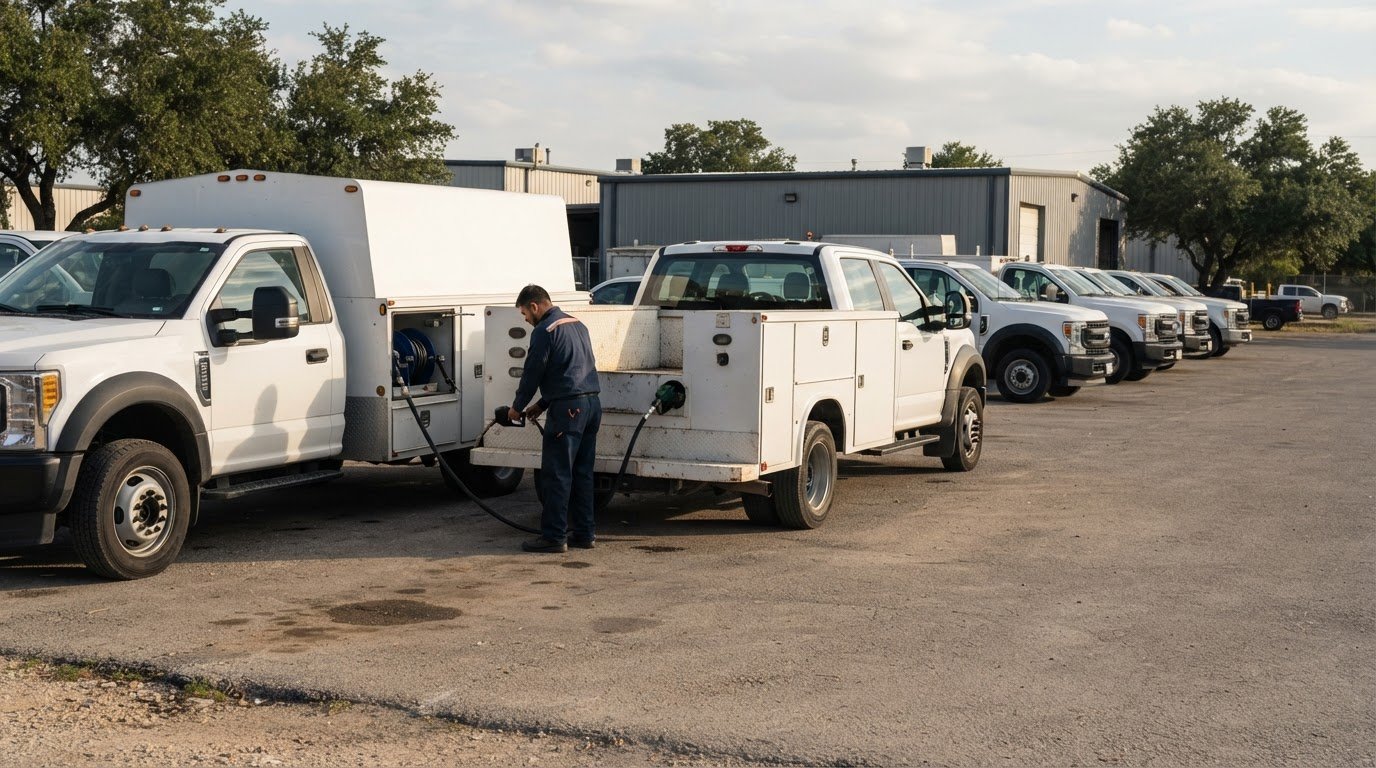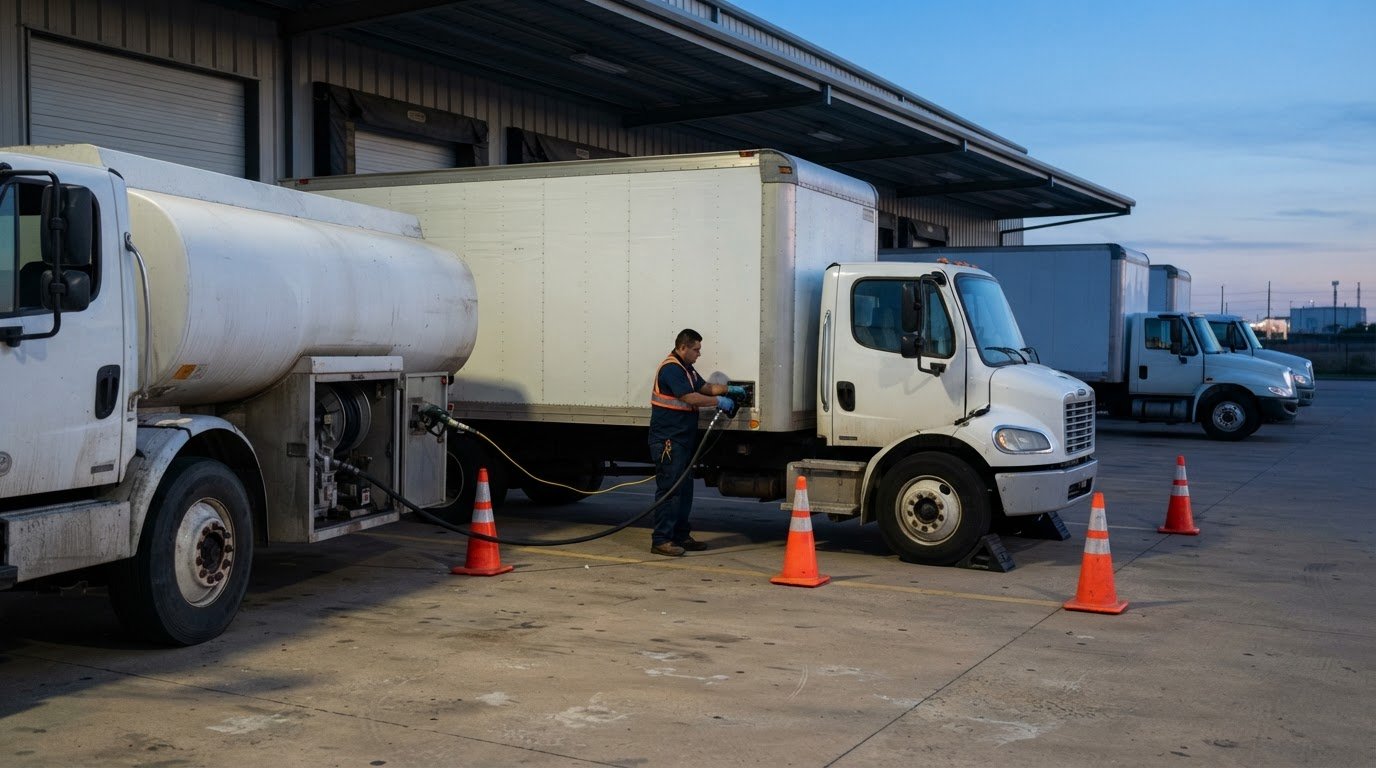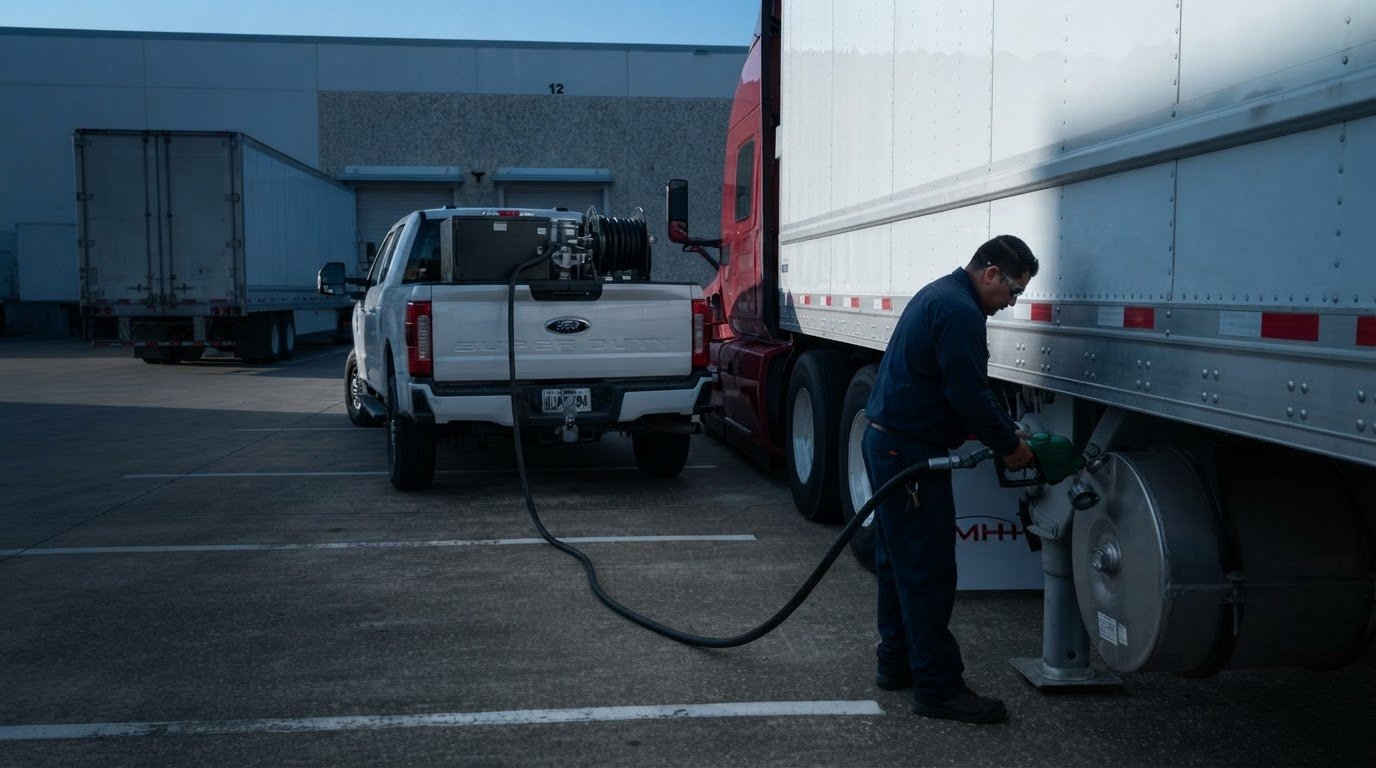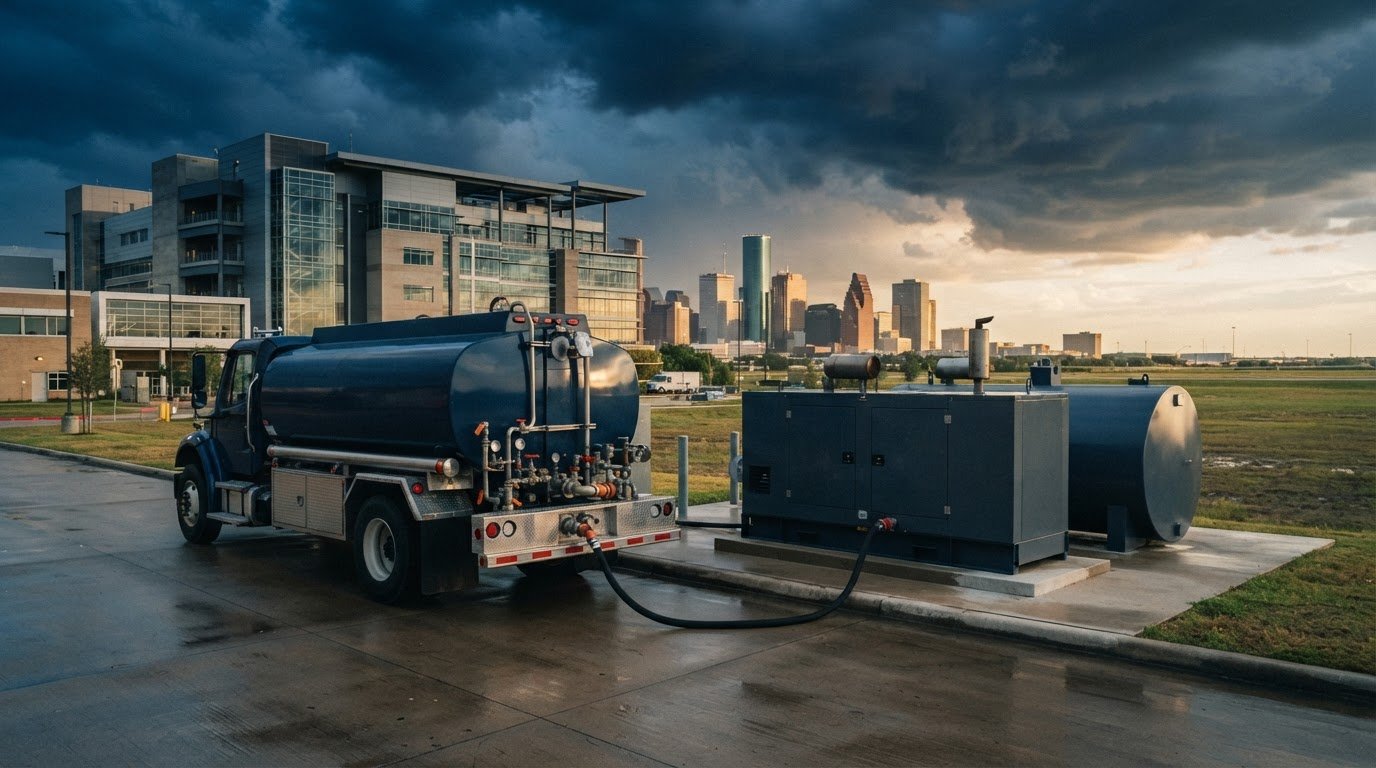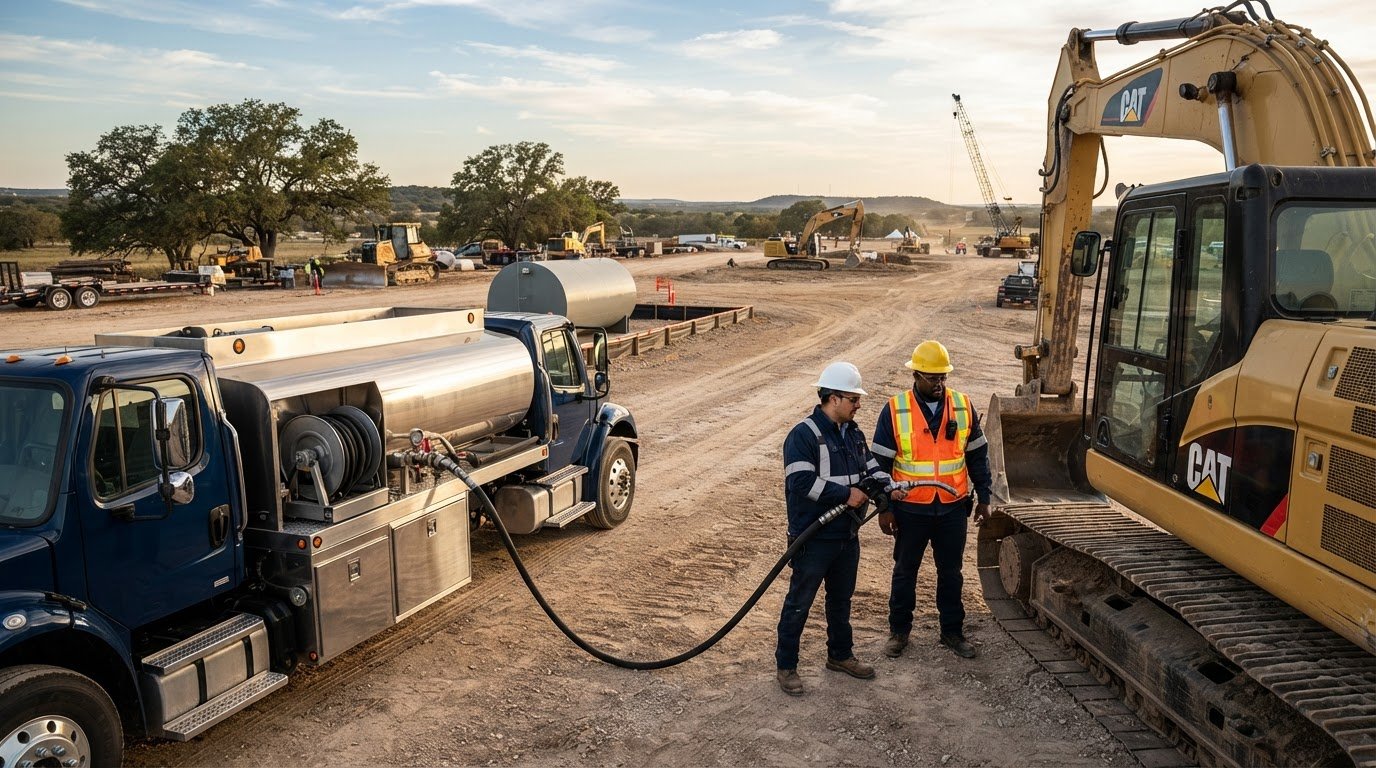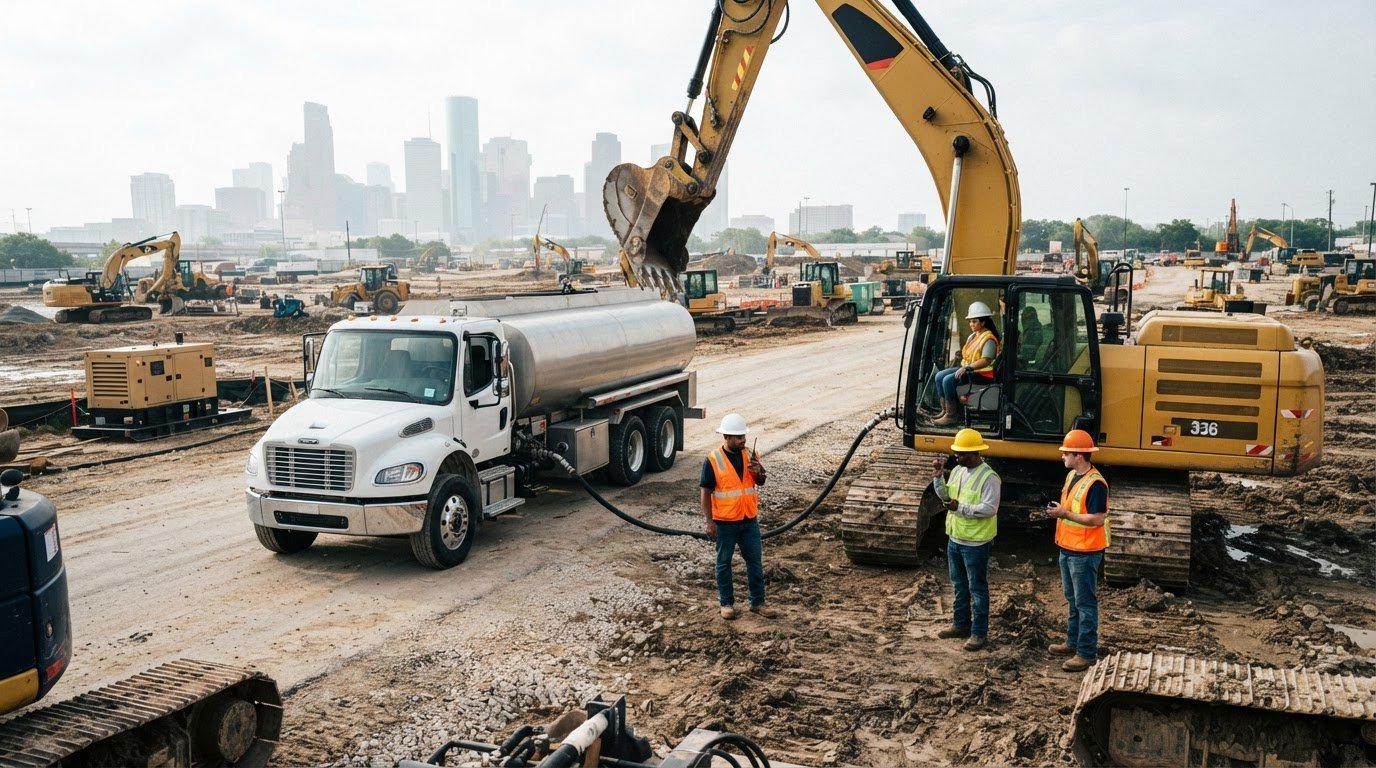
For mobile fuel bowser rental in Magnolia, Texas, begin with your project’s fuel demand and site layout. React Fueling serves commercial operations in Magnolia with fuel tank rentals, diesel delivery and equipment fueling. Plan around the machinery, storage location and delivery access your work requires.
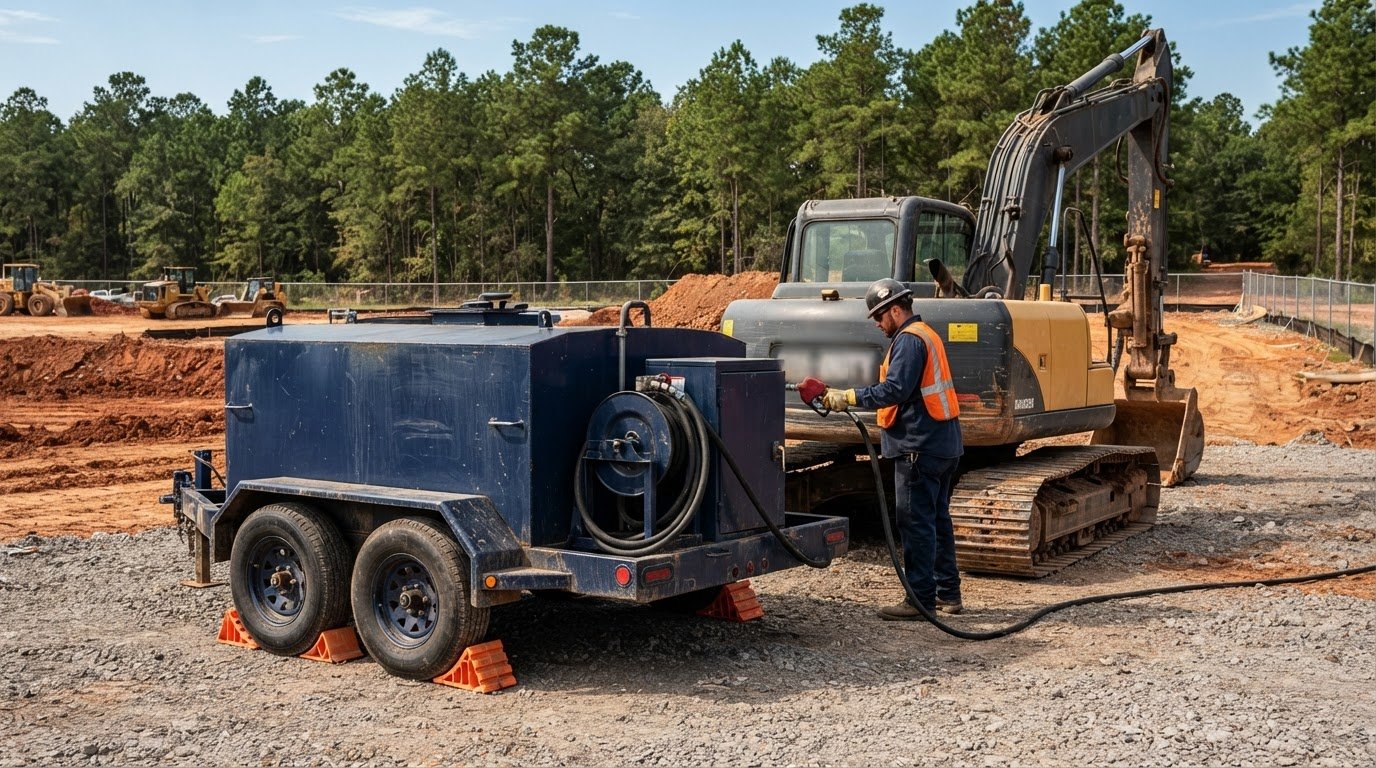
On a construction site or farm, the practical setup depends on where machinery operates and how fuel reaches it. Planning storage and replenishment around the work schedule helps keep fuel access aligned with equipment needs.
This guide explains how to assess bowser type and capacity, plan delivery and safe site use, and identify fuel needs. You’ll have a practical basis for organizing fuel support around your Magnolia operation.
What mobile fuel bowser rental companies serve Magnolia, Texas?
For a Magnolia, Texas worksite, focus on the service needed at the jobsite, not an office address. React Fueling provides commercial fuel tank rentals, diesel delivery and equipment fueling across Texas, including Magnolia. The site address, delivery access, equipment and operating schedule help shape a practical service plan.
Start with the exact jobsite location. “Magnolia” alone may not give dispatch enough detail, especially if a project has several entrances or work areas. Provide the site address or a clear location, then identify the gate, delivery point and equipment location. A unit delivered to a staging area may require different coordination from equipment working across an active construction site.
Define the fueling task, not just the equipment name. A useful plan accounts for the machinery, fuel-use pattern and site access. A crew fueling equipment at one fixed location has different needs from a team moving machinery between work zones. Describe what needs fuel, where it operates and how it will be used. This gives React Fueling a practical basis for planning service around your site.
- Site: Give the Magnolia jobsite address and delivery entrance.
- Equipment: Identify the machinery or operation the bowser will support.
- Use: Explain whether fueling stays at one location or moves around the site.
- Timing: State the planned work schedule and when access is available.
Give React Fueling the specific site address and delivery point so the service plan can account for the location, route access, equipment and fueling needs together. For projects with several locations, provide each address rather than assuming one delivery plan covers them all. This helps align the plan with where the equipment will actually be used.
Distinguish fuel storage from fuel supply. A fuel tank rental provides on-site storage, while delivery replenishes the fuel. A Magnolia operation may need one or both, depending on its workflow. For example, a fixed project with recurring equipment use may benefit from on-site storage and scheduled diesel delivery, while a changing work area may need equipment fueling. Define the requirement before settling the operating plan.
For Magnolia, Texas, match the service plan to the specified jobsite, delivery point and equipment. Share the address, access details, equipment use and fueling requirements with React Fueling. These specifics help make the plan relevant to your work rather than relying on a general description of the service area.
When planning fuel support, consider whether the service can reach the jobsite and delivery point, fit the equipment and schedule, and coordinate with site access and workflow. React Fueling offers commercial fuel tank rentals, delivery and equipment fueling. Treat the tank rental and fuel replenishment as separate parts of the plan, since your operation may need one or both.
What types and capacities of mobile fuel bowsers are available near Magnolia?
For a Magnolia project, choose a bowser by how fuel must move through the worksite, then size it around the operating plan. Mobile units can be considered for stationary staging or repeated relocation between work areas. The right configuration depends on the equipment being fueled, site access, and how frequently fuel can be replenished.
Start by mapping the job’s fueling pattern. A fixed staging point can suit equipment that returns to one area for refueling. For work spread across changing zones, such as a construction site where machines operate in different locations, plan how equipment will reach fuel. Describe the operating need rather than assuming a rental unit can be placed or moved in any way.
Plan storage around expected consumption and replenishment. A fleet running through a long shift may use fuel differently from a generator that runs intermittently. List the equipment, expected use and planned refill frequency. This gives React Fueling useful context for discussing fuel tank rentals and delivery. Don’t choose based only on maximum storage: access limits and a small staging area can make a larger unit impractical.
- Estimate demand: Group equipment by fuel use and operating schedule.
- Map placement: Identify where the unit can remain accessible without obstructing work.
- Plan replenishment: Decide how often fuel supply can be coordinated with site activity.
- Allow for change: Note whether crews or machinery will move to another work zone.
For example, a site using equipment in one central work area can prioritize convenient staging and replenishment. A project with machinery spread across separate zones should consider how moving equipment affects access to fuel. Storage needs to balance demand with the site layout: too little fuel can mean more frequent replenishment, while excess storage may not suit the available space or workflow.
When discussing options with React Fueling, provide the Magnolia site address, access route, equipment list, operating schedule and expected fuel demand. Include surface conditions and space limits at the planned staging point. These details help shape a fuel tank rental and delivery plan around the site and operating cycle.
Capacity is only useful in context. A generator serving one facility and a crew fueling several machines across a spread-out project have different needs. Base the plan on actual demand, placement, access and replenishment. This keeps on-site storage aligned with the work instead of treating tank size as the only decision.
Choose a storage arrangement based on whether the site needs a fixed staging point or access to fuel across different work areas. The rental plan should reflect equipment use, expected fuel demand, replenishment frequency, site access and available space.
the site's operating pattern and access. For a Magnolia Ridge visit, directions from Monroe near Walmart include traveling 3.7 miles east on Highway 78 toward Athens, then 1.2 miles on Highway 83 (Unisia Drive). Use the route information to coordinate a site discussion, while confirming the actual staging area, equipment needs, and replenishment plan before selecting a bowser.
Can a mobile fuel bowser be delivered to a construction site or farm in Magnolia?
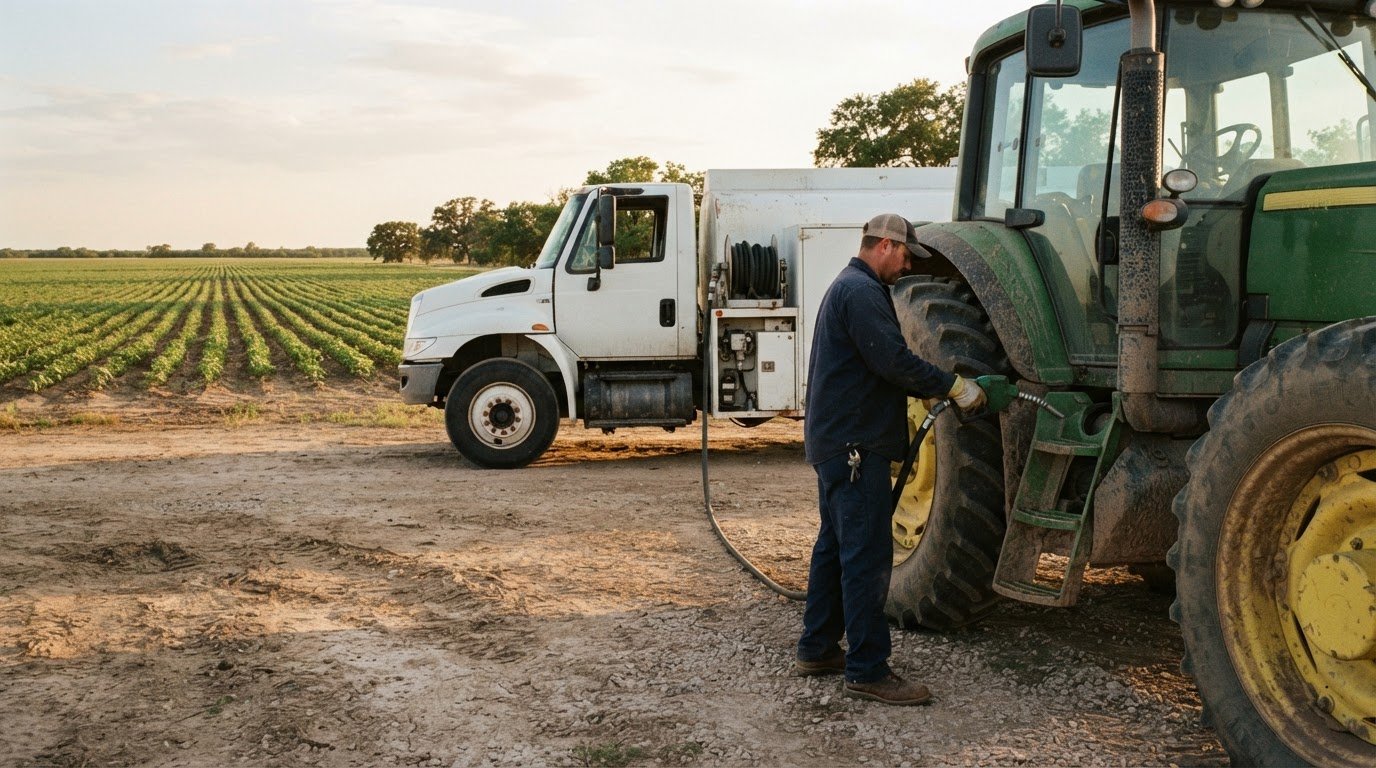
A fuel tank rental can support a construction site or farm when the delivery plan fits the property and its work. For a Magnolia construction project, coordinate delivery around active work zones, equipment movement and the intended fueling point. On a farm, fields, internal tracks and changing work locations shape where fuel can be stored and accessed.
Construction sites change as work progresses. A tank placed beside an early-stage work area may become inconvenient when crews move elsewhere. Plan storage around the equipment’s operating area and upcoming work phases. For example, a machine working near a grading area may need a different fueling arrangement when the crew shifts to another section.
Farm operations call for a different layout. A central yard can suit equipment that returns there, while dispersed work may require planning for machinery operating farther from buildings. Describe the farm’s work pattern, including whether equipment returns to a barn, equipment yard or field entrance for fuel. This helps align storage and delivery with daily operations.
- Mark the delivery point: Identify the intended staging area on a site plan or farm map.
- Describe access: Note gates, narrow approaches, soft ground, or turning constraints.
- Explain the work: Name the equipment and whether it stays in one area.
- Plan for changes: Flag construction phases or farm tasks that shift locations.
Access matters on both construction sites and farms. A construction entrance may be shared by trucks and crews, while a farm approach may include a gate or uneven track. Plan delivery to the intended placement area, not just the public-road address. A clear map and access instructions help identify where the tank should go.
Fueling needs vary by operation. A construction crew may plan around equipment working through a project phase, while a farm may need to coordinate fuel access as machinery moves between tasks. Identify the equipment, required fuel, intended storage location and work pattern. These details help shape a practical fuel delivery plan for your Magnolia property.
Before scheduling, bring together the project address, placement map, access notes, equipment details and planned work pattern. A farm with a central equipment yard can explain whether machinery returns there; a construction manager can show where work is moving. This gives React Fueling practical context to plan fuel storage and delivery around the work.
Little Rock Central High School National Historic Site was established in November 1998. That historical detail does not determine whether a mobile fuel bowser can reach a particular construction site or farm in Magnolia. Delivery planning still depends on the property’s intended placement area, access route, equipment, and work pattern. Keep those operational details separate from the historic-site fact when assessing a delivery. A clear description of the property and the intended use can help frame the practical questions that need to be resolved before scheduling.
What fuel types can rented mobile bowsers dispense
A fuel tank rental and delivery plan must match the fuel required by the equipment. On a Magnolia construction site, diesel-powered machinery needs diesel; farm equipment should likewise use the fuel specified for each machine. Tank capacity alone does not determine which fuel it can store or dispense. Make the required fuel clear when planning delivery and storage.
Begin with the equipment, not the rental label. Record the required fuel for each machine or generator, then group equipment that uses the same fuel. For example, a project with diesel-powered machinery can plan around diesel delivery. Treat any separate fuel requirement independently rather than assuming one tank can serve every piece of equipment.
Fuel type also shapes the operating plan. When equipment uses the same fuel, storage and replenishment can be planned around that demand. A mixed-fuel operation needs a clear allocation plan so crews know which supply serves which machinery. Keep the equipment list and fuel requirements together in the site plan to make the intended use clear.
- Identify each machine: List the equipment and its required fuel.
- Group compatible users: Separate equipment by fuel type and work area.
- Define the use: Explain whether the supply supports machinery, a generator, or both.
- Plan replenishment: Align fuel supply with the equipment’s operating pattern.
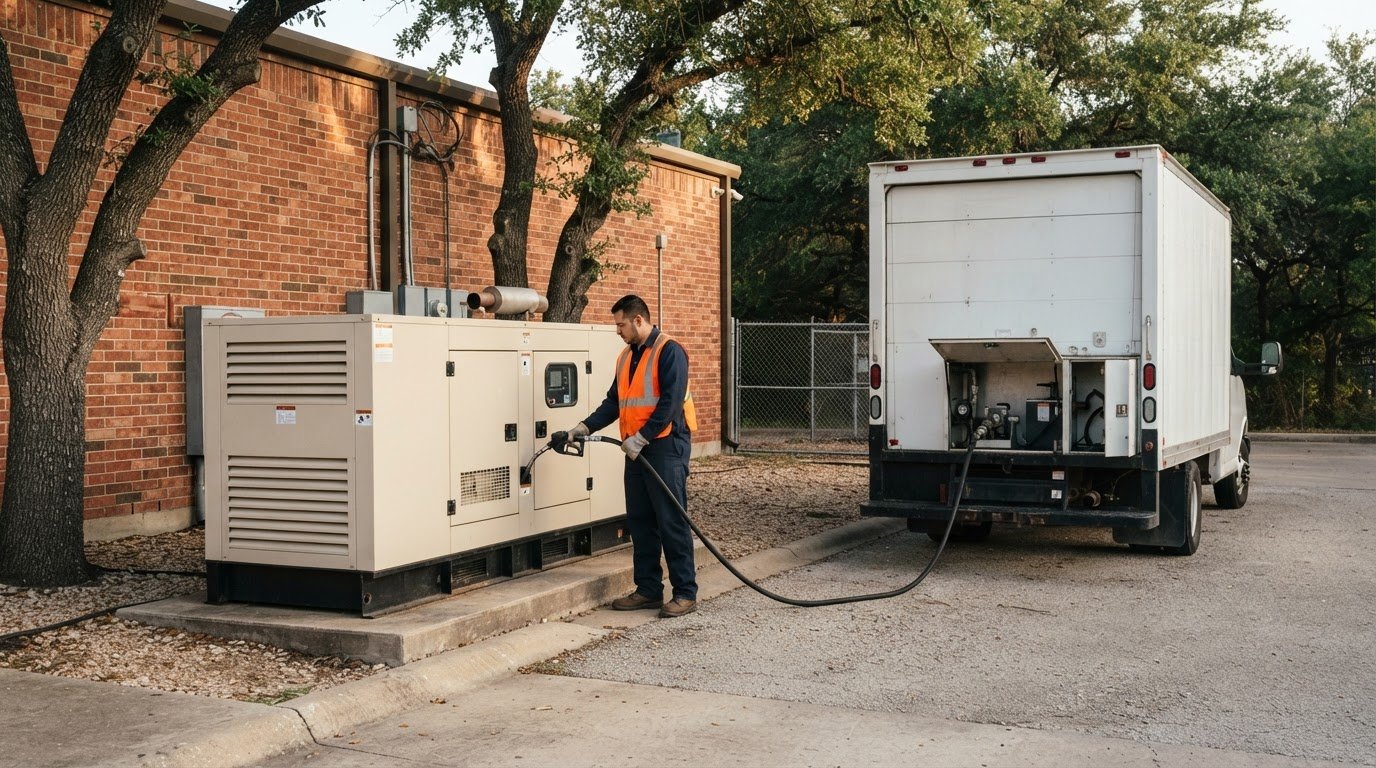
On a farm, a tractor and a generator may have different roles, so list their fuel requirements separately. On a construction project, equipment in different zones may use the same fuel but need different fueling coordination. The right plan depends on the machinery and how it is used, not simply whether the location is a farm or worksite.
Keep diesel and other fuel requirements distinct in the operating plan. Don’t assume a rented tank supports multiple fuel types or can switch between them. Align the intended fuel with the storage and dispensing arrangement. When several crews share a site, clear instructions help prevent confusion about which supply is intended for each machine.
DEF fluid is a separate supply from fuel. If your trucks or equipment use DEF, include it separately in the site’s supply plan rather than treating it as another fuel type. Plan for diesel and DEF as distinct supplies when equipment requires both. React Fueling offers DEF fluid delivery for trucks and equipment.
Before selecting a setup, organize the equipment list, fuel types, work areas, and expected operating pattern. A diesel-focused construction project has different requirements from a mixed-fuel farm operation. Matching those details to the bowser’s configuration gives the rental plan a practical basis and keeps fuel supply aligned with the machinery being used.
What safety requirements apply to operating a mobile fuel bowser in Magnolia
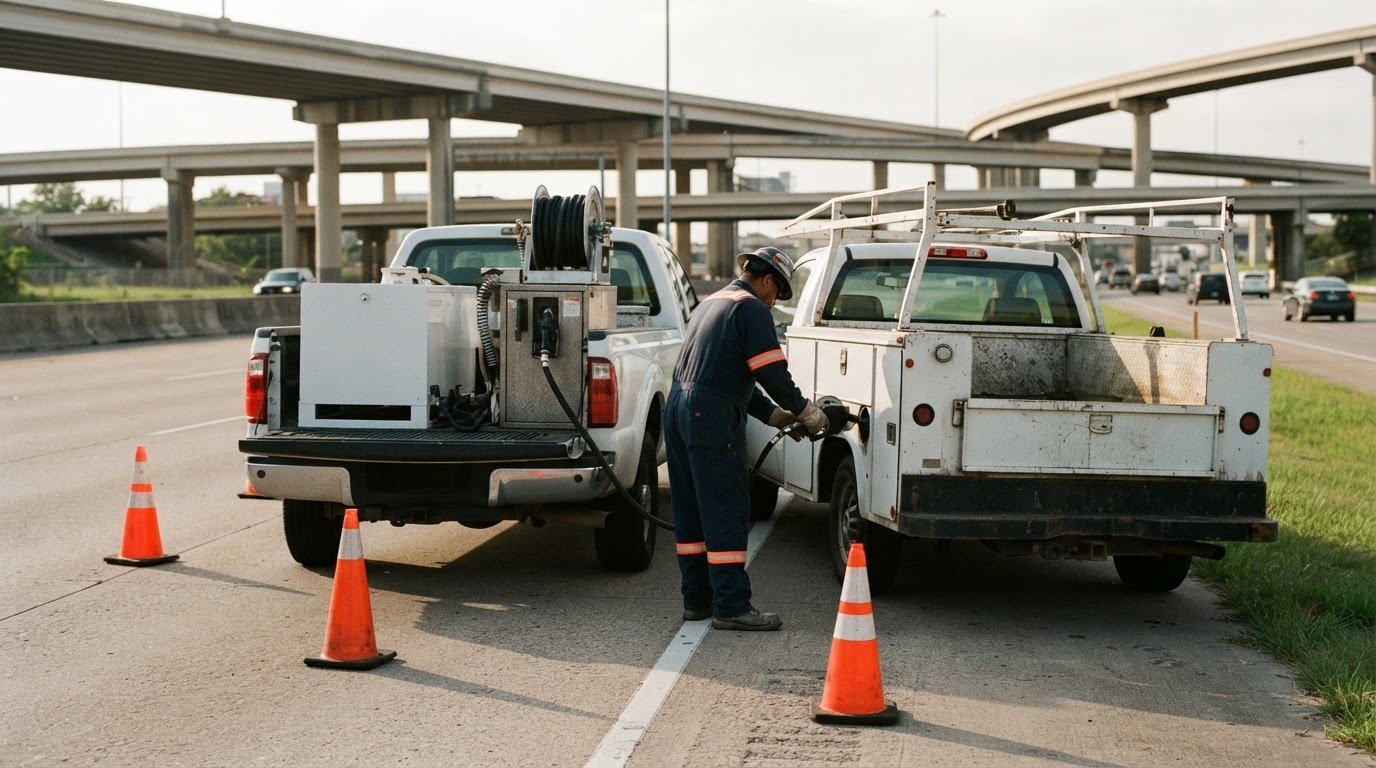
Plan safe fuel handling around placement, access, fueling and incident response. At a Magnolia construction site, keep the fueling area separate from vehicle routes and active work zones. On a farm, choose a location equipment can reach without blocking gates or routine movement. Assign someone to coordinate access and communicate the site plan.
Before use, review the equipment’s operating instructions and identify its required fuel. Place the tank on a suitable, stable surface with a clear approach for authorized personnel. For example, avoid locations where reversing trucks, moving machinery or farm vehicles regularly pass. Mark the fueling area so crews can find it without crossing unnecessary work zones.
Control each fueling activity. Limit access to people assigned to the task, keep ignition sources away and avoid distractions while dispensing fuel. The operator should know how to stop the flow and where spill-response materials are kept. A toolbox briefing can cover the fueling point, communication method and steps to take if equipment leaks or fuel spills.
- Inspect before operation: Look for visible damage, leaks, or problems with hoses and connections.
- Secure the area: Keep traffic and unrelated work clear of the fueling point.
- Stay attentive: Monitor dispensing and stop if a leak or unsafe condition appears.
- Prepare for incidents: Identify spill-response supplies and the site’s reporting process.
Magnolia worksites can change as construction phases progress or farm equipment shifts between tasks. Reassess placement when work areas, access routes or nearby activities change. A fueling point that was clear during grading, for example, may conflict with later vehicle movements. Replan the area before continuing if the original layout no longer provides a controlled approach.
Keep fuel type and equipment use clear in the site plan. Match a diesel-powered machine with its specified fuel, and treat DEF as a separate fluid requirement. Labeling the intended supply and explaining it during crew briefings helps reduce mix-ups. If several crews share the area, establish who controls access and who reports a spill or equipment concern.
After each fueling task, secure the dispensing equipment, check the immediate area for leaks and leave the route clear. Record issues through the site’s established process so the next shift knows what needs attention. These practical steps support orderly fuel handling; site procedures should reflect the equipment, working conditions and applicable safety requirements. For companies that also oversee dedicated fuel depots or retail filling stations, management platforms like Fuel360 help operators track daily station operations effectively.
React Fueling: Fuel Tank Rentals
React Fueling helps commercial operations plan on-site fuel supply through fuel tank rentals and fuel delivery. For a Magnolia project, this can suit work that needs fuel stored near equipment rather than relying only on delivery to individual machines.
Pair fuel tank rentals with diesel delivery or equipment fueling when your operation needs both storage and supply. The right arrangement depends on the fuel required, where equipment operates and how the site is organized. Share those details with React Fueling to discuss a plan that fits your work.
Contact React Fueling to discuss fuel storage and delivery for your site.
Put your Magnolia fuel plan into action
Before arranging mobile fuel bowser rental in Magnolia, turn your site requirements into a practical operating plan. Identify the equipment that needs fuel, the intended storage point and how supply should reach machinery during the work. This helps align a fuel tank rental and delivery plan with your operation.
React Fueling supports commercial fuel needs with fuel tank rentals, diesel delivery, equipment fueling and fuel delivery. These services can align on-site storage and fuel supply with the way your equipment operates. Share your project details and what you need to achieve so the discussion starts with the work itself.
Contact React Fueling about fuel tank rentals and discuss a plan for your operation. With the right details in hand, you can take the next step with confidence.
Frequently Asked Questions
What information is needed to book a mobile fuel bowser rental near Magnolia?
Prepare your business name, a primary contact, the Magnolia project location, and a concise description of the fuel support you need. Include any site-entry instructions and the preferred way to coordinate with your team. React Fueling serves Houston, TX; Austin, TX; San Antonio, TX; Dallas, TX; College Station, TX, and Magnolia. You can submit a quote request or call (936) 828-6581 to discuss the rental.
How do mobile fuel bowser rental providers in Magnolia compare on availability and service?
Compare providers by whether they can serve the exact jobsite and delivery point, supply suitable equipment on the required schedule, and coordinate access and service around the site’s workflow. A nearby office alone does not confirm availability, and bowser rental may be separate from fuel replenishment.