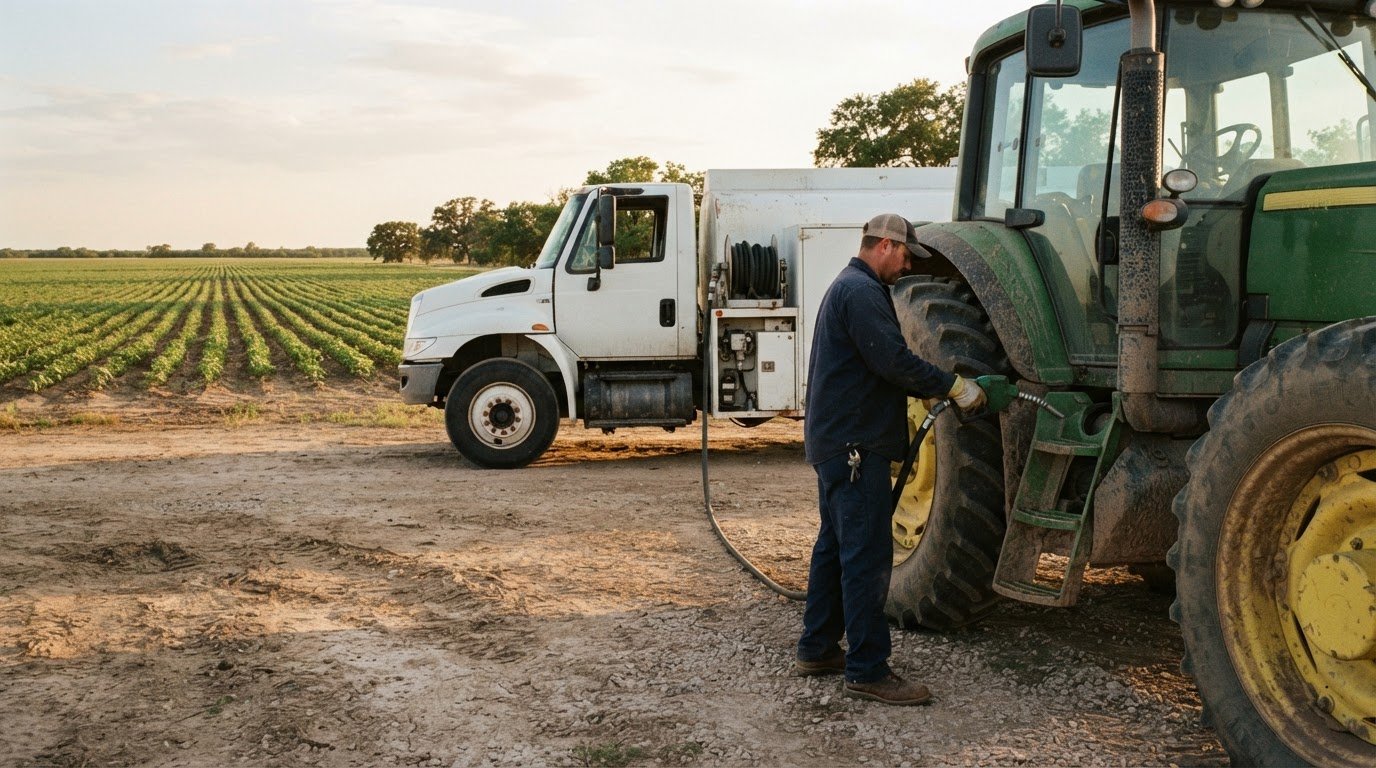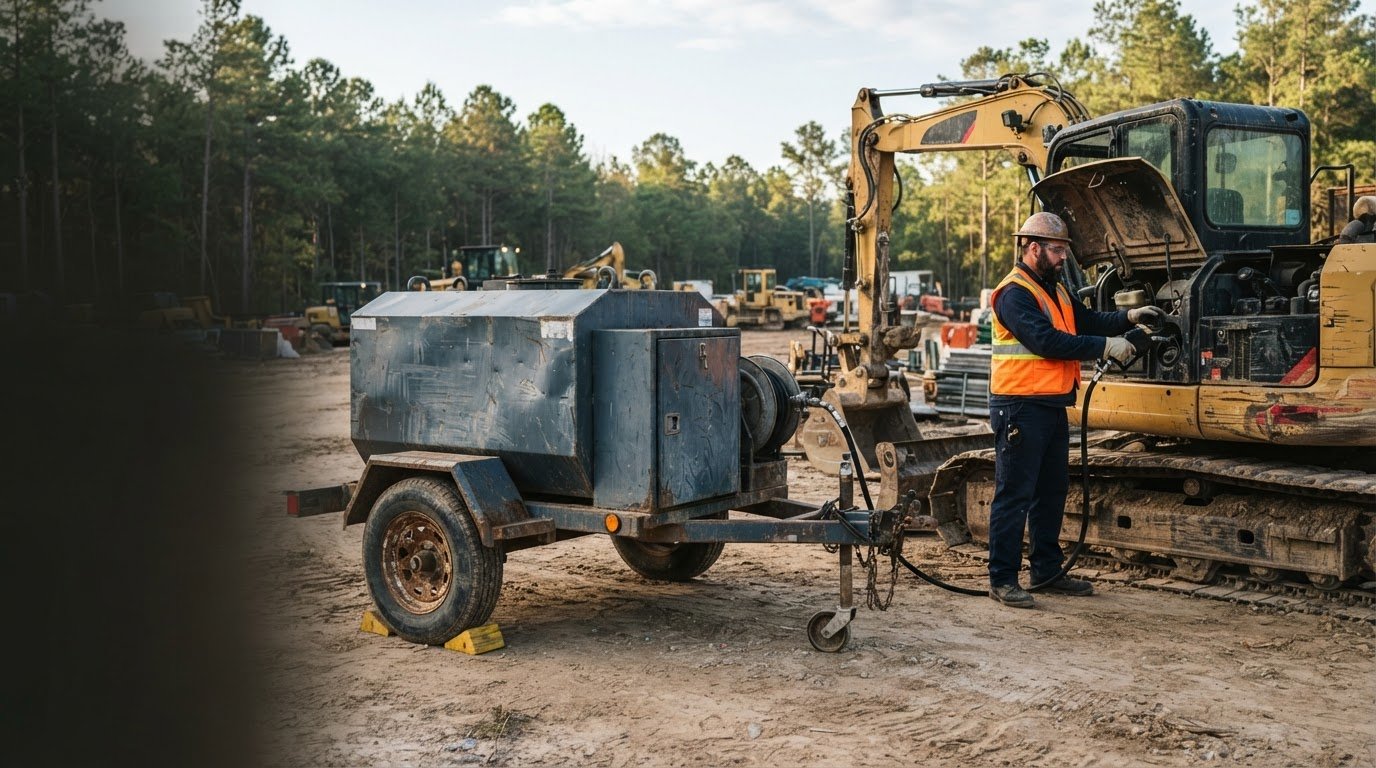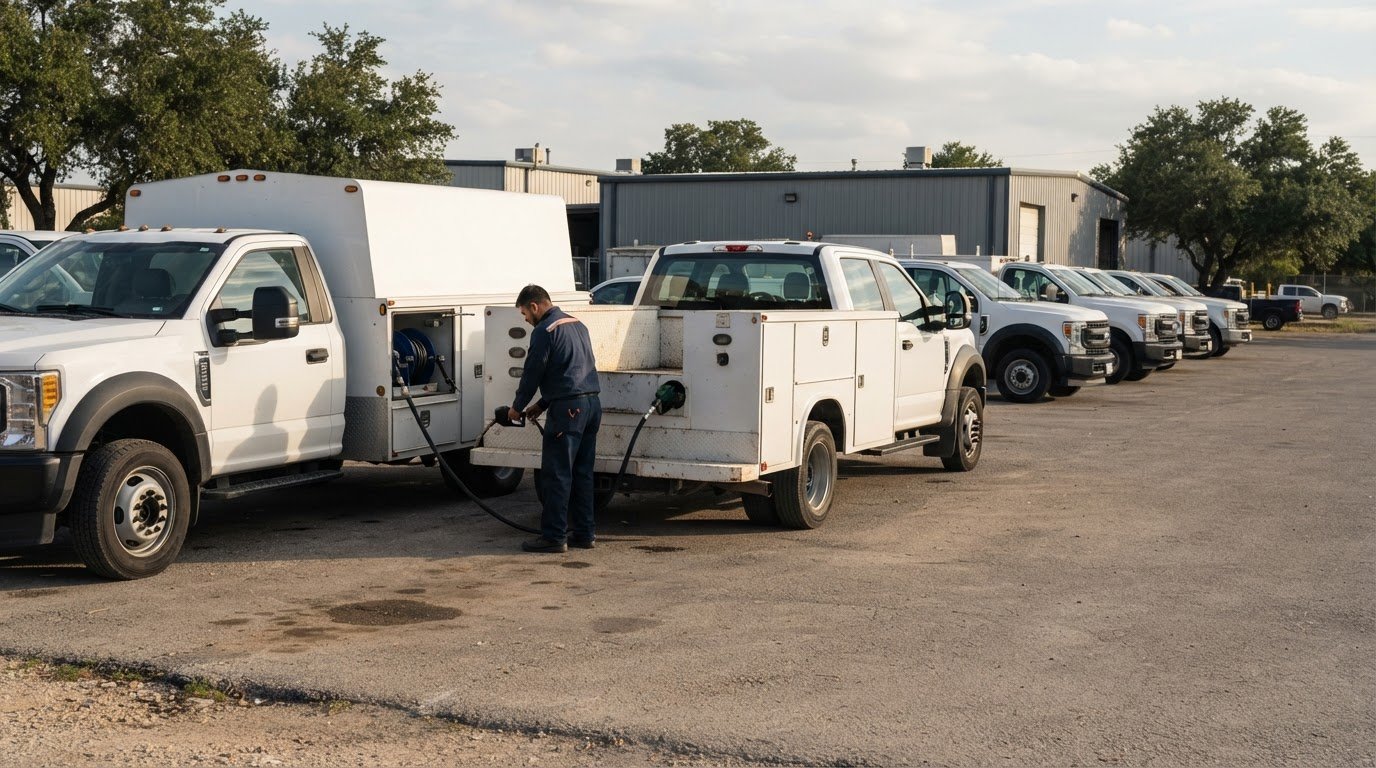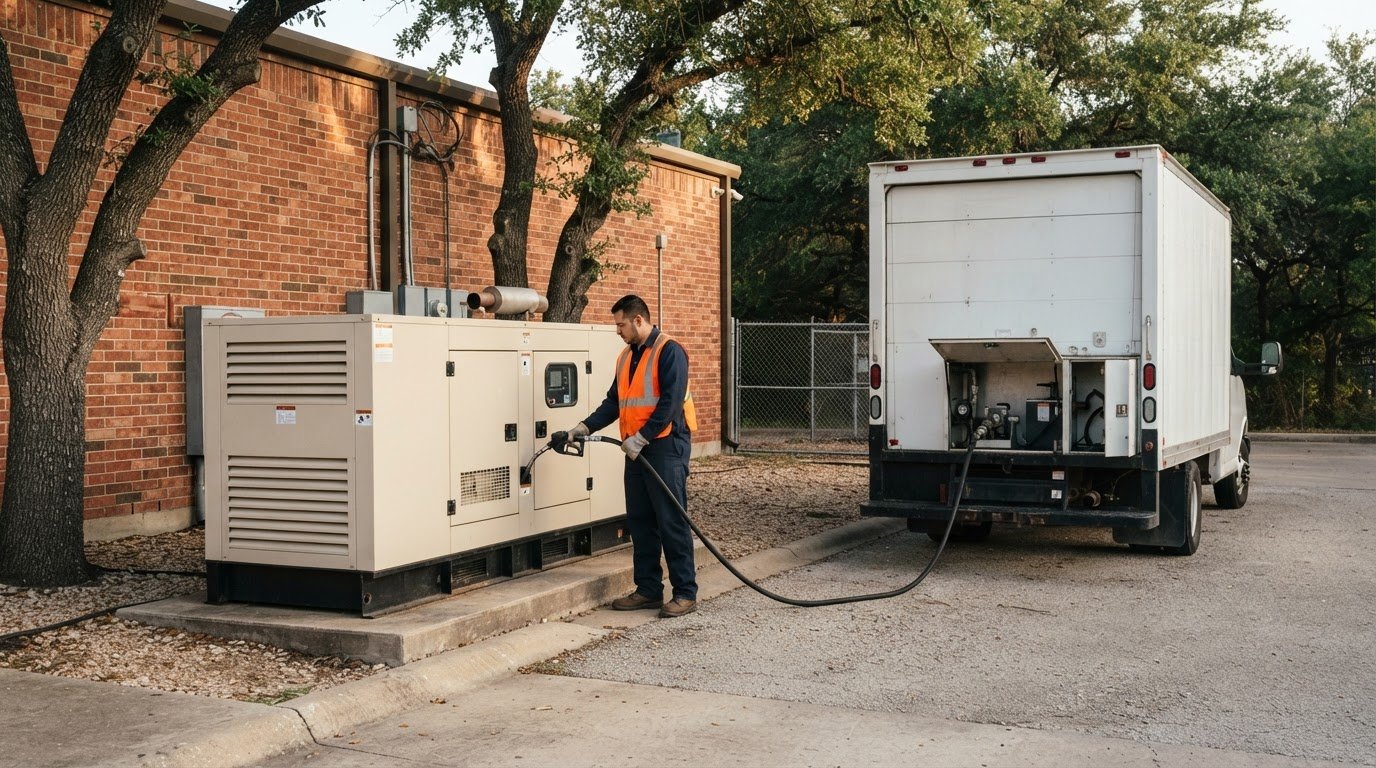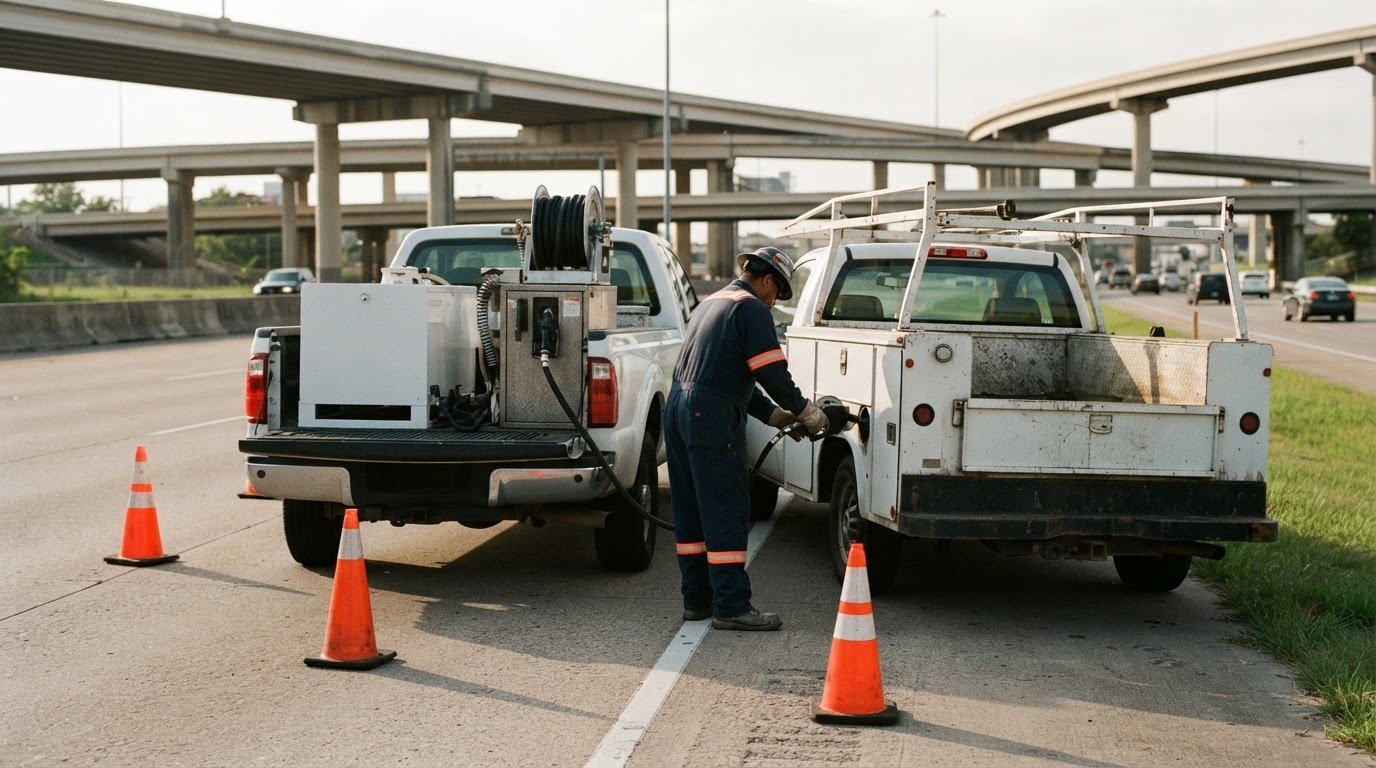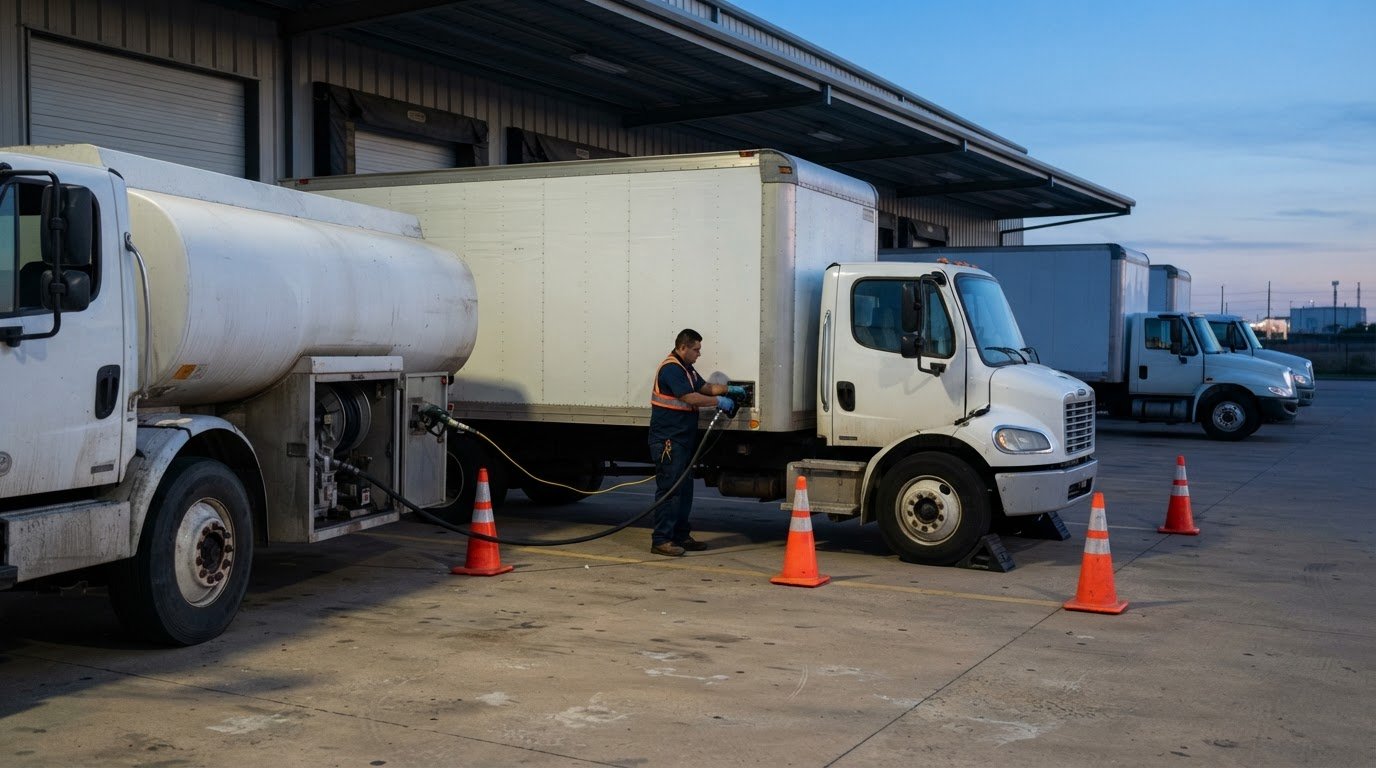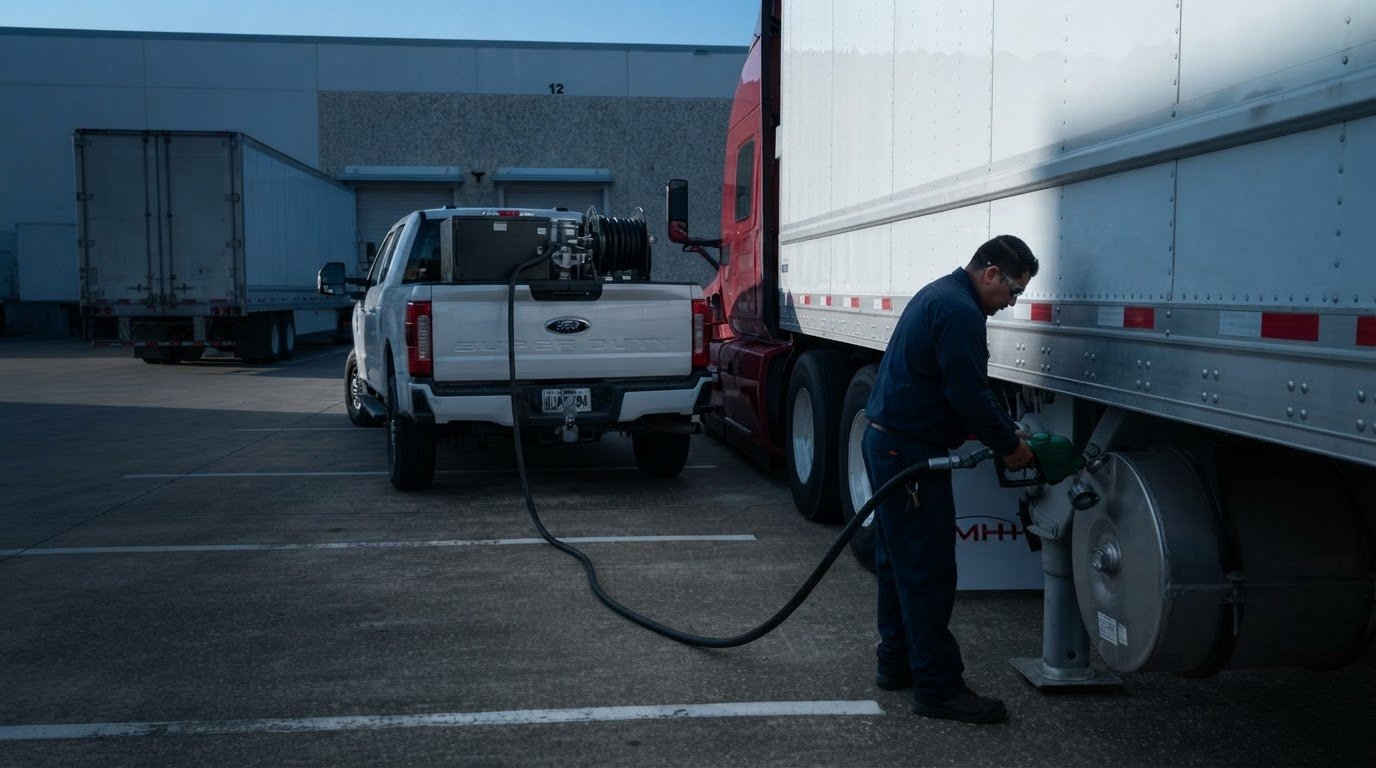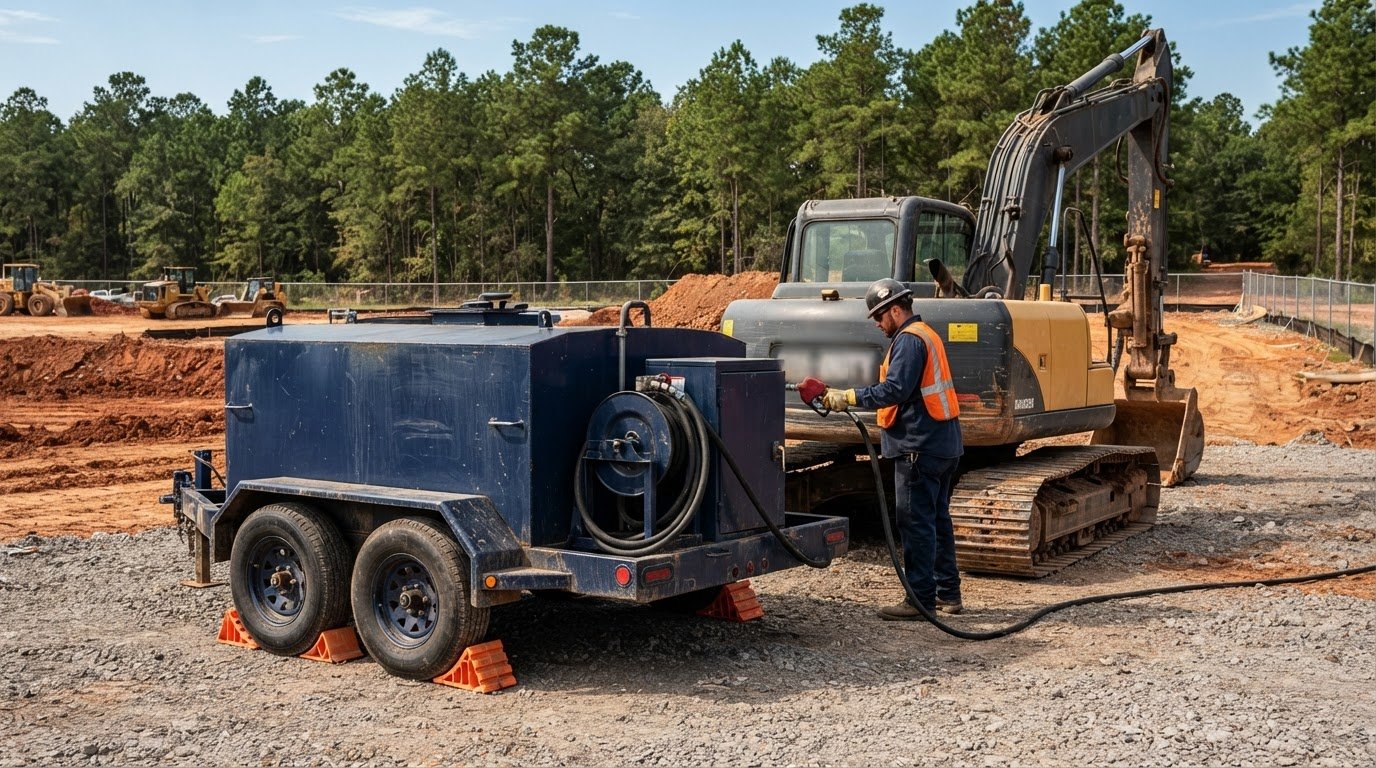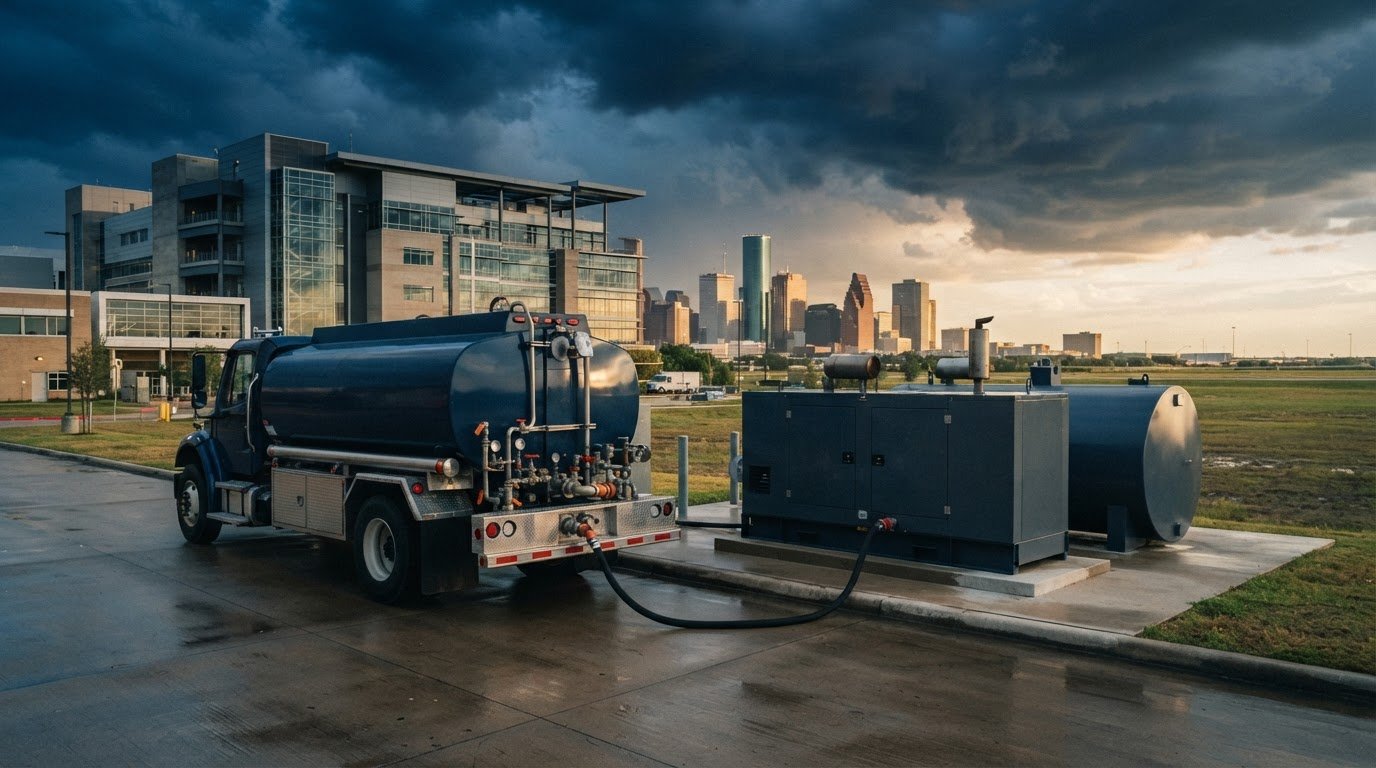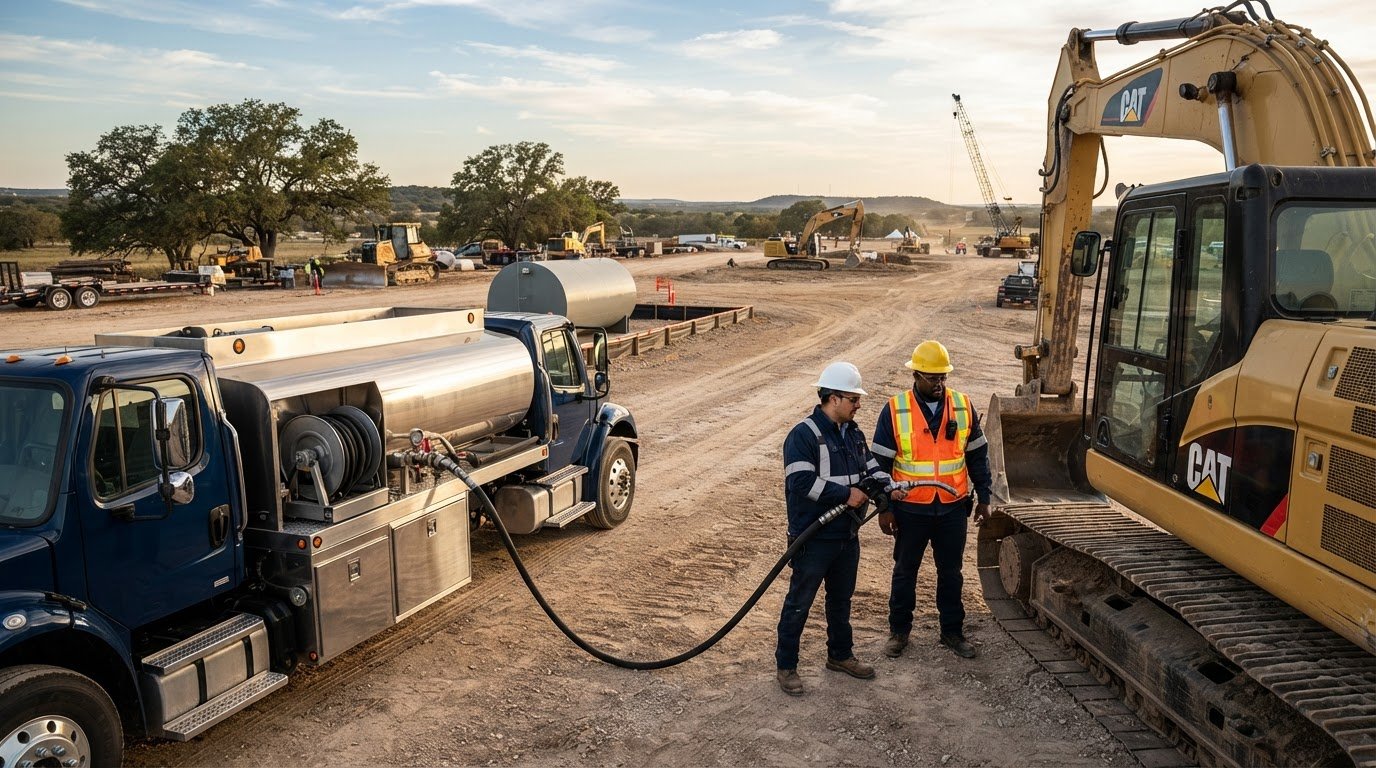
A remote jobsite needs fuel delivered where trucks and equipment are working, not merely near a main road. React Fueling provides remote site diesel delivery in Austin for urgent and scheduled needs. The right approach depends on site access, what needs fuel, and whether the delivery is urgent or recurring.
A fuel interruption can disrupt a crew’s schedule and leave critical equipment idle. A practical fueling plan accounts for Austin-area coverage, emergency truck fueling, and on-site fuel needs, including diesel and DEF delivery for remote locations.
To coordinate a delivery, share the site location, access details, fuel needs, and preferred timing. On-site fueling can reduce trips away from work, while scheduled deliveries and fuel tank rentals can help support ongoing operations. Planning around trucks, generators, and equipment helps keep fuel available where the work is happening.
Austin-area service coverage
For remote site diesel delivery in Austin, React Fueling serves commercial, construction, and industrial operations. Delivery coordination depends on the site address, vehicle access, fuel requirements, and urgency.
Austin-area coverage depends on the delivery destination, not just its mailing address. A construction parcel, industrial property, or temporary work zone may need a precise entrance or meeting point. A street address alone could lead a driver to an office or public gate rather than the fueling location. Clear directions distinguish the equipment staging area from the actual delivery point.
For a remote location, dispatch planning starts with practical site details. Provide the information that helps coordinate routing:
- The jobsite address, entrance, and any gate or access instructions.
- The truck or equipment location and the safest approach for a delivery vehicle.
- The fuel type, approximate quantity, and whether trucks, generators, or other equipment need fueling.
- Whether the request is urgent or part of a recurring supply plan.
These details help coordinate delivery to the worksite. For example, a truck parked beside a road may be easier to reach than equipment inside a fenced construction area. A generator behind a building may require directions to a service entrance. Remote sites can shift as construction progresses, so update the location when the active work zone changes.
Response times depend on the delivery address, route conditions, requested volume, access arrangements, and current dispatch demand. An urgent truck-fueling request and a planned delivery for several generators involve different routing decisions. Sharing the site location and operational priority early gives dispatch a clearer basis for scheduling. No single timing estimate applies to every Austin-area site.
To maintain a consistent supply, organize deliveries around equipment use and tank levels. A site with several active trucks may need a different plan from one that mainly runs generators. On-site storage can also affect delivery frequency. Match consumption patterns with delivery access instead of relying on a fixed schedule that ignores changing site activity.
A practical delivery plan accounts for safe access, the correct fueling point, and the work that needs to continue during delivery. Before dispatch, provide concise directions and the request’s priority. This helps remote Austin sites coordinate planned fuel supply and urgent needs.
Can I Get Emergency Diesel Delivery For Trucks In Austin?
Yes, emergency diesel delivery can fuel trucks at remote Austin-area sites; timing depends on dispatch, routing, and access. Plan safe transfer around a clear fueling point and spill-response arrangements; order minimums depend on delivery logistics and requested volume, not one universal quantity.
Emergency and Same-Day Availability
Emergency diesel delivery addresses urgent fuel needs that could interrupt truck operations. Arrival timing depends on dispatch, routing, and site access. Share whether a truck is stopped, nearly out of fuel, or still operating with limited supply, along with the site location and requested volume.
A precise location helps distinguish the site entrance from the truck’s actual position. Include the access road, gate instructions, and a nearby landmark where useful. At a changing construction site, identify the active work zone and a safe place for the delivery vehicle to approach. This helps direct diesel fuel to the intended truck rather than an office or staging area.
After-hours requests involve different routing and dispatch conditions from daytime calls. A remote site outside central Austin may require more travel and additional coordination, especially if its entrance is difficult to find. Give dispatch the urgency, location, and vehicle status together. That information supports a practical decision about sequencing the request without implying a guaranteed arrival time.
Minimum Order Requirements
The fuel quantity for a remote delivery near Austin depends on the delivery setup, route, and requested volume, as well as whether fuel is going to one truck or several. A single disabled vehicle has different needs from a fleet requiring planned replenishment. Describe the number of vehicles and their locations to define the request.
Plan the order around how much fuel each truck needs and whether equipment shares the delivery stop. Combining compatible fueling needs at one accessible point can help coordinate dispatch. The required quantity depends on the equipment and requested service, not an assumed standard order.
Fuel transfer at a remote site requires a controlled work area. Identify the fueling point, keep vehicle access clear, and arrange spill-response materials before transfer begins. Avoid locations where passing traffic or active work could obstruct access. If a spill occurs, stop the transfer and follow the site’s established response procedure.
For construction, transport, and industrial operations, emergency diesel delivery can fuel trucks when travel to a station would interrupt work. Provide the precise location, vehicle condition, requested volume, and access details in one request. This helps coordinate the response and distinguish an urgent supply interruption from a planned refill.
React Fueling notes that running a truck without DEF puts it into limp mode, a concern distinct from whether diesel can be delivered to the vehicle. Industry studies have found that renewable diesel made from crop-based feedstocks reduces lifecycle greenhouse-gas emissions by 40% to 69% compared with petroleum diesel. These are separate operational and fuel-impact considerations for truck operators.
On-site delivery and tank-level checks
On-site diesel delivery brings fuel directly to a worksite tank, reducing trips to a fueling station. Tank-level checks help coordinate each refill with actual use by trucks, generators, and other equipment. In Texas, storage and delivery requirements can depend on the tank setup and site location. Establish applicable requirements before installing or filling a tank.
Start tank planning with the work pattern, not a default capacity. A site running trucks throughout a shift may need a different setup from one fueling backup generators periodically. Consider expected consumption, refill frequency, available space, and the delivery vehicle’s route to the tank. These factors help determine a suitable tank size and placement.
Useful tank-level checks connect the gauge reading with operating needs. Compare the current level with recent usage and upcoming shifts. A sudden change can indicate heavier equipment use or an inaccurate reading. Record deliveries and observed levels consistently so the next diesel delivery reflects site demand rather than guesswork.
- Record tank readings and delivery dates in one site log.
- Note which trucks or generators draw from the tank.
- Track changes in work schedules that may affect fuel consumption.
- Keep the tank’s fill point accessible to the delivery vehicle.
Tank placement needs to account for practical access and safe operation. Position the tank where crews can reach its fill point without blocking truck routes or active work areas. Keep the delivery approach clear and make the fill point identifiable. Changing construction layouts may require updates to the access plan.
Include routine visual checks for visible damage, leaks, or issues around the fill connection in maintenance planning. Keep the area around the tank orderly, and document concerns for follow-up before the next scheduled fill. A tank that is difficult to access or has an unclear fill point can complicate delivery and disrupt the site’s fueling routine.
Bulk diesel tank filling works best when the requested volume reflects available tank capacity and current fuel level. Before delivery, align the amount with the tank’s usable space and expected consumption. For example, a site preparing for a busy equipment cycle can plan a refill before demand rises. This supports fuel planning without assuming every site needs the same volume.
A tank setup should suit the site’s footprint, equipment mix, and delivery access. A compact work zone may need a different arrangement from a large industrial yard with several fueling points. Consider how trucks approach, where generators operate, and how crews use the tank. These details help shape a setup that supports daily work.
Keeping fuel at the worksite can reduce downtime by avoiding repeated trips to refueling stations. React Fueling offers portable fuel tank rentals for on-site storage.
On-site diesel delivery brings fuel to a business’s premises, reducing the need for employees to travel to fueling stations. Portable fuel tank rentals can also provide on-site storage. Together, these services help make fuel available where it is needed and reduce reliance on off-site refueling trips.
Diesel, gasoline, and DEF delivery
Match each vehicle or machine with its required fuel. Diesel trucks and generators need diesel, while gasoline-powered equipment uses gasoline. DEF is a separate fluid, not a substitute for diesel fuel. Identifying each requirement helps coordinate the right supply for a busy remote site. React Fueling delivers DEF for trucks and equipment.
For trucks with SCR systems made after 2010, DEF is required. A fleet that uses those trucks should account for DEF alongside diesel in its supply plan. For example, a delivery request can identify which trucks need diesel and which need DEF. Keeping the products distinct supports organized fueling and helps avoid a preventable interruption during a shift.
Diesel delivery brings fuel to worksite vehicles or storage, so trucks do not need to travel to a station for refueling. On-site delivery can reduce travel and related carbon emissions. It can also help construction and industrial operations spend less time moving equipment away from active work. The practical benefit depends on matching the delivery point with the equipment’s location.
- Identify each vehicle or machine by its required fuel type.
- Separate diesel needs from gasoline and DEF requirements.
- Group equipment by delivery location when several units operate onsite.
- Note whether fuel is intended for trucks, generators, or a storage tank.
Request gasoline only for equipment designed to use it. A mixed fleet may include diesel trucks, gasoline-powered tools, and trucks requiring DEF. Listing these needs separately prevents a general request from obscuring what each unit requires and helps organize supply at the site.
For remote Austin operations, diesel delivery can supply trucks directly or replenish an on-site tank. Tank refills suit sites with recurring equipment demand, while direct fueling can work for vehicles gathered at a designated work area. The right arrangement depends on where equipment operates, how the site is laid out, and whether fuel storage is part of the operation.
Plan around actual work, not a broad estimate. A site with trucks in separate work zones may need different delivery coordination from a yard with equipment parked together. Track which units use diesel, gasoline, or DEF, then update the request when equipment or site activity changes. This keeps delivery aligned with operations and helps limit avoidable downtime.
For diesel needs, commercial diesel delivery can bring fuel to trucks or an onsite tank. DEF delivery addresses the distinct fluid requirement for applicable trucks. Keeping the fuel types and intended equipment clear makes onsite fueling more efficient and supports a consistent supply plan.
Choosing a delivery location, including remote sites
Choose a delivery point that trucks can reach without crossing active work areas. On a construction site, a clear staging zone may be safer and more efficient than fueling beside moving machinery. At a remote Austin site, the route from the public road to the fueling point matters as much as the address. Mark the actual delivery location, not only the property entrance.
To schedule a remote diesel delivery, provide the site address, precise fueling location, fuel type, requested volume, and preferred timing. Include access instructions, a site contact, and whether trucks, generators, or a tank need fuel. Directions to a temporary laydown area, for example, help distinguish it from the main construction entrance.
- Give the street address and the delivery point within the property.
- Describe gate access, road conditions, and any route restrictions.
- Identify the equipment or tank receiving fuel.
- State the fuel type, quantity, and operational priority.
- Provide the onsite contact who can guide the driver.
Remote locations can shift during a project. A grading crew may move equipment to another section while the site’s main entrance remains unchanged. Update the delivery point when the active work zone changes. A mapped pin or clear written directions can help prevent a driver from reaching an unused staging area.
Consider the delivery vehicle’s approach and departure before choosing a fueling point. A narrow access lane, soft ground, or equipment blocking the route can complicate arrival. Identify a stable, accessible area near the vehicles or tank while keeping normal site traffic moving. At an industrial facility, the designated fueling zone may work better than a crowded loading area.
Delivery frequency should reflect site use and storage. A project with trucks and generators drawing from one tank may need a different schedule from a location with occasional equipment use. Track fuel consumption and planned work changes, then adjust deliveries as operations shift. This helps maintain supply without treating every worksite as if it followed the same pattern.
Share the location details and operating requirements in one scheduling request. That gives dispatch the information needed to plan access, routing, and the intended fueling point. For a remote construction or industrial site, send your delivery location and fueling requirements to start coordinating the request.
React Fueling: Diesel Delivery
React Fueling provides diesel delivery for commercial trucks and remote worksites. Use the service when vehicles need fuel on-site or traveling to a station would interrupt active work. Its Equipment Fueling Service supports equipment at the jobsite, while generator fueling can supply facilities and machinery at their work locations.
For an Austin delivery request, share the site location, fueling point, fuel needs, and access details. These specifics help align the delivery with the trucks or equipment requiring fuel. Contact React Fueling to discuss your remote-site diesel delivery needs.
Build a fuel plan that moves with the work
Make fuel coordination part of each project phase, rather than waiting until equipment runs low. A remote site diesel delivery plan in Austin should adapt as crews, vehicles, and work areas change. Include the next delivery in operational planning so fuel supply keeps pace with the job.
React Fueling offers Diesel Delivery, Equipment Fueling Service, and Fuel Delivery for commercial operations. These services supply trucks and equipment at work locations, helping teams plan fuel around active needs. As a project changes, revisit how fueling fits the site’s current workflow.
Start the next step with a conversation about your operation and delivery needs. Contact React Fueling to discuss fueling for your Austin-area site. A clear plan can help your team keep work moving with greater confidence.
Frequently Asked Questions
What areas around Austin do on-site diesel delivery services cover?
React Fueling serves Houston, TX; Austin, TX; San Antonio, TX; Dallas, TX; College Station, TX. For an Austin-area jobsite, provide the delivery address and exact fueling point, especially if a construction entrance differs from the work area. A project coordinating equipment between Magnolia and Austin should identify each active site separately so delivery planning reflects where fuel is needed.
What types of diesel fuel and delivery services are available in Austin?
Fuel delivery includes diesel and gasoline, while DEF Fluid Delivery supplies Diesel Exhaust Fluid for trucks and equipment. Diesel needs can be met through scheduled or urgent delivery, direct equipment fueling, or generator fueling. For example, a contractor operating diesel equipment and gasoline-powered tools should identify each fuel requirement separately. This helps organize supplies for distinct vehicles, machinery, and work areas.
How much does on-site diesel delivery cost in Austin, including delivery fees?
React Fueling offers clear, competitive rates with no long-term commitments or hidden fees. Request a quote with the delivery location, fuel type, requested volume, and whether trucks, equipment, or generators need fueling. These details help define the service. Fuel tank rentals are a separate service, so include storage needs in the request.
How quickly can diesel be delivered to a remote site near Austin?
React Fueling states an average 4-hour response time across Texas and offers 24/7 emergency fueling. Response time describes the service response, not a guaranteed arrival time at every remote site. For an Austin-area request, provide the site entrance, the vehicle or tank location, access instructions, and urgency together. Clear directions to a remote work zone help dispatch plan the route and coordinate the fueling point.
What tank, access, and site requirements apply to remote fuel delivery?
Choose an accessible fueling point with a clear approach for the delivery vehicle, and identify the intended tank or equipment. React Fueling’s tank and safety information specifies “double-walled tanks, spill containment and strict adherence to regulations.” Tank capacity and site layout should match operational demand and available access. For a changing construction site, update the delivery point when crews relocate equipment or the active work area shifts.