What if a fuel gap that disrupts a route starts with a replenishment process no one has time to manage? Reliable fuel delivery for fleets takes more than a supplier. It requires a repeatable plan that keeps vehicles supplied across locations and gives your team a clear way to respond when conditions change.
A missed fueling window can interrupt routes, shifts, and scheduled work. Coordinating refueling across vehicles and sites also pulls staff away from other responsibilities. Weather, changing demand, and supply disruptions can add pressure when a plan depends on one routine.
This 2026 guide explains how to build a practical fuel delivery plan for Texas operations. Learn how to set replenishment routines, improve delivery visibility, prepare for disruptions, and account for diesel, DEF, and equipment fueling needs. React Fueling provides commercial on-site fuel delivery, emergency fuel delivery, DEF supply, and portable fuel tank rentals for fleets and industrial operations in Houston, Magnolia, San Antonio, College Station, Austin, and Dallas. The goal is a process your team can repeat and adjust to reduce avoidable fueling interruptions.
Why reliable fuel delivery matters to fleet uptime
Fleet uptime starts before a vehicle turns its key. If fuel isn’t available where and when it’s needed, dispatch may have to reshuffle assignments, a vehicle may miss its planned departure, and staff may need to arrange an unplanned refuel instead of completing scheduled work. Reliable fuel delivery for fleets makes replenishment part of the operating plan rather than a last-minute task.
Reliable fleet fuel delivery is planned, traceable replenishment aligned with a fleet’s operating schedule, fuel use, and locations. It supports readiness, but it cannot guarantee uninterrupted service or prevent every disruption.
Where fuel interruptions affect fleet operations
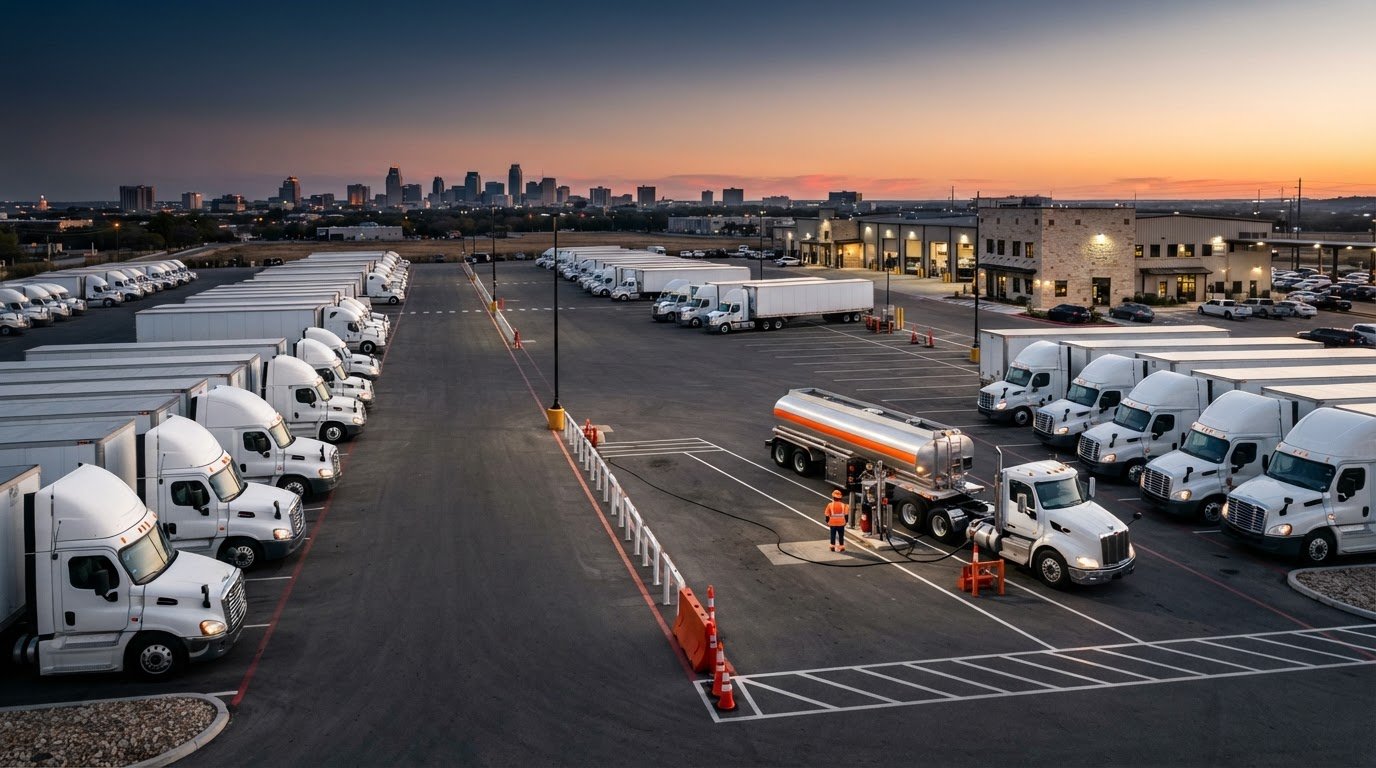
A delivery vehicle that starts a route below its required fuel level can leave dispatch choosing between delaying departure and finding a refueling stop. A service fleet may lose time between appointments, while a commercial vehicle assigned to a shift may be unavailable until it can refuel. Each workaround can also require staff to update schedules, coordinate drivers, or rearrange jobs.
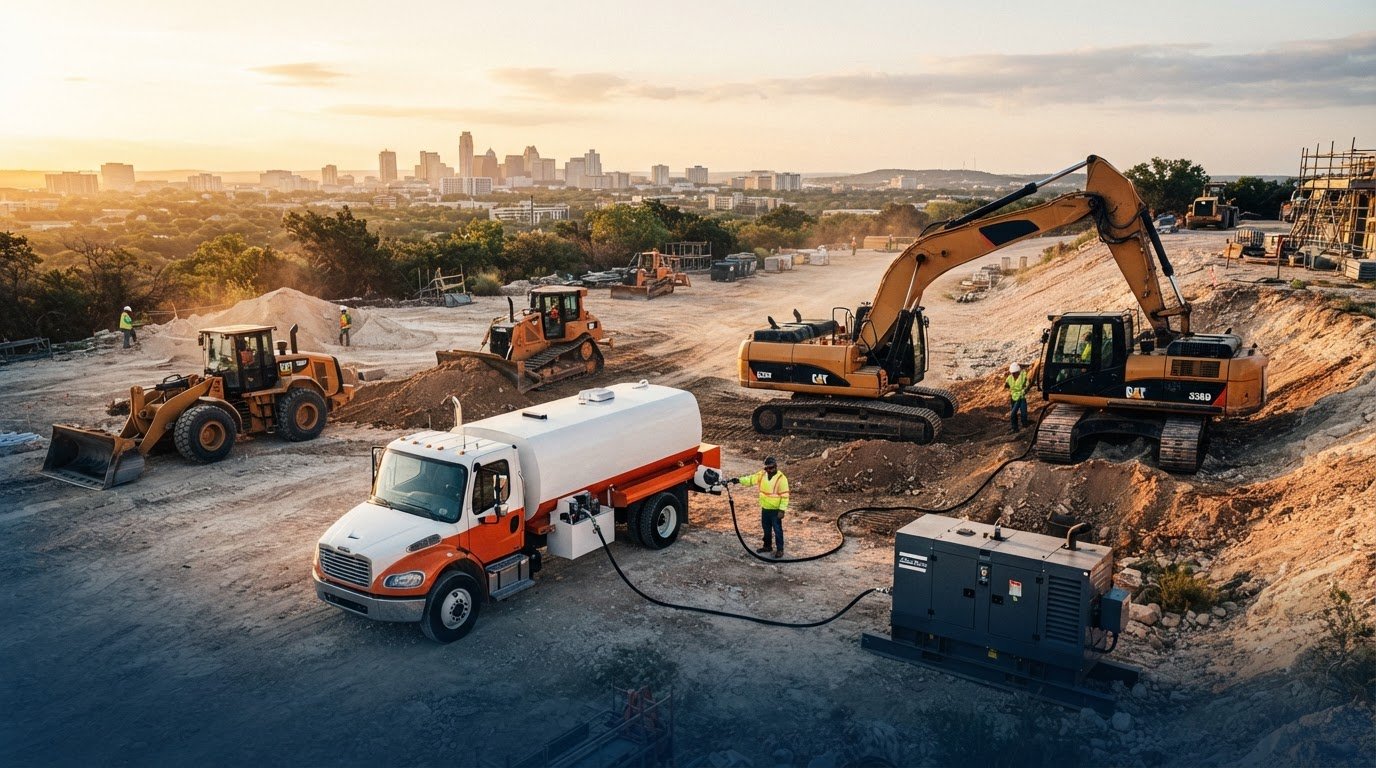
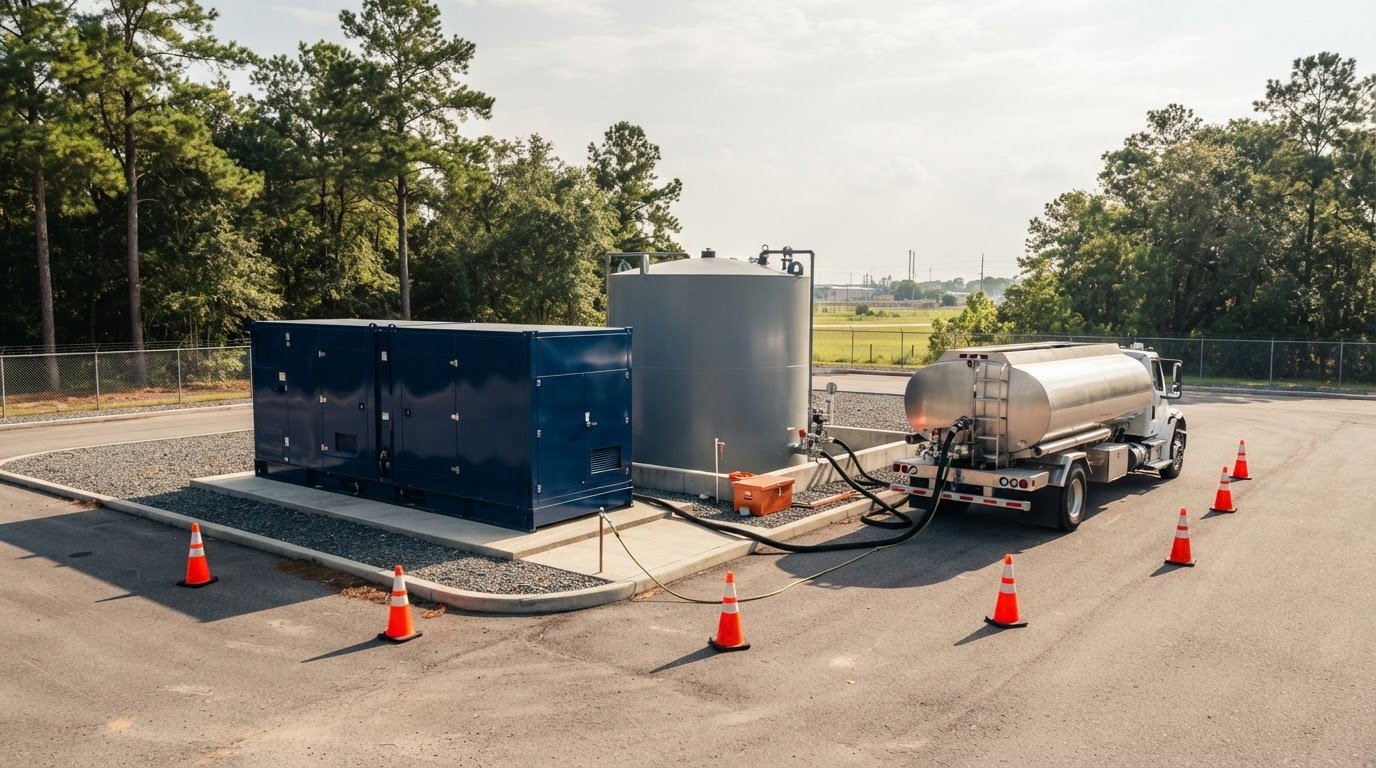
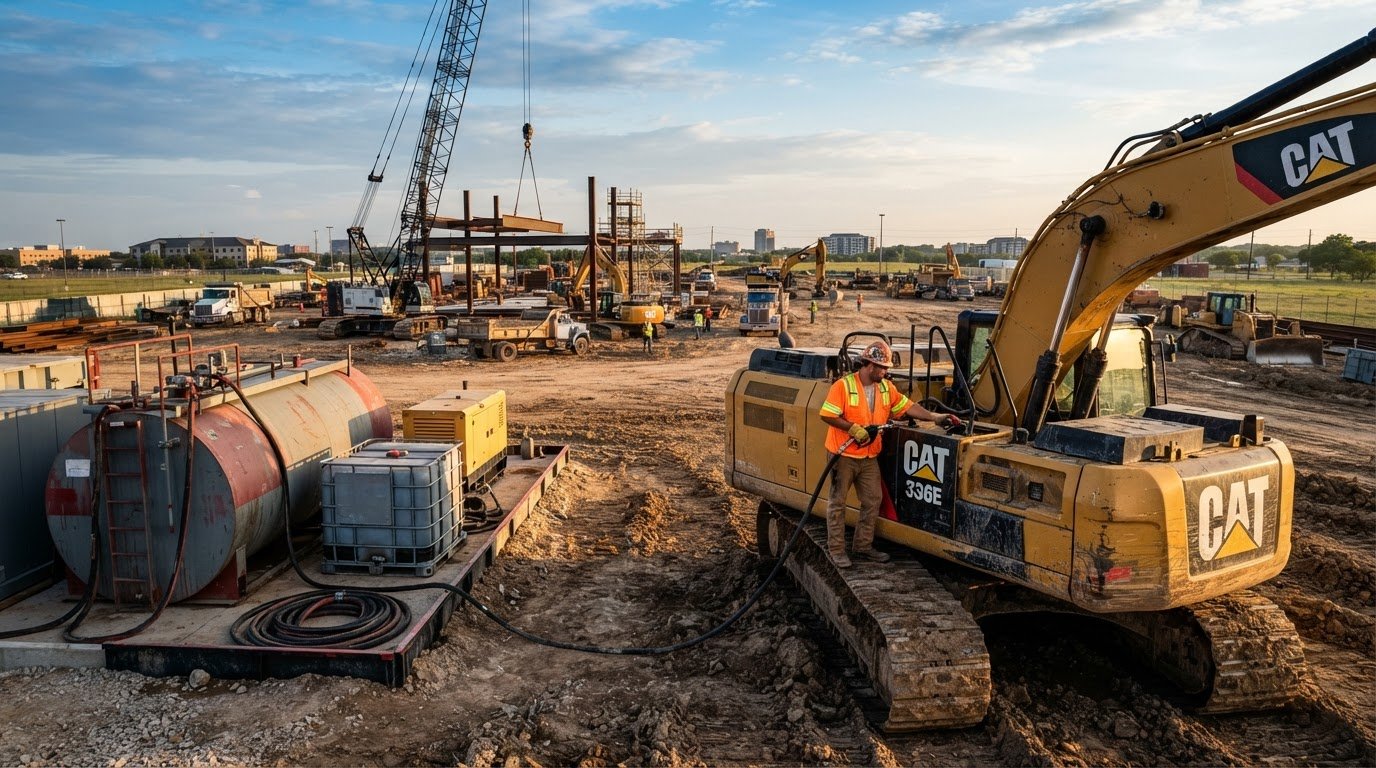
Plan separately for vehicles and stationary assets. Trucks and service vehicles need fuel to travel; worksite equipment and standby generators have different consumption patterns and fueling access needs. On-site delivery can support vehicles and equipment across multiple locations. React Fueling provides commercial fuel delivery for fleet and industrial operations.
What reliability means in a delivery program
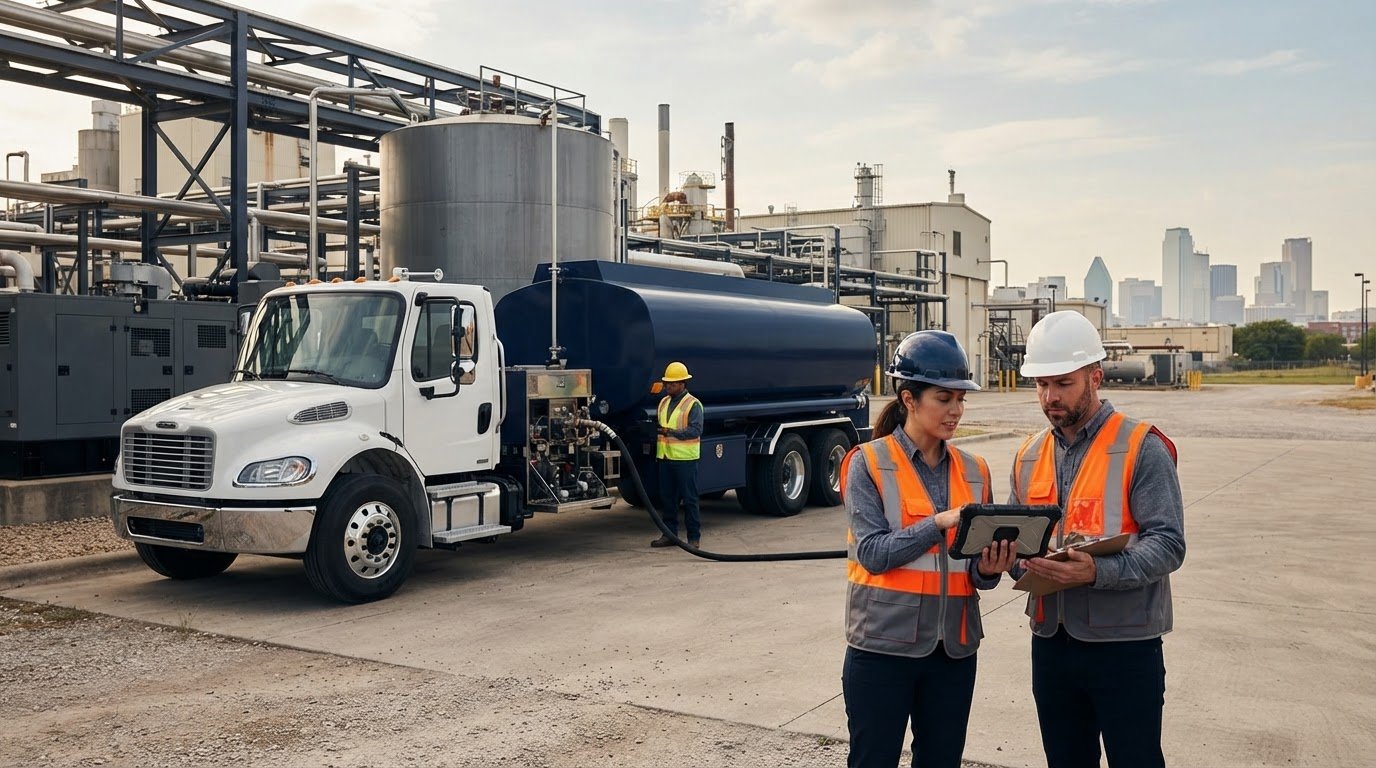
Reliability comes from a process that reflects how your fleet operates. Set a schedule around vehicle use, shifts, and site access. Keep delivery locations and instructions accurate, and record deliveries and fuel use so managers can spot changing demand. These records can complement fuel management systems, which help monitor, control, and report fuel consumption.
The right process depends on the fleet’s size, operating patterns, and locations. A centralized depot may need a different routine from vehicles working across several sites. For each location, consider access, expected usage, and whether it needs vehicle fuel, DEF, equipment fueling, or generator fueling. Planned replenishment addresses routine demand; emergency fuel delivery is a contingency for unexpected gaps.
- Dependable scheduling: Align deliveries with fleet activity and expected consumption.
- Accurate site details: Keep locations and fueling instructions current as routes or operations change.
- Clear records: Track replenishment and usage to inform future planning.
This is a delivery-planning process, not a change in vehicle technology. A fleet can improve how it receives diesel without switching fuels or replacing vehicles. A consistent program helps managers identify needs earlier, coordinate across sites, and respond more deliberately when conditions disrupt the usual schedule.
How fleet fuel delivery planning works across Texas routes and sites
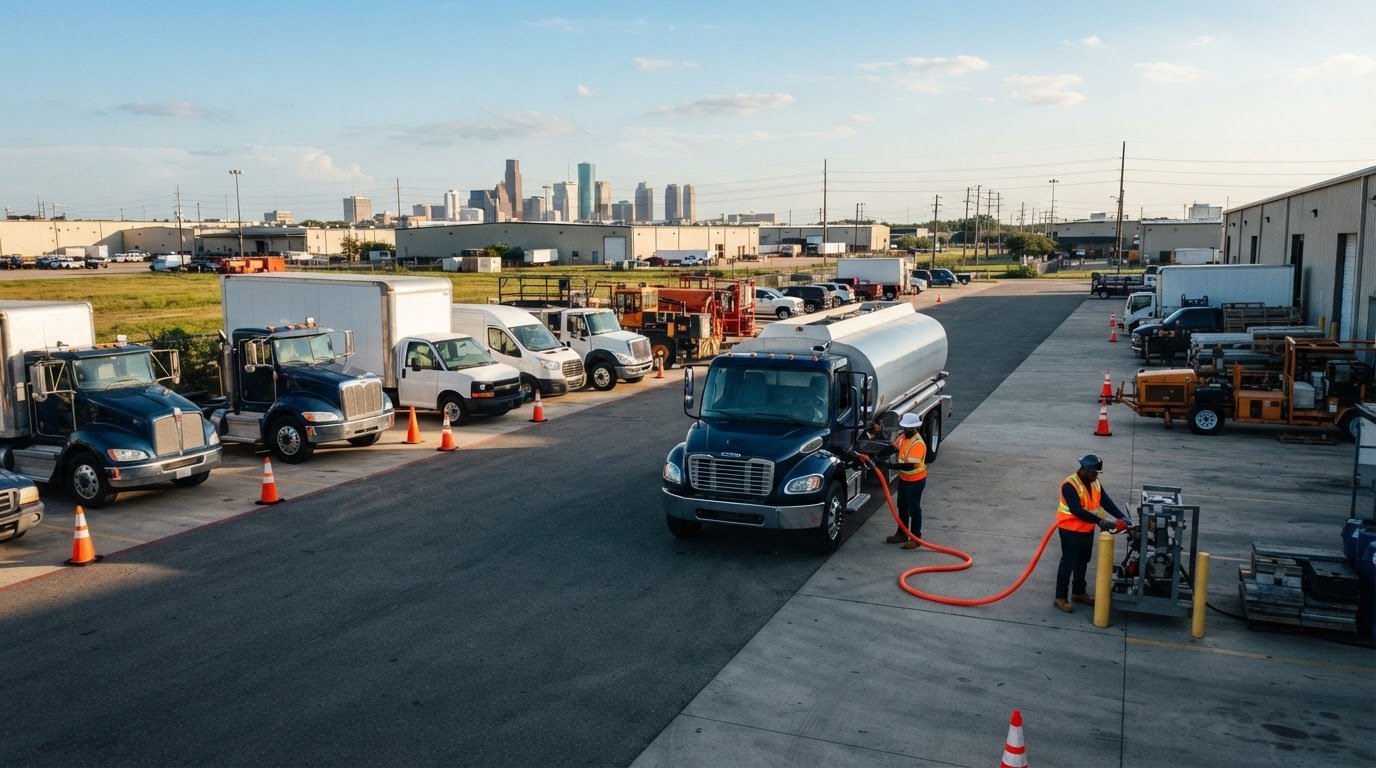
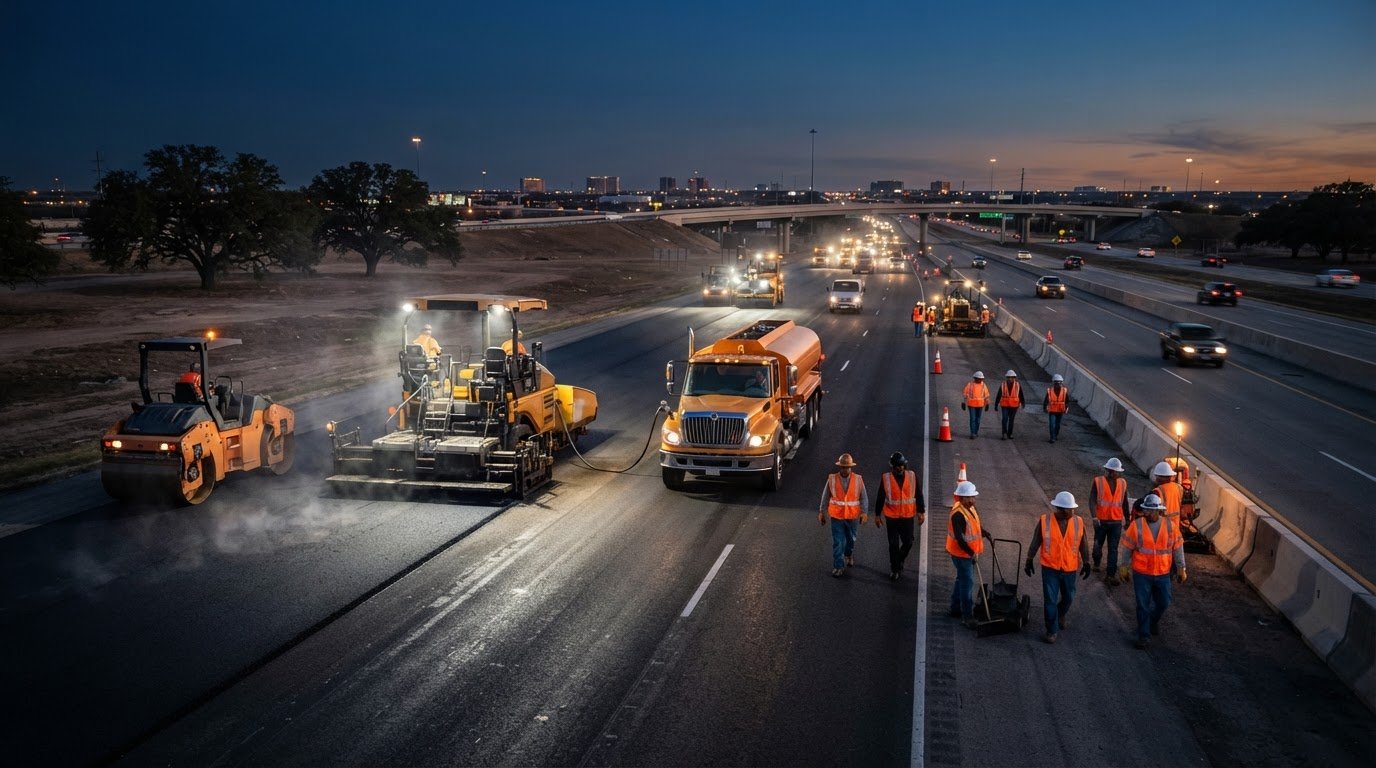
Texas fleet operations may span a central yard, customer routes, and work sites across multiple communities. Houston-area traffic and changing route schedules can affect when vehicles return to a fueling point. Dispersed sites may also have different access needs and operating windows. A useful plan connects delivery timing to where assets work instead of applying one fixed routine to every location.
Build the process around five steps:
- Map assets and sites. List vehicle groups, equipment, generators, operating locations, fuel types, route schedules, delivery windows, and site access instructions. Note whether vehicles return to a depot or remain at a job site.
- Estimate demand. Use available fuel-use records and expected utilization to estimate replenishment needs by vehicle group and location. Account for changes in routes, workload, and seasonal activity rather than assuming consumption stays constant.
- Plan replenishment. Set a recurring schedule that reflects each site’s operating pattern and access requirements. On-site delivery can support fleet vehicles and diesel equipment. Generator fueling may need a separate schedule based on the generator’s role and use.
- Record deliveries. Log delivery dates, quantities, locations, and exceptions, such as a changed delivery window or an asset being unavailable. These records give fleet managers a history to compare with planned demand.
- Review and adjust. Revisit the plan when routes, utilization, work locations, or site needs change. A delivery pattern that suited a previous operating schedule may no longer fit current demand.
Accurate location and consumption data turn a delivery schedule into a plan that reflects where a fleet works and how it uses fuel. Route and driver information are also part of the broader picture described in Forbes’ overview of fleet management. React Fueling’s commercial diesel delivery can be incorporated into replenishment planning for vehicles and work sites.
Keep the records practical. Assign responsibility for updating site access details, noting changes in expected usage, and reviewing exceptions. When a route expands beyond its usual area or a work site becomes more active, update the location and demand information before the next delivery cycle. This helps coordinate deliveries across Texas operations without assuming every vehicle or site follows the same pattern.
How to evaluate reliable fuel delivery for your fleet
Evaluate a delivery arrangement against the work your fleet actually does. A small group operating from one depot has different coordination needs from vehicles moving between several Texas sites or working shifts that leave little time for refueling. Reliable fuel delivery for fleets means the delivery scope, schedule, records, and contingency approach fit those conditions, not just the number of vehicles.
Use this comparison framework to identify your needs and assess how a service arrangement supports them:
| Evaluation area | What to assess | Operational fit looks like |
|---|---|---|
| Delivery scope | Vehicles, diesel equipment, generators, and DEF needs | Each asset type has a defined fueling approach |
| Location coverage | Depots, worksites, and Texas operating locations | Delivery planning accounts for the fleet’s actual footprint |
| Scheduling | Recurring replenishment, operating windows, and schedule changes | Delivery timing reflects routes, shifts, and site access |
| Records | Delivery dates, quantities, locations, and exceptions | Records support internal tracking and review |
| Contingencies | How urgent needs and schedule exceptions are addressed | The plan distinguishes routine replenishment from emergency needs |
Questions that reveal operational fit
Compare the service footprint with your fleet’s locations, from its main yard to dispersed job sites. Consider how planned deliveries fit around operating hours and access windows, and how an urgent need or missed delivery fits into the plan. Decide which records your team needs for fuel tracking and internal review. For broader Houston fleet-service context, see this Houston fleet fueling guide.
Then match the arrangement to asset type and scale. Vehicle fueling may involve scheduled on-site diesel delivery; equipment and backup-generator fueling follow their own usage patterns. Fleets using diesel equipment may also need DEF supply. Separating these needs helps prevent a vehicle-focused schedule from overlooking stationary assets or fluid replenishment.
For a fleet with multiple sites, assess how location details and delivery records will stay current as work shifts. React Fueling provides commercial diesel delivery for fleet and industrial operations in Texas markets including Houston, Magnolia, San Antonio, College Station, Austin, and Dallas. For fuel-handling context in demanding field operations, consult the NWCG Standards for Transporting Fuel. Use the comparison to define the operating requirements your delivery plan needs to support.
Build a fleet fueling plan for delays, disruptions, and changing demand
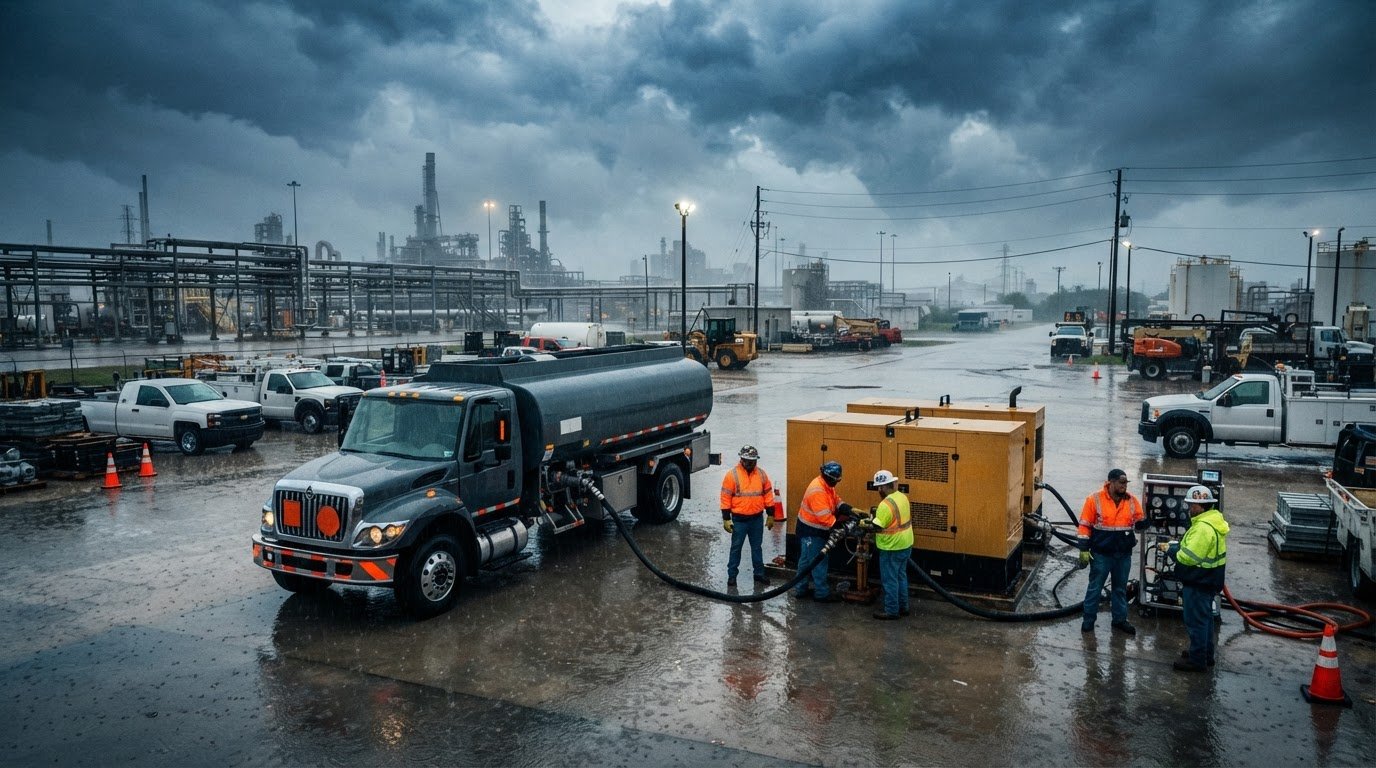
Even a well-planned replenishment routine may need to adapt to changing conditions. A project may add vehicles at a temporary site, seasonal work may shift fuel use, or delayed site access may disrupt a delivery window. Reliable fuel delivery for fleets includes a practical response process, so dispatchers and managers know what information to share and how to distinguish a short-term exception from a lasting change in demand.
Use this readiness checklist to keep the plan current:
- Identify demand changes: Track seasonal work, new projects, route adjustments, and changes in vehicle or equipment use.
- Assign a point of contact: Decide who communicates new locations, access instructions, and schedule changes to the team coordinating deliveries.
- Keep site details current: Record the delivery location, access conditions, operating window, and assets that need fuel.
- Review usage trends: Compare delivery and consumption records over time, then adjust replenishment planning when patterns shift.
- Define the exception process: Set out how staff report a delayed delivery, unexpected demand spike, or temporary supply interruption, and who decides the next operational step.
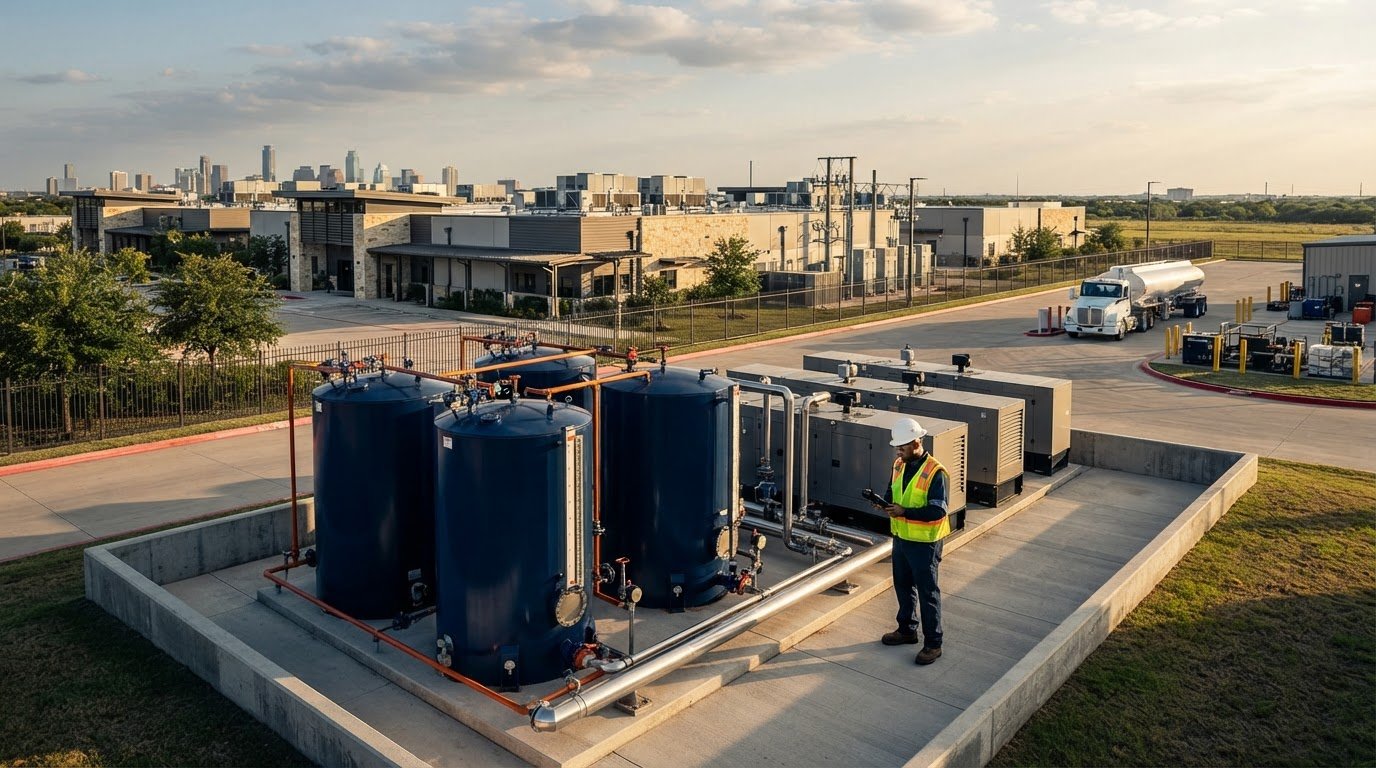
Portable fuel storage may support planning at a site where vehicles or equipment need fuel away from a central yard. Its suitability depends on the operation and site requirements, so plan around the location and intended use rather than assuming one setup fits every job. React Fueling offers portable fuel tank rentals for fleet and industrial operations.
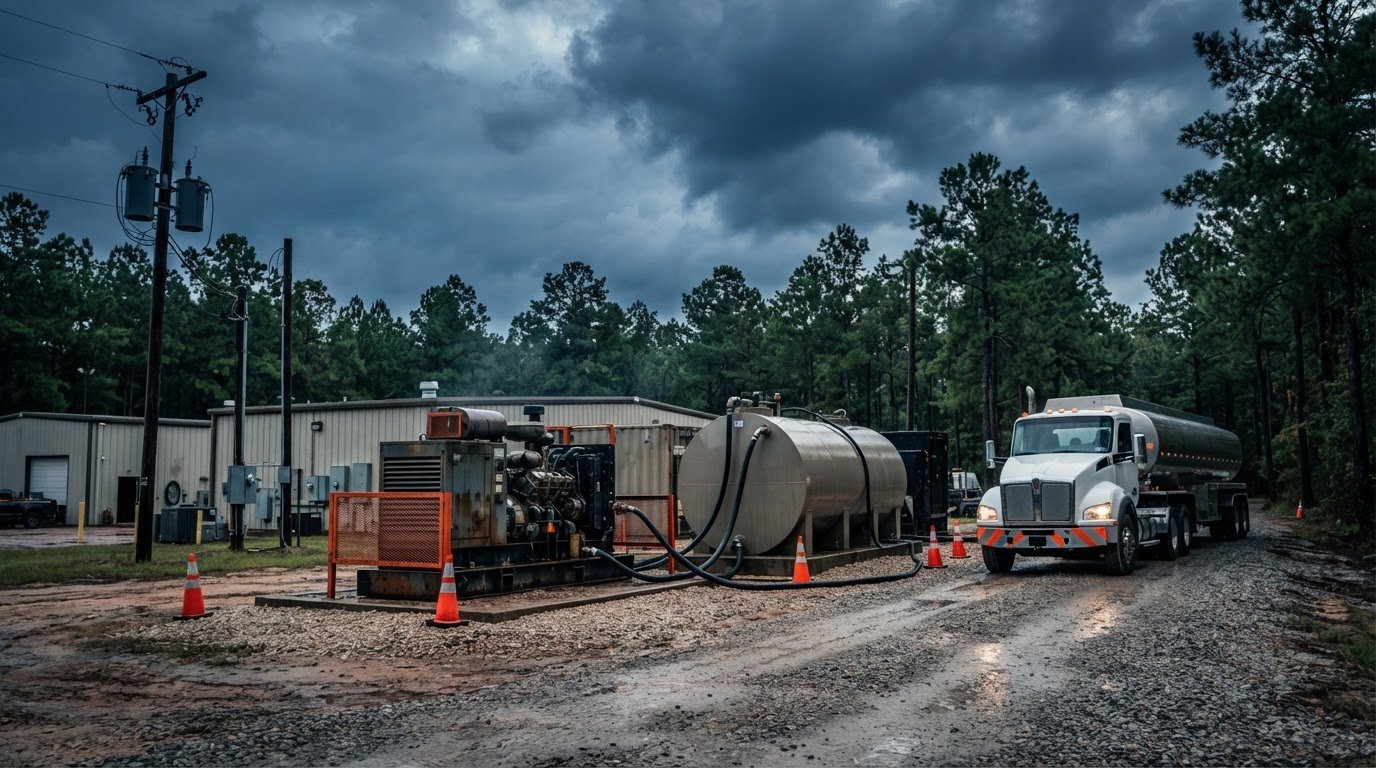
Contingency plans work best when teams communicate early and provide accurate site and demand information. That clarity helps distinguish routine replenishment from an urgent fuel need. A planned schedule serves expected usage; emergency fuel delivery can support operations when an unexpected gap or disruption calls for a different response. It’s a contingency resource, not a substitute for routine planning or a promise of a particular response time.
Keep the response process simple: note what changed, identify the affected vehicles or equipment, share the current location and access details, and update the internal delivery record afterward. If an unplanned need arises, include emergency fuel delivery in your contingency plan. Clear information helps align the response with the actual operating need.
Keep Texas fleet operations moving with React Fueling
A sound fleet fuel plan reflects the routes, work schedules, and locations your operation depends on. React Fueling provides commercial diesel and fuel delivery for fleets and industrial operations, including on-site fueling for vehicles and equipment. Planned replenishment supports routine demand, while emergency fuel delivery is an option when an unexpected need disrupts the normal schedule.
React Fueling serves commercial operations in Houston, Magnolia, San Antonio, College Station, Austin, and Dallas. For fleets working across more than one market, delivery planning can account for different sites and operating needs. Reliable fuel delivery for fleets is not a one-size-fits-all schedule. Start by identifying where vehicles and equipment operate, when they need fuel, and how site access affects coordination.
Connect delivery services to fleet needs
Commercial diesel delivery can support fleet replenishment at operating locations, helping teams plan around routes and scheduled work. Equipment fueling addresses the needs of diesel-powered machinery at job sites, while generator fueling supports stationary backup power requirements. These needs may call for separate arrangements rather than one vehicle-focused routine.
DEF delivery is available for fleets and equipment that use diesel exhaust fluid. Include it in the plan where relevant rather than assuming it applies to every vehicle. Portable fuel tank rentals may support certain site operations, depending on the project and fueling setup.
React Fueling’s services are designed for commercial and industrial operations. A fleet can organize recurring fuel delivery around its normal schedule and treat emergency delivery as a contingency for unexpected gaps. Keeping these functions distinct helps teams maintain a clear routine and understand how an exception fits into the broader plan.
Take the next step on a fleet fuel plan
Before discussing a delivery plan, gather a practical overview of your operation: fleet and equipment locations, fuel and DEF requirements, route patterns, operating schedules, and recurring fueling challenges. Include access considerations and recent changes in demand. This gives the conversation a clear starting point and connects delivery planning to real operating conditions.
React Fueling supports commercial fleets across Houston, Magnolia, San Antonio, College Station, Austin, and Dallas. Share your fleet requirements and discuss fleet fuel delivery with React Fueling to explore an approach that fits your routes, schedules, and site needs.
Put a dependable fleet fuel plan in motion
Reliable fuel delivery for fleets starts with a clear view of where vehicles and equipment operate, how demand changes, and what the team will do when routine replenishment is disrupted. Accurate site details and delivery records turn those needs into a practical plan that can be reviewed and adjusted as routes or schedules change.
React Fueling provides commercial diesel and fuel delivery for fleets and industrial operations in Houston, Magnolia, San Antonio, College Station, Austin, and Dallas. Emergency delivery can support unexpected fuel needs, while equipment fueling and DEF supply address requirements beyond routine vehicle refueling.
Bring your fleet locations, fuel needs, operating schedules, and current fueling challenges into the planning conversation. Discuss a reliable fuel delivery plan for your fleet with React Fueling and take a clear next step toward a more organized replenishment process. A plan built around your operations can help your team coordinate work across Texas.
Frequently Asked Questions
What makes fuel delivery reliable for a commercial fleet?
Reliable fleet delivery combines planned replenishment with accurate locations, clear access instructions, and useful delivery records. A schedule should reflect how vehicles and equipment operate, not assume every site has the same demand. Reliable fuel delivery for fleets is a repeatable process, not a guarantee against every disruption. Reviewing delivery exceptions and fuel-use patterns helps managers adjust the plan as routes, workloads, and locations change.
How does on-site fuel delivery help fleet operations?
On-site fuel delivery can reduce the need to send vehicles away from their work locations for routine refueling. That can help fleet teams coordinate fueling around routes and shifts while also supporting diesel equipment at work sites. For example, a commercial fleet operating from multiple locations can plan replenishment around each site’s schedule and access needs. On-site delivery supports coordination, but changing demand still needs to be planned for.
Can fuel delivery support fleets with multiple Texas locations?
Yes. Delivery planning can account for multiple fleet locations by organizing site details, operating schedules, and expected fuel needs for each one. React Fueling serves commercial operations in Houston, Magnolia, San Antonio, College Station, Austin, and Dallas. Fleet managers can make coordination clearer by keeping route patterns, site access instructions, and fueling requirements current, then reviewing delivery records to identify changes in usage or operating needs.
How should a fleet prepare for an emergency fuel delivery?
Document the affected location, the vehicles or equipment that need fuel, the type of fuel required, site access details, and the operational urgency. Assign a team member to communicate these details and record the exception for internal review. Emergency fuel delivery can support unexpected needs, but it serves a different purpose from routine replenishment. Keep the regular schedule in place while using a clear process to manage urgent gaps.
What information should fleet managers track for fuel delivery?
Track delivery dates, quantities, locations, fuel type, and exceptions, such as a changed site or missed delivery window. Pair these records with relevant operating information, including route schedules, shifts, equipment use, and changes in demand. Consistent records help managers compare planned replenishment with actual usage, identify when a location’s needs have changed, and update future delivery planning. Keep site access instructions current so coordination reflects real operating conditions.
Should a diesel fleet plan for DEF delivery too?
Yes, if vehicles or equipment in the fleet require diesel exhaust fluid, include DEF needs in the replenishment plan. Identify which assets use DEF, where they operate, and how the team will track supply alongside fuel records. Requirements can differ across a fleet, so don’t assume every diesel vehicle or machine has the same needs. React Fueling provides DEF delivery for commercial operations that need to coordinate this supply with fleet activity.
How can fleets prepare for fuel supply disruptions?
Set a process for reporting supply interruptions, demand spikes, delayed site access, and route changes. Keep location and access information current, identify who communicates updates, and review fuel-use records to guide replenishment adjustments. Consider how vehicles, equipment, and generators may be affected, since their fueling needs can differ. Planned delivery supports expected demand, while emergency fuel delivery can serve as a contingency for unexpected gaps.