A generator is running low, fleet vehicles are nearing empty, and flooded roads may complicate the next delivery. In that moment, emergency fuel response Houston operations depend on more than locating fuel: dispatch details, site access, and operating priorities all need to line up. A delay can leave vehicles, equipment, or backup power idle when they’re needed most.
That pressure is familiar to businesses across Houston, Magnolia, San Antonio, College Station, Austin, and Dallas preparing for storms, outages, traffic disruptions, or interrupted supply. Clear information helps coordinate the right on-site fuel support, whether the priority is refueling generators, vehicles, or equipment.
This guide explains how to respond to a fuel disruption, what to share when requesting emergency support, and how to prepare your site for delivery. You’ll learn how to organize access details and identify critical fuel needs before an interruption occurs. A practical readiness plan helps your team act decisively and reduce avoidable downtime.
Emergency Fuel Response in Houston: Recognize the Operational Risk
An emergency fuel response is a coordinated delivery effort that helps protect business continuity when normal fuel supply can’t meet an urgent operating need. A sudden shortage, power outage, delayed replenishment, or planned supply disruption can quickly put a site at risk. A response Houston businesses can rely on starts with identifying critical assets and clearly communicating their fuel needs.
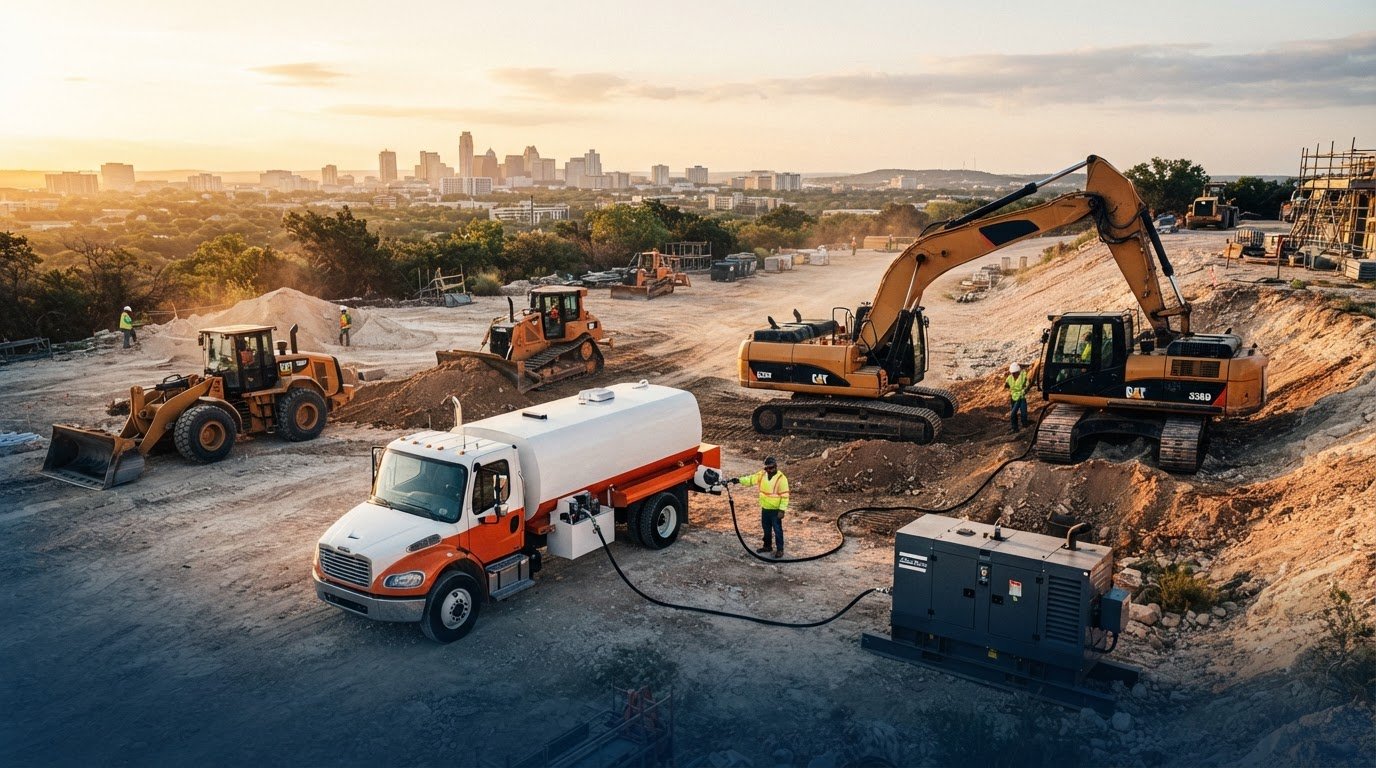
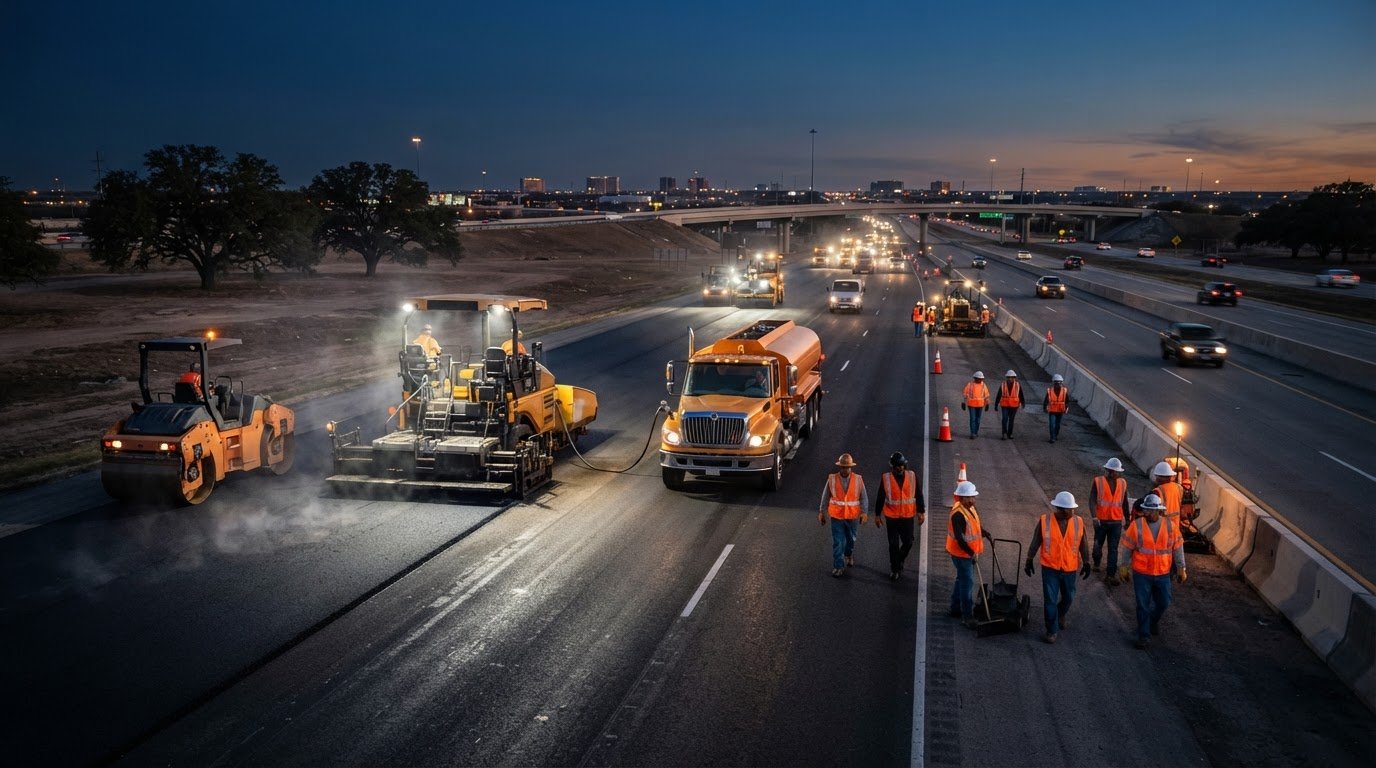
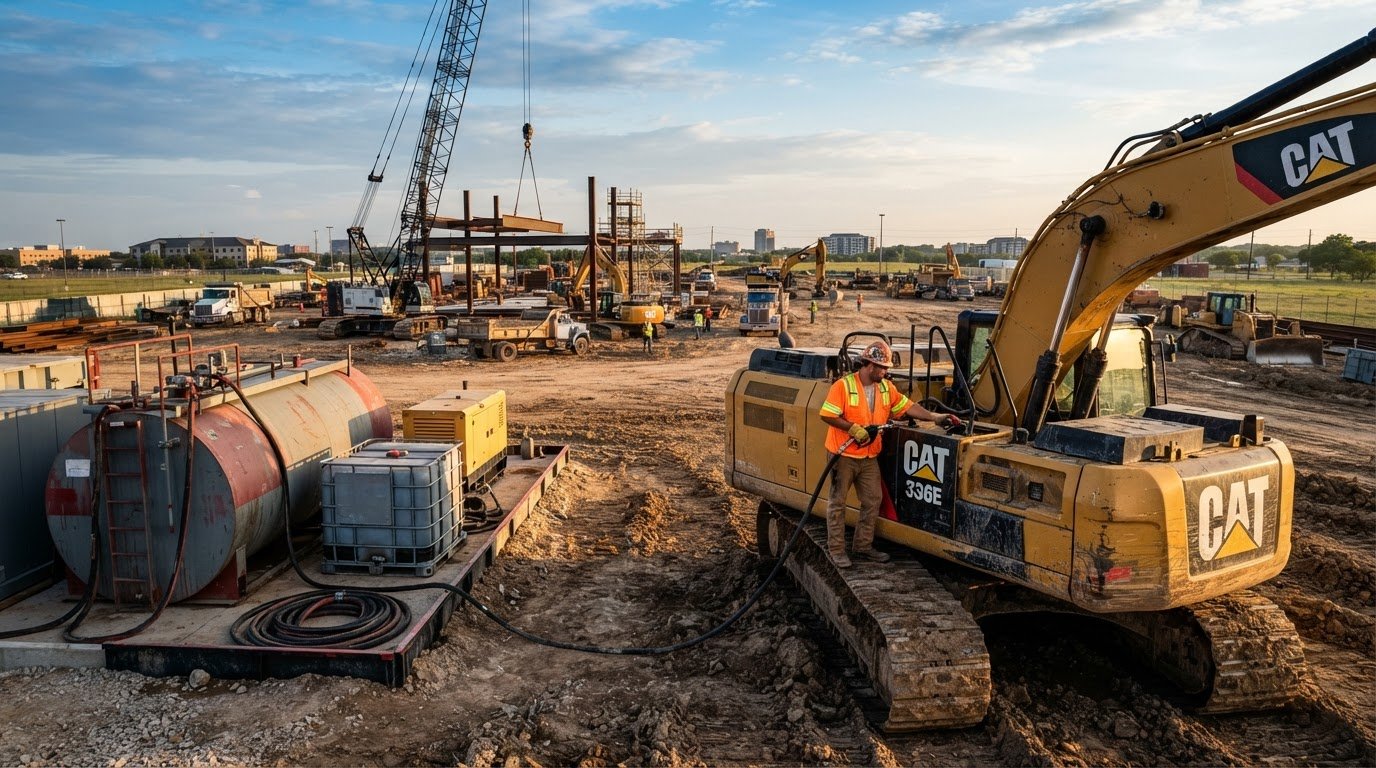
Fuel interruptions affect different operations in different ways. A facility may need generator refueling to keep essential systems running during an outage. A fleet may need fuel delivered to vehicles so scheduled routes and services can continue. Construction and industrial sites may rely on equipment operating across multiple work areas, where a stopped machine can disrupt a crew’s schedule or delay other tasks.
Houston-area weather adds another variable. Storms, flooding, and changing road conditions can affect site access and delivery routes. Check current official weather and road advisories, then share known access constraints and safe entry instructions when arranging delivery. Federal emergency oil reserves serve a different purpose: the Strategic Petroleum Reserve is a national stockpile, not a substitute for coordinating fuel to a specific operating site.
Which Houston business operations are most exposed to fuel interruptions?
Exposure depends on where fuel is needed and what stops without it. A backup generator is stationary, so facility access and the generator’s refueling needs are central. Fleets and job-site equipment move between locations, making asset location, current fuel status, and site access just as important as the quantity needed. Coordinated emergency fuel delivery can support generators, fleets, and equipment where they’re operating.
For example, a facility facing an outage may prioritize generator runtime, while a construction manager may need to keep equipment running at a particular job site. Set priorities according to each asset’s role and the impact of stopping it, rather than applying the same priority to every request.
When should a business activate its fuel response plan?
Emergency fuel response is the coordinated delivery of fuel to help keep critical business assets operating when normal supply is disrupted or at immediate risk. Activate the plan when reserves approach your defined minimum, an outage threatens generator runtime, or a scheduled supply interruption could leave essential assets short. Routine replenishment is planned before reserves become critical. An active emergency calls for clear priorities, current site details, and prompt delivery coordination.
How Houston Emergency Fuel Delivery Is Coordinated
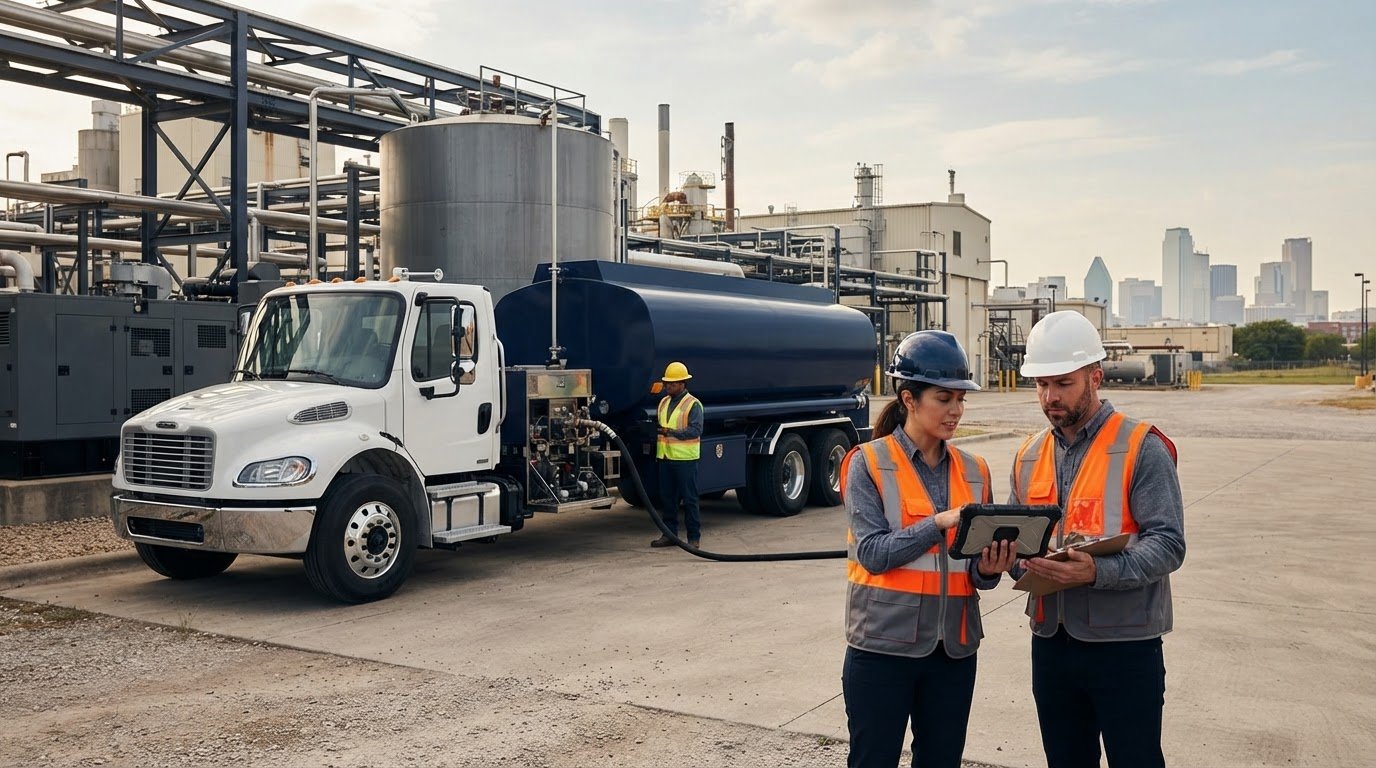
Effective emergency fuel response starts with a clear picture of the need, followed by site and delivery coordination. Share what needs fuel, where it is, and what could happen if delivery is delayed. This helps align the request with the operating priority, whether the asset is a generator, fleet vehicle, or piece of job-site equipment.
Use a straightforward dispatch sequence:
- Identify the need: Name the asset and explain whether it is out of fuel, running low, or facing a scheduled supply gap.
- Share the request details: Provide the exact site location, fuel type, estimated quantity, urgency, and a reachable site contact.
- Coordinate access: Explain gate procedures, delivery hours, safe entry points, and known restrictions or road closures.
- Confirm completion: Have the site contact coordinate with the delivery team and verify that the intended asset or storage point was fueled.
What information should you provide when requesting emergency fuel?
Be specific. Include the full delivery location, required fuel type, estimated quantity, and the equipment or vehicle that needs it. If available, share the current fuel level and the time by which the asset must be operational. These details help clarify whether the need is immediate or can be scheduled around other site activity.
Provide a contact who can answer calls or messages and direct the delivery vehicle on arrival. A gate code, clear entry instructions, and an up-to-date point of contact can prevent delays caused by uncertainty at the site.
How do Houston site access and conditions affect delivery coordination?
Traffic, severe weather, flooding, road closures, and site-specific restrictions can change how a delivery reaches its destination. Report known access issues early, including blocked entrances, weight or clearance limits, required check-in procedures, and the safest place to position a delivery vehicle. Keep instructions current as conditions change, and review official advisories before dispatch so the team can plan around disruptions.
For a site readiness plan, the City of Houston’s Ready Houston offers localized emergency preparedness guidance. Pair that preparation with clear delivery instructions. Review emergency fuel delivery service details to understand how on-site fuel support can fit into your response plan.
Site access and prevailing conditions affect coordination, so don’t build your plan around an assumed arrival time. Keep the site contact reachable and update the delivery team if the asset location or access route changes.
Choose Emergency Fuel Support for Generators, Fleets, or Equipment
An emergency fuel request isn’t always a bulk tank refill. A facility may need generator refueling at a fixed location, while a fleet may need fuel for vehicles parked across a yard or equipment may need direct-to-asset fueling at a job site. Choose the approach according to the asset, fuel type, and site requirements. Matching delivery to the operating need focuses support where an interruption could affect essential work.
| Asset | Purpose | Key details and delivery considerations |
|---|---|---|
| Backup generator | Support power during a grid outage or other disruption | Share the generator’s location, required fuel type, access instructions, and operating context. |
| Mobile fleet | Keep vehicles available for scheduled routes and business activity | Identify vehicle or yard locations, fuel needs, and any constraints on delivery access. |
| Job-site equipment | Keep work equipment supplied at active construction or industrial sites | Describe equipment locations, site entry procedures, and whether work areas are changing. |
Emergency generator refueling for facilities and critical power
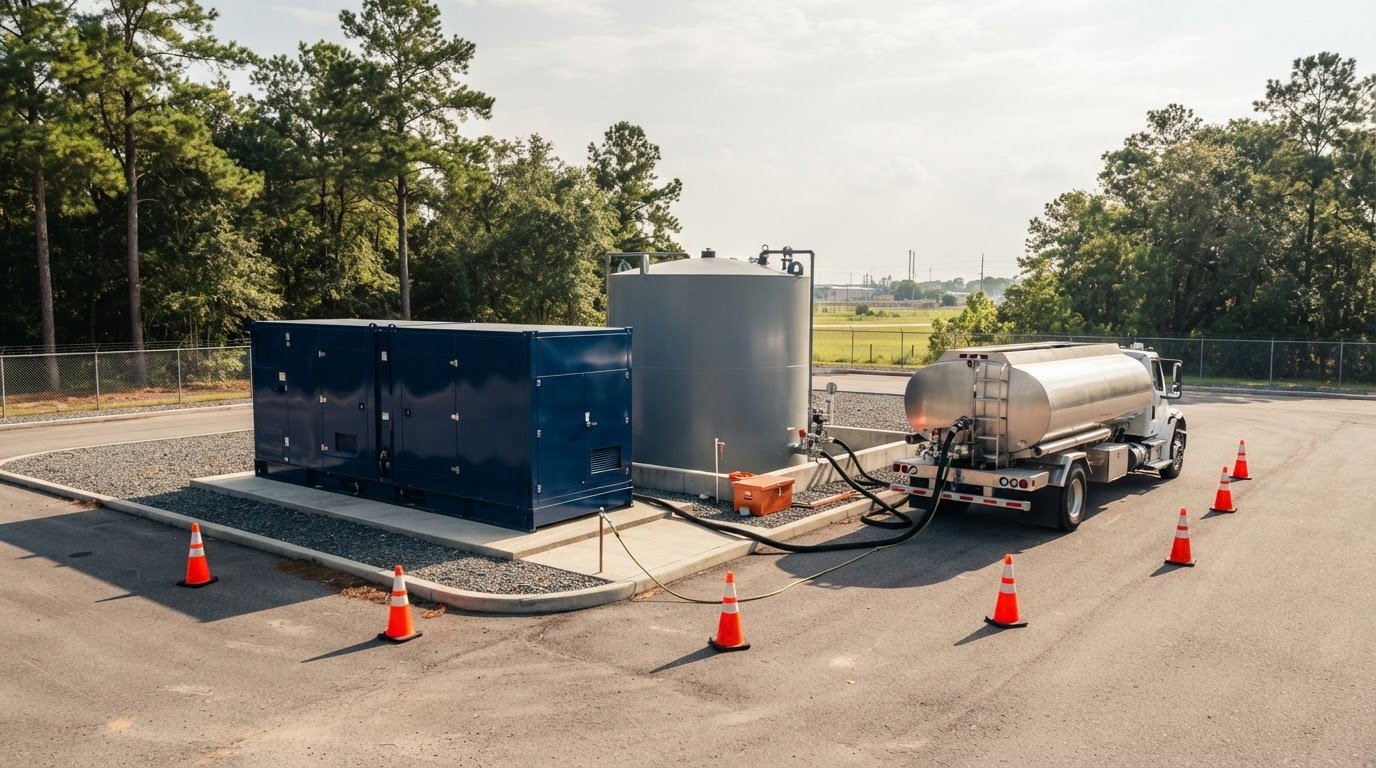
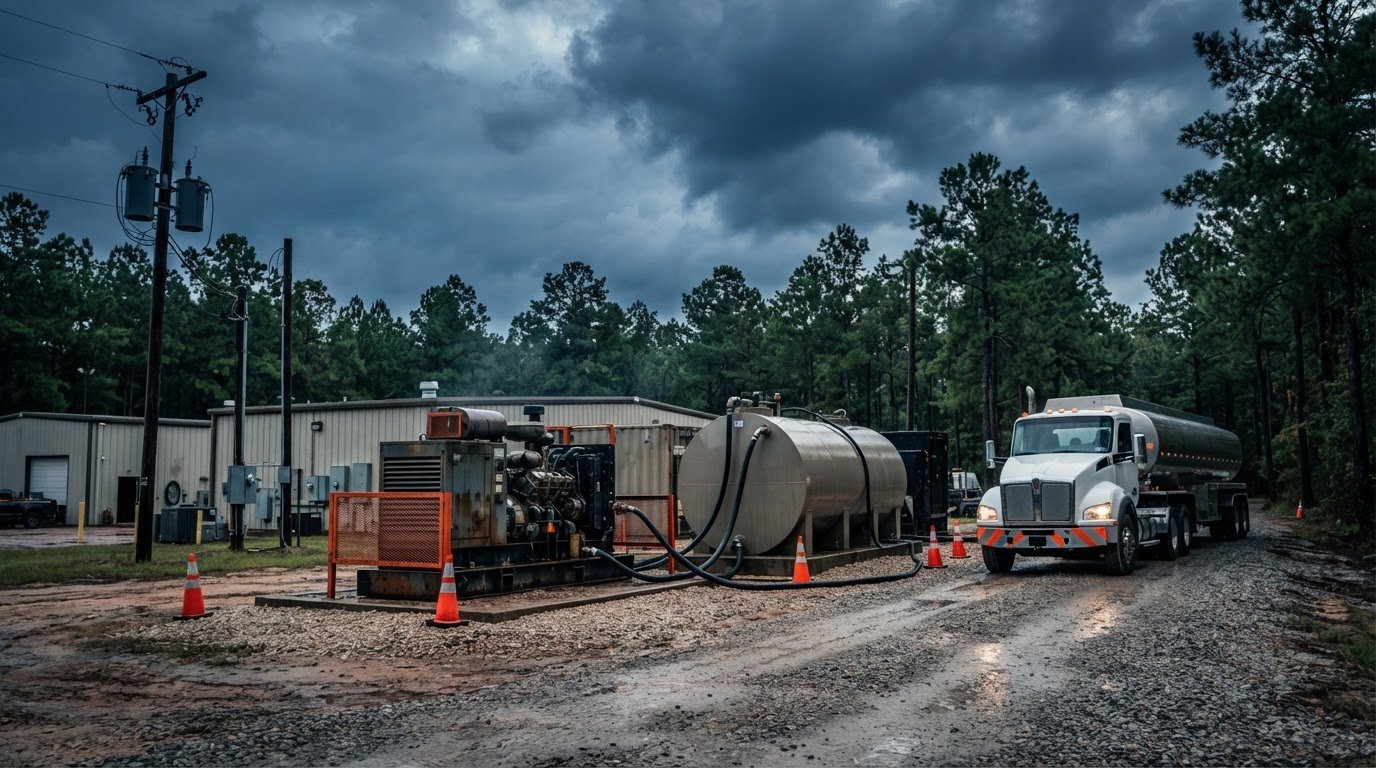
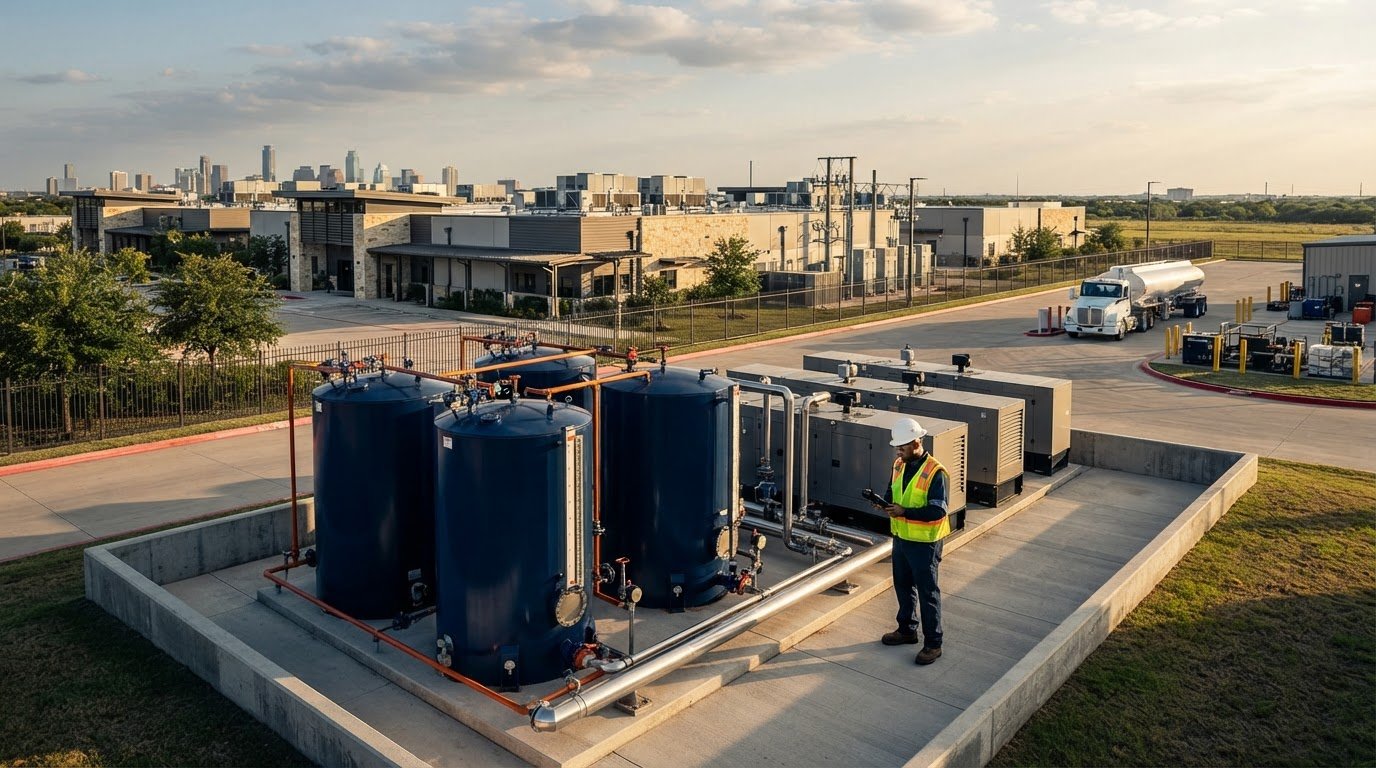
During a grid outage, fuel continuity can help a facility keep its generator operating, but it doesn’t guarantee uninterrupted power. For coordination, provide the generator’s location, fuel type, access route, and relevant operating context, such as whether it is already running. Generator fueling service supports on-site refueling needs. For additional planning context, see this emergency generator fueling guide.
Fueling mobile fleets and job-site equipment
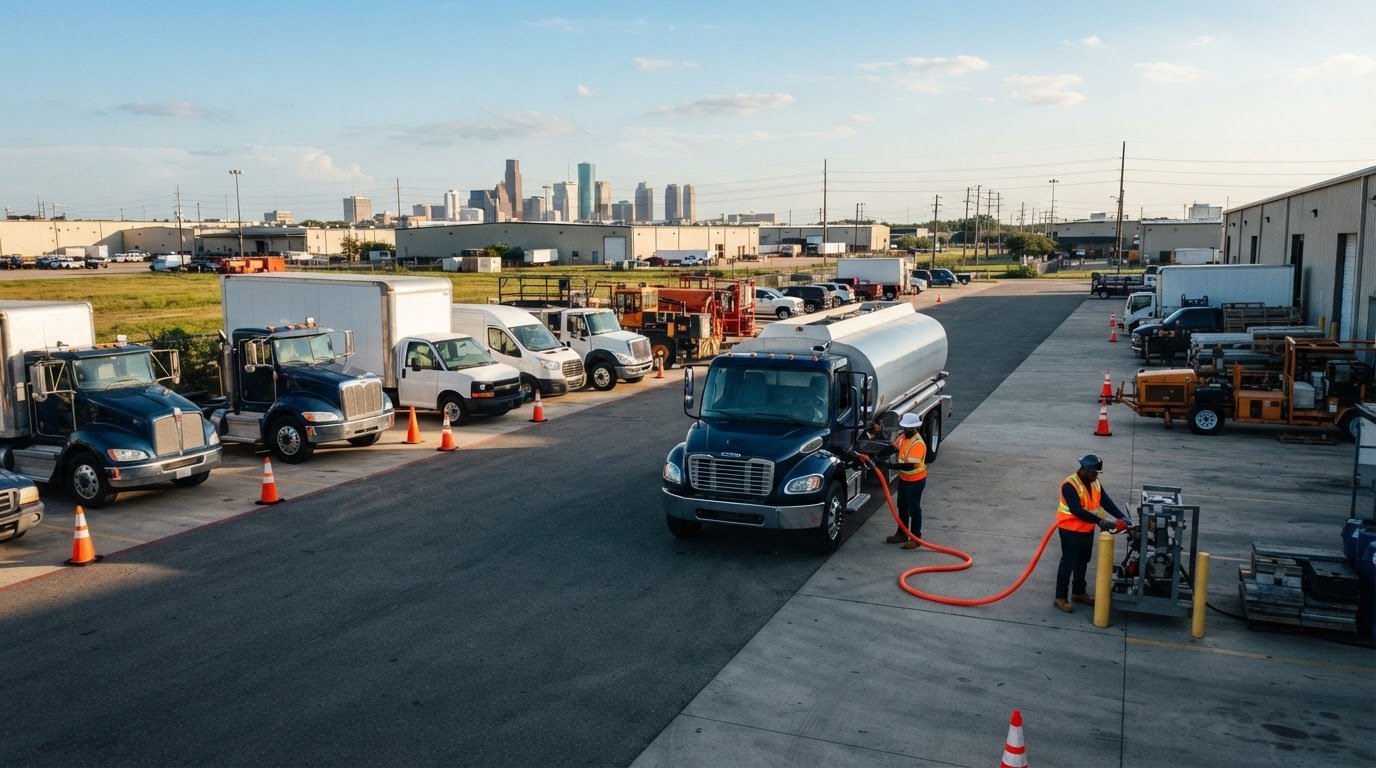
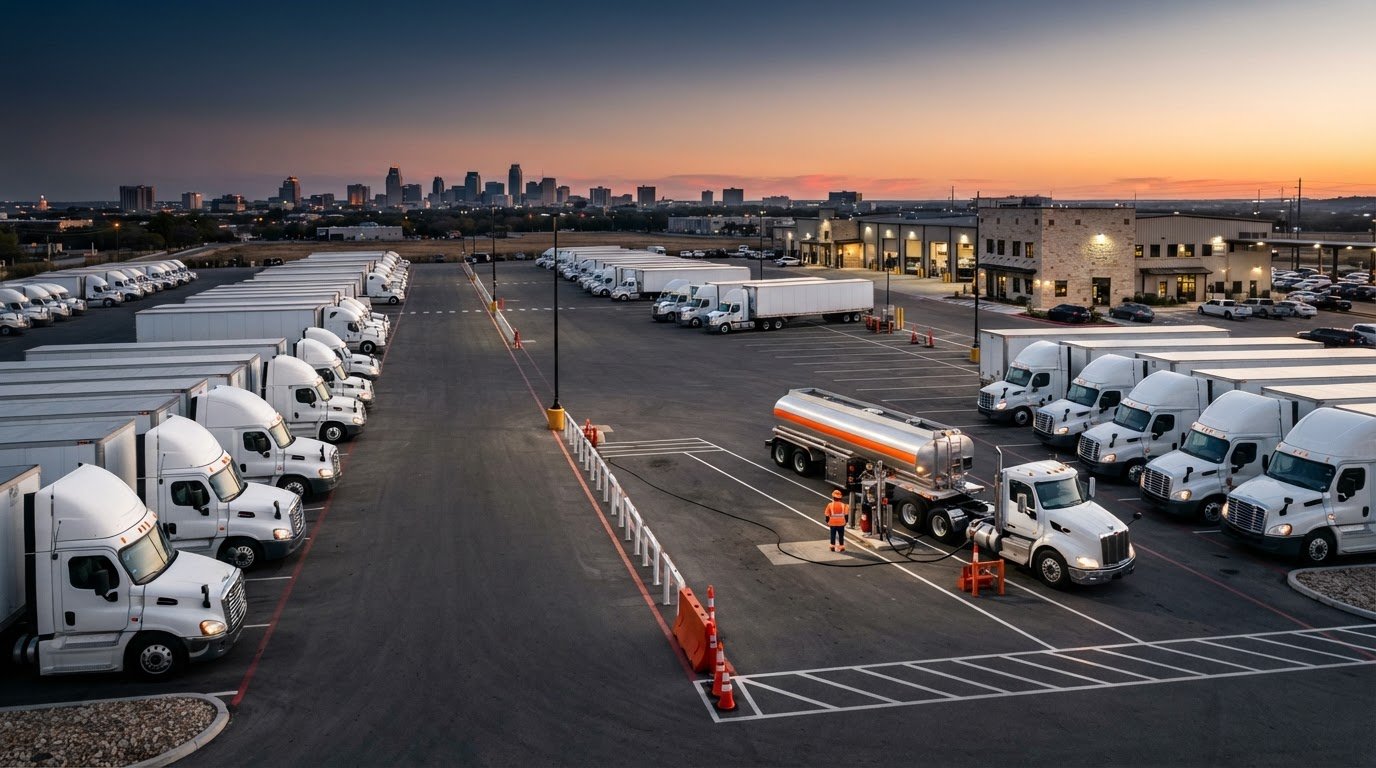
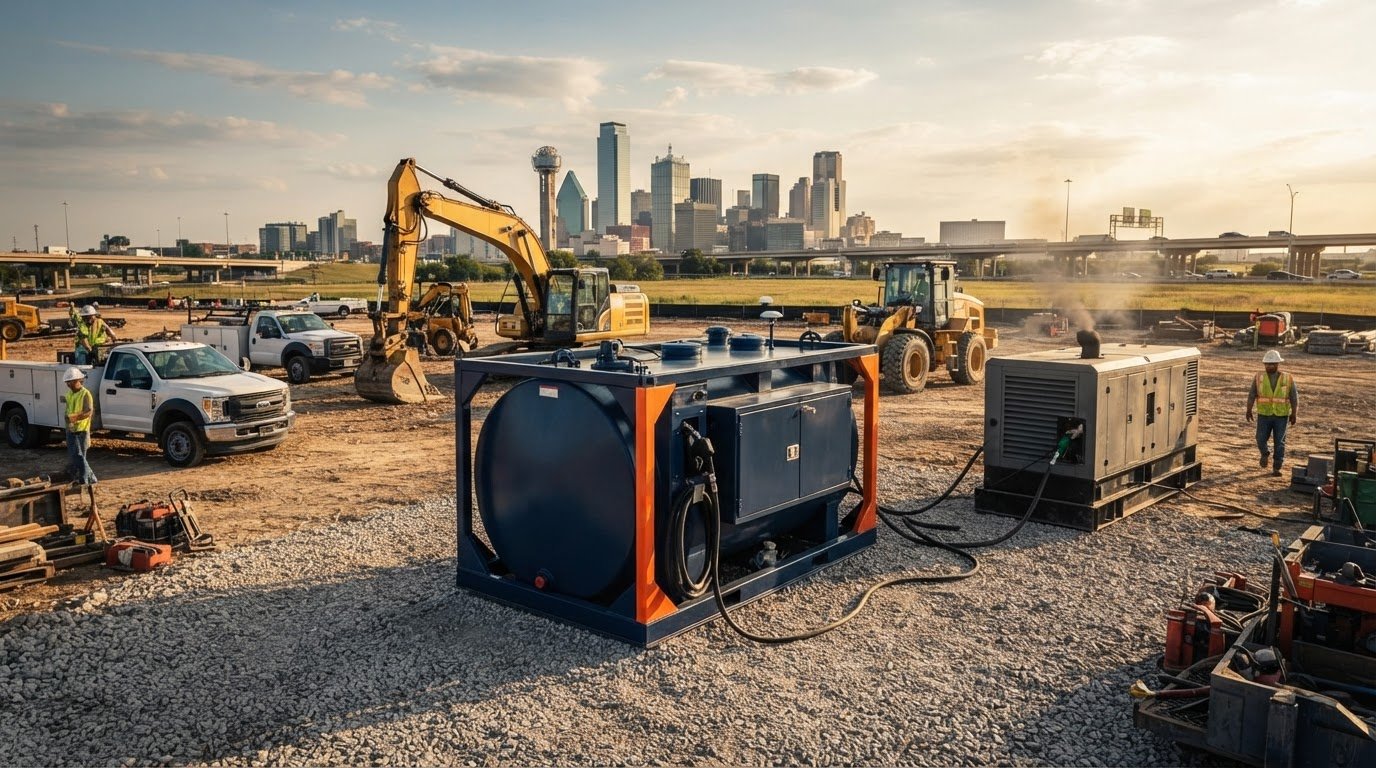
Parked fleet vehicles may be grouped at a yard, while construction or industrial equipment may be spread across a site or move as work progresses. Share each relevant location and identify the assets with the highest operating priority. Direct-to-equipment fueling addresses on-site needs without treating every request as a tank refill. This Houston fleet fueling guide offers more context for managing fleet fuel needs.
For applicable diesel fleets and equipment, DEF is a separate supply need from fuel. Include it in the request when required so the response accounts for the operation’s full supply needs. Clear asset and location details help Houston businesses coordinate fuel around real operating priorities.
Prepare a Houston Emergency Fuel Readiness Plan Before Disruption
A readiness plan turns an urgent fuel request into a defined operating process. Document what needs fuel, where each asset is located, who can authorize delivery, and how a delivery vehicle can safely reach the site. Review the plan as equipment, schedules, contacts, or access conditions change. For planned on-site storage needs, portable fuel tank rentals can support site operations.
Build a site fuel and asset inventory
Keep a current record for each facility and active work site. Include asset groups, fuel requirements, and site-specific delivery instructions. A concise inventory can include:
- Assets: Generators, fleet vehicle groups, and equipment categories that could affect essential operations if fuel runs low.
- Fuel needs: The fuel type for each asset, estimated usage or current reserve information when available, and any separate DEF requirement.
- Site details: Exact address, delivery entrance, gate procedures, safe delivery point, operating hours, and known access restrictions.
- Contacts: The site contact and backup contact, plus the people responsible for requesting fuel and approving quantities.
Update the inventory when equipment moves, a project enters a new phase, or site access changes. Accurate records reduce time spent reconstructing basic details during a disruption.
Set response roles and review local advisories
Assign clear decision-making roles before an emergency. Identify who can activate the plan, approve requested quantities, rank assets by operational priority, and coordinate with the delivery team at each location. Set internal escalation thresholds, such as a reserve level or operational deadline that prompts a request. Base those thresholds on your equipment and continuity needs.
During severe weather or other local disruptions, review current updates from the Houston Office of Emergency Management, Harris County Office of Homeland Security & Emergency Management, and NOAA. Use applicable advisories to reassess site access, safe delivery points, and fuel request priorities. Conditions can change, so keep the plan flexible and pass along relevant updates.
A documented inventory, defined approval path, and current access instructions give your team a practical foundation for coordinating emergency fuel response. Review your emergency fueling needs and plan for your sites and assets.
Coordinate Emergency Fuel Response With React Fueling in Houston
Fuel needs vary by asset and location. React Fueling supports commercial operations with fuel delivery, direct-to-equipment fueling, and generator refueling. Matching the request to the operating need focuses delivery coordination, whether a facility needs generator fuel, a fleet needs fuel at its yard, or equipment needs fueling at a work site.
Match the service request to the operational need
For backup power, identify the generator and its location. For mobile fleets, explain where vehicles are grouped and which units are priorities. For construction or industrial equipment, describe where each asset is working and whether locations are changing. Diesel fleets or equipment may also require DEF, so include that need when relevant. React Fueling’s emergency fueling information provides context for commercial fuel support.
Accurate details help align fuel support with your operations. Share what needs fuel, where the asset is, and how the site can be accessed. Regional conditions and site logistics affect coordination, so provide current instructions and update them if access changes.
Make the next step clear during an active disruption
Prepare these details before making a request. If you’re managing several sites, organize the information by location and identify the asset with the most urgent operating need.
- Site location: Provide the full address and the specific delivery point.
- Asset: Name the generator, vehicle group, or equipment that needs fuel.
- Fuel type and quantity: State the required fuel and your best estimate of the amount needed.
- Access instructions: Include gate procedures, safe entry points, known restrictions, and a reachable site contact.
- Operational urgency: Share current fuel status or the time by which the asset is needed, if known.
Clear, current information supports efficient coordination, but delivery timing depends on the specific request and conditions. Don’t assume a fixed arrival time. Keep your site contact available and communicate changes promptly. For emergency fuel response Houston operations can organize around their actual assets and access needs, a precise request is the practical starting point.
Contact React Fueling about emergency fuel delivery with your site location, fuel requirements, operating asset, and access details.
Keep Your Houston Operations Ready to Move
A dependable emergency fuel response plan starts before fuel becomes critical: know which assets take priority, keep site and access details current, and assign clear responsibility for requesting support. During a disruption, accurate information helps coordinate fuel to the right place, whether a facility needs generator refueling or equipment needs direct-to-asset delivery.
React Fueling provides commercial fuel delivery for fleets, construction sites, and industrial facilities in Houston and surrounding Texas markets, including Magnolia, San Antonio, College Station, Austin, and Dallas. Generator refueling and direct-to-equipment fueling support different operational needs, helping teams coordinate on-site delivery around the assets that matter to their work.
Share your site location, fuel type, estimated quantity, operating asset, and access instructions to make the next step clear. Contact React Fueling to coordinate emergency fuel support for your operation.
With a practical readiness plan and clear coordination, your team can meet fuel disruptions with greater confidence and keep critical work moving.
Frequently Asked Questions
How quickly can emergency fuel be delivered in Houston?
There isn’t a fixed arrival time for emergency fuel delivery in Houston. Timing depends on the request, fuel needs, delivery location, site access, and current conditions. For emergency fuel response in Houston, share accurate details early and keep the site contact reachable to support coordination. React Fueling provides emergency fuel delivery for businesses facing outages or supply disruptions, so include the information needed to coordinate the request.
What information should I provide when requesting emergency fuel delivery?
Provide the exact site address, required fuel type, estimated quantity, and the asset that needs fuel, such as a generator, fleet vehicle group, or equipment. Include current fuel status or the operational deadline if you know it. Gate procedures, safe delivery points, site restrictions, and a reachable on-site contact also help clarify access and prevent avoidable coordination delays.
Can emergency fuel be delivered directly to generators or equipment?
Yes. React Fueling provides generator refueling and direct-to-equipment fueling for commercial operations. Tell the dispatcher where the generator or equipment is located, what fuel it requires, and how the delivery team can access it safely. For equipment spread across a work site, identify priority assets and explain if locations are changing. These details help coordinate delivery around the actual operating need.
Is emergency fuel delivery available during severe weather or power outages?
React Fueling provides emergency fuel delivery for businesses facing outages or supply disruptions. Severe weather can affect road conditions, site access, and delivery coordination. Share known closures, flooding, gate restrictions, and safe entry instructions, and review current local advisories. Keep your site contact reachable in case conditions or access details change.
What types of businesses use emergency fuel response in Houston?
Fleets, construction sites, industrial facilities, and critical infrastructure can use emergency fuel support when a shortage or disruption threatens operations. React Fueling serves commercial customers in Houston and surrounding Texas markets, including Magnolia, San Antonio, College Station, Austin, and Dallas. Needs differ by operation: a facility may prioritize generator fuel, while a construction site may need equipment fueled at its work location.
Can emergency fuel support both fleets and fixed facilities?
Yes. Commercial fuel delivery can support mobile fleets as well as fixed facilities. Fleet requests may involve vehicles grouped at a yard or assets at different locations; facility requests may focus on generator refueling. Construction and industrial operations can also need direct-to-equipment fueling on site. Identify the assets and locations involved so the delivery request reflects your operation rather than assuming one approach fits every need.
When should a business create an emergency fuel response plan?
Create the plan before a shortage, outage, or severe-weather disruption puts operations under pressure. Document critical assets, fuel requirements, site access instructions, and contact details. Assign who can request fuel, approve quantities, and coordinate at each location. Set internal escalation thresholds, such as a reserve level that triggers action, and review the plan whenever equipment, schedules, or site conditions change. A prepared plan helps your team respond with clarity.