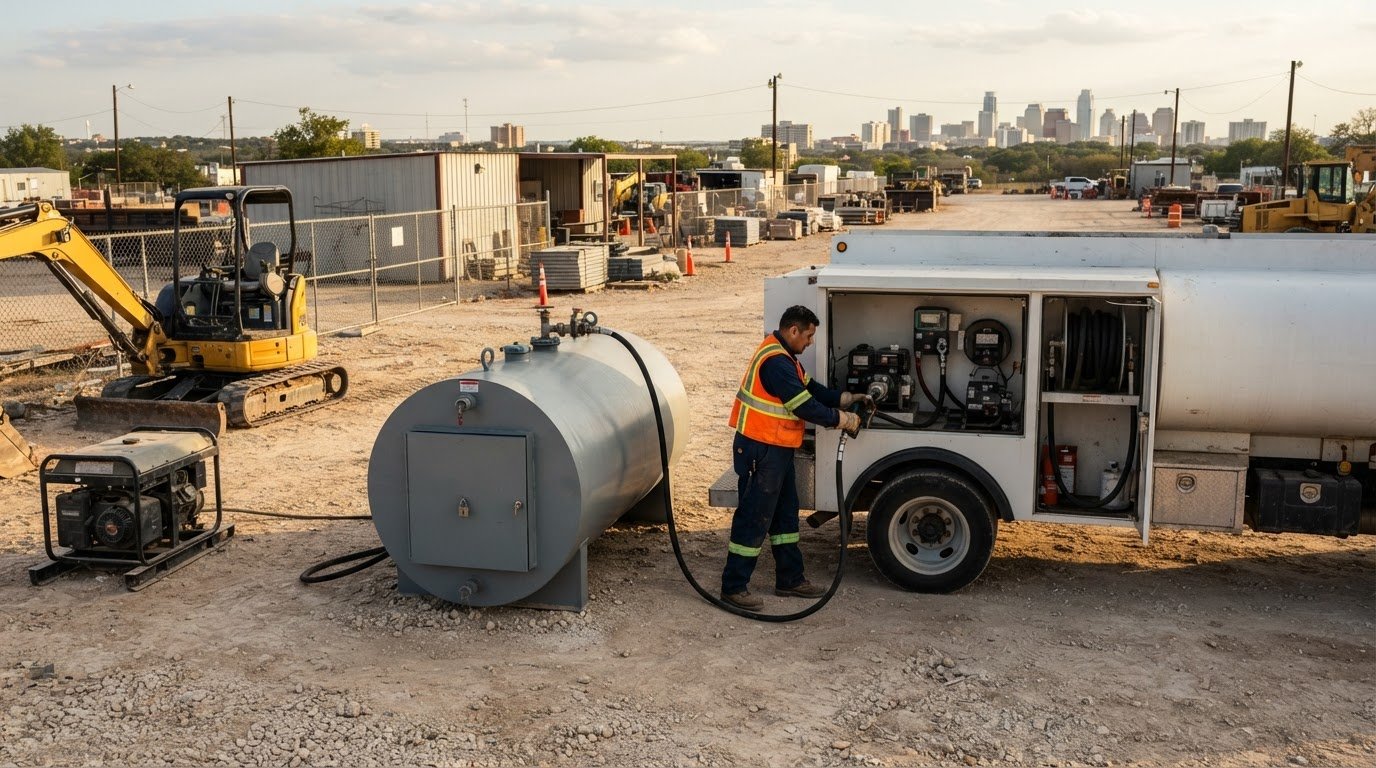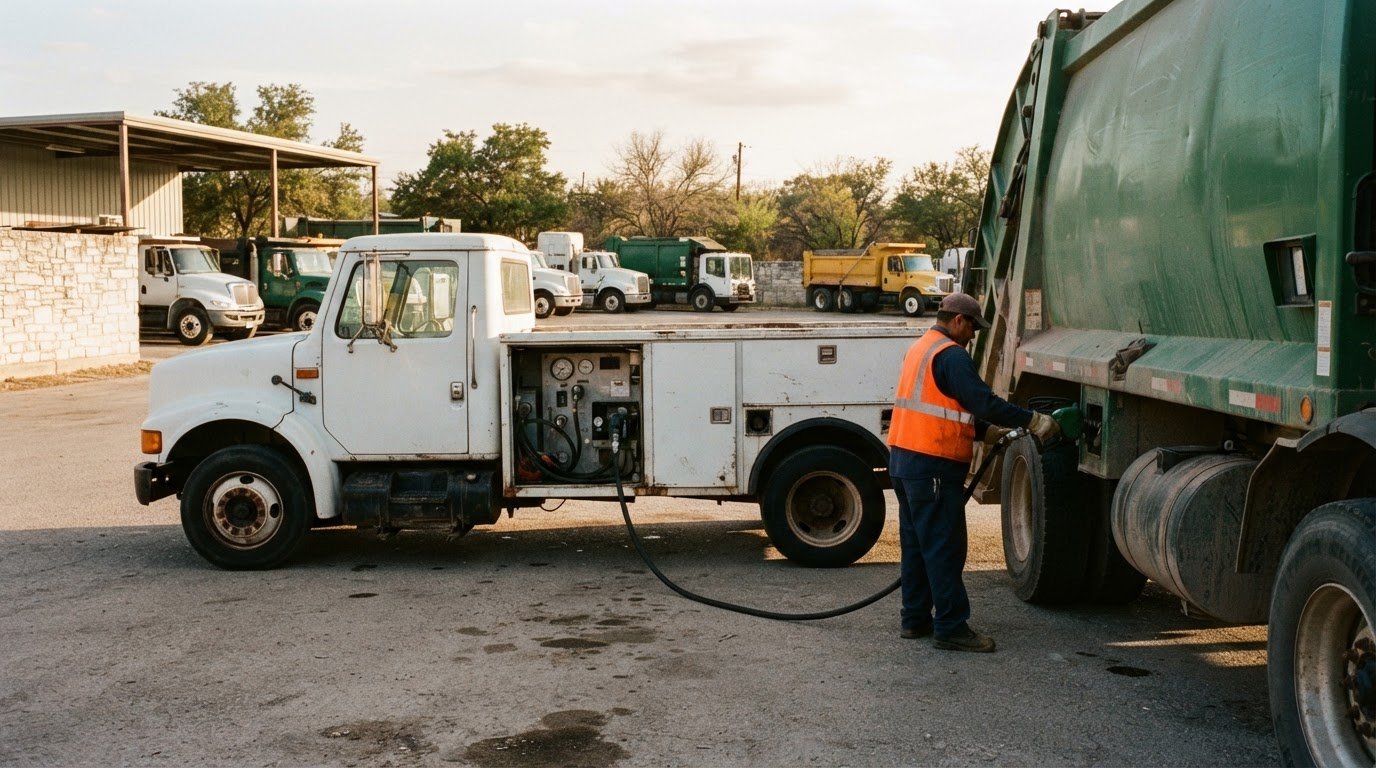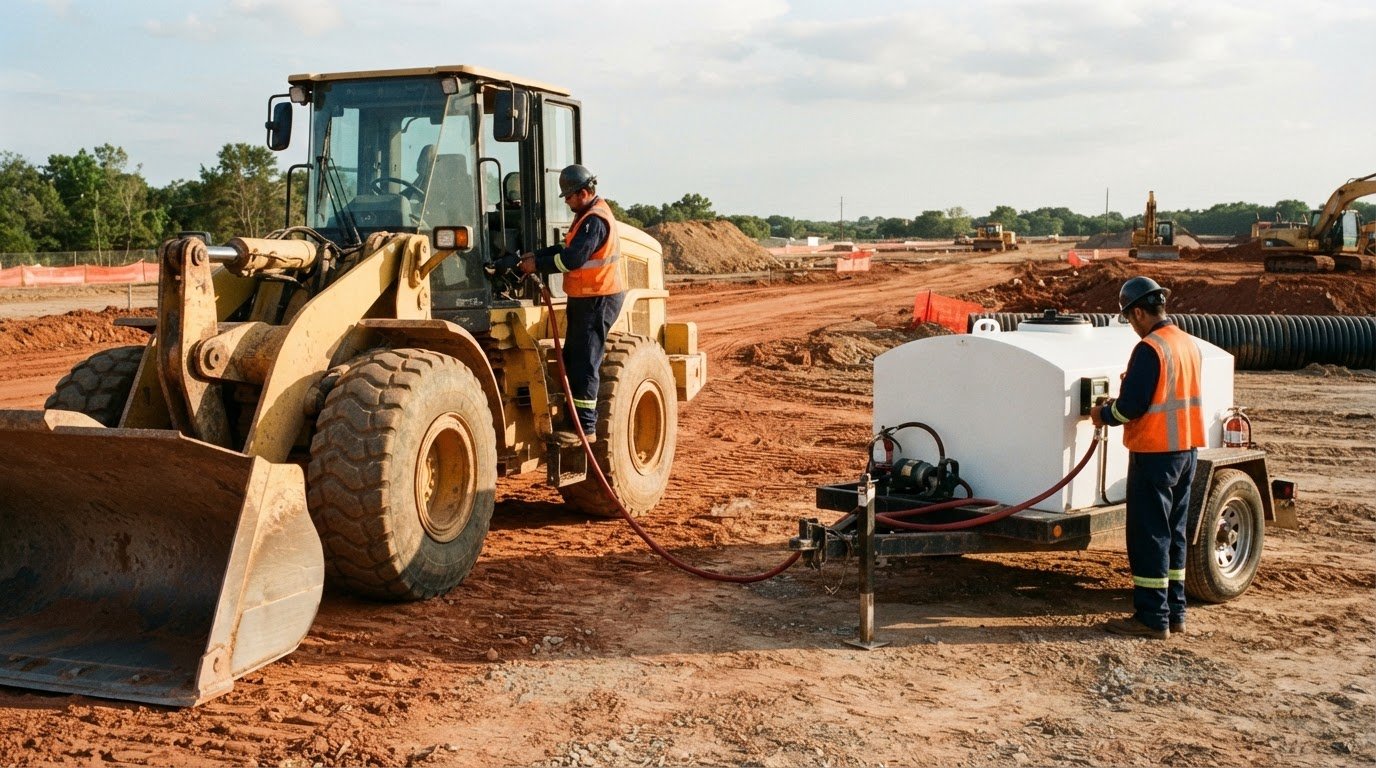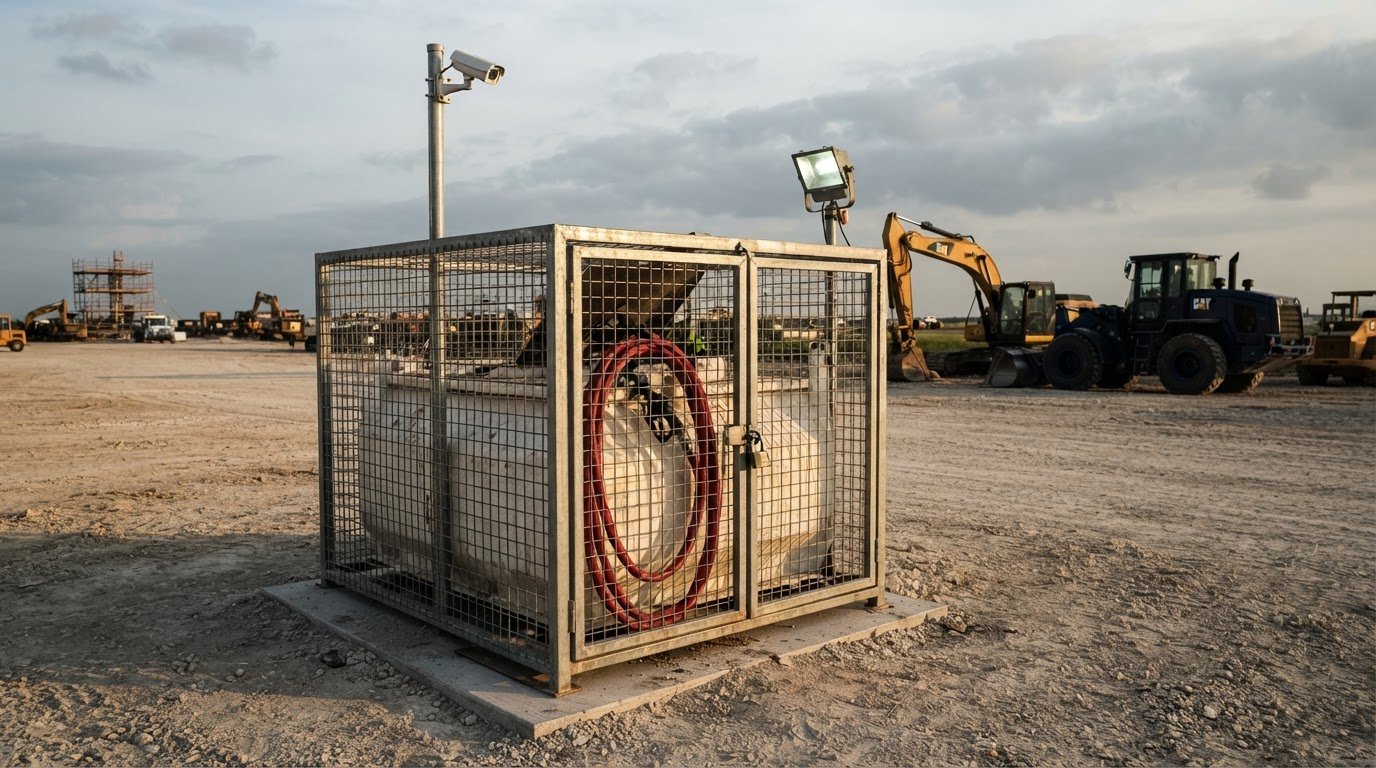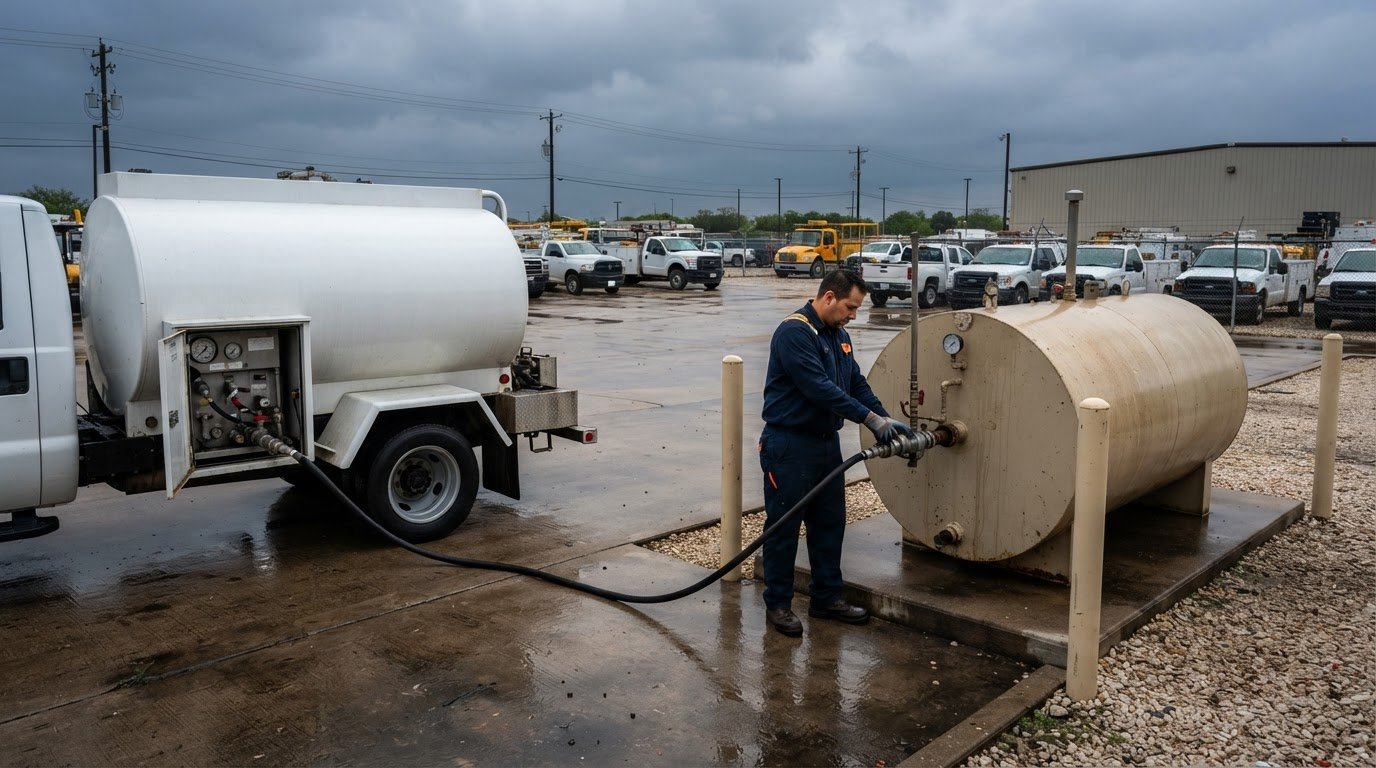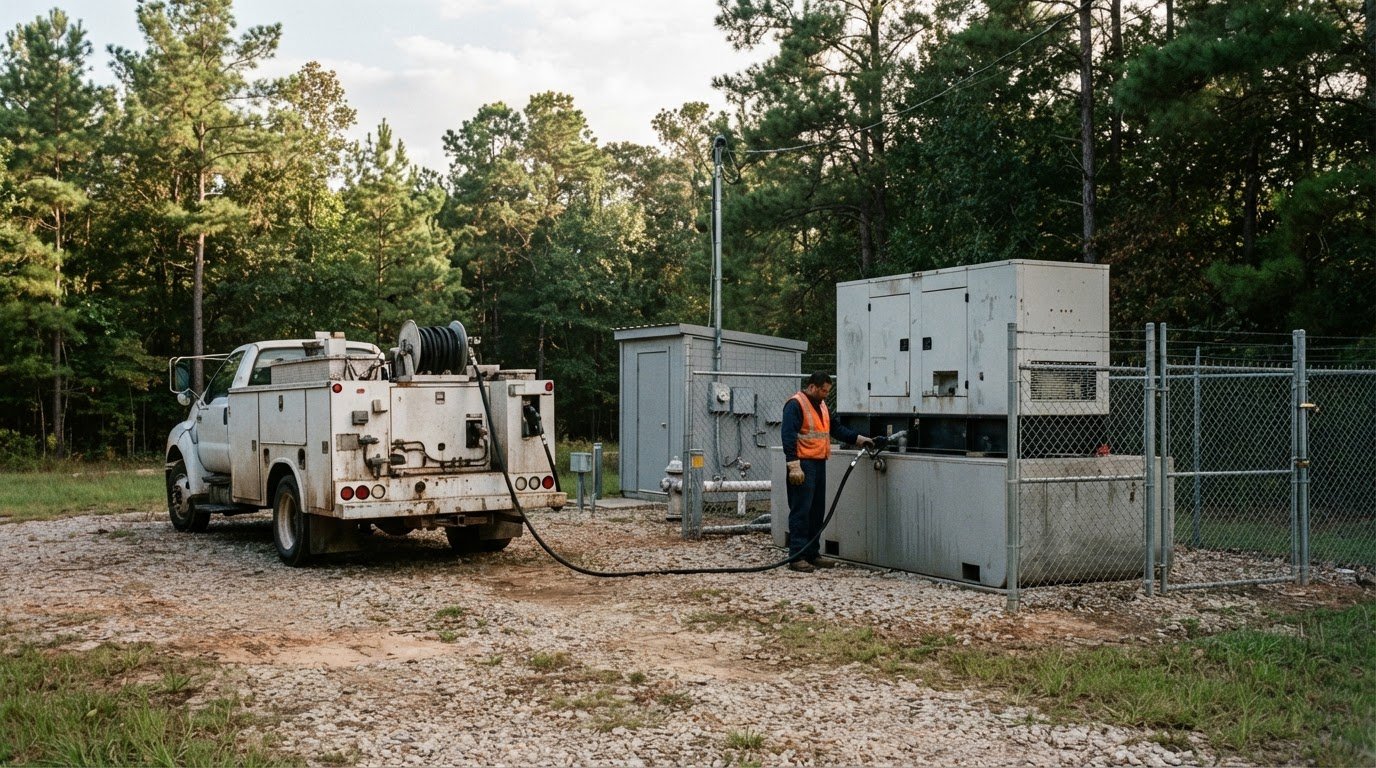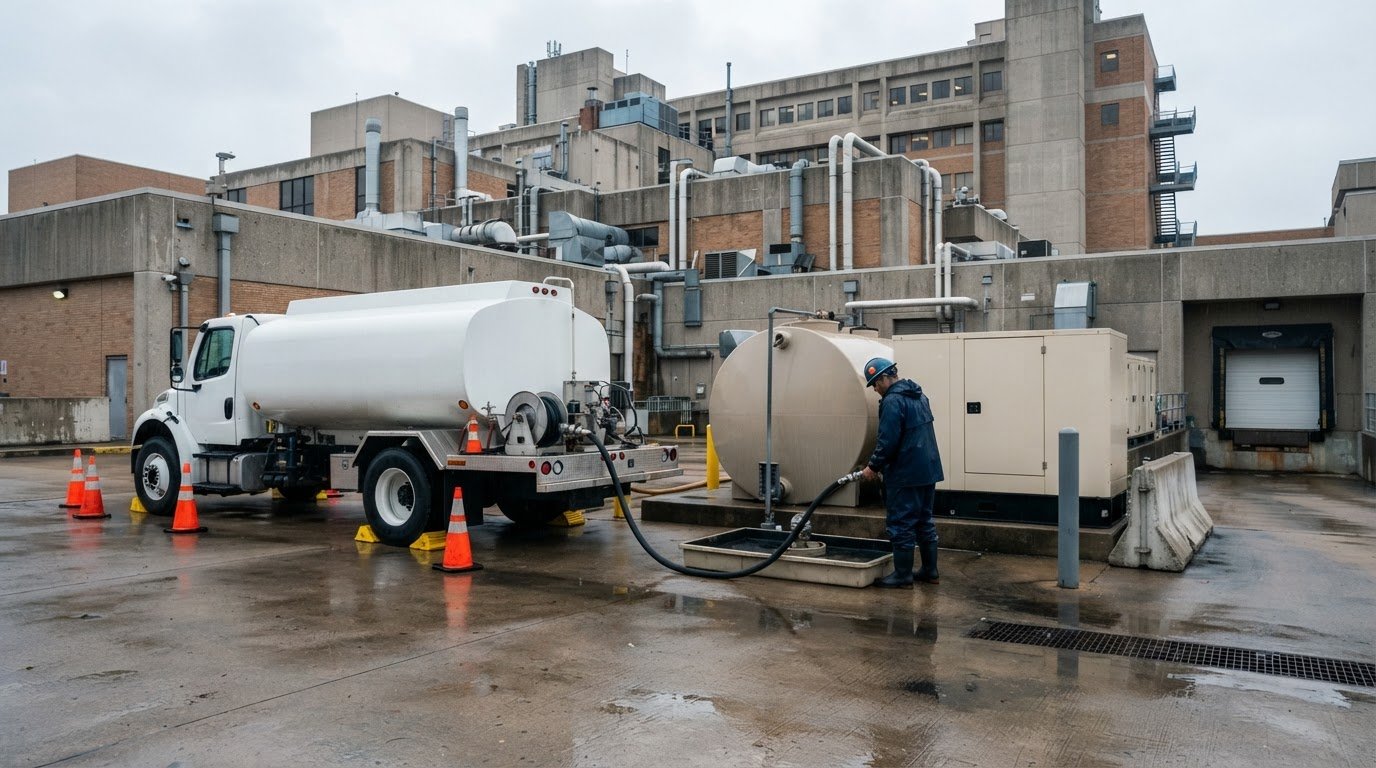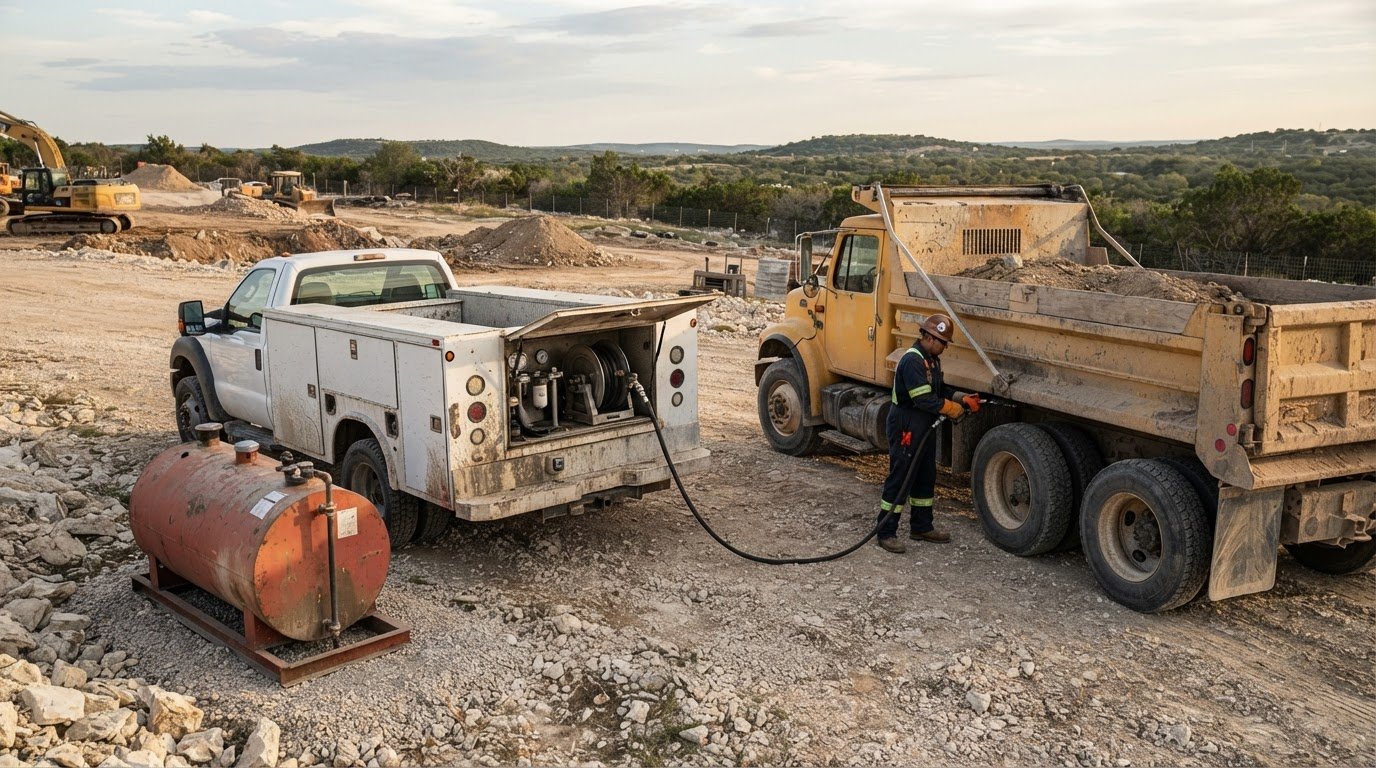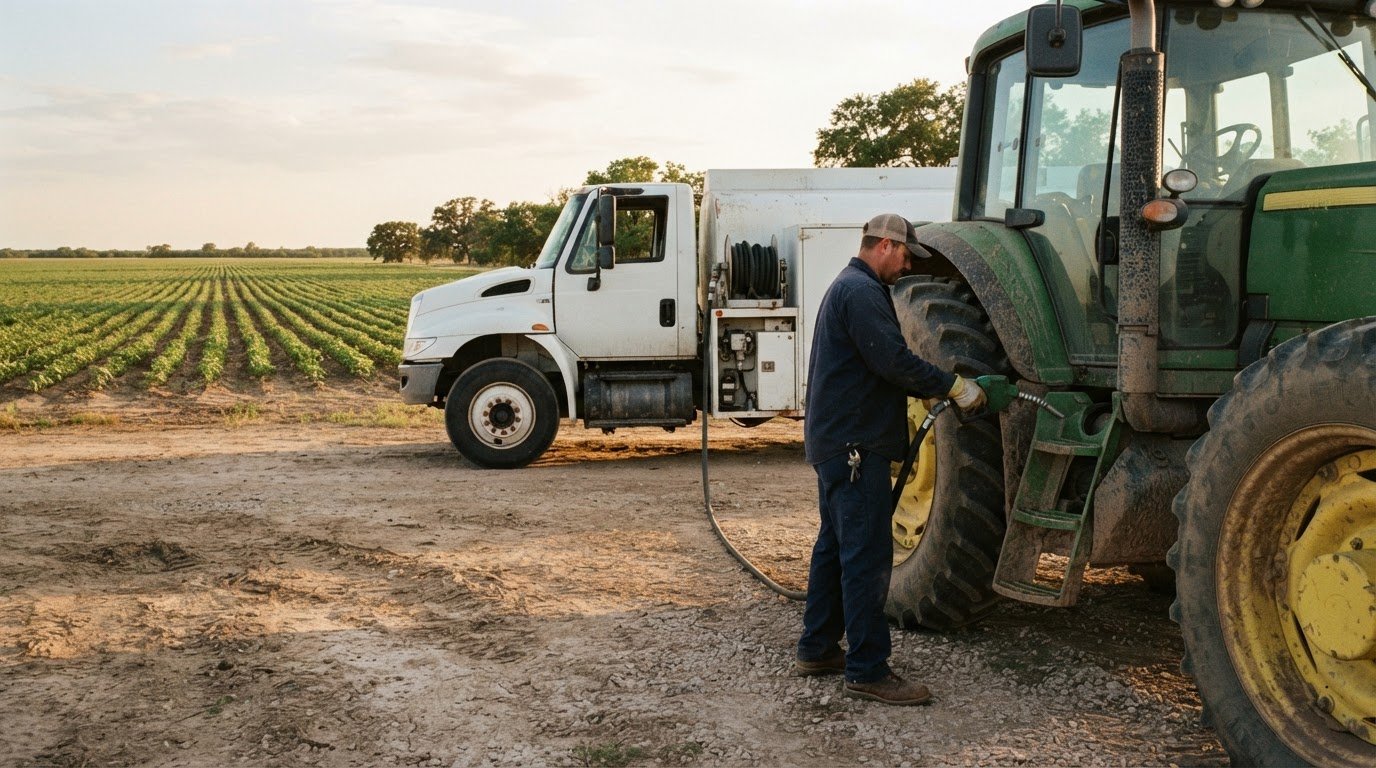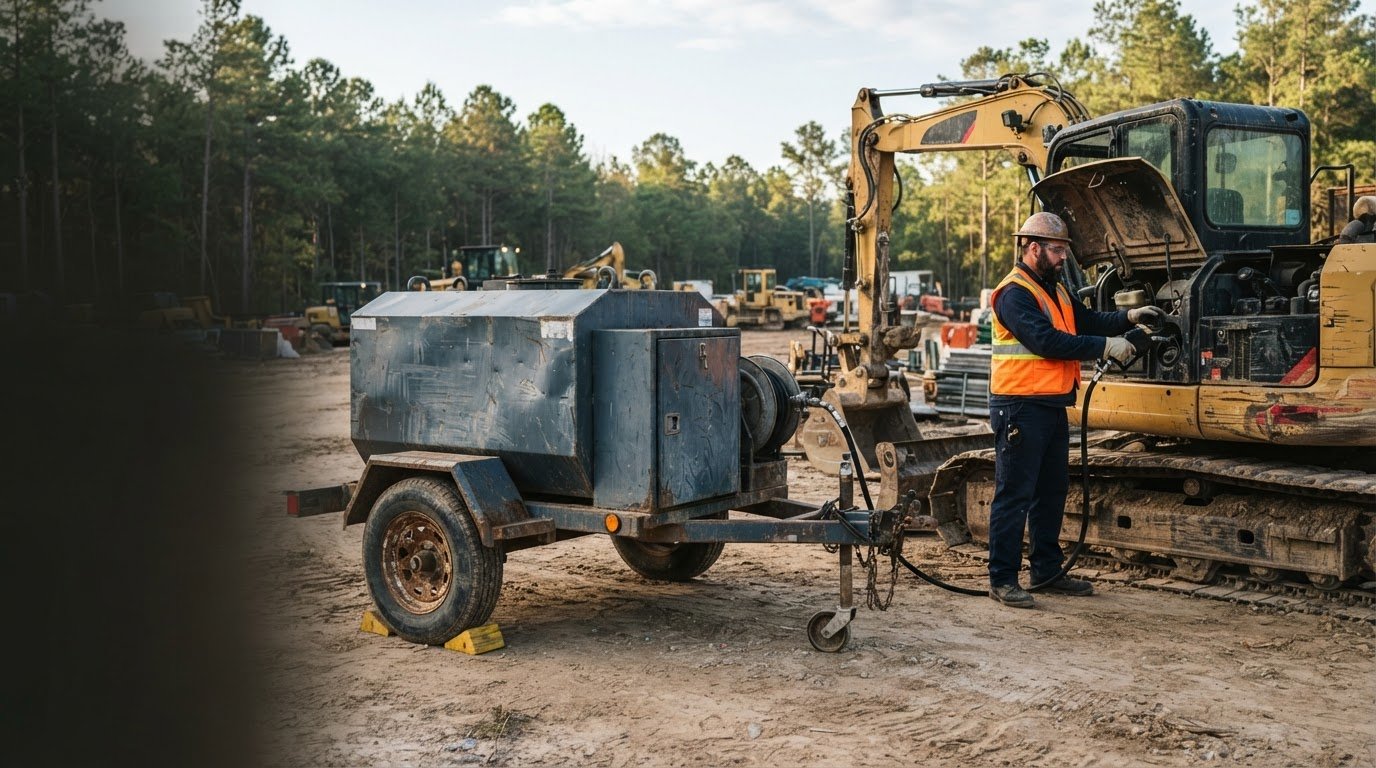
On-site fueling can save money by reducing emergency orders, avoidable travel, and time spent managing refills. The benefits of automated fuel delivery for generators in College Station also include better visibility into fuel use, planned replenishment before supplies run low, and more predictable billing. Savings depend on how a delivery plan fits a generator’s runtime, tank capacity, and fuel consumption.
It’s reasonable to ask whether scheduled service will lower operating costs or simply shift them. The answer depends on the costs that fuel shortages and last-minute refueling create for your operation. Monitoring usage and planning deliveries can help limit those disruptions, while consolidated billing can make fuel spending easier to track.
This article explains how fuel monitoring and scheduled refueling can support generator readiness, where potential savings come from, and what shapes a practical delivery plan. It also covers the limits: planned fueling supports continuity, but must reflect actual demand, site access and generator requirements.
1. Automated monitoring and scheduled refueling
Automated fuel delivery for a standby generator pairs tank-level monitoring with planned replenishment. A monitoring system tracks fuel levels and use to help determine when to arrange a refill. Depending on the system, it may send a replenishment request as levels approach a set threshold. The aim is to plan fueling before the tank runs too low to keep the generator operating.
A useful schedule accounts for expected runtime, tank capacity, consumption, site access and delivery timing. A generator running for extended periods during an outage, for example, may use fuel differently than it does during routine testing. The benefits of automated fuel delivery for generators in College Station depend on a plan that reflects those conditions. Use actual consumption to guide delivery timing and volume, rather than repeating an unchanged order.
Scheduled fueling can save staff time by reducing trips to obtain fuel. Instead of sending an employee away from a College Station facility, a business can arrange delivery at the generator’s location. That leaves staff available for other operational duties. At a remote jobsite, for example, fueling equipment where it is parked can avoid moving it to a fueling point.
Schedules and delivery volumes should adapt when operating needs change. A business may need to revise its plan if generator runtime increases, site access changes or consumption differs from expectations. For operators weighing the benefits of automated fuel delivery for generators in College Station, flexibility matters: a plan based on current demand is more useful than repeating the same order regardless of actual use.
Off-hours fueling can suit sites with limited daytime access or crews focused on active work. An evening delivery, for example, may fit site access arrangements and reduce interruptions during the workday. Scheduled fueling can be coordinated around suitable delivery windows, taking site conditions into account.
Automated delivery has limits. Incorrect level readings, a sudden increase in generator runtime or blocked site access can disrupt a refill plan. Monitoring also doesn’t replace generator maintenance or planning for actual consumption. To arrange delivery, provide the generator’s location, tank capacity, required fuel type, site access details and expected use. This information helps shape a practical schedule and delivery quantity.
Schedule generator replenishment before fuel levels become critically low. Fuel monitoring and planned delivery can help identify when a refill is needed and arrange it before supplies run out. Regular refueling helps reduce the risk of a shutdown caused by fuel depletion and supports continuity for businesses that rely on generators.
Scheduled fuel deliveries can help keep a business's fleet and equipment ready for use. The estimate is that one vehicle wastes 61 hours annually traveling to and from gas stations. Reducing the need for those trips can leave staff available for other duties, while planned deliveries help support continuity when generators or other equipment are needed. Businesses can use monitoring and scheduled replenishment together to support fuel availability without relying solely on last-minute action.
2. Avoiding emergency delivery costs and downtime
Fuel tracking can help identify low tank levels before a generator runs short. A planned refill gives time to schedule delivery before a shortage interrupts backup power. During an outage, fuel availability matters: a generator that stops running can no longer support connected operations. Monitoring levels and adjusting replenishment as demand changes can help reduce that risk.
Readiness depends on more than a scheduled delivery date. Fuel use can rise during a prolonged outage, so a plan based on ordinary conditions may fall behind. Monitoring current levels and consumption helps show when to adjust the refill point. A commercial site using backup power for extended operations, for example, may need a different plan than it does for routine testing.
Planning can also help control costs. An emergency order may involve premium delivery charges, while automated tracking can help reduce the need for last-minute requests. This doesn’t mean every planned delivery costs less; the practical savings come from reducing urgent logistics and the disruption of an unexpected fuel shortage. Predictable replenishment also helps managers anticipate fuel needs rather than reacting after levels become critically low.
If a generator runs out despite planning, emergency fuel delivery can help restore fuel availability. Some automatic-delivery customers may qualify for discounted emergency service after a runout. Eligibility depends on the customer and location, so a discount shouldn’t be treated as a guaranteed part of every plan. Emergency delivery is a contingency, not a substitute for tracking usage and arranging routine replenishment.
For College Station, permits, safety codes, and storage requirements depend on the tank type, capacity, placement, fuel, and site use. Fuel storage and handling must follow applicable requirements, with those site conditions shaping which rules apply. A generator’s location and access also affect how a delivery vehicle can reach the tank safely and complete the refill.
Consider a facility whose generator supports essential equipment during a utility outage. If fuel demand rises, a monitoring-based plan can flag the increased use and prompt a revised delivery schedule. That can help limit downtime and avoid dispatching vehicles for repeated, unplanned trips, which may also reduce associated emissions. The delivery timing and quantity should reflect actual consumption, available access, and the remaining fuel supply.
Businesses facing outage exposure can make emergency readiness more manageable by aligning monitoring, routine refills, and a contingency plan. To discuss a practical generator fuel delivery plan, share the site location, tank details, access conditions, and expected generator use.
3. Does on-site fueling save money?
On-site refueling can reduce labor lost to fuel trips, although savings depend on each operation’s needs. A traditional fueling stop can take drivers 20–30 minutes per trip. If a College Station employee leaves a worksite to refuel a generator or service vehicle, that time is unavailable for site duties. Delivering fuel where equipment is parked can return that time to operations without claiming a lower fuel price.
Automated delivery, on-site storage and scheduled manual refueling manage replenishment in different ways. A delivery plan coordinates supply with expected use. On-site storage keeps a reserve at the facility but still requires inventory management. Manual refueling relies on staff following a schedule and responding to changes in usage. For a generator at a remote worksite, delivery can reduce transport needs; stored fuel may suit sites that need a reserve on hand.
Fueling trips can interrupt work for operations of any size. A small contractor with one generator may value avoiding an off-site trip during a critical shift. A larger fleet may need to coordinate fueling across several parked vehicles and equipment units. In both cases, compare staff time and work interruptions with the logistics of planned on-site delivery.
Remote or hard-to-reach generators raise different cost considerations. Moving equipment or sending an employee for fuel can disrupt work when a generator is at a construction site or facility away from routine fueling stops. Direct-to-equipment fueling brings fuel to the generator’s location. Site access, tank placement, fuel type and expected consumption shape the delivery plan.
Automated delivery can support diesel generators when the plan matches the generator’s fuel system and tank access. React Fueling delivers gasoline and diesel, so the fuel type and delivery arrangement should suit the equipment. The generator’s fuel requirements, tank location and operating pattern are more useful planning details than fleet size alone.
Fueling vehicles and equipment at their worksite can protect productivity by keeping drivers and crews focused on assigned tasks. Fewer separate fueling trips may also reduce transport activity and related environmental impacts. For example, a construction operation can coordinate generator and equipment refills around site access instead of sending workers away individually. The value comes from fitting delivery timing and quantity to real site demand, not from assuming every operation will save the same amount.
On-site fueling services are available to fleets of all sizes, including smaller operations, so the comparison can matter even for businesses with only a limited number of units. For agricultural businesses, precise fuel delivery can reduce refueling trips for equipment.
Unattended fuel outlets can reduce fueling delays and help drivers complete deliveries and jobs on time. Businesses may be able to negotiate better fuel prices by arranging bulk deliveries rather than buying smaller quantities at retail fuel stations. On-site diesel delivery can fuel generators where they are parked, including in a yard or at a job site.
4. Automatic tank monitoring and refill orders
Smart Tracking gives operations visibility into tank levels and consumption through remote tank monitoring and detailed usage reporting. For a College Station facility, usage records can help show how generator demand changes during an outage or routine testing. That information makes fuel planning more systematic than relying on guesswork.
Fuel consumption management starts by comparing fuel use with generator runtime and expected demand. If a generator uses more fuel than its normal pattern suggests, the difference can prompt a review of operating conditions, tank readings, and recent deliveries. A supplier’s fuel reporting can also help managers understand consumption and spending patterns. Those records are useful for comparing actual usage across sites or operating periods.
Refill orders can be tied to tank levels and usage trends. Some automated systems transmit a replenishment order when fuel reaches a set threshold, while others provide information for an operator or fuel delivery partner to act on. Seasonal patterns and changing generator runtime can inform forecasts. The order quantity and timing should reflect actual consumption, tank capacity, access, and the next expected delivery window.
Online tank and delivery monitoring can bring several records into one view. Depending on the system, operators can review tank levels, usage, upcoming deliveries, and delivery history without relying only on paper notes. For example, a facility manager overseeing generators at separate College Station locations can use consistent records to identify which site needs attention first. Clear delivery records also help reconcile fuel received with fuel dispensed.
Tracking fuel use can help flag irregularities associated with leaks, spills or theft. A sudden change in recorded consumption, or a difference between delivered and dispensed quantities, can signal a need to review the tank, equipment and delivery records. Monitoring does not establish the cause by itself; it gives site personnel a starting point for investigation.
Fuel type must match the generator’s requirements. A diesel generator needs diesel, while a gasoline generator requires a compatible gasoline supply and handling arrangement. Tank design, access and the system used to measure fuel also affect how useful the readings are. Those details help operators interpret changing levels and plan refills.
Assign someone to review tank data and delivery records. An operations manager might compare fuel use with generator runtime and coordinate replenishment when the pattern changes. This connects monitoring to action. Without clear responsibility for reviewing the information, tank readings alone may not prevent missed orders or explain unusual fuel use.
5. Predictable pricing and consolidated billing
Fuel costs are easier to manage when delivery records and invoices follow a consistent process. Contracted pricing can support more predictable planning, while consolidated billing can combine fuel transactions into fewer invoices. For a College Station business, that creates a clearer view of generator fuel spending across a billing period, instead of sorting separate receipts after each refueling.
Estimate a fuel budget using expected generator runtime, demand and the required fuel type. For example, a facility can use previous diesel consumption to forecast upcoming needs. Keep that estimate separate from the amount billed for fuel delivered. Tracking both helps managers spot changes in generator use.
Billing structure matters as much as the estimate. A payment plan can make fuel expenses more consistent and reduce the number of invoices and receipts that staff process. A single consolidated statement can help an accounting team match delivery records with generator operations. If a site also fuels trucks, clear transaction details can help separate vehicle fuel from generator consumption.
Consistent records make reconciliation more useful. A manager can compare expected use with delivery quantities, then review differences against generator runtime or outage activity. If the generator ran longer than expected, higher consumption may explain the variance. Good documentation gives finance and operations teams a shared basis for reviewing fuel activity.
Fuel delivery pricing depends on the case and is provided after a quote request. Delivery volume, timing, fuel type, and site access affect the cost. Those factors also shape whether a planned delivery approach suits the facility better than repeated retail purchases. A business can use its consumption records to develop a more realistic forecast, rather than assuming each billing period will require the same amount.
A College Station site, for example, may use less generator fuel during routine testing than during an extended outage. An estimate based on ordinary use could miss a period of higher demand. Reviewing fuel activity alongside generator runtime helps refine future budgets and distinguish stable use from temporary increases.
Before adopting a billing plan, define which tanks or equipment belong on each account, what records support reconciliation, and how estimates are reviewed. A facility with several generators can keep separate usage records while consolidating invoices for simpler processing. To discuss a practical fuel delivery and billing plan, share the equipment, fuel needs, and site access details.
React Fueling: Generator Fueling Service
React Fueling provides Generator Fueling Service for businesses that need fuel delivered to generators supporting their operations. When generator access, fuel supply or replenishment logistics are a challenge, a delivery plan can account for the equipment’s location, fuel type, tank details and expected use.
For diesel-powered generators, Diesel Delivery can support planned fueling needs. Businesses with generators and other equipment can also coordinate fueling across their site. Sharing details about access, operating patterns and delivery needs helps shape a practical service plan for College Station operations.
For help planning generator fuel delivery, contact React Fueling.
Put a Practical Fuel Plan in Motion
The benefits of automated fuel delivery for generators in College Station depend on a plan that reflects how your site operates. Identify which generators support critical operations, how their use may change, and who coordinates delivery decisions. This gives your team a clear starting point for aligning fuel supply with site priorities.
React Fueling provides Generator Fueling Service, Diesel Delivery, Equipment Fueling Service and Fuel Delivery for commercial operations. These services can support generator and equipment fueling as part of a broader site plan. Share your equipment, fuel requirements, location and access details to request a quote.
Discuss your fuel delivery needs with React Fueling, and move forward with a plan built around your operation.
Frequently Asked Questions
Does on-site fueling save money?
On-site fueling can reduce operating costs when it cuts employee travel, vehicle use or work interruptions. A facility with a generator at a remote worksite, for example, can compare delivery with sending staff away from their tasks. The result depends on fuel use, site access and refueling frequency, so weigh those factors rather than assuming every business will save the same amount.
What are the benefits of automated generator fuel delivery compared with manual refueling?
Remote tank monitoring and planned deliveries can reduce reliance on staff noticing low fuel and arranging each refill manually. At a facility with generators at separate sites, monitoring records can help identify which tank needs attention and support organized scheduling. Manual refueling may still suit operations with simple access and stable usage. The best fit depends on runtime, tank setup, changing demand and who manages fuel coordination.
Which companies offer automated generator fuel delivery in College Station and nearby areas?
React Fueling provides Generator Fueling Service, Fuel Delivery, Diesel Delivery, and Equipment Fueling Service for commercial operations. Its stated Texas service areas include Houston, TX; Austin, TX; San Antonio, TX; Dallas, TX; College Station, TX. React Fueling also lists Magnolia among its local areas. Businesses with generators can share their location, fuel type, equipment, and site access details to discuss a suitable fueling arrangement.
How quickly can fuel be delivered to generators in College Station during emergencies?
React Fueling states an average 4-hour response time across Texas and offers 24/7 emergency fueling. The average response time isn’t a guaranteed delivery arrival time. For a College Station emergency, the generator’s location, site access, fuel requirements, and current conditions affect delivery coordination. Providing clear site and equipment details helps the response team understand the request and plan the fuel delivery.