A fuel plan that waits until a disruption to find fuel starts too late. To create an emergency fuel plan for your business in Houston, estimate the needs of generators, fleet vehicles, and other critical operations, then set on-site reserve targets and arrange delivery procedures and purchase approvals in advance. Identify backup delivery locations and routes so a disruption does not leave your operation without a workable option.
Securing enough fuel is only part of the plan. Assign clear decision-makers and establish a way to spot supply problems before reserves run low. This guide explains how to estimate demand, set reorder points, organize fuel delivery, and prepare for emergencies. It also covers monitoring inventory and coordinating delivery details so your team can act promptly and keep essential work moving.
Arranging emergency fuel-supply contracts and purchase authorizations
Choose on-site storage for immediate reserves, delivery contracts for replenishment, and backup generators when critical operations need power during an outage. The right mix depends on fuel demand, available tank space, and how quickly deliveries can reach each site.
Place fuel tanks in a secure location that meets applicable site requirements, and consider how flooding or storm damage could affect storage and access. Include an appropriate way to dispense fuel if power is unavailable, and make sure staff know how to use the equipment safely.
- Write measurable delivery terms into the agreement. Specify how quickly a supplier must mobilize and deliver, which fuel types and quantities are covered, and where deliveries can be made. Name more than one delivery site and route so a blocked road or inaccessible yard does not leave generators waiting for fuel. Set out the delivery terms, form, cost basis, and emergency-supply provisions in plain language.
- Arrange a primary supplier and a backup. Build relationships with two emergency fuel suppliers rather than depending on a single source. Compare fixed-price agreements, guaranteed priority supply, and on-demand spot purchases; the difference between them is how price and access are handled during an emergency. Before signing, review each supplier’s credentials, insurance, and capacity to serve your region. Keep direct contacts for outage updates and expected resupply dates.
- Assign purchase authority before a disruption. Name the people who can approve emergency fuel purchases, place orders, receive deliveries, and activate the backup supplier. Document spending authority and escalation steps in the continuity plan, so staff don’t lose time locating an approver. Give each authorized person the supplier contacts, site instructions, and current agreement terms. Include a backup decision-maker for absences.
- Monitor local supply conditions and protect stored fuel. Check local gas station websites for outage and availability updates, and maintain direct contact with fuel suppliers for shortage reports and resupply timing. Sign up for state transportation department text or email alerts about fuel shortages. For bulk tanks, reorder while there is room for incoming fuel instead of waiting until the tank is nearly empty. Store extra fuel sealed in a cool, dry place, and track its condition and expiration date. Keep tanks away from locations exposed to flooding, and plan delivery routes that account for storm-related access problems.
Calculating generator, fleet, heating, and manufacturing fuel needs
Build one demand estimate across generators, transportation, heating, and manufacturing equipment. Use operating requirements during a crisis, not average daily use, to size backup fuel and delivery needs.
-
Estimate Fuel Use and Backup Duration
Start with each generator’s fuel-consumption rate and the runtime required for critical operations. A 50-kilowatt diesel generator burns roughly 13 gallons per hour, so 48 hours requires at least 624 gallons. Use each unit’s actual consumption at maximum usage, then multiply by planned runtime. Don’t estimate from generator capacity alone; load and operating conditions affect consumption.
- Separate demand by business function. List generator runtime, fleet vehicle consumption, heating, and manufacturing needs individually. A manufacturing facility may need backup power for 72 hours, while a store may need 24 hours. These are planning examples, not universal targets. Identify which functions must continue first, then estimate their fuel needs before adding lower-priority operations.
-
Plan Generator Fueling During Outages
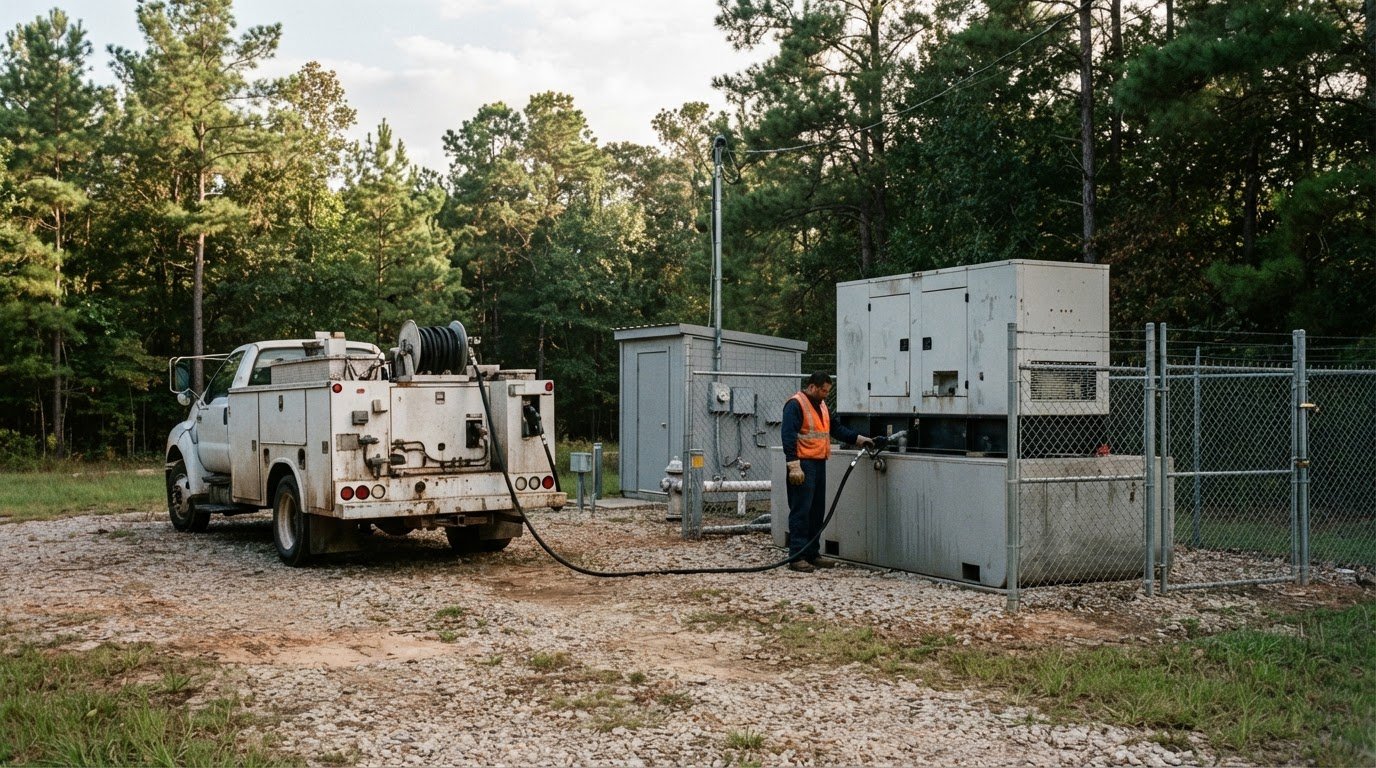
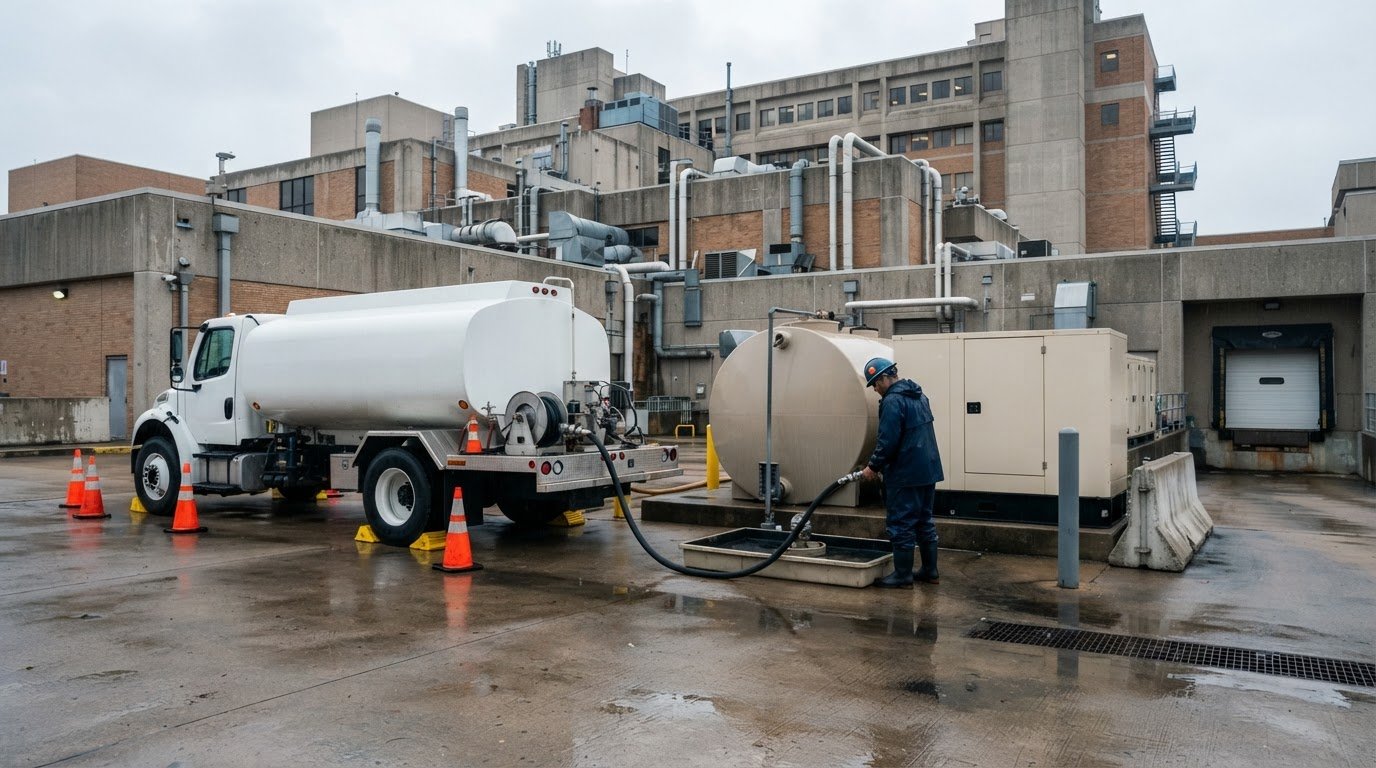
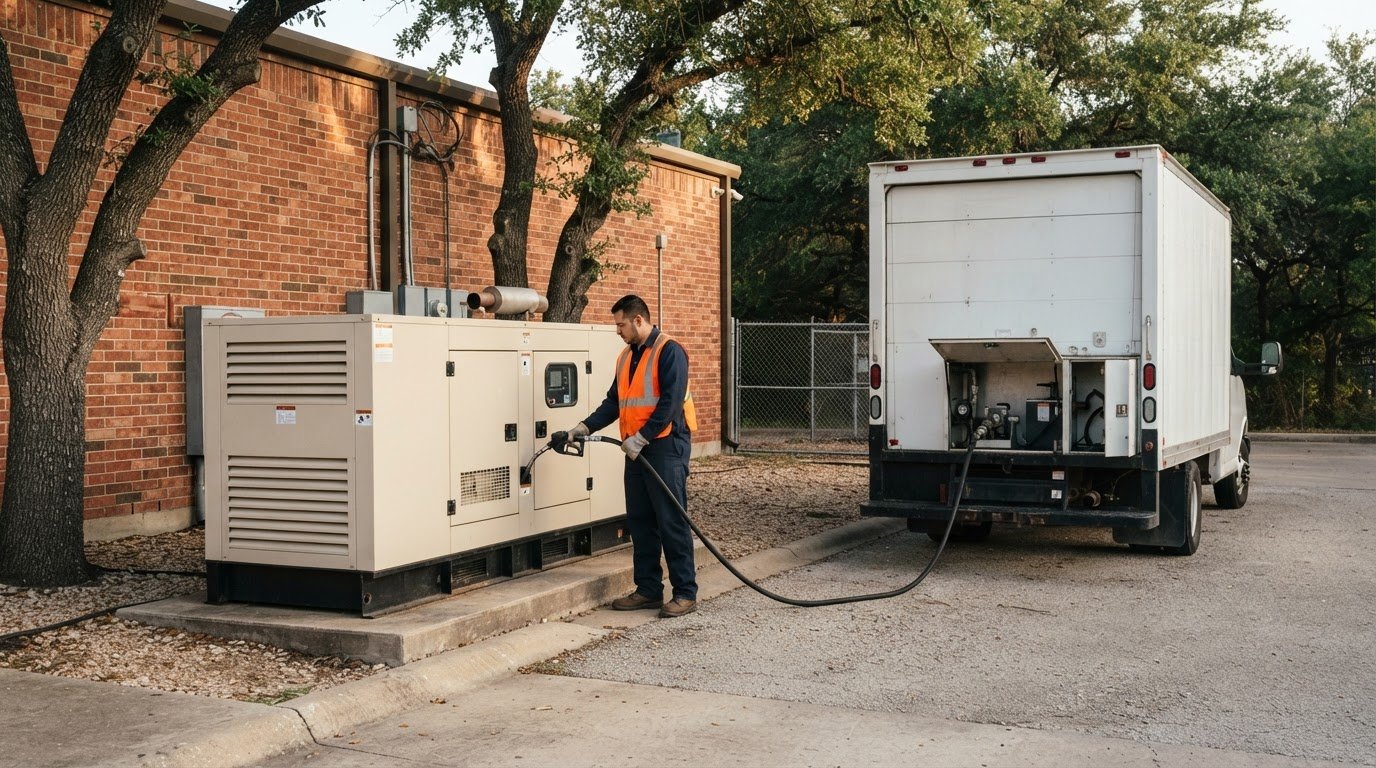
Set an on-site storage target that gives operations 24-48 hours of breathing room before emergency delivery arrives. Record tank capacity, current fuel level, access points, and the amount needed to restore the reserve after use. During an outage, assign someone to track consumption and remaining runtime. Include the delivery location and access instructions in the plan, so a driver can reach the generator’s fuel supply point.
- Match fuel and equipment before storing or ordering. Record the fuel type required by each generator, vehicle, or piece of equipment, and keep quantities separate in your estimate. Use each unit’s operating specifications to calculate consumption and required storage capacity. This prevents a total fuel estimate from hiding a mismatch between equipment and fuel. Include DEF in the plan if diesel trucks or equipment depend on it—fleet specialists like Fleetmaxx Solutions note that planning your AdBlue supplies is essential to keeping modern diesel fleets running during disruptions.
- Test the backup equipment and revise the estimate. Run generators on stored fuel for 8-12 hours during testing, and record actual consumption and operating performance. Check that the test reflects the equipment and load expected during an outage. Compare the result with the estimate, then adjust storage and delivery timing. Simulate power failures and supply disruptions to find gaps in transportation, fueling access, and delivery coordination before a natural disaster.
Use the test results and site requirements to discuss generator fueling support as part of your outage plan.
A fuel-needs assessment should account for backup generator runtime requirements, fleet vehicle consumption, and heating and manufacturing demands. Businesses that depend on generators should calculate generator fuel consumption at maximum usage and plan deliveries accordingly. Keep the estimates tied to the operations that must continue, and use them to shape the delivery plan rather than treating fuel as a single undifferentiated requirement. This makes it easier to see whether planned supply supports the full set of operating needs.
Make sure backup generators are maintained and ready to operate. Test emergency fuel procedures through exercises that simulate power failures or delivery interruptions, then update the plan to address any gaps. Compare expected needs with the supply and delivery process in place, and identify shortfalls in generator readiness or access. This keeps preparedness decisions connected to actual operating requirements.
Monitoring fuel shortages
Use calibrated gauges and automated monitoring to track fuel storage, then test and rotate stored fuel every six months. Test the emergency fuel plan quarterly, and update its documentation annually or whenever equipment, suppliers, or operational needs change.
- Set a consistent inventory routine. Record each tank’s gauge reading, usable capacity, and fuel type in one shared log. Compare the reading with the previous entry to spot unexpected drops, leaks, or rising generator fuel use. Calibrate tank gauges and use automated monitoring where available. Assign a specific person to record readings and flag a reorder point before reserves approach the level needed for critical operations.
- Track outside supply signals. Check local station websites for outage and availability updates, and sign up for text or email alerts from the state transportation department about fuel shortages. Keep supplier contacts current and record reported outages and expected resupply dates. Fuel terminals, loading racks, and barge facilities may also shut down during severe emergencies, disrupting deliveries beyond one station or neighborhood.
- Use clear triggers to prevent downtime. Develop response steps for falling inventory, a station outage, delayed replenishment, or a sudden increase in diesel fuel use. For example, a generator running longer than planned should trigger a fresh consumption estimate and an earlier reorder decision. For bulk fuel storage, place replenishment orders while the tank still has room, rather than waiting until it is nearly empty.
- Keep stored fuel usable and equipment ready. Stored diesel fuel lasts six to twelve months under good conditions, so track storage dates and rotate it every six months. Include fuel testing, spill containment, safe-handling training, and applicable fire and environmental requirements in written procedures. Check generator condition and fuel-system readiness as part of equipment maintenance, and document problems that could affect startup during an outage.
- Review the plan on a fixed cycle. Test the emergency fuel plan quarterly through exercises that simulate shortages or delivery interruptions. Update its documentation annually and whenever equipment, suppliers, or operating needs change. Record who monitors inventory, who makes fuel decisions, and who communicates with suppliers. A clear assignment prevents two teams from relying on each other while reserves fall.
Keep the inventory log, outage contacts, and generator records together so decision-makers can act from the same current information during a disruption.
Arranging emergency fuel delivery
Make delivery instructions usable during an outage, not just during normal operations. For Houston businesses, how to create an emergency fuel plan for my business in Houston includes preparing access details, delivery locations, and decision-making roles before a hurricane or other disruption.
- Set realistic delivery expectations. Emergency diesel delivery usually takes 4-6 hours. Don’t build an outage response around fuel arriving within 2 hours. Use the expected delivery window to decide when to request fuel, based on current tank levels and generator runtime. Include this timing in the written plan so managers can act before reserves reach a critical point.
- Prepare complete order details. Give the person placing an emergency order a concise record of the fuel type, requested quantity, site address, delivery point, and access instructions. Note whether the fuel is for a generator, fleet vehicle, or equipment. Identify site restrictions, gate procedures, and a receiving contact. Clear details reduce back-and-forth as delivery and operations teams coordinate during an outage.
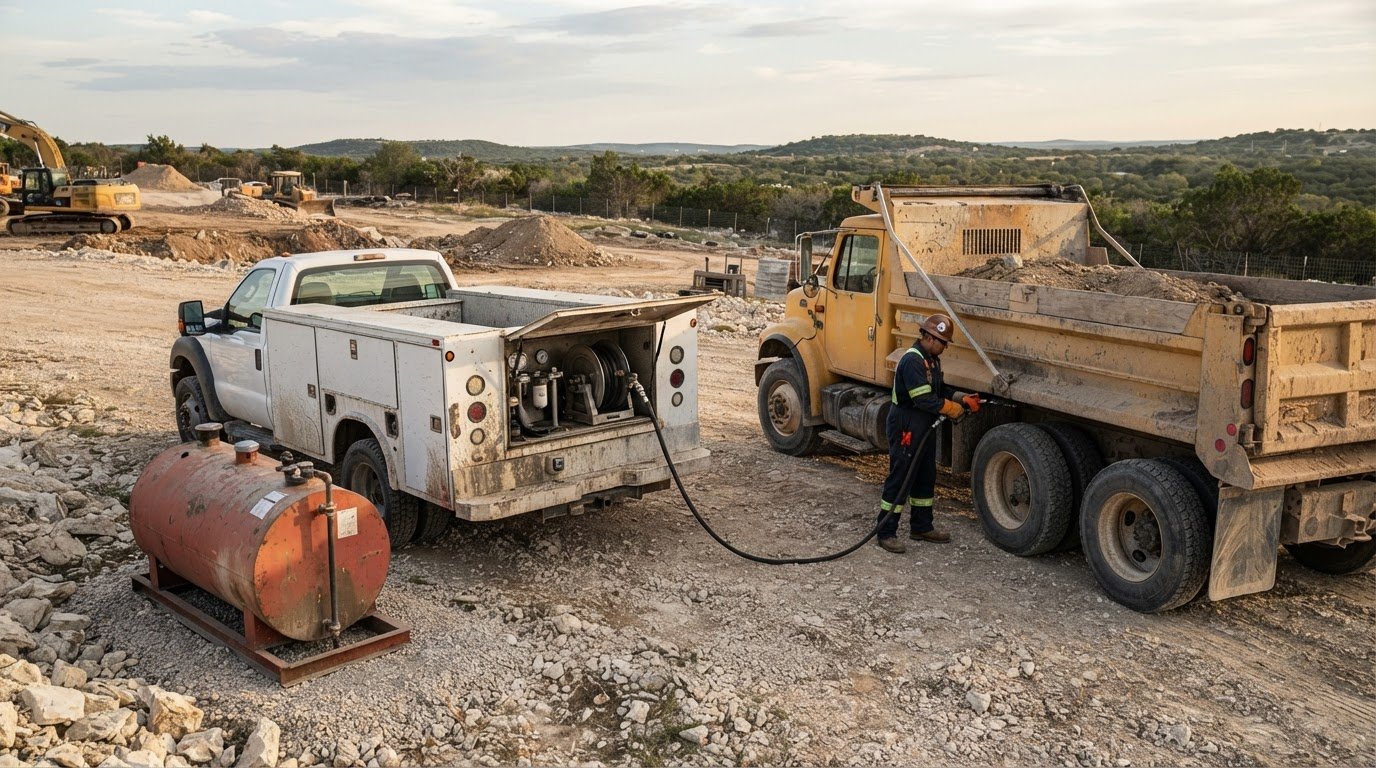
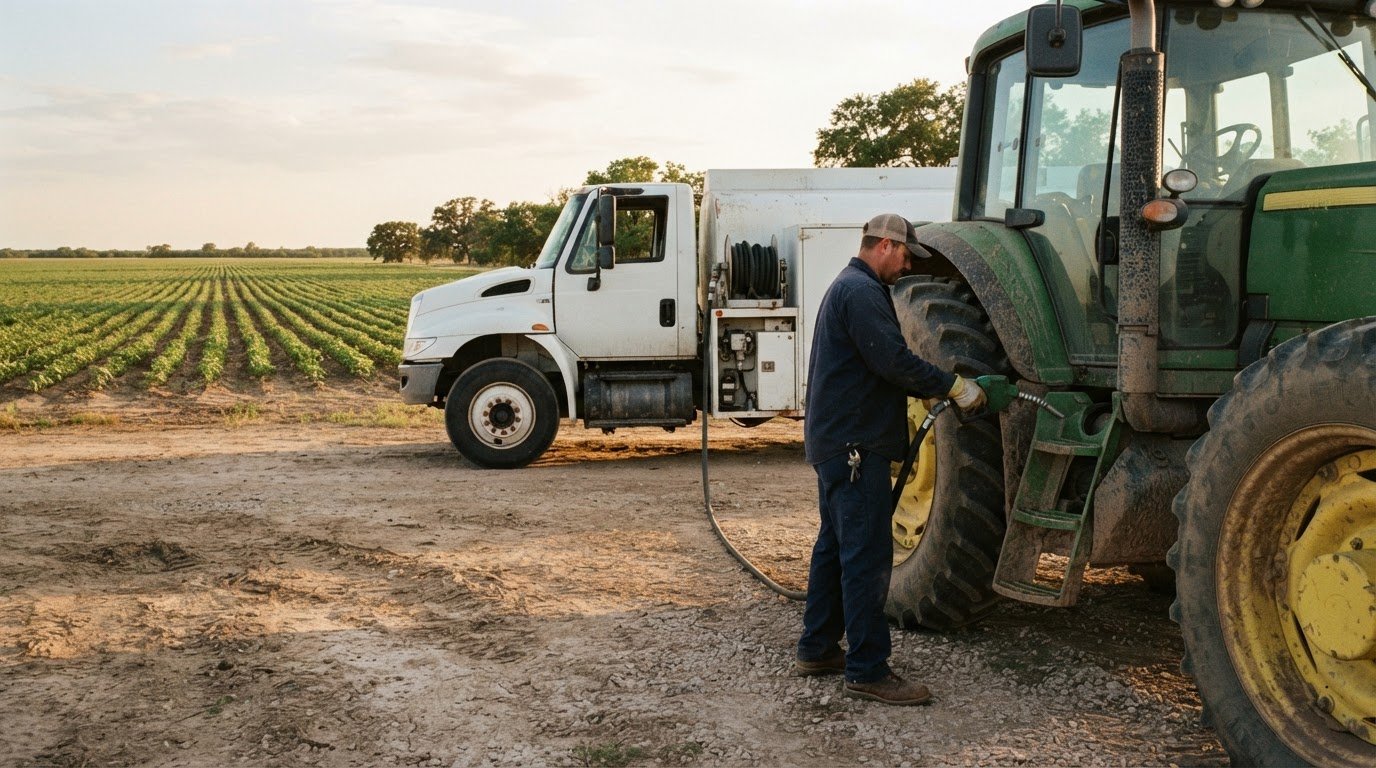
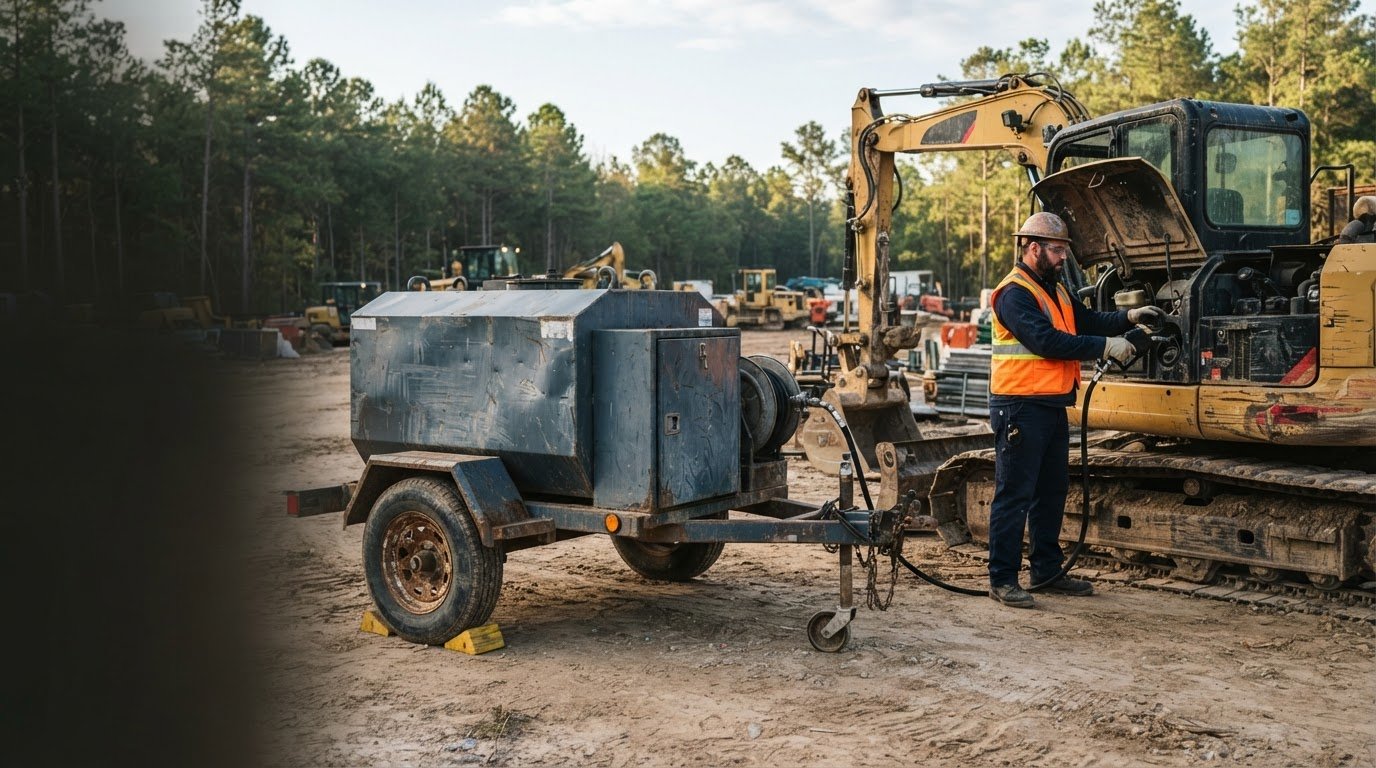
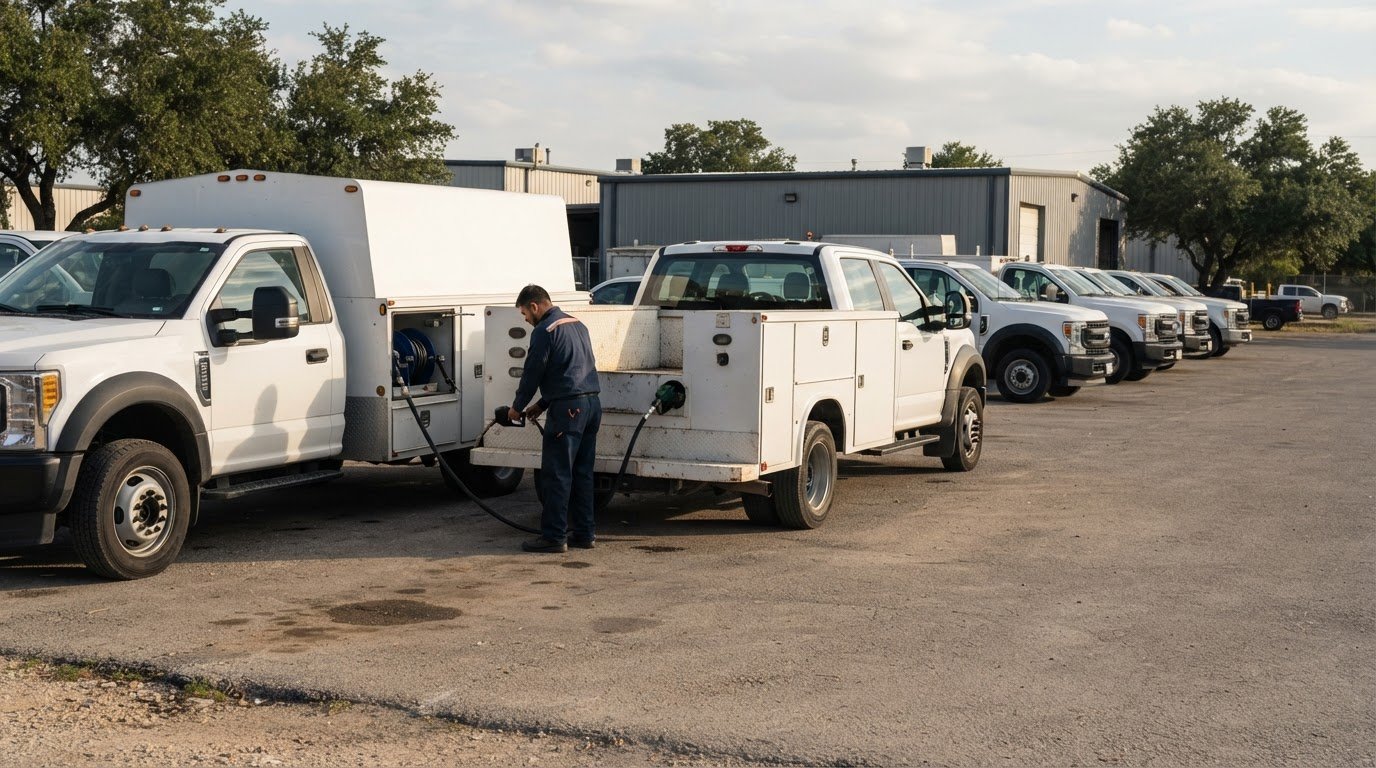
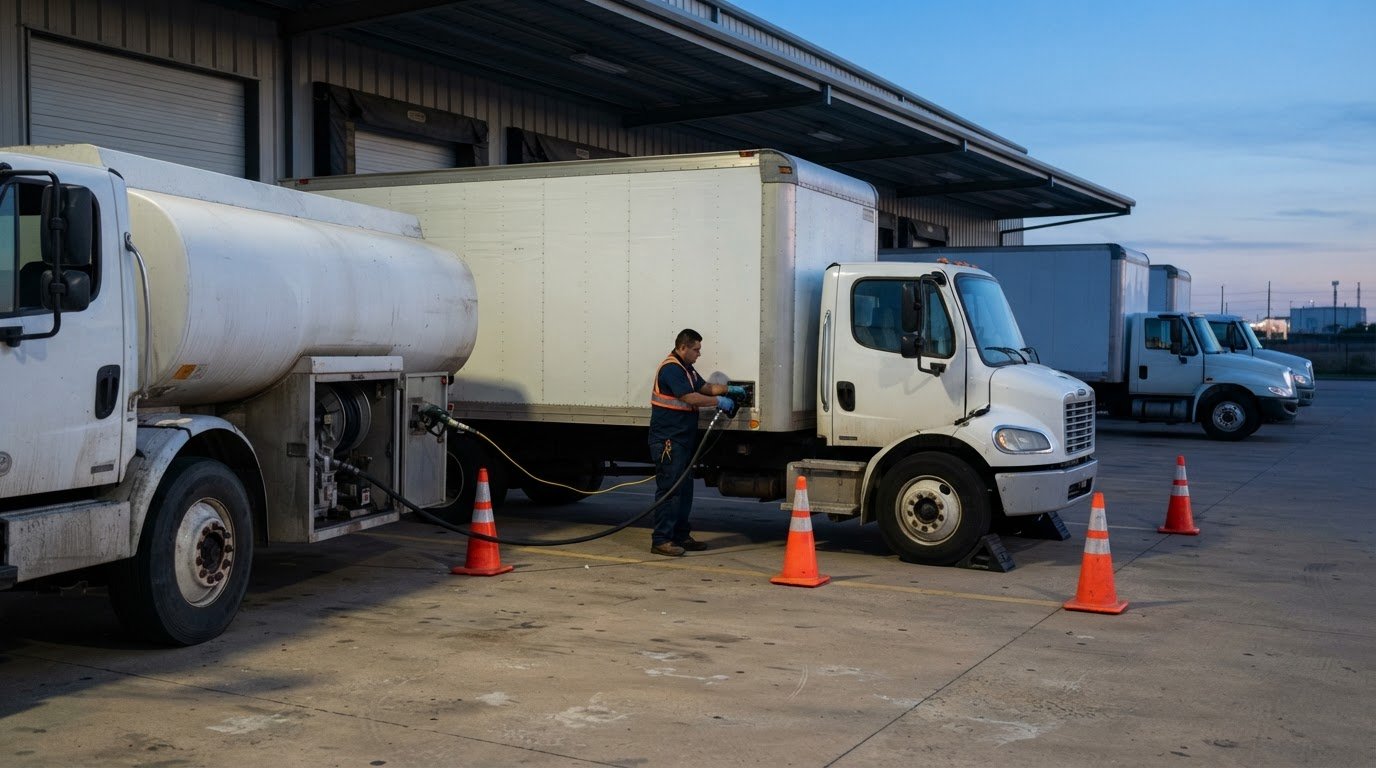
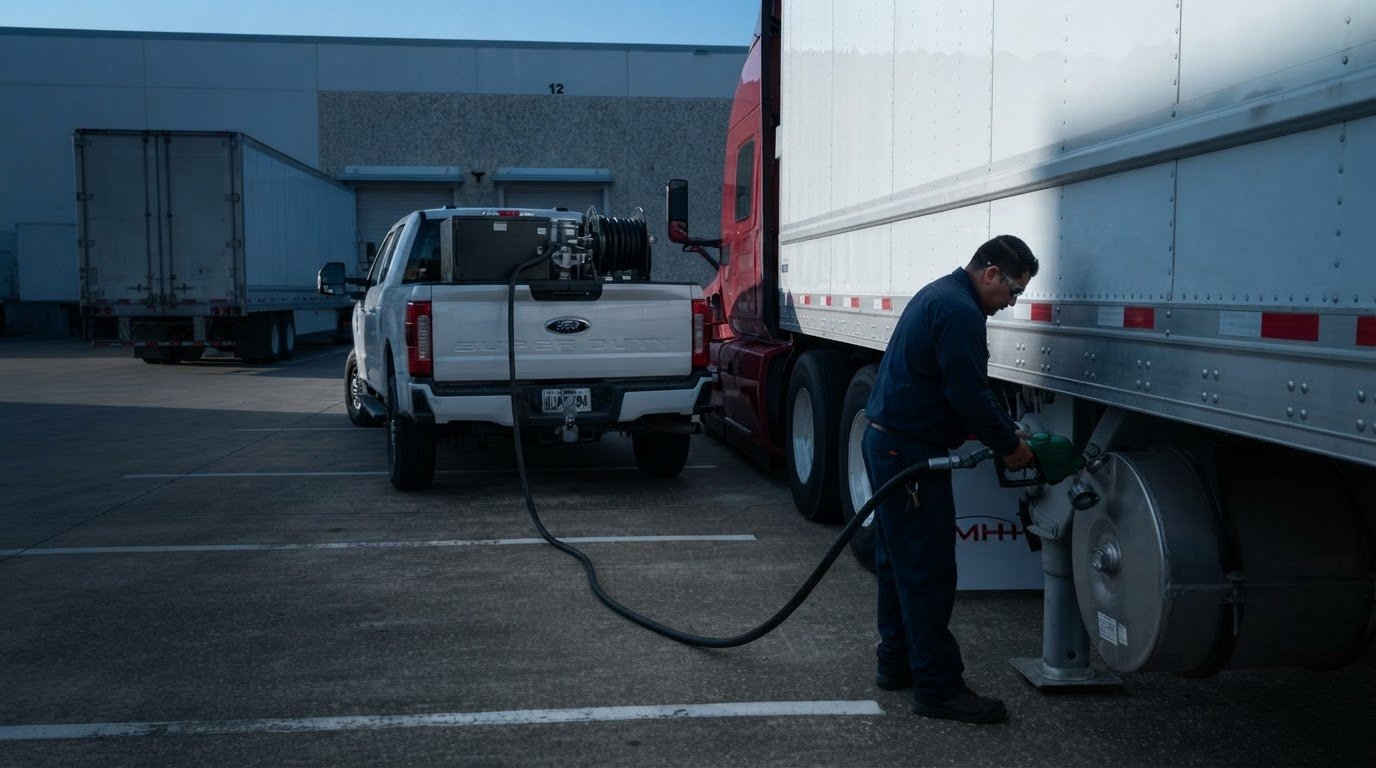
- Map delivery access and alternatives. Mark the primary fueling location, a secondary delivery site, and alternate routes on the site plan. Consider how flooding, road closures, or a damaged entrance could affect vehicle access. Direct-to-truck fueling can supply vehicles at a facility or yard while they’re off duty, helping keep transportation ready without interrupting normal operations.
- Keep contact roles current. List primary and backup contacts for the people authorized to order fuel, receive it, and direct the driver. Add current supplier contact information and assign someone to share outage updates. Local emergency management organizations and utility notices can shape access and operating decisions. Follow state and local emergency management authorities and utility directives during an emergency.
- Coordinate delivery with stored reserves. Treat temporary fuel tanks as a buffer, not a substitute for replenishment. Record the tank location, access route, and refill instructions in the delivery plan. State when to order as inventory falls and who can approve the request. For fleets, schedule fueling while vehicles are off duty when practical. A useful emergency fuel plan for a Houston business gives staff clear instructions they can follow under pressure. Review the plan after an exercise or outage, and revise it when routes, vehicles, or site access change.
Before an emergency, confirm whether the fuel company offers 24/7 dispatch during declared emergencies, and keep that dispatch route with the ordering instructions. The 24/7 service can give authorized staff a clear channel for initiating a request when normal operations are disrupted. Include who is permitted to use it and how the request connects to the site’s delivery details. Verify the arrangement in advance rather than assuming it is available.
Keep primary and backup contact information for key personnel at local energy providers, so staff have the contacts they need if a supply interruption affects replenishment. Businesses can keep temporary fuel tanks on-site as a hedge against supply interruptions and plan for local providers to refill them during emergencies. Include the tank location and refill instructions in the delivery plan, and make sure the people arranging delivery know how those instructions fit with the site’s access details. Clear coordination helps connect stored reserves with planned replenishment.
What Texas environmental rules apply to storing and dispensing emergency fuel at a business?
Build applicable environmental and fire requirements into the fuel plan before storing or dispensing fuel. Document the requirements for each site, tank, and dispensing setup, then assign someone to maintain the records and procedures.
- Identify the storage and dispensing setup. List each tank, its location, the fuel stored, and how fuel will be transferred. Note whether staff dispense fuel into generators, fleet vehicles, or equipment. Keep the inventory and site plan together so the person responsible can identify the equipment and activity covered by each procedure.
- Record applicable environmental and fire requirements. For each site, document the requirements that apply to its storage and dispensing arrangements. Keep relevant records with the emergency plan, and assign someone to review them when a tank, location, or operating process changes. Do not assume procedures for one site automatically suit another.
- Set spill response and containment procedures. Document how staff should stop fueling, contain a spill, and report the incident through the business’s established process. Identify the containment materials and equipment available at each fueling point. Include a practical example, such as a spill during generator refueling, so staff know which steps to take and who leads the response.
- Train staff in safe fuel handling. Assign roles for dispensing, monitoring, and responding to spills, then document the training. Explain the site’s fueling sequence, equipment controls, and spill procedures in straightforward language. Walk through each fueling area with staff to identify unclear instructions before an outage, when teams may need to act quickly.
- Review fuel quality and equipment records. Include fuel management, tank gauge checks, and generator inspections in your maintenance procedures. Record inspections, test results, and corrective actions in one log. Review the log during plan exercises, and update instructions when equipment or storage arrangements change. This gives staff responsible for fuel management a practical record to use.
- Keep emergency delivery separate from dispensing controls. State who can order fuel, who can receive a delivery, and who oversees transfer into storage. Give the delivery contact accurate site access instructions and the fueling location. During an emergency, follow relevant state and local authorities and utility directives when they affect site access or operations.
Include emergency fuel delivery planning in your continuity arrangements so delivery coordination fits the site’s documented procedures.
React Fueling: Emergency Fuel Delivery
React Fueling provides emergency fuel delivery for Houston businesses facing a supply interruption or urgent operational need. Its diesel and fuel delivery, equipment fueling, and generator fueling services support plans for generators, fleets, and work equipment.
Turn to React Fueling when your plan calls for fuel delivered to a business site, generator, vehicle, or equipment location. Share the fuel type, delivery address, access instructions, and intended use so the request aligns with your site’s operational requirements. Include any relevant delivery details from your emergency plan.
For a delivery need, contact React Fueling about emergency fuel delivery.
Put Your Fuel Plan Into Motion
If you’re deciding how to create an emergency fuel plan for your business in Houston, treat it as an operating tool, not a document to revisit only before hurricane season. Build a handoff process for new managers, changing sites, and equipment updates. The plan stays useful when responsible staff know where to find the current version and can quickly locate instructions for their roles.
After a disruption or exercise, record what slowed the response, such as unclear authority, inaccessible delivery points, or inventory records that did not match actual use. Turn each finding into a specific revision, then share the update with affected teams. This connects the written plan to decisions made under pressure and keeps the next response grounded in how your Houston operation actually runs.
For a fuel delivery need that fits your emergency plan, contact React Fueling. A clear plan gives your team a practical starting point and helps keep essential work moving.
Frequently Asked Questions
How does the emergency refueling process work?
Emergency refueling starts with a clear request that identifies the fuel type, delivery location, intended use, and site access details. The business then coordinates arrival and directs the delivery to the generator, equipment, or fleet fueling point. For example, a Houston facility can designate one employee to receive the driver and another to track fuel levels during transfer. React Fueling provides commercial emergency fuel delivery for businesses managing supply disruptions.
How can a Houston business assess emergency fuel needs and critical operations?
Map which services depend on fuel, electricity, or transportation, then identify what must continue and what can pause. Trace dependencies: a generator may support communications, refrigeration, or production equipment, while fleet vehicles may support deliveries or field response. Ask department leads to explain the operational impact of losing each function. Use those dependencies to set restart priorities and clarify which teams need fuel first during a disruption in Houston, Magnolia, San Antonio, College Station, Austin, or Dallas.
How much emergency fuel should a Houston business keep on site?
Estimate fuel needs from the expected operating time and consumption rate of each fuel-consuming unit under the planned load. Add fuel for other essential operations, then account for the time needed to arrange replenishment. The estimate should reflect your site’s actual equipment and critical functions, not a generic tank target. Revisit the calculation when operating schedules, equipment, or business priorities change.
How can a business create a fuel conservation and rationing plan during a Houston emergency?
Set priorities before a disruption by ranking fuel use according to operational impact. During an emergency, pause noncritical equipment, reduce avoidable vehicle trips, and direct available fuel to essential generators, machinery, and transportation. Assign one decision-maker to approve exceptions and keep a simple record of fuel issued by function. Compare remaining inventory with the next planned operating period, then adjust work schedules before reserves become difficult to manage.