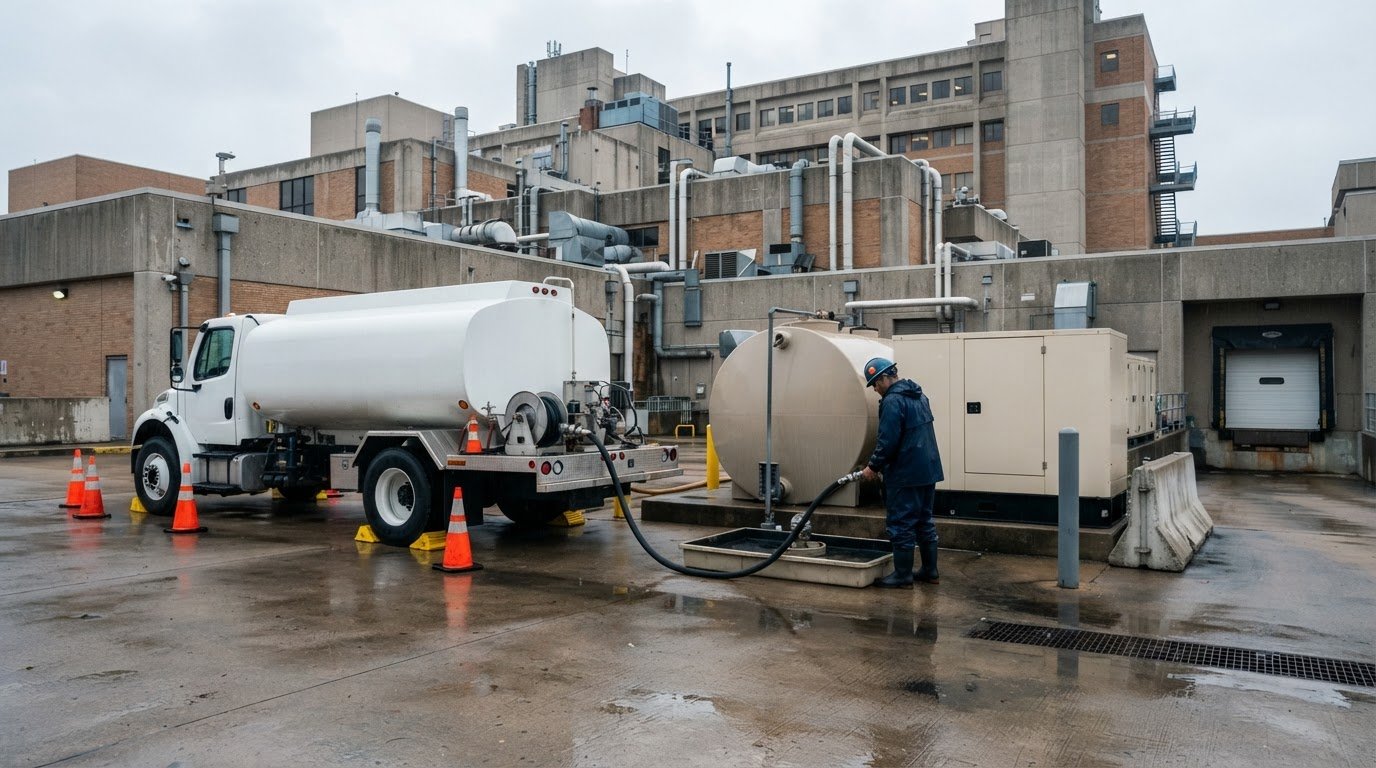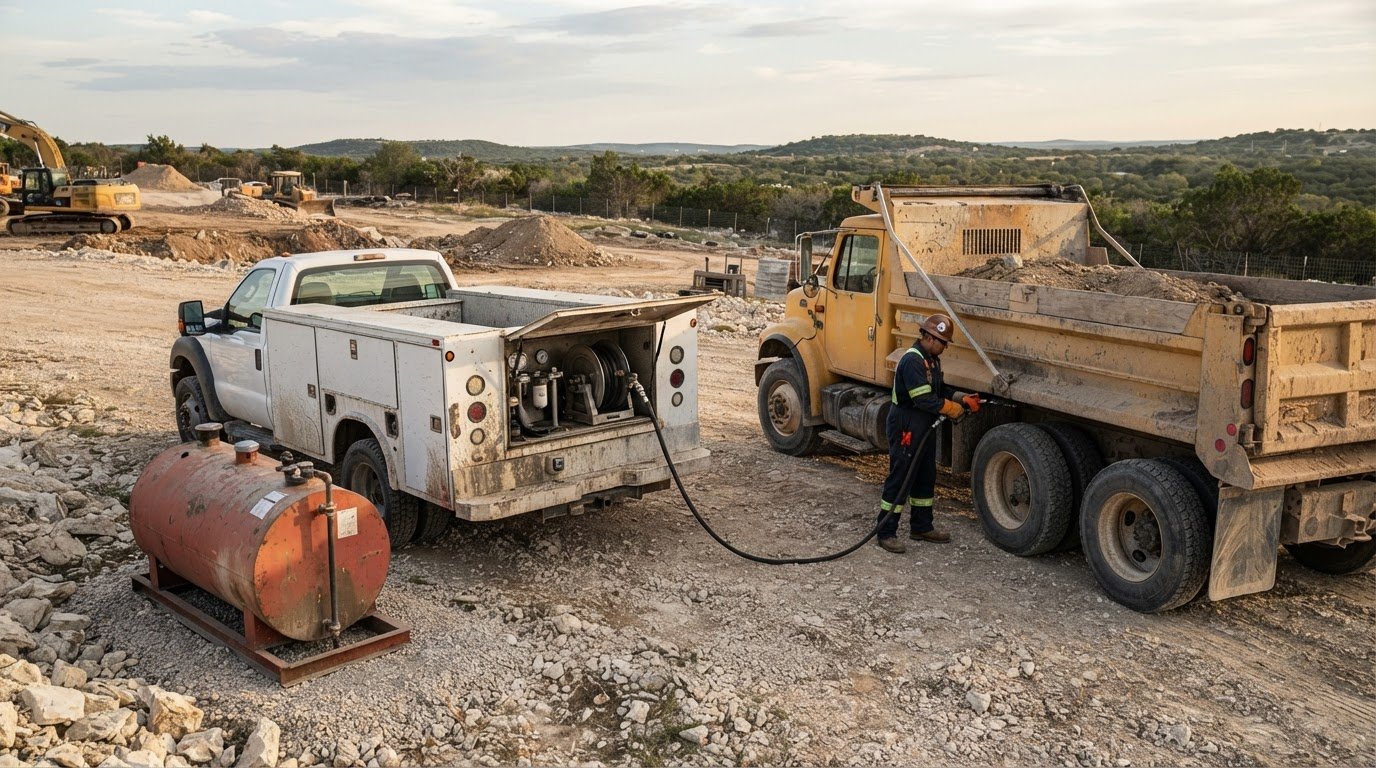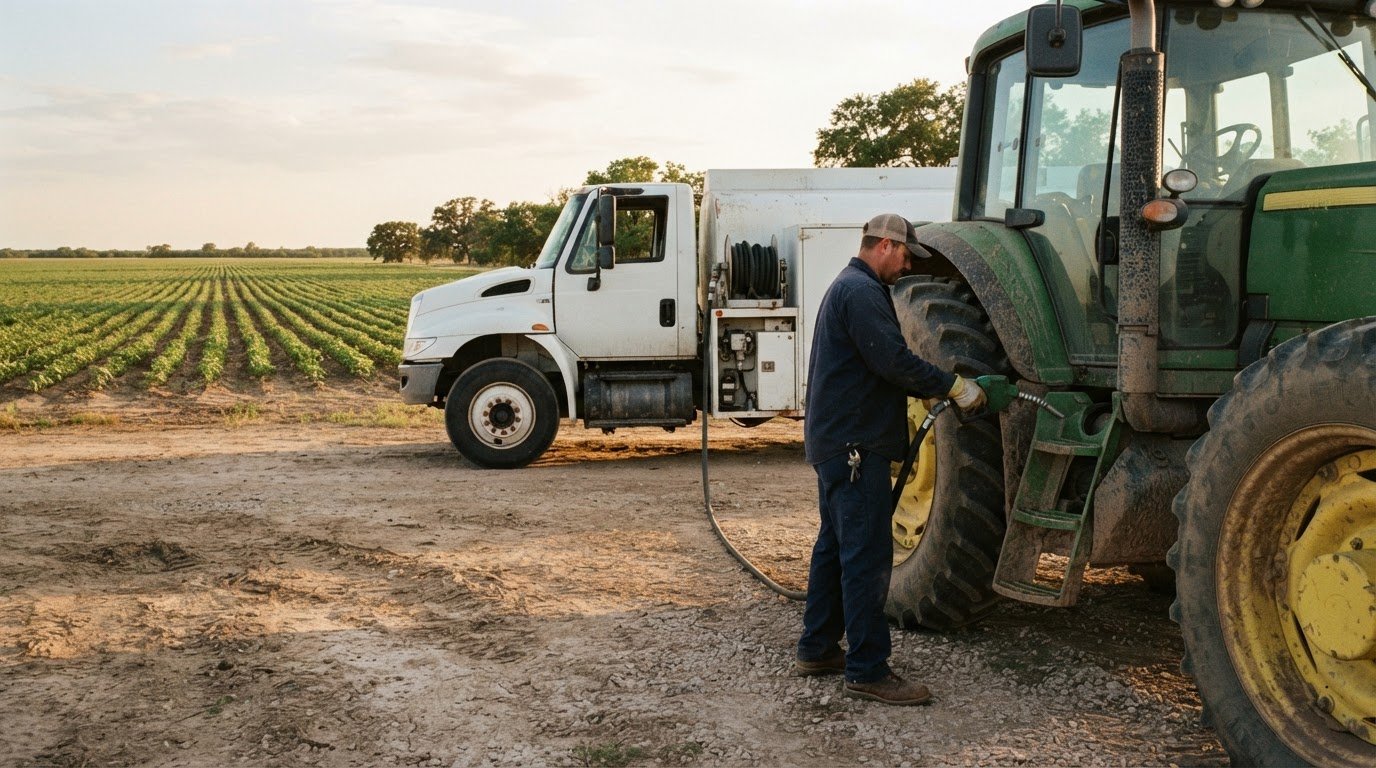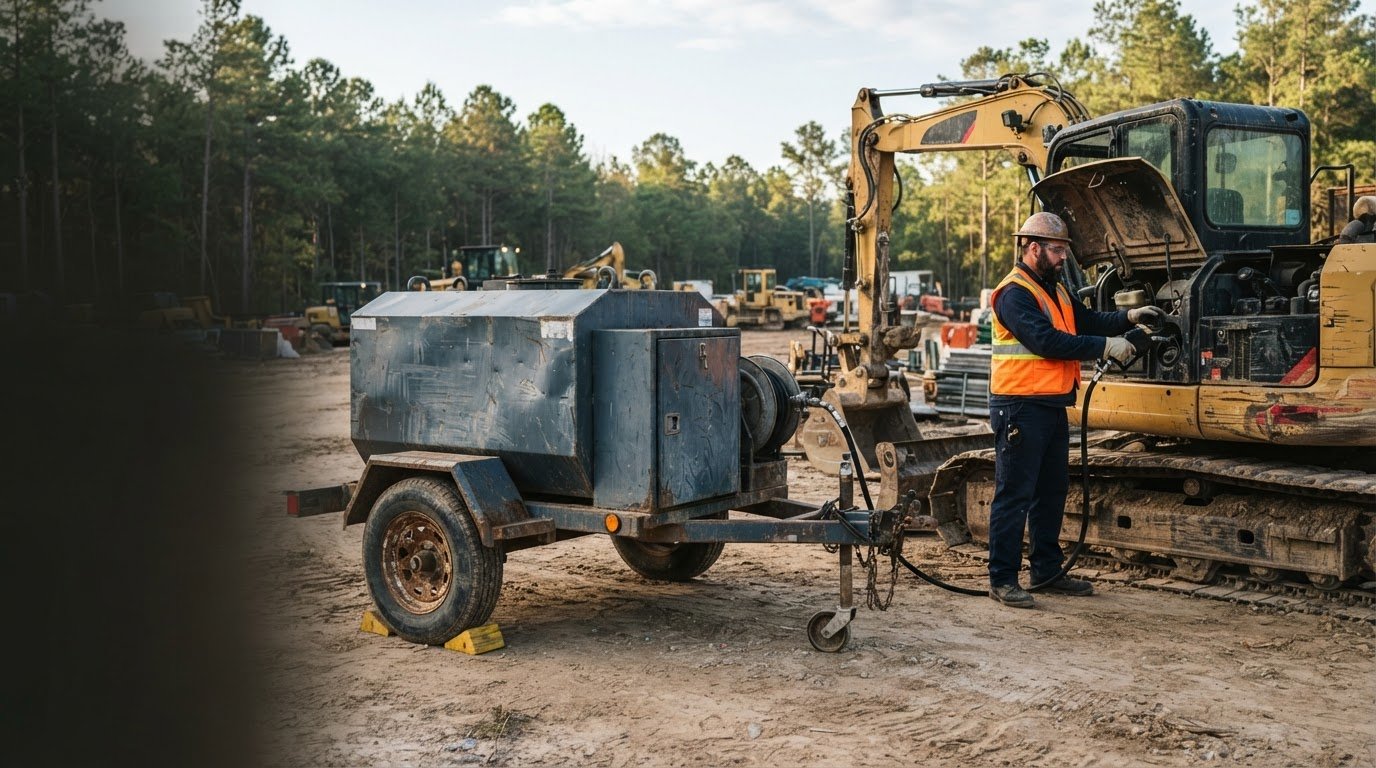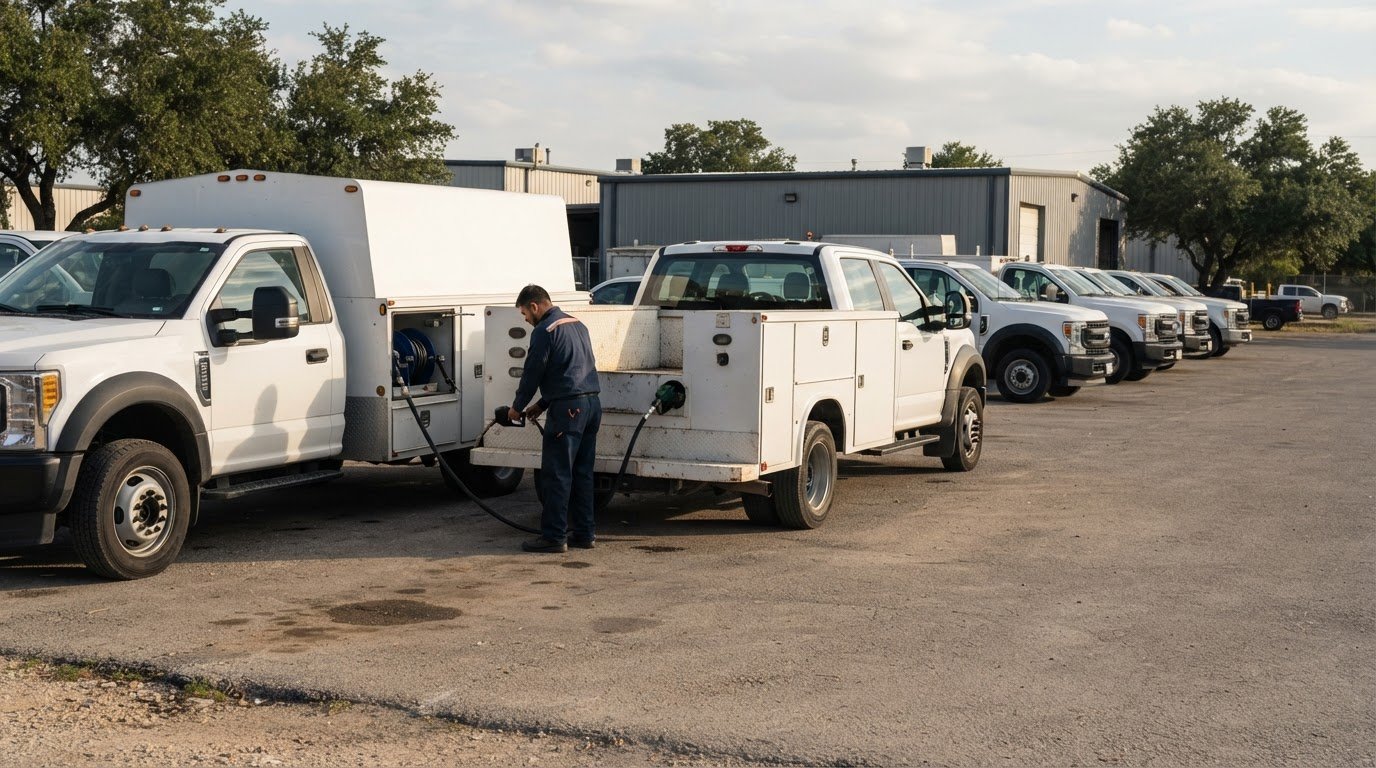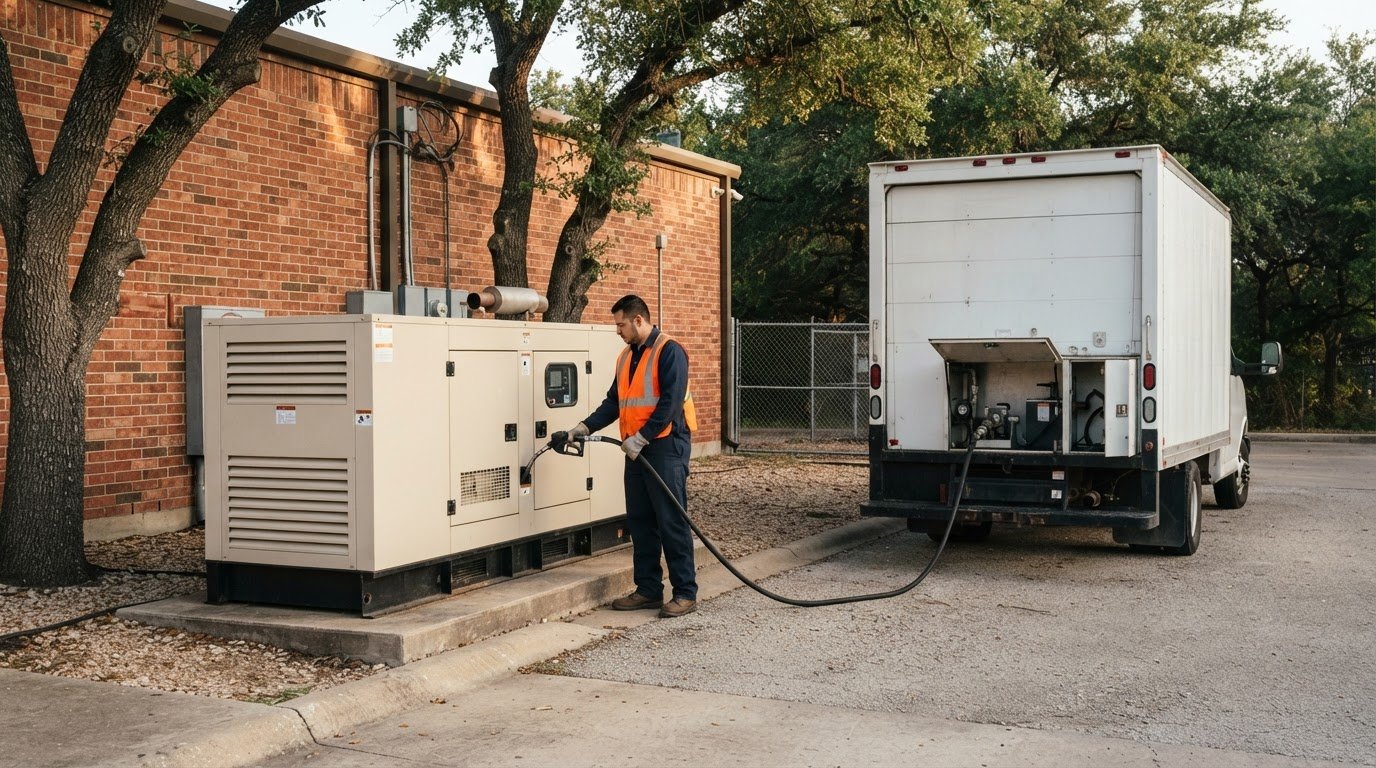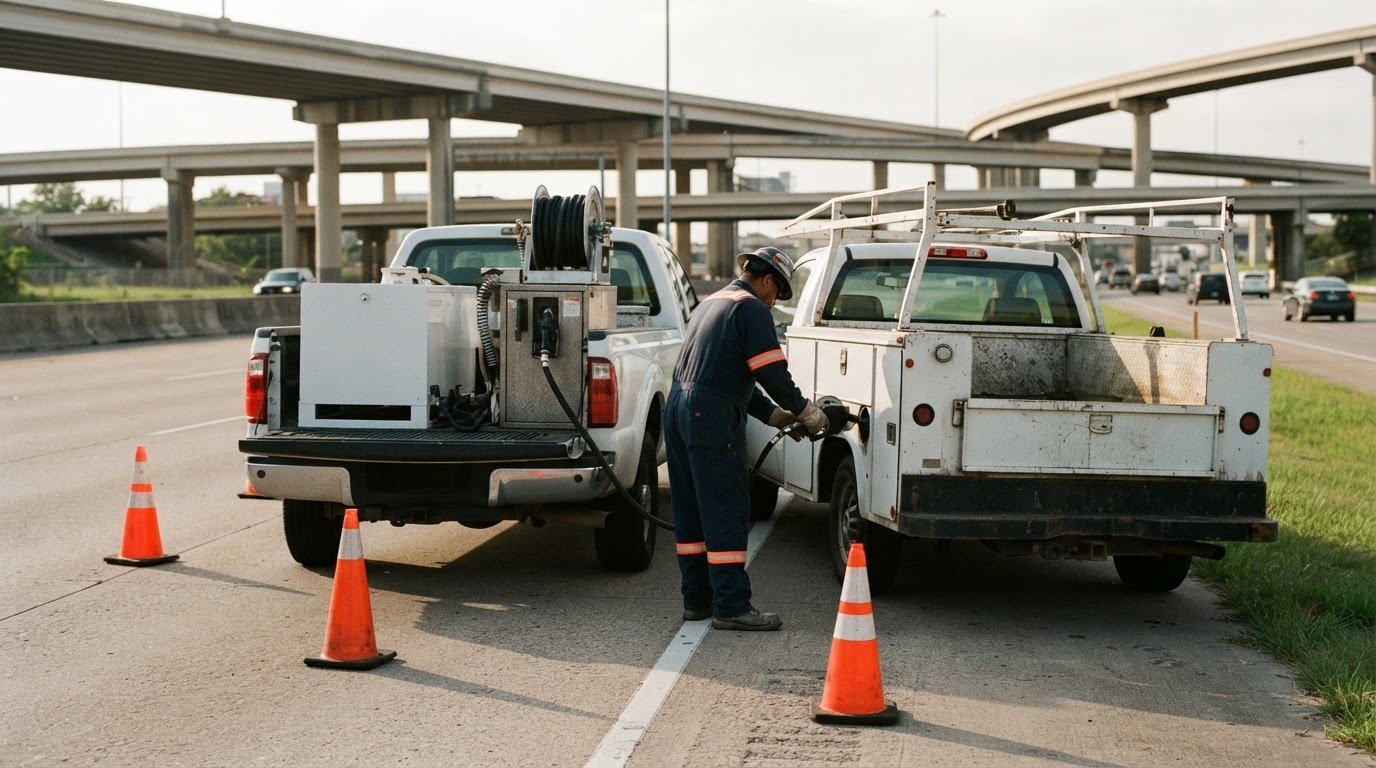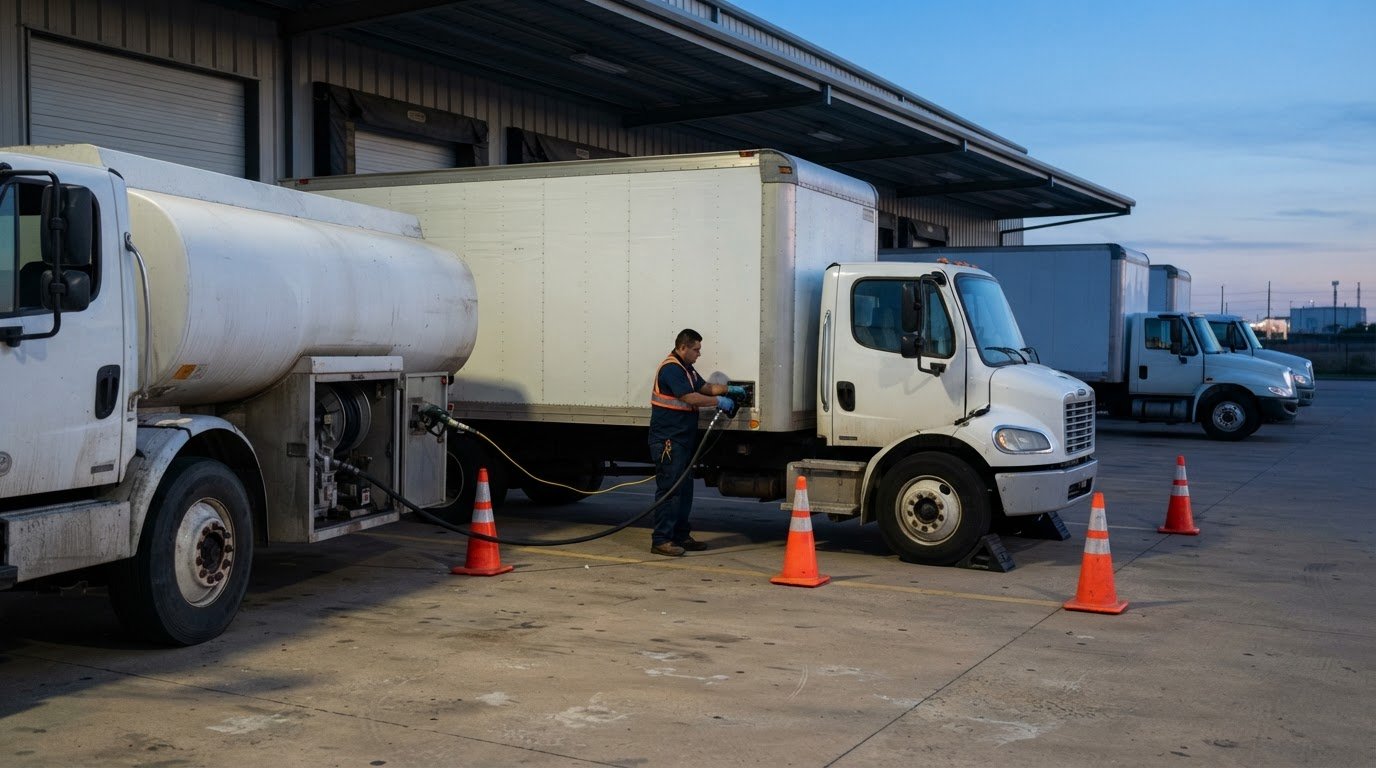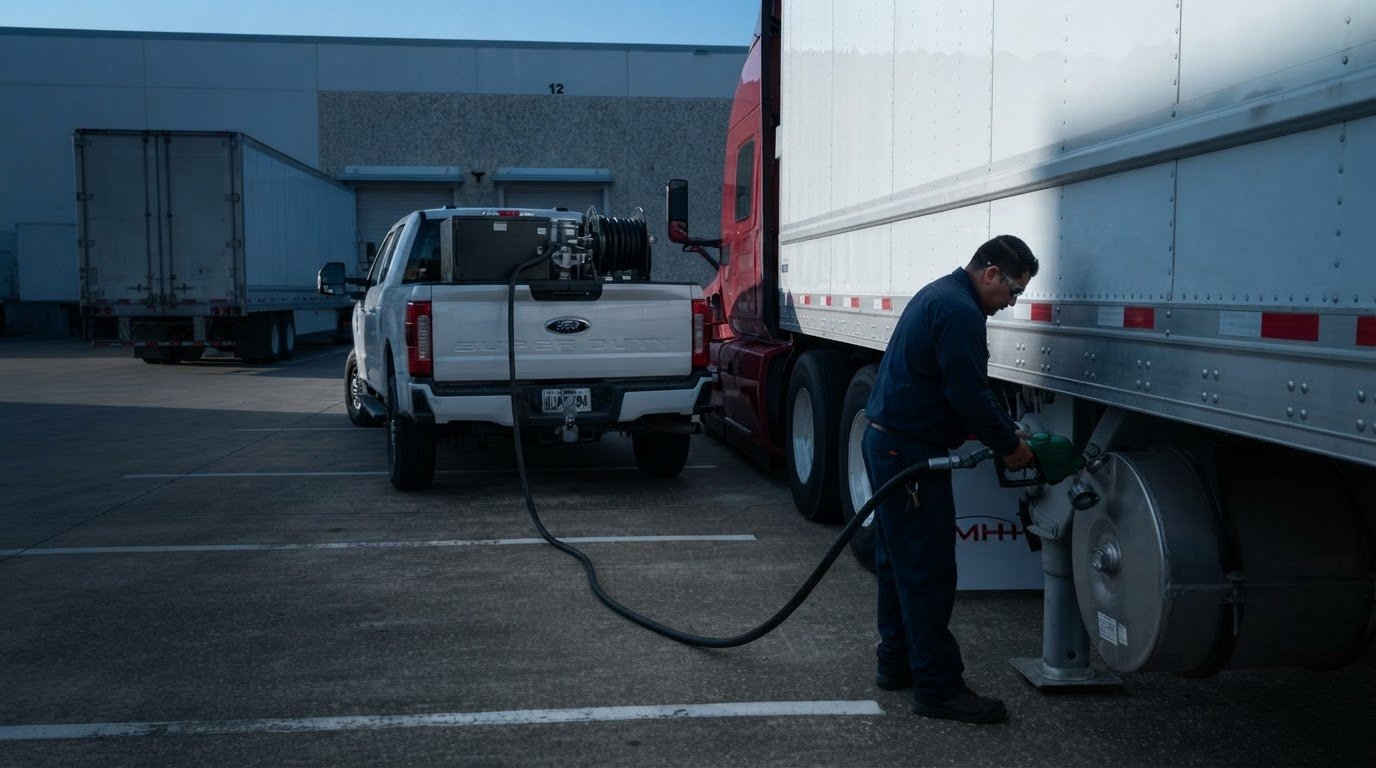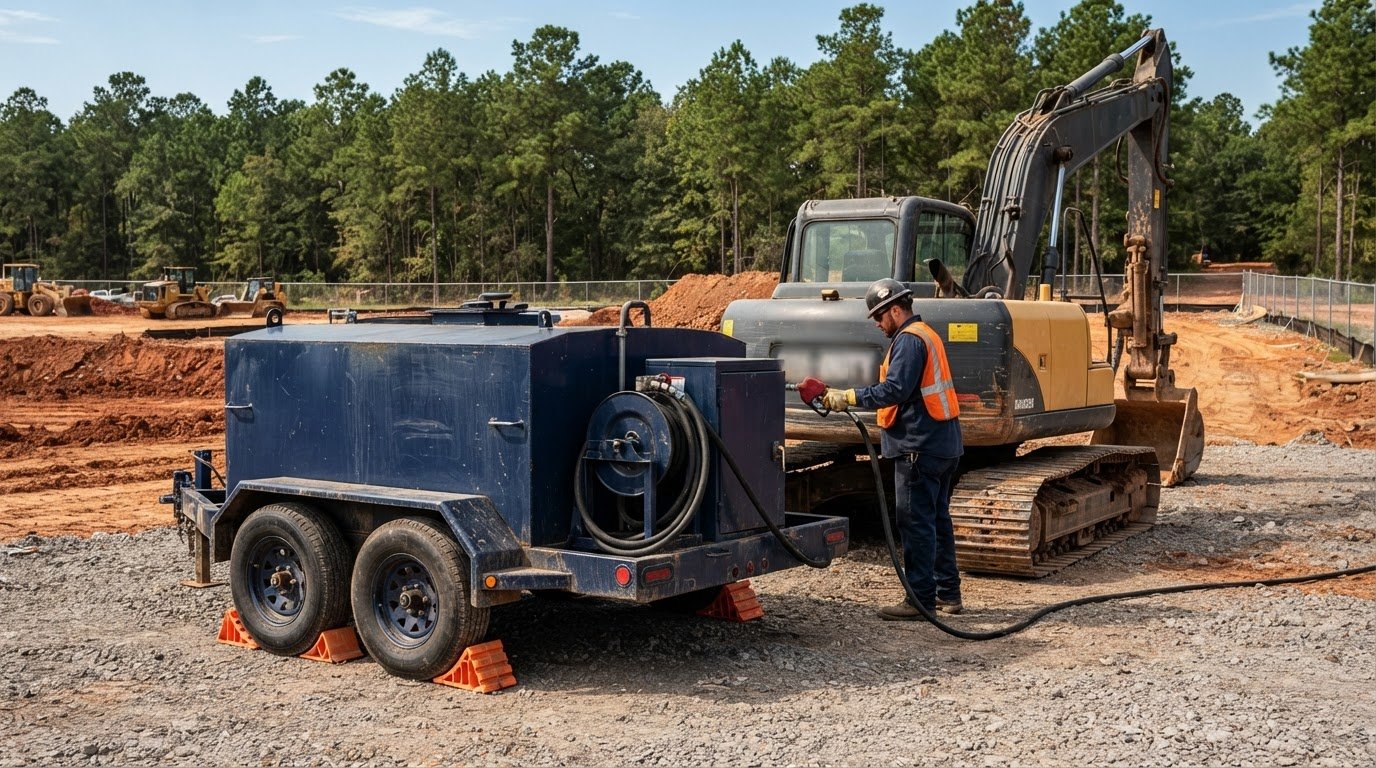
A reliable generator depends on having the right fuel available on site. On-site diesel delivery for power generation in Magnolia brings fuel directly to the equipment, helping businesses plan replenishment without moving generators to a fueling point.
Fuel choice matters, too. On-road and off-road diesel are options to consider for power generation, and the generator’s fuel requirements should guide which option fits the equipment. Gasoline and diesel serve different fueling needs, so understanding the application helps clarify what an on-site fueling plan should cover.
This article explains how on-site fuel delivery supports power generation in Magnolia, what to consider when planning generator fuel, and how delivery can help keep equipment ready. It also covers how generator fueling fits into a practical supply plan.
What is the service area for on-site diesel delivery in Magnolia, Texas?
Here, Magnolia means Magnolia, Texas, and the delivery destination is the generator’s job site. On-site delivery brings fuel to equipment where it operates, so it does not have to travel to a fueling point. A project near Magnolia’s town center and a generator at a separate worksite may have different access details, even within the same city.
Plan around the equipment’s actual location, not a company mailing address or project name. Provide the site address and, for a larger site, identify the gate and route to the generator. These details help ensure the delivery destination is the place where power generation depends on fuel.
Magnolia, Texas, should also be distinguished from the Magnolia Power Project in Burbank, California. That project is a separate facility, not a power-generation site in Texas. It has a generating capacity of 323 megawatts and began commercial operation on September 22, 2005. The California Energy Commission certified the project on March 5, 2003. Those details describe Burbank, not the geographic scope of a Magnolia, Texas delivery.
Location matters for regulatory context, too. According to the California Energy Commission, it has exclusive authority to certify thermal power plants of 50 megawatts or larger and related facilities proposed for construction in California. That authority concerns proposed facilities in California; it does not define where a Magnolia, Texas fuel delivery can go. Keep the project’s physical location clear when discussing a generator or power plant.
For a Magnolia delivery plan, organize the site information around these practical details:
- Destination: Provide the street address where the generator is positioned.
- Equipment location: Identify the generator within the property, such as a designated work area.
- Site access: Describe the entrance and vehicle route to the fueling point.
- Fueling context: State whether the generator supports a construction site, facility, or another operation.
This information separates Magnolia, Texas projects from similarly named facilities elsewhere and makes the delivery destination clear. For example, a generator at a Magnolia construction site needs directions to the equipment area, not just the project’s administrative office. A facility with multiple buildings should identify the generator location directly. Accurate site details give the delivery plan a clear geographic basis without confusing a Texas job site with Burbank’s California power project.
What minimum diesel delivery quantities do Magnolia-area suppliers require?
There is no single diesel delivery minimum that applies to every Magnolia-area order. The quantity depends on the generator’s needs and the delivery arrangement. A fixed facility may need a different replenishment plan from temporary equipment at a construction site. Estimate fuel needs based on equipment demand and planned operating time, then discuss a suitable delivery quantity.
Distinguish a supplier’s minimum order from the generator’s consumption. The minimum is the smallest order accepted for delivery; consumption is the fuel the equipment uses while operating. A generator may use fuel steadily throughout a shift, while the order must still meet the applicable minimum. Planning only around consumption could leave the order below that threshold.
Build the estimate around the equipment and its expected use. Note the generator’s fuel consumption information, expected operating hours, and any changes in workload. A standby generator used during outages has a different pattern from equipment supporting continuous site operations. Do not estimate a refill quantity from generator size alone, because operating load and run time also affect fuel needs.
Before arranging a Magnolia delivery, organize the details that shape the quantity discussion:
- Generator demand: Note the equipment’s fuel-use information and expected operating pattern.
- Fuel on hand: Identify the amount available in the generator’s tank or dedicated storage.
- Delivery purpose: Clarify whether the order supports routine replenishment, a planned operating period, or an urgent shortfall.
- Site conditions: Describe the delivery location and access arrangement, since these affect the delivery plan.
- Repeat needs: Explain whether the request is a one-time order or part of ongoing generator operations.
These details keep the quantity discussion grounded in actual use rather than guesswork. A Magnolia facility planning routine replenishment can describe the generator’s schedule and remaining fuel. A construction site anticipating increased generator use can explain the change in demand. In either case, account for equipment needs and the applicable order minimum.
Keep the requested quantity, fuel type, and destination consistent across the delivery instructions. If the generator’s schedule changes, update the expected demand before arranging the next order. This helps align the planned amount with the operating need and avoids treating a supplier minimum as a substitute for consumption planning. To discuss a Magnolia generator’s delivery requirements, share the site and fueling details.
The water-supply context does not set a diesel order threshold. On April 8, 2026, the California Energy Commission approved an amendment allowing captured stormwater to be used as a water supply for the Magnolia Power Project. That approval concerns water supply, so it should not be treated as a supplier’s stated minimum for diesel. Confirm the accepted delivery quantity directly with the supplier, then compare it with the generator’s planned use and fuel already on hand before submitting the order.
Are emergency or 24/7 diesel deliveries available near Magnolia?
Emergency diesel delivery is relevant when a Magnolia generator faces an urgent fuel shortage. It can support power-generation equipment when planned replenishment no longer matches operating needs. Emergency describes the reason for a delivery; 24/7 describes service hours. Those are separate details, so the terms shouldn’t be treated as interchangeable.
An unexpected increase in generator use at a Magnolia worksite can create an urgent need for fuel. A facility may also need a delivery after its usual plan is disrupted. In either case, identify the generator, its location, and the fuel required. Clear information helps direct the response to the equipment that needs fuel.
Emergency fuel delivery can address an urgent diesel need without making a general promise about delivery at every hour. A 24/7 commitment specifically means service availability throughout the day and night. The distinction matters for a generator supporting a critical operation, because urgency and dispatch timing are not the same thing. Build a contingency plan around the equipment’s actual operating needs.
For an emergency request near Magnolia, organize the essential details in a concise handoff:
- Site location: Give the Magnolia address and the generator’s position on the property.
- Fuel need: State that the equipment requires diesel and explain the urgency.
- Operating impact: Describe whether the generator is running, idle, or supporting an active operation.
- Access directions: Identify the entrance and route to the equipment or fueling point.
- Site contact: Provide the person who can direct delivery personnel at the property.
These details distinguish an emergency from a routine refill. A construction site with a running generator has a different immediate need from a facility replenishing fuel ahead of planned use. Explain what has changed, where the equipment is, and how the delivery team can access it. If the office address differs from the generator’s location, provide the equipment’s destination.
Emergency delivery works best as part of a broader fuel plan, not as a substitute for tracking operating demand. A Magnolia facility can use generator run patterns and fuel levels to plan replenishment before an urgent shortage develops. When conditions change, update the delivery details so the response remains focused on the equipment and location involved.
For urgent diesel needs, emergency fuel delivery is the service category designed for time-sensitive fueling situations. Keep the distinction clear: emergency delivery addresses an urgent need, while 24/7 availability describes a specific service schedule.
How quickly can suppliers deliver diesel during a power outage in Magnolia
There is no single arrival time for every Magnolia power outage. Delivery timing follows the dispatch route and the conditions at the generator site. An outage at a facility near an accessible road presents different logistics from one at a remote work area. The key factors are the delivery location, fuel request, access route, and dispatch conditions.
Distinguish the time needed to arrange a delivery from travel time to the site. Dispatch needs clear information about the fuel and destination; travel depends on the route and site access. A generator behind a controlled gate, for example, requires entry directions and an available site contact. Unclear instructions can slow coordination, even when the address is correct.
Magnolia businesses can help route an urgent request by providing a concise operational handoff. Include the generator’s exact location, the access point, and the reason for urgency. State whether the generator is running or has stopped. This gives dispatch more useful information than simply reporting a power outage. For a generator inside a large facility, identify its building or work area.
Useful details to provide during an outage include:
- Delivery destination: Give the street address and the generator’s location on the property.
- Access instructions: Describe the gate, entrance, and route to the equipment.
- Fuel request: Identify diesel and the amount needed for the immediate operating requirement.
- Equipment status: Explain whether the generator is operating, stopped, or supporting an active site.
- Site coordination: Name the person who can guide delivery personnel to the fueling point.
A Magnolia facility with a staffed entrance can provide directions to its generator area. A construction site with changing access can specify which entrance is currently usable. Accurate instructions help the delivery team locate the equipment after arrival. Make the generator the delivery destination, rather than an office or general project address elsewhere.
Outage planning also affects how quickly a site can respond. Keep the generator’s location and access instructions ready for the person coordinating fuel. Track operating conditions so the request clearly communicates urgency. If access changes during an outage, promptly provide the new route. These steps improve coordination, though timing still depends on the route and conditions.
For Magnolia power-generation sites, delivery timing involves both dispatch coordination and site-specific travel. A clear request establishes the destination and operating need. Actual timing depends on the route and conditions, rather than a universal interval that applies to every outage.
Reliable fuel providers like React Fueling do not rely on a single guaranteed arrival time during emergencies, as conditions vary. Separately, the California Energy Commission approved an amendment on November 17, 2025, allowing the Magnolia Power Project to generate an additional 54 megawatts during hot-weather ambient conditions. That generation approval concerns the project’s output; it does not specify diesel delivery timing for a particular Magnolia facility. For an outage, dispatch still needs the site details, fuel requirement, and access information to coordinate a request.
What safety precautions and tank requirements apply to on-site generator fueling
Safe generator fueling starts with a clear plan for the equipment, tank, and delivery area. A Magnolia facility should identify the generator’s designated fueling point and the route to it. Keep the delivery instructions specific to the site, especially where multiple generators or storage tanks are present. Clear identification helps prevent confusion between equipment and fueling locations.
Tank requirements depend on the generator and its intended setup. Follow the arrangement specified for the equipment, and distinguish its built-in tank from separate fuel storage. If a site has a generator and a standalone tank, specify which needs fuel. Tank capacity, access point, and connection details help define the task without relying on assumptions.
Before a scheduled delivery, coordinate the fueling area with the site lead. Identify who will direct the delivery team and who controls access to the equipment. If construction activity or facility operations change the route, share the revised directions. A clear handoff helps organize personnel, equipment, and site activity during fueling.
Prepare these details for the fueling plan:
- Equipment: Identify the generator by its location or site designation.
- Tank arrangement: State whether fueling involves the generator tank or separate storage.
- Fueling point: Describe where the equipment can be reached and where the delivery vehicle should position.
- Site coordination: Name the person responsible for access and direction at the fueling area.
- Changing conditions: Note active work, restricted routes, or other site conditions that affect access.
At a Magnolia construction site, this could mean directing the delivery team to a generator behind a controlled entrance. At an industrial facility, it could mean identifying one particular tank among several. In both cases, precise directions and a designated site contact reduce uncertainty about the fueling location. As part of site coordination, keep people and unrelated work clear of the planned delivery area.
Tank planning also supports continuity. Match the tank arrangement to the generator’s operating plan, and keep the equipment location and fueling instructions current. If the generator or delivery point moves, update the directions before the next fueling visit. Do not guess at tank capacity or connection details; use the information for the specific equipment and setup.
For a site-specific generator fueling plan in Magnolia, discuss your equipment and fueling setup.
React Fueling: Diesel Delivery
React Fueling provides diesel delivery for commercial power generation, including generator and equipment fueling. Use these services when a generator needs on-site replenishment or equipment fueling must be coordinated at a worksite. The delivery plan can account for the generator’s location, access route, and operating requirements, aligning fueling with site operations.
For Magnolia projects, share the delivery address, generator location, and whether the request supports routine operations or an urgent need. These details help define the fueling requirement and destination. Contact React Fueling to discuss diesel delivery for your power-generation equipment.
Set up your next fueling plan
Make the next step a practical operating plan. For on-site diesel delivery for power generation in Magnolia, bring together the generator’s fuel needs and your site’s operating priorities. Planning routine replenishment around the work the generator supports can help avoid waiting until fuel becomes an immediate concern.
React Fueling offers Diesel Delivery, Equipment Fueling Service, and Fuel Delivery for commercial operations. These services support generator and equipment fueling at your site. Share your fuel requirements and delivery location to discuss the right plan for your operation.
Contact React Fueling to discuss fuel delivery and take the next step toward a fueling plan that fits your power-generation needs.
Frequently Asked Questions
Which fuel delivery companies provide on-site diesel delivery for power generation in Magnolia, Texas?
React Fueling provides commercial diesel delivery and generator fueling in Magnolia, Texas. Its listed Texas service areas are Houston, TX; Austin, TX; San Antonio, TX; Dallas, TX; College Station, TX. For a power-generation site, the relevant service is commercial fueling for generators and industrial operations. Share the generator’s location and fuel requirements to arrange service in Magnolia.
Can suppliers deliver directly to generators, tanks, and job sites in Magnolia?
Yes. React Fueling provides generator and equipment fueling at commercial and industrial sites, along with portable fuel tank rentals for on-site storage. A construction operation can arrange fueling for generator equipment at its job site, while a facility can rent a tank for fuel storage. The appropriate setup depends on whether you need direct equipment fueling or fuel stored separately.
What diesel fuel types and quality standards are recommended for standby generators?
Use the fuel type and quality specifications in the standby generator manufacturer’s documentation. React Fueling delivers gasoline and diesel, so the equipment’s requirements should guide the order. A diesel generator requires diesel, while a gasoline generator requires gasoline. Check the model documentation for specific fuel requirements and maintenance guidance; do not assume one diesel option or quality specification suits every generator.