A construction fuel cost per hour calculator estimates cost by multiplying a machine’s hourly fuel burn by the fuel price per unit. To estimate fuel use from engine inputs, multiply engine power in kW by the load factor and brake-specific fuel consumption, then divide by fuel density. For example, a 200 kW excavator at a 0.65 load factor and 210 g/kWh BSFC is estimated to use 32.69 liters of fuel per hour.
That figure is a starting estimate, not a fixed rate for every shift. Actual fuel use varies with the machine, workload, terrain, attachments, idle time, weather, operator practices, fuel type and maintenance. This guide explains how to calculate hourly fuel use and cost, choose realistic inputs from machine-specific information or measured jobsite use, and interpret the result in gallons or liters. It also covers what a calculator may leave out, so you can plan with the estimate without treating it as a guaranteed burn rate.
Diesel fuel consumption formula using engine power, load factor, BSFC, and fuel density
Estimate hourly diesel use from engine power, operating load, BSFC and fuel density. Before using the result for planning, compare it with fuel records for the specific machine.
-
Apply the Engine-Based Consumption Formula
Calculate liters per hour with: engine power in kW × load factor × BSFC in g/kWh ÷ fuel density in g/L. For a 200 kW excavator, a 0.65 load factor, 210 g/kWh BSFC, and 835 g/L density produce 32.69 liters per hour. Keep units consistent. Don’t divide by density expressed in different units, or the estimate will be invalid.
-
Use Machine-Specific Fuel Data
Refine the estimate with the machine’s manual, rental-house data, telematics, fleet history or measured jobsite averages. These sources better reflect the specific model and working conditions than a general rate. Compare similar operating periods, such as productive hours with productive hours. Don’t treat one recorded shift as a fixed rate for every task or site.
-
Match Fuel Efficiency and Consumption Units
Record consumption in liters per hour or gallons per hour, and use the same volume unit for the fuel price. The engine formula first produces grams per hour; dividing by fuel density converts that mass rate to liters per hour. BSFC is a mass-based measure, expressed in grams per kilowatt-hour. It is not the same as a machine’s hourly volume burn rate.
-
Set a Realistic Load and Idle Allowance
Choose a load factor that reflects the duty cycle, rather than assuming full engine output throughout the shift. A typical average diesel-engine load factor range is 0.20 to 0.80. Machine model, terrain, attachments, weather, operator practice, fuel type, and maintenance also affect consumption. Include idle time in your measured rate; heavy-duty idling uses 1.5 to 3.5 liters per hour.
-
Reduce Avoidable Fuel Use
Track idle periods and use auto-idle shutdown where configured. Systems set to shut engines off after 3 to 5 minutes of idling can save up to 10% in daily fuel use. For equipment with tires, proper inflation can reduce consumption by up to 3%. Recalculate with updated operating records after changes, so the estimate reflects actual site conditions.
Modern turbocharged industrial diesel engines have a brake-specific fuel consumption of 190 g/kWh to 230 g/kWh. Treat that range as a reference when selecting an input, not a substitute for measured or model-specific data; actual fuel use still depends on load and operating conditions.
How do I calculate fuel cost?
Multiply the fuel used by the price per gallon or liter. Surcharges and taxes affect the amount paid when added to the fuel charge or included in its unit price, but they don’t change equipment fuel consumption.
-
Measure Hourly Fuel Use with the Full-Tank Method
Refill the tank, record the machine’s operating hours, then refill it again after exactly 5 hours. Divide the refill volume by 5 to estimate hourly fuel use. For example, if the machine takes 20 gallons, the measured rate is 4 gallons per hour. Keep the refill method consistent, and record whether those hours include idling or only productive operation.
-
Calculate Fuel Costs Across Time Periods
Multiply hourly fuel use by the fuel price per unit for hourly cost. Then multiply that result by operating hours for daily or monthly cost. For example, 4.2 gallons per hour across 40 equipment hours, with a 10% idle allowance, requires 184.8 gallons. For monthly estimates, use the planned operating hours for that month.
-
Determine the Effective Hourly Cost
Separate equipment fuel cost from labor cost before combining them in a project estimate. For a crew calculation, enter each worker’s regular and overtime hours, hourly wage, and headcount. Two workers earning 30 per hour for 40 regular hours each produce 2,400 in wages. With a 20% burden and a fixed cost of 100 per person, total cost is 3,080, or 38.50 per hour across 80 crew-hours.
-
Account for Fuel Surcharges and Taxes
Use the actual amount charged per gallon or liter, including any applicable surcharge or tax shown in the transaction. If the invoice lists line items separately, record each one separately. This helps distinguish fuel consumption from changes in the amount paid. Don’t add a surcharge twice if it’s already included in the unit price.
- Keep wage inputs specific to the trade and crew size. U.S. general laborers and helpers typically earn $18-$28 per hour, while carpenters typically earn $20-$45 per hour. Electricians and plumbers had national median base wages of about $30-$31 per hour in May 2025; HVAC technicians had a median of about $29. These are wage inputs, not fuel prices or client billing rates.
For a site-level fuel plan, contact the team about coordinating equipment fuel needs.
Calculator assumptions and limitations
Add measured idling and warm-up fuel to the machine’s total, then divide by operating hours. Count those periods only once. Adding a separate allowance to a measured rate that already includes idling can double-count fuel.
- Define the equipment and work period before using the figure. The calculator estimates fuel used by the selected machine, not fuel for transporting it to or from the site. For a complete project estimate, track transport fuel separately instead of folding it into equipment operating hours.
- Represent idle time with actual operating records where possible. A heavy-duty machine spends approximately 25% to 40% of its operating life idling, so a productive-work-only rate may understate total use. Include warm-up fuel in the same measured total. Don’t add idle fuel again if the machine’s hourly rate already reflects those periods.
- Allow for operator and site variation when interpreting results. Driving behavior can cause up to 20% variation in fuel burn between operators using identical machines. Terrain, attachments, work intensity, and idle patterns can also shift actual consumption. Treat the calculator’s result as an estimate for the selected inputs, not a direct measure of every shift.
- Keep fuel estimates separate from labor assumptions. In a labor calculator, the entered burden percentage applies to both regular and overtime wages. The tool doesn’t prescribe a wage rate or statutory overtime multiplier. It can’t produce an effective hourly rate when entered hours are zero, because there are no crew-hours to divide by.
- Use effective hourly cost to compare estimates, not completed output or productivity. Two scenarios can have different costs per crew-hour and produce different amounts of work. The calculator doesn’t measure output, so pair its figure with job records when assessing production or cost per unit of work.
- Keep payroll and tax decisions outside the calculator. It’s an estimating tool, not guidance on payroll, taxes, prevailing wages or employment law. A starting row is fictional, and entered values remain in the browser session rather than being automatically saved or transmitted. Record any figures you need for later comparison separately.
The page gives 5 kilometers per liter as an example of vehicle fuel efficiency. Use that example only as a reference for vehicle travel, not as a measured rate for the machine doing the work. Vehicle efficiency describes distance relative to fuel, while the equipment estimate here relates fuel to operating time. Keep those measures distinct when assembling a broader project estimate.
When estimating vehicle travel, keep distance and efficiency assumptions visible and separate from machine operating records. This clarifies whether a figure represents transport or work at the site, and helps prevent a travel estimate from being mistaken for equipment consumption. The example does not replace measured fuel use under the machine’s actual conditions. Use a measure that fits the question, and preserve the inputs so you can see what the estimate covered later. If transport is outside the calculator’s scope, keep it as a separate estimate instead of changing the machine’s hourly rate.
Fuel burn rates in gallons or liters per hour
A machine’s hourly burn rate connects equipment operation with fuel planning. Compare rates only when units and working conditions match.
- Start with a rate that matches the equipment category and duty. A 20-ton excavator averages 12 to 18 liters per hour under standard conditions. A heavy-duty piling rig under high torque averages 25 to 35 liters per hour. These ranges show why one generic figure cannot represent every machine. Use them as planning references, then refine the estimate with machine-specific records.
- Match the calculator’s input units to the rate you enter. A machine rate in liters per hour must be paired with a fuel price per liter; a rate in gallons per hour must be paired with a price per gallon. Don’t mix units in one calculation. If equipment records use liters but the estimate needs gallons, convert the volume first using a consistent method.
- Compare rates by machine and operating context, not just by equipment name. A 100-ton crawler crane under intermittent load averages 10 to 15 liters per hour. A hydra or pick-and-carry crane under light or standard load averages 4 to 7 liters per hour. The machine’s load pattern matters: intermittent lifting differs from sustained high-torque work, even within construction equipment.
- Multiply the selected hourly rate by planned operating hours to estimate fuel volume for a work period. For instance, use the lower and upper ends of the 12 to 18 liters-per-hour excavator range to create a consumption interval. Keep that interval visible in the estimate rather than presenting one endpoint as certain. Apply the fuel price only after calculating volume in matching units.
- Use an average only when its basis matches the job. A light commercial vehicle under medium load averages 4.5 to 6.0 liters per hour, while a 100-ton crawler crane’s listed range reflects intermittent load. Combining both rates into one fleet average would hide differences between vehicle and crane operation. Separate equipment types, then compare actual fuel records with each category’s estimate.
- Revisit the rate when operating conditions change. Terrain, attachments, weather, maintenance, fuel type, operator practices and idle time can move consumption outside the selected range. A piling rig working under high torque isn’t comparable to one doing lighter tasks. Record the equipment, working conditions and fuel volume together to give future estimates a clear basis.
Heavy equipment fuel cost calculator inputs
Build the estimate from machine data, operating conditions, fuel use and price. For a Texas jobsite, use a current average diesel price that matches the location and purchase basis. A national figure may not reflect the fuel cost used in your estimate.
-
Enter Heavy Equipment Fuel Cost Inputs
To calculate consumption from engine data, enter engine power, load factor, BSFC and fuel density. Add operating hours and an hourly burn rate if you have machine records. Keep units consistent, such as kilowatts, grams per kilowatt-hour, liters per hour and price per liter. Don’t count an engine-based calculation and a measured burn rate as separate fuel use.
-
Use the Current Average Diesel Price
Use a current price per gallon that matches the job’s location and how fuel is purchased. No single U.S. price reliably represents every Texas site and purchase arrangement. Enter the applicable current average for your calculation, and update it when the pricing basis changes. A past estimate or an average from another market may not represent today’s jobsite cost.
- Keep consumption inputs separate from cost inputs. First determine the expected fuel volume for the equipment and work period. Then multiply that volume by the matching price per gallon or liter. This makes it easier to identify whether a change in the total came from operating hours, fuel burn or price, rather than an unexplained calculator adjustment.
- Choose an approach that fits the estimate’s purpose. For one machine, enter its expected operating hours and burn rate. For a fleet estimate, keep each machine’s inputs separate before adding the fuel totals. Averaging different equipment together can hide high-use machines and make replenishment planning less precise.
- Review your assumptions before relying on the output. Load, attachments, terrain, idling, weather, operator practices, fuel type and maintenance all affect actual fuel use. Use the calculator to compare scenarios, such as different operating hours or load conditions, while holding other inputs steady. This shows which assumption changes the projected fuel requirement.
- Save the inputs alongside the estimate, including machine identity, hours, consumption unit, and price basis. Those details make later comparisons useful when site conditions or fuel purchasing terms change. For a project fuel plan, discuss equipment fueling requirements.
React Fueling
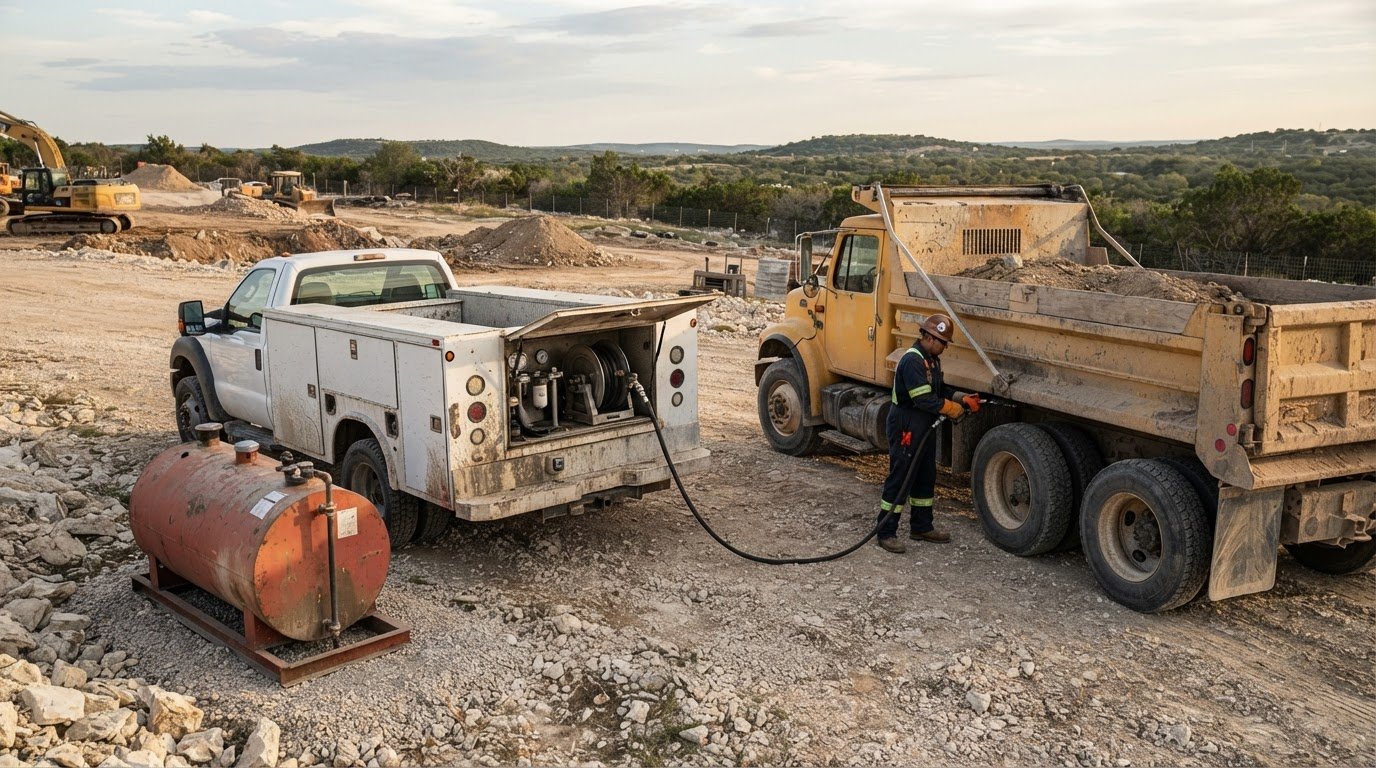
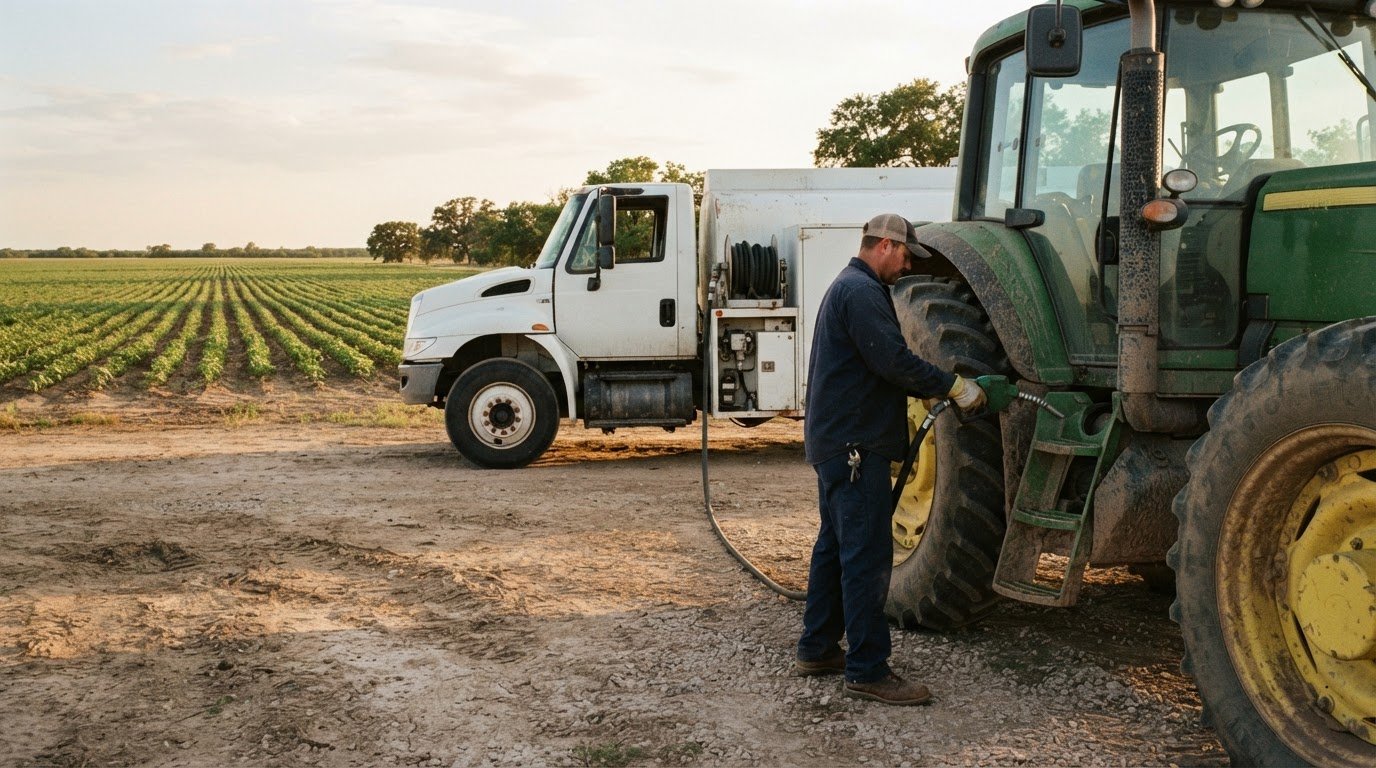
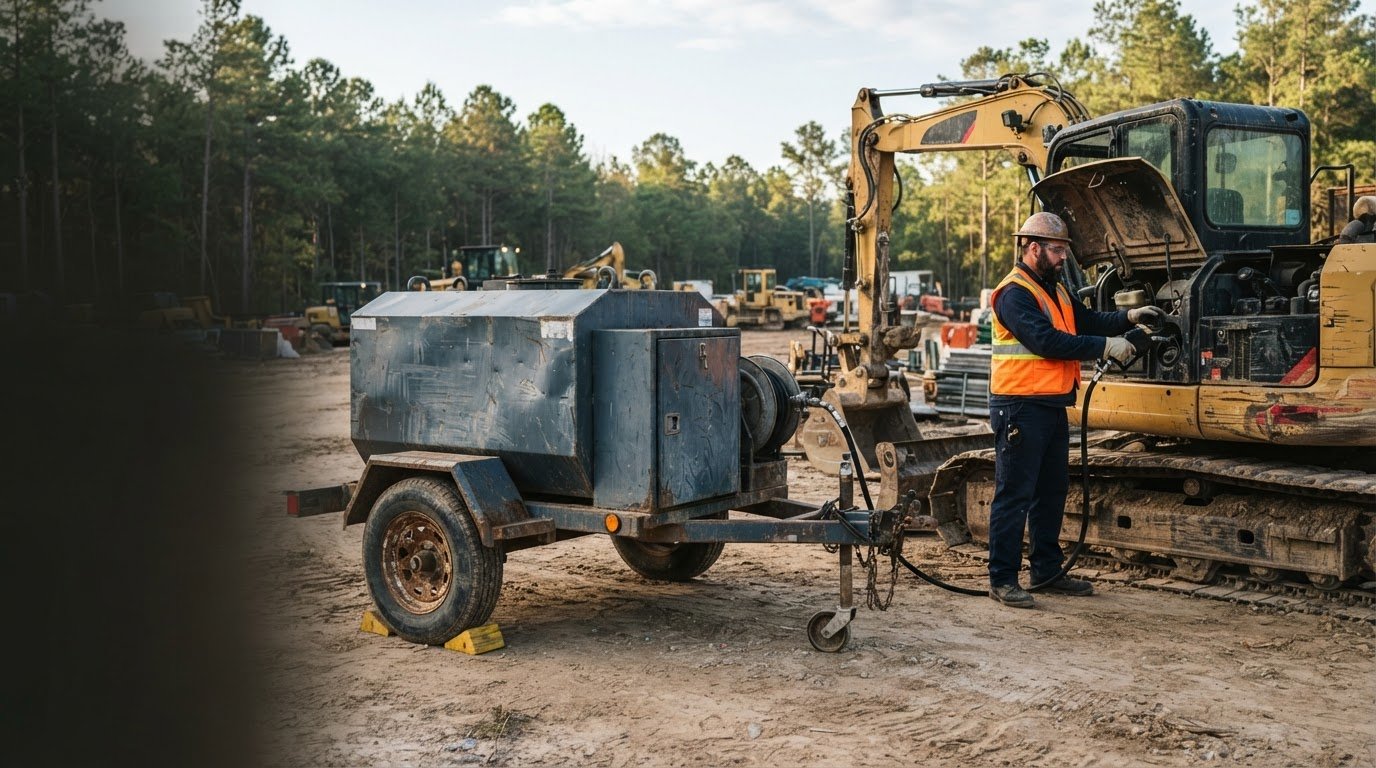
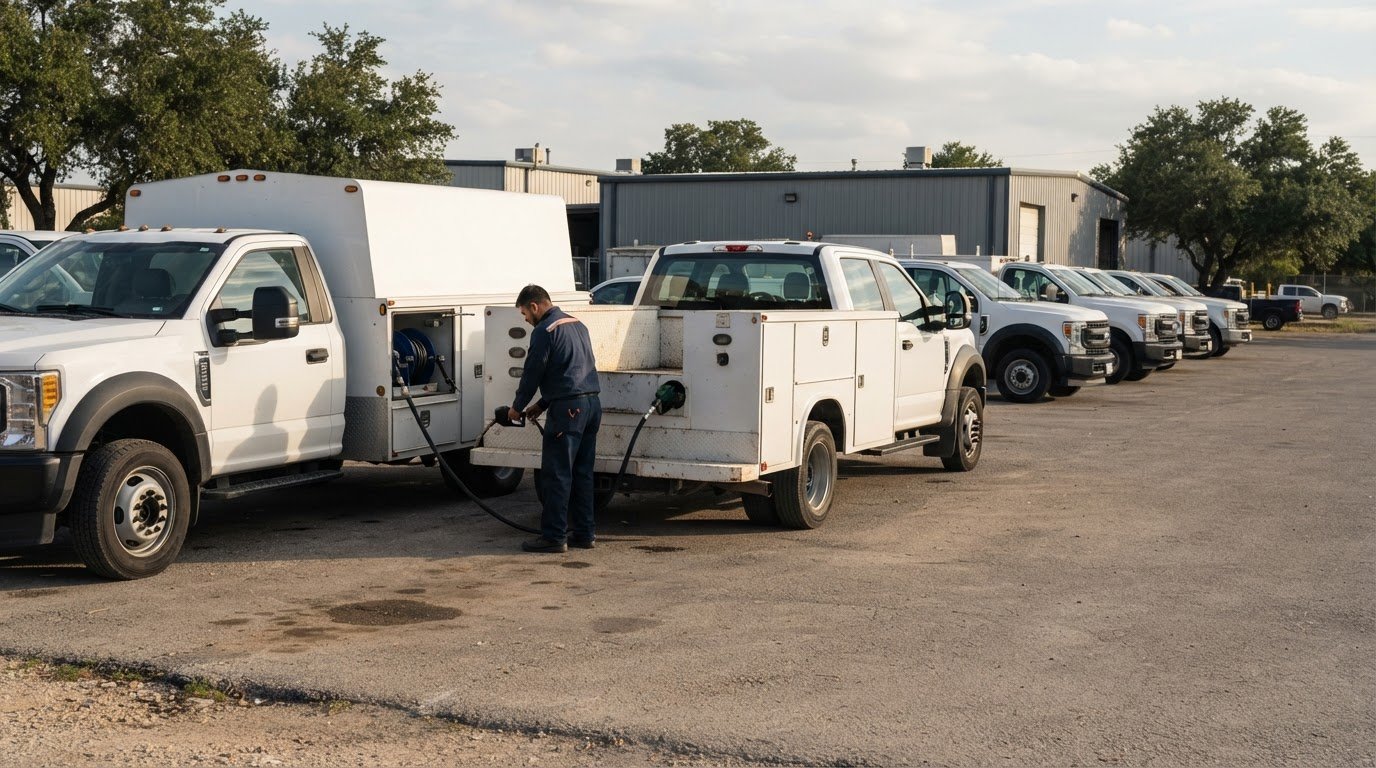
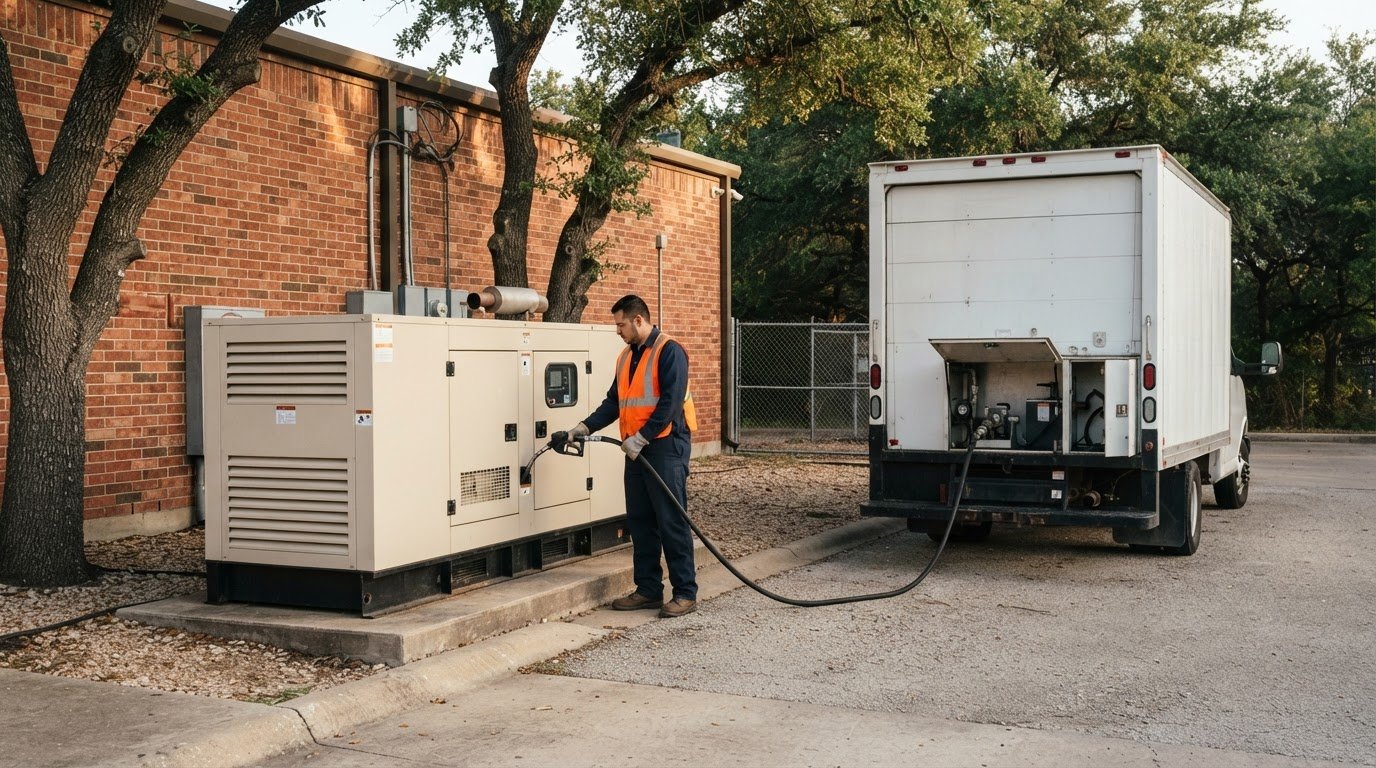
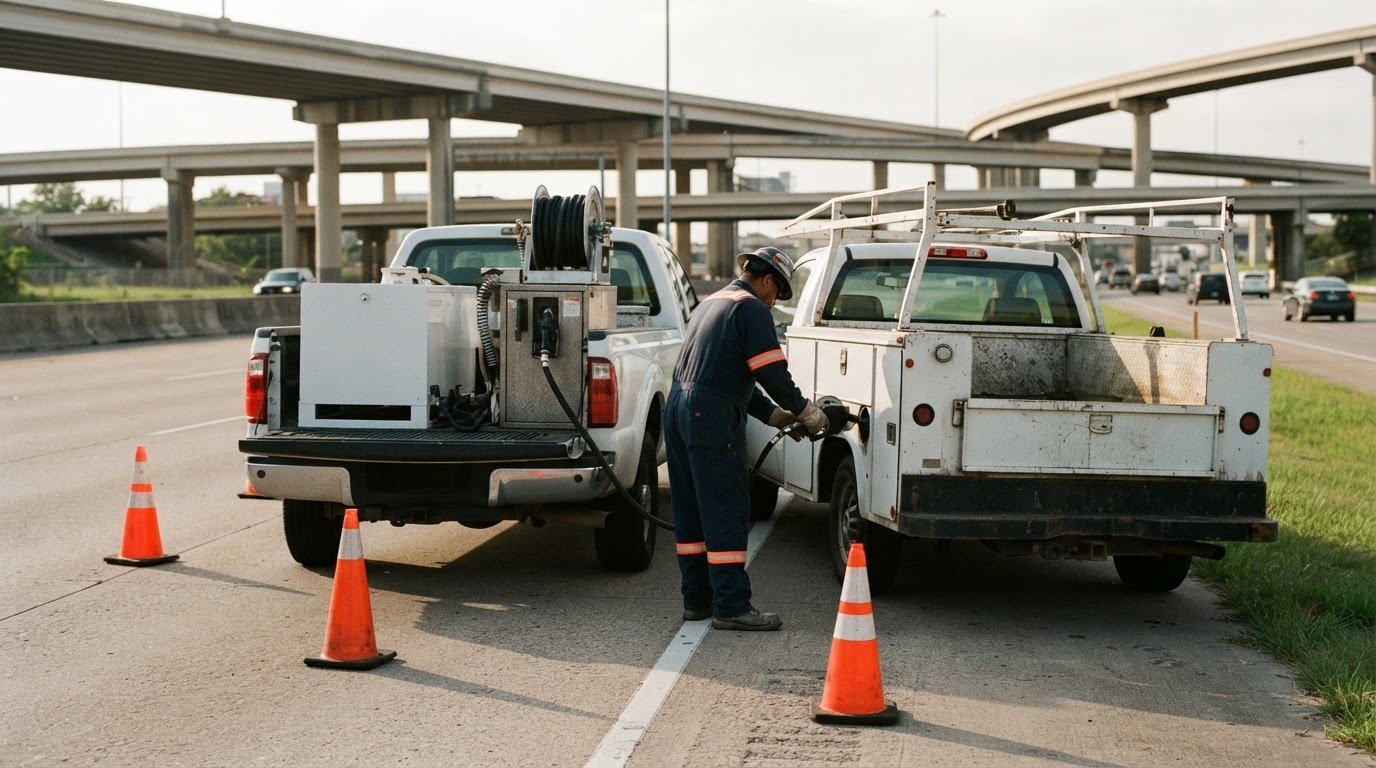
React Fueling supports construction and industrial operations with fuel delivery for equipment and generators. When your hourly estimate points to a need for coordinated jobsite fueling, React Fueling’s Equipment Fueling Service can support your operation. Diesel Delivery and Generator Fueling Service also meet equipment and power needs.
Use the machine’s expected burn rate and operating schedule to plan fuel needs, then factor delivery coordination into the project workflow. To discuss construction fuel for your operation, contact React Fueling.
Turn the Estimate Into a Site Fuel Plan
Use a construction fuel cost per hour calculator as a planning baseline, then connect the estimate to your equipment schedule and jobsite fueling needs. Aligning projected machine use with how fuel will reach the equipment keeps fuel planning connected to the work plan.
React Fueling supports commercial operations with Diesel Delivery, Fuel Delivery and Equipment Fueling Service. These services can supply construction machinery as work progresses, turning a fuel estimate into a practical fueling plan. Share your equipment needs and operating plan with React Fueling to discuss the next step.
Contact React Fueling about fuel support for your operation. A clear plan helps your team move forward with confidence.
Frequently Asked Questions
How do you calculate construction equipment fuel cost per hour?
Multiply the machine’s hourly fuel consumption by the price per gallon or liter. A construction fuel cost per hour calculator uses these inputs to estimate one machine’s operating fuel expense. Keep the volume unit consistent and use the same price basis throughout. For a crew of machines, calculate each one separately before combining totals, so different duty cycles don’t distort the average.
What formula uses fuel consumption in gallons per hour and diesel price?
Hourly fuel cost equals gallons consumed per hour multiplied by the diesel price per gallon. To estimate a longer shift, multiply hourly fuel use by operating hours, then apply the unit price. Gallons per hour measure volume, not cost; the fuel price converts that volume into dollars. If the estimate covers equipment operation only, keep transport fuel separate.
How do you estimate construction equipment gallons per hour by machine type?
Start with fuel-use data for the exact model, then compare it with records from similar work. Machine categories provide context, but size alone doesn’t determine gallons per hour. An excavator digging continuously may use fuel differently from one waiting between tasks. For projects in Houston, Magnolia, San Antonio, College Station, Austin or Dallas, use the equipment’s actual duty pattern instead of assuming one rate fits every job.
How do engine load factor and operating conditions affect equipment fuel use?
Load factor represents how much engine output a machine uses over its work cycle. Sustained higher demand generally means more fuel use than lighter or intermittent operation. Ground conditions, attachments, idle periods, maintenance, weather, fuel type and operator practices also affect the measured rate. Record the task alongside fuel volume and engine hours to distinguish a workload change from a change in machine performance.
How do you calculate fuel cost per hour for excavators, bulldozers, and loaders?
Calculate each machine’s hourly fuel volume, then multiply it by the price per gallon or liter. Keep excavators, bulldozers and loaders as separate entries because their tasks and operating patterns differ. For a mixed fleet, add each machine’s estimated fuel cost for the same work period. Divide by total equipment hours only if you need a blended fleet cost per operating hour.
What fuel consumption data do equipment manufacturers publish?
Machine documentation may provide model-specific fuel-use figures or engine information for an estimate. The level of detail varies by equipment and document, so identify the exact model and operating context before using a figure. When available, compare published information with telematics, fleet history or measured site use. An engine’s rated specification alone doesn’t show fuel consumed across every task or operating cycle.
How do you use a construction equipment fuel cost calculator with gallons per hour and fuel price?
Enter the equipment’s gallons-per-hour rate and the diesel price per gallon, then add the machine’s planned operating hours if you need a shift or project total. Check that the fuel rate and price use matching units. For multiple machines, enter each rate separately before totaling the estimate. This keeps differences in use visible and makes it easier to update one machine’s assumptions without changing the others.