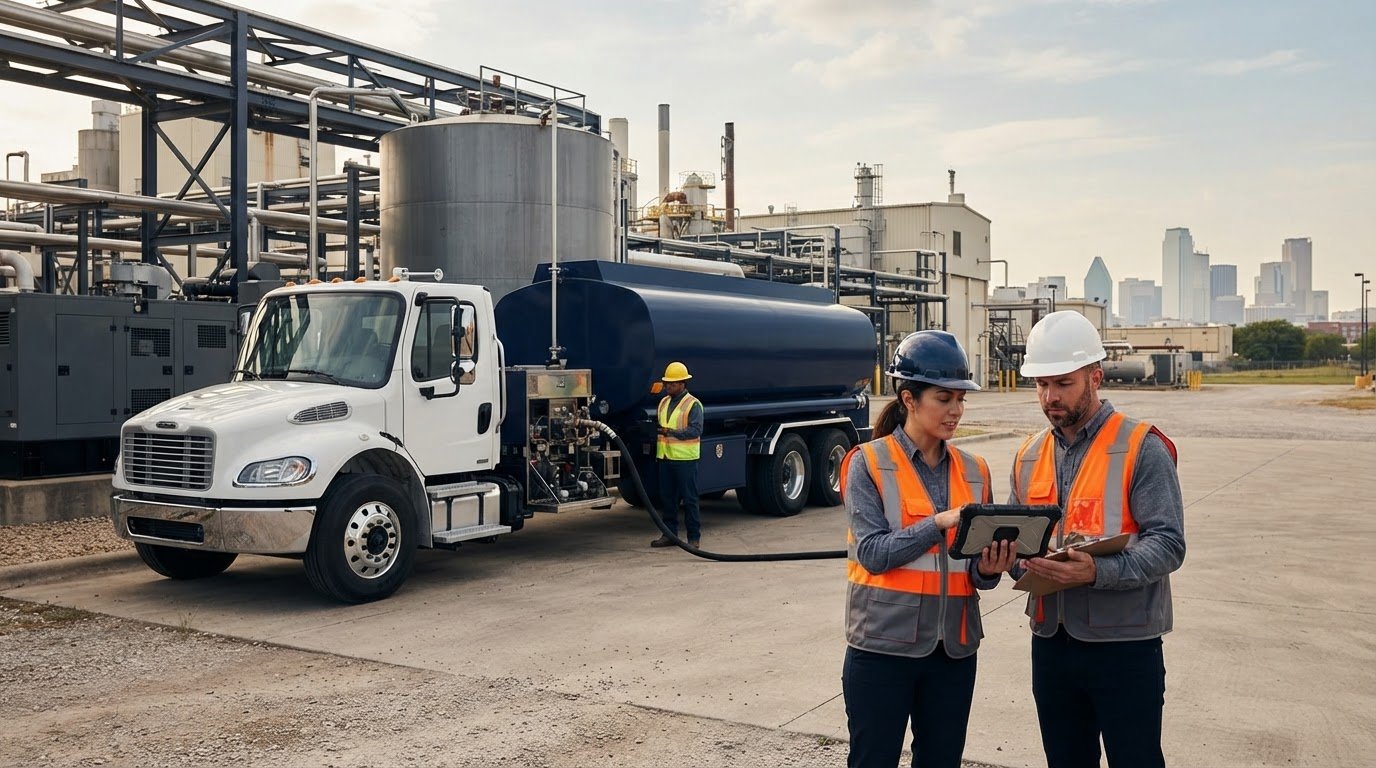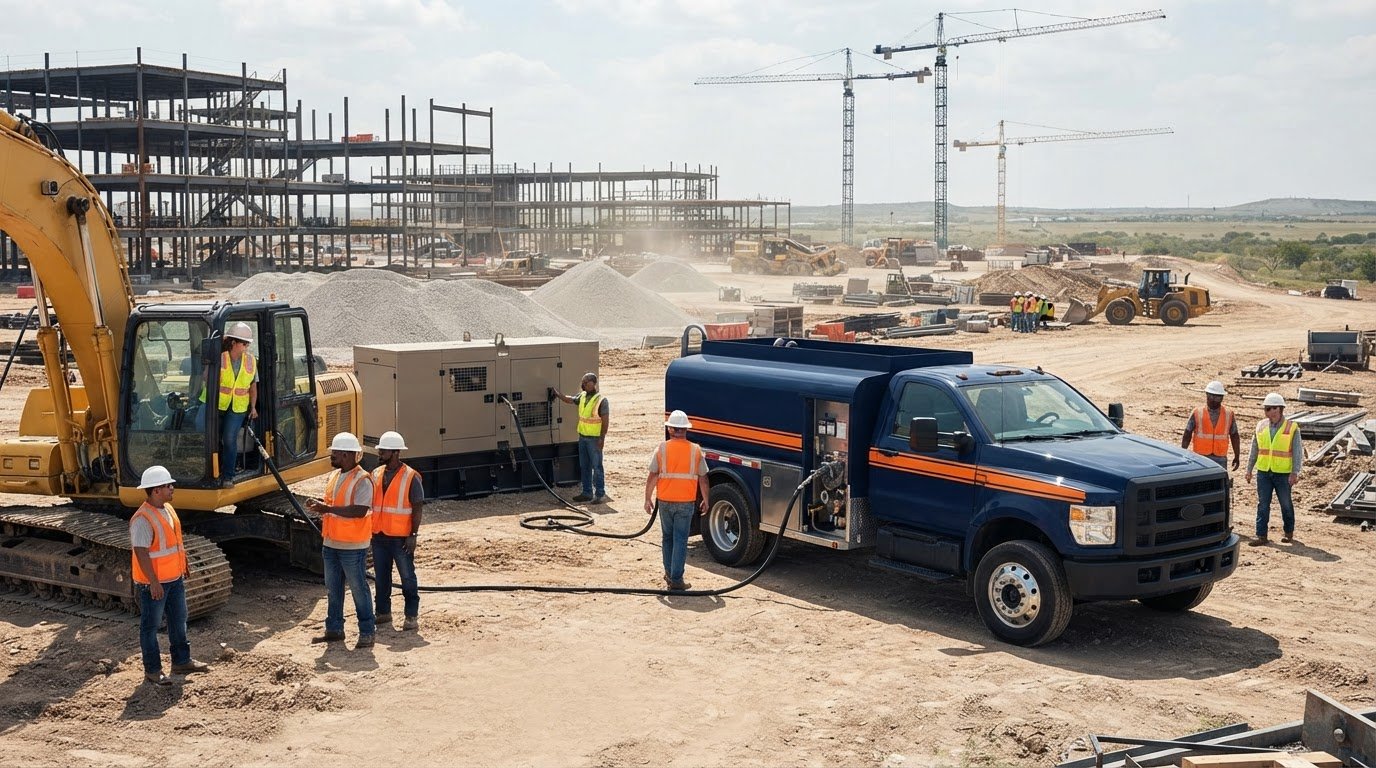
With the EPA's 2027 NOx standards scheduled to double DEF consumption for new trucks, relying on a retail bulk def supply for fleets is no longer a sustainable logistics strategy. You already know that every minute a driver spends wrestling with single-use containers at a retail pump is a minute of lost productivity. It's frustrating to watch your margins evaporate through high retail markups and the constant threat of SCR system failure due to fluid contamination. Relying on retail supply chains leaves your operation vulnerable to price volatility and unnecessary downtime.
This guide shows you exactly how to transition to an on-site bulk program, a move that can slash your fluid costs by 50-70% while ensuring your equipment stays compliant. We'll break down the 2026 implementation requirements, identify the ROI of on-site storage, and explain how a closed-loop delivery system protects your fleet's most sensitive components. You'll learn how to secure your supply chain and keep your wheels turning with the discipline of a seasoned logistics partner. This is about more than just fluid; it's about maintaining total control over your operational uptime and protecting your bottom line from avoidable interruptions.
Evaluating the ROI of Bulk DEF Supply for Modern Fleets
Implementing a bulk def supply for fleets transforms DEF from an erratic retail expense into a controlled, managed inventory system. This strategic shift is critical as upcoming EPA regulations for 2027 model year trucks are expected to double the rate of DEF consumption. Fleet managers typically choose between three sourcing tiers: retail jugs, pump-island fueling, and on-site bulk storage. While retail jugs offer convenience for small operations, they carry the highest price per gallon and create significant environmental waste. Pump-island fueling reduces the unit price but forces drivers into congested retail environments. On-site bulk supply represents the gold standard for operational continuity, providing the lowest cost per gallon and the highest degree of quality control.
The 70% Cost Difference: Bulk vs. Retail
Transitioning to a bulk supply model captures immediate economies of scale. Purchasing Diesel Exhaust Fluid (DEF) in large quantities eliminates the premium pricing associated with individual packaging and branding. Beyond the fluid itself, fleets remove the hidden costs of handling, storing, and disposing of single-use plastic jugs. These containers aren't just an environmental burden; they're a logistical one. Managing thousands of empty 2.5-gallon jugs requires dedicated floor space and labor for disposal. On average, switching to bulk procurement reduces the fluid unit cost by 25 to 40 percent per gallon, providing a predictable hedge against market volatility. By moving to a bulk system, fleet operators can expect to reduce their total DEF-related operational overhead by approximately 70 percent compared to retail jug purchasing. This reduction stems from lower unit costs and the total elimination of packaging logistics.
Reducing Driver Downtime and Labor Leakage
Labor leakage is the silent killer of fleet margins. When a driver stops at a retail station for DEF, they spend an average of 15 minutes navigating traffic, waiting for an open pump, and completing the transaction. For a fleet with 10 or more vehicles, these 15-minute intervals accumulate into hundreds of hours of lost productivity annually. On-site bulk systems allow for replenishment during pre-trip inspections or through a synchronized commercial diesel delivery houston program. This ensures trucks remain on the road during peak hours rather than idling at a truck stop. Integrating DEF replenishment with your existing diesel schedule creates a seamless "one-stop" fueling environment at your own yard. By 2026 benchmarks, fleets with at least 10 vehicles typically achieve full ROI on bulk infrastructure within the first year through labor savings and reduced fluid costs alone. This payback period is even shorter for high-mileage fleets that consume DEF at a faster rate, making on-site supply a mandatory component of modern fleet management.
Calculating Your Fleet’s DEF Consumption and Logistics
Managing a bulk def supply for fleets requires more than just a large tank; it demands a precise understanding of your burn rate and storage capacity. While many operators estimate their needs, successful logistics relies on data. The industry standard is the 1:10 rule, where for every 100 gallons of diesel consumed, your fleet requires roughly 10 gallons of DEF. However, this ratio is a baseline. Factors like heavy hauling, excessive idling, and older SCR systems often increase consumption to a 1:8 ratio. Precise forecasting is the only way to prevent "DEF-derate" engine shutdowns that can sideline your equipment at the worst possible moment.
Using the 1:10 Consumption Ratio
To establish an accurate monthly requirement, you must first audit your total diesel consumption across all SCR-equipped vehicles. Multiply your total monthly diesel gallons by 0.10 to find your baseline DEF volume. From there, adjust for operational variables. Heavy-duty construction equipment or trucks operating under maximum load will burn fluid faster than light-duty delivery vans. In Texas, temperature management is also vital. DEF degrades when stored in temperatures consistently exceeding 86°F. Over-ordering during periods of lower activity leads to shelf-life issues, potentially triggering SCR sensor failures due to fluid crystallization. Align your delivery cadence with your real-time burn rate to maintain a fresh supply of ISO 22241-compliant fluid.
Identifying Your Storage Thresholds
Determining the right storage infrastructure depends on your "Critical Volume," which is the point where the cost of frequent deliveries outweighs the investment in larger tanks. We generally categorize storage into two primary tiers:
- 330-Gallon IBC Totes: This is the "sweet spot" for fleets using 100 to 300 gallons monthly. They provide a manageable footprint for smaller yards and are easy to refill through on-site delivery.
- 1,000 to 4,000-Gallon Permanent Tanks: Transition to vertical bulk storage once your monthly consumption exceeds 500 gallons. These systems support high-speed dispensing and offer the best long-term ROI for high-volume operations.
You must also future-proof your infrastructure for the 2027 EPA NOx standards. Because upcoming engine designs will double their DEF consumption rates, a system that meets your current needs might be inadequate within the next 24 months. Sizing your infrastructure for future expansion ensures you won't have to overhaul your yard again as your fleet grows or as regulations change. If you need help sizing your storage footprint for future growth, reach out for a site evaluation to ensure your logistics plan remains scalable and efficient.
Choosing the Right Infrastructure: DEF Totes vs. Bulk Storage Tanks
Infrastructure selection is the foundation of a reliable bulk def supply for fleets. DEF is highly sensitive to contamination; even microscopic amounts of copper, brass, or zinc can ruin an SCR system. You must ensure every component of your storage system consists of high-density polyethylene (HDPE) or stainless steel. Utilizing a closed-loop dispensing system is equally vital. These systems prevent airborne debris and moisture from entering the storage container during transfer, preserving the ISO 22241 standards required for modern engines. Proper hardware choice isn't just about storage; it's about protecting your fleet's most expensive components from preventable failure.
IBC Totes: Flexibility for Growing Fleets
Intermediate bulk containers (IBC) offer the flexibility needed for dynamic operations. Available in 275 and 330-gallon capacities, these stackable units fit easily into existing shop floor plans or on the back of service trucks. They provide a portable solution for construction sites where equipment locations shift frequently. For operations managing multiple fluids at a job site, integrating these with fuel tank rentals ensures a comprehensive and organized storage footprint. Totes are the preferred choice for fleets that need a scalable entry point into bulk procurement without the commitment of a permanent installation.
Permanent Bulk Tanks: Maximizing Efficiency
High-volume logistics hubs benefit most from permanent vertical storage. These tanks, ranging from 1,000 to 4,000 gallons, maximize space efficiency and offer advanced features like insulation and climate control. Modern bulk systems often include remote telemetry sensors. This technology allows us to monitor your levels in real-time and schedule replenishments automatically, eliminating the risk of a run-out. When planning your tank placement, prioritize areas with easy access for large tanker trucks to ensure fast, safe transfers. A well-placed tank reduces the time spent on every refill and streamlines your entire yard's traffic flow.
Managing DEF Purity in the Texas Heat
Managing fluid purity in the Texas heat requires proactive storage strategies. High temperatures are the primary driver of premature DEF degradation. Optimal storage requires keeping the fluid below 86°F to prevent the urea from losing its chemical effectiveness. In cities like Houston, Dallas, and San Antonio, direct sun exposure quickly pushes temperatures beyond this threshold, leading to urea crystallization and subsequent sensor failure. Position your tanks in shaded areas or utilize insulated enclosures to maintain shelf life. We recommend a first-in, first-out inventory rotation to ensure your fleet always receives the freshest fluid available, protecting your SCR sensors from the damage caused by heat-stressed fluid. Maintaining a consistent bulk def supply for fleets in these environments depends on controlling the physical conditions of your storage site.
How to Implement a Bulk DEF Program: A Step-by-Step Transition Guide
Transitioning to a bulk def supply for fleets requires a methodical approach to ensure your investment translates into measurable uptime. This process is more complex than simply placing a tank in your yard; it involves creating a contamination-free ecosystem that integrates seamlessly with your daily operations. A successful implementation follows three specific phases: site preparation, protocol establishment, and inventory automation. By focusing on these steps, you eliminate the risks of fluid degradation and ensure your fleet remains compliant with the latest emissions standards.
Step 1: Site Audit and Equipment Selection
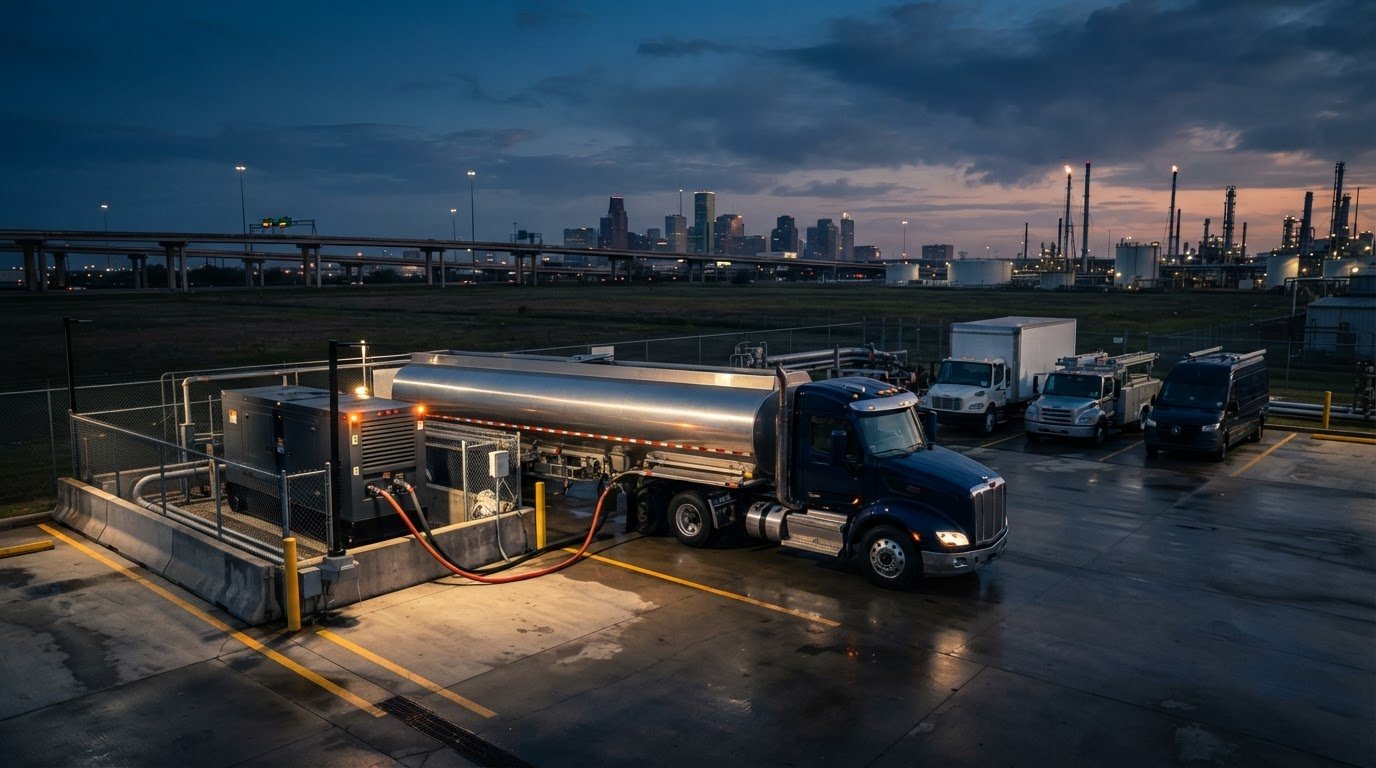
Conduct a thorough site audit to identify a location that offers both security and accessibility for large tanker trucks. Evaluate your power requirements early, as electric DEF pumps require dedicated circuits to maintain consistent flow rates during high-volume dispensing. The "Closed-Loop" connection is the most critical hardware feature to specify. This system ensures that from the delivery truck to your storage tank, the fluid never touches the open air, preventing dust and moisture from compromising the urea concentration. Select a dispensing system that matches your fleet’s specific flow rate requirements. While manual nozzles are sufficient for light-duty vans, high-speed automated dispensers are necessary for heavy-duty trucks to minimize the time spent at the fueling station.
Step 2: Contamination Prevention Protocols
Establish strict contamination prevention protocols to protect your SCR systems from preventable failure. Even a teaspoon of diesel fuel, oil, or water can ruin an entire 330-gallon tote and trigger costly engine repairs across multiple vehicles. Implement the "Never-Tap" rule: never use a nozzle, hose, or coupler for anything other than DEF transfer. Maintenance staff must follow standardized cleaning procedures for all hardware, using only deionized water for rinsing. Every delivery should include a verification of ISO 22241 compliance to ensure the fluid meets the required 32.5 percent urea concentration before it enters your storage system. These discipline-driven habits are the only way to maintain the high-stakes reliability your operation demands.
Step 3: Scheduling and Inventory Management
Automate your logistics to remove the burden of manual tracking and the risk of human error. Set "Low-Level" alerts at 20 percent capacity to avoid emergency run-outs and the subsequent risk of engine derate. Integrating your DEF replenishment with your existing fleet fueling services creates a unified logistics schedule that reduces vendor management overhead. Utilizing telemetry sensors allows for hands-off inventory replenishment, where we monitor your levels in real-time and dispatch a truck before your drivers ever notice a shortage. This level of foresight ensures your operation remains steady and predictable, even during peak seasonal activity. If you are ready to secure your supply chain with a custom transition plan, contact our logistics team for a site assessment to get started.
Partnering with React Fueling for Managed DEF Delivery in Texas
React Fueling operates as a vigilant partner for organizations that cannot afford a single hour of downtime. Managing a bulk def supply for fleets involves complex logistics that require local expertise and a commitment to operational continuity. We understand that your fleet's productivity depends on more than just fluid; it relies on a supply chain that shows up when it matters most. By centralizing your DEF and diesel requirements through a single provider, you eliminate the logistical friction of managing multiple vendors and disparate invoices. Our team takes pride in being a boots-on-the-ground ally for the construction, transport, and industrial sectors across the state.
Texas-Wide Logistics Expertise
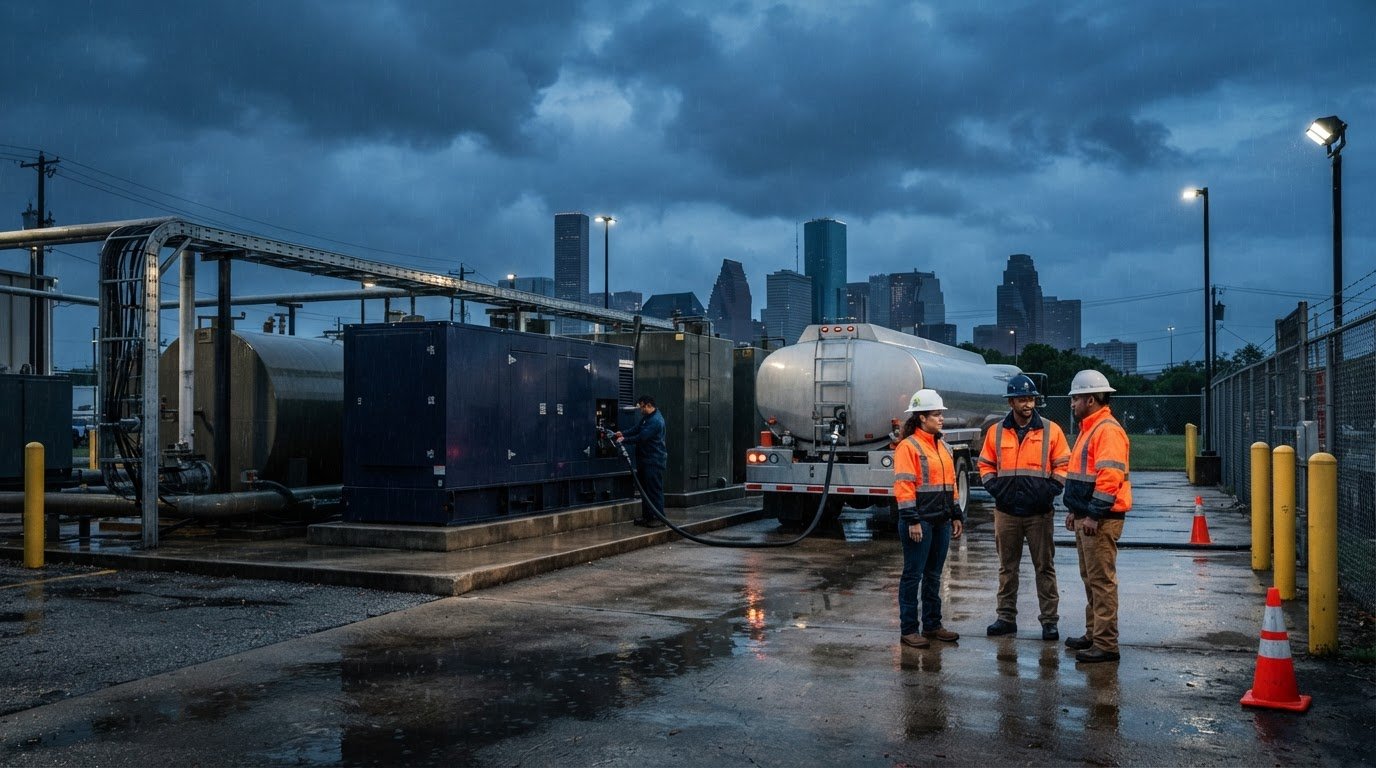
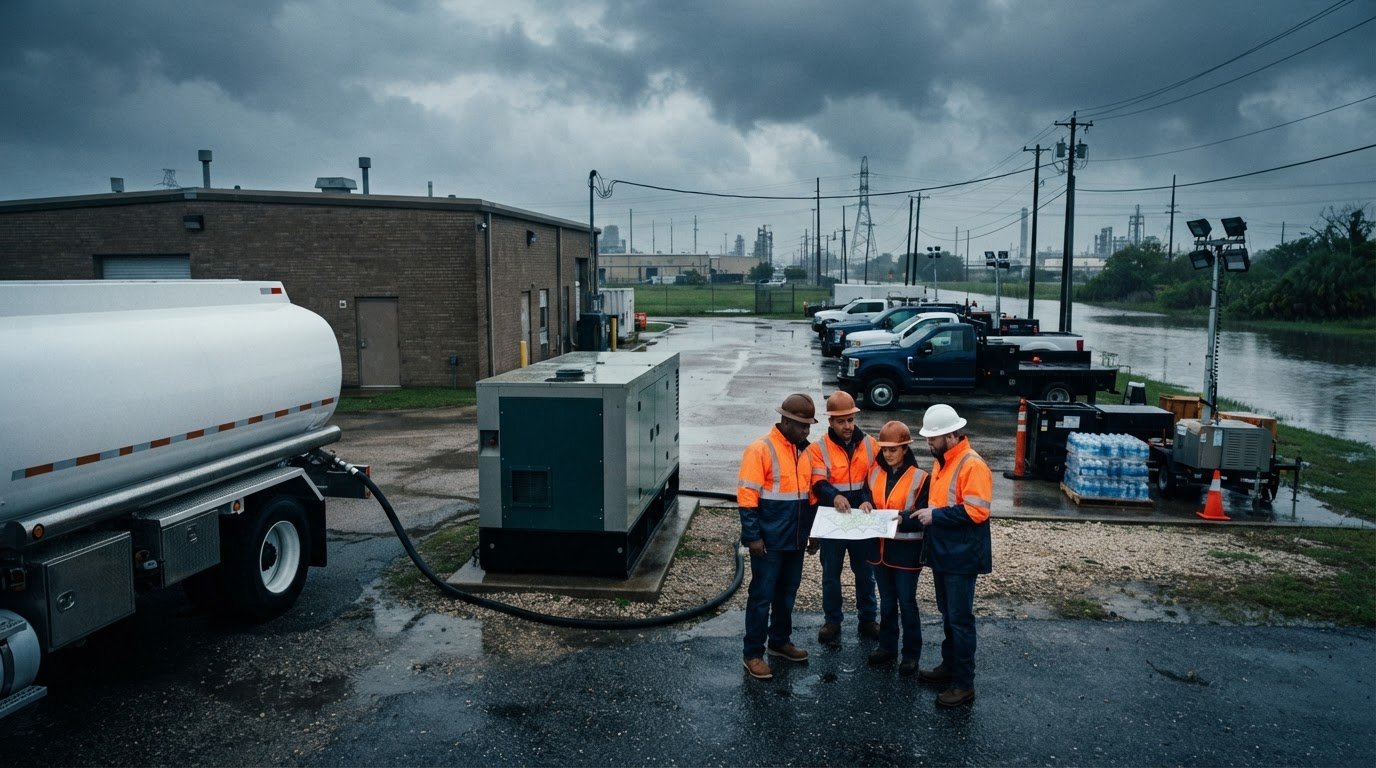
Our infrastructure is designed to support the physical reality of industrial environments in Houston, Dallas, San Antonio, and Austin. We maintain a heavy presence in growing hubs like Magnolia, providing the localized knowledge necessary to navigate complex job sites and tight delivery windows. Reliability is our core standard. Whether you require a scheduled refill for a permanent vertical tank or an urgent replenishment for portable totes on a remote site, we deliver with speed and precision. For fleets operating in high-stakes environments, our 24/7 emergency fueling capabilities ensure you never face a derate situation or an engine shutdown due to a dry tank. We respond with the sense of urgency your business demands.
Streamlining Your Fleet Operations
Efficiency in the yard translates directly to profitability on the road. We offer a "Total Fuel Management" advantage that allows facility managers to synchronize their DEF and diesel deliveries. This synergy simplifies reporting and provides a transparent view of your total fluid consumption on a single, consolidated invoice. Our commitment to purity is unwavering. We utilize specialized trucks and dedicated equipment for every transfer to ensure your bulk def supply for fleets remains free from the contaminants that trigger SCR sensor failures. This disciplined approach to fluid handling protects your equipment and ensures 100 percent compliance with EPA emissions standards without requiring constant oversight from your staff.
We tailor every delivery plan to the unique rhythms of your operation. From high-volume transport hubs to active construction sites, we adapt our schedule to match your peak hours and equipment locations. This responsiveness allows your team to focus on their primary mission while we handle the complexities of fluid inventory. If you are ready to stabilize your logistics and capture the full ROI of an on-site program, contact React Fueling for a custom bulk DEF quote and secure a partner dedicated to keeping your wheels moving.
Securing Your Fleet’s Operational Future
Transitioning to a bulk def supply for fleets is a critical step toward stabilizing your operational costs and ensuring long-term compliance with evolving emissions standards. You'll eliminate the hidden drains of driver downtime and the high overhead of single-use packaging. Success depends on a closed-loop system that protects your fluid purity from the extreme Texas heat. This strategic shift reduces unit costs and provides the peace of mind that comes with total inventory control.
As a member of the React Holdings family, React Fueling stands ready as your seasoned problem solver in Houston, Dallas, Austin, and San Antonio. We provide the specialized equipment and 24/7 emergency response capabilities necessary to keep your construction or transport equipment moving without interruption. Our team understands the high-stakes nature of your logistics and is dedicated to maintaining the unwavering readiness your business requires. Take the final step toward a more efficient, high-performing fleet today.
Get a Bulk DEF Quote for Your Fleet Today
Frequently Asked Questions
What is the shelf life of bulk DEF in the Texas heat?
Diesel Exhaust Fluid typically maintains its chemical integrity for approximately six months when stored in temperatures consistently exceeding 86°F. In Texas metros like Houston, San Antonio, and Dallas, direct sun exposure can accelerate this degradation process. To maximize shelf life, you should store your tanks in shaded areas or utilize insulated enclosures. Following a strict first-in, first-out inventory rotation ensures your fleet always uses the freshest fluid available.
How much money can a fleet save by switching to bulk DEF supply?
Most operations reduce their fluid unit costs by 25 to 40 percent when transitioning to a bulk def supply for fleets. When you factor in the elimination of driver downtime at retail fueling stations and the removal of plastic packaging waste, total operational savings often reach 70 percent. These benchmarks ensure that fleets with 10 or more vehicles typically see a full return on their infrastructure investment within the first year.
What equipment is needed to store and dispense bulk DEF on-site?
Effective on-site storage requires high-density polyethylene or stainless steel tanks to prevent fluid contamination and chemical reactions. You also need a dedicated DEF pump, a closed-loop dispensing system to block airborne debris, and a digital level monitor for inventory tracking. For temporary job sites in Austin or College Station, portable IBC totes equipped with integrated pump kits provide a reliable and flexible solution for maintaining SCR compliance.
Can I use the same pump for diesel and DEF?
No, you must never use the same pump or hardware for both diesel and DEF. DEF is highly sensitive to hydrocarbons; even a trace amount of diesel fuel can ruin an entire batch of fluid and cause catastrophic damage to your SCR system. Maintaining separate, clearly labeled dispensing equipment is a mandatory protocol for preventing cross-contamination and protecting your fleet's sensitive engine sensors from preventable failure.
How do I prevent contamination in my bulk DEF tank?
Preventing contamination requires a closed-loop transfer system where the fluid is never exposed to the open air during delivery or dispensing. Ensure all couplers and nozzles are cleaned with deionized water before every use. Training your maintenance team on the "Never-Tap" rule ensures that hardware used for a bulk def supply for fleets is never repurposed for other fluids, preserving the ISO 22241 standards required for engine health.
Is bulk DEF delivery available for construction sites in Houston?
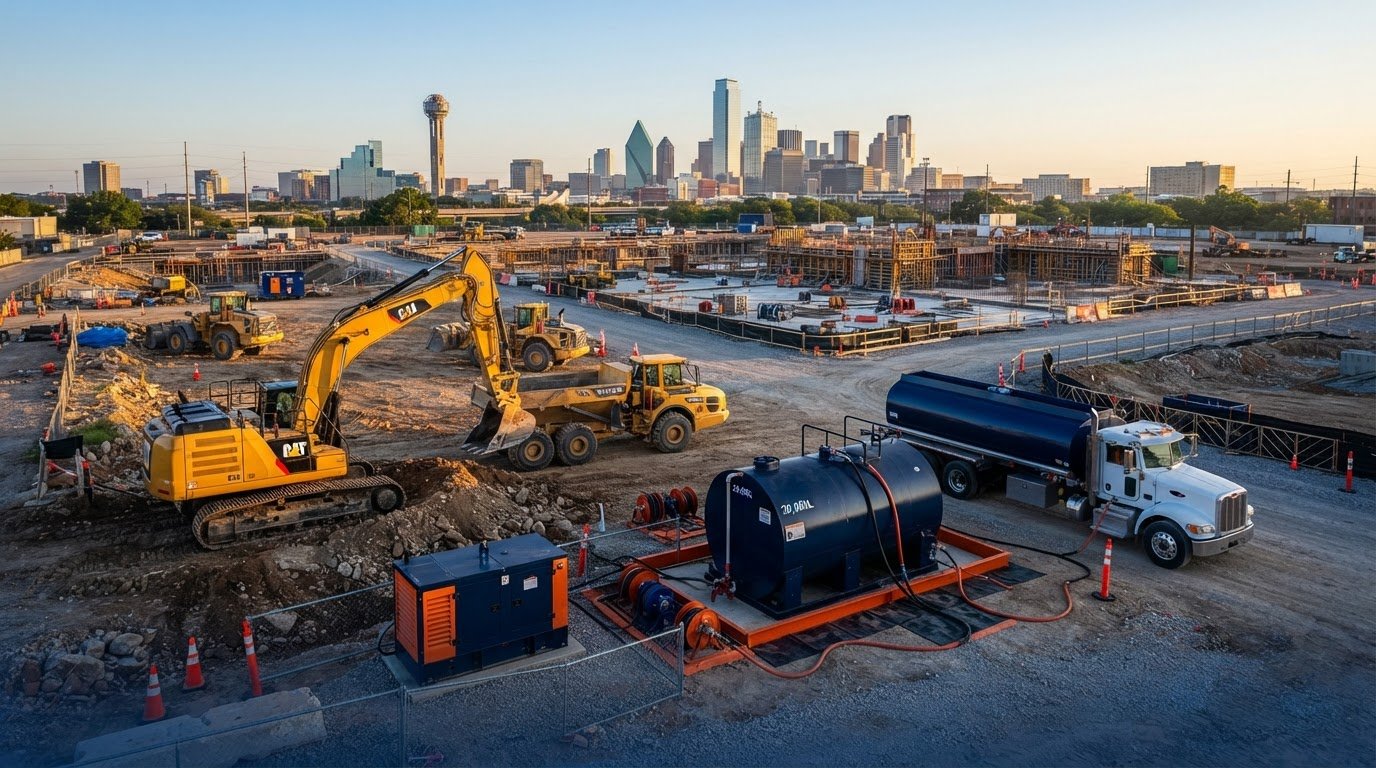
Yes, React Fueling provides dedicated DEF fluid delivery for construction sites throughout Houston and Magnolia. We specialize in direct-to-equipment fueling, ensuring your machinery remains compliant and operational without the need for off-site trips. Our specialized trucks are designed for contamination-free transfers in rugged environments, providing the reliable logistics support necessary to keep high-stakes industrial and commercial projects on schedule across the Texas region.
What happens to a diesel engine if it runs out of DEF?
When a diesel engine runs out of fluid, the onboard computer triggers a "derate" mode to stay compliant with EPA emissions standards. This state significantly reduces engine power and often limits the vehicle's top speed to 5 mph. To prevent these costly interruptions, we utilize remote telemetry to monitor your on-site inventory in real-time. This allows us to schedule a replenishment before your levels reach a critical threshold.