What if a critical fuel need arises outside your usual delivery window? For Houston fleets, construction sites, and industrial facilities, a supply gap can interrupt vehicles, equipment, or generators. The question behind searches for “24/7 fuel delivery for businesses Houston” is not just whether fuel can be delivered, but how to make replenishment part of a workable continuity plan.
Fuel planning matters before an urgent need arises. A clear plan helps your team prepare for shifts in demand, coordinate site access, and prioritize equipment if normal supply arrangements are disrupted. React Fueling provides commercial fuel and diesel delivery, direct-to-equipment and generator fueling, and emergency fuel delivery for businesses.
This guide explains when after-hours delivery can help and how to build a practical fuel continuity plan. You’ll find steps for planning around fleets, equipment, and generators, plus the details to organize when discussing your fueling needs with React Fueling.
Why 24/7 Fuel Delivery Matters for Houston Businesses
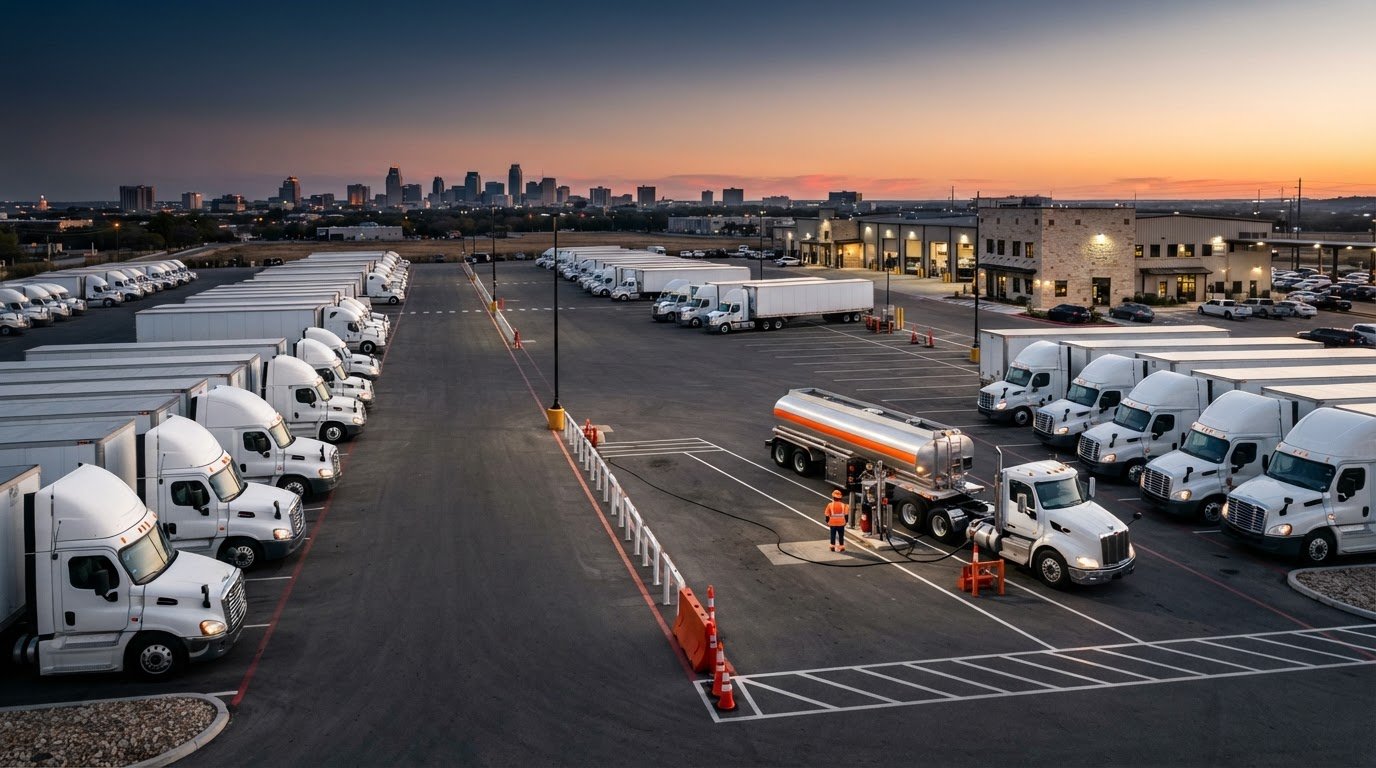
Fuel needs do not always fit a routine delivery schedule. A fleet may be preparing for an early dispatch, construction equipment may be working overnight, or a generator may need replenishment while a facility is operating. Commercial fuel delivery arranged around a business’s operating hours gives teams another way to plan for those needs, rather than relying only on daytime refueling.
For businesses, 24/7 fuel delivery means coordinating fuel replenishment beyond routine operating hours around the site, equipment, and work schedule. A dependable plan identifies what needs fuel, who arranges it, and how the delivery location can be accessed. It should also account for the possibility that weather, site conditions, or supply interruptions affect operations.
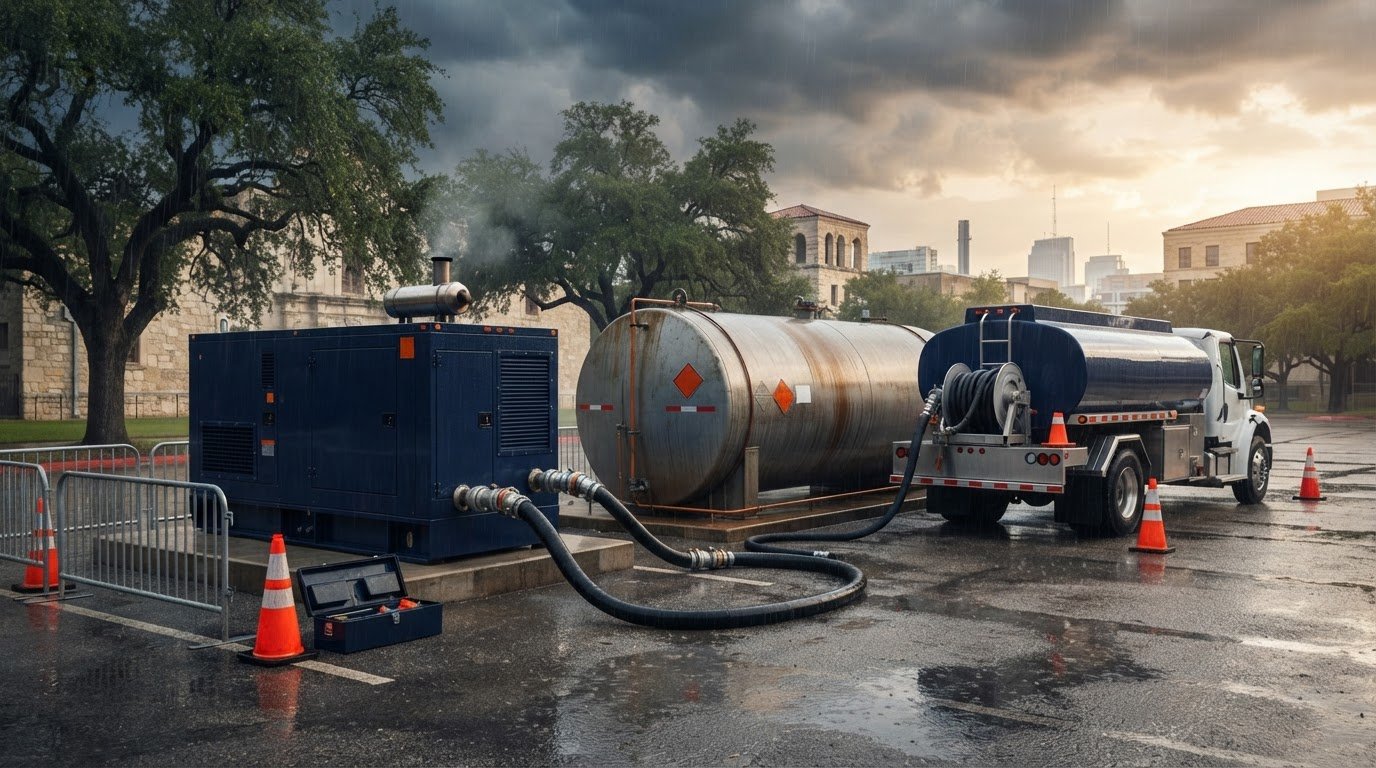
Houston businesses need to consider disruptions beyond their own schedules. Hurricane conditions and other severe weather can affect fuel supply chains and replenishment logistics. Planning ahead helps teams identify critical equipment, estimate its fuel needs, and decide what to do if normal supply arrangements are disrupted.
A plan can include both routine deliveries and emergency options. React Fueling provides commercial fuel services for fleets, equipment, and generators. To determine the right approach for your operation, start with what needs fuel, where it is located, and when it must be ready.
- Fleets: Match fuel planning to dispatch patterns, vehicle locations, and shift changes. If vehicles leave before a daytime delivery can be arranged, include that departure schedule in your replenishment plan.
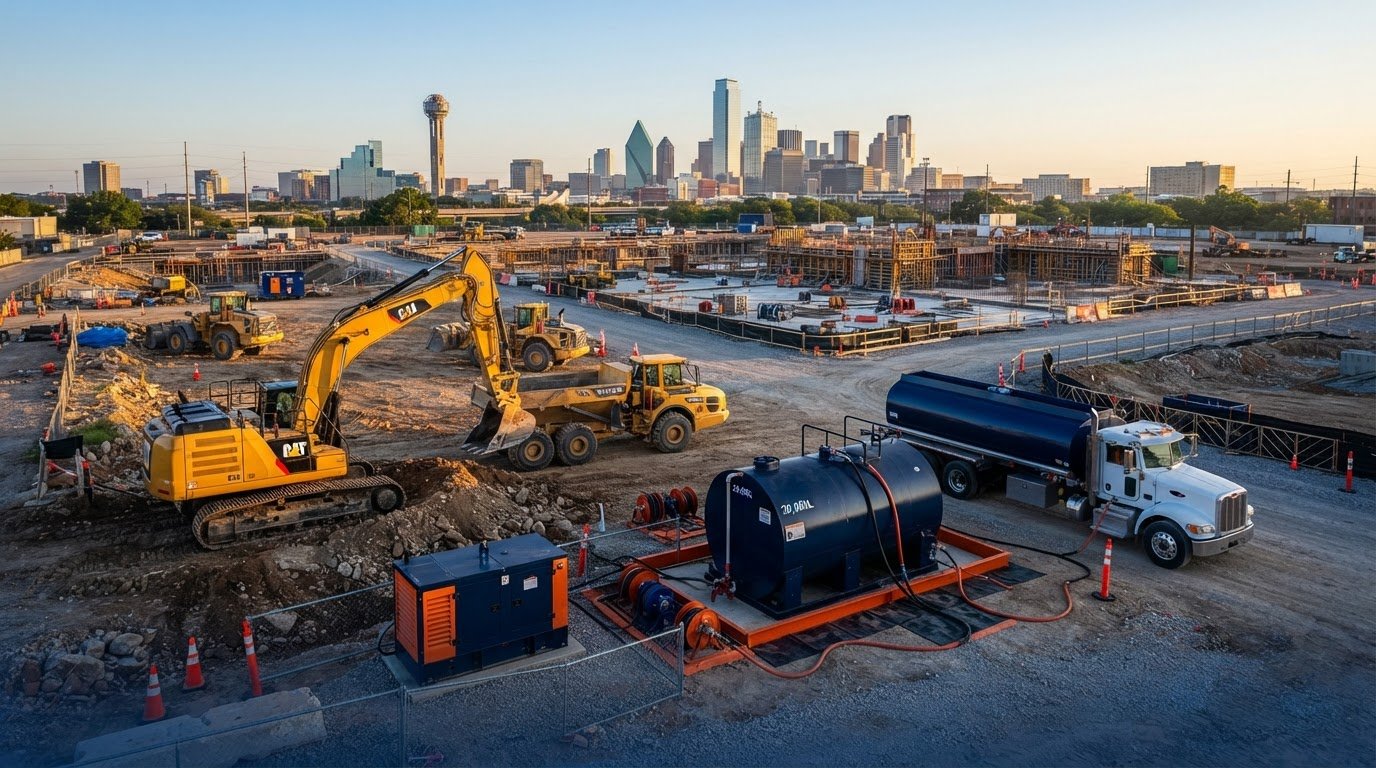
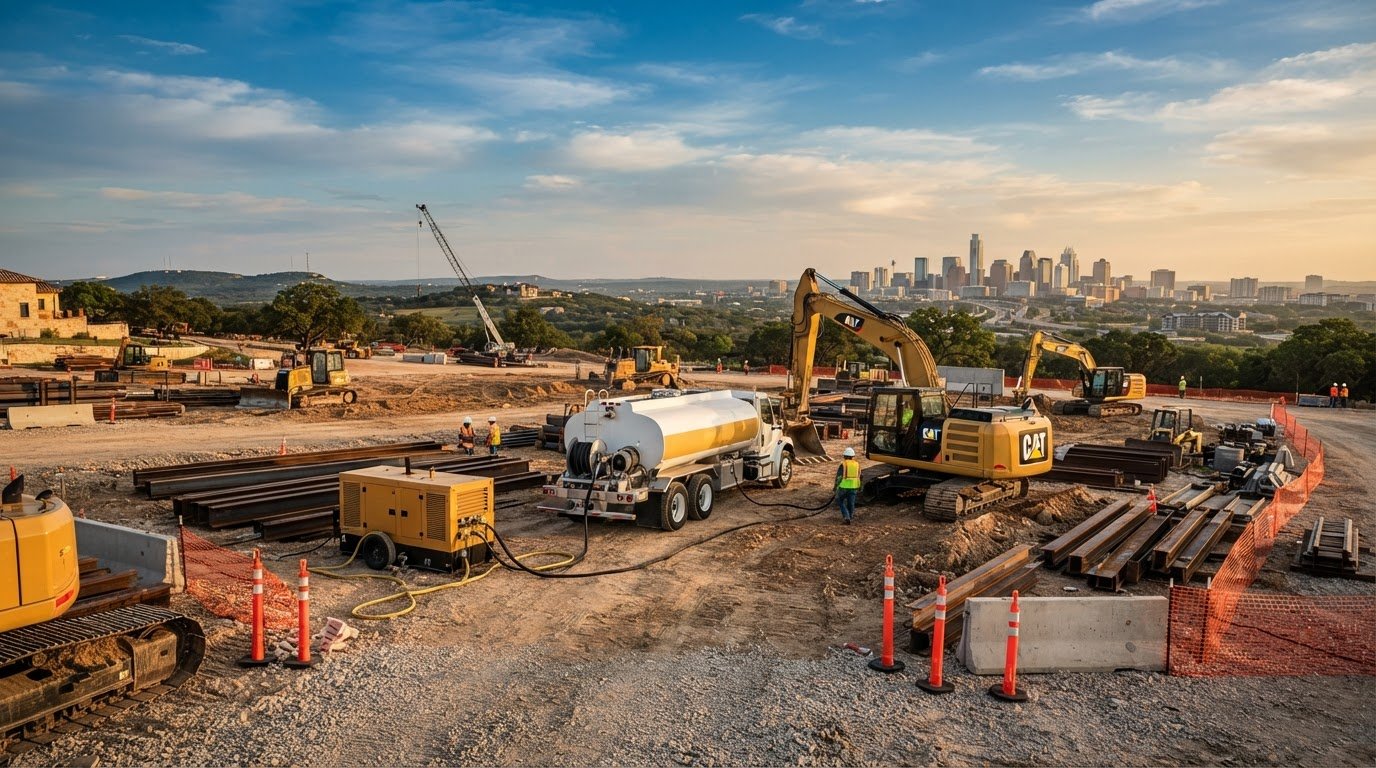
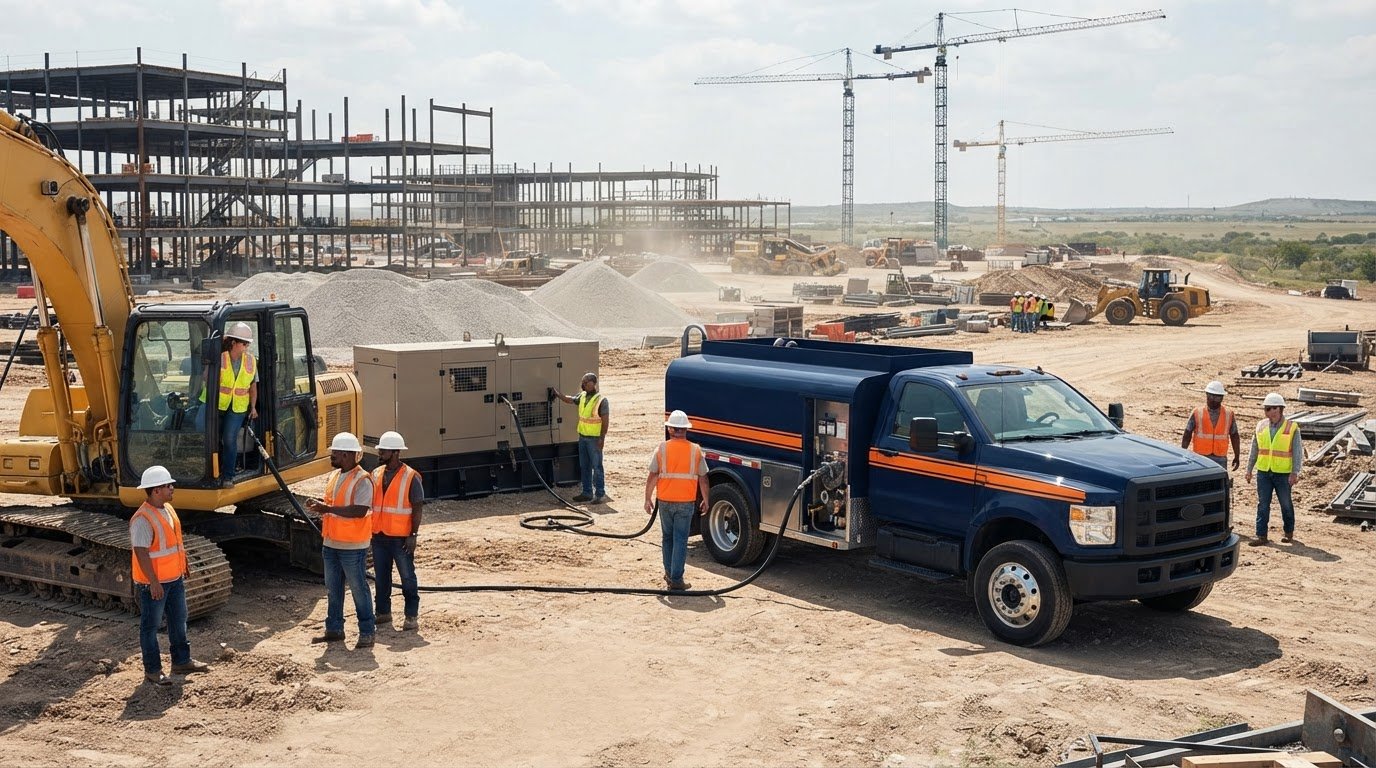
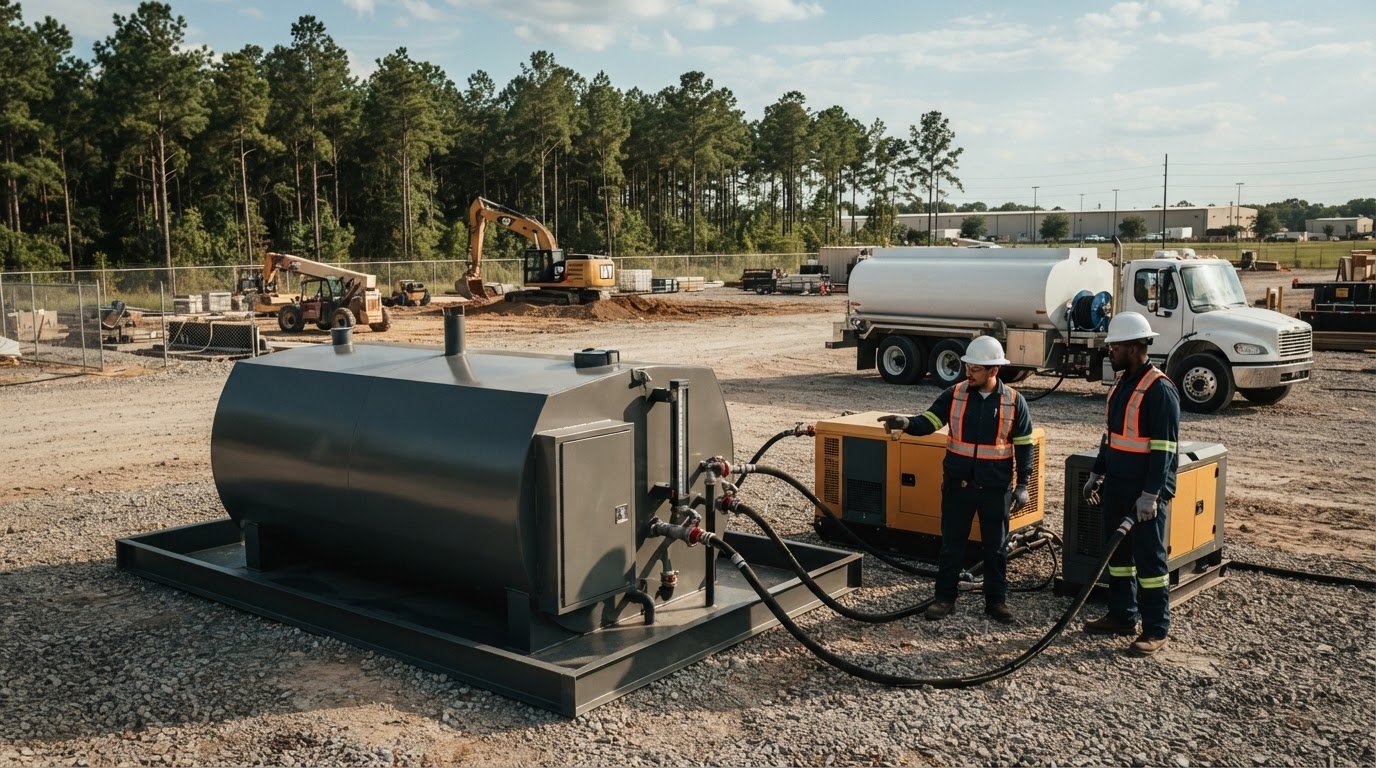
- Construction equipment: Identify which machines need fuel at the job site and when they can be accessed. Organize equipment fueling around work periods and note when machinery moves between locations.
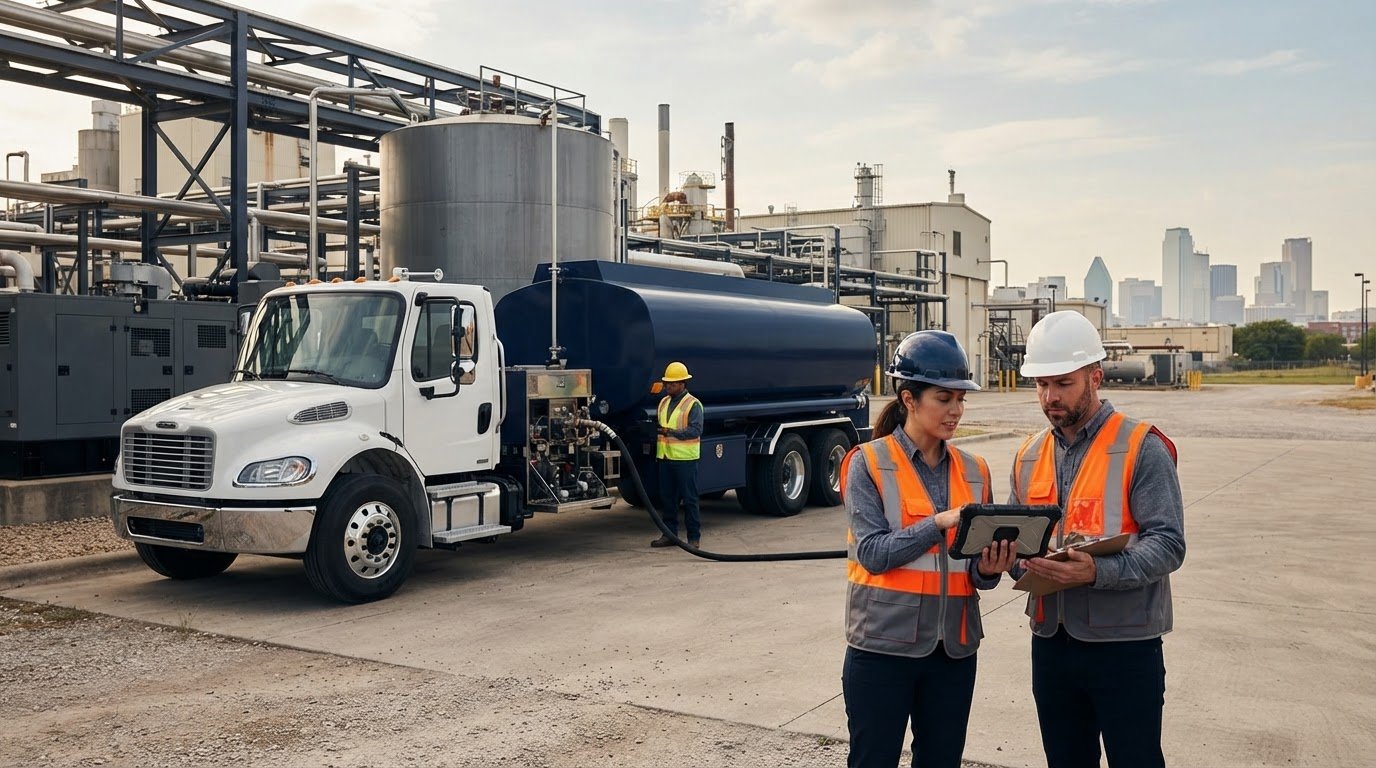
- Industrial facilities: Consider fuel use across equipment and shifts. A facility that operates continuously should account for demand outside standard business hours.
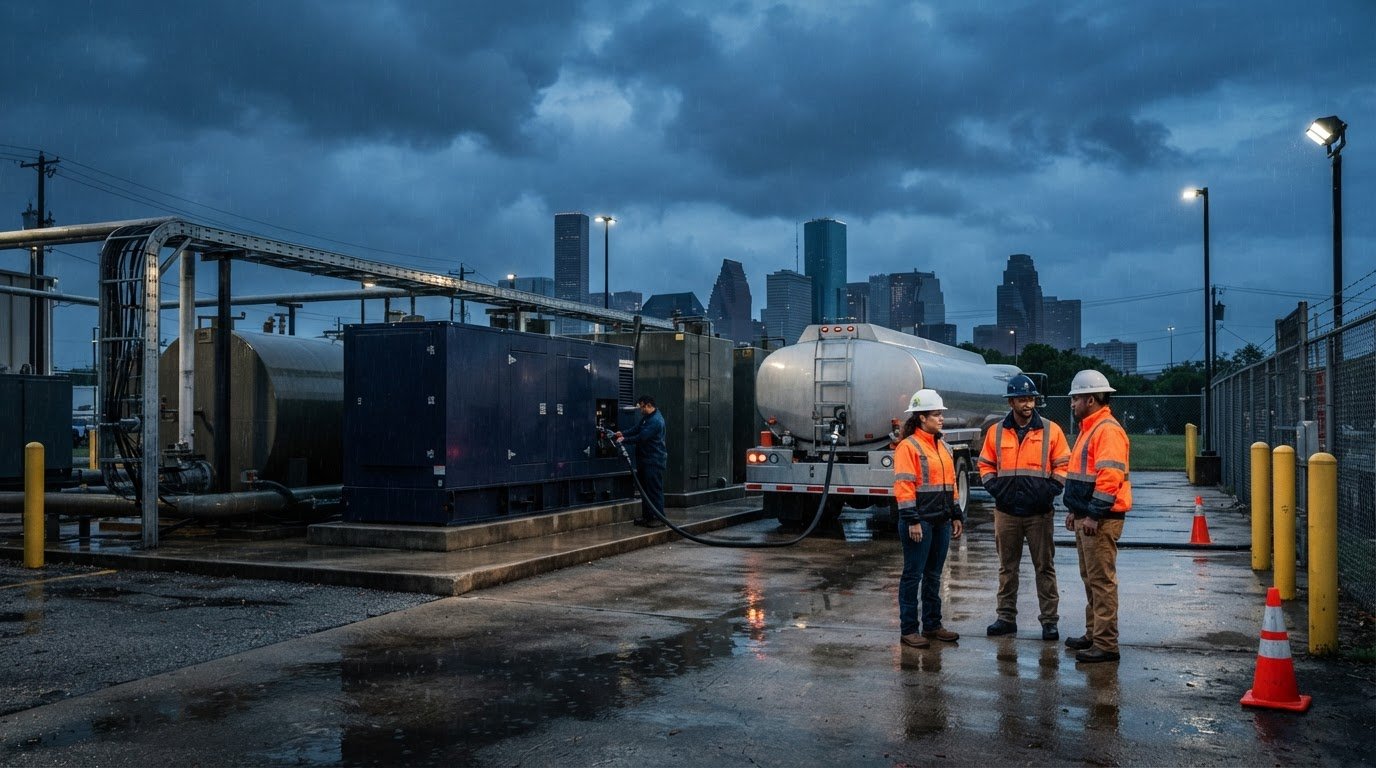
- Backup generators: Identify the generator that supports critical operations, where it is located, and who coordinates its refueling. Include generator fuel in the continuity plan rather than treating it as an afterthought.
Which Houston operations may need fuel after hours?
Overnight shifts and continuous operations can create demand while offices are closed or before a routine delivery window begins. For each site, record the vehicles or equipment that matter most, their operating schedules, and the person responsible for coordinating replenishment. This turns a general need for after-hours fuel into a plan your team can act on.
What does around-the-clock fueling mean for business continuity?
Fuel access is one part of business continuity, not a guarantee that operations will never be interrupted. Weather, site conditions, equipment issues, and supply disruptions can still affect a business. A designated delivery contact, current site instructions, and a list of priority assets give your team a practical starting point when routine plans change.
Make the plan specific: record priority assets, expected fuel needs, delivery locations, access instructions, and who can approve or receive a delivery. Review these details when shifts, equipment, or work locations change. A search for “24/7 fuel delivery for businesses Houston” may reflect an urgent need, but preparing in advance gives your team clearer next steps when timing matters.
How 24/7 Commercial Fuel Delivery Is Coordinated
A smooth fueling request starts with clear information. Whether you are arranging a planned delivery or responding to a changing need, identify the fuel requirement, provide accurate site details, coordinate the delivery arrangements, and confirm what was received. This keeps everyone focused on the same location, purpose, and quantity.
Businesses searching for “24/7 fuel delivery for businesses Houston” can prepare the details that help match a request to the right fuel type, location, and use. Houston’s energy infrastructure supports a wide range of commercial and industrial activity, but each business needs a fueling plan based on its equipment and work schedule.
- Define the need. Identify the fuel type, what it will support, and when it is needed. Separate routine replenishment from an urgent request.
- Share site details. Provide the delivery location, access instructions, a site contact, and restrictions such as gate procedures or work-hour limits.
- Coordinate the delivery. Explain the operating schedule and distinguish an estimated need from the quantity you are requesting.
- Confirm receipt. Have the appropriate site representative verify that fuel reached the intended location and record the amount received for future planning.
Before arranging delivery, gather the fuel type, estimated need, requested quantity, delivery location, access instructions, site contact, and operating schedule. An estimate helps frame the request, but keep it distinct from the quantity being ordered.
What information helps coordinate an after-hours delivery?
Start with the delivery address or precise site location, then explain how to reach the fueling area and whom to contact on arrival. Note shift schedules, gate procedures, and the equipment or operation the fuel supports. These details are especially useful when the usual daytime contact is not on site.
Be clear about what is known and what is still an estimate. For example, a supervisor might estimate fuel demand for a shift while the person placing the order confirms the requested quantity separately. Keeping the figures distinct reduces confusion during coordination.
How does delivery differ for equipment, fleets, and generators?
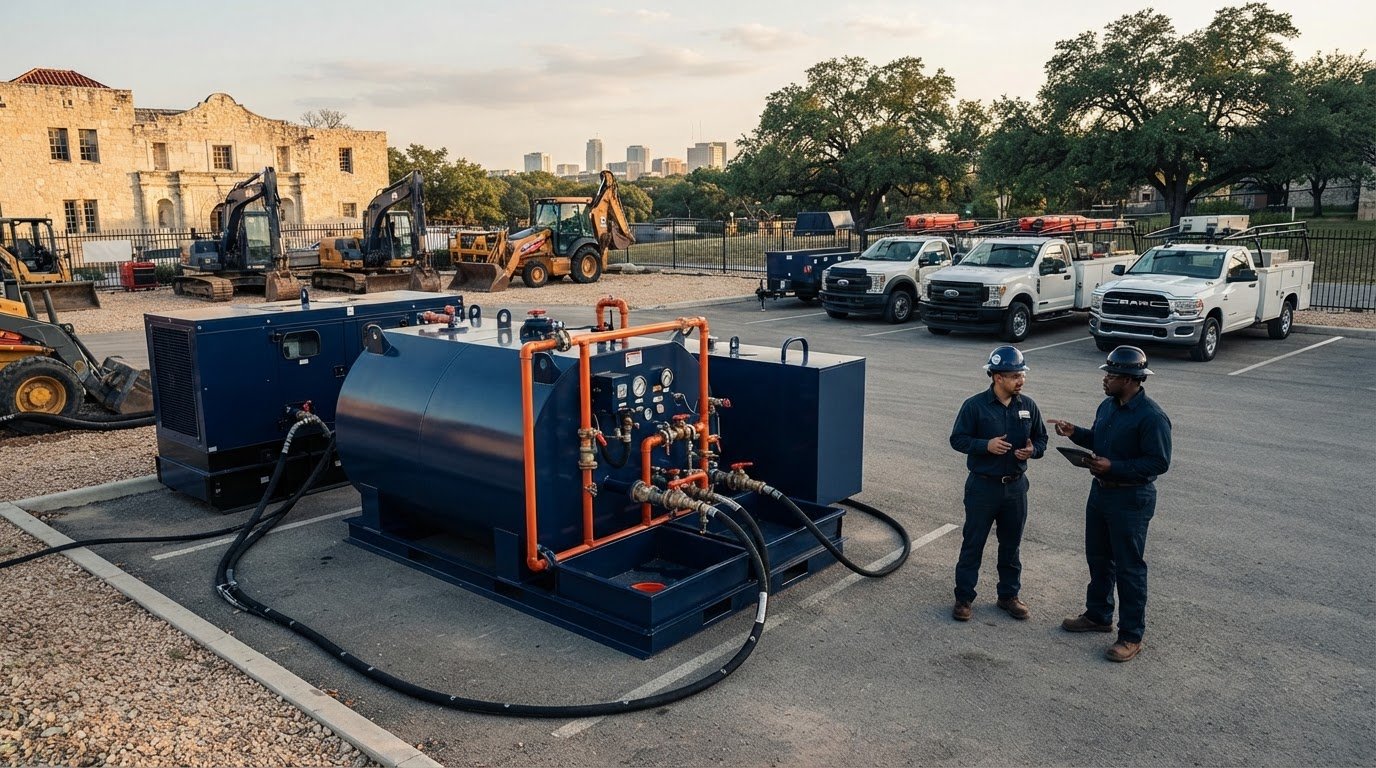
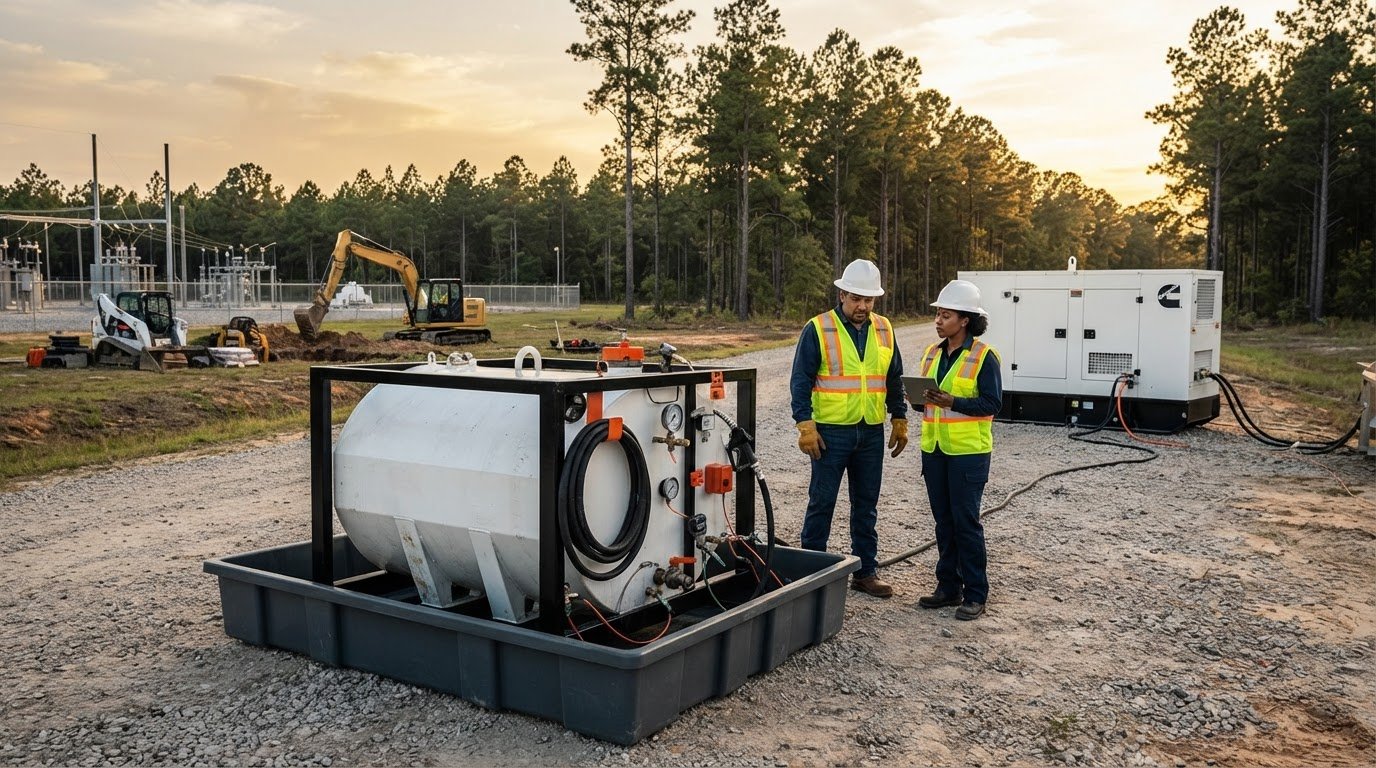
Direct-to-equipment fueling is organized around where machinery is working and when it can be accessed. Fleet fueling is tied to vehicles, dispatch patterns, and replenishment schedules. Generator fueling serves backup-power equipment, so identify the generator’s location and the facility or operation it supports. React Fueling’s generator fueling service supports business generator needs.
Gather the relevant details in one place before making a request. React Fueling works with Houston-area businesses on equipment, fleet, and generator fueling. A clear description of the need gives the coordination process a practical starting point.
Scheduled Fueling or Emergency Delivery: Which Fits the Need?
Routine replenishment and emergency delivery address different situations. Scheduled fueling supports a known operating pattern; emergency delivery addresses an unexpected or urgent requirement. A sound continuity plan accounts for both. Relying on emergency requests instead of routine planning means waiting until a supply gap has already developed.
| Planning factor | Scheduled replenishment | Emergency delivery |
|---|---|---|
| Trigger | Recurring fuel use or a known operating schedule | Unexpected demand, a supply interruption, or an urgent need |
| Predictability | Can be organized around established consumption patterns | Requirements may change as the situation develops |
| Coordination | Plan delivery locations, fuel type, and schedule in advance | Communicate the immediate need, site access, and priority assets clearly |
| Suitable use | Recurring fleet, equipment, or facility fueling | Unplanned replenishment or a contingency need, such as generator fuel |
When does scheduled replenishment make more sense?
Use scheduled replenishment when you can identify recurring fuel needs from operating patterns. A fleet with regular dispatch cycles or equipment used on a planned work schedule can organize fueling around those routines. Track actual use and compare it with your estimates to improve future planning. Advance coordination can reduce the pressure of arranging each delivery at the last moment, but it does not replace monitoring fuel use and inventory.
When should a business plan for emergency fuel delivery?
Include emergency delivery in your contingency plan for unexpected demand, disrupted supply, or backup-power requirements. Identify priority assets, who coordinates an urgent request, and the site details needed to arrange delivery. React Fueling provides emergency fuel delivery for commercial needs. A written plan helps your team act quickly when normal replenishment is not enough.
Houston businesses can make the distinction practical by defining a routine replenishment approach and documenting when to escalate. For example, a facility might use its regular schedule for predictable consumption while prioritizing generator fuel during a supply interruption. Make the trigger clear so staff know when to move from routine coordination to an urgent request.
This balance matters for businesses considering “24/7 fuel delivery for businesses Houston.” After-hours coordination can be part of a broader plan, but it works best alongside routine supply planning, not in place of it. For diesel-dependent operations, consider fuel type, expected use, delivery location, and schedule together.
Build a Houston Business Fuel Continuity Plan
A continuity plan turns fuel needs into clear actions before an interruption creates pressure. Build it around your consumption records, operating schedule, sites, and critical assets. Houston-area businesses should also consider weather-related disruption, including hurricane conditions that may affect fuel supply chains. Planning helps teams prepare, even though it cannot prevent every disruption.
Use this checklist to document the essentials:
- Fuel demand: Record the fuel types used by vehicles, machinery, and generators. Track actual consumption and operating patterns so internal reorder triggers reflect your business rather than a one-size-fits-all reserve.
- Priority assets: Identify the fleet vehicles, machines, and facility functions that are most critical. Note what depends on each asset and how operations would be affected if it could not run.
- Delivery locations: List each site address, equipment location, generator access point, gate procedure, and practical route. Include any restrictions that could affect delivery coordination.
- Contacts and authority: Name the person responsible for routine fuel planning, the site contact who can receive a delivery, and the person authorized to request fuel after hours. Keep their contact details current.
- Operating schedules: Document fleet dispatch patterns, machinery work periods, facility shifts, and generator operating context. Note schedule changes that could affect expected fuel use.
- Disruption scenarios: Consider how the operation would respond if normal replenishment were delayed, demand changed unexpectedly, or weather affected the supply chain. Define who communicates updates and which assets take priority.
Set fuel triggers and priorities before an interruption
Use internal consumption data to decide when staff should begin coordinating replenishment. A fleet’s trigger may depend on dispatch needs, while a job site may base its plan on equipment use and work schedules. Set priorities in advance, but do not assume one reserve amount fits every operation. Document who can authorize a request after hours and who serves as a backup.
Prepare delivery locations and operating contacts
Make site instructions usable by someone unfamiliar with the location. Record gate procedures, access routes, equipment and generator positions, and the contact responsible for site coordination. Review the plan when a site changes, machinery is added, shifts move, or operational needs change. Outdated directions can make coordination harder when clarity matters most.
Keep the plan accessible to the people who manage operations, sites, and fuel requests. For fleets, separate vehicle fueling needs from job-site machinery requirements. For generators, clearly identify the equipment and access point. These distinctions help staff communicate the right need and priority rather than treating every request alike.
Discuss your business fueling needs with React Fueling to make your continuity plan specific to your Houston-area operation.
Arrange 24/7 Fuel Delivery for Your Houston Operation
Fuel planning becomes practical when a service request reflects the operation’s real needs. React Fueling supports commercial fleets, construction sites, and industrial facilities with fuel and diesel delivery, direct-to-equipment fueling, generator fueling, and emergency fuel delivery. For businesses searching for “24/7 fuel delivery for businesses Houston,” start by describing the need and how it fits the site’s operating schedule.
React Fueling serves businesses in Houston, Magnolia, San Antonio, College Station, Austin, and Dallas. To help organize the request, share the following details:
- Describe the operation: Explain whether the request supports a fleet, job site, industrial facility, or backup-power equipment.
- Identify the location: Provide the site address, fueling point, access instructions, and best on-site contact.
- Explain the fuel need: State the fuel type, intended use, estimated demand, and requested quantity if known.
- Clarify the timing: Say whether the requirement is recurring, tied to equipment or a generator, or urgent. Include relevant shifts and site-access limits.
Match the request to the operational need
For a diesel requirement, describe the vehicles or equipment the fuel will support. Equipment fueling is organized around machinery at a work location, while generator refueling serves backup-power equipment. If a diesel fleet or machine also needs DEF, list it as a separate supply requirement so the fuel and fluid needs are clear.
What to include when contacting React Fueling
Provide the site location, operating context, requested service, and timing priority. State whether the need is routine or urgent, and include access instructions or contact procedures that affect coordination. Specific details help connect the request to the actual fueling requirement.
Gather the information in one place before reaching out. A fleet manager might outline the vehicles and recurring diesel requirement; a site supervisor might identify the machinery and fueling location; a facilities contact might describe the generator and the operation it supports. For an urgent request, lead with what needs fuel, where it is, and why timing matters. This helps direct the conversation to the appropriate service.
React Fueling supports Houston-area businesses with diesel supply, equipment and generator fueling, DEF delivery, and emergency fuel delivery. Contact React Fueling about your business to discuss your operation’s fueling needs.
Put Your Fuel Continuity Plan Into Action
A plan is most useful when the people responsible for operations can act on it. Keep the current version accessible to staff who coordinate fueling, update it when sites or schedules change, and make sure everyone knows who can initiate a request. Preparation turns a time-sensitive decision into a clearer set of next steps.
For businesses evaluating 24/7 fuel delivery for businesses Houston, a conversation with a fueling partner can connect the continuity plan to real operating needs. React Fueling works with commercial and industrial operations on fuel delivery, equipment and generator fueling, and emergency fuel needs across Houston and surrounding Texas cities. Share your location, operating context, and priorities to discuss an approach for your business.
Contact React Fueling to discuss your Houston operation and take the next step toward a more prepared fueling plan.
Frequently Asked Questions
Is 24/7 fuel delivery available for businesses in Houston?
React Fueling provides commercial fuel delivery and emergency fuel delivery for Houston-area businesses. If your operation runs beyond routine shifts, explain its hours and fueling needs when arranging service so the delivery plan reflects your schedule. React Fueling serves Houston, Magnolia, San Antonio, College Station, Austin, and Dallas.
What types of businesses use 24/7 fuel delivery?
Commercial fleets, construction sites, and industrial facilities use business fuel delivery to support vehicles, machinery, and site operations. A fleet manager may plan fueling around vehicle dispatch, while a construction supervisor may need to account for machinery working across different shifts. Start by identifying what needs fuel and how its operating schedule shapes the requirement.
Can fuel be delivered directly to equipment at a Houston job site?
Yes. React Fueling provides direct-to-equipment fueling for commercial and industrial operations, including construction machinery at job sites. Describe where the equipment is working, how the site can be accessed, and which machines the request covers. If machinery moves between work areas, include that information. Equipment fueling differs from delivery for a fleet or generator.
How does emergency fuel delivery differ from scheduled business fueling?
Scheduled fueling addresses recurring needs that a business can plan around its usual consumption and work patterns. Emergency fuel delivery supports urgent or unexpected requirements, such as a sudden change in demand or a supply interruption. Include it in your response plan, alongside routine replenishment and clear priorities for critical equipment.
What information should I have ready when requesting after-hours fuel delivery?
Have the site address, requested fuel type, intended use, estimated need, and a site contact ready. Explain how the delivery location can be accessed outside normal business hours, including any gate or check-in procedure. If your estimate differs from the quantity you intend to order, make that distinction clear. Identify the highest-priority asset or operation so the request has useful context.
Can a business arrange fuel delivery for backup generators?
Yes. React Fueling provides generator fueling for businesses that need fuel delivered to backup-power equipment. Identify the generator’s location, the facility it supports, and the reason for the request. For example, explain whether the request is part of preparedness planning or responds to a current need. This distinguishes generator refueling from fleet or machinery fueling.
Does commercial fuel delivery include DEF for diesel fleets?
React Fueling provides DEF fluid delivery for commercial customers. If a diesel fleet or equipment operation needs DEF as well as diesel, list both requirements separately. Include which vehicles or machines need the fluid and where they operate. This keeps the fuel and DEF supply needs clear as distinct products.