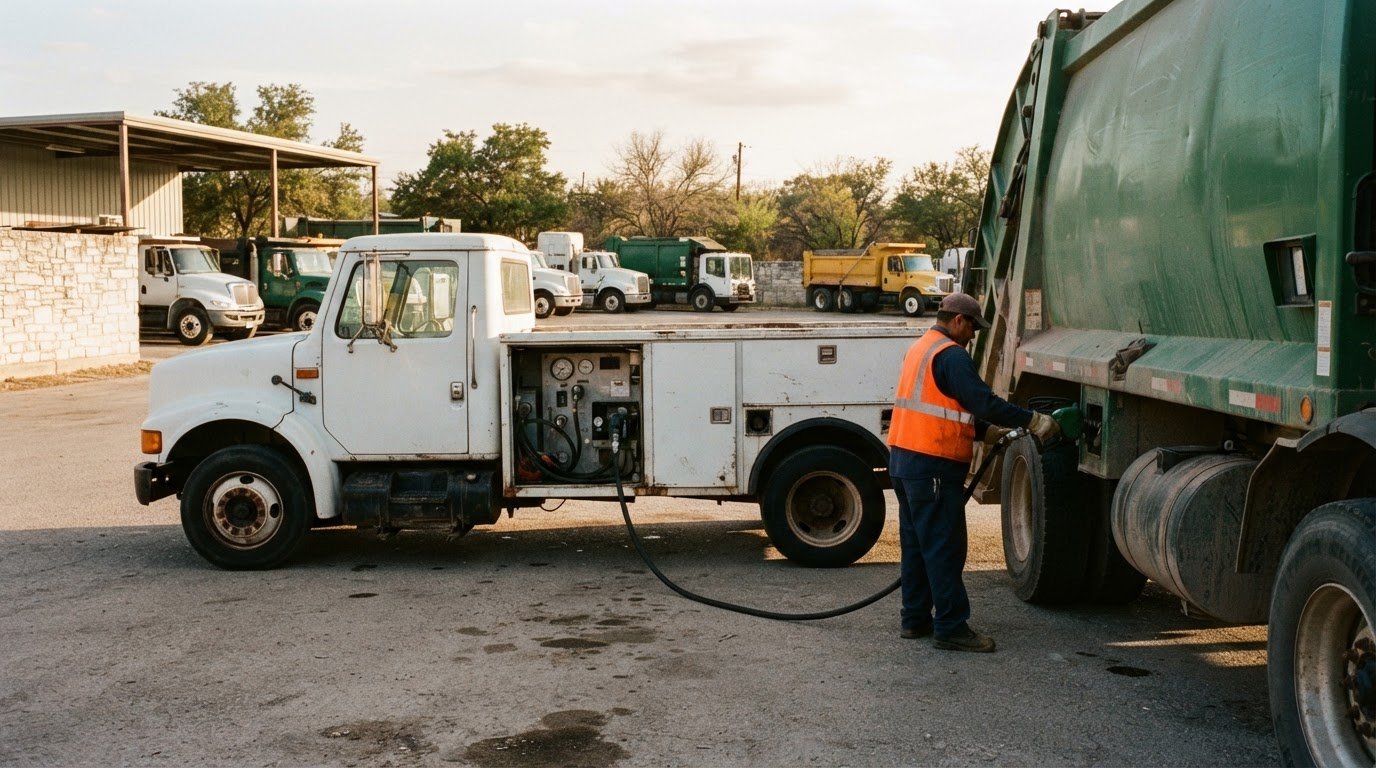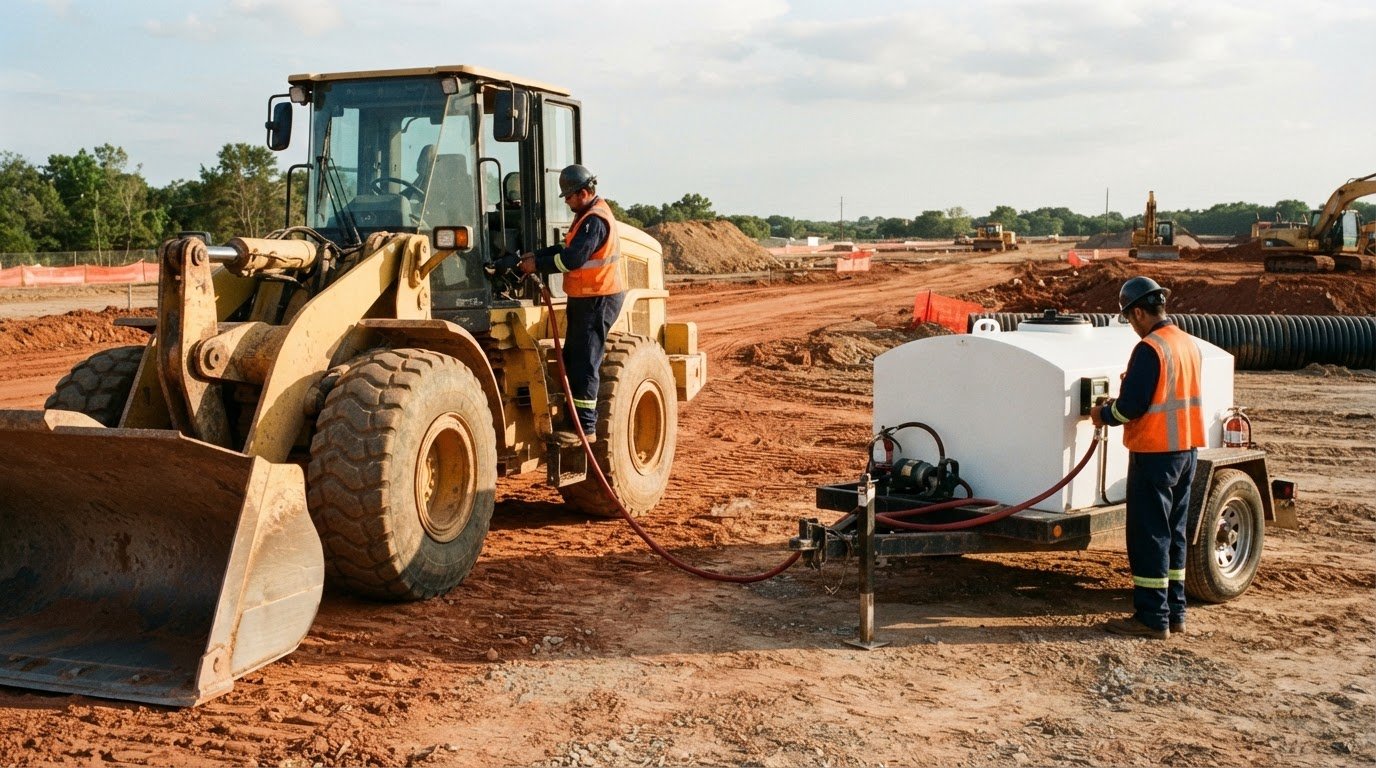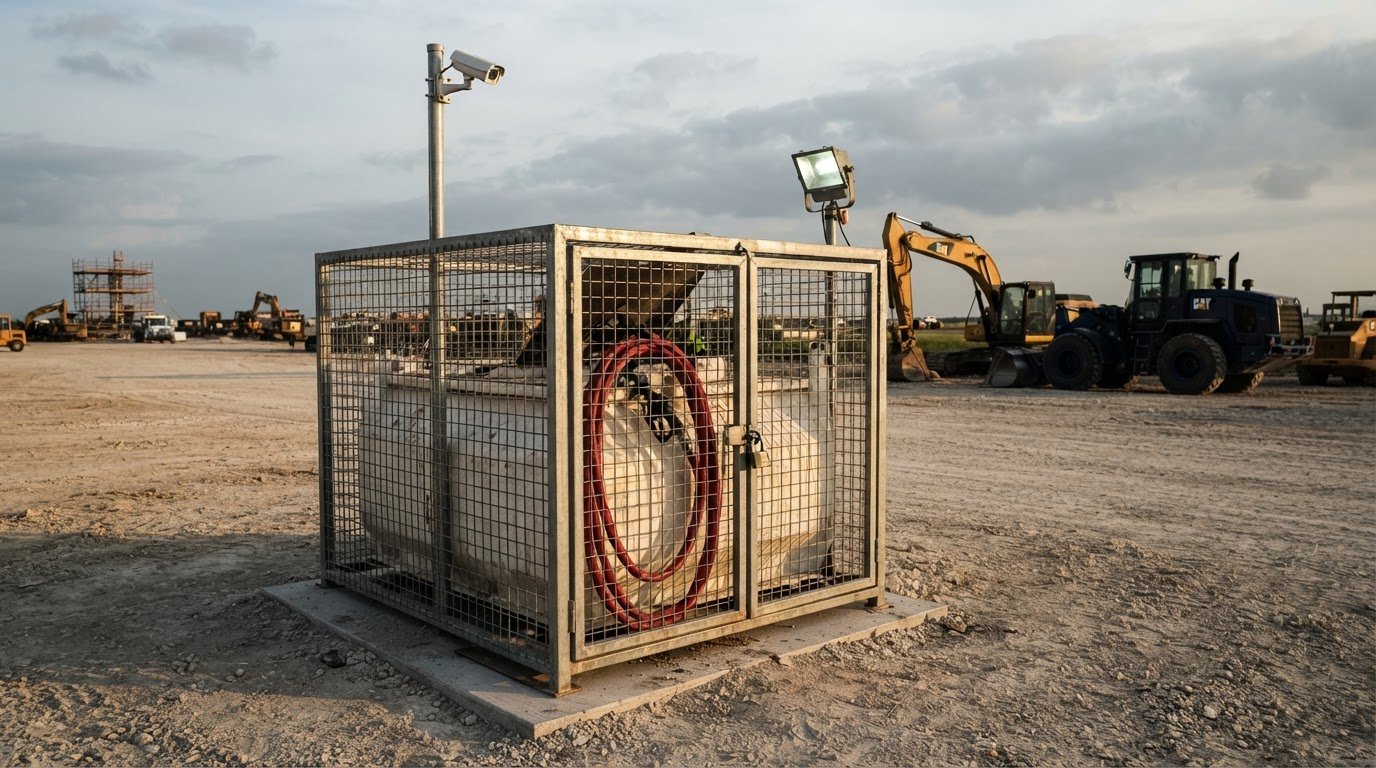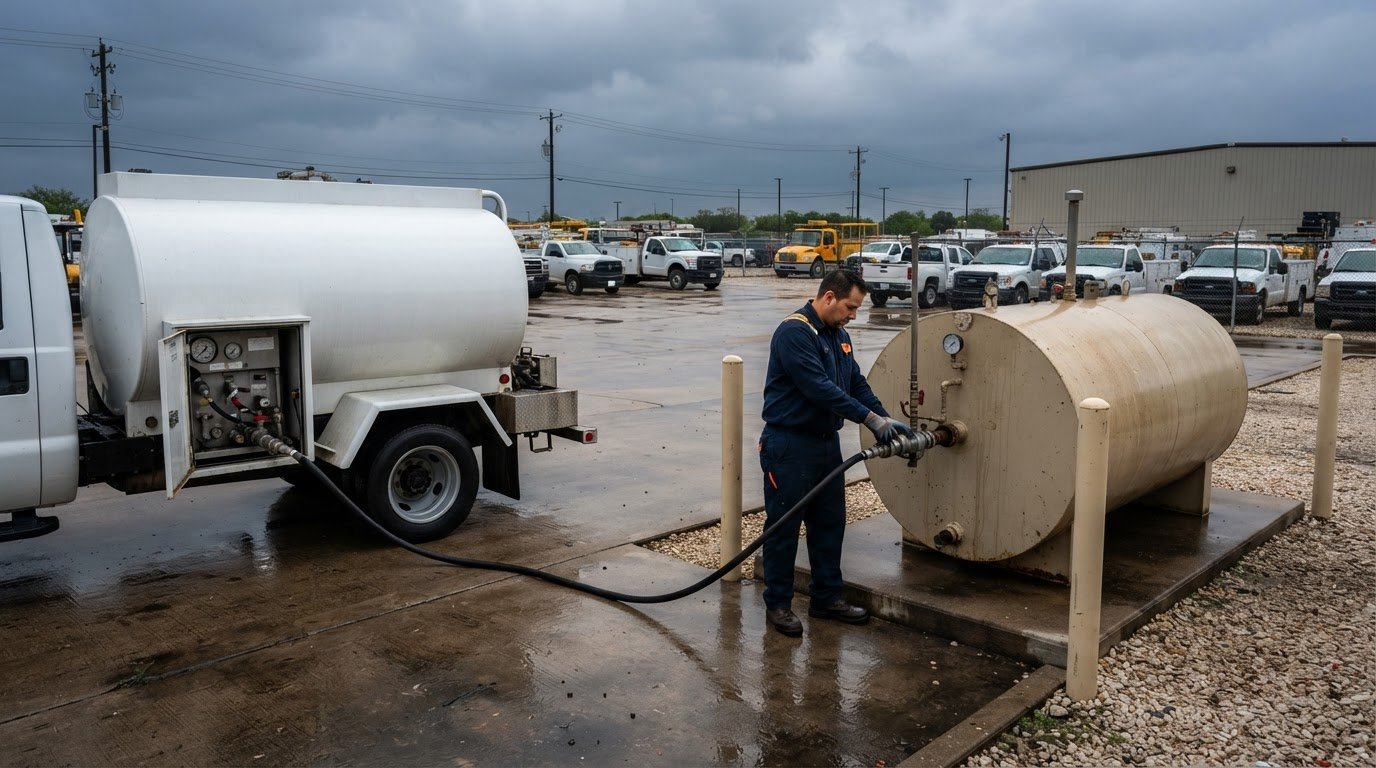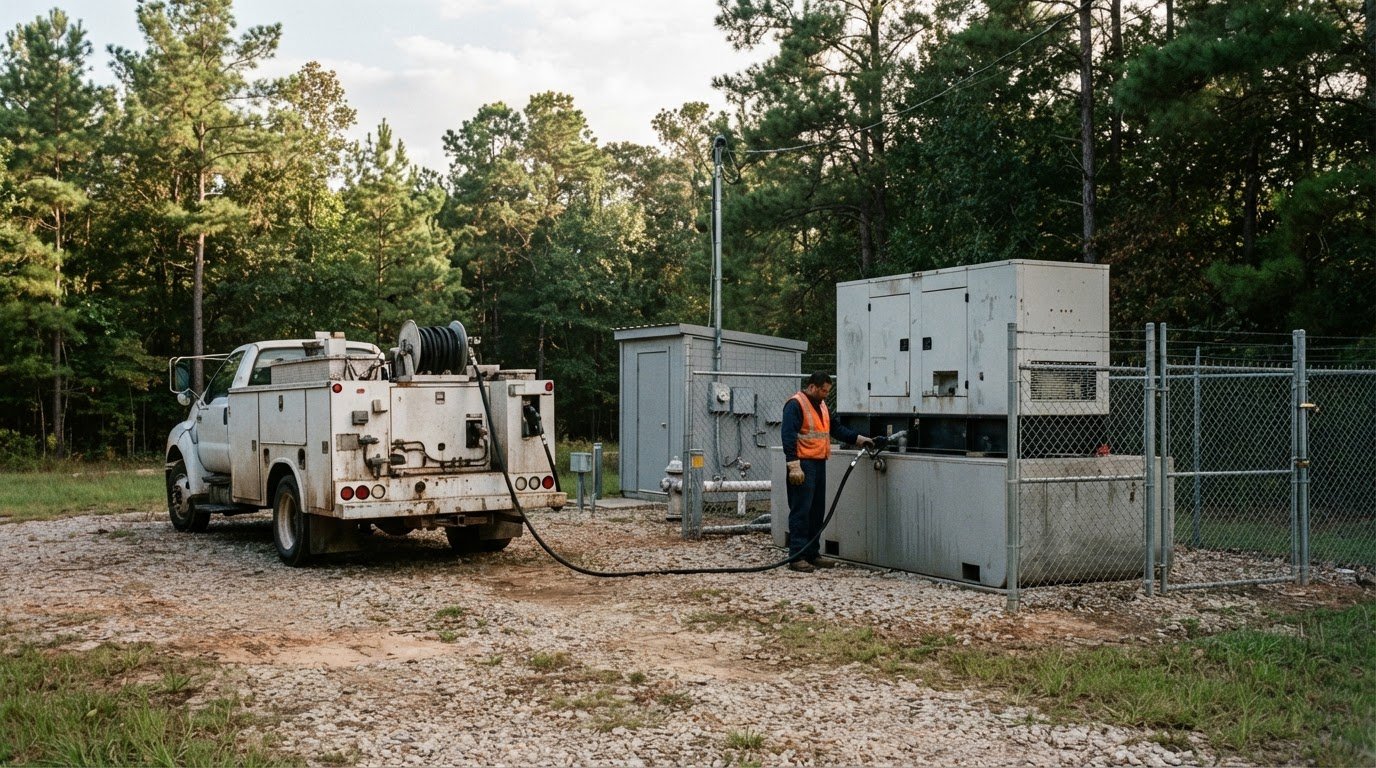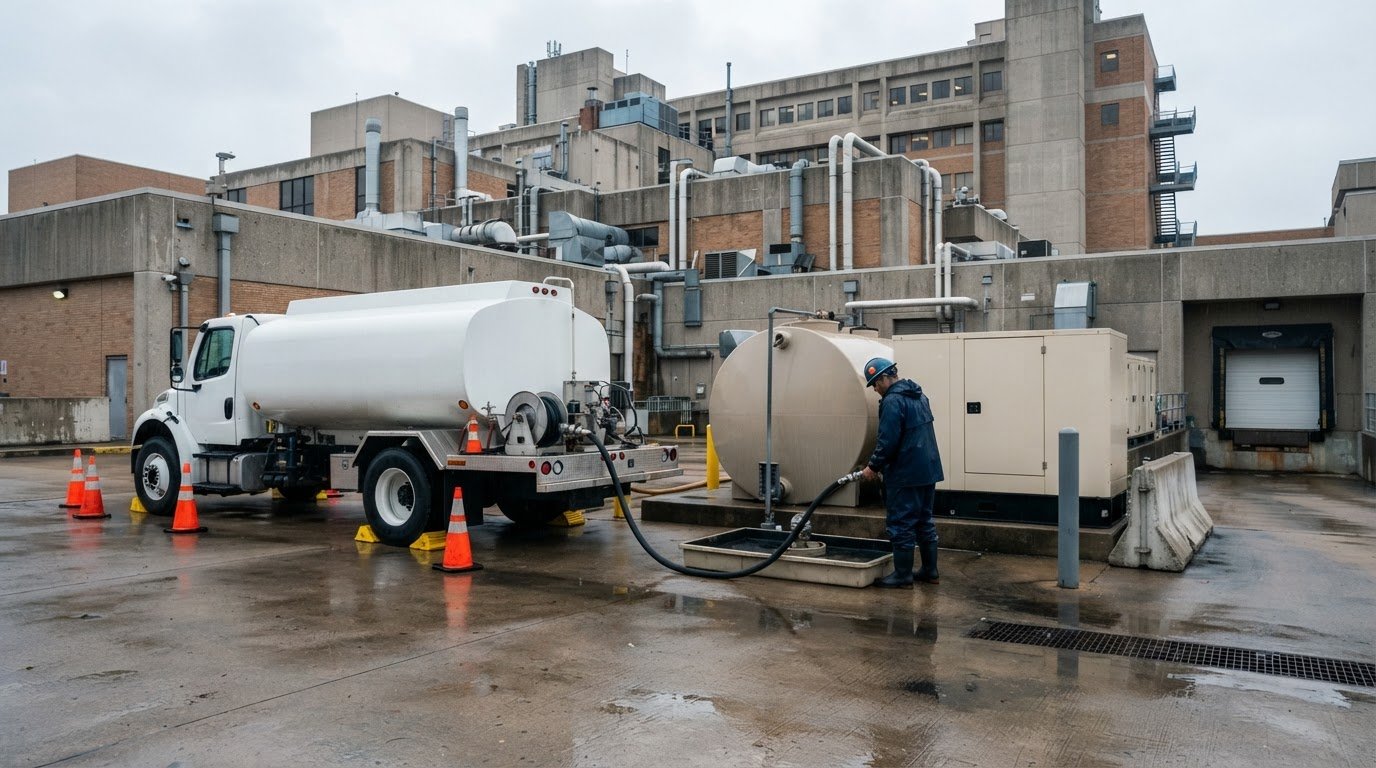
A backup generator fuel delivery contract in Austin can set out how fuel supply supports emergency dispatch, outage planning, and refueling at critical sites. It can also define the products and delivery needs covered, such as diesel, gasoline, and DEF.
Generator readiness depends on planning for fuel as well as power. A clear delivery arrangement helps businesses organize supply before an outage and understand how refueling fits into continuity plans when conditions change.
This article explains what fuel delivery arrangements can cover, how dispatch and outage planning work together, and what shapes the service scope. It also shows how diesel, gasoline, and DEF delivery can support sites with different generator and equipment needs, helping you plan the next step.
Emergency fuel contracts and dispatch access
An emergency fuel plan defines who can request delivery, what dispatch needs, and how fuel reaches the site. In Austin, outages can last from a few hours to several weeks, while fuel demand may rise quickly and supply may become limited. A backup generator fuel delivery contract in Austin should make the dispatch process clear before severe weather disrupts normal operations.
Standby Generator Contract Options
For a standby generator, define the arrangement by fuel source, delivery scope, and dispatch process. Standby generators are typically fueled by natural gas or propane, so liquid-fuel delivery applies to sites that also use liquid-fuel generators or other equipment. Specify whether the plan covers scheduled replenishment, emergency requests, or both, and list the equipment and delivery locations included.
Set a practical dispatch trigger, such as a manager’s request or a reported low tank level. State who can request delivery, which entrance drivers should use, and what instructions apply on arrival. Clear terms let authorized staff initiate a request without uncertainty during an outage.
Fuel Supplier Selection
Choose a delivery plan that matches the site’s equipment and access conditions. Coordinate the fuel type, delivery location, and site instructions with the operations contact. For example, a facility using both a generator and diesel-powered equipment should identify both needs in its plan.
Review the dispatch process, communication path, and written service commitments. Name the person authorized to request emergency delivery and the contact who can receive the driver. A backup generator fuel delivery contract in Austin should distinguish dispatch procedures from assumptions about arrival timing or fuel availability.
Quote Information Requirements
For a generator fuel delivery quote in Austin, provide the site address, fuel type, generator or equipment details, and delivery location. Include the estimated amount needed, tank or storage capacity if known, access instructions, and the site contact’s name.
Explain whether the request is for planned replenishment, outage readiness, or emergency dispatch. Mention restricted entry or multiple fueling points so the delivery scope reflects the site’s actual logistics. A complete request gives the quote a clear operational basis.
Contract Risks and Service Guarantees
Review written terms for dispatch authorization, delivery scope, communication responsibilities, and stated service commitments. A contract should distinguish an emergency dispatch request from a promise of arrival or uninterrupted backup power. Don’t assume the agreement covers site access, generator operation, or fuel storage responsibilities.
Define who provides access instructions, accepts delivery, and communicates changes during an outage. These terms clarify responsibilities if access barriers or incomplete directions prevent delivery. Keep dispatch contacts and site instructions together for quick reference.
Before an outage, document the delivery point and identify primary and alternate site contacts. A dispatch record with the address, fuel type, access route, authorization process, and delivery instructions gives each request a consistent starting point.
Fuel supply planning during outages and storms
During Austin storms, outages can disrupt normal fuel access just as demand rises. Fuel supply may become limited, so professional planning connects a site’s expected generator use with its available fuel and refueling arrangements.
Plan refueling around the generator’s fuel type, operating profile, current tank level, and capacity. Use expected runtime and site priorities to estimate when replenishment may be needed, then coordinate the delivery plan with the site contact.
A forecast is a planning tool, not a fixed schedule. A facility running backup power for essential systems may use fuel differently from a site operating selected equipment. Changes in operating hours or demand can shift the refueling window, so establish a clear process for updating the delivery plan.
Build the outage plan around specific operating information:
- Generator details: Identify the fuel type and the equipment that must remain powered.
- Fuel status: Share the current tank level and available capacity with the dispatch contact.
- Operating priorities: Explain which systems take priority if the site changes its generator use.
- Delivery access: Provide the site entrance, delivery point, and contact who can coordinate arrival.
- Changing conditions: Set a communication step for reporting longer runtimes or revised fuel needs.
These details help dispatch assess a request against actual site conditions. If a storm extends generator operation, for example, the site contact can report the revised runtime and fuel status. Dispatch can then reassess the requested delivery using current information instead of an outdated estimate.
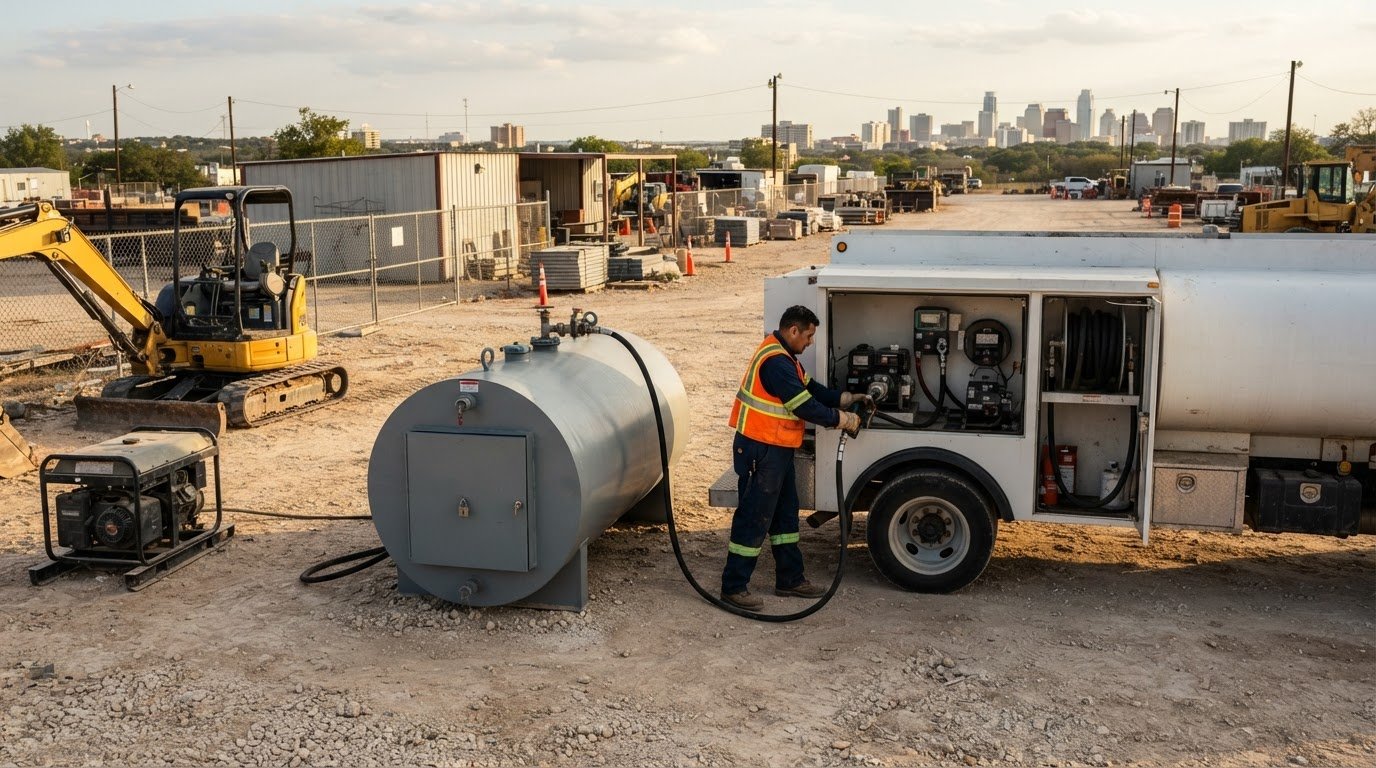
Distinguish a generator’s needs from those of other equipment using fuel at the same location. A construction or industrial site may have several active machines alongside backup power. A consolidated site plan helps prevent a generator estimate from overlooking competing demand or a separate delivery point.
Keep the operational record current as conditions change. After delivery, the site contact can report the updated fuel status and any revised operating priorities through the agreed dispatch process. That record gives the next request a practical starting point, especially when outages continue or storms disrupt routine access.
For Austin facilities, discuss outage refueling requirements as part of a plan built around generator use, fuel status, and site access.
Annual load testing is recommended to check whether a generator can handle its expected load during an outage. Include this readiness check alongside fuel-status reviews and delivery coordination, so teams can consider whether the generator suits the expected demand as they plan supply. When site priorities or intended generator use change, align the operating plan and fuel estimate with the updated requirements.
ABC recommends an annual inspection of a standby generator to identify potential failures before a major storm. Including the inspection in preparedness planning adds equipment condition to outage-refueling considerations. Fuel availability and generator readiness address different parts of planning, so teams can review both before storm conditions disrupt normal arrangements. Connecting these checks to the site’s expected use helps keep the refueling plan aligned with the generator’s intended role.
Generator refueling for hospitals and data centers
Hospitals and data centers depend on backup power for different critical operations. A hospital may prioritize clinical areas and essential equipment, while a data center may focus on systems that support its operations. Refueling plans should reflect each site’s priorities, generator setup, and operating procedures.
Start with a site-specific fuel map. Identify each generator, its fuel type, tank location, delivery point, and the systems it supports. A hospital with several generator areas needs clear directions for each point. A data center should distinguish generator fuel locations from unrelated equipment or storage areas.
Use operating conditions and current fuel information to plan replenishment. Consider which generators are running, how site demand has changed, and how much capacity remains in each tank. If unexpected weather extends generator operation, updated fuel readings and runtime information help revise the delivery plan. These details are more useful than relying on a routine schedule alone.
Access procedures matter at facilities with controlled entry. Identify the approved entrance, site escort or receiving contact, delivery route, and any instructions needed on arrival. For example, a hospital can designate a facilities contact to coordinate access without disrupting clinical work. A data center can provide clear directions to the fueling point while maintaining its normal site controls.
Assign clear roles before an outage. The operations lead can report generator status, while the designated site contact communicates delivery instructions. The dispatch contact needs a reliable way to receive updates, such as a newly active generator or a revised delivery location. Documenting responsibilities helps prevent conflicting requests during a weather event.
- Hospital planning: Record which areas and equipment depend on backup power, plus the corresponding generator and tank locations.
- Data center planning: Map each generator and delivery point, then identify the site contact responsible for access.
- Shared planning: Set a process for communicating fuel status, operating changes, and revised access instructions.
Keep the delivery plan aligned with facility operations. A site may need separate instructions for routine replenishment and storm conditions, especially if access routes or receiving contacts change. Clear records help the delivery team understand the request without guessing which generator is running or which tank needs attention.
For a hospital or data center, a useful plan connects fuel status to operational priorities. Defined generator locations, named site roles, and current access details give the delivery team a workable basis for coordinating refueling as conditions change.
Diesel, gasoline, and DEF supply
Match each fuel product to the equipment that uses it. Portable generators usually run on gasoline, while commercial sites may also rely on diesel-powered generators or equipment. DEF is a separate fluid, not a substitute fuel, so list it separately in the site’s supply plan.
Map the equipment and its required fuel. Record each generator or machine, its fuel type, delivery point, and the person responsible for receiving the order. For example, a site with a gasoline portable generator and diesel equipment needs separate fuel requirements, not one combined estimate. Keeping them distinct helps prevent a mismatch during an outage.
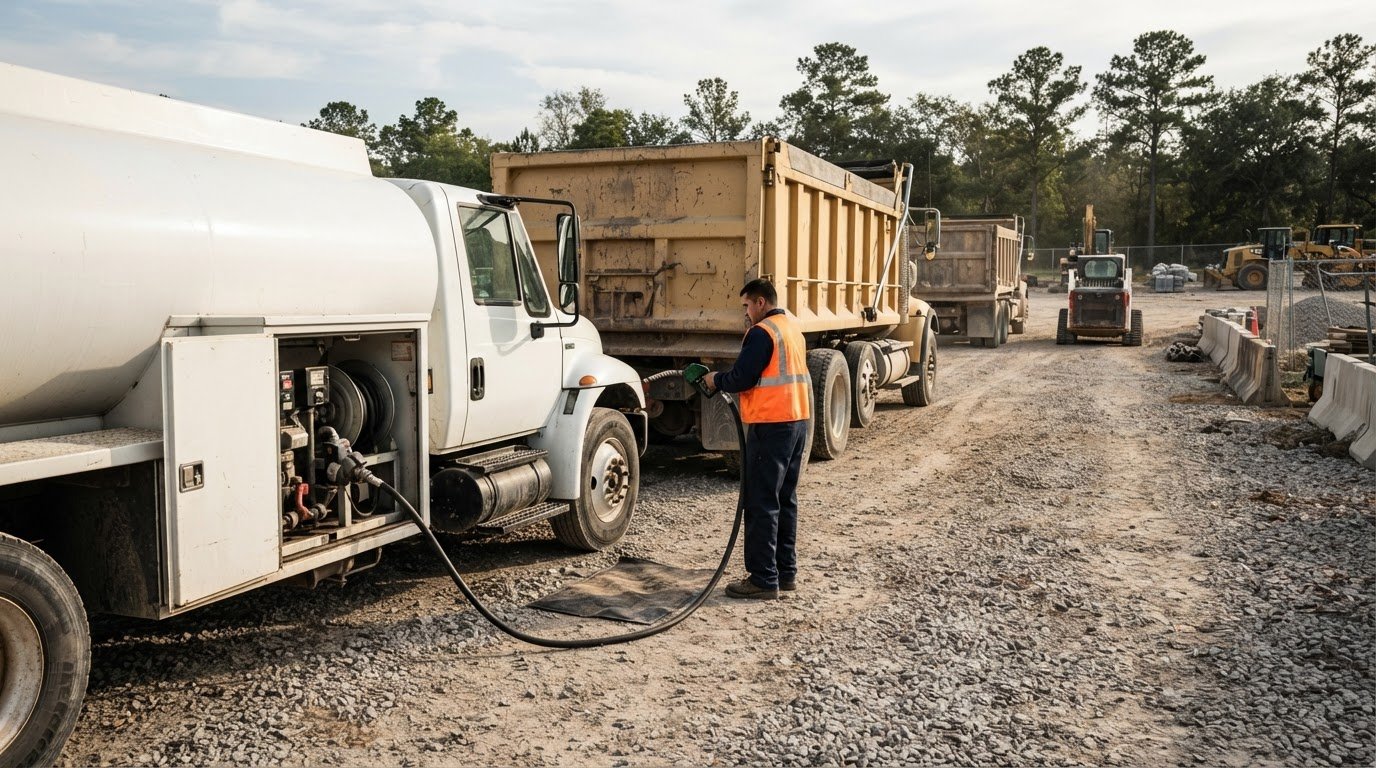
Diesel planning should account for generator demand and other equipment operating at the site. A construction location may have a diesel generator alongside active machinery. A plan that treats only the generator as a fuel user can overlook competing demand. Describe the equipment expected to run and report changes when operations shift.
Plan gasoline separately because portable generators usually use it. Include the generator’s fuel needs in the site’s overall outage plan and identify where delivery should be coordinated. Keep fuel storage arrangements separate from dispatch instructions: the delivery team needs the correct product and location, while site procedures govern storage and handling.
List DEF separately in the supply plan. Identify the equipment that requires DEF, its storage or delivery point, and the site contact responsible for receiving it. Do not combine a DEF request with a diesel quantity as if they were the same product. Separate records help dispatch understand what the site needs and where each item should go.
- Diesel: Identify generators and equipment that use diesel, then account for their combined operating needs.
- Gasoline: Note portable generators that use gasoline and provide their delivery location.
- DEF: List the equipment requiring DEF and record its separate supply and receiving details.
When conditions change, update the plan with the equipment now running and the products needed. For instance, a facility activating additional diesel equipment during an outage should report the change rather than rely on an earlier generator-only estimate. Clear product labels and separate quantities help avoid confusion across multiple delivery points.
For commercial diesel requirements, diesel delivery planning can support a site’s defined equipment and generator needs. Keep the supply record current so each request reflects the equipment in operation, the correct product, and its intended destination.
Fuel delivery contract options for standby generators in Austin
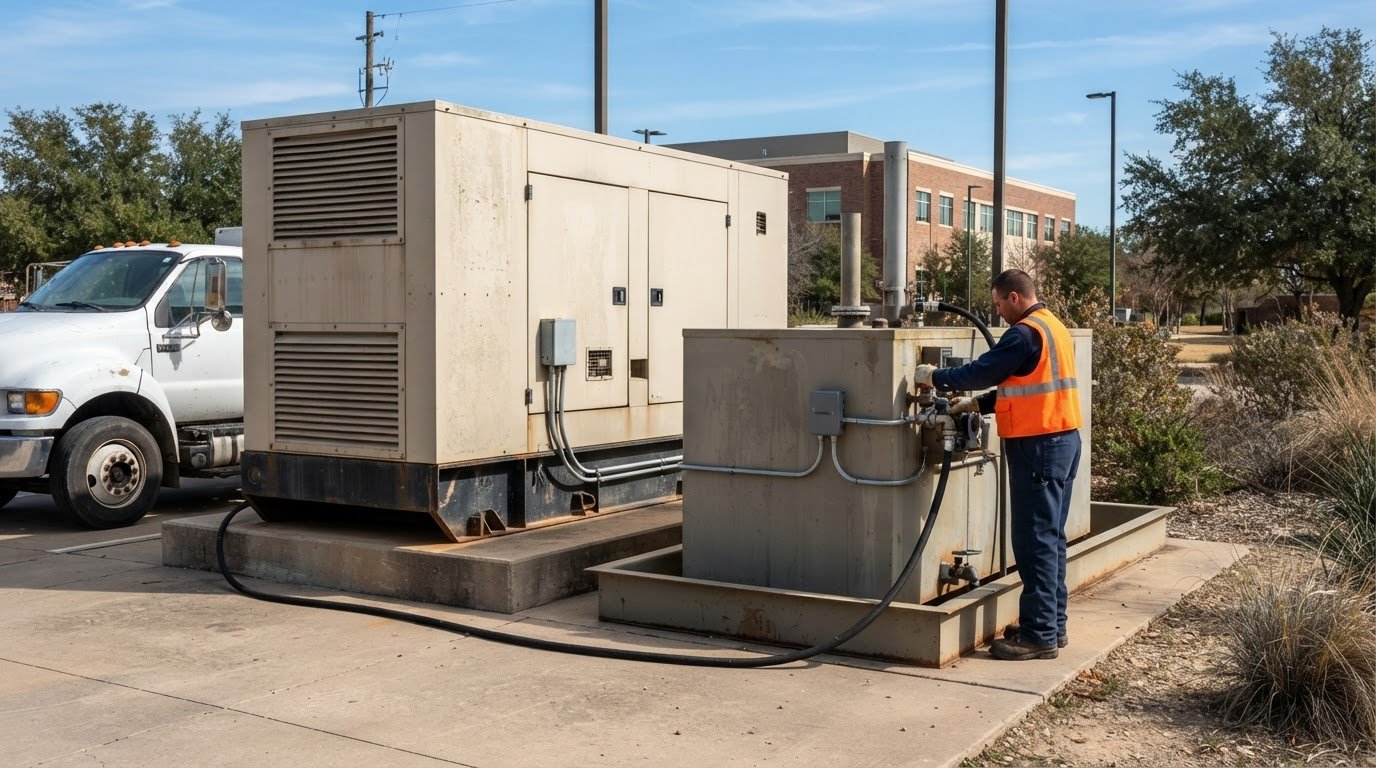
A standby generator’s fuel arrangement should match its fuel source and operating role. Standby generators are typically fueled by natural gas or propane, while liquid-fuel delivery plans apply to sites using liquid-fuel generators or other equipment. In Austin, define the covered equipment and delivery conditions before choosing an arrangement.
A scheduled delivery arrangement plans replenishment around the site’s expected operations. It can suit a facility with recurring fuel use, such as a commercial site running diesel equipment alongside backup generation. Identify the tanks or equipment included, delivery locations, and how operational changes should be reported.
An on-request arrangement centers on site-initiated dispatch. A designated contact reports the fuel need and delivery location when replenishment is required. This approach depends on clear authorization, current site instructions, and timely communication. It does not by itself guarantee an arrival time or ensure fuel availability during widespread demand.
A combined plan can pair routine replenishment with a defined process for emergency requests. For example, a facility may arrange regular diesel deliveries and specify who can request additional fuel if generator use increases during an outage. The agreement should distinguish routine requests from emergency dispatch and explain how to initiate each.
Compare contract terms using the same practical criteria:
- Covered assets: List the generator, tanks, and any other equipment included.
- Fuel type: Identify the product required for each generator or machine.
- Delivery method: State whether deliveries are scheduled, requested as needed, or combined.
- Dispatch authority: Name the roles allowed to request or change a delivery.
- Site instructions: Document access details, delivery points, and receiving contacts.
- Service terms: Separate commitments stated in writing from assumptions about response or supply.
Capacity matters when defining the scope. If a site has multiple tanks, specify which storage locations the arrangement covers instead of treating the facility as one delivery point. Likewise, do not assume a contract covering a generator includes separate equipment unless the terms identify it.
Use a written operating profile to align dispatch with actual needs. Connect generator use, fuel type, delivery locations, and authorized contacts. If the site’s equipment or operations change, update these details so the arrangement reflects the current setup.
To structure a standby generator fueling plan around your site’s equipment and delivery needs, discuss a fuel delivery arrangement.
If the operating profile changes, update the dispatch instructions and confirm that the covered storage and delivery points still match the site. Tom Riggs has 32 years of experience leading the Central Texas standby power team, a perspective relevant when reviewing local installation and service needs. Some standby generators may meet municipal codes allowing installation as close as 18 inches from a home, but local requirements can differ. A standby generator can restore power to an Austin home within seconds after detecting a power loss. These considerations do not replace contract terms: document the fuel source, authorized requests, and delivery scope, and verify applicable local requirements before installation or changes to the site.
React Fueling: Generator Fueling Service
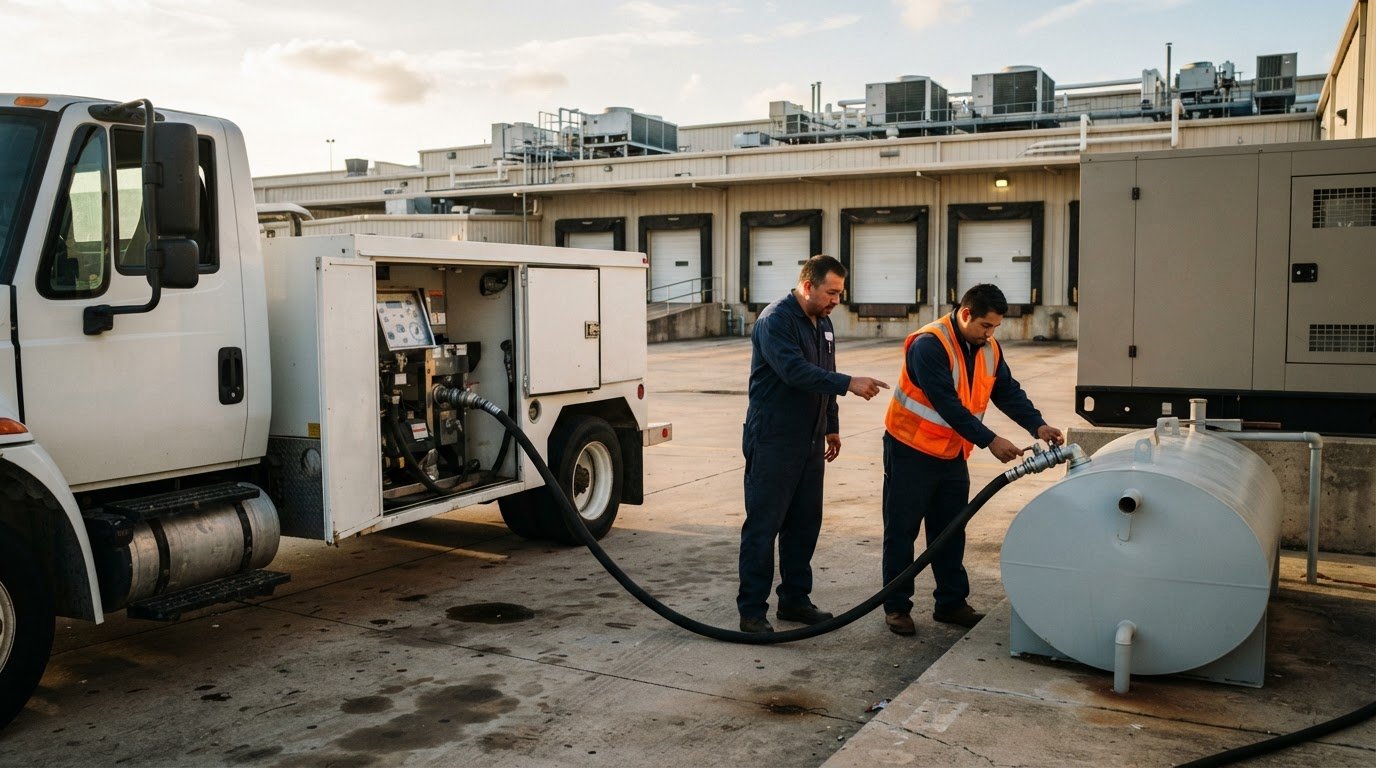
React Fueling provides generator fueling service for commercial sites that need delivery aligned with generator operations. Turn to the service when outage planning calls for professional generator refueling coordination alongside other site fuel needs.
For Austin facilities, the delivery plan can account for the generator’s fuel type, delivery point, operating requirements, and site access instructions. Diesel delivery and equipment fueling can also support locations where generators operate alongside fuel-powered equipment. Clear site details help define the scope of the requested work.
Share your generator and delivery requirements to discuss a practical fueling arrangement. Contact React Fueling to discuss generator fueling for your site.
Put your fuel plan into operation
A fuel contract is more useful when someone in your operation owns it. Assign responsibility for keeping site instructions current as equipment, access routes, or operating priorities change. This keeps the written arrangement aligned with the conditions dispatch will face.
A backup generator fuel delivery contract in Austin can fit into broader commercial fuel planning. React Fueling provides diesel delivery, equipment fueling service, fuel delivery, and generator fueling for commercial operations. Consider how these needs connect at your site, then define the scope and dispatch process that support your continuity plan.
Use the next conversation to clarify your site’s fueling requirements and the arrangement that fits them. Contact React Fueling about fuel contracts and take a practical step toward organized fuel planning.
Frequently Asked Questions
Does generator fuel delivery cover Austin-area sites during severe weather and power outages?
React Fueling lists Austin, TX among its service areas and offers 24/7 emergency fueling for commercial operations. During outages or severe weather, emergency fuel delivery can support generator needs, subject to site access and dispatch conditions. Its listed Texas service areas also include Houston, TX; San Antonio, TX; Dallas, TX; and College Station, TX. Share your location and generator requirements when requesting service.
Texas regulations for on-site generator fuel storage and delivery
Store generator fuel carefully and keep it away from living areas and fuel-burning appliances.