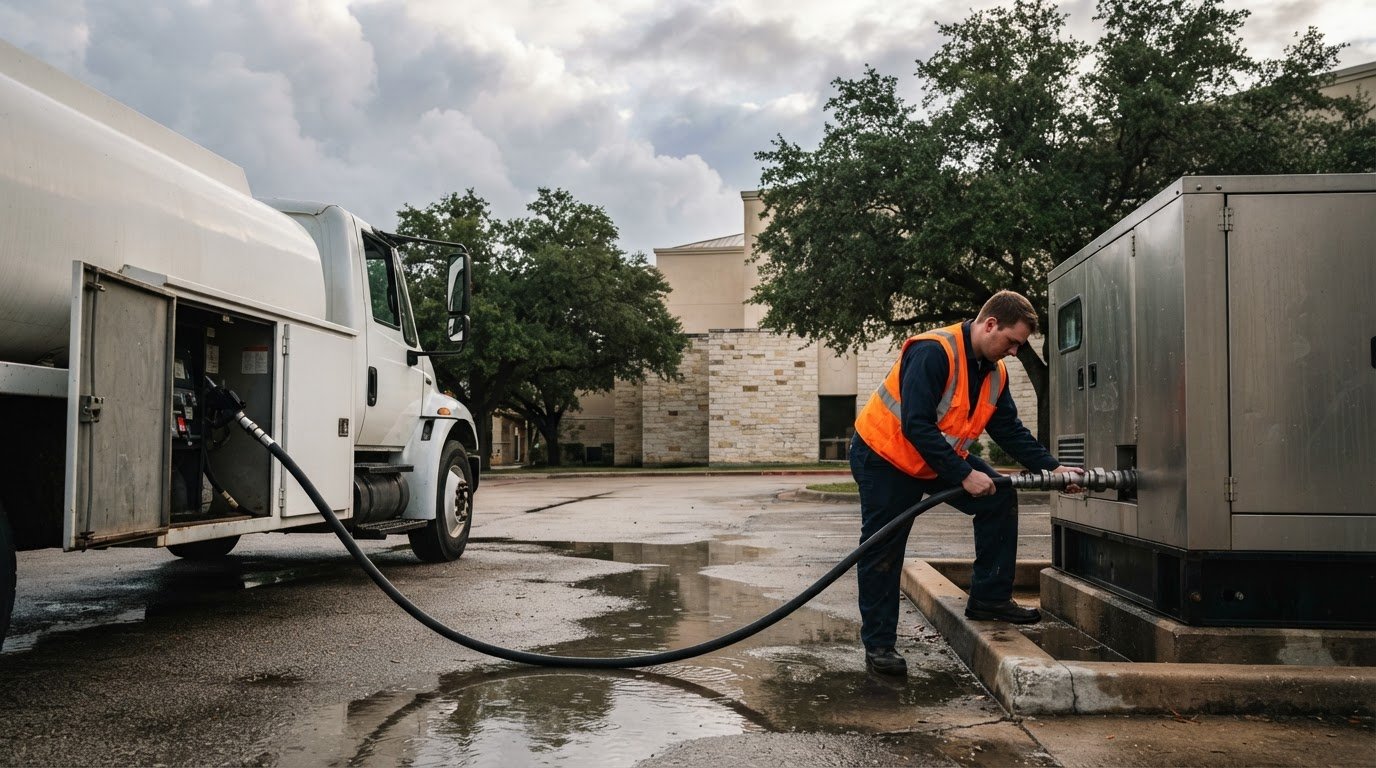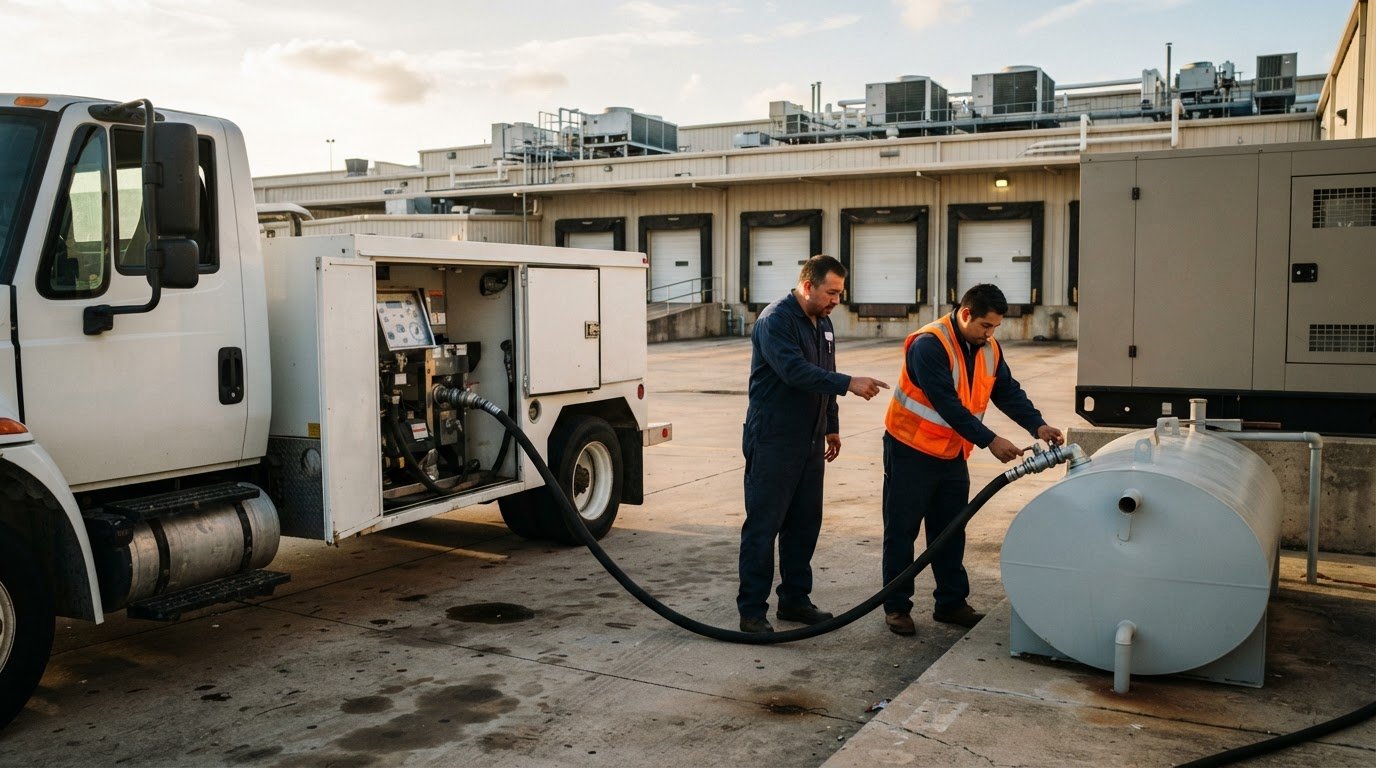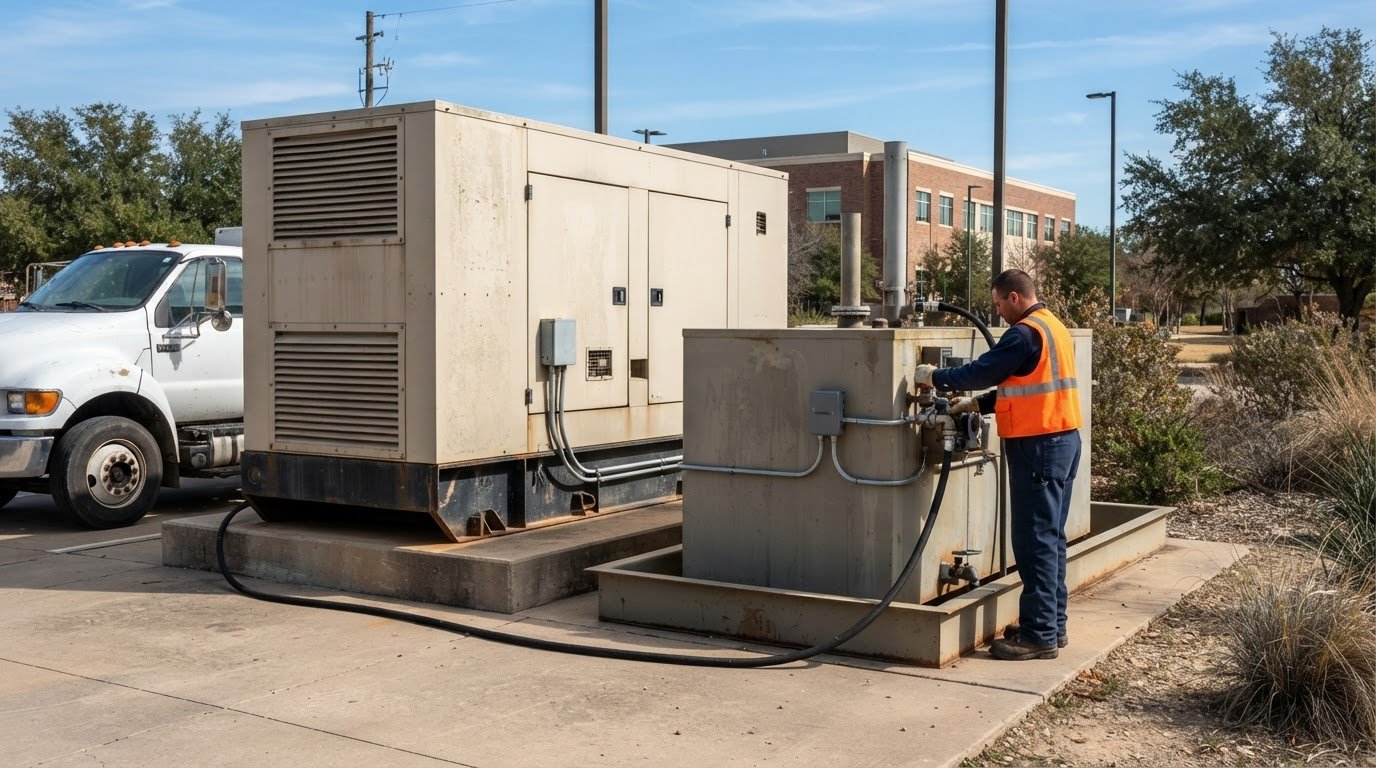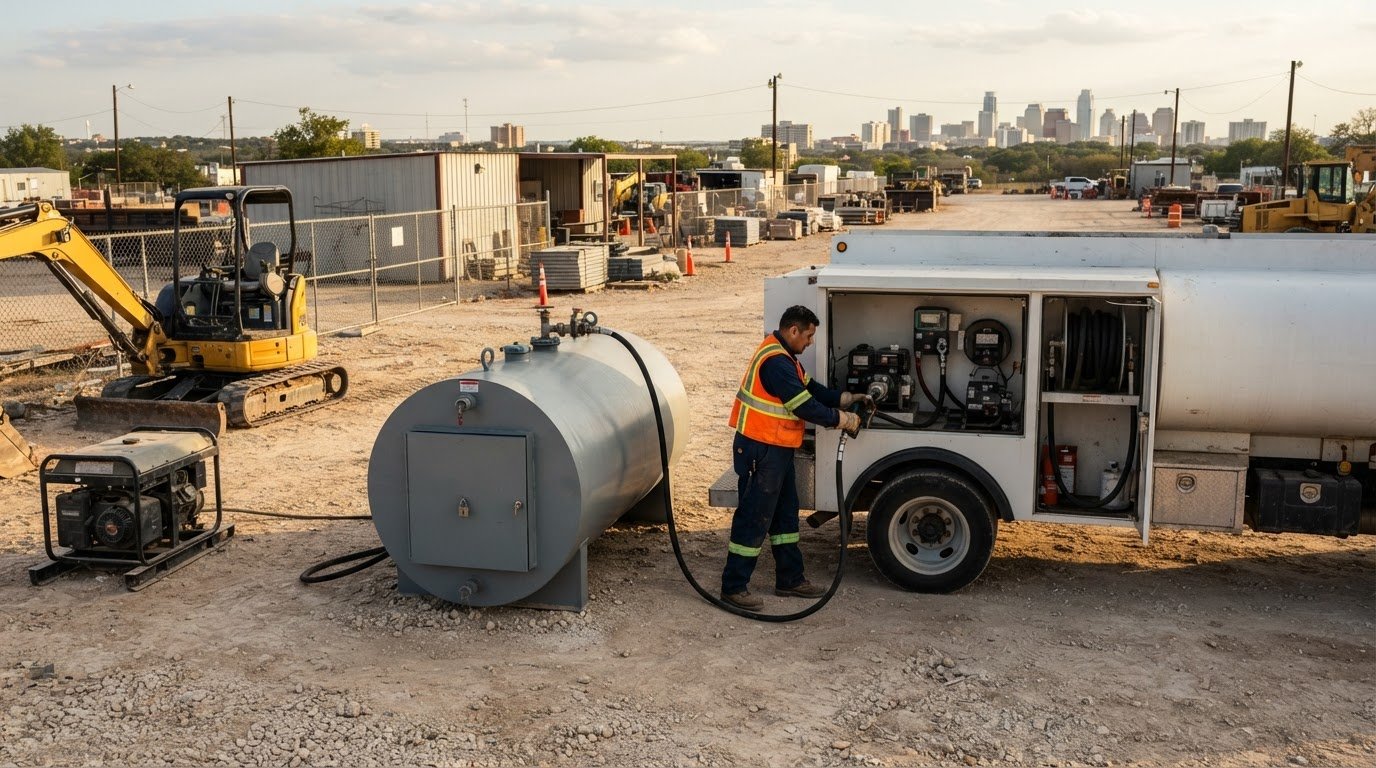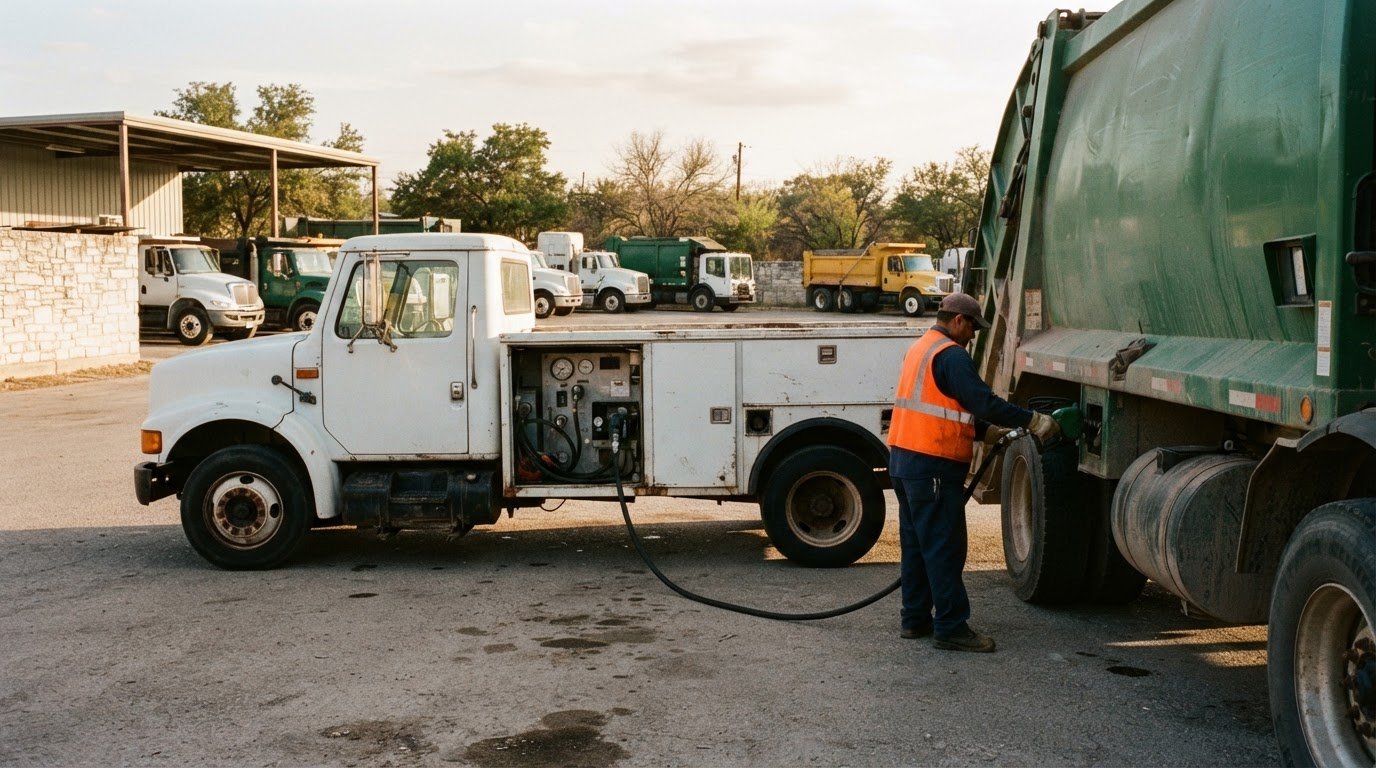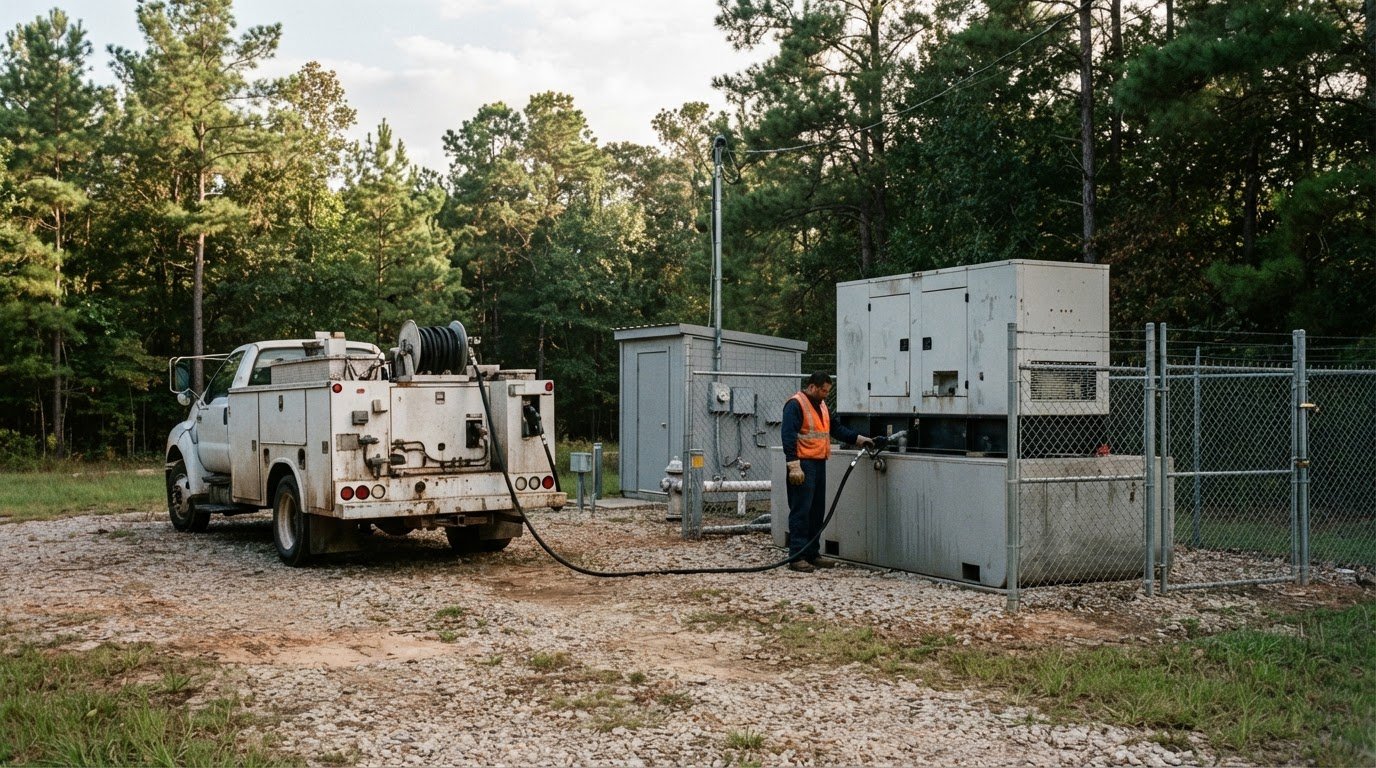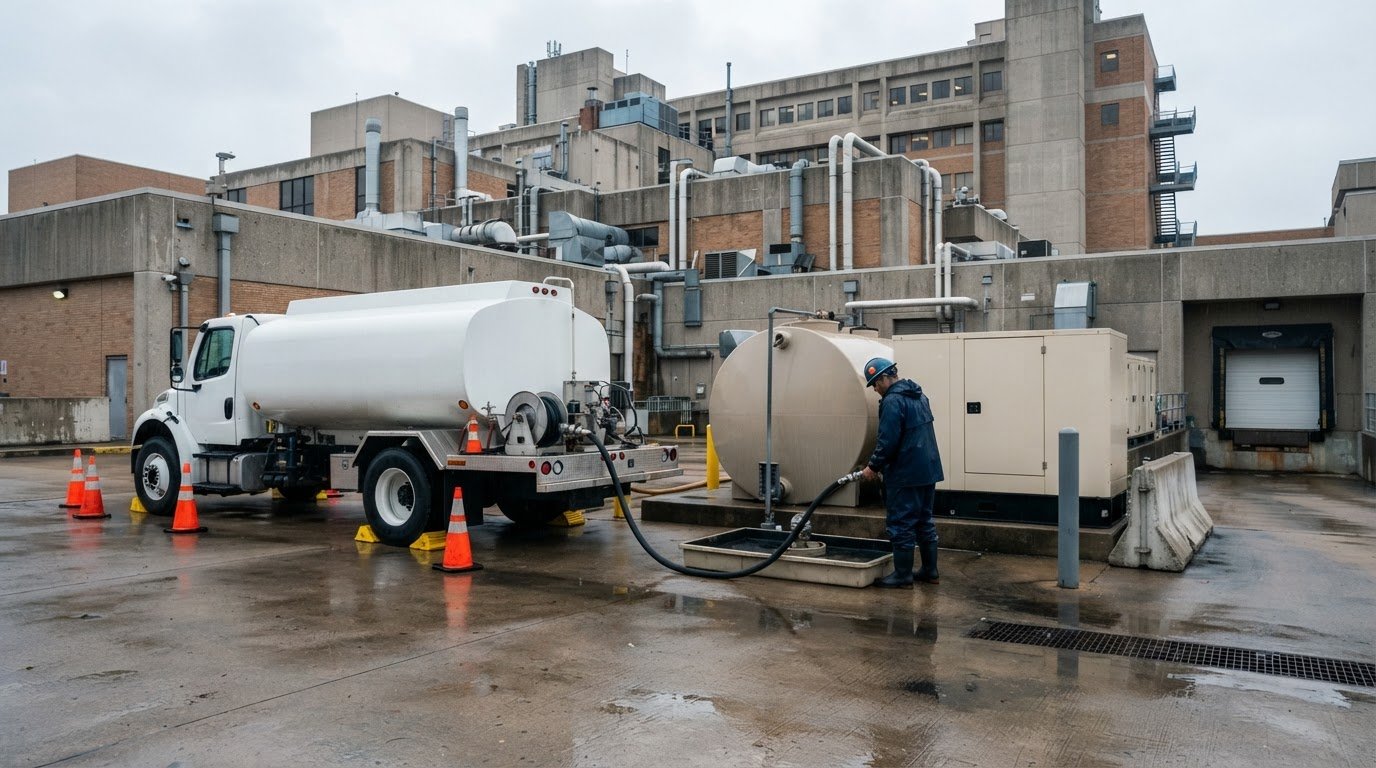
Fuel should reach the work, not pull crews away from it. For Magnolia operators, reducing operational costs with mobile fueling means bringing fuel to vehicles and equipment where they’re needed, helping limit detours and idle time. A practical plan for reducing operational costs with mobile fueling in Magnolia starts with identifying where refueling interrupts schedules or sends vehicles off route.
Fuel is a necessary operating expense, but delivery logistics affect how efficiently crews, vehicles, and equipment stay in motion. Reducing operational costs with mobile fueling in Magnolia can mean fewer avoidable miles, less refueling downtime, and better coordination. Assess fueling needs alongside existing fleet and jobsite routines to identify opportunities without losing sight of the work that must keep moving.
Gathering, processing, and transportation costs
Gathering, processing, and transportation expenses belong to the oil and gas production chain. That benchmark describes company-level production costs, not local fleet fueling expenses. For Magnolia businesses, separating these cost categories makes comparisons more useful. Track production expenses independently from vehicle fuel, equipment use, and delivery-related travel.
Mobile fueling can influence operating costs businesses control directly. A delivery at a jobsite or fleet yard can reduce trips made solely to refuel. Fewer detours may help vehicles stay on assigned routes and crews stay on schedule. The effect depends on delivery timing, site access, vehicle use, and fuel demand. For example, a fleet whose vehicles return to one yard can coordinate deliveries around its regular parking schedule. This is one way to approach reducing operational costs with mobile fueling in Magnolia.
Build a clear baseline before changing fueling arrangements. Record fuel consumption, mileage, idle time, and refueling-related route changes across the same reporting period. Telematics can help managers compare vehicle use and identify recurring detours; delivery records can show when and where fuel reached the operation. For Magnolia fleets, reducing operational costs with mobile fueling in Magnolia means evaluating routes, schedules, and equipment availability together, rather than examining only the fuel transaction.
Vehicle condition also affects consumption. According to the U.S. Department of Energy, keeping tires inflated to proper pressure can improve gas mileage by 0.6% on average, up to 3% in some cases. The U.S. Department of Energy also states that proper tire pressure can improve gas mileage by up to 3%. These figures concern vehicle efficiency, not a guaranteed result from mobile delivery. They show why maintenance and fueling logistics should be reviewed together.
What permits and regulations apply to mobile fuel delivery and storage in Magnolia, Texas? Requirements depend on factors such as fuel type, storage capacity, site use, and delivery setup. Review delivery activity and on-site storage separately, since they involve different site and handling considerations.
What safety, insurance, and environmental risks should Magnolia businesses consider with mobile fueling? Key concerns include spills, ignition hazards, vehicle movement around fueling areas, and fuel reaching soil or drainage. Review how the delivery area is managed, how spill response is handled, and whether insurance coverage addresses the operation’s delivery and storage arrangements.
To assess the cost impact, compare routes and fueling time before and after scheduling deliveries on-site. Note whether vehicles make fewer fuel-only trips and whether equipment is ready when crews need it. For Magnolia operations facing an urgent fuel gap, emergency fueling support can address an immediate delivery need; routine planning should still reflect actual consumption and work schedules.
Reducing idling and out-of-route miles
A fuel stop involves more than time at the pump. A vehicle may leave its assigned route, wait to refuel, then return to the worksite. Across a fleet, these interruptions can complicate schedules and consume fuel without advancing the job. Mobile delivery brings refueling closer to parked vehicles or equipment, helping reduce fuel-only travel.
Idling is another potential source of avoidable fuel use. Depending on the vehicle, a truck can burn close to one gallon of fuel per hour while idling. That fuel adds no mileage and may accumulate during waits, loading, or site delays. For a Magnolia crew whose trucks wait at a staging area between tasks, planned delivery at that location can reduce the need for drivers to leave individually for fuel.
Route planning makes the effect measurable. Compare planned routes with actual vehicle movement, then identify trips made only to reach a fueling location. Telematics can show where vehicles stop and how long they remain idle. Pair those records with delivery times and fuel use to see whether a change improved efficiency or simply moved the wait to another part of the schedule.
Build fueling around the operation’s daily pattern:
- Group vehicles by site, shift, or return-to-yard schedule.
- Arrange delivery when equipment is parked and accessible.
- Record fuel-only detours separately from job-related driving.
- Review idle time and route changes each quarter.
Use existing fleet data while recognizing that not every route is alike. A vehicle returning to a Magnolia yard each evening has different fueling needs from equipment working at a remote site. Workload changes and growth can also shift where fuel is needed. Revisit delivery timing as assignments, routes, and operating schedules change.
Midstream fueling illustrates the same principle for vessels. Fuel can be delivered directly to a barge or towboat while it travels on the river, avoiding a detour to a fuel dock. Avoiding that stop can reduce extra travel and help vessels maintain schedules. Though this example concerns river operations, the efficiency measure is similar: bring fuel to the operating location instead of diverting productive movement.
Track fuel costs alongside operational indicators, not in isolation. A useful review compares route miles, idle time, fuel consumption, and missed or delayed work. If these records show repeated fuel-related interruptions, discuss delivery scheduling for your operation as a way to align refueling with actual vehicle and equipment patterns.
Coordinate closely with dispatch and the teams responsible for fuel to ensure seamless execution. Fleet cost per mile is calculated by dividing total operating costs by total miles driven over the same period. Use the same period for both sides of that calculation, and consider the result alongside route miles, idle time, fuel consumption, and work delays. A lower figure alone does not show which change mattered; reviewing operating records can help distinguish fuel-only travel from work-related movement. Keep comparisons consistent when evaluating delivery schedules, and revisit the underlying costs and miles as operating patterns change. This provides a shared measure for discussing whether refueling is fitting the operation.
Operational cost savings and synergies
For Magnolia operators, savings depend on how fuel delivery fits production, labor, and equipment schedules. Mobile fueling can consolidate separate refueling tasks, giving drivers and field teams more time for assigned work. It can also simplify coordination when several vehicles or assets need fuel within the same operating window. Measure these effects alongside fuel consumption to see whether the change reduces total expenses.
How can a mobile fueling provider help a business calculate its return on investment? Compare existing fueling expenses with costs after delivery is integrated into the schedule. Include fuel, driver time, fuel-related travel, idle time, and documented disruptions, then compare changes over consistent reporting periods.
Start with a baseline for the assets included in the evaluation. Record fuel use, delivery frequency, route changes, and time spent refueling. After changing the process, track the same measures across comparable work periods. This helps separate genuine operational improvements from changes caused by production levels, weather, or different assignments. Telematics and fuel transaction records can support the comparison when those systems are already in use.
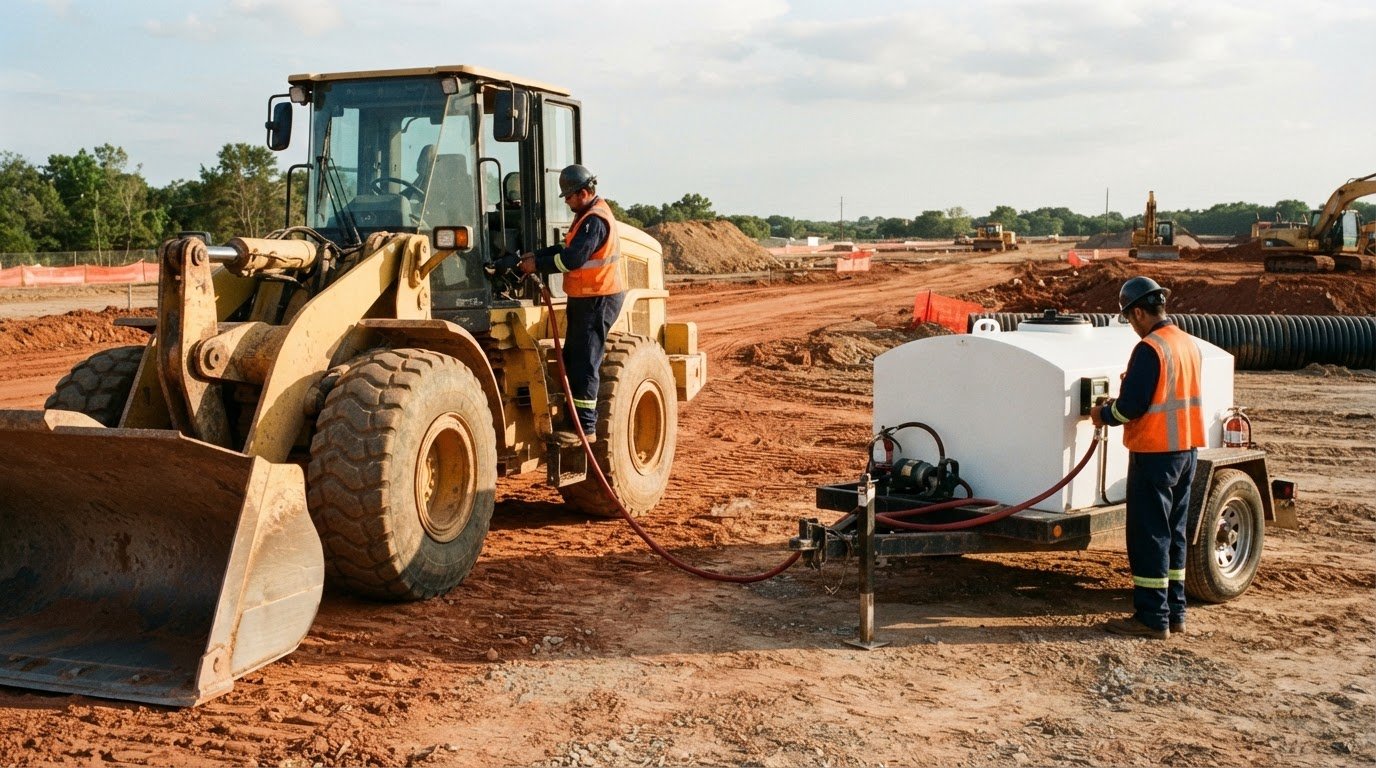
Operational efficiencies can also come from coordinating fuel needs across equipment and facilities. For example, a construction operation might align equipment fueling with generator fueling at the same worksite. One coordinated schedule can reduce separate planning tasks and help keep essential assets ready. The value depends on site access, demand patterns, and whether equipment is available during the delivery window.
Magnolia Oil & Gas estimated annual run-rate synergies of more than $100 million following its WildFire Energy acquisition. That corporate-scale figure reflects an acquisition, not a forecast for mobile fueling or a local fleet. It does illustrate how integration can create savings when operations, assets, and production requirements are coordinated. For a fleet, the practical analysis is narrower: identify duplicated trips, overlapping schedules, and preventable fueling interruptions.
Fuel management data can add another layer of control. Transaction tracking can help identify unusual purchases, while consumption records can highlight vehicles or drivers whose patterns differ from comparable work. Managers can then review route assignments or provide coaching. Treat these signals as prompts for investigation, not automatic proof of misuse or poor performance.
- Compare total fueling expenses before and after schedule changes.
- Separate fuel consumption from labor and vehicle operating costs.
- Track changes in refueling interruptions, production continuity, and asset readiness.
- Review results when routes, workload, or site requirements change.
The price depends on delivery volume, frequency, fuel type, locations, and site access. A case-specific figure is provided in a quote after a quote request.
How does mobile fueling reduce operational costs for businesses in Magnolia?
Mobile fueling can reduce operational friction by aligning delivery with where and when work happens. A Magnolia contractor can arrange delivery at a staging area before equipment begins its shift. This can simplify coordination, limit fuel-related interruptions, and keep employees focused on assigned tasks. Track labor, fuel, and equipment availability together, since savings depend on actual usage and operating patterns.
Start with a defined group of vehicles or assets instead of changing every fueling process at once. For example, a business might begin with equipment based at one worksite. Compare fuel use and operating records before and after scheduled on-site delivery. Record refueling time, work interruptions, fuel transactions, and changes in equipment readiness. This provides a practical basis for deciding whether to expand the process to other Magnolia locations.
A sample calculation can show why measurement matters. That figure describes fuel consumption under those assumptions, not a delivery price or projected savings. If mileage, workload, or fuel use changes, the operating result changes too.
Mobile delivery can also simplify fuel coordination across different asset types. A site that relies on both construction equipment and a generator can plan fuel around each asset’s operating schedule. Separate records help managers distinguish vehicle fuel from stationary equipment consumption. This makes it easier to identify which assets need regular replenishment and which require fuel only during specific work periods.
Use a consistent review process to keep the cost analysis useful:
- Define the vehicles, equipment, or generators included in the review.
- Compare fuel usage and operating records across equivalent work periods.
- Account for employee time spent on fueling-related tasks.
- Review missed work, equipment readiness, and delivery coordination.
- Adjust schedules when site demands or asset use change.
Transaction records can help match fuel volume to the correct vehicle, generator, or jobsite. Managers can compare planned use with actual consumption and investigate recurring differences. A Magnolia operation with changing project assignments may need to revisit delivery locations and timing as equipment moves. Tying each adjustment to a specific site or asset makes the financial review clearer and supports disciplined decisions about continued use.
Mobile fueling is most useful when it addresses a documented operational need, such as repeated fuel runs or difficult coordination across active sites. If vehicles already refuel conveniently during routine downtime, the logistical benefit may be smaller. Evaluate the process against operating records, then expand where measurable improvements in time, coordination, or equipment readiness support the change.
How do mobile fueling costs compare with traditional fuel stations and on-site fuel tanks?
Fuel price alone does not provide a useful comparison. A Magnolia business should compare the full cost of each method, including employee time, vehicle travel, fuel handling, storage responsibilities, and effects on work schedules. Traditional stations can suit vehicles already traveling nearby. Mobile delivery brings fuel to an agreed operating location, which can be valuable when detours or separate fueling trips disrupt work.
For station fueling, include the time drivers spend leaving a site, refueling, and returning to their route. A fleet with nearby stations and predictable breaks may find that approach practical. A remote worksite with equipment that cannot easily leave may face more coordination and lost productive time. Compare actual route records and refueling routines rather than assuming one method costs less for every Magnolia operation.
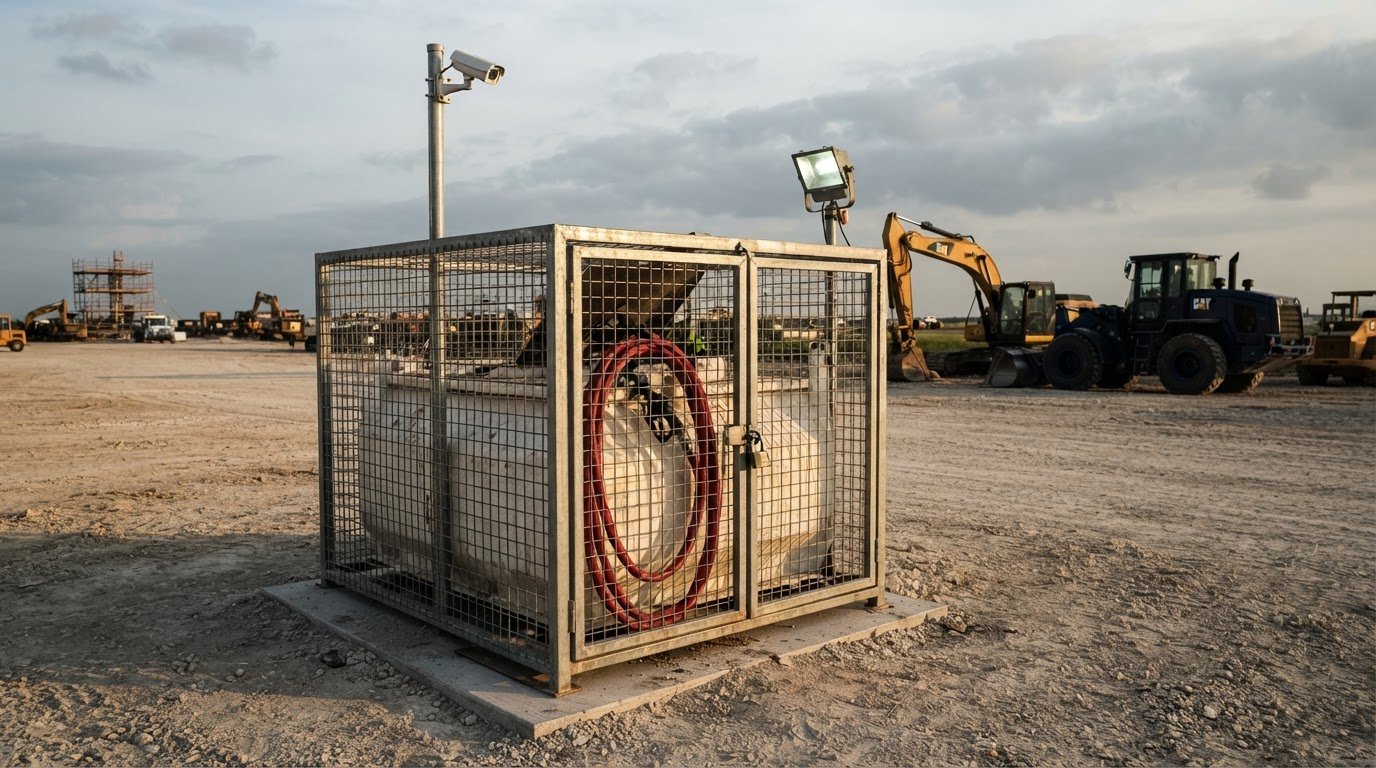
An on-site tank can suit operations with steady demand and space for storage. Magnolia contractor or agricultural fuel systems typically range from 2,000 to 4,000 gallons, while larger rural fuel operations typically use tanks ranging from 6,000 to 10,000 gallons. These capacities indicate the scale of storage used in different settings, not a recommendation for every business. Tank suitability depends on consumption patterns, site layout, and how consistently the stored fuel will be used.
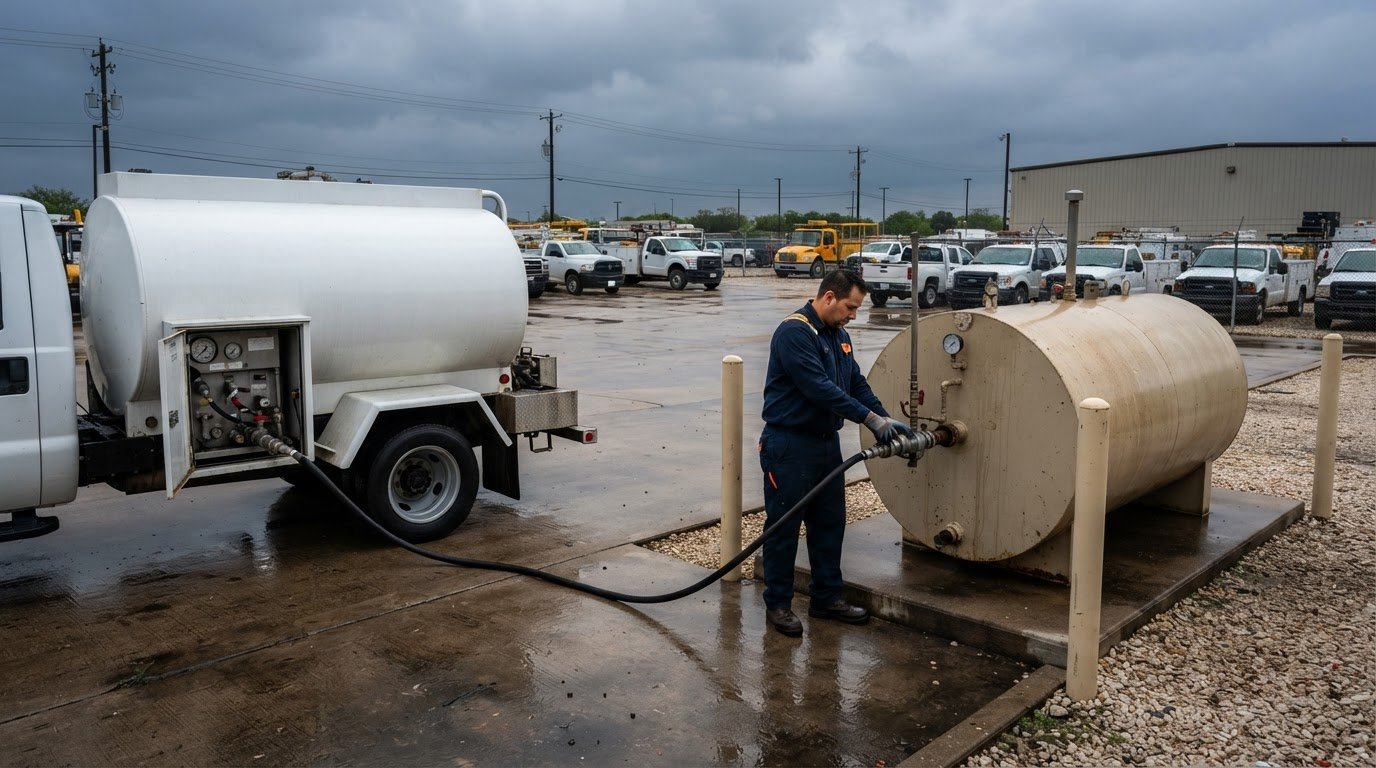
Fixed storage requires businesses to plan replenishment and manage fuel inventory. It can work when demand is predictable and a location regularly uses stored fuel. Mobile delivery avoids relying on a fixed tank at each active site, but scheduling must match access, consumption, and changing work locations. Larger fleets with consistent workloads and predictable baseline fuel use may also find bulk purchasing suitable, while irregular demand can make flexibility more important.
Use the same comparison categories for all three approaches:
- Count vehicle miles and employee time devoted to fueling.
- Track fuel consumed by vehicles, generators, and equipment separately.
- Include storage capacity, inventory planning, and site requirements for tanks.
- Compare delivery timing with the operation’s shift and equipment schedules.
- Reassess the method when project locations or fuel demand change.
For example, a Magnolia contractor operating from one yard with steady equipment use may value the control of a fixed tank. A business shifting assets between worksites may prioritize delivery flexibility. Compare each option over the same reporting period, using operating records rather than estimated savings. This keeps the decision grounded in the work performed, not just the fueling method.
To compare a fueling approach against your operating needs, request a mobile fueling quote for your Magnolia operation.
In Magnolia, Texas, residential or small-property fuel tanks typically range from 500-1,000 gallons. Fuel typically accounts for more than half of a company's total operating budget, so tracking usage can sharpen comparisons between fueling methods. Fleet fuel management systems can use fuel-tank sensors and GPS tracking to provide real-time fuel-level insights. Fuel cards can use spending, transaction, or location restrictions to help manage card use.
Fleet fuel and telematics data can help detect engine issues or other maintenance concerns before they cause breakdowns, adding useful context to operating costs. For vessel fueling, fuel is transferred through hoses and pumps after a secure connection is established, with communication and monitoring throughout the process.
React Fueling
React Fueling helps Magnolia businesses coordinate commercial fuel delivery for vehicles, equipment, and generators. When refueling trips disrupt schedules or multiple assets need fuel at a worksite, delivery can bring fuel closer to operations. Services include diesel delivery, equipment fueling, general fuel delivery, and generator fueling. The right fit depends on fuel needs, operating locations, and schedules.
For a practical next step, identify the vehicles or equipment involved, their locations, and the delivery requirements. That information helps frame a fueling plan around actual operations rather than assumptions about potential savings. Contact React Fueling to discuss mobile fueling for your Magnolia operation.
Make your next fueling decision count
Reducing operational costs with mobile fueling in Magnolia starts with a clear priority: keep essential work moving while controlling avoidable fuel-related effort. Identify the vehicles, equipment, or sites where coordinated delivery could make the greatest difference, then use those needs to shape a practical fueling plan. A focused starting point helps turn operating records into decisions that support your schedule and workload.
React Fueling offers Diesel Delivery, Equipment Fueling Service, and Fuel Delivery for commercial operations. These services can support businesses reviewing how fuel reaches vehicles and equipment at active worksites. Share the locations, operating demands, and fueling requirements that shape your work, then request a quote for a delivery approach aligned with those needs.
Contact React Fueling to discuss mobile fueling and take the next step toward a more organized fueling operation. Your team can keep its attention on the work ahead.
Frequently Asked Questions
Which mobile fueling companies serve Magnolia, Texas, and what services do they offer?
React Fueling serves commercial operations in Magnolia, Texas, with fuel delivery for fleets, construction sites, and industrial facilities. Services include diesel delivery, equipment fueling, generator fueling, emergency fuel delivery, DEF fluid delivery, and fuel tank rentals. React Fueling also serves Houston, TX; Austin, TX; San Antonio, TX; Dallas, TX; College Station, TX. Match the service to the fuel needs of your vehicles, equipment, or generators.
How much can businesses save on labor, fuel, and vehicle downtime with mobile fueling?
Savings depend on how much time and travel a business currently spends refueling, as well as the effect of delays on its work. Estimate the impact by comparing driver time, fuel-only miles, and fueling-related interruptions across similar operating periods. For example, a construction manager can review equipment logs and shift records before and after changing delivery schedules. Those records show where savings occur without assuming every fleet will achieve the same result.