The lowest quoted rate doesn’t show whether a fuel supplier can keep your operation supplied on workable terms. Knowing how to choose a commercial fuel supplier in Houston means looking beyond the opening price: understand how rates are set, what services are included, and whether delivery and billing fit your operation.
Price matters, but so do clear terms and dependable service. A useful agreement explains how rates may change, how deliveries are scheduled, and how schedule changes or missed commitments are handled. Reviewing those details upfront helps you understand what you’re agreeing to before relying on a supplier.
This guide explains how to estimate fuel needs, review pricing and contract terms, assess quality checks and certifications, and evaluate reliability, billing support, and supplier references. You’ll have a practical framework for choosing a commercial fuel supplier that aligns with your site, equipment, and operating schedule.
Energy cost and risk management
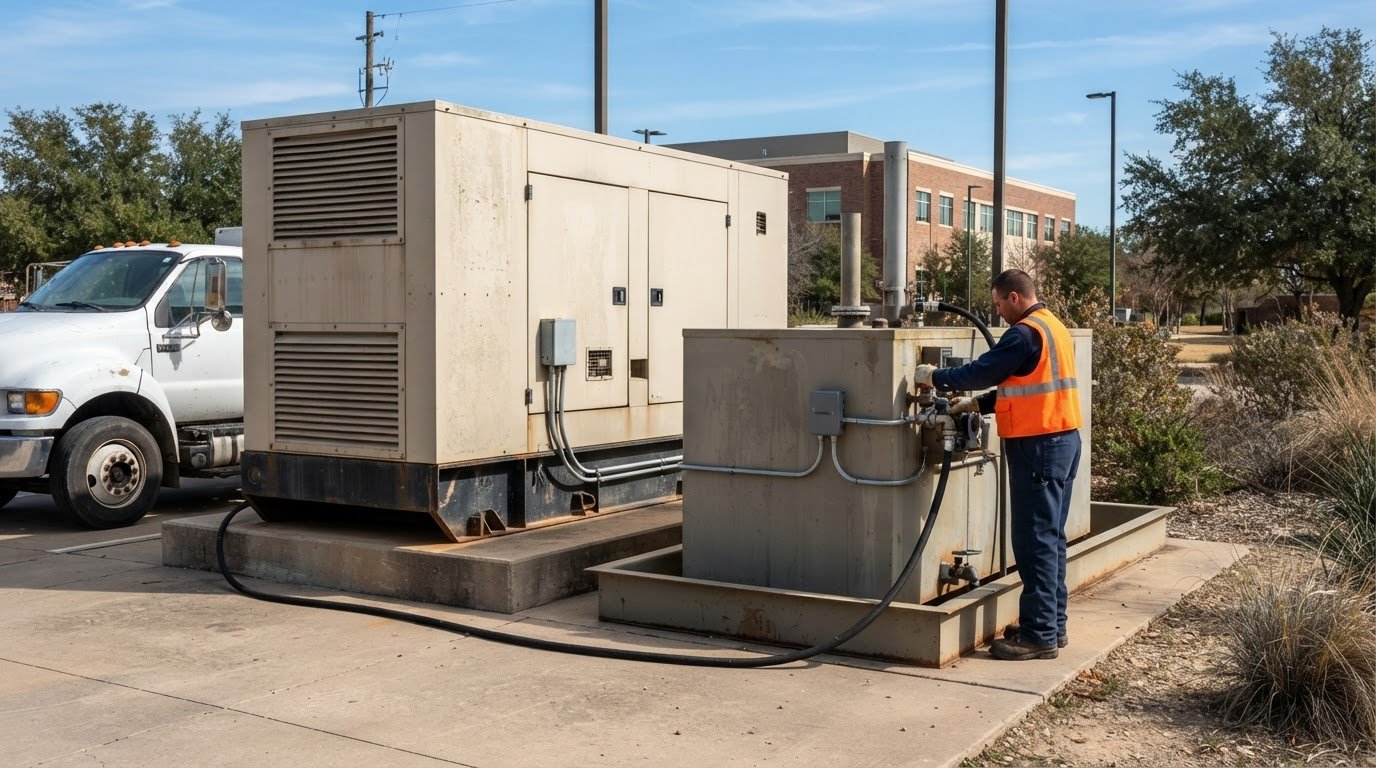
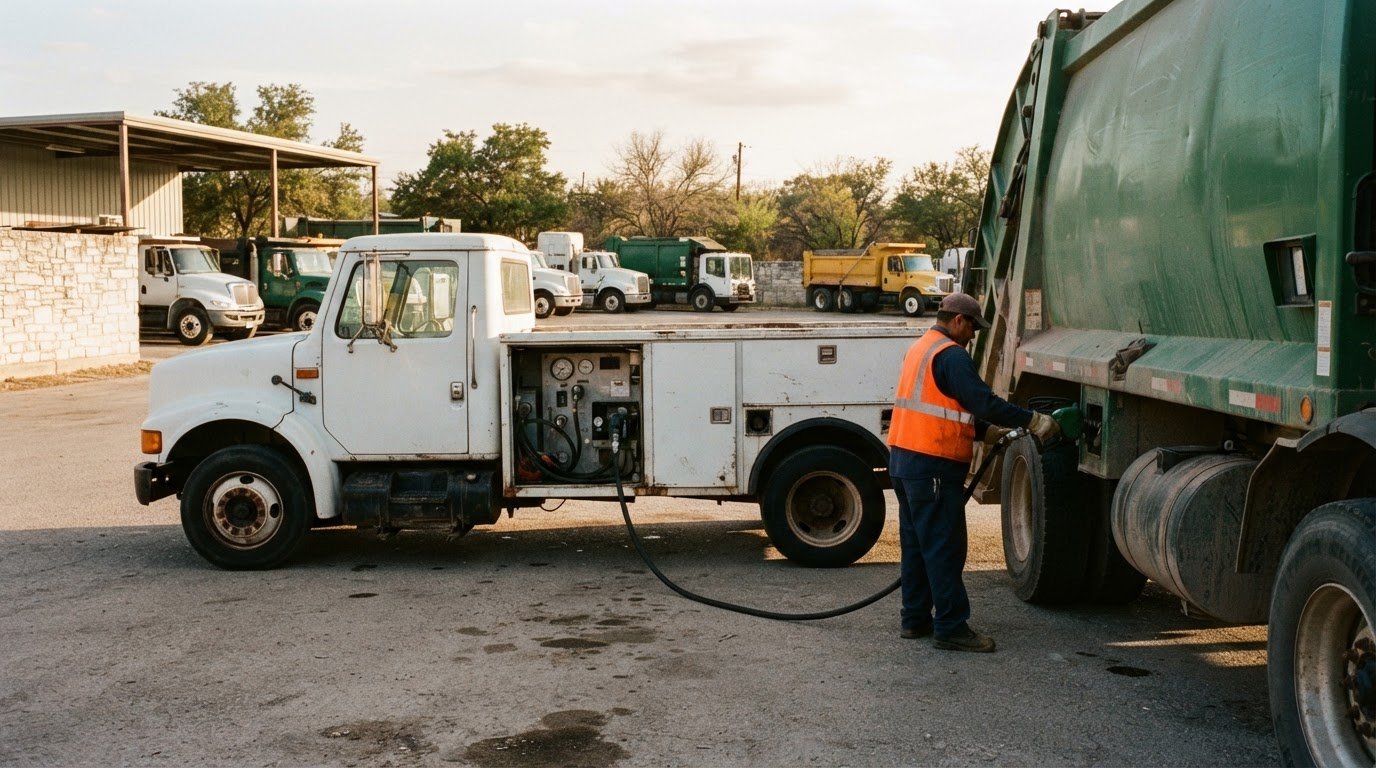
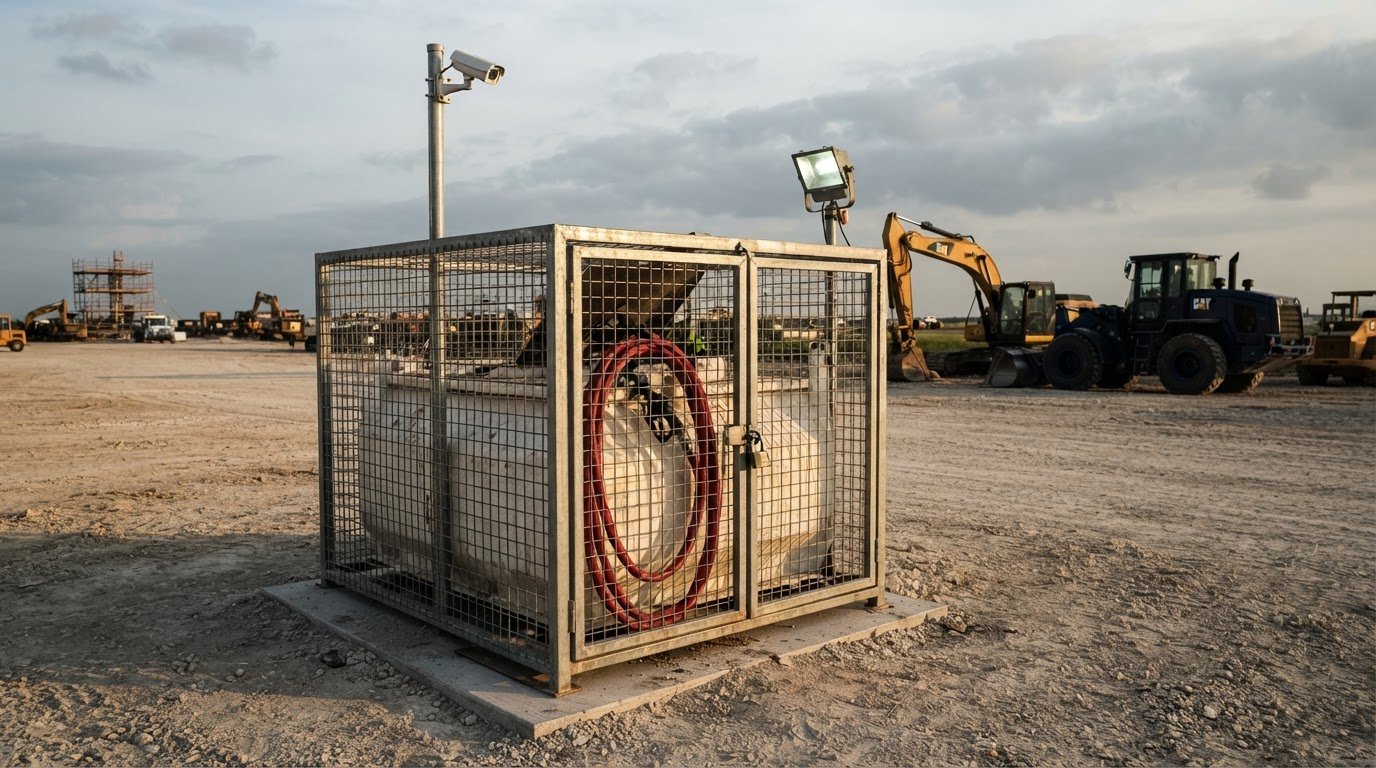
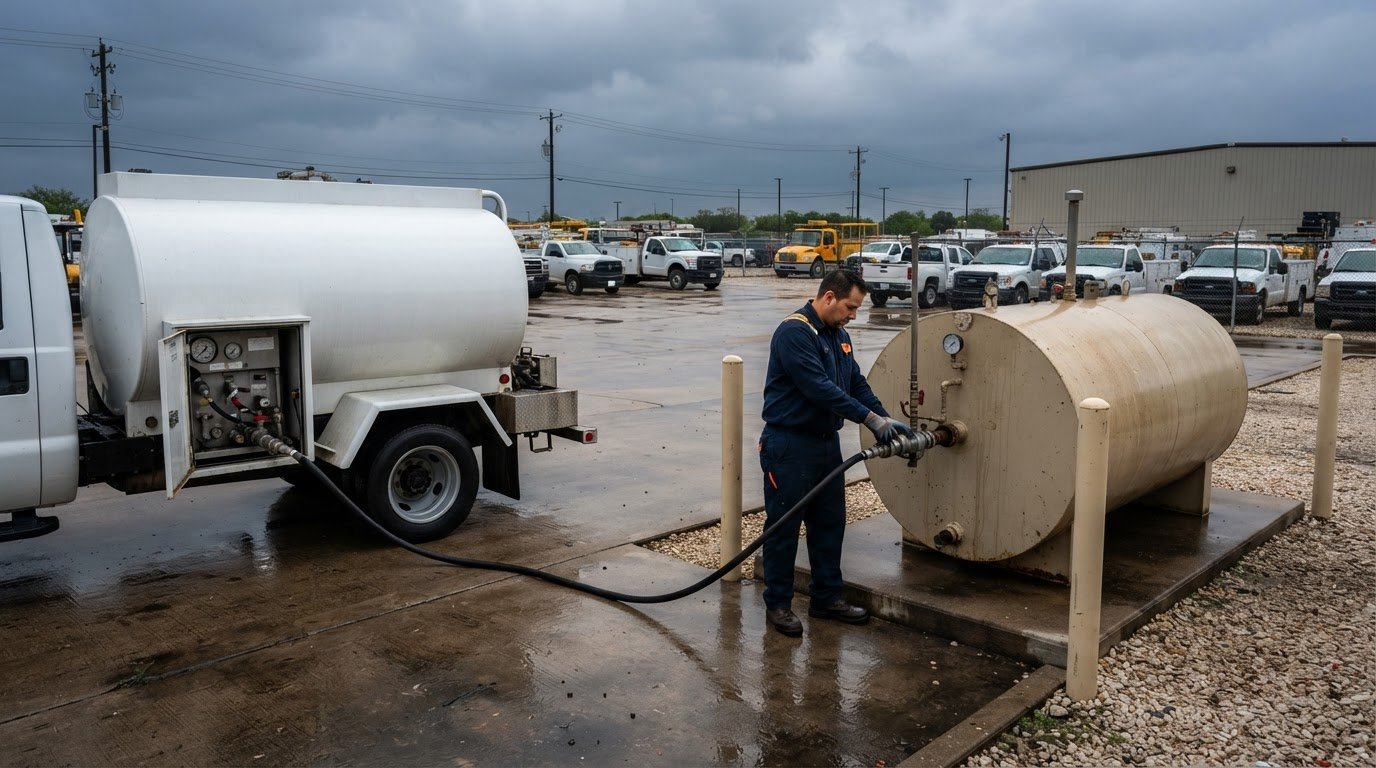
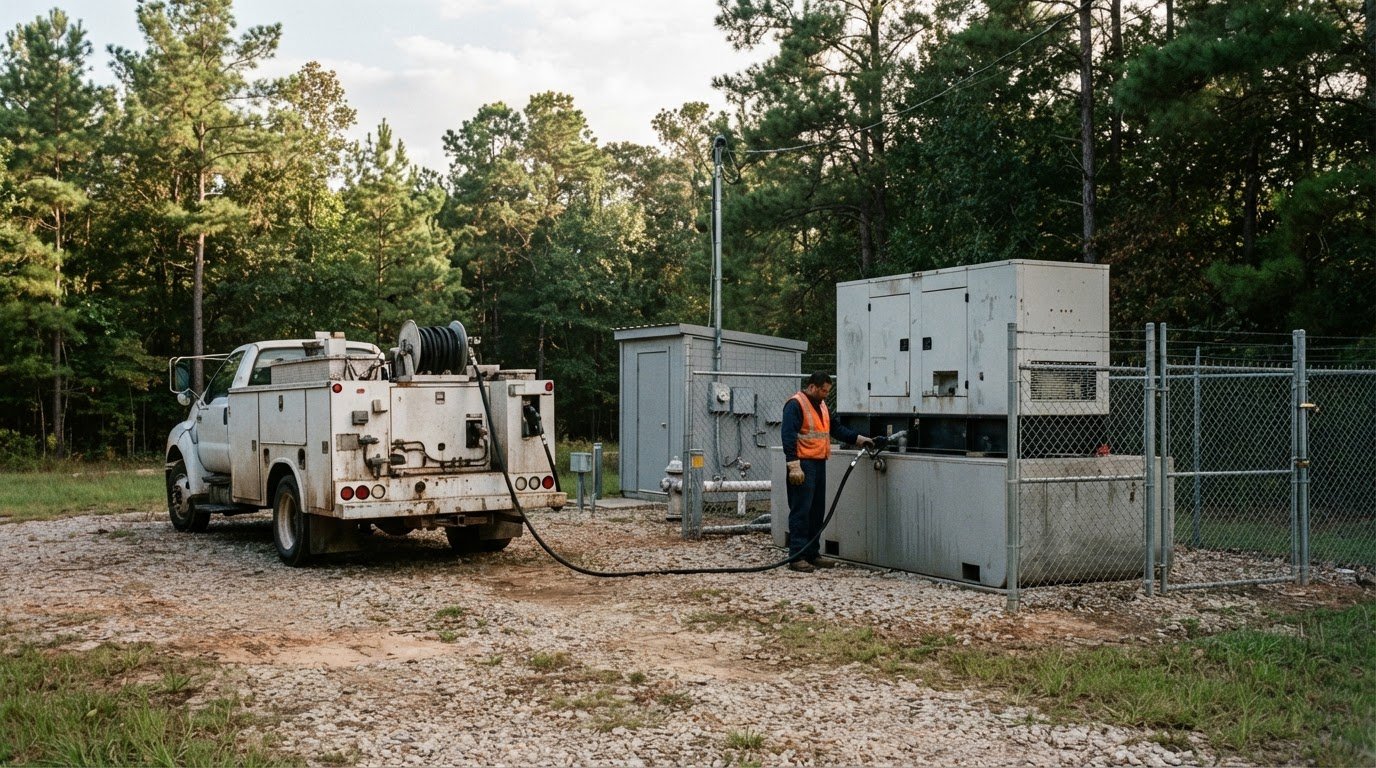
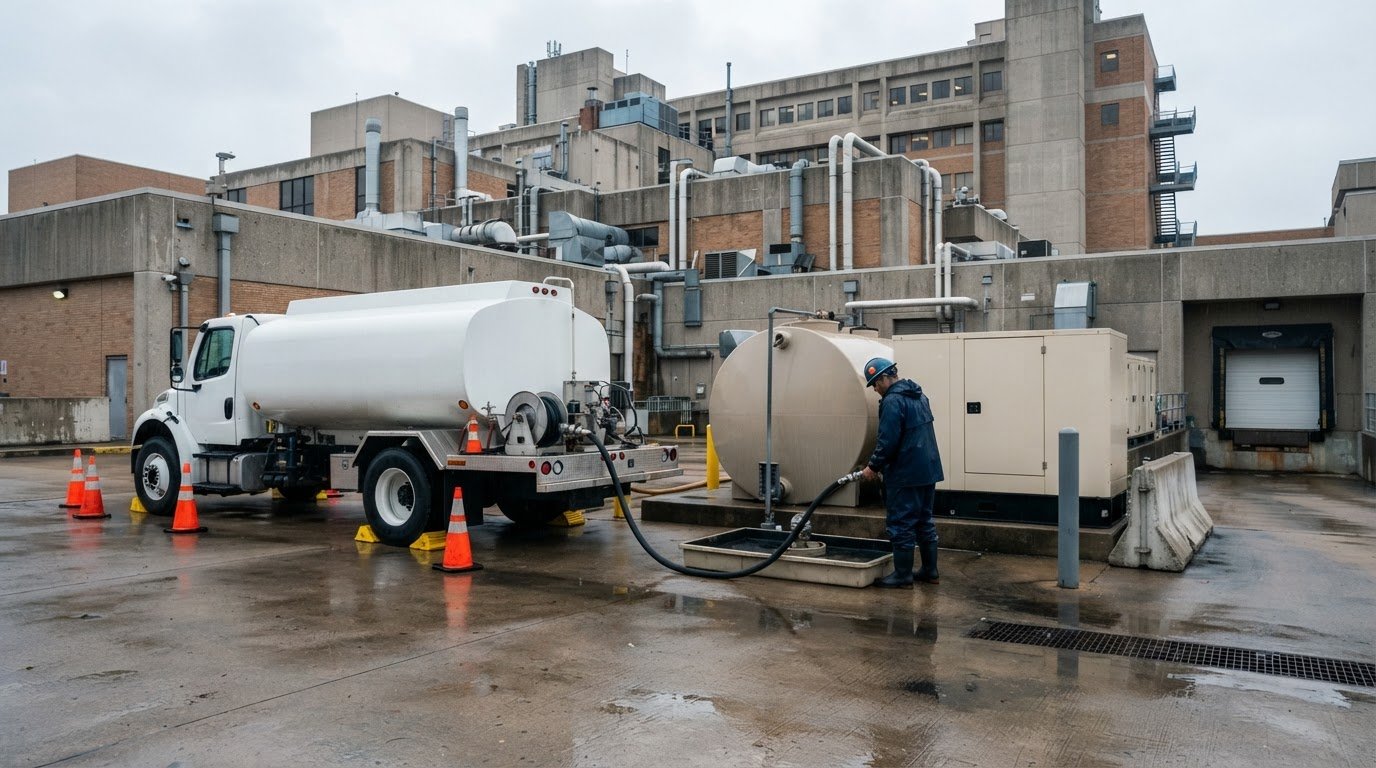
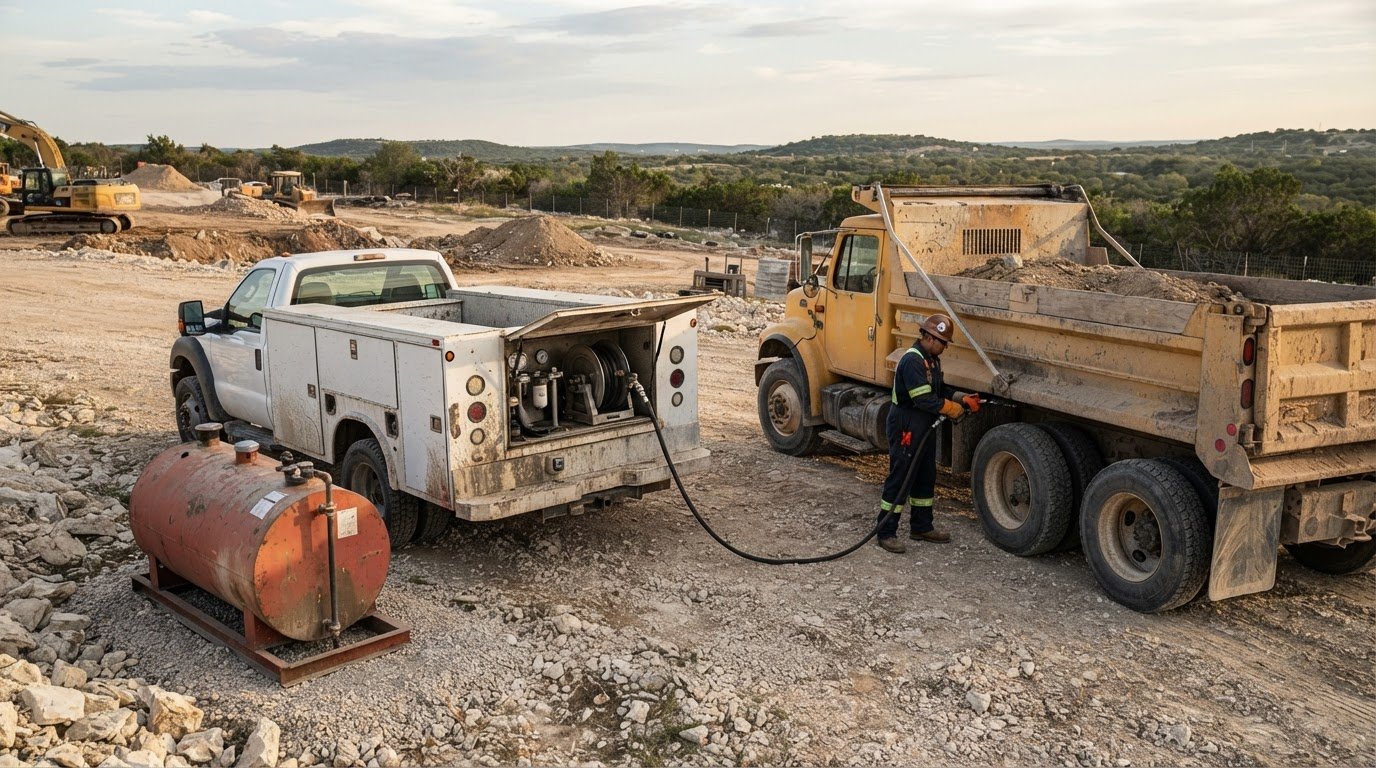
Commercial fuel supply can include diesel, gasoline, and DEF, with delivery for fleets, equipment, generators, and work sites. In Houston and across Texas, match the supplier’s services to the fuel each operation uses and the way it needs deliveries scheduled, including urgent supply when required.
Start by estimating fuel use daily, weekly, or monthly, then compare it with operating schedules and delivery records. A construction site running heavy equipment has different demand from a fleet returning vehicles to a depot. Track use by site, vehicle, and equipment to spot changing needs before they disrupt operations.
Next, examine how the agreement sets and adjusts fuel costs. Fixed pricing can improve predictability when market conditions fluctuate, while variable pricing may change with the agreement’s stated index or adjustment method. Review the calculation, timing of adjustments, delivery schedule, and any penalties for non-compliance. Some supplier agreements may offer discounts for deliveries scheduled during off-peak times, which can suit sites with flexible receiving windows.
Keep tax obligations distinct from the price terms in a supply contract. According to the Texas Comptroller of Public Accounts, Texas suppliers, permissive suppliers, distributors, importers, exporters, and blenders must file and pay diesel fuel tax monthly by the 25th day of the month following the activity. Texas assesses a 5 percent penalty when diesel fuel tax is paid 1-30 days after its due date, according to the Texas Comptroller of Public Accounts. Texas assesses a 10 percent penalty when diesel fuel tax is paid more than 30 days after its due date, according to the Texas Comptroller of Public Accounts. These rules address listed fuel-tax parties, not every commercial fuel buyer.
Connect fuel records to operating activity. For each delivery, record the date, receiving location, equipment or fleet, and invoice. If a generator’s recorded fuel use rises while its operating schedule stays steady, investigate the difference before changing the delivery plan. Consistent records also help explain variances during budget reviews.
Fleet cards can organize vehicle-level fuel transactions, while delivery invoices track site or equipment supply. Reconcile both records by vehicle, location, date, and fuel type; separate card transactions from delivered diesel to avoid counting the same supply twice. For a fleet and job site sharing fuel administration, this comparison helps expose gaps in reporting and supports more accurate demand forecasts.
When on-site fueling is central to the plan, diesel delivery can support fleet and equipment operations. Align delivery records, fuel forecasts, and contract terms so purchasing decisions reflect actual operating demand rather than a single invoice or isolated market movement.
Wholesale price of diesel fuel increased by 74%, while the retail price of diesel fuel grew by 54%. Businesses can use these movements as a prompt to revisit purchasing assumptions, while avoiding the assumption that wholesale and retail changes affect every contract in the same way. Estimate required fuel volume on a daily, weekly, or monthly basis, then compare expected use with actual consumption and adjust replenishment plans as operating demands change.
Certifications and industry standards to look for in a Houston commercial fuel supplier
Ask how the supplier handles fuel quality and delivery records. Check that documentation identifies the fuel and receiving location, and clarify how a reported concern is recorded and addressed. Don’t assume testing methods or certifications: focus on the procedures and records the supplier can explain.
Review certifications as evidence of a defined scope, not as a substitute for operating details. Check the certificate’s issuing organization, stated activities, and validity dates, then match those details to the fuel supply and delivery work required. A credential covering one business activity may not describe every step in a separate delivery or site-fueling process. Relevant standards and certifications should connect to actual handling, testing, or quality-control practices.
Request a concise explanation of the supplier’s quality-control sequence. It should identify where testing occurs, how results are recorded, and how a concern moves from detection to resolution. For example, a delivery record tied to a specific site helps connect a quality concern with the affected load and receiving operation. Written procedures make that process easier to review than a broad assurance about fuel quality.
Site requirements shape an industrial fuel plan. A construction project may need diesel delivered to equipment across an active work area, while an industrial facility may coordinate supply around fixed operating routines. A fleet may need consistent records across vehicles and locations. Compare delivery planning, receiving procedures, and documentation against each setting rather than treating every site alike.
Build the review around practical evidence:
- Scope: Match each certification or stated standard to the specific fuel and activity it covers.
- Testing: Review the method, quality checks, and records used to assess fuel.
- Handling: Understand how storage, transfer, and delivery procedures reduce contamination risk.
- Traceability: Confirm records connect fuel deliveries with dates, locations, and receiving operations.
- Issue response: Look for a documented process for investigating and resolving quality concerns.
A credential alone does not show how a supplier’s process works day to day. For diesel delivered to several fleet locations, records should identify each delivery; at a construction site, delivery plans should account for equipment and access conditions. Assess the operating environment, fuel requirements, and delivery pattern together.
For a Houston operation with specific site or equipment requirements, discuss the fuel requirements and delivery setup to clarify how those needs fit the supply plan.
Pricing indexes and contract terms to compare when choosing a commercial fuel supplier
A Houston commercial fuel supplier should be able to discuss your fuel type, operating schedule, equipment, fleet activity, and delivery locations. For a meaningful quote comparison, give each supplier the same requirements and compare the same delivery scope and pricing basis.
Pricing Strategies and Budget Protection
Before comparing rates, identify how each quote calculates the price, when adjustments take effect, and what the rate includes. Review the delivery schedule and terms for handling changes or missed commitments so you can assess the full arrangement, not just the price per unit.
Compare the proposed terms with your actual operating patterns. A site with predictable generator use may prioritize cost planning, while a project with changing equipment demand needs clear rules for adjusting deliveries. Assess those needs against the agreement’s pricing and scheduling terms, not just its opening rate.
Fixed and Variable Pricing
Fixed pricing may make costs more predictable when fuel markets fluctuate. Its value depends on the period covered, included services, and any conditions that allow the rate to change. Read the adjustment terms carefully so you understand what could affect the total billed amount.
Variable pricing follows a changing basis, which can move the billed rate over time. Compare how that basis is identified, when updates take effect, and how each change appears on invoices. For operations with shifting fuel demand, understand how market movements and delivery timing interact with the billing method.
Flexible Pricing Options
Flexible terms can align pricing and delivery with changing site requirements. Review whether the agreement accommodates revised schedules, fluctuating volumes, or deliveries to multiple locations. A construction operation that moves equipment between sites, for example, needs terms that explain how changes affect the quoted scope.
Don’t base a supplier decision on an assumed off-peak discount. Compare the quoted price and delivery schedule with your site’s access and operating hours, and confirm that the arrangement fits your receiving needs.
Build a like-for-like quote request before selecting a supplier. State the fuel type, expected demand pattern, receiving locations, delivery requirements, and billing needs. Ask each supplier to present the same details, including the pricing basis, adjustment timing, included services, delivery schedule, and non-compliance terms. This makes differences visible without relying on an initial rate alone.
- Demand assumptions: Keep fuel type, expected volume, and operating pattern consistent.
- Delivery scope: Specify locations, schedule, and required delivery coordination.
- Price terms: Compare the basis, adjustment process, and applicable contract conditions.
- Billing detail: Match invoice records to the quoted fuel and delivery scope.
For a quote based on your operation’s requirements, request a commercial fuel quote with those details.
Reliability and billing support
Commercial fuel billing may include consolidated invoices, scheduled payment terms, volume discounts, or fuel-card transactions. Compare eligibility, transaction records, invoice detail, and payment conditions against your purchasing process. A clear invoice should make it possible to match each charge with a fuel purchase, delivery, or account adjustment.
Compare the supplier’s service area, site access requirements, order thresholds, and stated scheduling commitments with your operation. A remote worksite and a fleet yard may need different delivery arrangements, so describe each receiving location when requesting a quote.
Reliability starts with a clear delivery process. Find out how orders are received, how schedule changes are communicated, and how deliveries are documented. A site receiving fuel for equipment needs records tied to the correct delivery and location. Clear responsibility for updates helps teams coordinate work when plans change.
Tracking tools can give dispatch and site teams a shared view of delivery progress. Check how updates connect to order records, delivery confirmation, and invoices. When timing changes, clear updates help staff adjust equipment plans and keep work schedules current.
Detailed billing records matter when a business manages several sites, vehicles, or fuel types. Check whether invoices identify the transaction date, fuel, receiving location, and any adjustments. Compare the details with internal records, and separate site deliveries from fleet-card transactions to make exceptions easier to trace.
Knowing how to choose a commercial fuel supplier in Houston also means understanding how delivery and billing issues are handled. If an invoice shows the wrong location, the correction should be documented and communicated. For a missed delivery window, clear updates help operations and accounting understand what happened.
Review any volume terms or fuel-card arrangements carefully. Check how a volume threshold is calculated, which purchases qualify, and how credits appear on invoices. For card transactions, see whether reports identify the vehicle or account. Keep card purchases separate from delivered fuel charges so each transaction can be reconciled accurately.
- Coverage: Match delivery locations and access requirements to the service scope.
- Order terms: Review minimum quantities, scheduling conditions, and response commitments.
- Billing: Compare invoice detail, payment terms, and correction procedures.
- Continuity: Assess delivery updates, escalation steps, and completion records.
When weighing how to choose a commercial fuel supplier in Houston, consider whether its records and delivery communication can support your daily operations.
Checking supplier reputation and references
A supplier’s reputation is most useful when it reflects work similar to yours. A fleet manager may speak to vehicle fueling, while a construction-site contact can describe access coordination and changing equipment needs. Consider the reference’s delivery setting, fuel type, and operating schedule rather than relying on general praise.
Use consistent criteria when reviewing references. Compare the reference’s industry and site type with your own, then ask how deliveries fit the customer’s schedule, how changes were communicated, and whether records helped resolve billing or volume questions. A similar fuel-use pattern offers more relevant context than very different demand.
Look for specific examples rather than general endorsements. For instance, a construction contact might explain how the supplier handled a location change, while a fleet manager could describe how delivery records aligned with vehicle usage. These details help show how service works during routine operations, not only how a supplier presents its capabilities.
Review reputation alongside written evidence. Compare references with delivery confirmations, invoices, quality-control documentation, and the contract’s stated procedures. If a reference describes clear communication but the agreement leaves schedule changes undefined, that mismatch deserves attention. Likewise, consistent consumption records are more useful when they can be tied to dates, locations, and actual deliveries.
Consider how a supplier responds when work does not follow the plan. A useful reference can explain what happened after a delayed delivery, an incorrect invoice, or a change in site access. Focus on the sequence: who communicated the issue, what information was provided, and how the customer’s operations were affected. Specific examples make the account easier to assess.
- Industry fit: Compare the reference’s fleet, construction, or industrial setting with yours.
- Delivery coordination: Note how schedules, access changes, and receiving locations were handled.
- Documentation: Look for records that connect fuel consumption, deliveries, and invoices.
- Issue handling: Review the communication and resolution described in a concrete example.
- Consistency: Compare the reference’s experience with contract terms and written procedures.
Use the same criteria for each reference so the review stays focused on operational evidence. A supplier serving several sites should be assessed against the communication, records, and delivery coordination your own locations require. That comparison helps separate relevant experience from general reputation.
For a commercial fuel plan shaped around your operation, discuss your delivery requirements.
A supplier’s reputation can also be checked against its approach to fuel quality. Businesses should check potential fuel suppliers' testing methods, quality checks, and compliance with industry standards. Ask references whether the supplier explained how quality concerns are assessed and what information is available when a concern is raised. Compare their answers with the supplier’s written materials and stated procedures, and note any gaps that need clarification before choosing a provider.
Keep your review focused on evidence rather than assurances. If references describe different experiences, ask about the circumstances and review supporting documentation where appropriate. A clear explanation of the supplier’s process helps you assess whether it fits your operation.
React Fueling
React Fueling supports commercial operations in Houston with diesel and fuel delivery, equipment fueling, generator fueling, DEF delivery, and portable fuel tank rentals. Its services can help fleets, construction sites, and industrial facilities coordinate fuel supply for their operating needs.
Consider React Fueling when your commercial operation needs fuel delivered for equipment, generators, fleets, or work sites. Share your fuel requirements, delivery locations, and operating schedule to discuss a suitable service.
Contact React Fueling to discuss your commercial fuel requirements.
Put Your Fuel Plan Into Motion
Turn the supplier criteria into a plan for your operation. List your sites, equipment, fuel requirements, and delivery needs, then use them to define what a workable supply arrangement must support. This helps you choose a commercial fuel supplier in Houston based on operational fit, not an attractive quote alone.
React Fueling provides Diesel Delivery, Equipment Fueling Service, and Fuel Delivery for commercial operations. If your business is aligning site or equipment needs with a fuel supply plan, those services offer a direct starting point for the conversation.
Contact React Fueling to discuss your commercial fuel requirements and identify a practical next step. A clear plan puts your team in a stronger position to keep work moving.
Frequently Asked Questions
What Should You Look for in a Commercial Fuel Supplier?
Choose a supplier whose delivery approach fits your sites, equipment, and operating demands. Beyond comparing rates, consider how the arrangement handles a practical change, such as a worksite moving or a generator running longer than planned. Ask for a relevant customer reference and compare its experience with the conditions your team faces. This helps determine whether the supplier’s processes suit your operation, not just the initial quote.
How can a Houston commercial fuel supplier demonstrate its insurance, safety record, and credentials?
A supplier can demonstrate these areas with current insurance documentation, written safety procedures, and credentials that describe their scope. Review the named insured, coverage dates, and activities shown, then compare them with the work being arranged. For safety, look for documented incident handling and site procedures. Credentials should identify the issuing organization and covered activity. These records provide more useful evidence than a general statement about being insured or safety-focused.
Which fuel-supply risks and contract clauses should businesses discuss with prospective suppliers?
Discuss supply interruptions, delivery delays, changing site access, and unexpected shifts in demand. Contract language should explain how schedule changes are handled, how price adjustments are calculated, and what happens when either party misses an agreed obligation. Also clarify the process for reporting a delivery discrepancy and resolving invoice disputes. For example, a project with changing locations needs clear steps for updating delivery instructions without disrupting the planned supply.