Every minute a pipeline excavator sits idle in the remote Texas brush, your project's margin bleeds thousands of dollars in lost productivity. Managing fuel logistics for pipeline construction isn't just about topping off tanks; it's about maintaining a vital lifeline across hundreds of miles of unforgiving terrain. You understand that navigating heavy fuel trucks through rugged right-of-ways while managing both diesel and DEF requirements is a logistical challenge that often results in costly delays. It's a high-stakes environment where one missed delivery can halt an entire operation.
We agree that the physical reality of remote sites makes consistency difficult to achieve. This article provides the strategies you need to master these complexities, eliminate machinery downtime, and keep your 2026 projects on a strict schedule. You'll learn how to build a foolproof fueling plan that ensures 24/7 uptime while maintaining compliance with the latest PHMSA and EPA regulations. We'll preview the shift toward on-demand mobile refueling and show you how streamlined vendor management protects your bottom line against the current volatility in the energy market.
The Challenges of Fuel Logistics for Remote Pipeline Construction
Managing fuel logistics for pipeline construction requires a specialized approach to energy movement in infrastructure-poor zones. Unlike static commercial builds, pipeline projects are linear and mobile. The work site moves every day. This creates a moving target for supply chains, necessitating a partner who can track progress across hundreds of miles of undeveloped land. While the transportation of petroleum and derivatives is the ultimate goal of the project, the immediate priority is the diesel and DEF required to power the heavy machinery clearing the path.
Terrain and Accessibility Hurdles
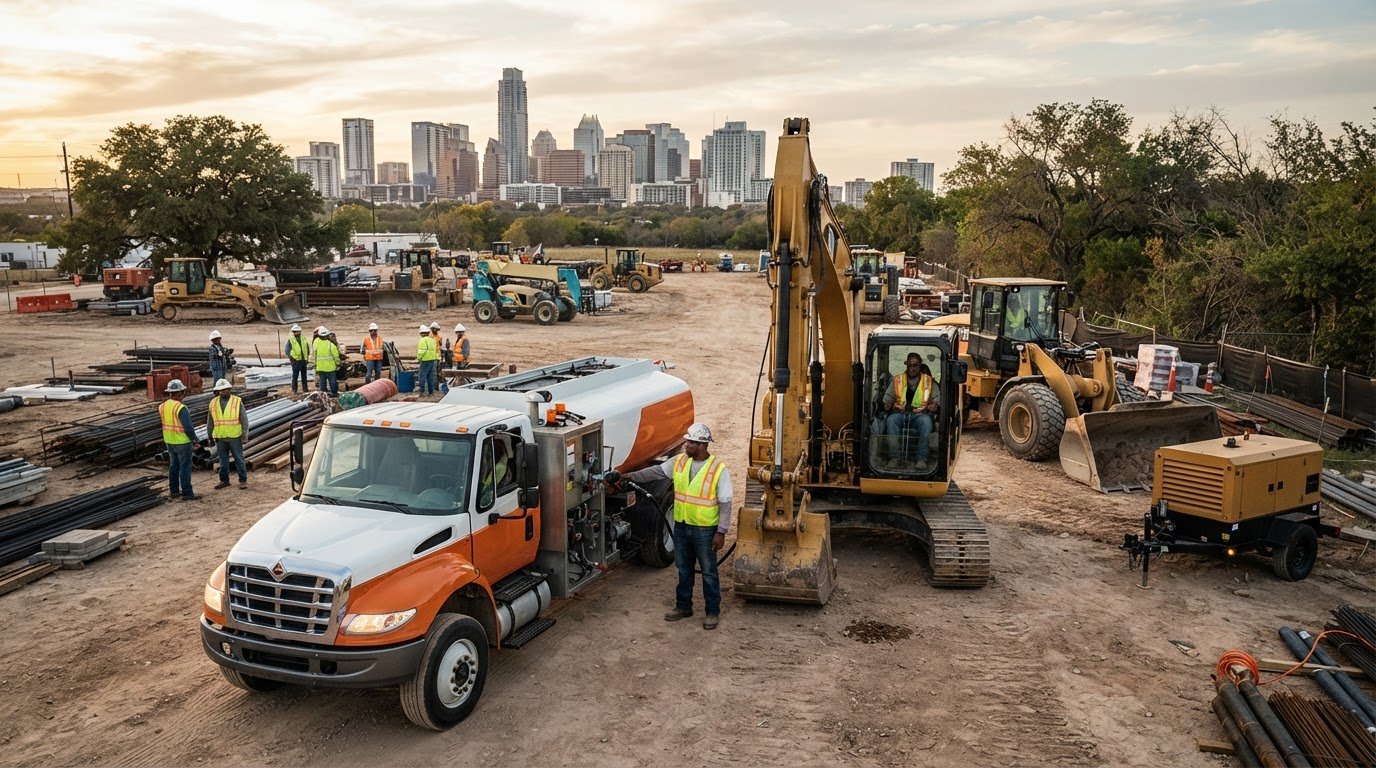
Texas geography presents a brutal test for standard delivery trucks. Navigating a right-of-way (ROW) often involves deep mud or loose sand that can trap a traditional tanker. Heavy fuel trucks must contend with unpaved access roads and steep grades that turn into impassable bogs after a single storm. Last-mile delivery in the pipeline sector is the critical final transit of fuel from a primary road to the exact GPS coordinates of an active machine on the ROW. Relying on a provider with specialized off-road equipment is essential to maintain delivery schedules when the weather turns. Reliable diesel delivery must be synchronized with project phases to avoid logistical bottlenecks.
The Downtime Domino Effect
The financial impact of "dry" equipment is immediate and severe. When a lead excavator runs out of fuel, the entire sequence of operations halts. You aren't just paying for an idle machine; you're paying for the standby rates of specialized welders, pipe-layers, and inspectors who cannot proceed. This creates a domino effect that can cost tens of thousands of dollars in a single afternoon. Shifting from a reactive fueling model to a proactive equipment fueling service ensures that machinery is topped off during shift changes or overnight. This level of vigilance prevents the interruptions that ruin project timelines and helps manage the high-stakes pressure of 2026 construction deadlines. Proactive planning is the only way to protect your margins from the catastrophic costs of equipment downtime.
Logistics Models: How to Power Remote Operations
The current surge in new petroleum liquids pipeline projects across the U.S. Gulf Coast demands a sophisticated approach to energy supply. Managing fuel logistics for pipeline construction requires choosing between mobile agility and stationary bulk storage. Most remote projects succeed by deploying a hybrid model that adapts to the specific phase of the build. This ensures that whether you're clearing a right-of-way in the Permian Basin or laying pipe near the coast, your energy supply remains uninterrupted. Utilizing data-driven telematics allows us to predict consumption patterns, ensuring that every drop is scheduled with surgical precision.
Mobile Fueling and Direct-to-Equipment Services
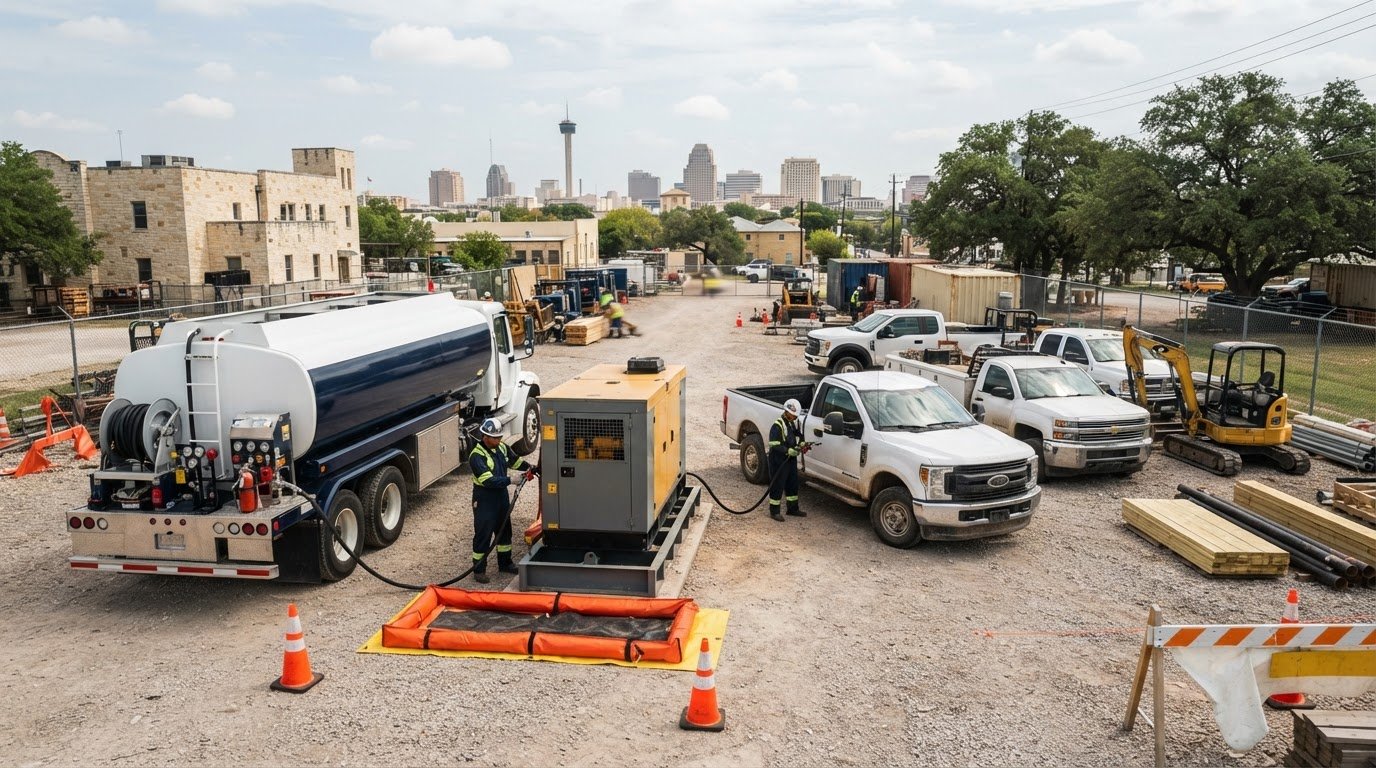
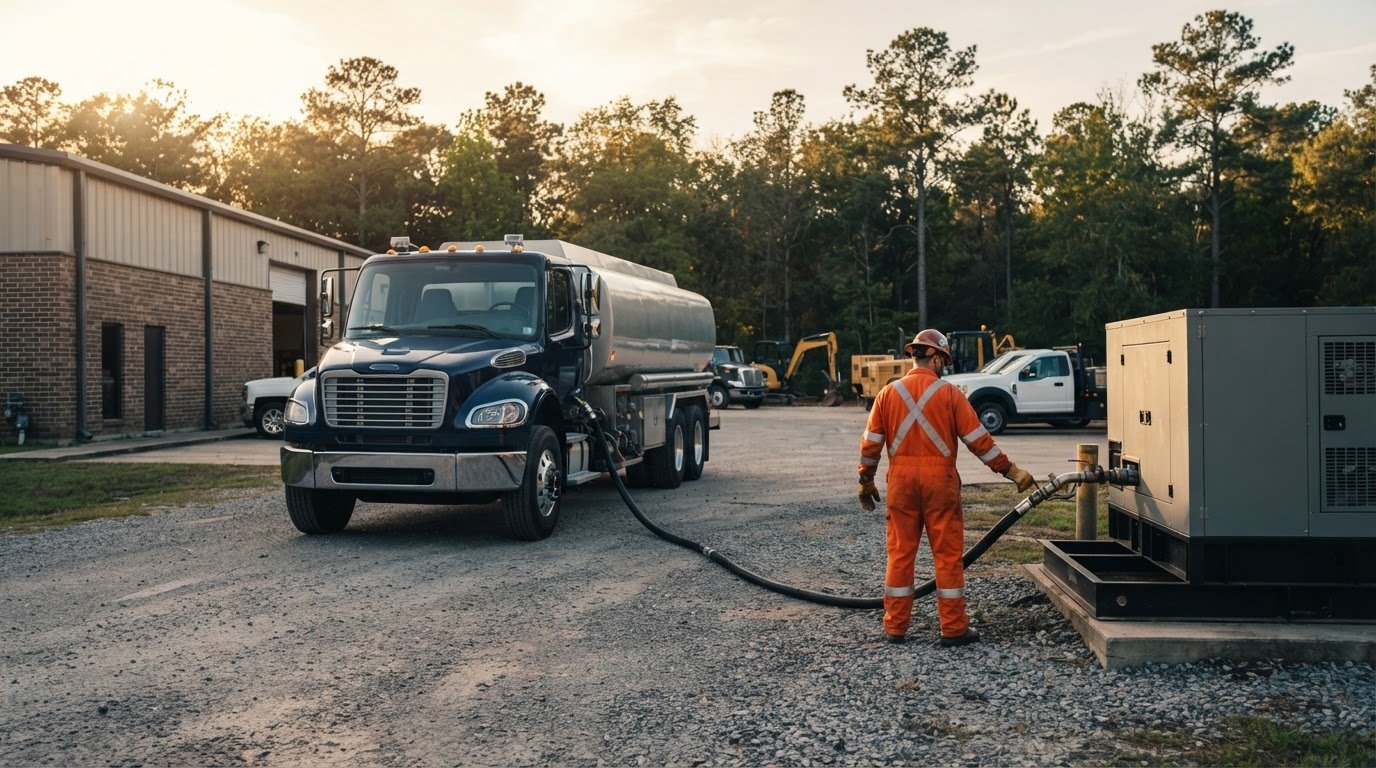
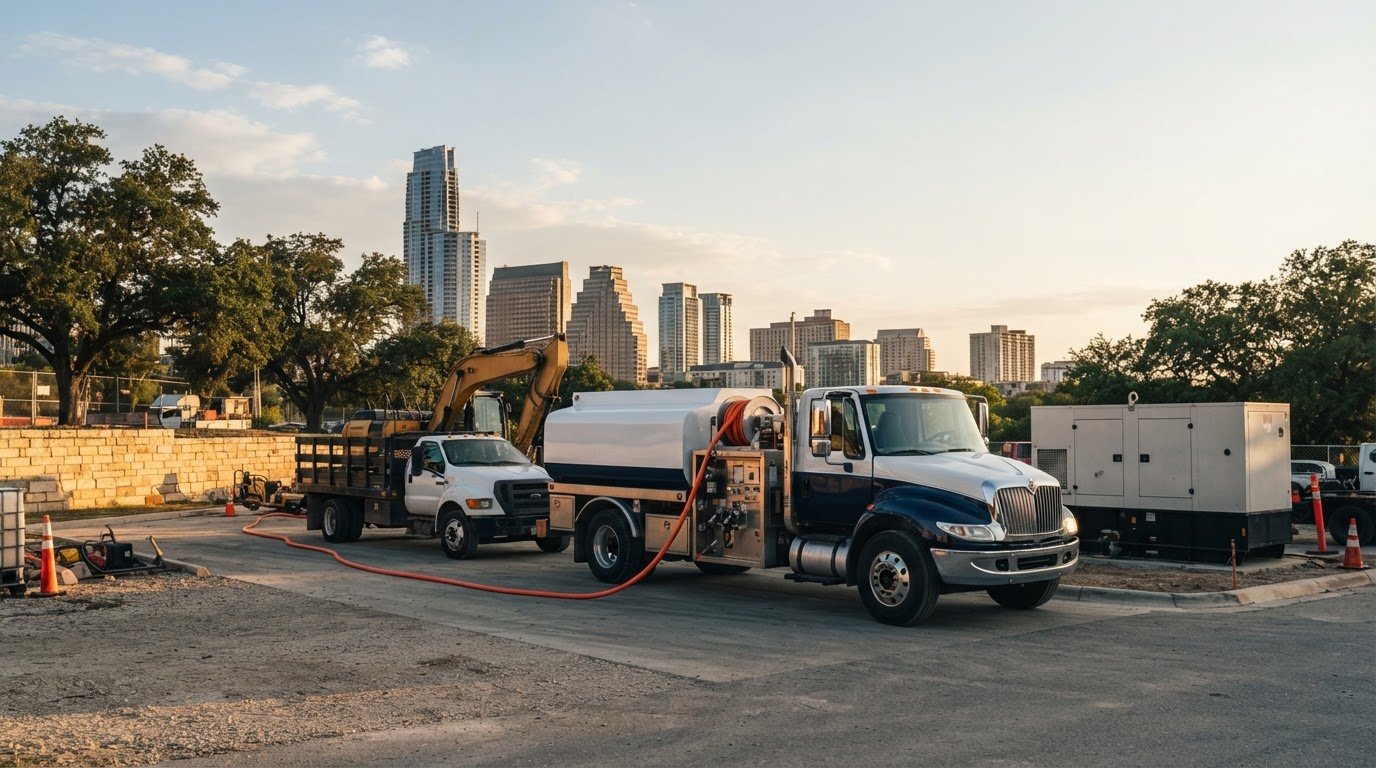
Direct delivery to active machinery eliminates the dead time associated with operators driving to central tanks. Our equipment fueling service focuses on refueling during operator breaks or shift changes. This keeps machines running 24/7 without pulling labor away from their primary tasks. Beyond efficiency, mobile fueling significantly reduces the environmental risk of on-site spills. By removing the need for large, stationary storage in sensitive areas, you minimize the footprint of your operation and simplify compliance with 2026 EPA standards. This "wet hosing" method ensures that fuel goes directly from our specialized off-road trucks into your machines, bypassing the hazards of intermediate handling.
Bulk Fuel Procurement Strategies
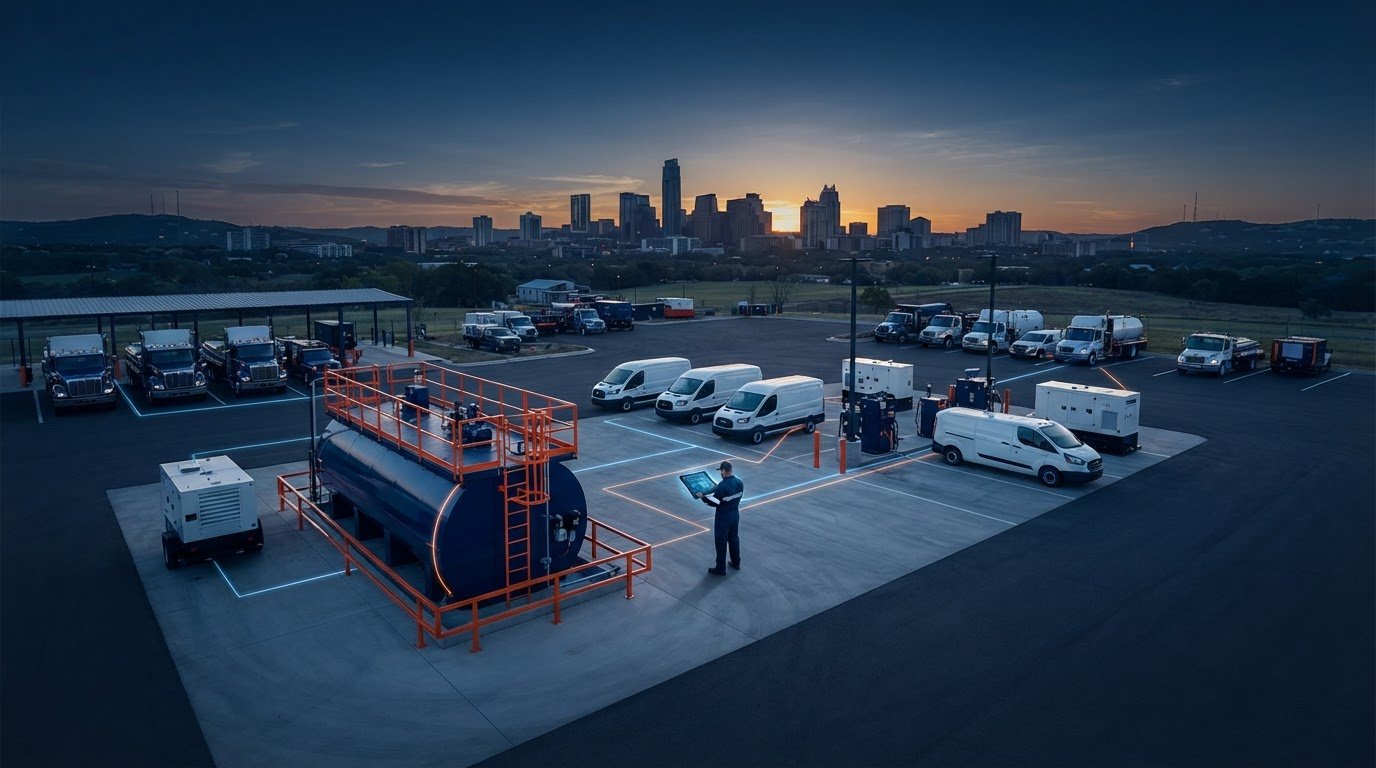
Bulk delivery remains a cost-effective solution for long-term segments where a central hub can be established. We provide fuel tank rentals to create these local hubs, allowing for high-volume drops that stabilize costs against market volatility. However, maintaining fuel quality in remote, dusty environments is critical. We utilize advanced filtration and moisture control to prevent contamination that can damage modern Tier 4 engines. For large-scale operations, coordinating diesel delivery for logistics companies ensures that your bulk supply is always matched to real-time consumption rates. This strategy provides a reliable buffer for the high-intensity phases of construction. If you need a partner to design a custom logistics plan for your next project, speak with our field experts today to secure your supply chain.
Strategic Storage: Using Portable Fuel Tank Rentals
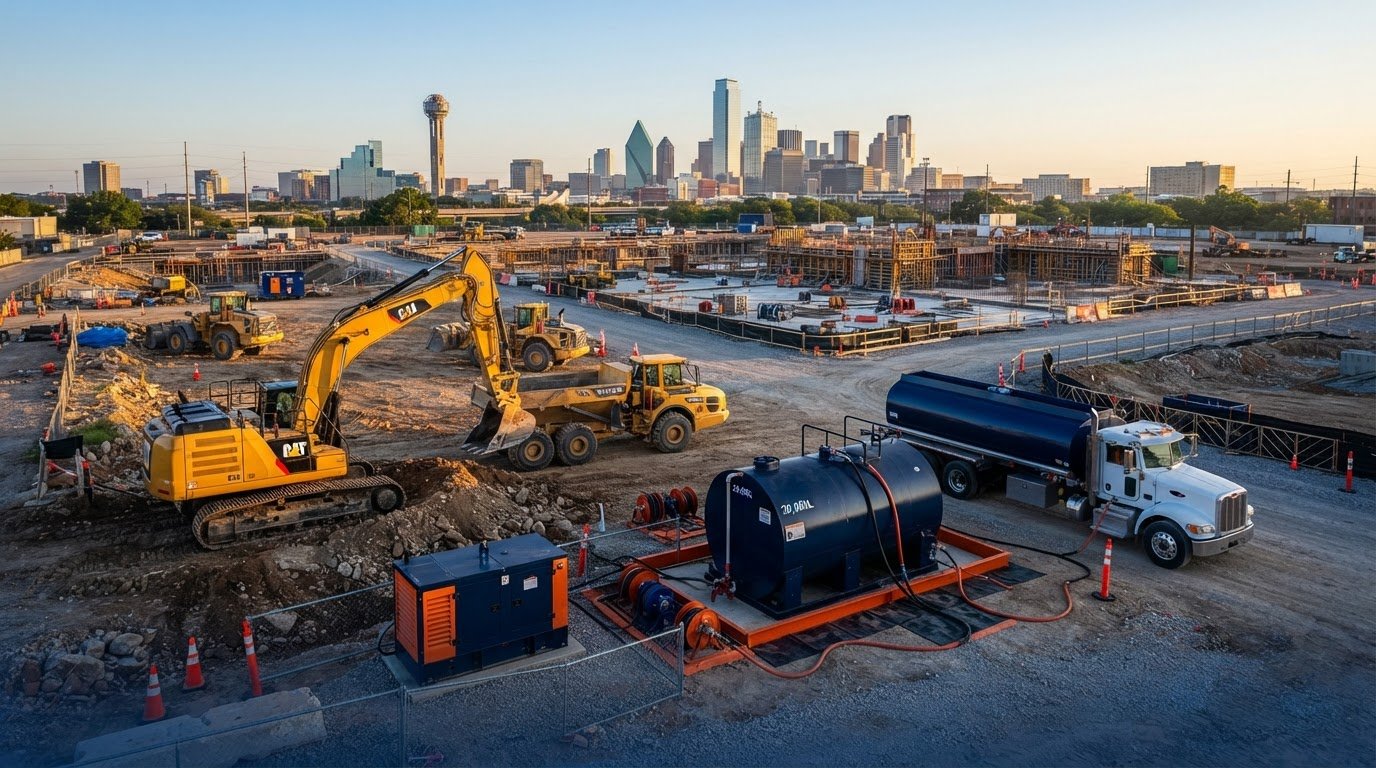
Portable tanks serve as the tactical anchor for fuel logistics for pipeline construction. As the construction front advances, stationary infrastructure becomes a liability. You need an energy solution that moves at the pace of your crew. We provide a range of specialized storage options designed for the physical reality of the field. Skid-mounted tanks offer maximum stability for semi-permanent staging areas, while trailer-mounted units allow for rapid relocation as you clear new right-of-way segments. This mobility ensures that your fuel supply is always within reach of your primary machinery.
Security is a primary concern in isolated regions. Remote tanks are often targets for fuel theft, which can jeopardize your project's uptime and budget. We utilize heavy-duty locking systems and GPS-enabled telemetry to monitor fuel levels in real-time. This visibility ensures you know exactly where your assets are and how much fuel is on hand at any moment. Regulatory compliance remains non-negotiable. In Texas, temporary storage must meet specific environmental standards to prevent groundwater contamination and soil damage, requiring a partner who understands the local legal landscape.
Advantages of Portable Tank Rentals
The primary benefit of fuel tank rentals is the inherent flexibility they bring to a shifting project site. Instead of relying on a single distant depot, you can distribute fuel across multiple strategic points along the pipeline route. This decentralized approach reduces the travel time for support vehicles and keeps your primary machinery in the dirt longer. Maintaining a 48-72 hour fuel buffer within these tanks provides a critical safety net against delivery delays caused by extreme Texas weather or supply chain disruptions. It's the difference between a minor schedule adjustment and a total operational shutdown.
Maintenance and Safety for Remote Tanks
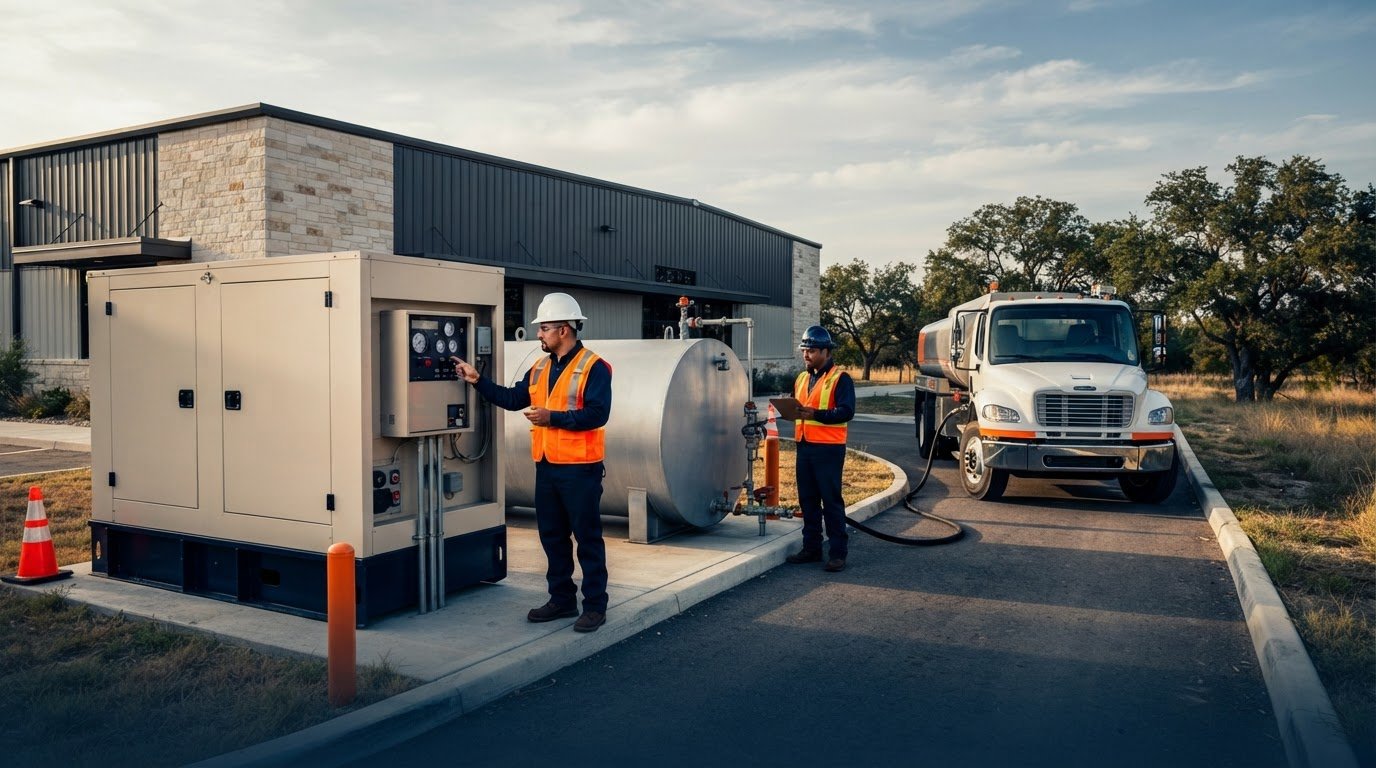
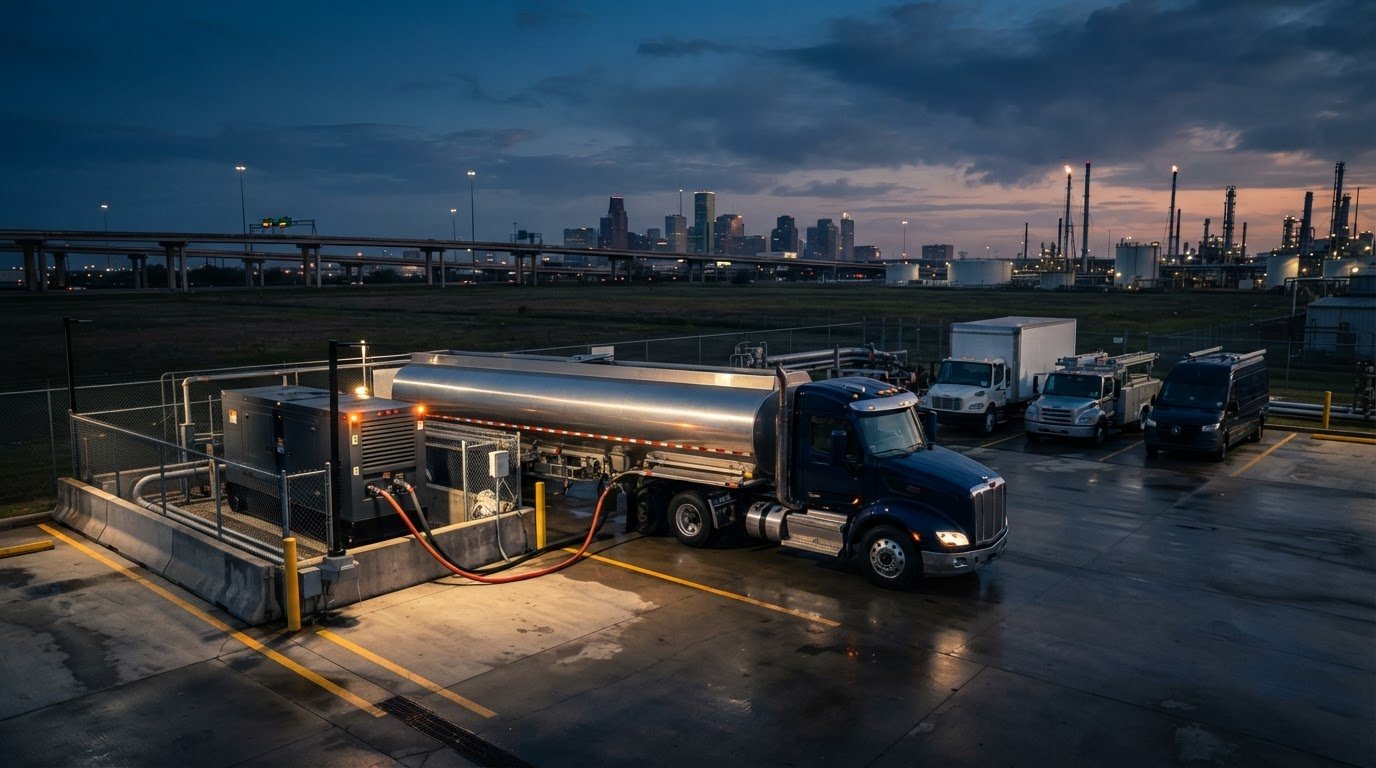
Operating a remote fuel depot requires disciplined oversight. Daily inspections are mandatory to identify potential leaks, check pump functionality, and ensure that filtration systems remain clear of dust and debris. Staying compliant with EPA and Texas standards involves strict adherence to secondary containment rules. Double-walled protection serves as a critical fail-safe by providing an integrated secondary shell that captures leaks before they reach the environment, effectively eliminating the need for external berms in many remote applications. This design simplifies your site setup while meeting the highest safety benchmarks. We ensure every rental unit is maintained to professional standards, giving you peace of mind that your energy storage is secure and compliant.
Beyond Diesel: Managing DEF and Specialized Fluids
Modern pipeline fleets consist largely of Tier 4 compliant machinery. These engines don't just run on diesel; they require a constant supply of Diesel Exhaust Fluid (DEF) to remain operational. If a machine runs out of DEF, the onboard computer will de-rate the engine, significantly reducing power and eventually halting the machine entirely. This makes DEF management a non-negotiable component of fuel logistics for pipeline construction. You cannot afford to have a hundred-thousand-dollar excavator sitting idle because of a fluid oversight.
DEF is highly sensitive to temperature and contamination. In the dusty environments of West Texas or the humid Gulf Coast, maintaining fluid purity is a constant battle. Even a small amount of dust or water can crystallize in the Selective Catalytic Reduction (SCR) system, leading to repairs that cost thousands of dollars. We manage this risk by providing specialized DEF fluid delivery that prioritizes closed-loop handling to keep contaminants out. This level of protection is essential for maintaining the operational continuity of high-value equipment.
DEF Supply Chain Integrity
Purity is the primary metric for success in secondary fluid management. High-stakes pipeline projects cannot afford the downtime associated with engine de-rating. We offer various packaging options to fit the specific needs of your remote site, including individual jugs for isolated support vehicles, 275 or 330-gallon totes for high-use staging areas, and bulk delivery for large-scale central depots. For a deeper look at maintaining your fleet's emission systems, read our on-site def fluid delivery guide. We ensure that every drop delivered meets ISO 22241 standards for purity.
Winterization and Additives
Texas weather is notoriously unpredictable and can shift in a matter of hours. A "Blue Norther" can drop temperatures by 40 degrees, threatening to gel diesel fuel and freeze DEF. We incorporate cold-weather additives and moisture dispersants into our delivery schedule to ensure your machinery starts every morning, regardless of the temperature. These additives also combat microbial growth in remote fuel tanks, which often occurs when fuel sits in humid, stagnant conditions. This proactive approach protects your injectors and keeps the project moving forward through every season. To secure a comprehensive fluid management plan for your next project, contact our specialized logistics team today.
Selecting a Fuel Logistics Partner for Pipeline Projects
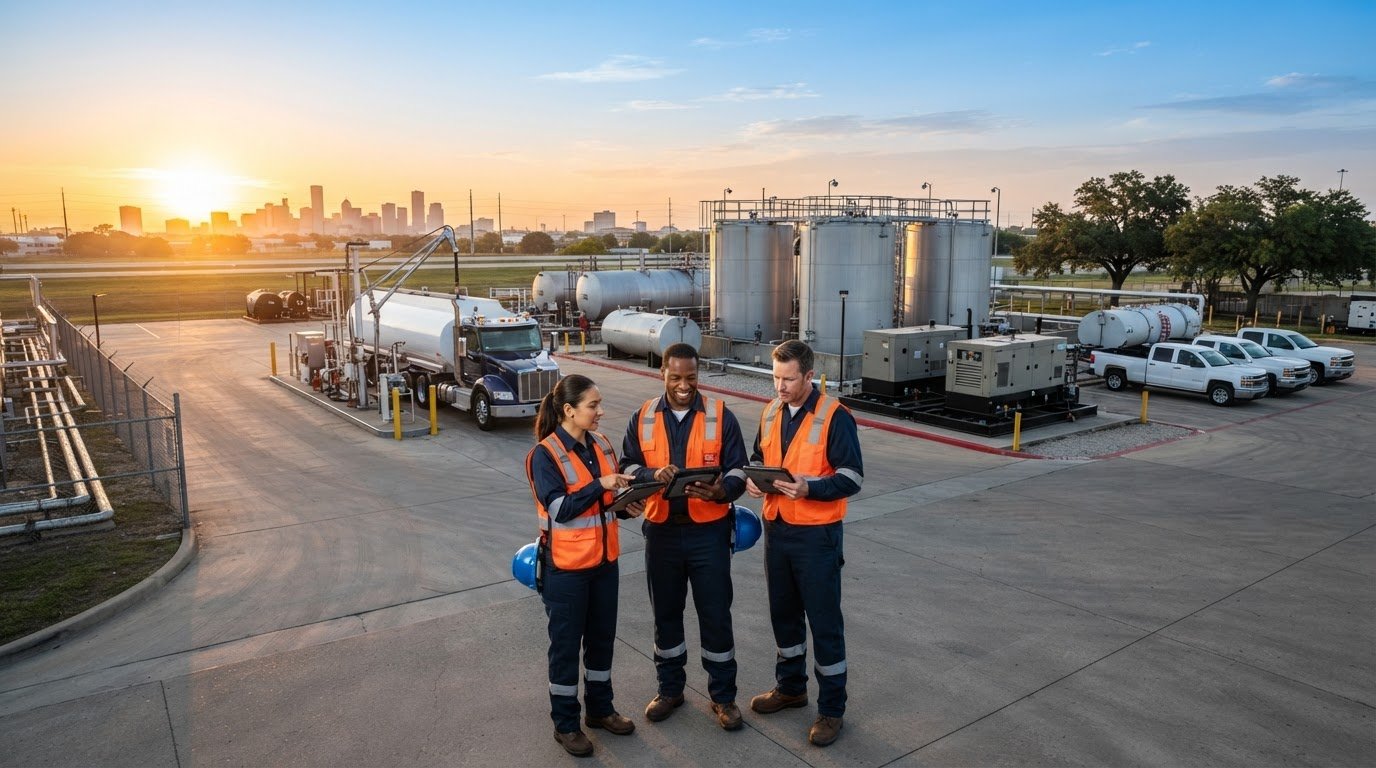
Choosing a partner for fuel logistics for pipeline construction is a high-stakes decision that impacts your entire project timeline. You need a Vigilant Partner who treats your uptime as their primary metric for success. Reliability in the field means having the specialized off-road equipment required to reach an active right-of-way, regardless of weather or terrain. We utilize advanced technology and reporting to track every gallon delivered. This digital record-keeping provides the transparency needed for accurate auditing and helps prevent fuel shrinkage on isolated sites.
Emergency response capabilities are essential for critical infrastructure. Pipeline construction doesn't stop for weekends or holidays, and neither does our support. We maintain 24/7 response readiness to ensure your machinery never sits idle due to a supply gap. This commitment to operational continuity allows your team to focus on the build while we manage the energy supply chain. Having a partner who shows up when it matters most is the only way to mitigate the risks of remote industrial work.
The React Fueling Advantage in Texas
Our service footprint covers the major Texas industrial centers of Houston, Dallas, San Antonio, and Austin. We understand the local regulatory environment and the physical challenges of remote Texas regions. Our commercial fuel services prioritize the movement of diesel and DEF to the most inaccessible sites. We use specialized trucks equipped for off-road navigation to ensure your equipment is fueled exactly where it works. This local knowledge minimizes the risk of delivery failures in the field and ensures your project stays on track.
Developing Your 2026 Fueling Plan
Developing a robust plan for the 2026 construction season requires foresight and discipline. We start with a detailed site survey to map out access roads and optimal staging locations for portable tanks. This survey informs a customized delivery schedule that adapts to your project's pace. For those managing work in metropolitan corridors, our construction site fuel delivery houston strategy outlines how to maintain uptime in high-traffic environments. Once the logistics chain is established, we provide regular consumption reports to optimize your fuel spend. Contact React Fueling for a custom remote logistics quote to start your site evaluation today.
Secure Your Pipeline Project’s Operational Continuity
Mastering fuel logistics for pipeline construction is the definitive factor in maintaining 24/7 uptime across demanding Texas environments. You've seen how integrating mobile direct-to-equipment refueling with strategic tank rentals creates a flexible energy buffer that moves at the pace of your construction front. Protecting your Tier 4 engines with high-purity DEF and proactive winterization ensures that your fleet remains operational through every unpredictable weather shift. This disciplined approach to energy management eliminates the catastrophic costs of idle machinery and keeps your 2026 schedule intact.
React Fueling stands ready as your vigilant partner in the field. We leverage a specialized off-road delivery fleet and an extensive Texas-wide logistics network to reach the most isolated right-of-ways. Our 24/7 emergency dispatch provides the peace of mind that your energy supply is under total control, even in high-stakes situations. Let us manage the complexities of remote energy movement so your team can focus on the physical reality of the build. Get a Custom Remote Fuel Logistics Quote and secure the productivity of your next project today.
Frequently Asked Questions
How do you deliver fuel to sites with no paved roads?
We utilize a specialized off-road delivery fleet designed to navigate unpaved right-of-ways and rugged Texas terrain. These vehicles feature heavy-duty suspension and 4x4 capabilities to reach machinery in remote areas where standard tankers cannot operate. Our drivers are trained to handle the physical challenges of pipeline sites across Houston and San Antonio, ensuring your energy supply reaches the exact GPS coordinates of your active equipment without delay.
What is the most cost-effective way to fuel a remote pipeline project?
A hybrid approach is the most cost-effective solution for fuel logistics for pipeline construction. By establishing central hubs with our fuel tank rentals and using direct equipment fueling for active machinery, you eliminate the expense of operators driving to a central point. This model reduces labor costs and maximizes machine uptime. We analyze your project's specific consumption data to schedule drops that prevent costly emergency call-outs.
How much fuel storage do I need on-site for a remote project?
We recommend maintaining a 48 to 72 hour fuel buffer on-site to protect against unforeseen delays. The exact volume depends on your machinery's daily burn rate and the distance from the nearest supply hub. We conduct a detailed site survey during the planning phase to determine the optimal tank sizes for your project. This foresight ensures your crew continues working even if extreme weather temporarily interrupts the primary delivery schedule.
Can you deliver Diesel Exhaust Fluid (DEF) to remote construction areas?
Yes, we provide dedicated DEF fluid delivery to remote sites across our Texas service areas, including Austin and Dallas. We offer various packaging options such as individual jugs, 275 or 330-gallon totes, and bulk delivery to suit your fleet's requirements. Maintaining DEF purity is critical for Tier 4 engines, so we utilize closed-loop handling systems to prevent contamination in dusty or humid pipeline environments.
What happens if a fuel delivery is delayed by weather in a remote area?
Our 24/7 emergency response capability allows us to reroute deliveries or deploy specialized equipment when severe weather hits. We monitor regional Texas weather patterns to stay ahead of "Blue Northers" or heavy rain events that could impact access roads. By combining real-time communication with the on-site storage buffers we establish during the planning phase, we ensure that your machinery remains operational despite temporary environmental challenges.
Do you provide fuel tracking and reporting for multiple remote sites?
We provide comprehensive digital tracking and reporting for all fuel logistics for pipeline construction. Our systems record every gallon delivered to each specific machine or storage tank across multiple remote sites. This data is delivered through detailed reports that simplify your auditing process and help identify consumption anomalies. You gain total visibility into your energy spend, which is essential for managing the high-stakes budgets of large-scale infrastructure projects.
Are your portable fuel tanks compliant with Texas environmental regulations?
Every unit in our fuel tank rental fleet is fully compliant with Texas environmental regulations and EPA standards. We prioritize double-walled tanks that provide integrated secondary containment, effectively capturing potential leaks before they reach the soil. This design is particularly important for projects in sensitive Texas ecosystems. Our team handles the setup and maintenance of these units to ensure your site remains in total regulatory compliance throughout the build.
What is the minimum delivery volume for remote site fueling?
Minimum delivery volumes vary based on your project's location and the specific type of fuel or fluid required. We work with pipeline contractors in Houston, Magnolia, and beyond to establish delivery schedules that maximize efficiency for both parties. Whether you need a small-scale drop for a localized generator or high-volume bulk delivery for a major staging area, we customize our service to meet your project's operational demands.