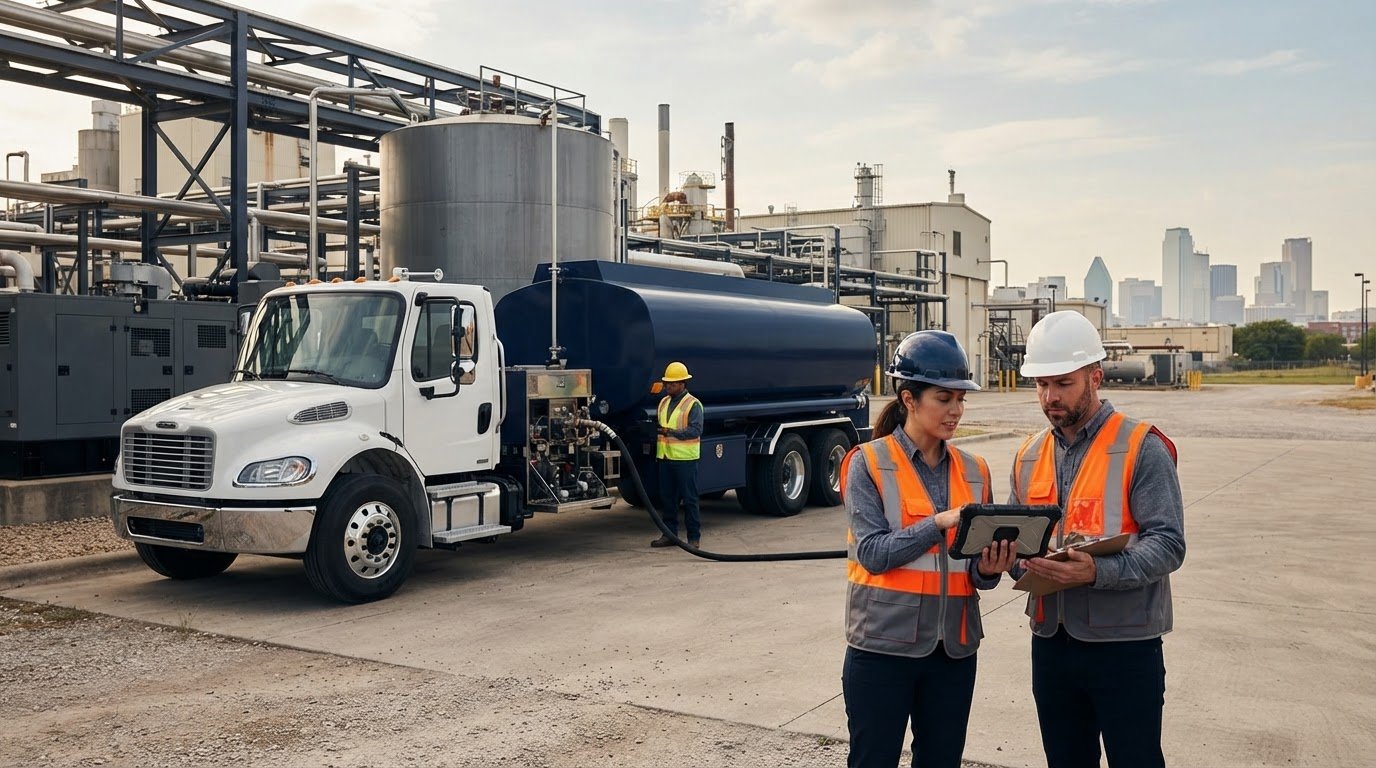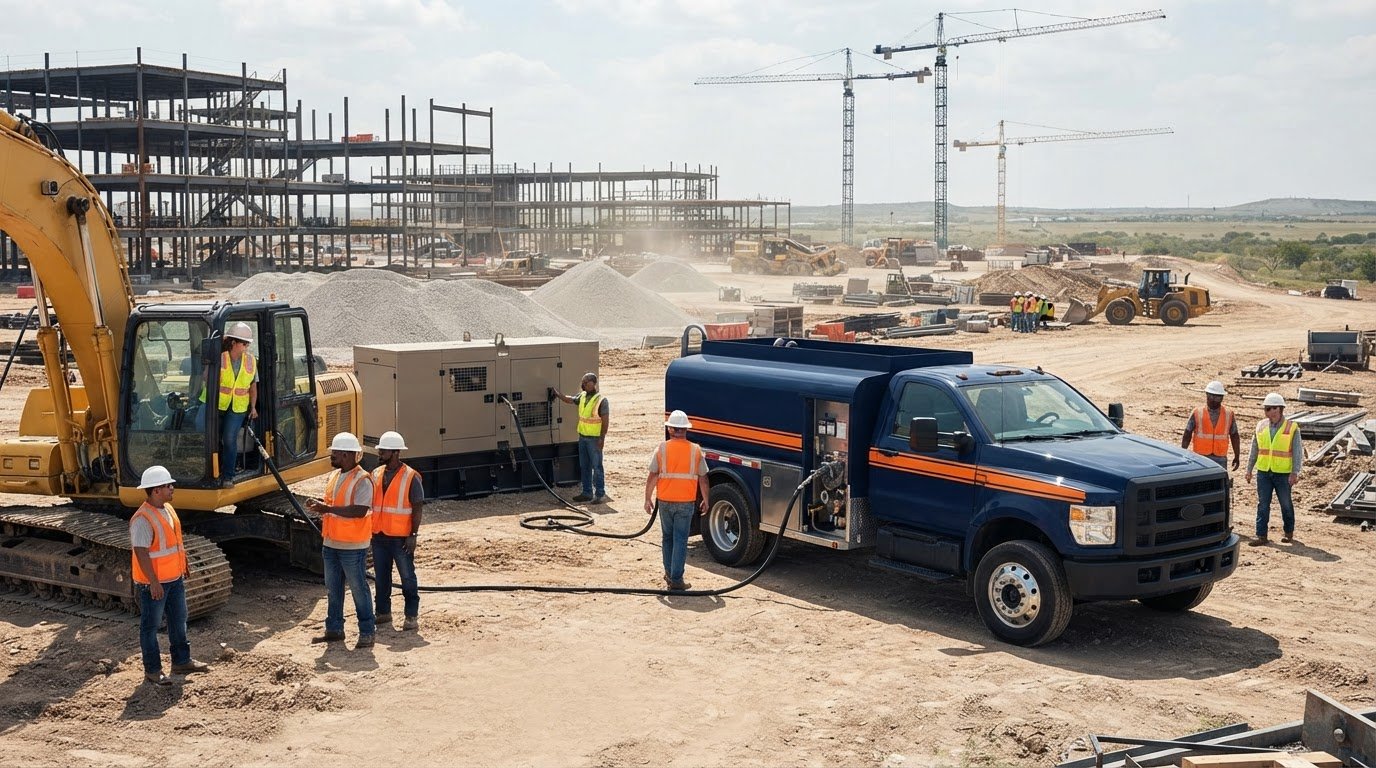
What if refueling became a planned part of your Dallas fleet’s operations instead of a recurring disruption? Route changes, shift schedules, and varying demand all affect fuel planning. Scheduled fuel delivery for fleets Dallas operators can organize around actual work patterns gives teams a clearer way to coordinate replenishment.
Refueling takes time from drivers and operations staff, and a fixed delivery cadence may not suit a changing workload. A practical plan aligns delivery with fleet activity and gives managers a baseline to review when conditions change. It can support smoother coordination without assuming every week will look the same.
This guide explains how to plan around routes, operating hours, fuel use, and changing demand. You’ll learn what information to gather, how to handle schedule changes, and how commercial fuel delivery can support fleet operations in Dallas. React Fueling provides commercial fuel and diesel delivery in Dallas, including equipment fueling for fleets that need fuel delivered directly to equipment. Use the steps below to organize your requirements and prepare a focused delivery plan.
Why Scheduled Fuel Delivery Matters for Dallas Fleets
Scheduled fleet fuel delivery is replenishment planned around a commercial fleet’s operating needs. Rather than treating each refill as a separate task, a manager can coordinate deliveries with vehicle use, shift changes, and fueling locations. For Dallas operators, scheduled fuel delivery for fleets across the area can support a consistent process for vehicles based at a depot, traveling between sites, or supporting field operations. The goal isn’t to make every day identical. It’s to include fuel logistics in the operating plan instead of handling them as a recurring surprise.
This approach fits within broader fleet management principles, where fuel planning connects to vehicle availability and the work each asset needs to perform. A delivery schedule creates a framework for replenishment while leaving room to adapt as use changes. React Fueling provides commercial fuel delivery for Dallas fleets to support these operational needs.
Scheduled delivery replenishes fuel according to an agreed plan; an on-demand order responds to a need as it arises. Both approaches can serve a fleet, but they solve different planning problems. Recurring delivery establishes a baseline, while individual orders can address needs outside the routine.
Where fleet refueling interrupts daily operations
When vehicles leave a route, job site, or assigned work area to refuel, the interruption affects more than the time spent fueling. Dispatch may need to adjust assignments, vehicles become temporarily unavailable, and staff must coordinate where and when refueling happens. Across multiple shifts or locations, separate refueling trips can create gaps in vehicle availability and make the day harder to manage.
The effect depends on how the fleet works. A service vehicle leaving its assigned area may delay its next task, while a truck returning to a depot may have to wait its turn. These interruptions don’t have a universal cost, but they take staff attention and complicate coordination. Planned replenishment can reduce the need to build routine refueling trips into active work.
What scheduled delivery changes for fleet managers
A schedule gives operations staff a shared reference: when replenishment is planned, which locations are involved, and how delivery fits with fleet activity. Managers can set a starting rhythm based on actual use and operating patterns rather than applying the same cadence to every vehicle or site. When demand shifts, they can review and adjust the plan instead of assuming the original routine will always fit.
Planning also requires a way to handle exceptions. Route changes, workload increases, and unexpected fuel needs can take a fleet outside its normal pattern. Managers should define how staff identify those exceptions and respond, including when emergency fuel delivery is needed. A schedule supports preparedness, but it doesn’t eliminate uncertainty. Its practical value is a clearer baseline for routine coordination and a process for needs that fall outside the plan.
How to Build a Fuel Delivery Schedule Around Fleet Demand
A useful schedule starts with how the fleet operates, not an assumed weekly or monthly rhythm. Review fuel use and operating patterns, then identify where and when replenishment can fit with minimal disruption. For scheduled fuel delivery for fleets in Dallas, account for vehicles working across routes, shifts, and locations rather than treating the fleet as one uniform group.
A practical fleet delivery plan starts with vehicle counts, observed fuel consumption, routes, shift patterns, fueling locations, and workload changes. Together, these details help managers choose a workable starting cadence and identify where different assets need different schedules.
Start with usage, routes, and operating windows
Gather information about normal operations and known variations. Fuel records, dispatch plans, and shift schedules can show how demand differs across vehicles and locations. Separate recurring use from seasonal work, project assignments, and temporary increases so an unusual workload doesn’t become the assumed baseline. Then identify when vehicles or equipment are available for fueling without conflicting with planned work.
Set a cadence that can adapt to changing demand
Use observed consumption to guide delivery frequency, then review whether the rhythm still fits as assignments and fleet activity change. A schedule is a planning tool, not an automatic adjustment system. Revisit it when usage patterns shift, and keep a contingency process for exceptions.
- Map the fleet. Record the vehicles and equipment that need fuel, where they typically operate, and whether they return to a shared location or work from separate sites.
- Establish a usage baseline. Compare fuel consumption across representative operating periods. Look for differences by vehicle type, route, shift, and location. Actual patterns are more useful than a fleet-wide estimate that can hide high-use assets or changing demand.
- Mark operating windows. Note shift transitions, planned pauses, and other periods when vehicles or equipment can be fueled with less impact on work. Consider how delivery at one location may fit differently from delivery at another.
- Separate routine and variable needs. Identify predictable replenishment separately from seasonal activity, project work, and other temporary changes. This keeps the recurring schedule grounded in normal operations and makes exceptions easier to identify.
- Choose and review a starting cadence. Match delivery frequency to the consumption patterns and operating windows you’ve recorded. Reassess when routes, shifts, fleet size, or workload change. Don’t assume a schedule that suited an earlier operating period will remain suitable.
Keep the plan useful for the people coordinating vehicles and deliveries. A shared record of locations, operating windows, and routine versus variable demand makes planning discussions more specific and gives staff a reference when conditions change. React Fueling provides commercial fuel delivery to support Dallas fleets’ operating requirements.
Scheduled vs. On-Demand Fuel Delivery: Choosing the Right Approach
A fleet can use both a recurring plan and flexible orders. Scheduled delivery can handle predictable replenishment, while on-demand orders address needs outside the routine. Emergency fuel delivery is a separate contingency for urgent situations, not an automatic extension of a scheduled plan.
For Dallas fleet managers, the right approach depends on how consistently vehicles and equipment are used, how much demand varies, and how much coordination each delivery requires. The comparison below outlines the role each option can play.
| Approach | Predictability | Planning effort | Best suited to |
|---|---|---|---|
| Planned replenishment | Higher, based on an agreed recurring plan | More planning upfront, less repeated routine coordination | Steady usage patterns, regular shifts, or recurring fueling locations |
| On-demand request | Lower, arranged as a need arises | Requires coordination each time | Variable use or requirements outside the normal replenishment plan |
| Emergency need | Unplanned and urgent | Requires a response to the immediate situation | An unexpected fuel need that can’t wait for the routine schedule |
When a recurring plan supports fleet operations
A recurring plan can suit a commercial fleet with reasonably consistent routes, shift patterns, or fueling locations. For example, Dallas vehicles that regularly return to the same operating site may have a more predictable replenishment rhythm than vehicles assigned to changing field work. Planned routine delivery can reduce repeated last-minute coordination and give operations staff a clearer basis for organizing vehicle availability.
That doesn’t mean every asset needs the same cadence. Managers can group vehicles or locations with similar usage patterns and keep distinct requirements separate. This makes a schedule more practical and avoids treating different kinds of work as if they were identical.
When on-demand or emergency fueling may be relevant
On-demand fueling can meet a temporary increase in work, a change in assignments, or another need outside normal replenishment. It responds to a specific requirement rather than replacing the routine plan. Emergency fuel delivery is for urgent needs, such as an unexpected shortfall that could disrupt operations. React Fueling provides emergency fuel delivery as a separate service, not as a guaranteed schedule change.
A schedule can feel rigid if managers assume it must stay fixed. Use it as a baseline and review it when routes, workloads, or operating patterns shift. Set a clear internal process for flagging exceptions, deciding whether they’re routine changes or urgent needs, and coordinating the response. This lets scheduled fuel delivery give Dallas businesses structure while recognizing that demand can change.
Prepare Your Dallas Fleet for Scheduled Fuel Deliveries
A delivery plan is easier to coordinate when operations staff can clearly describe the fleet, its locations, and its working patterns. Before arranging scheduled fuel delivery for fleets across Dallas, gather practical details that help align replenishment with actual operations. A concise, current summary also gives your team a useful reference when demand changes.
Information to organize before discussing a delivery plan
Start with the essentials: where fueling is needed, which vehicles or equipment are involved, what fuel they use, and how their normal schedules affect access. List recurring requirements separately from project work or seasonal increases. If some assets need on-site equipment fueling, identify them so their requirements don’t get lost among vehicle needs.
- Location context: List the business or operating locations where delivery is needed, along with a clear description of the relevant fueling areas.
- Fleet and equipment: Summarize the vehicles or equipment to be fueled, their typical use, and any differences in fuel requirements.
- Operating patterns: Note shift schedules, common periods of vehicle availability, and times when fueling could conflict with planned work.
- Demand patterns: Describe normal fuel use and flag seasonal work, project assignments, or other expected changes.
- Site access: Share practical details such as how the delivery area is reached, where work is taking place, and any access considerations that could affect coordination.
Keep the details operational and specific. For example, distinguish a vehicle that returns to a central location from equipment that remains at a job site. That difference can shape how delivery is coordinated. Avoid assuming that every vehicle or location follows the same process.
Keep the plan useful as operations change
Preparation isn’t a one-time task. Compare actual fuel use with the assumptions behind the plan, then communicate meaningful changes to the delivery team. A new work assignment, shift adjustment, or change in where equipment operates can affect demand and coordination. Clear updates help keep the schedule relevant, and regular review helps staff spot when the original plan no longer reflects current operations.
Maintain one shared record of locations, operating patterns, and known changes so dispatch and operations staff work from the same information. When a change is temporary, distinguish it from a lasting shift in fleet activity. This helps keep recurring plans grounded in routine needs while making unusual requirements clear.
With the fleet details organized, React Fueling can help Dallas businesses plan commercial fuel delivery around their operating requirements. Discuss your fleet’s fuel delivery needs with the information above at hand to keep the conversation focused and practical.
Arrange Scheduled Fleet Fuel Delivery in Dallas with React Fueling
React Fueling provides commercial fuel and diesel delivery for fleets in Dallas. A useful service discussion starts with the realities of your operation: what needs fuel, where it works, how activity changes, and which scheduling priorities matter most. These details help shape a delivery plan around your fleet rather than relying on a generic assumption about how every business operates.
Match the service discussion to your fleet’s requirements
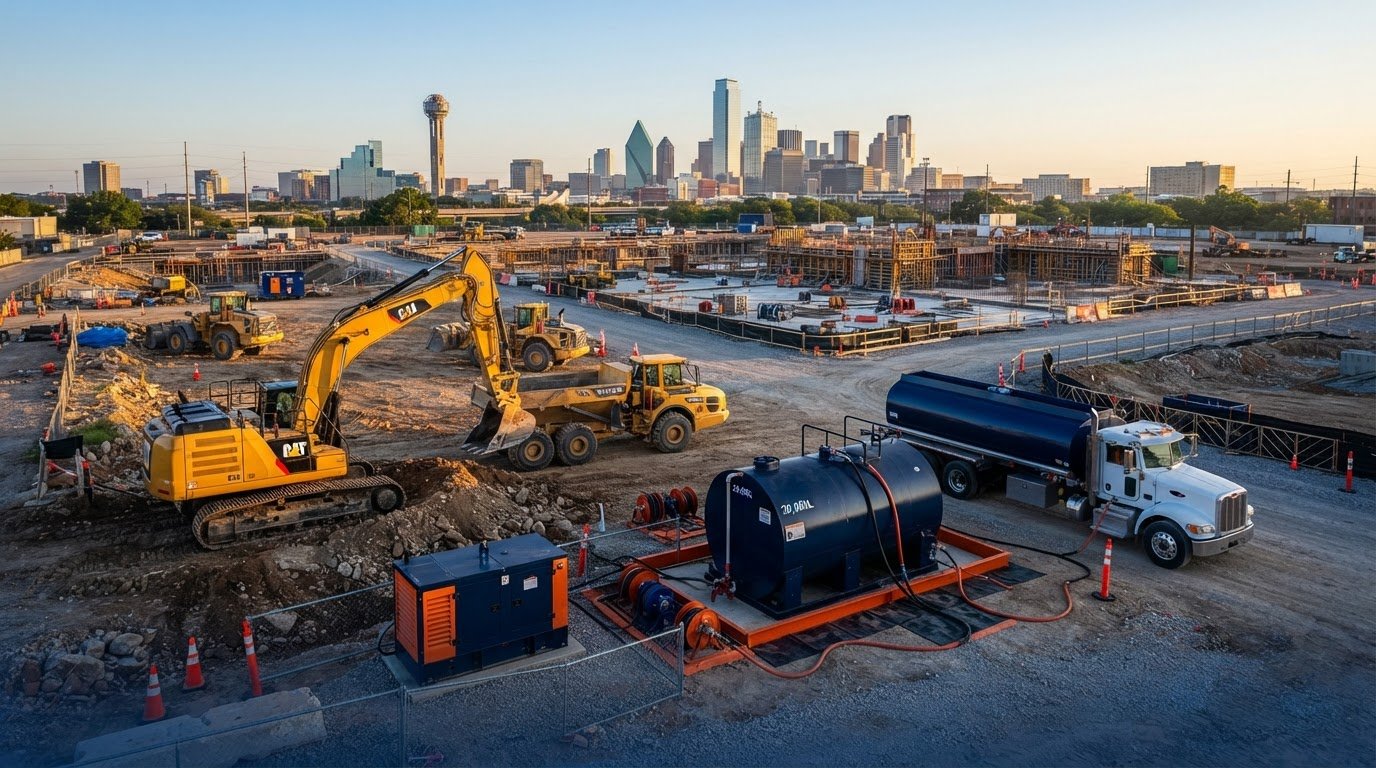
Different operations may need different fueling arrangements. A fleet manager coordinating trucks can outline fuel needs and operating locations, while teams responsible for machinery can explain how equipment use fits into the workday. React Fueling provides diesel and commercial fuel delivery for fleet requirements. For machinery or assets at a job site, on-site equipment fueling can also support the operation.
Describe details that affect coordination, such as which assets operate from a central location and which work across separate sites. If urgent needs arise outside routine replenishment, React Fueling provides emergency fuel delivery. Fleets using diesel exhaust fluid can also include DEF delivery in their operational fuel requirements. These services address different needs, so a clear description helps focus the plan on the right type of support.
Take the next step with a clear operational brief
Before starting the conversation, gather a concise brief that summarizes your fleet’s activity and priorities. Clear, practical information gives you and the delivery team a useful basis for discussing how commercial fuel delivery fits your operation.
- Locations: Identify the Dallas operating locations where delivery is needed and describe the fueling areas.
- Fleet activity: Summarize vehicle types, equipment, typical shifts, and work patterns that influence fuel use.
- Fuel requirements: Note the relevant fuel needs, including diesel or DEF where applicable, and distinguish vehicles from equipment.
- Scheduling priorities: Explain which operating periods are important to preserve and where demand varies due to project work or other changes.
- Exceptions: Describe how urgent or unusual fueling needs differ from recurring replenishment.
This brief turns a broad request into a practical discussion about your fleet, locations, and operating requirements. It also gives you a starting point for reviewing the plan as fleet activity changes, without treating any schedule as a guarantee against interruptions.
Use your brief to start a focused conversation about scheduled fuel delivery for your Dallas fleet with React Fueling.
Put Your Fleet’s Fuel Plan in Motion
A workable fuel plan gives your team a clear starting point for coordinating replenishment as operations evolve. Turn your fleet’s real requirements into a focused delivery discussion: where vehicles operate, what they need, and which scheduling priorities matter most. This keeps the plan grounded in day-to-day work while leaving room to adjust as demand changes.
React Fueling serves Dallas among its Texas markets, providing commercial diesel and fuel delivery to support fleets and other business operations. The company also serves Houston, Magnolia, San Antonio, College Station, and Austin. For businesses considering scheduled fuel delivery for fleets in Dallas, a concise overview of operating needs helps frame a practical conversation about continuity.
Discuss scheduled fuel delivery for your Dallas fleet with React Fueling and share the operational details that matter to your team.
Frequently Asked Questions
How often should a fleet schedule fuel delivery?
There’s no single interval that fits every fleet. Use recorded fuel consumption and actual activity to set a starting rhythm. Compare usage across typical operating periods, then check whether certain vehicles or groups consistently need replenishment sooner. That may point to separate patterns instead of one cycle for the entire fleet. Review the plan after routes or workloads change. For scheduled fuel delivery for fleets in Dallas, let operating records guide the schedule.
Can scheduled fuel delivery work for a fleet with changing demand?
Yes. A plan can accommodate variable demand when managers distinguish temporary increases from lasting changes in fleet activity. For example, a construction project may temporarily increase fuel use at one work site, while adding vehicles could change the fleet’s regular needs. Track these shifts separately and update planning assumptions as they evolve. For an unexpected urgent need, use a contingency process rather than treating routine replenishment as emergency coverage.
What happens if a fleet needs fuel outside its scheduled delivery?
Handle an out-of-schedule need as an exception to routine replenishment. Identify which vehicles or equipment are affected, where they’re working, and whether the need is urgent, then communicate those details clearly. React Fueling provides emergency fuel delivery for urgent commercial needs. Keep emergency requests separate from the regular plan, and don’t treat the schedule as a guarantee.
Can a fleet arrange delivery of DEF as well as fuel?
Yes. React Fueling supplies Diesel Exhaust Fluid (DEF) for commercial operations. Include it as a separate requirement in your planning notes, identifying the vehicles or equipment that use it and where they operate. DEF is not diesel fuel, so track its expected use and replenishment separately from fuel records. Keeping these requirements distinct gives operations staff a clearer view of what supplies the fleet needs.
How much fuel should a fleet plan to have available?
There’s no universal quantity that suits every fleet. Use consumption records alongside operating patterns, delivery planning, and site storage arrangements to establish an amount suited to your operation. For example, compare routine use with periods when vehicles are assigned to longer routes or equipment is active at a work site. Account for applicable site and safety requirements when planning storage instead of relying on a generic reserve figure.
What information should I provide when arranging fleet fuel delivery in Dallas?
Prepare the delivery location, fleet or equipment details, fuel requirements, operating patterns, and practical site access information. Also note the difference between normal demand and upcoming changes, such as a new project or a shift in vehicle assignments. React Fueling serves commercial operations in Dallas, Houston, Magnolia, San Antonio, College Station, and Austin. A concise operational brief helps focus the service discussion.