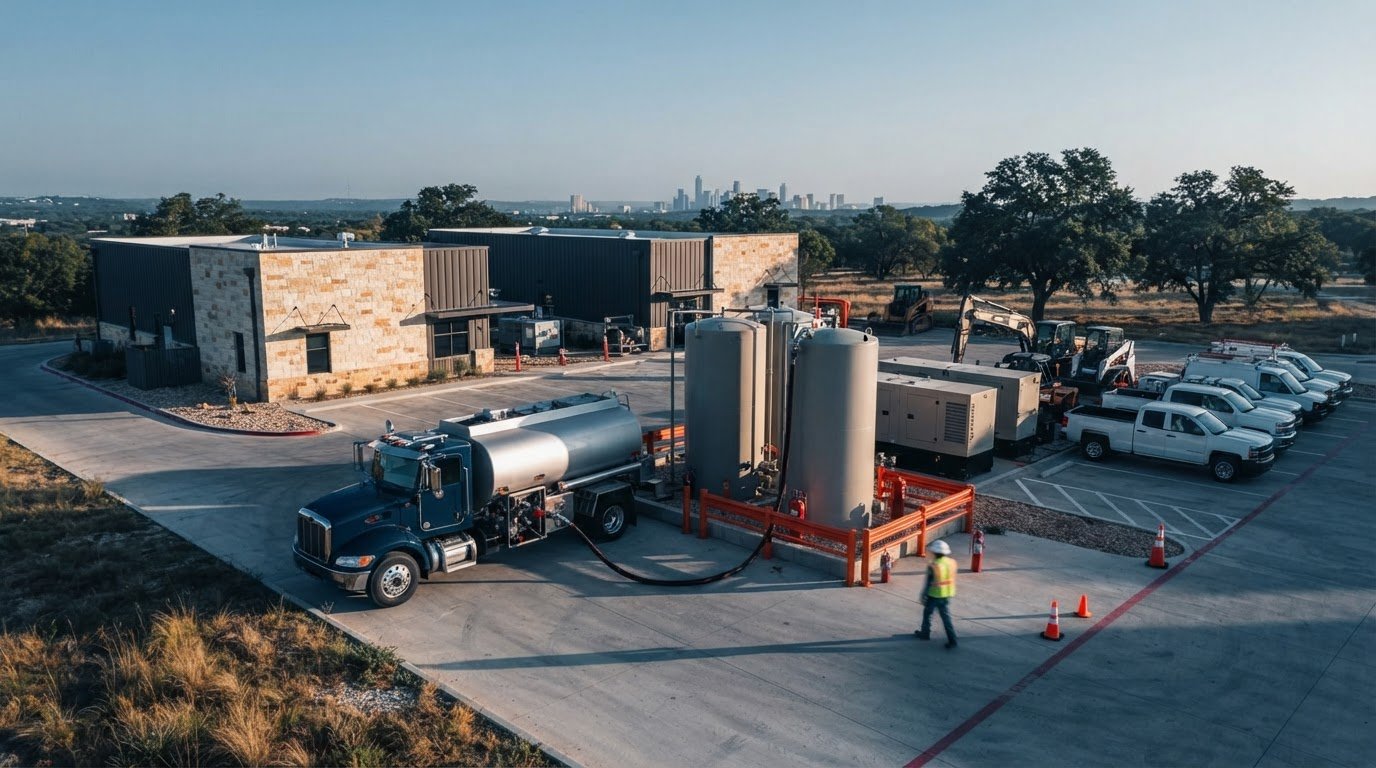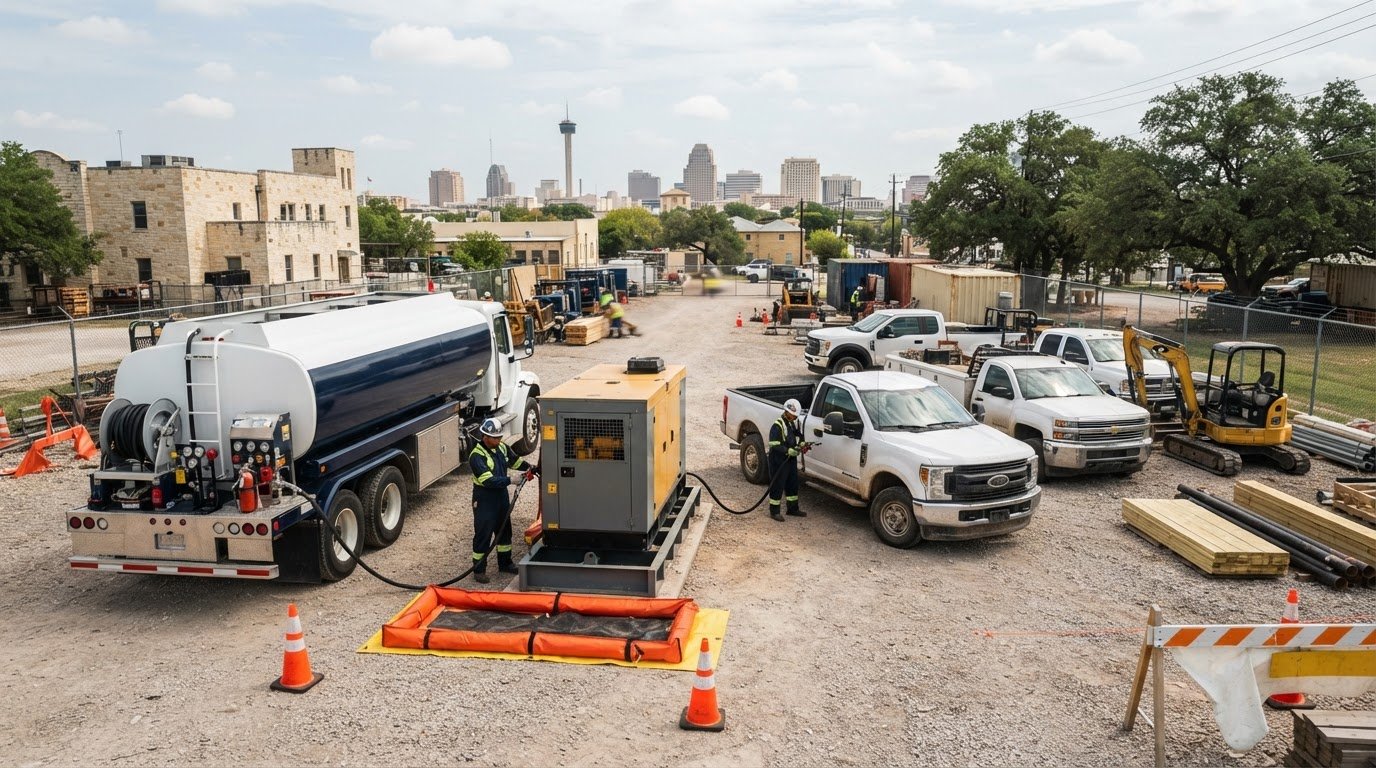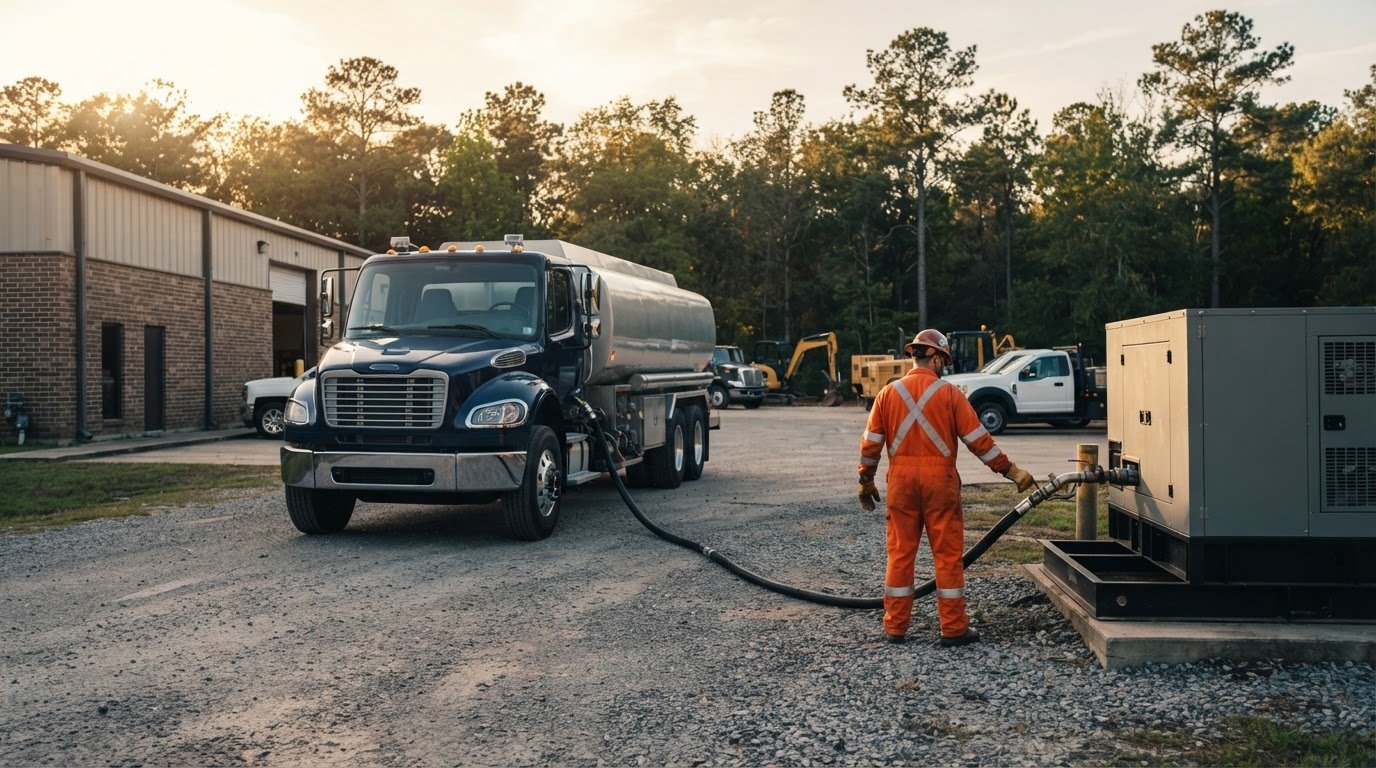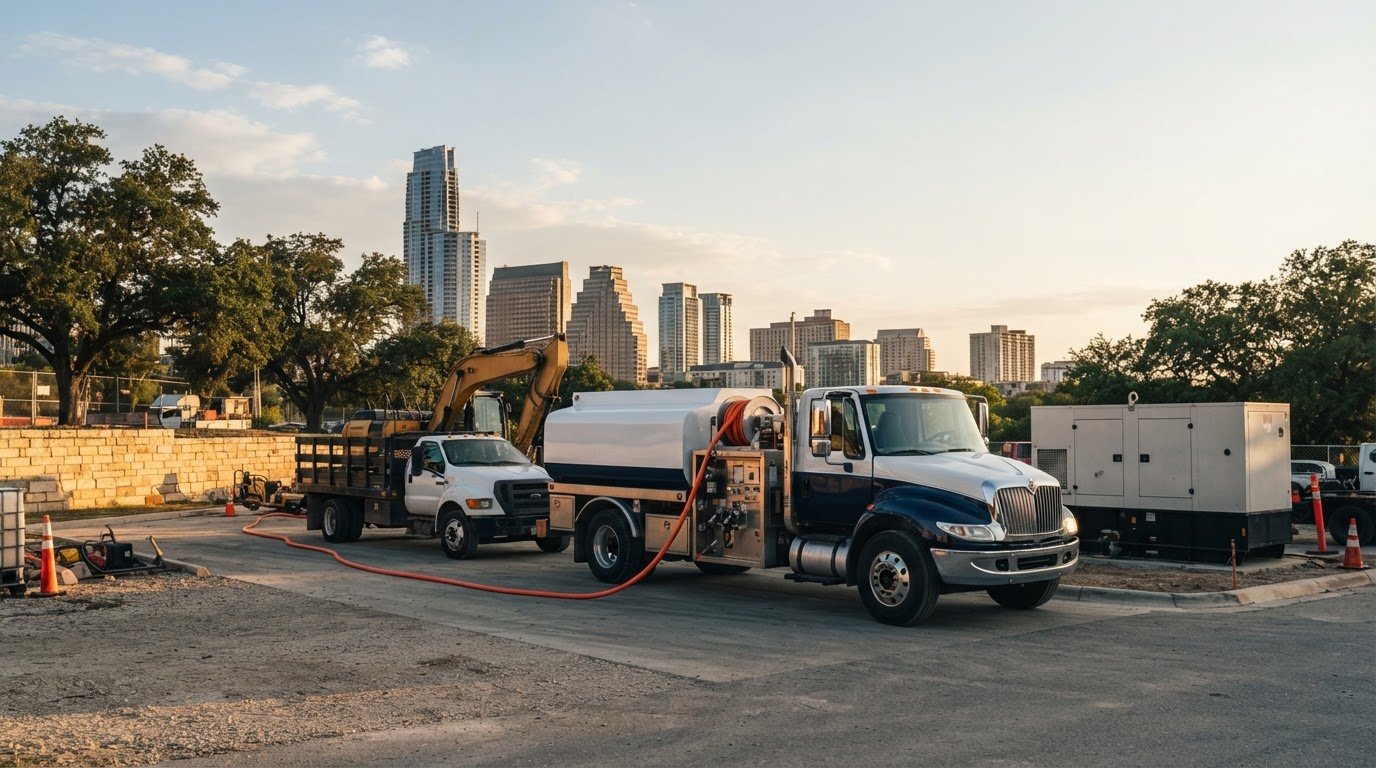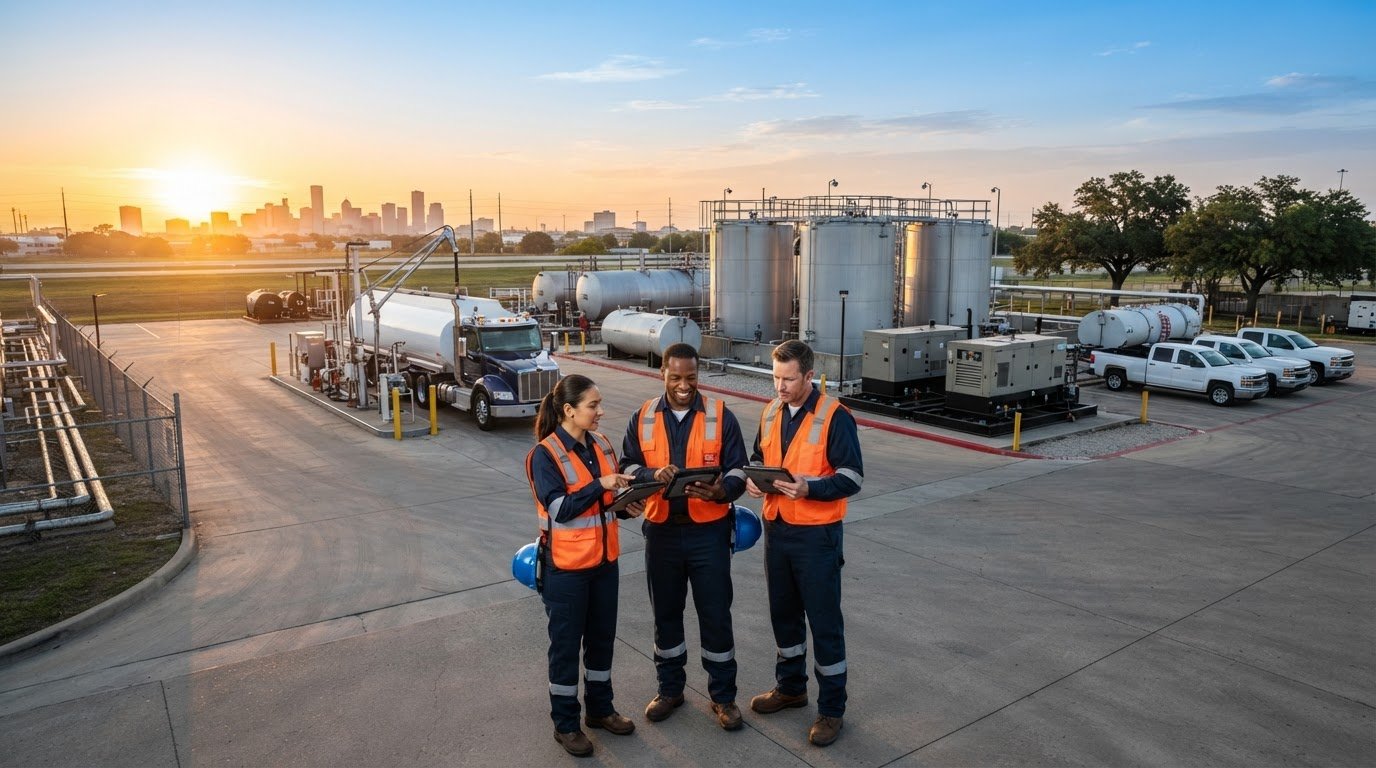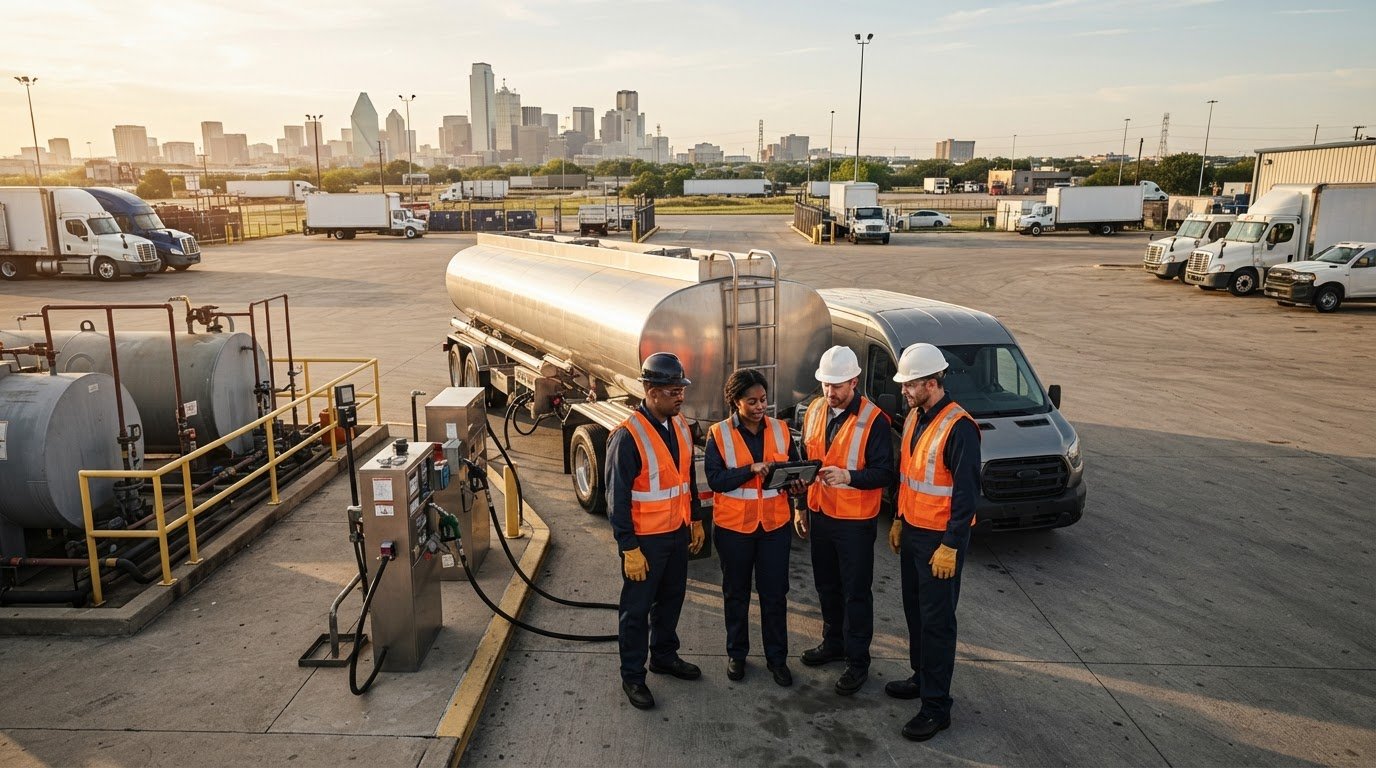
Every time a driver pulls into a retail station in 2026, your business loses 20 to 30 minutes of productive labor to "dead time" while diesel prices in Texas remain a significant overhead at approximately $5.50 per gallon. Integrating professional mobile refueling services into your operations is no longer just a convenience; it's a strategic necessity to protect your margins in a high-stakes environment. You understand that keeping your heavy equipment and fleet moving is the only way to maintain continuity, yet it's a constant challenge to manage the risk of equipment downtime or the lack of consumption transparency that often leads to fuel theft.
This guide demonstrates how modern refueling logistics are transforming these bottlenecks into streamlined, data-driven assets that eliminate unproductive hours and secure your supply chain. You'll discover how to leverage digital reporting for precise fuel tax auditing and ensure 24/7 power continuity for your backup generators. We'll also break down the impact of 2026 regulatory changes from the FMCSA and PHMSA, providing a clear roadmap for Texas businesses that value discipline, foresight, and operational readiness.
The Shift in 2026: Why Mobile Refueling Services are Replacing the Gas Station
Modern mobile refueling services represent a decentralized, on-site energy logistics solution designed to deliver fuel directly into commercial assets. This model eliminates the need for heavy machinery or fleet vehicles to visit traditional retail stations. In 2026, the "retail detour" has evolved from a minor annoyance into a significant financial drain. Industry data shows that a single fueling stop typically consumes 20 to 30 minutes of a driver's time. When you multiply these lost labor hours across a large fleet, the impact on your bottom line is undeniable.
The rapid urban sprawl in Texas hubs like Houston and Dallas has further complicated traditional fueling. Navigating congested city centers or sprawling suburban construction sites with heavy equipment is a logistical liability that increases the risk of accidents and unnecessary wear on vehicles. High-capacity operations now prioritize bringing the energy source to the equipment rather than the other way around. This transition is essential for managing mixed fleets that require precise combinations of diesel and DEF fluid delivery to remain compliant and operational.
From Convenience to Strategic Necessity
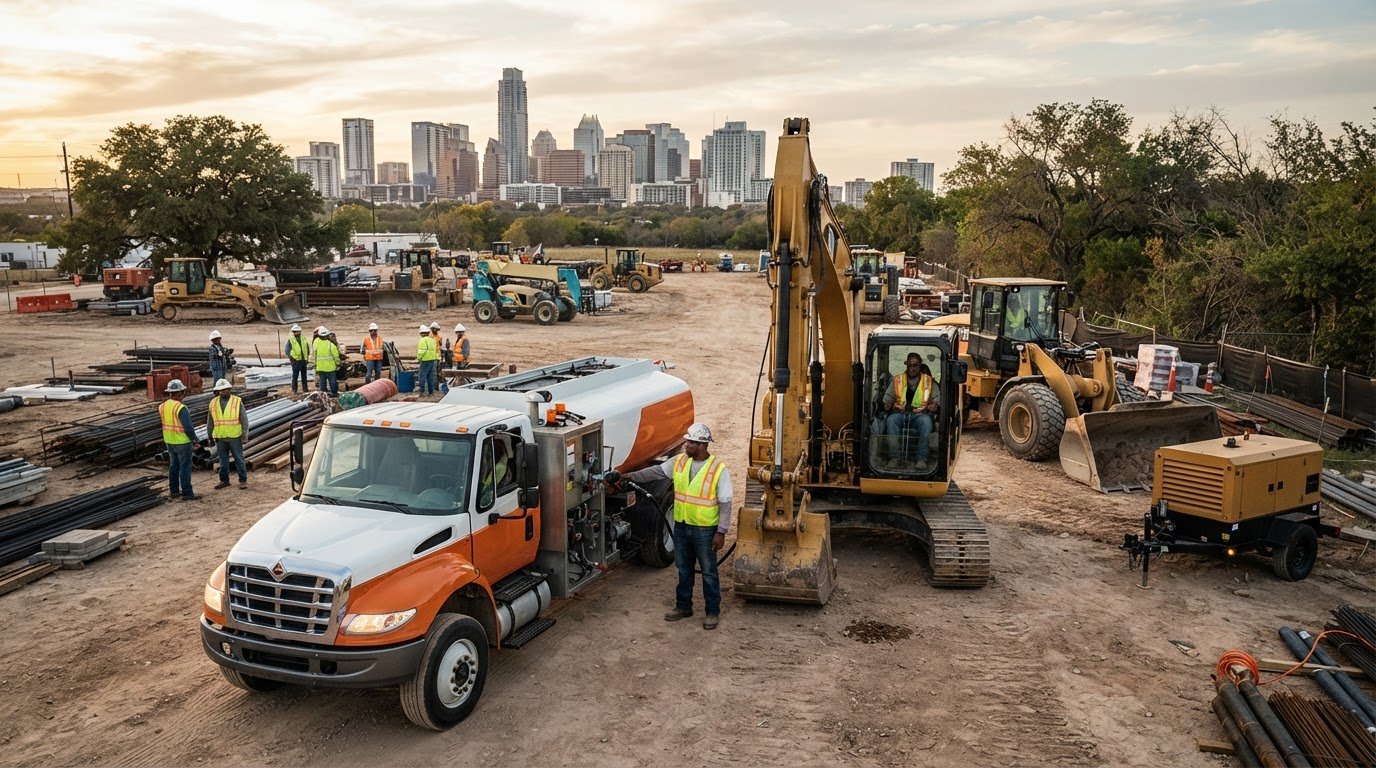
High-value industries, specifically construction and heavy manufacturing, can no longer justify the downtime associated with off-site fueling. With the ongoing pressure of driver shortages, every minute of a licensed operator's time must be spent on productive tasks. Mobile refueling services act as a "last-mile" energy solution that bridges the gap between bulk supply and the physical point of consumption in 2026. This approach ensures that your team arrives at a job site with fully fueled tanks, allowing work to begin immediately. By removing the variable of traffic and station queues, you gain total control over your project timelines and labor costs.
The Environmental and Regulatory Driver
Centralized fuel delivery plays a critical role in meeting corporate ESG goals by reducing "dry runs" and excessive idling. When a single specialized truck fuels twenty pieces of equipment on-site, it is significantly more efficient than those twenty vehicles driving to a retail pump. This model also enhances safety and environmental protection. Professional delivery reduces the risk of on-site spills compared to the hazardous practice of DIY tank hauling. The evolution of this industry, characterized by the Booster Fuels business model, highlights how technology and logistics now work together to provide safer, cleaner energy access. For companies operating in high-traffic regions, utilizing specialized Fleet Fueling Services in Houston ensures that environmental compliance and operational continuity go hand in hand.
The Technology Behind Modern Fuel Logistics and Telemetry
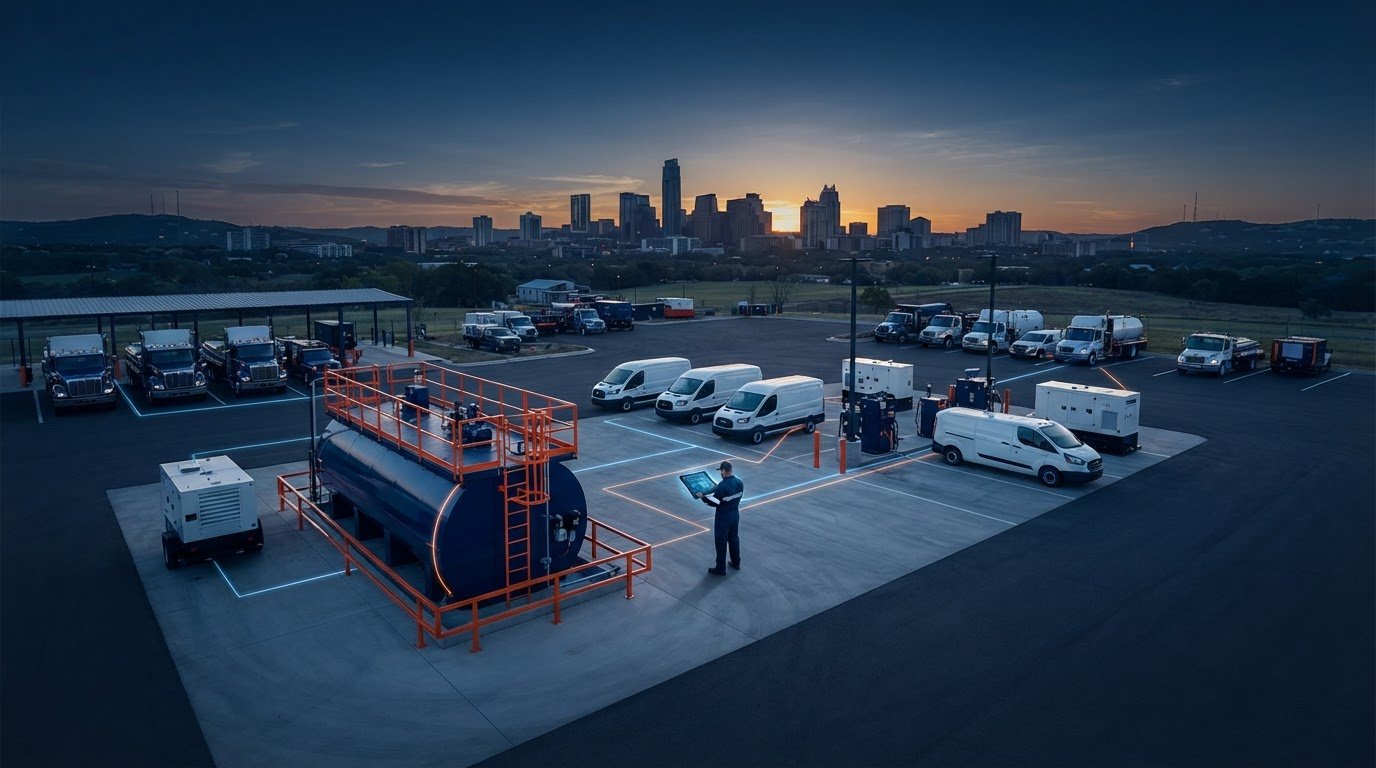
The shift toward mobile refueling services in 2026 is powered by a sophisticated stack of IoT hardware and cloud-based telemetry. We don't just guess when your tanks need a top-off. Real-time sensors transmit volume data directly to our dispatch center, allowing for a proactive response that eliminates the risk of running dry. This level of visibility is critical for industrial sites where a single empty tank can halt an entire production line or delay a critical project phase.
Precision is further enhanced by geofencing and RFID tagging on individual assets. These systems ensure that the nozzle only activates when it’s inserted into the correct machine, preventing costly misallocations or fuel theft. Our operations also adhere to the latest EPA mobile refueler regulations, utilizing smart hardware to prevent overfills and environmental contamination. AI-driven route optimization allows our fleet to maintain 24/7 reliability, even when Texas weather events disrupt standard logistics. These algorithms analyze real-time traffic, weather patterns, and fuel consumption rates to prioritize the most urgent deliveries across Houston and Dallas.
Predictive Fueling: The End of Emergency Calls
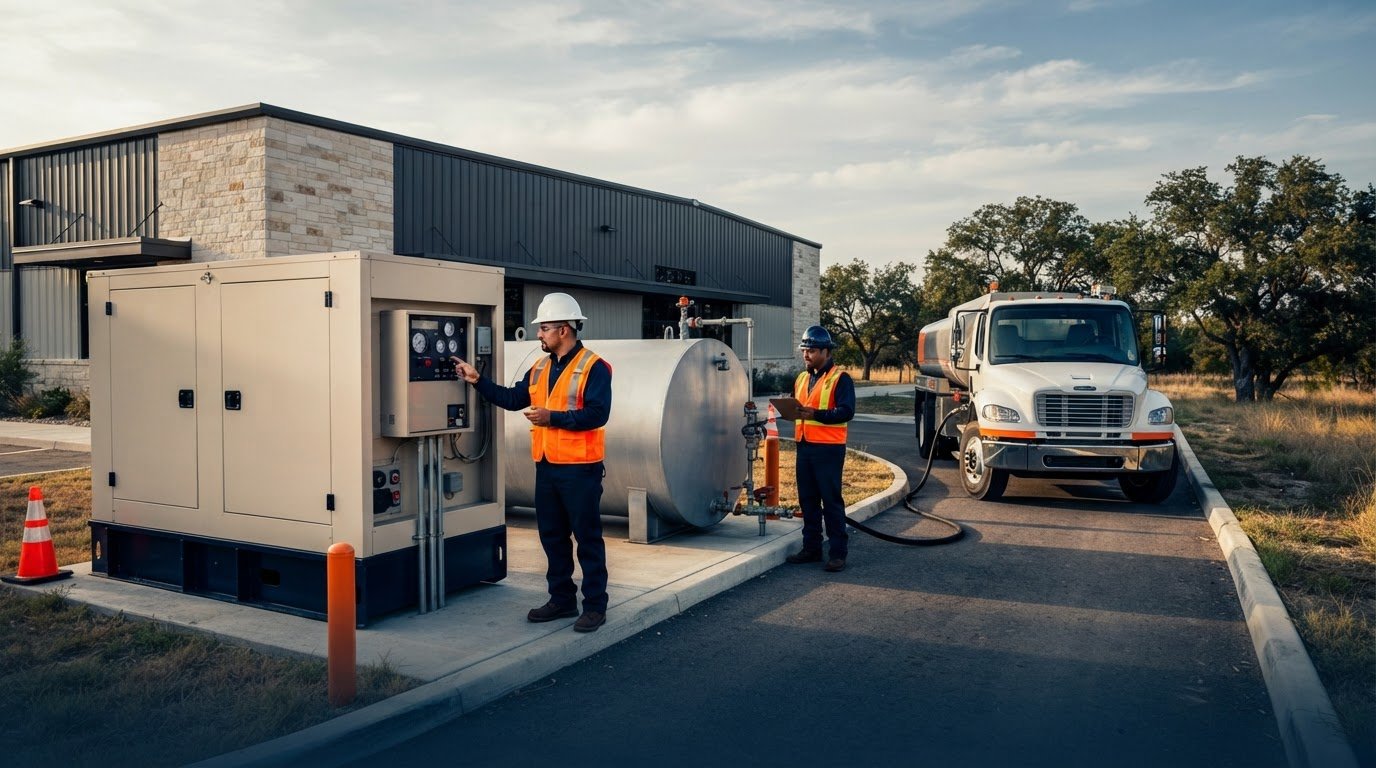
Data centers and hospitals cannot afford a single second of power loss. By integrating predictive analytics, we transition from an "on-call" reactive model to "just-in-time" delivery. These sensors monitor fuel consumption patterns and schedule refills before levels hit a critical threshold. Maintaining reliable generator fueling services ensures your facility remains online during grid failures without the stress of manual monitoring. This foresight allows our team to show up exactly when you need us, keeping your operations steady and your mind at ease.
Digital Auditing and Fraud Prevention
In 2026, paper manifests are a relic of the past. Every gallon delivered is logged digitally and verified through secure transactions, providing a transparent audit trail for your enterprise resource planning (ERP) systems. This direct-to-tank approach in mobile refueling services eliminates "shrinkage" associated with fuel cards and simplifies IFTA reporting for your administrative team. Digital reporting provides the exact data needed for tax compliance and internal cost-per-hour analysis for every piece of equipment in your fleet. If you're ready to modernize your site's energy management, you can consult with our logistics specialists to build a customized plan that secures your operational continuity.
Economic Impact: ROI of On-Site vs. Retail Fueling
Reframing the "True Cost" of fuel requires looking past the price per gallon shown at the pump. While the current Texas diesel average sits near $5.50, the real metric for any industrial operator is the price per delivered BTU at the physical point of work. Every mile a heavy excavator or a Class 8 truck travels just to find a retail station is a mile of wasted depreciation and unproductive fuel consumption. Mobile refueling services turn these liabilities into assets by synchronizing fuel delivery with your natural operational lulls. This ensures your capital is always working, never idling in a station queue or navigating traffic.
The opportunity cost of retail fueling often goes unnoticed until it's calculated over a full fiscal year. When a fleet is fueled overnight or during shift changes, it's ready for immediate deployment the following morning. This foresight eliminates the morning "rush" at gas stations, allowing your team to hit the ground running during the most productive hours of the day. It's about reclaiming control over your schedule and ensuring that your equipment is always positioned where it generates the most value.
The Labor Efficiency Equation
For a 30-vehicle fleet, losing just 30 minutes per driver per day to retail stops translates to 3,900 lost labor hours every year. It’s a staggering figure that represents more than just wages; it’s the lost revenue from missed deliveries or delayed project milestones. Implementing on-site fueling allows for "hot seating," where equipment remains in constant motion across multiple shifts without interruption. You'll find more granular data on these specific savings in our Diesel Delivery for Logistics guide, which outlines how to optimize 2026 fleet schedules for maximum output.
Hidden Savings in Maintenance and Compliance
Reducing unnecessary engine hours is a direct path to extending equipment longevity. When machines stay on-site, they avoid the vibrational stress and transmission wear of transit on public roads. Retail fueling is an invisible tax on operational productivity. Professional delivery also eliminates the risk of "wrong fuel" errors, which can sideline a high-value piece of equipment instantly. For high-intensity, short-term projects where permanent infrastructure isn't feasible, renting portable fuel tanks offers a flexible way to maintain compliance without the overhead of permanent storage. This approach secures your supply and allows your team to focus entirely on the project at hand.
Operational Continuity: Emergency Preparedness in Texas
Texas businesses in 2026 operate under a persistent state of grid anxiety. Recent years have proven that the centralized power grid remains vulnerable to extreme temperature fluctuations and surge demands. Relying on mobile refueling services is the only way to ensure that critical facilities like data centers, hospitals, and municipal hubs remain online when the lights go out. You can't afford to wait for a disaster to strike before securing your supply line. Preparation is the difference between operational stability and a catastrophic loss of data or services.
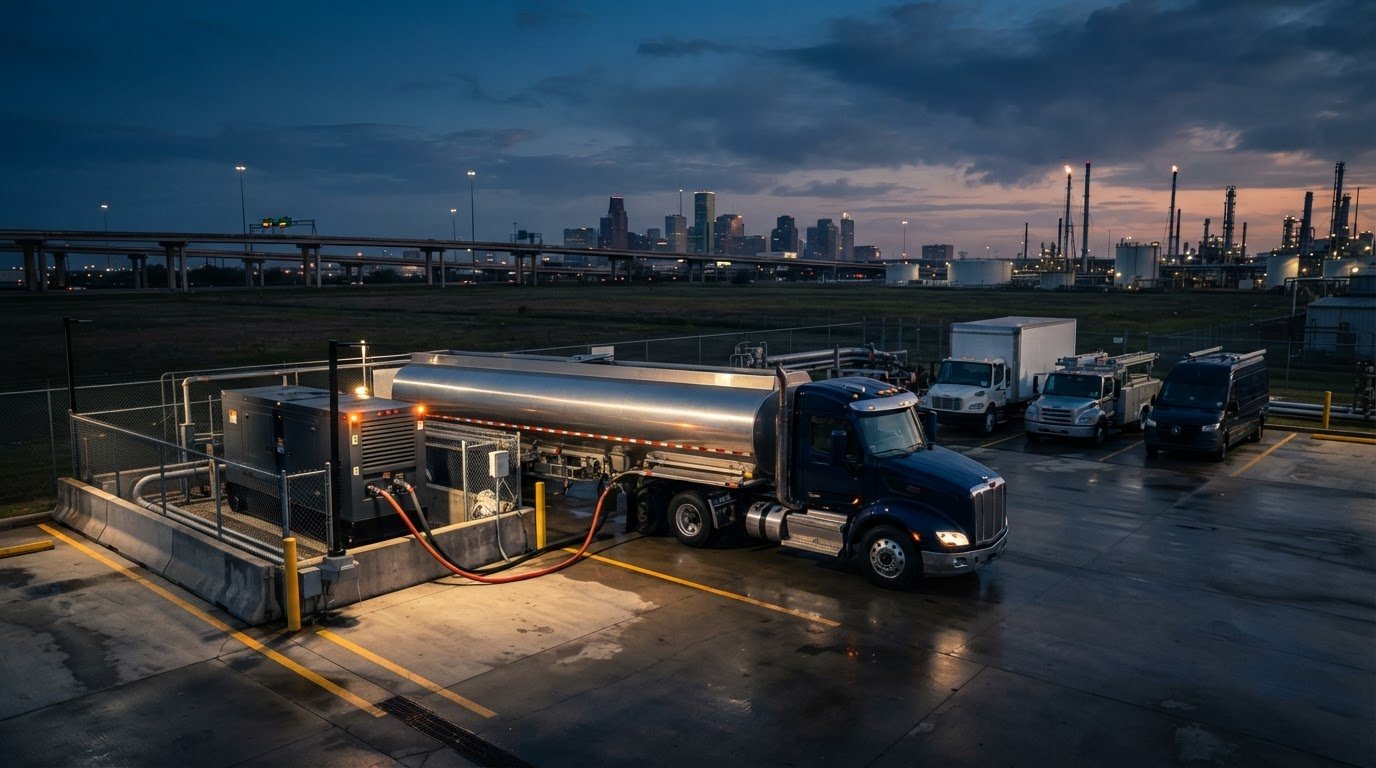
Hurricane and freeze readiness require more than just owning a generator. It requires a locked-in logistics plan that accounts for regional power outages and road closures. Establishing priority fuel contracts before a storm hits guarantees that your facility is at the top of the delivery list. During widespread outages, retail stations often lose power or run dry within hours. A dedicated partner with specialized equipment can navigate these logistical hurdles to maintain your power continuity while others are left waiting for a pump to turn on.
Priority Response for Critical Infrastructure
There is a significant difference between standard delivery and 24/7 emergency fueling contracts. Standard services might operate on a schedule, but emergency contracts prioritize your uptime during peak summer grid demand or winter freezes. We focus on fuel quality, ensuring that standby generators receive fresh, stabilized diesel that won't fail during a crisis. For hospitals, this isn't just about business; it's about life safety. Our team manages the logistics of fueling multiple assets across a campus, providing the peace of mind that your backup systems are ready to take the load the moment they're needed.
The DEF Factor in Emergency Power
Modern Tier 4 generators won't run without a steady supply of Diesel Exhaust Fluid. If your DEF tank runs dry, the engine will derate or shut down entirely, regardless of how much diesel you have on hand. Managing DEF fluid delivery is a critical component of emergency preparedness, especially since DEF has a limited shelf life in the high-heat Texas climate. Our logistics experts monitor these levels alongside your fuel, ensuring your entire system is compliant and operational. You can find more details on securing your facility in our Emergency Generator Fueling Guide. If you want to ensure your business is protected before the next weather event, contact our emergency response team today to establish a priority service plan.
React Fueling: Engineering Resilience for Texas Industry
React Fueling operates as your vigilant partner, providing the boots-on-the-ground expertise required to manage complex industrial environments. We maintain a dedicated presence across major Texas hubs, including Houston, Dallas, San Antonio, and Austin. As part of the React Holdings family, we combine the personalized service of a local specialist with the robust logistical backing of a specialized energy organization. This structure ensures that your mobile refueling services remain uninterrupted, regardless of market volatility or regional supply chain pressures.
Our comprehensive service suite addresses every facet of your fuel lifecycle. We provide precision equipment fueling for active construction sites and high-volume bulk diesel delivery for industrial facilities. Integrating these services into your 2026 operational budget provides a level of cost predictability that retail fueling cannot match. We eliminate the hidden costs of "dead time" and administrative overhead, replacing them with a single, transparent line item that reflects actual consumption and maximized productivity.
A Local Solution for a Global Energy Market
Local dispatch and Texas-based drivers are essential when regional disruptions occur. Our team understands the physical reality of Texas job sites, from the mud of a new development in Austin to the high-traffic corridors of Dallas. We prioritize safety and maintain strict OSHA-compliant on-site fueling procedures to protect your personnel and our environment. React Fueling serves as the logistical backbone for the essential projects powering Texas infrastructure. We don't just deliver fuel; we deliver the certainty that your project will stay on schedule.
Next Steps: Securing Your Supply Chain
Securing your 2026 supply chain begins with a comprehensive fuel audit and site assessment. Our logistics specialists evaluate your fleet's movement and consumption patterns to design a recurring delivery schedule that supports zero-downtime operations. This proactive approach ensures that your tanks are never empty and your drivers are never idle. If you're ready to stabilize your energy logistics, contact React Fueling for a custom commercial fuel solution and discover the difference of a partner who values your continuity as much as you do.
Securing Your Operational Continuity for the Future
The landscape of industrial energy has shifted toward a model that prioritizes uptime and data-driven precision. Moving beyond the "retail detour" allows your organization to reclaim thousands of labor hours while protecting your equipment from unnecessary wear and tear. By leveraging advanced telemetry and IoT sensors, mobile refueling services provide a level of consumption transparency that was previously impossible to achieve. This transition isn't just about fuel; it's about engineering a more resilient, efficient, and profitable operation.
React Fueling stands ready as your vigilant partner in Houston, Dallas, and Austin. Our dedicated equipment fueling specialists provide the foresight needed to manage Texas grid instability and seasonal weather disruptions through 24/7 emergency response. We take pride in showing up when it matters most to keep your projects moving forward. Secure your supply chain and eliminate operational interruptions by taking the next step today.
Request a Quote for Mobile Refueling Services to build a customized plan that protects your bottom line. We look forward to powering your success.
Frequently Asked Questions
What exactly are mobile refueling services?
Mobile refueling services are on-site energy logistics solutions where fuel is delivered directly into vehicles, machinery, or storage tanks. Instead of sending your fleet to a retail station, a specialized truck arrives at your job site to perform the fueling. This process eliminates unproductive labor hours and reduces vehicle wear. It's particularly effective for construction, industrial facilities, and emergency backup power systems that require high-stakes reliability.
How much more does mobile fuel delivery cost than a gas station?
While there's a service fee for on-site delivery, the total cost of ownership is often lower than retail fueling. You must account for the "true cost" of fuel, which includes driver wages, vehicle depreciation, and lost productivity during station detours. By eliminating these hidden expenses, businesses typically see a positive return on investment. We focus on providing transparent logistics that stabilize your operational budget against market volatility.
Is it safe to have fuel delivered directly to a construction site?
Yes, professional on-site delivery is significantly safer than traditional DIY tank hauling. Our team follows strict OSHA-compliant procedures and utilizes specialized equipment designed to prevent spills and overfills. We adhere to EPA regulations, including the Spill Prevention, Control, and Countermeasure rule. This centralized approach reduces the frequency of hazardous material transport on public roads and ensures that every transfer is handled by trained, vigilant specialists.
Can you deliver both diesel and DEF at the same time?
Our specialized delivery trucks are equipped to provide both diesel and Diesel Exhaust Fluid (DEF) during a single site visit. This dual-service capability is essential for modern Tier 4 engines that require DEF to remain operational and compliant with environmental standards. By coordinating these deliveries, we simplify your logistics and ensure that your entire fleet is ready for deployment without the need for multiple service calls or separate, uncoordinated vendors.
What areas in Texas does React Fueling cover for emergency services?
React Fueling provides comprehensive coverage across major Texas industrial hubs. Our service areas include Houston, Magnolia, San Antonio, College Station, Austin, and Dallas. We maintain a local presence in these regions to ensure rapid response times during grid failures or severe weather events. Our local dispatchers and drivers understand the specific logistical challenges of these cities, allowing us to maintain 24/7 continuity for hospitals, data centers, and critical infrastructure.
How does telemetry help prevent my generators from running out of fuel?
Telemetry systems utilize IoT sensors to monitor fuel levels in real-time, transmitting volume data directly to our dispatch center. This technology allows us to transition from a reactive "on-call" model to a proactive "just-in-time" delivery schedule. We track consumption patterns and schedule refills before your levels reach a critical threshold. This foresight is vital for backup generators, as it guarantees power continuity without requiring manual checks or intervention from your staff.
Do I need to be present on-site when the fuel delivery truck arrives?
You don't need to be physically present for the delivery once we've established site access protocols and geofencing parameters. Our drivers use RFID tagging and digital logging to ensure the correct fuel is delivered to the specified assets. Every transaction is recorded in a digital manifest, providing you with a transparent audit trail for your records. This "wet-hosing" service allows your team to focus on their primary tasks while we manage the energy logistics.
What types of equipment can be fueled by mobile services?
We fuel a wide range of industrial and commercial assets. This includes heavy construction machinery like excavators and dozers, as well as Class 8 trucks and commercial fleet vehicles. We also specialize in fueling stationary assets such as backup generators, light towers, and portable heaters. If your equipment runs on diesel, our mobile refueling services are designed to keep it operational directly at your project location or facility.