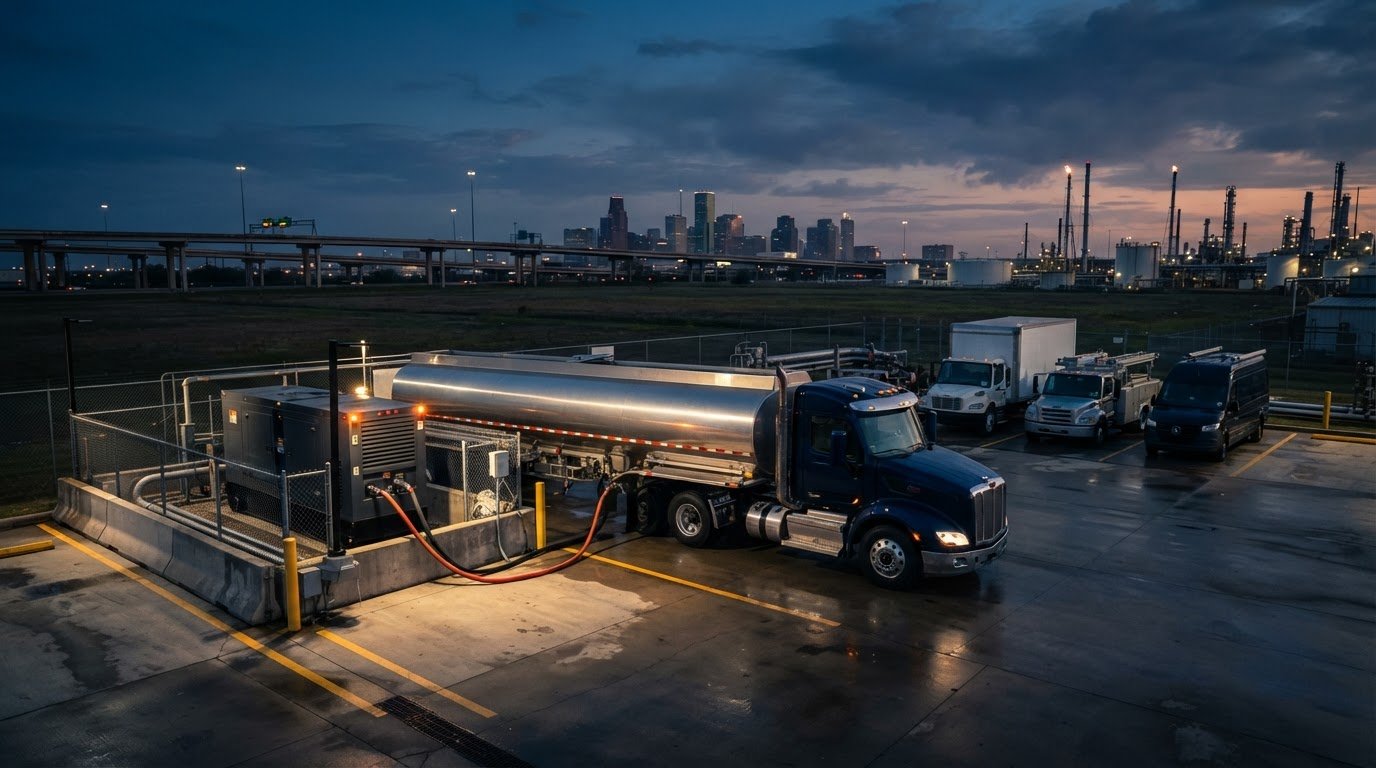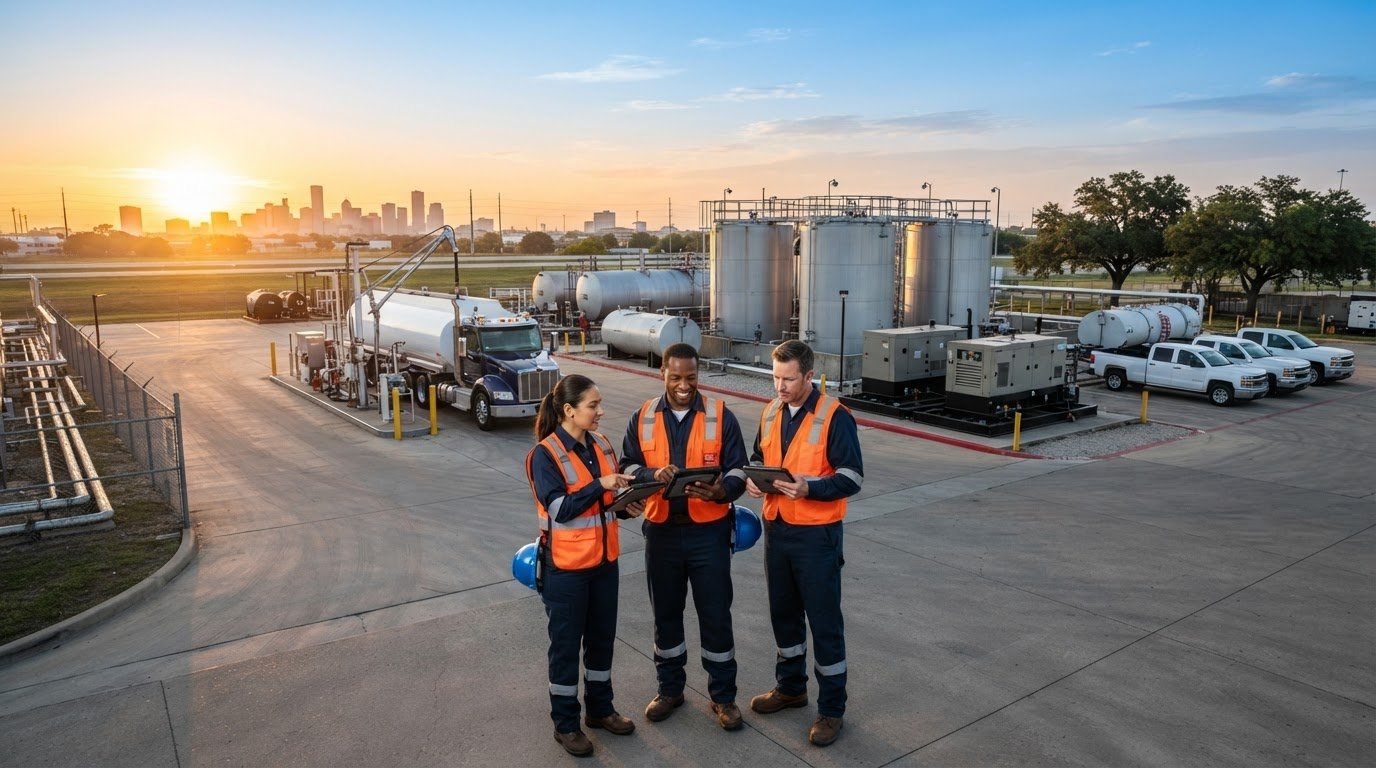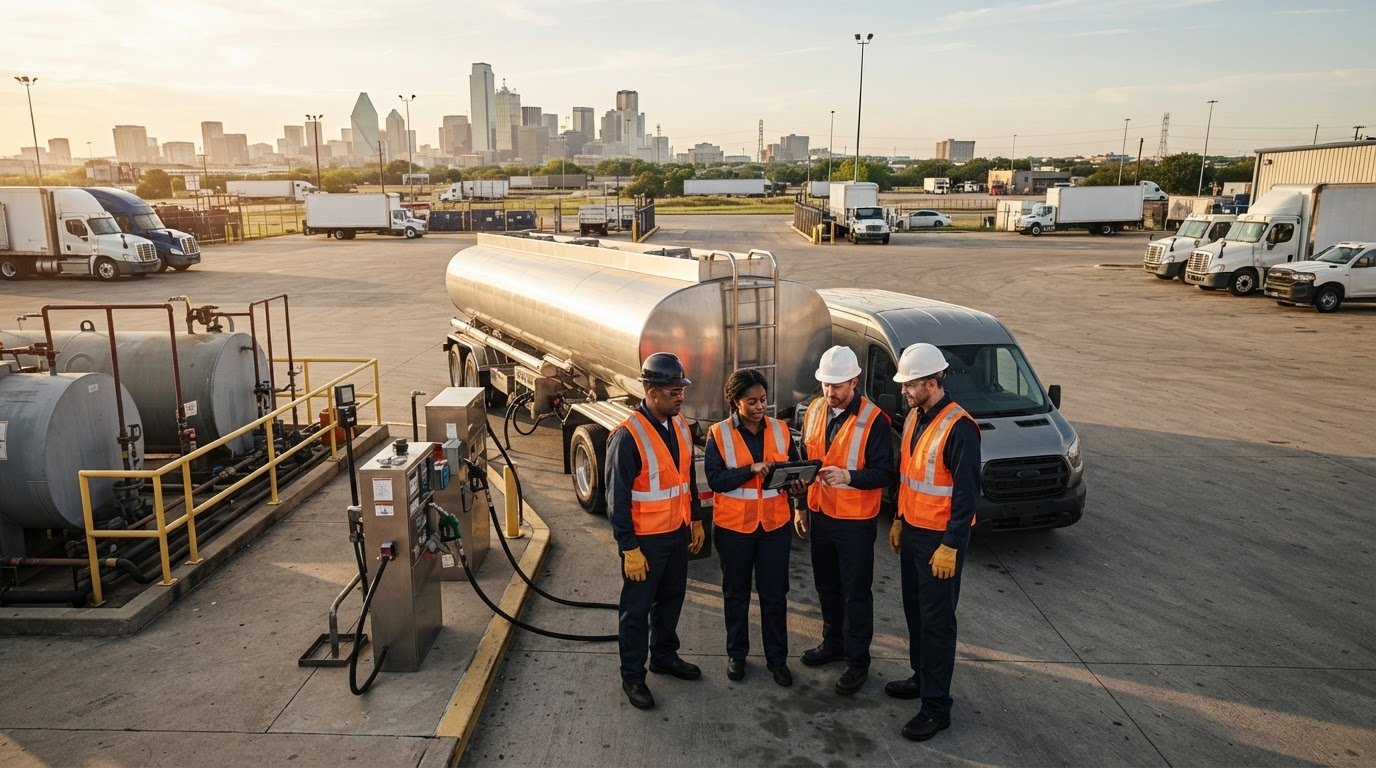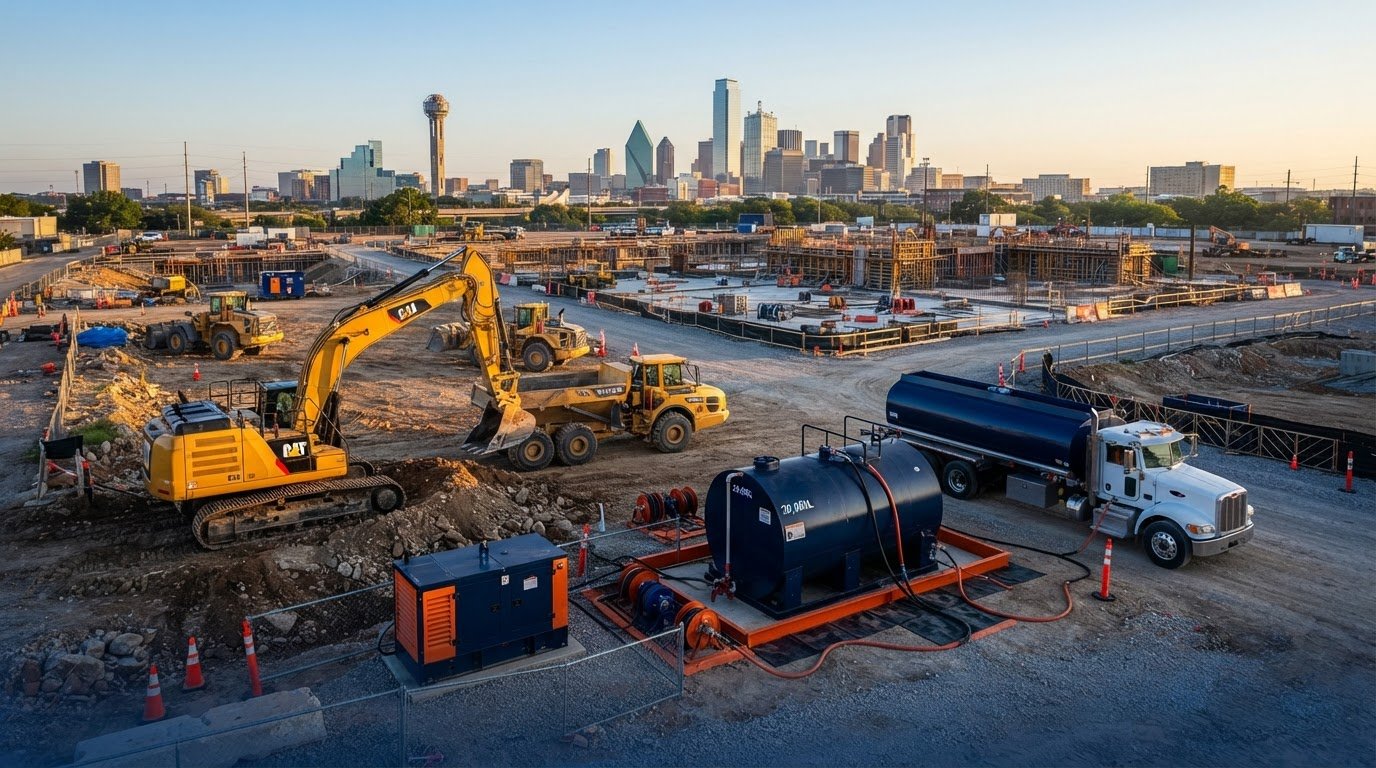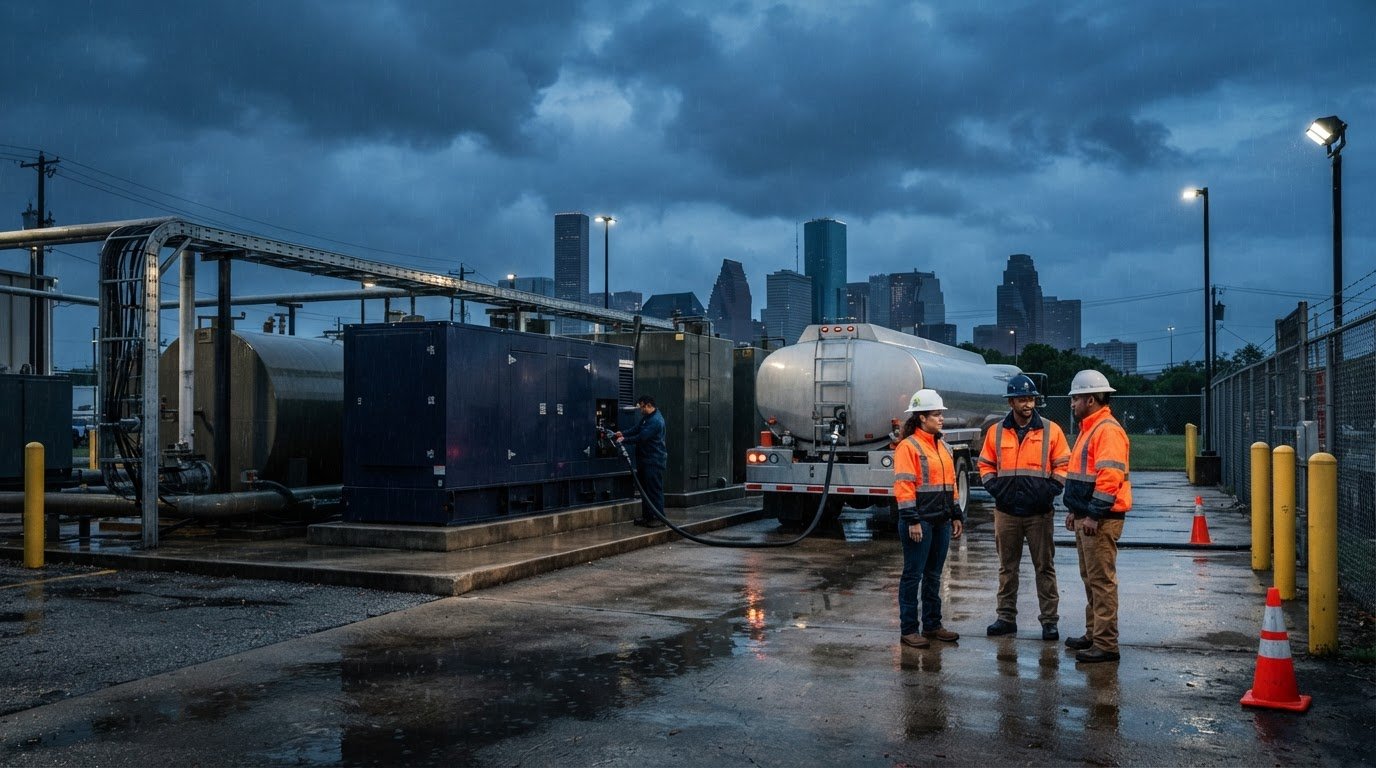
A per-gallon figure alone does not show the full cost of fleet refueling. The cost of fleet diesel refueling services in San Antonio depends on delivery volume, location, timing, site access, and fueling requirements. React Fueling provides clear, competitive rates with no long-term commitments or hidden fees; request a quote for pricing based on your job.
To compare delivery costs, first clarify what your operation needs, particularly whether you’re fueling on-road vehicles or equipment at a jobsite. Sharing the right details helps plan delivery around fleet requirements and identify the factors that shape cost.
This guide explains what affects diesel delivery costs in San Antonio, what information helps shape a quote, and how on-site refueling works. It also distinguishes commercial vehicle fueling from equipment fueling, helping you identify the approach that fits your operation.
How Much Does Diesel Delivery Cost In San Antonio?
Diesel delivery in San Antonio does not have one cost for every operation. Pricing depends on the requested volume, delivery location, timing, site access, and fueling requirements. Include those details in your quote request so the delivery plan reflects the work involved.
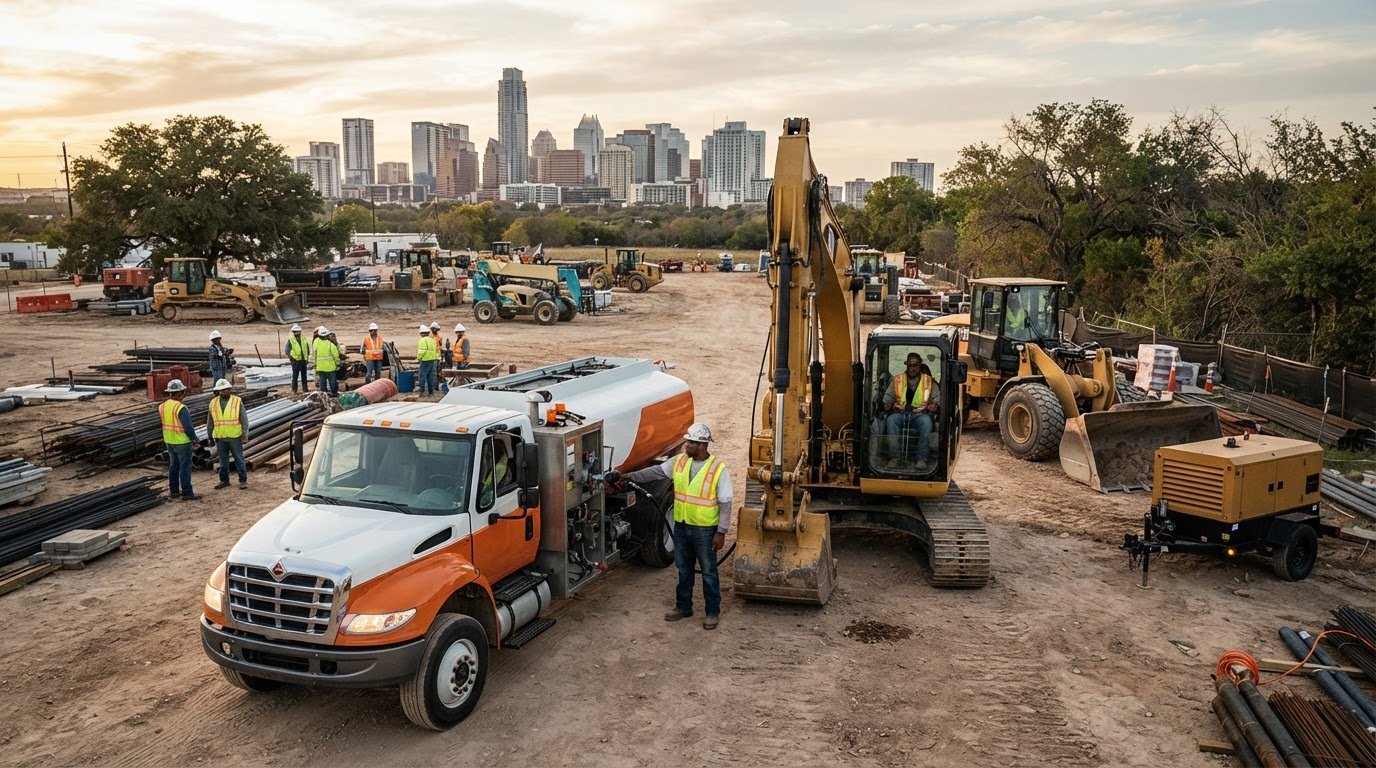
Jobsite fueling differs from fueling a fleet parked at a central yard. Construction equipment may be spread across a worksite, while generators may need fuel at a fixed location. List each fueling point and the equipment it serves. This helps plan the route, access, and fuel quantity for the delivery.
Agricultural machinery may operate across fields or remote areas, so identify where it can be reached safely. Construction sites may have changing layouts, restricted entrances, or equipment positioned away from the main access road. In either setting, clear directions and access notes help the delivery team plan where fueling can take place.
Red-dyed diesel is intended for eligible off-road equipment, such as machinery used in construction or agriculture. Keep it separate from fuel for on-road vehicles, and specify which equipment receives each fuel type. Including fuel allocation in site plans helps prevent mix-ups between equipment and fleet fueling.
For on-site storage and fleet fueling in San Antonio, account for applicable Texas and local requirements for storage, spill control, and site operations. Keep storage areas orderly, control access, and plan fueling around site equipment and traffic. Requirements vary by setup and location.
On-site diesel refueling involves practical safety, environmental, and theft risks. Spills can affect soil or drainage, moving equipment creates hazards near fueling points, and unsecured fuel may be stolen. Designate a fueling area away from vehicle traffic and restrict access to authorized personnel.
To arrange fleet fuel delivery in San Antonio, provide the delivery location, fuel needs, timing, and site access details. List the vehicles or equipment to be fueled, and identify separate fueling points if the site has more than one.
- Generators: Share their placement and access route, especially when they sit behind barriers or within active work areas.
- Agricultural equipment: Identify the field or work area where machinery can be reached.
- Construction equipment: Note changing site access and where each machine is positioned.
- Commercial fleets: Distinguish on-road vehicles from off-road equipment when describing fuel needs.
These details also help explain why two deliveries can have different costs, even when both serve San Antonio businesses. A request involving several fueling points, difficult access, or different equipment needs requires a different plan than a straightforward delivery to one accessible location. Review commercial fuel services in San Antonio for the range of fueling needs covered.
On-site refueling for commercial fleets and equipment
On-site fueling brings diesel to vehicles and machinery where they operate. A workable plan accounts for fleet needs, equipment access, and activity at the site.
Fleet and Equipment Refueling
Map each fueling point before arranging delivery. List the truck parking area separately from generators or equipment staged across a worksite. Note which units need diesel and when they can be reached without interrupting loading, maintenance, or active work. Clear locations and access instructions help coordinate delivery around the fleet’s actual layout.
List on-road trucks separately from off-road machinery in the fueling plan. This helps direct fuel to the right assets and avoid confusion at mixed-use sites. If equipment moves during the workday, note its usual staging area and who can guide the fueling team.
Around-the-Clock Fueling Availability
For around-the-clock operations, plan fueling around shift changes, dispatch windows, and equipment use. Identify which vehicles are available, which areas are accessible, and who can coordinate site entry. These details help align a requested visit with your operations without assuming a specific delivery time or schedule.
Make shift handoffs clear. For example, the outgoing supervisor can record which trucks need fuel and where they’re parked. The incoming supervisor can update the list if vehicles leave for routes or equipment moves. This keeps fueling instructions current across overnight and daytime operations.
Construction-site fueling takes extra coordination because access and work zones can change. Include the approved entrance, active work areas, and equipment locations in the delivery instructions. If a loader is operating near a truck queue, direct fueling to a safe staging point instead. Update the site plan when crews move machinery or close an entrance.
Before the first visit, prepare a concise fueling brief with these details:
- Location: Provide the San Antonio site address and practical entrance instructions.
- Fueling points: Separate truck parking, construction equipment, and generator locations.
- Timing: Identify preferred windows and any shift or dispatch constraints.
- Site access: Note gates, restricted areas, and the site contact responsible for entry.
- Fuel needs: Describe which vehicles or equipment require diesel.
Update the brief whenever crews, routes, or equipment locations change. A current site plan reduces confusion between fueling instructions and daily operations. For San Antonio fleets, the same approach works at a central yard, active construction site, or facility with separate generator areas.
Clear diesel for on-road fleets
On-road trucks need a fueling plan that accounts for diesel needs and daily routes. Separate fleet fueling from off-road equipment fueling, then give each group clear instructions. This helps dispatchers coordinate delivery with vehicle availability, yard access, and departure schedules.
Start with an asset list. Record each truck’s unit number, parking location, and usual fueling window. If the fleet returns to a central yard, group vehicles by parking area or shift. If trucks operate from separate locations, list each site and the person who can coordinate access. Clear instructions reduce confusion when vehicles arrive or move during fueling.
Keep clear diesel assigned to on-road vehicles in the fueling plan. At mixed-use sites, identify fleet parking and equipment areas separately. For example, a contractor may park road trucks near the yard entrance and loaders inside the construction zone. Separate locations and written directions help prevent fuel from going to the wrong group.
Fuel delivery planning also depends on route timing. Note when trucks return, which units need to leave first, and whether parking spaces will be accessible. The delivery plan can then prioritize vehicles with early departures without blocking others. Update the vehicle list as routes, assignments, or parking arrangements change.
Good records support consistent fleet operations. Track the date of each fueling visit, the vehicles served, and any units skipped because they were absent or inaccessible. Compare those notes with dispatch schedules. If the same trucks repeatedly miss a planned visit, adjust their staging location or fueling window.
- Identify vehicles: Use unit numbers or another fleet identifier in the fueling instructions.
- Group by location: Separate yard rows, depots, and remote parking areas.
- Set access details: Note gates, site contacts, and any route through the property.
- Coordinate schedules: Flag departure windows and vehicles unavailable during fueling.
- Record exceptions: Note trucks that were moved, absent, or inaccessible.
Diesel Exhaust Fluid has a separate role from diesel fuel. It reduces emissions in diesel engines and is required for modern equipment with SCR systems. Keep DEF needs visible in the fleet plan so the appropriate supply is considered alongside diesel, particularly when trucks or equipment depend on SCR systems.
A practical San Antonio fleet plan connects fuel type, vehicle identity, parking location, and dispatch timing. Review these details when you add trucks or change routes. This keeps fueling instructions aligned with actual operations and makes each delivery easier to coordinate.
Emergency response times
A fuel shortage can interrupt a route, jobsite, or generator operation. The response in San Antonio depends on the delivery location, site access, requested fuel, and current logistics. Give dispatch clear details so the response can be planned around the actual problem, not an assumed arrival time.
Start by identifying the affected asset and its location. For example, say whether a road truck is at a yard, a work vehicle is at a jobsite, or a generator is at a facility. Share the site entrance and any access limits. A street address alone may not show exactly where the vehicle or equipment is.
Describe the operational impact. State whether a truck cannot complete its route, construction work has stopped, or a generator needs fuel to keep running. Identify the most urgent asset first, then list other vehicles or equipment that could be served on the same visit. This helps set priorities without assuming a fixed response window.
Keep emergency fuel delivery information ready before a shortage occurs. A concise record can include:
- Location: The address, entrance, and specific fueling point.
- Asset: The truck, generator, or equipment requiring diesel.
- Fuel need: The requested fuel type and amount needed for the operation.
- Access: Gate instructions, site restrictions, and an on-site contact.
- Priority: The work or route affected and any other assets needing service.
Accurate details matter at construction sites, where equipment can move between work areas. If a loader has moved away from the entrance, update its location before dispatch. At a fleet yard, note whether trucks are parked in separate rows or blocked by vehicles awaiting departure. These changes can affect access and fueling order.
Distinguish diesel needs from gasoline needs in every request. Gasoline-powered vehicles and diesel trucks require different fuel, so naming the asset and fuel type helps prevent a mismatch. If several assets need attention, list them by fuel type and location rather than sending one unclear request for the whole site.
Once fuel is restored, record the incident, affected assets, and cause. If a truck repeatedly returns with insufficient fuel, the dispatch or fueling plan may need adjustment. A generator outage may point to a different replenishment schedule. These notes help operations teams address recurring interruptions rather than treating each shortage as an isolated event.
For San Antonio fleets, a prepared contact process, accurate location details, and clear priorities make emergency requests easier to act on. Keep the asset list current as routes, site layouts, and equipment assignments change.
What types and grades of diesel fuel are available for fleet delivery in San Antonio?
For fleet delivery, distinguish clear diesel for on-road trucks from red-dyed diesel for eligible off-road equipment. The right fuel depends on the vehicle or machine. Tell the delivery team which assets are on-road and which are off-road instead of describing every need simply as “diesel.”
Select fuel based on the engine’s requirements, not guesswork. Check the vehicle or equipment manual and fleet fueling records for the required diesel specification. If a truck’s maintenance documentation identifies a specific requirement, include it with the delivery request. This helps match the fuel supplied to the assets being served.
Clear diesel is the relevant category for on-road fleet vehicles. Specify it separately from fuel intended for off-road machinery. At a mixed-use yard, identify road trucks by unit number and parking area, then list construction or agricultural equipment separately. This makes the fueling plan easier to follow across asset groups.
Red-dyed diesel is intended for eligible off-road equipment. Identify these machines by type and location, such as a loader staged inside a construction site. Keep that request separate from the clear-diesel needs of road trucks. Use fuel records and equipment assignments to maintain clear categories as machinery moves between sites.
Diesel Exhaust Fluid (DEF) is separate from diesel fuel. DEF is offered for trucks and equipment. It is not a diesel grade or a replacement for diesel. List DEF as a separate supply need when applicable, and identify the trucks or equipment that use SCR systems.
Prepare a practical fuel specification for each asset group before arranging delivery:
- On-road trucks: Record unit identifiers and the diesel requirements in fleet documentation.
- Off-road equipment: Identify the machines and distinguish their fueling needs from road vehicles.
- SCR-equipped assets: Note separate DEF requirements alongside diesel needs.
- Multiple locations: Match each fuel type and asset group to its fueling point.
Review the specification when vehicles are added, equipment assignments change, or records are updated. A replacement truck may have different documented requirements from the unit it replaces. Keep asset records current so dispatch and fueling staff have one clear reference, especially when the same yard serves trucks, generators, and construction equipment.
For a fleet fuel plan, describe the on-road vehicles and their documented diesel requirements through diesel delivery service. Separate any off-road equipment and DEF needs in the request so each requirement remains clear.
React Fueling: Diesel Delivery
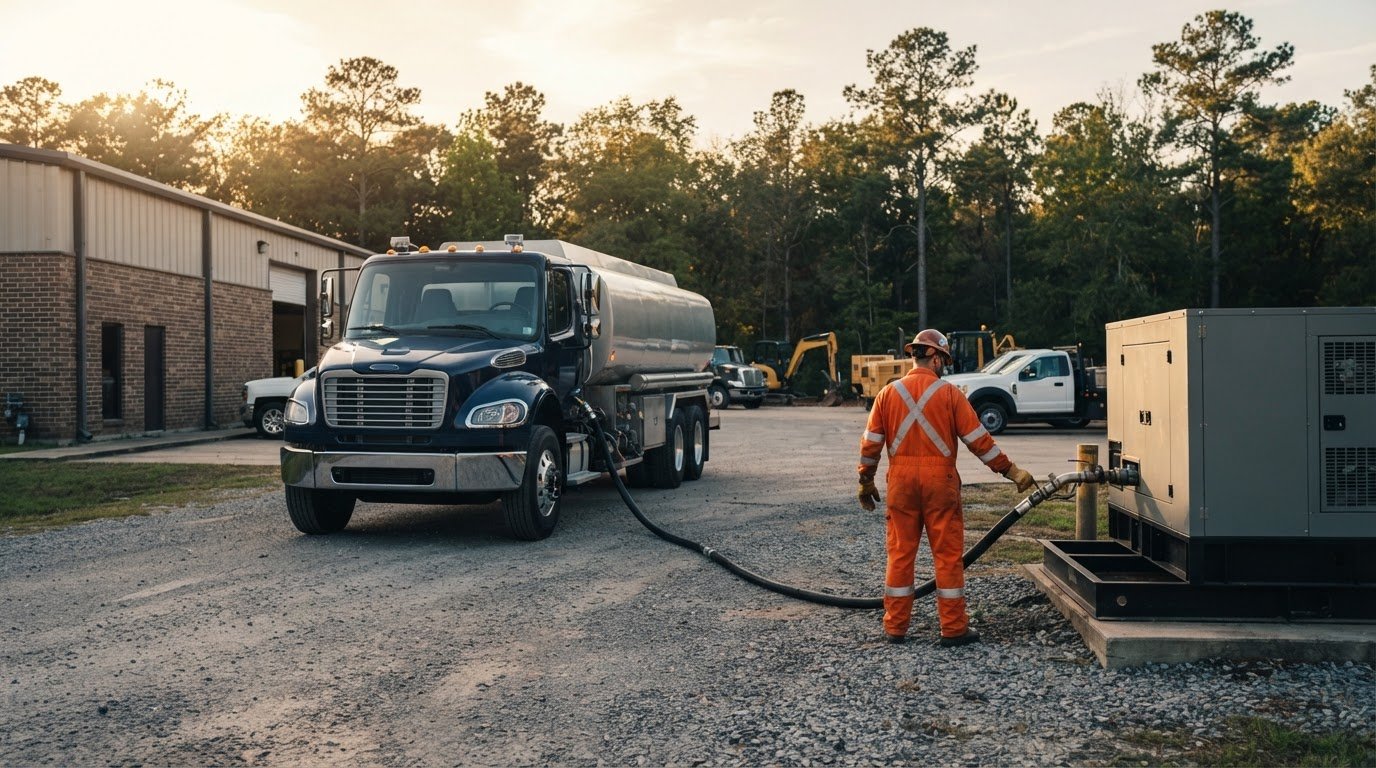
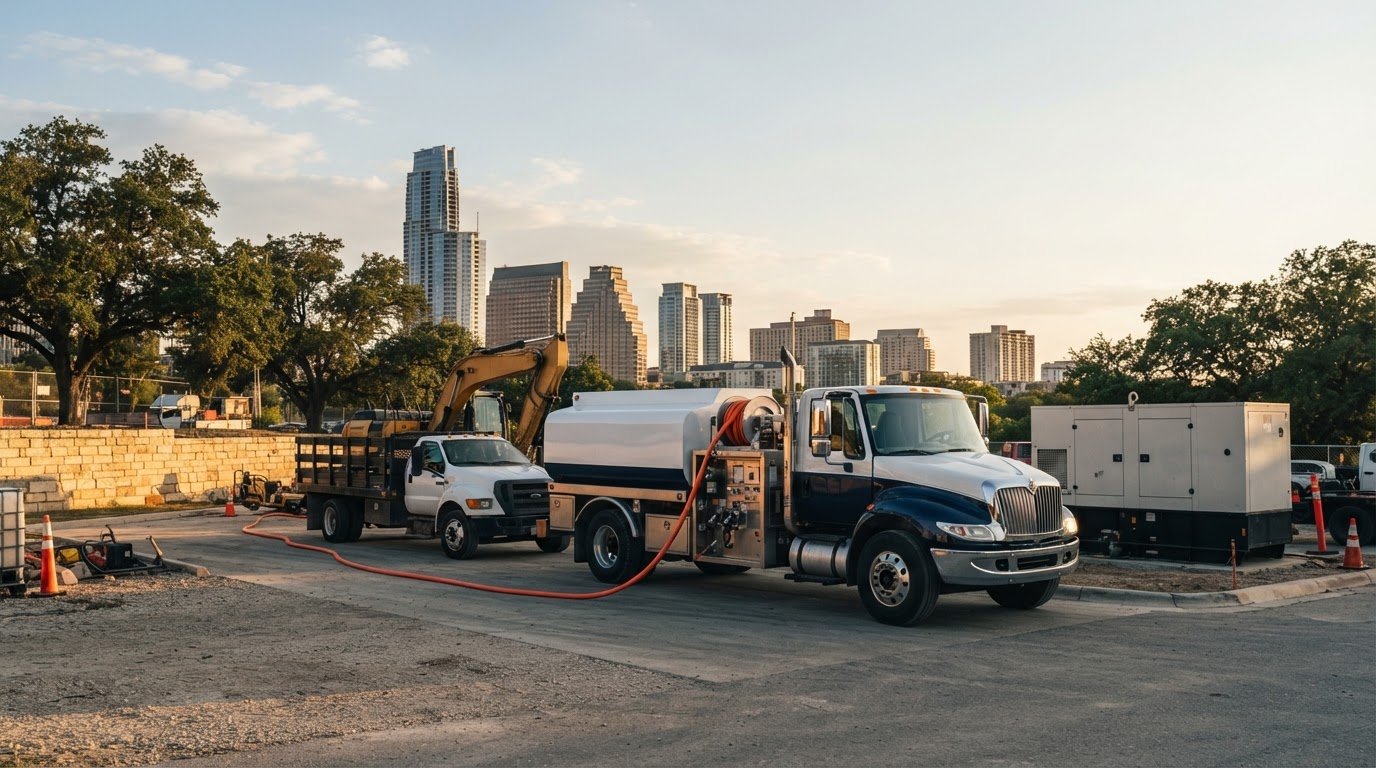
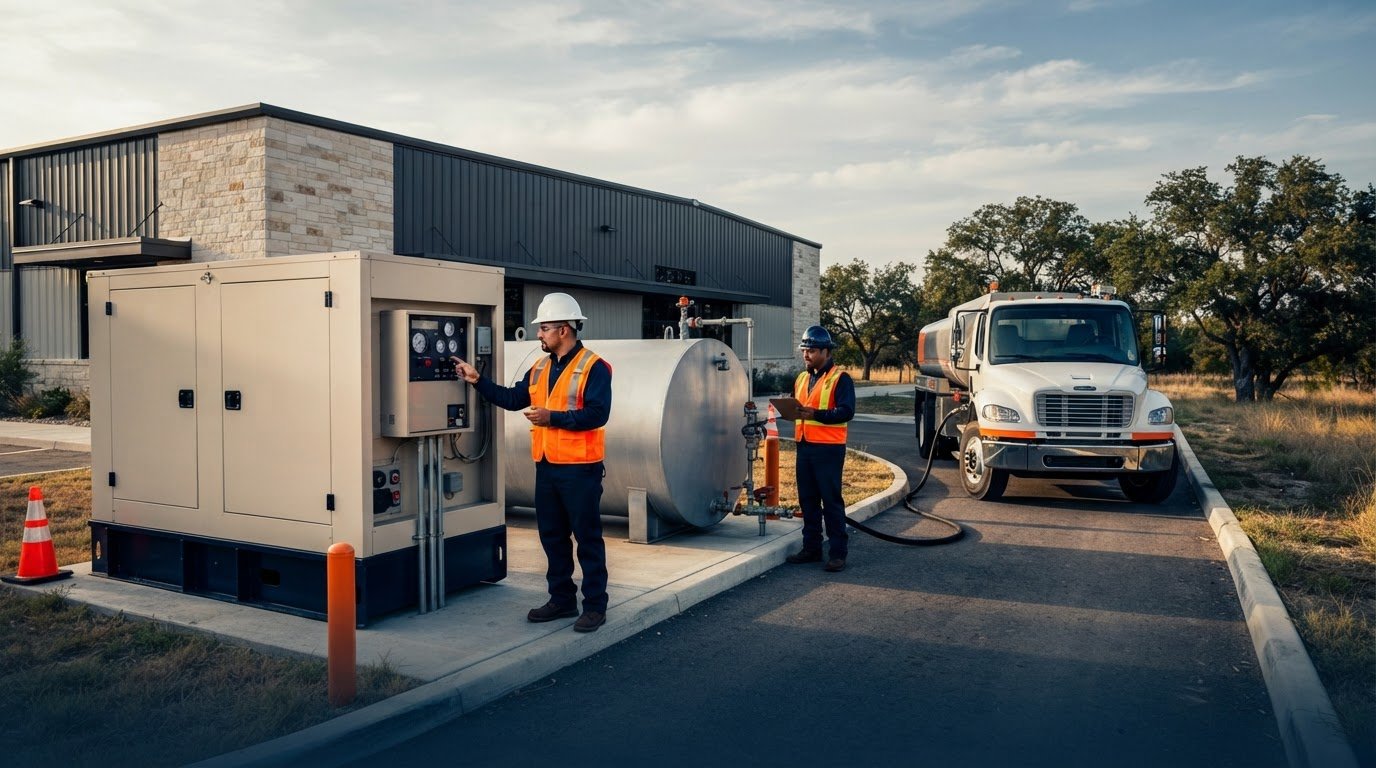
React Fueling supports commercial operations with diesel delivery, equipment fueling, and generator fueling services. For a San Antonio fleet, on-site diesel delivery can help coordinate fueling around vehicle locations and operating needs. Equipment fueling serves machinery at active work areas, while generator fueling supports facilities that rely on on-site power.
When arranging service, share the delivery location, fuel requirements, timing, and site access details. Clear information helps align the fueling plan with the trucks, equipment, or generators that need attention. React Fueling serves commercial fleets, construction sites, and industrial facilities with on-site fuel delivery.
Contact React Fueling to discuss diesel delivery for your San Antonio operation.
Put Your Fleet Fueling Plan Into Motion
Turn your fueling requirements into a repeatable operating plan. As routes, equipment assignments, and work locations change, keep the plan aligned with your San Antonio operation. This gives dispatch and site teams a consistent reference for coordinating fuel needs.
React Fueling offers Diesel Delivery, Equipment Fueling Service, and Fuel Delivery for commercial operations. For fleet diesel refueling services in San Antonio, share the locations and fueling requirements that matter to your operation, then discuss an approach suited to your vehicles and equipment.
Start the next conversation with your fleet’s current priorities and the sites that need service. Contact React Fueling to discuss fleet refueling and take the next step toward a fueling plan built around your work.
Frequently Asked Questions
What are the benefits of mobile fuel delivery?
Mobile fuel delivery can reduce the time crews spend diverting vehicles to refuel. A fleet manager can coordinate fueling around dispatch and work schedules while trucks remain at a yard or operating site. For example, a contractor can arrange fueling where vehicles are staged before a shift. This can simplify fuel coordination across work locations and reduce interruptions from individual refueling trips.
Which companies provide fleet diesel refueling services in San Antonio, Texas?
React Fueling provides commercial diesel and fleet fuel delivery to San Antonio operations. Its Texas service areas include Houston, TX; Austin, TX; San Antonio, TX; Dallas, TX; College Station, TX. Magnolia is also part of React Fueling’s local coverage. To request a quote, describe your fleet, delivery location, and fueling needs.
Do San Antonio diesel fuel providers offer on-site mobile refueling for commercial fleets?
Yes. React Fueling provides on-site diesel delivery for commercial fleets, so vehicles can be fueled at a business location instead of making separate trips. Identify the yard or worksite, the vehicles needing diesel, and any access instructions. This can suit a company staging trucks at a depot or operating from a commercial jobsite.
How much does bulk or mobile diesel refueling cost per gallon in San Antonio?
Mobile diesel delivery pricing depends on fuel volume, delivery location, access conditions, timing, and service requirements. React Fueling offers clear, competitive rates with no long-term commitments or hidden fees. Request a quote with your delivery details and fleet needs to get job-specific pricing. A generic per-gallon estimate may not reflect the overall delivery cost.
Are there minimum delivery volumes or service fees for fleet diesel refueling in San Antonio?
Requirements and applicable charges depend on the job. Include the expected fuel volume, site location, access details, and whether you need fueling for trucks or equipment in your quote request. This helps define the service scope and cost. React Fueling offers clear, competitive rates with no long-term commitments or hidden fees, so the quote can guide your planning.
Which San Antonio providers offer 24/7, scheduled, or emergency fleet refueling?
React Fueling offers scheduled diesel delivery and 24/7 emergency fuel delivery for commercial operations. A fleet manager can use scheduled fueling to support routine operations, then provide the affected asset and location when an urgent need arises. Emergency service can also support generators or equipment facing a fuel interruption. Include site access details and the operational priority when requesting service.