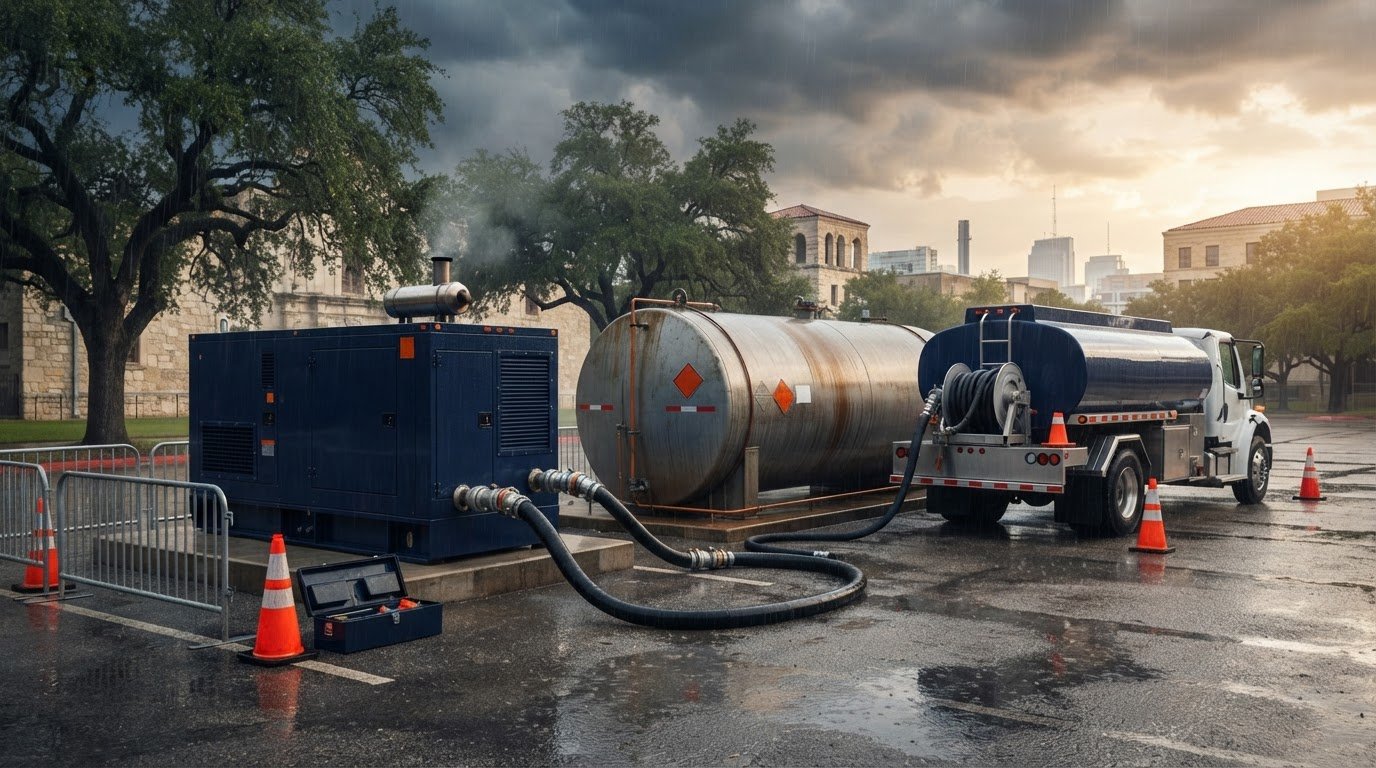
Fuel visibility alone won’t keep an Austin fleet moving. Reports that track purchases but don’t reconcile fuel use with vehicle activity leave managers guessing about exceptions and drivers losing productive time to off-route stops. Effective fleet fuel management solutions Austin operators can use connect fuel records with a dependable supply plan.
Transactions, vehicle activity, and daily schedules need to line up. A supply interruption or poorly timed refueling stop can disrupt work across multiple sites, so better reporting is only part of the answer. This guide explains how to build a practical Austin fuel plan that supports accountability while coordinating supply with routes, equipment, sites, and schedules.
You’ll find ways to review fueling activity, reduce avoidable interruptions, and plan on-site supply where it fits your operation. We’ll also cover how diesel delivery, equipment fueling, DEF delivery, and portable tank rentals can support fleet and job-site needs across Austin-area operations.
What fleet fuel management solutions in Austin need to address
Fuel management brings together decisions that are often handled separately: how much fuel vehicles use, where purchases occur, how drivers refuel, and how fuel reaches vehicles or equipment. It sits within the broader fleet management overview, but it also includes a physical supply component that digital records alone can’t provide.
Fleet fuel management is the coordinated control of fuel use, transactions, supply, and vehicle operations that helps a fleet maintain accountability and operational continuity. For fleet fuel management solutions Austin businesses can put to work, the goal is to connect accurate information with practical supply planning so refueling is less likely to pull vehicles away from scheduled work.
Which fuel-management tasks belong in the same plan?
Build one process around four connected tasks. Consumption tracking shows fuel use by vehicle or equipment; transaction review records where and when purchases occurred; driver practices shape refueling choices; and supply planning anticipates what each vehicle or site needs. Together, these records help managers compare planned and actual use and investigate meaningful differences.
- Consumption: Record fuel use alongside vehicle or equipment activity for the same reporting period.
- Transactions: Reconcile receipts or other purchase records with assigned vehicles, dates, and reported activity.
- Driver practices: Set clear expectations for refueling documentation and explain how to report an exception.
- Supply planning: Map expected fuel needs to routes, work locations, and operating schedules.
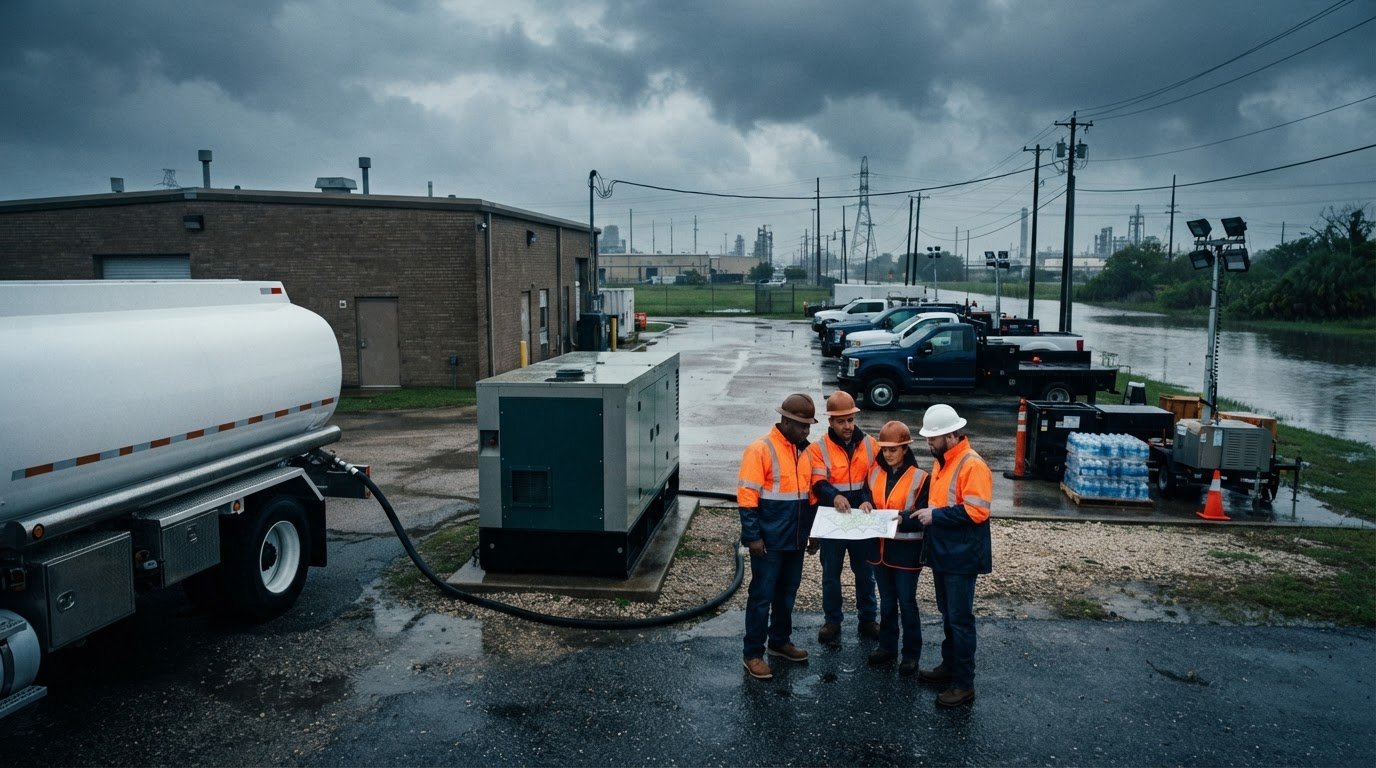
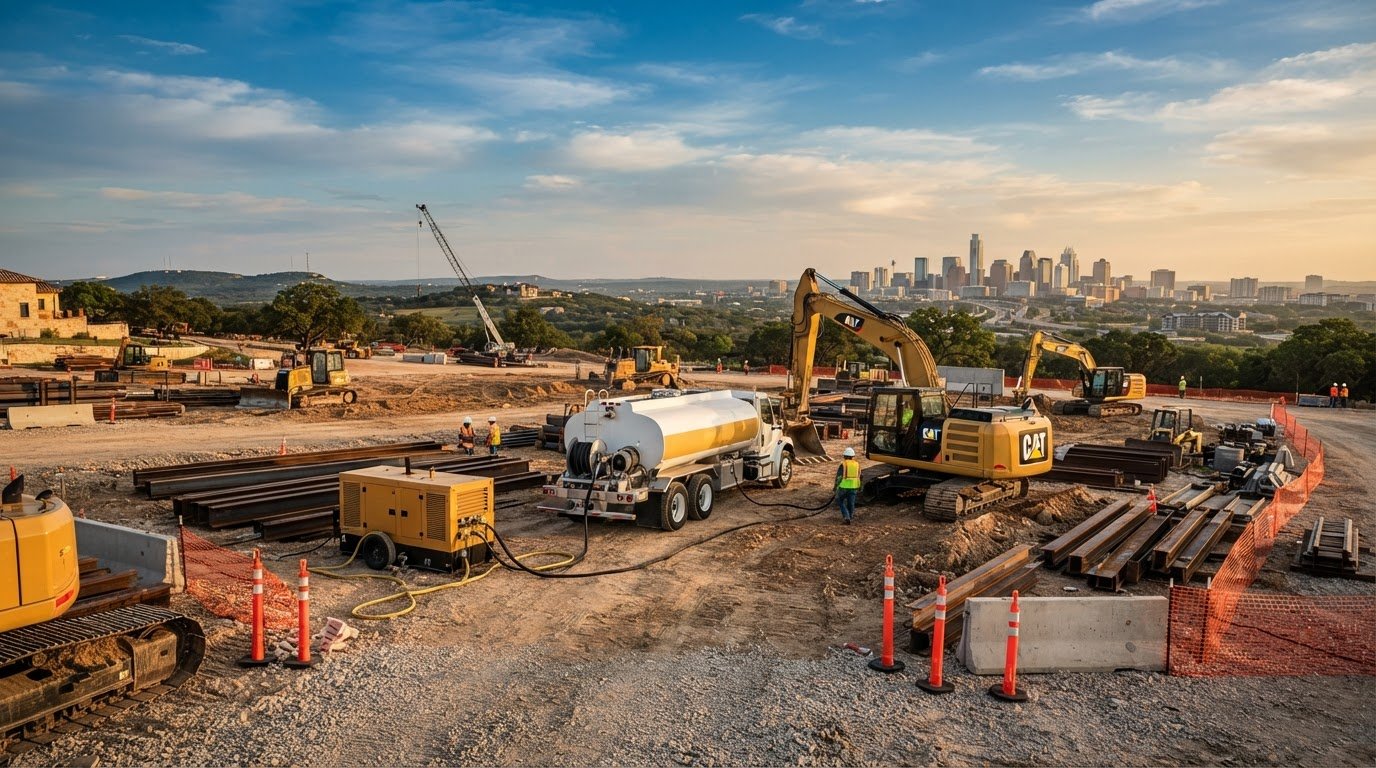
On-site delivery supports the supply side of this plan; it doesn’t replace the fleet’s own records or monitoring tools. For example, equipment fueling service brings fuel to equipment at a work site, reducing the need to send a work vehicle away solely to refuel it. Keep delivery records aligned with internal fuel and activity data for a clearer operational picture.
Why Austin fleet operations need a local lens
A fleet’s fueling plan should reflect where its work happens. Vehicles may move between Austin facilities, depots, service areas, and active job sites. A plan built only around a central yard can overlook equipment stationed elsewhere or vehicles scheduled to move directly from one assignment to the next.
Start with the operating schedule. Identify when vehicles are available for fueling, which locations can support on-site supply, and where a refueling stop would interrupt planned work. Then match supply arrangements to those conditions. A delivery plan tied to site and schedule requirements can help keep fuel accessible without treating every vehicle as if it follows the same route.
- Group recurring fuel needs by site, vehicle type, or equipment use.
- Note planned fueling windows alongside dispatch and job schedules.
- Review exceptions, such as an unexpected route change or increased equipment demand at a site, and adjust the plan.
How fleet fuel management combines data, controls, and fuel supply
A workable fuel process links information to action. Record expected demand, review actual usage and transactions, plan supply around upcoming operations, arrange delivery, then reconcile delivery and fueling records. Each step should give the next one useful detail. A plan based on incomplete demand records can miss a site’s needs, while clean transaction data is less useful if it isn’t reviewed against vehicle activity.
Fuel visibility tools show what the records indicate; fuel delivery services move fuel to the vehicles, equipment, or sites that need it. They serve different functions, but managers get a stronger operating picture when they review delivery records alongside internal data. For fleet fuel management solutions Austin operators can apply, that connection helps turn dashboard signals into practical supply decisions.
What fuel data can tell a fleet manager
Use the information available in your fleet systems, fuel-card records, and operating logs. Depending on what those systems capture, useful fields may include fuel consumption, mileage, idle time, fueling dates, transaction locations, and exceptions such as a missing receipt or an unexpected purchase. Telematics and card records can help identify patterns, but they don’t make every entry accurate by themselves.
Compare like with like. Review the same vehicles over consistent periods, and account for changes in routes, workload, or equipment use before treating a difference as a problem. A rise in recorded fuel use, for example, may warrant checking mileage and operating activity alongside the transaction record. The Environmental and Energy Study Institute’s discussion of vehicle fuel economy and efficiency also highlights why vehicle factors and driving behavior matter when interpreting fuel use.
Reliable comparisons depend on reliable inputs. Keep vehicle identifiers consistent across fuel records and operating systems, record transactions promptly, and note changes that affect demand. If a vehicle moves to a different route or a machine starts work at a new site, that context can help explain a pattern rather than mislabel it as waste.
Where on-site fueling fits into the workflow
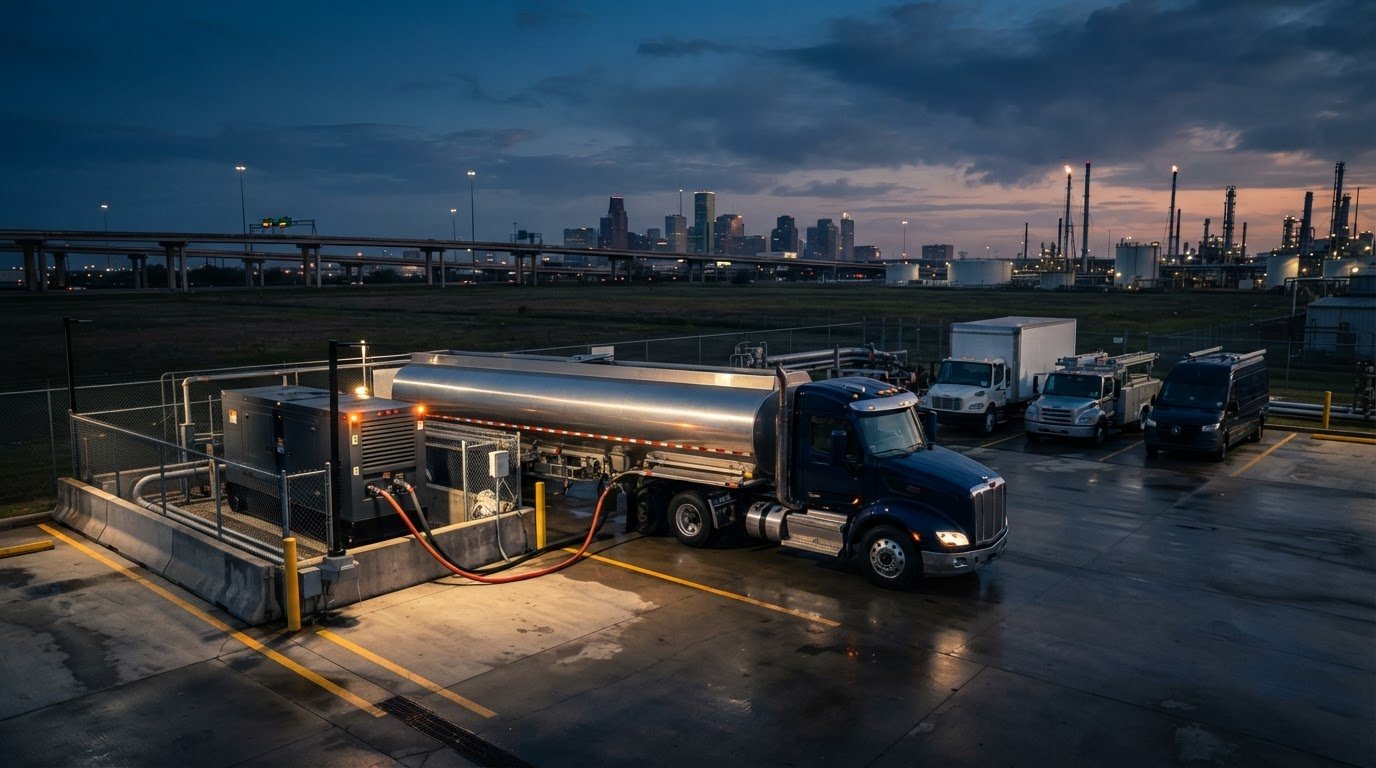
Once records show where and when fuel is needed, coordinate supply with vehicle locations, operating windows, and site access. Commercial fuel delivery services provide the physical supply component of a broader fleet plan, while delivery records can be reconciled with internal logs after fueling. For operations with machinery at work sites, on-site equipment fueling can supply equipment without requiring a work vehicle to leave solely to refuel it.
Close the loop after delivery. Compare planned demand with fuel supplied and activity recorded, then adjust the next plan if schedules, locations, or equipment requirements have changed. This keeps dashboards, driver processes, and physical supply aligned instead of treating each as a separate task.
Compare fleet fuel management approaches for Austin operations
No single fueling model suits every fleet. A vehicle that passes a convenient retail location during its normal route has different needs from trucks returning to one depot or machinery working at a fixed site. Compare each option by how it fits the route, the vehicle’s schedule, and where fuel must be available. Combining methods can make sense when a fleet has varied routes or operating locations.
Software has an important role, but it can’t replenish a tank. Telematics may help managers review vehicle activity, and fuel-card records can support transaction oversight. Neither moves fuel to a vehicle or machine at a work location. The table compares their functions and practical trade-offs.
| Approach | Control | Best-fit situation | Planning needs | Limitations |
|---|---|---|---|---|
| Retail refueling | Driver selects a retail location and refuels as part of the route. | Vehicles already passing accessible fuel locations. | Allow time for stops and define how purchases are recorded. | Drivers leave their work location; access and timing can vary. |
| Fuel cards | Transaction records help review purchases and reconcile fuel activity. | Fleets that need consistent records across driver refueling. | Assign transactions to the right vehicle and review exceptions. | A card records a purchase; it doesn’t deliver fuel to a site. |
| Telematics monitoring | Available vehicle data can inform usage and activity reviews. | Managers comparing operating patterns across vehicles. | Use accurate vehicle records and investigate anomalies. | Monitoring doesn’t physically supply fuel or verify every entry. |
| On-site delivery | Supply is coordinated with fleet or equipment locations. | Concentrated fleets or sites where off-site stops disrupt work. | Plan around demand, delivery timing, and site access. | Requires delivery coordination and does not replace data systems. |
When retail refueling or fuel cards may fit
Retail refueling can suit vehicles that already pass convenient locations during normal routes. Fuel-card records can help managers reconcile purchases and review spend by vehicle or driver. Set a clear process for matching transactions to mileage and work activity. The trade-off is operational: drivers still need time and access to refuel away from their work location, which may not fit every assignment or schedule.
When planned on-site fuel delivery may fit
On-site supply can suit a fleet concentrated at a depot, vehicles working from a fixed location, or equipment operating at a job site. Plan around expected demand, where vehicles or machinery will be, site access, and workable delivery windows. Diesel delivery services can support scheduled supply as one part of that plan. Treat delivery as a logistics choice, not a guaranteed cost-saving outcome.
For Austin operations, compare the time and coordination each method requires with the fleet’s actual routes and site needs. A mixed approach can preserve retail flexibility for vehicles on the road while planning on-site supply for equipment or vehicles whose work would be interrupted by off-site refueling. Choose based on operational fit, then review the arrangement as routes and schedules change.
Build an Austin fleet fuel plan with practical operating measures
Build the plan from operating evidence, not assumptions. Start with a clear fleet baseline, group vehicles and equipment by how and where they work, then use consistent measures to identify fueling friction. This gives managers a basis for adjusting routines and matching supply to demand. For fleet fuel management solutions Austin operations can rely on, the process should reflect actual routes, work locations, fuel types, and schedules.
Five steps to establish a usable baseline
Use this sequence to move from inventory to a workable review cycle:
- Inventory the operation. List vehicles and equipment, their fuel types, home locations, routes, operating hours, and current refueling routines. Include machinery assigned to job sites as well as road vehicles.
- Group similar work patterns. Segment assets by route, location, and predictable demand. A vehicle that returns to a depot each day may need a different fueling routine from equipment that stays at a site.
- Gather consistent records. Collect fuel transactions, mileage, operating activity, and downtime over comparable periods. Check that entries identify the right vehicle or equipment before using them to set targets.
- Find recurring friction. Note missed refuels, unexplained record mismatches, time spent leaving a work location, and schedule disruptions linked to fuel availability. Look for patterns across locations and asset groups.
- Set review measures. Track those indicators over time and document changes in routes or workload that may affect them. Use the review to decide whether to adjust driver routines, records, or supply planning.
Coordinate fuel supply with fleet schedules
Turn the baseline into a supply plan by mapping expected consumption to operating windows, site access, and where vehicles or equipment will be. Avoid treating all assets as one demand group: separate requirements by location and fuel type, and account for diesel and DEF needs independently where they apply. This helps align deliveries with operations while keeping fuel records useful for later review.
For example, a fleet working from a depot may need a different delivery window from equipment operating at a job site. Record the planned location, expected demand, and schedule constraints, then compare the plan with actual use and update it as assignments change. Measures such as missed refuels, idle time, record mismatches, and schedule disruption can show whether the arrangement is supporting the work.
Austin-area operators can discuss a fleet fueling plan shaped around their vehicles, sites, and operating schedules.
Support fleet fuel continuity in Austin with delivery and site services
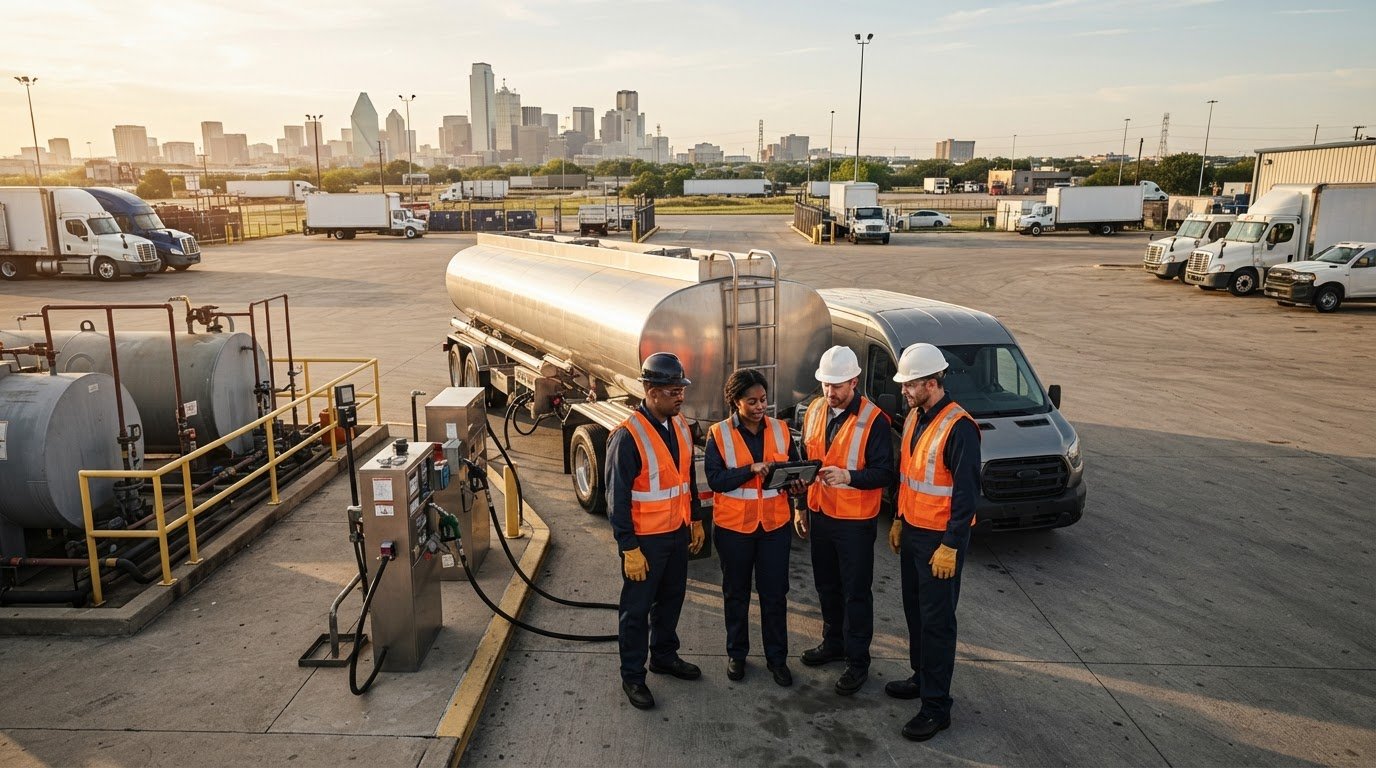
Digital records help managers understand fuel use, but they can’t replenish vehicles or equipment at a depot or job site. React Fueling provides the physical supply component of a broader fleet plan, helping Austin-area operators coordinate commercial fuel delivery with their work locations. This service works alongside, rather than replacing, a fleet’s tracking, transaction review, and driver processes.
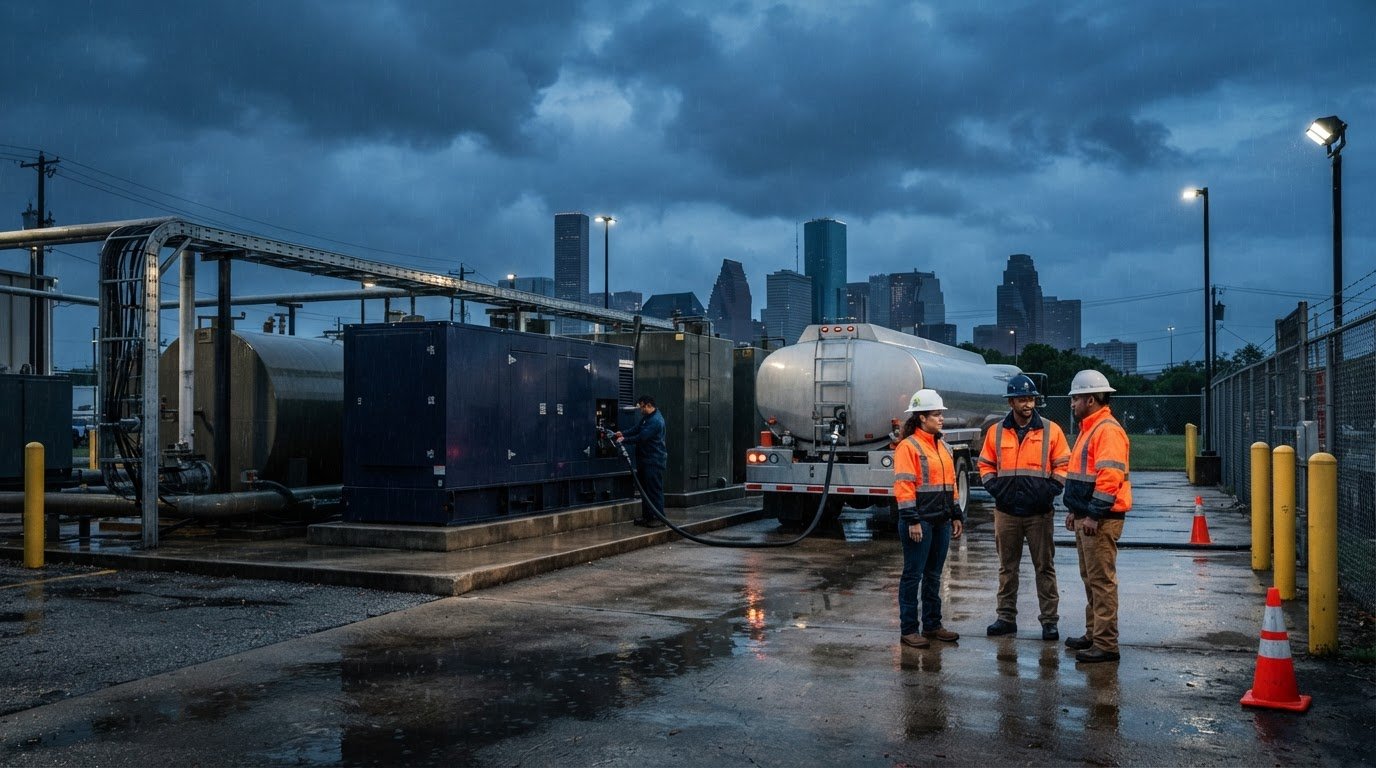
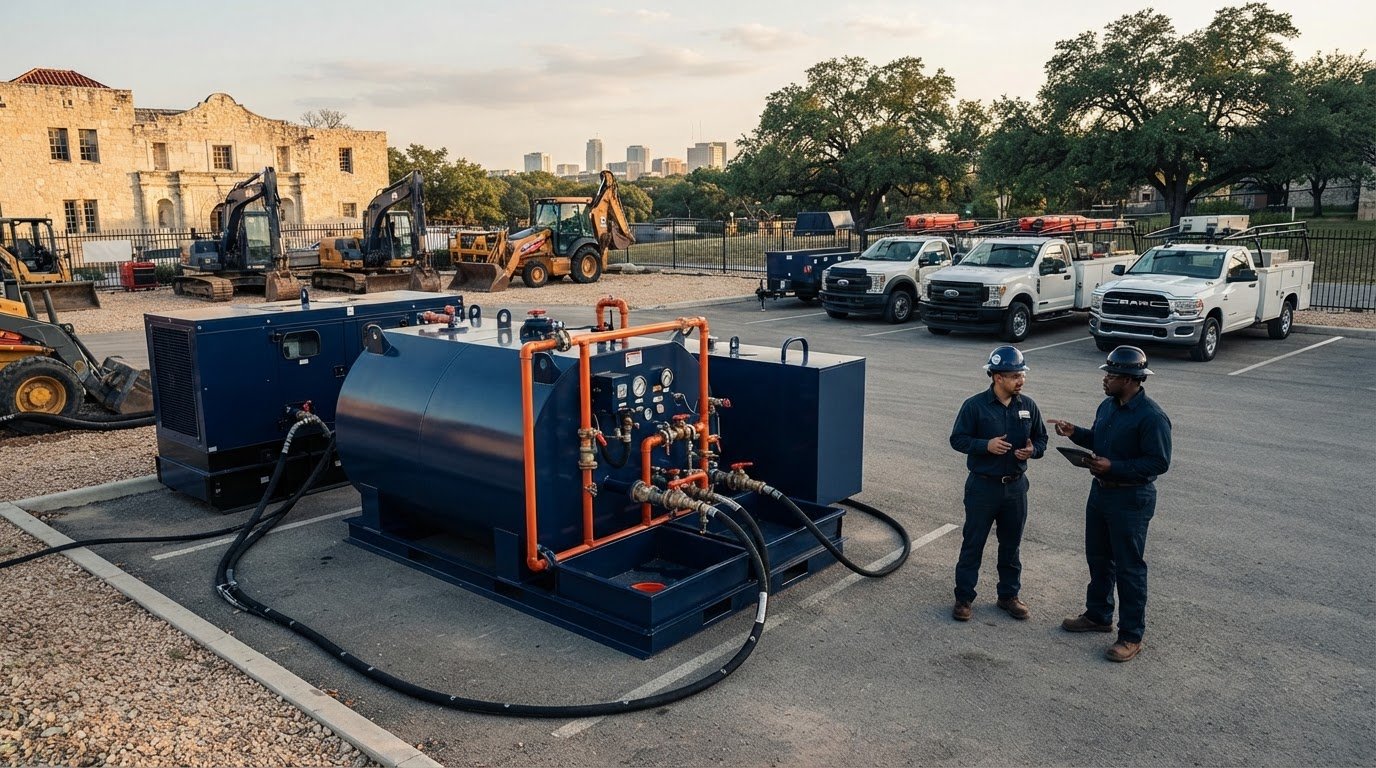
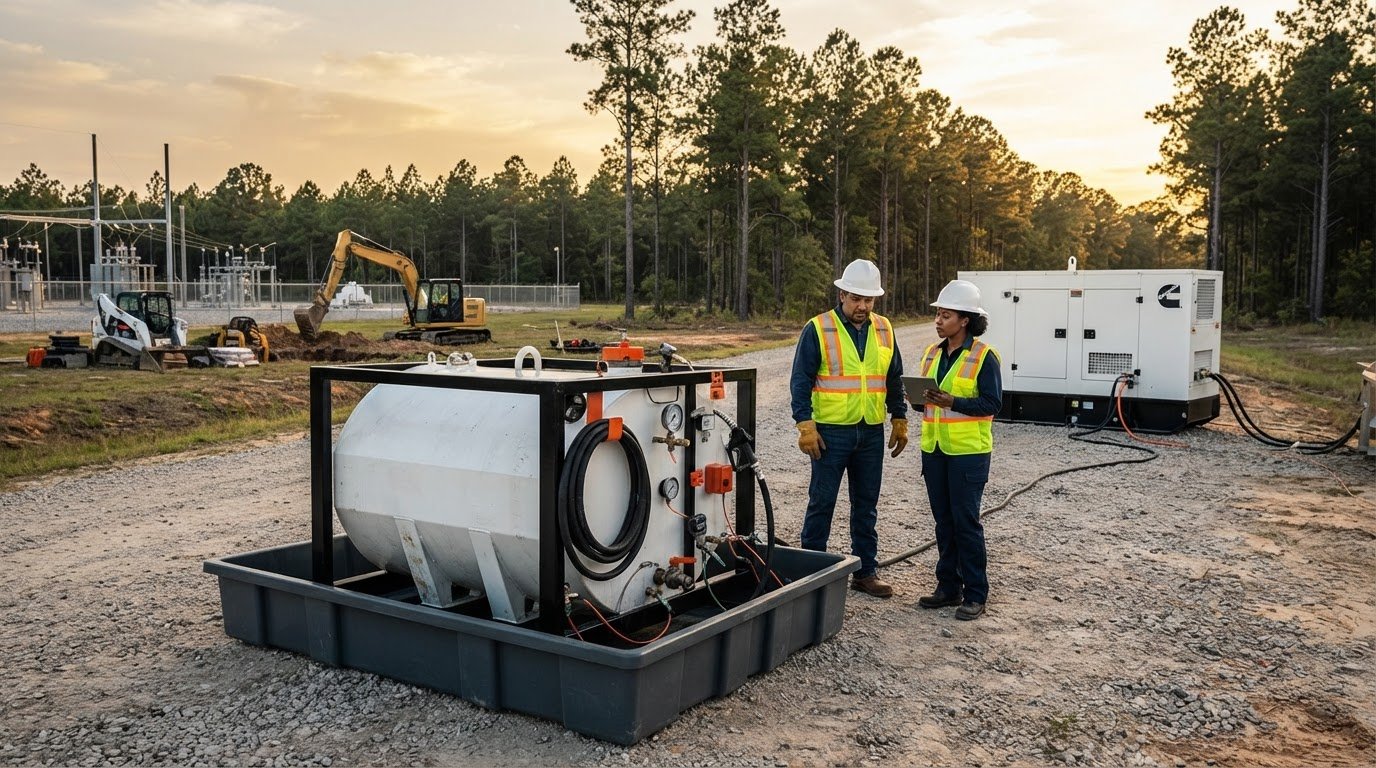
Match the delivery arrangement to the work being fueled. A fleet with vehicles based at a business location may need commercial diesel or fuel supply there, while machinery at a job site may need fuel without a work vehicle leaving its assignment. Plan DEF as a distinct supply need for applicable vehicles. Portable tank rentals can support operations where on-site fuel storage is useful.
Match delivery support to the work being fueled
Start by separating demand by asset and location. Identify which vehicles need fuel at a depot, which machines operate at work sites, and where portable storage fits the workflow. This makes it easier to plan supply logistics around work locations and operating schedules.
- Commercial fleet supply: Plan fuel delivery around the needs of vehicles based at business locations.
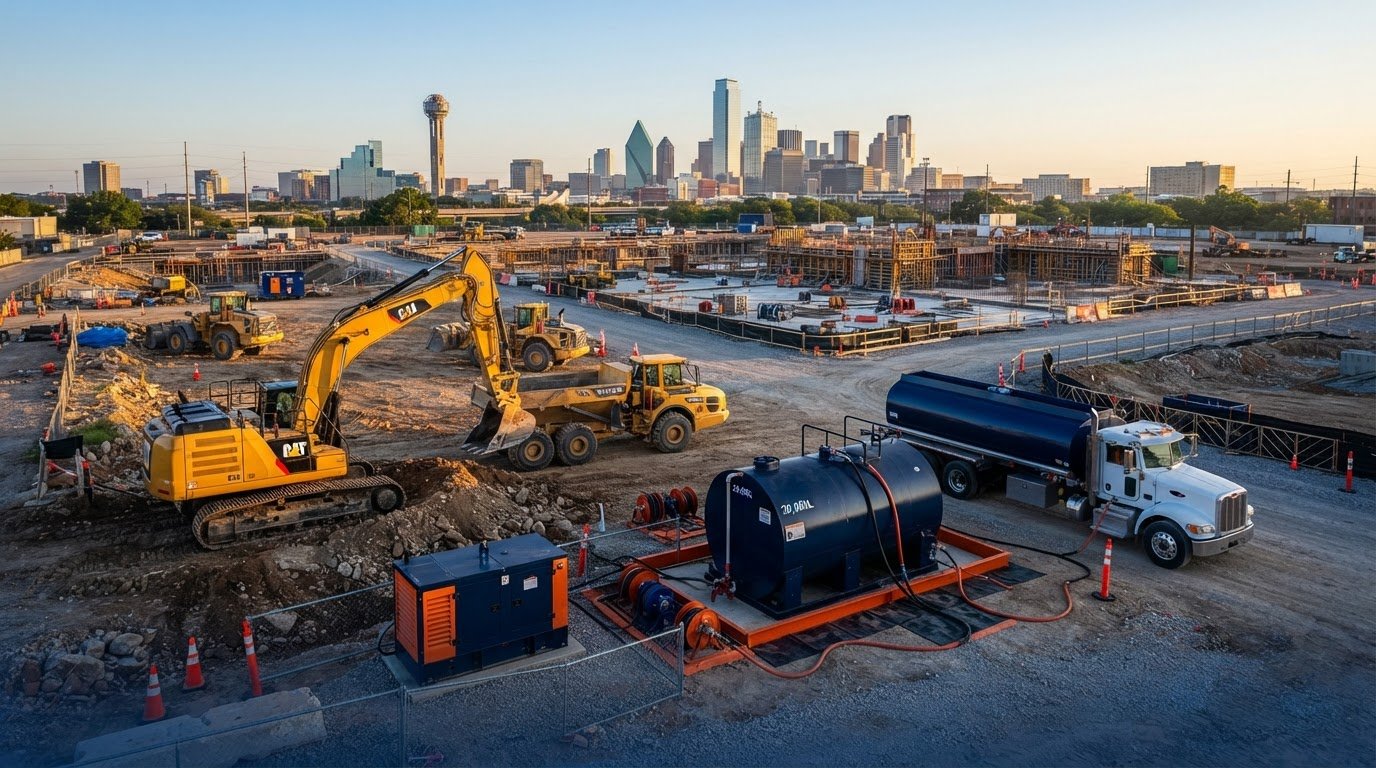
- Work-site machinery: Use equipment fueling when machinery needs supply at a job site, reducing trips made only to refuel equipment.
- On-site storage: Consider portable fuel tank rentals when having fuel available at a work location supports the operating plan.
- Separate fluid needs: Include DEF supply independently in the plan where fleet requirements call for it.
These options address different parts of fuel logistics. The right combination depends on the fleet’s locations, equipment, and schedule, so avoid treating every vehicle or site as if it has the same demand pattern.
Plan the next step for an Austin fleet
Prepare a clear operating snapshot before discussing delivery and fueling needs. Include fleet size, vehicle and equipment types, fuel types, service locations, typical consumption patterns, and operating windows. Note which assets return to a central location and which stay at depots or job sites. These details help frame supply locations, delivery planning, equipment fueling, and whether tank rentals support the work.
React Fueling serves Austin, and its commercial fuel delivery and site services can provide the physical supply part of fleet fuel management solutions Austin operators are building. Share operating details, including changes in site assignments or schedules, to shape a practical fueling plan alongside existing records and controls.
Discuss fleet fuel management for your Austin operation and the delivery requirements behind your plan.
Keep your fuel plan ready for the next operational change
Routes shift. Crews move between sites, equipment assignments change, and demand can vary with the work. Treat your fuel plan as an operating tool to review and adjust, not a document that stays fixed after setup. Check regularly whether fueling arrangements still match vehicle locations and schedules, and update the plan when operations change.
That ongoing discipline gives fleet fuel management solutions Austin operators use a practical purpose: keeping supply decisions connected to real fleet activity. React Fueling serves Austin with commercial delivery and site services for fleet and equipment needs, including diesel, DEF, and portable tank rentals. Bring your operating requirements into a focused planning conversation.
Start a conversation about your Austin fleet’s fuel needs. A clear plan can help your team prepare for changing demands and keep work moving with greater confidence.
Frequently Asked Questions
What are fleet fuel management solutions?
Fleet fuel management solutions combine the processes and services a business uses to control fuel activity and keep vehicles supplied. They can include purchase records, vehicle-use information, driver procedures, and physical fuel delivery. For fleet fuel management solutions Austin operators are evaluating, consider how these elements connect in practice: records help explain what happened, while supply arrangements address where fuel needs to be available for the work.
How can a fleet reduce unnecessary fuel use and refueling delays?
Start by identifying patterns the team can act on, such as extended idling, repeated unscheduled stops, or refueling earlier than operating needs suggest. Compare these events with route and work records before changing procedures. Clear driver guidance can improve consistency, while planned supply at a depot or job site may reduce trips made solely to refuel. Review the results against actual schedules rather than assumptions.
Can on-site fuel delivery work alongside fleet fuel cards and telematics?
Yes. These tools and services address different parts of the operation. A fuel card can provide purchase records, and telematics may provide vehicle activity data; on-site delivery brings fuel to a business location or equipment at a work site. Managers can compare a delivery record with the site’s equipment log and vehicle activity to see whether supply matched the work performed.
Is on-site fueling a good fit for every Austin fleet?
No. It may suit fleets with vehicles concentrated at a depot, equipment operating at fixed sites, or schedules where off-site refueling interrupts assigned work. Vehicles already passing suitable retail locations may be served efficiently through their regular route instead. Consider where assets spend their working hours, how they move between locations, and whether the site can support a delivery plan. React Fueling serves Austin and other Texas markets including Houston, Magnolia, San Antonio, College Station, and Dallas.
What information should a fleet manager track to manage fuel use?
Keep records that connect each fueling event to a specific asset and its work. Useful fields include vehicle or equipment ID, fuel type, transaction or delivery date, quantity, odometer reading where applicable, location, and operating period. Also note exceptions, such as a missing receipt or a vehicle assigned to an unusual route. Consistent identifiers and complete entries make records easier to reconcile and help managers investigate differences accurately.
How does equipment fueling differ from fueling fleet vehicles?
Equipment fueling supplies machinery at its operating location, while fleet vehicle fueling supports road vehicles that may move between depots, sites, and service calls. A machine working at a construction site may remain there during a shift, making a trip to a fueling point impractical. Direct-to-equipment fueling supports that site-based need, while vehicle records and fuel procedures remain part of the fleet’s broader management process.
Can a fleet arrange diesel and DEF supply at the same location?
A fleet can plan for both diesel and DEF supply at a shared operating location, since React Fueling provides diesel delivery and DEF fluid delivery. Treat them as distinct requirements in the site plan: identify which vehicles or equipment need each, the expected demand, and the relevant operating windows. Keeping the requirements clear helps structure a practical supply plan without assuming both products follow identical handling or delivery arrangements.