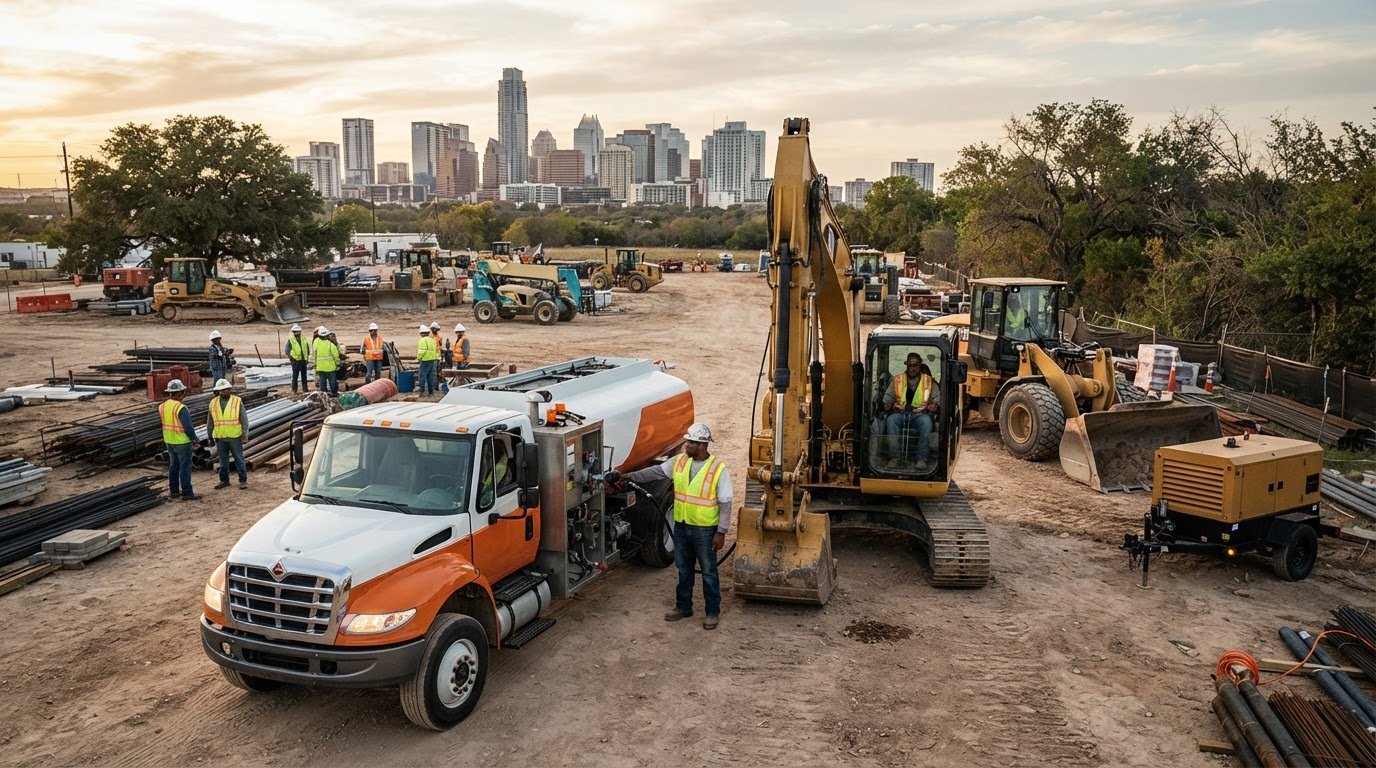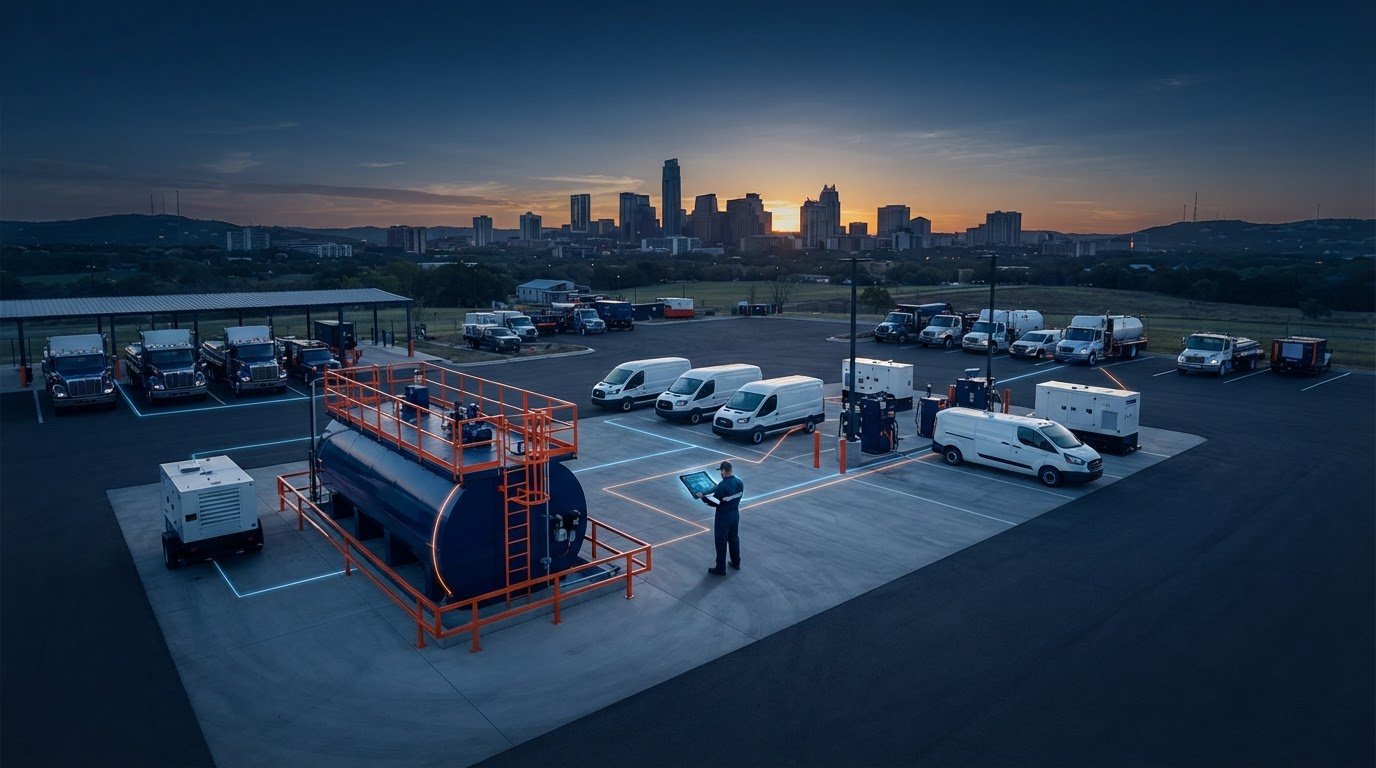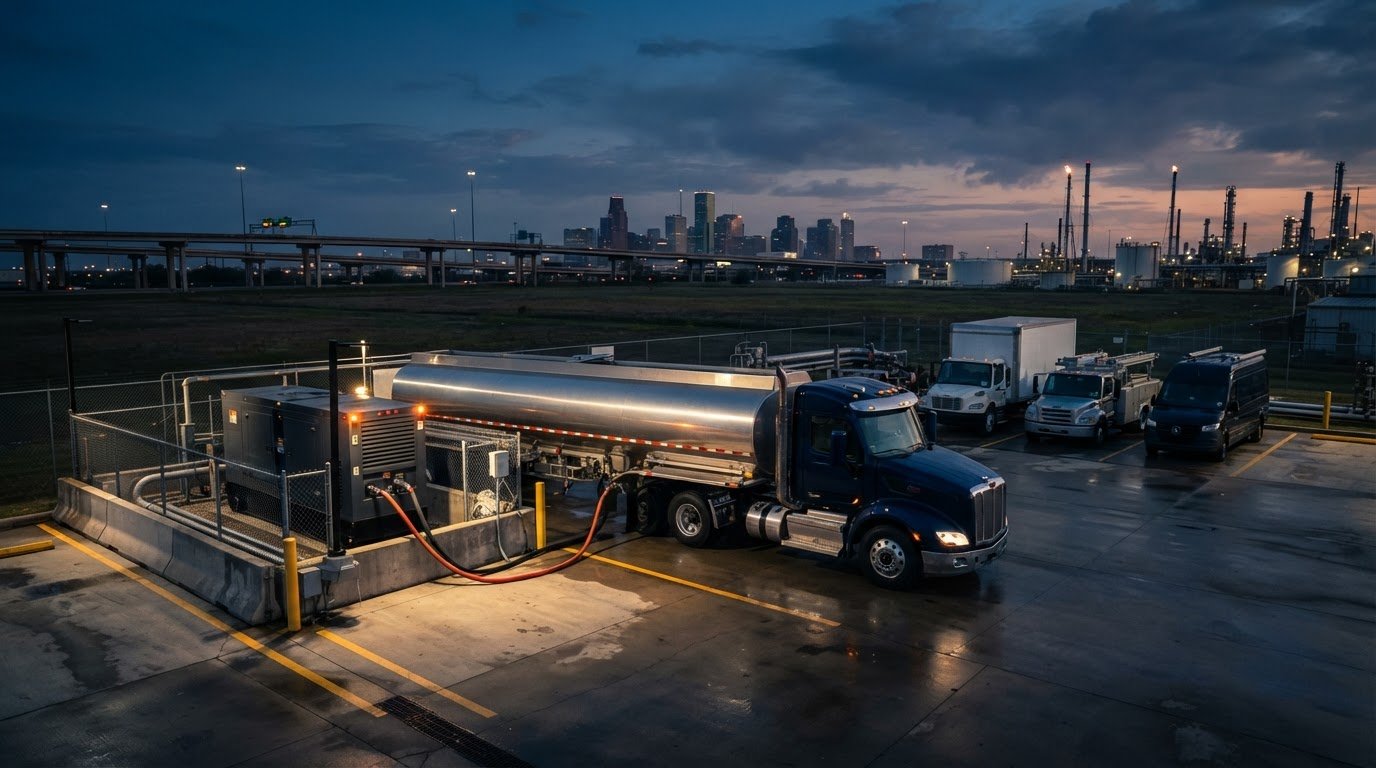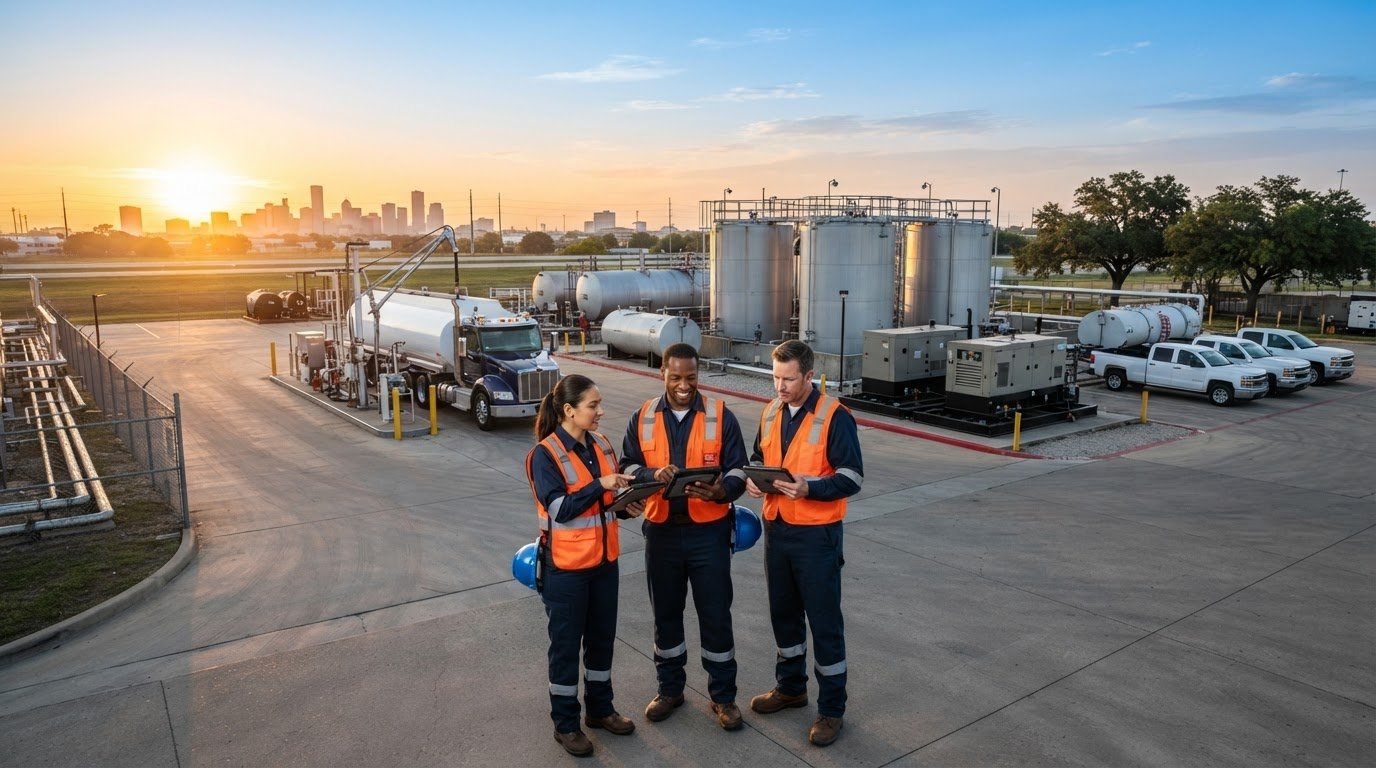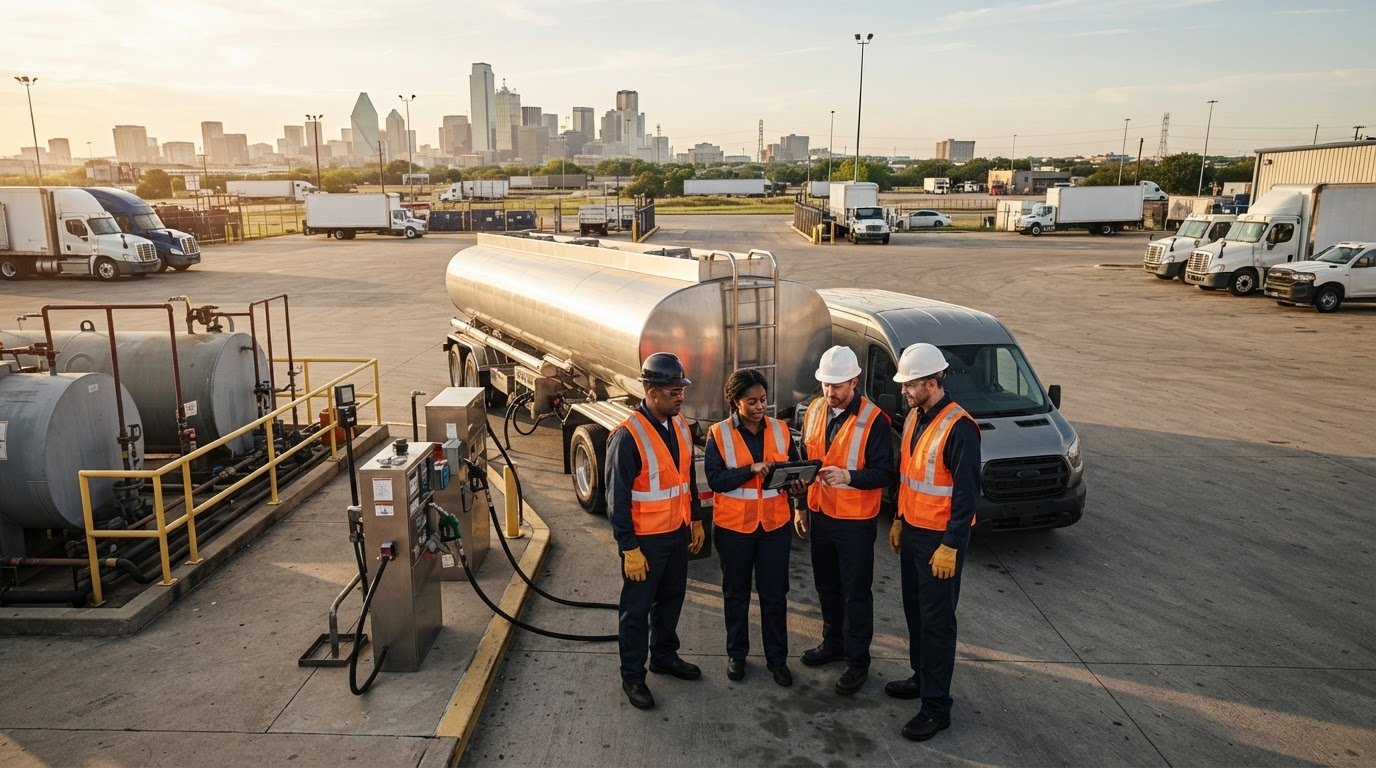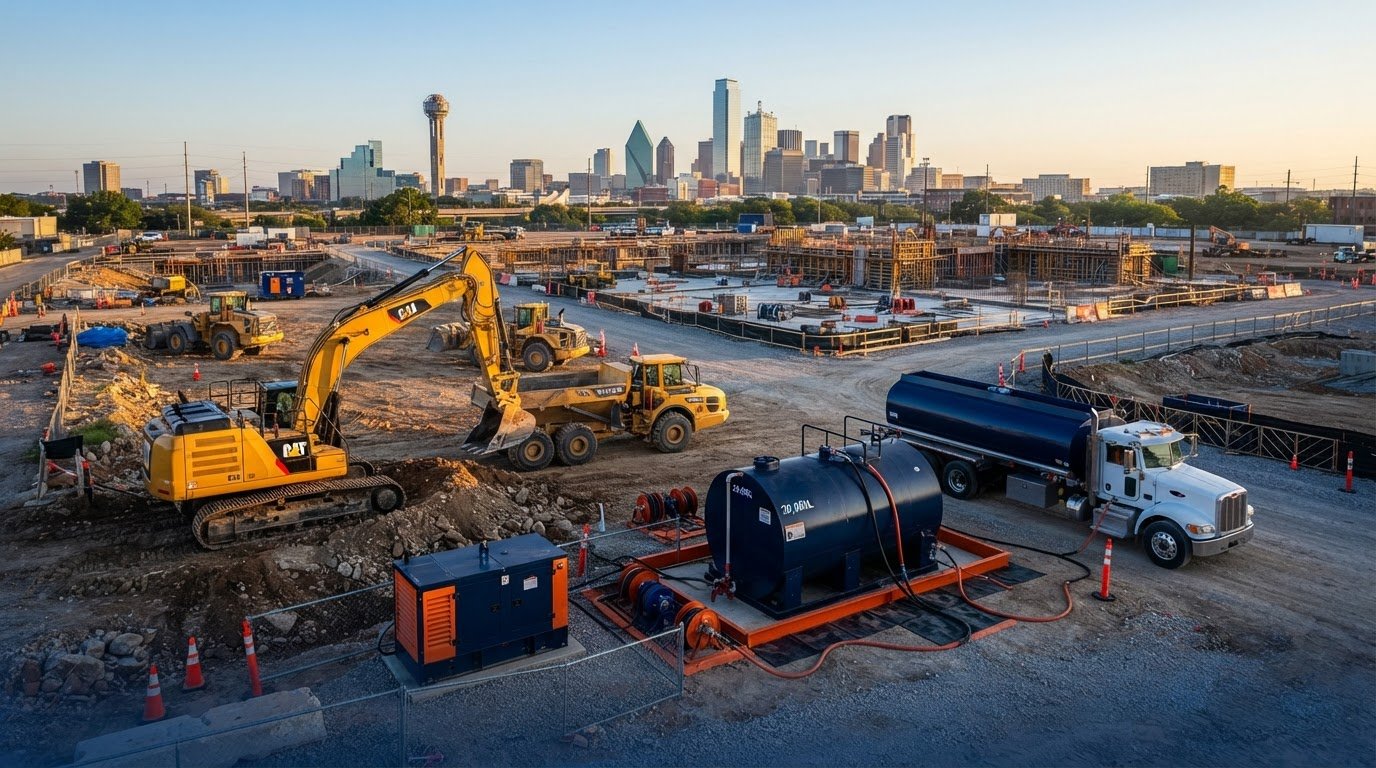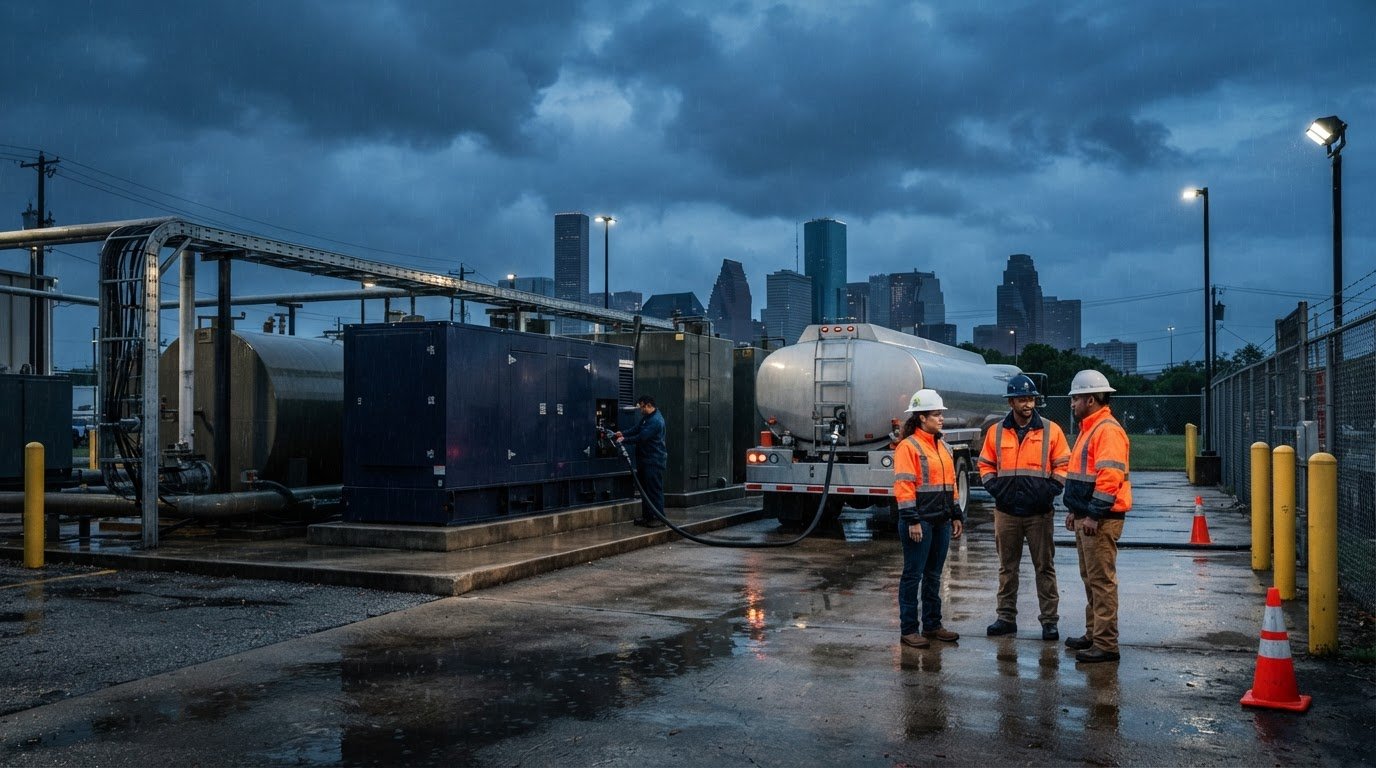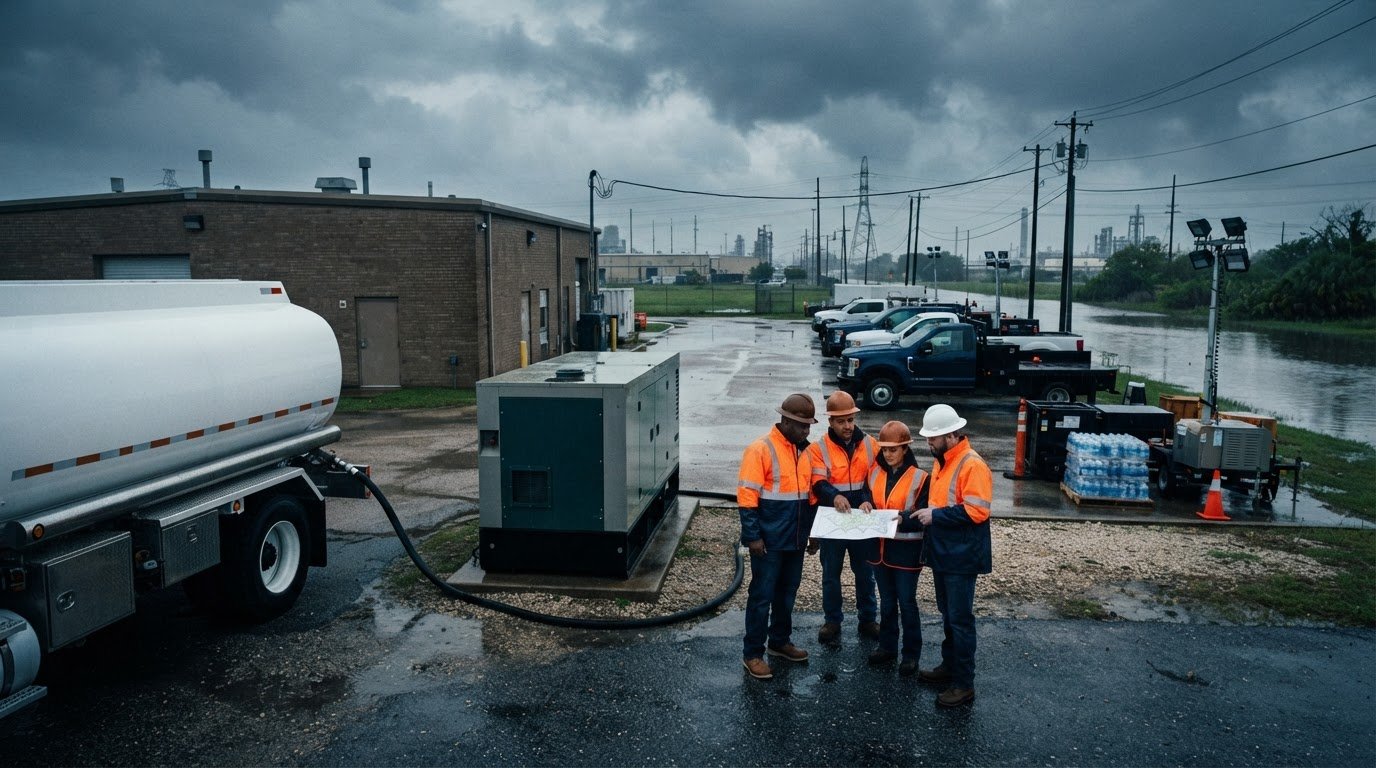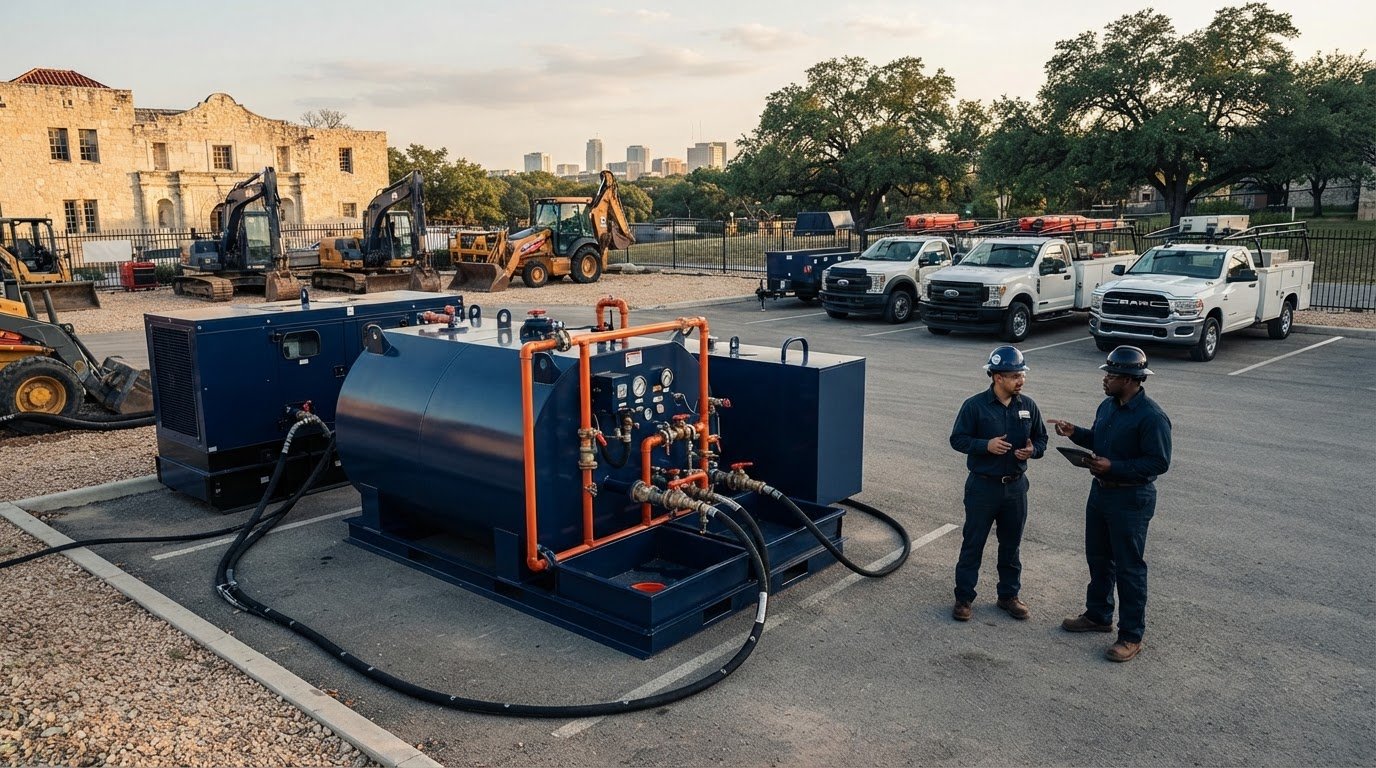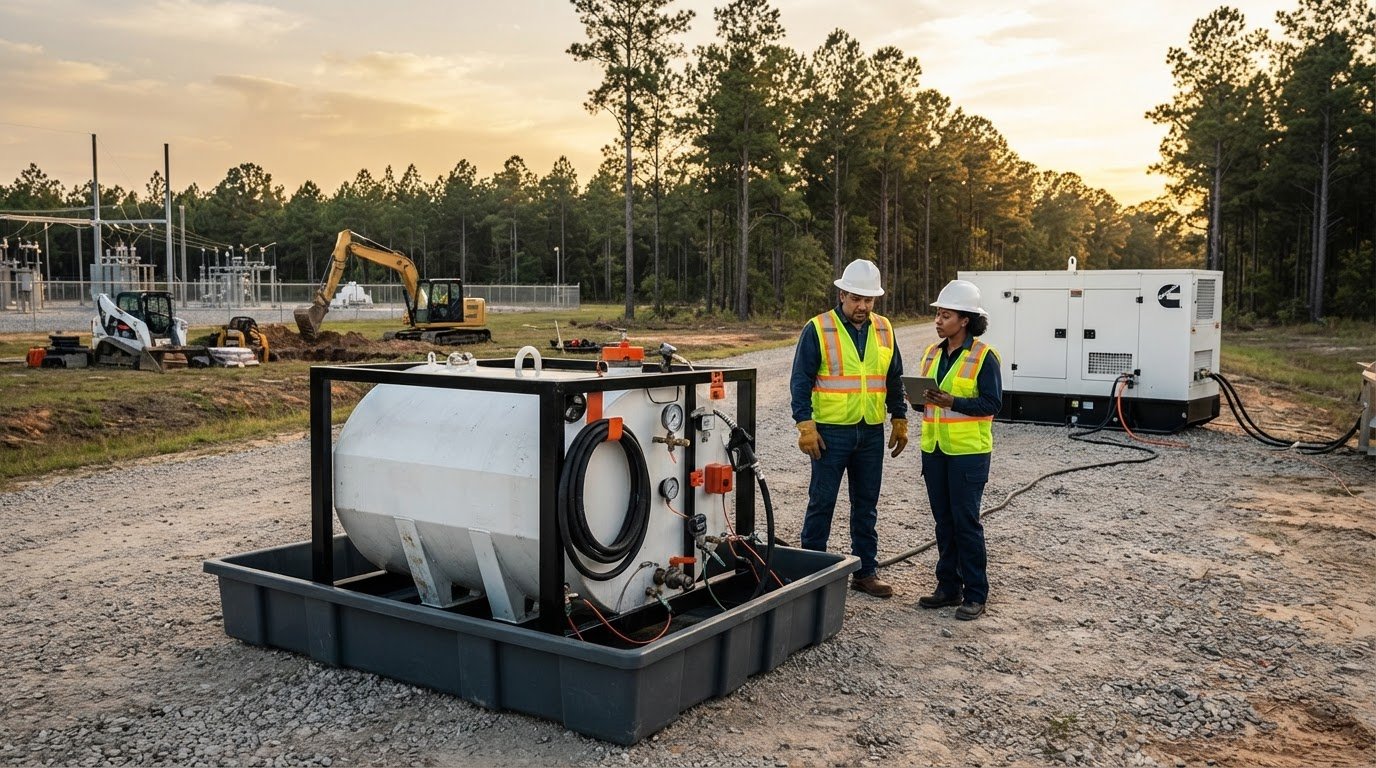
Generator uptime depends on fuel readiness planned before an outage, not emergency calls alone. For industrial generator fuel delivery San Antonio facilities can rely on, preparation connects fuel levels and operating needs with a clear replenishment plan. During an interruption, uncertainty about fuel, site access, and escalation adds pressure to an already demanding situation.
Generator demand can change with operating conditions, and arranging fuel competes with other facility responsibilities. A practical plan helps reduce avoidable supply gaps and gives staff clear information to share when coordinating delivery. React Fueling provides generator fueling and commercial diesel delivery in San Antonio, with emergency fuel delivery and portable tank rentals for different on-site needs.
This 2026 guide explains how to build a generator fuel readiness plan, what information helps coordinate routine or emergency delivery, and how to set clear replenishment and escalation steps. You’ll also learn how to prepare for a project-specific discussion with a commercial fueling partner, so your team can approach fuel logistics with greater clarity.
Industrial Generator Fuel Delivery in San Antonio: Why Readiness Starts Before an Outage
Industrial generator fuel delivery is the coordinated supply of fuel to backup-power equipment at a commercial or industrial site. It connects a facility’s fuel requirements with replenishment logistics, so teams can plan around the generator’s role instead of waiting until the tank level becomes urgent. For facilities arranging industrial generator fuel delivery San Antonio , the first step is understanding what the equipment must support and how fuel will be replenished.
A generator can support essential operations when utility power is unavailable, but its ability to run depends in part on having suitable fuel on site. A diesel unit, for example, combines an engine with an alternator and other components to produce electricity; the Diesel generator overview explains the basic operating principle. Actual fuel demand varies with generator specifications, electrical load, runtime, and site conditions. A facility running only critical systems may have a different demand profile from one supporting a broader operation.
Planned replenishment gives facility teams time to track fuel status, identify who coordinates deliveries, and share site details before pressure rises. An unplanned request can leave staff assembling basic information while also managing the outage. React Fueling provides generator fueling service for industrial facilities. Planning supports continuity, but it can't guarantee uninterrupted operations.
Which San Antonio facilities rely on industrial generators?
Industrial plants may use backup power for production controls, safety systems, or other priority equipment. Commercial facilities can depend on generators for selected building systems, while critical operations may need backup power to sustain functions that can't simply pause. Requirements vary by site, so a useful fuel plan reflects the facility’s equipment and operating priorities. React Fueling serves facilities in San Antonio with generator fueling and commercial diesel delivery.
What does generator fuel readiness mean?
Generator fuel readiness means knowing the fuel on hand, the generator’s operating needs, and how replenishment will be coordinated if normal supply is disrupted. It gives the facility team a shared reference point for routine planning and contingency response.
Readiness concerns fuel status and delivery coordination, not generator ownership or mechanical maintenance. The facility remains responsible for its generator and maintenance arrangements; fuel delivery addresses the supply side. To make planning actionable, align the people involved around key information:
- Current fuel level and tank details
- Generator fuel type, specifications, and expected operating load
- Estimated runtime needs and changing site conditions
- Delivery access instructions and the on-site contact
- Who tracks replenishment and who escalates an urgent fuel request
These details turn a general intention to “keep fuel available” into a workable coordination plan. Review them when operating requirements change, such as when the facility adds critical loads or updates its outage procedures. A clear plan helps teams act with less uncertainty while keeping expectations grounded in the site’s needs.
How Industrial Generator Fuel Needs Are Estimated for San Antonio Sites
Fuel planning starts with the generator’s documented consumption, not a one-size-fits-all estimate. Fuel use changes with the model, electrical load, runtime, and operating conditions. A unit supporting a steady, limited set of essential systems may consume fuel differently from the same generator carrying a heavier or fluctuating load.
Generator fuel demand depends on the equipment model, electrical load, expected runtime, and conditions at the operating site. Use the manufacturer’s documentation as the primary reference for model-specific consumption figures, then compare them with facility operating records. Those records can show how the generator performs under the loads the site actually expects to support.
Which operating details affect diesel generator consumption?
Load means the electrical demand placed on a generator. Rated-load figures describe operation at a specified output, but a facility may operate at partial load or experience changing demand. Fuel consumption can therefore differ from a single rated-load figure. Review the generator’s documentation for consumption information at relevant operating loads, then use facility records to refine planning around actual conditions.
What site information helps plan fuel replenishment?
For delivery coordination, assemble generator and tank details alongside current fuel status and site access instructions. Add the operating schedule and expected runtime scenario, including which systems remain powered during an outage. Facility-specific information gives the fueling team a clearer basis for coordinating replenishment than a generic estimate.
Organize a practical estimate as a planning exercise:
- Identify the generator model and the fuel type it uses.
- Find the manufacturer’s fuel-consumption information for the loads the facility expects to support.
- Estimate operating hours using the facility’s outage-planning scenario, rather than assuming a standard duration.
- Compare estimated demand with available fuel, using tank information and the current level.
- Record access requirements, delivery instructions, operating schedule, and the on-site contact.
Expected outage duration informs how much fuel a facility may need to plan for, but the estimate should reflect the organization’s own continuity scenario. Avoid treating a forecast or general assumption about local outages as a guaranteed runtime. Revisit the estimate if equipment, operating priorities, or the generator’s expected load changes. Generator fueling service can support replenishment planning for San Antonio sites, with coordination based on the facility’s project details.
For teams arranging industrial generator fuel delivery San Antonio , a concise record of the model, load, runtime assumptions, tank information, and access needs makes a project-specific discussion more useful. If your site is refining its estimate, you can discuss generator fuel planning with React Fueling.
Choosing a San Antonio Generator Fuel Delivery Plan for Routine and Urgent Needs
A useful fuel plan matches replenishment to how a facility operates. Some sites have recurring generator use or predictable testing needs; others need fuel coordinated for a defined project or as part of a contingency plan. These approaches can work together, but no fixed schedule suits every generator, tank, or operating pattern.
For industrial generator fuel delivery San Antonio , organize the approach around its purpose, the information available, and the decisions facility staff may need to make:
| Plan type | Purpose | Useful planning inputs | Operational considerations |
|---|---|---|---|
| Routine replenishment | Address recurring fuel needs based on a facility’s operating pattern. | Fuel-level records, generator use, tank details, and prior replenishment activity. | Review records over time and adjust planning when generator use or site requirements change. |
| Planned project fueling | Coordinate fuel for a defined project or planned period of generator operation. | Project dates, expected operating schedule, fuel type, estimated demand, and delivery access. | Share schedule changes promptly so fuel coordination reflects current project requirements. |
| Contingency request | Prepare for an unexpected need or changing fuel conditions during an outage. | Current fuel status, location, tank information, access instructions, estimated demand, and contact details. | Requests depend on site information and logistics; planning ahead does not establish a guaranteed response time. |
When does scheduled generator fuel delivery make sense?
Scheduled planning can help when a facility has known operating patterns, recurring generator use, or established replenishment routines. Staff can review past fuel records alongside current operating needs to identify when planning should change. A fixed schedule isn’t universal: changes in load, runtime, or project activity can alter demand. React Fueling’s generator fueling service supports facility planning for routine and project-related requirements.
How should facilities think about contingency delivery?
Contingency planning means deciding in advance who tracks fuel, who can request delivery, and how drivers receive site access instructions. This prepares the team to communicate clearly, but it isn’t a promise of emergency response timing. For broader power-continuity planning, review this emergency generator fueling guide.
Before a routine, project, or urgent request, keep the key details together: facility location, fuel type, tank information, current fuel level, operating conditions, estimated demand, delivery access, and the on-site contact. Clear information helps align the request with the facility’s needs. Commercial fuel delivery may also be relevant when generator fueling is one part of a site’s wider fuel planning.
Review the plan when operating priorities or site logistics change. A current contact list, clear decision responsibilities, and accurate fuel records give teams a practical starting point for coordinating replenishment without relying on assumptions about timing or demand.
A San Antonio Facility Checklist for Coordinating Generator Fuel Delivery
A clear delivery request starts with accurate facility information. Gathering the essentials before routine replenishment or an urgent need helps the fueling team understand the generator’s requirements, the fuel on site, and delivery access. Use this checklist to prepare a consistent record for industrial generator fuel delivery San Antonio .
- Define the fuel requirement. Identify the generator’s fuel type, expected operating needs, and whether the request supports routine replenishment, planned work, or a contingency.
- Record generator details. Use equipment records to note the make or model and relevant operating information. Avoid estimating from memory if documentation is available.
- Document tank information. Record the tank type and available capacity information from facility records, along with details needed to identify the correct fueling point.
- Check current fuel status. Provide the latest observed fuel level and note when it was recorded. If generator operation is changing, include that context.
- Confirm the site location. Provide the full San Antonio facility address and identify the specific delivery location on the property.
- Prepare access details. Describe the delivery route, entry point, and relevant operating constraints. Keep codes, credentials, and other sensitive procedures within the facility’s established security process.
- Name the responsible contact. Identify the on-site point of contact and clarify who can coordinate access and communicate changes to the request.
What should the facility prepare before coordinating delivery?
Gather generator and fuel details from equipment records, then confirm current conditions with facility personnel. A useful request distinguishes the generator’s normal operating plan from temporary project or outage needs. Document access instructions and site constraints in a format staff can use, while sharing sensitive security information only through the facility’s approved process.
How can teams keep fuel planning current?
Assign responsibility for monitoring fuel status and recording generator use so the information doesn’t depend on one person’s memory. Review the record when operating priorities, site access, generator use, or equipment changes. Coordinate facility procedures with applicable authorities and qualified safety personnel, and verify local requirements rather than relying on general guidance for regulatory or safety decisions.
For contingency planning, keep relevant contacts and delivery details together so staff can communicate the situation clearly. React Fueling provides emergency fuel delivery for facilities managing urgent fuel needs. The information gathered in this checklist can help frame a project-specific discussion, but it doesn’t establish a delivery window or guarantee uninterrupted operations.
Use the checklist to prepare your facility’s generator fuel details and discuss your delivery coordination needs with React Fueling.
Arrange Industrial Generator Fuel Delivery in San Antonio with React Fueling
React Fueling provides generator fueling and commercial diesel delivery for industrial facilities, including in San Antonio. A project-specific discussion connects fuel logistics to the site’s generator application, operating plans, and delivery conditions. This helps clarify the request, whether you’re planning routine replenishment or preparing for a contingency.
Generator fuel delivery addresses the fuel supply side of facility readiness. It doesn’t replace generator ownership, maintenance, or decisions about which loads the equipment must support. Bring together the people responsible for fuel planning and site operations so the information shared reflects both equipment records and conditions at the facility.
What to include in a generator fueling inquiry
Prepare the core details before starting a discussion about industrial generator fuel delivery San Antonio . A concise, accurate summary helps frame the facility’s requirements and clarify delivery coordination.
- Facility location: Provide the San Antonio site address and identify the delivery location on the property.
- Generator application: Describe what the generator supports, the fuel type, and relevant model or equipment details from facility records.
- Fuel status: Share the latest observed fuel level and when it was recorded. Note whether the generator is running or its operating conditions have changed.
- Anticipated requirement: Explain whether the need is routine, tied to planned work, or related to an outage or other contingency. Include the expected operating schedule or demand scenario if available.
- Site access and constraints: Describe the delivery route, entry procedures, operating restrictions, and any coordination needed with site personnel. Keep sensitive security instructions within the facility’s established process.
- Scheduling and contact: State the preferred planning timeframe and identify the person responsible for coordinating access and communicating updates.
Share information that reflects current site conditions. For example, if the generator has been operating under a different load than expected, note that change rather than relying only on an older fuel estimate. If a project schedule or access condition may shift, include the relevant context so the discussion can account for it. No estimate or request alone establishes a delivery window or guarantees uninterrupted operation.
Plan the next step for your San Antonio facility
Outline routine fuel needs alongside contingency considerations. Decide who monitors fuel status, who can coordinate a request, and which facility details need updating when equipment use or access procedures change. This gives the conversation a practical starting point and keeps internal responsibilities clear.
React Fueling can discuss your facility’s commercial fueling requirements, including generator fueling and commercial diesel delivery. Gather the equipment, fuel, location, access, and scheduling information that best describes your project, then discuss generator fuel delivery with React Fueling as the next step toward a site-specific plan.
Put Your Generator Fuel Plan Into Motion
Fuel readiness works best as an ongoing facility responsibility, not a plan that sits untouched until an outage. Set a regular time to revisit assumptions as operating priorities and site conditions change, and make sure the people involved know how fuel coordination fits into continuity planning.
React Fueling provides generator fueling for facilities in San Antonio and is part of the React Holdings family. A project-specific discussion can connect your facility’s commercial fueling requirements with a practical next step, without relying on a one-size-fits-all plan.
Bring your current operating picture to the conversation and identify what your facility needs its fuel plan to support. Discuss industrial generator fuel delivery with React Fueling and move your San Antonio facility toward clearer preparation.
Frequently Asked Questions
How does industrial generator fuel delivery work in San Antonio?
Industrial generator fuel delivery coordinates fuel supply with a facility’s generator and site requirements. The facility shares its location, fuel type, tank and generator information, current fuel status, and delivery access details so the request can be planned around the site. React Fueling provides generator fueling and commercial diesel delivery for industrial facilities. Delivery timing depends on the specific request and logistics, so don’t assume a standard window.
How do I estimate how much fuel my industrial generator needs?
Start with the generator manufacturer’s consumption data for the load you expect it to carry, then compare that estimate with facility operating records. For example, estimate fuel for a scenario where only designated critical systems are powered, then separately assess a higher-load scenario if relevant. Use realistic operating hours for each case and account for the fuel already available. Keep estimates tied to the specific equipment rather than relying on a generic consumption figure.
Can a fuel delivery service refuel a generator during an outage?
Fuel delivery can be coordinated for an outage, and React Fueling offers emergency fuel delivery. Share whether the generator is operating, its current fuel status, the fuel type, and the site’s access conditions so the request reflects what’s happening on the ground. Identify an on-site contact who can coordinate with delivery personnel. An urgent request does not establish a guaranteed arrival time, since coordination depends on the situation and logistics.
What information should I have ready when arranging generator fuel delivery?
Have the facility address, generator fuel type and model details, tank information, and latest fuel-level reading ready. Include the generator’s current operating condition and the anticipated need, such as routine replenishment or an outage-related request. Note the delivery point, entry instructions, site operating constraints, and a reachable on-site contact. If records are older, identify when the fuel level was last checked so the estimate can be interpreted accurately.
Should a facility schedule generator fuel delivery or request it as needed?
A facility can use scheduled replenishment when records show recurring needs while retaining a contingency process for unexpected changes. This blended approach can suit sites with predictable operating patterns that still need a clear escalation path during an outage or project shift. Review usage records before setting or adjusting a routine, and don’t assume one schedule will fit every operating season or generator duty. The appropriate plan depends on site requirements and actual fuel use.
Does React Fueling provide industrial generator fuel delivery in San Antonio?
Yes. React Fueling provides generator fueling and commercial diesel delivery for industrial facilities, and San Antonio is among its service locations. React Fueling is part of the React Holdings family. For a useful project discussion, prepare the generator application, fuel type, current fuel status, facility location, access information, and whether the need is routine or contingency-based. React Fueling also serves commercial customers in Houston, Magnolia, College Station, Austin, and Dallas.
How can a facility prepare for generator refueling before severe weather?
Before severe weather, review the latest fuel status and operating assumptions while there’s time to coordinate calmly. Confirm who can request replenishment, who will meet or guide delivery personnel, and whether access instructions remain current. Identify which generator-supported operations are priorities and keep relevant equipment and tank records accessible to the responsible team. Follow facility procedures and guidance from applicable authorities and qualified safety personnel for site-specific safety decisions.