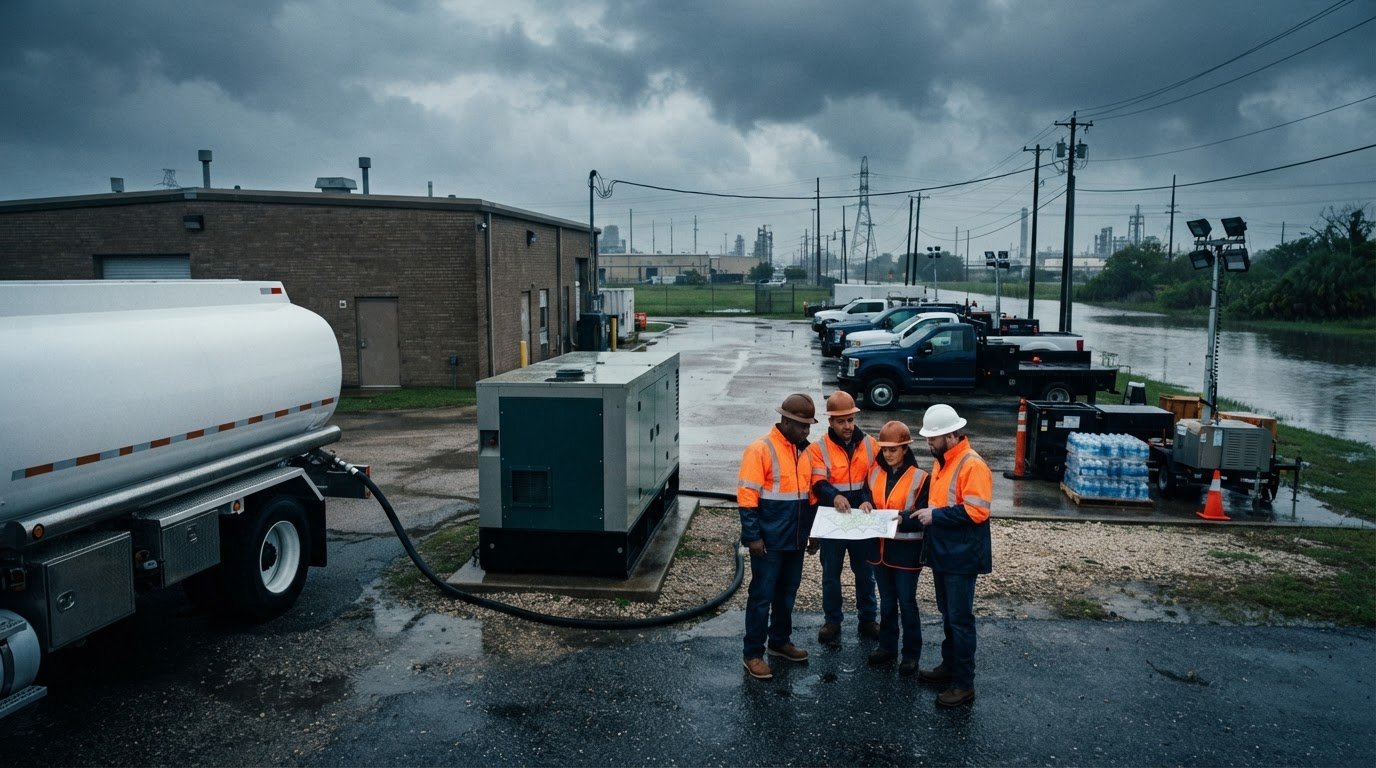
As of September 2026, U.S. diesel stockpiles have plummeted to their lowest levels since 2008, leaving the nation with a precarious 25-day supply. For those responsible for critical infrastructure, this isn't just a market trend; it's a direct threat to operational continuity. You understand that reliable fuel delivery for facility managers is the only thing standing between a successful operation and a catastrophic power failure during a Texas grid emergency. Managing complex fuel tracking while juggling multiple vendors for diesel and DEF fluid creates unnecessary risk in an environment that demands total precision.
This guide provides the roadmap to mastering your on-site fuel logistics to eliminate downtime and ensure 24/7 power continuity for your Texas facility. You'll learn how to implement automated fuel management systems that replace manual reporting with real-time data. We'll also cover how to secure guaranteed emergency response times and navigate the latest 2026 EPA and TCEQ regulations for aboveground storage tanks. From Houston to Dallas, we're detailing the exact steps to simplify your compliance and stabilize your supply chain against global volatility.
The Role of On-Site Fuel Delivery in Facility Operations
Commercial fuel delivery for facility managers is a managed logistics service that treats energy as a critical asset rather than a commodity. In 2026, the complexity of on-site energy needs requires a structured approach across three primary pillars: backup power continuity, equipment mobility, and fleet support. Transitioning away from retail fueling isn't just about convenience. It's a strategic move to reduce liability, slash labor costs, and ensure that every gallon meets strict ASTM standards for long-term storage. High-stakes environments cannot risk fuel degradation or contamination that leads to engine failure at the worst possible moment.
Defining the Scope of Facility Fueling
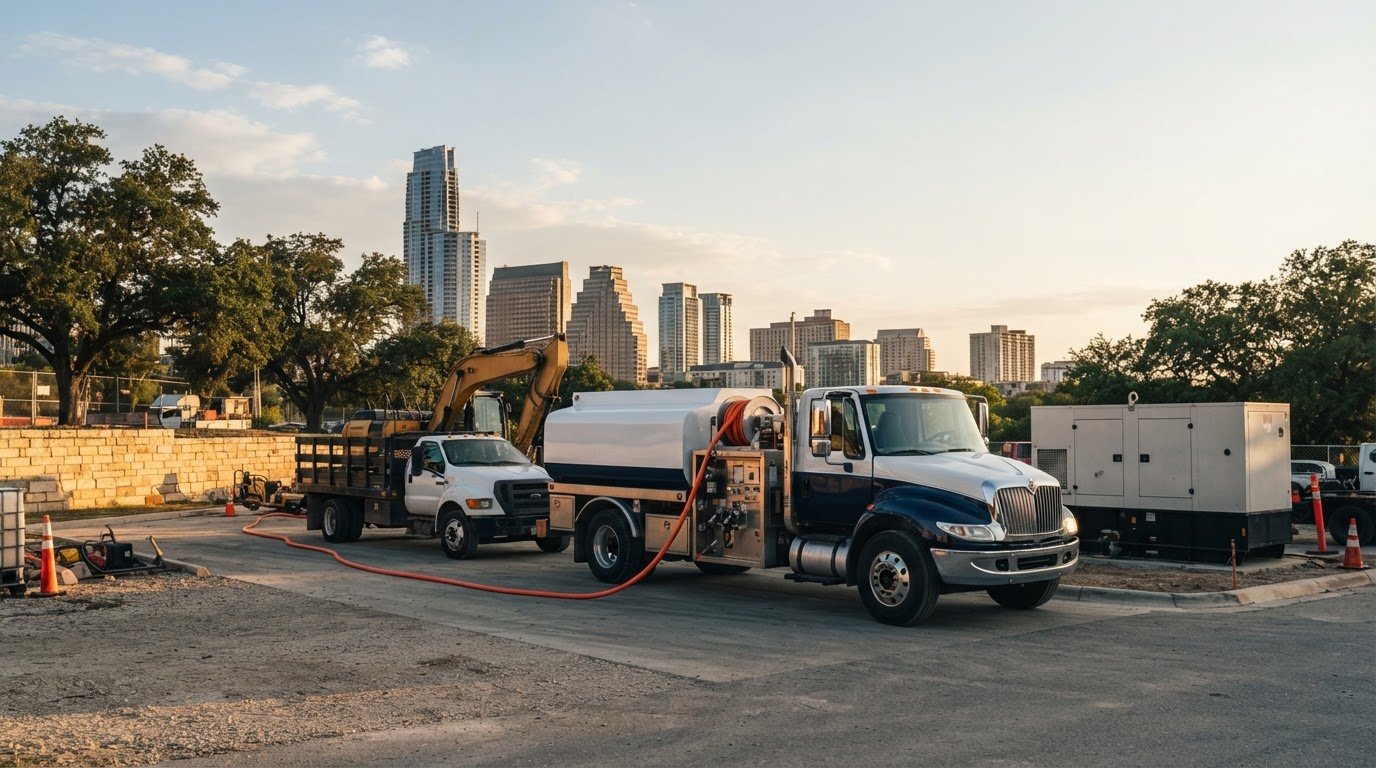
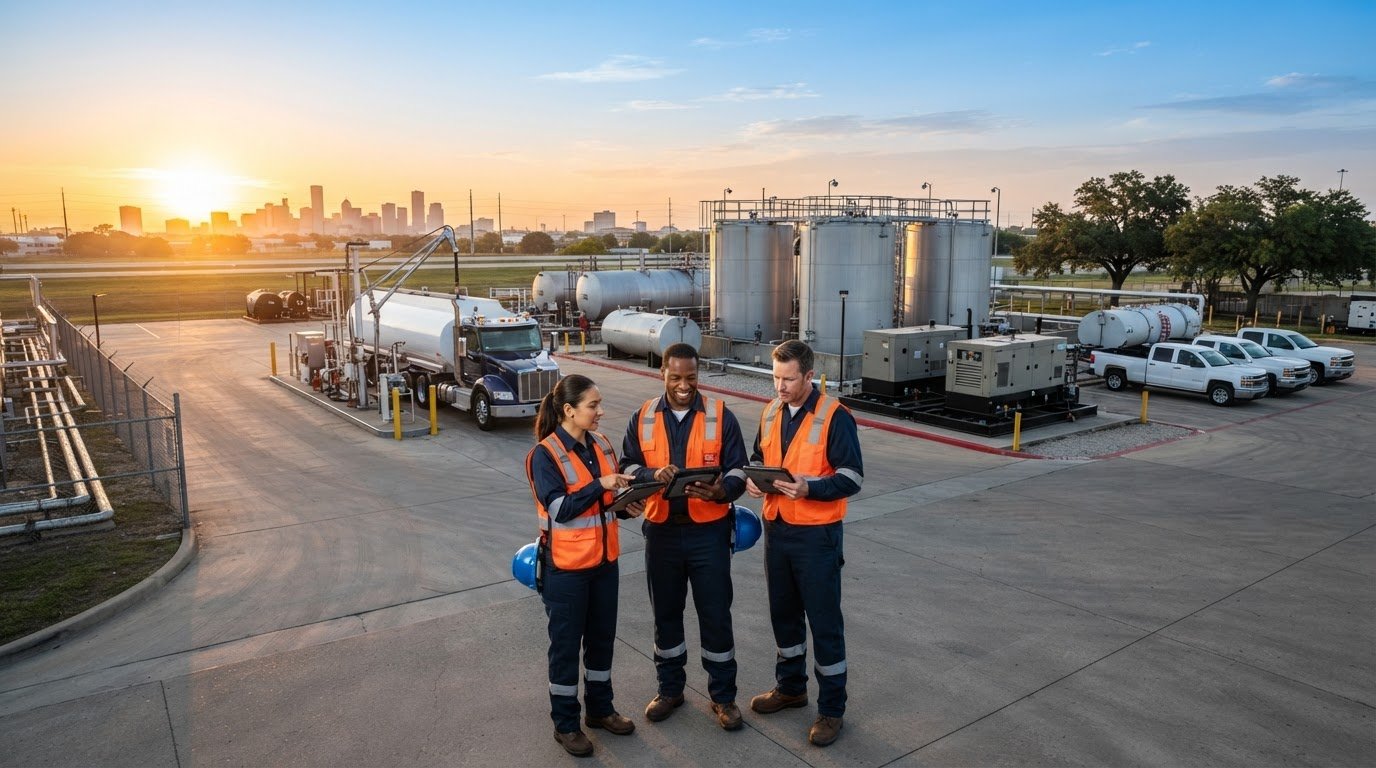
The scope of fueling varies significantly by facility type and operational demand. Data centers and hospitals require massive bulk deliveries for standby generators to maintain 24/7 uptime. In contrast, logistics hubs and manufacturing plants often rely on mobile direct-to-equipment fueling to keep active machinery like forklifts and yard trucks moving without interruption. A Vigilant Partner understands these nuances. They provide the boots-on-the-ground support necessary to navigate Texas flood zones or high-demand seasons, ensuring that fuel delivery for facility managers remains a constant, reliable force regardless of external conditions.
The Economic Impact of Fuel Inefficiency
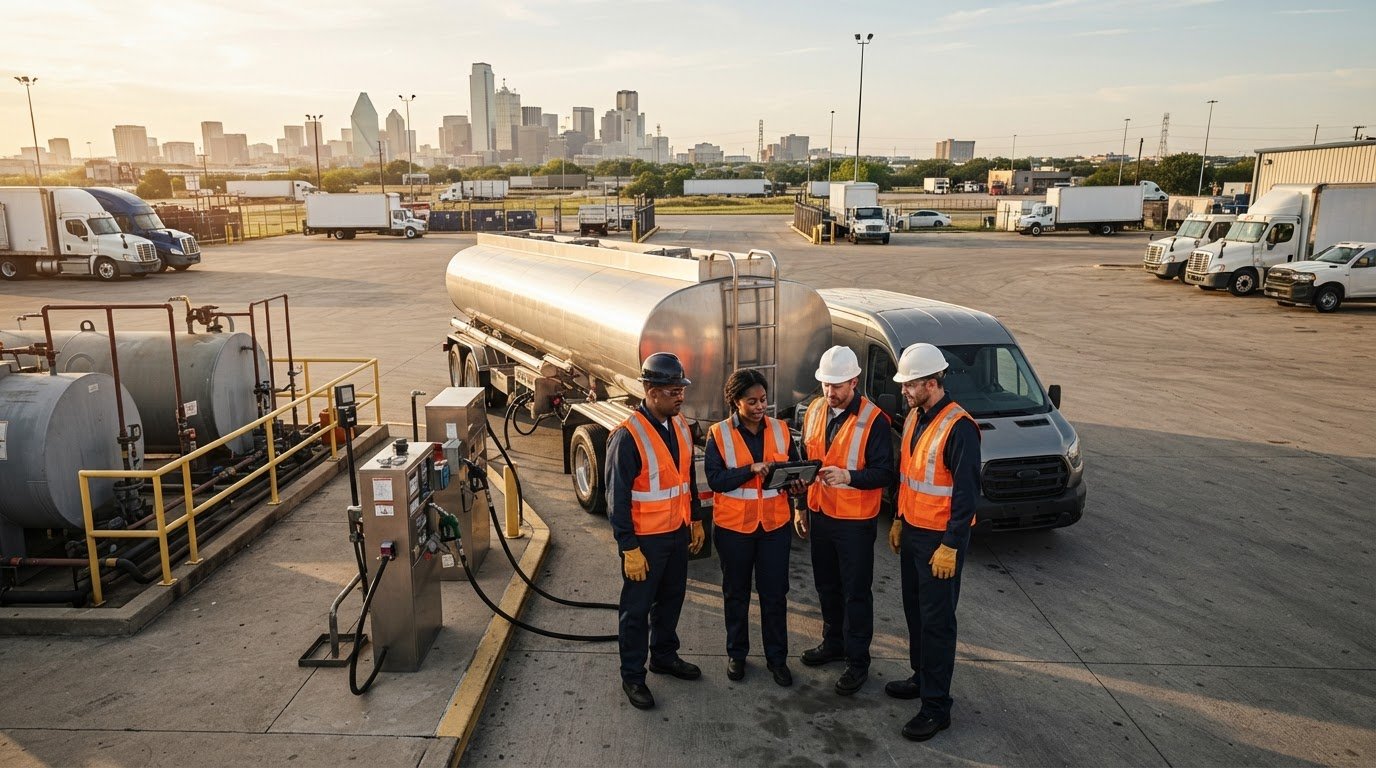
Inefficiency in fuel procurement drains operational budgets through a series of hidden costs. When drivers or technicians leave a job site to refuel at retail pumps, you pay for their downtime, the vehicle's wear, and the fuel itself at a retail premium. These detours also increase the risk of accidents and liability on public roads. Implementing a sophisticated Fuel management system helps track every drop, preventing the fuel run-outs that derail production timelines and damage a facility's reputation. By partnering with commercial fuel services, managers can stabilize their operational budgets. This proactive approach eliminates the stress of unpredictable pricing and ensures that fuel is always available to protect the facility's bottom line and operational integrity.
Evaluating Fuel Procurement Models: Bulk vs. Mobile Refueling
Facility managers must choose between high-volume storage and the precision of direct-to-tank services. With diesel prices reaching a national average of $5.85 per gallon in September 2026, the choice of procurement model directly impacts the bottom line. Bulk delivery utilizes wholesale transport to fill large permanent tanks, while mobile bobtail delivery provides the flexibility to navigate tight facility footprints. Selecting the right model requires an audit of your existing infrastructure and daily consumption rates.
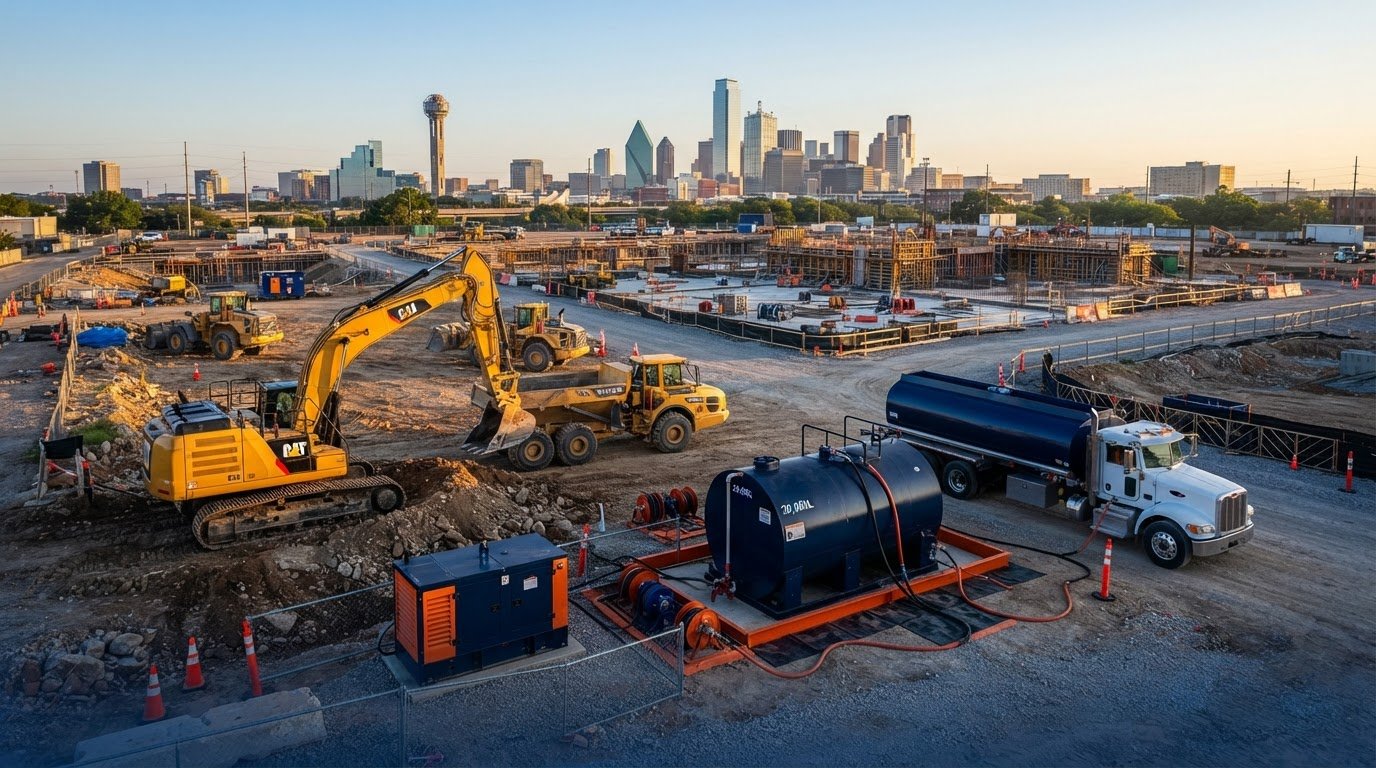
The "wet-hosing" model, or mobile refueling, delivers fuel directly into the tanks of individual machines. This approach is most effective when coordinated around facility shift changes. By fueling equipment during idle windows, you maximize uptime and ensure that your fleet is ready for the next rotation without manual intervention from your staff. For facilities facing temporary surges or remote project requirements, fuel tank rentals offer a strategic middle ground. These portable units provide the storage capacity of a permanent tank without the long-term infrastructure commitment or permanent permit requirements. Reliable fuel delivery for facility managers hinges on this ability to scale supply based on real-time demand.
When to Use Bulk Diesel Delivery
Facilities with high-capacity underground or aboveground storage tanks (ASTs) benefit most from diesel delivery at a wholesale level. Successful bulk management requires strict adherence to inventory monitoring to prevent moisture contamination, especially in humid Texas environments. Managers should also consult resources like the Federal Fleet Alternative Fuel Resources to ensure their storage strategies align with broader energy security and sustainability standards. Maintaining a full bulk tank is a primary defense against the current 25-day national supply shortage.
The Advantages of Mobile On-Site Refueling
Mobile fueling eliminates the administrative burden of obtaining on-site storage permits for every location. By integrating equipment fueling services into your daily maintenance routine, you ensure that diverse machinery, from standby generators to yard trucks, remains operational across large perimeters. This model provides superior fuel accountability and reduces the risk of on-site spills associated with manual transfers. It's an ideal solution for facilities that prioritize labor efficiency and want to eliminate the liability of employees handling fuel. If you're unsure which model fits your current infrastructure, consult with a specialist to audit your site requirements and optimize your delivery schedule.
Critical Infrastructure Readiness: Generator Fueling and Emergency Protocols
Critical infrastructure like hospitals and data centers operates on a zero-failure mandate. In Texas, where the power grid faces seasonal strain from extreme heat and winter freezes, fuel delivery for facility managers must be treated as a mission-critical utility. Relying on standard delivery routes during a regional crisis is a recipe for catastrophic failure. A dedicated refueling contract ensures your facility is prioritized when supply chains tighten and local demand spikes. It's the difference between maintaining life-saving services and facing total operational collapse.
Fuel quality is equally vital for standby systems. Diesel stored for long periods is susceptible to degradation, microbial growth, and moisture accumulation. Implementing a stabilization and polishing program ensures that when the automatic transfer switch triggers, the fuel is clean and ready to combust. This proactive maintenance prevents the clogged filters and injector failures that often occur within the first hour of emergency generator operation. Protecting your hardware starts with the chemical integrity of the fuel you store.
Managing Standby Power Systems
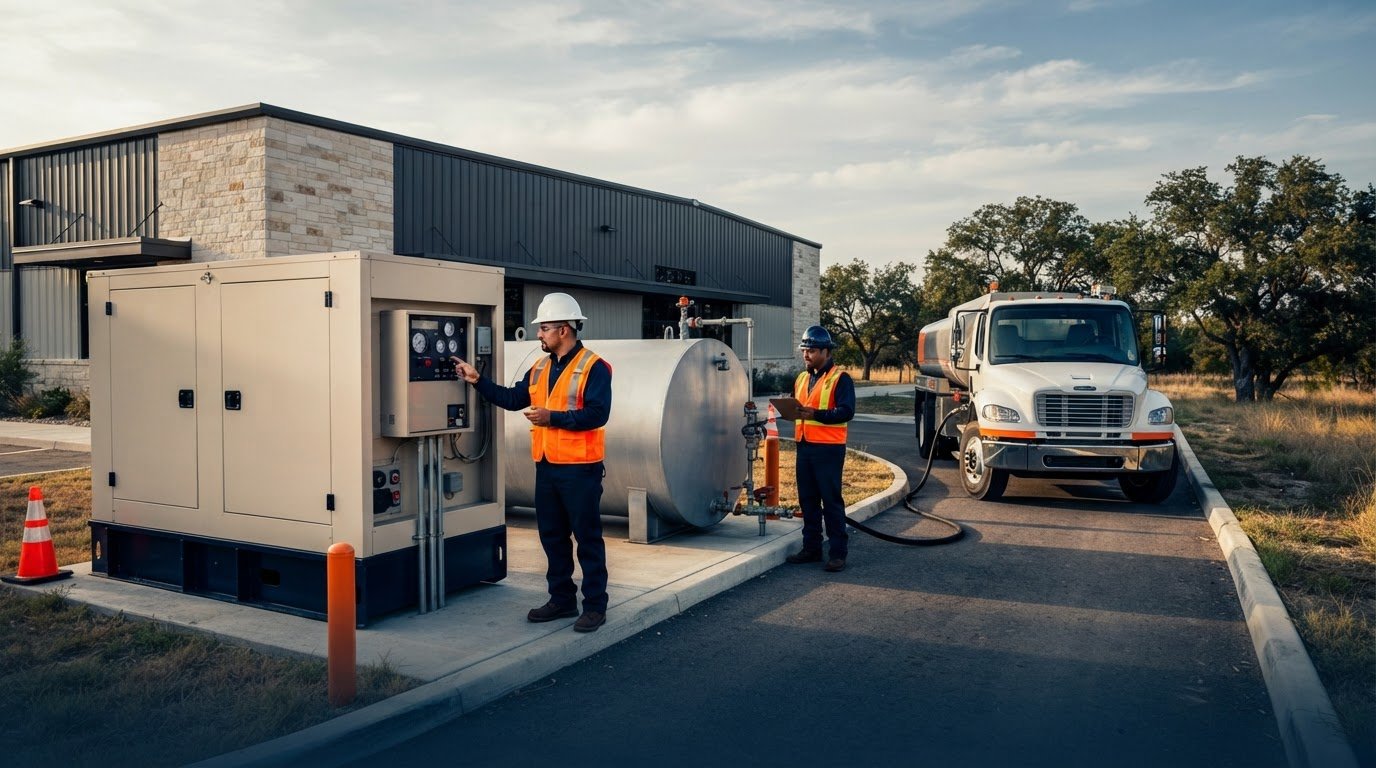
"Just-in-time" logistics are dangerous for backup power. When a major outage hits, the surge in demand often exceeds the local delivery capacity of retail-focused providers. Facility managers should maintain a minimum 72-hour fuel reserve on-site to weather the initial impact of a disaster. Scheduling regular top-offs through a professional generator fueling service guarantees your tanks remain at capacity. This provides a necessary buffer while the rest of the region scrambles for resources.
Emergency Response and Disaster Recovery
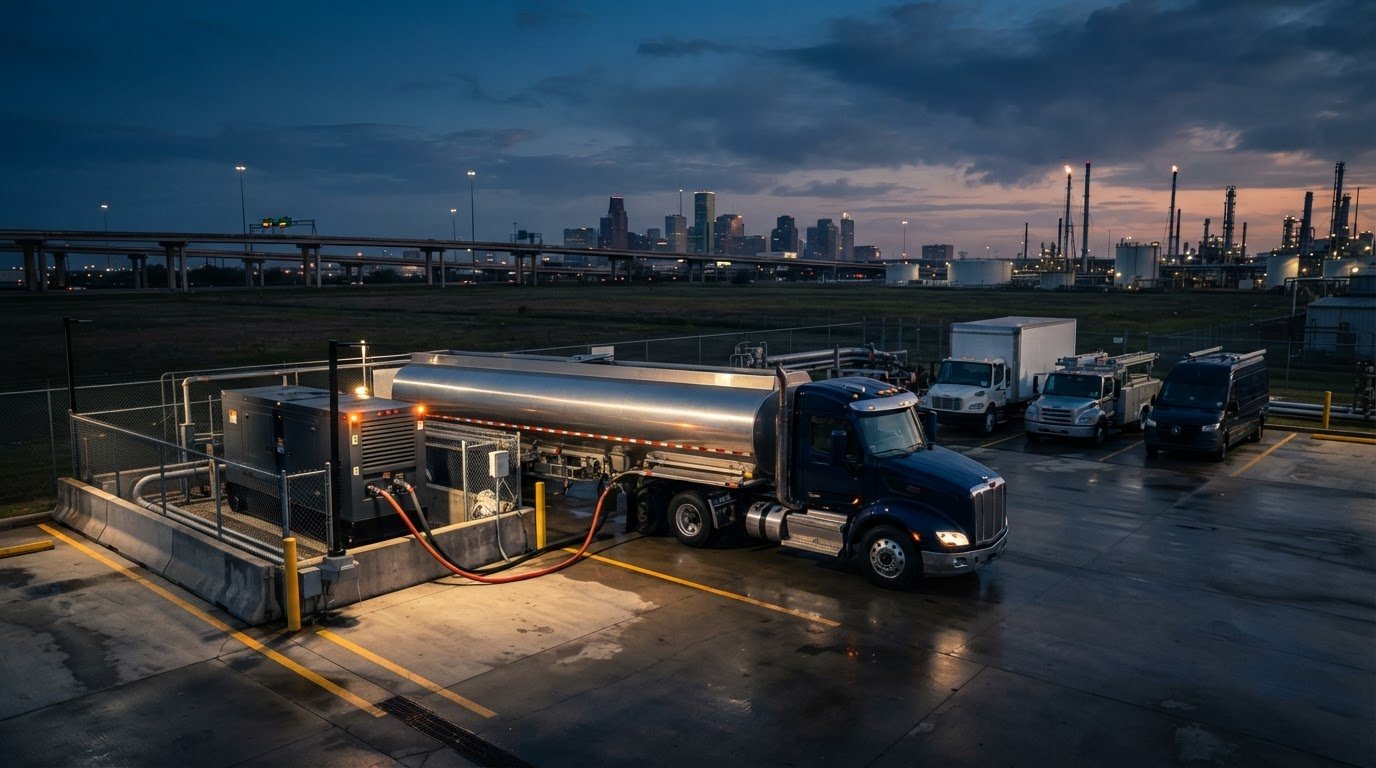
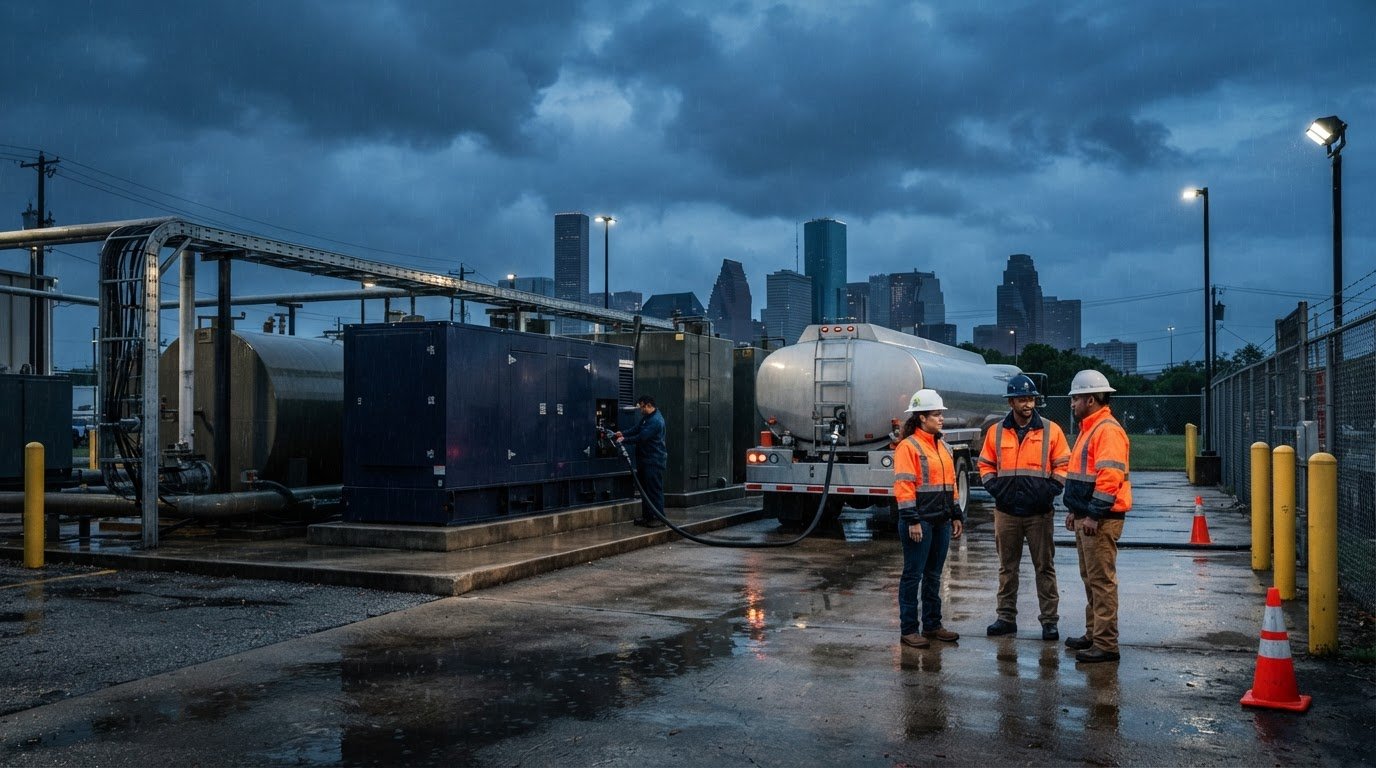
Disaster recovery in the Texas Triangle requires boots-on-the-ground knowledge of local geography. Hurricanes in Houston or ice storms in Dallas create logistical dead zones where standard transport trucks can't navigate. A vigilant partner maintains a specialized fleet capable of reaching high-priority sites despite flooding or debris. Securing 24/7 emergency fueling means your facility stays on a pre-approved priority list. This level of readiness transforms fuel delivery for facility managers into a robust insurance policy that protects both your reputation and your bottom line.
Operational Efficiency: Automated Tracking and DEF Compliance
Operational excellence in 2026 requires more than just a full tank; it demands precise data and environmental accountability. Modern fuel delivery for facility managers has evolved into a digital energy service that integrates seamlessly with your accounting and compliance workflows. Automated tracking systems replace manual logs with cloud-based transparency, providing the itemized data necessary for rigorous internal audits. This level of oversight ensures that every gallon is accounted for, reducing the risk of theft and identifying inefficiencies in equipment consumption before they impact your budget.
Consolidating your energy logistics into a single-invoice approach simplifies the procurement process for administrative teams. By bundling diesel and DEF fluid requirements under one provider, you eliminate the friction of managing multiple vendor schedules and payment terms. This streamlined strategy reduces administrative overhead and ensures that all fluid handling meets professional standards, significantly lowering the risk of EPA violations. Professional handling is essential for maintaining the clean-air standards required for industrial operations in major Texas hubs.
Data-Driven Fuel Management
Digital management systems enable facility managers to track consumption by specific department, project, or individual piece of equipment. This granular reporting allows for more accurate cost allocation and helps teams predict future energy needs based on historical usage patterns. Modern scannable database tracking provides automated compliance reports that meet 2026 environmental and safety standards with a single click. This transition to data-driven logistics turns fuel procurement from a manual chore into a strategic advantage for facility accounting teams.
DEF Fluid Logistics and Compliance
Modern diesel engines require Diesel Exhaust Fluid (DEF) to meet emissions standards, yet many facilities treat its procurement as an afterthought. Neglecting DEF levels triggers engine "derate" mode, which limits vehicle speed and power, effectively halting your operations. Utilizing on-site DEF fluid delivery ensures your fleet remains compliant and operational without the need for retail detours or manual jug handling. Scheduled fluid replenishment prevents the mechanical and regulatory risks associated with empty DEF tanks. To optimize your facility's fluid management and ensure total compliance, contact our logistics team for a site audit.
Strategic Logistics in Texas: Partnering with React Fueling
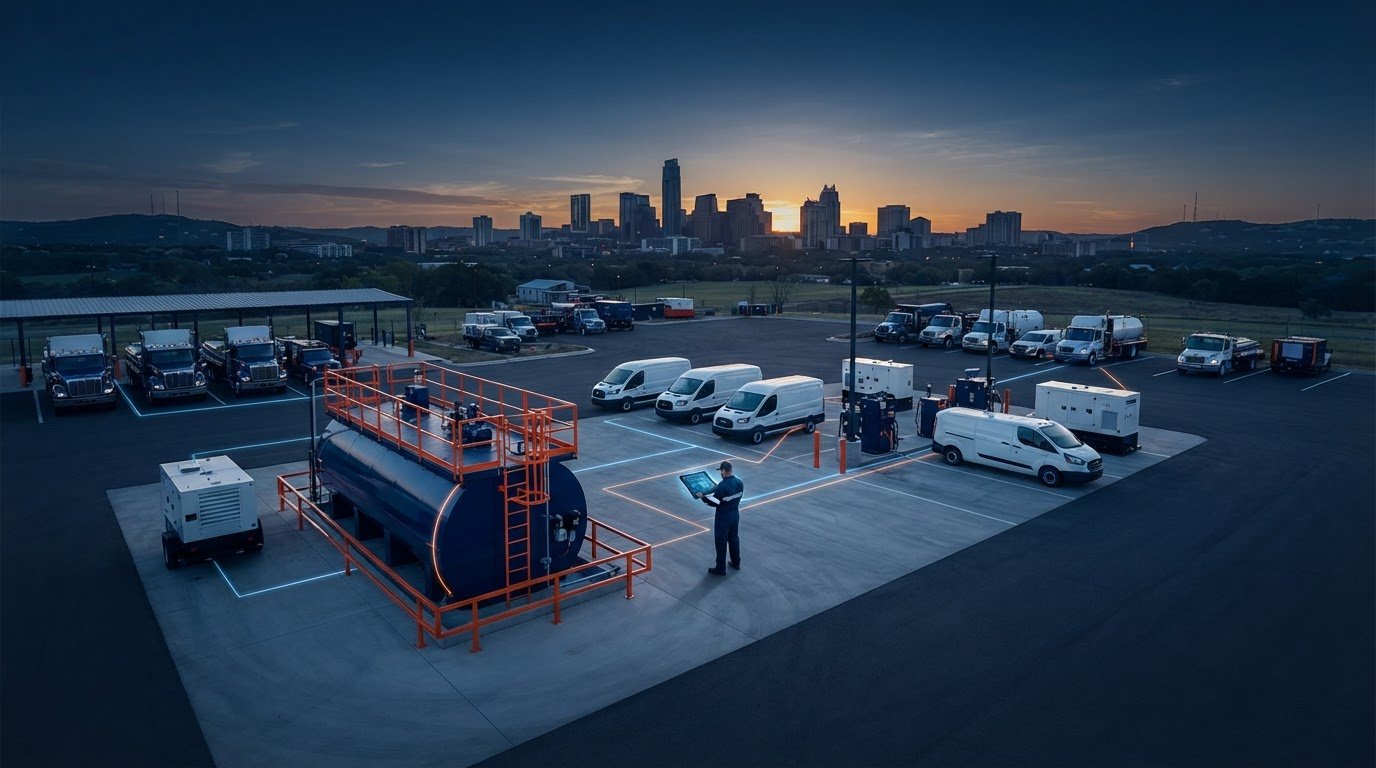
React Fueling operates with a specialized focus on the Texas Triangle, covering the high-demand corridors of Houston, Dallas, Austin, and San Antonio. As a member of the React Holdings family, we provide comprehensive energy logistics that go beyond simple transport. Transitioning from the liability of retail fueling to a managed on-site service represents a fundamental shift in how you protect your facility. This model transfers the burden of procurement, safety compliance, and delivery logistics to a dedicated specialist, allowing your team to focus on core facility maintenance. It's a strategic move that replaces operational uncertainty with a structured, reliable supply chain.
Moving away from the pump isn't just about convenience; it's about risk mitigation. By establishing a managed service, you eliminate the hidden costs of driver downtime and the safety hazards associated with off-site refueling. Our team integrates directly with your operations to ensure that every gallon delivered meets the high-stakes requirements of industrial and commercial environments. We provide the boots-on-the-ground support necessary to keep your facility moving, regardless of market volatility or regional supply shortages.
Local Expertise, Regional Scale
Managing a portfolio of facilities across different cities requires a partner with regional scale and deep local knowledge. Each Texas hub presents unique challenges, from the flood zones and hurricane risks of Houston to the specific grid volatility in North Texas. We customize fuel delivery for facility managers by auditing each site's specific requirements and local TCEQ regulatory needs. Whether you need fuel delivery for a single distribution center or a coordinated strategy for twenty locations across the state, we provide the consistency and professional standards your operations demand. This regional coverage ensures that your entire portfolio remains operational under a unified logistics plan.
Securing Your Facility’s Future
Securing your energy supply chain for 2026 starts with a professional site audit and fuel consumption analysis. We act as a Seasoned Problem Solver, identifying potential vulnerabilities in your current storage and replenishment cycle before they become critical failures. Our team evaluates your equipment needs, tank capacities, and emergency reserves to build a resilient logistics plan tailored to your facility's footprint. This proactive approach delivers the peace of mind that comes from knowing your power continuity is guaranteed. Establish your partnership with React Fueling today to lock in your 2026 supply and ensure your facility never stops moving. Secure your operational continuity by contacting our team for a comprehensive site evaluation.
Securing Your 2026 Energy Supply Chain
Maintaining operational continuity in 2026 requires a shift from reactive procurement to a managed energy strategy. You've seen how on-site fuel delivery for facility managers eliminates the hidden costs of retail detours while ensuring that critical standby generators are always mission-ready. By integrating automated tracking and scheduled DEF replenishment, you protect your facility from mechanical derate modes and complex regulatory violations. These systems don't just provide fuel; they provide the data needed for total accountability.
React Fueling stands ready as your vigilant partner across the Texas Triangle. As a member of the React Holdings family, we combine regional scale with a 24/7 emergency response capability that prioritizes your uptime when local grids fail. Our service coverage extends across Houston, Dallas, Austin, and San Antonio, providing the boots-on-the-ground support necessary to navigate any logistical challenge or weather event. We understand the high-stakes nature of your work and the absolute necessity of keeping your power running.
Secure your facility’s operational uptime with React Fueling’s expert logistics. Take control of your energy future today and ensure your operations never miss a beat.
Frequently Asked Questions
What is the difference between dyed and clear diesel for facilities?
Dyed diesel is intended strictly for off-road use, such as standby generators and heavy construction equipment, and is exempt from federal and state road taxes. Clear diesel is for on-highway vehicles and includes all applicable road taxes. For facilities in Houston or Dallas, utilizing dyed diesel for backup power systems significantly reduces operational costs while maintaining tax compliance. React Fueling delivers both varieties to ensure your specific machinery and fleet requirements are met without legal risk.
How often should a facility manager check backup generator fuel levels?
You should inspect fuel levels weekly and immediately following any generator test or power event. With national diesel stockpiles at a record low as of September 2026, maintaining a full tank is your primary defense against regional outages. Frequent monitoring allows you to schedule a generator fueling service before levels reach critical thresholds. This proactive approach ensures your Texas facility remains operational during unexpected grid strain or the severe weather events common in Magnolia and San Antonio.
Can I rent a portable fuel tank for a short-term construction project at my facility?
Yes, React Fueling provides fuel tank rentals for short-term construction projects and seasonal overflow needs. These portable units offer secure on-site storage without the long-term infrastructure commitment or permanent permit requirements. They're ideal for facility managers in Austin or College Station who need to scale their fuel capacity quickly for temporary expansions. Our team handles the delivery, setup, and replenishment of these tanks, allowing you to maintain productivity on job sites without logistical delays.
What is the lead time for emergency fuel delivery in Houston during a storm?
Lead times vary based on storm severity and local safety conditions, but we offer 24/7 emergency response for our partners. During major Houston weather events, we prioritize deliveries for critical infrastructure and contracted clients to ensure minimal downtime. Our local knowledge of flood zones and evacuation routes allows us to navigate logistical dead zones more effectively than national providers. Securing a priority service agreement before hurricane season is the best way to guarantee rapid deployment during a crisis.
How does on-site fueling improve facility safety and environmental compliance?
Professional fuel delivery for facility managers improves safety by eliminating the liability of employees transporting fuel in small containers or driving to retail pumps. On-site services utilize specialized equipment and trained technicians to prevent spills and ensure TCEQ compliance. Digital tracking provides scannable data for environmental audits, reducing the risk of EPA violations. This managed approach centralizes your fluid handling, creating a safer environment for your staff and providing more consistent, transparent reporting for your facility accounting teams.
Is it more cost-effective to use bulk delivery or mobile refueling for a small fleet?
Mobile refueling is generally more cost-effective for small fleets because it eliminates the need for expensive on-site storage permits and tank maintenance. This "wet-hosing" model delivers fuel directly into your vehicles during idle windows, maximizing labor efficiency and eliminating retail pump detours. Bulk delivery is typically reserved for facilities with high-volume consumption and existing large-scale storage infrastructure. A site audit can determine which procurement model best stabilizes your operational budget while meeting your specific fleet demands in Dallas or San Antonio.
What are the ASTM standards for stored diesel fuel in 2026?
The primary standard for stored diesel remains ASTM D975, which dictates the physical and chemical requirements for fuel performance. In 2026, facility managers must pay close attention to stability and water contamination limits to prevent engine failure. Regular fuel polishing and the use of stabilizers are essential for maintaining these standards in long-term standby systems. Adhering to these specifications protects your hardware and ensures your backup power performs reliably when the automatic transfer switch triggers during a Texas grid emergency.
Does React Fueling provide DEF fluid delivery alongside diesel?
Yes, React Fueling provides integrated DEF fluid delivery alongside our diesel services to ensure your modern engines remain compliant. Diesel Exhaust Fluid is critical for meeting emissions standards; neglecting it can trigger engine "derate" modes that halt your operations. We offer scheduled replenishment for your fleet and equipment across Houston, Austin, and Dallas. This consolidated approach allows you to manage all your energy and fluid logistics through a single, reliable partner under the React Holdings family of companies.