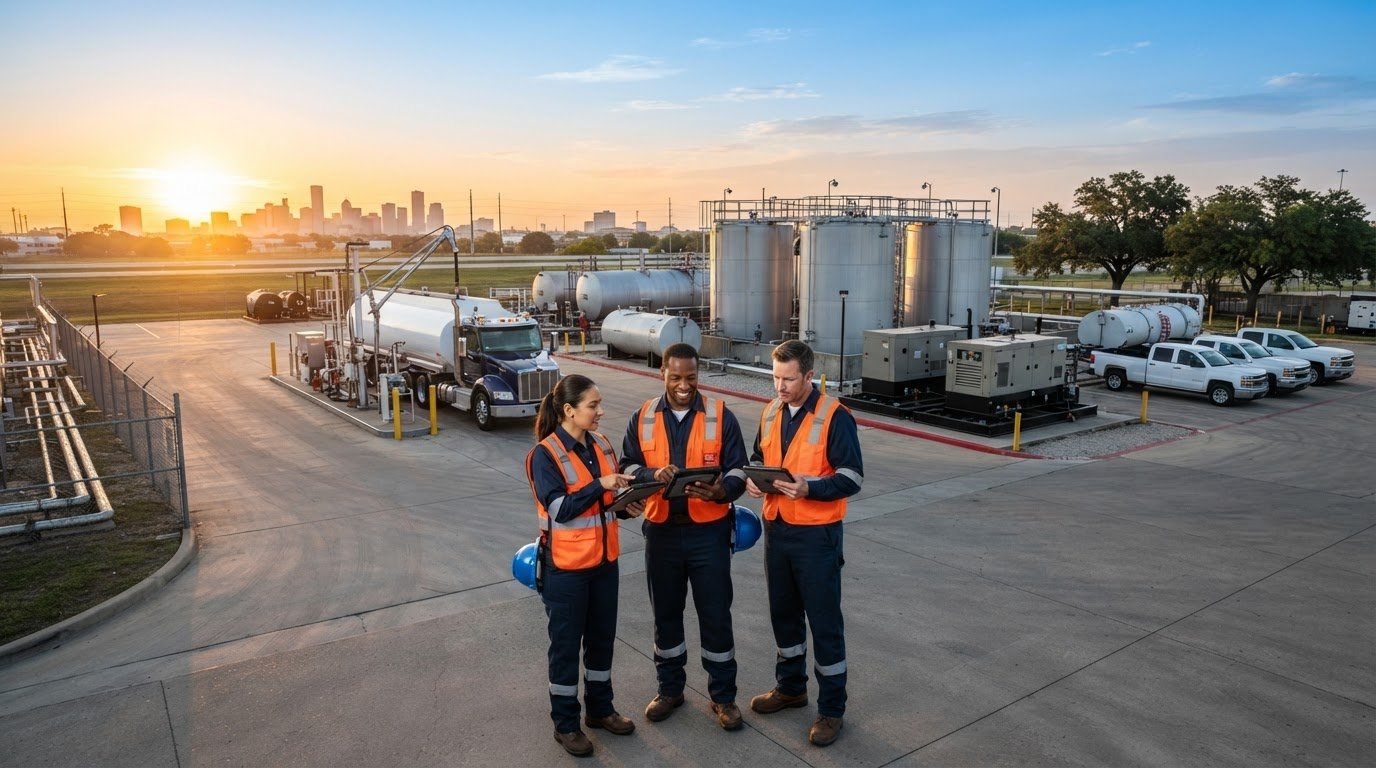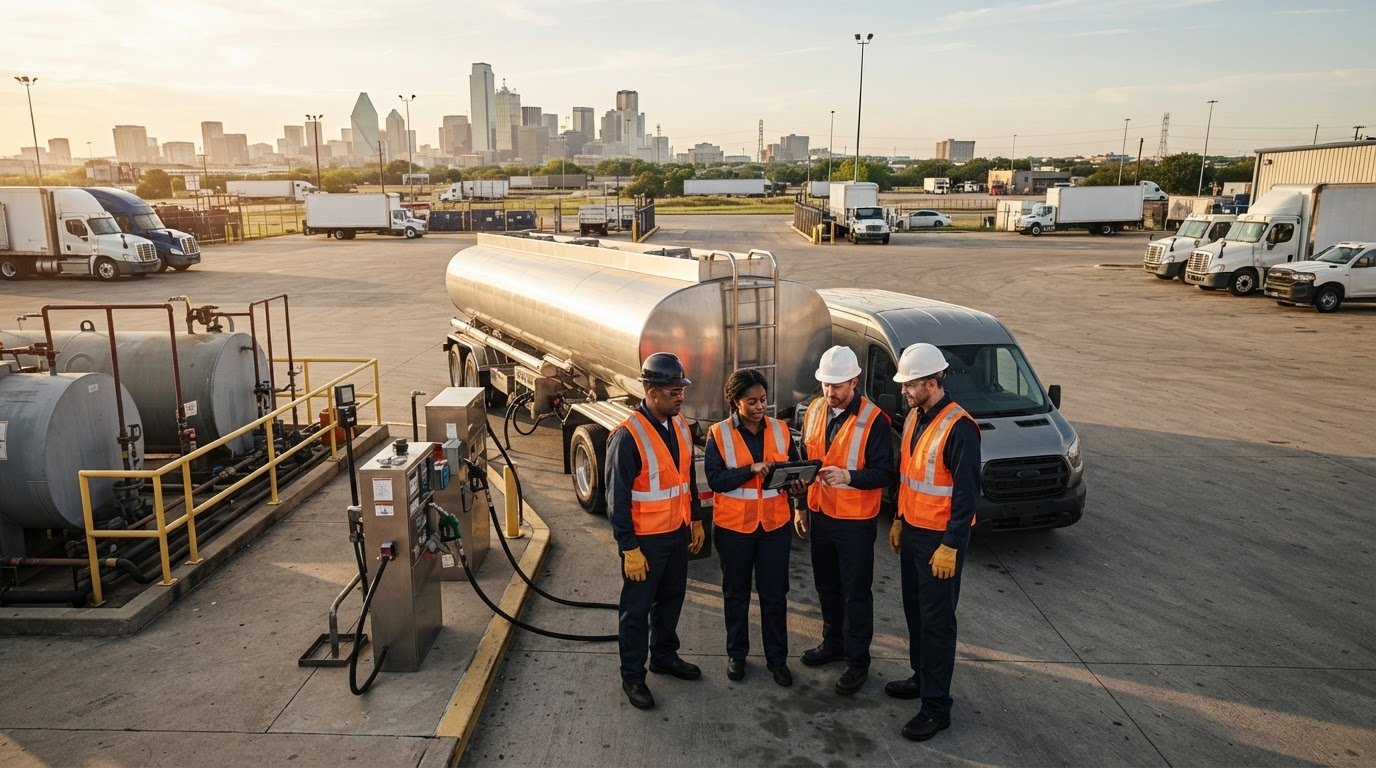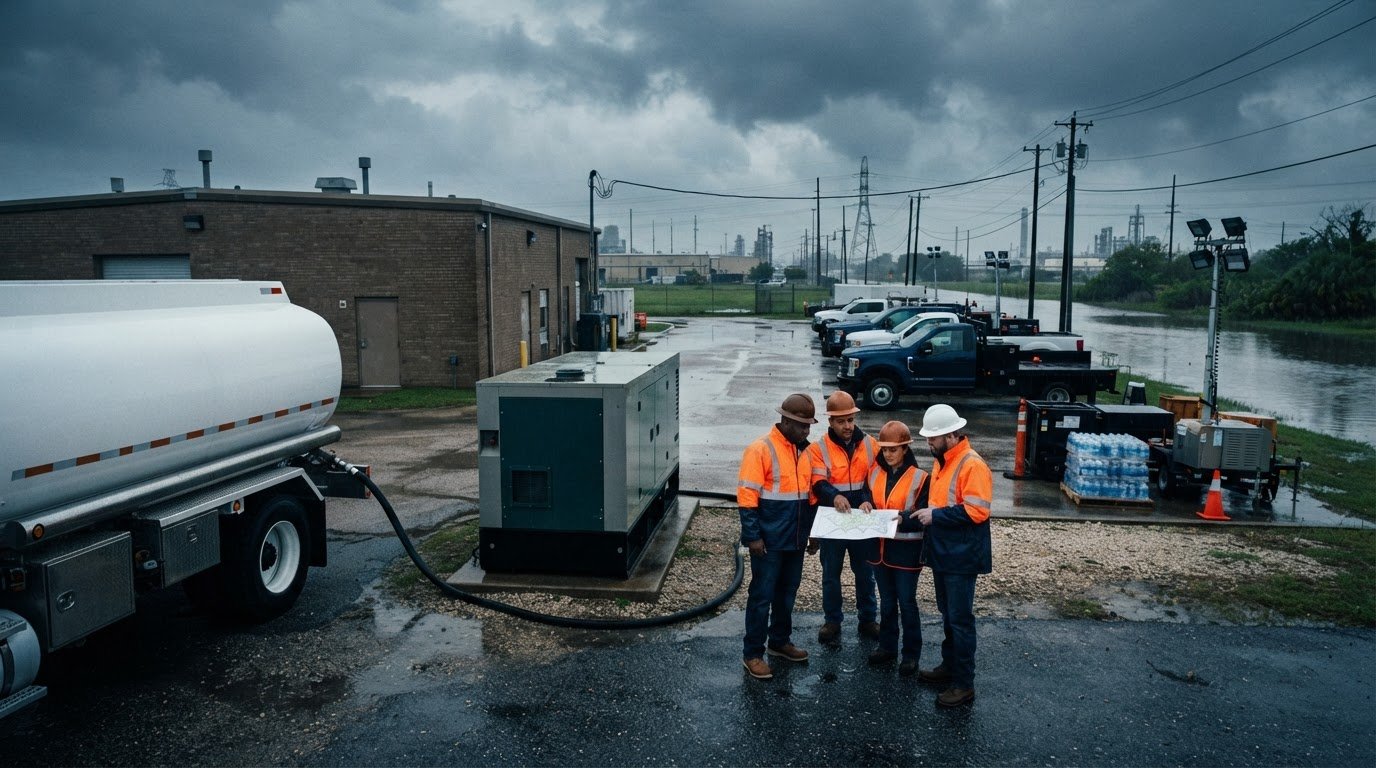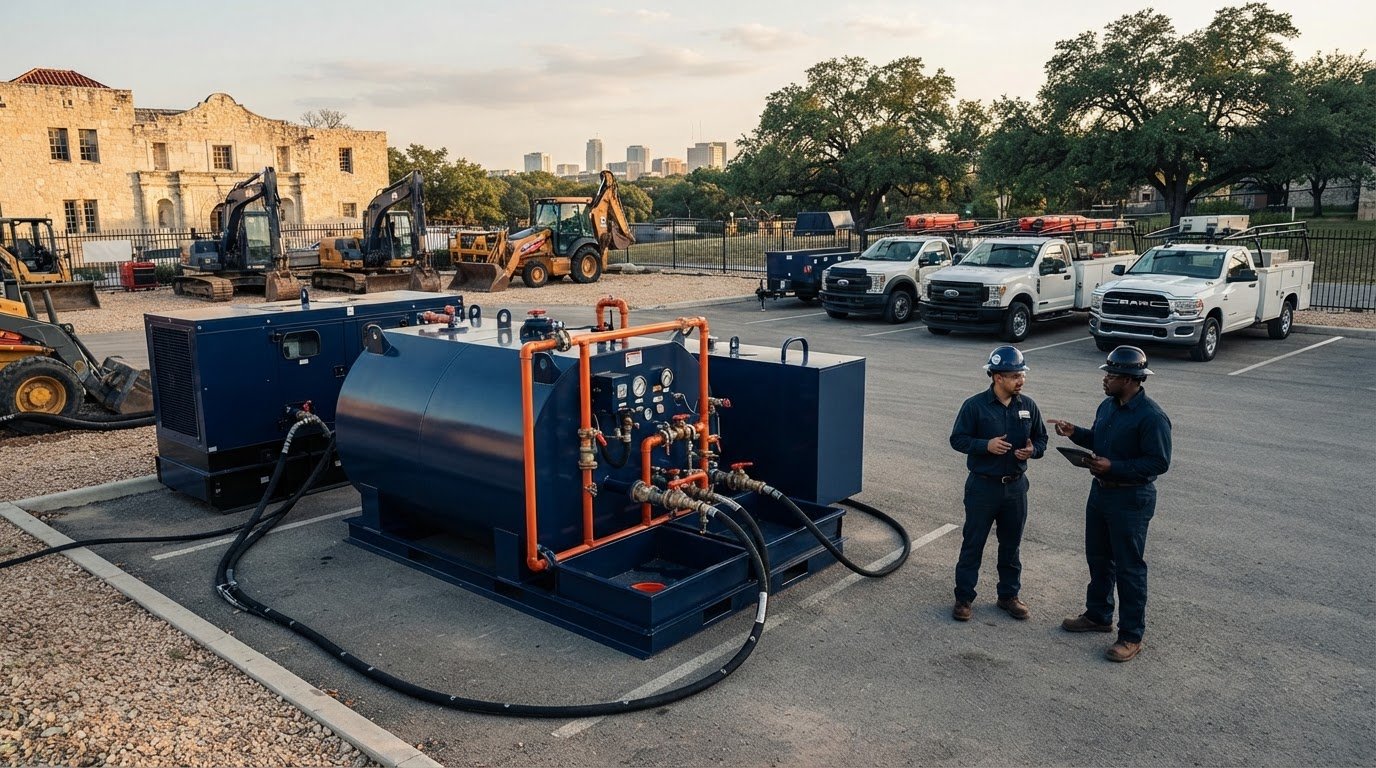
A fueling stop can take a truck or machine away from the work it needs to do. Reliable diesel delivery for fleets in Austin brings fuel to vehicles, equipment, and generators where they operate, helping refueling fit the workday. Mobile fueling and bulk delivery can support different fleet and site needs.
A dependable fuel supply matters, as does having the right products and a clear delivery plan. This guide explains how mobile fueling, bulk diesel and gasoline delivery, and DEF delivery work, what on-site refueling involves, and how tracking can support fleet planning. It also shows how reliable diesel delivery for fleets in Austin can serve different locations and schedules.
You’ll learn which details shape a fueling plan, from the vehicles and equipment in service to where they need refueling. Use these considerations to assess whether reliable diesel delivery for fleets in Austin suits your operation and plan your next step.
Mobile fleet fueling
Mobile fueling brings diesel to vehicles and equipment at their worksite, rather than sending them to a retail pump. In Austin, the right setup depends on where units operate, when they can pause, and which fuel or fluid each one uses.
Customized Business Fueling Programs
Central Texas businesses can plan fueling around their operating locations, work schedules, and equipment mix. A fleet working across Austin and nearby job sites may need different delivery points from a business keeping trucks at one depot. Map each site, identify the units that need fuel, and set a repeatable fueling sequence to avoid unnecessary equipment movement.
Use a site plan to make fueling practical. Identify access routes, parking or staging areas, and places where vehicles can be fueled without disrupting active work. A company with trucks returning to a yard can group them by shift, while a contractor can plan separate fueling areas for equipment at each active construction site. This helps drivers and supervisors understand how fueling fits into the day.
Fleet and Equipment Fueling
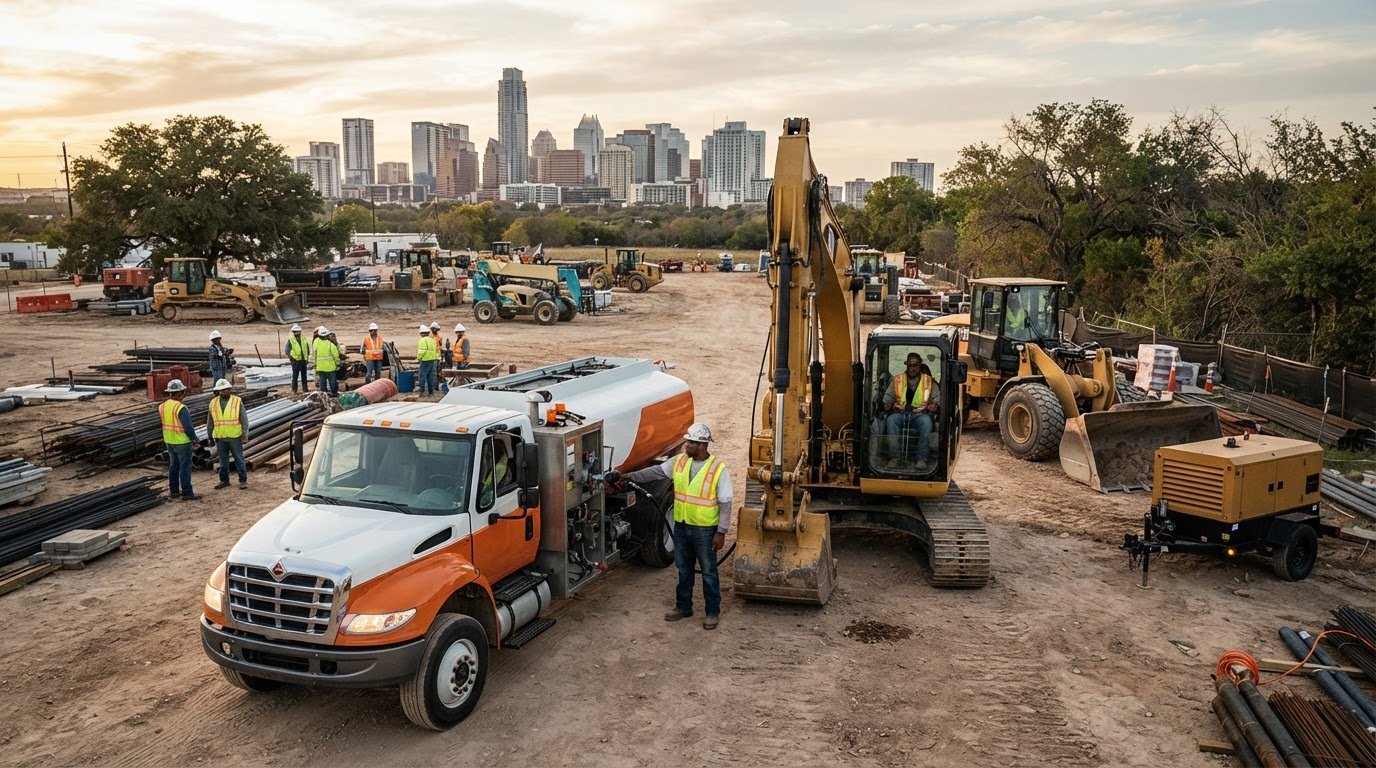
On-site fueling can serve parked trucks, construction equipment, and other machinery at a designated location. Review the fleet by vehicle or equipment type, fuel requirement, operating location, and schedule. Prioritize units that are difficult to move or need to remain on-site, such as an excavator working through a project phase.
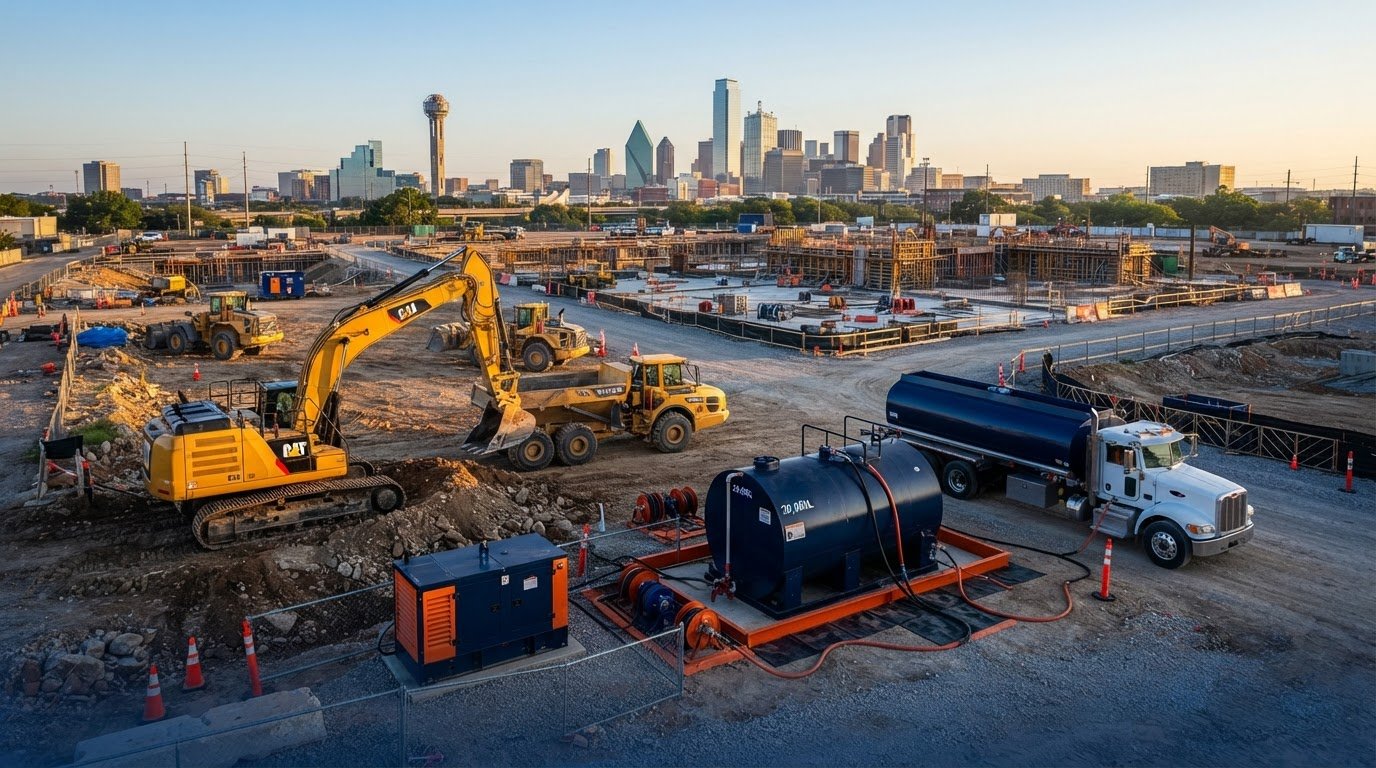
Construction sites benefit from clear fueling points planned before equipment arrives. Keep delivery access separate from active work zones, and tell operators which machines are ready for fueling. A road crew, for example, can coordinate truck fueling near the staging area and equipment fueling near the work zone, while keeping a safe route open for site traffic.
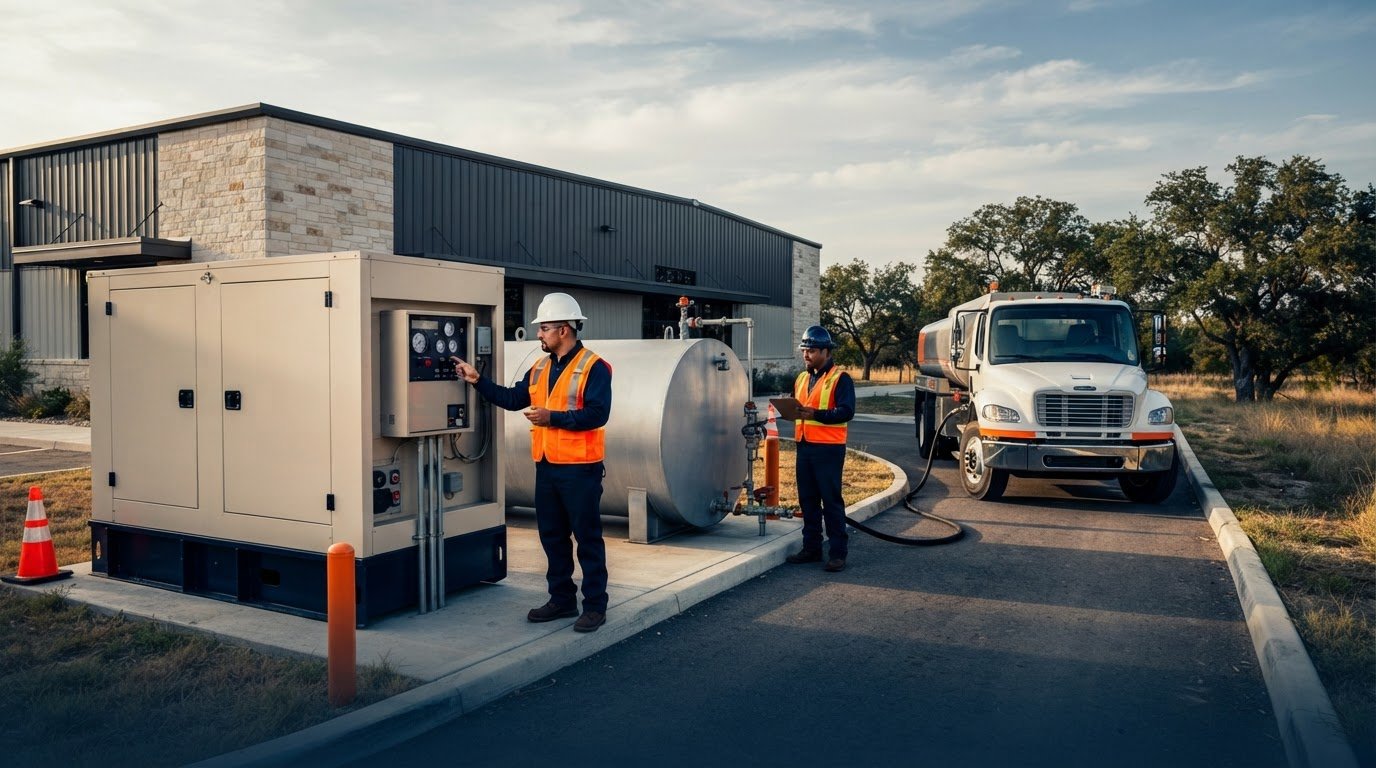
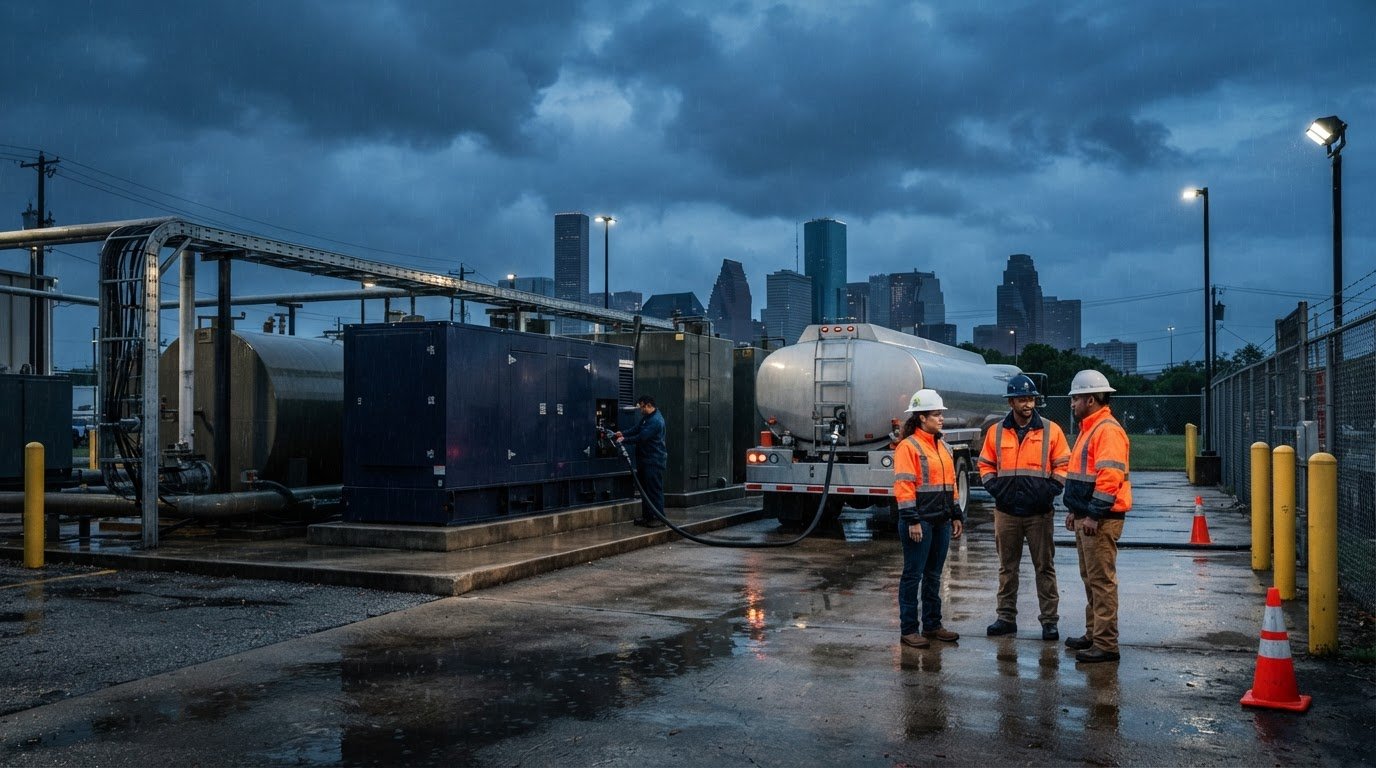
Data centers and live events also rely on planned fueling logistics. A data center can map generator locations and access routes, while an event team can identify equipment areas and delivery windows before setup begins. Emergency plans should specify which critical assets need fuel first and who directs access if normal operations are interrupted.
Product selection matters as much as location. Clear diesel is the standard on-road fuel for trucks, fleets, and generators and meets EPA standards. Diesel exhaust fluid (DEF) is a non-toxic solution that reduces emissions in diesel engines; modern equipment with selective catalytic reduction (SCR) systems requires DEF. Record each unit’s fuel and fluid needs so the fueling plan matches the equipment.
- Group trucks and machines by fueling location.
- Mark access routes and designated fueling areas.
- Record diesel and DEF needs for each asset.
- Set priorities for construction, data center, or event operations.
Bulk diesel, gasoline, and DEF delivery
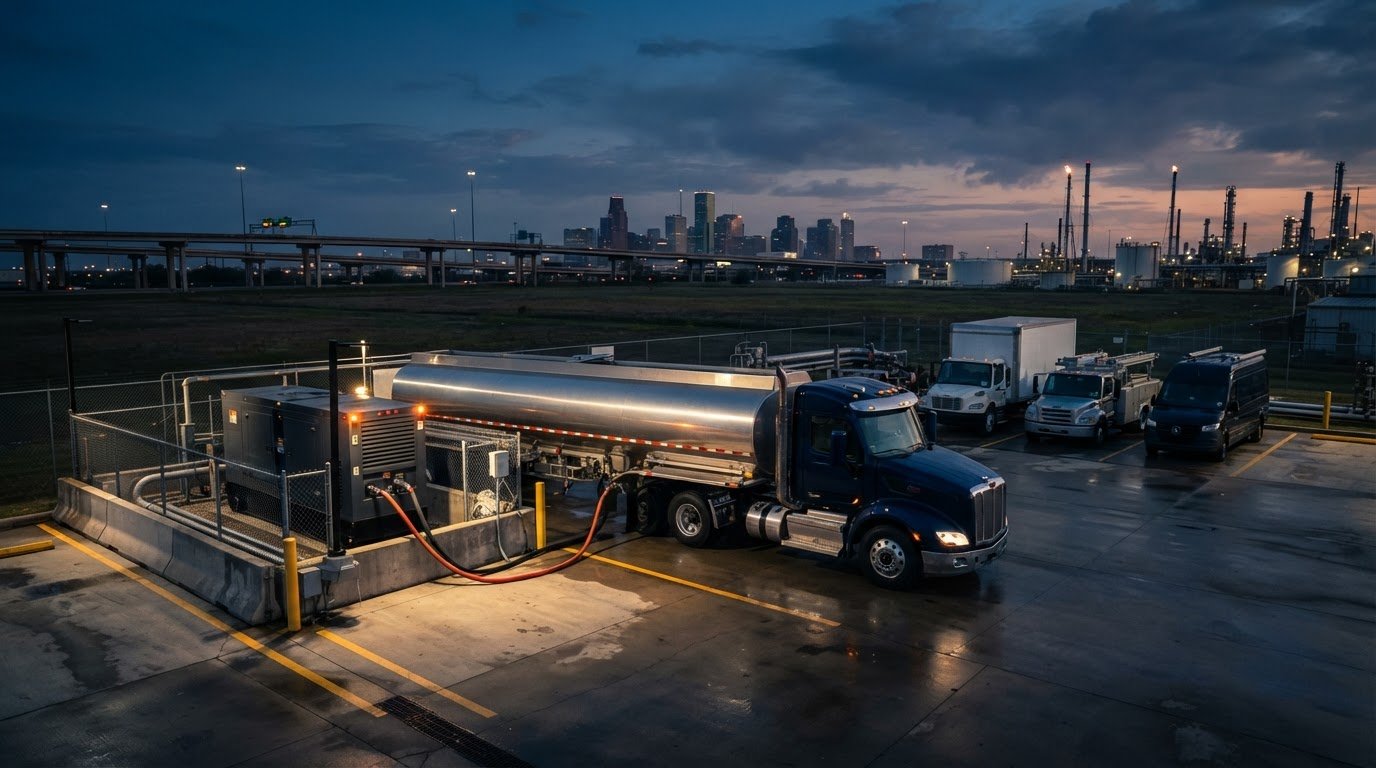
Bulk fuel delivery replenishes on-site storage, while gasoline and diesel serve different vehicle and equipment needs. Match the product and delivery plan to the assets that keep your Austin operation moving.
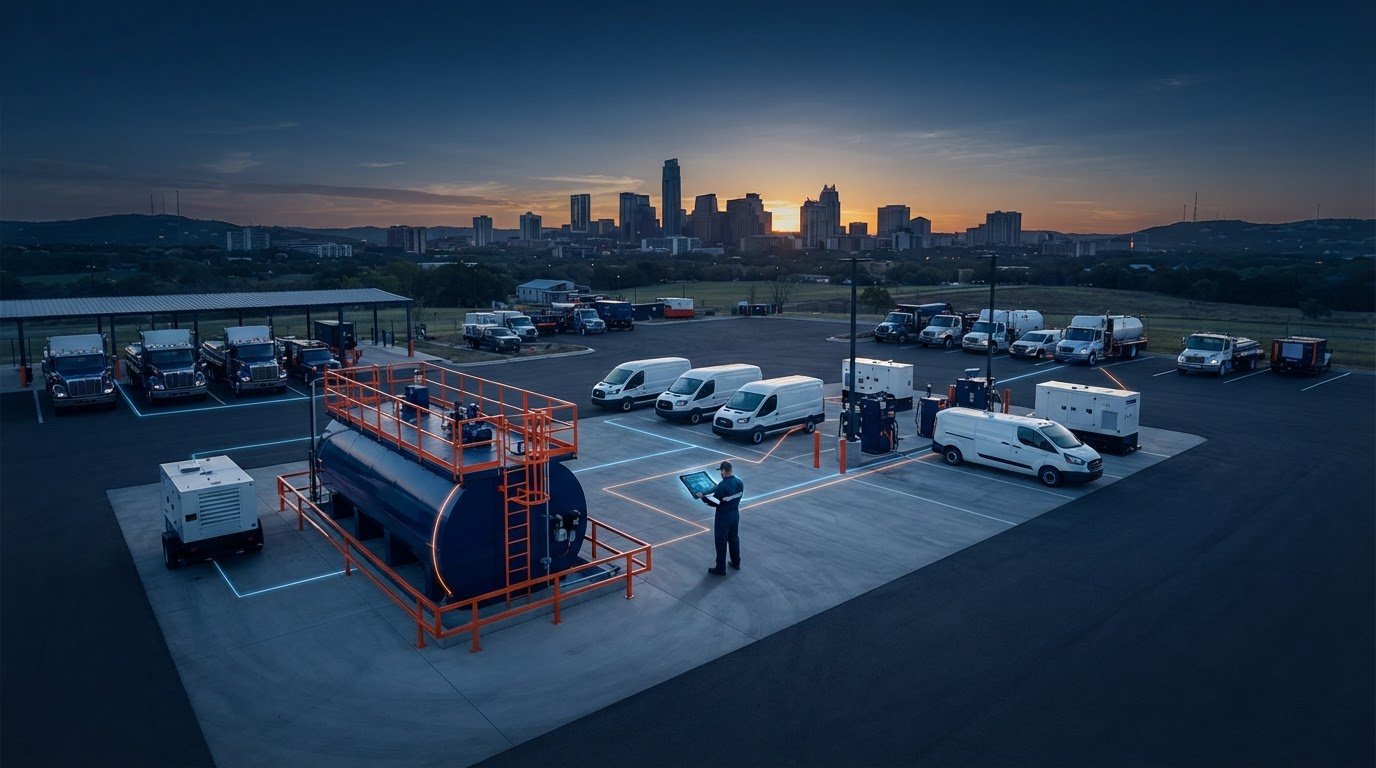
For tank filling, record the tank location, product, current level, and access route before scheduling. A site storing diesel for trucks and generators should clearly identify each product so fuel reaches the correct tank. Track use and remaining inventory to plan replenishment around demand instead of waiting for equipment to run low.
Gasoline serves compatible vehicles and equipment, while diesel supports diesel-powered fleets and machinery. Keep products separate and identify each storage point so staff can direct deliveries accurately. A clear site map can show the tank location, delivery entrance, and any access restrictions that affect the route.
When comparing Austin delivery services, review insurance documentation, written safety procedures, and completed delivery records. Useful reliability measures include on-time arrival, order accuracy, delivery completion, and how discrepancies are recorded and resolved.
Storage and Delivery Requirements
For an Austin site, permitting and environmental controls depend on the storage arrangement, tank placement, amount stored, and delivery method. Map those details, identify the applicable local requirements, and include spill prevention, controlled access, and safe transfer steps in the site plan.
Before a bulk tank filling, confirm that the delivery area is accessible and the receiving tank is clearly identified. Assign a site contact to direct the driver and keep unrelated vehicle traffic away from the transfer area. These steps help coordinate deliveries and protect active operations.
Fuel Types and Quality Standards
Clear diesel is the standard on-road fuel for trucks, fleets, and generators, and it meets EPA standards. Match the delivered product to the engine and its intended use, then record the product assigned to each storage tank to prevent mix-ups.
Bulk DEF delivery supports modern equipment with selective catalytic reduction (SCR) systems, which require DEF. Diesel exhaust fluid is a non-toxic solution that reduces emissions in diesel engines. Track DEF separately from diesel, label its storage point, and include it in inventory planning for equipment that uses SCR.
For a practical ordering plan, group requirements by product and destination:
- List each diesel tank and the vehicles or generators it serves.
- Identify gasoline storage and the compatible equipment using it.
- Mark DEF storage for SCR-equipped machinery.
- Record delivery access, site contacts, and inventory levels.
This inventory connects bulk delivery with day-to-day demand. For example, a worksite with diesel generators and SCR-equipped machinery needs separate diesel and DEF records. Clear product labels and destination details help prevent delivery errors and keep operations organized.
Need Fuel Delivery in Austin?
Austin fleets can use commercial fuel delivery to refuel vehicles and equipment at operating sites. Coverage, delivery windows, and emergency arrangements depend on the service area and schedule.
Service Coverage Zones
Plan coverage by delivery address, not just an Austin mailing address. List fleet yards, construction sites, industrial facilities, and generator locations across Austin and Travis County. Include other regular work locations in Houston, Magnolia, San Antonio, College Station, and Dallas to account for your full operating footprint.
A delivery service needs the correct site entrance, fueling location, and access instructions for every stop. A fleet with an Austin depot and a project site in College Station, for example, should provide both addresses and identify which vehicles are based at each location. These details make delivery planning clearer and help avoid delays caused by unclear destinations.
Map operations by delivery point and asset type. Separate recurring fleet yards from temporary construction sites, then note which locations need diesel, gasoline, or DEF. A business operating across Travis County can use this map to identify regular routes, sites with limited vehicle access, and locations where equipment must stay on-site.
Delivery Windows and Emergency Service
Delivery time windows are shaped by route planning, order details, site access, and the time equipment can be reached. For example, a fleet yard may allow fueling before trucks leave, while a construction site may require coordination around active work. After-hours and emergency service depend on the provider’s stated operating schedule and emergency arrangements, so fleets shouldn’t assume every delivery service offers them.
Plan routine deliveries around expected fuel use and the next operating period. For an urgent shortfall, identify the affected vehicles or equipment, their exact location, required fuel, and safe access route. Clear details help prioritize the request and limit disruption to essential operations.
Fleet Delivery Provider Options
Commercial diesel delivery in Austin can include on-site refueling and bulk tank replenishment. Compare these options against your locations, vehicle schedules, and storage setup. A contractor fueling equipment at changing job sites has different routing needs from a fleet returning to one central yard. React Fueling offers both fuel delivery and portable fuel tank rentals.
Assess delivery coordination for every address. Document access instructions, delivery contacts, fueling points, and operational constraints for each Austin or Travis County site. Then plan around your locations and delivery needs. React Fueling serves Houston, TX; Austin, TX; San Antonio, TX; Dallas, TX; College Station, TX, and Magnolia.
- List each Austin-area delivery address and its access details.
- Separate recurring fuel needs from urgent requirements.
- Identify the assets and products required at each location.
- Record delivery windows that fit the fleet’s operating schedule.
Delivery confirmation and tracking
Delivery tracking helps fleet managers connect an order with its destination, completion, and operating records. Decide what your team needs to follow: order status, arrival at the site, completed fueling, or post-delivery reconciliation. These are distinct checkpoints, and one status update does not confirm that every vehicle or tank received fuel.
Start with a consistent order record. Assign an internal reference and capture the requested product, delivery address, site contact, and assets to be fueled. At an Austin construction site, for example, an order can identify a specific staging area and the machines scheduled to remain there. Clear details help dispatch and site staff coordinate.
After fueling, compare the delivery confirmation with the original request. Record the completion time, location, product, delivered quantity, and receiving tank or vehicle when those details are provided. If a truck was expected at a yard but fuel went to another site, the address and confirmation record make the discrepancy easier to identify and resolve.
Build a useful fleet record
Use one log for recurring deliveries instead of relying on separate driver messages or handwritten notes. A fleet manager can connect each delivery reference to the vehicle number, fuel tank, site, and operating team. Keep generator records separate from truck records, even when both receive fuel at the same property.
Keep order and completion details alongside your existing fuel records. This makes it easier to compare planned deliveries with actual consumption and investigate changes in usage. A sudden increase at one construction site may reflect longer equipment operation, a changed work schedule, or an entry error; the records give managers a starting point.
Clarify what “tracking” means
Tracking can refer to order progress, delivery arrival, or a completed transaction record. It does not automatically mean a live map of the delivery vehicle. Set expected milestones in your fleet procedure so drivers and supervisors know whether to watch for dispatch, arrival, or confirmation that fueling is complete.
For a multi-site operation, assign a contact at each destination. That person can confirm the access point, identify the intended vehicles, and report whether the delivery reached the correct location. If an engine is close to running out of fuel, flag the affected asset and its exact site in the internal record.
- Match each fuel order to a site and internal reference.
- Record the vehicle, equipment, or fuel tank involved.
- Compare completion details with the requested product and destination.
- Save discrepancies with the delivery record for follow-up.
Consistent records help operations teams monitor fuel use, confirm completed deliveries, and spot gaps before they disrupt vehicles or engines. They also help managers distinguish a delayed order from an access issue or a missed asset, keeping follow-up focused on the actual problem.
On-site fleet and equipment refueling
On-site refueling brings diesel to vehicles, machinery, and generators where they operate. For Austin fleets, this can reduce trips away from job sites and central yards. Reliable diesel delivery for fleets in Austin starts with a practical plan for equipment locations, site access, and fuel demand.
Start by separating mobile assets from stationary equipment. Trucks may return to a fleet yard, while excavators and loaders stay at construction sites. Generators may be at industrial facilities or other critical locations. Identify each asset, its fueling point, and the person coordinating access.
Plan the fueling sequence
Group equipment by location and operating schedule, then identify which units need refueling first. A construction supervisor, for example, can list the machinery needed for the next work period and distinguish it from equipment parked for maintenance. That list gives the fueling team a clear sequence and limits unnecessary movement around an active site.
Prepare each location before delivery. Mark the access route, identify the equipment or fuel tank, and keep the fueling area clear of site traffic. At a fleet yard, assign a staging area for vehicles awaiting service. At a construction site, coordinate equipment positions with the site lead so fueling does not interrupt active work.
Coordinate equipment and generator supply
Equipment fueling can serve machinery that is difficult to move from its work area. Generator fueling supplies fuel at the generator’s location, helping operations teams plan without relocating the unit. Keep generator records separate from vehicle records, since operating patterns and refueling priorities may differ.
Plan generator fuel around site requirements and access conditions. Identify the generator, its location, the delivery entrance, and the site contact. For multiple units, label each fueling point clearly. This helps distinguish the primary generator from other equipment and supports accurate delivery records.
Reliable diesel delivery for fleets in Austin also depends on keeping site information current. Use a simple plan that connects each vehicle or machine with its location, access instructions, and assigned contact. Update it when equipment moves between Austin sites or construction phases change. Otherwise, a relocated excavator or temporary generator could be missed during a planned delivery.
- List vehicles, equipment, and generators by site.
- Identify each fuel tank or designated fueling point.
- Set priorities based on upcoming work and operating needs.
- Share access instructions with the site contact and delivery team.
For fleets with equipment that stays on-site, plan equipment fueling service around work locations and operating schedules. A defined sequence helps align fuel supply with the work, whether the priority is trucks at a yard, machinery on a construction site, or generator fuel at a facility.
React Fueling: Diesel Delivery
React Fueling provides diesel and fuel delivery, equipment fueling, and generator fueling for commercial operations. Use these services when fleet vehicles, machinery, or generators need fuel at their operating locations, including construction sites and industrial facilities.
For an Austin fleet, start by outlining where vehicles and equipment operate, which assets need fueling, and how delivery access is arranged. This information connects the fueling plan to your operating locations and priorities, whether you manage trucks at a yard, equipment on a jobsite, or generators at a facility.
Explore React Fueling’s website or contact React Fueling to discuss your fleet’s fueling needs.
Set Your Fleet’s Next Fueling Plan
Review where fuel support fits your operation. Identify the sites, equipment, and delivery priorities that matter most, then plan around the work your teams need to complete. Reliable diesel delivery for fleets in Austin should support operational needs without adding unnecessary complexity.
React Fueling offers Diesel Delivery, Equipment Fueling Service, and Fuel Delivery for commercial operations. These services can support fleet vehicles and equipment at work locations. Request a quote to discuss your fueling requirements.
Bring your locations, equipment needs, and preferred fueling arrangements into the conversation. This gives the team a clear picture of your operation and helps shape the next step.
Contact React Fueling to discuss your fleet’s fueling needs and move toward a plan that keeps your operation ready for the work ahead.
Frequently Asked Questions
What areas around Austin do fleet diesel delivery services cover?
React Fueling serves Houston, TX; Austin, TX; San Antonio, TX; Dallas, TX; College Station, TX, and Magnolia. For a fleet operating between Austin and Magnolia, organize delivery addresses by site and identify which vehicles or equipment need fuel at each one. Accurate locations and access details help align delivery planning with your routes and work sites.
Can Austin fleet diesel providers supply on-site tanks, mobile fueling, or bulk fuel delivery?
Yes, these options can support different fleet setups. React Fueling offers mobile equipment fueling, fuel delivery, and fuel tank rentals for on-site storage. Its portable tanks are double-walled with spill containment and strict adherence to regulations. A construction operation, for example, can arrange direct equipment fueling and rent a tank for fuel storage at a job site. The right setup depends on where assets operate and how fuel is used.
How do fleet managers verify delivery accuracy, fuel usage, and billing with mobile diesel services?
Compare delivery documentation with asset and fuel records, then review usage reports for mismatches. React Fueling’s Smart Tracking includes remote tank monitoring and detailed usage reporting. A manager can compare a site’s reported tank usage with delivery records and investigate an unexpected change. Keep invoices, delivery confirmations, and asset identifiers together so finance and operations teams can reconcile the same transaction.