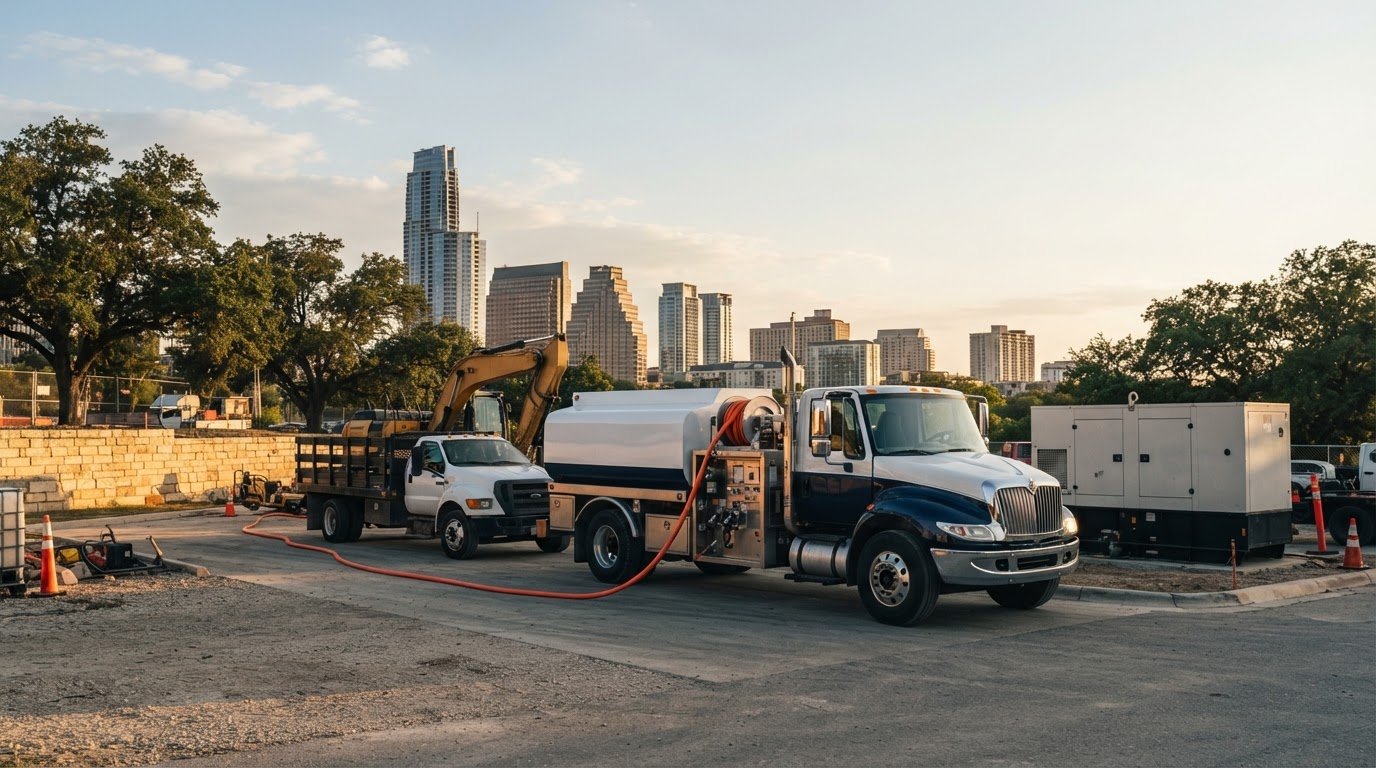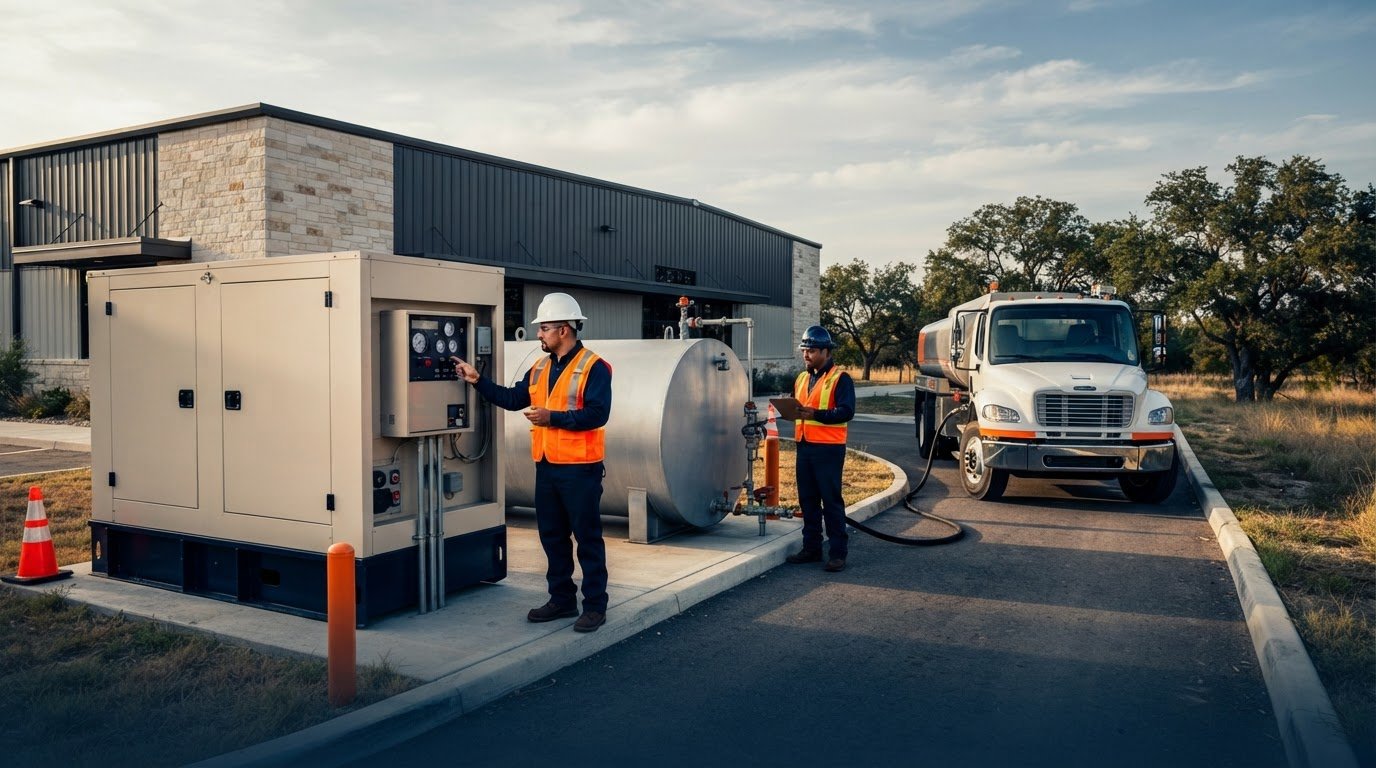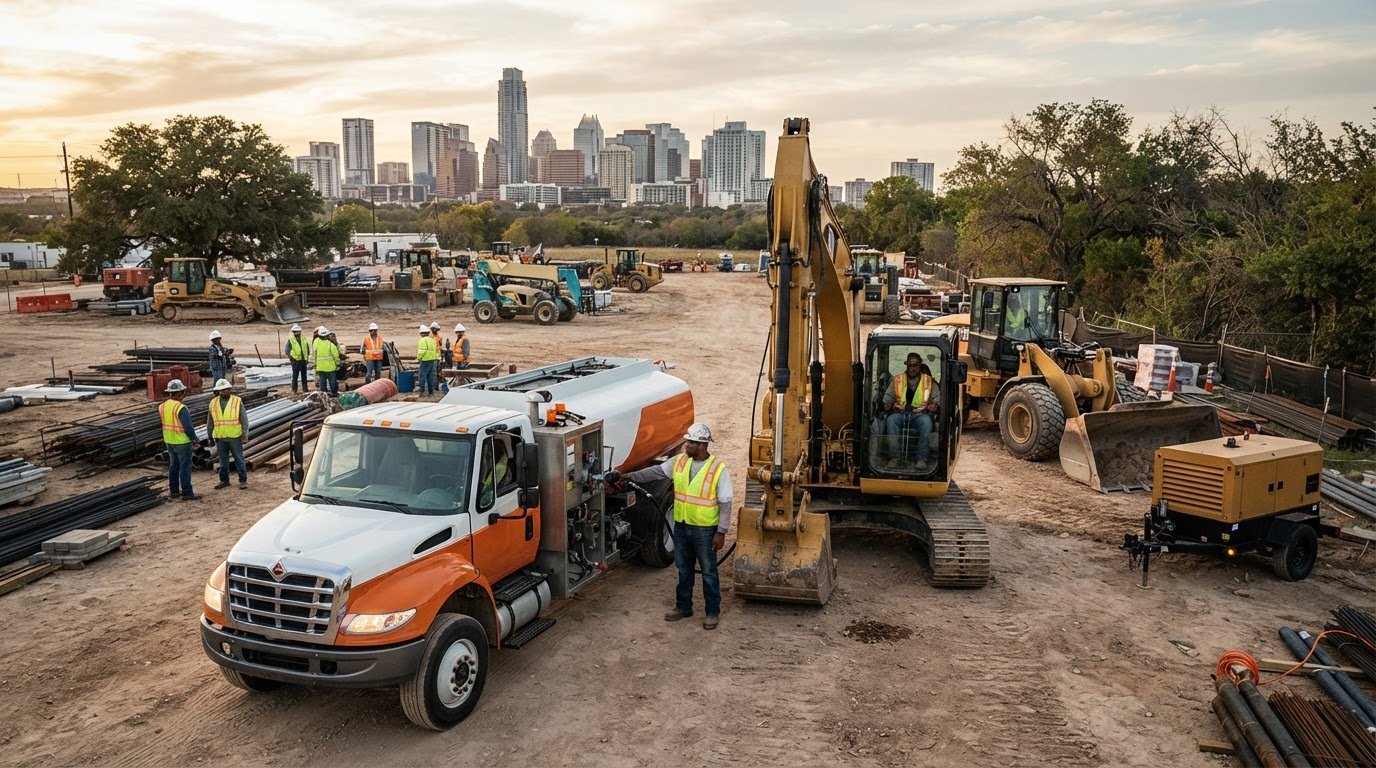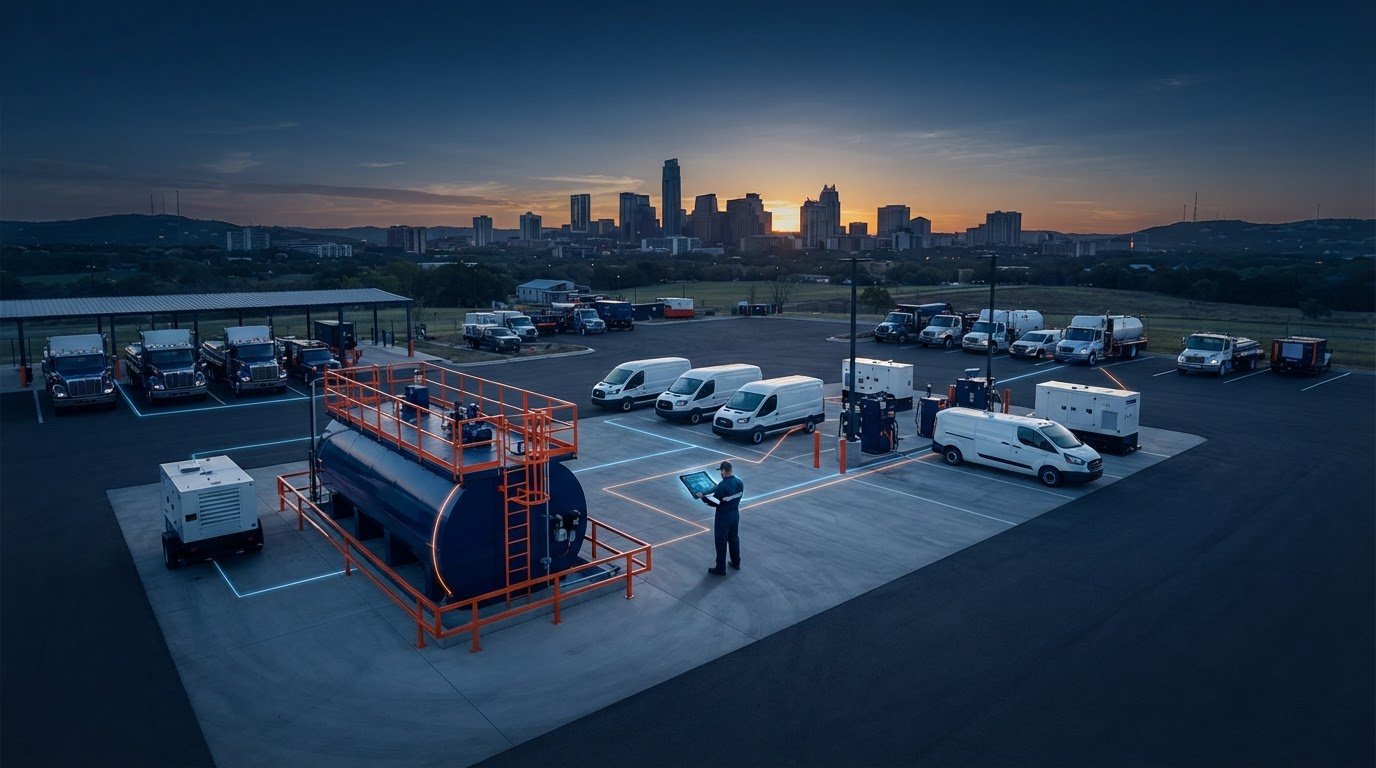
A fuel shortage can put generators, machinery, and fleet operations at risk of stopping. Emergency diesel fuel delivery for businesses in Magnolia can help restore supply when an unexpected shortfall threatens essential operations. Healthcare facilities need an emergency fuel plan under requirements associated with the Joint Commission and the Centers for Medicare and Medicaid Services (CMS); data centers also face requirements connected with Uptime Institute and Statements or Standards for Attestation Engagements (SSAE) 18.
When fuel runs low unexpectedly, the immediate priority is to keep critical equipment operating while arranging a dependable supply. The right response depends on what needs fuel, the diesel required, and whether a delivery vehicle can safely reach the site.
This article explains when emergency delivery can help, what fuel and service needs to consider, and how site access and coverage affect delivery. You’ll also learn how bulk fuel delivery supports Magnolia’s commercial and industrial operations, what influences service costs, and how React Fueling serves equipment, generators, and fleets.
What is emergency fuel delivery and when would I need it?
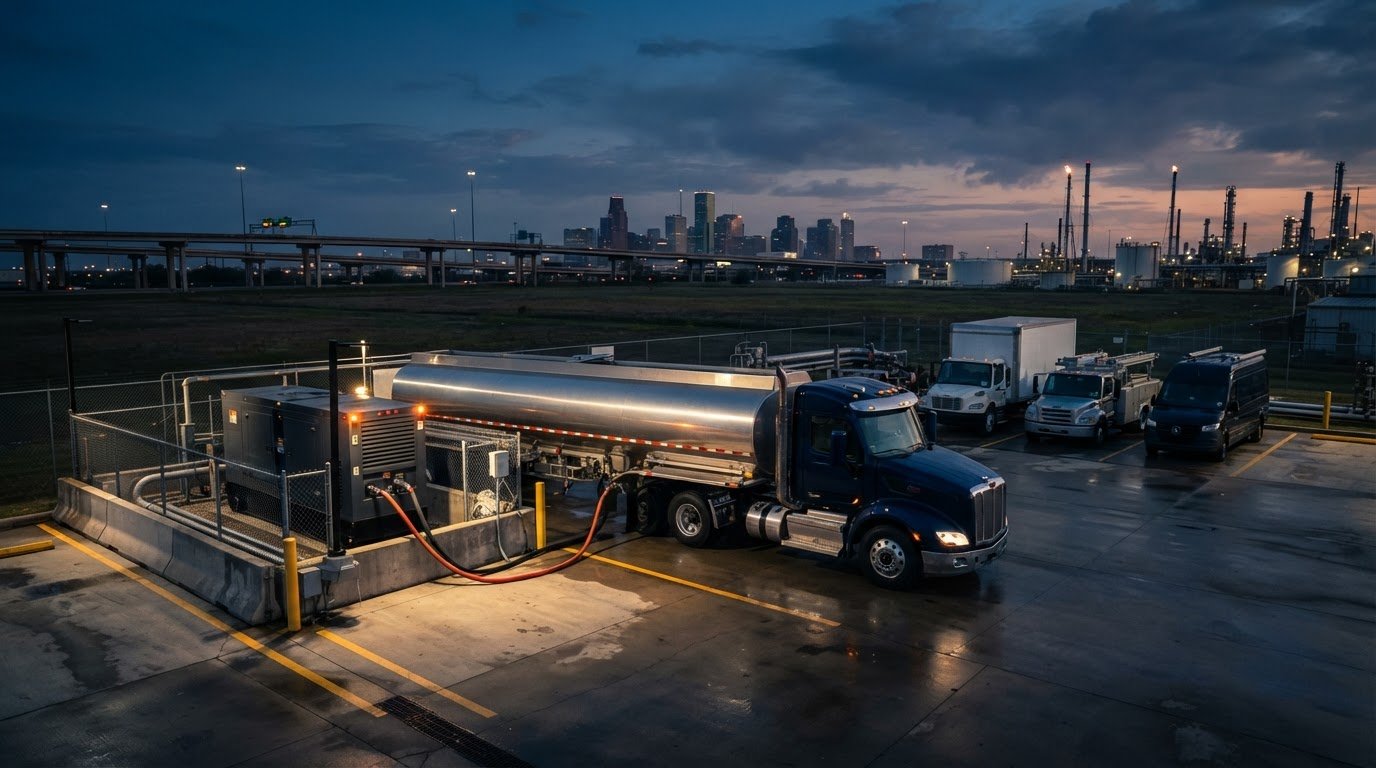
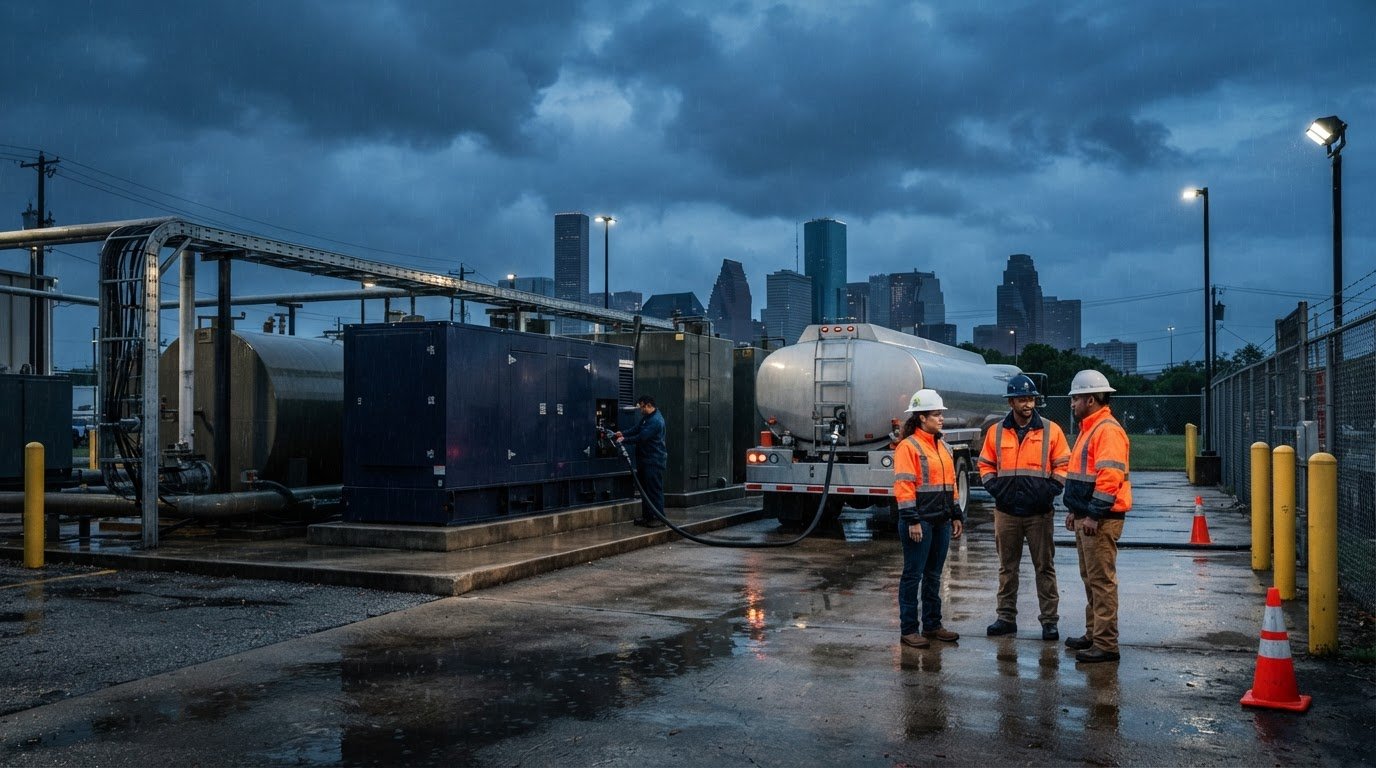
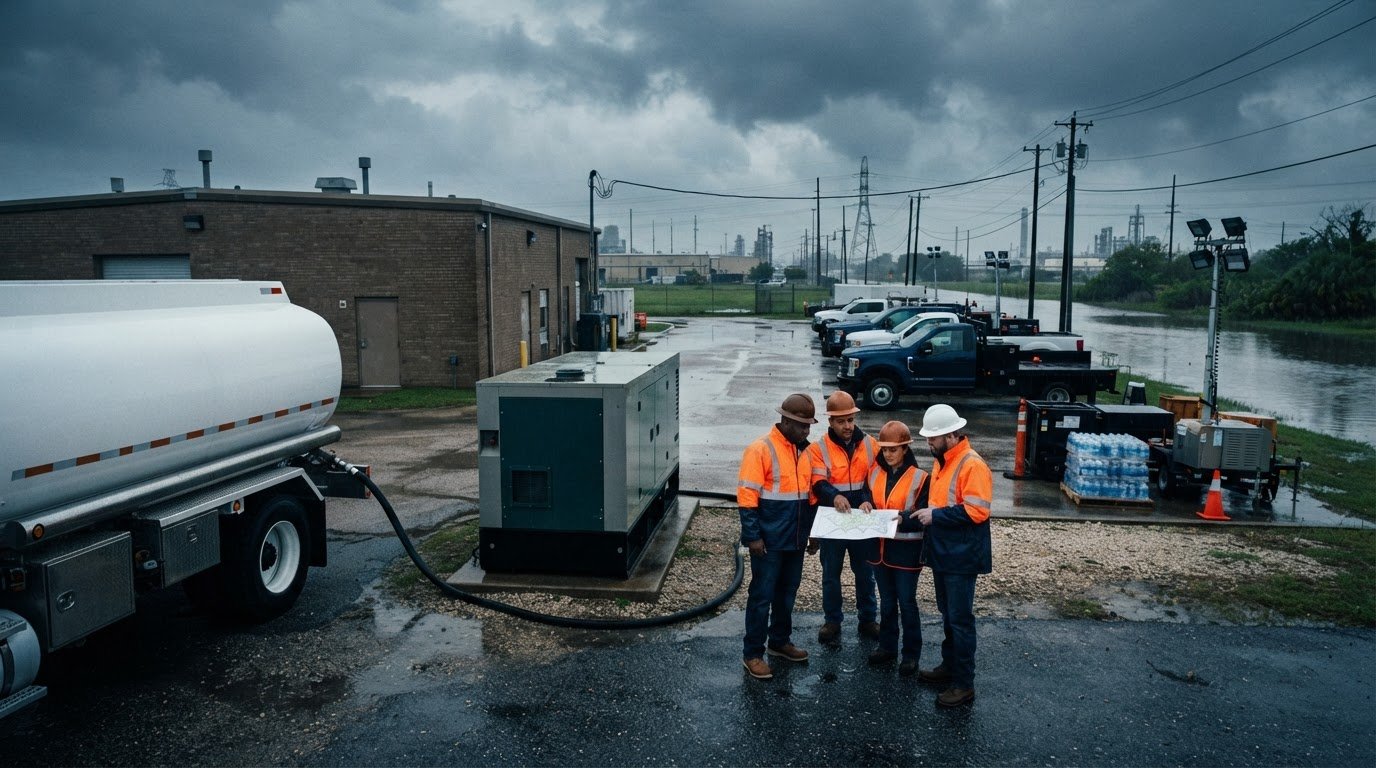
Emergency fuel delivery brings diesel to a business when an unexpected shortage threatens operations. In Magnolia, it can supply generators, fleet vehicles, equipment, or storage tanks at a job site.
Emergency Fueling for Generators and Fleets
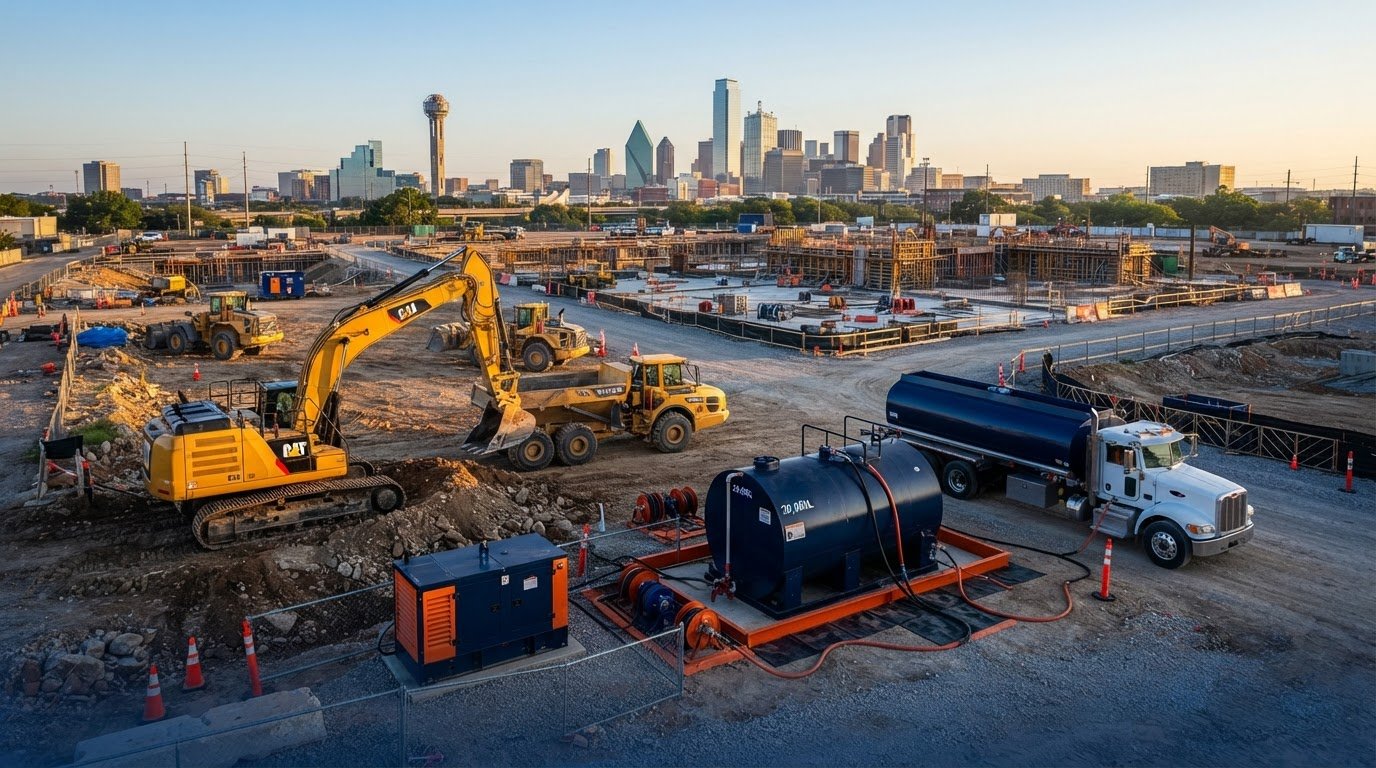
Emergency fueling can restore supply to a facility’s generator or to fleet vehicles needed for scheduled work. Identify the equipment that must keep running, its fuel type, and the quantity required. For example, a construction site might prioritize a generator before refueling less urgent equipment. Clear priorities help direct fuel to the most immediate operational need.
Delivery can also fuel equipment directly or replenish an on-site tank for later use. The practical choice depends on where diesel is needed, how vehicles can reach that location, and whether the site has a suitable tank. In Magnolia, narrow access roads or active work zones can affect where a delivery vehicle can safely stop.
Responding to Diesel Shortages
If diesel runs out before a delivery arrives, stop nonessential equipment and reserve fuel for the most critical loads. Then arrange emergency diesel delivery and provide the site location, access instructions, fuel type, requested quantity, and priority equipment. These details clearly communicate the immediate need.
Next, coordinate a safe handoff point with the site lead. Keep access routes clear and identify the tank, generator, or equipment needing fuel. If a natural disaster disrupts normal operations, reassess which generators and fleet vehicles support essential work before allocating remaining fuel.
Fuel type matters. Off-road diesel is commonly used for heavy equipment and generators designed for it, while fleet vehicles may require a different diesel specification. Match the fuel to the equipment’s requirements before arranging delivery. A mismatch can leave a machine without usable fuel, even when fuel arrives on site.
Emergency fuel delivery may support a facility’s continuity plan, but it works best when the site information is ready. Record the delivery address, gate or entrance details, tank location, and the equipment needing fuel. For healthcare facilities, according to the Centers for Medicare and Medicaid Services (CMS), requirements call for an emergency fuel plan; the Joint Commission is also identified in connection with those requirements. Data centers also face requirements connected with Uptime Institute and Statements or Standards for Attestation Engagements (SSAE) 18.
- Generators: Specify which unit needs fuel and where its fill point is located.
- Fleets: Identify the vehicles or fueling area requiring diesel.
- Job sites: Explain site entry, work-zone restrictions, and the tank or equipment location.
- Bulk tanks: State the tank location and the gallons needed to restore usable inventory.
These steps make a request more actionable during an unexpected shortage. For Magnolia businesses, emergency diesel fuel delivery is most useful when normal supply timing no longer protects critical generators, fleets, or heavy equipment from interruption.
Fuel types available
Commercial emergency delivery is planned around the fuel an engine requires, the delivery location, and the quantity needed. For a Magnolia business, clearly identifying the fuel and equipment helps match the order to a suitable delivery setup.
The minimum order for emergency commercial diesel delivery in Magnolia depends on the requested fuel, delivery equipment, route, and whether fuel goes into equipment or a bulk tank. State the required quantity and delivery point when arranging service, and make sure the receiving tank or equipment can accommodate it.
Diesel requests commonly distinguish between on-road and off-road fuel. On-road diesel is intended for vehicles operating on public roads, while off-road diesel is used for eligible equipment such as construction machinery and generators. Check the equipment’s fuel requirements before ordering. A job-site excavator and a road-going service truck may need different fuel, even though both have diesel engines.
Gasoline is a separate fuel, not another diesel grade. If your business needs gasoline, identify it separately rather than assuming a diesel delivery includes it. Match fuel to equipment: a generator designed for diesel cannot use gasoline, and the reverse also applies. Naming the engine or equipment model can help clarify the requirement.
Bulk fuel delivery suits operations that need to replenish a storage tank or supply several machines from one site. Mobile fuel delivery can instead bring fuel directly to equipment, generators, or vehicles. The practical choice depends on how the site uses fuel, where equipment is parked, and whether a truck can safely reach the dispensing point.
Truck type and site access shape the delivery plan. A larger delivery truck may suit a bulk tank with clear vehicle access, while a constrained work area may call for a different fueling approach. Share the entrance, turning space, ground conditions, tank location, and site restrictions. For example, a construction site with equipment beyond a narrow gate needs its delivery route considered before dispatch.
Before requesting emergency diesel fuel delivery for businesses in Magnolia, prepare these details:
- Fuel: Specify on-road diesel, off-road diesel, or gasoline.
- Quantity: Give the gallons needed and the tank’s available capacity.
- Destination: Identify whether fuel goes to a tank, generator, fleet vehicle, or equipment.
- Access: Describe the truck route and the exact fueling location.
These details help align mobile fueling with the site’s immediate need. A business seeking diesel delivery can review diesel delivery options as it plans the right fuel and receiving location.
Delivery safety and site access
Safe delivery starts with a clear plan for the truck, fuel destination, and people working nearby. Before dispatch, identify the entrance, route across the property, and exact fueling point. A Magnolia construction site may have changing work zones, parked machinery, and uneven ground, so up-to-date access details matter more than an old site map.
Keep the delivery route separate from active work wherever practical. Tell the site lead when the truck is expected, who will guide it, and which equipment or tank needs fuel. For example, a loader moving through the same yard creates a coordination issue. A designated contact can pause nearby activity and direct the driver to the right location.
Mobile fueling brings fuel to equipment or vehicles where they are positioned, while tank delivery replenishes a designated storage point. Choose an approach by mapping the distance between the access gate, fuel tank, generators, and equipment. If a generator sits behind a temporary barrier, describe the obstruction during dispatch rather than after the truck arrives.
On-site job fueling also depends on ground conditions and the work schedule. Identify soft soil, standing water, tight turns, overhead obstructions, and equipment that cannot be moved. A site supervisor can indicate a firm stopping area and a route that avoids active machinery. Update these details after rain, construction changes, or a natural disaster alters access.
- Entry: Give the correct gate, street entrance, and any access instructions.
- Route: Describe turning limits, ground conditions, barriers, and active work areas.
- Destination: Name the tank, generator, or equipment receiving fuel.
- Coordination: Assign a site contact to guide the truck and communicate changes.
Match the delivery point to the fuel supply plan. A bulk tank may serve several machines, while mobile fueling can reach equipment staged across a job site. If both options are involved, explain which location takes priority and how the driver can reach each point. This helps dispatch plan around the site’s actual layout.
Facilities with generators should keep the access path and equipment location identifiable, even during an outage or severe weather. Mark the generator on a site plan and share the nearest usable entrance to give dispatch clear directions. If a natural disaster changes roads or gates, provide updated directions and identify any blocked approach.
Before the truck arrives, move portable obstructions, clear the route, and keep the designated contact available. These coordination steps help keep your business supplied without creating avoidable conflicts between fueling, vehicles, and ongoing work.
Service area in Montgomery County and surrounding communities
For a Magnolia business, the delivery address and route shape how a fuel request is planned. Provide the community, site address, entrance, and receiving location so dispatch can distinguish a job site from an office or facility. A street address may not identify a gated industrial yard or temporary construction entrance, especially when access changes during active work.
Montgomery County businesses may operate across several locations, including a main facility, a construction project, and equipment staged elsewhere. List each destination separately and identify which site needs fuel first. For example, a generator at one facility and machinery at a separate job site require distinct directions, access details, and fueling points.
Magnolia businesses may also coordinate operations with facilities in Houston, TX; Austin, TX; San Antonio, TX; Dallas, TX; and College Station, TX. Treat each address as its own delivery point rather than assuming one set of directions covers every location. A Houston warehouse entrance, for example, may have different truck access from a construction site near Magnolia.
For surrounding Montgomery County communities, provide the precise address instead of relying only on a town or project name. A worksite reached by a private road may require gate instructions or a designated entrance. Sharing the route and destination helps dispatch plan for the actual location, whether fuel is intended for a generator, equipment, or storage tank.
Businesses coordinating sites across the listed Texas cities should maintain a separate location brief for each facility. Include the local contact, receiving equipment, entrance, and site-specific access restrictions. This helps distinguish a Dallas fleet yard request from a Magnolia generator request when operations span multiple locations.
Environmental services are separate from fuel delivery. Fuel replenishment supplies a tank, generator, vehicle, or machine; environmental response addresses a different need, such as managing a spill. Keep these tasks distinct in site planning. If an incident changes the fueling location or access route, communicate the updated conditions before dispatch.
Prepare a location brief for each delivery point:
- Address: Record the community and exact site address.
- Entry: Name the gate, road, or construction entrance to use.
- Destination: Identify the tank, generator, fleet area, or equipment requiring fuel.
- Site status: Note route changes, restricted areas, and current work activity.
For businesses with several commercial or industrial locations, update each brief as construction progresses or facility access changes. During a power outage, clear directions to the generator and its entrance help dispatch identify the correct delivery point. Specific location details connect fuel delivery planning to the site that needs supply.
Bulk fuel delivery in Magnolia, Texas
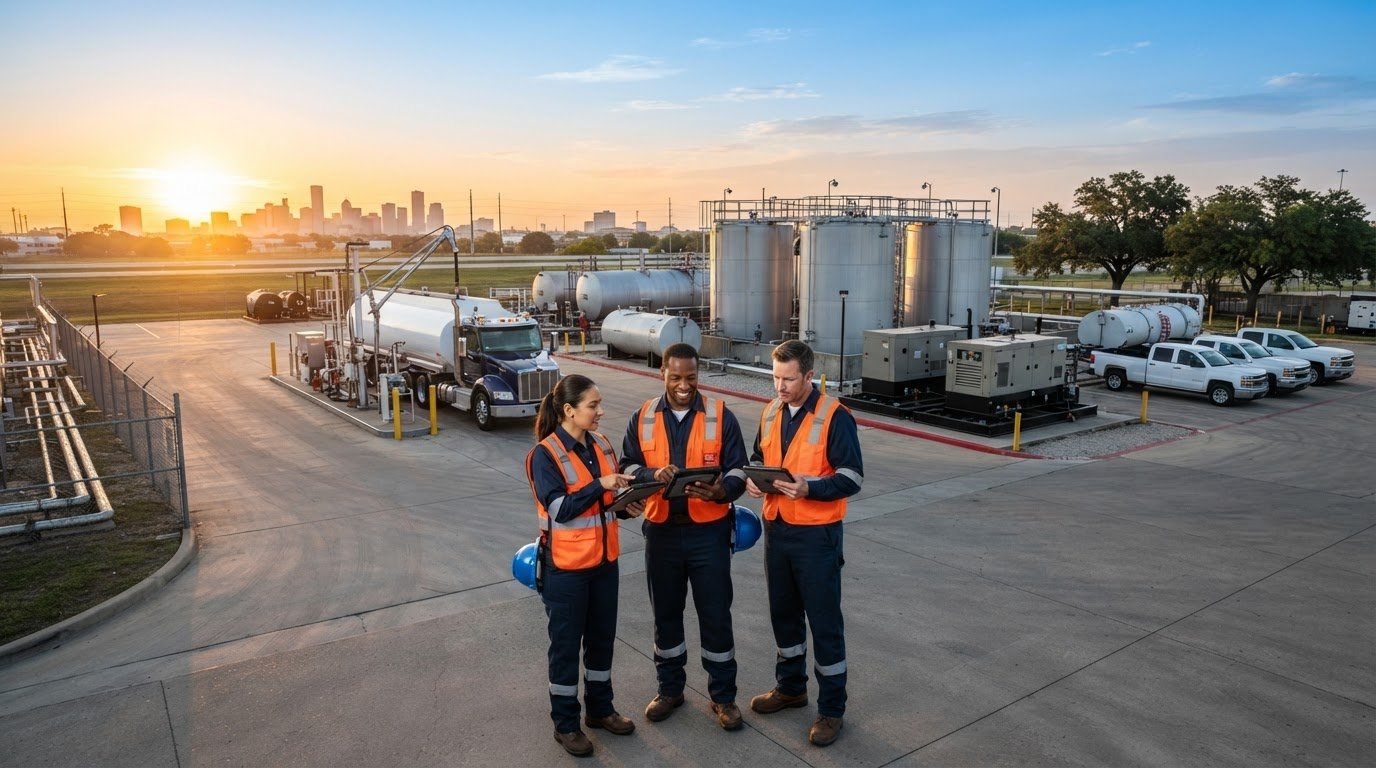
Bulk fuel delivery brings diesel to a storage tank or designated site, supporting Magnolia businesses that use fuel across multiple operations. A construction company might supply a tank serving generators and heavy equipment, while an industrial facility may use bulk storage for backup power. The key decision is where stored fuel will best support operations.
Start by mapping how fuel storage connects to daily use. Identify the receiving tank, the equipment drawing from it, and the routes between fueling points. For example, a tank near a site entrance may be easier to replenish, while machinery operates deeper inside the property. The site plan should account for both delivery access and internal fuel movement.
Estimate demand from actual operating needs, not a generic quantity target. Consider which equipment must remain active, its expected runtime, and how quickly stored fuel is used during normal operations. A disaster response plan may prioritize generators and essential machinery over lower-priority equipment. Separate those needs so available fuel can be allocated deliberately.
Tank capacity and remaining inventory also shape a bulk order. Record the tank’s usable capacity and current level, then calculate the space available for incoming fuel. This helps prevent ordering more than the receiving tank can hold. Keep the information with the site’s delivery instructions so dispatch receives a clear quantity and destination.
- Use: List generators, equipment, or operations supplied from the tank.
- Location: Mark the tank and the truck’s route to its delivery point.
- Demand: Estimate consumption from operating schedules and priority loads.
- Inventory: Note current fuel level and available tank capacity.
Bulk storage can support continuity, but it does not replace a plan for distributing fuel across the site. A Magnolia construction project with equipment in separate work zones should assign responsibility for moving fuel from storage to each machine. This connects the bulk supply to the equipment that needs it.
Keep fuel planning separate from lubricant management. Diesel supplies engines and generators, while lubricants serve different maintenance needs. Tracking them as separate inventory categories helps prevent a fuel shortage from being confused with a maintenance-supply issue. During a power outage, identify which generators need diesel first and keep their fueling points accessible.
Review the site plan when operations change, such as when construction moves equipment or a facility adds a generator. A practical bulk-fuel setup aligns tank placement, delivery access, and on-site distribution. This can help Magnolia businesses prepare for emergencies and reduce avoidable downtime.
React Fueling: Diesel Delivery
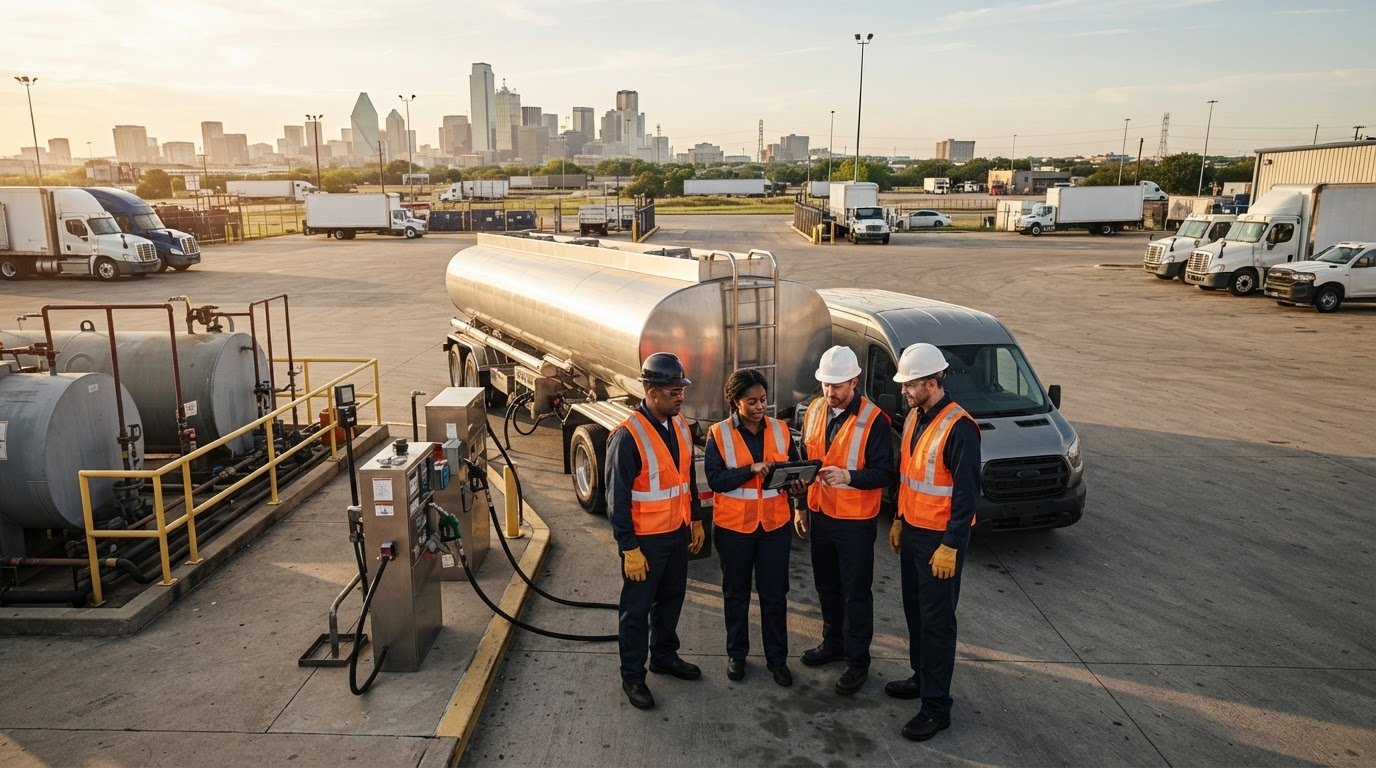
React Fueling supports Magnolia businesses with diesel delivery for fleets, generators, and commercial equipment. Turn to its diesel delivery service when an unexpected shortage or planned replenishment puts operations at risk. For equipment working across a site, Equipment Fueling Service can bring fuel to machinery, while Generator Fueling Service supports generator supply needs.
To make a request actionable, share the Magnolia delivery location, fuel destination, required fuel type, estimated quantity, and site access instructions. These details help match delivery to the equipment or tank needing fuel, whether the need is urgent or part of a bulk supply plan.
Contact React Fueling or visit reactfueling.com to discuss your business’s fuel delivery needs.
Put Your Fuel Plan Into Action
Make fuel planning a working part of business continuity. Assign responsibility for monitoring supply, updating site instructions, and prioritizing equipment when operations change. This gives your team a clearer path when emergency diesel fuel delivery for businesses in Magnolia becomes necessary, instead of leaving decisions until fuel is critically low.
React Fueling provides Diesel Delivery, Equipment Fueling Service, and Fuel Delivery for commercial operations. Consider how these services fit your fleet, equipment, or facility plan, then share your operational need and delivery location. Request a quote to discuss a practical next step for the way your business uses fuel.
Contact React Fueling to discuss your business’s fuel needs. With a clear plan and the right support, your team can move forward with greater confidence.
Frequently Asked Questions
How does the emergency refueling process work?
Emergency refueling starts with a service request describing the business’s fuel need and delivery location. The dispatcher uses the requested fuel, destination, and site conditions to plan delivery. For example, a facility needing generator fuel should identify the generator’s location and access route. Once delivery is arranged, the site contact can guide the driver to the fueling point and coordinate nearby activity.
Which companies provide emergency diesel fuel delivery for businesses in Magnolia?
React Fueling provides commercial diesel delivery and emergency fuel delivery for businesses in Magnolia. Services also include equipment and generator fueling for construction, fleet, and industrial needs. A company facing a generator shortage can describe the unit and site location when requesting service. Magnolia businesses can arrange diesel supply for their operations directly with React Fueling.
What areas near Magnolia do emergency diesel fuel delivery services cover?
React Fueling serves Houston, TX; Austin, TX; San Antonio, TX; Dallas, TX; and College Station, TX. Magnolia businesses should give the exact delivery address, community, and site entrance, since a job site may sit outside a familiar town center. For multiple facilities, provide a separate address and receiving location for each delivery request.
How quickly can diesel fuel be delivered to a business in Magnolia?
React Fueling states an average 4-hour response time across Texas. Response time describes the average across its Texas service area, not a promised arrival time for every Magnolia delivery. Dispatch needs the exact address, fuel destination, and access details to plan a request. A gated industrial yard, changing construction entrance, or remote generator location can affect how the delivery is coordinated.
Can Magnolia businesses get after-hours, weekend, or holiday diesel delivery?
Yes. React Fueling states that emergency fueling is available 24/7, which includes requests outside standard business hours, on weekends, and on holidays. A business facing a generator shortage overnight can request emergency fuel delivery rather than wait for the next workday. Share the site location and receiving equipment so the request can be directed to the appropriate fueling service.
What information is needed to request emergency diesel delivery for a business?
Provide the business name, delivery address, contact person, fuel type, estimated quantity, and the equipment or tank needing fuel. Include gate instructions, truck access restrictions, and the best site entrance. For example, a warehouse with a generator behind a secured gate should explain how the delivery team can reach it. Note the priority if there are multiple receiving points at the site.
Do Magnolia diesel delivery companies offer on-site fueling for generators, fleets, and equipment?
React Fueling provides Generator Fueling Service and Equipment Fueling Service, including direct fueling for commercial equipment. Its fuel delivery services also support commercial fleets. A Magnolia contractor can identify the machines needing fuel and where they are staged, while a facility can specify its generator’s location. These options let businesses arrange fueling at their operating site rather than moving every asset elsewhere.
What safety, permitting, and fuel-storage rules apply to commercial diesel delivery in Magnolia?
Commercial deliveries should account for site access, safe fueling locations, and suitable fuel storage. React Fueling follows “double-walled tanks, spill containment and strict adherence to regulations.” Permit and storage requirements depend on the site and tank arrangement, so base your plan on the rules applicable to your facility. Coordinate tank placement and delivery access with site operations.