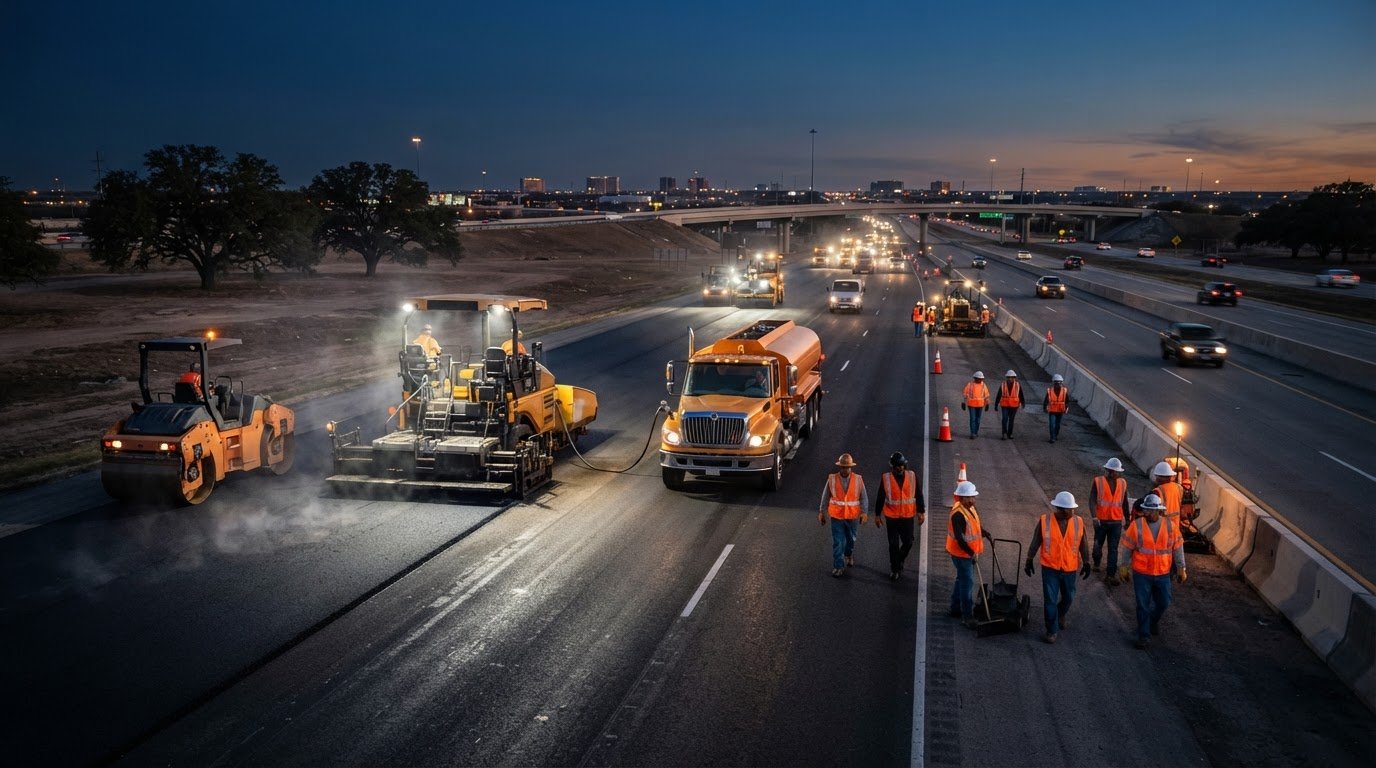
When a machine runs low on diesel during active work, production can stall and crew members may be pulled away from their scheduled tasks. For San Antonio construction teams, diesel fuel delivery directly to heavy equipment at the job site can reduce fueling trips that interrupt the workday. If you’re searching for diesel fuel delivery for heavy construction equipment San Antonio projects depend on, start by matching the fueling approach to equipment locations, site access, and the work schedule.
Reliable fueling involves more than bringing fuel to a job site. Delivery timing, equipment use, access routes, and a clear fueling workflow all affect whether machinery is ready when crews need it. Direct equipment fueling brings fuel to machinery where it’s working. A broader site fuel plan can also account for stored fuel and changing project demands.
This guide compares on-site fueling options and explains how to assess your San Antonio job site’s needs. Use it to match delivery arrangements to equipment and schedules, and organize the site, access, and communication details that help coordinate diesel delivery. With a practical plan, your crew can spend less time managing refueling and more time keeping the project moving.
Diesel Fuel Delivery for Heavy Equipment in San Antonio: What the Service Does
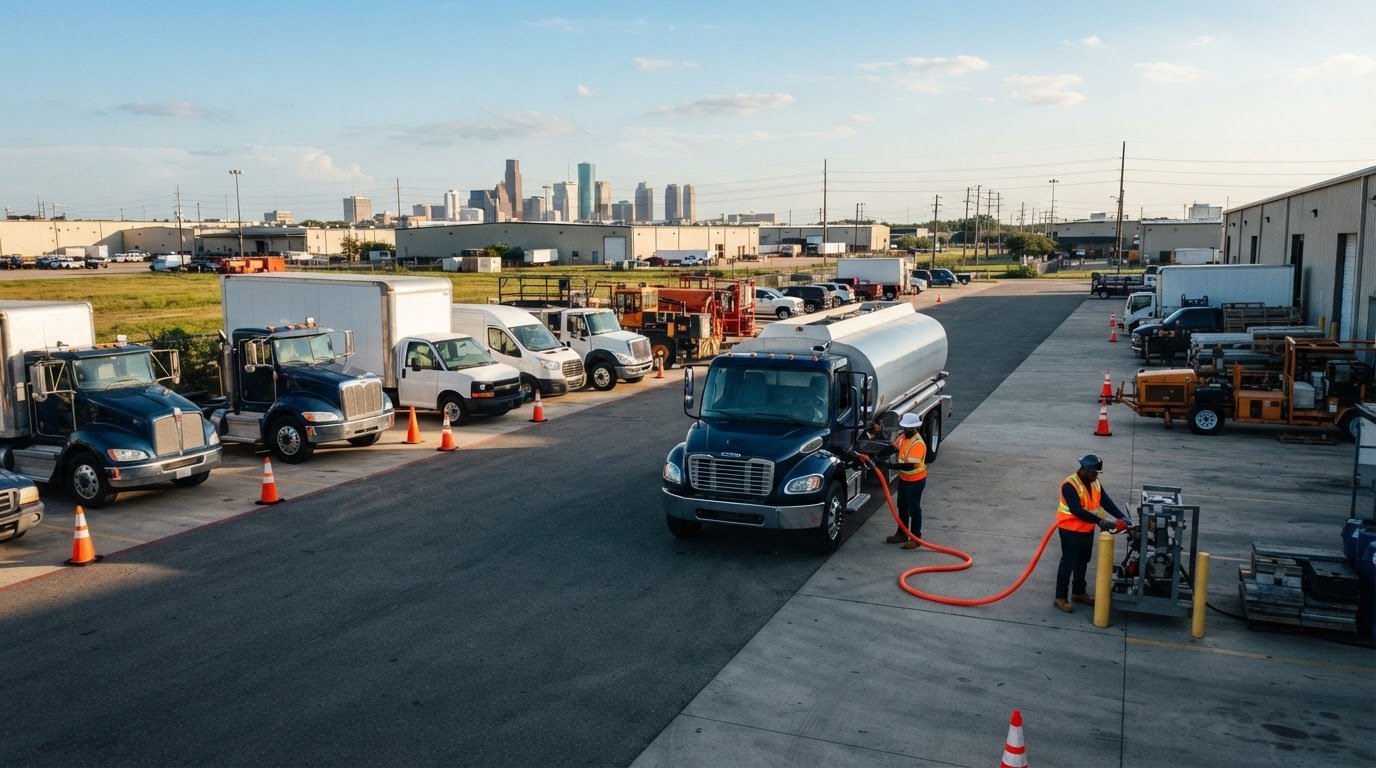
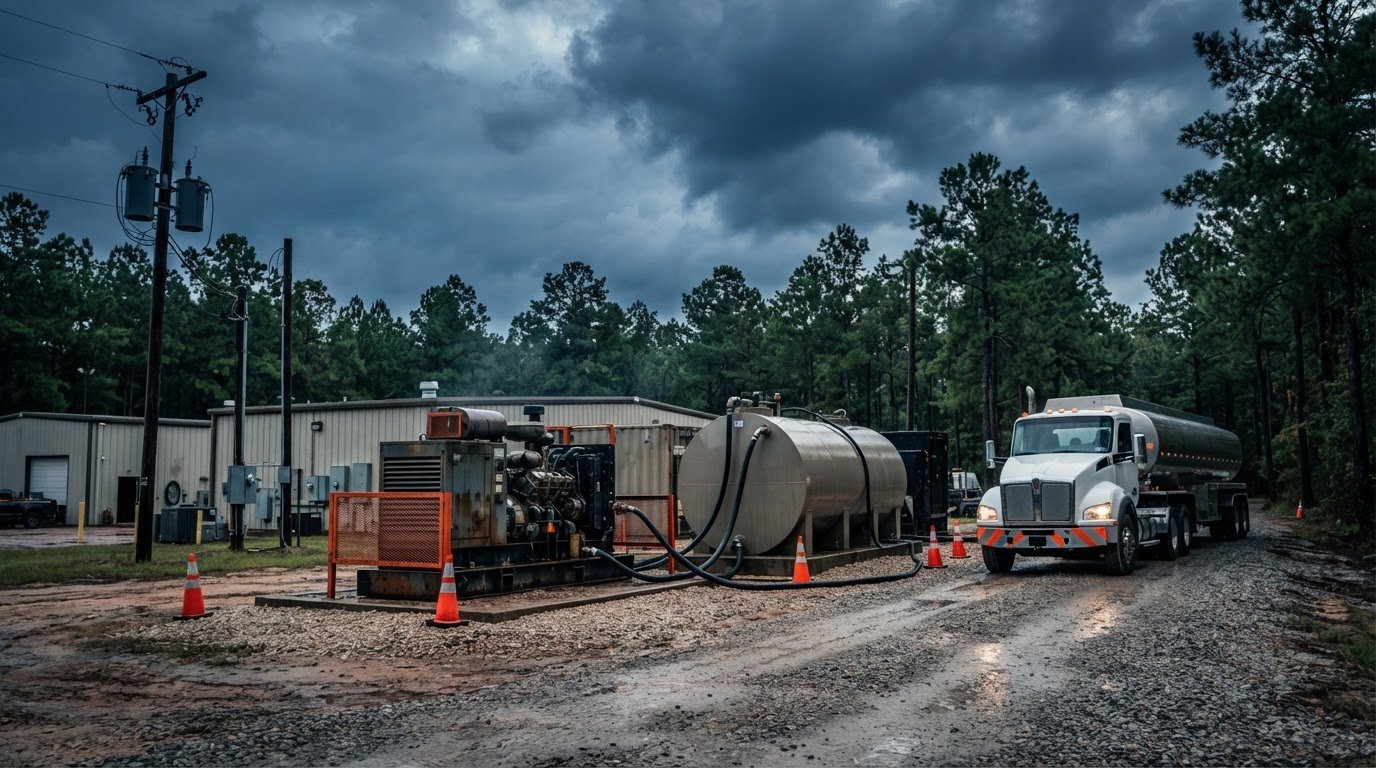
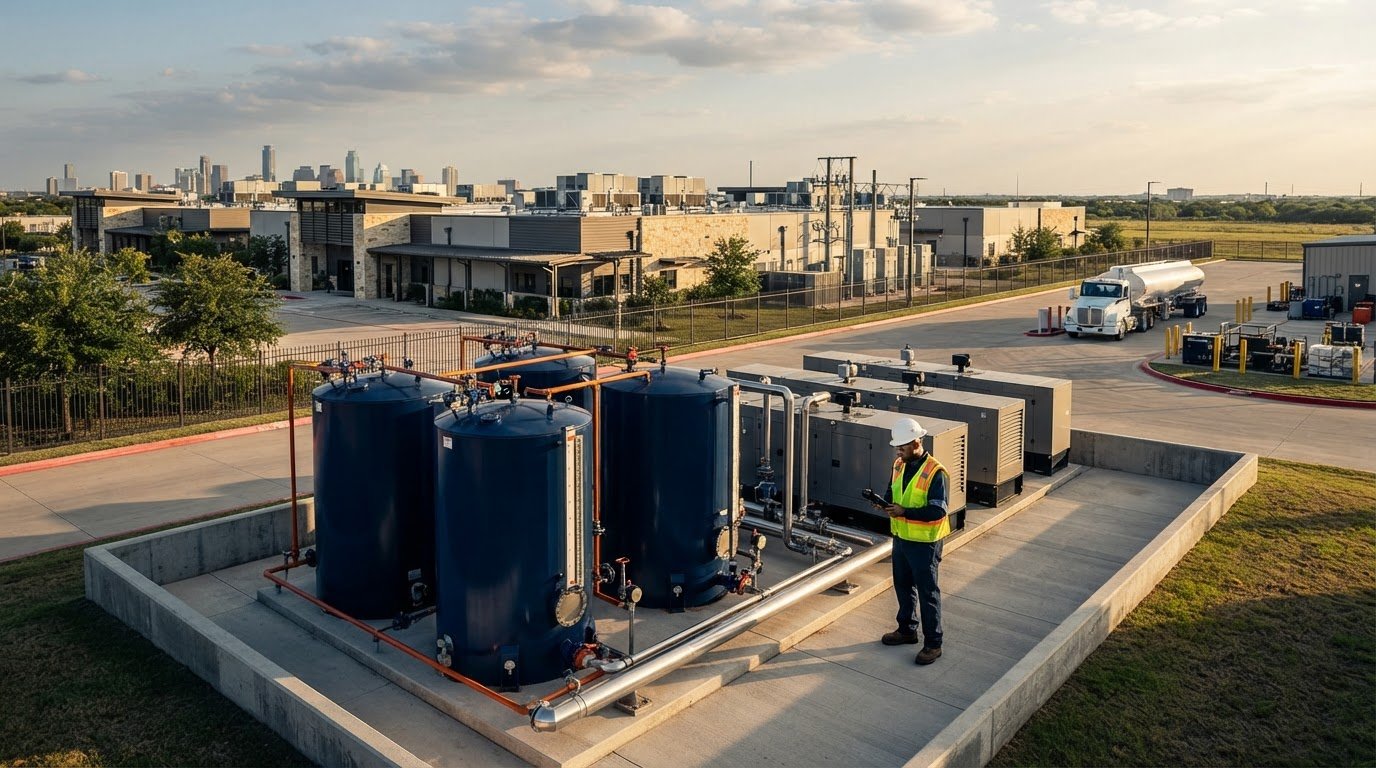
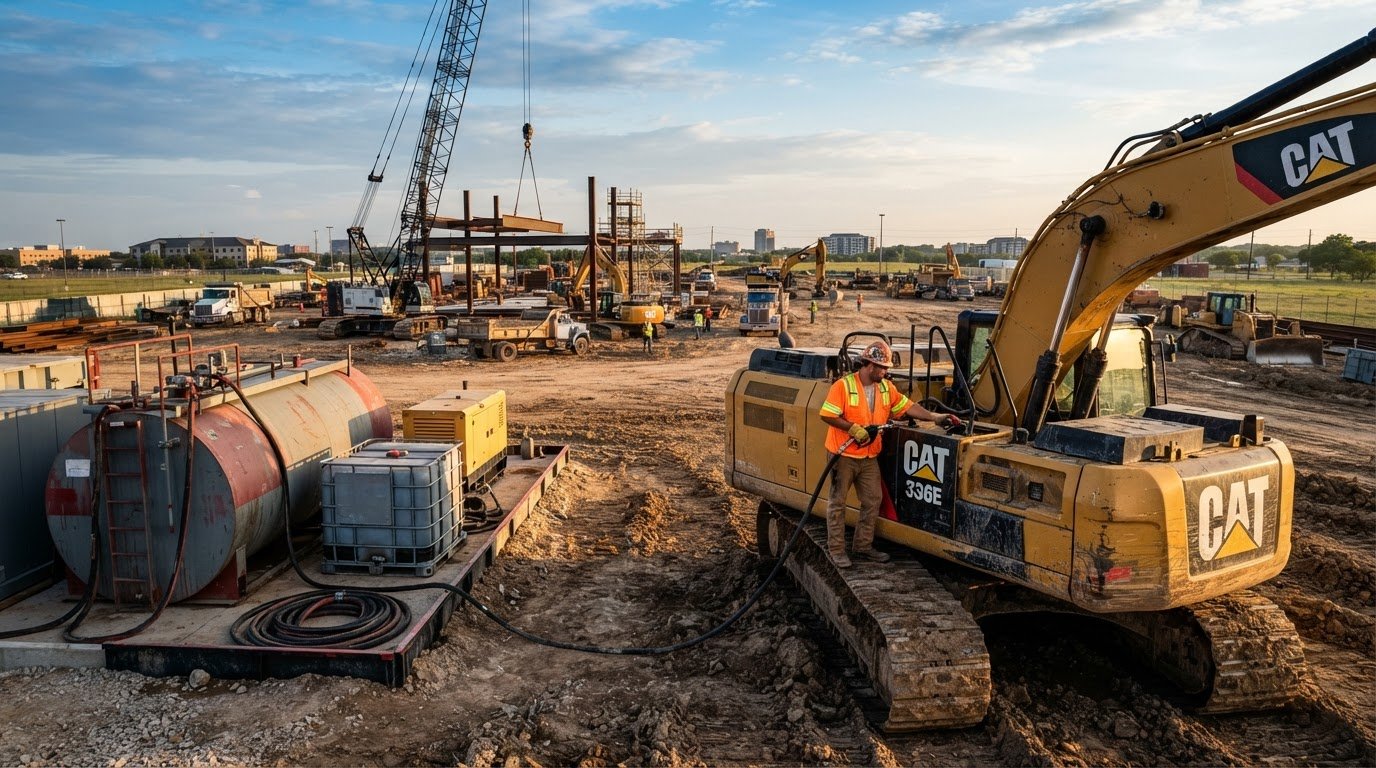
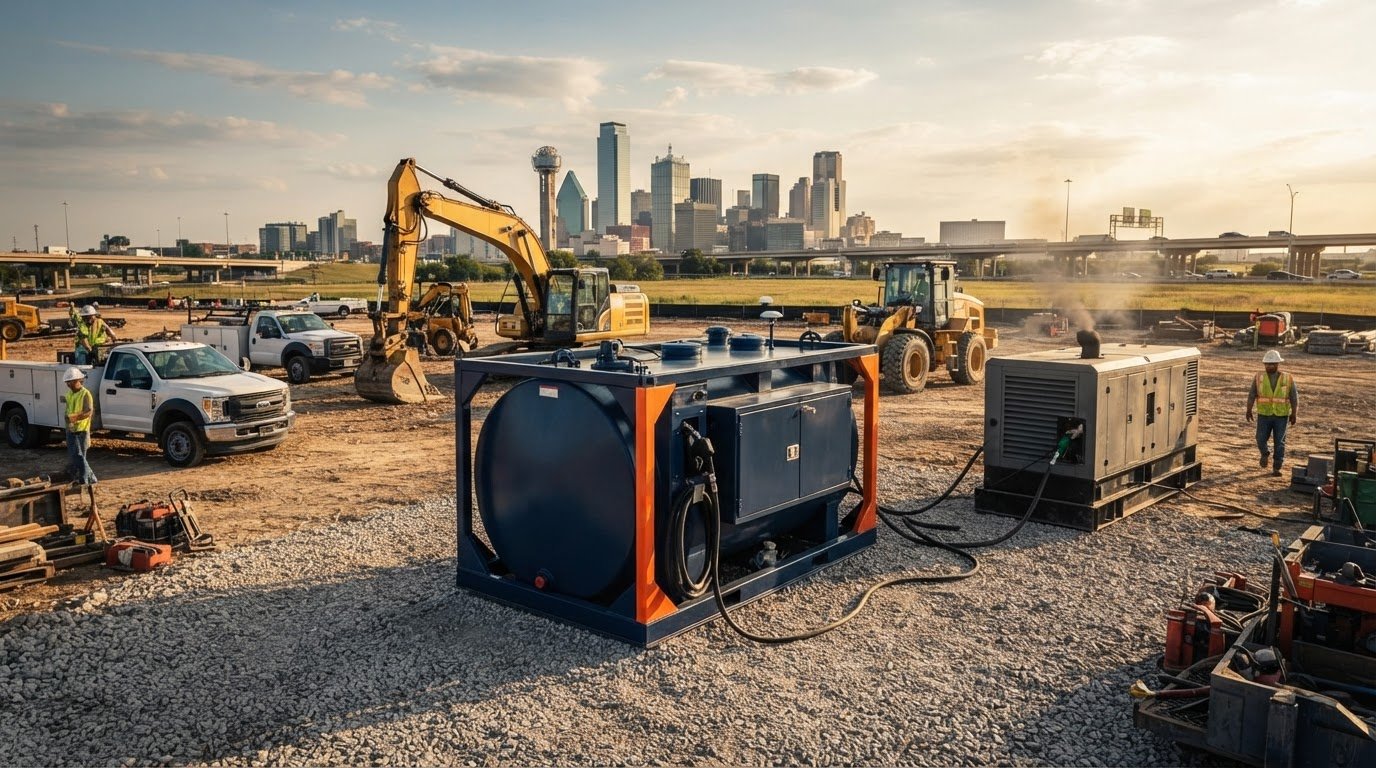
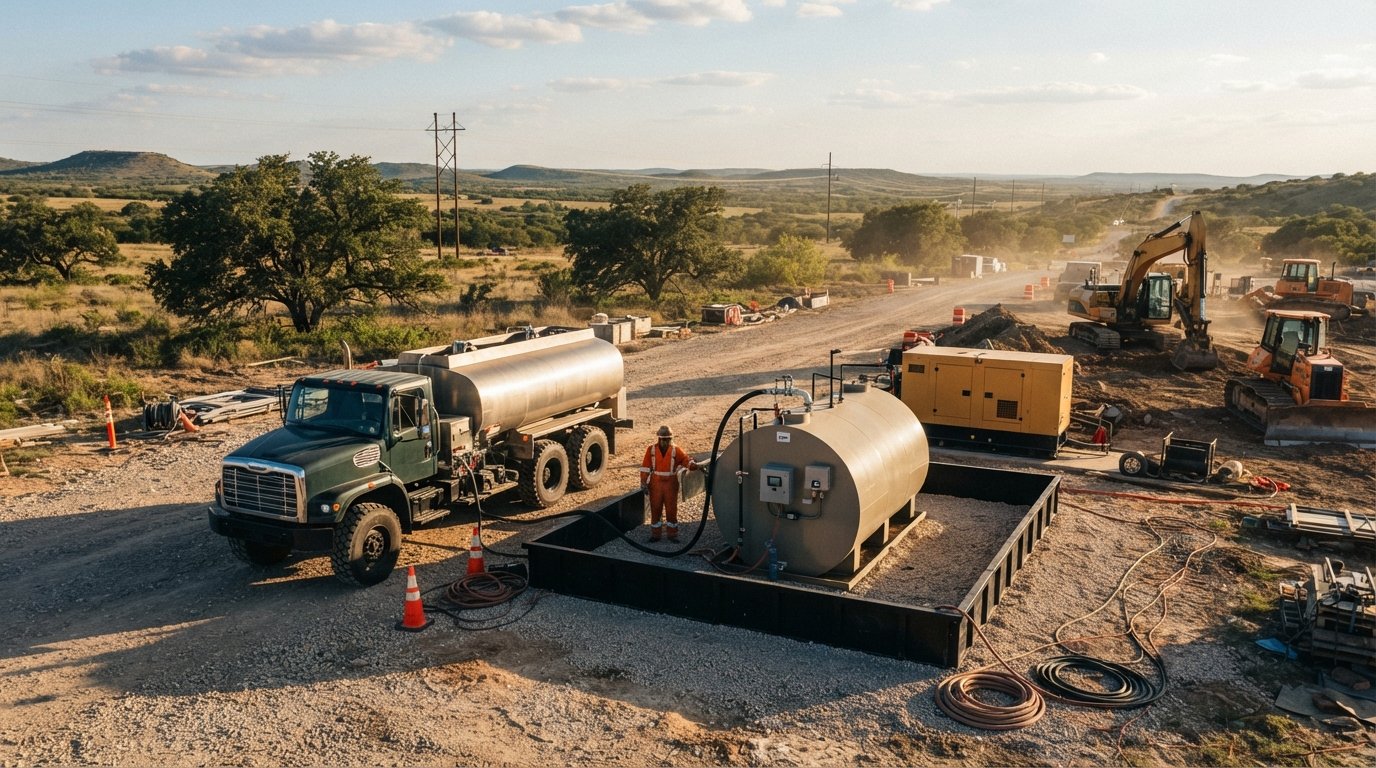
On-site diesel delivery brings fuel directly to working equipment or to a designated fueling location at a commercial job site. With direct equipment fueling, a delivery vehicle refuels machinery where it is positioned, so the machine does not need to leave its work area for fuel. Delivery to a site tank replenishes stored fuel instead, which crews then use to fuel equipment through their usual workflow. These approaches can also be combined as part of a site fuel plan.
React Fueling provides direct equipment fueling for construction machinery in San Antonio. A practical diesel delivery service can be coordinated around which machines need fuel, where they’re operating, and when fueling fits the work schedule. Sharing those details helps contractors limit unnecessary trips away from active work zones and plan for equipment’s next task. Diesel fuel is used in many heavy-duty engines, but each machine’s operating needs should guide its fueling plan.
The distinction is useful when choosing a setup: direct fueling addresses machine readiness, while tank delivery supports a stored site supply. Consider how equipment is spread across the job, how crews manage fuel, and where a delivery vehicle can safely reach. React Fueling can incorporate direct-to-equipment fueling into a commercial fueling plan for San Antonio job sites.
Which construction equipment can on-site diesel fueling support?
On-site fueling can support diesel-powered excavators, loaders, dozers, and other heavy machinery working across a construction site. Fuel needs vary with equipment type, workload, and hours in operation. A loader working an extended shift may follow a different usage pattern from an excavator assigned to intermittent digging. Plan around actual machine use rather than assuming every piece of equipment needs the same amount of fuel or follows the same schedule.
When does direct equipment fueling make sense on a San Antonio job site?
Direct fueling can make sense when taking machinery to a retail fueling location would interrupt work, require extra coordination, or pull operators away from the site. It can also help organize fueling when machines are spread across a large work area or multiple zones. For San Antonio construction operations, coordinate around equipment locations and crew schedules to reduce avoidable movement and keep work progressing.
How On-Site Diesel Delivery Keeps Heavy Equipment Ready to Work
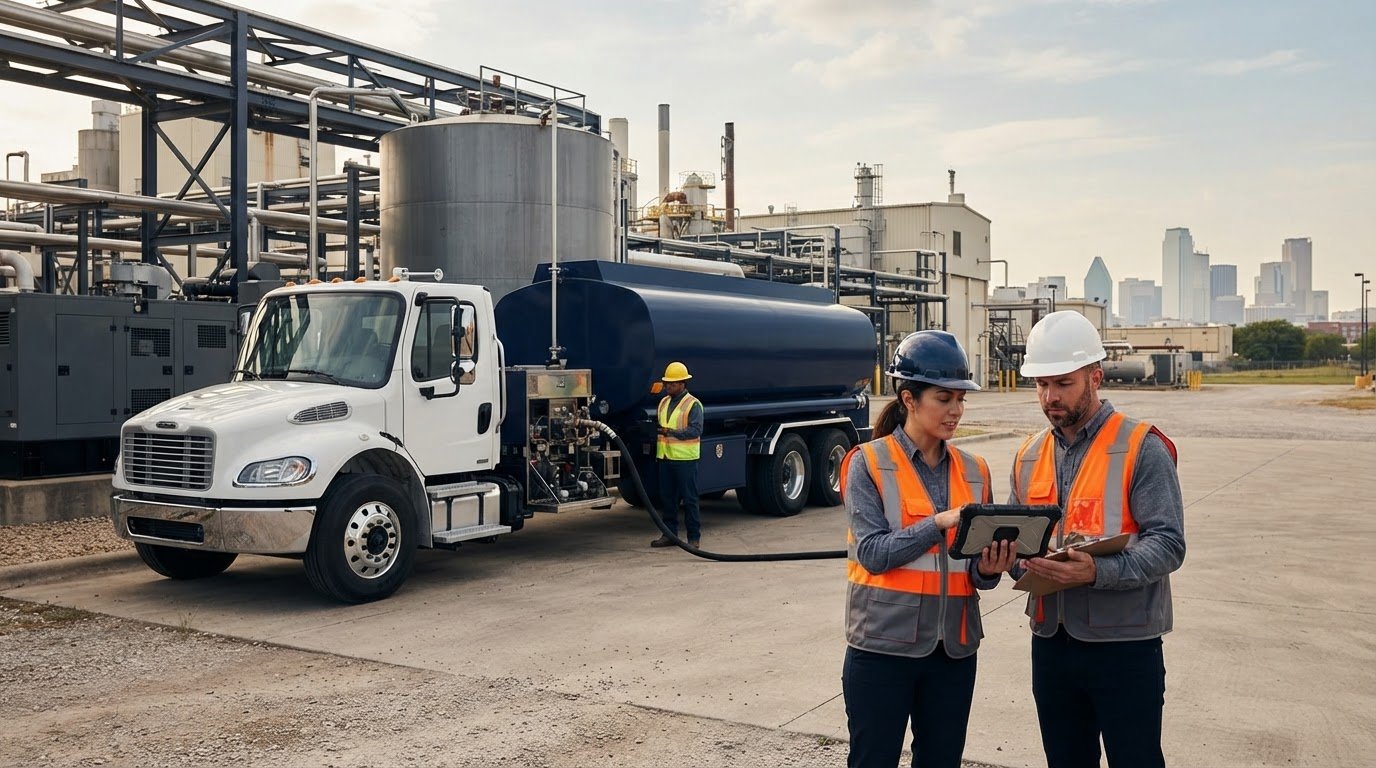
Start a fueling plan with the equipment, not the delivery vehicle. Identify which machines are operating, where they’ll be working, and how their use changes across the project schedule. Then coordinate delivery around those needs, provide clear site-access instructions, and specify whether fuel should go to the machines or a designated supply point. This gives the crew a plan before a low fuel level forces a last-minute decision.
Delivery timing and site access shape an effective equipment-fueling plan because they determine whether fuel can reach machines at a practical point in the workday. For example, if an excavator is assigned to a work zone with limited vehicle access, include that location in the fueling instructions and consider how the delivery vehicle can reach it. Clear coordination can reduce avoidable interruptions, although it cannot prevent every operational delay.
Planned fueling also helps site teams account for changing workloads. A machine working longer shifts may need attention sooner than equipment used intermittently. The U.S. Energy Information Administration describes diesel’s use in construction equipment, underscoring why fuel planning belongs alongside equipment and shift planning. For San Antonio contractors, diesel fuel delivery for heavy construction equipment is most useful when it reflects actual machine use and site conditions.
Scheduled delivery versus urgent fueling needs
Coordinate recurring fueling around observed fuel use, operating hours, and upcoming project phases. Tell the delivery team which equipment is active and flag changes such as a new work zone or longer shift. Waiting until fuel is critically low leaves less room to organize access and timing. Emergency fuel delivery can help address an unexpected need, but it is a contingency, not a substitute for routine planning.
Direct-to-equipment fueling and site fuel supply
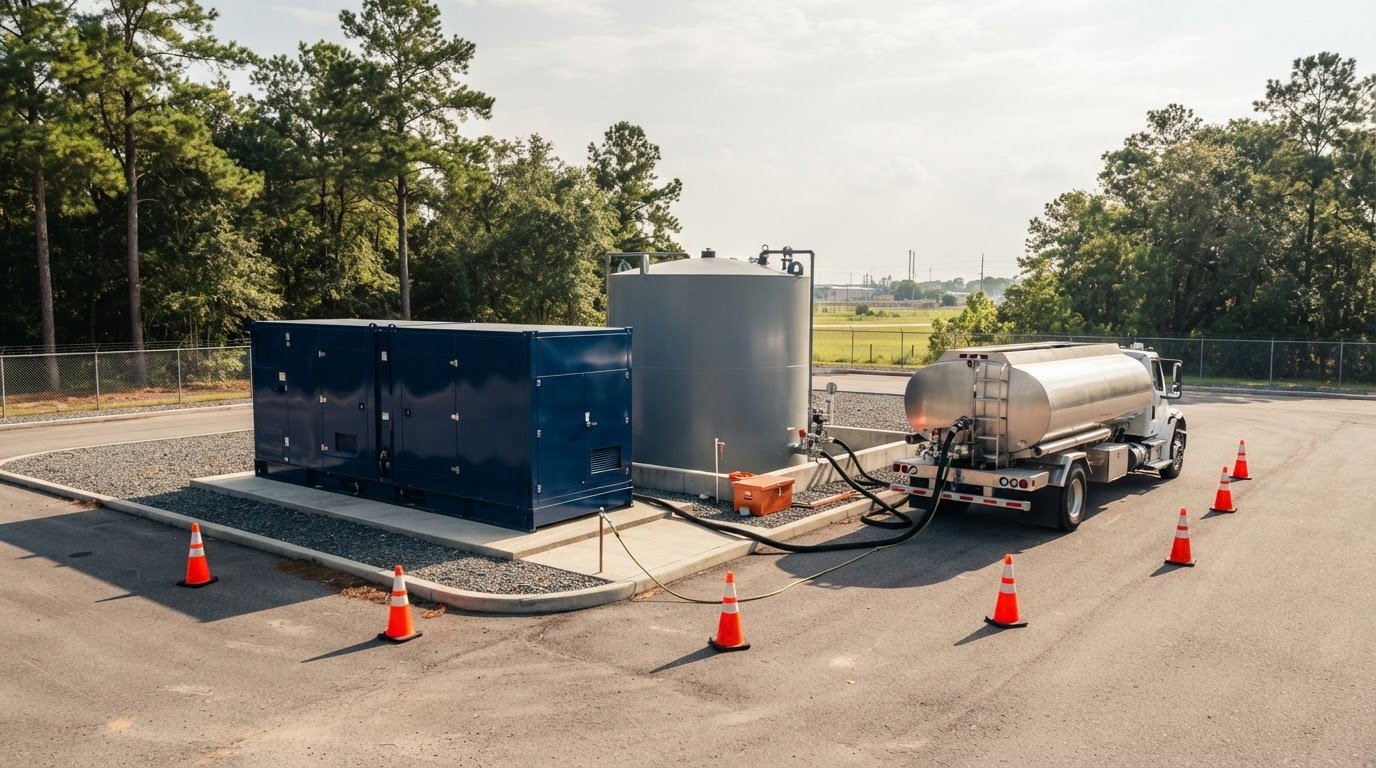
Direct equipment fueling suits machinery that needs fuel where it’s working, especially when moving it would disrupt the task or require extra coordination. Delivery to a designated site tank serves a different purpose: it replenishes stored fuel that crews use through the site’s fueling workflow. Some projects may benefit from both approaches. Equipment locations, delivery-vehicle access, and the way crews manage fuel on site all help determine the right fit. Planning on-site equipment fueling in Texas means considering those practical details before delivery is due.
Include equipment locations, site-entry instructions, and the expected work schedule in the fueling plan. Those details help React Fueling coordinate direct equipment fueling around San Antonio construction operations and the demands of the job.
How to Evaluate Diesel Fuel Delivery for San Antonio Construction Equipment
Compare fueling arrangements with the way equipment and crews actually move through the job. Direct equipment fueling brings diesel to machinery at its work location. Designated-tank delivery replenishes a site fuel supply that crews use to fuel machines. Retail refueling requires equipment or personnel to travel off site. Each option affects access, coordination, and the work time spent managing fuel.
| Option | Equipment location | Crew involvement | Schedule fit | Site access needs |
|---|---|---|---|---|
| Direct equipment fueling | Machines stay in their work zones | Coordinate equipment locations and fueling priorities | Can be arranged around work shifts and machine use | Delivery vehicle needs a workable route to equipment |
| Designated-tank delivery | Machines fuel from a central site supply | Crew manages fueling from the tank | Supports site-level supply planning | Tank location and delivery access must suit site operations |
| Retail refueling | Equipment or personnel leave the work area | Operators or crew handle the trip and return | Depends on when equipment can leave the site | Requires travel beyond the job site |
Match fuel type and delivery method to equipment requirements and applicable rules. For example, OSHA standard 1917.156 addresses powered industrial trucks at marine terminals; its scope should not be mistaken for a universal construction-site rule. Review OSHA’s powered industrial truck standard in its stated context and account for requirements that apply to your site.
What should a construction contractor compare before choosing a delivery plan?
Start with the machines: which need fuel, where they work, and how often their locations change. Then map work shifts, access windows, site layout, and the person responsible for coordinating delivery. Direct fueling may suit equipment spread across active work zones; tank delivery may fit a site with a workable central fueling process. Addressing access and timing in advance helps reduce the risk of delivery disrupting operations.
How do you plan around changing project and equipment demands?
Equipment counts, work zones, and operating schedules can change as a project progresses. Update fueling priorities when machinery arrives, moves, or takes on a different workload. Share clear directions about current site conditions and access, too. A flexible construction site fuel delivery plan gives the team a consistent reference without assuming every phase needs the same arrangement. For San Antonio projects, plan diesel fuel delivery for heavy construction equipment around current machine needs, not an outdated site plan.
Prepare a San Antonio Job Site for Heavy Equipment Diesel Delivery
Preparation helps the delivery team reach the right equipment, understand site procedures, and coordinate fueling in an active work zone. Use this checklist before arranging diesel fuel delivery for heavy construction equipment at a San Antonio project:
- Confirm the job-site address. Include the correct entrance or gate and directions to the fueling area.
- Identify the equipment. List the machines requiring fuel and describe their locations using landmarks, work-zone names, or another site reference crews recognize.
- Explain access conditions. Note route restrictions, active work areas, entry instructions, and other limits that could affect delivery-vehicle access.
- Choose a coordination window. Identify a suitable time around the work schedule and communicate changes to the planned window.
- Name a site contact. Assign someone who can relay equipment priorities, answer access questions, and report location changes.
Conditions can shift as work progresses. Equipment may move to another zone, a work area may become inaccessible, or site traffic may change the preferred route. Account for those conditions when planning delivery at San Antonio construction sites. Update the delivery contact when a change affects where or how equipment can be reached.
What information helps coordinate delivery to equipment?
Provide the job-site address, access instructions, delivery contact, and preferred coordination window together. Specify which machines need fuel and where they’ll be positioned when fueling is planned. Share relevant site procedures and access limitations in advance, including work-zone boundaries or instructions for entering the site. Current, specific details help coordinate delivery around the actual layout instead of assumptions.
How can crews integrate fueling into the work schedule?
Choose a coordination window that fits the site’s workflow and minimizes interference with active work. The designated contact should communicate equipment priorities and flag changes in location or access. This keeps fueling connected to daily operations without requiring every crew member to manage delivery details. React Fueling’s equipment fueling service supports direct fueling for construction machinery at San Antonio job sites.
Prepare site details and equipment priorities before coordinating delivery. Discuss your job-site fueling needs with React Fueling to plan around equipment locations, access, and the work schedule.
Arrange Heavy Construction Equipment Diesel Delivery in San Antonio
Choose a fueling plan by matching equipment needs with the way the job site operates. Consider which machines need fuel, whether direct equipment fueling or delivery to a designated tank fits the workflow, how delivery vehicles can reach the work area, and when fueling can be coordinated. Clear communication brings those details together and keeps fuel planning aligned with active construction operations.
What to include when arranging diesel delivery for a job site
Prepare a concise site brief before coordinating delivery. Include:
- Job-site location: Provide the address and directions to the appropriate entrance or fueling area.
- Equipment list: Identify the machines requiring fuel and their expected locations.
- Access details: Describe site-entry instructions, route limitations, and relevant work-zone conditions.
- Fueling priorities: Note which equipment is most important to the day’s work and whether fueling should go directly to machinery or to a designated site tank.
- Coordination contact: Name the person who can communicate with the delivery team and relay changes.
Accurate information gives delivery planning a practical starting point. If machinery is moving between work zones or access conditions have changed, update the site details so the fueling approach reflects the current layout.
Plan your San Antonio equipment fueling with React Fueling
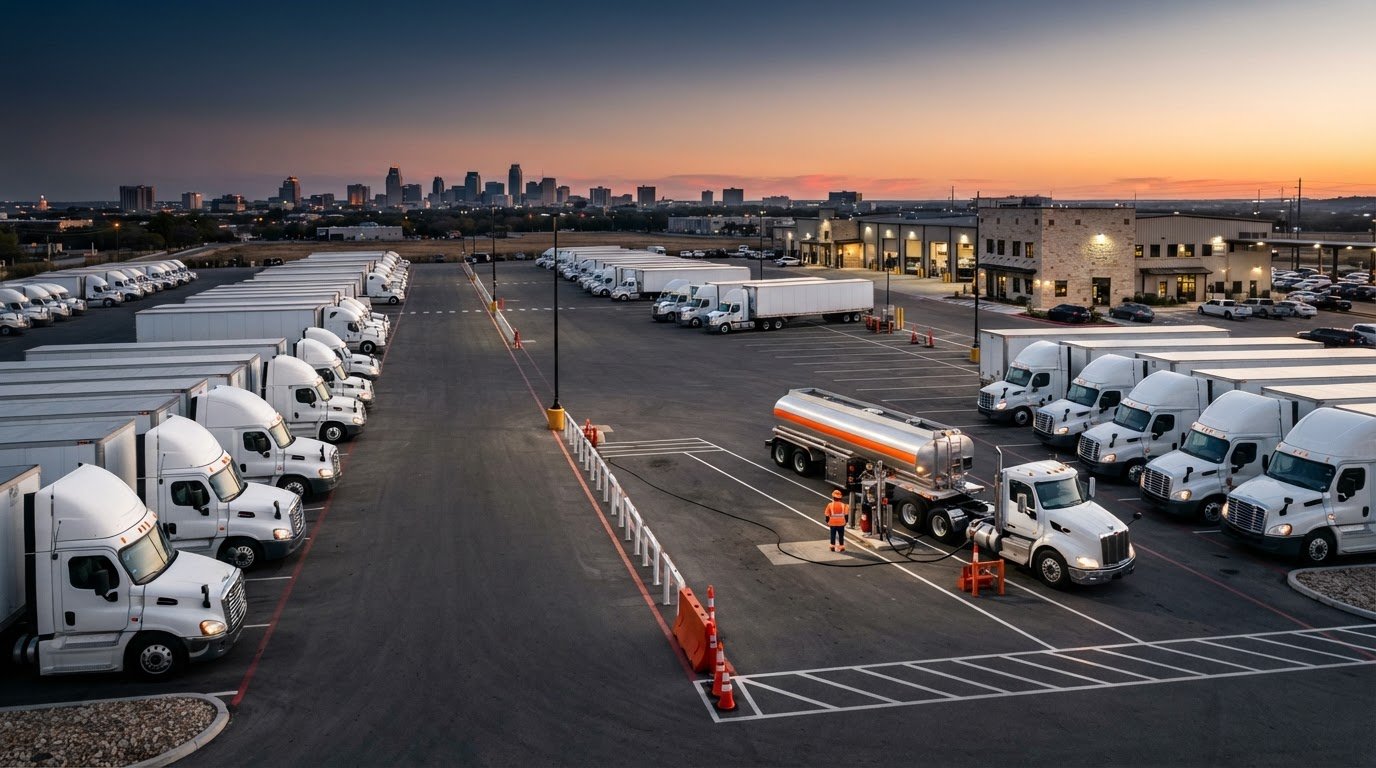
React Fueling provides commercial diesel delivery and direct equipment fueling for construction operations in San Antonio. Commercial diesel delivery can be coordinated around equipment needs, site access, and project schedules. Direct fueling brings diesel to construction machinery at the work site, and emergency fuel delivery is available for urgent operational needs.
For contractors arranging diesel fuel delivery for heavy construction equipment in San Antonio, an accurate equipment list, access plan, fueling priorities, and site contact provide a practical starting point. Share those details to discuss a fueling arrangement suited to your operation.
Discuss diesel delivery for your San Antonio job site.
Build a Fuel Plan That Keeps Your Project Moving
Dependable job-site fueling starts with a clear view of equipment needs, delivery method, site access, and work schedules. Match the plan to where machinery operates, and keep communication current as equipment or site conditions change. These steps help reduce avoidable fueling trips and make delivery easier to coordinate with active work.
React Fueling serves San Antonio as part of its Texas service area, providing commercial diesel delivery and direct-to-equipment fueling for construction machinery. Its service locations include Houston, Magnolia, San Antonio, College Station, Austin, and Dallas. Related services include emergency fuel delivery, DEF supply, and portable fuel tank rentals, supporting a range of on-site fueling needs. A well-coordinated plan for diesel fuel delivery for heavy construction equipment gives San Antonio projects a practical foundation for keeping machines ready for the work ahead.
Discuss diesel delivery for your San Antonio job site and plan around your equipment and operations.
Frequently Asked Questions
Can diesel be delivered directly to heavy construction equipment in San Antonio?
Yes. React Fueling provides direct-to-equipment fueling for construction machinery in San Antonio, bringing diesel to equipment at the job site. This can reduce trips away from active work areas and keep fueling coordination connected to the project schedule. Share the site location, equipment positions, access instructions, and fueling priorities so the plan reflects how the machinery is being used.
How does on-site diesel delivery work for construction equipment?
On-site diesel delivery brings fuel to construction machinery or to a designated fueling location at the job site. For direct equipment fueling, delivery is coordinated around machine locations and site access. For tank delivery, diesel replenishes a site supply that crews use through their fueling workflow. React Fueling can coordinate direct fueling around equipment needs and the job-site details you provide.
Is direct equipment fueling different from bulk diesel delivery?
Yes. Direct equipment fueling delivers diesel to machinery where it is working. Bulk delivery replenishes a designated site tank, and equipment is fueled from that stored supply separately. The right approach depends on equipment locations, site layout, access, and how the crew manages fuel. A construction operation may use direct fueling, tank delivery, or a combination as project needs change.
What information should I provide to arrange construction-site diesel delivery?
Provide the job-site address, entrance and access instructions, a delivery contact, and a preferred coordination window. Identify the equipment needing fuel and where each machine will be positioned. Include fueling priorities, relevant site procedures, and any access limitations that could affect delivery. If equipment or work zones move, share updated details so the plan reflects current conditions.
Can diesel delivery be scheduled around a construction crew’s workday?
Yes. Delivery coordination can account for the crew’s work schedule and equipment use. Share the preferred fueling window, active work zones, and which machines need priority so the plan fits the site workflow. A designated contact can communicate schedule or location changes. For San Antonio construction operations, clear coordination helps reduce unnecessary interruptions while allowing for the needs of each workday.
What if heavy equipment urgently needs diesel at a San Antonio job site?
React Fueling offers emergency fuel delivery for urgent operational needs in San Antonio. Provide the job-site address, access directions, the equipment’s current location, and a site contact who can coordinate entry and fueling priorities. Clear information helps organize the response around actual site conditions. Emergency delivery is a contingency; routine planning can help crews prepare for expected equipment needs.
Can construction equipment fueling also include DEF delivery?
Yes. React Fueling offers DEF fluid delivery as a related service for construction and commercial operations. If your site needs both diesel and DEF, include that requirement when sharing equipment and fueling priorities so the plan accounts for the materials your operation uses. Identify the relevant machinery and site access details, and coordinate through the same clear contact with current location information.