Every minute your heavy equipment sits in "limp mode" because of an empty DEF tank isn't just a mechanical failure; it's a preventable logistical oversight that drains your bottom line. You already know that managing a commercial fleet across the heat of the Gulf Coast is a high-stakes balancing act where missing one fluid top-off can stall an entire job site. Coordinating separate fuel and diesel exhaust fluid delivery texas runs creates unnecessary friction that your schedule simply cannot afford in 2026.
This guide demonstrates how professional DEF delivery services eliminate the threat of equipment derate schedules while slashing the high costs associated with retail jugs. We'll examine the latest 2026 EPA updates regarding NOx sensor monitoring and the new, more flexible derate phases that give your operators more breathing room. You'll learn how to leverage on-site delivery to simplify your logistics into a single, streamlined process. By the end of this article, you'll have a clear roadmap to reduce per-gallon fluid costs and ensure your fleet remains compliant and productive, no matter how high the Texas temperature climbs.
What is DEF and Why is it Critical for Texas Fleets?
Understanding what is Diesel Exhaust Fluid begins with its composition. It is a precise, non-hazardous solution of 32.5% high-purity urea and 67.5% deionized water. This specific ratio is critical for the health of your equipment. If the concentration drifts even slightly, the Selective Catalytic Reduction (SCR) system cannot function correctly. For operators relying on diesel exhaust fluid delivery texas , maintaining this purity is the difference between a productive shift and an afternoon spent troubleshooting sensor errors. To meet the necessary ISO 22241 standard, the fluid must maintain:
- A urea concentration of exactly 32.5%.
- Deionized water free from minerals and ions.
- Zero contamination from oils, fuels, or environmental dust.
Texas remains the industrial engine of the country. Our massive construction projects, sprawling logistics hubs, and energy sector operations represent the largest consumers of DEF nationally. Every Tier 4 diesel engine manufactured since 2010 requires this fluid to operate legally and mechanically. Without a steady supply, these high-value assets become stationary liabilities. Utilizing a professional DEF fluid delivery service ensures your fleet stays compliant without the logistical burden of manual tracking or retail runs.
The Chemistry of Clean Diesel: How DEF Works
Modern diesel engines don't just rely on internal combustion; they use an after-treatment process called SCR to meet federal air quality standards. When your engine runs, it produces harmful nitrogen oxides (NOx). The SCR system sprays a fine mist of DEF into the exhaust stream. This fluid vaporizes and reacts with the NOx over a ceramic catalyst. The chemical reaction within the catalyst involves ammonia reacting with nitrogen oxides to produce diatomic nitrogen and water vapor. This process effectively neutralizes pollutants before they ever leave the tailpipe.
Regulatory Compliance in Texas: EPA Standards
In 2026, EPA standards for heavy-duty engines remain stringent. These rules require significant reductions in particulate matter and NOx emissions compared to previous decades. While the Texas Commission on Environmental Quality (TCEQ) provides regional oversight, federal mandates under the Clean Air Act drive the requirement for DEF. As of March 2026, the EPA updated its guidance to allow Nitrogen Oxides (NOx) sensor technology to monitor emissions compliance instead of mandatory Urea Quality Sensors (UQS). This change aims to reduce vehicle downtime, but it doesn't lower the standard for fluid purity.
Bypassing these systems or using "defeat devices" carries severe consequences. Civil penalties for tampering with emissions controls can reach tens of thousands of dollars per violation for commercial entities. Beyond legal fines, ignoring DEF requirements triggers the vehicle's "limp mode." This forced power reduction effectively halts operations until the tank is refilled with ISO 22241 certified fluid. Securing a reliable partner for diesel exhaust fluid delivery texas protects your hardware from the catastrophic costs of non-compliance and unplanned derates.
The "Limp Mode" Trap: The True Cost of DEF Shortages
Running out of DEF isn't a minor inconvenience; it's an operational emergency. When your equipment’s sensors detect a dry tank or degraded fluid, the engine control module triggers a pre-programmed de-rate sequence. This "limp mode" begins with a noticeable 25% reduction in power, followed by speed restrictions that often cap movement at just 5 miles per hour. For a heavy-duty scraper on a Houston construction site, this means the machine becomes a multi-ton paperweight. If the warning lights are ignored, the system will eventually force a complete engine shutdown to protect the SCR catalyst and maintain EPA compliance. Reliable diesel exhaust fluid delivery texas serves as a critical safeguard against these high-stakes disruptions.
The risks extend beyond the balance sheet. An engine shutting down during a critical lift or while navigating a high-traffic industrial zone creates immediate safety hazards for your crew and the public. While August 2025 EPA updates introduced a 36-hour grace period for off-road equipment after a fault is detected, ignoring these alerts leads to a hard derate that can paralyze your project schedule. Maintaining a consistent supply of diesel exhaust fluid delivery texas ensures your operators never have to gamble with equipment performance or site safety.
Operational Downtime vs. Fluid Cost
Consider the math of a typical workday. A standard fluid top-off might cost roughly $50, yet the fallout from an idle crane or excavator can easily exceed $5,000 in lost production and labor costs per day. Relying on manual monitoring invites human error, especially in fast-paced environments where fluid levels are often checked only after a warning light appears. Additionally, using contaminated retail jugs can cause long-term crystallization within the SCR system. These repairs are expensive and far outweigh the cost of a managed delivery schedule. A proactive approach to fluid management keeps your machines running at peak efficiency without the risk of sensor-related failures.
Emergency DEF Delivery: A Safety Net for Texas Operations
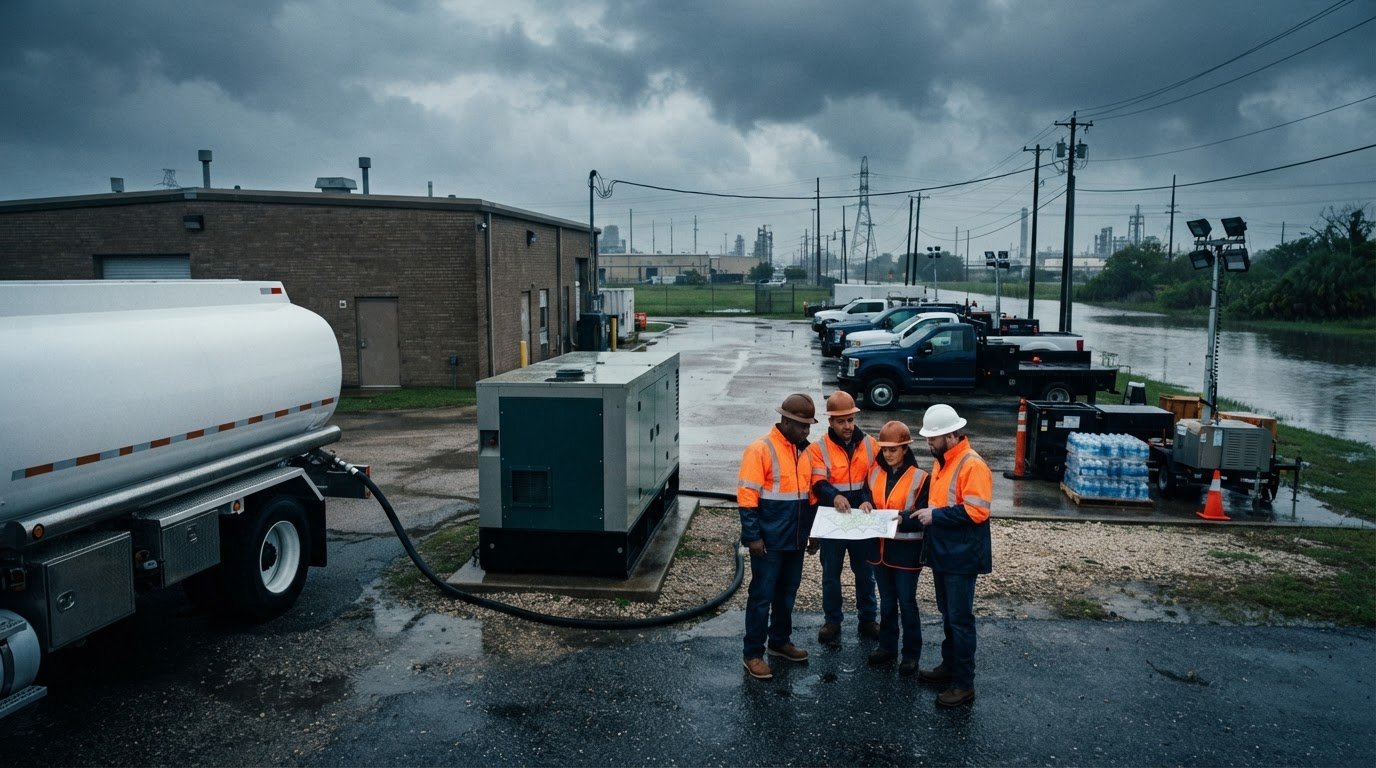
For 24/7 operations like data centers or emergency response hubs, a shortage is never just a delay; it's a threat to continuity. We provide a comprehensive safety net by offering emergency fuel delivery alongside our DEF services. This "Vigilant Partner" approach means we monitor your needs before they become crises. We understand the physical reality of Texas industrial environments and the pressure to keep things moving. If you're ready to secure your site against unplanned downtime, you can speak with our logistics specialists today to build a resilient supply chain that prioritizes operational continuity.
Comparing DEF Supply Methods: Bulk vs. Packaged Delivery
Relying on retail jugs for a commercial fleet is a strategic error that drains resources. Pouring individual 2.5-gallon containers is a labor-intensive process that forces your operators to waste valuable hours on basic maintenance. Beyond the labor costs, the sheer volume of plastic waste and the higher price per gallon make packaged fluid an expensive stop-gap rather than a long-term solution. For businesses scaling their operations, diesel exhaust fluid delivery texas provides a cleaner, more cost-effective path that aligns with industrial-scale requirements. Moving to 275-gallon or 330-gallon totes offers an immediate upgrade in pricing and logistical stability.
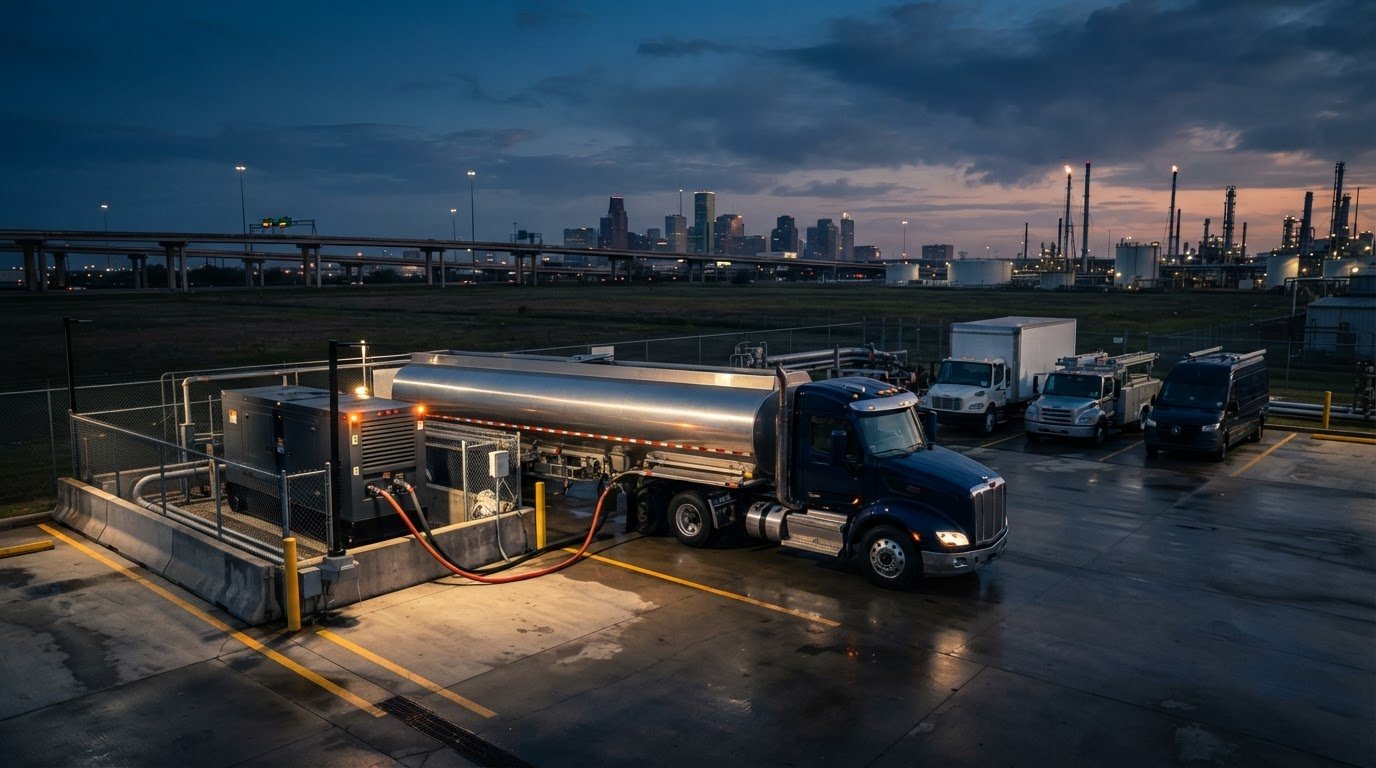
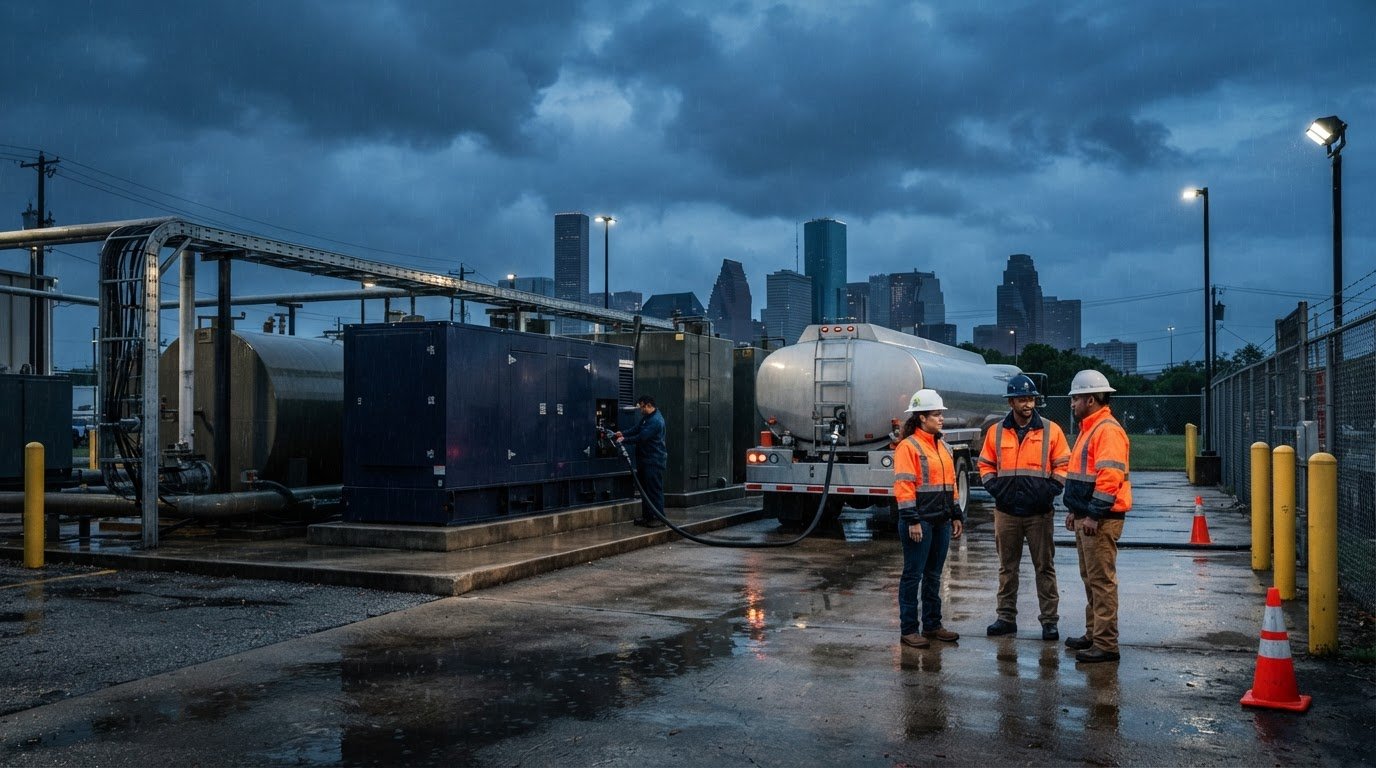
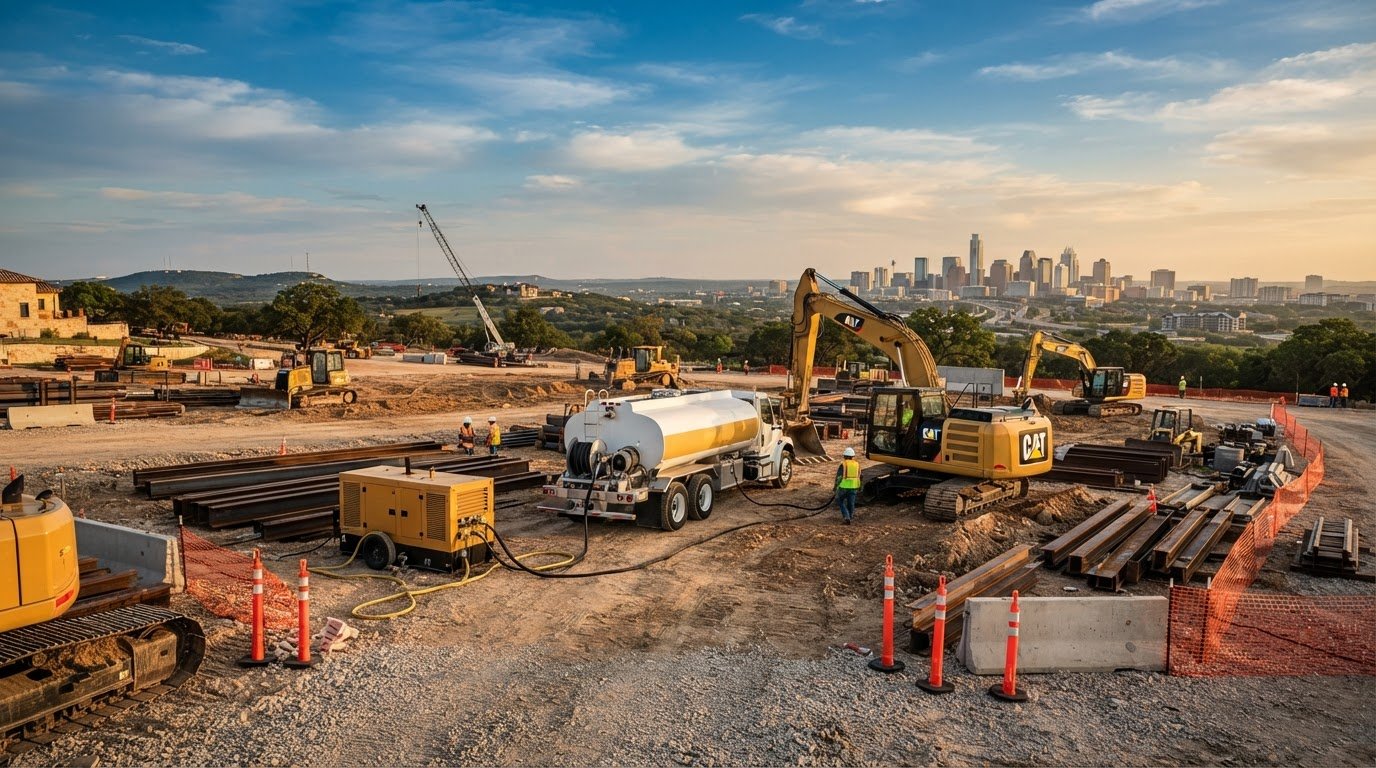
The most efficient operators utilize integrated delivery to maximize uptime. By replenishing fuel and DEF simultaneously, you eliminate the need for two separate logistical windows and reduce traffic on your jobsite. This synchronized approach ensures that every piece of equipment is fully prepped for the next shift in a single visit. Mobile bulk delivery goes a step further by pumping fluid directly into your equipment or on-site storage tanks, removing the need for your crew to handle the fluid at all. This "Vigilant Partner" approach minimizes the chance of human error and keeps your focus on production.
When to Choose Bulk DEF Delivery
Most fleets find that the return on investment for bulk delivery triggers once consumption exceeds 100 gallons per month. At this volume, the per-gallon savings and reduced labor hours quickly offset any setup costs. Bulk systems also drastically lower the risk of fluid contamination. Open jugs are magnets for dust and debris in the harsh environments of West Texas or the Gulf Coast, and even minor impurities can damage sensitive SCR components. For a detailed breakdown of these figures, review our bulk def supply for fleets ROI guide.
On-Site Storage and Dispensing Solutions
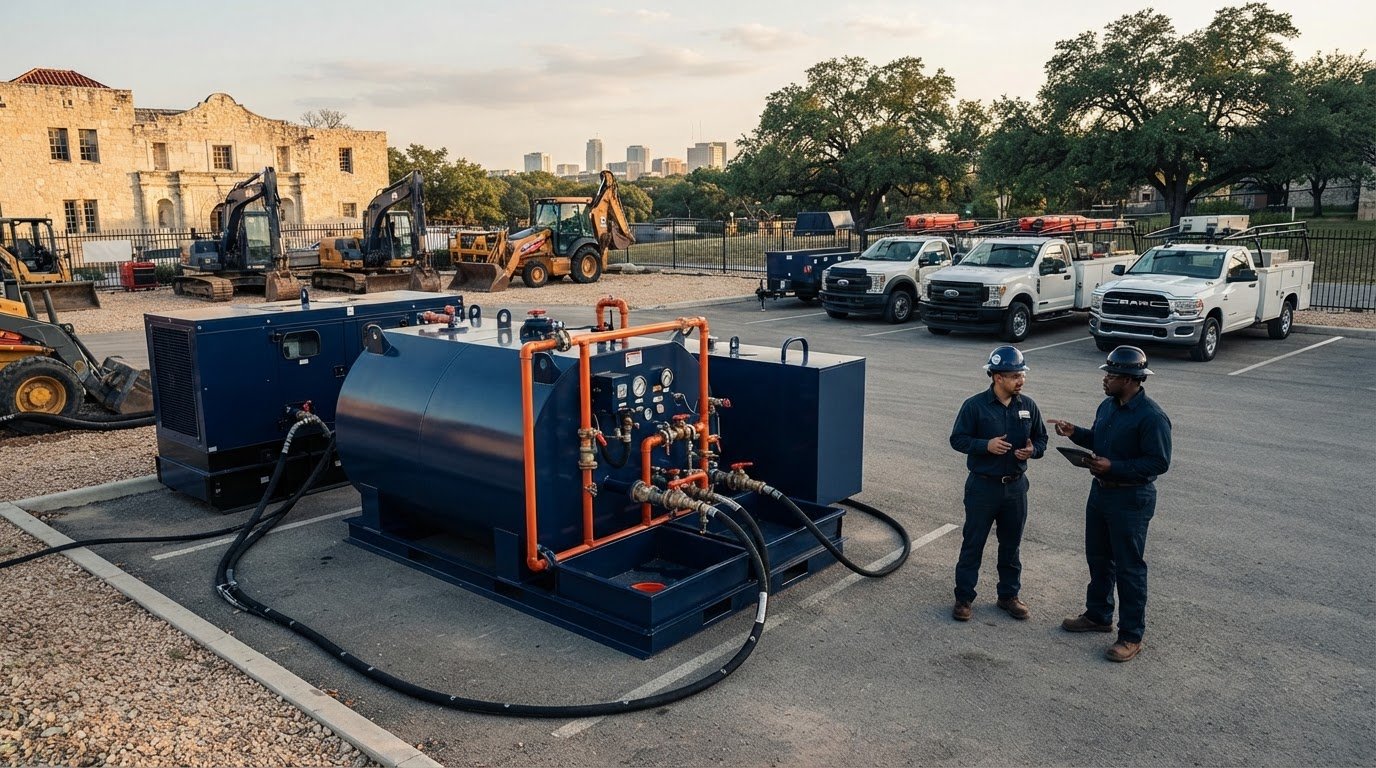
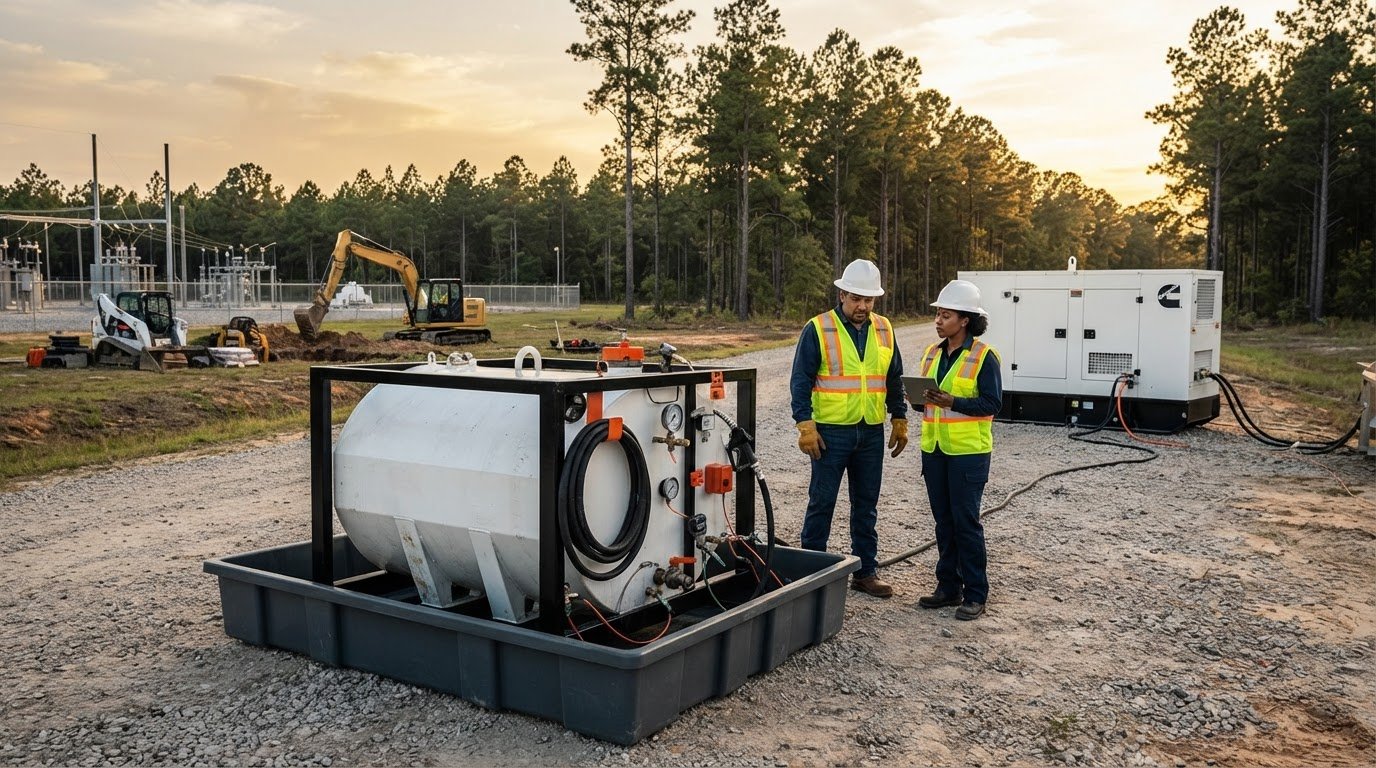
Maintaining fluid purity requires specialized infrastructure. Because DEF is corrosive to certain metals, your storage systems must utilize stainless steel fittings and specialized pumps. Renting portable, insulated tanks is often the most flexible solution for remote Texas jobsites where permanent infrastructure isn't feasible. These units protect the fluid from extreme heat, which can degrade urea quality and trigger sensor errors. If you're managing a large-scale project, consider pairing these with fuel tank rentals to create a comprehensive on-site fueling hub that supports total operational continuity.
Managing DEF in the Texas Climate: Heat and Storage Best Practices
Texas summers present a unique challenge for fluid stability. Diesel Exhaust Fluid is highly temperature-sensitive, with an ideal storage range between 12°F and 86°F. When temperatures consistently exceed 90°F, the high-purity urea begins to decompose into ammonia and CO2. This degradation reduces the fluid's effectiveness and can eventually trigger sensor errors in your SCR system. It's a common myth that a single afternoon of 100-degree heat spoils an entire batch; the degradation is actually a cumulative effect of prolonged exposure. To protect your investment, prioritize diesel exhaust fluid delivery texas services that emphasize rapid turnover and use insulated totes to buffer against ambient temperature spikes. Placing storage containers in shaded areas or under permanent cover significantly extends the shelf life of your supply.
Contamination Control on Dusty Jobsites
Dust and minerals are the primary enemies of modern diesel engines. Even a single teaspoon of dirt or tap water introduced during a refill can permanently ruin an SCR catalyst, leading to thousands of dollars in repair costs and extended downtime. We utilize a strictly "closed-loop" delivery system to maintain fluid purity from our transport truck directly to your equipment. This method prevents environmental contaminants from entering the supply chain during the transfer process. Drivers should follow a rigorous protocol to ensure a clean transfer every time:
- Wipe down the fill nozzle and equipment port before every connection.
- Confirm that all seals on storage totes and dispensing units remain intact.
- Use only dedicated, stainless steel or approved composite dispensing equipment to prevent chemical reactions.
Maintaining these standards prevents the crystallization that often clogs injectors and sensors in harsh industrial environments. Protect your fleet from climate-related failures by contacting our Texas logistics team to schedule a site assessment and optimize your storage setup.
Winter Precautions for North Texas
While heat is the primary concern for most of the year, North Texas winters bring specific freezing risks. DEF reaches its freezing point at 12°F. Unlike water, it expands by approximately 7% when frozen, which can crack standard plastic storage tanks if they're filled to capacity. While modern diesel engines are designed with internal heating elements to thaw the fluid during operation, your bulk storage lacks this protection. Keeping your tanks at a lower fill level during freeze warnings allows for this expansion without damaging the container. Securing a reliable source for def fluid near me ensures you have a fresh, properly stored supply even during extreme cold snaps that might disrupt standard delivery schedules.
React Fueling: Your Texas Partner for On-Site DEF Logistics
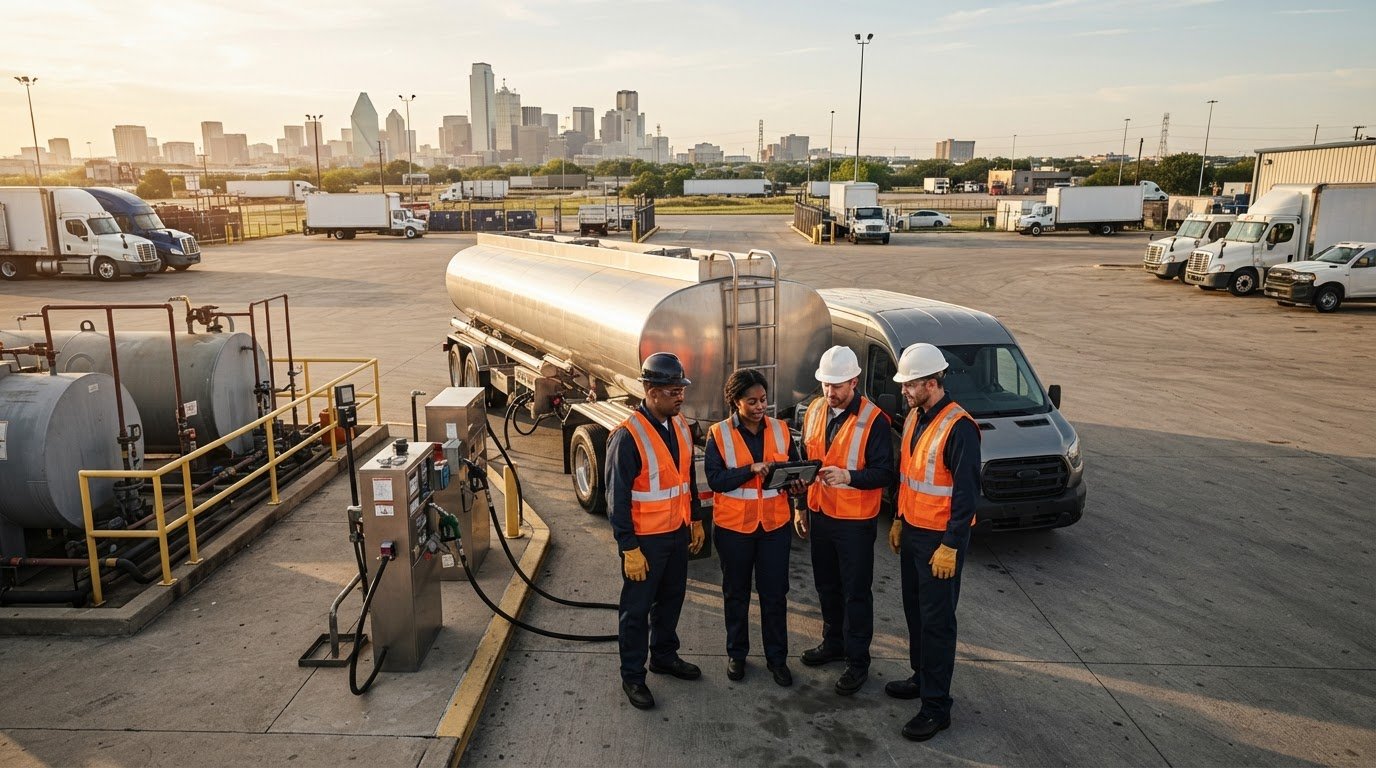
React Fueling understands that your operational continuity depends on more than just fuel. We maintain a robust service footprint across the major hubs of Houston, Dallas, San Antonio, and Austin, ensuring that high-purity fluid is always within reach of your jobsite. By positioning ourselves as a single-source provider for both diesel delivery and DEF, we eliminate the logistical friction of managing multiple vendors. Our fleet utilizes specialized, direct-to-machine equipment designed to replenish your tanks with surgical precision, preventing the spills and contamination risks associated with manual pouring. We invite your team to schedule a comprehensive site audit to identify consumption patterns and optimize your diesel exhaust fluid delivery texas cycles for maximum efficiency.
The React Fueling Advantage: Reliability and Speed
Our "Vigilant Partner" approach means we don't just deliver products; we safeguard your uptime. We understand that in the industrial and construction sectors, a delay of even a few hours can derail a project's timeline. This is why we offer 24/7 support through our dedicated 24/7 emergency fueling line, providing a rapid response when your equipment is at risk of entering a de-rate state. Whether you're managing a midnight shift at a Houston data center or a dawn rollout at a Dallas construction site, our team shows up with the steady confidence required to keep your logistics moving. Contact our team today to establish a customized delivery schedule that aligns with your specific fleet requirements and project deadlines.
Integrated Solutions for Modern Fleets
Effective fleet management in 2026 requires data-driven decisions. Our on-site equipment fueling texas programs now include DEF level checks as a standard part of the service routine. This integration ensures that your fluid levels are monitored and maintained without your operators ever having to lift a retail jug. We provide detailed reporting and consumption tracking for fleet managers, allowing you to monitor usage across multiple jobsites from a single dashboard. This transparency helps you predict costs and identify equipment that may be consuming fluid at unusual rates. Choosing React Fueling for your diesel exhaust fluid delivery texas needs provides the peace of mind that comes from knowing a dedicated specialist has total control over your complex logistics. We remain committed to your stability, your safety, and your continued productivity.
Secure Your Fleet’s Performance for the Road Ahead
Operating a commercial fleet in 2026 requires a proactive approach to fluid logistics. You've seen how a single empty tank can trigger a costly de-rate sequence, stalling your production and impacting your bottom line. By transitioning from retail jugs to a managed supply chain, you protect your equipment from the cumulative effects of the Texas heat and the risks of on-site contamination. Maintaining ISO 22241 purity standards is no longer just a compliance checkbox; it's a fundamental requirement for operational continuity.
React Fueling serves as your boots-on-the-ground ally across Houston, Dallas, San Antonio, and Austin. As a member of the React Holdings family, we provide the 24/7 emergency logistics support necessary to maintain total control over your complex operations. We prioritize your stability by integrating fuel and diesel exhaust fluid delivery texas into a single, streamlined visit. This foresight eliminates the stress of potential downtime and keeps your machines moving at peak efficiency through every season.
Schedule Your On-Site DEF Delivery with React Fueling Today and gain the peace of mind that comes from a dedicated logistical partnership. We look forward to keeping your fleet compliant, productive, and ready for whatever the next shift brings.
Frequently Asked Questions
What happens if my truck runs out of DEF in Texas?
Running out of DEF triggers an immediate engine de-rate sequence. Your vehicle will first experience a significant power loss, followed by a speed restriction often capped at 5 miles per hour. If the tank remains empty, the engine control module will eventually force a complete shutdown to maintain EPA compliance. This prevents damage to the SCR catalyst but creates an operational emergency. React Fueling provides rapid response so you don't face these shutdowns across Texas.
Does Diesel Exhaust Fluid expire in the heat?
Yes, Diesel Exhaust Fluid has a limited shelf life that decreases in high temperatures. While it remains stable between 12°F and 86°F, prolonged exposure to temperatures above 90°F causes the urea to decompose. In the intense Texas heat, DEF stored in direct sunlight can degrade in just a few months. It's best to use shaded storage and a diesel exhaust fluid delivery texas service to ensure your supply is fresh and effective.
Can I use water instead of DEF in an emergency?
No, you should never use water as a substitute for DEF. Modern SCR systems require a precise 32.5% urea concentration to function. Water lacks the necessary chemical properties to neutralize NOx emissions and contains minerals that'll permanently damage the ceramic catalyst. Using water will trigger a fault code and force the engine into limp mode. Instead, contact React Fueling for an emergency diesel exhaust fluid delivery texas run to restore your equipment safely.
How much DEF does a typical heavy-duty engine consume?
Most heavy-duty engines consume DEF at a rate of 2% to 6% of their diesel fuel consumption. For every 100 gallons of diesel burned, your equipment will typically require between 2 and 6 gallons of fluid. This ratio varies based on engine load, idle time, and the specific Tier 4 technology in use. Monitoring this consumption helps fleet managers in cities like San Antonio and Austin predict their replenishment needs more accurately.
Is DEF delivery available for construction sites in Houston?
Yes, React Fueling provides specialized on-site DEF delivery for construction sites throughout the Houston metropolitan area. We understand the logistical pressure of maintaining uptime on large-scale developments in Magnolia and Houston. Our team delivers directly to your equipment or on-site storage totes, eliminating the need for your crew to manage retail jugs. This service ensures your machinery remains compliant and operational without the risk of unplanned engine de-rates during critical shifts.
What are the storage requirements for bulk DEF in Dallas?
Bulk DEF storage in Dallas requires dedicated, non-corrosive containers made of stainless steel or high-density polyethylene. Because the fluid is sensitive to environmental factors, tanks should be kept in shaded areas to prevent heat-related urea decomposition. You must also use dedicated pumps and fittings to avoid cross-contamination. We provide portable fuel tank rentals and storage solutions specifically designed to maintain fluid purity in the demanding North Texas industrial climate.
Is DEF flammable or hazardous to store on-site?
DEF is a non-flammable, non-toxic, and non-hazardous solution. It consists primarily of deionized water and high-purity urea, making it safe for on-site storage on construction and industrial sites. Unlike diesel fuel, it doesn't require specialized fire suppression or explosion-proof storage. However, it is slightly corrosive to certain metals like copper and brass, so it must always be stored in approved stainless steel or plastic containers to maintain its chemical integrity.
How do I know if the DEF delivered meets ISO 22241 standards?
You can confirm quality by requesting a Certificate of Analysis from your supplier. Professional providers like React Fueling only distribute fluid that meets the strict ISO 22241 international standard. This certification guarantees the solution contains exactly 32.5% urea and uses deionized water free from harmful minerals. Using certified fluid is the only way to protect your SCR system from crystallization and sensor failures, ensuring your fleet remains productive across Austin and San Antonio.