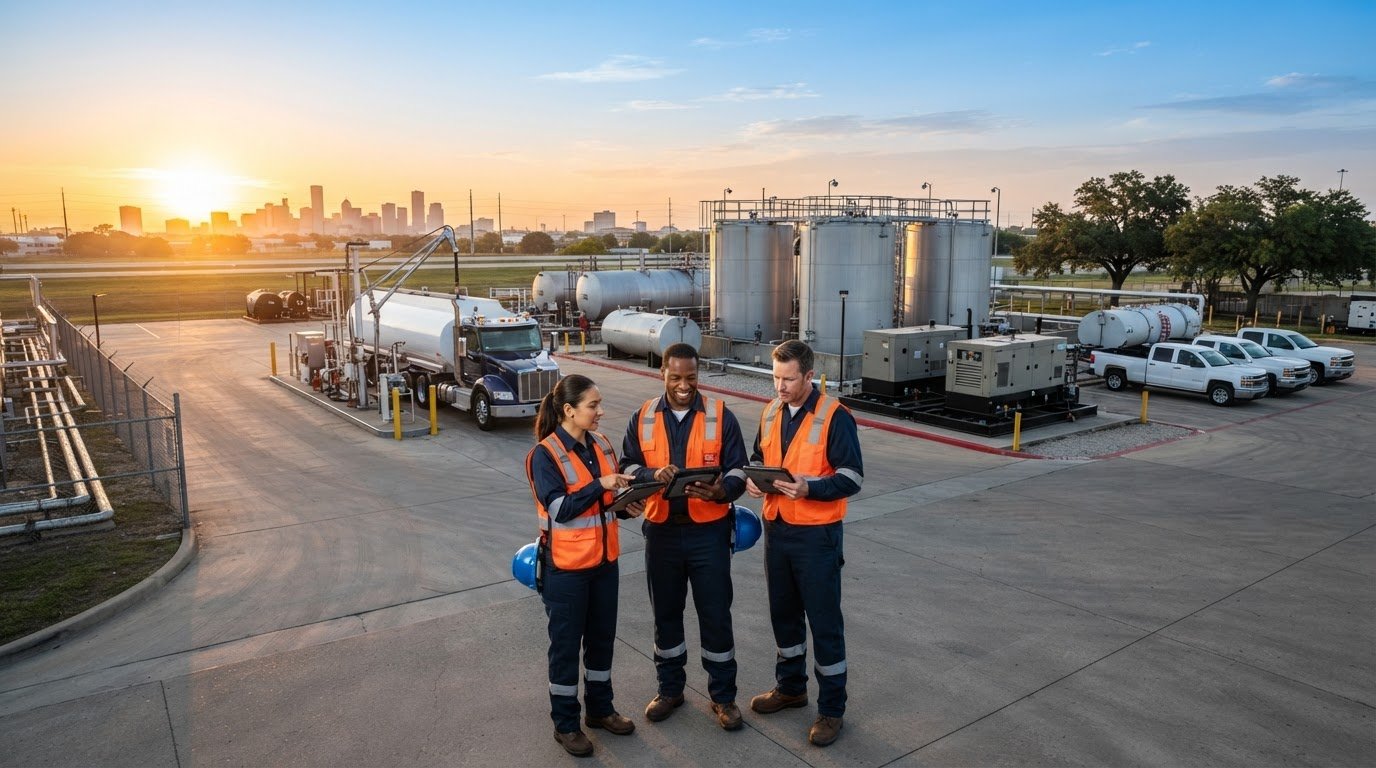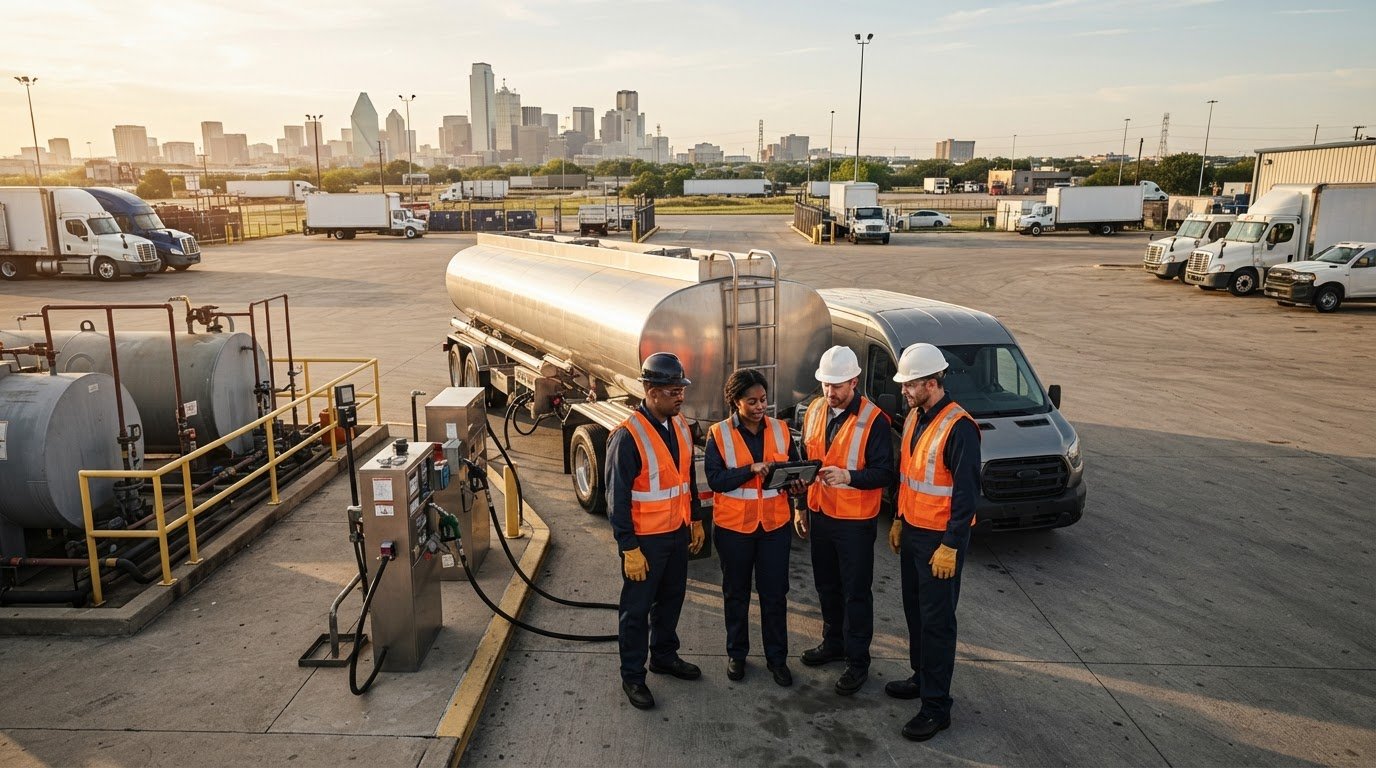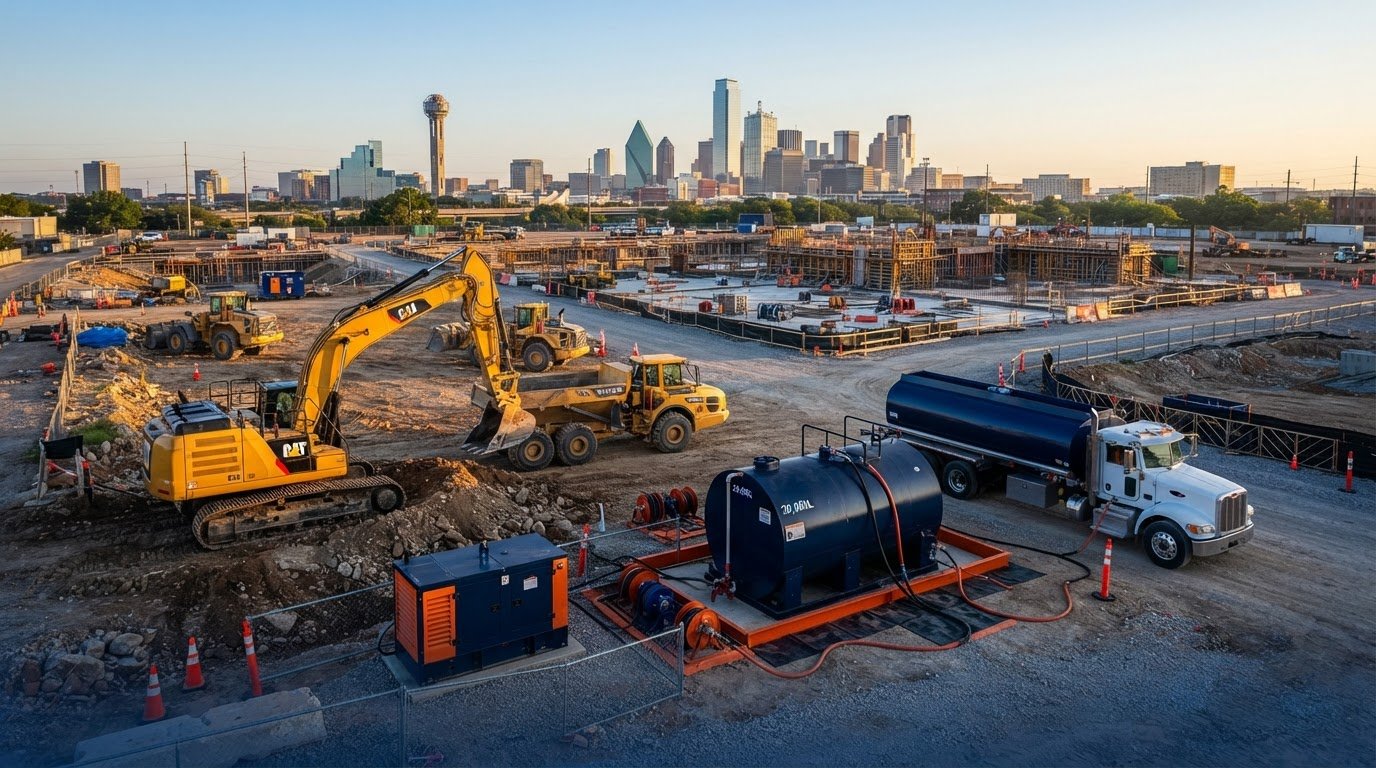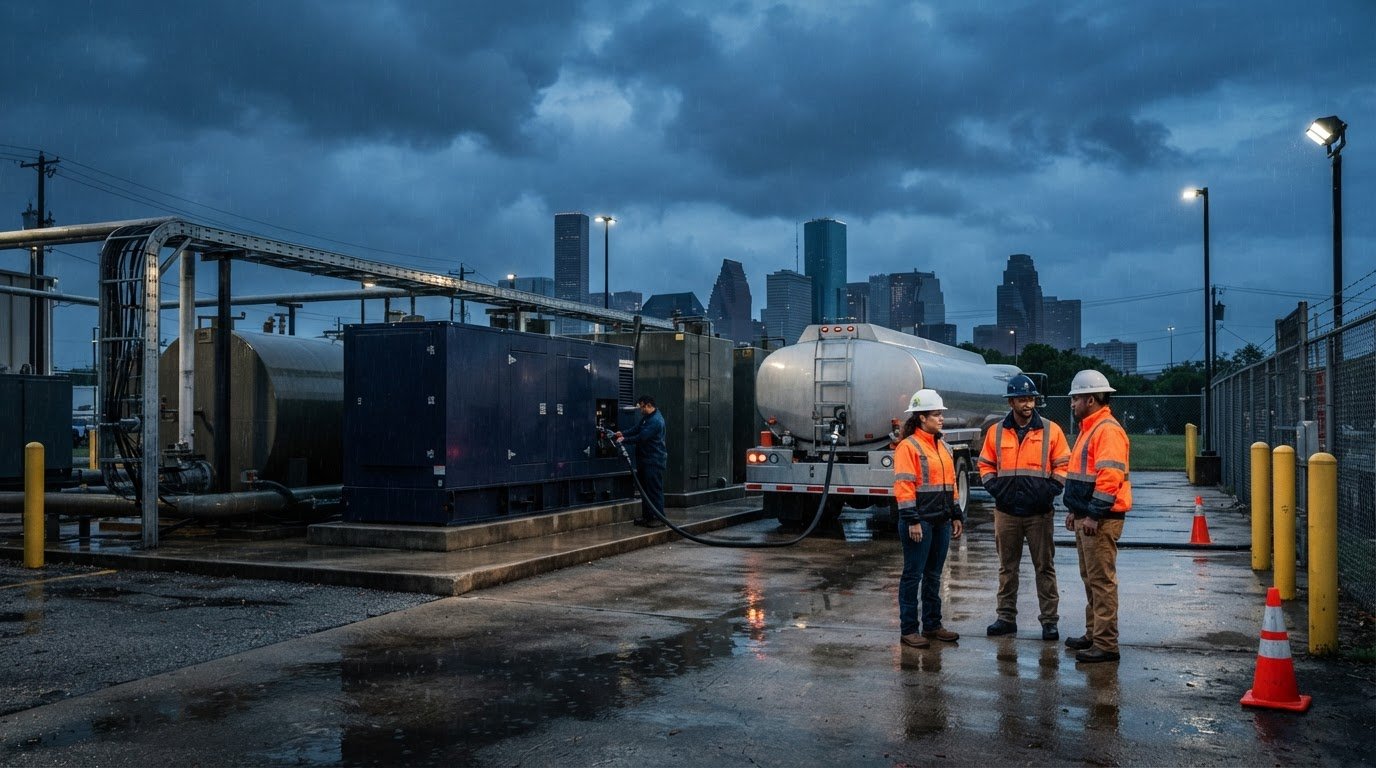
Searching for a retail pump is no longer a viable logistics strategy for high-volume Texas fleets in 2026. You likely already understand the frustration of watching a driver waste high-cost labor hours at a truck stop or, even worse, seeing a critical piece of equipment enter engine derate mode because of a simple fluid oversight. When you search for "def fluid near me" from a job site in Houston, Dallas, or San Antonio, you aren't just looking for a physical location. You're looking for a reliable way to maintain 24/7 operational continuity without the risks of contamination or the inefficiency of handling retail jugs on a dusty site.
This guide provides the roadmap to transition from reactive sourcing to a proactive on-site strategy. We'll show you how to reduce the total cost of DEF by eliminating transit time and protecting your expensive SCR systems from substandard fluid. We'll also cover the 2026 EPA grace periods for engine faults and explain why upcoming 2027 standards make your current consumption rates a thing of the past. By the end of this article, you'll have a clear plan to secure your supply chain and keep your fleet moving forward without interruption.
Finding Diesel Exhaust Fluid (DEF) Near Me: Compliance and Operational Essentials
Diesel Exhaust Fluid (DEF) is a high-purity solution composed of 32.5% urea and 67.5% deionized water. Since the 2010 EPA mandate, this fluid has become a non-negotiable requirement for medium and heavy-duty diesel engines. Modern engines are designed with Selective Catalytic Reduction (SCR) systems that depend entirely on this chemical reaction to function. If you're currently searching for "def fluid near me" while managing a Texas job site, you're likely dealing with the high-stakes reality of fleet compliance. Without a consistent supply of DEF, your Tier 4 Final equipment and Class 8 trucks cannot legally or mechanically operate at full capacity.
How SCR Systems Protect Your Heavy Equipment
SCR technology is the primary method used by engine manufacturers to meet federal emissions standards. The process is straightforward but critical for engine health. As exhaust leaves the engine, the system injects a fine mist of DEF into the exhaust stream. This fluid reacts with a catalyst to convert harmful nitrogen oxides (NOx) into harmless nitrogen and water vapor. This allows the engine to be tuned for better fuel economy and power without violating environmental laws. Reliable DEF fluid delivery ensures this process remains uninterrupted across various machine types:
- Excavators, dozers, and wheel loaders
- Industrial and standby generators
- Articulated haul trucks and vocational vehicles
- Commercial freight and logistics fleets
The Risks of 'Running on Empty' in Commercial Settings
When a machine runs out of DEF, it triggers a mechanical failsafe known as 'Derate Mode.' This isn't a simple warning light; it's a forced reduction in engine performance designed to ensure emissions compliance. In 2026, EPA regulations provide specific grace periods for on-highway and off-road equipment, but once those windows expire, the consequences are severe. A truck's speed may be capped at 45 mph, or an excavator's torque may be limited so significantly that it can no longer move a full bucket.
For commercial managers, the real cost of derating is measured in labor and project delays. If a primary piece of equipment stalls, the surrounding crew often remains on the clock with no way to progress. This downtime inflates the total cost of your project and threatens your reputation for reliability. Maintaining high standards for fluid purity is equally vital, as even minor contamination from dusty job sites can damage sensitive SCR sensors and lead to expensive shop repairs. Using API-certified, high-purity fluid is the only way to safeguard your hardware and keep your operations moving forward without the threat of a forced shutdown.
The Three Ways to Source DEF in Texas: Pumps, Jugs, and Bulk Delivery
Sourcing diesel exhaust fluid in the Texas industrial market generally falls into three categories. While a quick search for "def fluid near me" might point you toward the nearest truck stop, commercial managers must evaluate the hidden costs of labor and equipment wear. Regardless of the delivery method, your fluid must meet ISO 22241 standards. Verification through the API's DEF Certification Program ensures the product contains the correct urea concentration to protect your SCR systems from premature failure.
Retail DEF at the Pump: The Convenience Trap
Major Texas travel centers like Love's, TA, and Buc-ee's offer bulk DEF pumps designed for long-haul truckers. This is an accessible option for a single Class 8 vehicle, but it becomes a logistical nightmare for heavy machinery. Moving an excavator or a fleet of haul trucks to a retail station is inefficient and costly. You also face the risk of pump contamination. In high-traffic retail environments, nozzles often collect road grime and debris that can compromise fluid purity the moment it enters your tank. Relying on retail pumps also makes you vulnerable to price volatility, as seen in late 2026 when some Texas locations saw pump prices climb as high as $4.79 per gallon.
The Hidden Costs of Retail Jugs
Many operators rely on 2.5-gallon retail jugs stored in the back of service trucks. This method is consistently the most expensive way to buy DEF and generates significant plastic waste. On dusty Texas job sites, opening these jugs creates a direct path for contaminants to enter the SCR system. This often leads to sensor failures and the very engine derates you're trying to avoid. While jugs are a functional backup for emergencies, they aren't a sustainable solution for a search of "def fluid near me" when managing a large scale project.
On-Site Bulk Delivery: Why Texas Industry is Switching
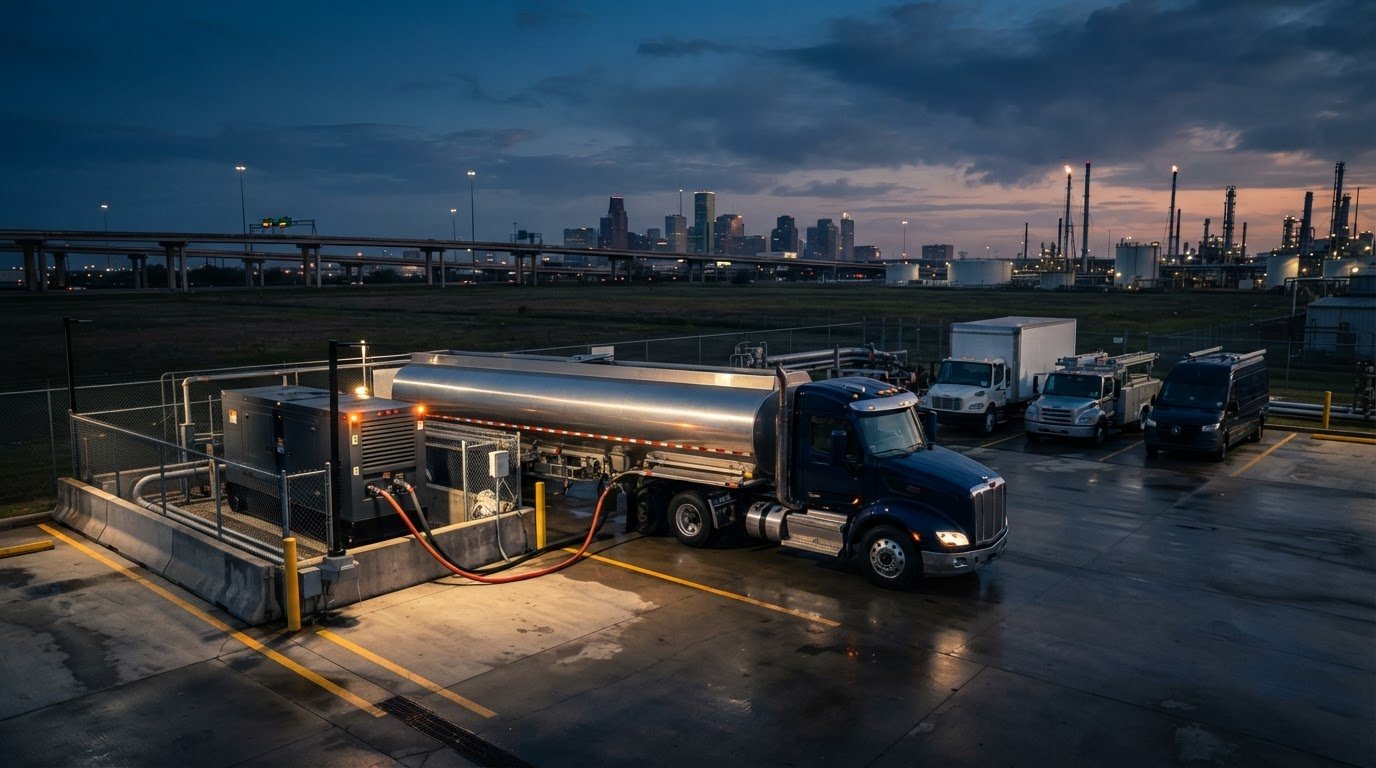
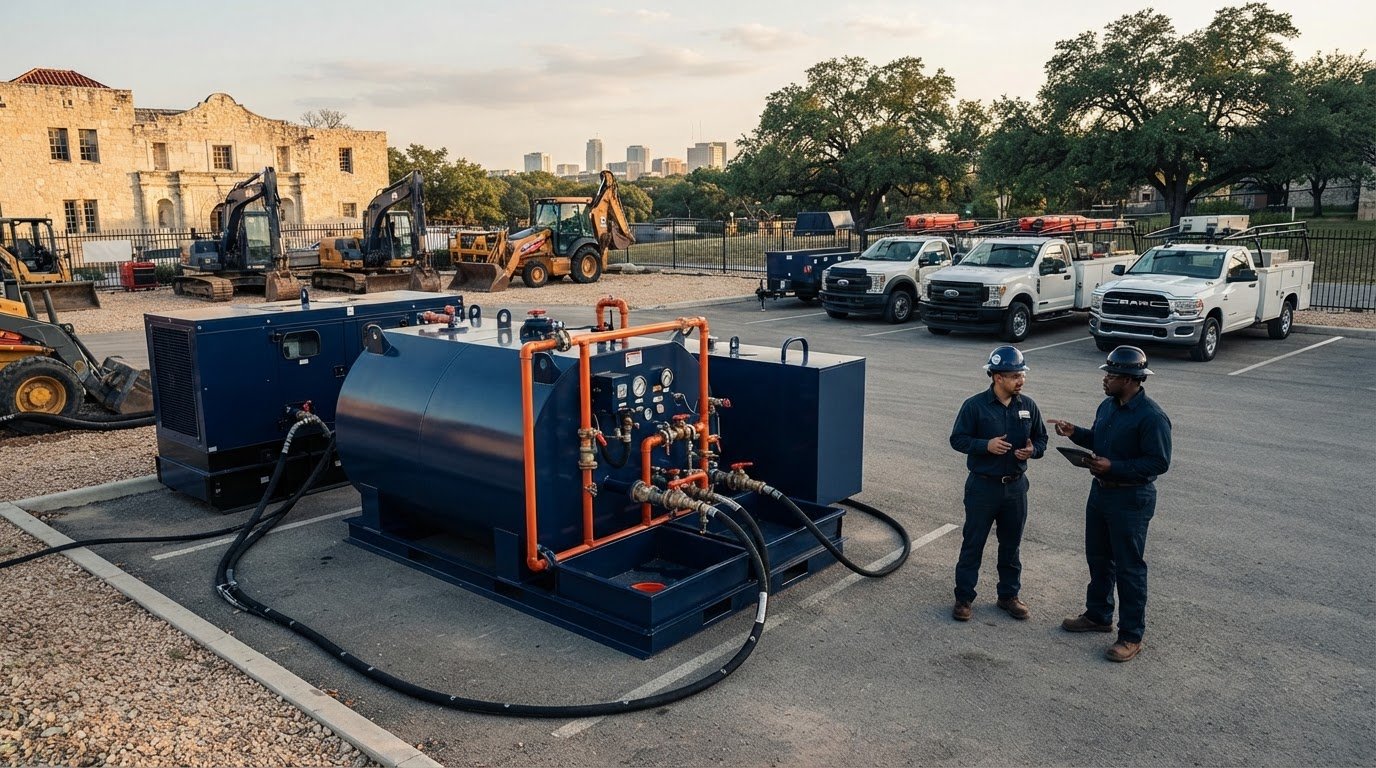
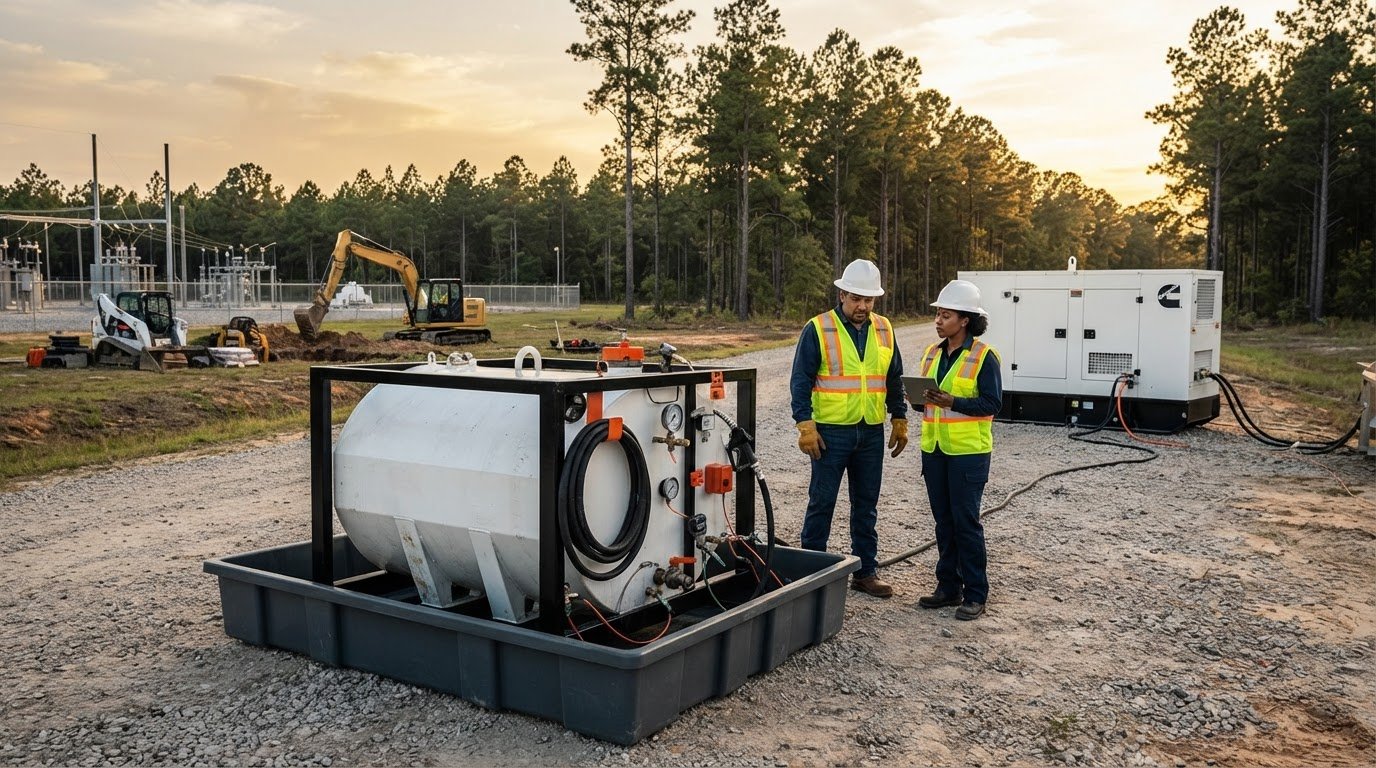
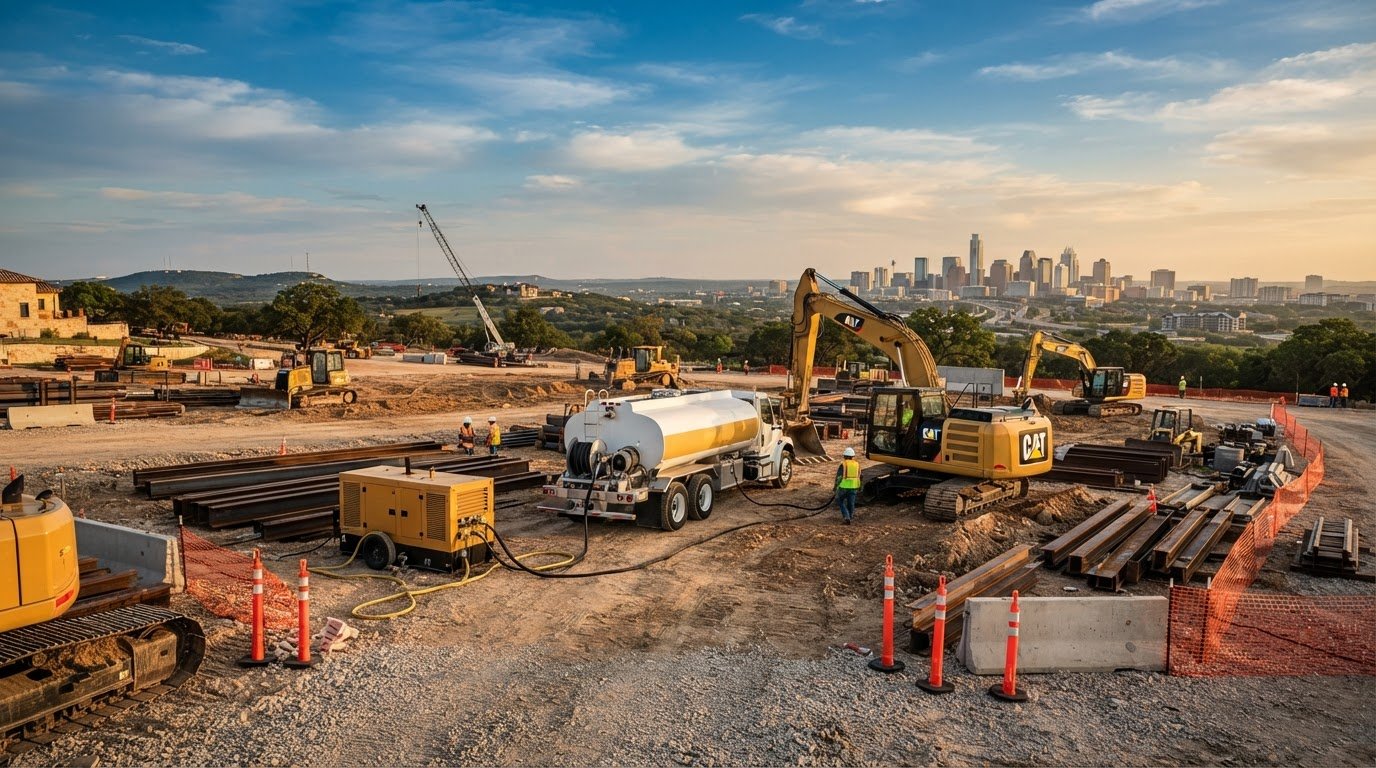
For 2026, the industrial standard has shifted toward on-site def fluid delivery. This service brings the fluid directly to your equipment or a central storage point on your site. We utilize 275-gallon or 330-gallon totes and 55-gallon drums equipped with closed-loop dispensing systems to maintain total purity. This approach eliminates the "dead head" miles spent driving to pumps and keeps your crew focused on production. If you're looking to optimize your logistics, read our companion piece on Bulk DEF for Fleets: 2026 Implementation & ROI Guide. To streamline your site operations and ensure your equipment stays compliant, you can request a custom fueling plan tailored to your fleet's specific needs.
Evaluating the True Cost of DEF: Retail Pumps vs. On-Site Delivery
Successful fleet management requires looking beyond the per-gallon price listed at a retail pump. When you search for "def fluid near me," the results often show the lowest immediate price but ignore the Total Cost of Procurement (TCP). This framework accounts for every dollar spent getting the fluid into the machine, including labor hours, fuel burn during detours, and the long-term risk of mechanical failure. For Texas operators, these hidden expenses often dwarf the savings of a slightly lower retail price found at a truck stop.
Bulk purchasing power also reduces the price-per-gallon over time while providing budget stability. By securing a consistent supply through a dedicated logistics partner, you protect your operations from the sudden price spikes that hit retail locations during urea shortages. This strategic approach transforms DEF from a recurring logistical headache into a predictable, managed component of your operational overhead.
Labor and Fuel: The Detour Expense
Consider a typical scenario on a project in the Houston or Dallas metro area. A driver takes a heavy-duty truck off-route to find a retail pump, spending 45 minutes navigating traffic and waiting for an open lane. This represents nearly an hour of non-productive labor and unnecessary fuel consumption. More importantly, it represents a significant opportunity cost where that machine and its operator are not generating revenue. On-site delivery eliminates these non-productive hours by ensuring fluid is available exactly where the work happens, keeping your crew focused on the job at hand.
Quality Control and System Longevity
Maintaining fluid purity is the most effective way to prevent catastrophic engine failure. Retail jugs are particularly prone to contamination when opened on active, dusty construction sites. Even a small amount of dirt, dust, or metal shavings entering the tank can poison the SCR catalyst. Replacing a contaminated SCR catalyst can cost $10,000 or more; a figure that does not include the revenue lost while the machine sits in a repair shop for days or weeks.
Utilizing professional commercial fuel services ensures a closed-loop delivery process that maintains the ISO-standard purity required for modern engines. This method protects your expensive hardware from the "parking lot" contamination risks associated with manual jug refills. By prioritizing fluid integrity, you extend the life of your SCR systems and avoid the high-stakes stress of emergency repairs and project delays.
Managing DEF Logistics on Texas Job Sites: Storage and Handling
Texas weather presents a specific set of logistical challenges for diesel exhaust fluid. While you may have secured a reliable supply through your "def fluid near me" search, improper storage on-site can quickly render that fluid useless. High ambient temperatures in Houston and Dallas significantly accelerate the decomposition of urea, reducing shelf life from a typical 12 months down to 6 months or less if containers are left in direct sunlight. Maintaining operational continuity requires a storage strategy that accounts for these environmental extremes.
Proper handling is equally critical to prevent the contamination risks discussed in previous sections. Because DEF is highly sensitive to its environment, the transition from a delivery truck to your equipment tank must be managed with precision. Any exposure to dust or incompatible materials can trigger an immediate engine derate, stalling your project and inflating your repair costs. Vigilant site management is the only way to protect your SCR systems from these preventable failures.
The Texas Heat Factor: Protecting Your Supply
The ideal temperature range for DEF storage is between 15°F and 77°F. Sustained exposure to temperatures above 90°F causes the fluid to break down into ammonia and carbon dioxide. This decomposition triggers quality sensors and may lead to forced engine shutdowns. To maintain chemical stability, place your storage totes in shaded areas or utilize climate-controlled fuel tank rentals specifically configured for industrial environments.
Inspect your supply regularly for these signs of degradation:
- A pungent, overwhelming ammonia scent when opening the container.
- Cloudiness or visible particulate matter in the fluid.
- White crystals forming around the dispensing nozzle or cap.
While heat is the primary concern for most of the year, North Texas operators must also prepare for winter. DEF freezes at 12°F. Because the fluid expands by approximately 7% when frozen, containers must have adequate headspace to prevent bursting during a hard freeze.
Closed-Loop Handling to Prevent Contamination
Adhering to the ISO 22241-3 standard is the only way to guarantee fluid purity on a busy job site. DEF is a corrosive chemical that reacts negatively with many common metals found in standard fueling equipment. Using the wrong pump or fitting can leach metals into the fluid, poisoning the SCR catalyst and resulting in a $10,000 repair bill.
Never allow DEF to come into contact with these materials:
- Copper or brass fittings
- Zinc or galvanized steel
- Uncoated carbon steel or aluminum
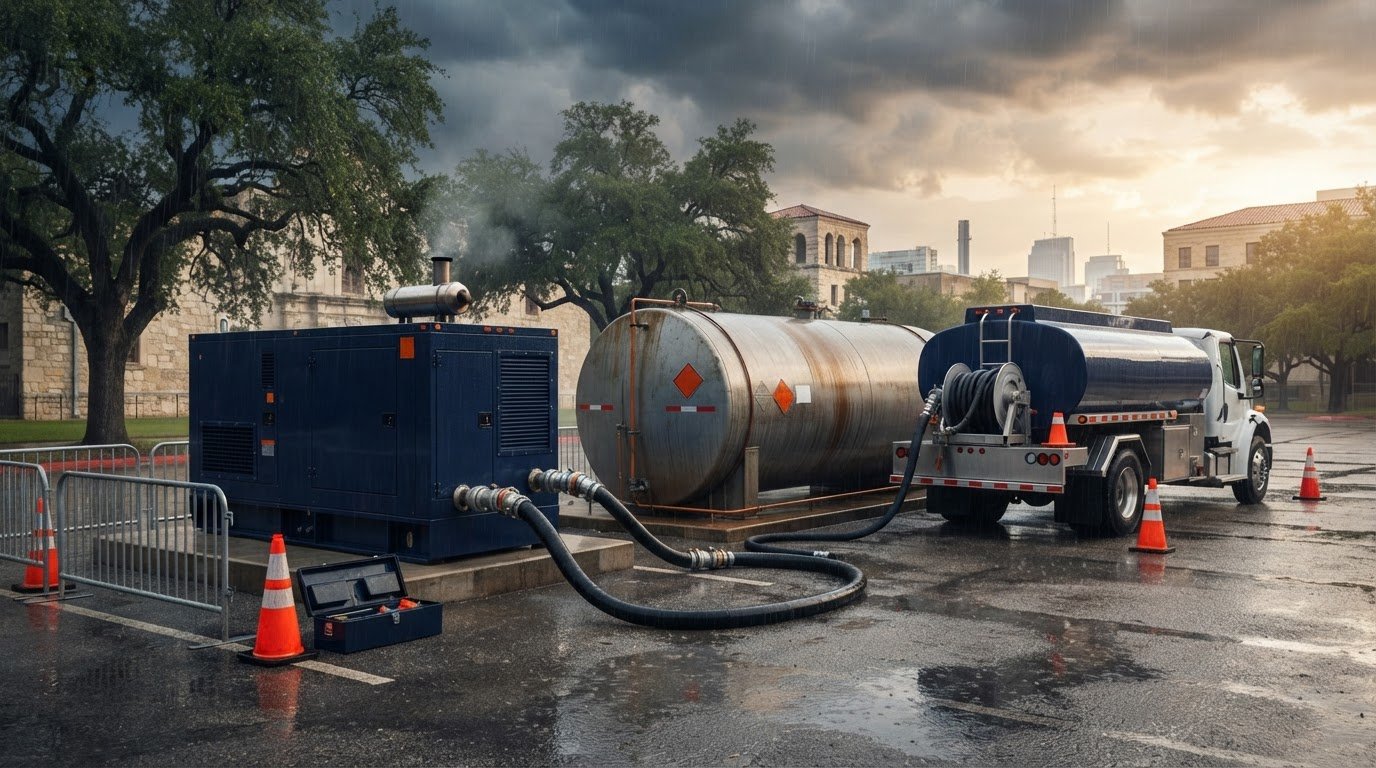
Professional logistics partners utilize closed-loop dispensing systems. These systems use specialized couplers that keep the fluid sealed from the atmosphere during transfer, preventing ambient air, dust, and dirt from entering the storage tote. This methodical process ensures that the fluid entering your machine remains at the high purity level required by modern engine manufacturers. To implement a secure, climate-resilient storage plan for your Texas site, contact our logistics team for a site assessment.
React Fueling: Your Reliable Partner for On-Site DEF Delivery
React Fueling operates as a boots-on-the-ground ally for Texas commercial fleets. When you search for "def fluid near me" from a remote job site, you need more than a GPS coordinate; you need a logistical partner that understands the high-stakes nature of industrial uptime. We provide comprehensive DEF fluid delivery alongside our specialized diesel delivery services to eliminate the fragmentation of your supply chain. Our established presence in Houston, Dallas, Austin, and San Antonio ensures that we're always within reach of your most critical operations, regardless of the terrain or environment.
Integrated Fuel and DEF Management
Efficiency on a modern construction site depends on the seamless integration of services. By bundling DEF with our equipment fueling service, we remove the administrative burden of tracking multiple vendors and disparate delivery schedules. Your site manager benefits from a single point of contact and a single, transparent invoice for all critical site fluids. As a member of the React Holdings energy logistics family, we leverage a robust network to maintain consistency and professional standards across every project. This integrated approach allows your crew to focus entirely on production while we manage the complexities of fluid purity and inventory levels.
Emergency Response and 24/7 Reliability
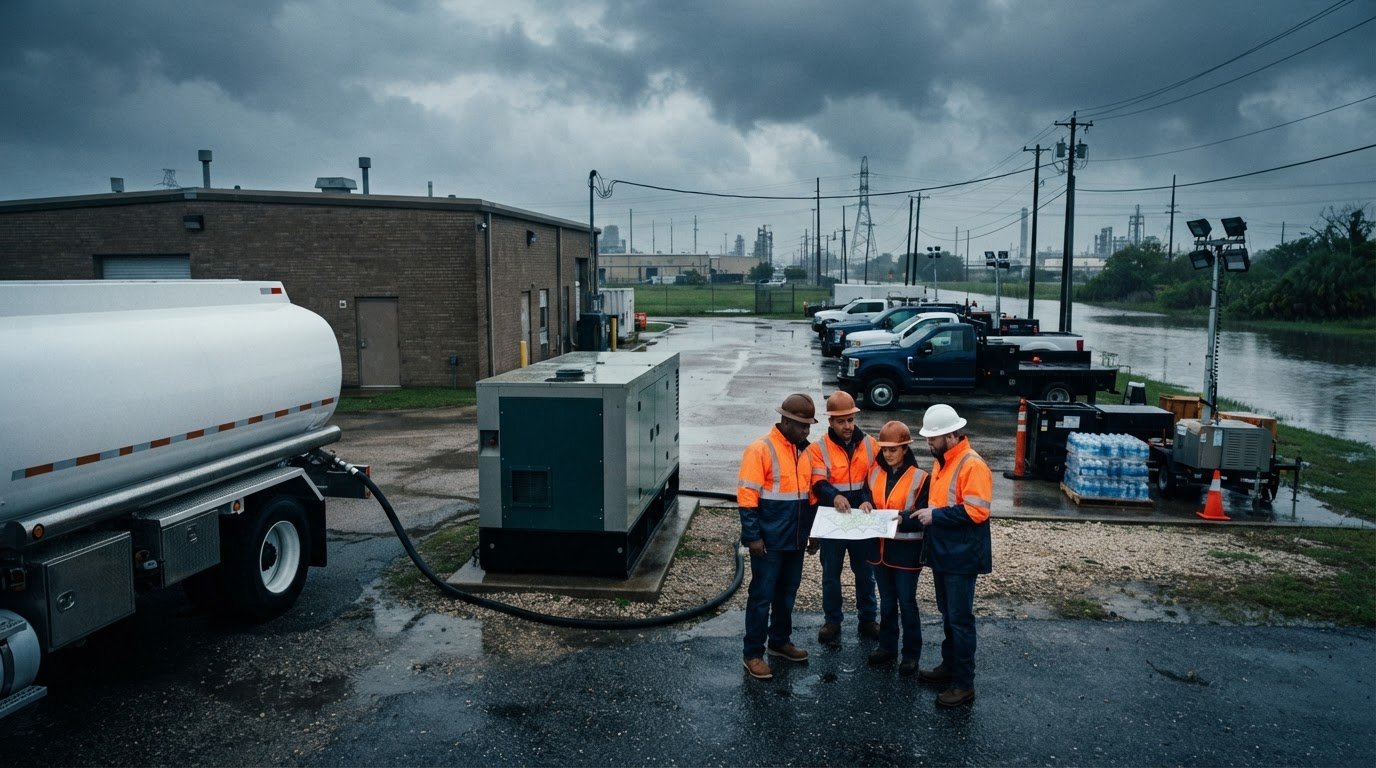
Reliability is the core of our brand persona as a seasoned problem solver. We provide 24/7 emergency fueling to support critical infrastructure and emergency response teams during disaster recovery or extreme weather events. Whether you're managing a hospital's backup power system or a massive civil engineering project after a storm, our team shows up when it matters most. We understand that in the Texas industrial sector, a delay isn't just an inconvenience; it's a significant financial risk. We maintain unwavering readiness to keep your fleet compliant and your engines running at peak performance. To secure your supply chain and prevent costly downtime, contact React Fueling for a custom on-site DEF delivery quote today.
Secure Your Fleet's Future with Proactive On-Site DEF Logistics
The transition to a proactive on-site DEF strategy is a critical move for Texas fleet managers facing the operational pressures of 2026. By moving away from the logistical burden of retail pumps and the high contamination risks of manual jugs, you protect your SCR systems and eliminate hours of non-productive labor. Your search for def fluid near me should result in a partner that integrates fluid management directly into your job site workflow. This approach ensures your Tier 4 equipment remains compliant while your project timelines stay protected from the threat of engine derate mode.
React Fueling provides this stability through our 24/7 emergency response capability and deep logistical presence in Houston, Dallas, Austin, and San Antonio. As a dedicated member of the React Holdings energy logistics network, we possess the specialized equipment and local expertise to safeguard your operations against interruptions. Don't let fluid logistics dictate your productivity; take control of your supply chain today. Schedule On-Site DEF Delivery for Your Texas Fleet to keep your equipment moving and your business growing with total confidence.
Frequently Asked Questions
Where is the best place to find DEF fluid near me in Houston?
On-site delivery is the most reliable way to find def fluid near me in Houston. React Fueling offers direct-to-equipment delivery across the metro area, including Magnolia and the surrounding industrial corridors. This service eliminates the need for your drivers to waste time at retail truck stops. By bringing the fluid directly to your job site, we ensure your fleet maintains 24/7 uptime without the logistical headache of searching for a physical pump.
Can I use any brand of DEF in my commercial diesel engine?
You shouldn't use just any brand; you must verify that the fluid is API-certified and meets ISO 22241 specifications. Commercial diesel engines require a precise 32.5% urea concentration to function within federal emissions guidelines. Using uncertified or low-quality fluids can lead to crystal buildup in the SCR system and eventual catalyst poisoning. We only supply high-purity fluid that undergoes rigorous testing to ensure it protects your engine's longevity and performance.
How long does DEF fluid last in the Texas heat?
DEF shelf life is highly dependent on temperature. In the intense Texas heat, the fluid generally lasts about 6 months before the urea begins to break down into ammonia. If you're operating in Dallas or San Antonio, it's vital to store your totes in shaded, temperature-controlled environments whenever possible. We recommend rotating your stock frequently and checking for a pungent ammonia odor, which is a clear indicator that the fluid has degraded.
Is it cheaper to buy DEF at the pump or in bulk delivery?
Bulk delivery is almost always the more economical choice for commercial fleets. While a retail pump price might appear lower on a sign, it doesn't factor in the high cost of driver labor and fuel wasted during off-route detours. By utilizing a bulk def fluid near me delivery service, you consolidate your invoicing and eliminate non-productive hours. This strategy reduces your total cost of procurement and provides a more predictable budget for your project.
What happens if my equipment runs out of DEF fluid on a job site?
Running out of fluid triggers a mechanical failsafe known as derate mode. Your engine's computer will progressively limit power and speed to ensure the vehicle doesn't operate without emissions control. In some cases, this means your truck is capped at 5 mph or your excavator loses enough torque to stall completely. These interruptions can stop a project in its tracks. We provide emergency delivery services to resolve these situations and keep your crew on schedule.
Does React Fueling deliver DEF fluid to construction sites in Dallas?
React Fueling delivers DEF directly to construction sites throughout Dallas and the surrounding North Texas region. We understand that moving heavy machinery to a gas station isn't feasible for most industrial projects. Our mobile units can reach your equipment even in remote locations to provide direct-to-tank service. This specialized delivery ensures your fleet stays compliant and operational without the need for your operators to leave the job site for refueling.
What is the difference between ISO 22241 and standard urea?
The main difference is the purity level. Standard urea used in fertilizer contains minerals and formaldehyde that are toxic to an SCR catalyst. ISO 22241 fluid is a high-purity solution specifically refined to prevent damage to sensitive engine components. Using standard urea or a "home-made" mix will lead to catastrophic system failure and void your manufacturer's warranty. We only distribute fluid that meets the strict chemical requirements necessary to keep your modern diesel engines running.
Can I store DEF fluid in my own portable tanks?
You can use portable tanks if they are constructed from compatible materials like stainless steel or specific plastics. However, DEF is highly corrosive and will react with common metals like copper, brass, and zinc. This reaction creates contaminants that will destroy your SCR system. To avoid these risks, many Texas operators choose our fuel tank rentals. These units are specifically designed for DEF storage and handling, featuring the closed-loop systems needed to maintain total fluid purity.