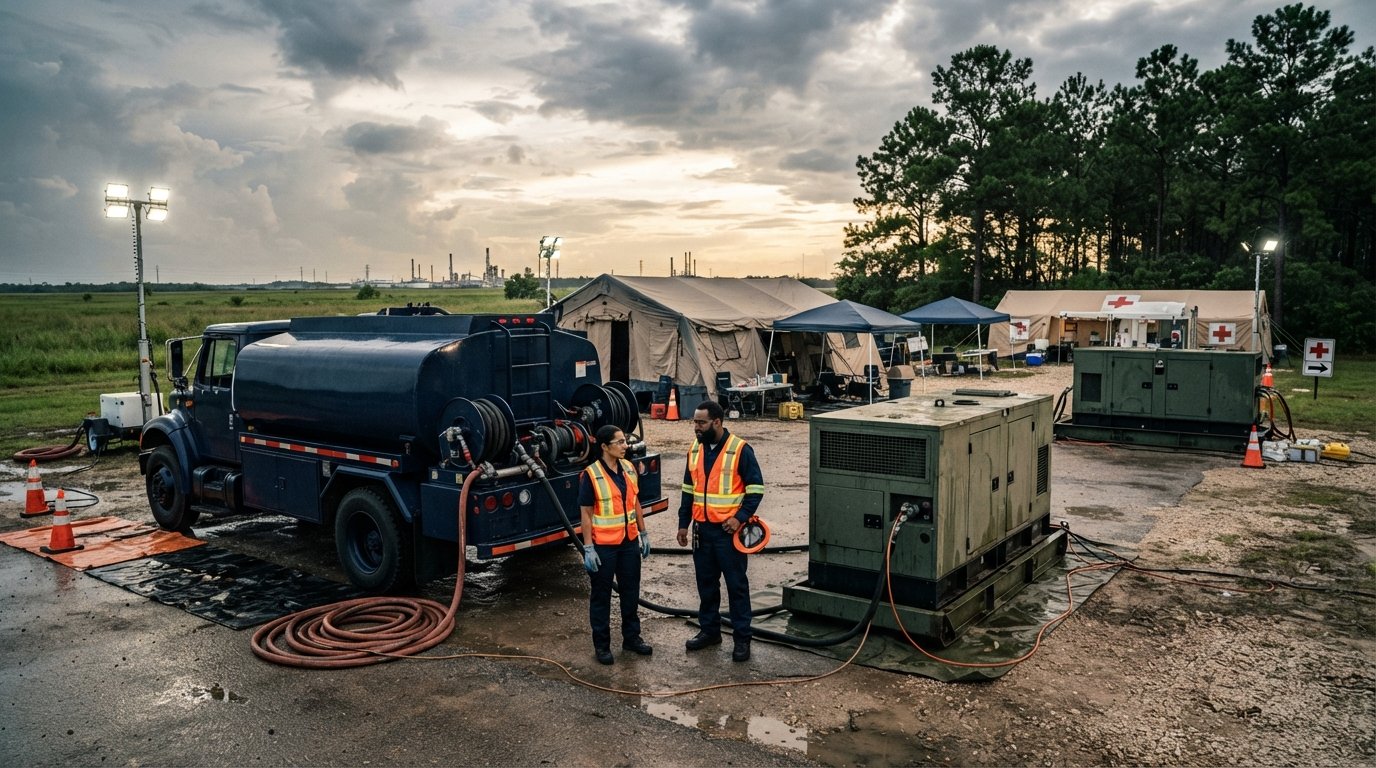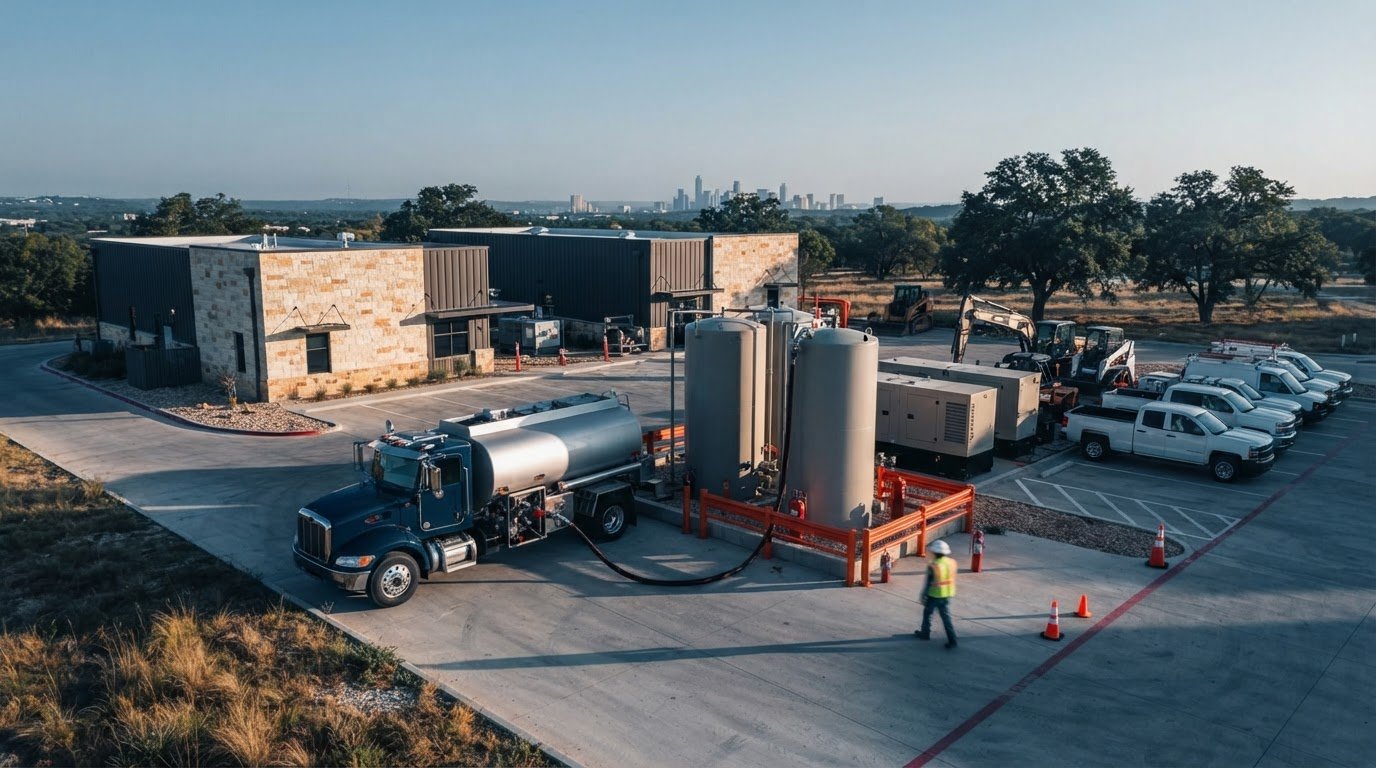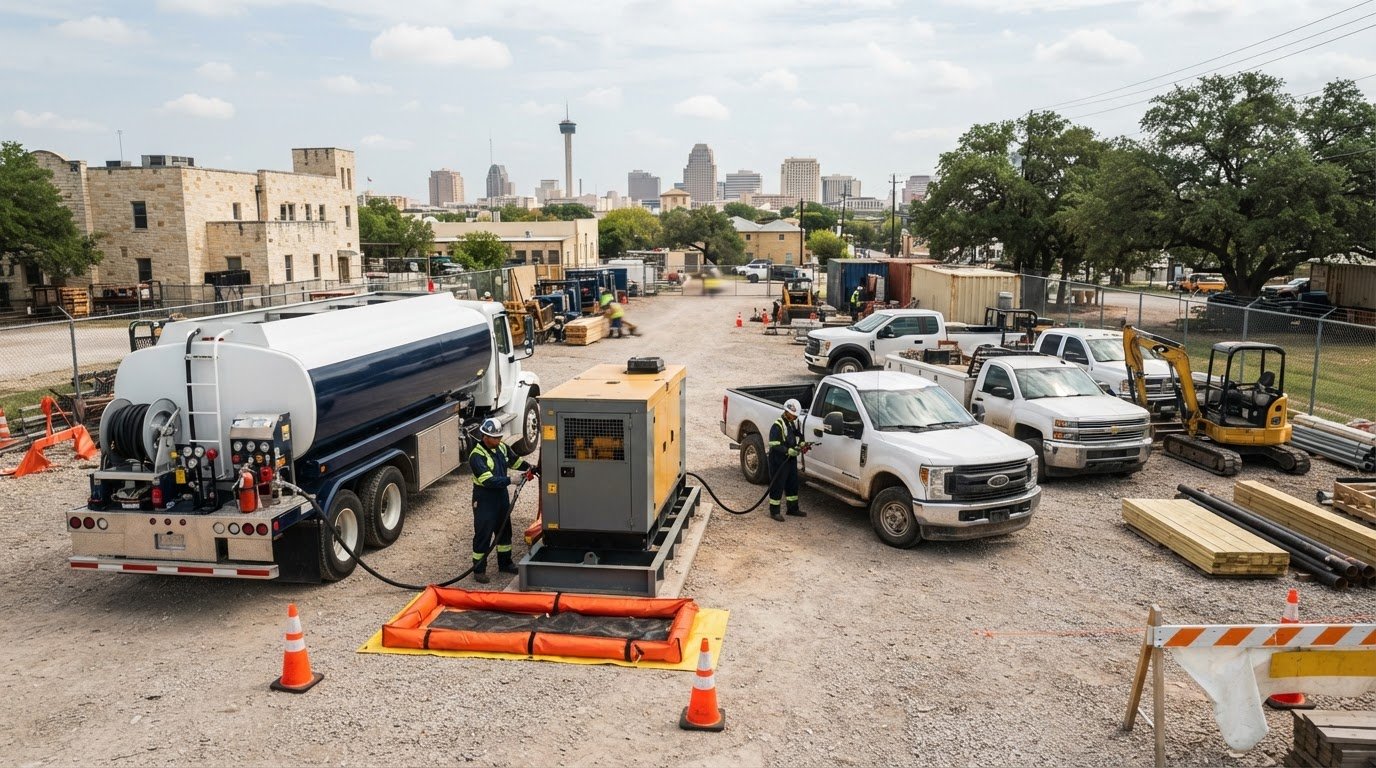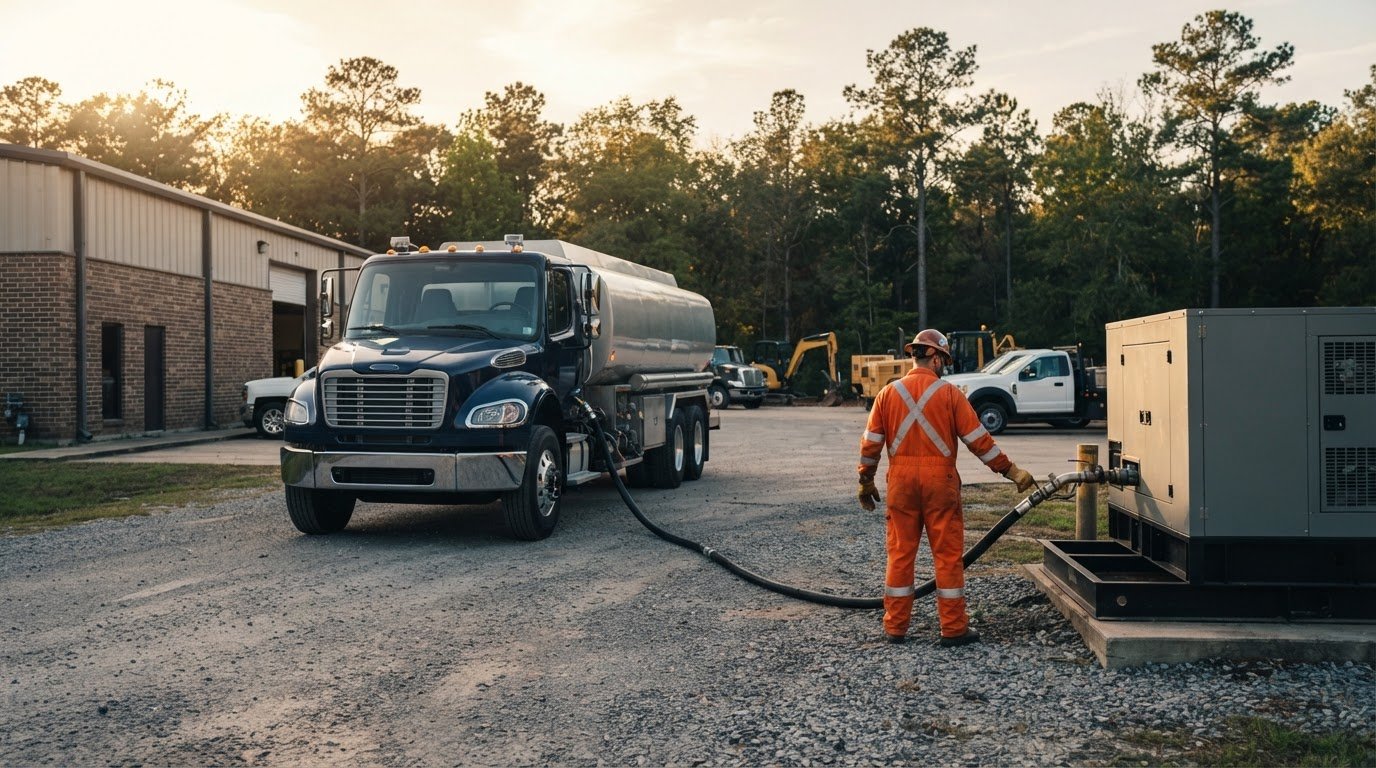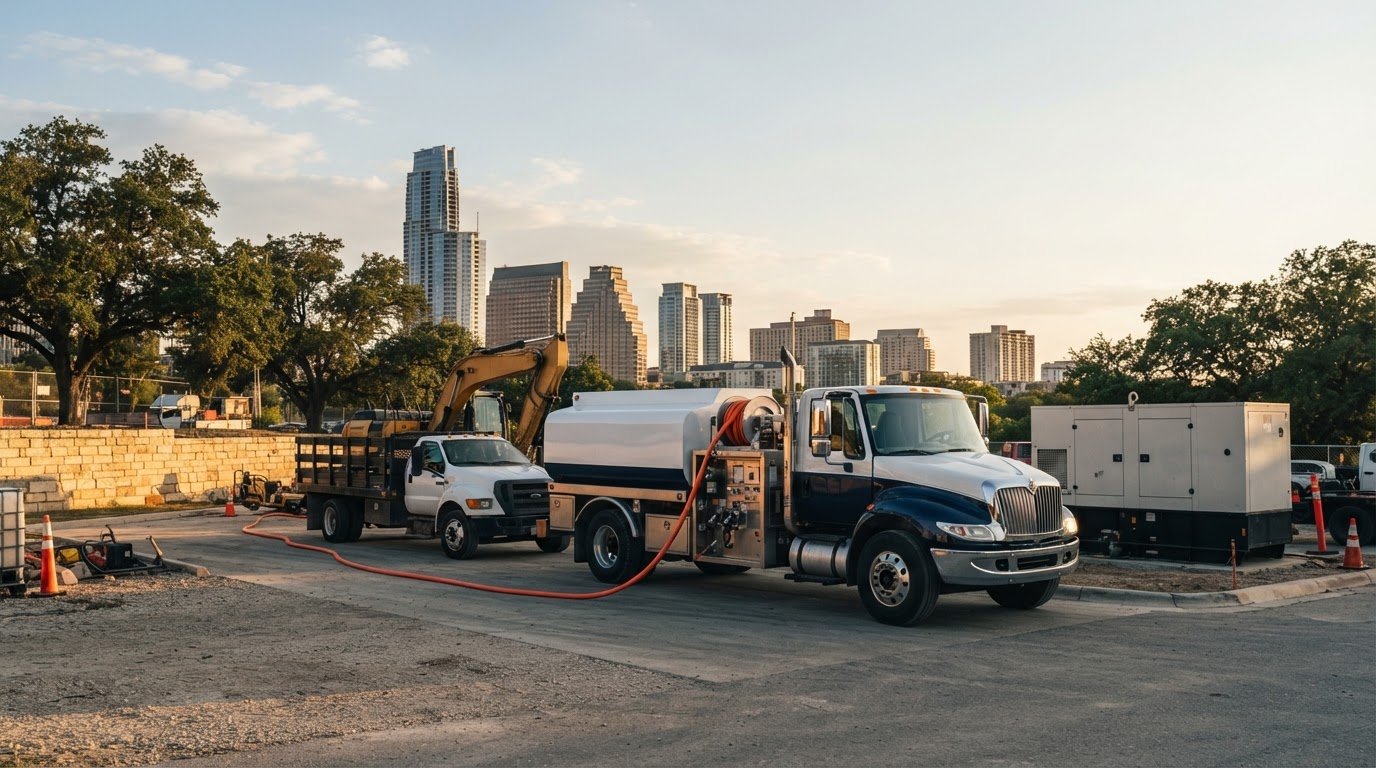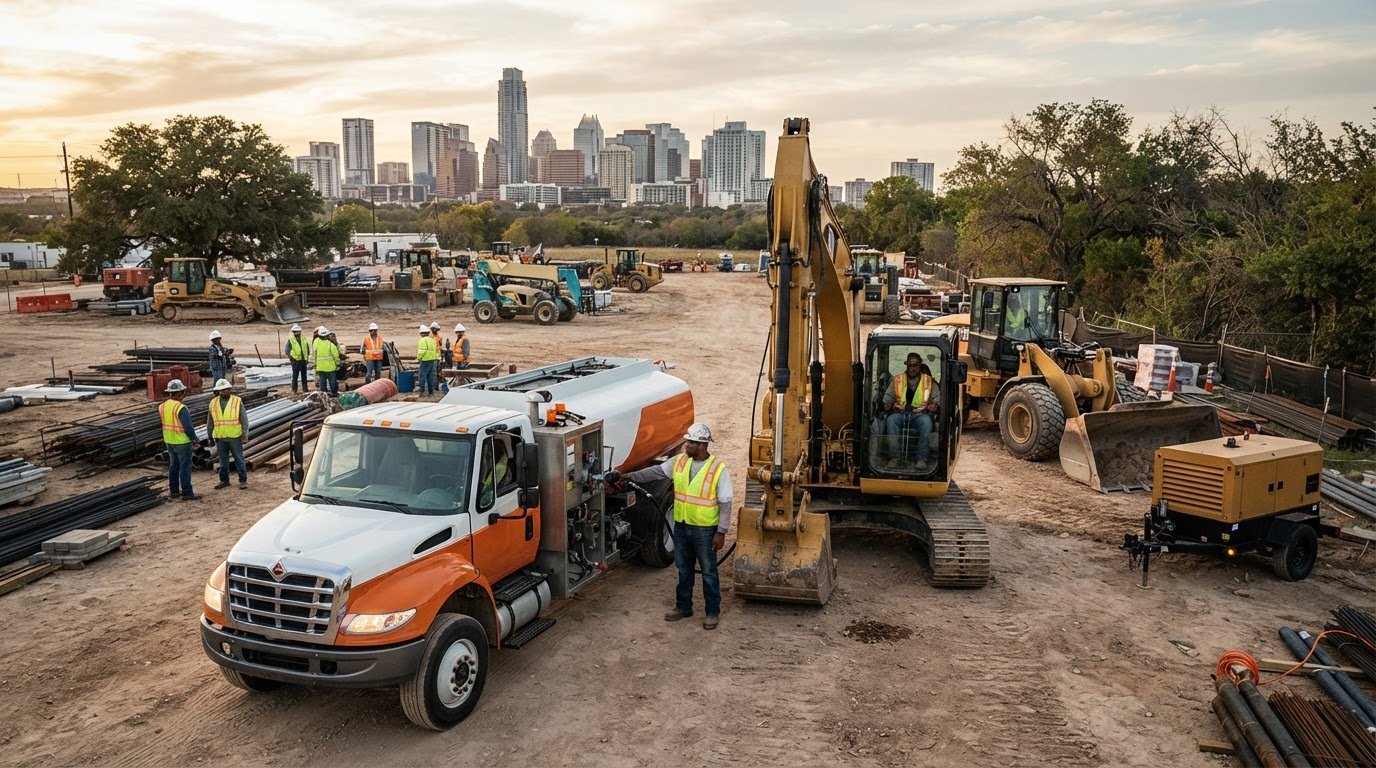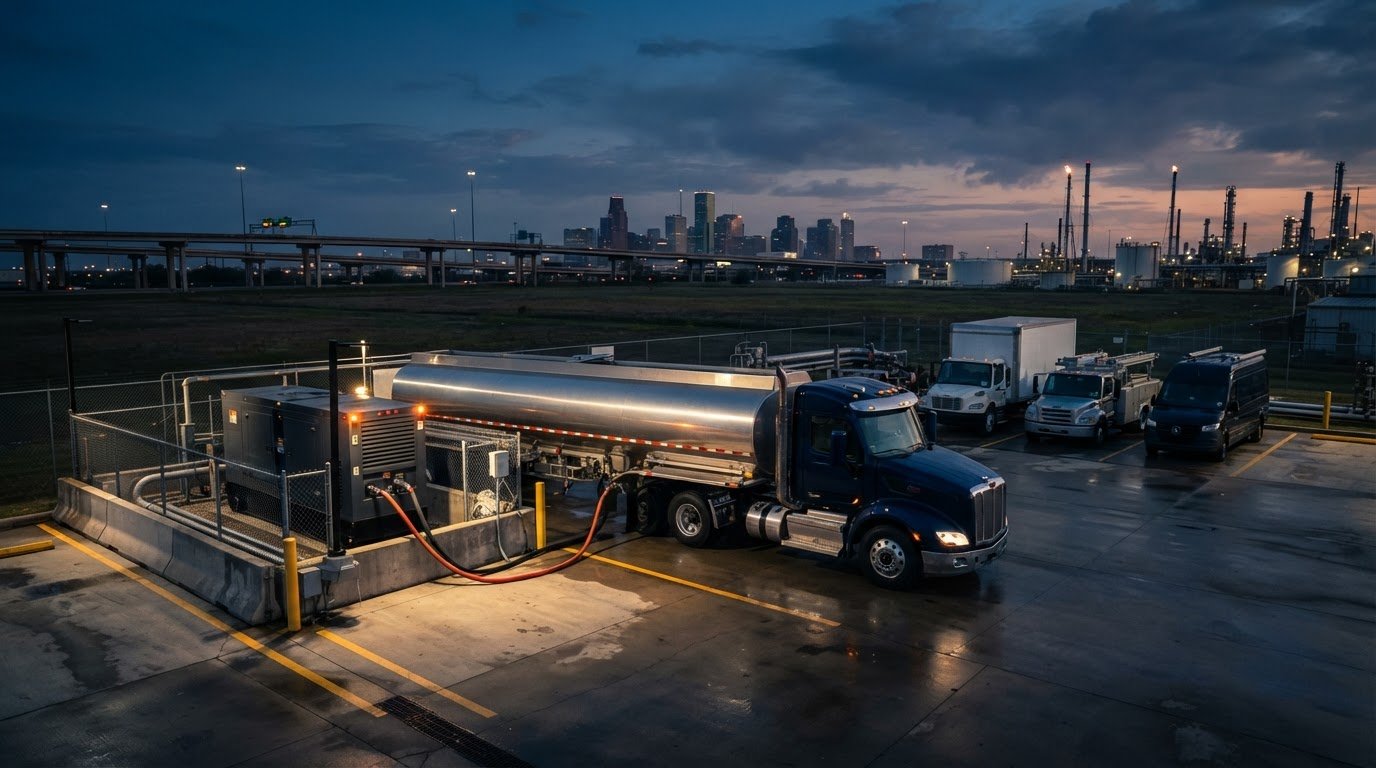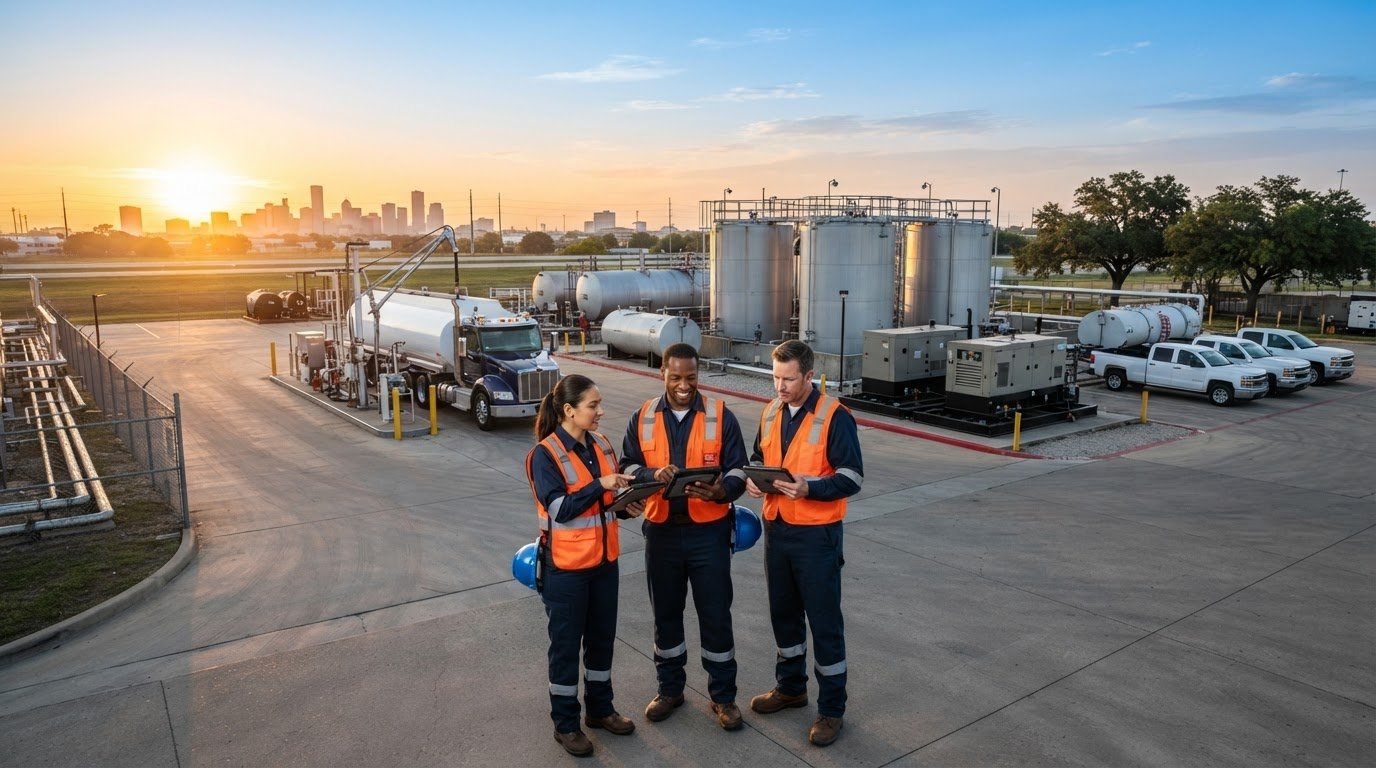
A construction site with a 10-vehicle fleet may be a fit for mobile fueling. An industrial equipment diesel fueling service in San Antonio can fuel equipment and stationary tanks on site, and mobile fueling services can serve fleets starting at 10-15 vehicles and extending up to 200 vehicles. That makes on-site fueling worth considering when equipment can’t easily travel to a fueling point.
Keeping a fleet supplied takes more than topping off trucks. Heavy equipment, industrial machinery, and generators have different fueling needs, and moving them off site can disrupt work. Mobile fueling brings diesel directly to equipment and simplifies site fueling logistics.
This guide explains how mobile fueling works for construction sites and industrial operations, which fleet sizes and equipment it can serve, and what site access and fuel needs contribute to a workable plan. You’ll also see when fueling on site may suit your operation, and how React Fueling’s services fit into that decision.
Can I mobile fuel my 10-fleet construction site?
Yes. Mobile fueling services can serve fleets starting at 10-15 vehicles and extending up to 200 vehicles. For a 10-vehicle construction fleet, the practical questions are site access, fuel types, and equipment location.
On-site delivery can fuel construction equipment that cannot travel to a fueling point. Review the equipment fueling service details to see how on-site equipment fueling fits this need.
Available Fuel Types
Construction operations may need diesel for machinery, gasoline for compatible equipment, and diesel exhaust fluid for systems that use DEF. Off-road dyed diesel may also be relevant to construction equipment. Specify the fuel type for each machine, rather than treating the site as one shared fuel requirement.
San Antonio providers that fuel industrial equipment include commercial fuel-delivery companies with on-site equipment fueling capabilities. Ask for the fuel product by type, including off-road dyed diesel when applicable; don’t assume every provider handles every fuel. A separate DEF delivery can also help supply equipment that uses the fluid.
Service Area and Delivery Speed
When arranging diesel fueling in San Antonio, confirm the job-site location, equipment, fuel needs, and access instructions. Share the preferred delivery timing so fueling can be coordinated with operating hours. For urgent shortages, React Fueling offers emergency fuel delivery.
Mobile fueling can be scheduled while drivers are off the clock, including overnight. This can reduce disruption for a construction crew, but the delivery team still needs clear access instructions. For a spread-out project, identify each fueling location and the equipment that needs service.
Site Storage, Safety, and Environmental Requirements
For a San Antonio job site, plan fueling around the storage method, tank setup, location, and dispensing arrangement. Direct-to-equipment delivery and fuel stored in a tank involve different site-planning considerations. React Fueling offers direct equipment fueling and portable fuel tank rentals.
Prepare the fueling area by controlling access, keeping ignition sources away, and making spill-control materials available. Protect nearby drains and soil from releases, and keep the area clear for safe vehicle movement. These precautions support safe routine deliveries and emergency fueling.
To request service, provide the delivery location, fuel needs, preferred timing, and site-access instructions. Include equipment positions and restrictions so delivery can be planned around the worksite layout.
The delivery amount and pricing depend on the specific request, including fuel volume, location, timing, access, and the equipment or tank being served. Request a quote with these details to receive pricing for your job.
Tracking, tank monitoring, usage records, and fleet fueling reports are distinct service features. State which records your operation needs when setting up its fueling process, so deliveries and fuel use can be coordinated with fleet planning.
Mobile fueling for construction sites and fleets
A construction fleet can coordinate mobile refueling around its work schedule instead of routing every machine to a fuel stop. Fueling can be scheduled while drivers are off the clock, including overnight, which may reduce interruptions during active shifts. This is particularly useful when equipment is spread across a large site or cannot travel on public roads.
Start with a machine-by-machine fueling plan. Record each unit’s location, fuel type, and expected work pattern, then group nearby equipment into practical fueling stops. For example, a loader working near a generator can be included in the same site plan, while equipment in a separate work zone needs its own access details. Clear locations help coordinate delivery with crew movement and site operations.
An equipment fueling service is designed for machinery that needs fuel on site. Construction equipment fleets may include excavators, loaders, lifts, and generators, each with different positions and operating schedules. Mobile delivery can also eliminate the need for a storage tank for equipment that cannot drive on public roads. This can simplify logistics when machinery remains at a remote or restricted work area.
Bulk lubricants require separate planning from diesel and DEF. Identify lubricant types and equipment requirements in your maintenance plan, and keep those supplies distinct from fuel delivery needs. Diesel fuels diesel engines, while DEF is used by compatible emissions systems. Treating these materials separately helps crews specify what the site needs without confusing fuel quantities or equipment requirements.
For smoother coordination, prepare a site fueling brief with these details:
- Equipment locations and safe access routes across the construction site.
- Fuel type required by each machine, including diesel or DEF where applicable.
- Preferred fueling windows based on shift changes and scheduled maintenance.
- Site contact and instructions for gates, restricted areas, or changing work zones.
Use the brief to plan routine refueling and respond to unexpected shortages. Emergency delivery can address an urgent fuel need, while scheduled service can align deliveries with fleet use. Keep the equipment list current as machines move between work areas. Outdated location details can complicate access even when the fuel requirement is clear.
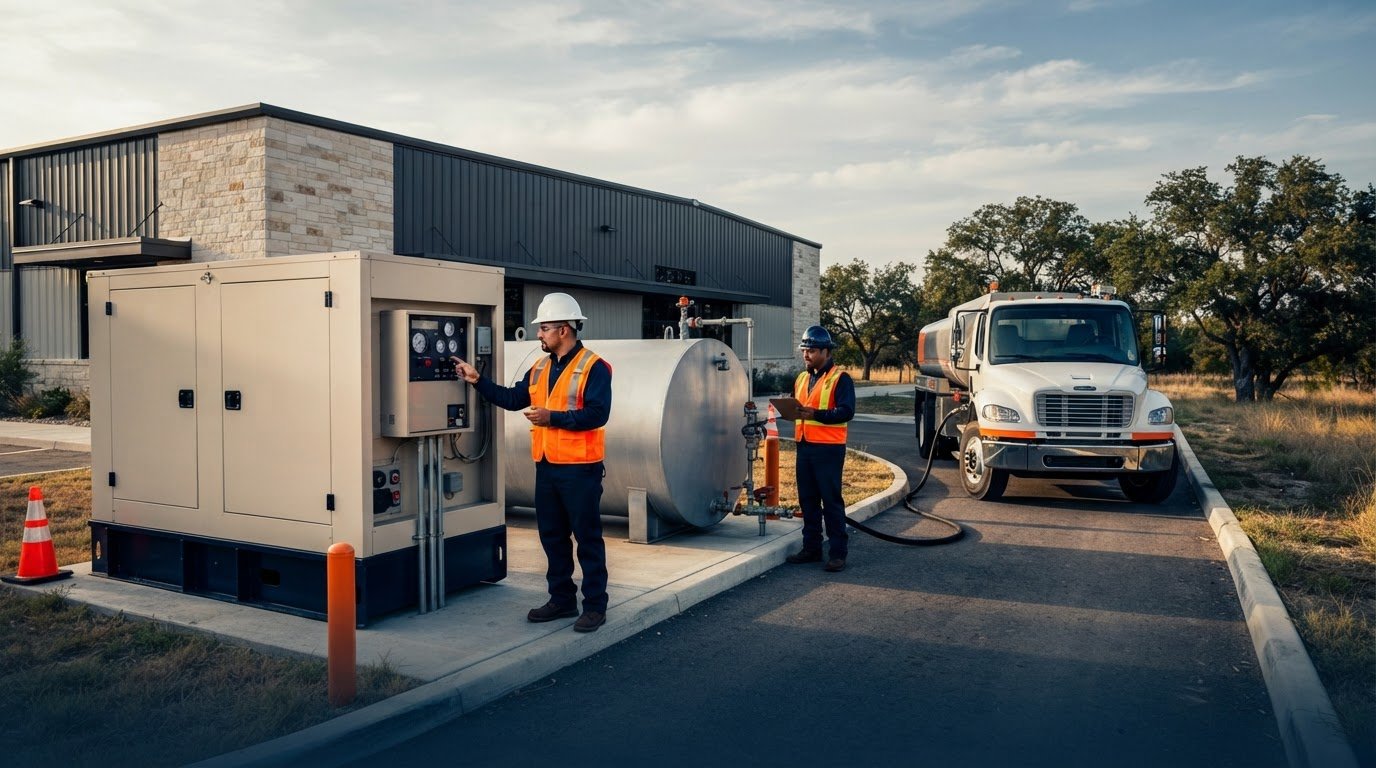
For generators supporting construction operations, plan fueling around their role and operating schedule. A generator serving a work area has different placement and access needs from a machine moving across the site. If your site needs coordinated on-site equipment or generator fueling, use the fueling service contact page to outline the equipment and site requirements.
Critical operations should have its fueling window included in the site plan. Mobile fueling pricing is typically offered on a cost-plus basis or at an indexed price differential, depending on the company and account logistics.
Fleet size and equipment eligibility
Mobile fueling can serve fleets starting at 10-15 vehicles and extending up to 200 vehicles. A 10-vehicle construction fleet falls within that stated range. Fleet size is a useful starting point, but equipment type, location, and fueling access also shape a workable plan.
Eligibility can extend beyond road vehicles. Mobile fueling can fuel stationary tanks, equipment, boats, and other machinery. On a construction site, that may mean serving a loader parked in a work zone, a stationary fuel tank, or machinery that cannot travel on public roads. List each asset and its location to show the site’s actual fueling pattern.
Count all equipment that needs fuel, not only registered fleet vehicles. A construction operation might have trucks moving between locations and excavators that stay on site. Generators may have separate locations and operating schedules. A complete inventory distinguishes mobile units from fixed equipment and shows where delivery access matters.
Use these details to build an eligibility snapshot for your operation:
- Fleet count, including vehicles and equipment requiring on-site fueling.
- Asset types, such as loaders, excavators, generators, and stationary tanks.
- Work locations, including separate construction zones or remote areas.
- Fuel requirements for each asset, recorded by equipment rather than assumed across the fleet.
- Access conditions, including gates, restricted areas, and safe approach routes.
Group assets by location and operating pattern. For example, equipment parked together at a construction site can form one fueling area, while machinery in a separate work zone needs its own location details. This makes the fleet count more useful by connecting each asset to a practical delivery point.
Small fleets can benefit when equipment is stationary or difficult to move. Larger fleets may need a clear site map and asset list to coordinate multiple fueling locations. The 10-15-to-200-vehicle range offers a useful scale reference, but it does not replace an inventory of machinery, tanks, and work areas.
Before planning service, identify which equipment needs fuel and where it will be during delivery. Include generators and stationary machinery alongside vehicles. A clear record helps match your operation’s size to its actual on-site fueling needs, rather than relying on vehicle count alone.
Heavy-equipment and job-site fueling
Heavy equipment often works far from public roads or fixed fuel points. An excavator may stay in one excavation zone, while a loader moves between stockpiles. On-site fueling brings fuel to those machines, avoiding the need to reposition equipment solely to refuel. The delivery plan should reflect where each asset works, not just the site’s street address.
Map the work area before scheduling delivery. Mark equipment locations, access roads, gates, and active work zones. A crane beside a foundation may need a different route from a generator near the site office. Clear directions help the delivery vehicle reach equipment without crossing an active work area or blocking material movement.
Build the fueling sequence around the work schedule. Identify which machines must be ready first, such as an excavator beginning trench work or a loader moving aggregate. Then note when each machine can pause safely. Mobile fueling can be scheduled while drivers are off the clock, including overnight, which may suit equipment prepared for an early start.
Site conditions change as construction advances. A machine may move from an excavation area to a staging zone, while temporary access routes shift around deliveries. Update equipment locations and site instructions when work zones change. A current map is more useful than a familiar address when crews operate across separate areas.
Coordinate fueling with equipment responsibilities. The site supervisor can identify the machines, while operators provide current locations and access details. Keep fuel type information attached to each asset. For example, list diesel equipment separately from machines requiring DEF so the request describes the actual need.
Use a practical checklist before each planned delivery:
- Confirm the equipment list and current work locations.
- Identify the machines that need fuel before the next work period.
- Mark safe access routes around workers, materials, and active operations.
- Share gate instructions and contact details for the job site.
- Update the plan when equipment or construction zones move.
Delivery timing and sequence depend on site access, equipment placement, and operating schedules. A generator supporting a remote work area may need different coordination from a loader parked near the main entrance. Treat each location as a separate fueling point, even when all equipment belongs to one project.
For equipment that cannot travel on public roads, mobile fueling can eliminate the need for a storage tank. That distinction matters on sites where machinery remains in place or access to a fueling point is limited. A clear location plan lets crews coordinate heavy-equipment fueling without disrupting the work sequence.
Fueling industrial equipment and generators
Industrial equipment and generators support different parts of a San Antonio operation. An excavator uses fuel while crews move earth; a generator supplies power to a work area or critical equipment. Plan their fueling separately because their locations, operating patterns, and access needs may differ. An industrial equipment diesel fueling service in San Antonio can support this plan by accounting for each asset’s role.
Start with each asset’s function. Identify which generator supports essential operations, which machines move between work zones, and which assets remain stationary. A generator behind a facility may need a different delivery route from a loader beside a construction area. Recording each location helps organize fueling around actual site conditions.
Generator demand can change with the work schedule. A unit supporting overnight operations has different timing needs from one used during daytime maintenance. Record when each generator runs and when crews can provide safe access. Use those details to coordinate delivery with operations rather than interrupting an active task.
Separate fuel planning from equipment tracking. Keep an asset record with each generator or machine’s identifier, location, fuel type, and operating role. If a generator moves from a temporary work area to a facility support position, update its location before the next delivery. This keeps the plan useful as site conditions change.
For a practical fueling plan, organize equipment by function:
- Generators supporting facility operations or temporary work areas.
- Stationary industrial equipment that remains in one location.
- Mobile machinery that shifts between separate work zones.
- Equipment with distinct fuel or DEF requirements.
Match delivery timing to each group. A generator supporting a continuous process may need attention before a planned work period, while mobile equipment can be grouped by location. Fueling can be scheduled while drivers are off the clock, including overnight. The right sequence depends on access, operating schedules, and equipment placement.
Site instructions should distinguish generator access from general equipment access. Note gates, restricted areas, and routes that avoid active work. For example, a generator near a facility entrance may be reached without crossing a construction zone. Clear instructions help coordinate delivery and keep the work area organized.
Selecting an industrial equipment diesel fueling service in San Antonio starts with matching the fueling plan to each asset’s needs. Keep locations current, separate equipment categories, and coordinate schedules with operations. These steps help site managers plan as equipment and work conditions change.
React Fueling: Diesel Delivery
React Fueling delivers diesel for fleets, construction sites, industrial equipment, and generators. Use its Equipment Fueling Service when machinery needs fuel at the job site, or Generator Fueling Service when a generator supports facility operations or active work areas. Diesel Delivery and Fuel Delivery also serve commercial fuel needs.
For a useful service request, provide the delivery location, fuel requirements, equipment positions, preferred timing, and site-access instructions. These details connect the fueling plan to your operation’s layout and schedule. For a construction fleet, list separate locations for stationary equipment and generators.
Review the diesel delivery service details, then visit React Fueling’s website to discuss your operation’s fueling needs.
Put a Fueling Plan in Motion
Make fuel coordination part of your operating plan, not a last-minute task. Assign responsibility for updating equipment locations, identifying upcoming needs, and sharing changes with your site team. This routine gives your operation a clearer basis for planning deliveries as projects and equipment schedules shift.
When selecting an industrial equipment diesel fueling service in San Antonio, match the service to the work: equipment at the job site, generators supporting operations, and broader commercial fuel needs. React Fueling offers Diesel Delivery, Equipment Fueling Service, and Fuel Delivery for these requirements.
Bring your site details and fueling priorities together, then contact React Fueling to discuss service. A practical conversation can help you identify the next step for your operation and keep your fueling plan aligned with the work ahead.
Frequently Asked Questions
How Much Does Diesel Delivery Cost In San Antonio?
Diesel delivery pricing depends on the specific request, and a quote is provided after you request one. The delivery location, fuel requirements, timing, and site access help determine the cost. Explain whether the delivery is for a commercial fleet, industrial facility, or construction operation so the quote reflects the job. React Fueling offers clear, competitive rates with no long-term commitments or hidden fees.
How does it work?
Submit a service request with your location, fuel needs, preferred timing, and site details. For example, an industrial facility can identify a generator’s location and access route separately from its equipment fueling needs. React Fueling provides commercial diesel and fuel delivery, including on-site fueling for equipment and generators. Clear delivery-point and access instructions help shape the request.
Need Diesel Fuel for Your Industrial Operations in Texas Today?
Request diesel delivery for your Texas operation and provide the details needed to plan service. React Fueling serves commercial and industrial customers in Houston, TX; Austin, TX; San Antonio, TX; Dallas, TX; College Station, TX. Include your facility or job-site location, type of operation, fuel needs, and access instructions. These details help direct your request to the appropriate delivery service.
Need Fuel Fast?
React Fueling offers 24/7 emergency fueling for urgent commercial fuel needs. State the delivery location, fuel required, and operational issue in your request. For example, explain whether a generator needs fuel to support a facility or equipment needs diesel at a work site. Providing accurate access details helps clarify where the delivery must go. Emergency service is intended for urgent fueling situations, not vehicle mechanical repair.
How much does on-site diesel fueling cost per gallon in San Antonio, including delivery fees?
On-site diesel fueling in San Antonio is quoted for the specific request, rather than offered here at a standard per-gallon price. The quote depends on factors such as fuel needs, delivery location, timing, and site access. Describe whether the delivery is for equipment or a generator, and include relevant site instructions. React Fueling offers clear, competitive rates with no long-term commitments or hidden fees.
Do San Antonio fuel providers offer 24/7 emergency diesel delivery and scheduled fueling?
React Fueling offers 24/7 emergency fueling, along with scheduled diesel delivery and scheduled generator fueling. These options address different planning needs: scheduled service can support routine operations, while emergency delivery is for urgent fuel requirements. In your request, specify whether you need a recurring schedule or an urgent delivery, plus the location and fuel type. That distinction helps define the service you’re seeking.
What information is needed to request a diesel fueling quote for industrial equipment?
Include the delivery address, diesel requirements, preferred timing, and site-access instructions. Identify the equipment or generator needing fuel and its location on the property. Note gate access, restricted areas, and the best site contact for delivery coordination. If several assets need service, list each delivery point separately. This gives the quote request useful operational context.