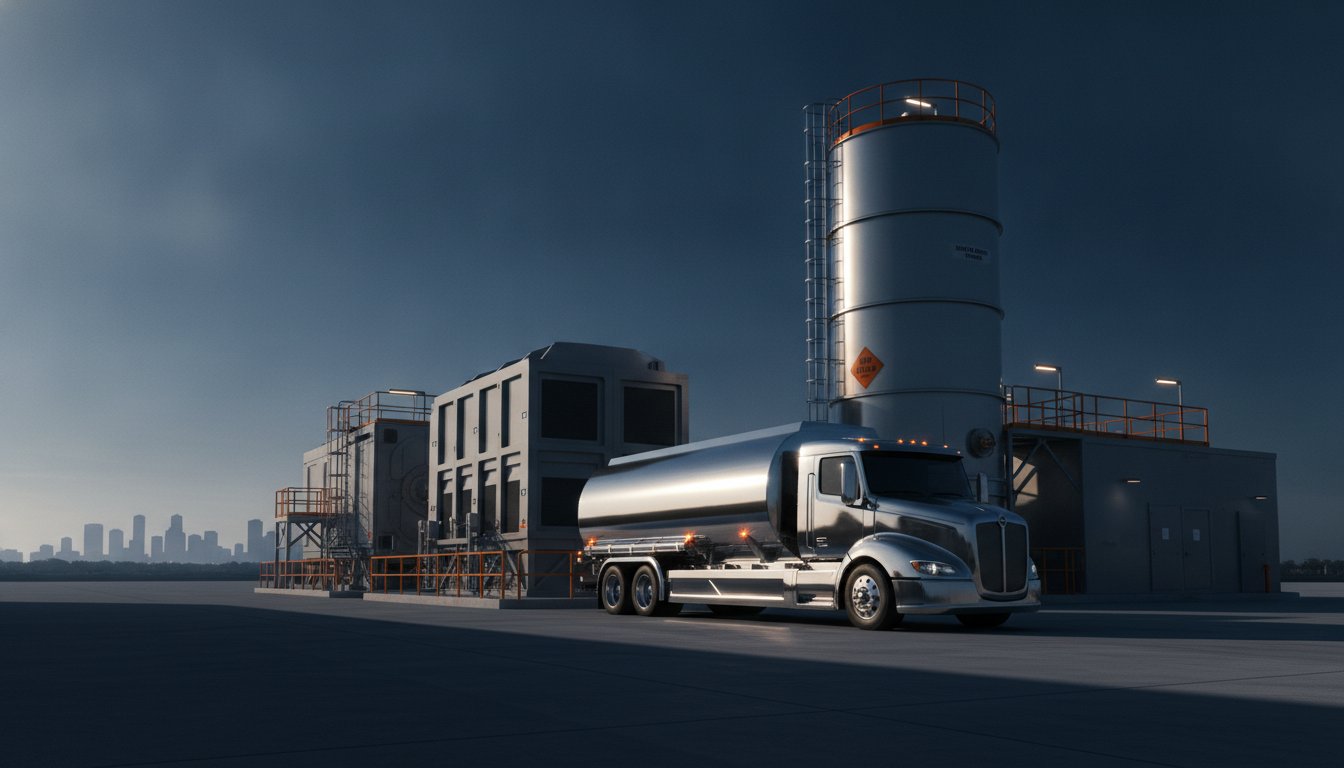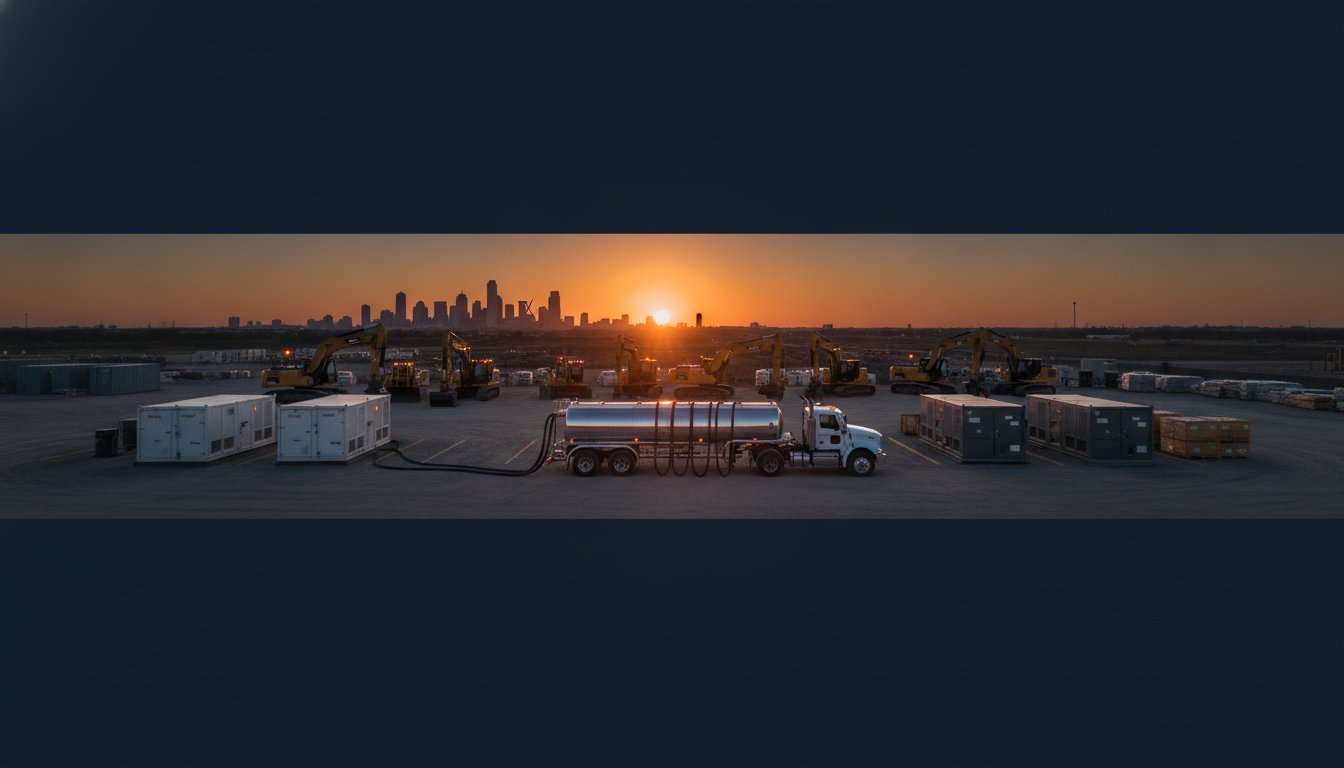
Every hour a large excavator sits idle on a Brazos County job site costs your operation between $125 and $400 in lost production and wasted wages. When your fleet stops, your profit margins stop with it. Professional on-site fuel delivery for heavy machinery College Station transforms fuel from a logistical headache into a strategic advantage. You already understand that hauling diesel in the back of a pickup isn't just inefficient; it's a liability that risks safety and compliance on high-stakes projects like the SH 6 expansion.
This 2026 guide shows you how to achieve zero equipment downtime while simplifying your fuel accounting and tracking. You'll learn how mobile fueling services keep your machines running through the night so they're ready the moment the shift starts. We will cover the specific tax advantages of dyed diesel, the latest TCEQ storage requirements, and how to navigate the 2024 International Fire Code standards now active in College Station. By the end of this article, you'll have a clear roadmap for streamlining your project logistics and protecting your bottom line from the hidden costs of fuel mismanagement.
The Impact of Machinery Downtime on College Station Projects
College Station's infrastructure is undergoing a massive transformation, headlined by the $671 million SH 6 Central expansion. On these high-stakes job sites, every minute of operation is synchronized. When a fleet stops because of a dry tank, the financial impact ripples through the entire project schedule. Relying on "retail runs" where crews haul fuel trailers to local gas stations is no longer a viable strategy for modern contractors. It creates a logistical bottleneck that threatens aggressive 2026 completion dates. Utilizing professional on-site fuel delivery for heavy machinery College Station ensures your assets remain productive without the risks associated with manual transport.
Quantifying Idle Time and Labor Costs
The cost of an idle heavy construction machinery spread is staggering. Industry data from the DozerHub Equipment Cost Index suggests that unplanned downtime for large excavators or scrapers averages between $125 and $400 per hour. This figure accounts for machine depreciation, lost production, and the wages of idle operators. If your crew spends 45 to 60 minutes per shift managing manual refueling, you're effectively losing an entire hour of productivity every single day. Direct equipment fueling service eliminates this waste by ensuring machines are ready to work before the first operator arrives. Operational continuity in Texas construction means maintaining a seamless workflow where fuel logistics never interrupt the critical path of a project.
Safety and Compliance Risks of DIY Fueling
Managing fuel internally introduces significant liability. The City of College Station adopted the 2024 International Fire Code on January 1, 2026, which mandates strict standards for on-site combustible liquids. DIY fueling often leads to non-compliance with these local fire permits and setbacks. Beyond fire safety, the environmental risks are high. A single diesel spill on a sensitive Brazos Valley site can trigger heavy TCEQ fines and require expensive remediation. Professional diesel delivery providers utilize specialized equipment designed for direct-to-machinery fueling, which drastically reduces the risk of ground contamination. By outsourcing this task, you shift the burden of hazardous materials transport and spill coverage to a specialist, lowering your overall insurance overhead. It's a calculated move that protects your project's reputation and your company's bottom line.
How Direct-to-Equipment Fueling Services Work
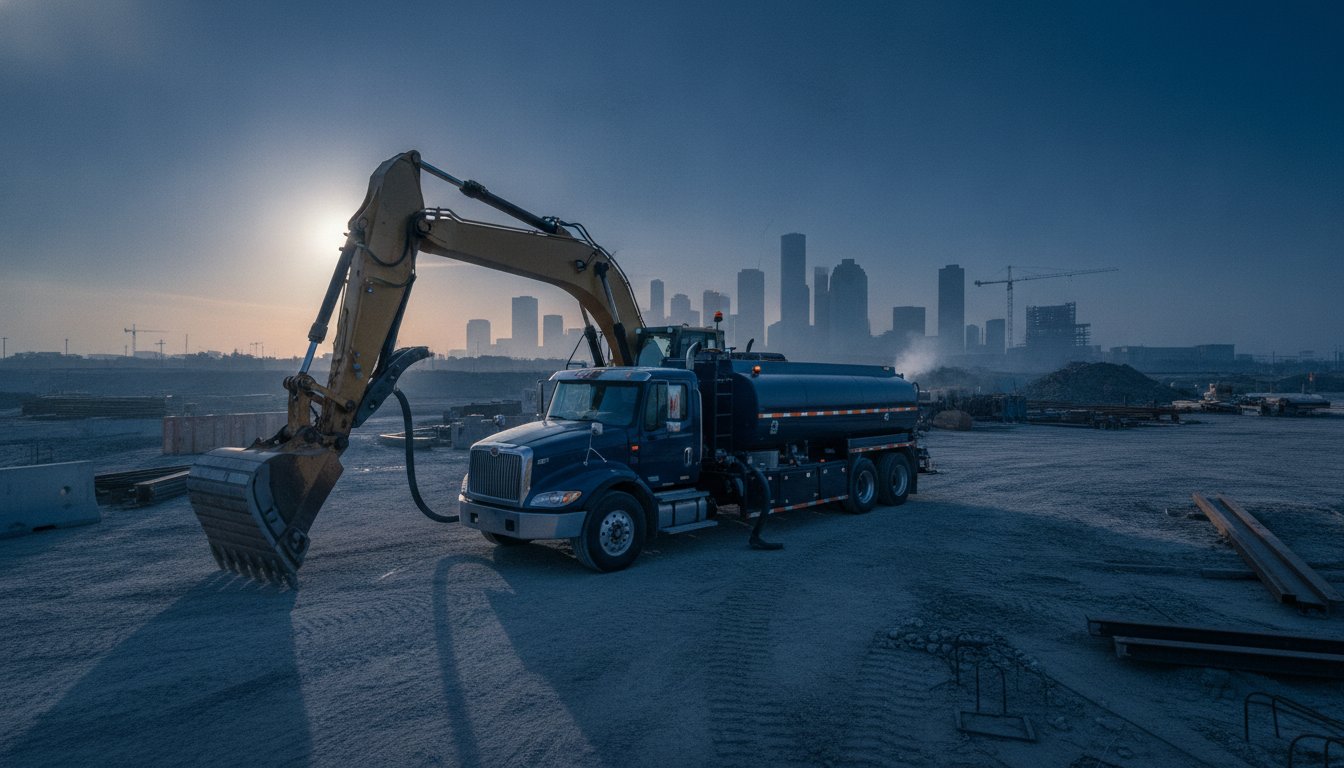
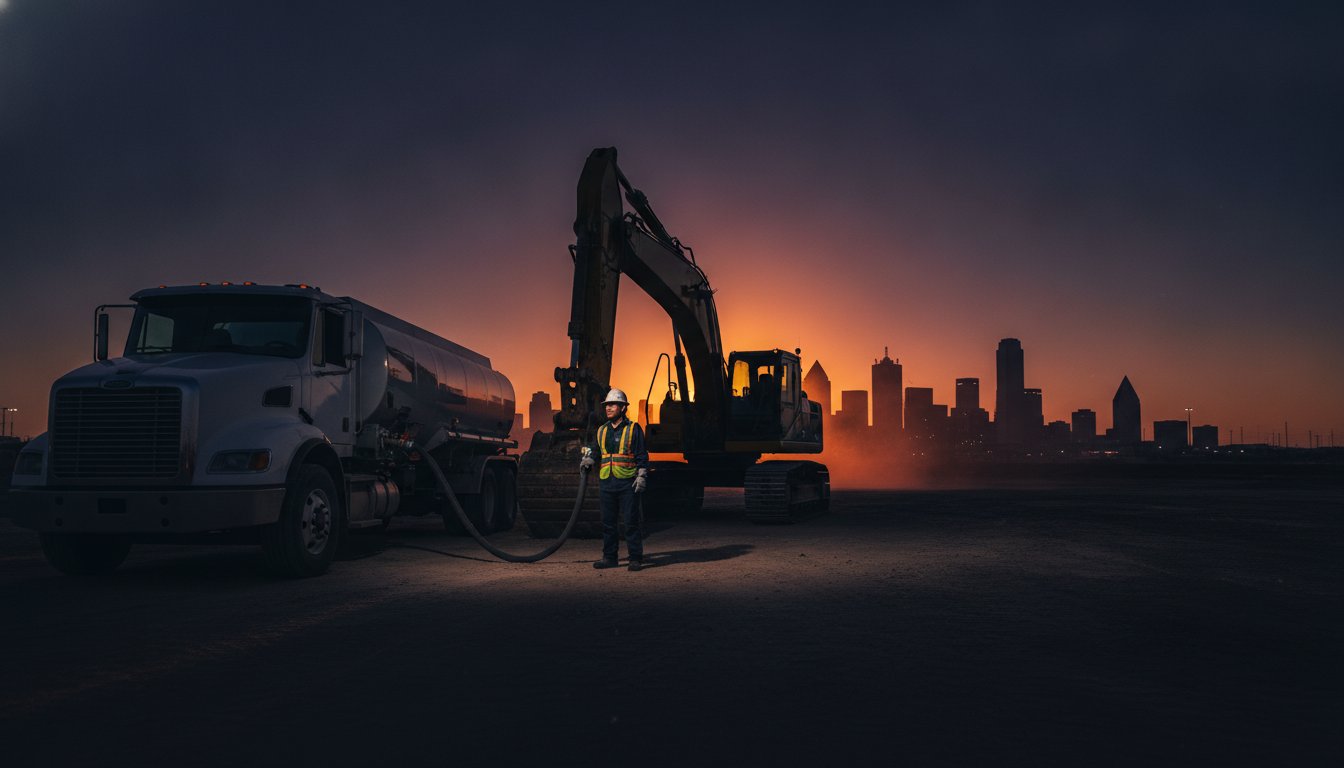
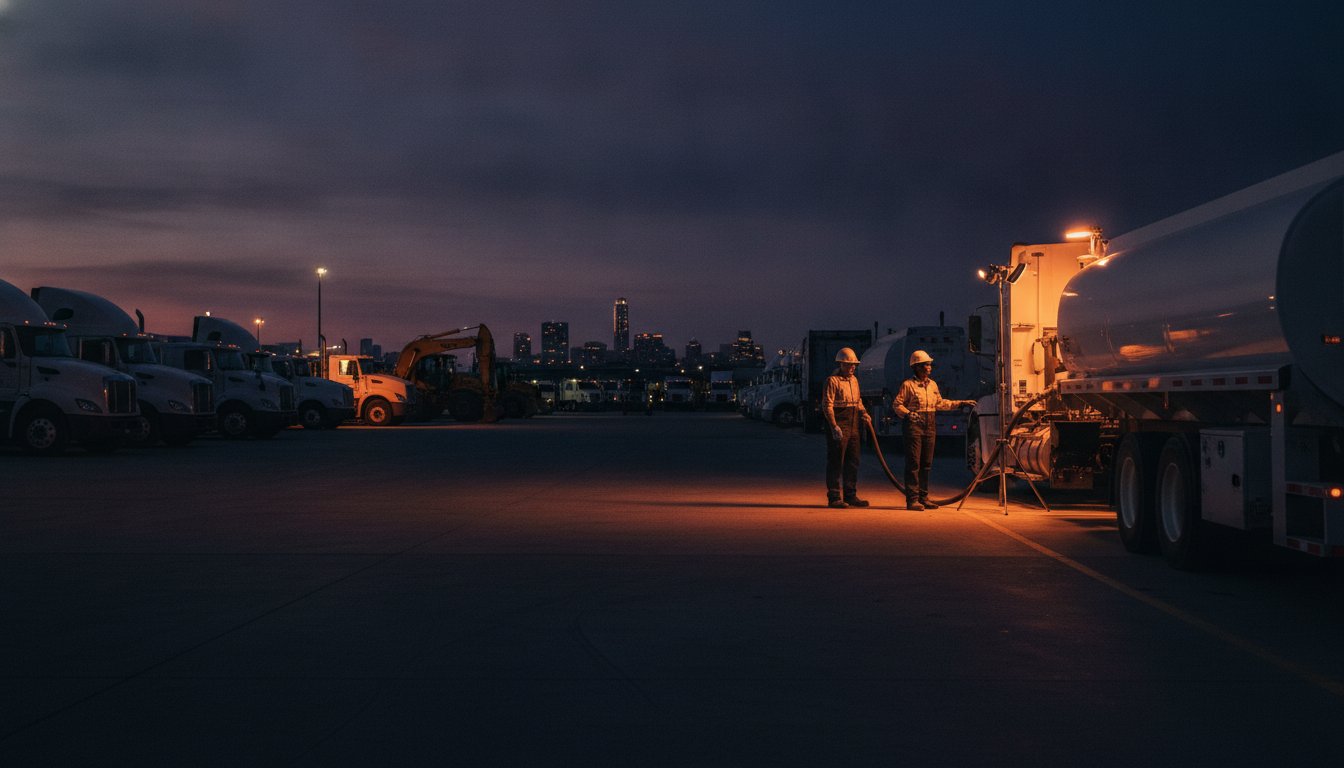
Mobile refueling, commonly known as wet-hosing, streamlines job site logistics by delivering diesel directly from the terminal to your machinery's fuel tanks. Instead of forcing operators to manage centralized fuel skids, specialized delivery trucks navigate the active job site to service each asset individually. Scheduling these deliveries during off-shift hours, typically between 7:00 PM and 5:00 AM, ensures your earthmoving spreads operate at maximum capacity during daylight hours. Every delivery truck utilizes high-capacity filtration systems to guarantee fuel purity, removing water and particulate matter before the fluid enters your equipment. Implementing tailored on-site fuel delivery for heavy machinery College Station removes the logistical burden from your project managers entirely.
The 5-Step Mobile Fueling Process
Our structured delivery method prioritizes safety, speed, and absolute tracking accuracy through five distinct phases:
- Step 1: Site Assessment: Logistics specialists map your job site, identifying safe access routes and ensuring compliance with OSHA flammable liquid handling standards.
- Step 2: Custom Scheduling: Delivery windows are established based on your equipment's specific duty cycles and shift patterns.
- Step 3: Precision Fueling: Certified technicians utilize calibrated digital meters and high-flow nozzles to fill each machine safely.
- Step 4: Fluid Replenishment: Technicians top off vital emissions fluids simultaneously to maintain complete fleet readiness.
- Step 5: Digital Reporting: Barcode or RFID scanning captures the exact gallon count delivered to each specific asset for simplified accounting.
Managing DEF and Specialized Fluids
Modern Tier 4 Final heavy equipment requires precise management of Diesel Exhaust Fluid alongside ultra-low sulfur diesel. Allowing DEF levels to drop too low triggers an automatic engine derate, plunging your machinery into "limp mode" and halting production instantly. Dust, humidity, and wind on Brazos Valley job sites make manual DEF transfers highly susceptible to chemical contamination, which can destroy sensitive selective catalytic reduction systems. Utilizing single-source on-site DEF fluid delivery eliminates this risk by using sealed, closed-loop dispensing systems during the fuel drop. If you want to protect your fleet from costly engine derates and streamline your daily logistics, you can contact our local dispatch team to coordinate a comprehensive fleet fueling strategy.
Mobile Fueling vs. On-Site Tank Storage
Deciding between mobile fueling and stationary storage depends on your project's physical footprint and labor availability. For linear projects like the ongoing road construction along the SH 6 corridor, a fixed tank becomes a logistical anchor that eventually slows progress as equipment moves further away. Mobile on-site fuel delivery for heavy machinery College Station offers the agility to follow the work as it moves across the Brazos Valley. Conversely, a stationary tank provides a constant reserve for long-term industrial sites or massive campus developments where machinery operates within a tight radius for several months. Each model has distinct advantages regarding capital expenditure and operational oversight.
When to Choose Mobile 'Wet-Hosing'
This model excels in high-mobility environments and tight urban sites where space for a dedicated fuel depot is unavailable. It eliminates the administrative burden of securing on-site environmental permits and maintaining complex stationary containment systems. According to EPA SPCC guidelines for mobile refuelers, mobile operations follow streamlined spill prevention protocols compared to bulk stationary storage. Wet-hosing also solves the labor issue; our technicians handle all nozzle time, freeing your operators to focus entirely on production. In multi-contractor environments, direct-to-asset tracking ensures each gallon is billed to the correct project code with absolute precision, preventing fuel shrinkage and accounting errors.
Benefits of On-Site Tank Rentals
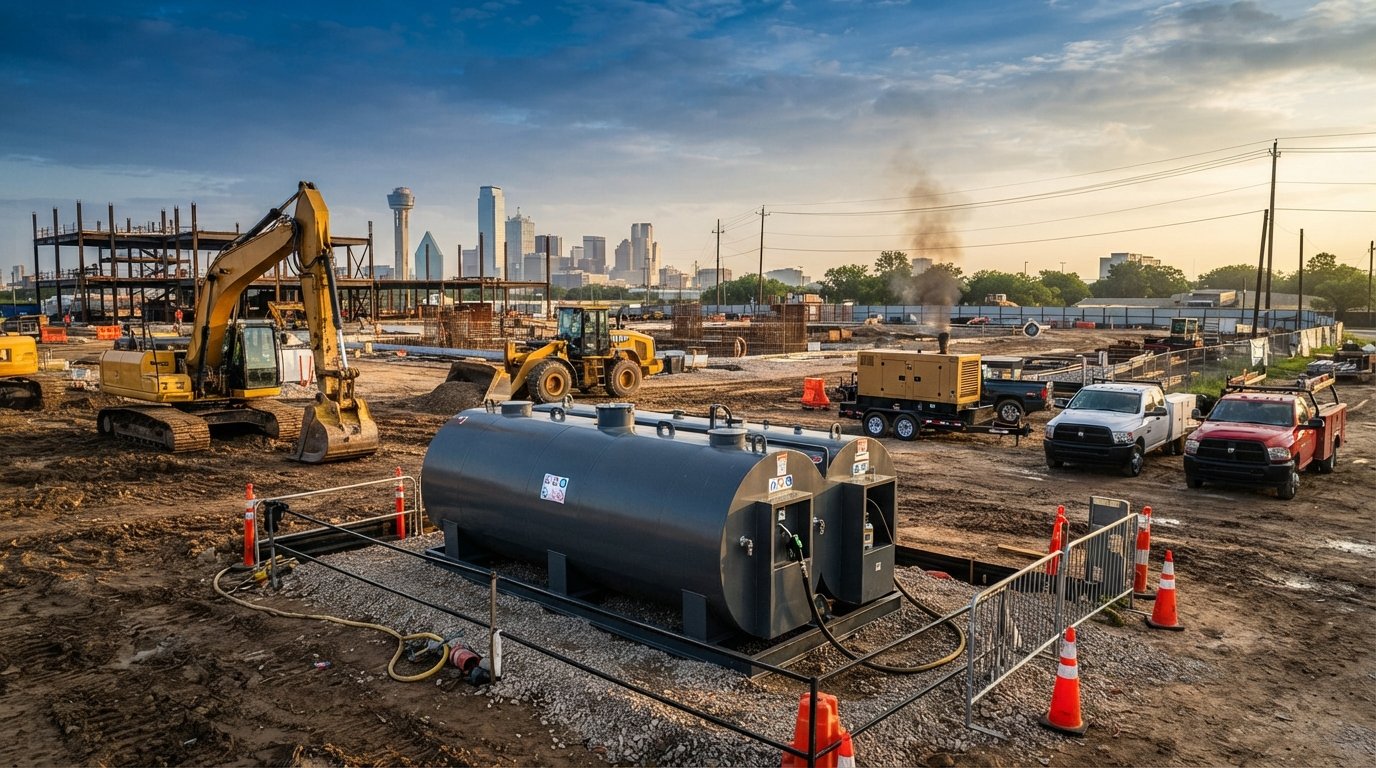
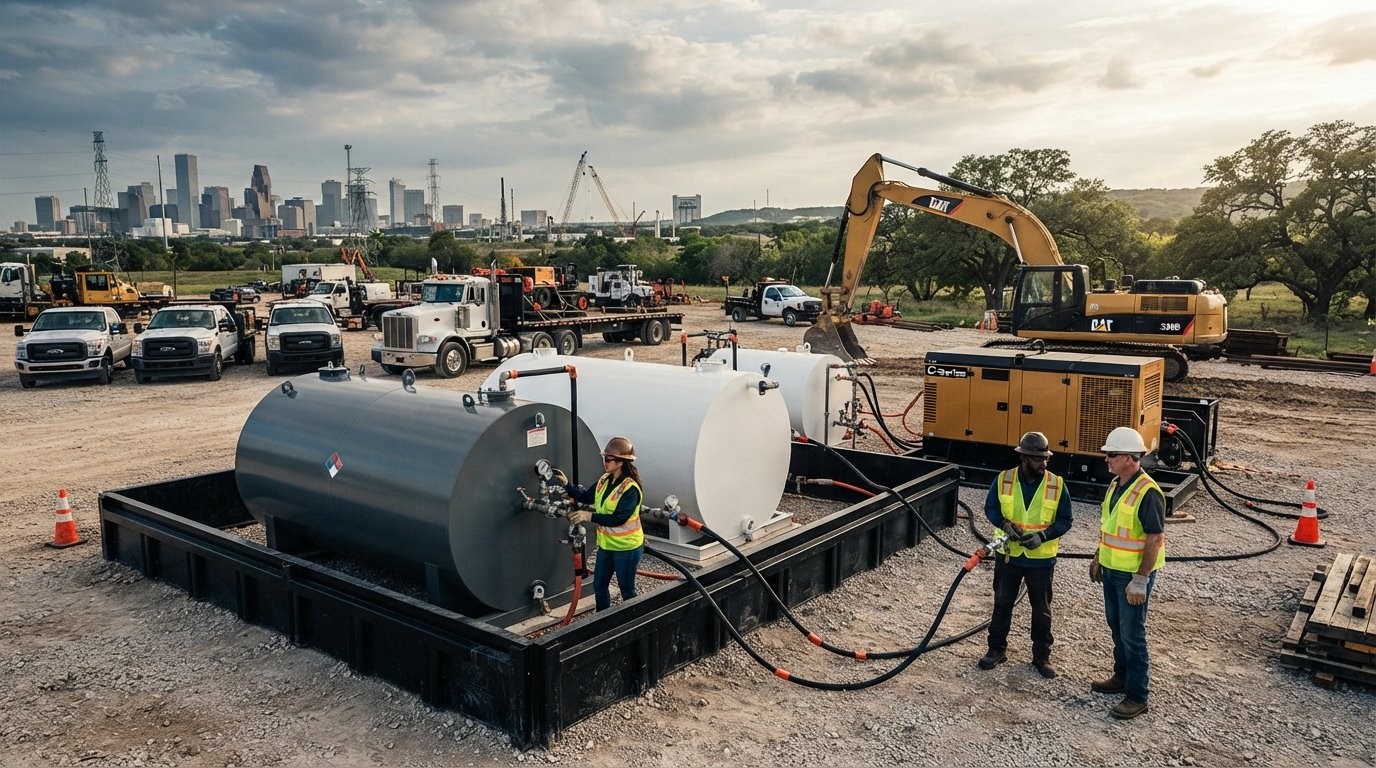
For high-consumption industrial plants or massive stationary developments, portable fuel tank rentals provide a critical 24/7 buffer against supply interruptions. These units allow for bulk fuel drops, which can offer significant price hedging opportunities during periods of market volatility. Modern fuel tank rentals feature double-walled construction for 110% secondary containment, meeting the stringent benchmarks set by the TCEQ and the 2024 International Fire Code. They include advanced security features like lockable pump cabinets and digital monitoring to prevent unauthorized access or theft on remote sites. This model works best when you have a dedicated crew member available to manage the daily fueling of smaller assets or localized generators while maintaining a centralized supply for the primary fleet.
Optimizing Your College Station Job Site Logistics
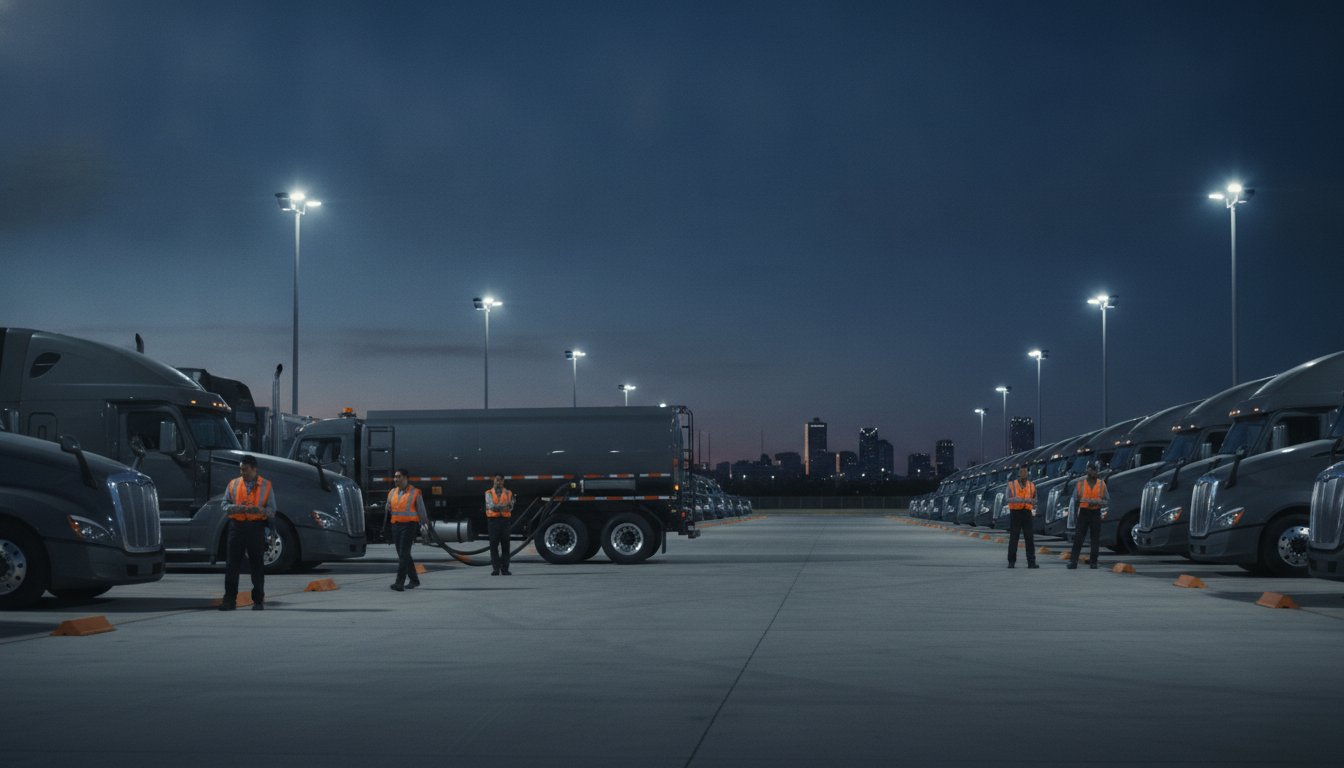
Integrating professional on-site fuel delivery for heavy machinery College Station into your daily workflow requires a logical site layout where machinery is staged at the end of every shift for easy access. By grouping excavators, dozers, and scrapers along designated service corridors, you reduce the time delivery trucks spend navigating the site. Coordinating with professional equipment fueling services allows your foreman to establish a fueling line that simplifies the night-run process. This organization ensures that every asset is topped off before the next morning's start, maintaining the high-speed rhythm of College Station's infrastructure projects.
Texas weather presents a recurring logistical challenge in the Brazos Valley. Heavy seasonal downpours can turn a well-graded site into an inaccessible mud pit overnight. We recommend maintaining stabilized gravel pads or utilizing high-ground staging areas for fueling during the rainy months. Clear communication between your site foreman and our dispatchers is essential when ground conditions shift. Our drivers are trained to navigate difficult terrain, but proactive site preparation prevents delays and ensures safety during the transfer process. When your site is organized for accessibility, the fueling process becomes a seamless part of your operational continuity.
Planning for Emergency Situations
Operational continuity depends on your ability to respond to the unexpected. Establishing 24/7 emergency fueling protocols before a storm hits Brazos County is a prerequisite for local facility management. This includes prioritizing generator fueling service for critical infrastructure such as hospitals, data centers, and campus facilities. When the grid fails, your backup power systems must have a reliable supply of fresh diesel to prevent catastrophic downtime. Our emergency response capability ensures that your critical assets remain powered through any weather event or utility disruption, providing peace of mind when it matters most.
Data-Driven Fuel Management
Modern fuel logistics provide a wealth of data that can be used to tighten your project bidding and estimating. Commercial fuel delivery manifests offer a detailed audit trail, showing exactly how many gallons each asset consumed during a specific shift. Sudden spikes in fuel consumption often signal engine inefficiency or potential fuel theft, allowing you to address mechanical issues before they lead to a breakdown. Aligning this consumption data with your production rates gives you a more accurate picture of your true operating costs. This level of transparency is vital for maintaining compliance during state audits and internal financial reviews. To integrate these logistics into your next project, you can request a site-specific fueling plan from our local team.
React Fueling: Your Partner for College Station Operations
Navigating the logistical complexities of the Brazos Valley requires more than just a fuel truck. It demands a partner that understands the physical reality of local job sites, from the heavy congestion along the SH 6 corridor to the specific fire code amendments enforced by the City of College Station. React Fueling provides that local expertise, ensuring your operations never falter due to fuel scarcity or compliance oversights. We specialize in maintaining operational continuity for critical infrastructure and high-priority construction projects. Our commitment to reliability and safety means we don't just deliver fuel; we manage your entire energy supply chain so your team can focus on hitting project milestones.
Every industrial operation has unique requirements, which is why we reject the one-size-fits-all approach to energy logistics. We develop customized fueling plans for construction spreads, industrial plants, and commercial fleets throughout the region. Whether you require nightly wet-hosing for a dozen excavators or a 24/7 supply buffer for emergency backup generators, our team coordinates the delivery schedule that best supports your uptime. Utilizing on-site fuel delivery for heavy machinery College Station allows you to reclaim the hours lost to manual refueling and retail runs. We provide the steady, professional presence needed to keep your project moving forward without interruption.
The React Holdings Advantage
As a member of the React Holdings family, we leverage a robust logistics network that ensures an uninterrupted supply of commercial-grade diesel, even during periods of high market demand. This scale allows us to act as a "Vigilant Partner" for our clients. We take a proactive role in monitoring your fuel levels and equipment needs, effectively watching the tanks so you don't have to. Our boots-on-the-ground approach is rooted in a deep commitment to College Station businesses and the local infrastructure that drives our economy. We prioritize discipline, foresight, and a hardworking attitude in every interaction, ensuring we show up when it matters most for your operation.
Contact Us for a Custom Fueling Quote
Optimizing your fuel logistics starts with a professional evaluation of your current site requirements. Our College Station dispatch team is available to discuss your specific fleet size, duty cycles, and site access constraints. We offer no-obligation site audits designed to identify inefficiencies in your current fueling process and recommend solutions that improve your bottom line. Transitioning to a professional on-site fuel delivery for heavy machinery College Station strategy reduces your liability and stabilizes your operating costs. Don't let fuel mismanagement dictate your project schedule. You can schedule your on-site fuel delivery assessment today to secure your supply chain and guarantee operational continuity.
Secure Your Project Continuity in the Brazos Valley
Maintaining a high-speed production schedule in College Station requires a fuel strategy that prioritizes precision and reliability. By transitioning from manual refueling to professional on-site fuel delivery for heavy machinery College Station , you eliminate the hidden costs of idle crews and equipment downtime. This guide has detailed how mobile wet-hosing and strategic tank placement ensure your assets remain operational while maintaining strict compliance with Texas environmental and fire regulations. As a member of the React Holdings family, we provide the logistical strength and local presence necessary to support your most demanding projects.
React Fueling stands ready as your vigilant partner, offering specialized heavy equipment nozzles and a 24/7 emergency response capability to protect your operational uptime. We understand the physical reality of industrial environments and the high stakes of infrastructure development. Don't let fuel logistics become a bottleneck for your progress. You can Request a Quote for College Station Fuel Delivery to secure a customized energy plan that keeps your fleet moving. We look forward to powering your success on your next Brazos County job site.
Frequently Asked Questions
What are the benefits of on-site fuel delivery for heavy machinery in College Station?
The primary benefit is the total elimination of equipment downtime by ensuring your fleet is fueled and ready before every shift. Professional on-site fuel delivery for heavy machinery College Station removes the safety risks associated with hauling fuel in pickup trucks and simplifies your project logistics. It also provides precise digital accounting for every asset, allowing your managers to focus on production rather than fuel levels. This service is essential for maintaining the high-speed rhythm of Brazos Valley infrastructure projects.
Can you deliver fuel to remote construction sites in Brazos County?
Yes, we specialize in accessing remote or difficult job sites throughout Brazos County and the surrounding Texas area. Our fleet utilizes specialized equipment designed for direct-to-machinery fueling in complex industrial environments and unpaved terrain. We navigate active sites to reach your equipment exactly where it works, ensuring your operations maintain continuity. This capability is particularly valuable for linear projects like road expansions where machinery moves frequently across large, undeveloped areas.
Do you provide DEF fluid delivery along with diesel?
We provide integrated Diesel Exhaust Fluid (DEF) delivery alongside our diesel services to maintain modern Tier 4 engine compliance. Our technicians utilize sealed, closed-loop dispensing systems to prevent fluid contamination on dusty or debris-heavy job sites. By replenishing DEF during the same visit as your fuel drop, we prevent engine derates that could halt your production. This single-source approach simplifies your logistics and ensures all your vital machinery fluids are managed by one professional partner.
How do you track how much fuel is put into each individual machine?
We utilize calibrated digital meters and barcode or RFID scanning technology to track every gallon delivered to each specific asset. This process generates detailed digital reports that simplify your fuel accounting and project auditing. You receive a manifest that documents the exact consumption per machine, which helps identify engine inefficiencies or potential fuel theft. This data-driven approach provides total transparency and helps you manage operating costs more effectively across complex, multi-contractor environments.
What is the difference between dyed diesel and clear diesel for heavy equipment?
The distinction lies in the tax application for off-road versus on-highway use. Dyed diesel is intended for machinery like excavators and is exempt from road taxes, which saves approximately $0.444 per gallon compared to clear diesel. Using dyed fuel in a highway vehicle is a violation of the Texas Tax Code and carries significant fines. Our on-site fuel delivery for heavy machinery College Station ensures your off-road fleet utilizes the most cost-effective fuel while maintaining legal compliance.
How quickly can React Fueling respond to an emergency fuel request in College Station?
React Fueling maintains a 24/7 emergency response capability to address urgent fuel needs throughout the College Station area. We typically target an average four-hour response window for emergency requests to minimize operational interruptions during power outages or storm events. As a member of the React Holdings family, we leverage a robust logistics network to prioritize critical infrastructure and high-priority job sites. This readiness ensures your backup systems and machinery remain functional when reliability is most critical.
Are there specific permits required for on-site fuel tank rentals in Texas?
Permit requirements depend on the tank capacity and location. In College Station, stationary tanks must adhere to the 2024 International Fire Code, requiring specific setbacks from buildings and fire lane maintenance. Tanks with an individual capacity over 1,100 gallons require registration with the Texas Commission on Environmental Quality (TCEQ) at least 30 days before installation. We provide double-walled fuel tank rentals that meet these stringent environmental standards, ensuring your site remains compliant with all local and state regulations.
Can you fuel generators for backup power during local outages?
We provide dedicated generator fueling services to support backup power systems for hospitals, data centers, and industrial facilities during local outages. Our team understands the high stakes of power continuity and prioritizes these deliveries to prevent catastrophic system failures. We offer both scheduled top-offs and emergency response drops to ensure your facility remains functional until grid power is restored. This service is a core part of our commitment to maintaining operational continuity for College Station infrastructure.