2026 Texas Fuel Tank Rental Compliance Comparison Guide
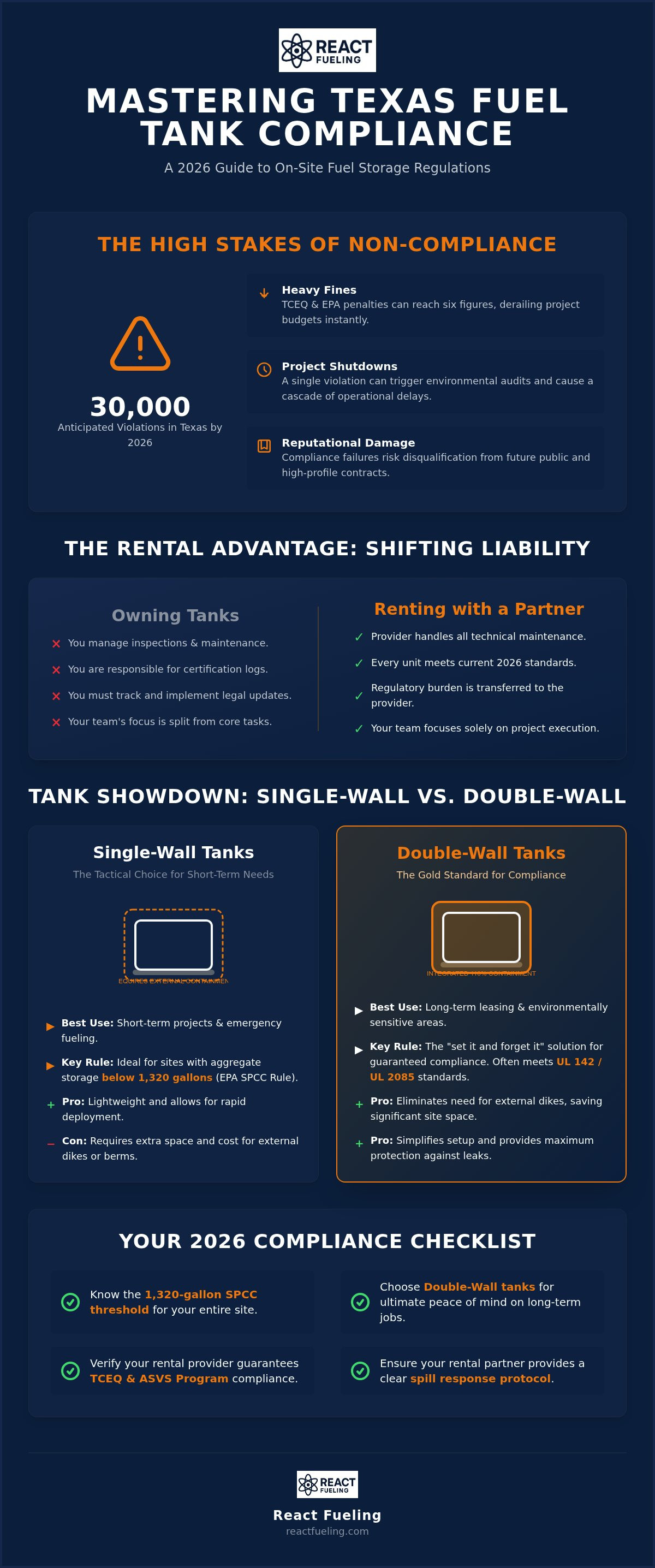
In 2026, the Railroad Commission of Texas anticipates nearly 30,000 violations of statewide rules, many of which stem from preventable oversight in on-site fuel tank rental compliance and handling. For any project manager or site lead, these aren't just numbers; they represent the very real threat of heavy TCEQ or EPA fines that can derail a budget in a single afternoon. You've likely felt the stress of managing these rising regulatory stakes, especially with the new Aboveground Storage Vessel Safety Program deadlines looming on the horizon. It's difficult to focus on productivity when you're second-guessing whether your secondary containment meets the latest standards or if your spill response plan is truly airtight.
This guide will help you master the complexities of Texas fuel storage regulations, ensuring your site remains safe, legal, and operational. We'll compare single-wall and double-wall requirements, break down the latest 2026 state laws, and help you select a rental solution that eliminates liability while keeping your heavy equipment running without interruption. By the end of this comparison, you'll have a clear roadmap to maintain a steady fuel supply while staying firmly on the right side of the law, protecting both your bottom line and the Texas environment.
Understanding the High Stakes of On-Site Fuel Tank Rental Compliance
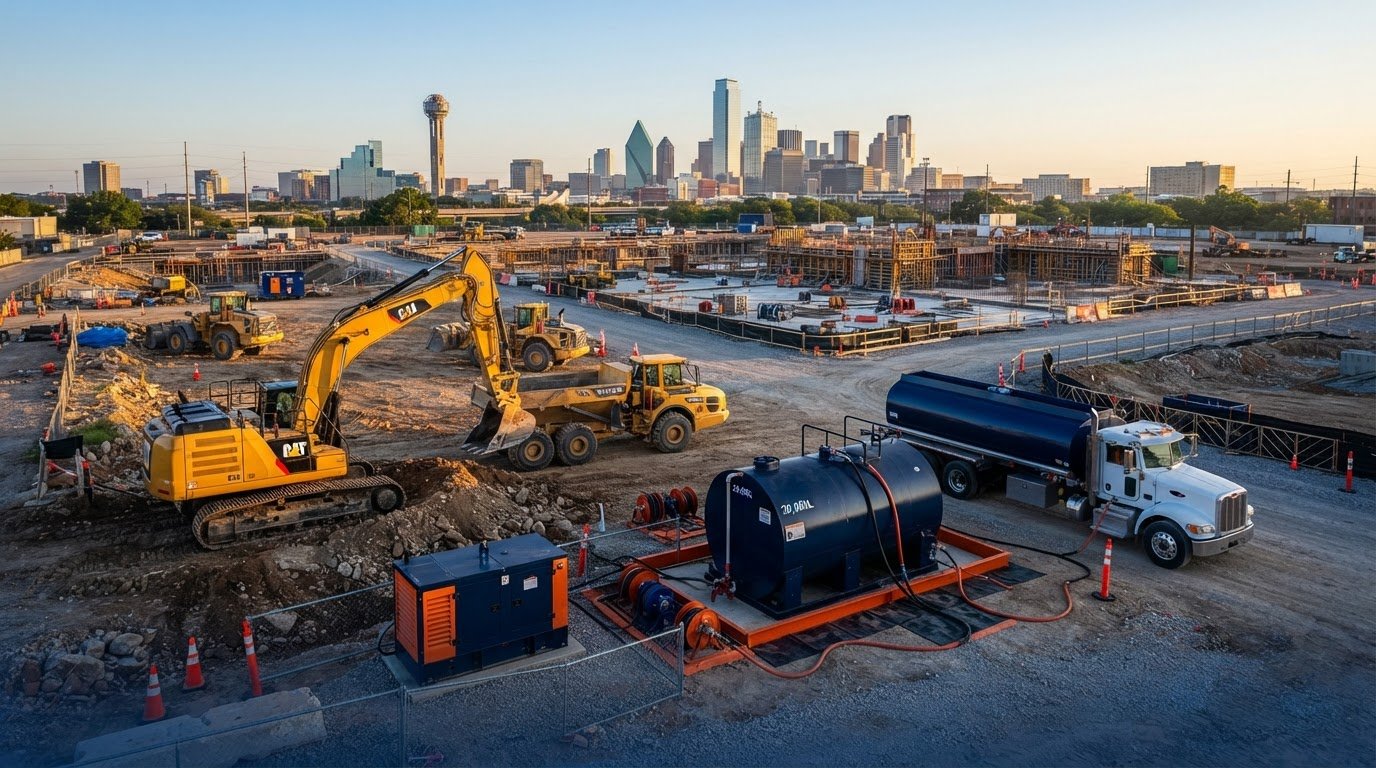
Maintaining on-site fuel tank rental compliance requires managing a strict intersection of EPA mandates, OSHA safety standards, and Texas-specific TCEQ regulations. For operators in high-growth markets like Houston or Dallas, compliance is a functional necessity that dictates whether a project stays on schedule. These standards exist to prevent hazardous leaks, ensure worker safety during refueling, and protect the local environment from groundwater contamination. While many firms focus solely on the price per gallon, the most successful Texas contractors view compliance as a strategic shield against the 30,000 regulatory violations anticipated across the state in 2026.
Effective fuel management in 2026 demands a "Vigilant Partner" approach. This means choosing a provider that understands the physical reality of industrial environments and the nuances of the TCEQ’s Aboveground Storage Vessel Safety (ASVS) Program. When you secure a rental tank, you aren't just buying a container; you are investing in a system designed to withstand the high-stakes pressure of a 24/7 job site. This proactive stance ensures that fuel is always ready for your heavy equipment without the looming threat of a surprise audit or an emergency shutdown. Historically, oversight was often focused on Federal UST Regulations, but modern Texas standards have shifted significant focus toward aboveground units to mitigate immediate environmental risks.
The True Cost of Compliance Failures
Non-compliance carries a price tag that far exceeds any rental fee. When the TCEQ identifies a violation, the resulting environmental remediation fees and legal costs can quickly reach six figures. Beyond the direct fines, the logistical fallout of a site shutdown for an environmental audit creates a cascade of delays. For construction firms working on high-profile municipal Texas projects, a single compliance failure can cause irreparable reputational damage, potentially disqualifying them from future public contracts. Proper on-site fuel tank rental compliance prevents these disasters by ensuring that spill containment systems and emergency response protocols are always active and verified.
Why Rental Models Shift Compliance Liability
Choosing a rental model offers a significant advantage over equipment ownership by transferring the bulk of the regulatory burden to the provider. Owning a fleet of tanks requires your team to manage inspections, maintain certification logs, and upgrade hardware as laws change. When you partner with React Fueling, we handle the technical maintenance and ensure every unit meets current 2026 safety standards before it reaches your site. This allows your team to focus on project execution rather than paperwork. You can learn more about our fuel tank rental services and how we integrate compliant storage with seamless diesel delivery to keep your operations moving forward with total peace of mind.
Comparing Tank Designs: Single-Wall vs. Double-Wall Regulatory Requirements
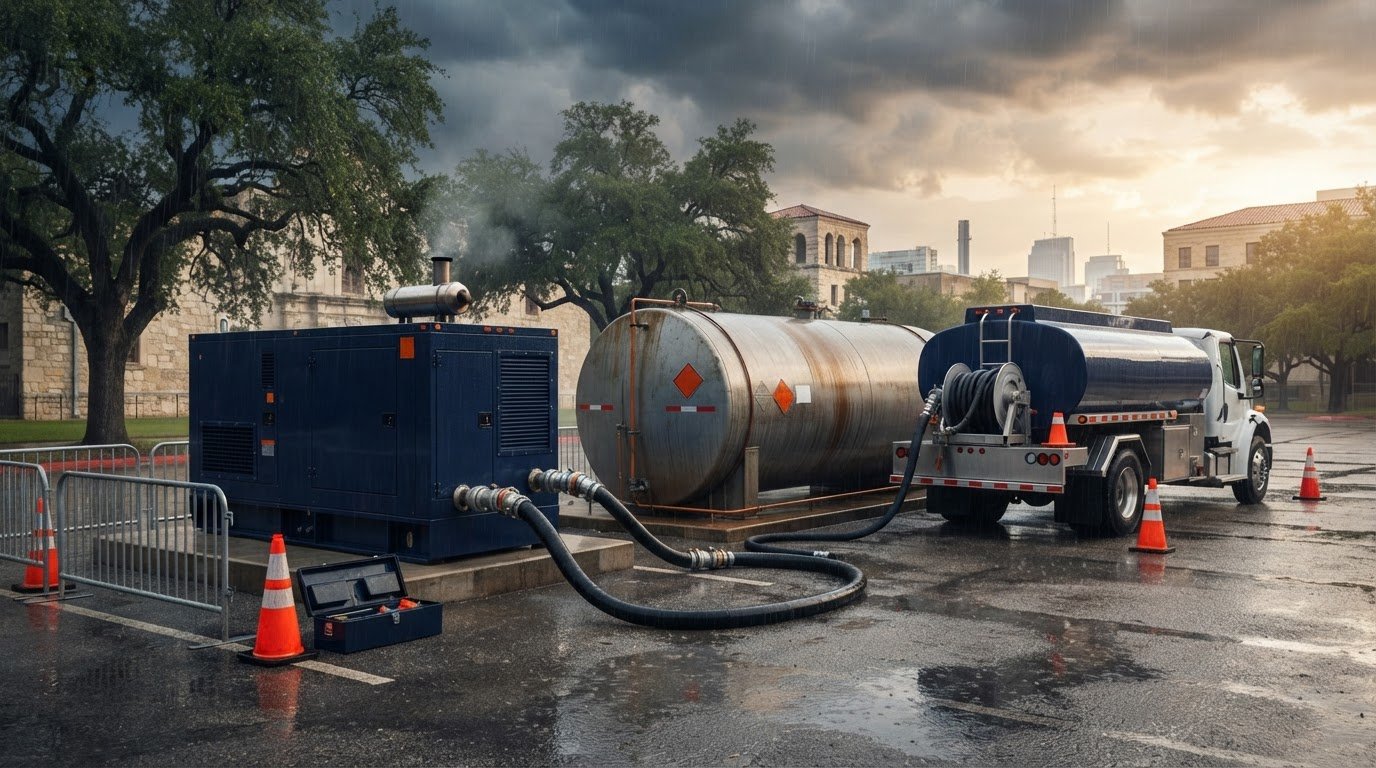
The engineering difference between single-wall and double-wall tanks defines your site's risk profile and long-term liability. Single-wall tanks consist of a single layer of steel that holds the fuel directly. These units require external secondary containment, such as concrete dikes or specialized portable berms, to capture potential leaks. Double-wall tanks feature integrated secondary containment, essentially acting as a tank within a tank. This design captures 110% of the inner vessel's capacity if a breach occurs. Achieving on-site fuel tank rental compliance in 2026 often hinges on this distinction, especially in environmentally sensitive Texas regions where soil and groundwater protection is a top regulatory priority.
While permanent installations often benefit from "grandfather" clauses, rental equipment must meet the standards active at the time of deployment. In 2026, the TCEQ and EPA have tightened oversight on portable units to ensure they don't become environmental hazards during relocation. Choosing the right design isn't just about the tank; it's about the footprint and the setup time required to make that tank legal on your specific job site.
Single-Wall Tanks: The Tactical Choice
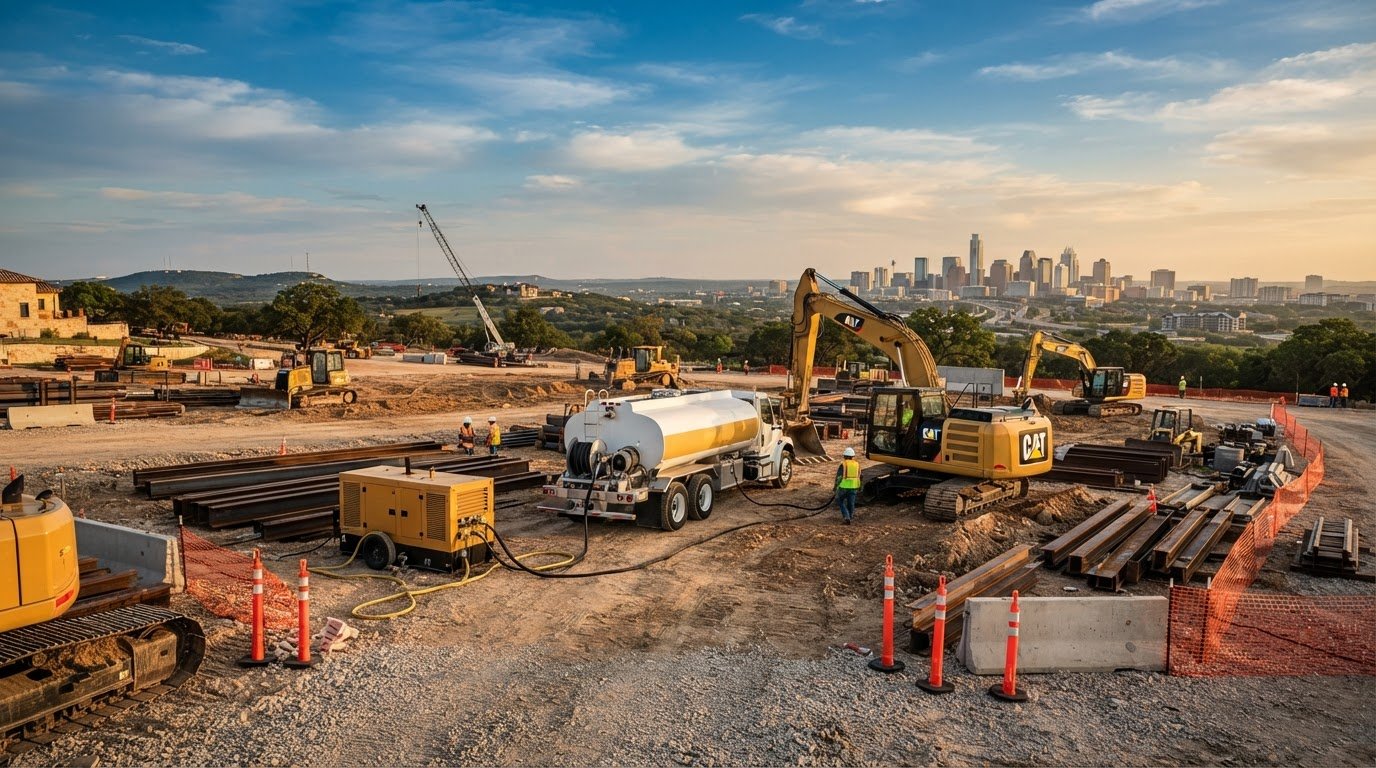
Single-wall tanks remain a tactical choice for short-term construction projects where the total site storage stays below 1,320 gallons. This volume is the primary threshold for the EPA SPCC rule. If your aggregate storage exceeds this limit, you must implement a formal spill prevention plan. Single-wall units are lightweight and ideal for rapid-response emergency fueling, but you must factor in the additional cost and space required for external containment dikes. They are effective for low-volume needs but increase the "logistical friction" of maintaining compliance during frequent site moves.
Double-Wall Tanks: The Gold Standard for Compliance
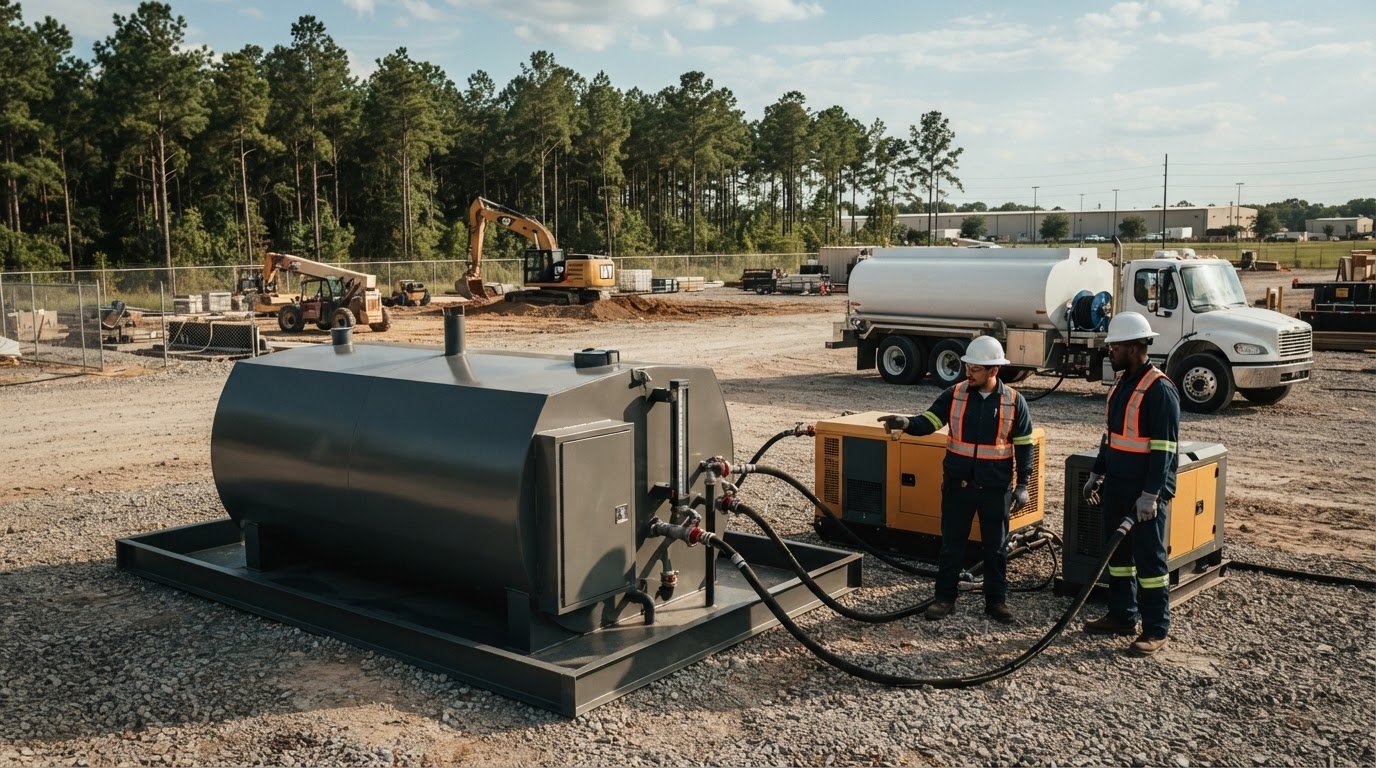
Double-wall tanks have become the gold standard for industrial facilities in Houston, Dallas, and San Antonio. These units typically meet UL 142 or UL 2085 standards. UL 142 specifies requirements for steel aboveground tanks for flammable liquids, while UL 2085 adds a layer of insulation for enhanced fire protection. Because the containment is built-in, these tanks eliminate the need for bulky external dikes. This saves significant space on crowded industrial sites and simplifies the setup process. For long-term leasing, double-wall tanks offer better peace of mind by providing a "set it and forget it" level of protection against leaks.
Selecting the wrong tank can lead to immediate site shutdowns if an inspector finds inadequate containment. If you're unsure which design fits your specific site requirements or regional mandates, you can consult with our compliance specialists to review your logistics plan and ensure you have the right equipment for the job.
Federal and Texas-Specific Regulations for On-Site Storage
Achieving on-site fuel tank rental compliance requires a dual-track approach that satisfies both federal EPA standards and the rigorous mandates of the Texas Commission on Environmental Quality (TCEQ). While federal rules provide a baseline for environmental safety, Texas adds layers of complexity through specific registration thresholds and reporting windows. Operators must also account for the National Fire Protection Association (NFPA) 30 codes, which govern the safe storage and handling of flammable liquids. These codes dictate tank placement distances from property lines and buildings, a critical factor during the initial site planning phase in dense industrial corridors.
Local fire marshal requirements in major hubs like Houston, Dallas, and Austin often exceed state minimums. Houston, for example, maintains strict permit protocols for temporary tanks that may differ from the rapid-growth requirements found in Austin. Ignoring these local nuances can lead to immediate work stoppages, even if your equipment meets federal specifications. Success depends on aligning your fuel logistics with the specific jurisdiction governing your project footprint.
Navigating the SPCC Requirements
The Spill Prevention, Control, and Countermeasure (SPCC) rule is the primary federal regulation impacting Texas job sites. You must implement a formal SPCC plan if your aggregate aboveground oil storage capacity exceeds 1,320 gallons. This calculation includes all containers with a capacity of 55 gallons or larger, meaning multiple smaller rental tanks can trigger federal oversight just as easily as one large vessel. A compliant plan must be site-specific and detail the physical containment measures, such as double-walled tanks or dikes, alongside employee training records and inspection logs. For 2026 job sites, an SPCC plan is a certified operational strategy that documents the physical containment and emergency protocols required to mitigate oil discharge risks.
Texas State Mandates (TCEQ)
The TCEQ oversees the Petroleum Storage Tank (PST) program, which requires registration for certain aboveground storage tanks based on their capacity and intended use. While the TCEQ no longer charges registration fees for standard PSTs, larger vessels exceeding 21,000 gallons may fall under the newer Aboveground Storage Vessel Safety (ASVS) Program, which carries annual fees and upcoming 2027 registration deadlines. Texas law is particularly strict regarding incident response; any spill that reaches a reportable quantity must be communicated to the TCEQ within a 24-hour window. Maintaining accurate records is not just a legal hurdle; it is a vital part of a Construction Site Fuel Delivery: Powering Houston Projects strategy that prioritizes uptime and environmental stewardship. By centralizing your compliance documentation, you ensure that your site remains ready for inspection at a moment's notice.
The Compliance Roadmap: Set-Up, Maintenance, and Risk Mitigation
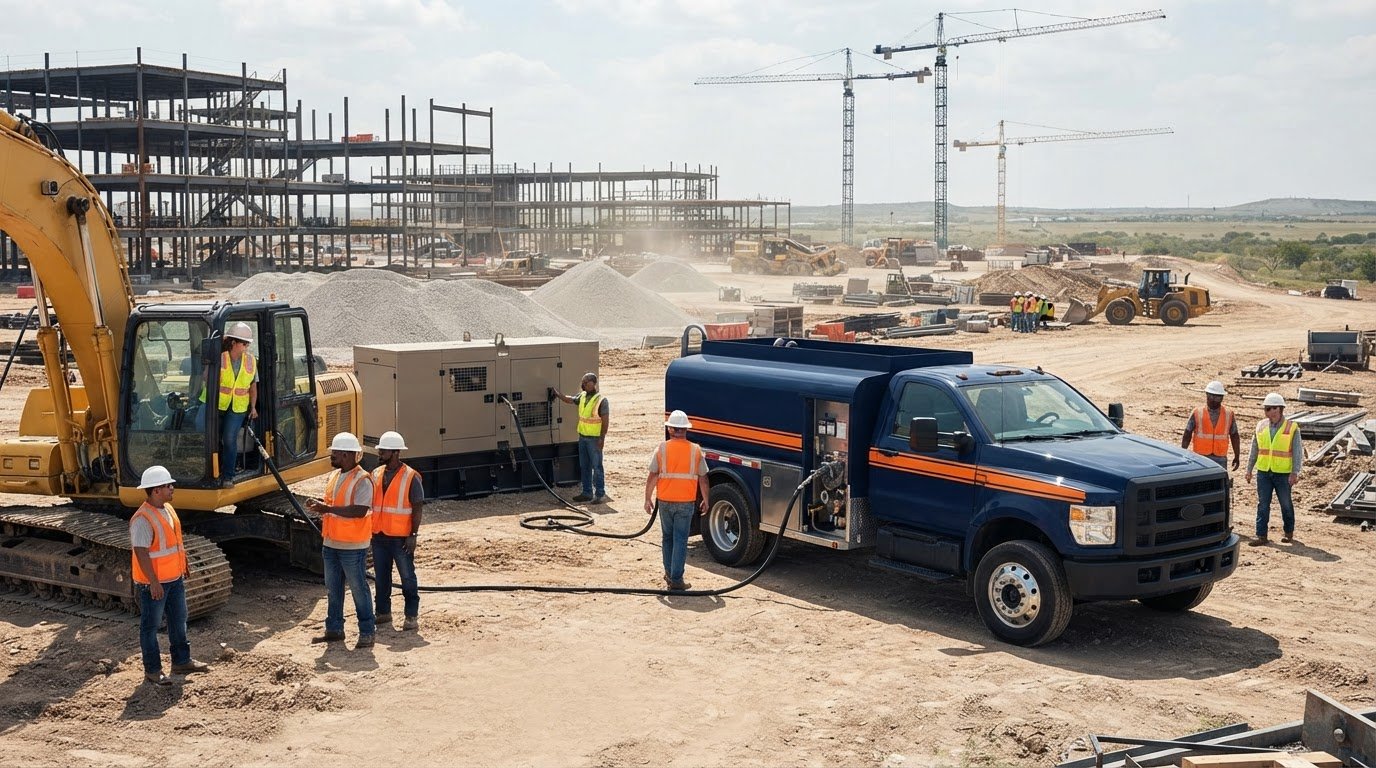
Achieving on-site fuel tank rental compliance involves more than just selecting a double-walled unit; it requires a disciplined approach to physical site management and ongoing maintenance. A pre-installation assessment is your first line of defense. You must evaluate zoning requirements, drainage patterns, and potential traffic hazards before the tank arrives. In high-traffic Texas industrial sites, impact protection is a non-negotiable safety standard. Installing heavy-duty bollards or concrete barriers around your storage area prevents accidental collisions with heavy machinery, which is a leading cause of preventable spills and tank damage.
Step 1: Strategic Site Placement
Proper placement ensures you meet NFPA 30 distance requirements, which dictate how far flammable liquid storage must be from property lines, buildings, and other fuel sources. Failure to respect these setbacks can lead to immediate citations from local fire marshals. You must also ensure the tank sits on stable, level ground. Uneven surfaces put unnecessary stress on tank welds and can cause tipping as fuel levels fluctuate. This structural integrity is essential for safe operations. Following on-site equipment fueling best practices helps integrate these storage units into your daily workflow without compromising safety or regulatory standing.
Step 2: Ongoing Maintenance and Telemetry
Modern compliance in 2026 relies heavily on smart telemetry. Integrated sensors now provide real-time leak detection and fuel level data, allowing you to monitor your site remotely. These systems act as a 24/7 digital sentry, providing the documentation needed for environmental audits. Beyond digital monitoring, you must manage the physical state of your fuel. Execute daily visual inspections for leaks and security, while maintaining monthly logs that include deeper fuel quality testing. Texas humidity makes condensation a constant threat to diesel quality. Water contamination is a silent killer for modern Tier 4 engines, leading to injector failure and costly downtime. Regular "sticking" the tank for water and using water-finding paste are necessary manual checks to supplement your telemetry data.
Establish a clear safety perimeter around your storage area. This includes prominent "No Smoking" signage and highly visible placards indicating the type of fuel stored. Maintaining a clean, debris-free zone ensures that any minor drips are identified immediately before they become reportable environmental incidents. If you need a partner to manage this entire logistical roadmap, contact our team today for a comprehensive site assessment and compliance-ready rental plan.
Strategic Rental Solutions: Why React Fueling is Your Compliance Partner
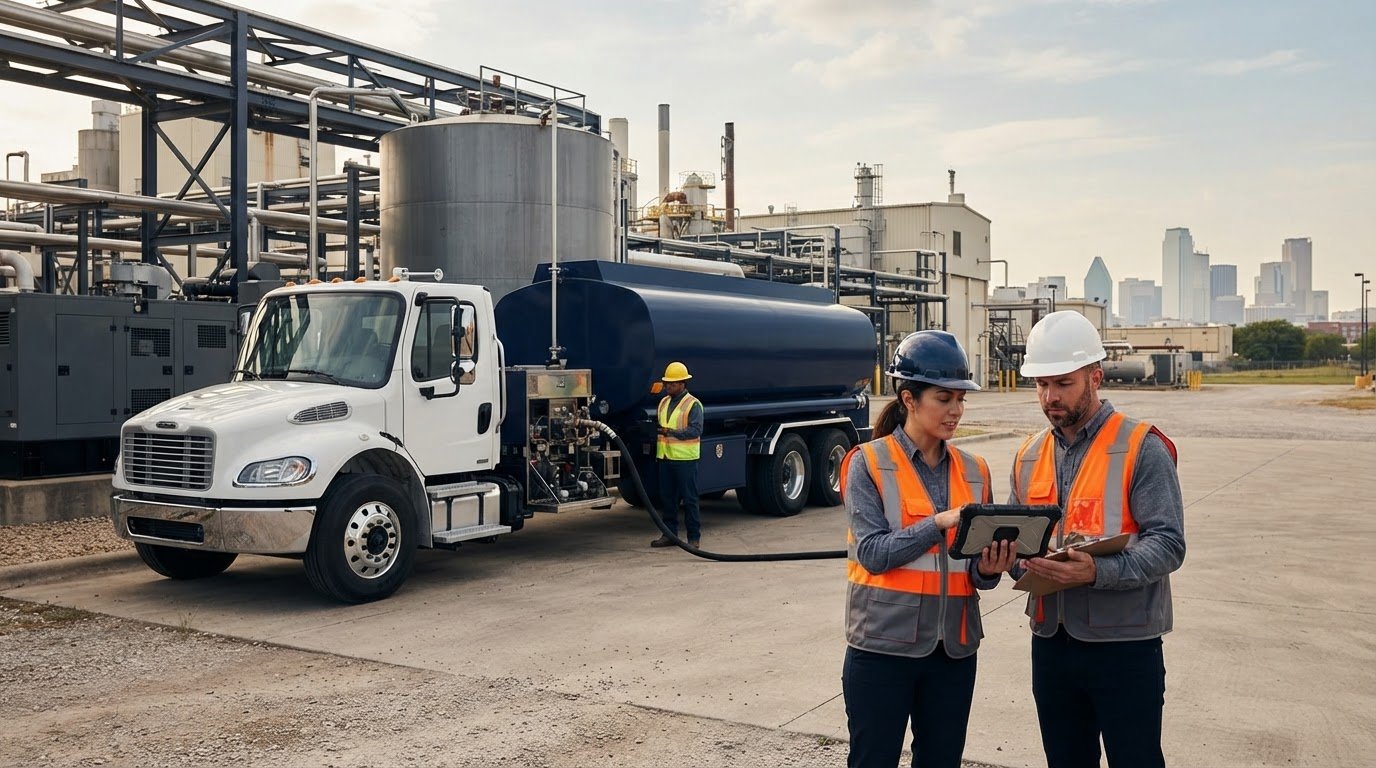
React Fueling functions as a vigilant partner that understands the unique pressures of the Texas industrial landscape. We don't just deliver equipment; we provide a full-service logistical framework designed to maintain operational continuity. Achieving on-site fuel tank rental compliance is a moving target that requires constant foresight and discipline. By partnering with us, you gain access to a team that manages the physical reality of fuel storage while you focus on project execution. We serve as a boots-on-the-ground ally for construction sites, data centers, and healthcare facilities that cannot afford a single second of downtime. Our approach prioritizes your peace of mind by ensuring every tank on your site meets the high-stakes requirements of 2026 regulations.
We customize our rental terms to fit the specific needs of your facility or job site. Whether you are managing a short-term municipal project in Austin or a long-term industrial expansion in Houston, we scale our support to match your footprint. As a member of the React Holdings family, we possess the resources to manage complex fuel logistics while maintaining the responsive, dedicated focus of a local specialist. We show up when it matters most, providing the steady confidence you need to manage complex environments.
A Unified Approach to Fuel and DEF
Modern diesel engines don't just run on fuel; they require precise management of exhaust fluids to maintain EPA compliance. Tier 4 engines are designed with sensitive Selective Catalytic Reduction (SCR) systems that will force equipment into "limp mode" if DEF levels are inadequate or contaminated. This creates a secondary compliance hurdle for site managers. React Fueling solves this by bundling our tank rentals with professional DEF fluid delivery. This integrated strategy ensures that your equipment remains operational and your emissions stay within legal limits. We prioritize clean fluid logistics to protect your engine longevity and eliminate the stress of managing multiple vendors for a single piece of machinery.
Local Expertise for Texas Operations
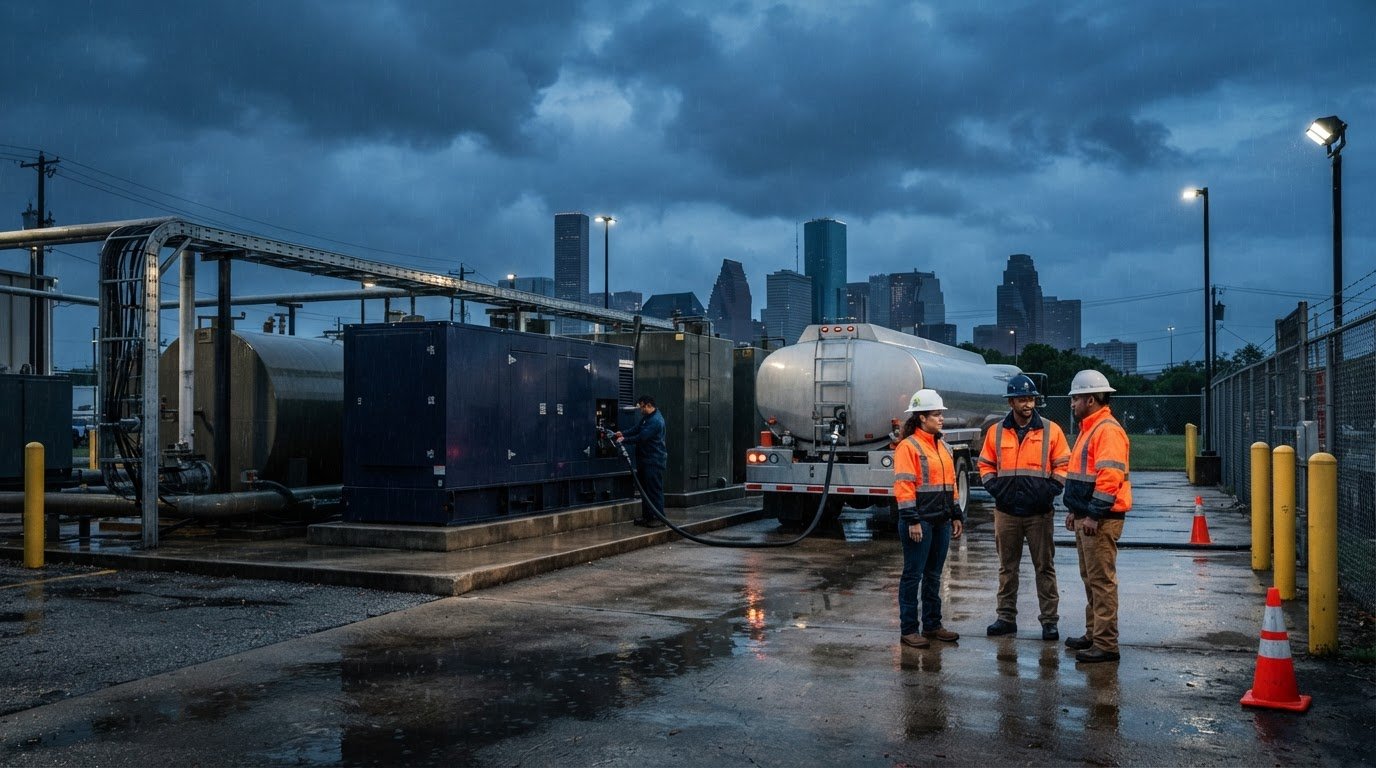
Our deep local presence across major Texas hubs gives us a distinct advantage in navigating regional fire codes and TCEQ mandates. From Magnolia to San Antonio, we understand the specific permits and safety protocols required by local fire marshals. We've proven our reliability during periods of extreme Texas grid instability, where our 24/7 emergency fueling capabilities kept critical generators running for hospitals and data centers. We don't just provide hardware; we provide a commitment to keeping your things moving regardless of external conditions. You can rely on our seasoned problem solvers to handle the technical details of storage and supply. Request a compliant fuel tank rental quote today to secure your site's operational future.
Securing Your Operational Future in the Texas Industrial Landscape
Maintaining on-site fuel tank rental compliance is a continuous commitment to safety and environmental stewardship. By prioritizing double-walled storage and implementing rigorous site-specific maintenance plans, you eliminate the threat of costly TCEQ fines and operational downtime. We've explored how 2026 regulations demand a proactive approach, from navigating aggregate capacity thresholds to ensuring clean fuel and DEF delivery for modern engines. Success in the Texas market requires more than just a fuel supply; it requires a strategy that accounts for every regulatory detail.
As a Texas-owned and operated specialist, React Fueling provides the deep TCEQ and EPA compliance expertise required to keep your high-stakes projects moving. We offer 24/7 emergency response across major hubs, ensuring you never face a logistical crisis alone. Our team stands ready to serve as your vigilant partner, providing the hardware and local knowledge needed to protect your bottom line. Secure Your Site with Compliant Fuel Tank Rentals and gain the peace of mind that comes with unwavering readiness. Let's work together to keep your equipment running and your site fully protected.
Frequently Asked Questions
Do I need a permit for a rental fuel tank in Houston?
Yes, the Houston Fire Department requires a permit for hazardous materials storage, including temporary fuel tanks. You must submit a site plan showing the tank location relative to buildings and property lines. Failing to secure this before the tank arrives leads to immediate work stoppages. We recommend checking with the HFD Fire Marshal's office for current 2026 processing times to ensure your project stays on schedule.
What is the difference between UL 142 and UL 2085 tanks?
UL 142 tanks are steel aboveground containers designed for flammable liquids, while UL 2085 tanks add insulation to provide a two-hour fire rating. This thermal protection makes UL 2085 the preferred choice in high-risk industrial areas or where setback distances are limited. Choosing the right standard is a critical step in maintaining on-site fuel tank rental compliance and ensuring personnel safety during high-stakes operations in major Texas urban centers.
When is a double-wall fuel tank legally required on a job site?
Double-wall tanks are required when a site lacks external secondary containment dikes and must meet EPA SPCC or TCEQ environmental standards. In Texas, these units are the industry standard for projects near water sources or environmentally sensitive zones. They provide integrated containment that captures leaks immediately, eliminating the need for external berms. This design simplifies your logistical footprint while protecting your business from groundwater and soil contamination liabilities.
How often should I inspect my on-site fuel rental for compliance?
You should perform visual inspections daily and document detailed compliance checks on a monthly basis. Daily walks allow you to spot immediate leaks, security breaches, or signage damage before they escalate. Monthly inspections must include fuel quality testing, water level checks, and verification of secondary containment integrity. Maintaining these logs is essential for surviving a surprise TCEQ audit and ensuring your heavy equipment remains operational without mechanical failure.
Does my business need an SPCC plan for a single 500-gallon tank?
No, an SPCC plan is only required if your total aggregate aboveground storage capacity exceeds 1,320 gallons. However, if you have three 500-gallon tanks, your total capacity of 1,500 gallons triggers this federal requirement. Even if you don't need a formal plan for a single small tank, you are still responsible for preventing spills and maintaining secondary containment to satisfy general TCEQ environmental protection mandates and local safety codes.
Can React Fueling help with emergency generator refueling during a power outage?
Yes, we specialize in 24/7 emergency generator fueling for hospitals, data centers, and industrial facilities throughout Texas. Our team is a member of the React Holdings family, providing the logistical strength needed to show up when the grid fails. We prioritize rapid response to ensure your critical systems remain online during power outages. We can also bundle these services with fuel tank rentals to provide a comprehensive and reliable backup energy solution.
What happens if a fuel spill occurs on my rental site in Texas?
You must immediately activate your spill response plan and notify the TCEQ within 24 hours if the discharge reaches a reportable quantity. Failure to report an incident results in severe penalties and potential legal action. You are responsible for the physical cleanup and all soil remediation costs. Working with a provider that prioritizes on-site fuel tank rental compliance significantly reduces the likelihood of these high-stakes environmental incidents and the resulting financial fallout.
Is DEF storage subject to the same regulations as diesel fuel?
No, Diesel Exhaust Fluid is non-flammable and not subject to the same fire codes as diesel fuel, but it still requires careful handling. You must store DEF in specialized containers to prevent contamination and freezing, as compromised fluid damages Tier 4 engines. We provide DEF fluid delivery alongside our tank rentals to ensure your modern equipment meets emissions standards without the logistical burden of managing separate supply chains or vendors.
Recent Posts