Trailer‑Mounted Fuel Cells & Portable Cubes: Mobility Meets Safety
Introduction. Fuel logistics can make or break a project. Whether you’re powering remote drills in West Texas, running generators at a film set in Austin or keeping construction equipment moving in Dallas, you need a safe, reliable way to store and transport fuel. Trailer‑mounted fuel cells and portable cubes provide the ideal combination of mobility and safety. In this article we examine their key features, compare capacities, and explain how to choose the right model for your operation. By understanding these options, you’ll improve efficiency and reduce risk on every job.
What are trailer‑mounted fuel cells?
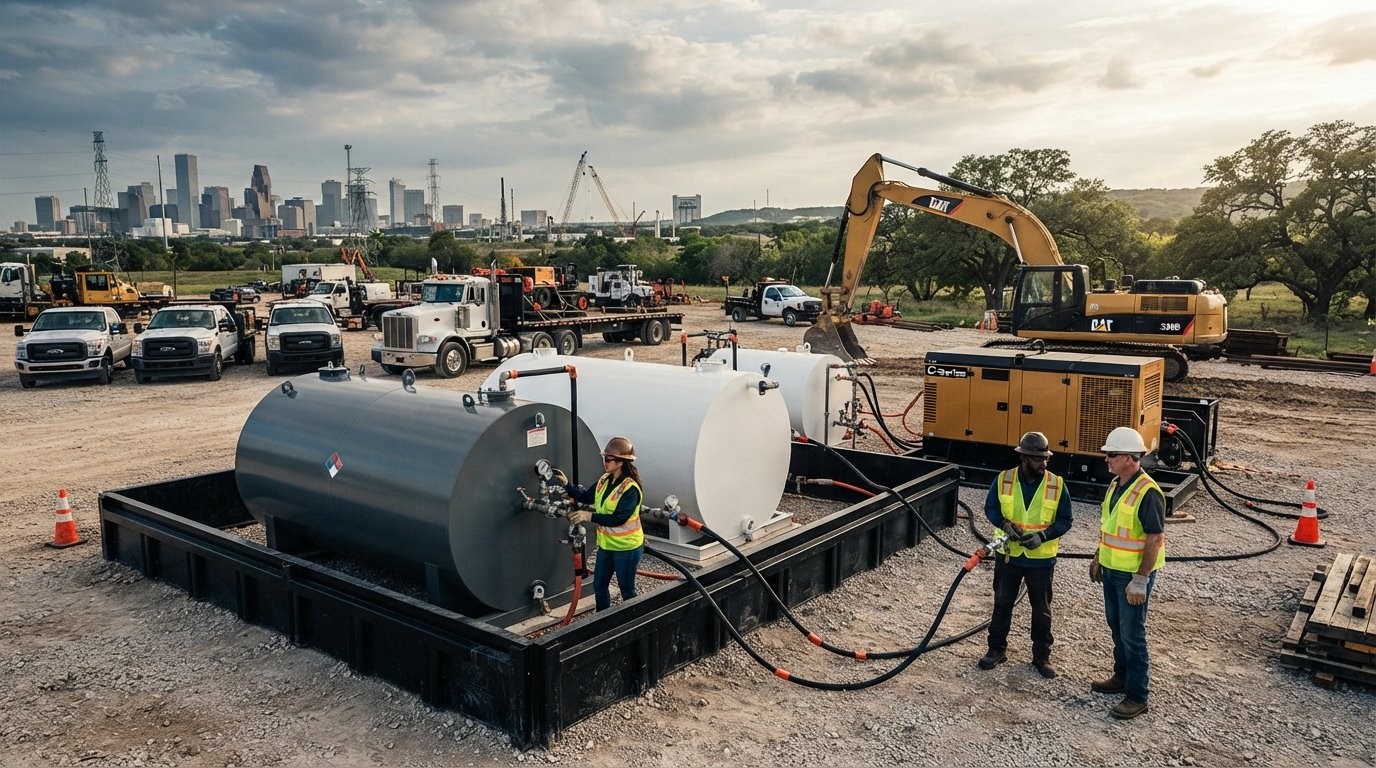
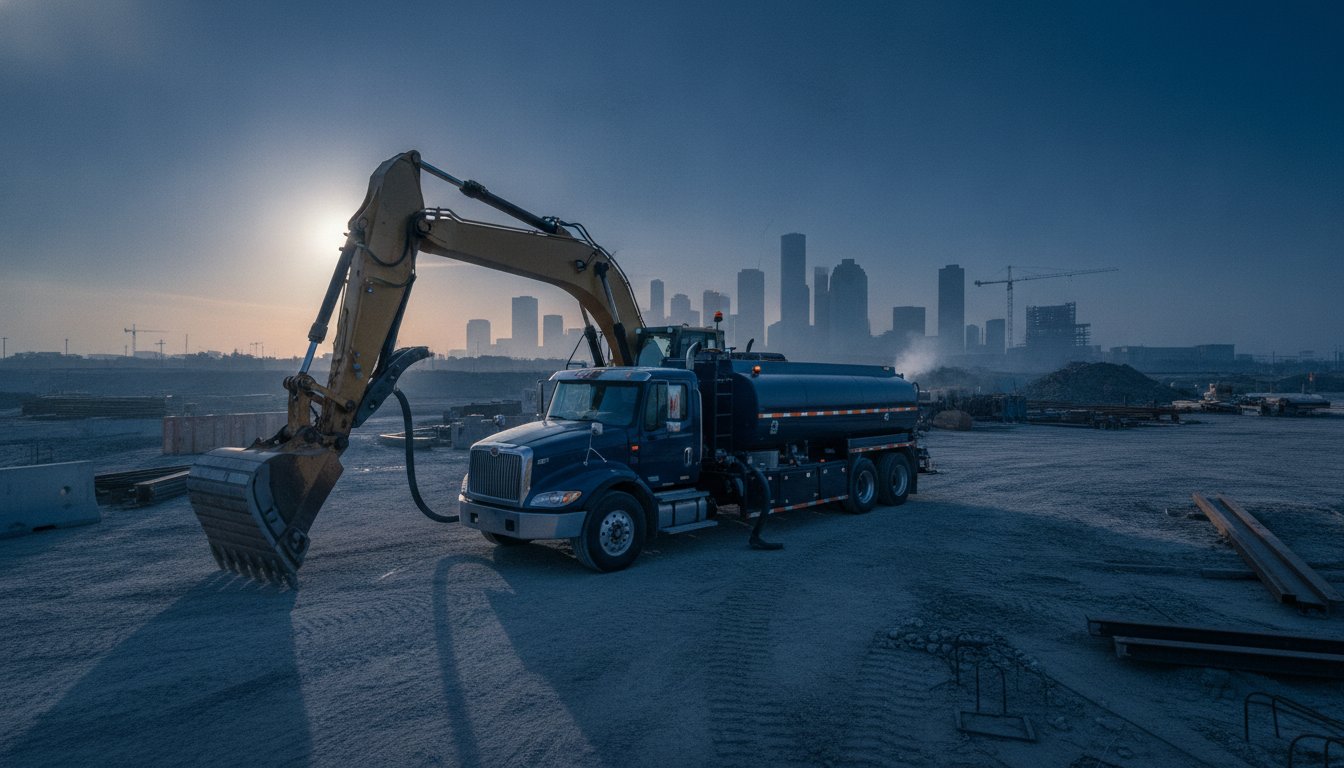
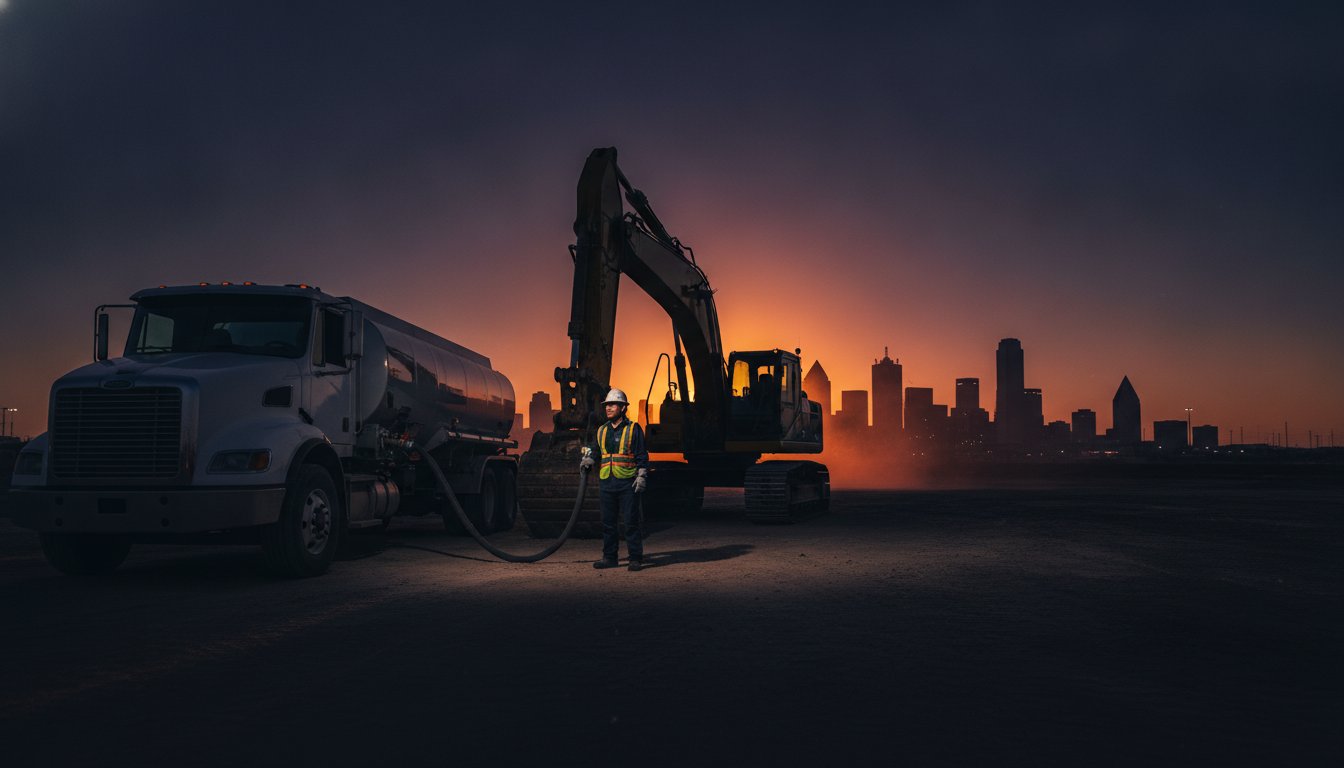
Trailer‑mounted fuel cells are self‑contained diesel tanks mounted on highway‑legal trailers. They are designed to be towed behind a pickup truck and provide on‑the‑go fueling for equipment and generators. React Fueling’s fleet includes 350‑, 500‑, 750‑ and 990‑gallon models. Each unit features a double‑wall steel tank for spill containment and a lockable cabinet that houses the pump, hose and meter. Integrated pumps can deliver high flow rates suitable for fueling excavators, light towers and other heavy equipment. Because the tank sits on a trailer frame, you can reposition it quickly as your jobsite evolves or tow it between projects without a crane.
Advantages of portable fuel cubes
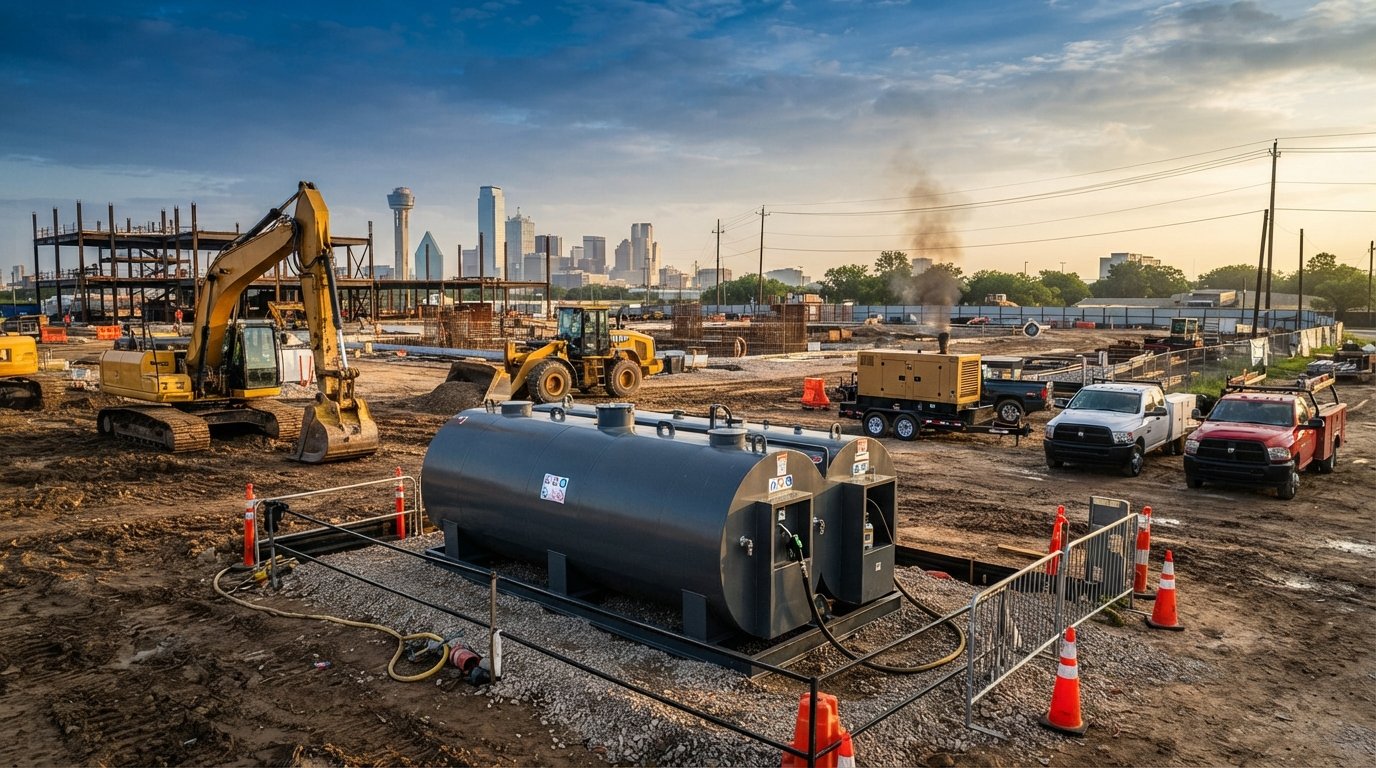
Portable fuel cubes are cubic or rectangular tanks that can be placed directly on the ground or on a flatbed. They are often referred to by brand names such as TransCube or FuelCube. Capacities range from about 250 gallons to over 1,200 gallons. Like their trailer‑mounted counterparts, cubes are double‑walled and include lockable cabinets for pumps and fittings. Four‑way forklift pockets and corner lifting eyes allow them to be moved easily with standard equipment. When empty, many models are stackable, saving space during transport and storage. Internal baffles minimise fuel slosh during transport, and removable inner tanks simplify cleaning and inspection. Portable cubes are ideal when you need a stationary supply on site or where towing is not practical.
Comparing capacities and applications
Choosing a tank size depends on your fuel consumption, refueling schedule and site constraints. Here’s how our most popular sizes compare:
- 350‑gallon: Suitable for small crews, generators up to 50 kW or short‑term projects. Its compact footprint fits into tight spaces and can be towed by half‑ton trucks.
- 500‑gallon: A versatile choice for mid‑sized equipment fleets. This model offers longer run times without sacrificing maneuverability. It’s commonly used on construction sites and for temporary power at events.
- 750‑gallon: Provides extended autonomy for remote operations such as drilling rigs or pump stations. The additional capacity reduces delivery frequency and is well‑suited to projects with moderate to high consumption.
- 990‑gallon: The largest portable unit in our fleet, ideal for large generators, long‑term projects or when road access may be cut off (for example, during storms or floods). These tanks include galvanized stacking brackets and removable inner tanks.
Assess your fuel usage by estimating daily consumption and calculating how many days of autonomy you require. For example, a generator using 10 litres per hour will consume approximately 240 litres in a 24‑hour period. A 500‑gallon tank (≈ 1,893 litres) would last about eight days without refilling. In high‑consumption scenarios, larger tanks reduce refueling logistics and provide a buffer during supply chain disruptions.
Safety features and regulatory compliance
Safety is paramount when storing and transporting fuel. Both trailer‑mounted cells and cubes incorporate double‑wall construction that provides integrated secondary containment, eliminating the need for separate spill pans or berms. Lockable equipment cabinets prevent unauthorized access and protect pumps from weather. Internal baffles and manway access reduce fuel slosh and simplify maintenance. In the United States, portable tanks must comply with UL 142 or UL CSG standards; Western Global’s TransCube line meets these certifications. In addition, Department of Transportation (DOT) regulations apply to trailer‑mounted units. React Fueling maintains all necessary permits and insurance coverage and trains our drivers to ensure compliance with federal and state transport laws.
Mobility and logistics benefits
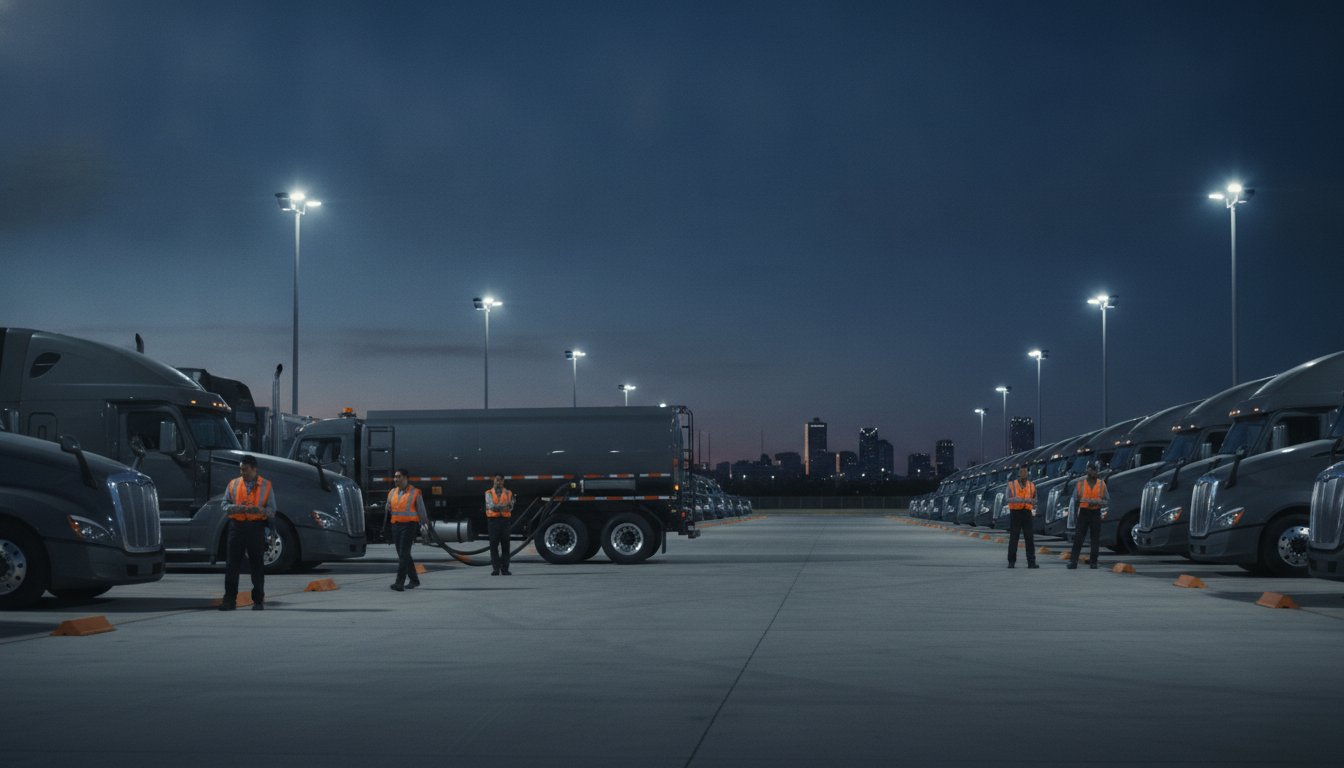
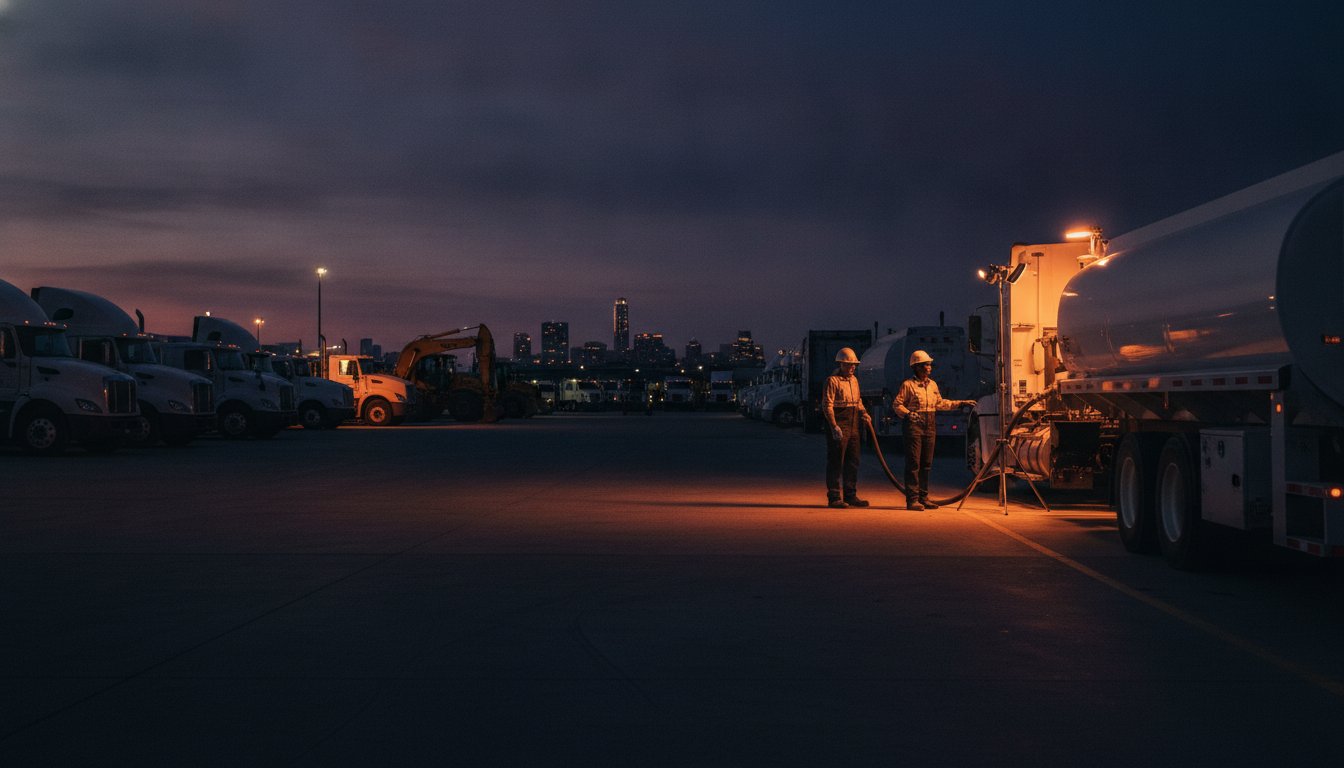
The greatest advantage of trailer‑mounted fuel cells and portable cubes is mobility. On complex jobsites, equipment often moves as work progresses. Instead of calling for a fuel truck every time, you can tow a trailer‑mounted cell to the new location or reposition a cube with a forklift. This reduces downtime and increases productivity. During emergency response operations, mobile cells deliver fuel directly to generators running critical infrastructure—such as hospitals or data centers—even when roads are obstructed. Competitors emphasise their ability to deliver fuel “anywhere, anytime”; these portable solutions embody that promise by allowing you to bring your fuel supply wherever it’s needed.
Choosing the right solution
Selecting between a trailer‑mounted cell and a portable cube depends on your operational needs:
- Consider a trailer‑mounted cell if: You need on‑the‑go fueling, your equipment is spread over a large area or you want to share a single tank among multiple crews. Trailers simplify transport and require no additional lifting equipment.
- Choose a portable cube if: You have a stationary location for your tank (e.g., a generator pad), you plan to integrate remote monitoring or you want to stack tanks when not in use. Cubes are often more compact and can be rented without a towing vehicle.
Regardless of the model, pair your tank with remote monitoring and scheduled delivery. Built‑in float and spiral gauges and spare ports for telemetry devices allow React Fueling to track your levels in real time and dispatch refills before you run low. This prevents runouts and optimizes delivery efficiency.
Conclusion
Trailer‑mounted fuel cells and portable cubes deliver flexible, safe and cost‑effective fuel storage for projects of all sizes. Their double‑walled construction, lockable cabinets and integrated lifting points reflect decades of innovation by manufacturers like Western Global. By choosing the right size and configuration, you can reduce fueling logistics, improve site safety and ensure continuous operation. When combined with React Fueling’s on‑demand delivery and monitoring services, these portable tanks provide a complete solution for keeping your projects powered anywhere, anytime.