
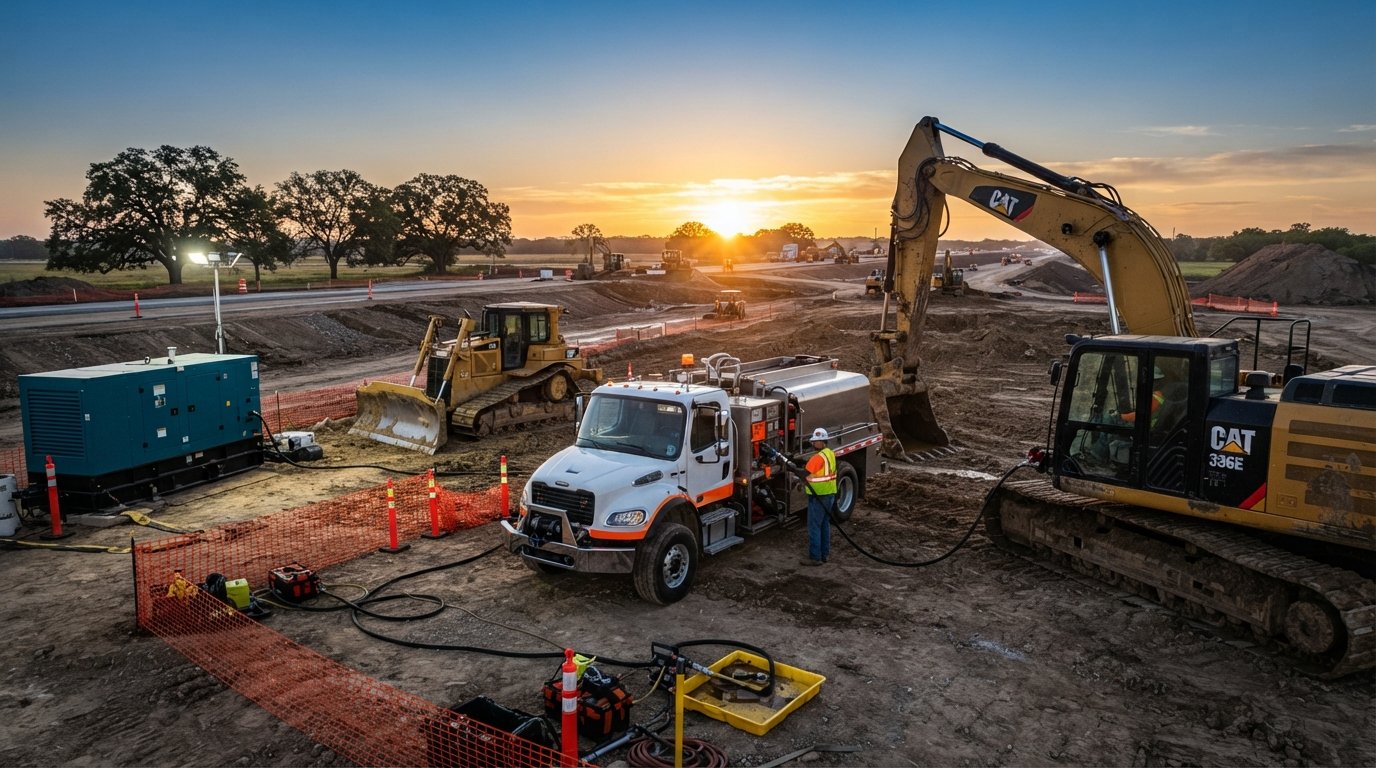
Emergency Fuel Preparedness: Why It Matters

July 20, 2025

Share this article

Introduction. Texas is no stranger to extreme weather. Hurricanes on the Gulf Coast, tornadoes across the plains and winter ice storms can knock out power for days. When disaster strikes, access to reliable fuel is more than a convenience – it’s a lifeline. Without diesel for generators, pumps and vehicles, critical services grind to a halt. Hospitals, data centers, grocery stores and first responders depend on uninterrupted power. This article explains why emergency fuel preparedness is essential and how to develop a plan that keeps your operations resilient.

1. Align deliveries to your production schedule

Begin by assessing which natural disasters and infrastructure failures are most likely in your region. Along the Gulf Coast, hurricanes pose the greatest risk, while inland communities worry about tornadoes or ice storms. Floods and wildfires can occur anywhere. Identify the systems you need to keep running when power fails – such as generators, water pumps, HVAC and communications equipment. Estimate their fuel consumption and how long they need to operate. According to a recent fuel supplier, major distributors promise same‑day fuel delivery and 24‑7, 365 availability, but during regional disasters even those commitments can be tested. Having your own reserve on site can bridge the gap until deliveries resume.

Partner with a 24/7 fuel provider

Building relationships before an emergency ensures you have priority access when everyone else is calling. Look for providers that specialise in disaster response and maintain flexible fleets. Moffitt Services, for example, advertises that they are a nationally recognized fuel distributor available 24/7 when you need fuel the most. Force Energy Services likewise promotes 24/7 fuel supply solutions and underscores that their operations continue during power outages and supply disruptions. Jaguar Fueling touts nationwide, on‑site delivery with 1–8 hour delivery windows, demonstrating the standard you should expect. React Fueling aligns with these benchmarks by staffing our dispatch center around the clock and strategically positioning equipment across Texas.

Maintain on‑site reserve capacity

Stocking extra fuel on site may not seem cost effective, but the first 24 hours after a disaster are often the most chaotic. Local roads may be closed and trucks diverted to critical infrastructure. A reasonable reserve helps you ride out that period. Portable tanks built for emergency use feature double‑wall construction and lockable cabinets to prevent contamination and theft. Because they are transportable, you can relocate tanks as needed and return them after the crisis. When sizing a reserve, consider the fuel consumption of your backup generators and critical equipment. A typical 500‑kVA generator running at 80% load uses about 95 litres of diesel per hour; multiply that by your planned runtime to determine storage requirements. Remember to rotate stock so fuel does not degrade.

Create a fuel priority list and communication plan

During emergencies, clarity matters. Develop a priority list showing which sites or pieces of equipment receive fuel first. Hospitals, nursing homes, water treatment plants and emergency shelters typically top the list. Communicate this plan to your fuel provider and internal teams ahead of time so there is no confusion when dispatching. Include contact information, delivery instructions and any access restrictions. Provide backup phone numbers and satellite or radio channels in case cellular networks fail. While providers may promise zero downtime and proactive solutions, they still rely on customer coordination to deliver quickly.

Regularly test generators and backup systems

Even the best fuel plan fails if your equipment does not start. Schedule routine generator maintenance, including load bank testing to simulate real conditions. Inspect transfer switches, fuel lines and batteries. Replace filters and oil according to manufacturer guidelines. Conduct tabletop exercises with your team to practice switching to generator power and requesting emergency deliveries. Document lessons learned and refine procedures. After all, Force Energy Services reminds clients that their mission is to provide solutions that fit each customer’s needs; your plan should be similarly tailored.

Conclusion

Emergency fuel preparedness requires proactive planning and trusted partnerships. By assessing risk, securing on‑site reserves, partnering with 24/7 fuel providers and maintaining your equipment, you can keep critical systems running when the grid fails. React Fueling offers emergency response fueling across Texas, with rapid dispatch and strategically positioned storage. Whether you operate a hospital, data center, construction site or municipal utility, we help you design a plan that meets regulatory requirements and budgetary constraints. Don’t wait until the storm hits – prepare now and ensure the lights stay on.

Recent Posts

By lawncarewebdesign September 21, 2026
Cut downtime with on-site fuel delivery for heavy machinery College Station. Learn compliance, night fueling, and dyed diesel tax savings in this 2026 guide.
By lawncarewebdesign September 21, 2026
Explore temporary fuel tanks for construction sites Dallas. Cut downtime, ensure local compliance, and protect fleet budgets with our 2026 buying guide.
By lawncarewebdesign September 20, 2026
Discover how temporary fuel storage solutions eliminate job site downtime, ensure Texas TCEQ compliance, and secure reliable on-site fuel supply in 2026.
By lawncarewebdesign September 19, 2026
Stop losing thousands to DEF downtime. Our 2026 guide shows Texas fleets how on-site DEF delivery for commercial trucks cuts costs and ensures compliance.
By lawncarewebdesign September 18, 2026
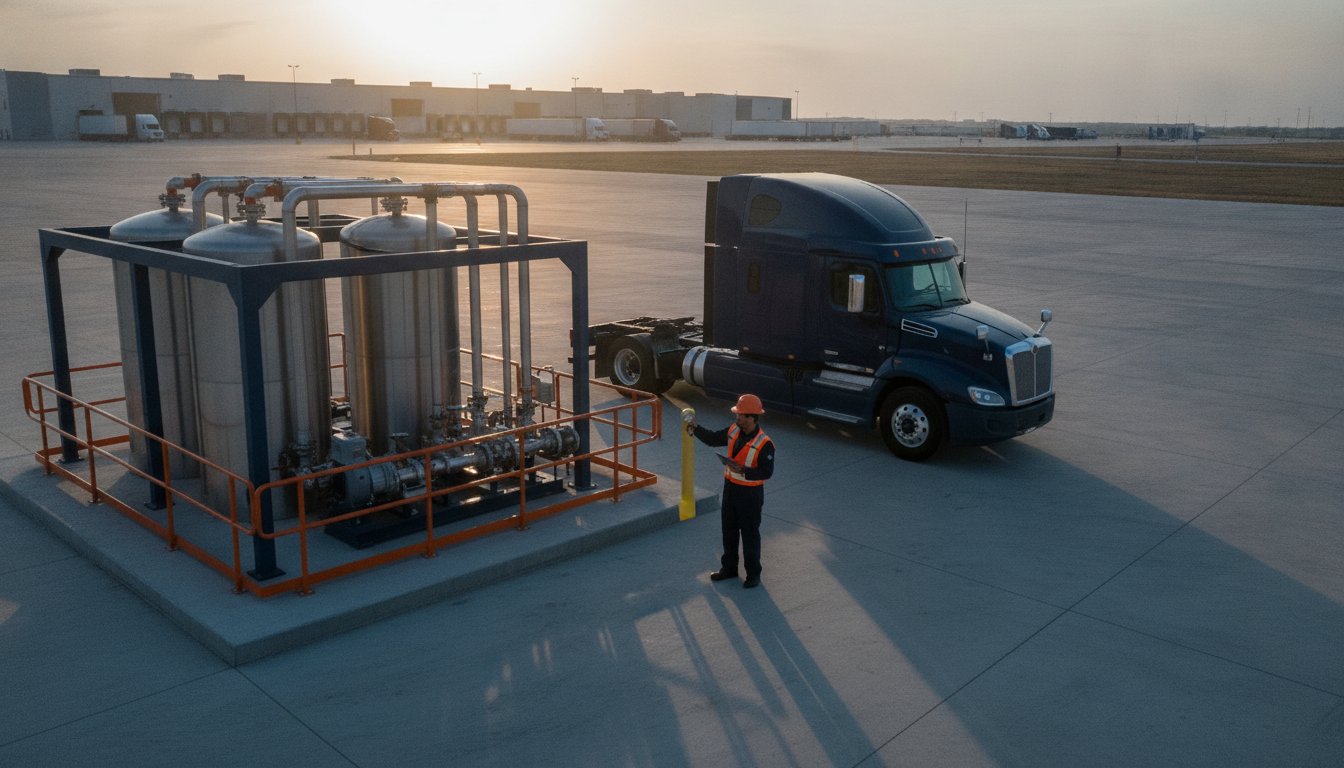
Secure your bulk diesel exhaust fluid supply to avoid downtime and cut costs. Discover storage solutions, ISO standards, and reliable Texas fleet strategies.
By lawncarewebdesign September 17, 2026
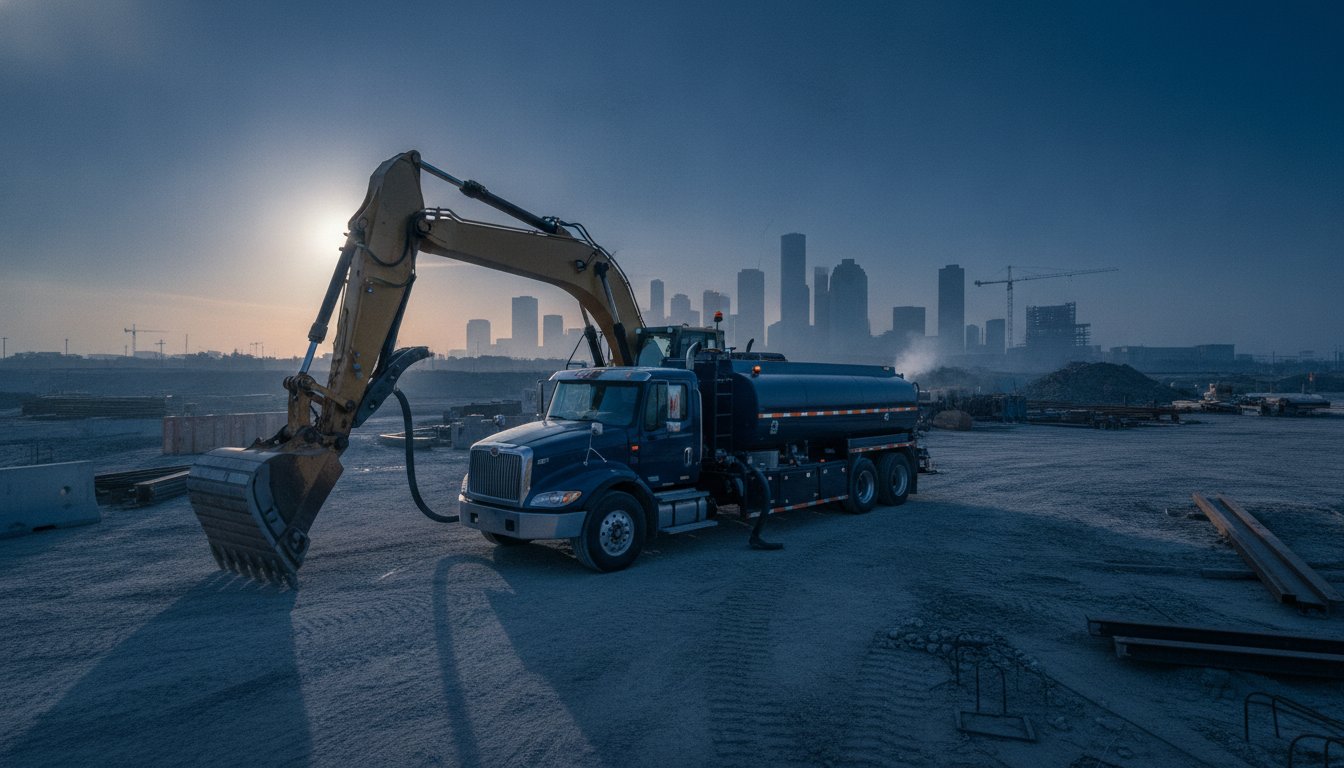
Boost uptime with mobile diesel fueling in Houston. Our 2026 guide covers cost savings, logistics, and new TxLED & EPA compliance to keep your fleet moving.
By Dylan Rose, React Fueling, 10 years industry experience September 16, 2026
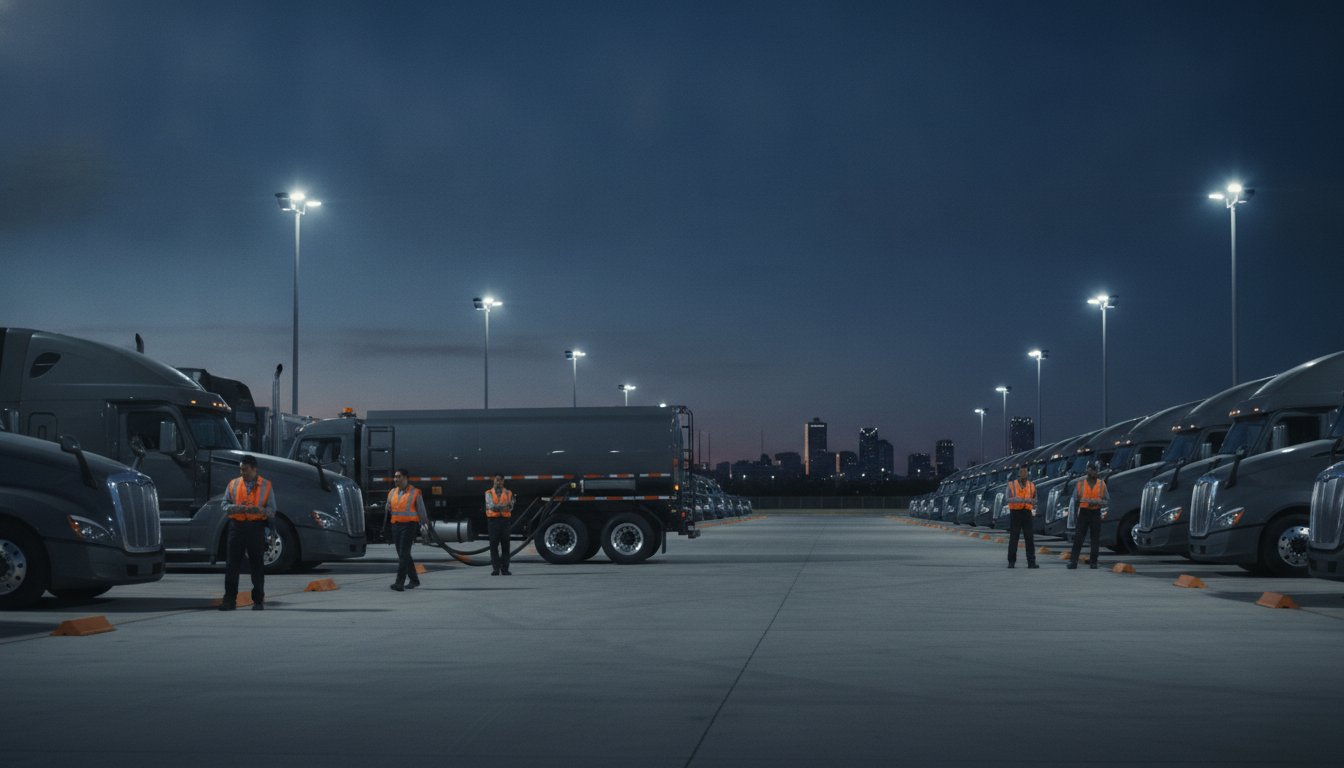
Boost uptime with scheduled fuel delivery for fleets Fort Worth. Our 2026 guide shows how to cut costs, simplify tax compliance, and keep your drivers on the...

By lawncarewebdesign September 15, 2026
Maximize uptime with on-site fuel delivery for construction equipment Dallas. Learn how to bypass DFW traffic, reduce costs, and meet 2026 deadlines in our e...

By lawncarewebdesign September 13, 2026
Find the best on-site fleet fueling service Austin offers. Our 2026 guide helps you cut costs, avoid traffic, and boost efficiency with the right partner.
By Dylan Rose, React Fueling, 10 years industry experience September 12, 2026
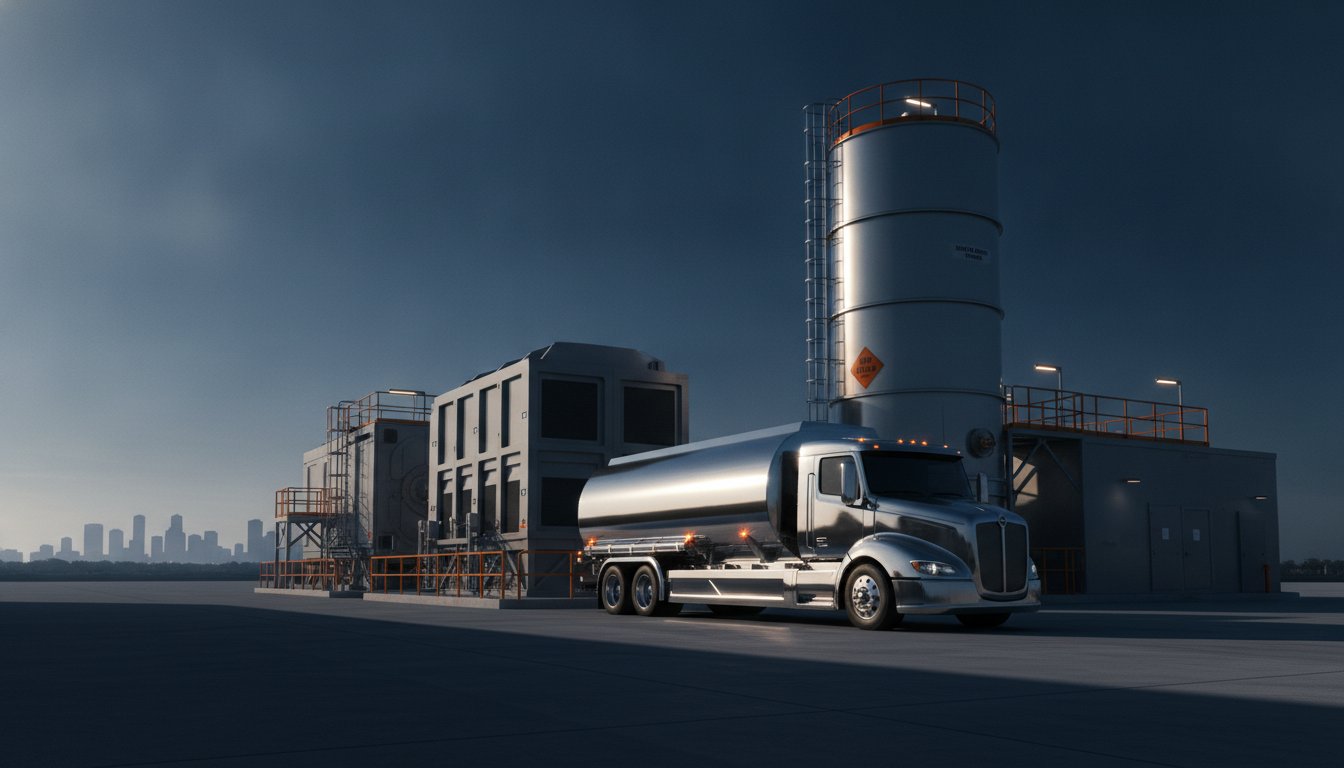
Master your 2026 fuel strategy with our guide to industrial diesel delivery service Houston. Learn to navigate high prices & new taxes to eliminate downtime.